Weather Resistant Deck Tiles
Weather Resistant Deck Tiles offer a convenient and stylish way to enhance your outdoor spaces. Designed for easy installation, these tiles are ideal for patios, balconies, and poolside areas. With a variety of colors, patterns, and materials to choose from, Weather Resistant Deck Tiles make it simple to create a customized look that suits your taste. Discover how these versatile tiles can transform your outdoor living area into a comfortable and inviting retreat.
Sort
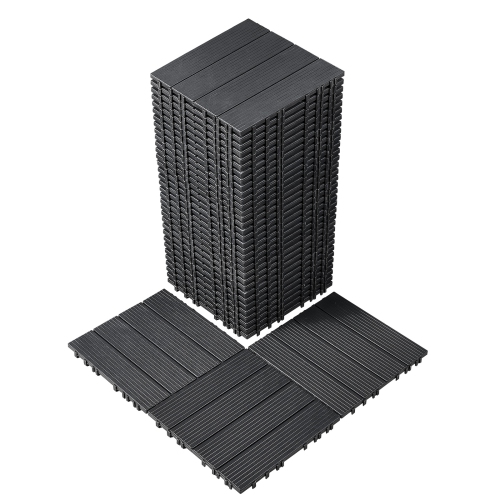
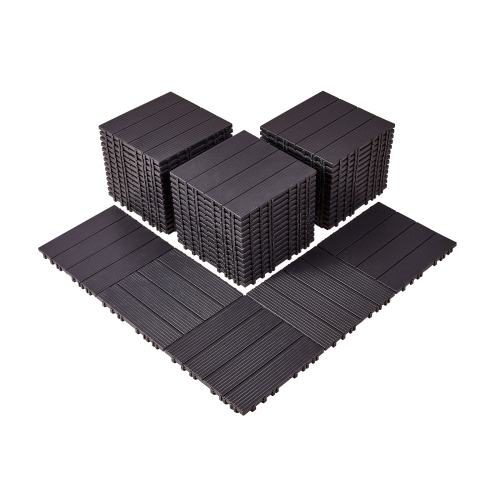
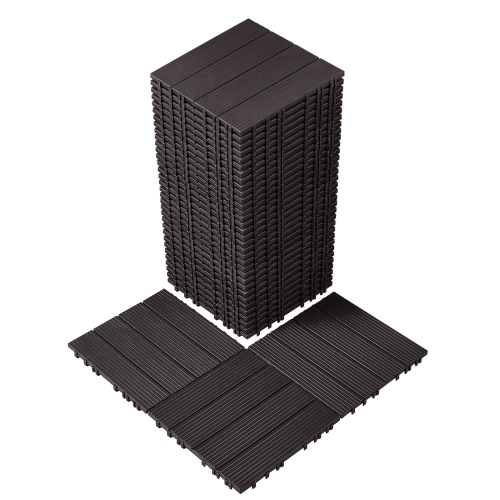
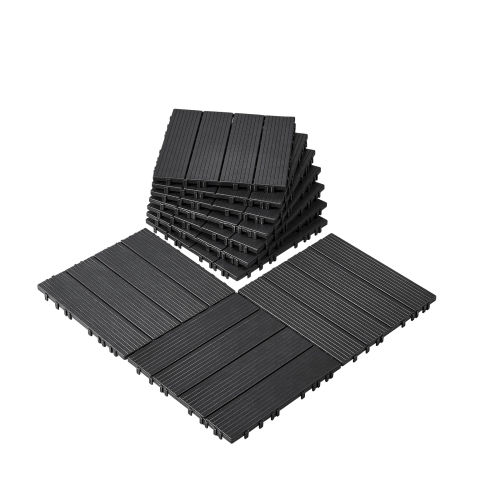
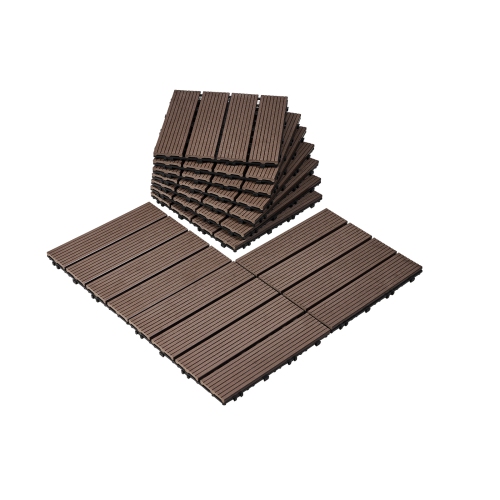
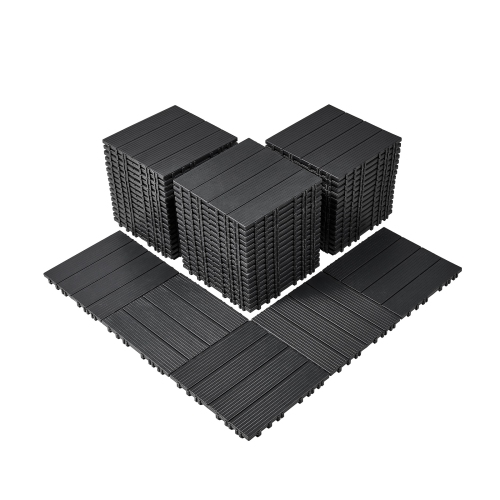
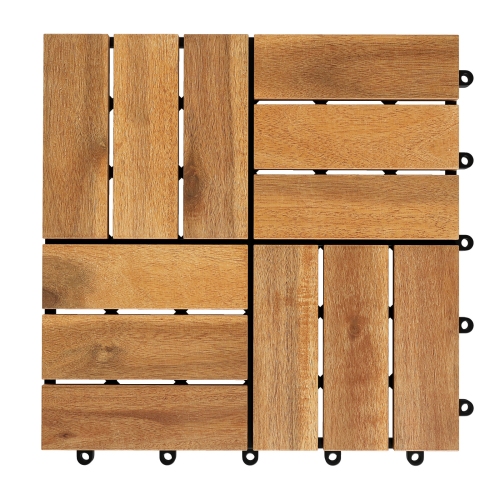
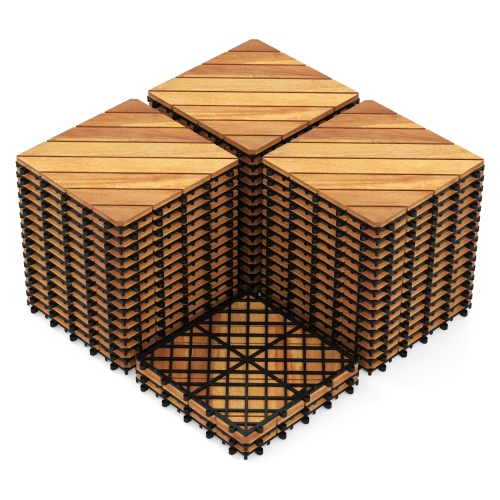
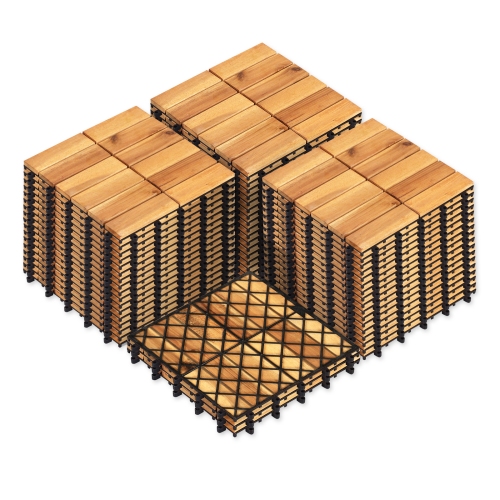
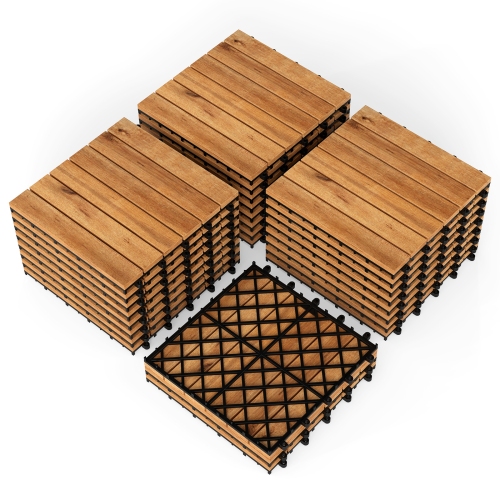
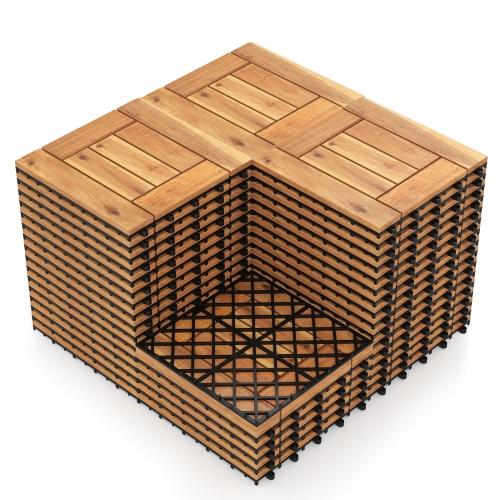
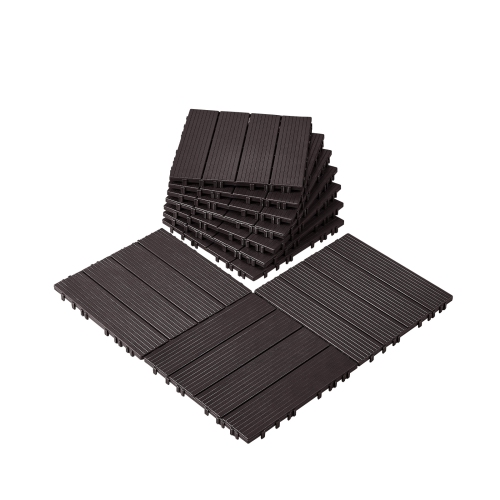
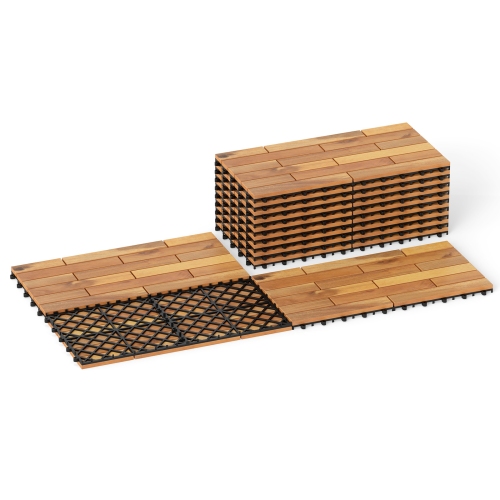
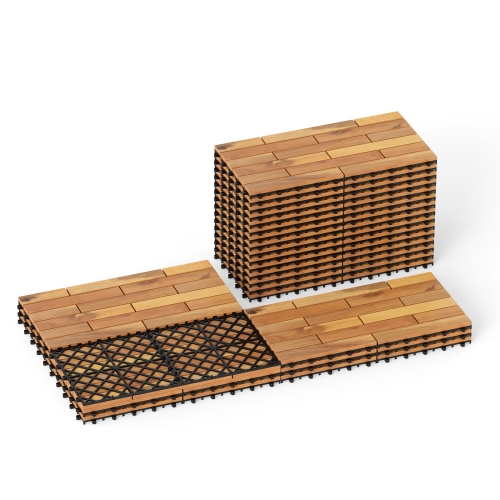
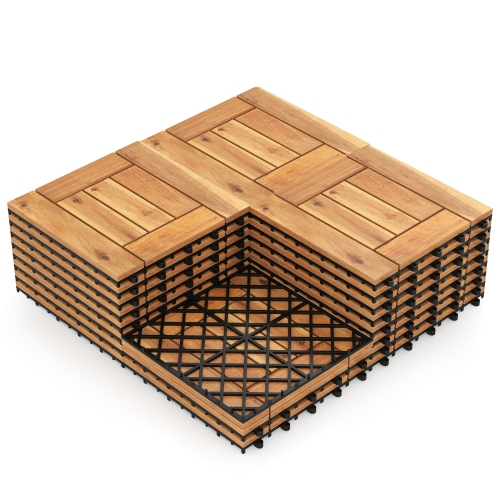
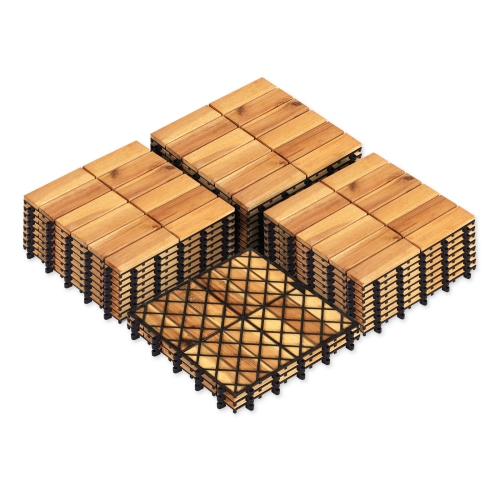
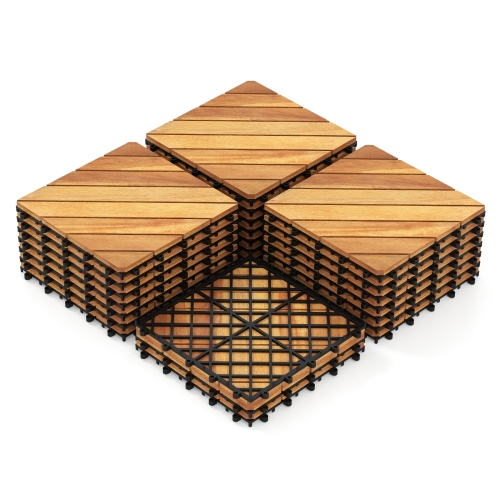
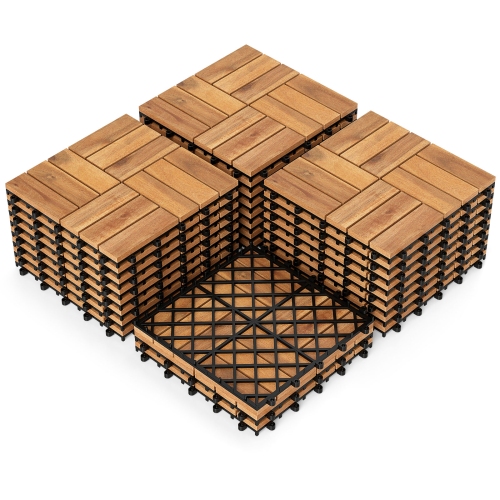
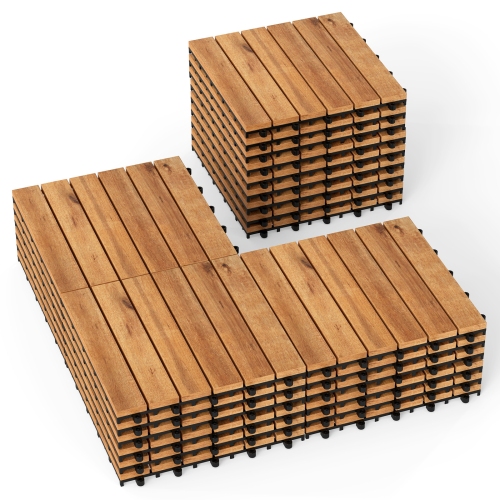

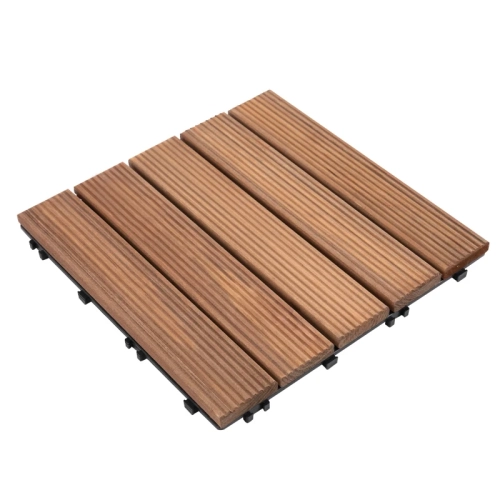
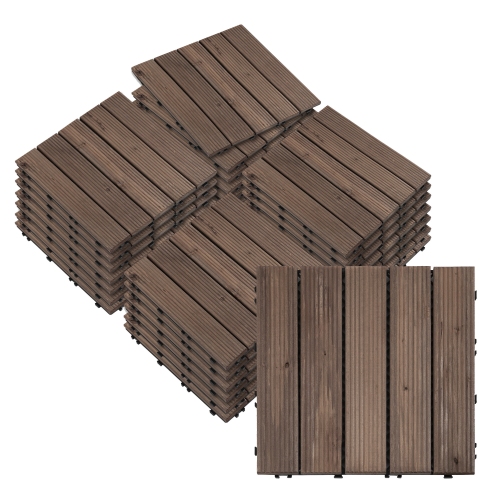

A finished outdoor floor without a full replacement
Weather-resistant deck tiles are modular outdoor flooring designed to handle exposure to moisture, sunlight, and changing temperatures, with performance depending on their material, construction, and care requirements. Many use an interlocking base that connects neighbouring tiles without fastening each piece to the surface below. This format can give a plain concrete balcony, a tired patio, or a suitable existing deck a more finished appearance without the scope of a full flooring replacement. A small seating area can feel more inviting with a defined surface beneath a bistro table, while a larger layout can bring visual continuity to separate dining and lounging spaces. The appeal is practical as well as visual: individual sections may be removable for cleaning or replacement, and many connections snap together without tools, although perimeter cuts can require appropriate cutting equipment. A suitable base remains essential. Tiles generally need firm, level support, and they should not be expected to bridge damaged boards, correct an uneven slab, or turn bare soil into a stable patio. Some systems are designed for particular substrates, so compatibility matters more than appearance alone. Raised backing can create space for water to move underneath, but deck tiles do not waterproof a balcony or repair an existing drainage problem. Water still needs a clear route away from the building, with drains and access points left unobstructed. Overall tile height also affects how comfortably a space works. Door clearance, the transition to an adjoining walkway, and the position of balcony railings all deserve attention before a new surface is added. On an apartment or condominium balcony, building rules may also address permitted materials, added weight, and fire safety. For renters, a removable design can be appealing where property rules allow it, though interlocking construction does not automatically mean a tile is suitable for every rental surface. The best fit is a system that works with the space already there, rather than one that depends on the tiles to solve underlying structural or drainage issues.
Material choice shapes both the look of weather-resistant deck tiles and the attention they need over time. Wood tiles offer natural grain and variation that can soften the appearance of concrete or metal railings. Their colour may change with exposure, and some woods need periodic oiling or sealing according to the manufacturer’s directions. Persistent dampness, trapped leaves, and limited airflow can shorten the life of a wood surface, even when it is intended for outdoor use. Composite tiles can provide a wood-like appearance with different maintenance requirements, but they are not immune to staining, scratching, fading, or movement as temperatures change. Their suitability depends on the formulation, backing, and installation requirements. Plastic tiles often feature open patterns or moulded drainage channels, making the shape and spacing of the surface important considerations for comfort underfoot, chair legs, and everyday debris. Porcelain tiles can create a crisp, substantial finish, although outdoor suitability, frost resistance, weight, and the design of the supporting base all matter. Rubber surfaces may feel more forgiving underfoot, but compatibility with the underlying finish is important because some materials can mark or discolour certain surfaces. Across all these choices, weather resistance should not be confused with complete protection from water damage, stains, or wear. A textured finish may offer more grip than a smooth one under particular conditions, yet rain, frost, ice, and wet leaves can still make outdoor flooring slippery. Poolside use calls for a surface specifically suited to wet, barefoot traffic and the exposure it will receive. Direct sunlight is another practical consideration: surface temperature varies with material, colour, and exposure, and a tile that looks comfortable may still become hot beneath bare feet. In areas exposed to freezing conditions, both the tile face and its connectors need to be suitable for that use. Durability is therefore about the whole assembly, not simply the visible top layer. A sturdy surface depends on supportive backing, secure connections, an appropriate base, and enough room for any movement specified by the manufacturer.
The most satisfying layout usually reflects how people actually spend time outdoors. A balcony used for morning coffee needs a comfortable walking surface and steady support beneath narrow furniture legs, while a family patio may see dragged chairs, muddy shoes, spilled drinks, and frequent cleaning. Around a barbecue, flooring must be suitable for the heat and grease exposure involved, with any protective accessories used only as directed by the flooring and appliance manufacturers. Tile dimensions, connector orientation, and edge options influence how neatly a layout fits around posts, corners, and doorways. A border that looks simple on a rectangular patio may require more planning on a narrow balcony with several projections. Tiles from different systems should not be assumed to connect, even when their dimensions appear similar. Colour and pattern also affect the finished result. Parallel slats can create a calm, continuous look, while alternating tile directions can define a seating area without adding another material. Lighter shades may make a compact space feel more open, while strongly contrasting patterns can draw attention to the floor itself. When comparing outdoor flooring for decks, these visual details work best alongside practical considerations such as edge transitions, furniture placement, and access for cleaning. Routine care is generally easier when leaves and grit cannot collect beneath furniture or along the perimeter. Suitable cleaning methods vary, but a gentle wash with a compatible cleaner is often preferable to harsh chemicals or aggressive pressure washing that could damage the surface or backing. Removable sections can be useful where the design allows access to debris underneath. Snow and ice removal also need to suit the material; metal tools and unsuitable de-icing products can leave lasting damage. Covered storage may be appropriate for some removable systems, while others are intended to remain installed through a wider range of conditions. With the right material, fit, and care, weather-resistant deck tiles can create a practical outdoor surface that feels considered, comfortable, and connected to the way the space is used.
Top selling and popular products
-
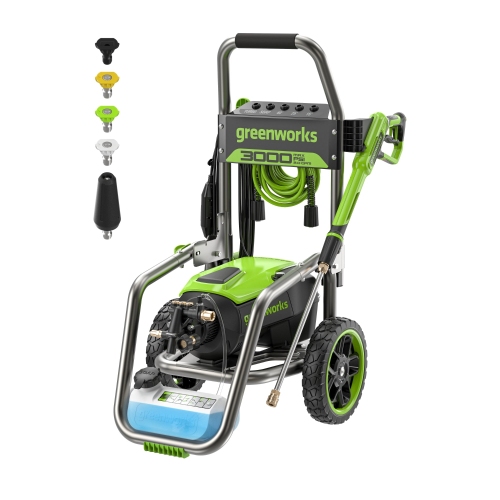 Your price for this item is $699.99
-
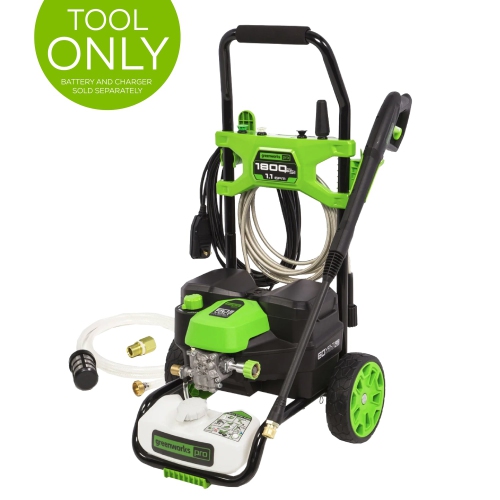 Your price for this item is $339.99
-
 Your price for this item is $899
-
 Your price for this item is $269.99
-
 Your price for this item is $79.99
-
 Your price for this item is $103.99
-
 Your price for this item is $508.99
-
 Your price for this item is $604.99
Discover more categories related to Weather Resistant Deck Tiles
Top Collections:
Best Black Friday Deals This Year, Best Black Friday Deals On Electronics, Kindle Devices, Dyson Airwrap, Best Cameras for Sports Photography, Best Budget Office Chairs, Canon G7X Cameras, PS5 Pro Consoles, Best Black Friday Deals On Apple Products, XBOX One S Consoles
Some products may be subject to Environmental Handling Fees
(EHF) depending on your province.
Learn more about EHFs.