White Cabinets With Drawers
Looking for a stylish and functional storage solution for your home? White cabinets with drawers offer the perfect blend of elegance and practicality. Whether you need extra storage space in your bedroom, living room, or office, these versatile cabinets are designed to meet your organizational needs. With their sleek white finish, they effortlessly complement any decor style, adding a touch of sophistication to almost any room. Here are some great options available.
Sort
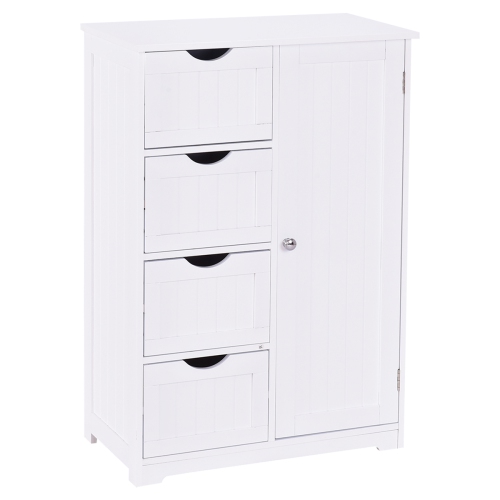

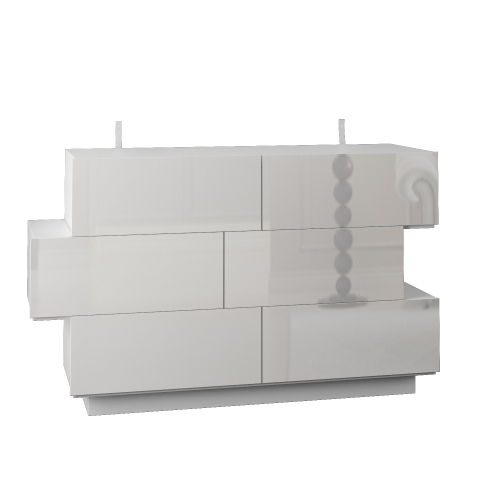

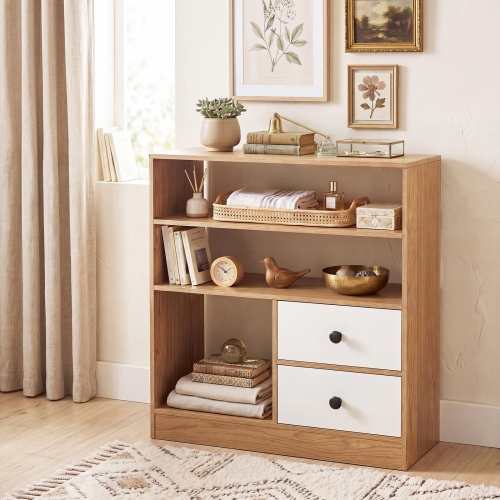
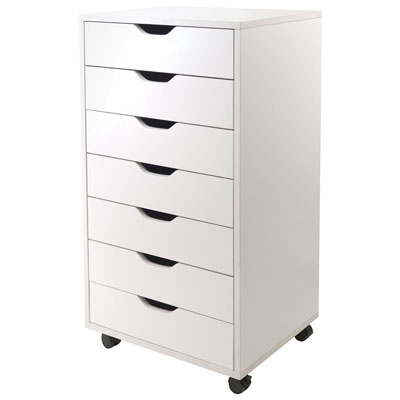
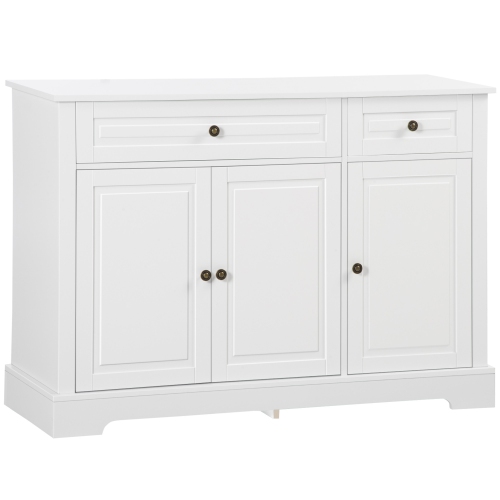
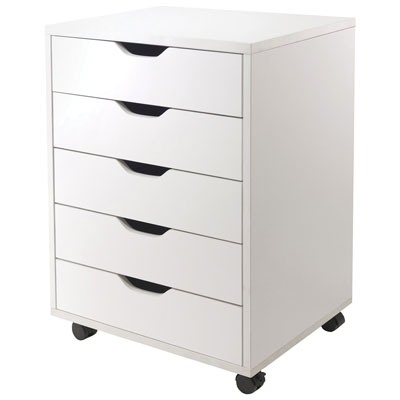
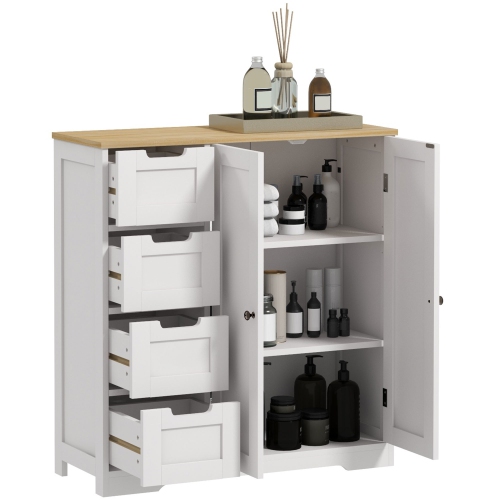
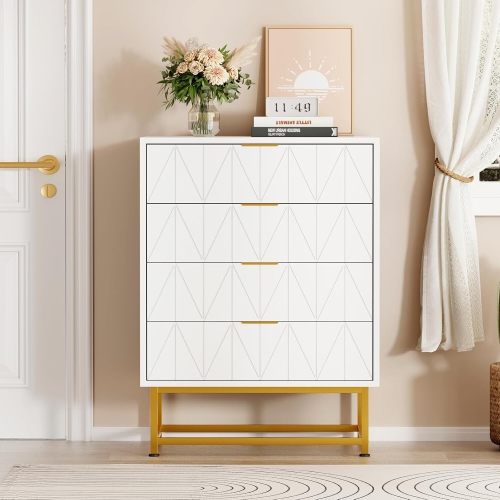
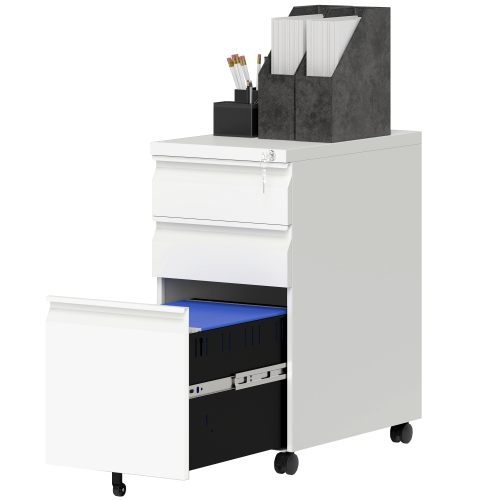
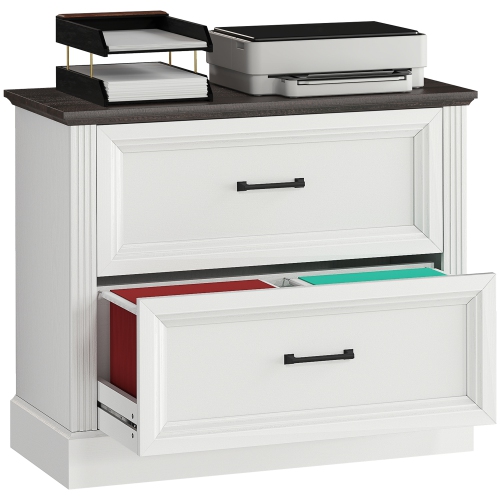

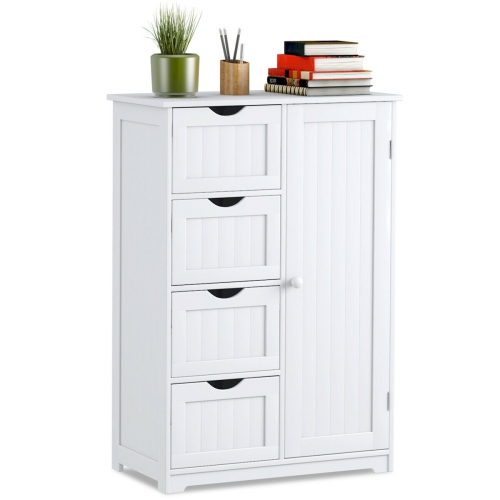
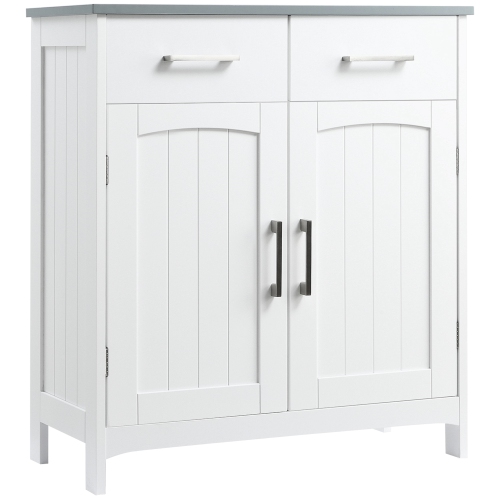
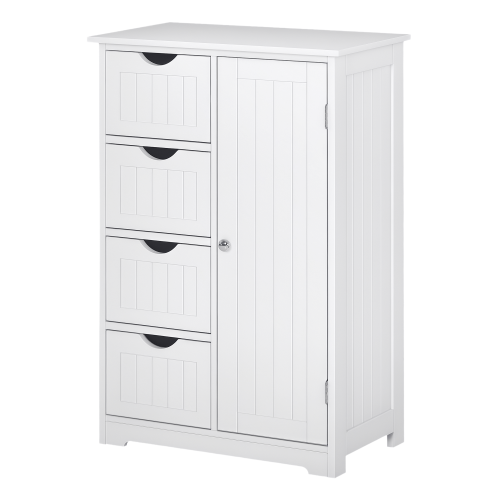
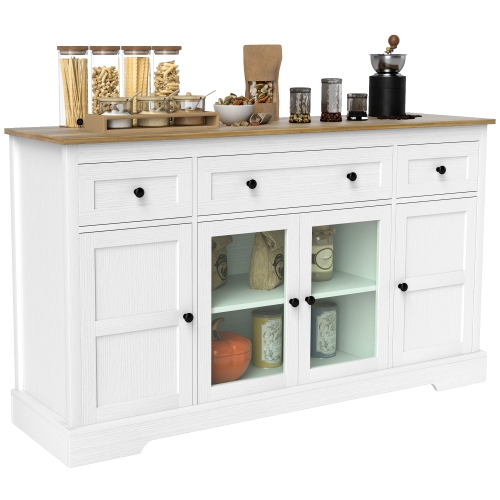
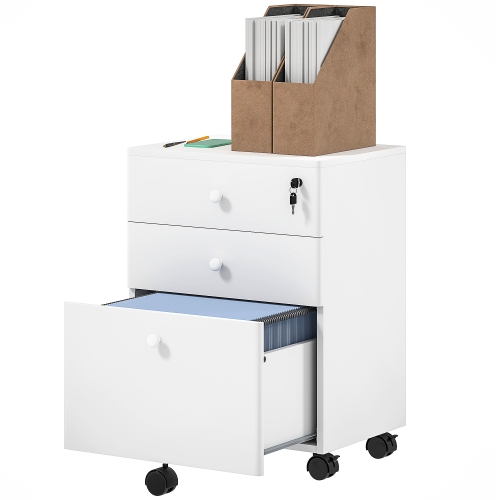
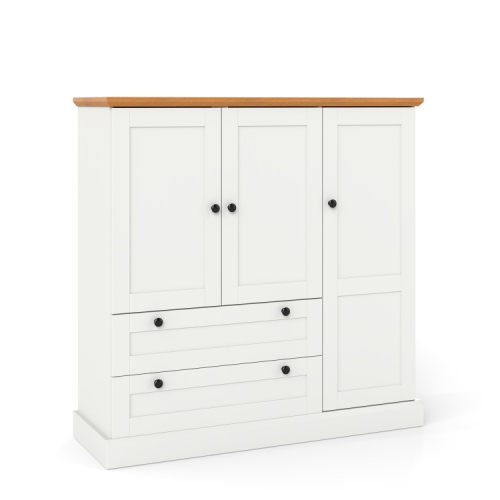
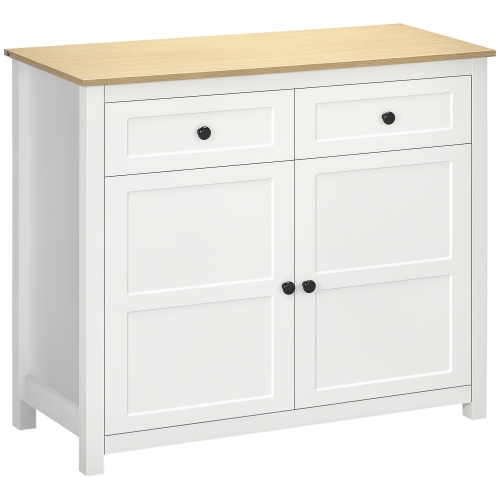
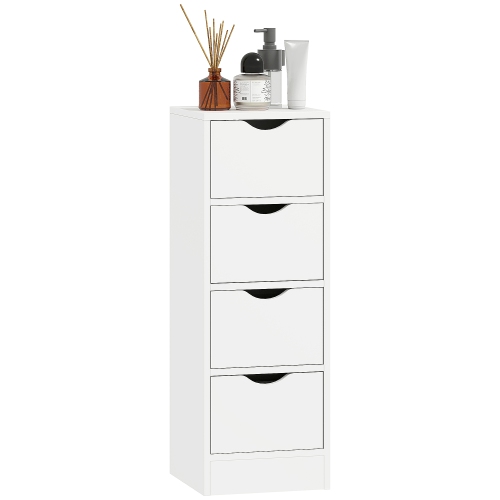
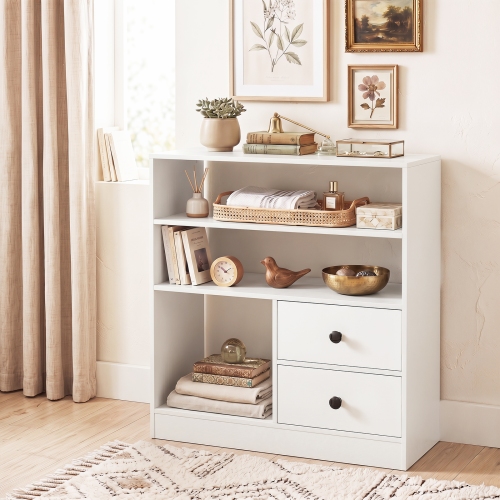
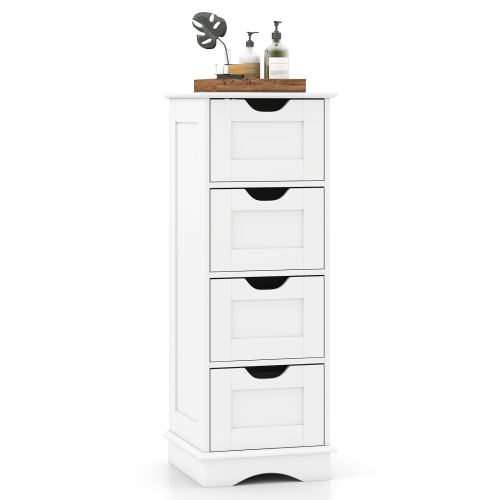
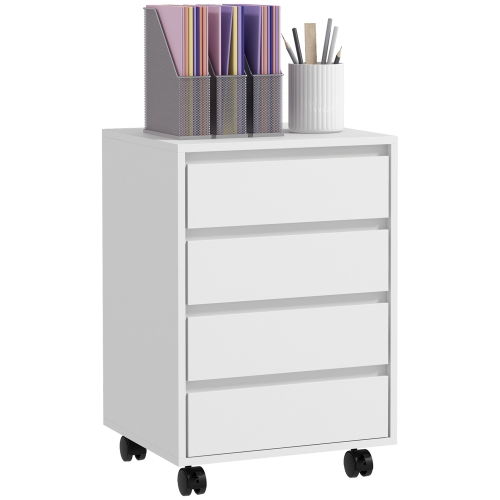
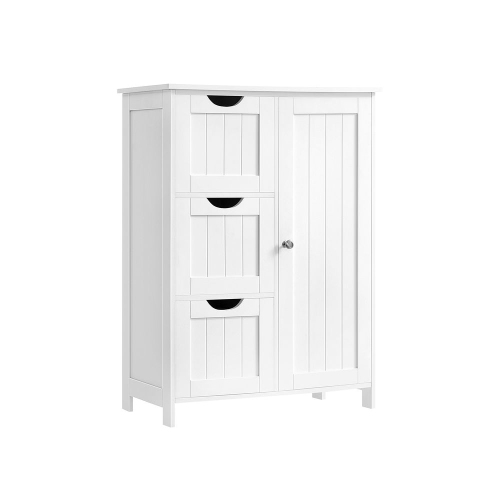
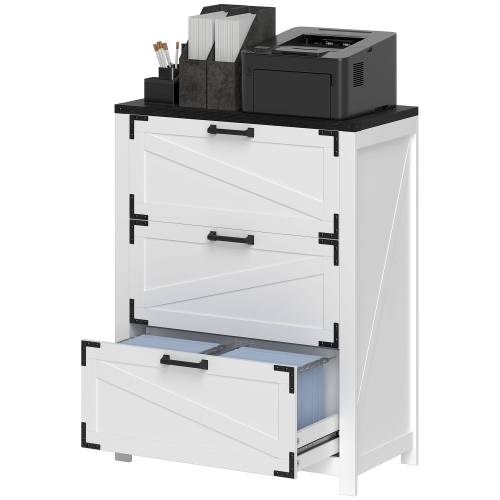
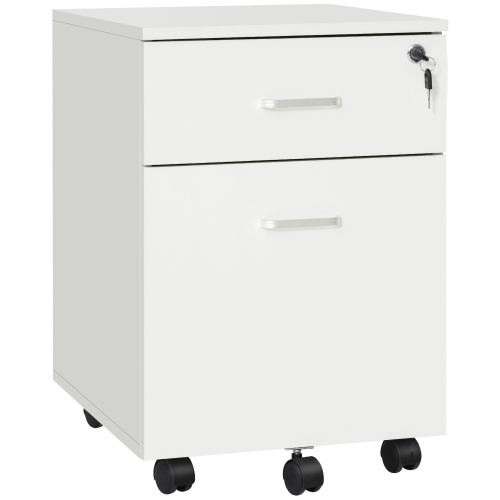
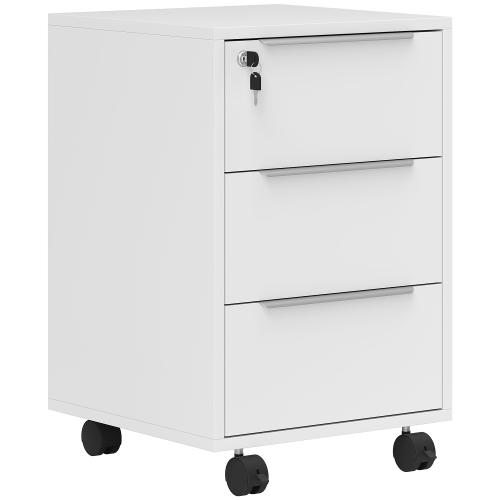
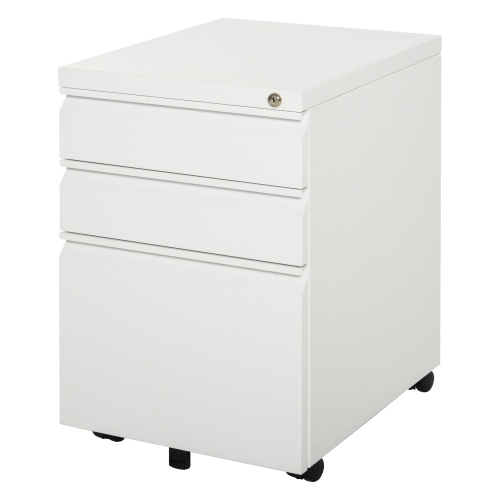

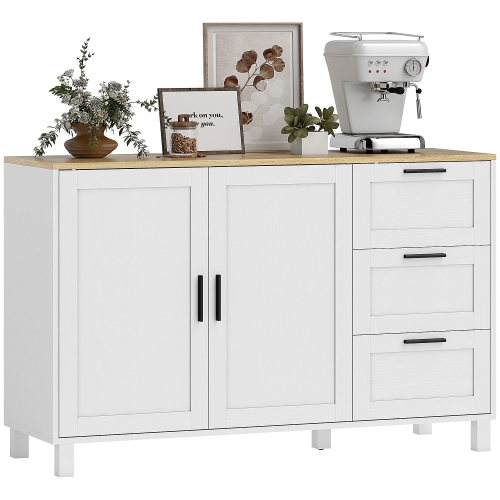

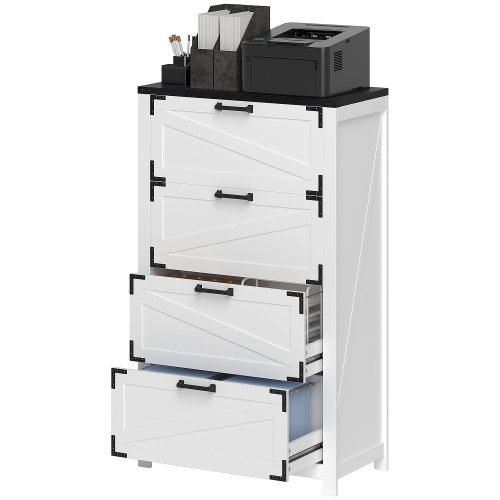

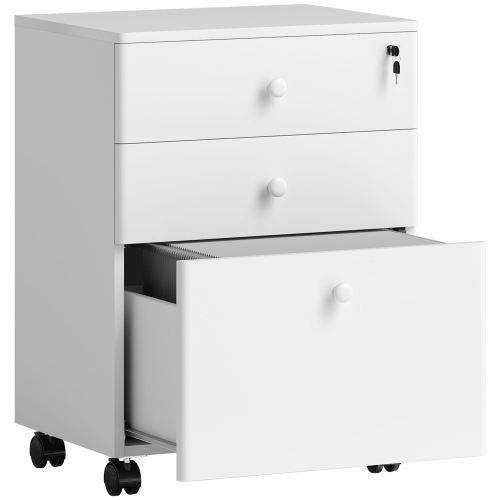
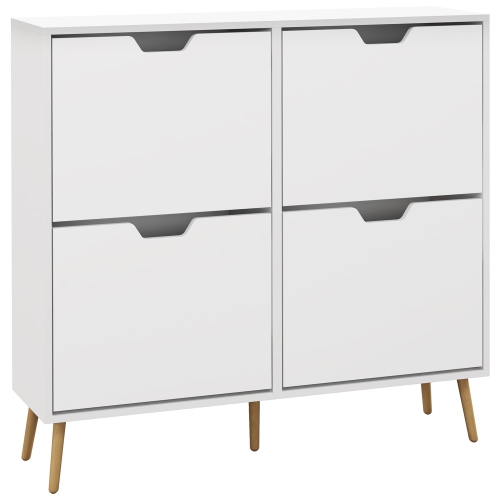
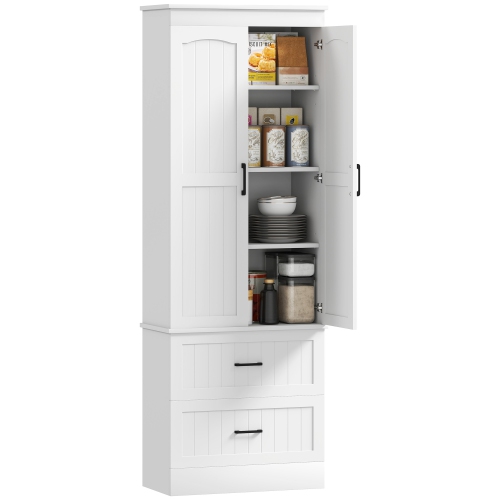
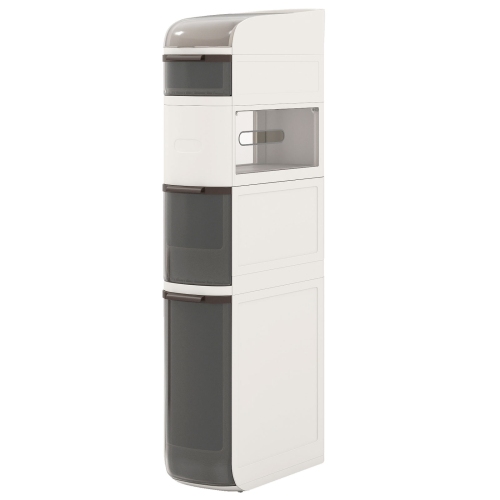
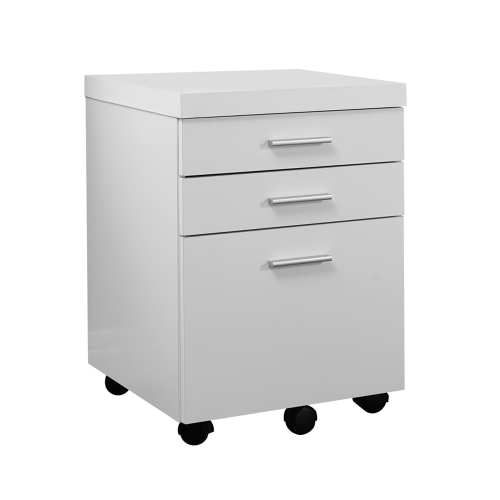
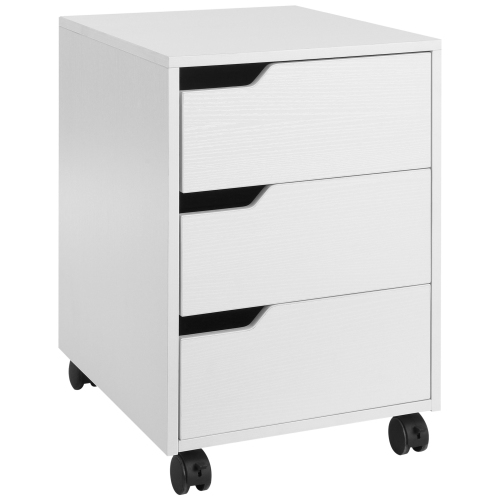
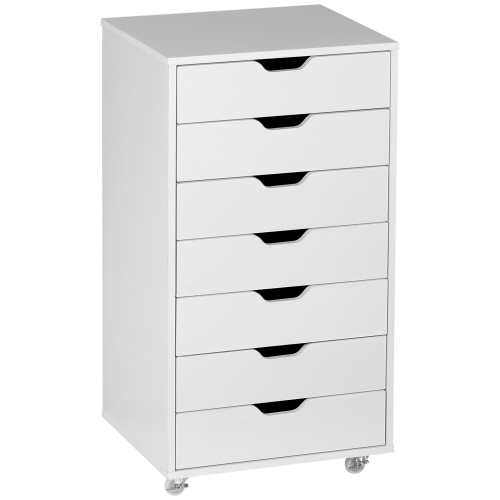
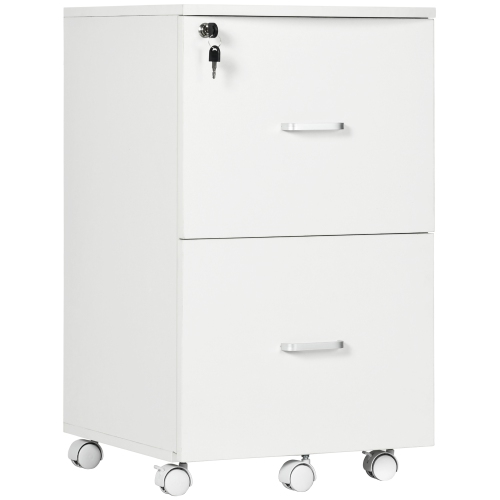
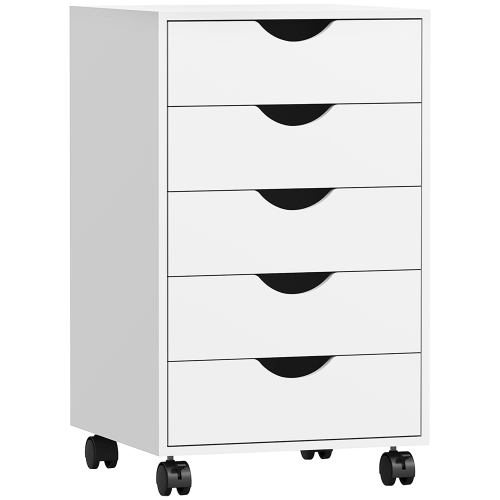
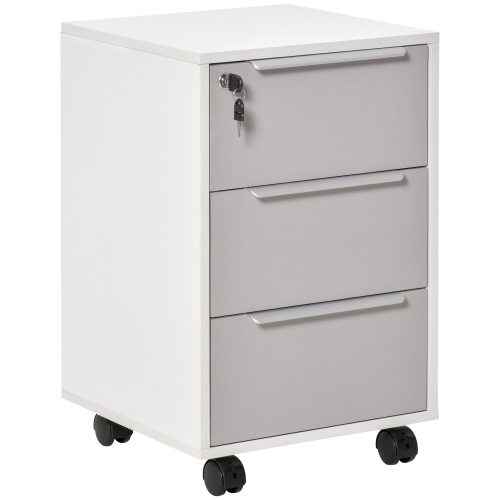
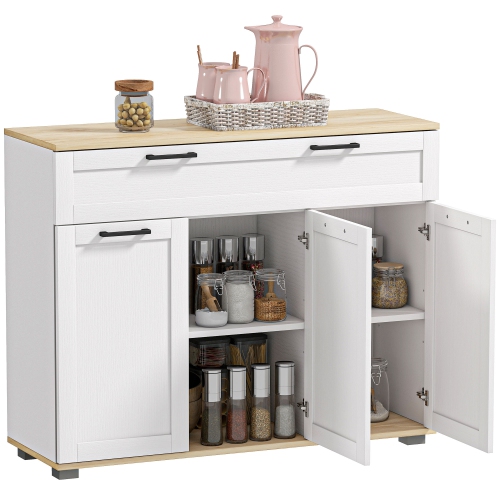
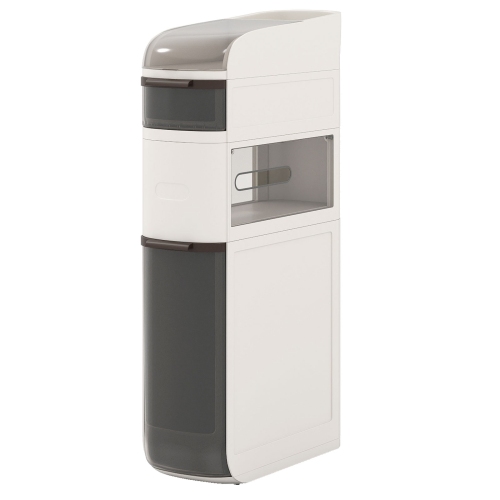
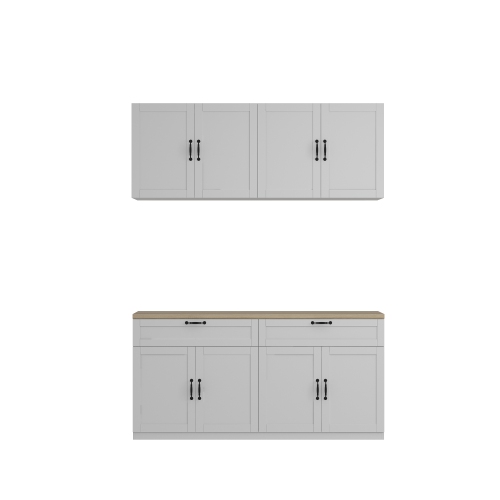
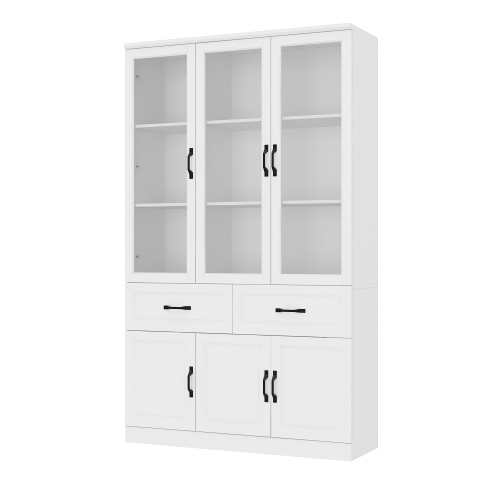
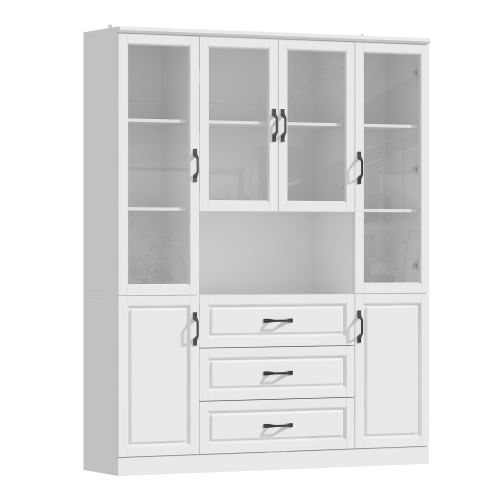
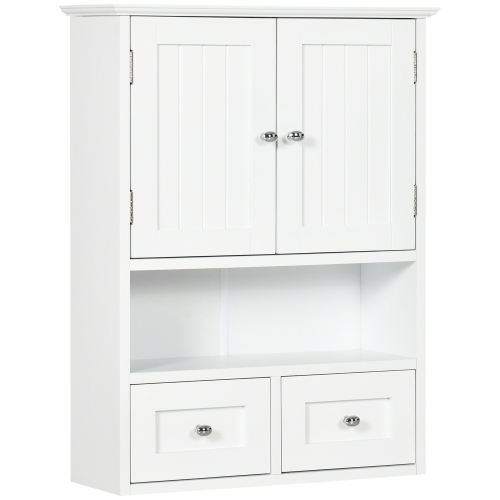
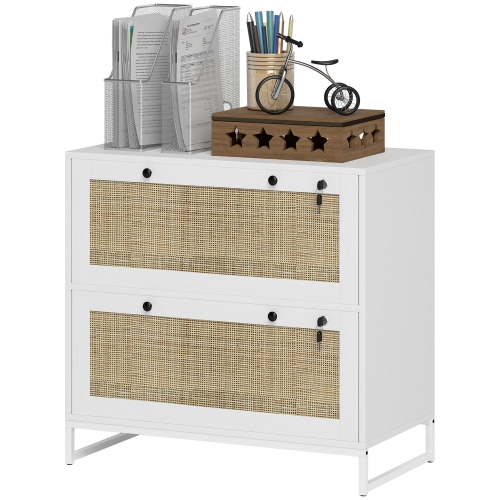
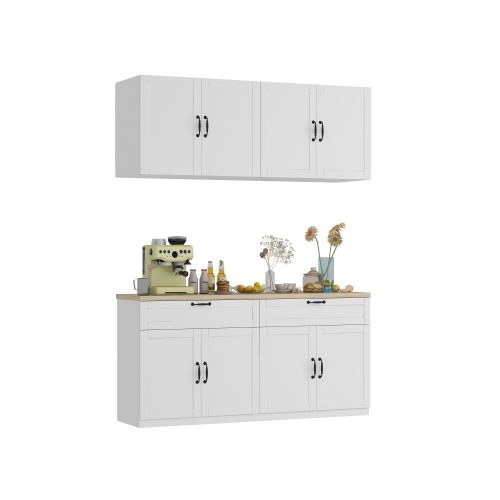

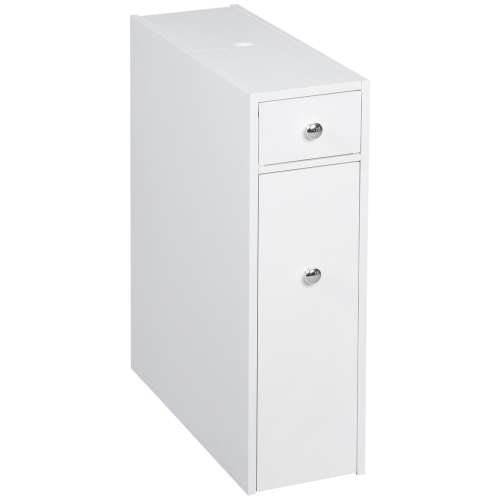
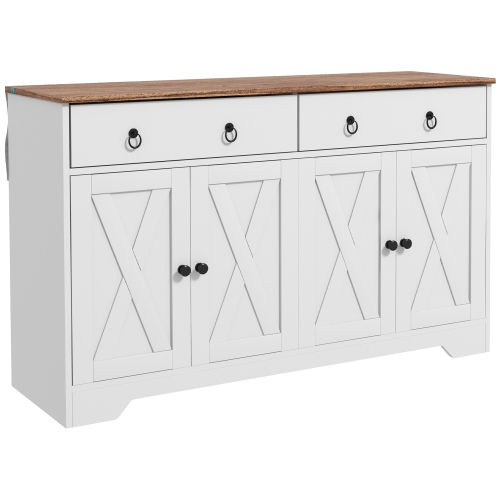
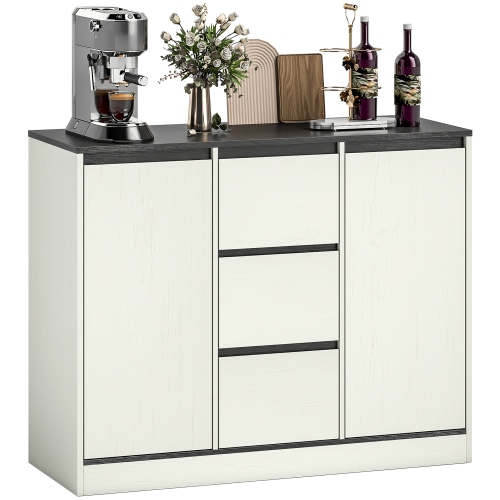
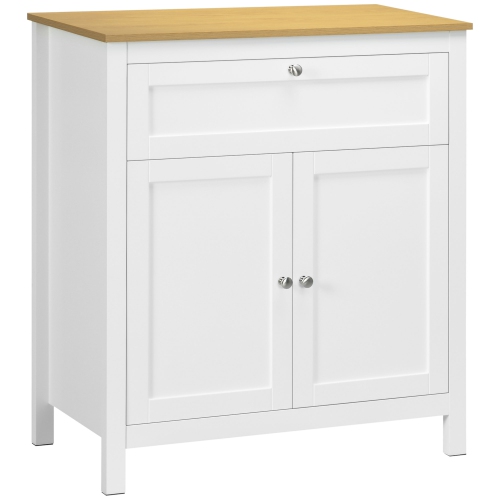
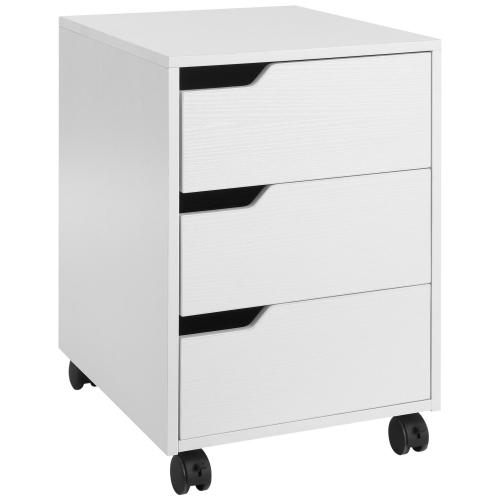
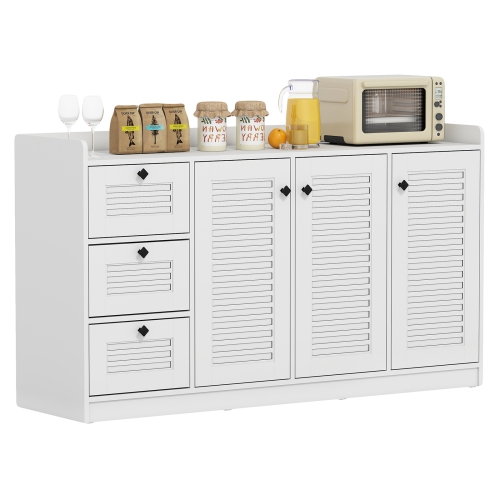
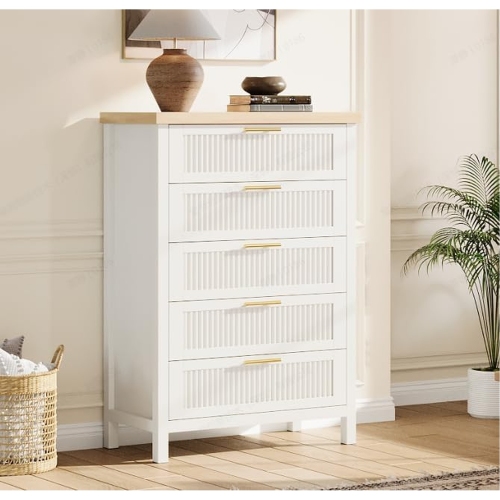
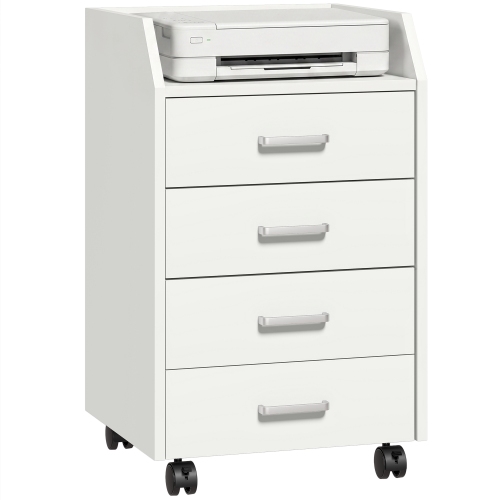
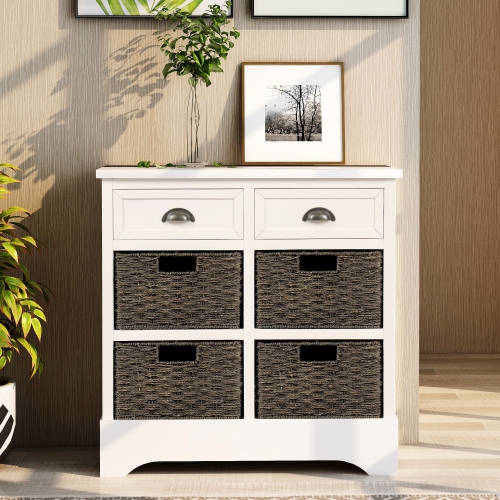
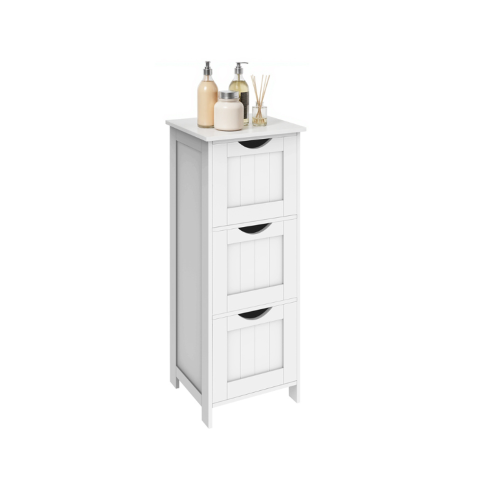
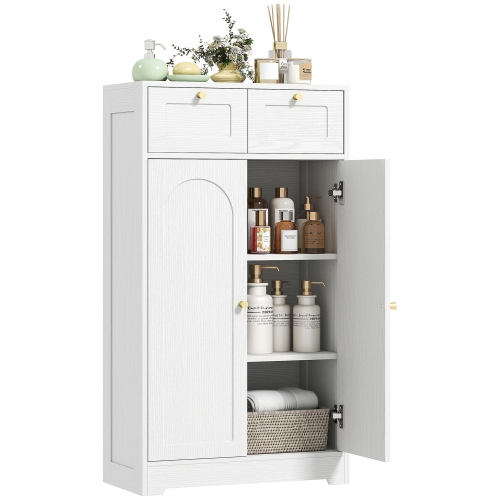

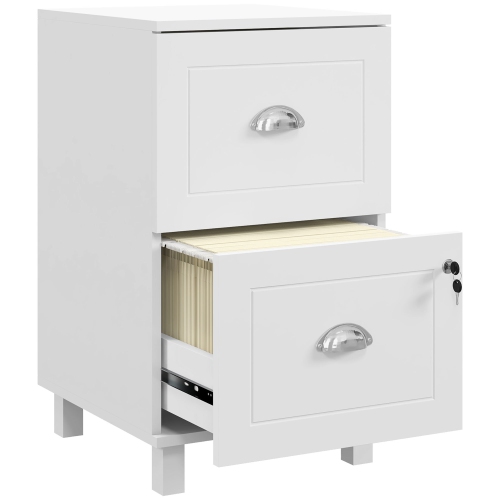
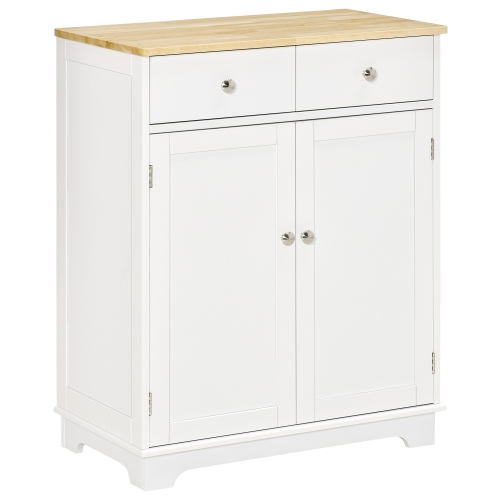
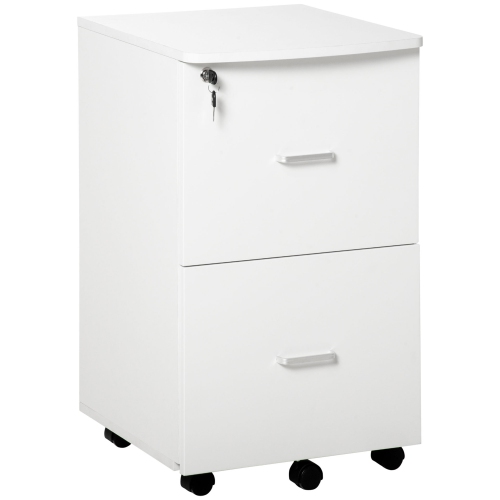
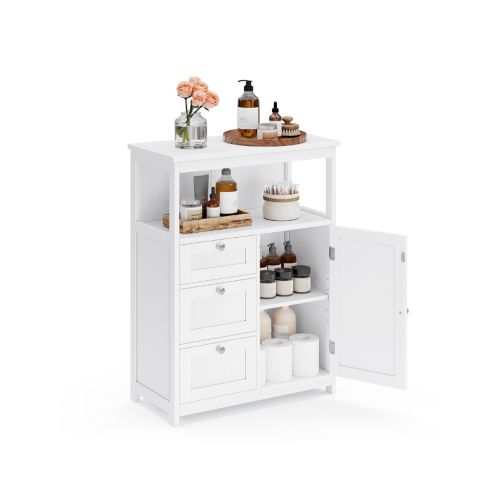
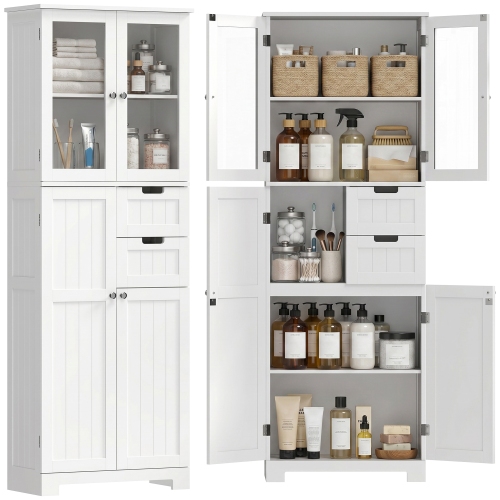
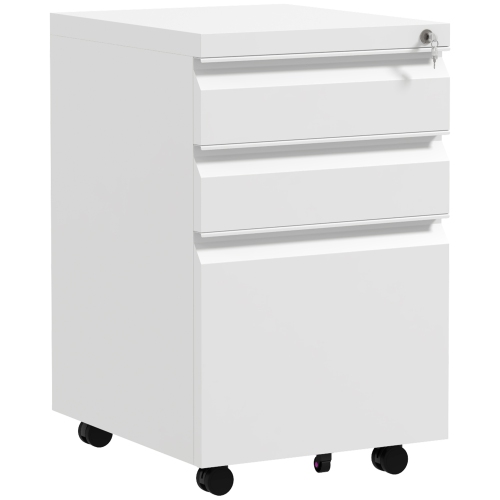
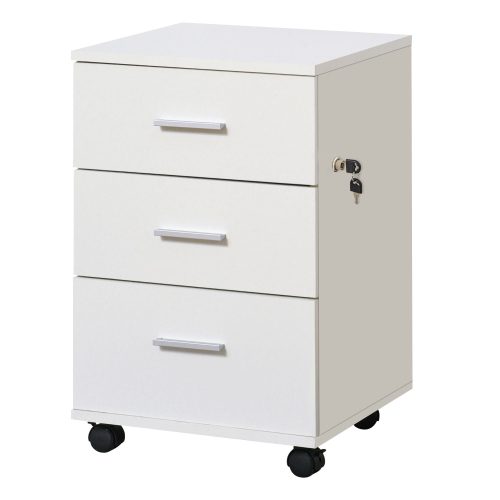
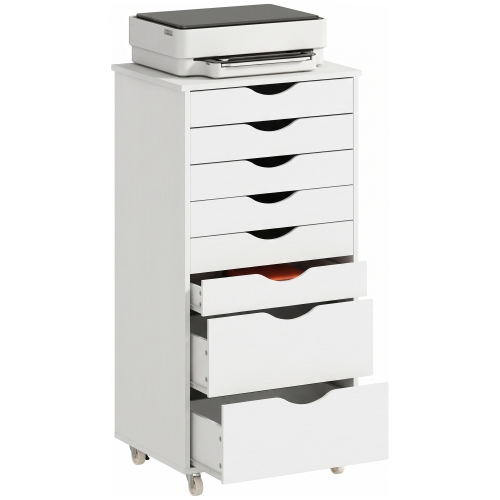
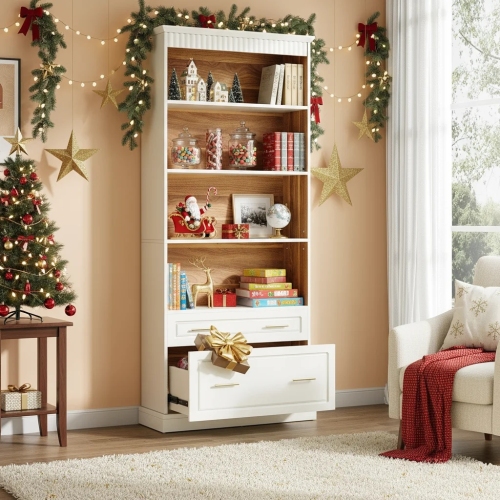
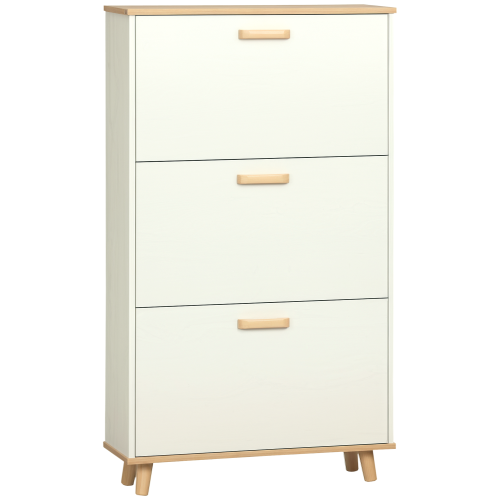
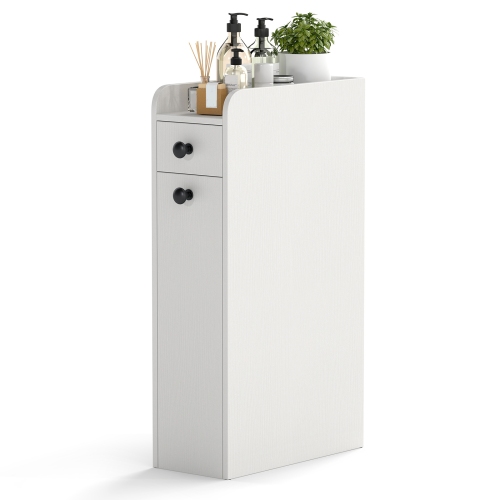

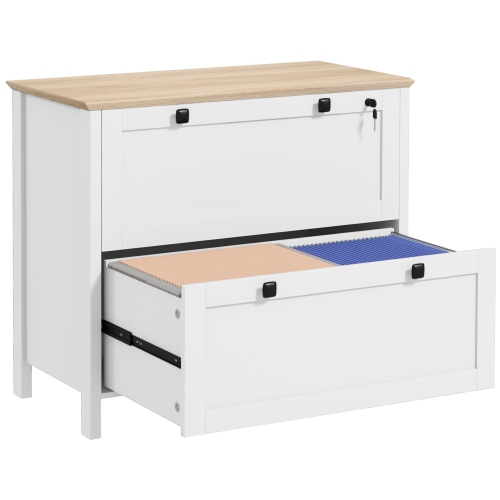
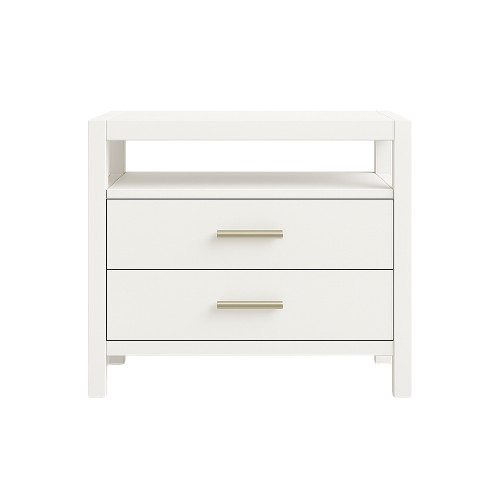
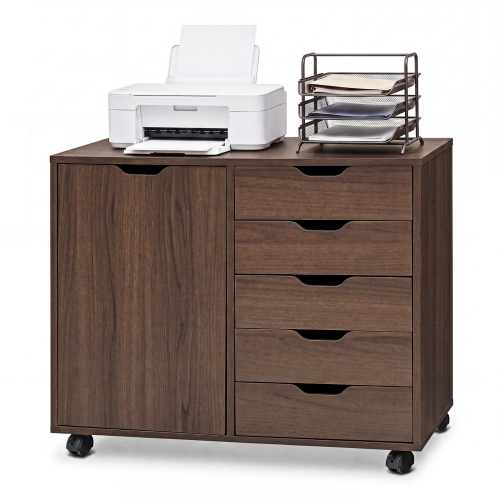
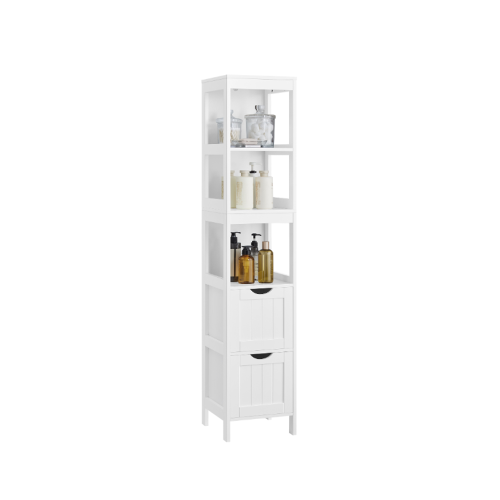
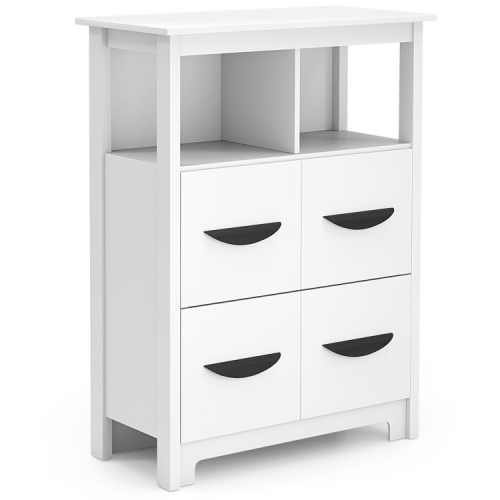
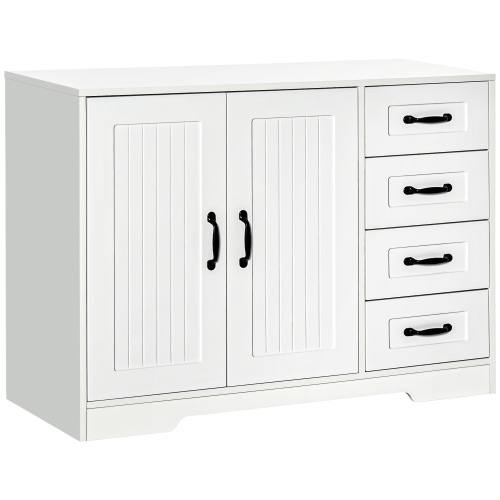
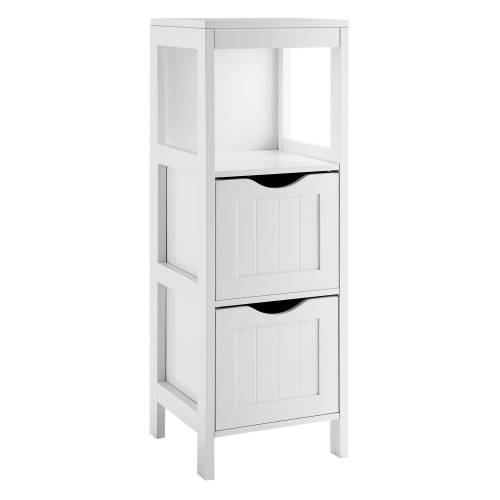
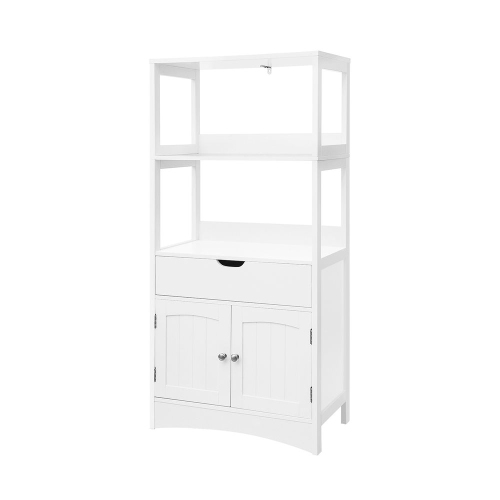
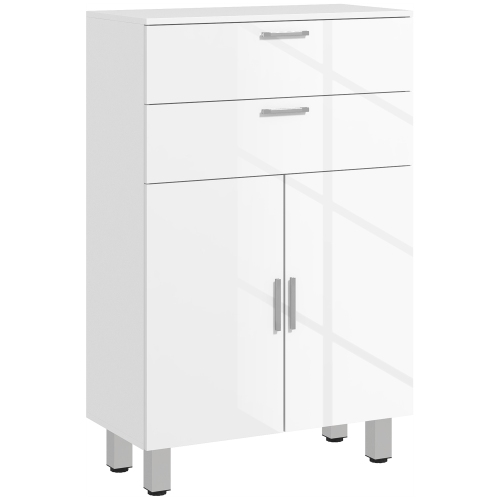
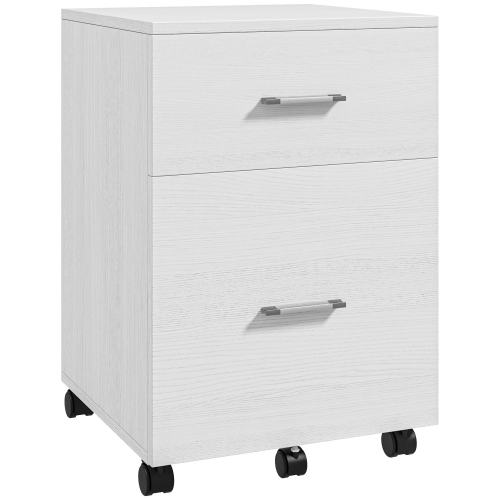

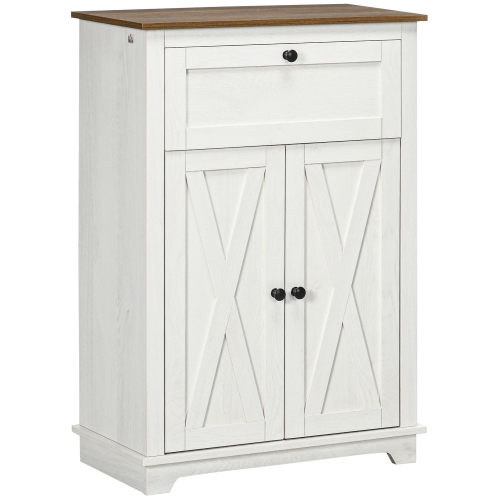
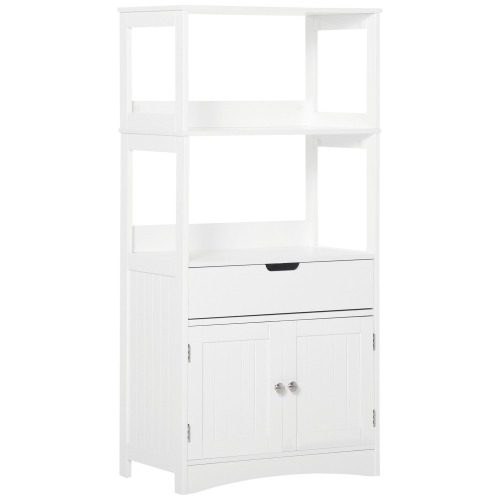
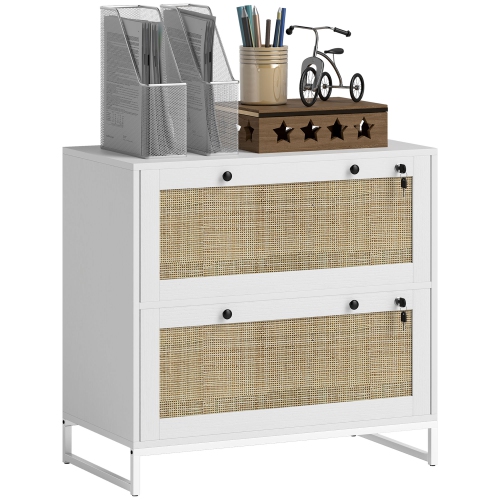
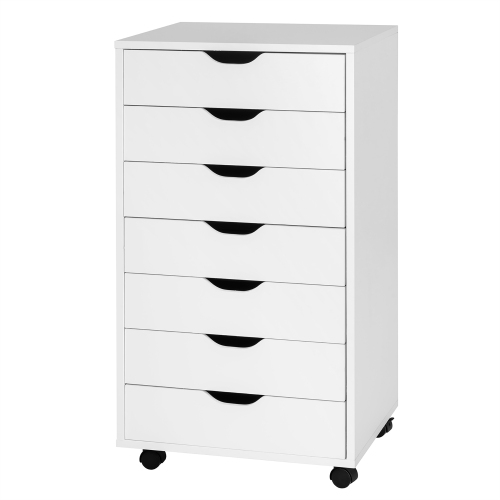
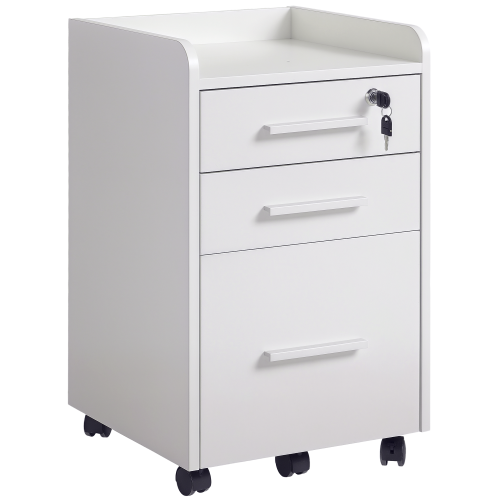
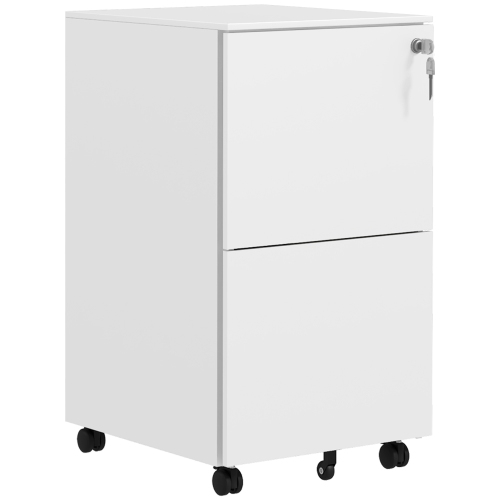
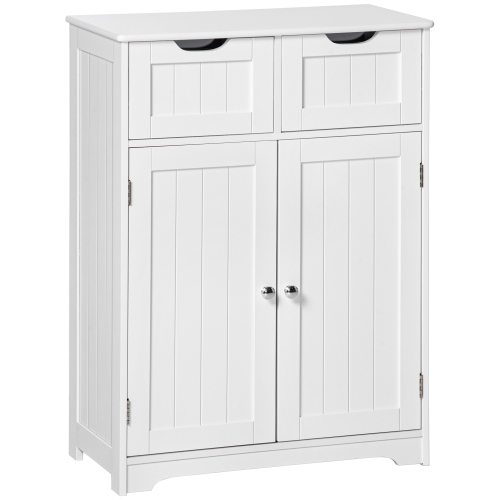
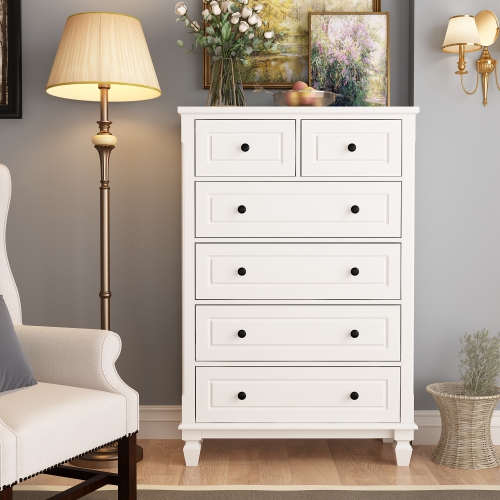

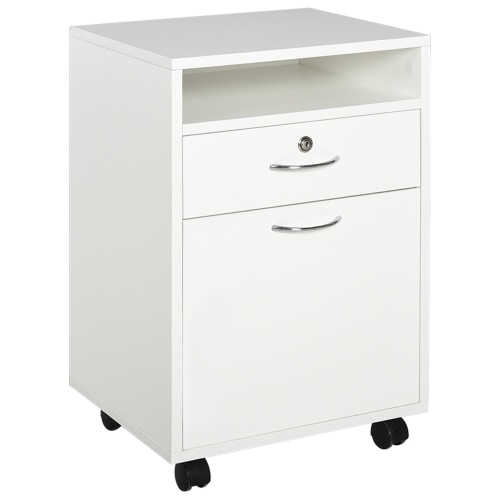
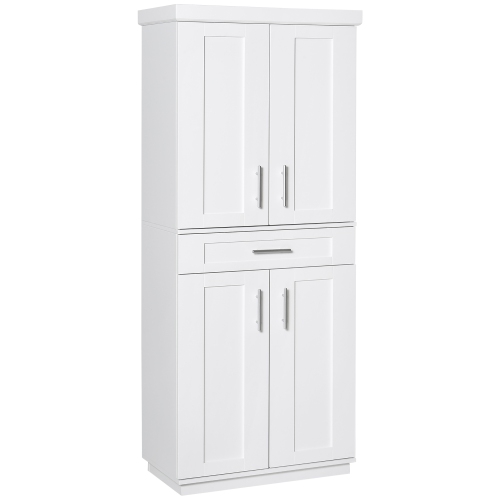
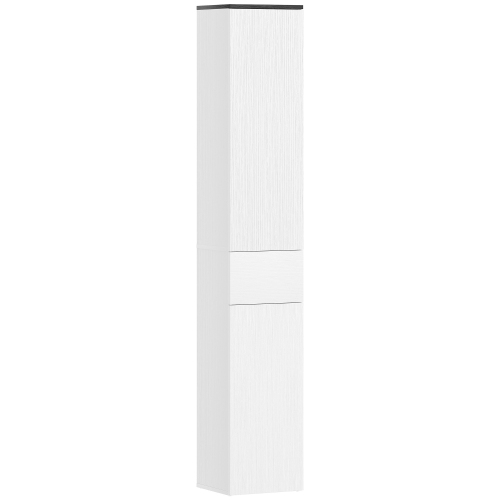
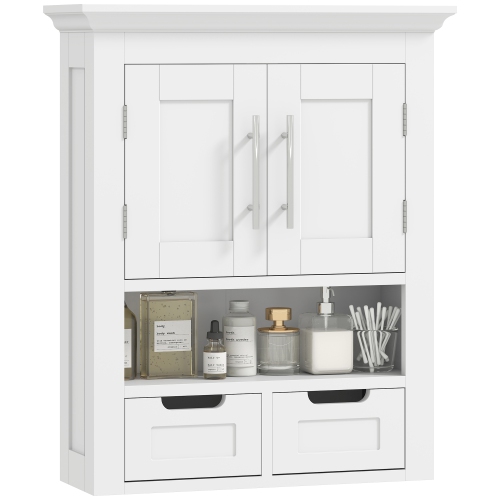
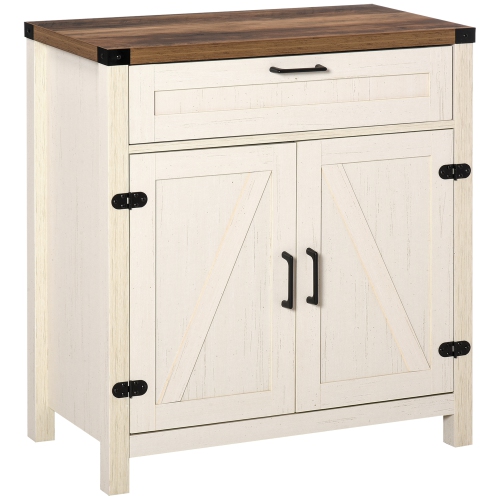
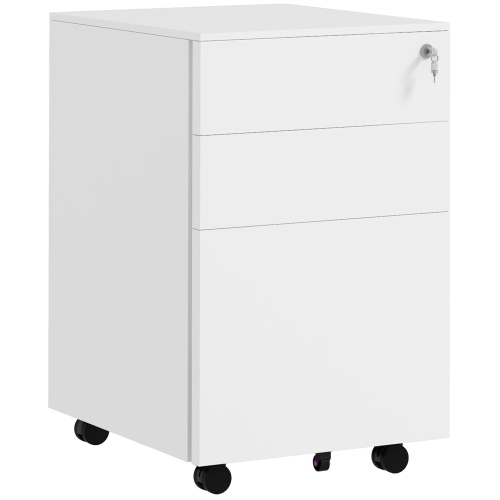
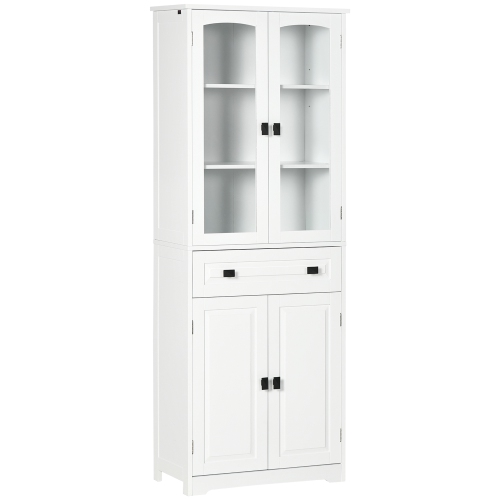
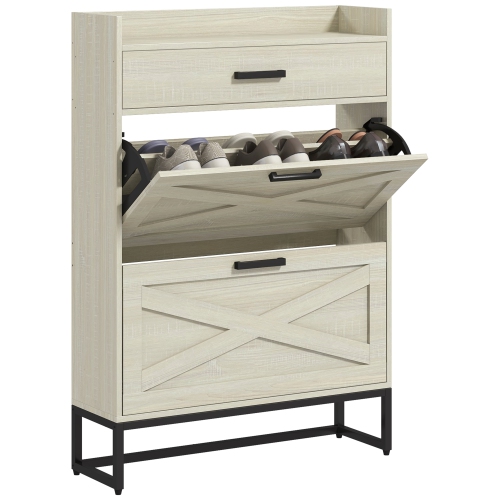
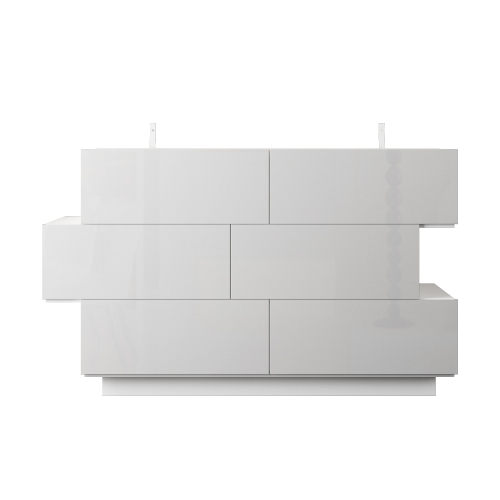
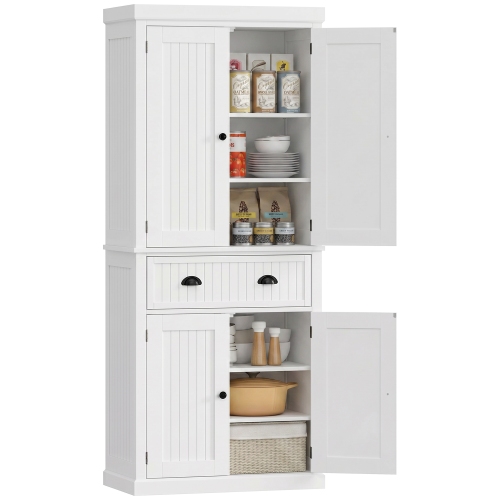
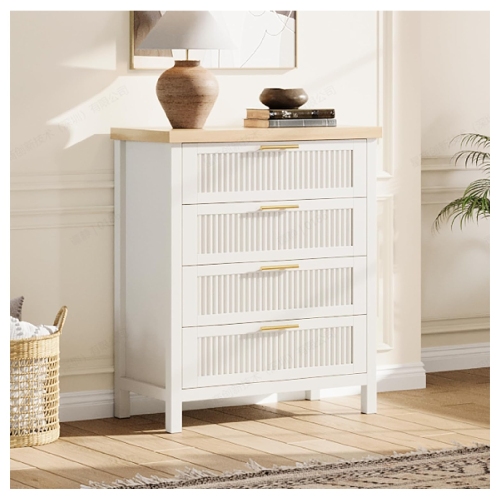
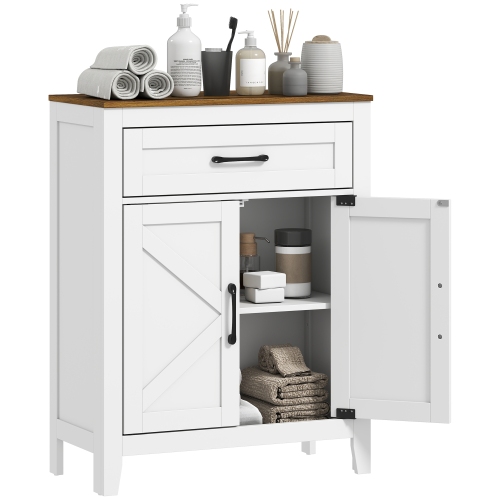

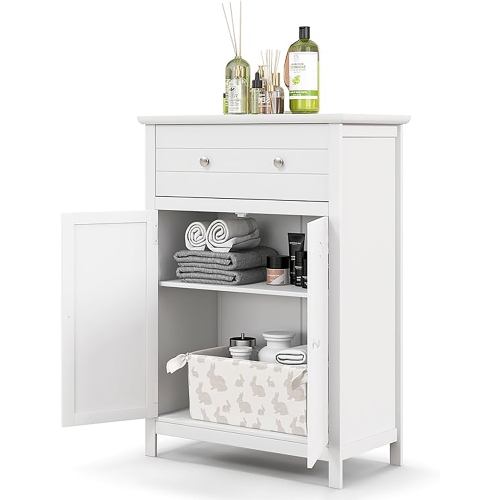
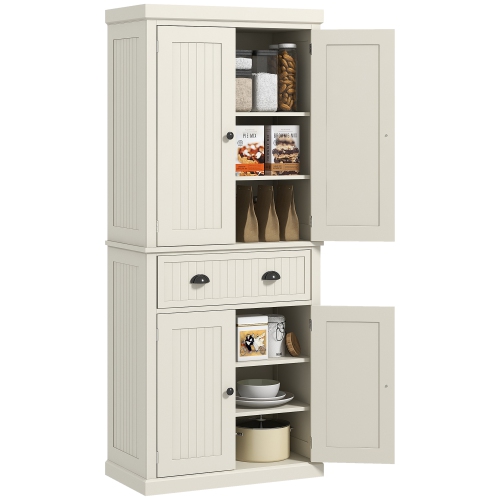
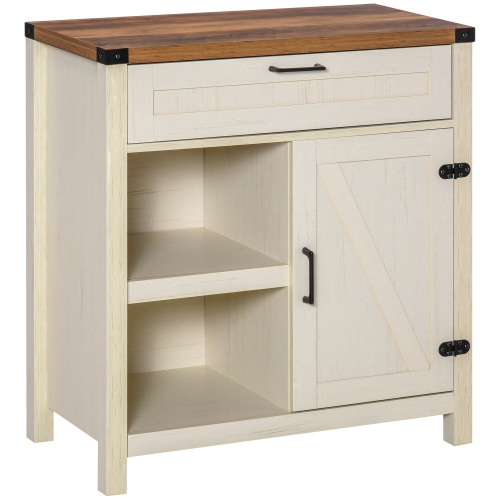
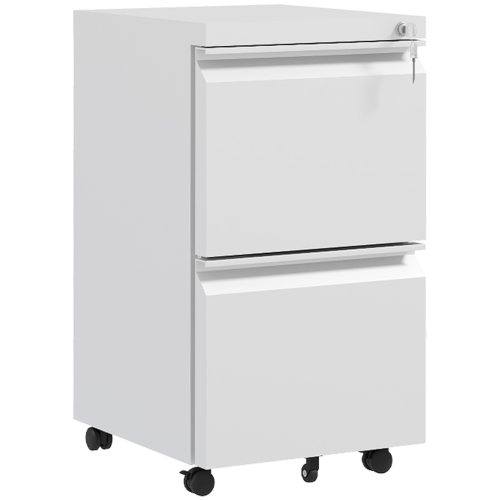
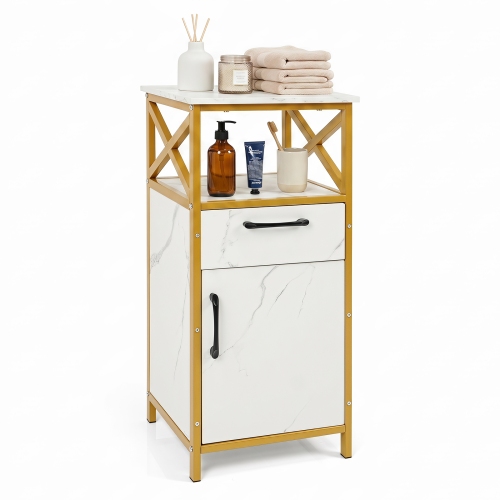
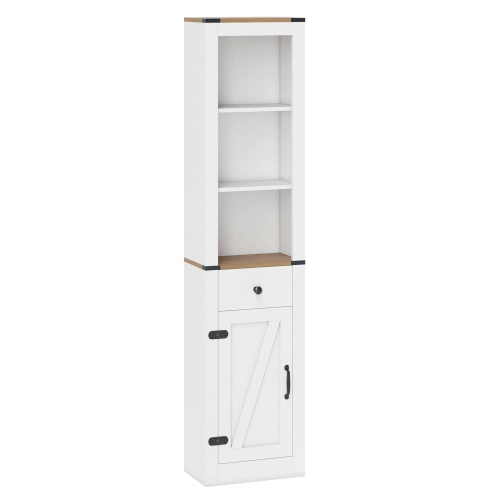
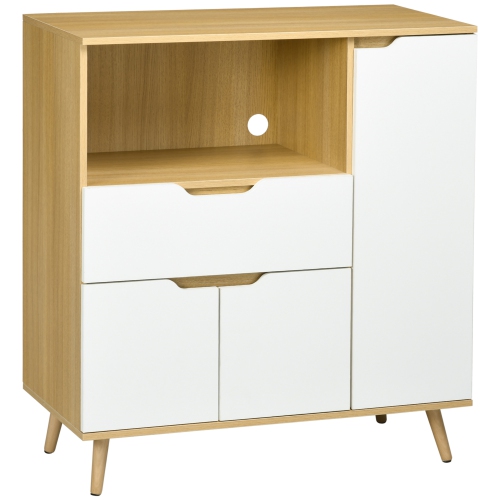
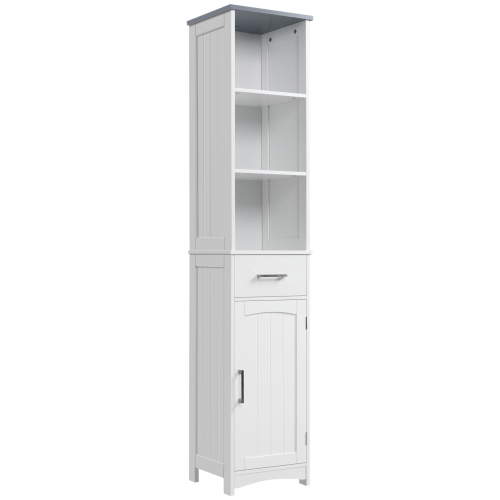
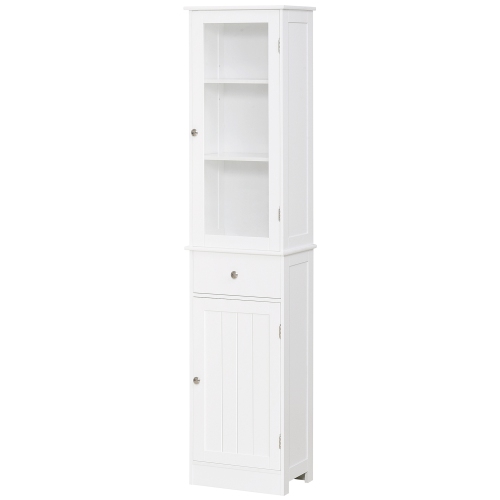

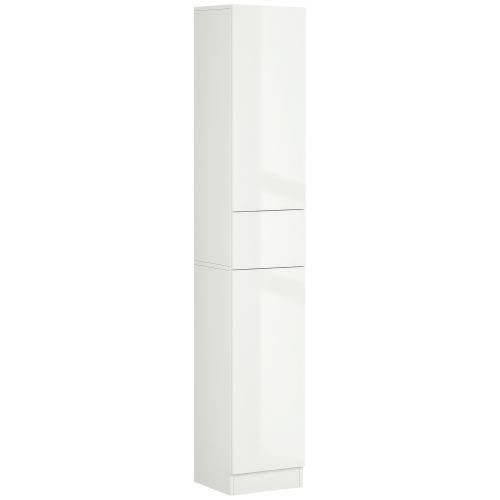
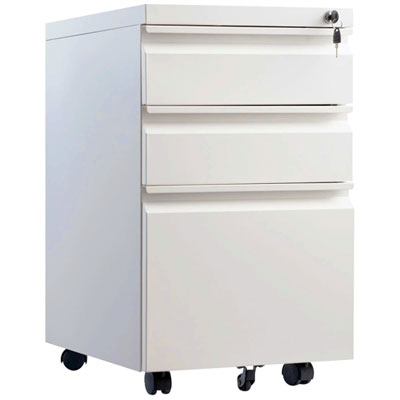
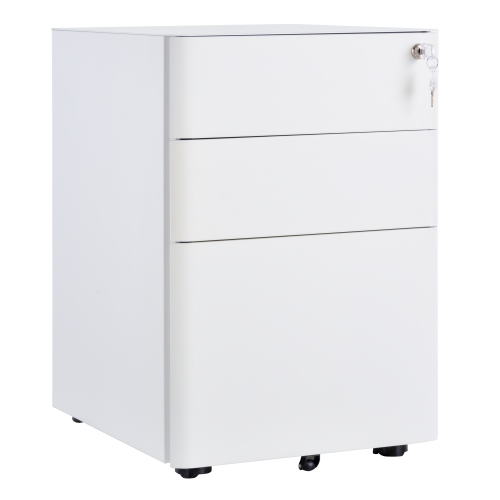


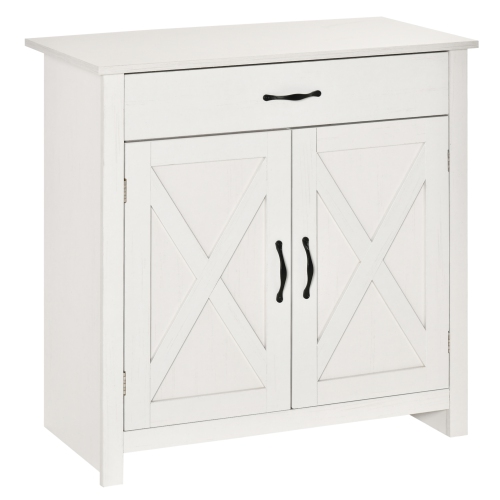
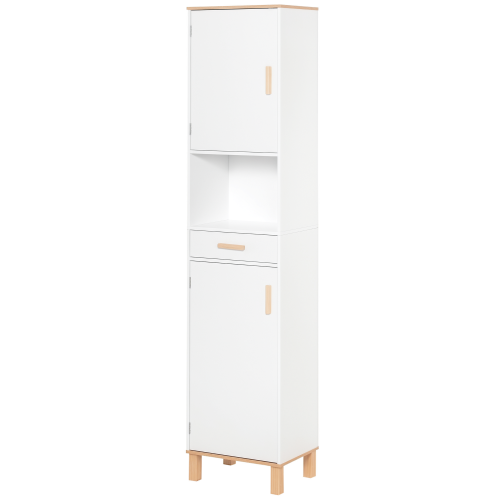
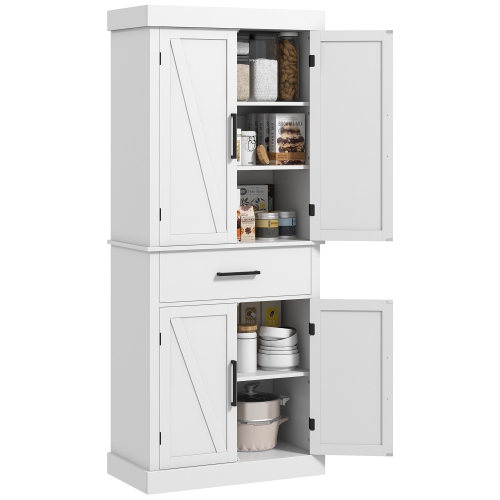
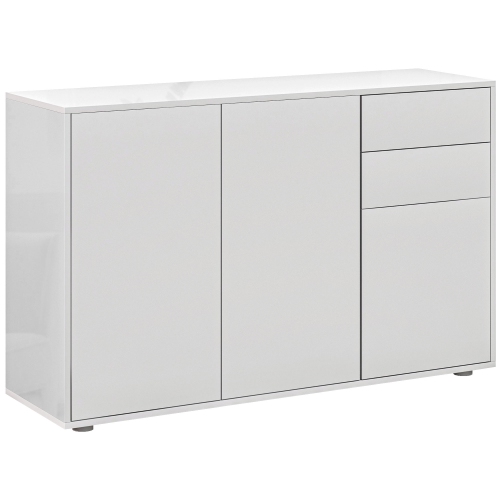
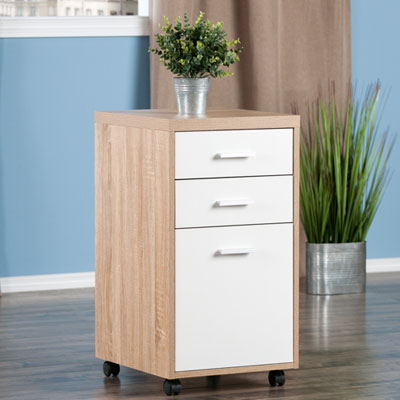
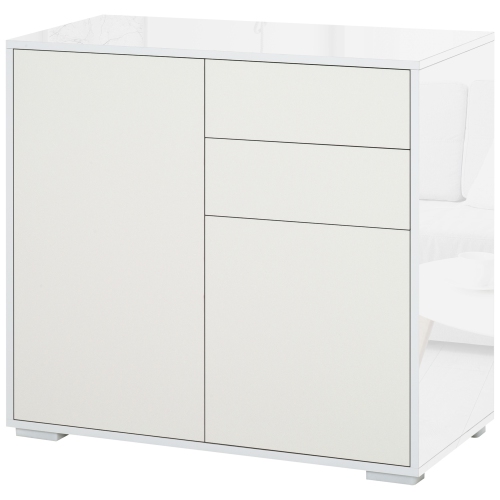
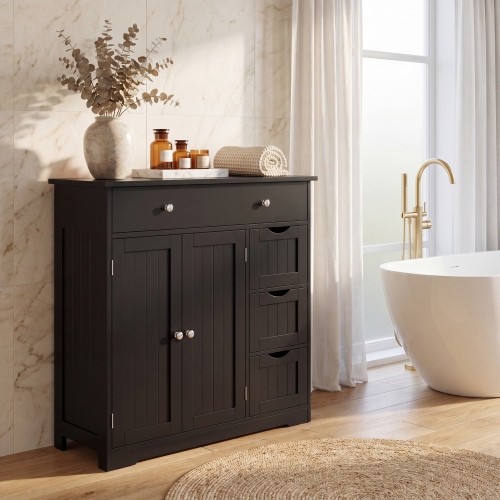
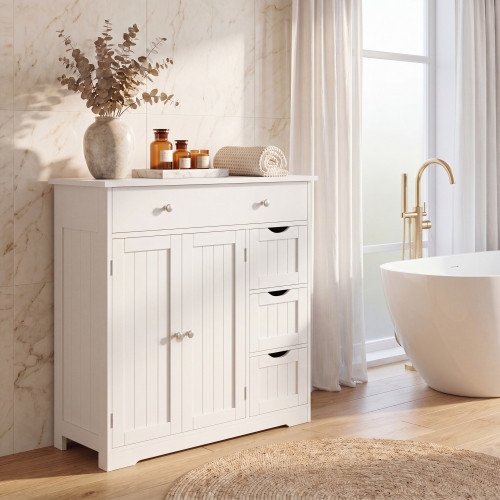
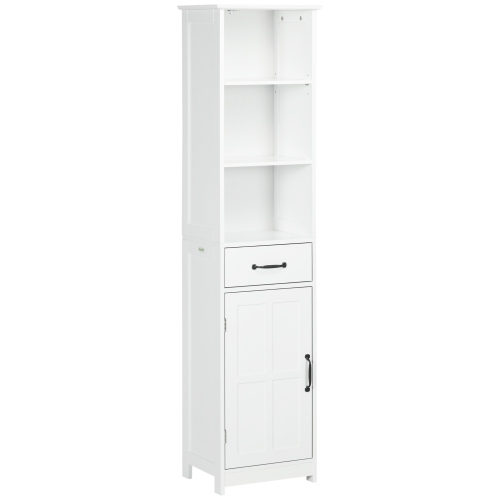
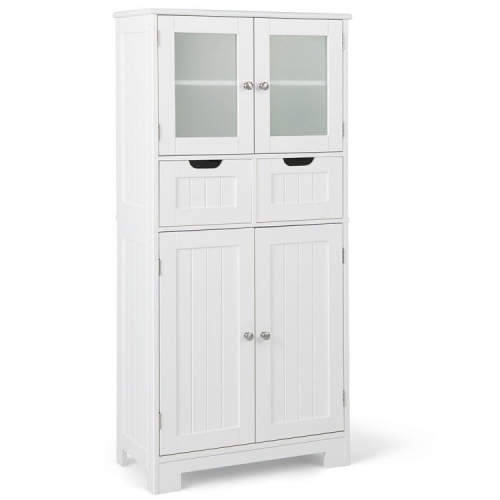
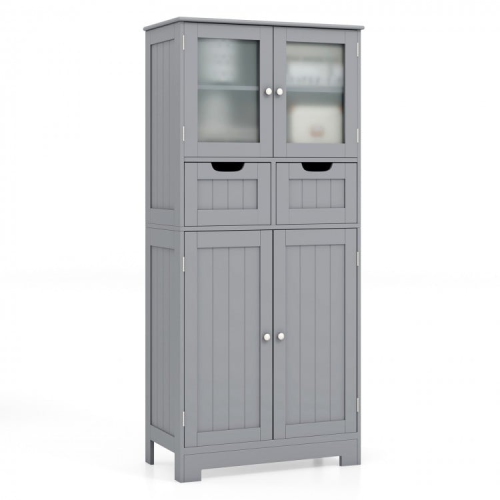
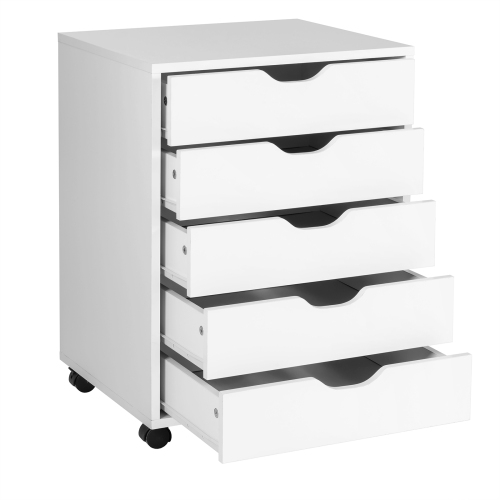
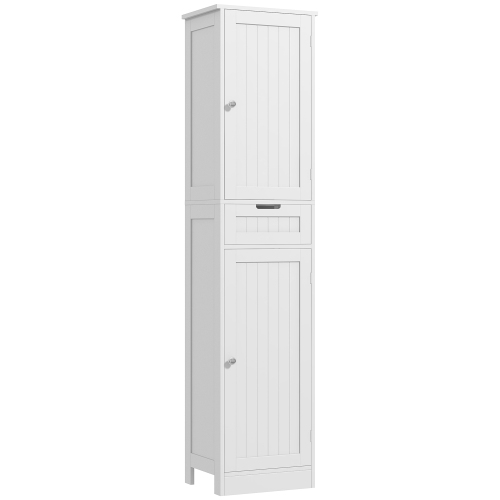
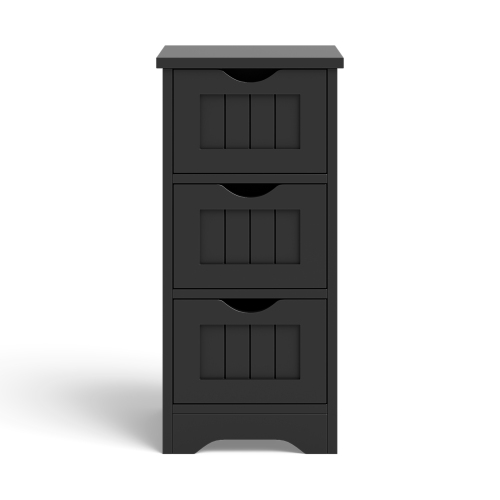
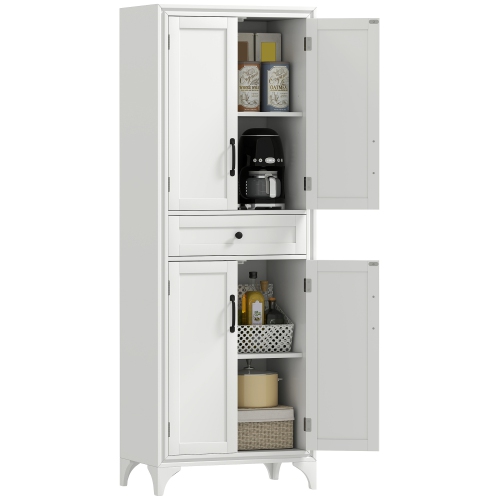

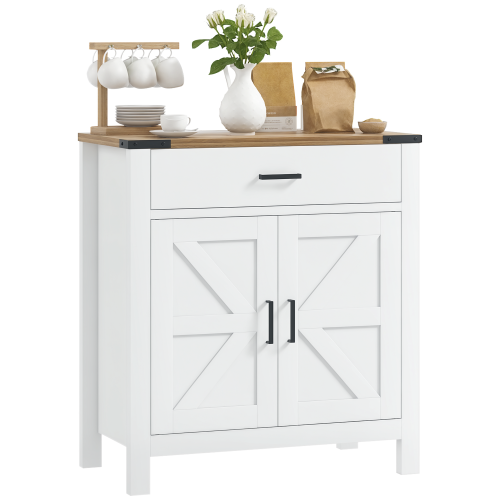
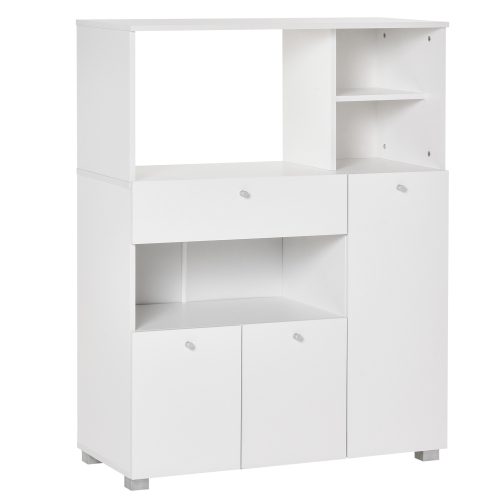
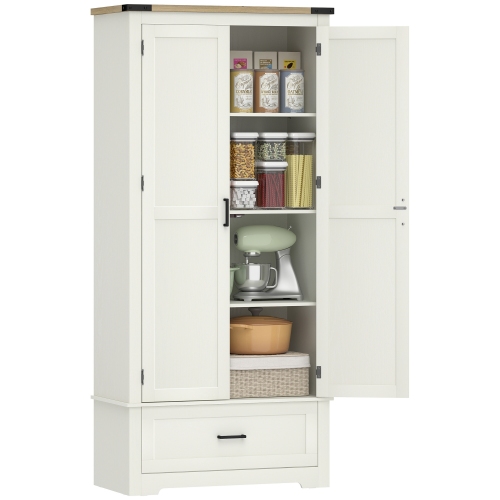
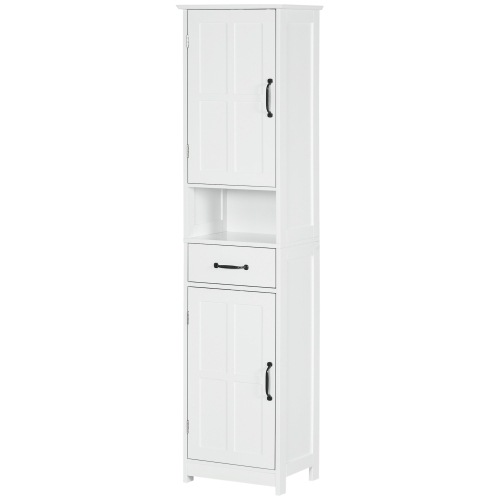
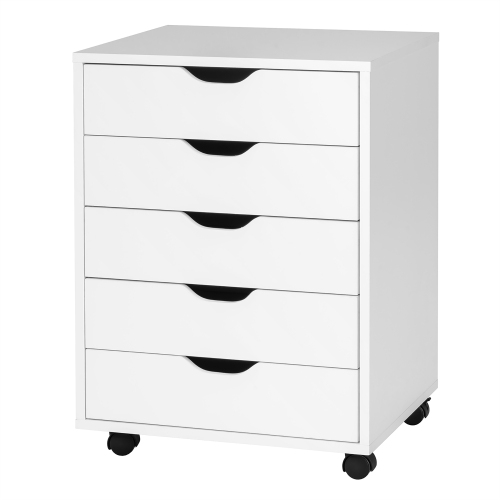
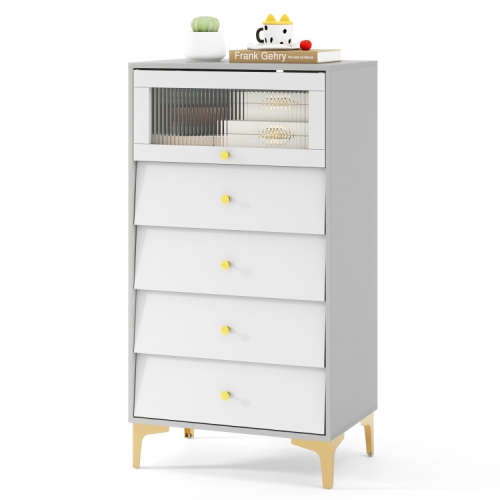

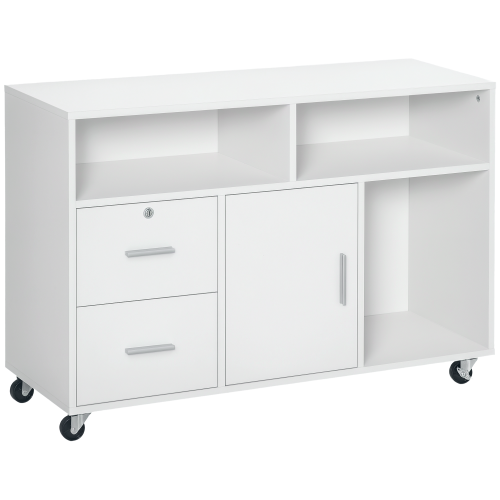
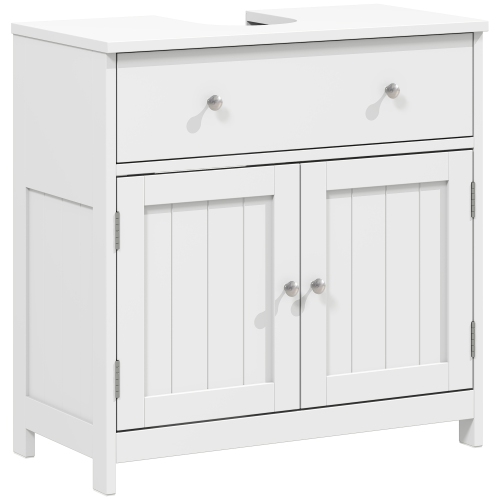
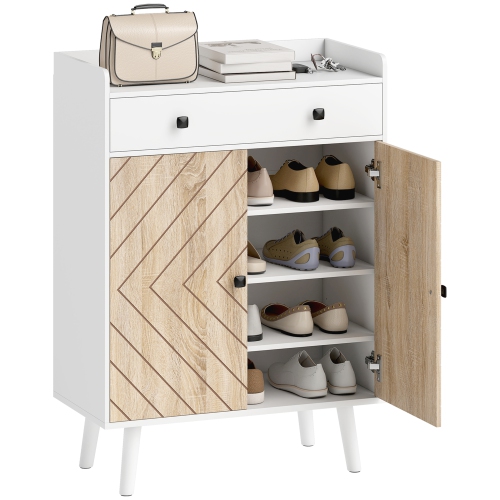
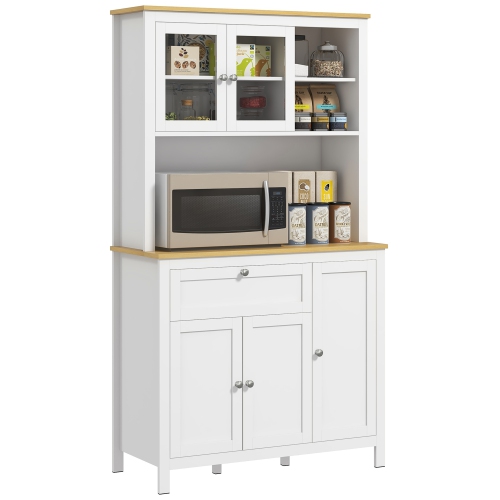
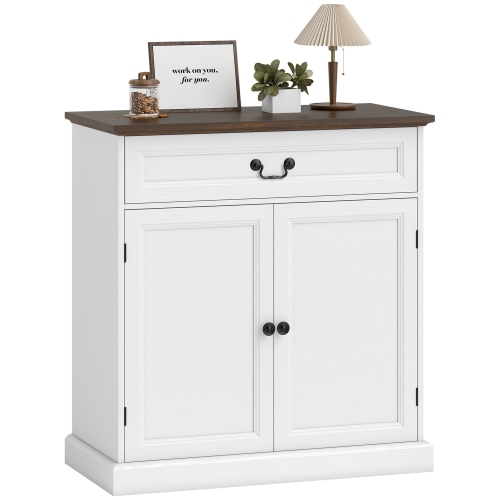
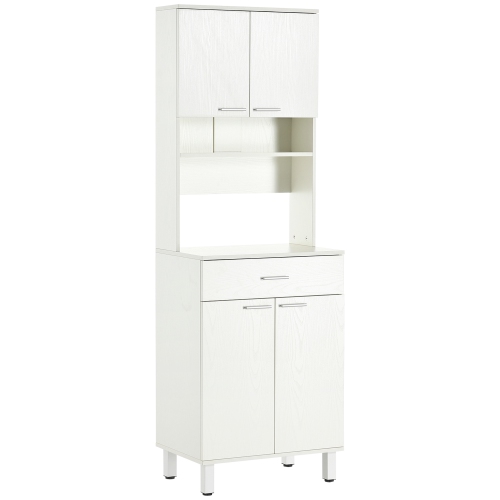

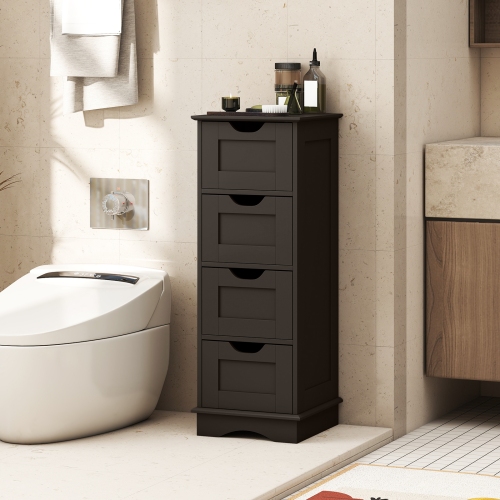
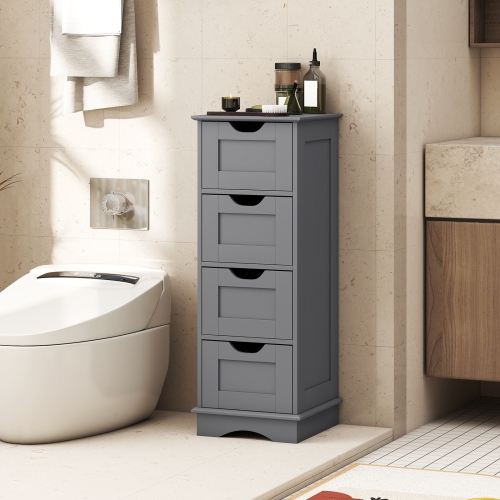
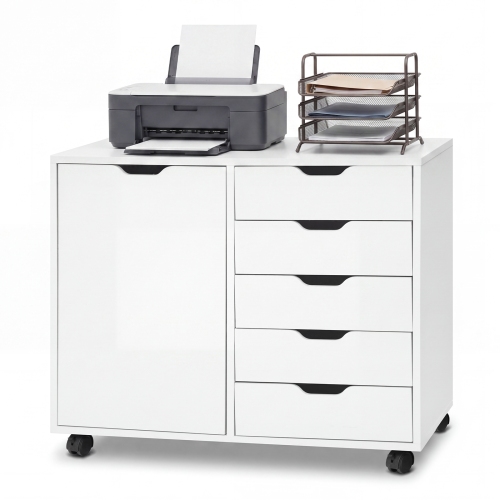
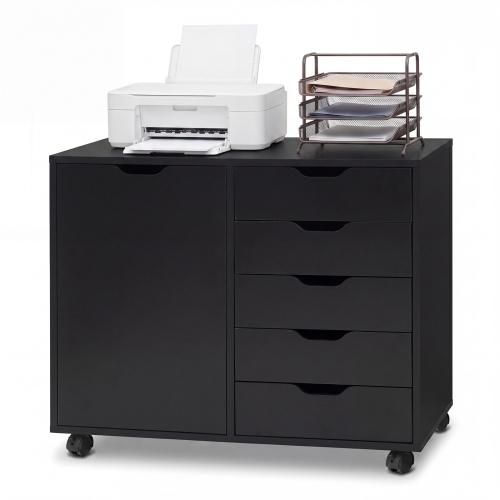
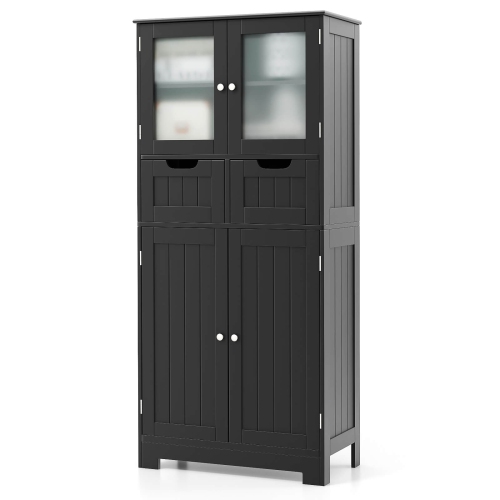
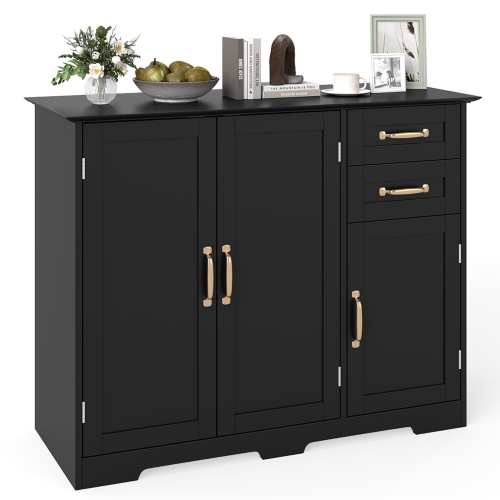

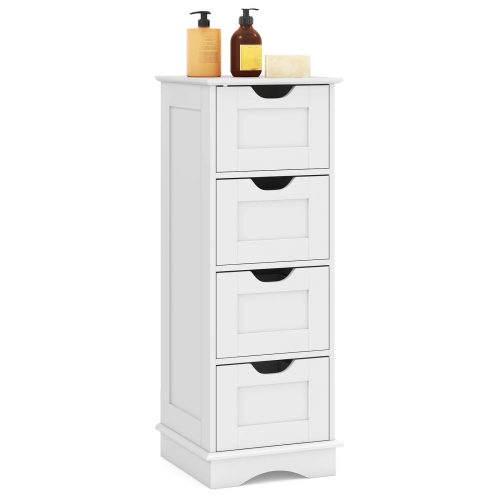
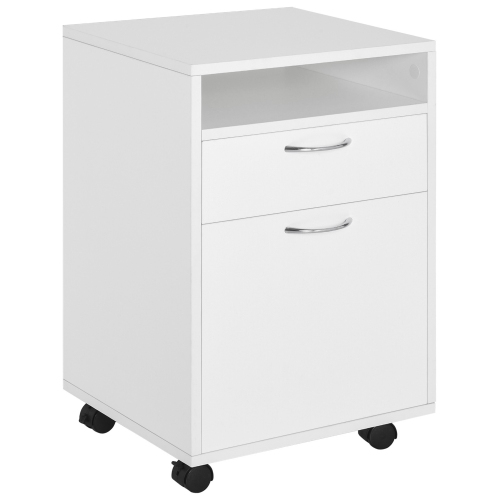
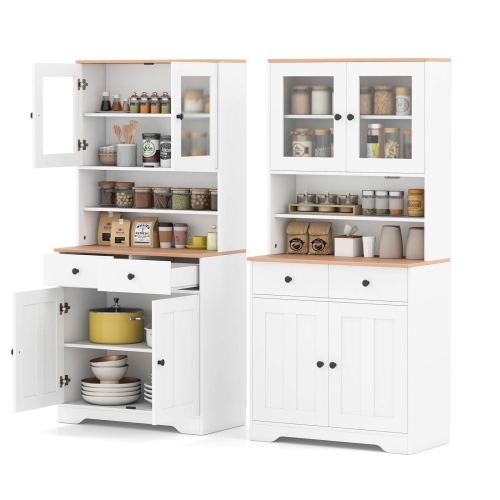
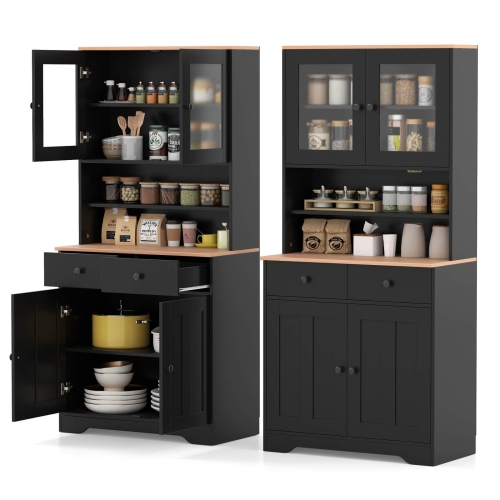
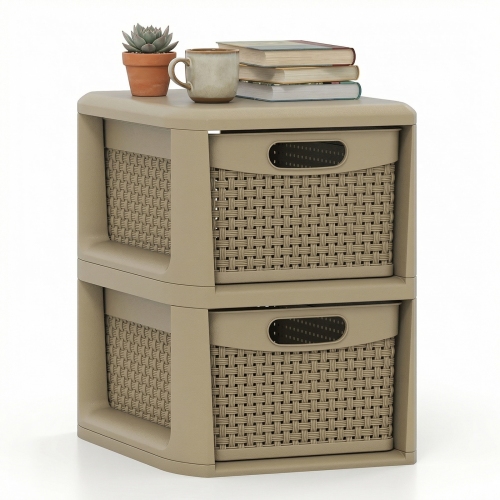
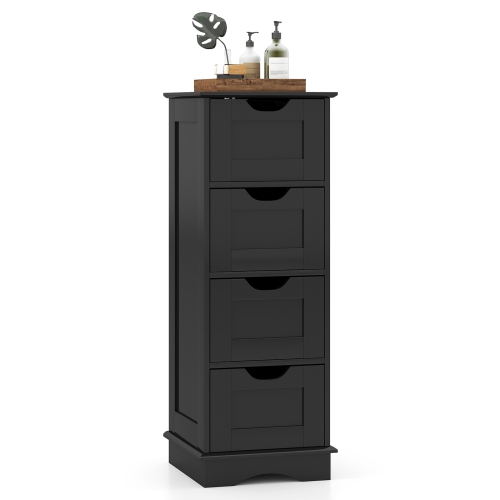
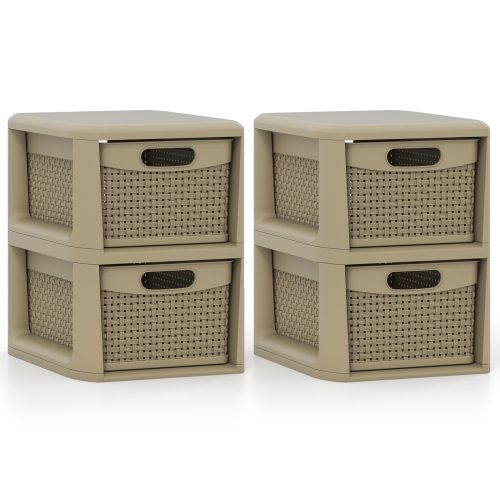
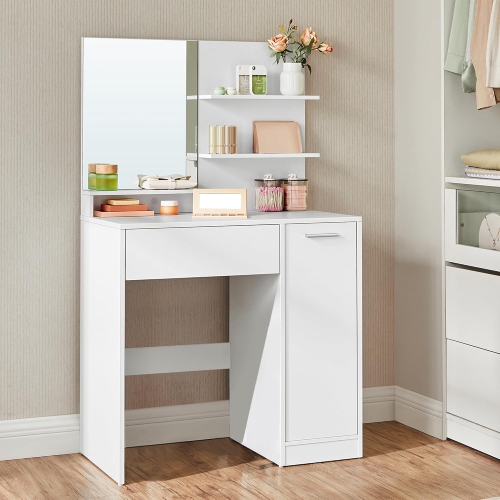
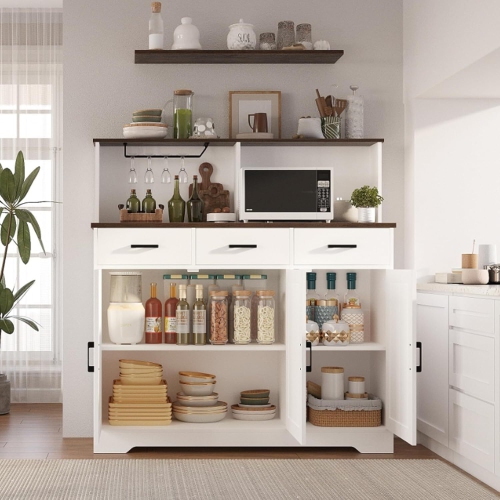
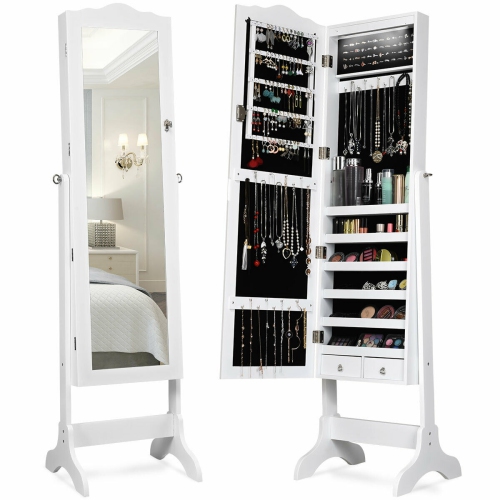
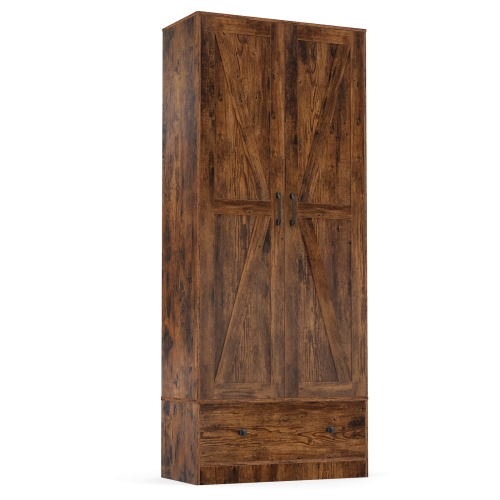
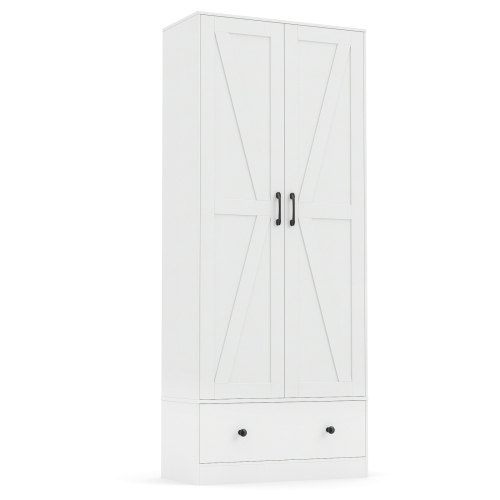
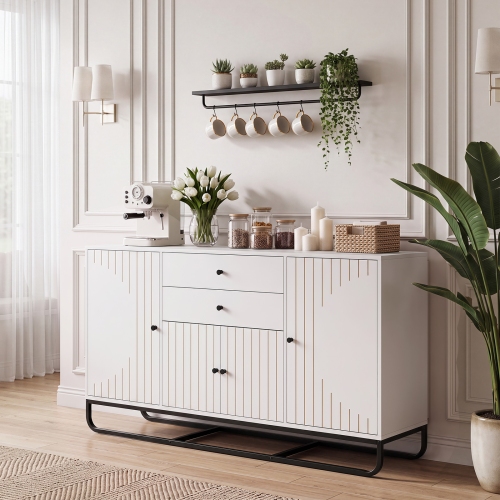
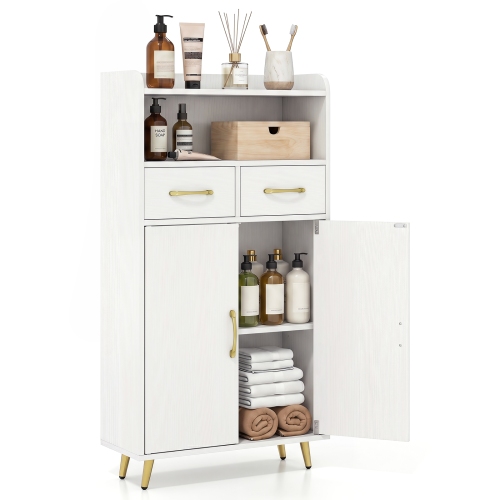
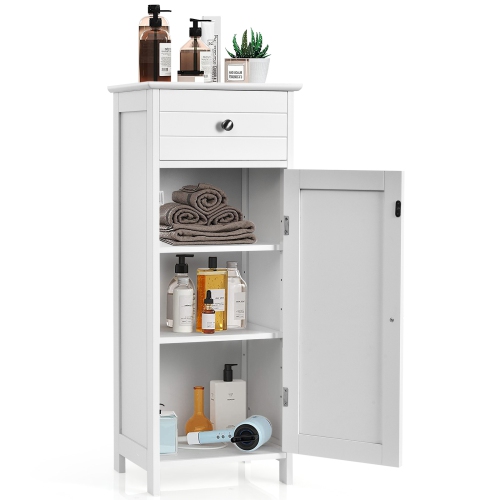
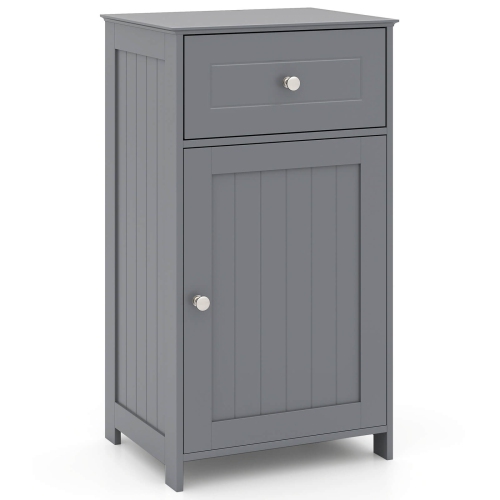
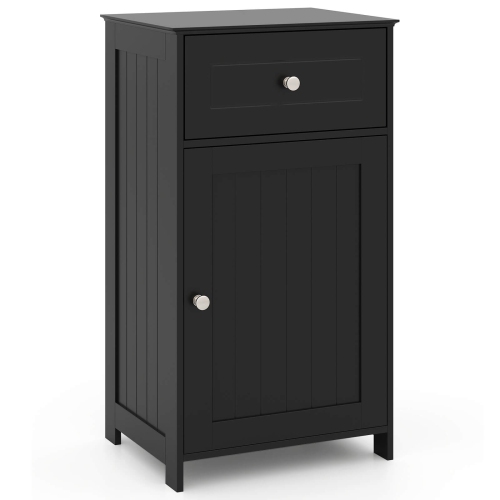
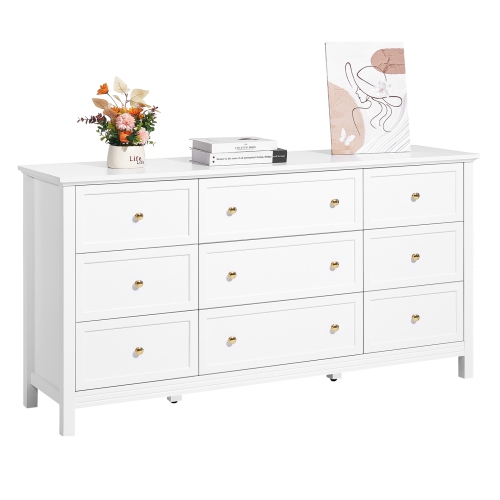
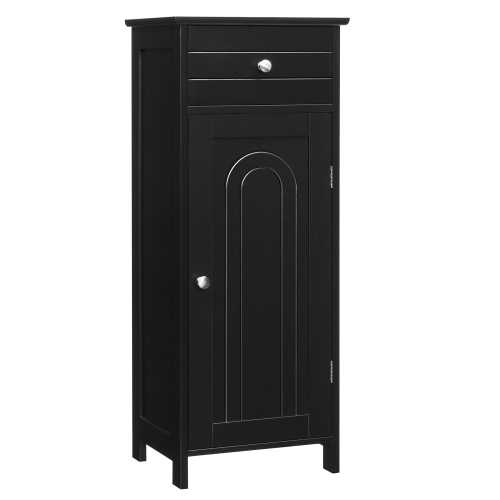
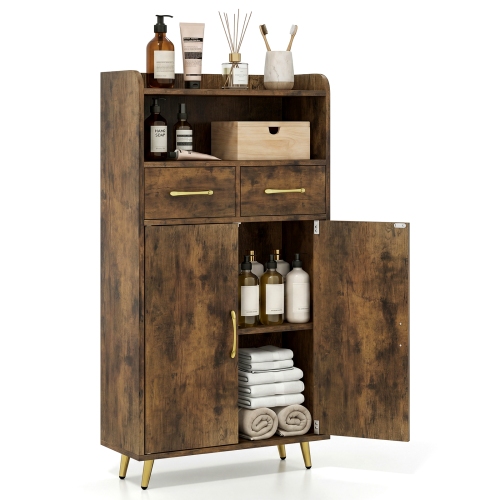
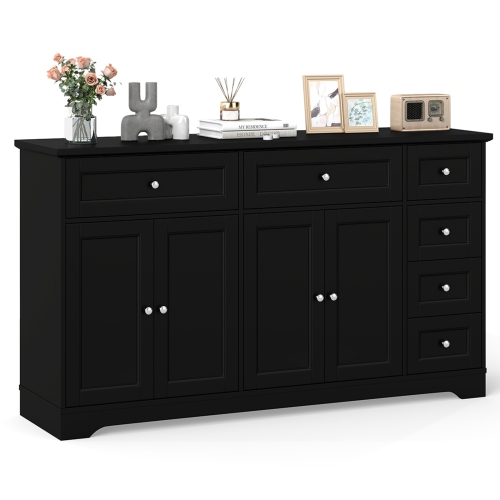
The right drawer layout gives everyday essentials a home
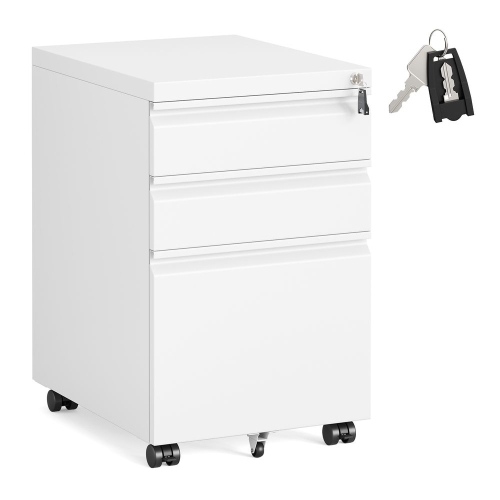
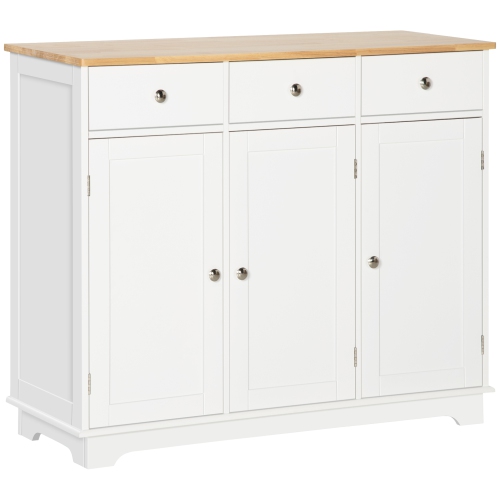
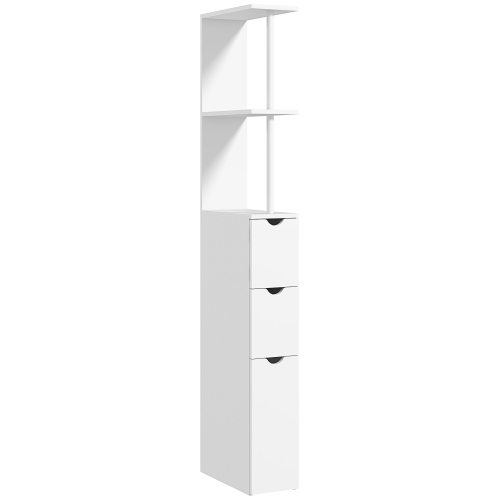
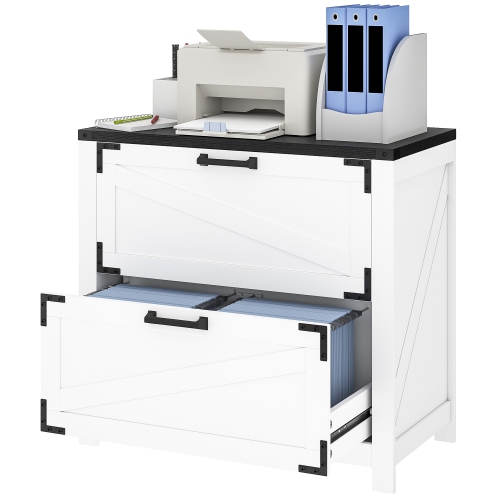
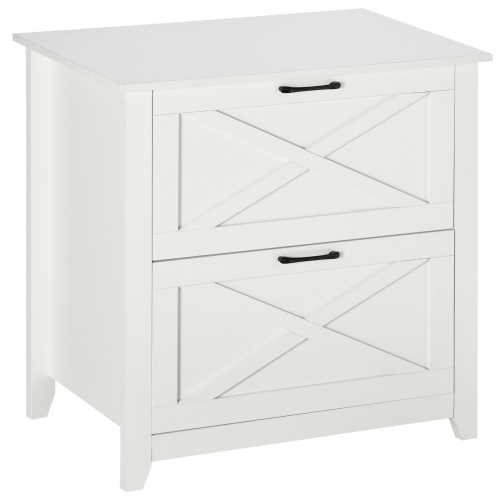
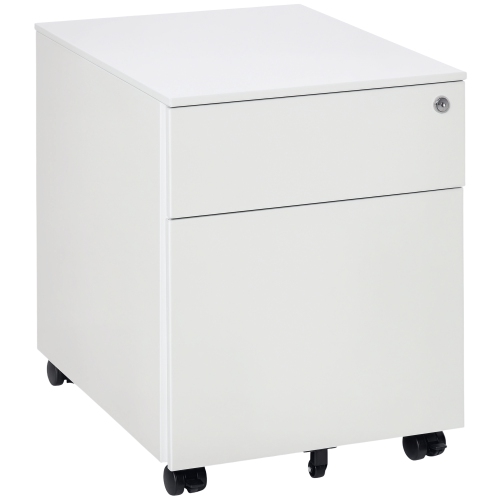
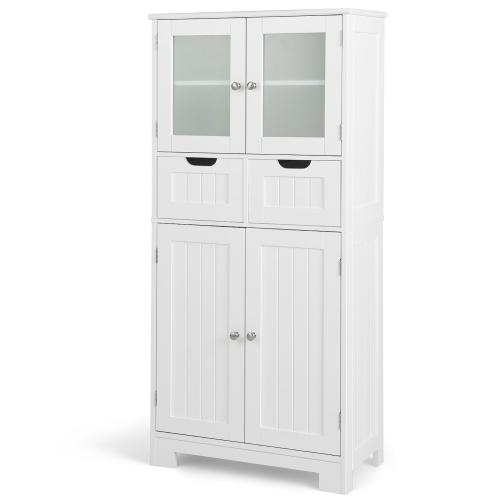
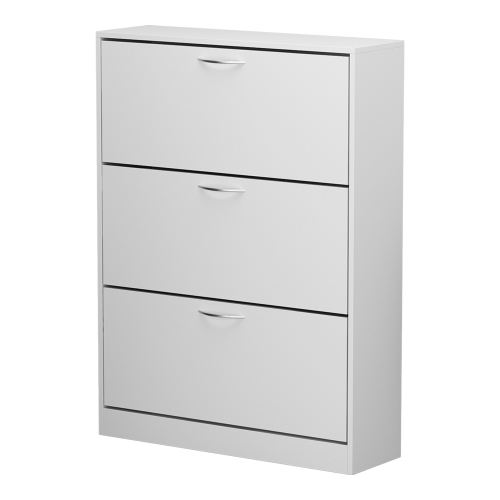
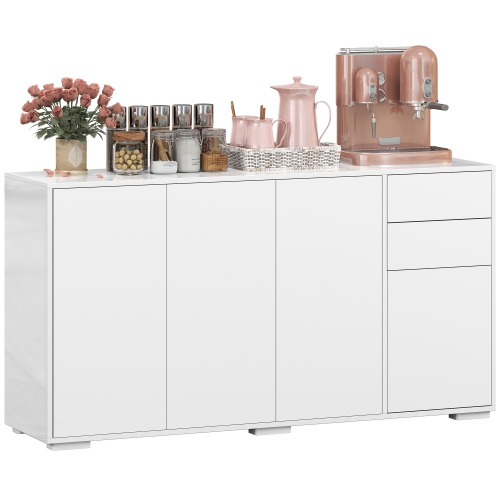
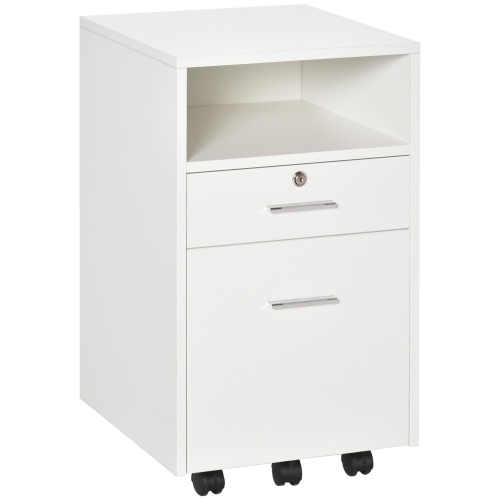
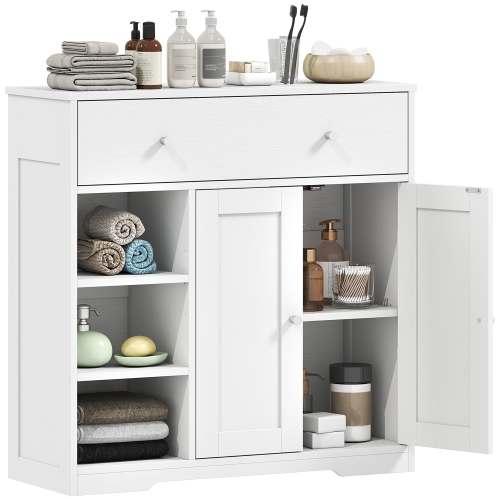
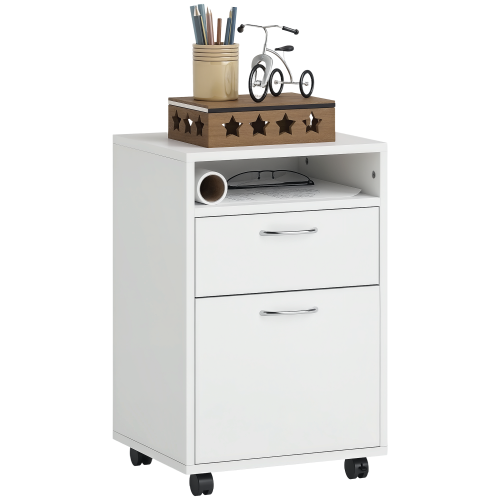
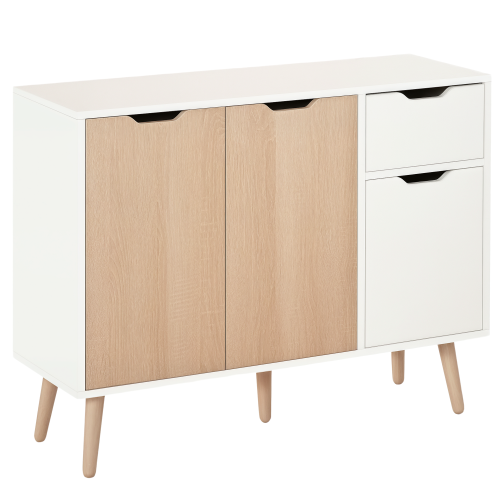
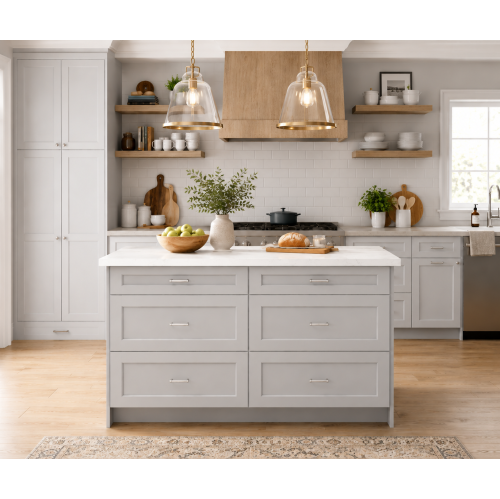
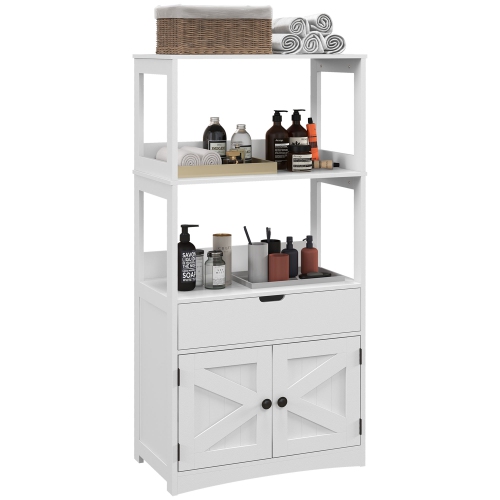
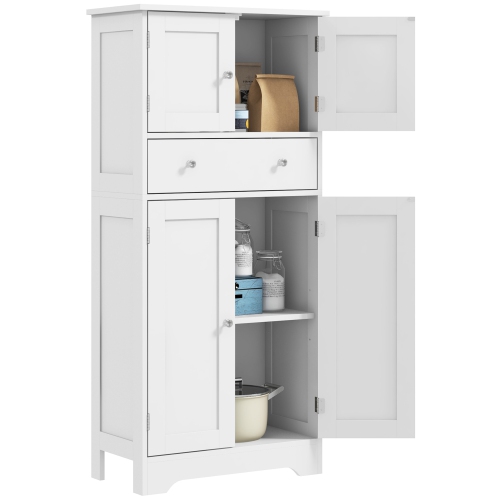
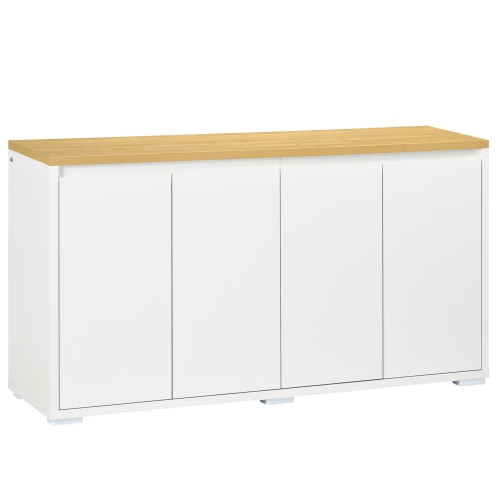
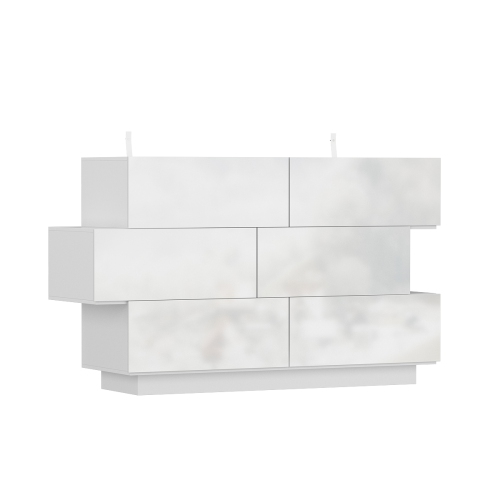
White cabinets with drawers combine a light-coloured finish with enclosed storage for everyday essentials, making them useful in kitchens, bathrooms, home offices, dining areas, and multipurpose rooms. Drawer-only designs keep smaller belongings separated, while cabinets that pair drawers with doors offer room for both loose accessories and taller objects. The right arrangement depends on what needs a home: shallow drawers suit cutlery, stationery, and small grooming supplies, while deeper compartments can accommodate folded linens, craft materials, or larger kitchen tools. In a bathroom, a narrow floor cabinet can bring order to spare toiletries and face cloths without taking over the room. Beside a desk, a wider unit can keep charging cables, notebooks, and office supplies out of sight while leaving the work surface clear. In a dining area, drawers provide a convenient place for napkins and serving utensils, with shelves below for dishes or table linens. For spaces devoted to cooking and meal preparation, Kitchen Cupboards With Drawers offer storage arrangements suited to keeping frequently used tools near the work area. White finishes also work across a broad range of interiors, from simple rooms with pale wood accents to spaces with dark flooring and contrasting hardware. Flat drawer fronts create a streamlined appearance, while framed fronts, shaped feet, and visible handles give a cabinet a more traditional furniture profile. Handle-free designs have a quieter look, although their opening mechanism and finger clearance still affect daily use. White is not a single uniform shade: a warm ivory finish can look noticeably different beside a bright white countertop or cool-toned wall. Sheen matters, too, with matte, satin, and glossy surfaces reflecting light differently. These details help determine whether a cabinet blends into an existing arrangement or stands apart as a separate piece of furniture. For a small apartment, shared household, or busy family space, the appeal is practical as much as visual: regularly used belongings have a defined place without needing to remain on display.
Materials and construction influence how a white drawer cabinet feels, wears, and responds to everyday use. Solid wood can provide a sturdy structure and visible grain beneath certain finishes, though wood may expand or contract as indoor humidity changes. Engineered wood, including medium-density fibreboard and particleboard, is commonly used for smooth cabinet fronts and panels. Its performance depends on factors such as panel thickness, joinery, surface treatment, and how well exposed edges are sealed. Painted finishes, laminates, and melamine surfaces each have their own texture and care requirements; none should be assumed to have the same resistance to scratches, stains, or moisture. Metal cabinets offer another approach, often with a more utilitarian appearance and wipeable coated surfaces, but the finish still needs protection from chips and harsh cleaning agents. In kitchens and bathrooms, water resistance deserves particular attention. A white finish alone does not establish suitability for damp conditions, and a cabinet intended for general household storage may not tolerate repeated splashes or standing water. Drawer construction matters just as much as the outer surface. A well-supported drawer base is important for heavier contents, while smooth-running slides make frequently opened compartments easier to use. Full-extension slides allow greater access to the back of a drawer, which can be helpful when a cabinet holds small accessories that might otherwise disappear from view. Soft-close mechanisms, where included, reduce abrupt closing but do not replace the need to follow stated load limits. Drawer depth should also suit the contents rather than simply adding capacity: a deep drawer filled with small, loose objects can become difficult to search without dividers. Adjustable shelves behind cupboard doors add flexibility for containers of different heights. Removable organizers and washable liners can help keep contents separated and surfaces tidy, provided they fit without obstructing drawer movement. Hardware attachment, stable legs or a level base, and neatly finished edges all contribute to how comfortably a cabinet stands up to repeated handling.
A good fit involves more than matching a cabinet’s width to an empty section of wall. Overall height and depth affect how easily people can move through a room, reach nearby outlets, and use adjacent furniture. Open drawers need clearance, especially in a narrow bathroom, beside a dining table, or between a desk and a wall. Internal drawer dimensions may be considerably smaller than the cabinet’s outside measurements because of the frame, slides, and back panel. For storage planned around folders, baskets, or folded towels, that usable interior space is often the more meaningful measurement. Freestanding cabinets offer flexibility in room layout, while fitted base cabinets may need a compatible countertop, secure installation, and allowances for nearby plumbing or appliances. A storage cabinet is not automatically a bathroom vanity, kitchen base unit, or suitable support for a heavy countertop; its stated purpose and weight capacity remain important. Wall-mounted designs have their own requirements for wall construction and fastening. Tall units, and other cabinets supplied with anti-tip hardware, need securing according to the manufacturer’s instructions, particularly in homes with children. Assembly requirements can also affect the choice, since a fully built cabinet and a flat-packed unit involve different access and setup considerations. Once in place, a white finish benefits from straightforward, regular care. Dust and fingerprints are generally easier to manage before they build up, and spills should be wiped away promptly with a soft cloth using a cleaning method suitable for the finish. Excess water around joints and drawer edges can cause damage, especially where an engineered-wood core is exposed. Abrasive pads and strong cleaners may dull or mark the surface, while dragging heavy objects across the top can leave scratches. With proportions, construction, and storage layout matched to the room, white cabinets with drawers can serve as practical furniture for daily routines, keeping useful belongings accessible while giving the surrounding space a more orderly appearance.
Top selling and popular products
-
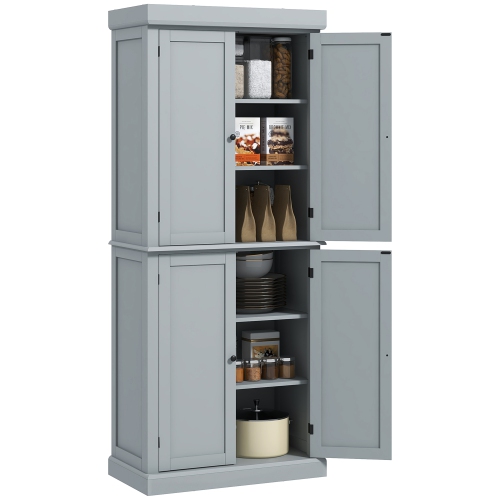 Your price for this item is $285
-
 Your price for this item is $155.99
-
 Your price for this item is $452.93
-
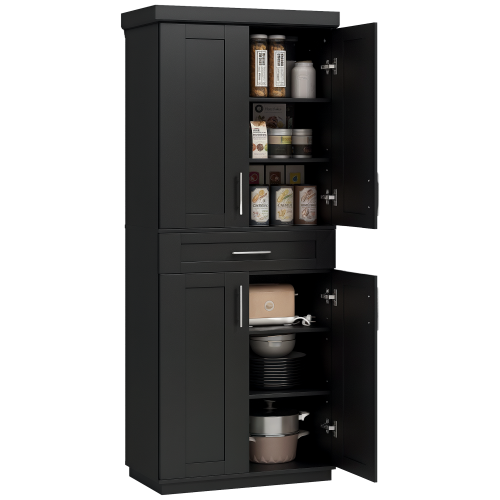 Your price for this item is $269.99
-
 Your price for this item is $12.97
-
 Your price for this item is $155.99
-
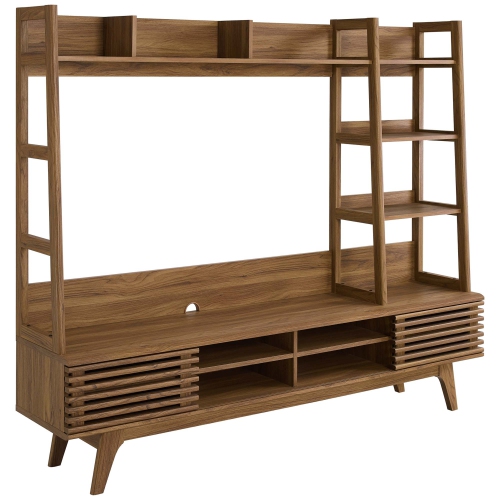 Your price for this item is $885.06
-
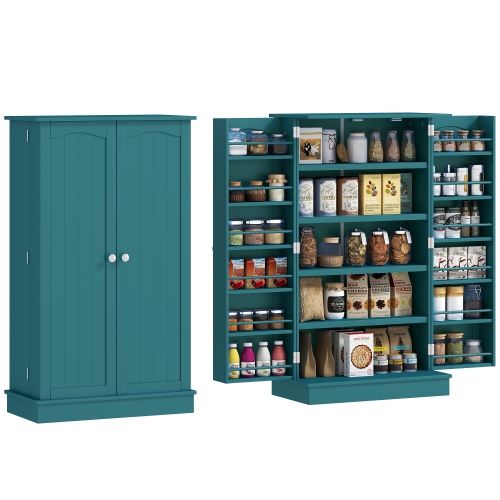 Your price for this item is $134.99
Discover more categories related to White Cabinets With Drawers
Top Collections:
Best Black Friday Deals This Year, Best Black Friday Deals On Electronics, Kindle Devices, Pokemon Centers, Best Black Friday Deals On Apple Products, Best Cameras for Sports Photography, Dyson Airwrap, Pokémon 30th Celebration Cards, Apple iPhone 17 Pro, Canon G7X Cameras
Some products may be subject to Environmental Handling Fees
(EHF) depending on your province.
Learn more about EHFs.