Wood Salad Bowls
Elevate your dining experience with a Wood Salad Bowl, perfect for serving fresh salads, fruits, or snacks in style. The natural look and timeless appeal of wood add a touch of warmth to any table setting, making it a versatile choice for everyday meals or special gatherings. Whether you're hosting a dinner party or enjoying a quiet meal at home, a Wood Salad Bowl brings both charm and functionality to your kitchen collection. Explore a variety of sizes and designs to find the ideal match for your needs.
Sort

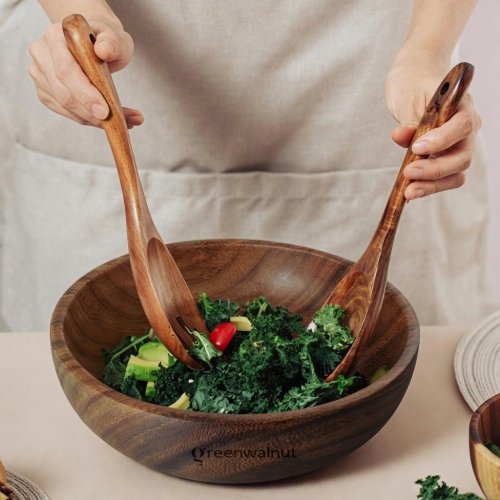
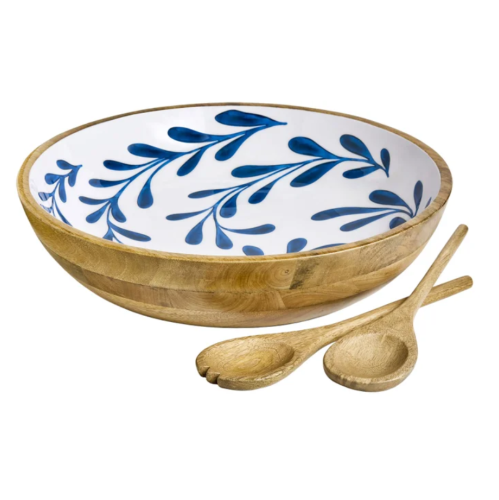
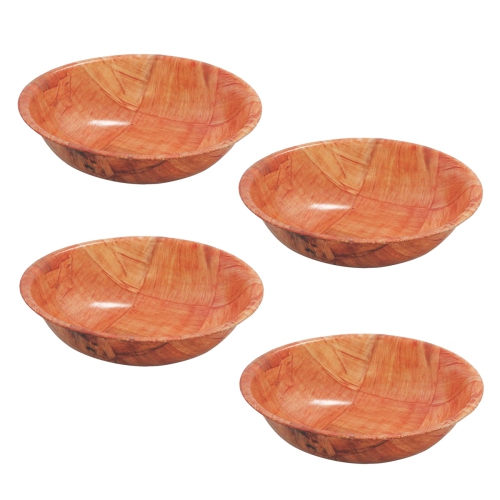

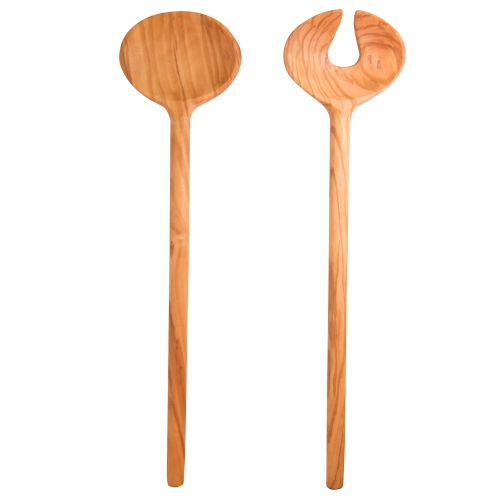






Warm wood grain and room to toss and serve
Wood salad bowls bring warm colour, visible grain, and a comfortable weight to everyday meals and shared tables. Their appeal is practical as well as visual: a generously sized wooden bowl gives leafy greens room to move while making a simple salad feel ready to serve. Dense hardwoods such as maple, cherry, walnut, and acacia are common choices, with durability depending on the wood, construction, food-safe finish, and care. Fine-textured woods such as maple and cherry offer a relatively smooth grain, while walnut is valued for its rich brown tones and acacia often displays pronounced contrasts between lighter and darker areas. No two pieces of wood have exactly the same markings, so differences in grain and colour are part of the material’s character rather than a promise of uniformity. A well-made bowl should have a smooth interior, a comfortable rim, and no exposed cracks or rough patches that could catch a cloth or collect food. Solid-wood construction may highlight a continuous grain pattern, while bowls assembled from multiple wood sections can create striped or patterned surfaces. Either approach can work well when the joints are sound and the bowl is intended for food contact. The finish matters just as much as the wood species: some bowls have an oil-treated surface that needs periodic attention, while others use a food-safe coating with different care requirements. Wood is not waterproof, and even a dense hardwood can absorb moisture, stain, or split if left soaking. For regular serving, the strongest choice is therefore not simply a particular species, but a bowl whose construction and finish suit the way it will be used. Smooth curves, a stable base, and clear care information are useful signs of a design intended to move comfortably between kitchen preparation and the dining table.
Size and shape influence how easily a wood salad bowl fits into a meal. A broad serving bowl suits a family-style salad of romaine, cucumber, peppers, and tomatoes, with enough space above the ingredients for tossing without scattering leaves across the counter. Capacity measurements are helpful, but usable tossing space is smaller than the bowl’s full stated volume; a bowl filled to the rim leaves little room for dressing to spread evenly. Diameter and depth also tell different stories. A wide, shallow bowl displays ingredients attractively and makes it easy to reach toppings, while a deeper bowl helps contain loose greens as they are turned with servers. A gently rounded interior allows utensils to sweep along the sides without leaving pockets of dressing behind. Smaller bowls work well for individual salads, side portions, or meals where each person prefers different toppings. For a compact kitchen, the bowl’s footprint deserves attention alongside its serving capacity, especially if it needs to fit on a narrow shelf or share cupboard space with dinnerware. Nesting shapes can help, although finished surfaces benefit from protection against rubbing and trapped moisture. Weight is another everyday consideration: a substantial bowl may feel steady during mixing, but it should still be manageable when carried full from the counter to the table. A flat base helps reduce rocking, and a rim that is easy to hold makes passing the bowl more comfortable. Wooden or silicone-tipped servers are gentle companions for the interior, particularly where a protective coating could be scratched by sharp metal edges. Beyond leafy salads, bowls approved for the purpose can serve bread, whole fruit, or dry snacks. Wet fruit mixtures, strongly coloured ingredients, and oily dressings may require more prompt cleaning, while hot foods and prolonged food storage should be reserved for uses specifically permitted by the maker.
With appropriate care, wood salad bowls can remain useful through years of shared meals, though their surfaces may gradually develop marks and changes in colour. Cleaning is generally straightforward: remove leftover food promptly, wash by hand with mild dish soap and warm water, rinse briefly, and dry with a soft cloth. The bowl should then finish air-drying in a position that allows moisture to escape before it goes into a cupboard or is nested inside another bowl. Dishwashers, prolonged soaking, microwave use, and direct heat can damage wood or its finish and should be avoided unless the manufacturer explicitly states otherwise. A bowl used for salad dressed with lemon juice, vinegar, or oil benefits from timely washing rather than being left on the table overnight. Abrasive pads and harsh cleaners can roughen the surface, so a soft sponge is usually a better fit. For bowls with an oil-treated finish, a manufacturer-approved, food-grade mineral oil or suitable bowl conditioner may help maintain the surface when applied as directed; bowls with a sealed coating may not need oiling at all. Ordinary cooking oils are not a dependable substitute because some can become sticky or develop unpleasant odours. A bowl that develops a deep crack, loose joint, or peeling finish needs attention before further food use, since damaged areas are harder to clean thoroughly. For households that prefer dishwasher-compatible serving pieces or frequently prepare very wet mixtures, Stainless Steel Salad Bowls offer another material to consider, with care requirements varying by design. Wood remains an appealing choice for people who enjoy its tactile finish and are comfortable with handwashing. It also makes a thoughtful housewarming or wedding gift, especially when the size suits the recipient’s household and storage space. Paired with comfortable salad servers, a well-proportioned bowl can become a familiar part of weeknight dinners, lunches with friends, and meals brought together around a shared table.
Top selling and popular products
-
 Your price for this item is $99.99
-
 Your price for this item is $34.99
-
 Your price for this item is $19.99
-
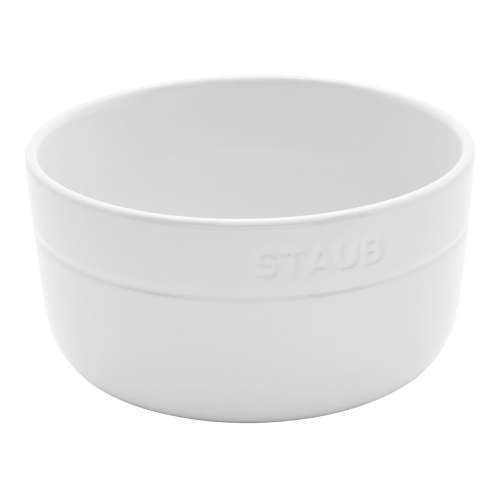 Your price for this item is $79.99
-
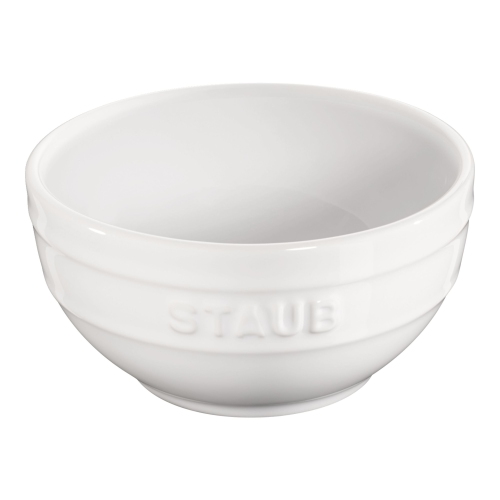 Your price for this item is $19.99
-
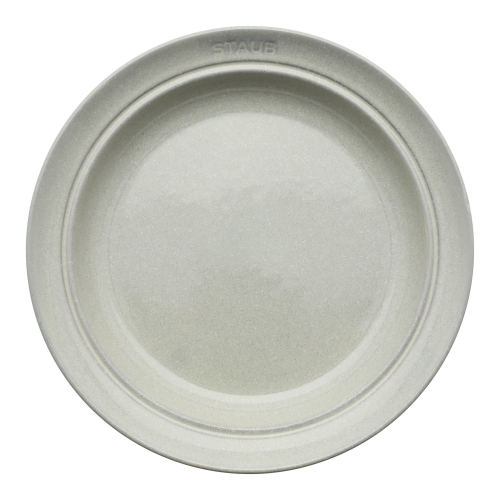 Your price for this item is $119.99
-
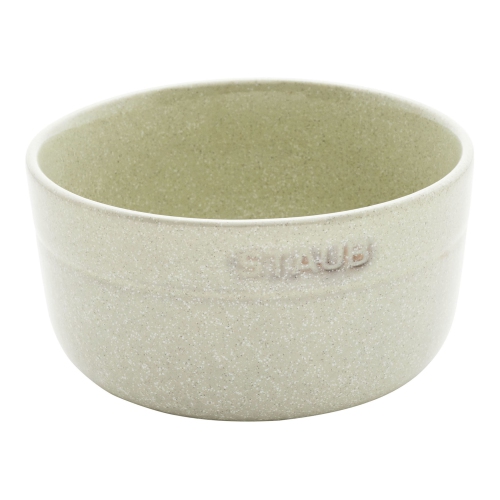 Your price for this item is $79.99
-
 Your price for this item is $29.99
Discover more categories related to Wood Salad Bowls


Top Collections:
Pokemon Centers, Best Black Friday Deals This Year, Best Black Friday Deals On Electronics, Kindle Devices, Best Budget Office Chairs, Best Black Friday Deals On Apple Products, Best Cameras for Sports Photography, Pokémon 30th Celebration Cards, Dyson Airwrap, Canon G7X Cameras
Some products may be subject to Environmental Handling Fees
(EHF) depending on your province.
Learn more about EHFs.