Hub-Free Wi-Fi Water Leak Sensors
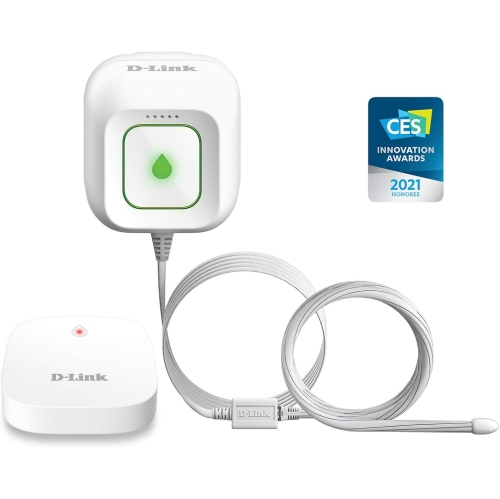
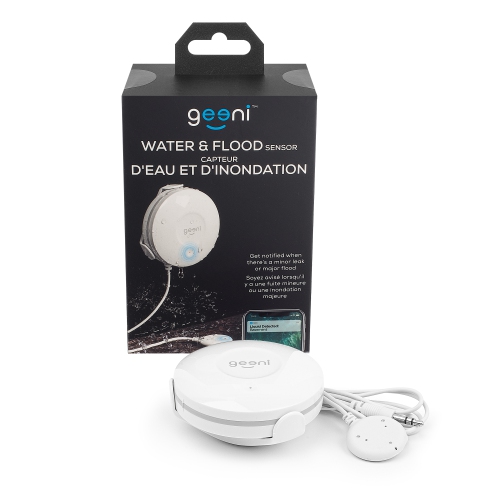
Hub-free Wi-Fi water leak sensors connect directly to your home’s Wi-Fi network to help detect leaks without a separate hub. Compare network compatibility, power requirements and alert options to find sensors suited to leak-prone areas near sinks, washing machines or water heaters.
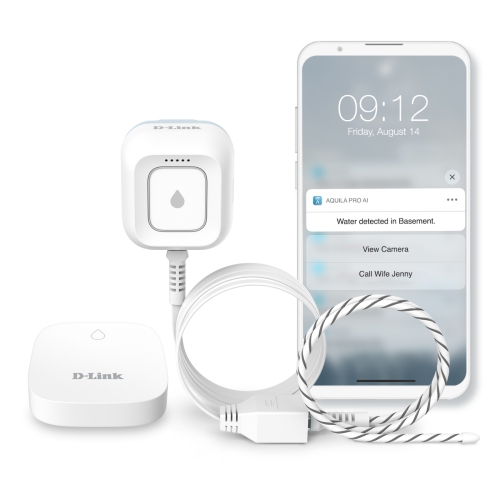

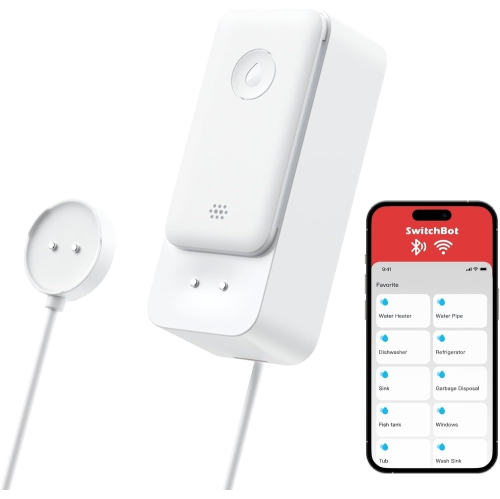
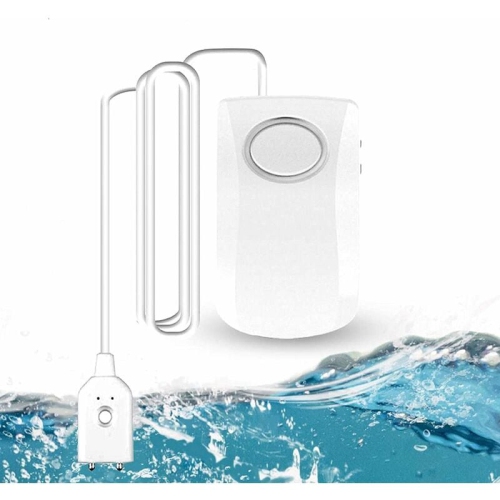



FAQ
Hub-free Wi-Fi water leak sensors connect directly to a compatible home Wi-Fi network without requiring a separate smart home hub. You typically use a companion app to set up the sensor and manage its settings. A Wi-Fi router is still required.
Many Wi-Fi water leak sensors use the 2.4 GHz band, though network requirements vary by model. Check the sensor’s specifications for supported bands and network security requirements before connecting it to your router.
Setup typically involves installing the companion app, creating or signing in to an account, and putting the sensor into pairing mode. Follow the app’s prompts to connect it to a compatible Wi-Fi network, assign a room name, and choose notification preferences.
Compatibility varies by model. Some sensors support smart home platforms or app-based automations, while others work only through their companion app. Check the listed integrations and any additional connection requirements if you want to use a sensor with your existing smart home setup.
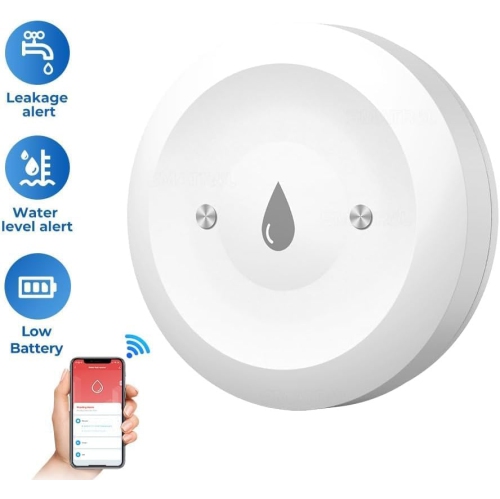
Many models use batteries, while some use a wired power connection. Battery type and replacement requirements vary, so check the model’s specifications and care instructions. Hub-free describes how the sensor connects, not how it receives power.
Top selling and popular products
Discover more categories related to Hub-Free Wi-Fi Water Leak Sensors
Some products may be subject to Environmental Handling Fees (EHF) depending on your province. Learn more about EHFs.