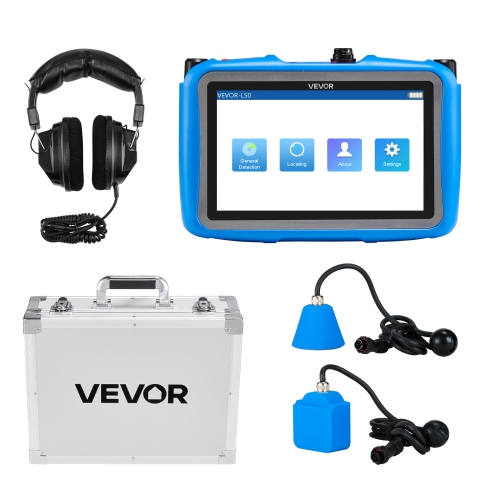
Zigbee Water Leak Sensors

Zigbee water leak sensors help detect unwanted moisture under sinks, near washing machines, and around water heaters. Browse leak detectors for your smart home setup, and check compatibility with your Zigbee hub and smart home platform. Compare power requirements and how alerts are delivered to choose a sensor that fits where you need it.
Read More

Connected leak monitoring for spots you rarely check

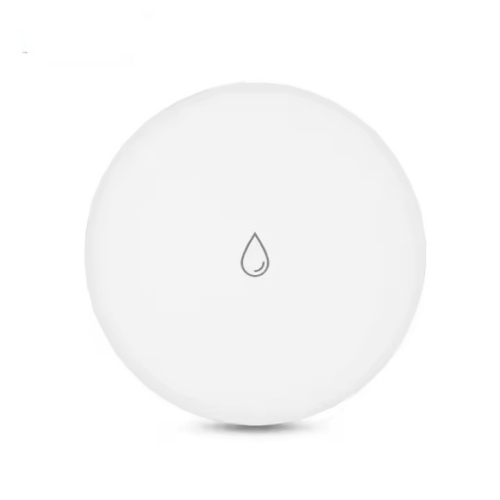
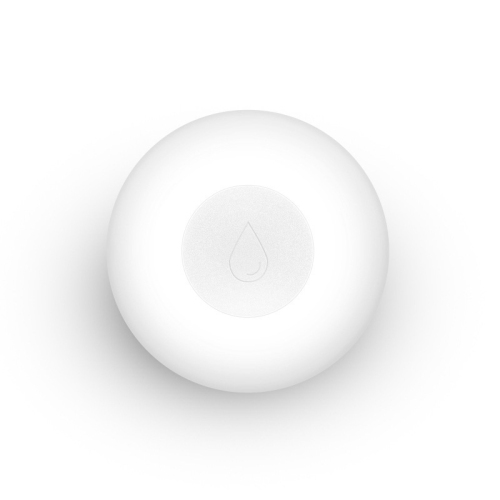
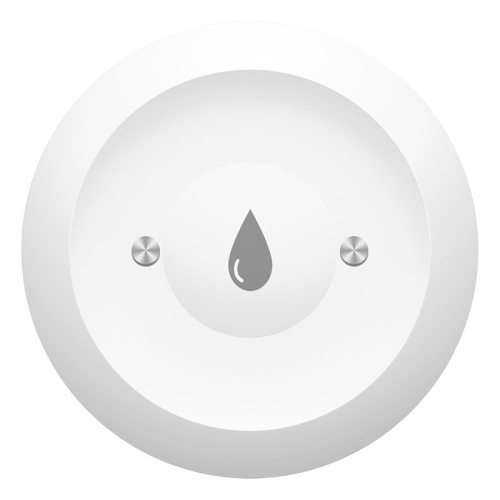
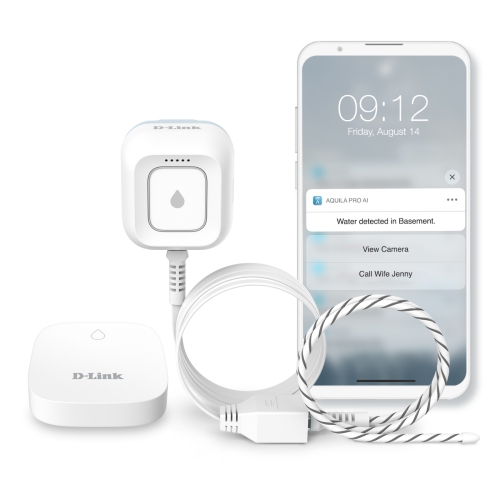
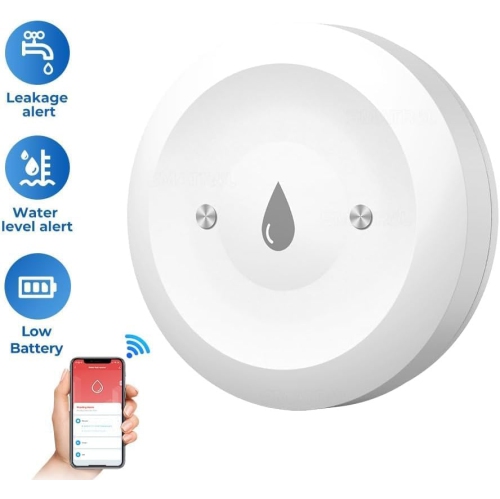
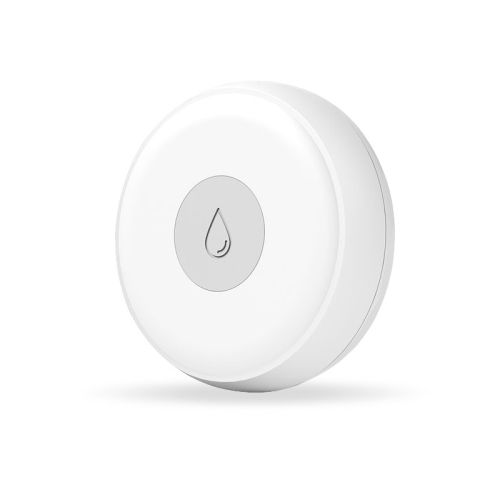
Zigbee water leak sensors help detect unwanted water in places where a small leak can otherwise go unnoticed, such as beneath sinks, beside washing machines and dishwashers, or near hot water tanks and sump pumps. They are designed to sense water at their detection points and send a signal through a compatible Zigbee smart home system, bringing leak monitoring into the same connected setup as other household devices. This makes them a useful option for homeowners, condo residents, and renters who want greater awareness of plumbing leaks or appliance overflows, especially in areas they do not check frequently. Placement and detection coverage are important differences to consider: a compact sensor can suit a tight space beneath an appliance, while a design with a separate probe or sensing cable may suit locations where the sensor body is harder to position. The right fit depends on where water is likely to collect and how much of that area needs monitoring.

Compatibility is a central consideration when comparing Zigbee water leak sensors. These devices generally communicate with a Zigbee hub or coordinator rather than connecting directly to a Wi-Fi router, so support for your existing hub, app, and smart home platform matters. The hub and its connected services determine how detection events reach you, including whether you can receive notifications while away from home or include a sensor in household automations. Depending on the supported setup, a water detection event may trigger a compatible siren, turn on a connected light, or activate a separately installed smart water shut-off valve. These capabilities depend on the complete system, not just the sensor. For households already using Zigbee devices, leak sensors can extend the usefulness of an established network; for a new setup, considering the hub and notification features alongside the sensors helps clarify what is needed for the intended use.

Everyday practicality also matters when choosing sensors for different rooms. Battery type, expected battery life, low-battery reporting, and access to the battery compartment can affect how convenient a sensor is to maintain, particularly when it sits behind an appliance or inside a cupboard. Dimensions, installation requirements, and the position of the water contacts influence where it can be placed effectively. A built-in audible alarm may be useful for someone nearby, while app-based alerts serve a different purpose when supported by the connected system. Wireless coverage deserves attention in basements, utility rooms, and spaces separated from the hub by several walls. A single sensor can monitor one likely trouble spot, while multiple sensors can provide detection at separate plumbing fixtures or appliances. Matching each sensor’s placement, alert options, and hub compatibility to the household makes it easier to choose leak monitoring that fits naturally into daily life.

Read More

FAQ

Some products may be subject to Environmental Handling Fees (EHF) depending on your province. Learn more about EHFs.