Breville Juicers for Leafy Greens
Juicing is a great way to get a lot of nutrients into your diet, and it's also a fun way to make fresh fruit or veg juice every day. But if you're not using the right juicer, you might be leaving a lot of nutrients on the table. We've rounded up some of our favorite Breville juicers for juicing leafy greens.
Sort
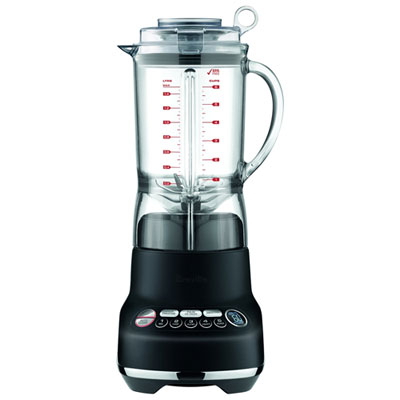


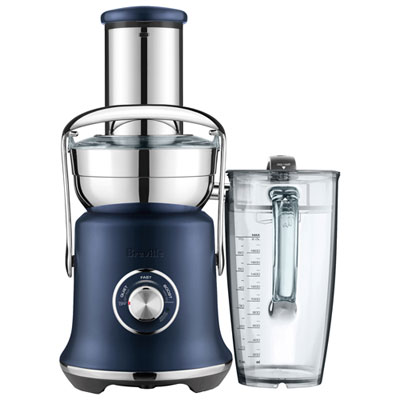
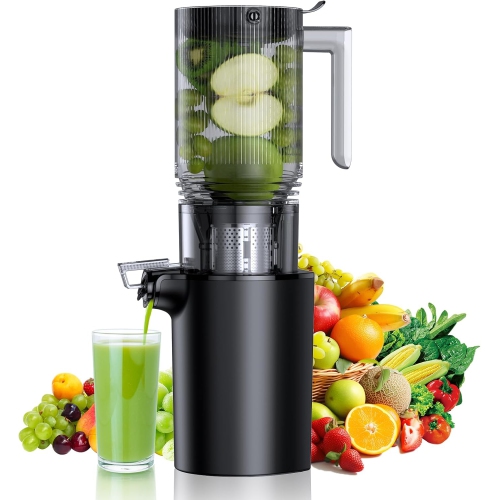
Speed, preparation and yield shape your green juice routine
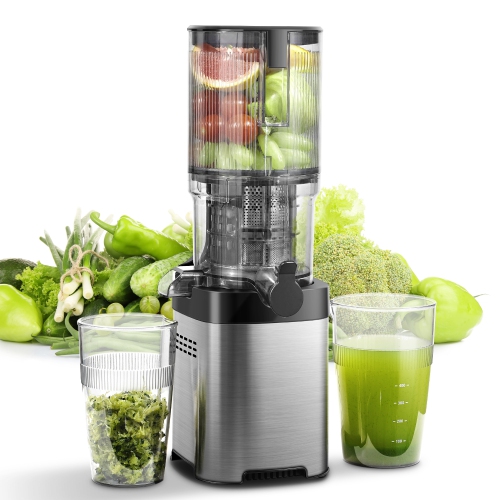
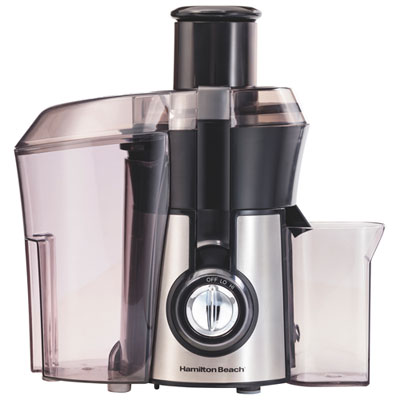
Breville juicers for leafy greens can be a practical choice for home cooks who want fresh juice without spending a long time preparing each glass. Their centrifugal design uses fast-spinning blades to shred produce and separate liquid from pulp, making them especially convenient for firm ingredients such as apples, carrots, cucumbers, pears and beets. Leafy greens, including kale, spinach, Swiss chard, romaine, parsley and other tender leaves, can also be processed, although their light texture requires a little more care. Compared with slow-press or masticating machines, centrifugal juicers may extract less liquid from delicate greens because the leaves can move quickly through the filter basket before being fully pressed. The high-speed action can also introduce more air and create some heat, which may affect the fresh taste and appearance of juice over time. For shoppers focused on green juice, it helps to consider how often leafy ingredients will be used alongside harder produce. Someone who enjoys a morning blend of spinach, cucumber and apple may appreciate the speed and roomy feed chute, while a dedicated wheatgrass or kale juicer may prefer a machine designed around slower extraction. Checking the available speed settings, chute size, pulp container capacity, filter design and included accessories can make it easier to find a setup that suits a daily routine. A sturdy base, clear controls and parts that are straightforward to rinse are also valuable when the juicer will be used regularly. These details matter during the cooler months, when a bright glass of vegetable and fruit juice can add variety to breakfast, an afternoon snack or a weekend brunch without requiring a trip to a juice bar.
Preparation has a noticeable effect on leafy-green results. Begin with fresh, thoroughly washed leaves and remove tough stems or fibrous ribs when they may be difficult for the machine to break down. Rather than dropping a loose handful of spinach or kale into the chute, roll the leaves into compact bundles or small, firm parcels. This gives the filter more material to catch and helps prevent delicate pieces from being blown into the pulp container. Alternating greens with denser produce is another useful technique. Feed a small bundle of leaves between pieces of cucumber, apple, carrot or similar ingredients so the heavier produce helps guide the greens through the cutting and filtering area. If the juicer has more than one speed, use the lower setting for soft, leafy ingredients and reserve the higher setting for dense fruits and vegetables, following the instructions supplied with the machine. A steady pace is generally better than forcing a large amount into the chute at once; pressing too firmly can overload the filter and leave wetter or uneven pulp. For a balanced glass, cucumber and apple can soften the sharper flavour of kale, while celery, lemon or ginger can add a crisp, lively note. Spinach tends to blend more gently into fruit-forward combinations, whereas parsley and chard can bring a more pronounced herbal character. Juice is usually best enjoyed soon after preparation, when its colour and flavour are at their brightest. If it needs to be held briefly, pour it into a well-sealed container and keep it refrigerated. Straining the juice again is optional and depends on whether a smoother texture or a little natural pulp is preferred. Rinsing the filter basket, blade area, feed chute and pulp container soon after use can prevent green fibres from drying in place. A soft brush is helpful for the fine mesh, and every removable component should be cleaned only according to the care instructions for that juicer.
These machines can suit a range of households, from experienced home juicers building a regular produce routine to beginners looking for a quick way to use more leafy ingredients. They may also make a thoughtful gift for someone who enjoys farmers’ market produce, prepares smoothies and juices for the family, or likes experimenting with flavour combinations in the kitchen. A compact model may work well for an apartment, office kitchenette or occasional user, while a larger-capacity option can be more convenient when preparing several servings at once. Consider the amount of counter space available, the location of an electrical outlet, the noise level that will be comfortable in the home and whether storing the machine between uses will be practical. A wide feed chute can reduce chopping, but smaller pieces may still be useful for long or bulky leaves. A visible juice jug, secure locking arm and pulp container that is easy to remove can make the process feel more controlled from start to finish. Shoppers who are particularly interested in gentle extraction and higher yields from leafy greens may also wish to compare this style with alternatives such as Breville Juicer Masticating options, since slower pressing is often better suited to soft leaves and fibrous greens. The right choice depends on the balance between speed, convenience, texture, yield and the ingredients used most often. With sensible preparation, low-speed operation where available and prompt cleaning, a centrifugal juicer can become an easy part of a weekday breakfast or a relaxed kitchen routine during the changing seasons.
Top selling and popular products
-
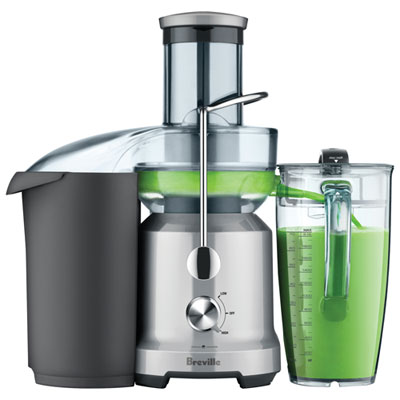 Your price for this item is $209.99
-
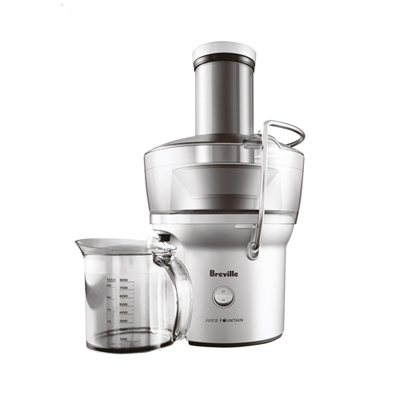 Your price for this item is $149.98
-
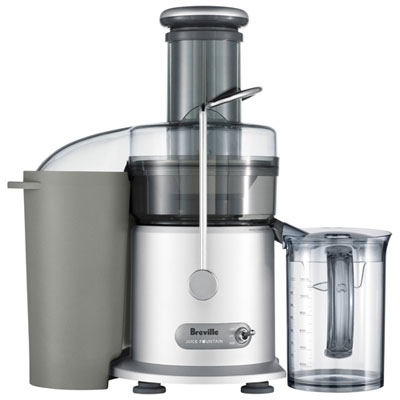 Your price for this item is $149.99
-
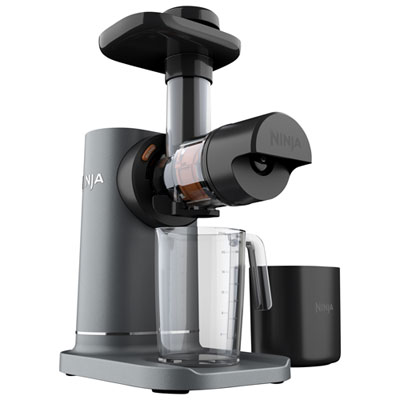 Your price for this item is $199.99
-
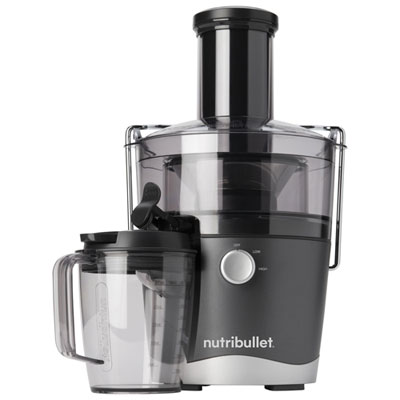 Your price for this item is $99.99
-
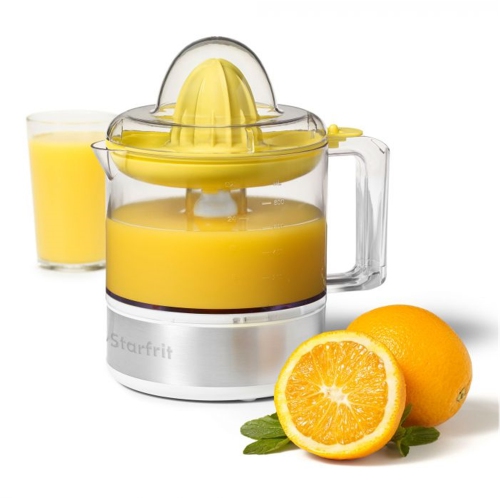 Your price for this item is $29.99
-
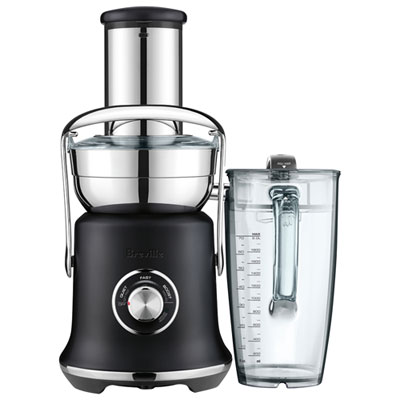 Your price for this item is $499.99
-
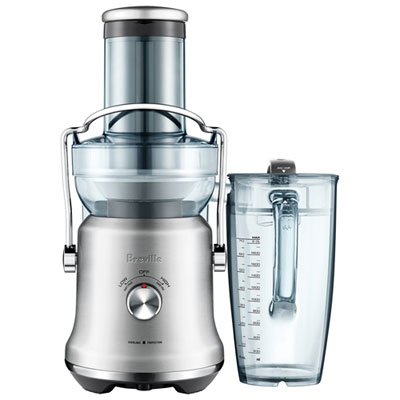 Your price for this item is $299.98
Discover more categories related to Breville Juicers for Leafy Greens
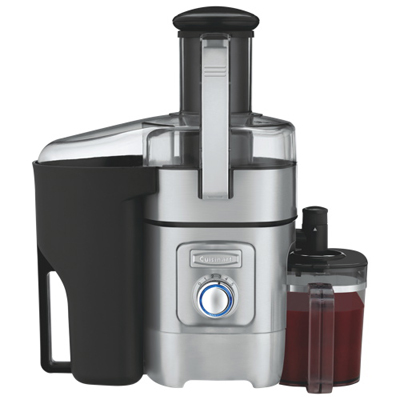
Top Collections:
Pokemon Centers, Best Cameras for Sports Photography, Kindle Devices, Samsung Galaxy Phones, Canon G7X Cameras, Pokémon 30th Celebration Cards, Refurbished Apple Laptops, iPhone 15 Apple, Laptops for Students, Budget Smartphones
Some products may be subject to Environmental Handling Fees
(EHF) depending on your province.
Learn more about EHFs.