Juicers for Hard Vegetables
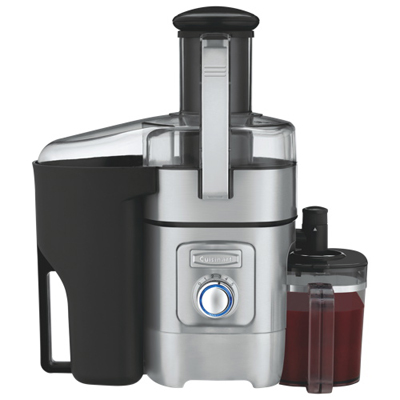
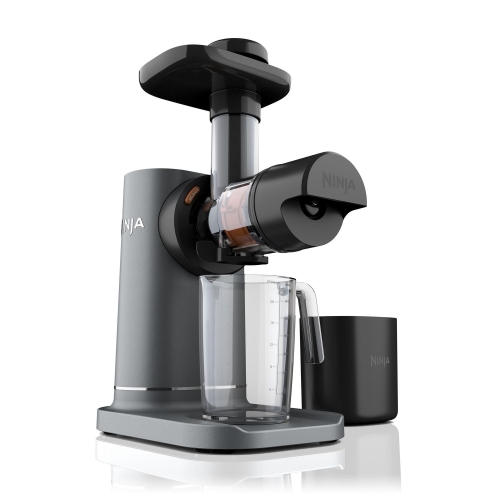
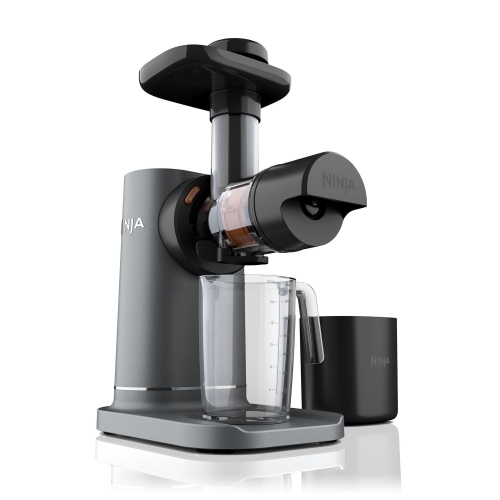
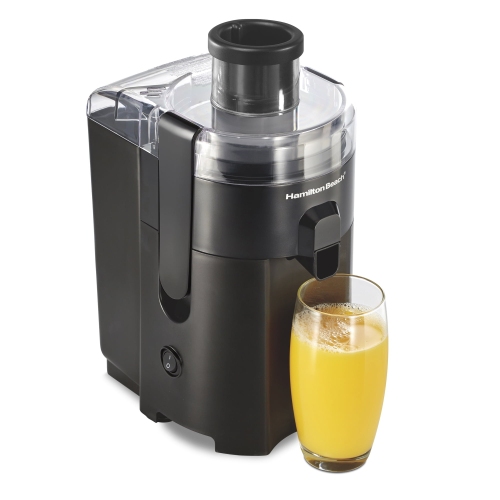
Juicing is a great way to get a lot of nutrients into your diet, and it's also a fun way to get kids interested in healthy eating. These juicers are great for hard vegetables like carrots, beets, and celery. Here are some great juicers for hard vegetables that are available to you.
Sort
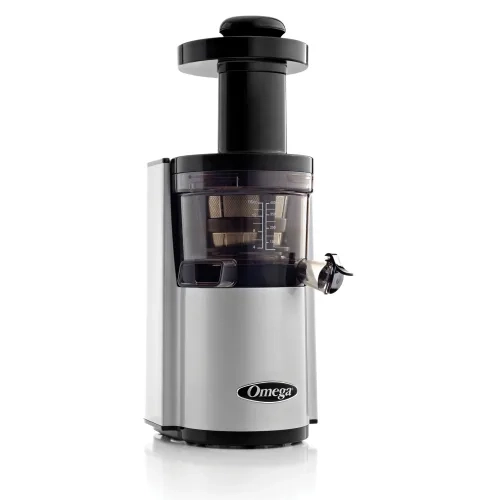
What to consider when juicing dense, fibrous produce
Juicers for hard vegetables are designed for turning dense, fibrous produce into smooth, fresh juice with less strain than a basic appliance may manage. Carrots, beets, ginger, sweet potatoes, turmeric and firm celery stalks all have a tougher texture than softer fruits, so the right juicer should have a strong motor, durable internal components and a feed system that can handle regular use. Slow or masticating juicers crush and press produce through an auger, applying steady torque rather than relying only on high-speed blades. This approach is often well suited to hard vegetables because it gives the machine time to break down dense pieces while extracting juice from the pulp. Many people also appreciate that slow juicers operate more quietly, making them practical for early-morning routines or shared kitchens. Centrifugal juicers offer a different experience: their rapidly spinning blades process ingredients quickly and often feature a wide feed chute that reduces the need for extensive chopping. They can be a convenient choice for busy households, occasional juicing and anyone who values speed above all else. When comparing juicers for hard vegetables, consider how often you plan to use the appliance, how much juice you typically prepare and whether you prefer a fast drink made in minutes or a slower process focused on thorough extraction. A model with a high-torque motor is particularly useful for frequent batches, while a wide chute can make preparation easier when working with large carrots, apples or other firm produce. If you are preparing juice for one person, a compact design may be sufficient; families or enthusiastic home juicers may prefer a larger collection container and a pulp bin that can accommodate longer sessions. Controls should be straightforward, and parts that come into contact with food should be easy to remove for rinsing and washing. A reverse function can help release ingredients if fibrous pieces become lodged, while multiple speed settings may provide more control when moving between hard roots, leafy greens and softer fruits.
Preparation makes a noticeable difference when juicing hard vegetables. Even a wide-chute juicer benefits from having thick carrots, large beets and firm root vegetables cut into manageable pieces. Smaller pieces enter the feeding tube more smoothly and reduce the chance of putting unnecessary pressure on the motor. Hard produce should be washed well and trimmed before it goes into the machine; beets may need their tops and rough ends removed, while ginger and turmeric are easier to process when cut into small sections. There is no need to make every piece identical, but consistent chunks help the juicer work at an even pace. Feed ingredients gradually instead of forcing a large handful through at once, and use the provided pusher rather than another utensil. Alternating dense vegetables with slightly softer ingredients, such as cucumber, celery or ripe pear, can help move fibrous pulp through the system. This is especially useful when making blends with several root vegetables. Keep in mind that the colour and texture of the juice will vary by ingredient: beet juice may be rich and earthy, carrot juice naturally sweet and bright, and celery juice light with a more savoury character. A small amount of lemon, apple or fresh ginger can add contrast without changing the basic purpose of the appliance. For a smoother result, strain the finished juice if desired, although some people prefer the fuller texture created by fine pulp. Juice is best enjoyed soon after preparation, and storing it in a sealed container in the refrigerator can help preserve its flavour for later in the day. Cleaning promptly is one of the most important habits with hard vegetables. Pulp from carrots, beets and fibrous roots can dry quickly on a strainer, auger or filter, making it more difficult to remove later. Rinse removable parts immediately after use, brush away fibres from screens and small openings, and follow the manufacturer’s instructions for dishwasher-safe components. A thorough clean also helps prevent flavours and colours from carrying over into the next recipe.
These juicers can be a practical addition for people who enjoy making vegetable-forward drinks, preparing ingredients in their own kitchen or experimenting with combinations beyond traditional fruit juice. They suit home cooks who like to use fresh carrots in the morning, fitness-minded households that include vegetable juice in their routines, and anyone who prefers to control the ingredients in each glass. A juicer for hard vegetables may also make a thoughtful gift for a new homeowner, an enthusiastic cook or someone setting up a convenient breakfast station. When choosing one as a gift, look for features that make everyday use approachable: a stable base, clear controls, a generous pulp container, an easy-to-reach feeding chute and parts that do not require complicated assembly. People who enjoy making larger quantities may value a powerful slow juicer with a spacious design, while someone with limited counter space may prefer a simpler machine that can be stored in a cabinet after use. For shoppers who regularly process roots, firm produce and larger batches, exploring Heavy Duty Juicer Machines can help narrow the selection to appliances built with demanding kitchen routines in mind. Noise level, countertop footprint and storage should be considered alongside motor strength, especially in an apartment or a shared home. It is also worth checking what accessories are included, such as cleaning brushes, juice containers, strainers or recipe guides, since these can make the first few uses more convenient. During warmer weather, freshly made carrot, cucumber and celery blends can be refreshing served chilled, while during the cooler months, earthy beet, carrot and ginger combinations can bring colour and brightness to a breakfast routine. Whether the goal is a quick glass before work, a weekend batch for the household or a gift that encourages more creative cooking, the best juicer for hard vegetables is one that matches the user’s preferred pace, preparation habits and cleanup expectations.
Preparation makes a noticeable difference when juicing hard vegetables. Even a wide-chute juicer benefits from having thick carrots, large beets and firm root vegetables cut into manageable pieces. Smaller pieces enter the feeding tube more smoothly and reduce the chance of putting unnecessary pressure on the motor. Hard produce should be washed well and trimmed before it goes into the machine; beets may need their tops and rough ends removed, while ginger and turmeric are easier to process when cut into small sections. There is no need to make every piece identical, but consistent chunks help the juicer work at an even pace. Feed ingredients gradually instead of forcing a large handful through at once, and use the provided pusher rather than another utensil. Alternating dense vegetables with slightly softer ingredients, such as cucumber, celery or ripe pear, can help move fibrous pulp through the system. This is especially useful when making blends with several root vegetables. Keep in mind that the colour and texture of the juice will vary by ingredient: beet juice may be rich and earthy, carrot juice naturally sweet and bright, and celery juice light with a more savoury character. A small amount of lemon, apple or fresh ginger can add contrast without changing the basic purpose of the appliance. For a smoother result, strain the finished juice if desired, although some people prefer the fuller texture created by fine pulp. Juice is best enjoyed soon after preparation, and storing it in a sealed container in the refrigerator can help preserve its flavour for later in the day. Cleaning promptly is one of the most important habits with hard vegetables. Pulp from carrots, beets and fibrous roots can dry quickly on a strainer, auger or filter, making it more difficult to remove later. Rinse removable parts immediately after use, brush away fibres from screens and small openings, and follow the manufacturer’s instructions for dishwasher-safe components. A thorough clean also helps prevent flavours and colours from carrying over into the next recipe.
These juicers can be a practical addition for people who enjoy making vegetable-forward drinks, preparing ingredients in their own kitchen or experimenting with combinations beyond traditional fruit juice. They suit home cooks who like to use fresh carrots in the morning, fitness-minded households that include vegetable juice in their routines, and anyone who prefers to control the ingredients in each glass. A juicer for hard vegetables may also make a thoughtful gift for a new homeowner, an enthusiastic cook or someone setting up a convenient breakfast station. When choosing one as a gift, look for features that make everyday use approachable: a stable base, clear controls, a generous pulp container, an easy-to-reach feeding chute and parts that do not require complicated assembly. People who enjoy making larger quantities may value a powerful slow juicer with a spacious design, while someone with limited counter space may prefer a simpler machine that can be stored in a cabinet after use. For shoppers who regularly process roots, firm produce and larger batches, exploring Heavy Duty Juicer Machines can help narrow the selection to appliances built with demanding kitchen routines in mind. Noise level, countertop footprint and storage should be considered alongside motor strength, especially in an apartment or a shared home. It is also worth checking what accessories are included, such as cleaning brushes, juice containers, strainers or recipe guides, since these can make the first few uses more convenient. During warmer weather, freshly made carrot, cucumber and celery blends can be refreshing served chilled, while during the cooler months, earthy beet, carrot and ginger combinations can bring colour and brightness to a breakfast routine. Whether the goal is a quick glass before work, a weekend batch for the household or a gift that encourages more creative cooking, the best juicer for hard vegetables is one that matches the user’s preferred pace, preparation habits and cleanup expectations.
Top selling and popular products
-
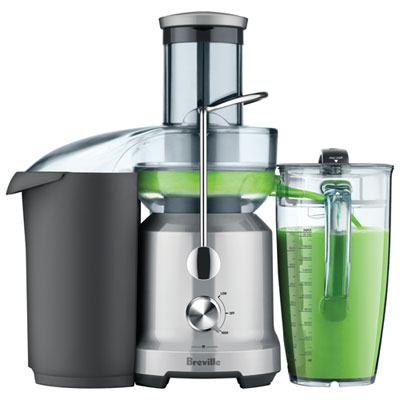 Your price for this item is $209.99
 -
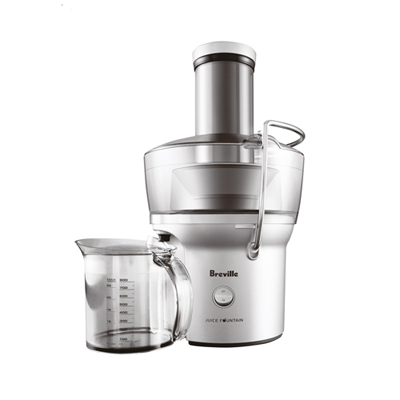 Your price for this item is $149.98
 -
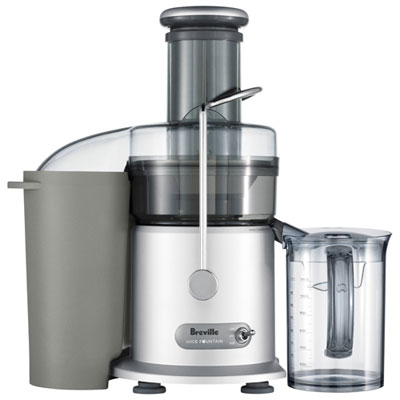 Your price for this item is $149.99
 -
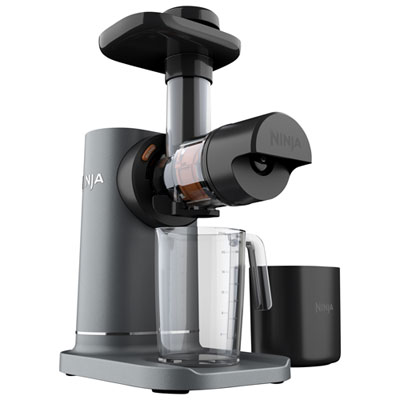 Your price for this item is $199.99
 -
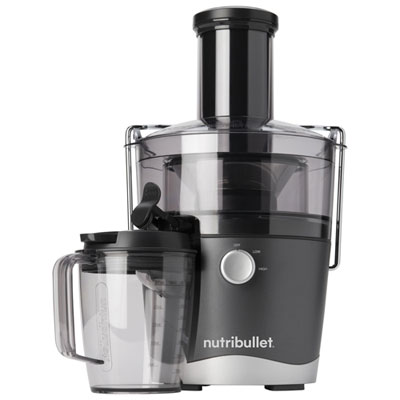 Your price for this item is $99.99
 -
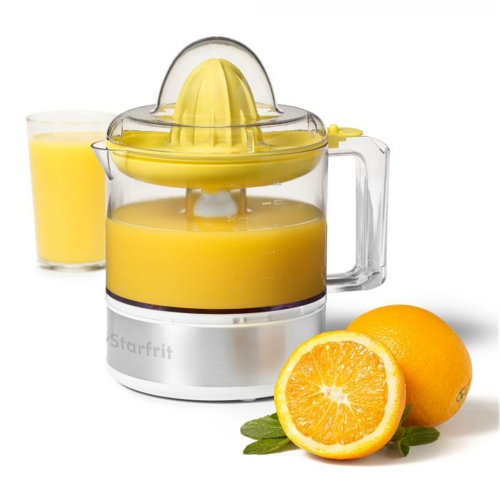 Your price for this item is $29.99
 -
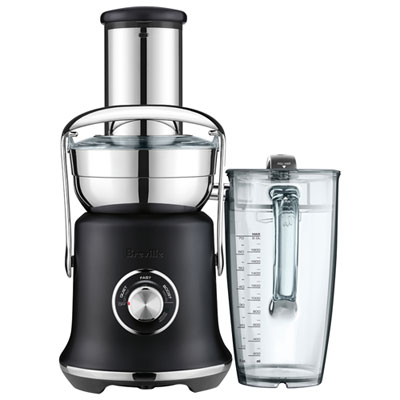 Your price for this item is $499.99
 -
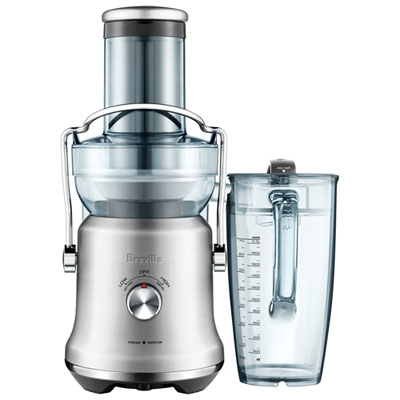 Your price for this item is $299.98
Discover more categories related to Juicers for Hard Vegetables
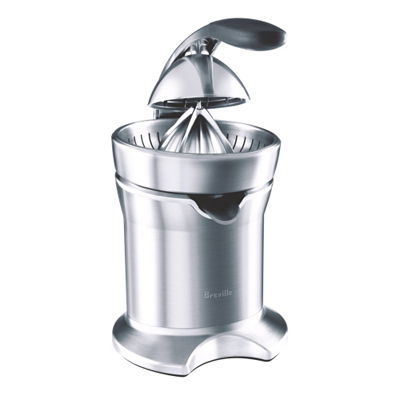
Top Collections:
Pokemon Centers, Best Cameras for Sports Photography, Kindle Devices, Samsung Galaxy Phones, Canon G7X Cameras, Pokémon 30th Celebration Cards, Refurbished Apple Laptops, iPhone 15 Apple, Laptops for Students, Budget Smartphones
Some products may be subject to Environmental Handling Fees
(EHF) depending on your province.
Learn more about EHFs.