Black Food Processors
A food processor is a kitchen workhorse. It can chop, slice, grate, and puree almost any food you can think of, and it's great for making sauces and dressings. It's one of the most versatile tools in any kitchen. These have strong motors, sharp blades, and comfortable handles. Here are some black food processors available.
Sort
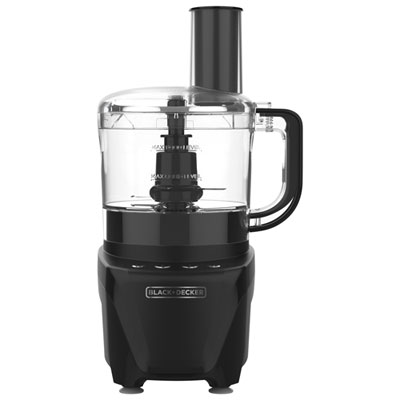
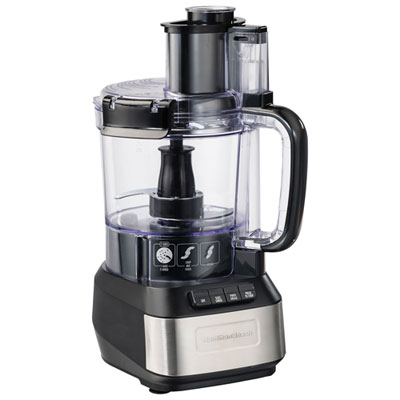
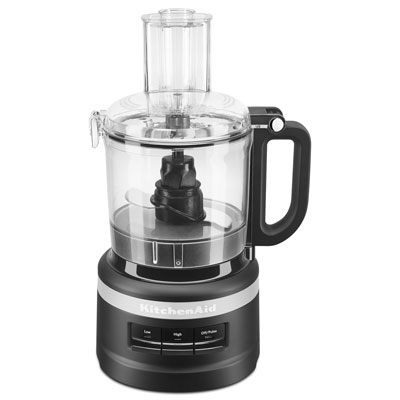
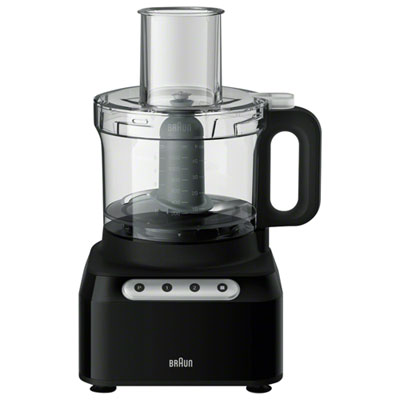
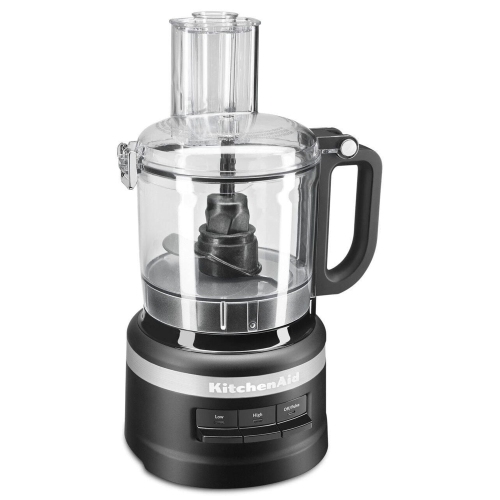
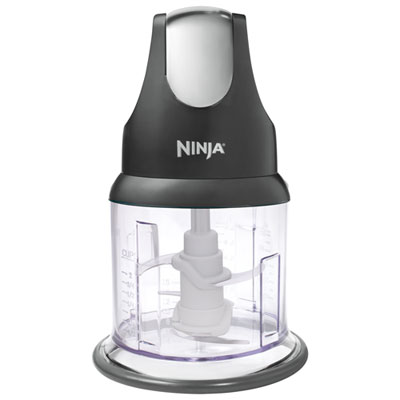
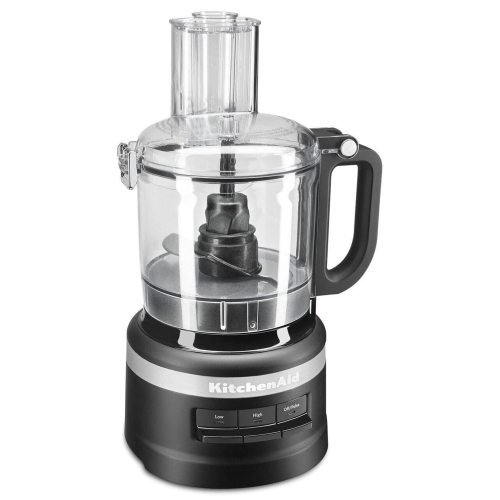
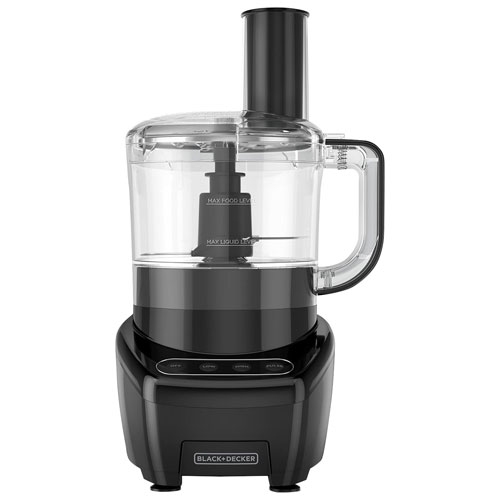

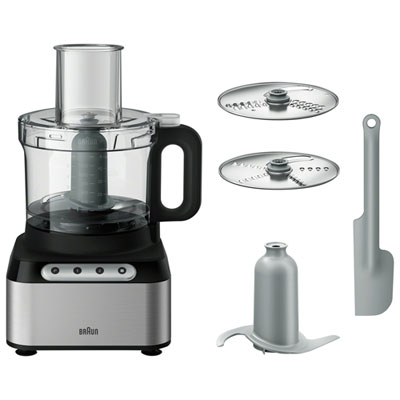
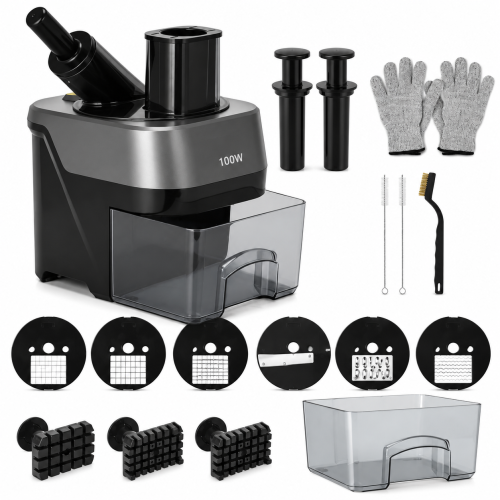
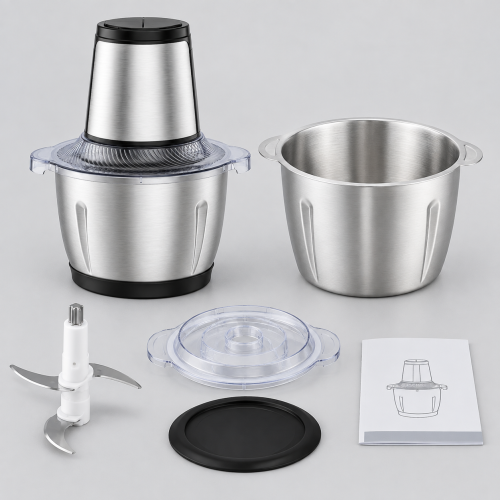
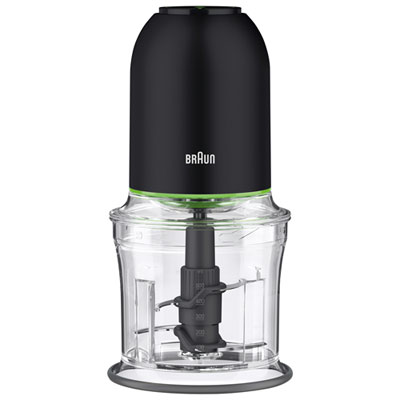
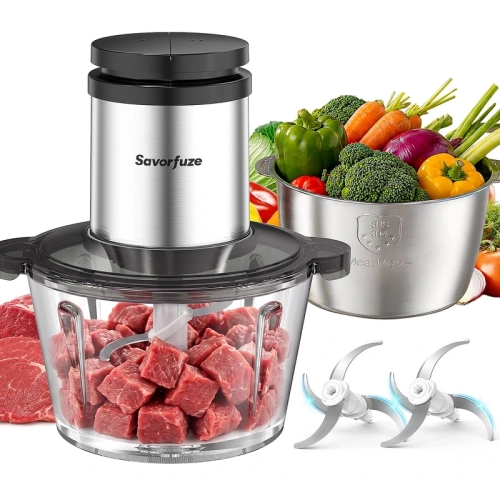
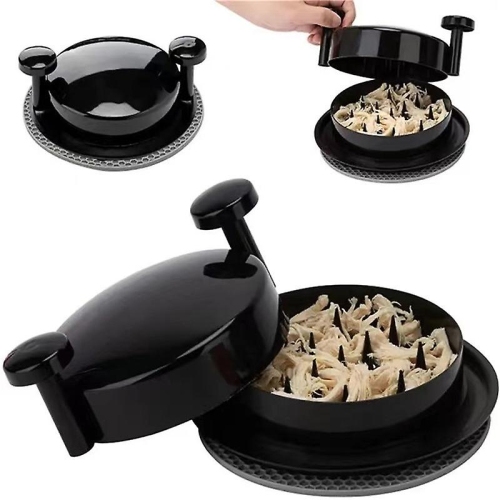
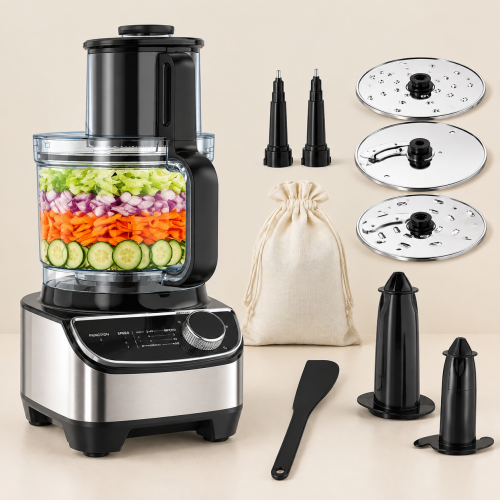
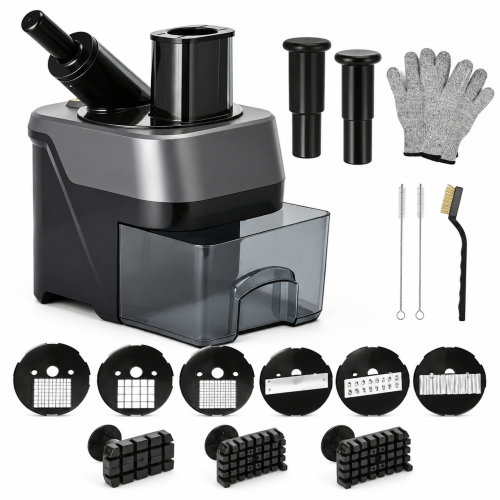
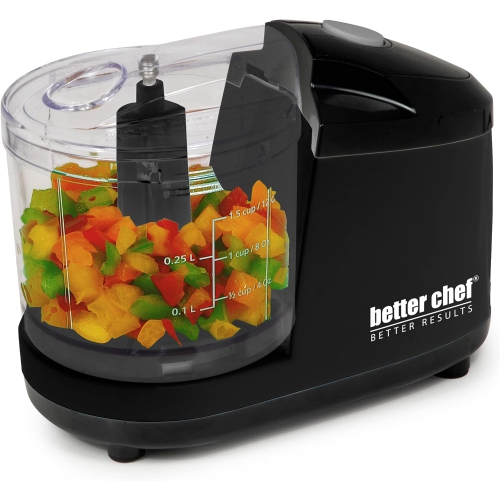

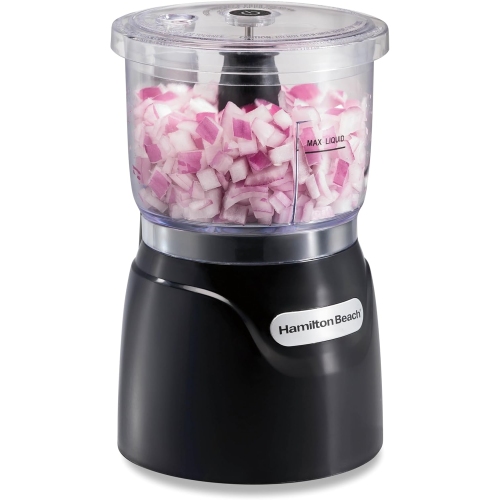
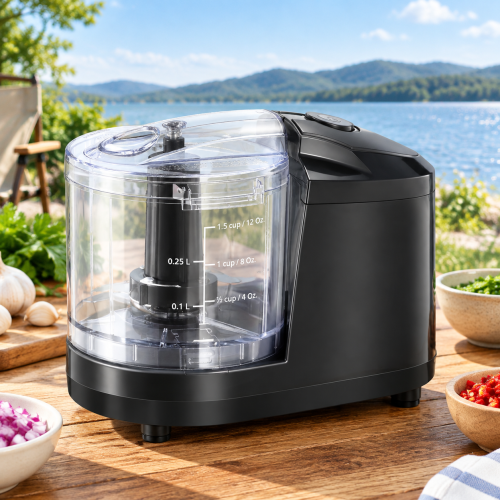
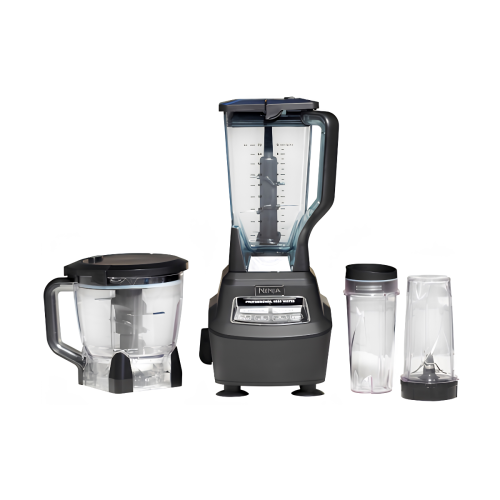
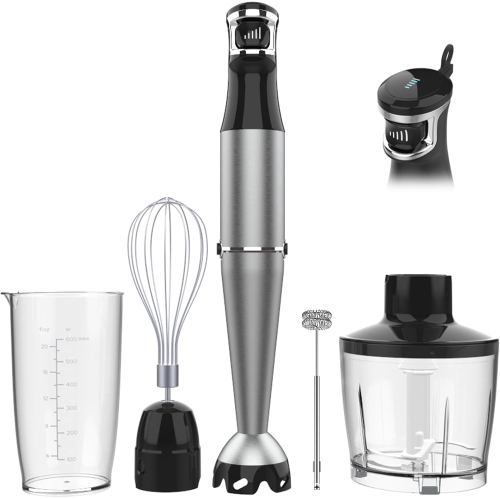
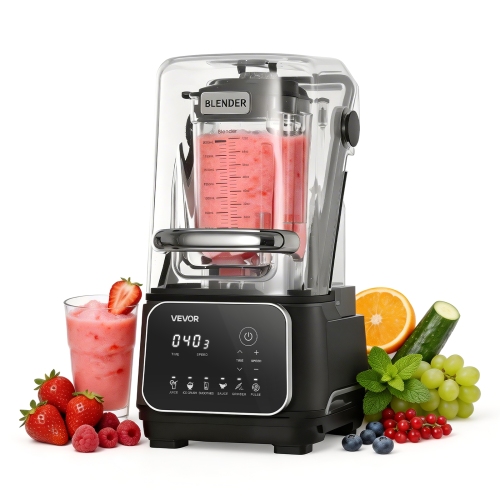
A black finish is just the starting point
Black food processors are countertop appliances designed to chop, slice, shred and purée ingredients, depending on the blades and attachments included. Part of the broader Kitchen Processors category, they pair practical food preparation with a neutral finish that fits many kitchen styles. Black can blend into dark cabinetry, provide contrast against a pale countertop or coordinate with other small appliances without requiring every surface to match. Matte finishes tend to create a softer appearance, while glossy housings reflect light and have a more polished look; how easily either shows fingerprints depends on the surface and its texture. The black colour generally describes the exterior housing rather than every component, so clear work bowls, metal blades and contrasting controls can still form part of the design. Beyond appearance, bowl capacity helps determine how naturally a processor fits into a cooking routine. An 8-cup capacity can suit everyday preparation for smaller households, while a 13-cup bowl provides more room for larger recipes and batch cooking. These capacities describe bowl size, not necessarily the amount of every ingredient that can be processed at once. Liquid fill limits, maximum food quantities and dough limits can differ, making the manufacturer’s working capacities more useful than the headline number alone. A smaller bowl may be convenient for a handful of herbs or a modest portion of chopped vegetables, whereas a larger bowl leaves more space for shredded cabbage, grated cheese or ingredients for several meals. Physical fit matters just as much as capacity: the assembled height needs clearance beneath cupboards, the base needs a stable place on the countertop, and the lid and feed tube need room to be removed comfortably. For a kitchen with limited storage, the combined footprint of the machine, discs and accessories can be more important than the bowl size itself. A processor that can remain within easy reach is also more likely to become part of everyday cooking than one tucked behind other appliances.
The most useful features are those that match the food being prepared. A chopping blade can turn onion, carrot and celery into a consistent base for soups and sauces, while a slicing disc can prepare cucumber rounds or potatoes with less repeated knife work. Shredding discs are useful for slaw, grated vegetables and cheese, although results depend on the ingredient’s firmness and the disc supplied. Adjustable slicing thickness, where included, gives more control over the difference between a delicate salad garnish and a thicker slice for a baked dish. A wide feed tube can reduce the amount of cutting needed before processing, but food still needs to fit freely and be pushed through only with the supplied pusher. Pulse control is particularly helpful when texture matters: short bursts make it easier to keep salsa chunky or chop nuts without taking them too far. Continuous operation can suit longer tasks, provided the appliance is used within its stated limits. For hummus, dips and spreads, bowl shape and blade placement influence how readily ingredients move back towards the cutting area; occasional scraping may still be needed after the machine has stopped and been safely disconnected. Some processors can mix or knead dough with an appropriate blade, but that function should be confirmed rather than assumed. Motor wattage alone does not describe performance, since blade design, drive system, batch size and operating limits also affect results. A processor is not automatically a substitute for a blender, either. Its wider bowl is well suited to many chopping and mixing tasks, while very smooth drinks and freely flowing liquids may be better handled by an appliance designed for them. Materials contribute to everyday usability as well. Stainless steel cutting components, a rigid bowl, a securely fitting lid and a stable base are useful details to assess. Clear capacity markings help with loading, and a comfortable handle makes a full bowl easier to lift and empty. Controls that are easy to read against the black housing can make operation more straightforward, particularly in a kitchen with subdued lighting.
Care and construction influence how well a black food processor holds up to repeated use. Smooth housing surfaces are generally easier to wipe than deeply textured areas or narrow seams where flour and crumbs can collect. The motor base should be cleaned as directed without immersion, while removable bowls, lids, pushers and blades need to be washed according to their individual care instructions. Dishwasher-safe parts can simplify cleanup, but that designation may apply only to certain components or rack positions. Handwashing may be specified for others. Blades and discs remain sharp even when the appliance is switched off, so careful handling and dedicated storage are important both during cleaning and between uses. Allowing washed components to dry fully before reassembly helps prevent trapped moisture, and keeping attachments in a fitted case or designated cupboard space protects cutting edges from loose utensils. Foods with strong pigments can leave marks on some plastics, making prompt cleaning helpful; abrasive pads and harsh cleaners may damage a bowl or exterior finish. Durability also involves the parts handled most often, including the bowl handle, locking tabs, lid seal where fitted and control switches. Replacement-part information and warranty coverage are worth reviewing for an appliance intended for frequent use. In day-to-day cooking, a black food processor can appeal to someone who prepares vegetables regularly, makes dips from scratch, bakes with chopped nuts or wants more consistent slices for family meals. It can also reduce repetitive knife work, though the lifting weight, locking mechanism and force needed to assemble the bowl deserve attention for anyone with limited hand strength. As a housewarming, wedding or milestone gift, it is most useful when the recipient has the storage space and a genuine interest in cooking. A manageable bowl size, attachments suited to familiar recipes and straightforward cleanup often matter more than a long list of functions. The strongest fit is a processor whose capacity, handling and care requirements work comfortably with the meals being made and the kitchen where it will be used.
Top selling and popular products
-
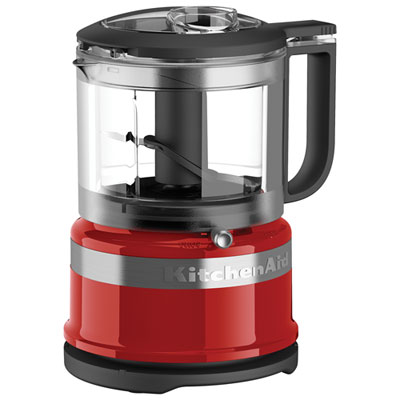 Your price for this item is $49.99
-
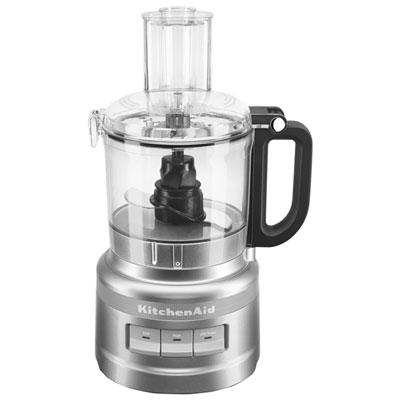 Your price for this item is $99.99
-
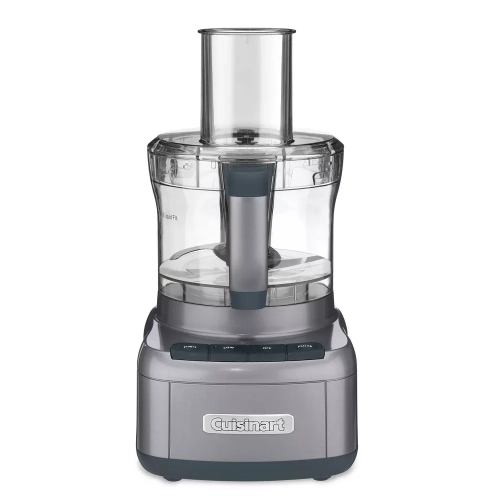 Your price for this item is $317.89
-
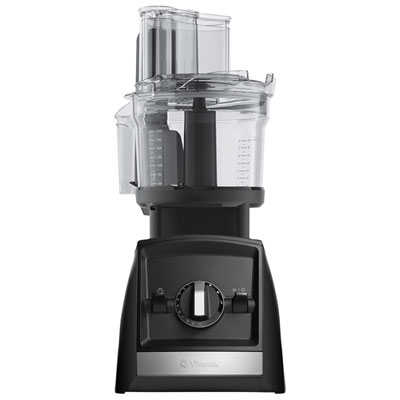 Your price for this item is $349.99
-
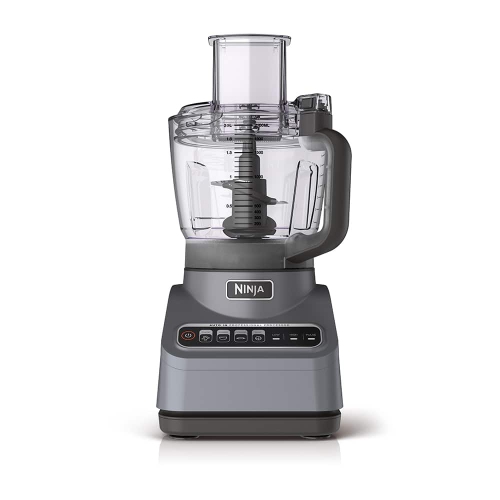 Your price for this item is $142.4
-
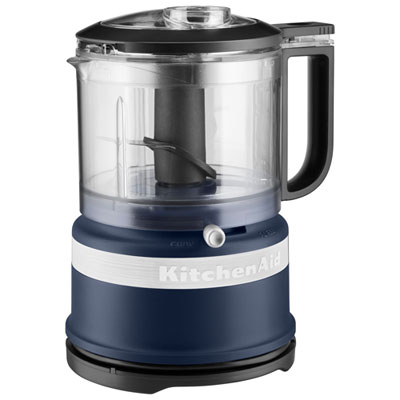 Your price for this item is $49.99
-
 Your price for this item is $82.6
-
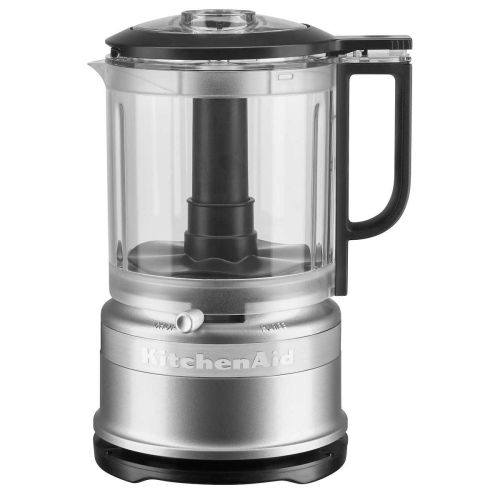 Your price for this item is $105.28
Discover more categories related to Black Food Processors
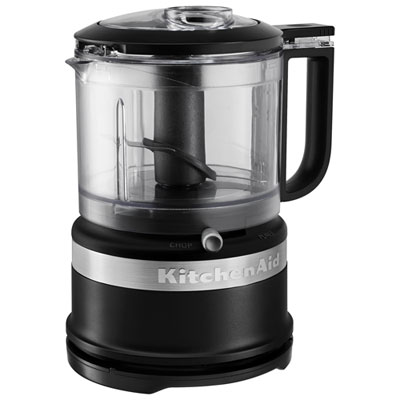
Top Collections:
Best Black Friday Deals This Year, Best Black Friday Deals On Electronics, Kindle Devices, Dyson Airwrap, Best Cameras for Sports Photography, Best Budget Office Chairs, Canon G7X Cameras, PS5 Pro Consoles, Best Black Friday Deals On Apple Products, XBOX One S Consoles
Some products may be subject to Environmental Handling Fees
(EHF) depending on your province.
Learn more about EHFs.