Small Powerful Food Processors
If you're a serious cook, you probably already have a food processor in your kitchen. But if you're looking for a small, powerful model that can still handle most tasks, we've got you covered. Here are some great options for small powerful food processors.
Sort
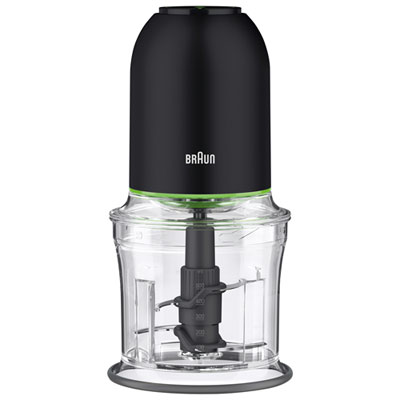
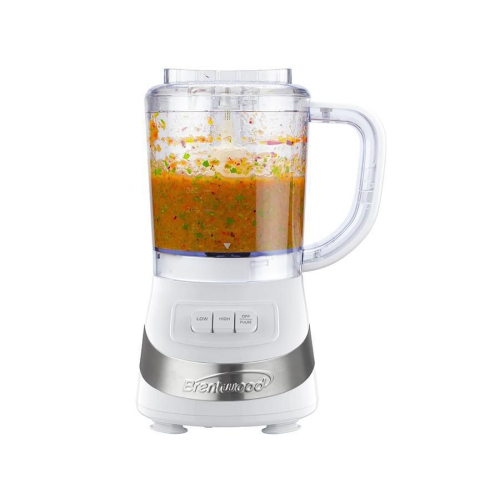
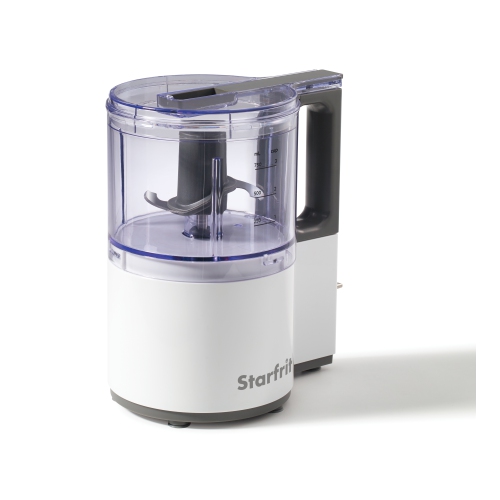
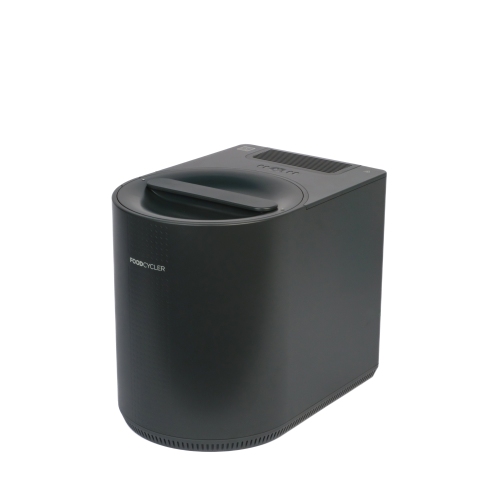
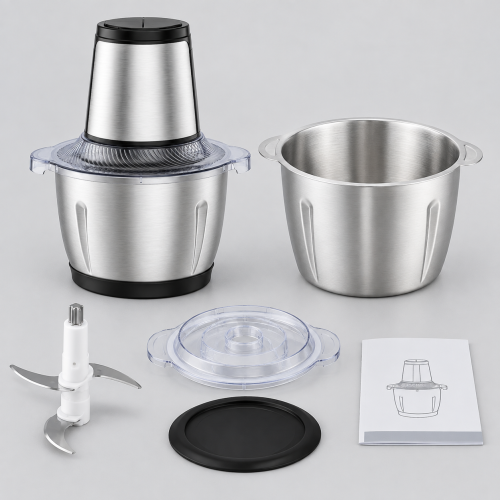
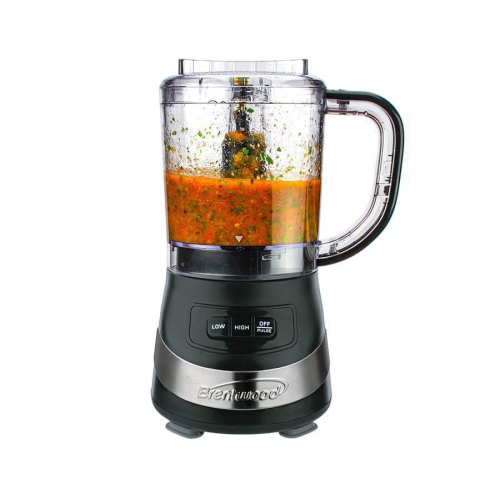
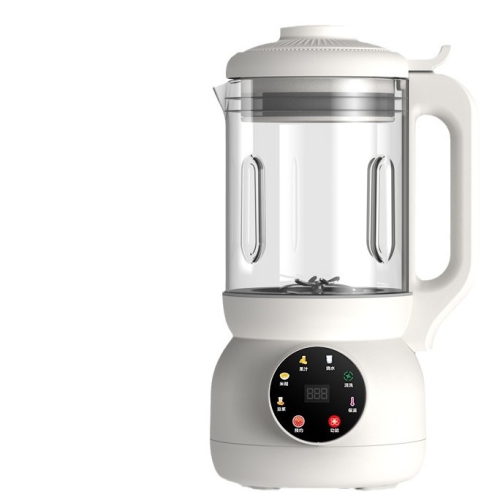

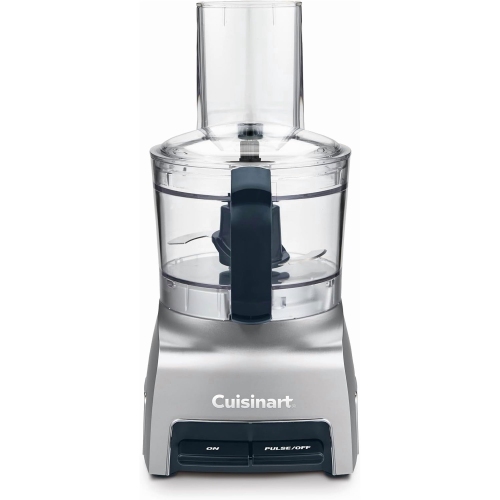
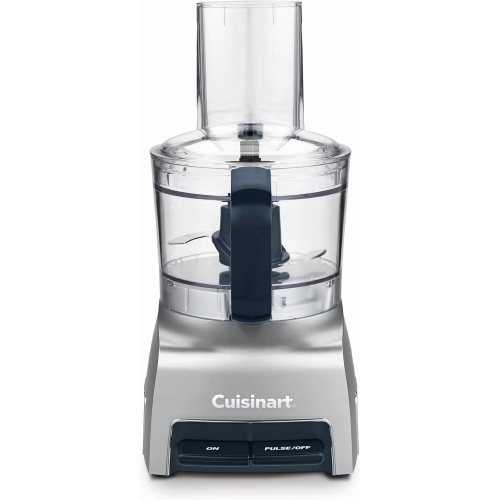
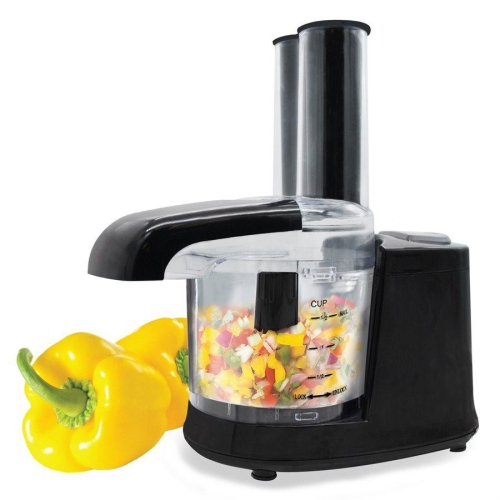
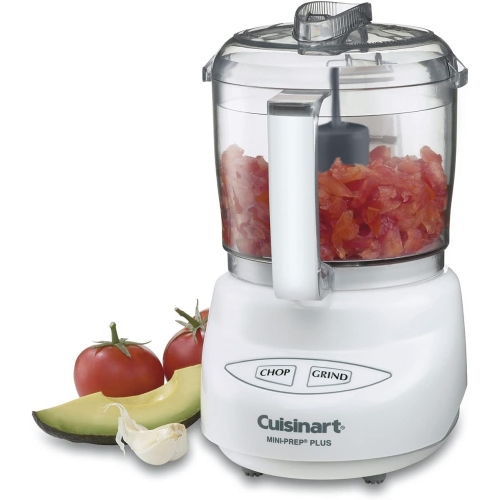

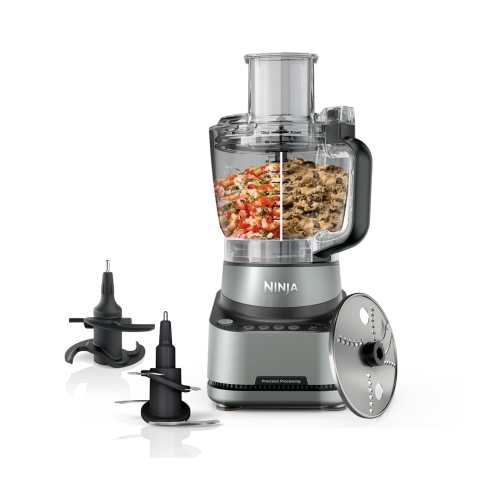
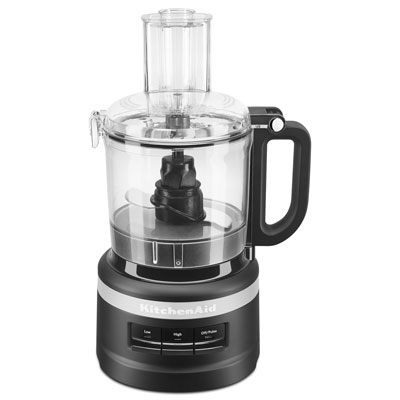
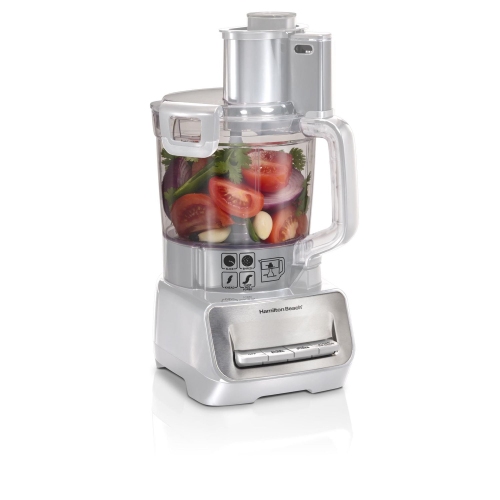
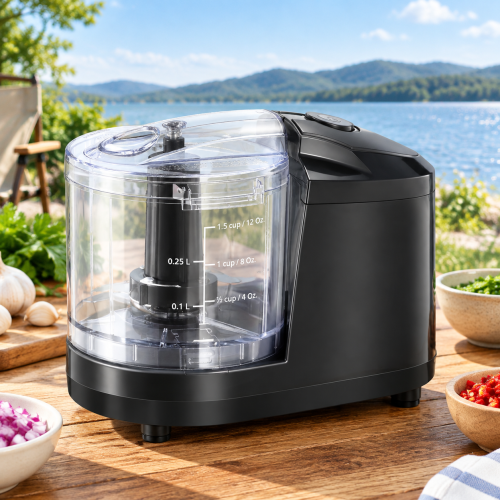
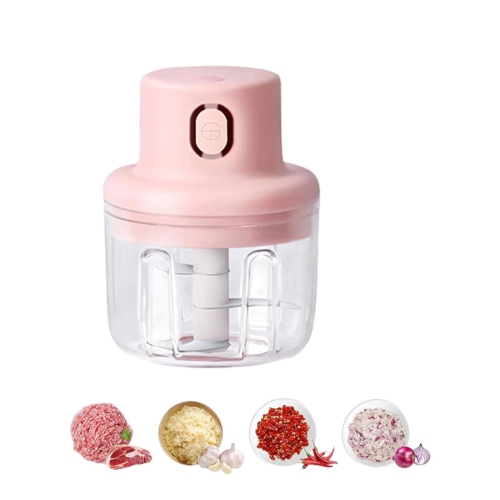
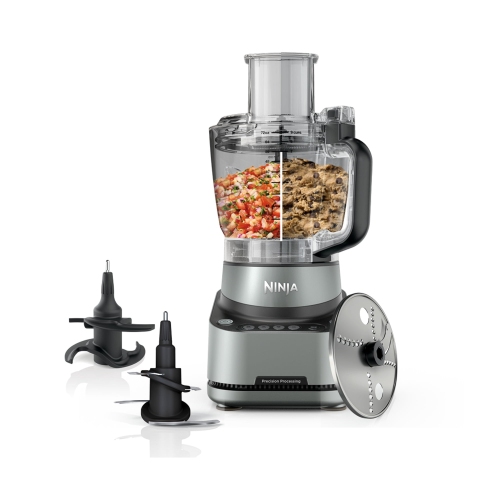
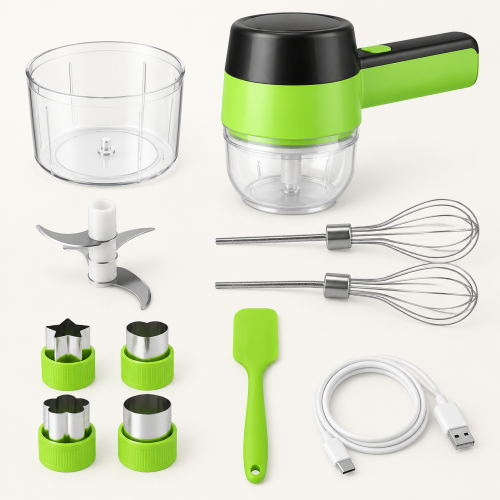
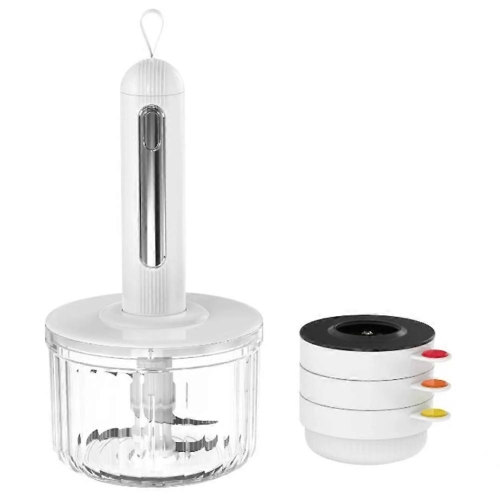
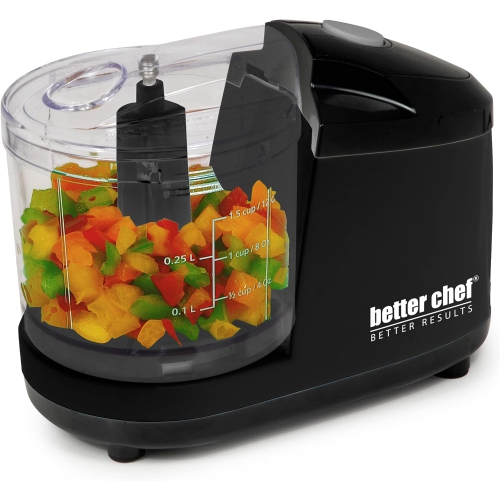
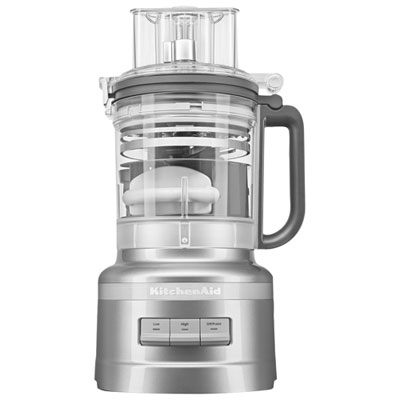
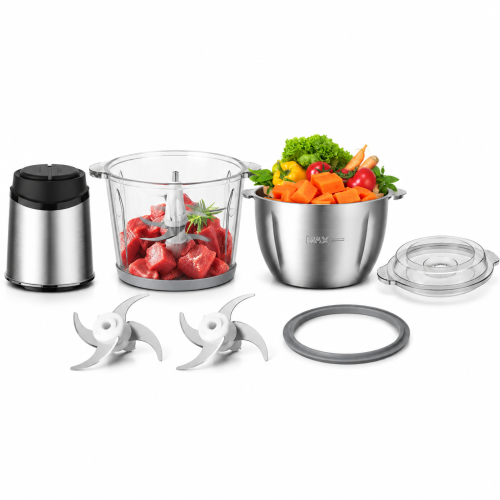
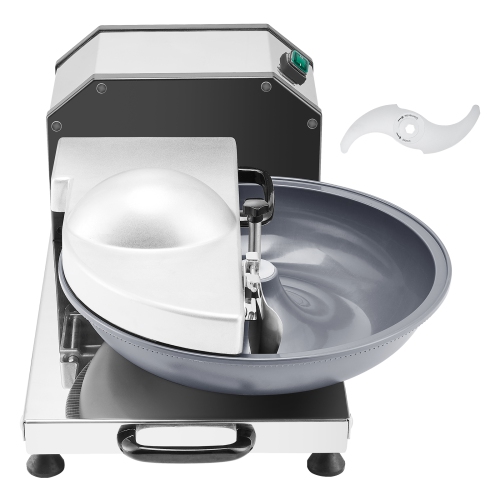
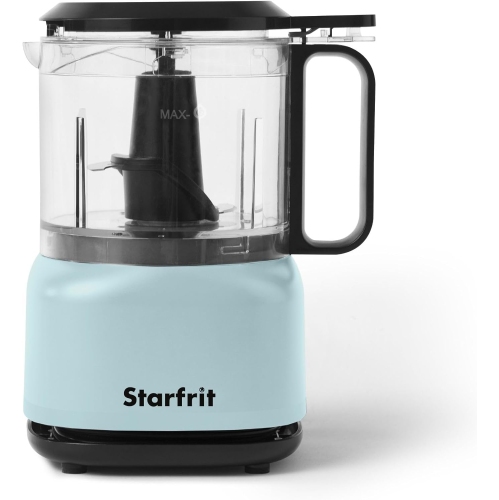
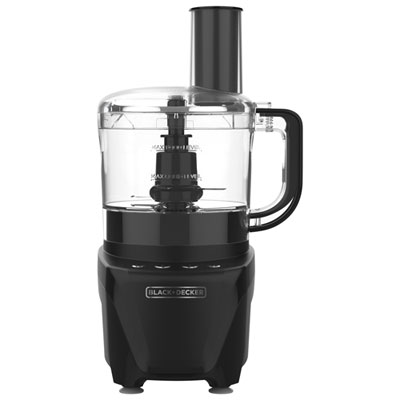
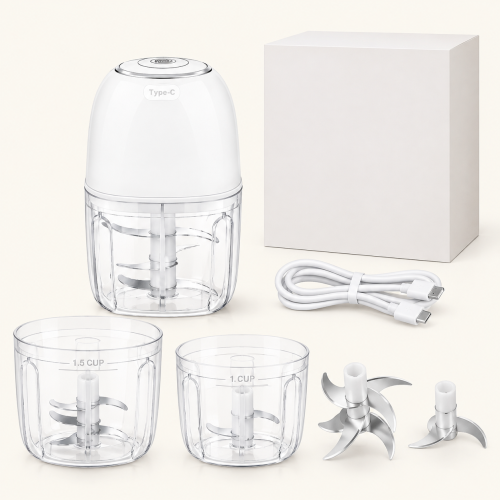
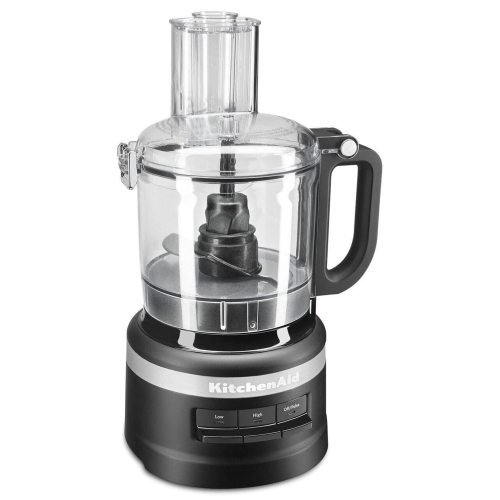
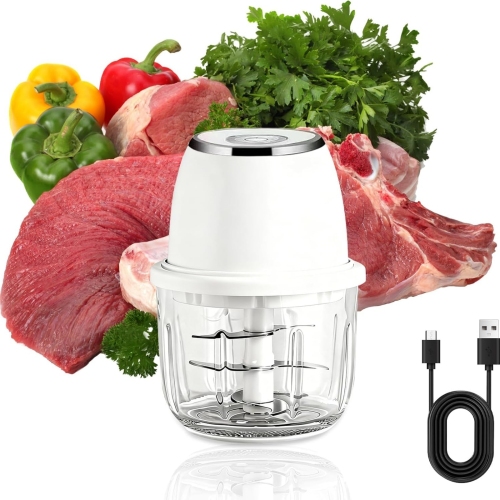
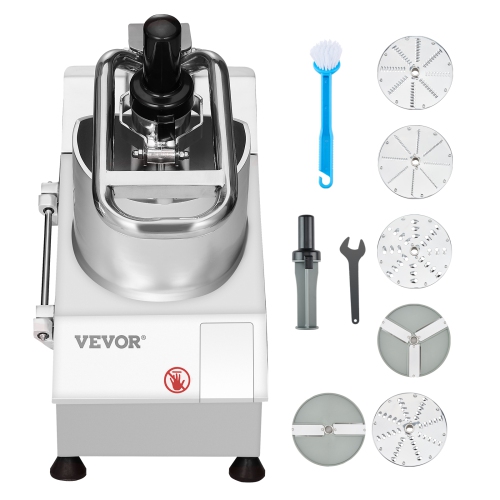
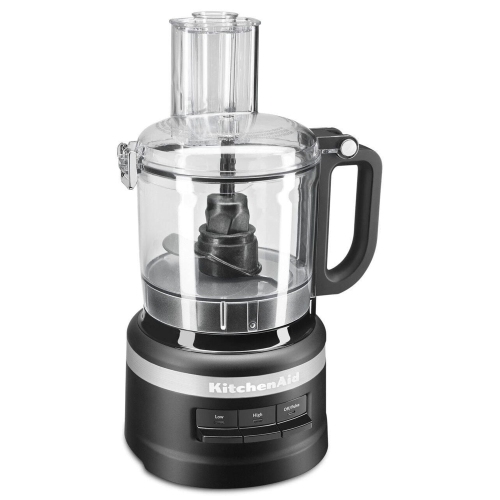
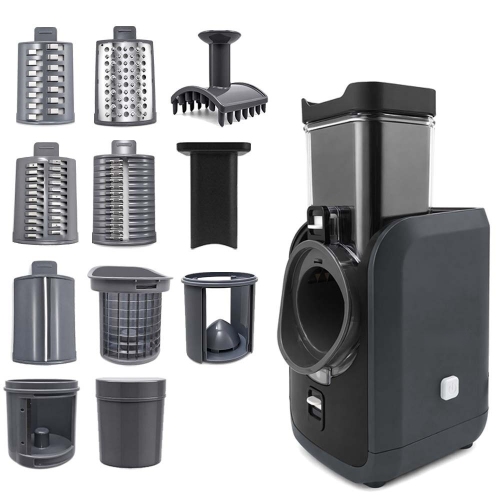
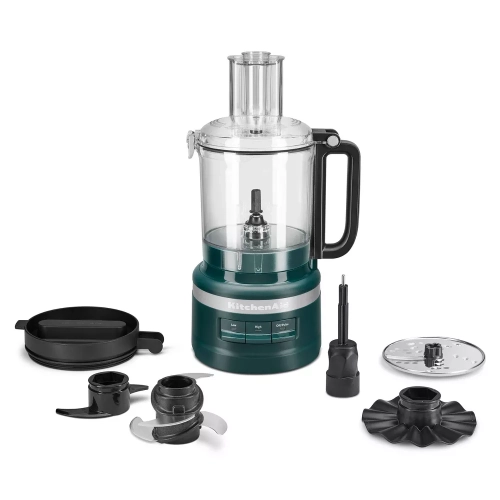
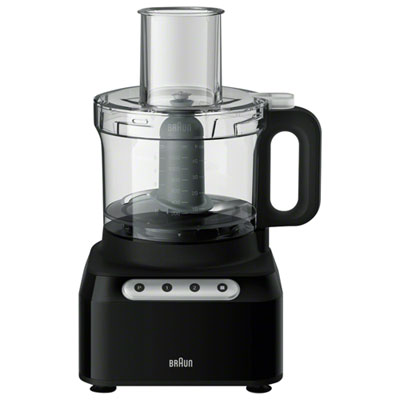
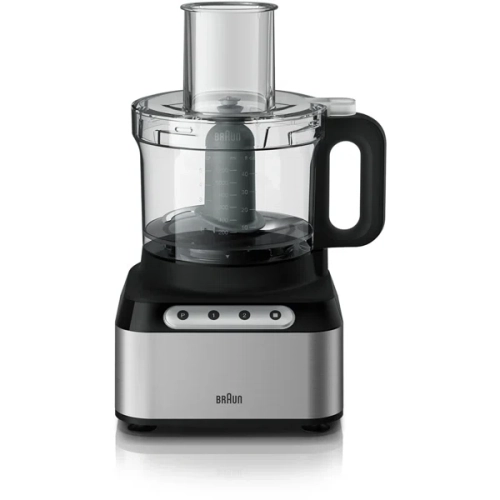
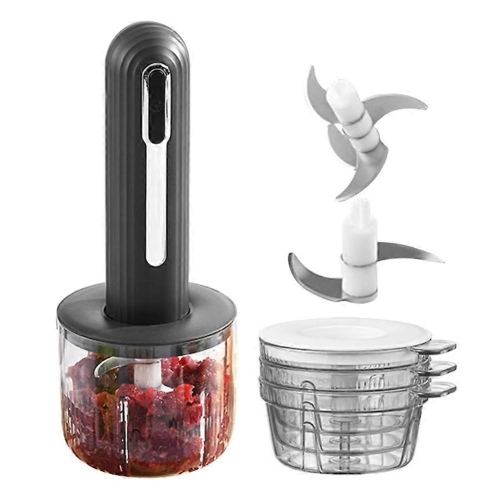
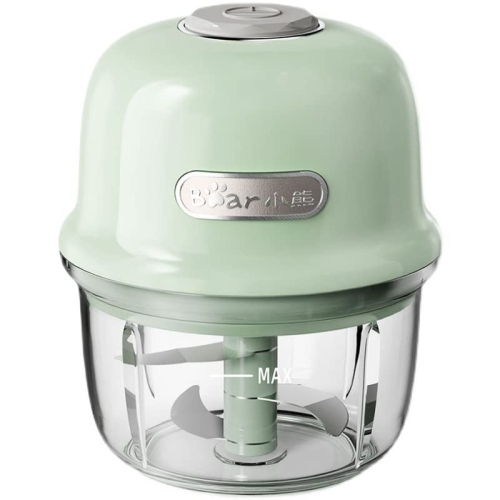
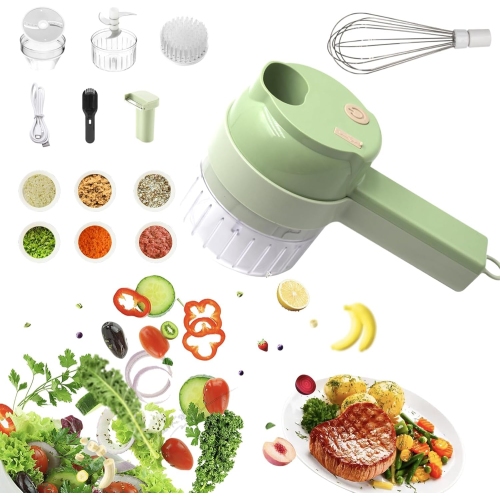
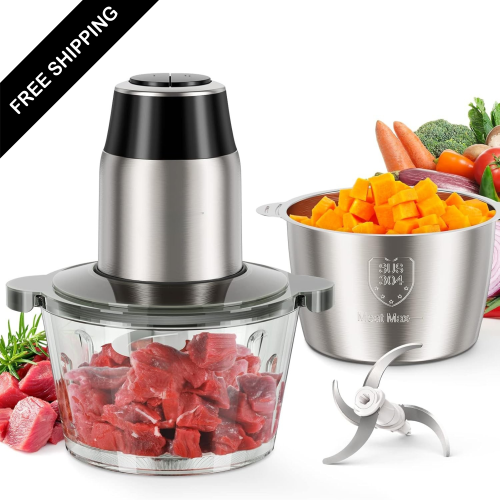
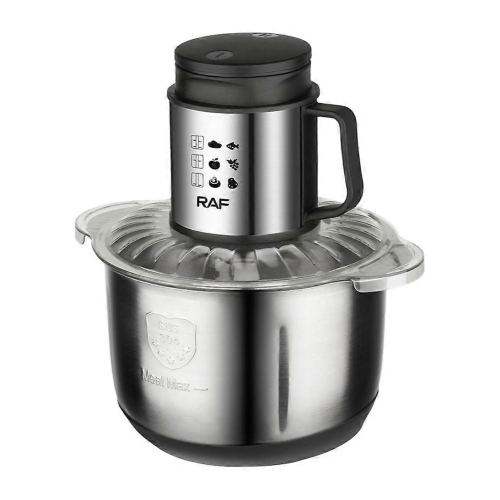
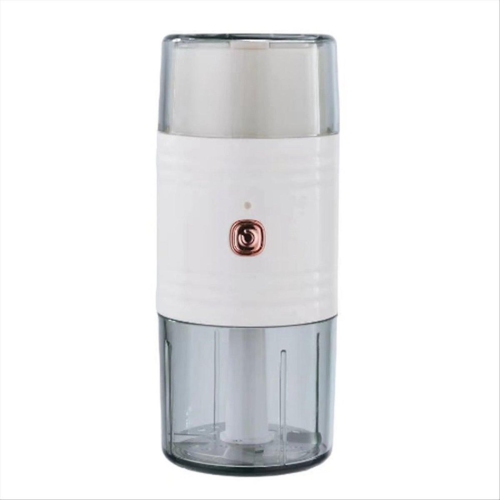
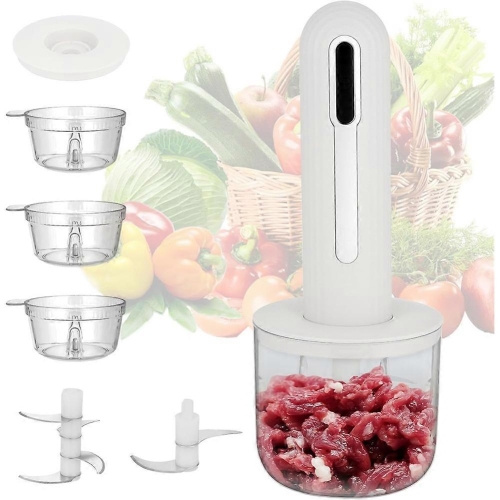
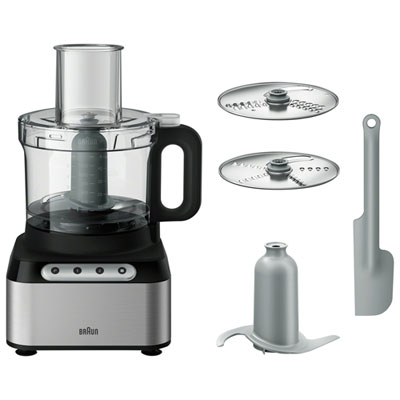
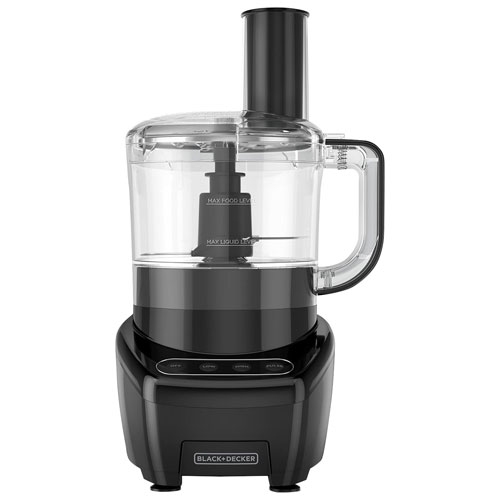
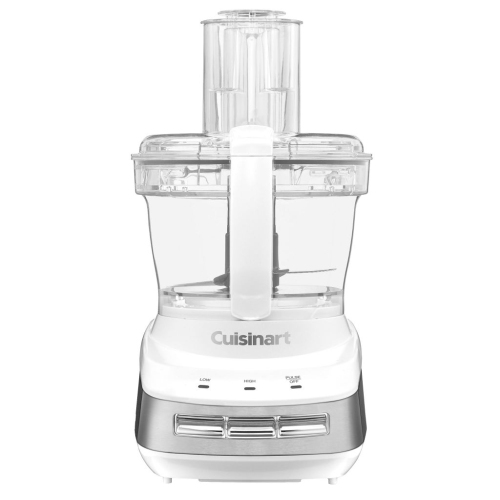
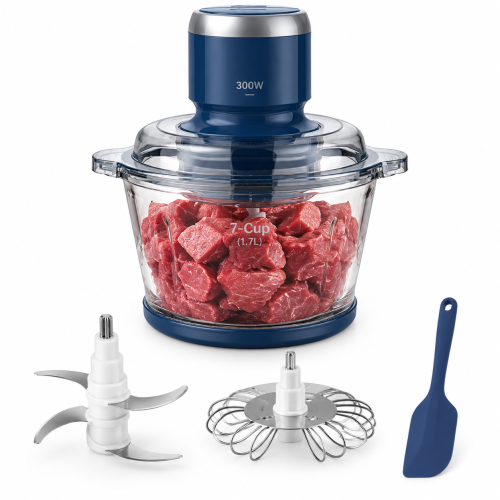
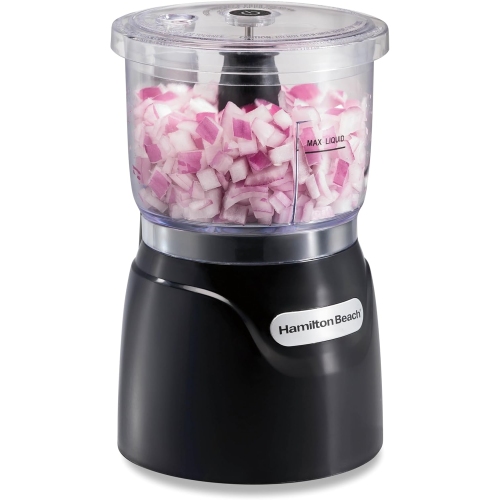
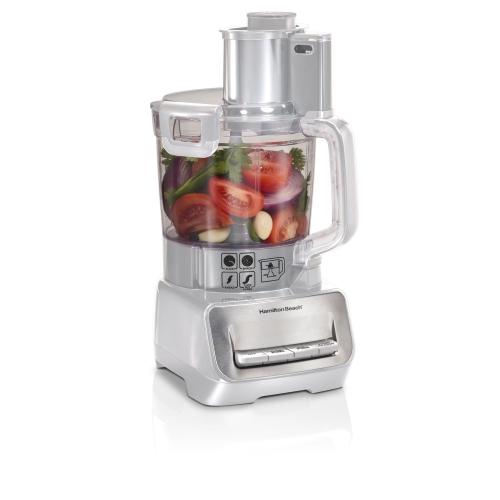
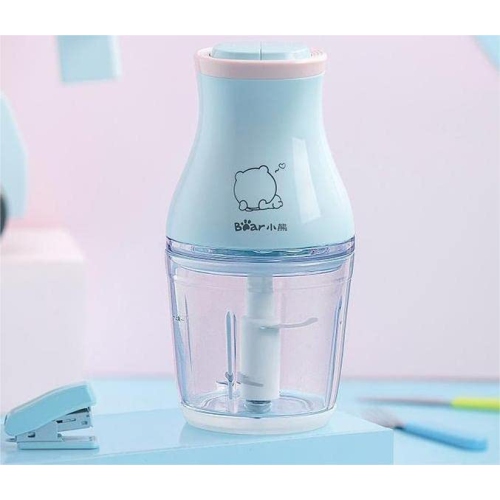
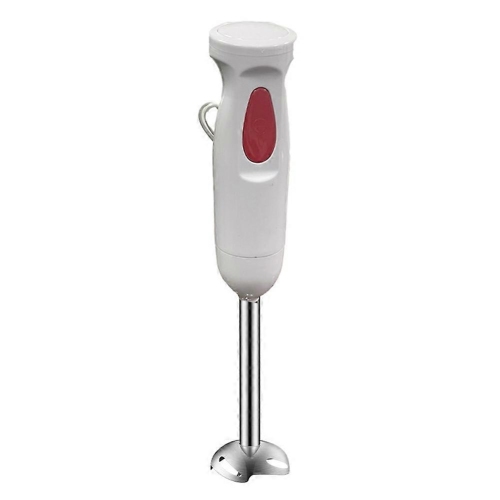
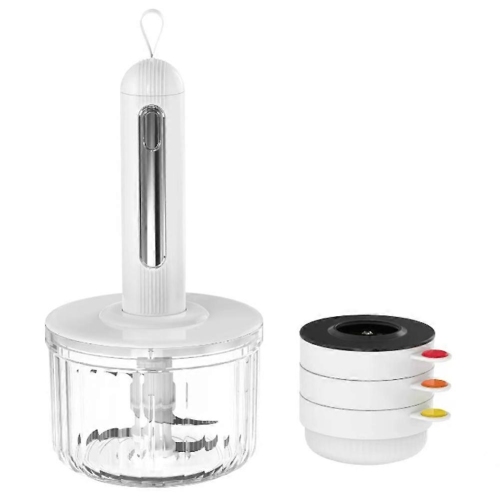
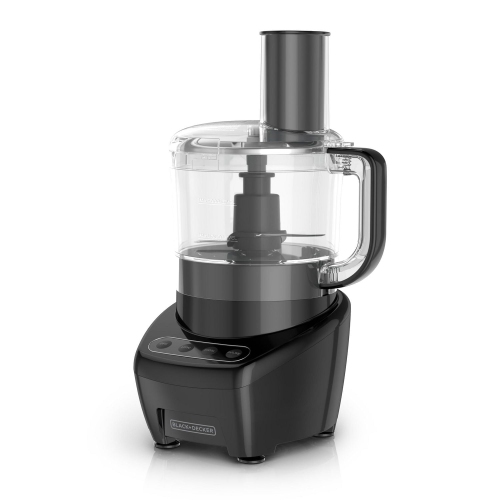
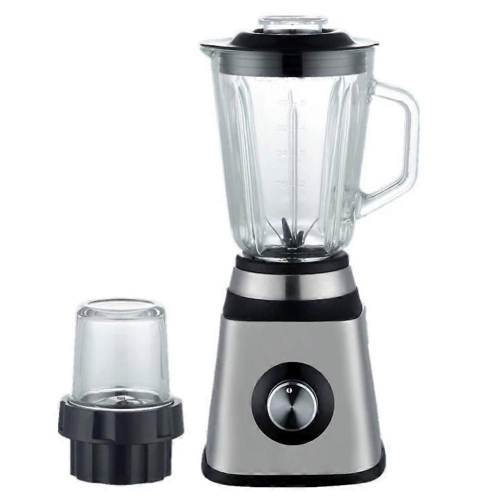


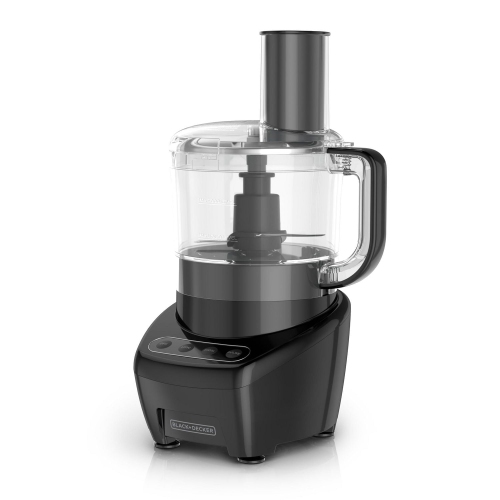
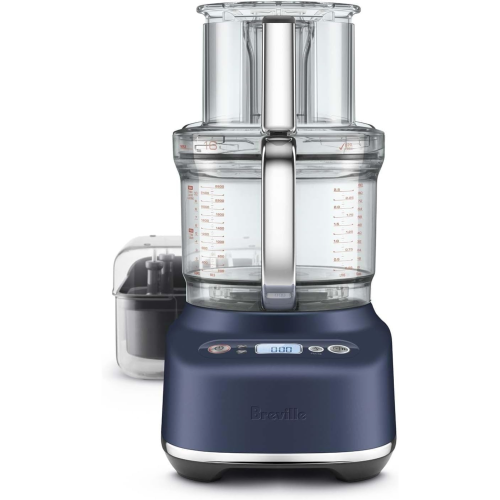
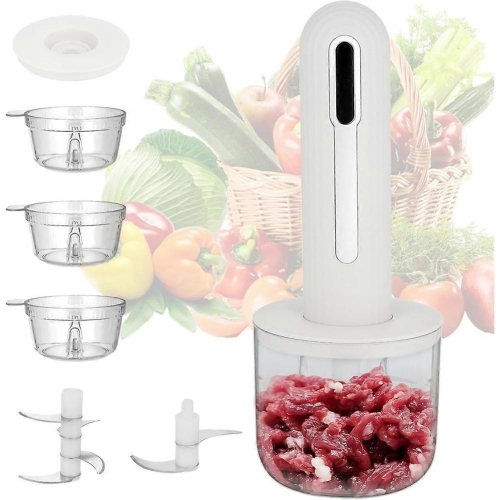
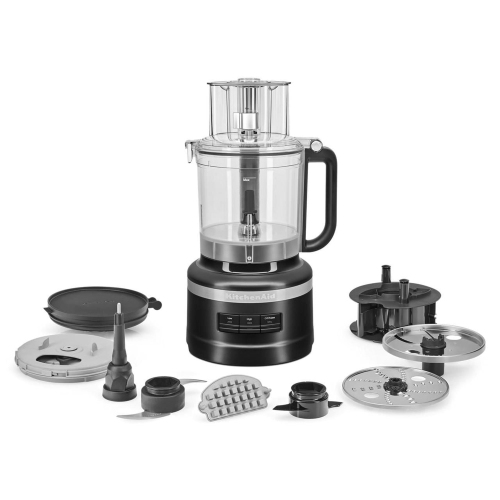
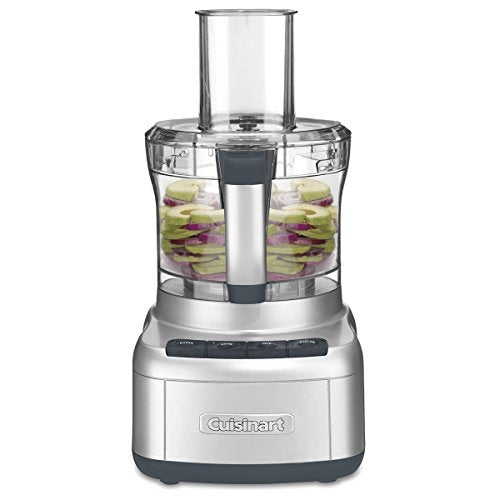
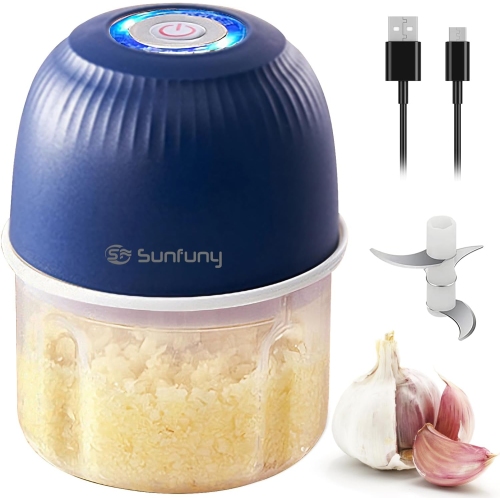
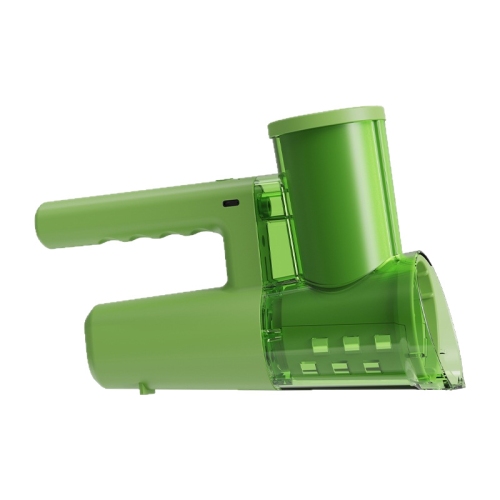
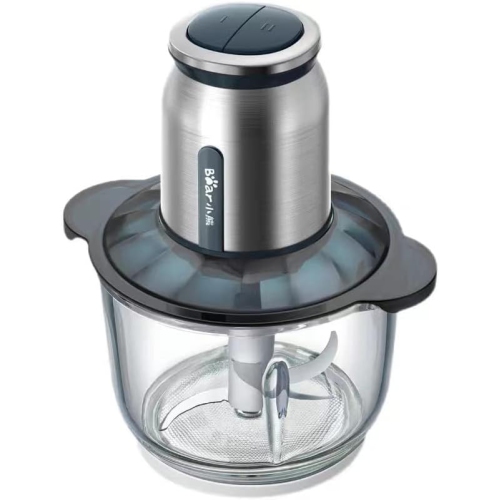
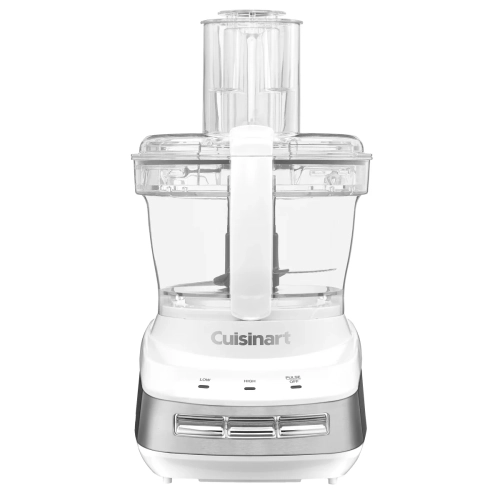
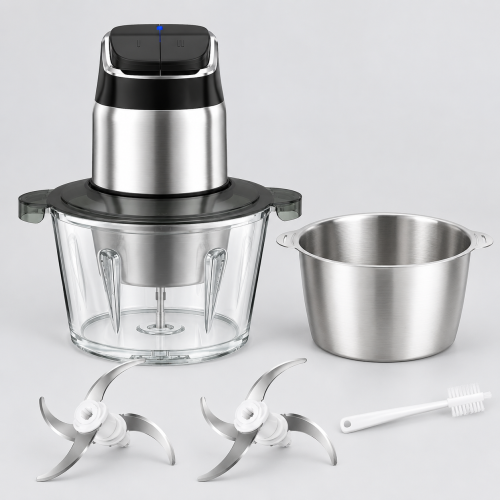
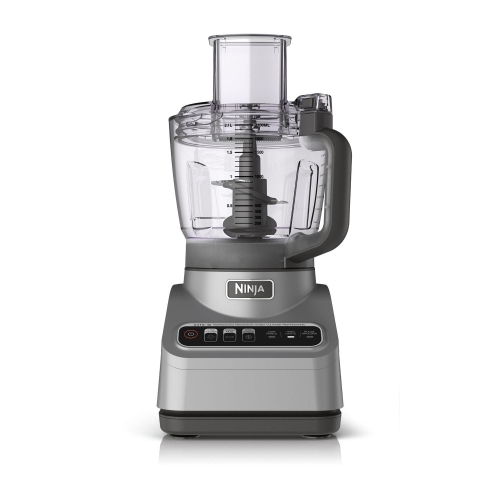
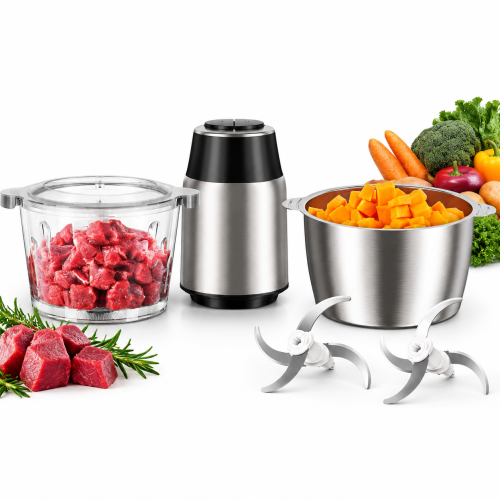
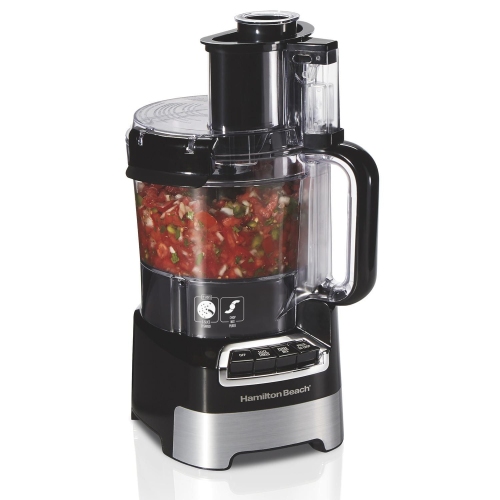
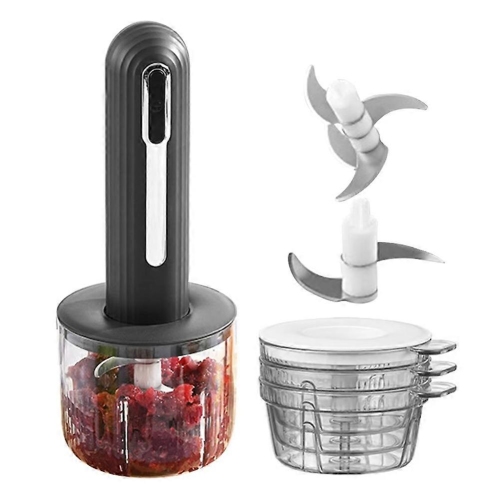
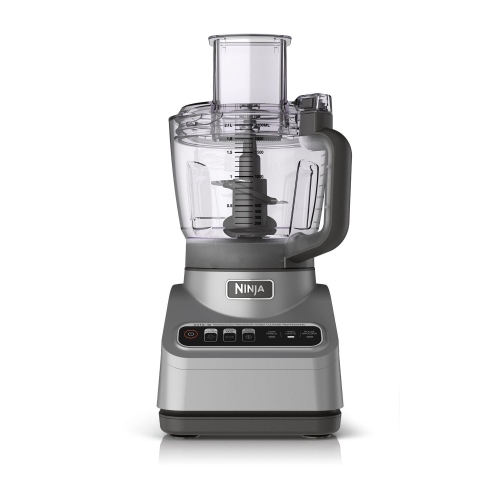
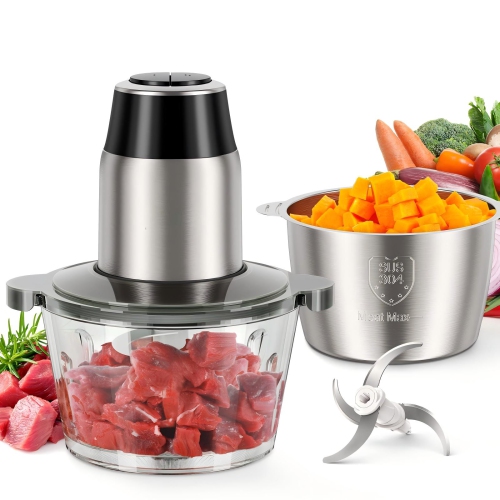
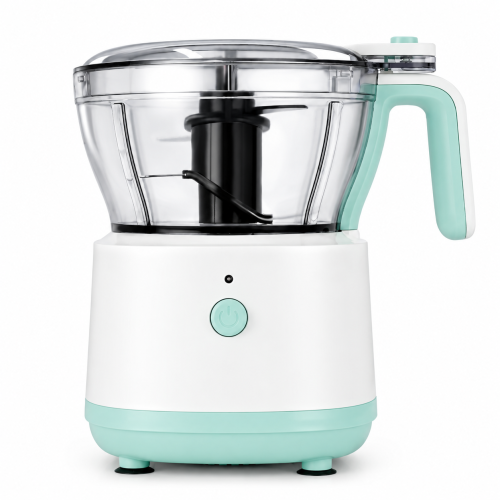
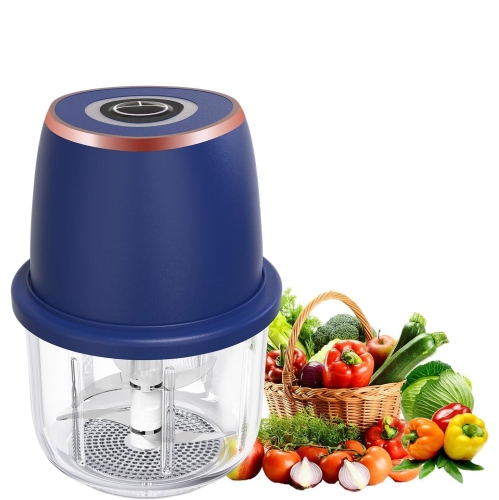
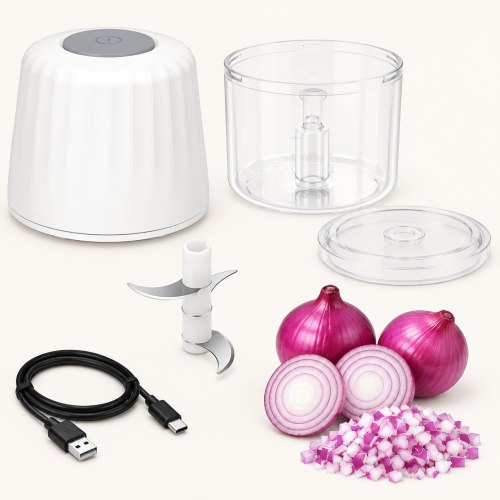
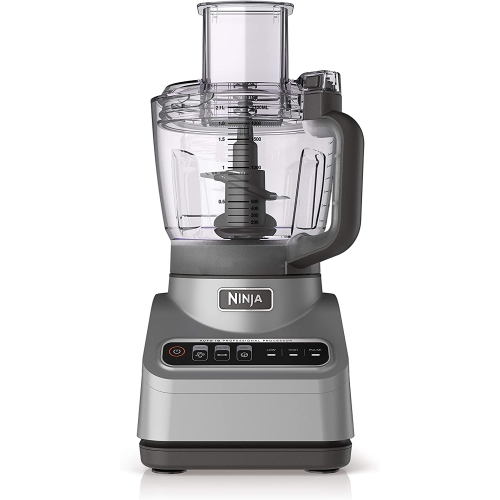
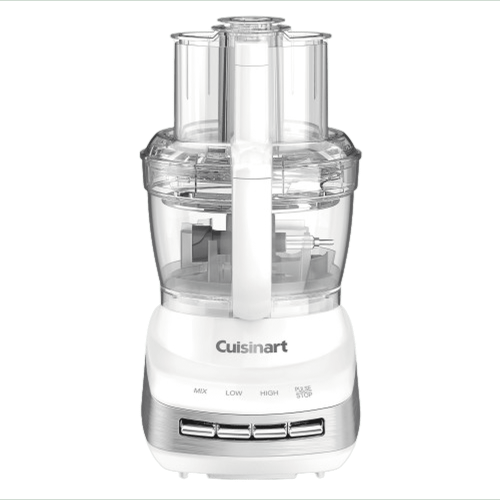
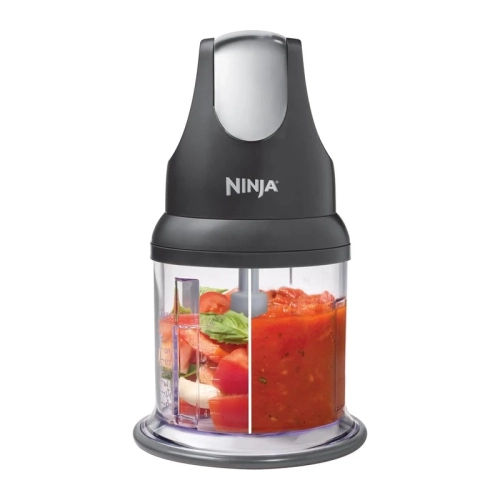

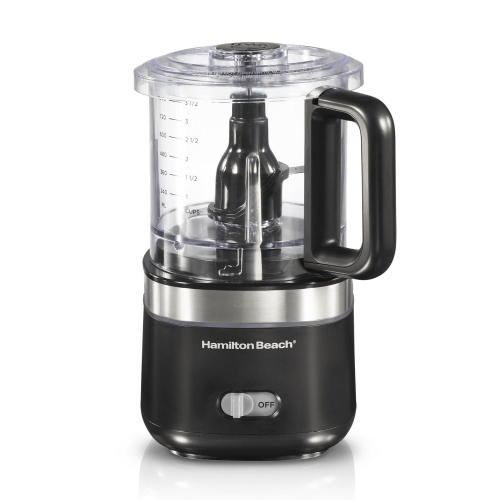
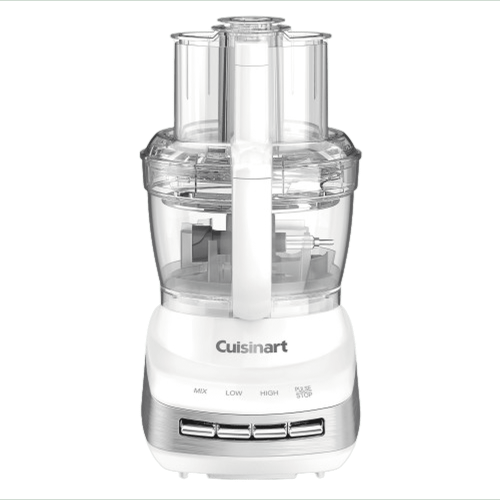
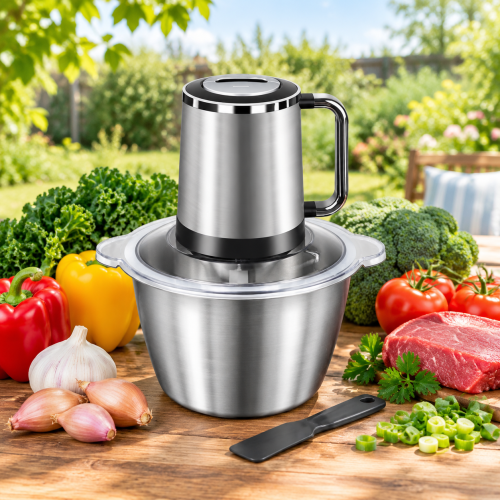
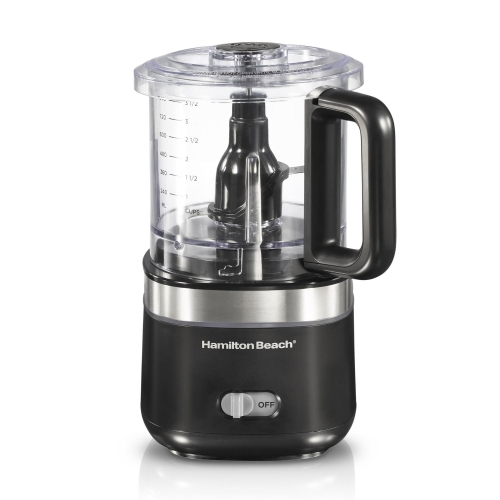
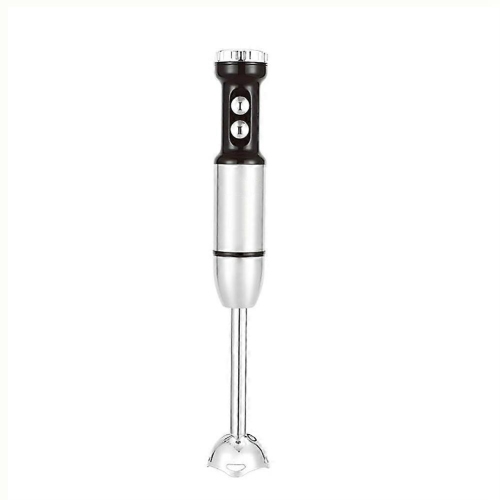
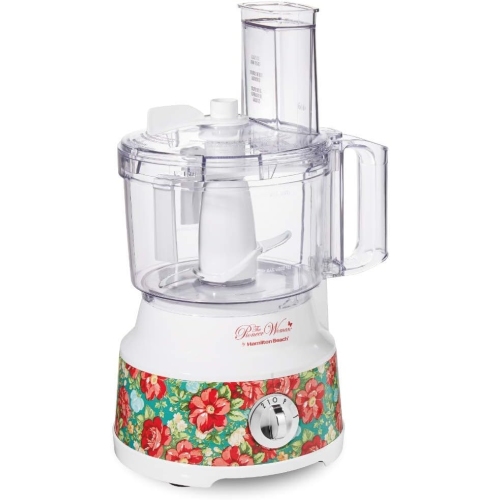
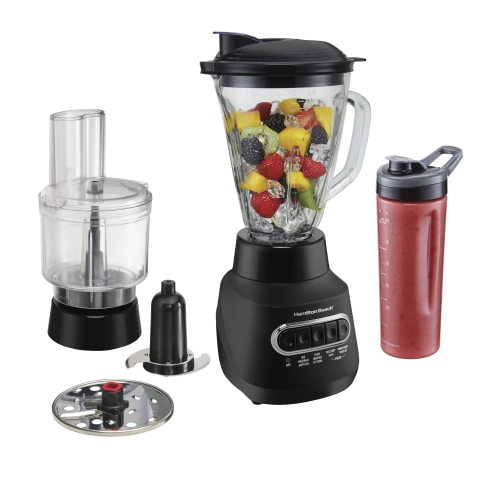

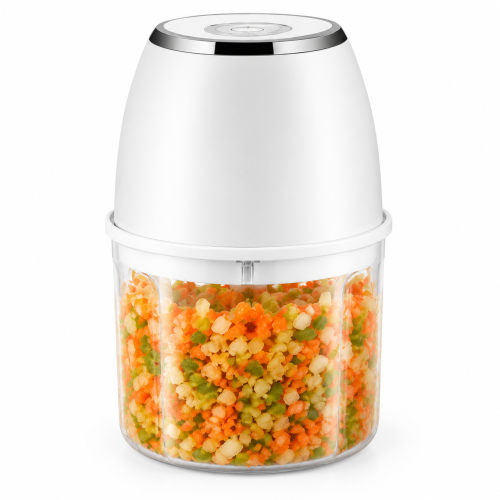
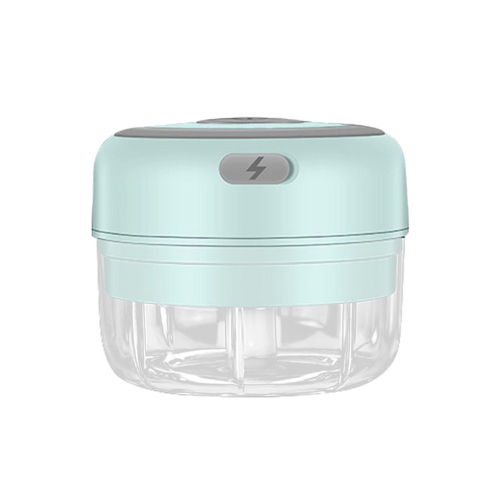
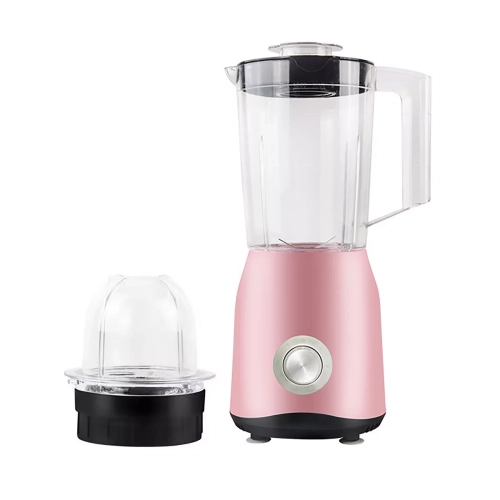
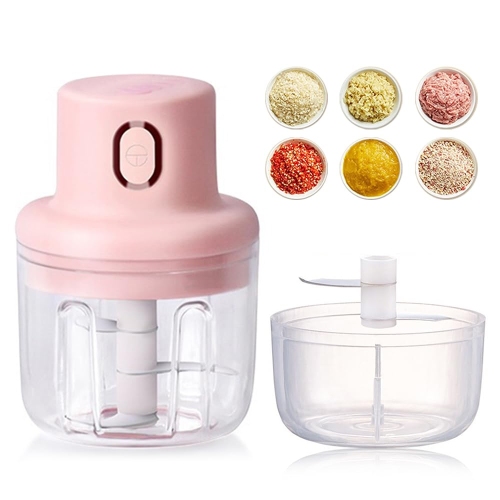
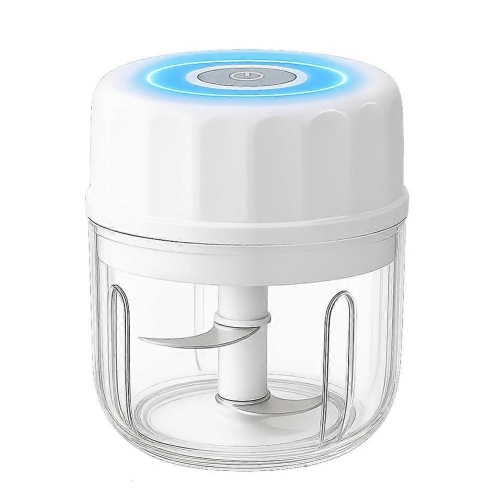
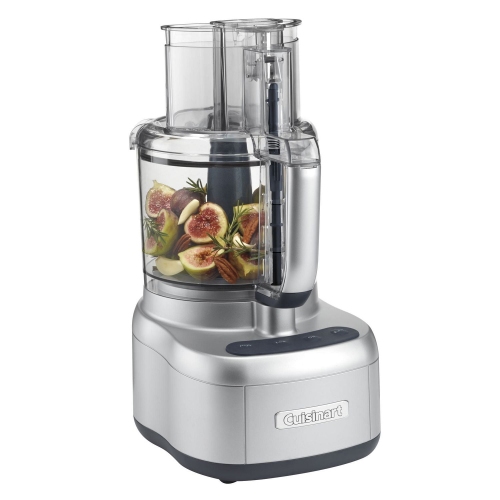
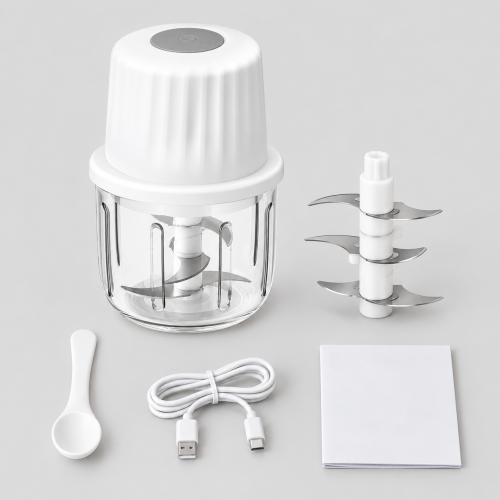
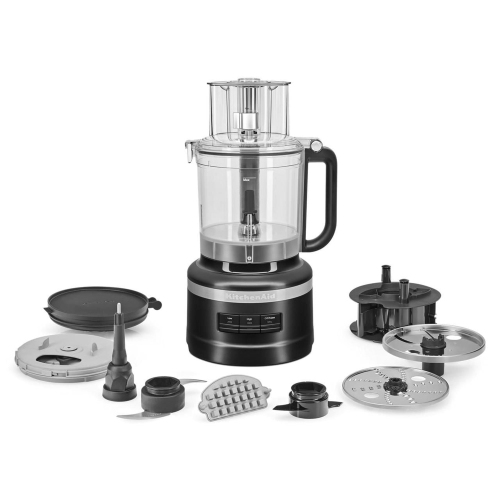
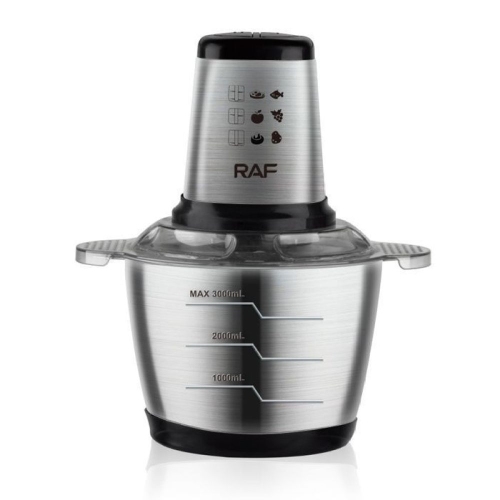
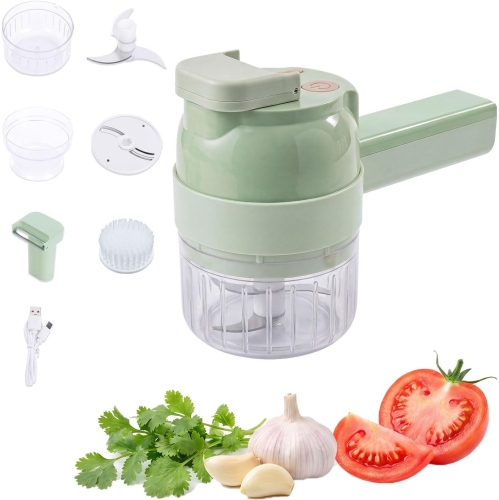
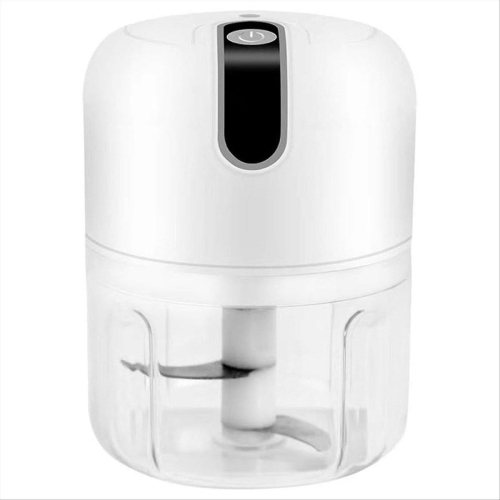
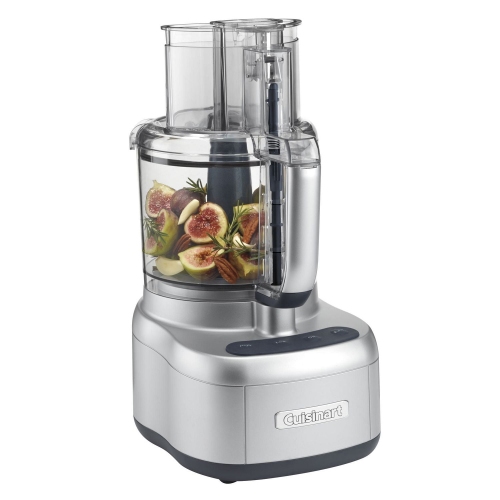
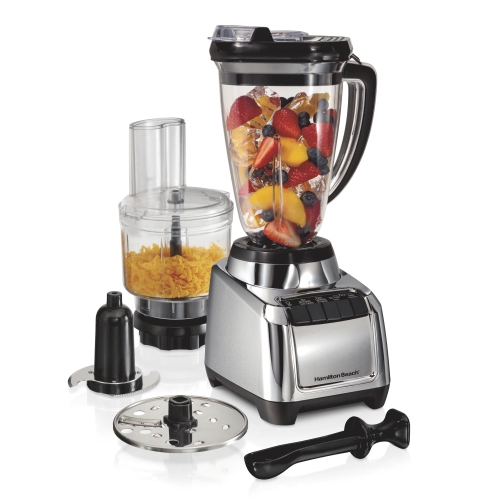
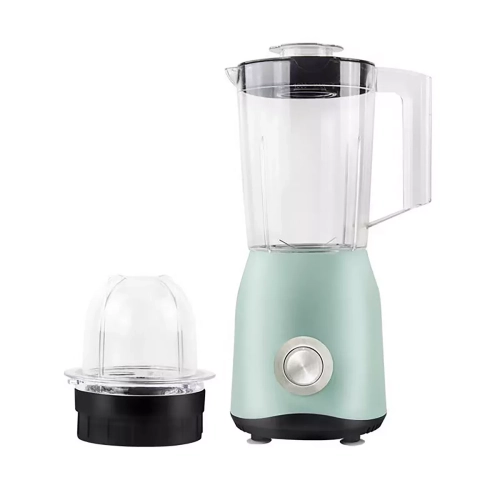
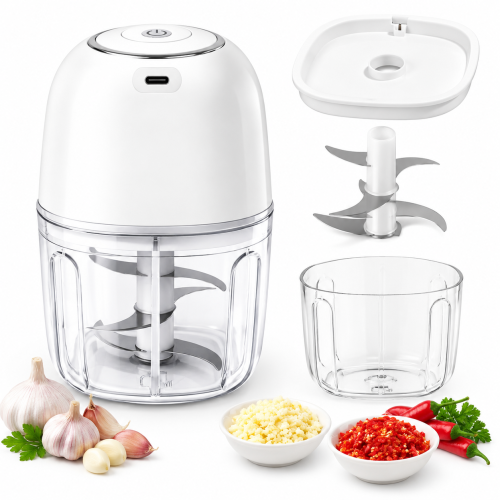
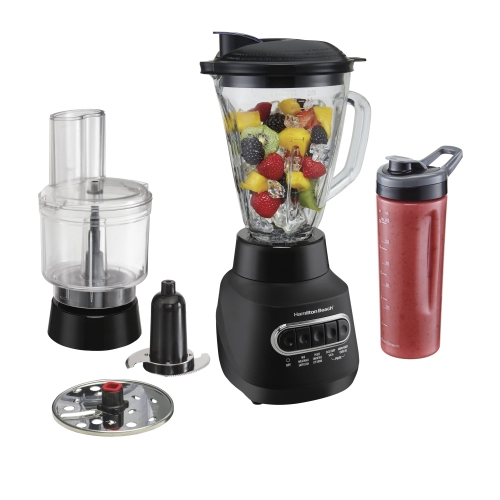

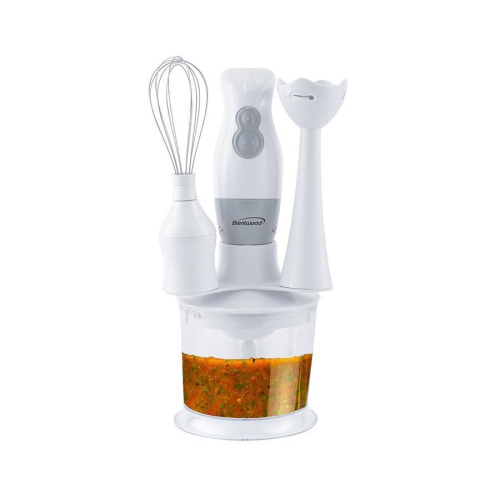
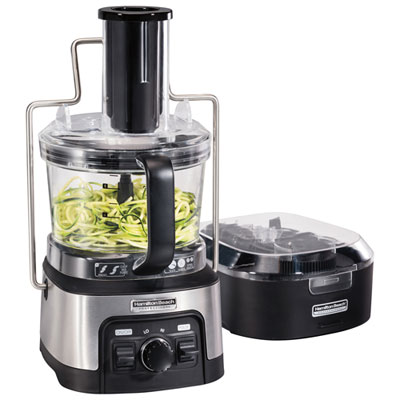
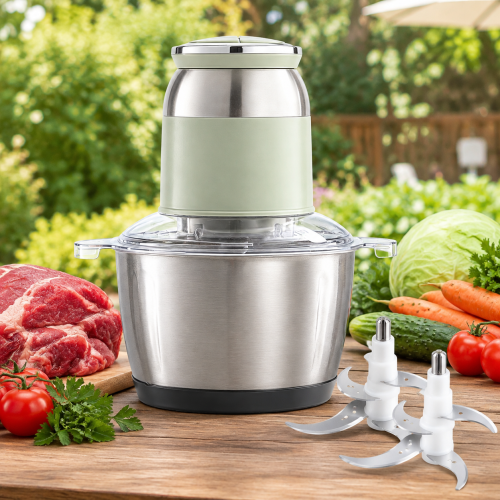
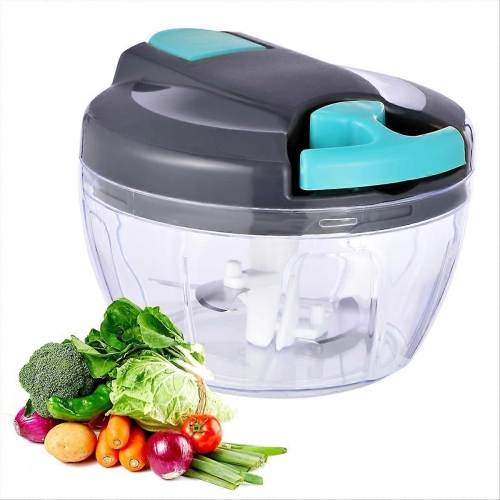
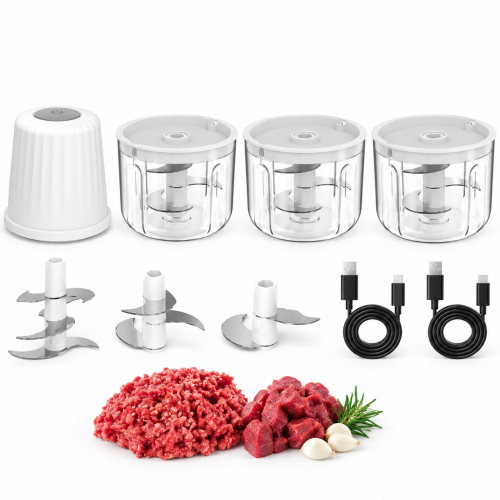
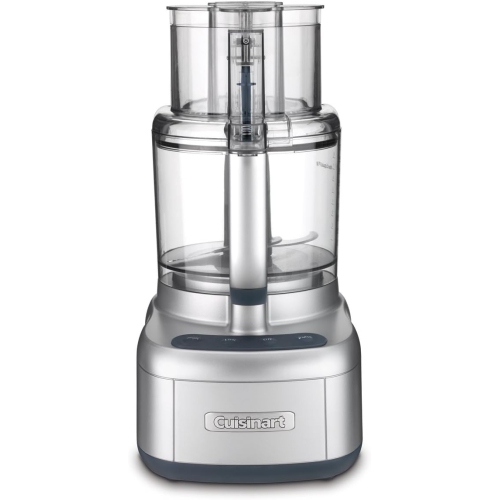
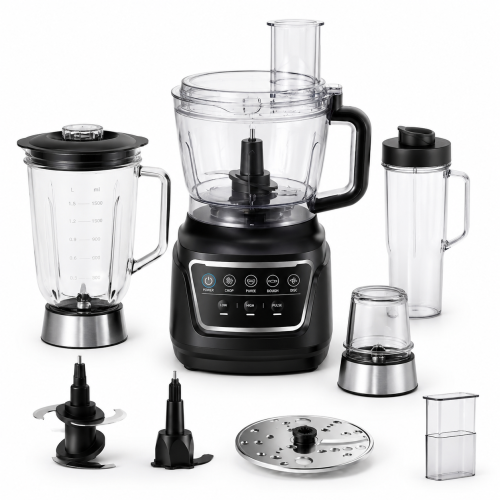
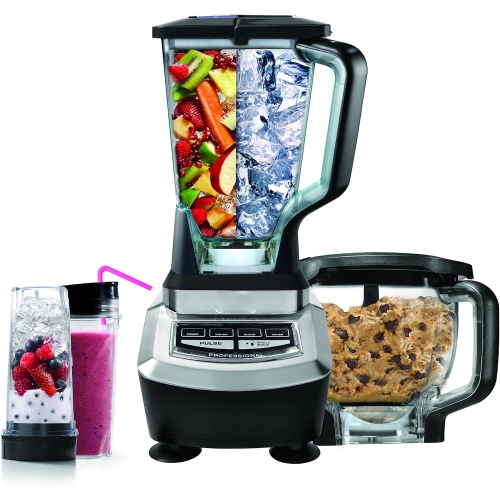
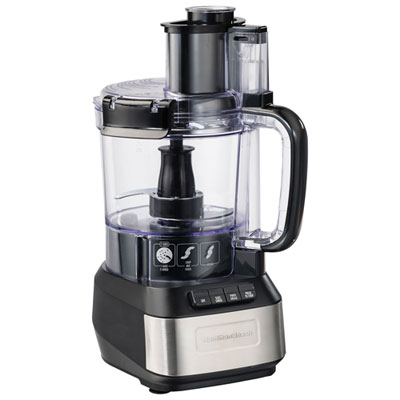

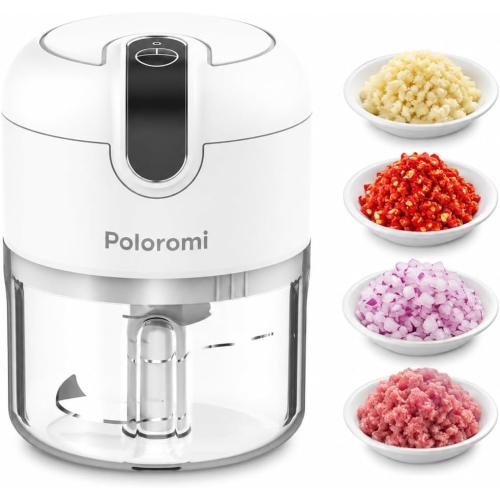
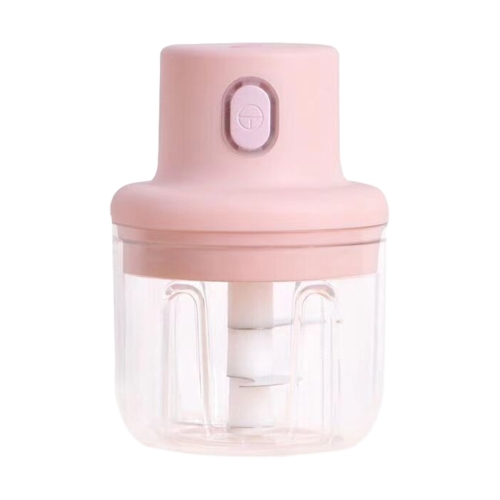
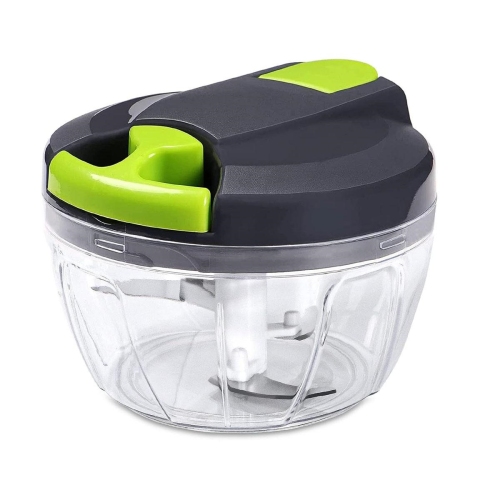
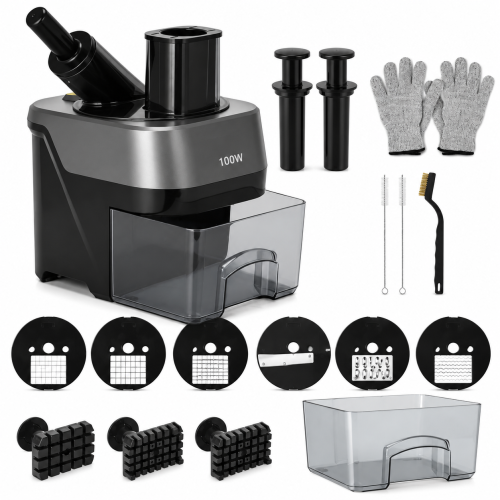

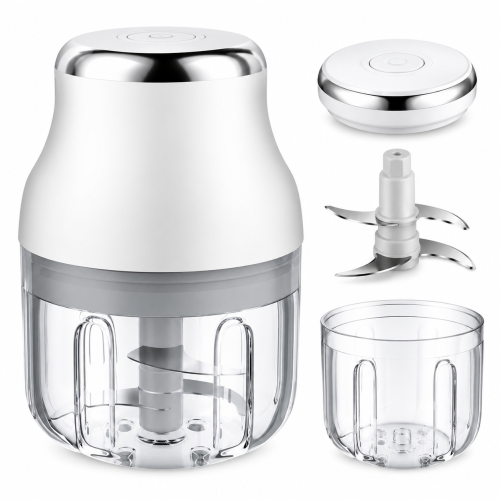
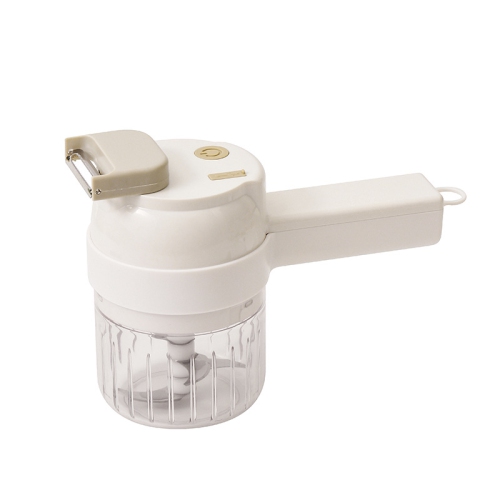
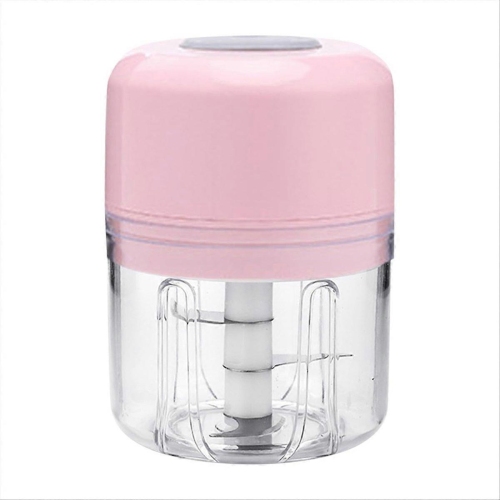
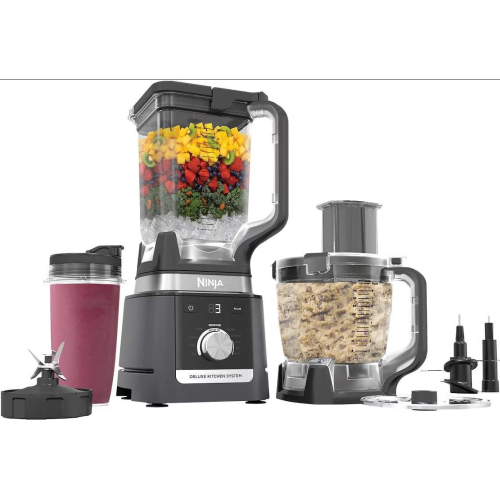

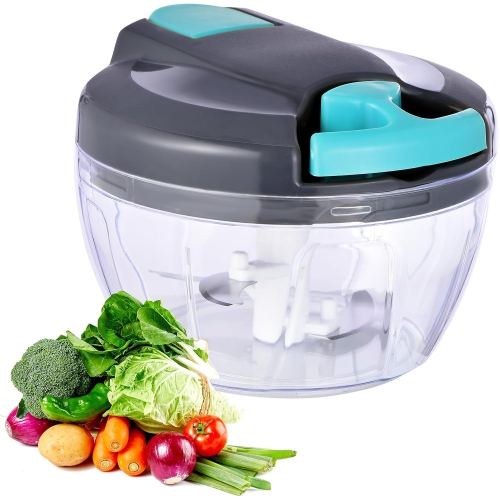
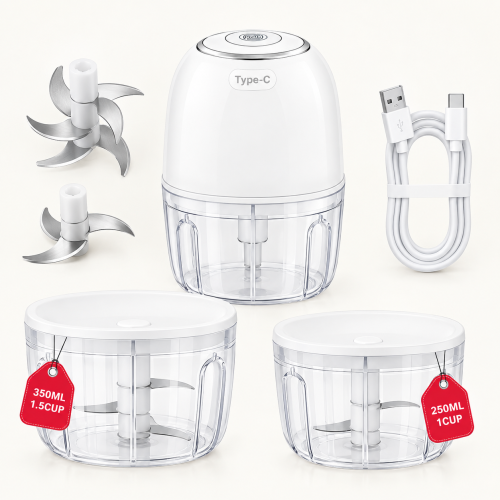
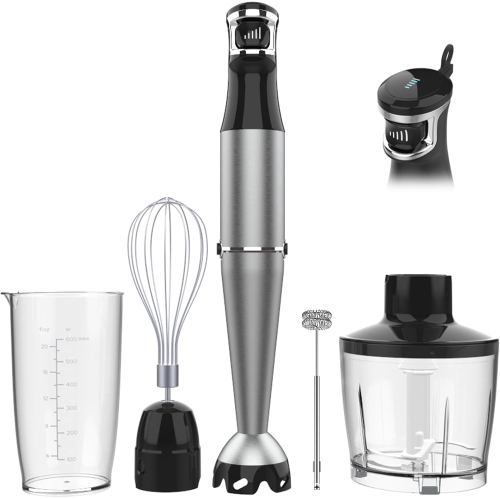
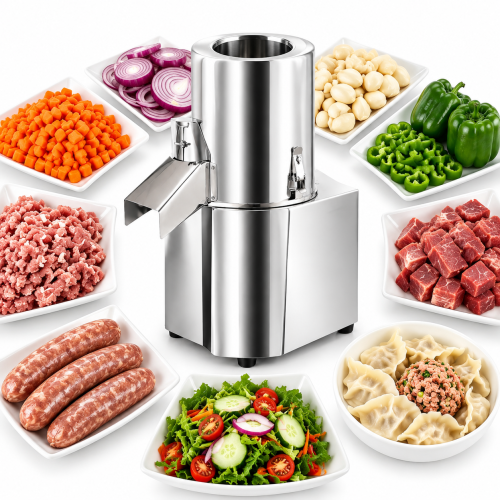
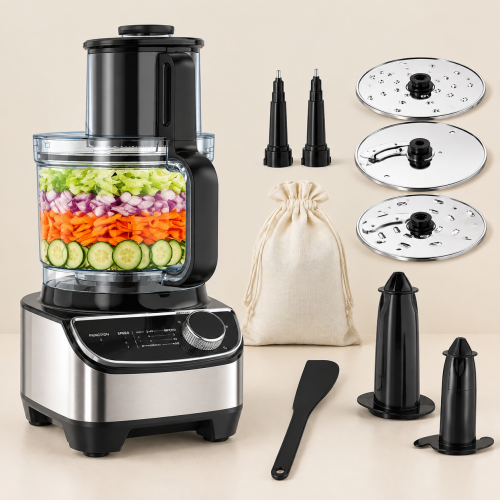

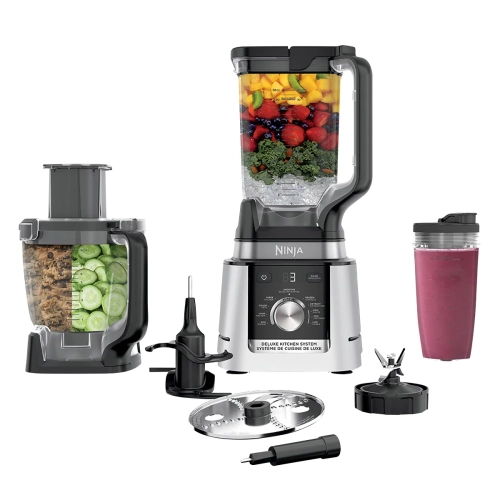
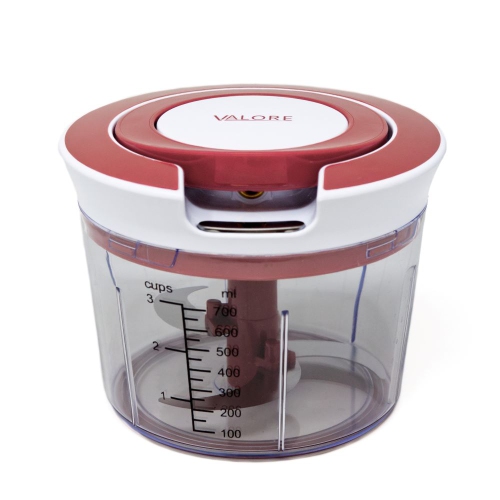
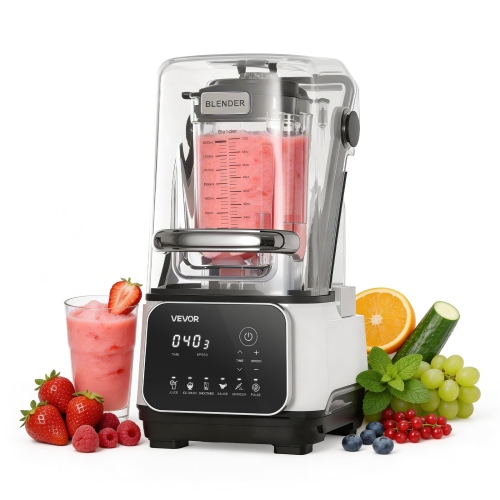
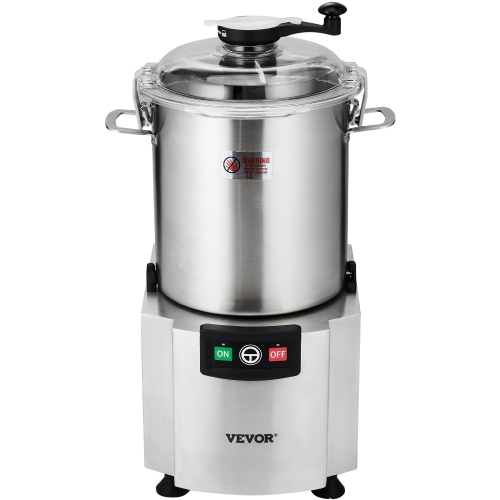
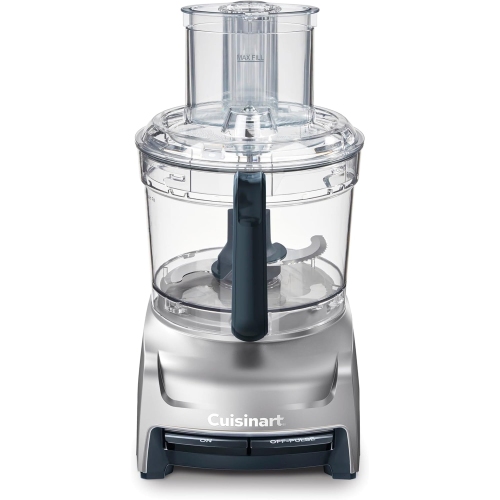
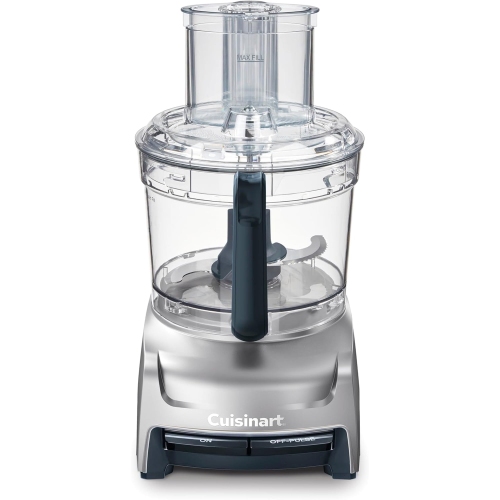
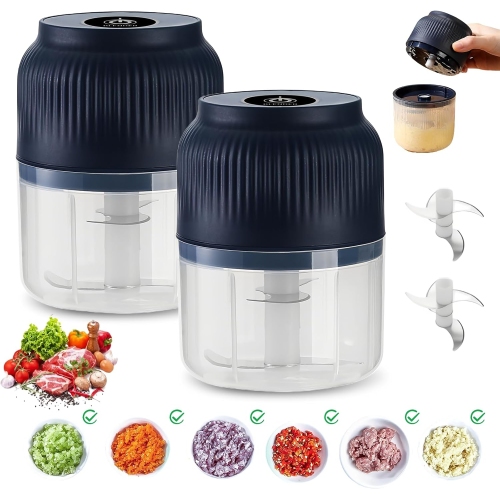
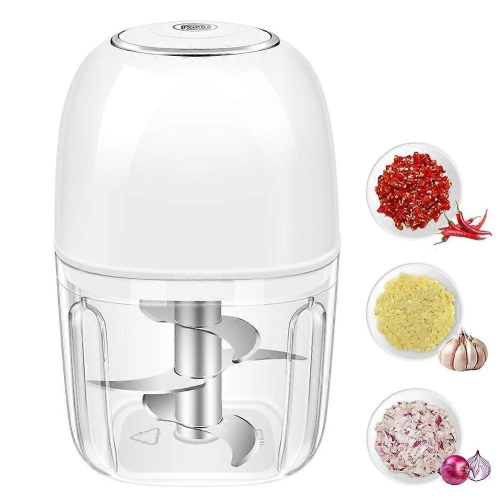
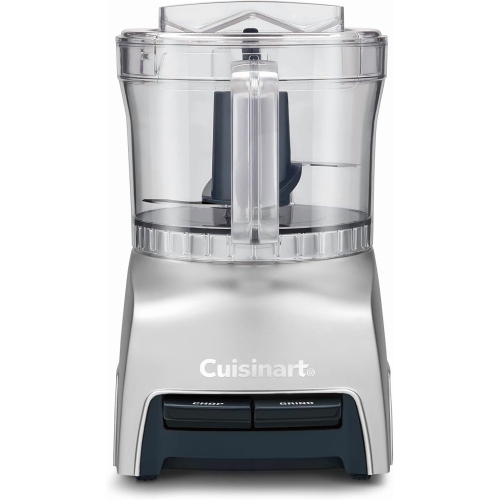
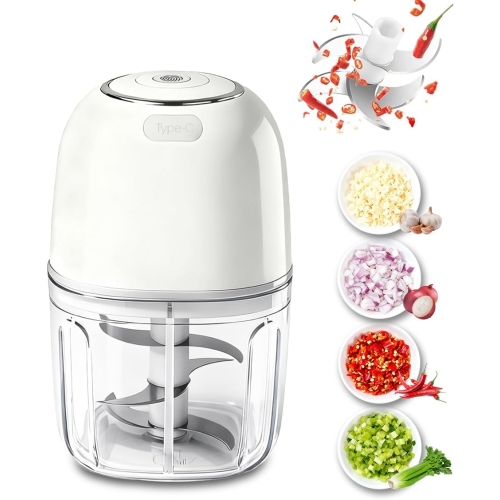
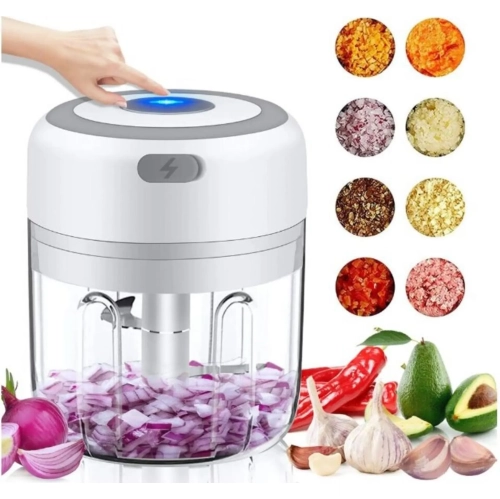
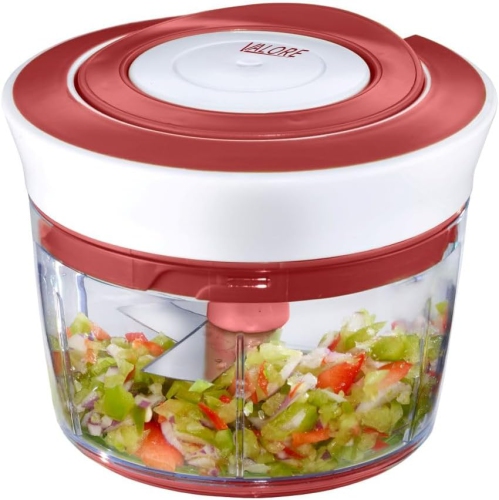
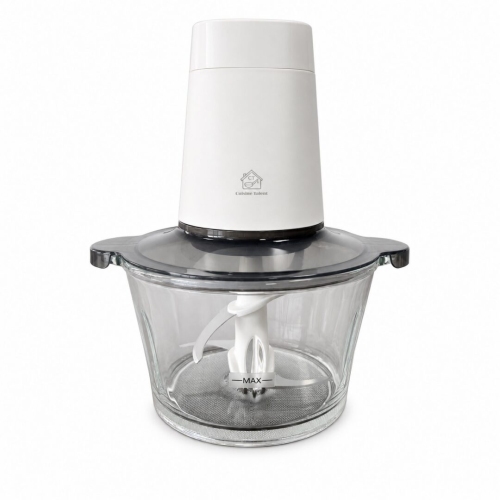
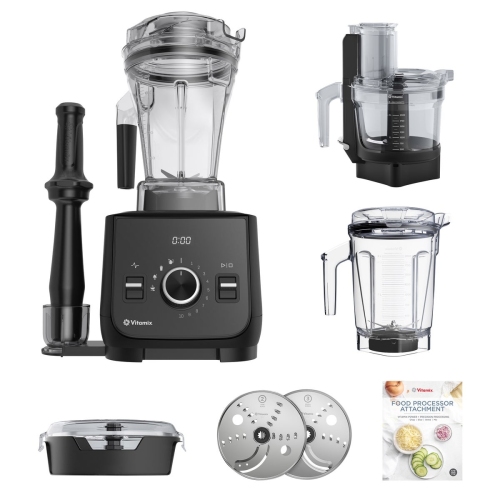
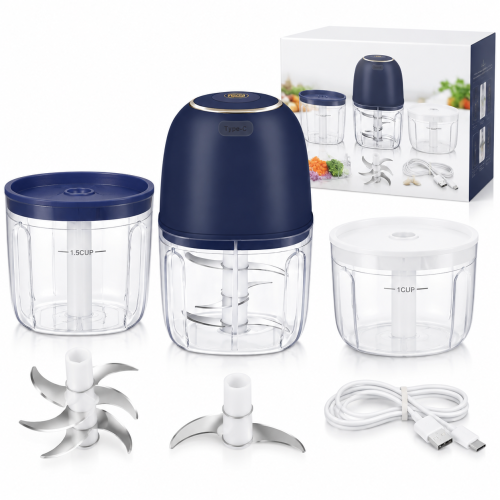
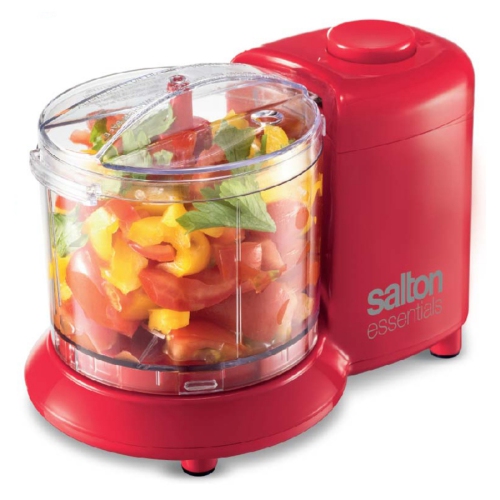
Compact processing power for everyday prep and small batches
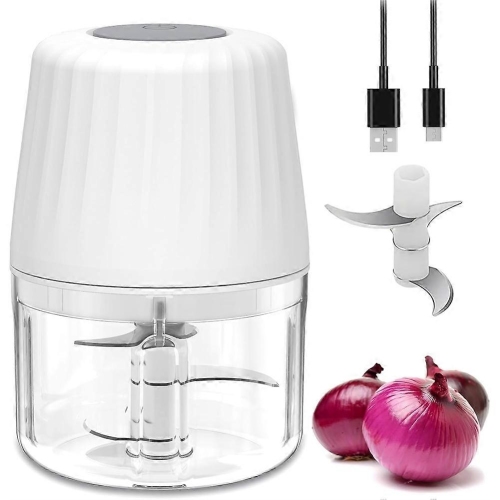
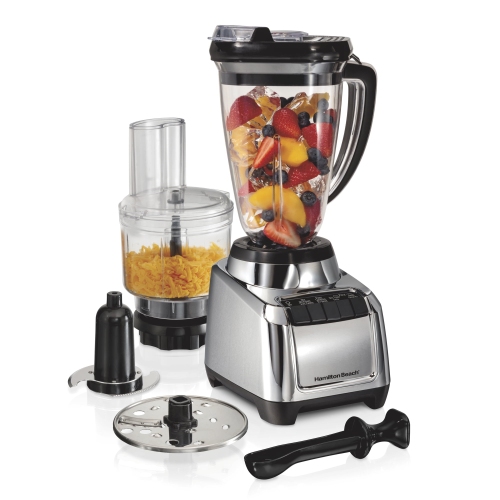
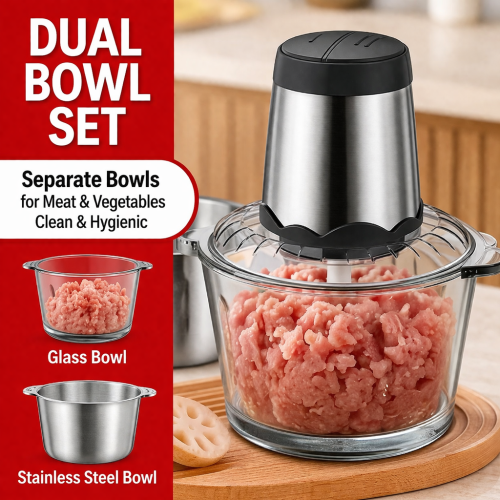
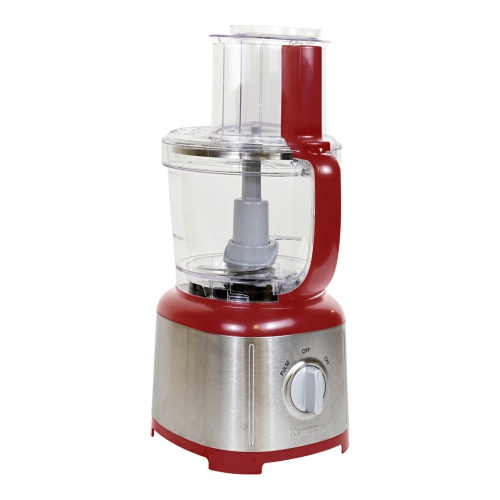
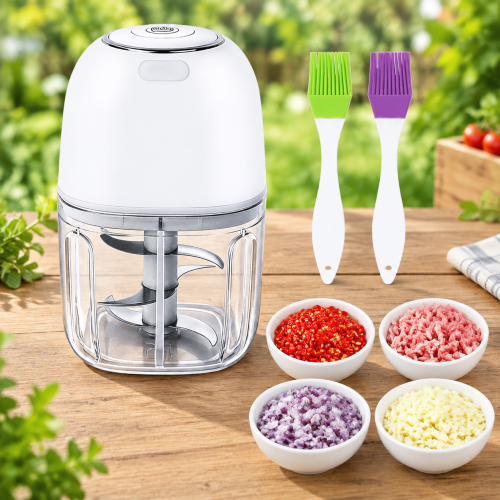
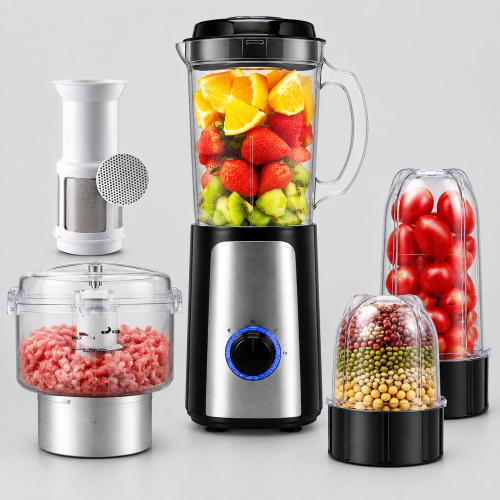
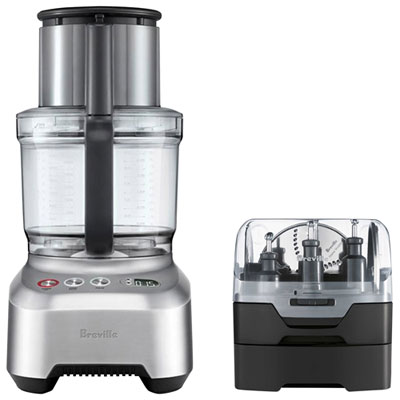
Small powerful food processors are designed for cooks who want meaningful performance without giving up valuable counter or cupboard space. Their compact bowls, often ranging from about 1.5 to 4 cups, are well suited to everyday jobs such as chopping onions, mincing garlic, slicing herbs, grinding nuts, blending dips, and preparing small batches of pesto or hummus. A larger compact model with an 8- to 10-cup bowl may be a better fit for families, frequent entertainers, or anyone who wants more capacity while still avoiding the footprint of a full-size appliance. The most useful choice depends on the ingredients and quantities you prepare most often. Mini food processors are convenient when you need to quickly chop a handful of vegetables for soup or turn toasted walnuts into a garnish, while larger models offer more room for salsa, pastry mixtures, shredded vegetables, and meal-prep portions. Motor wattage can provide a helpful indication of capability, but it is not the only measure of performance. Blade shape, bowl design, and the distance between the blades and ingredients all affect how evenly food is processed. A thoughtfully designed compact processor can make quick work of small batches even with a lower wattage motor, provided the bowl is not overloaded and the food is cut into reasonably sized pieces before processing. For a broader look at options in different capacities and configurations, browse Recommended Food Processors.
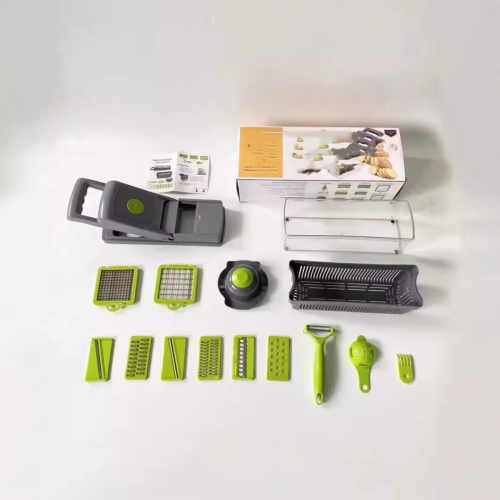
When comparing small powerful food processors, consider the controls as carefully as the motor. Pulse operation is particularly useful because it lets you control texture, helping you achieve finely chopped onions instead of an onion paste or coarse nuts instead of nut butter. Short pulses also help distribute ingredients through the bowl and reduce the chance of over-processing delicate foods. A continuous setting can be helpful for smooth purées, sauces, and emulsified dressings, especially when the lid includes a drizzle basin that allows oil to be added gradually. Sharp, staggered blades can improve chopping consistency by reaching more of the bowl, while a wide feed tube on a compact larger-capacity model may make it easier to add vegetables or cheese. Look for a sturdy lid that locks securely, non-slip feet that keep the appliance steady during use, and a bowl with clear measurement markings. Easy cleanup matters just as much: dishwasher-safe parts, removable blades, and a lid with few crevices can make the difference between using the appliance daily and leaving it at the back of a cabinet. Storage features such as a hidden cord wrap, a compact motor base, or nested accessories are especially useful in smaller kitchens, apartments, recreational vehicles, and shared family spaces. Before buying, check the included attachments and the manufacturer’s care instructions. Some compact processors focus on chopping and puréeing, while others include discs for slicing and shredding or accessories for whipping and mixing. Matching the attachment set to your routine helps ensure that the appliance earns its place on the counter rather than duplicating tools you already own.
These appliances suit a wide range of cooks, from beginners preparing their first homemade sauces to experienced home chefs who want a fast tool for repetitive prep. They are handy for students and apartment dwellers with limited kitchen storage, parents preparing small portions for family meals, and hosts who need to make fresh salsa, tapenade, or dip without bringing out a bulky machine. They can also be thoughtful gifts for someone moving into a first home, setting up a new kitchen, or learning to cook more often. During the cooler months, a compact processor can simplify the ingredients for warming soups, vegetable fritters, stuffing, savoury sauces, and baked treats, while its smaller bowl is convenient for making a quick herb mixture or topping without creating a sink full of dishes. In a typical evening, it might chop garlic and parsley for a pasta sauce, turn chickpeas and tahini into a smooth spread, or prepare breadcrumbs from leftover bread. On a weekend, it can help with pie fillings, nut-based toppings, homemade mayonnaise, or a batch of pesto for freezing in small portions. Capacity should remain a central consideration: filling the bowl beyond its recommended level can lead to uneven results, while processing very small amounts in a large bowl may leave ingredients spinning around the sides. For the best texture, cut firm ingredients into smaller pieces, use a few controlled pulses, scrape down the bowl when needed, and allow hot foods to cool according to the appliance instructions before processing. A small powerful food processor is most valuable when its size, blade design, controls, attachments, and cleaning requirements fit the way you actually cook.
Top selling and popular products
-
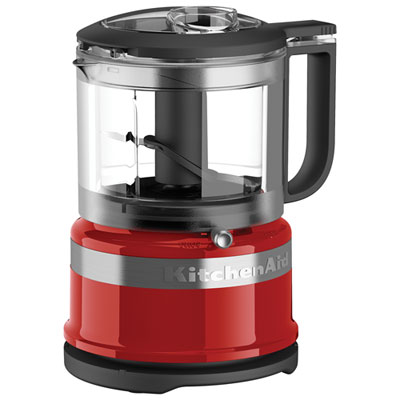 Your price for this item is $49.99
-
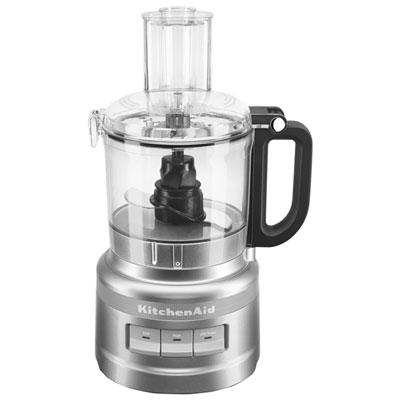 Your price for this item is $134.99
-
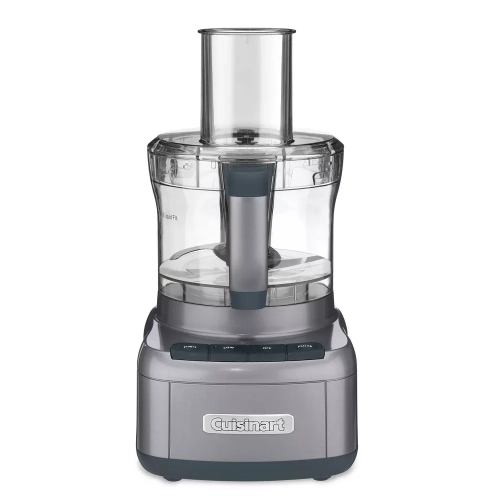 Your price for this item is $346.5
-
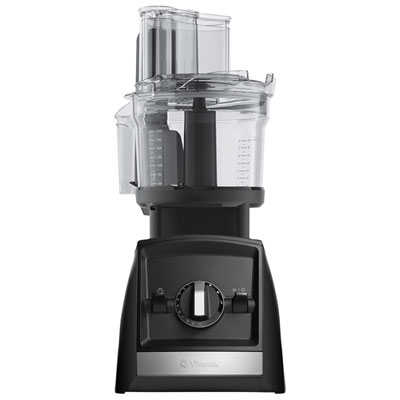 Your price for this item is $349.99
-
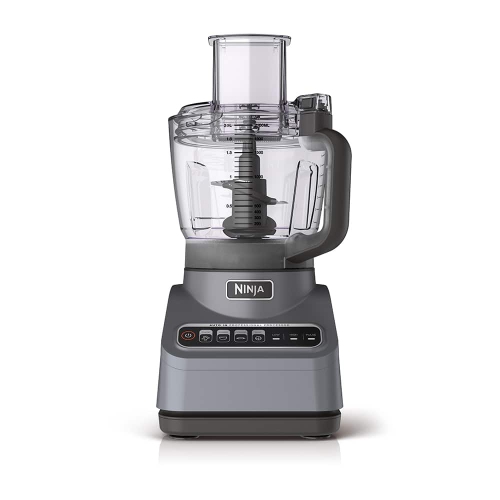 Your price for this item is $210.06
-
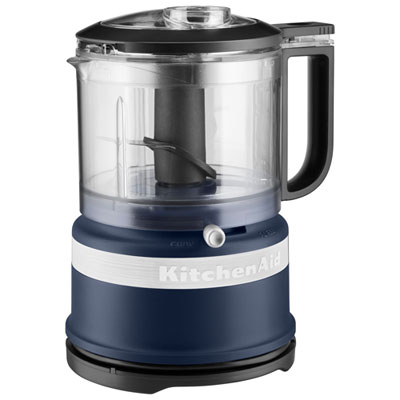 Your price for this item is $49.99
-
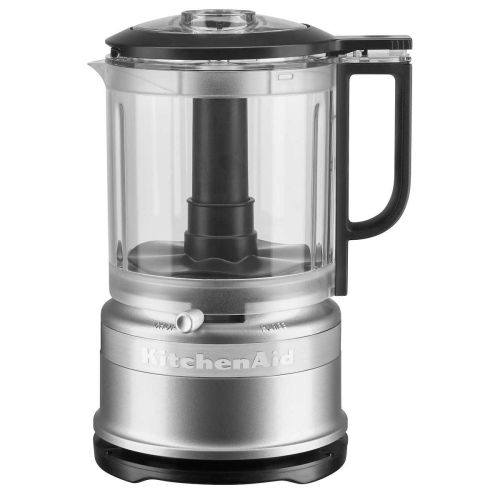 Your price for this item is $180
-
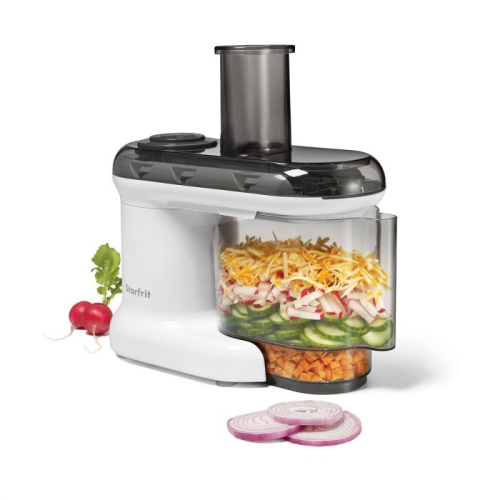 Your price for this item is $69.99
Discover more categories related to Small Powerful Food Processors
Top Collections:
Pokemon Centers, Best Cameras for Sports Photography, Kindle Devices, Samsung Galaxy Phones, Canon G7X Cameras, Pokémon 30th Celebration Cards, Refurbished Apple Laptops, iPhone 15 Apple, Laptops for Students, Budget Smartphones
Some products may be subject to Environmental Handling Fees
(EHF) depending on your province.
Learn more about EHFs.