Extractor Juicer Machines
An extractor juicer machine extracts the most nutrients from your fruits and vegetables. These juicers are the ones that are easy to use, quick and efficient. These juicers will give you the best results in the shortest time possible. Here are some great options for you.
Sort
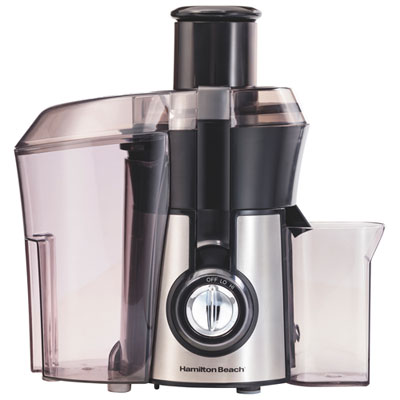
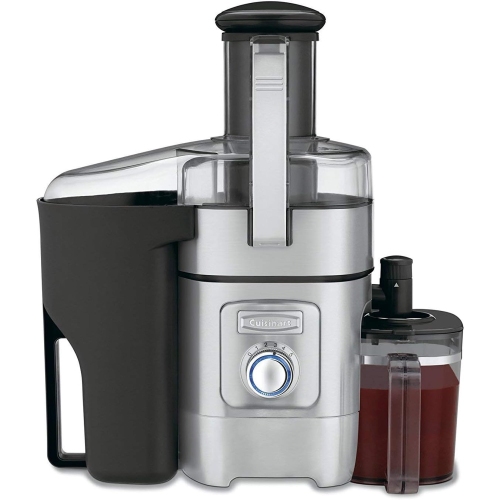
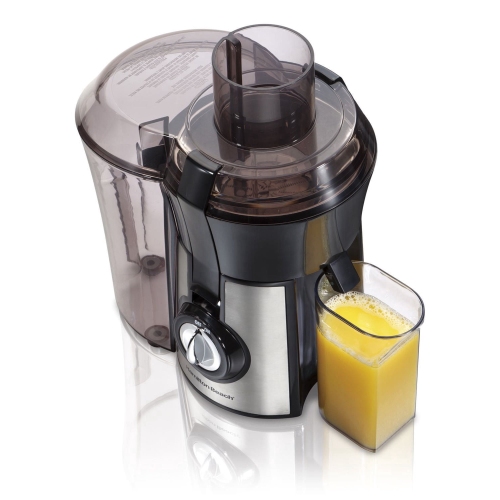
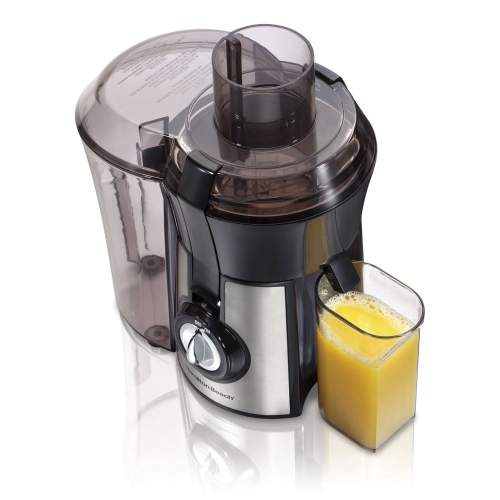
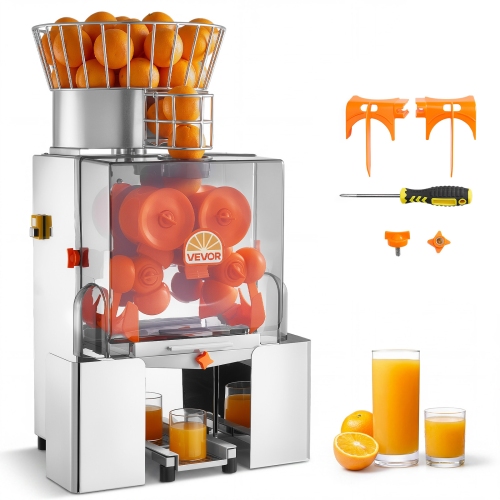
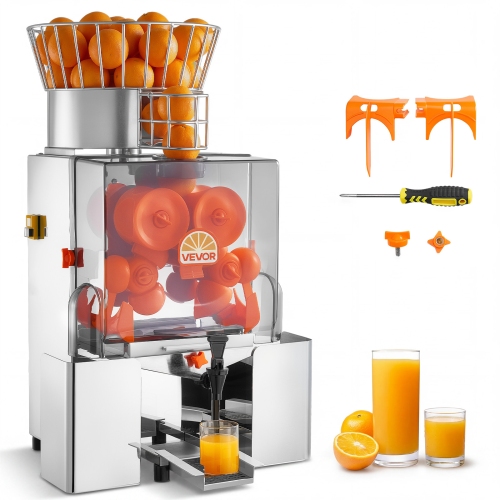
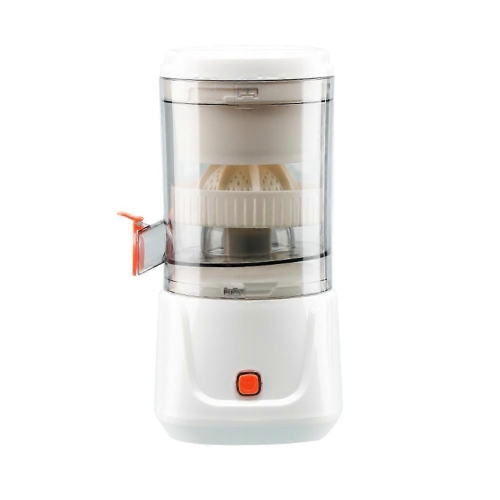
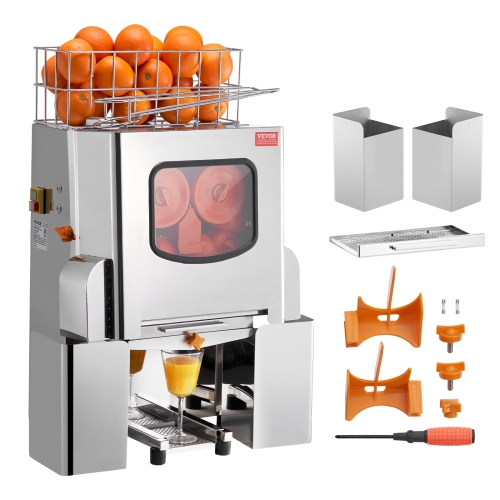
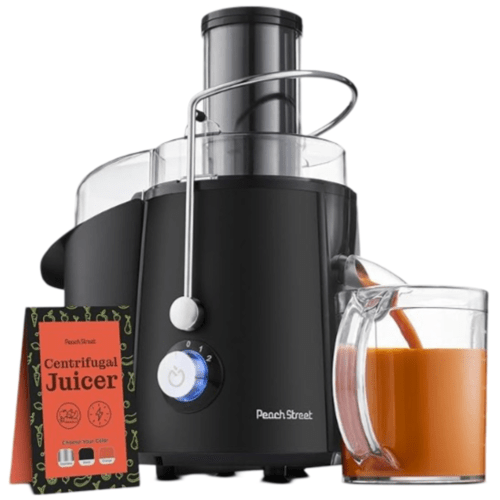
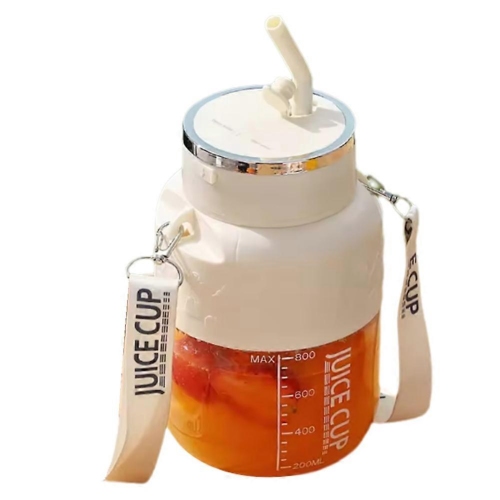
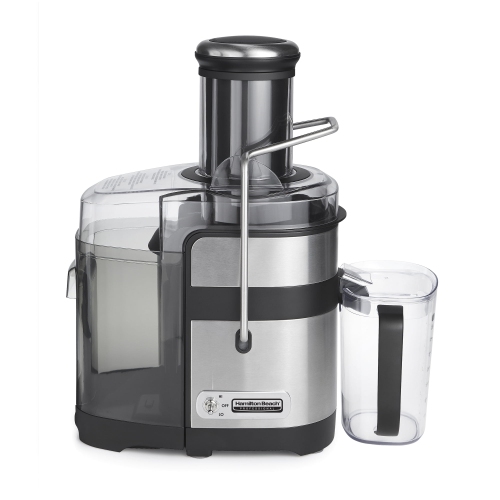
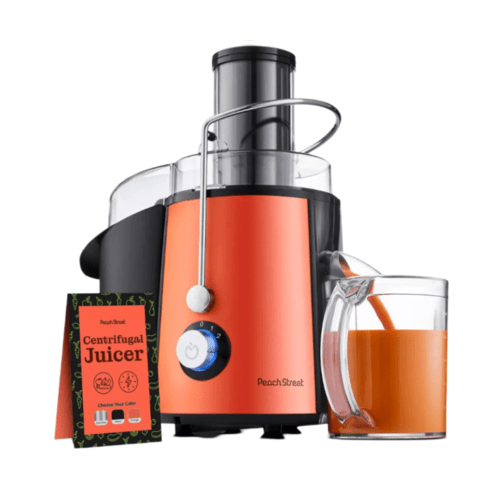
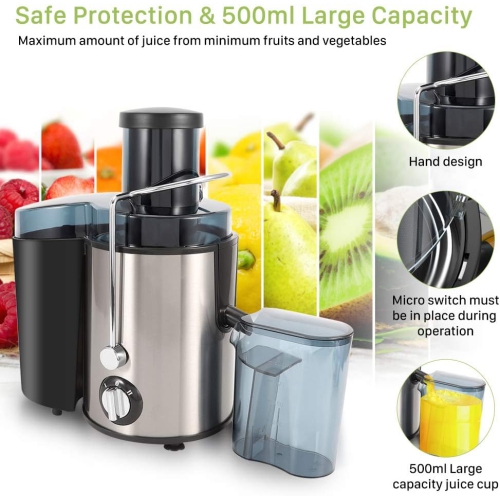
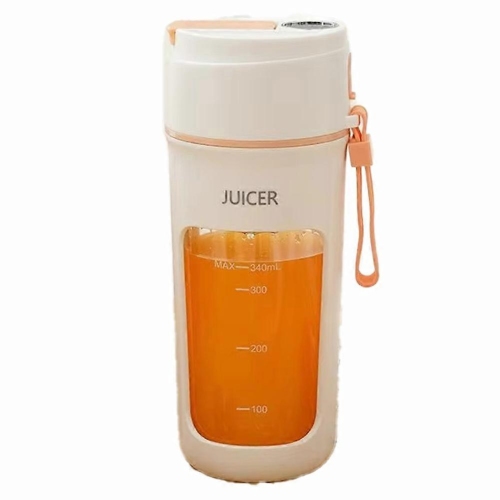
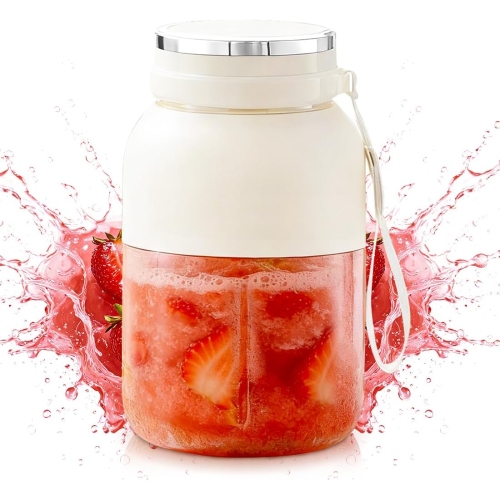
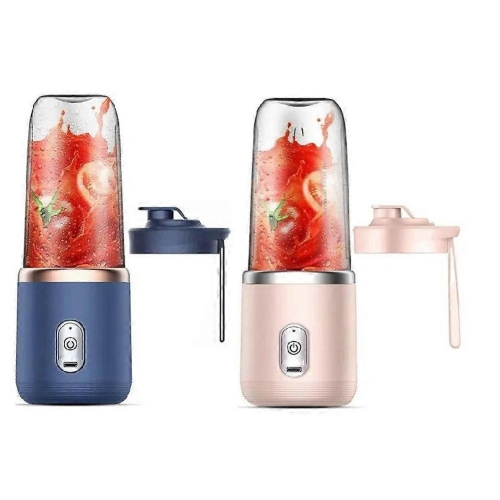

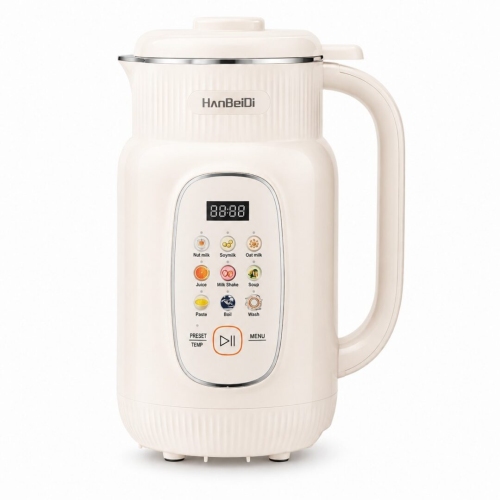
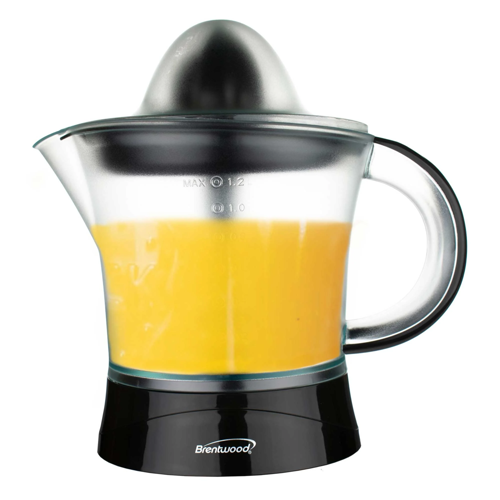
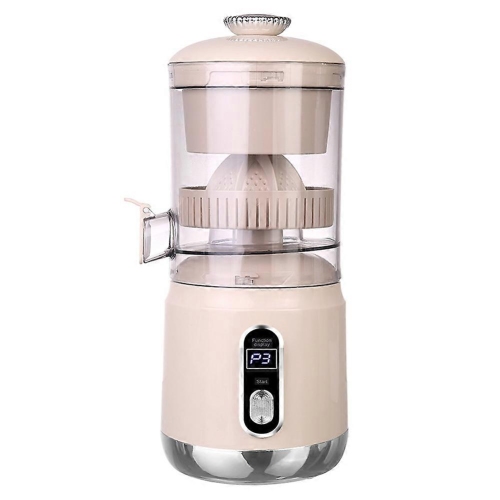
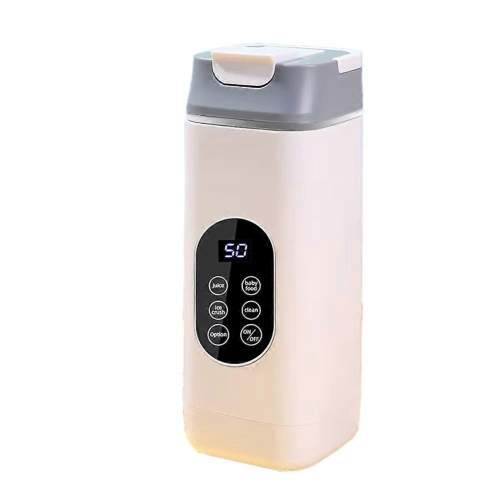
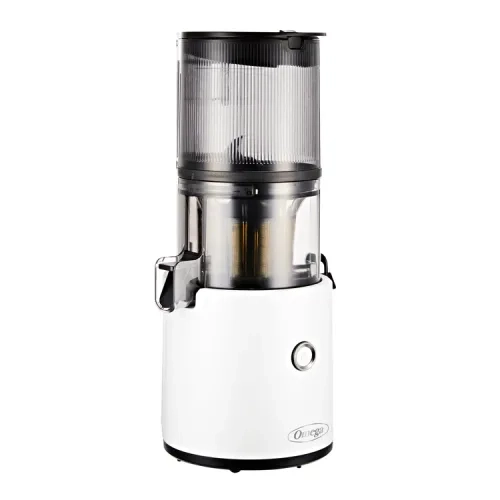
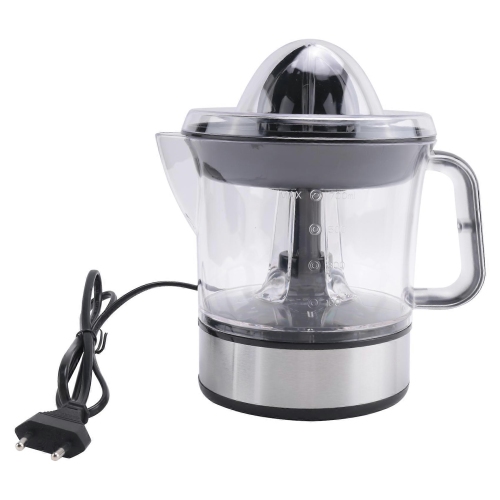
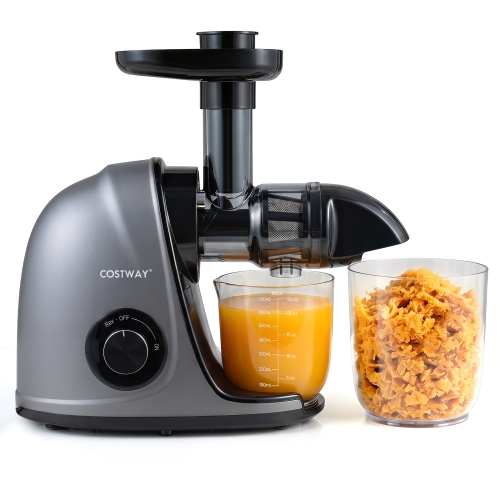
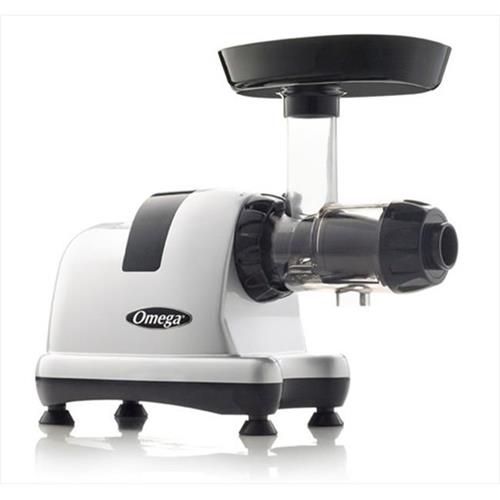
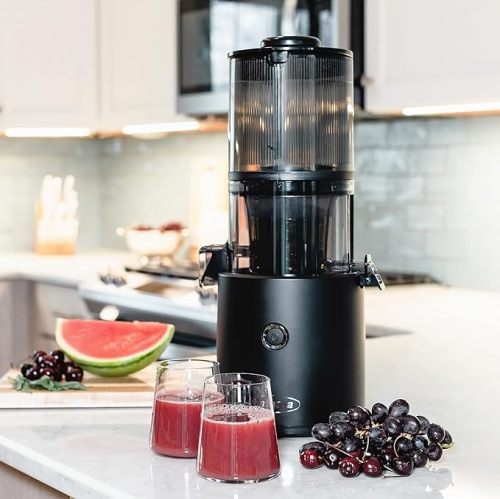
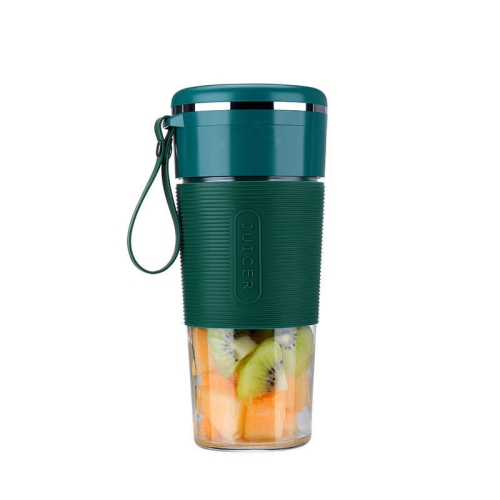
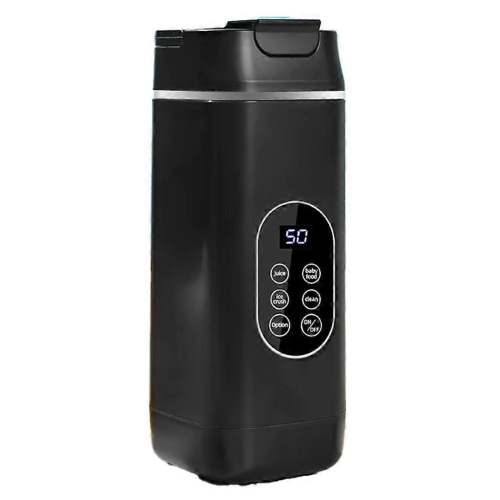
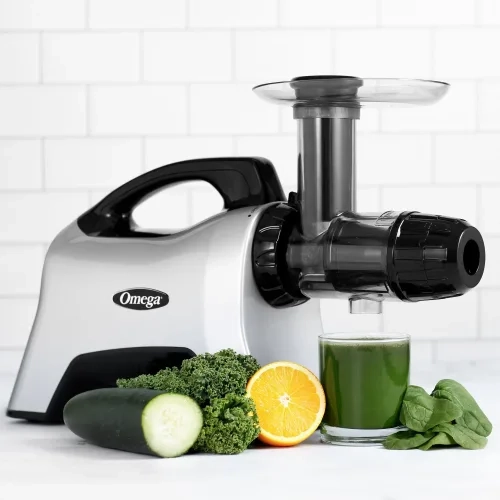
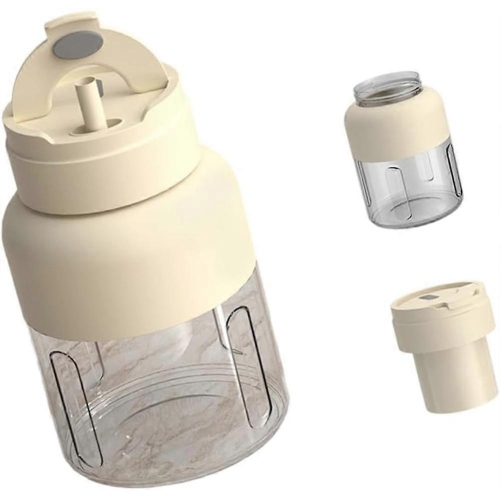
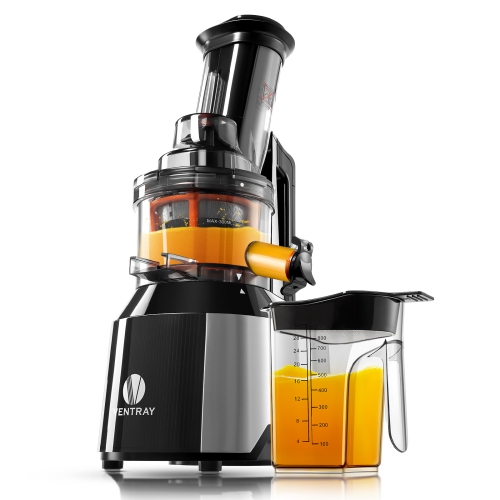
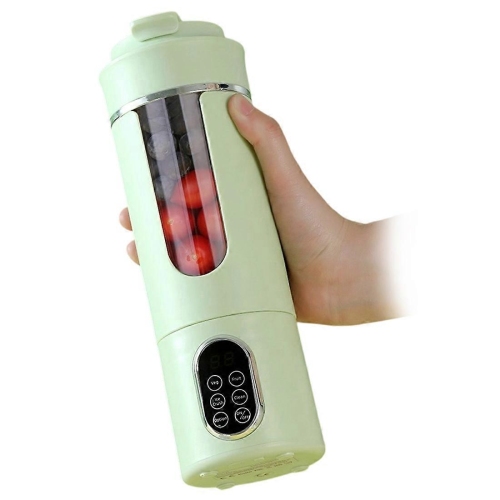
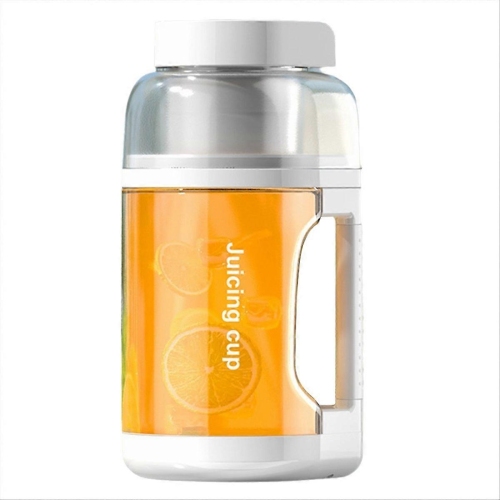
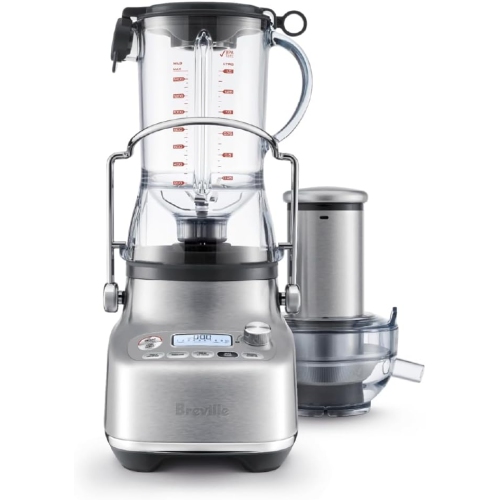
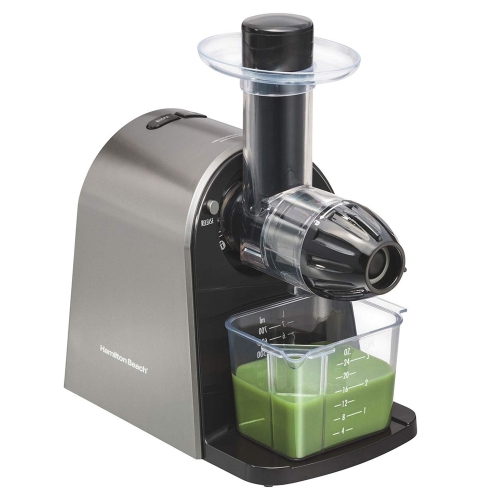
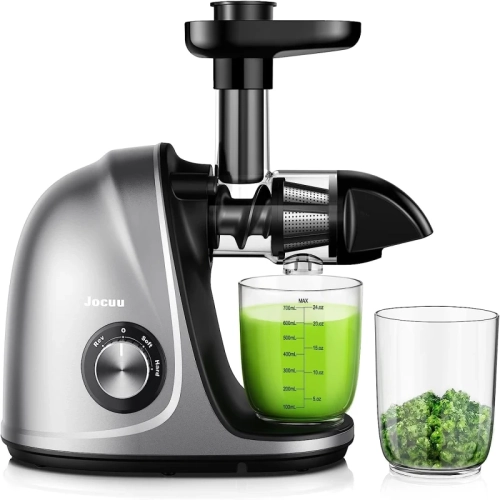
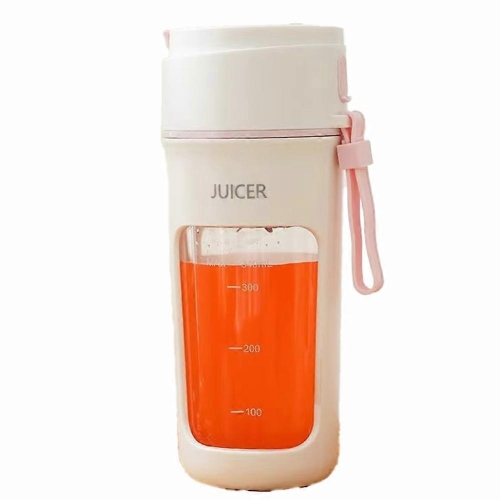
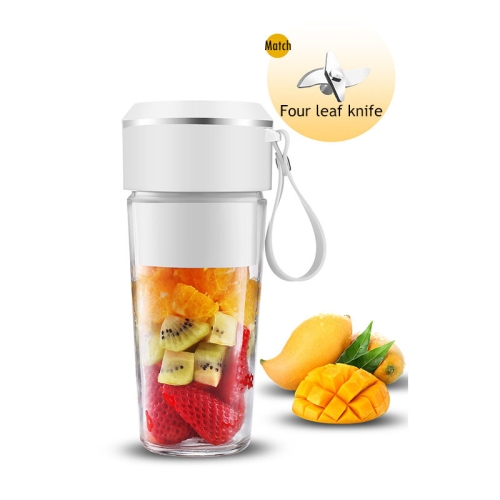
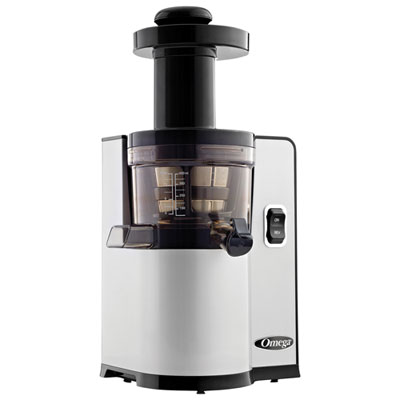
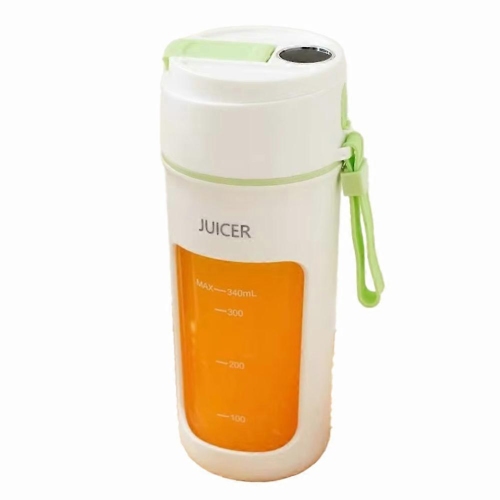
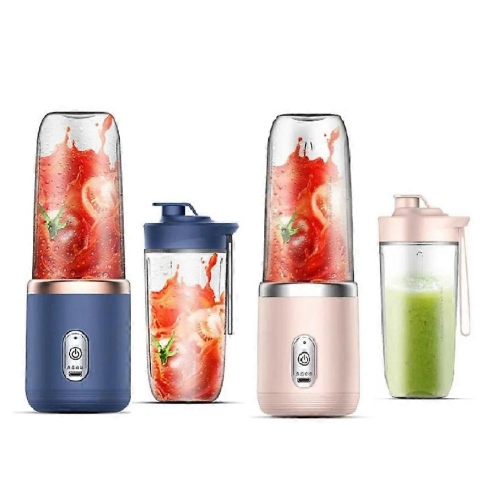

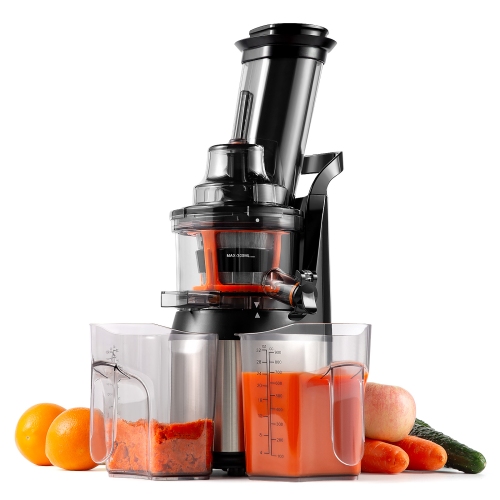
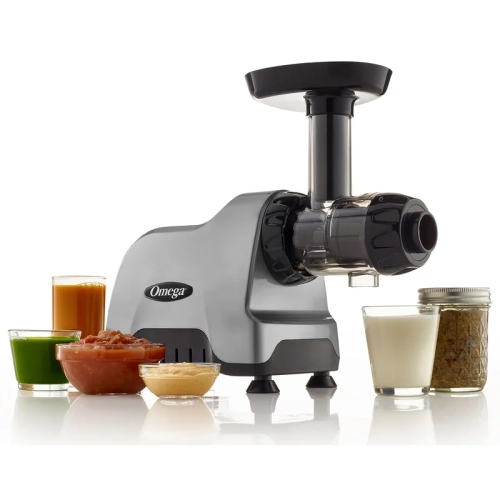
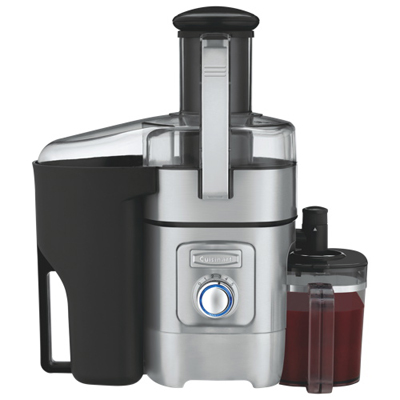
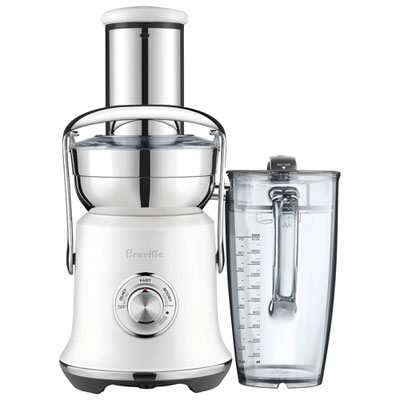
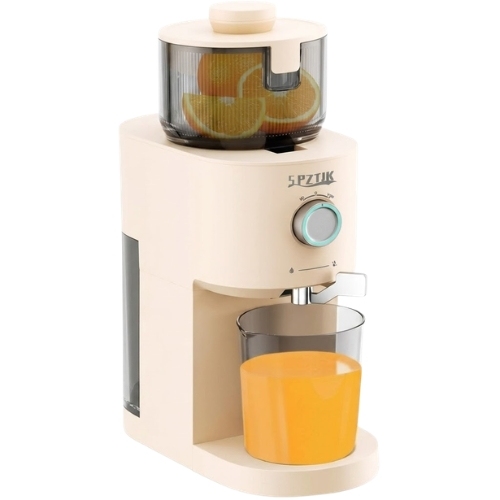
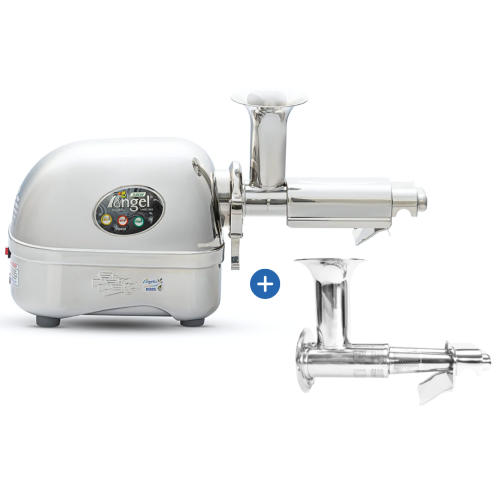
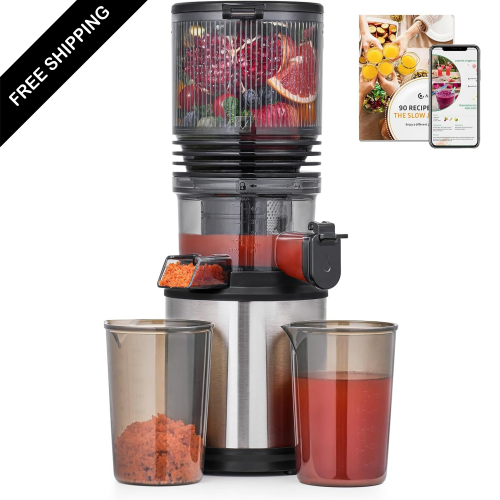
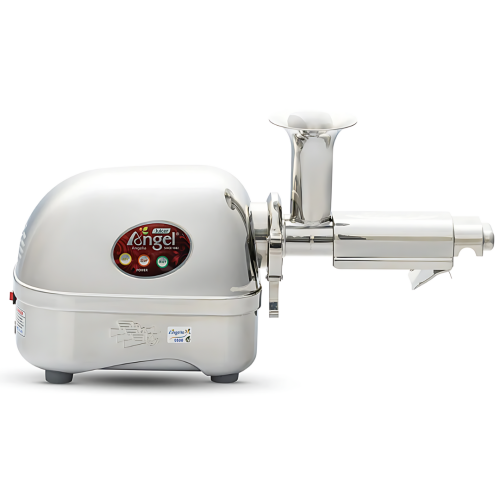
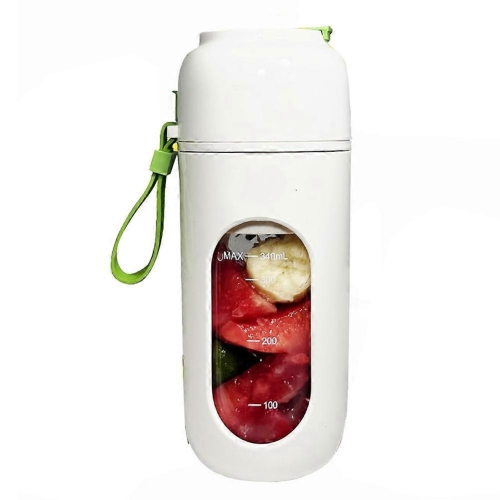
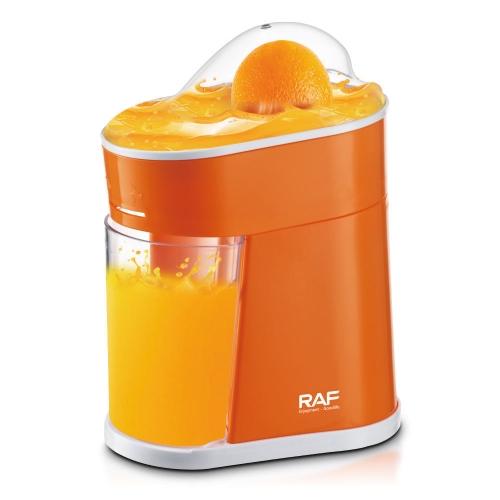
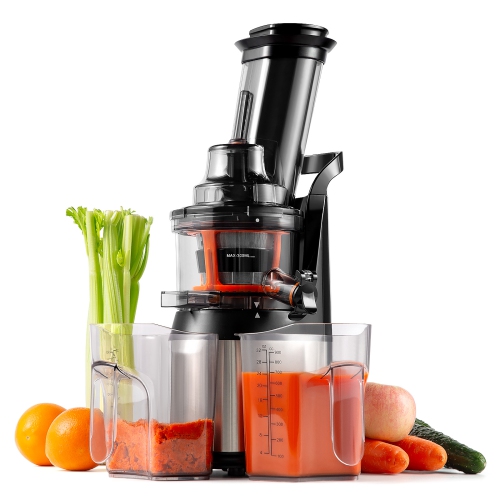
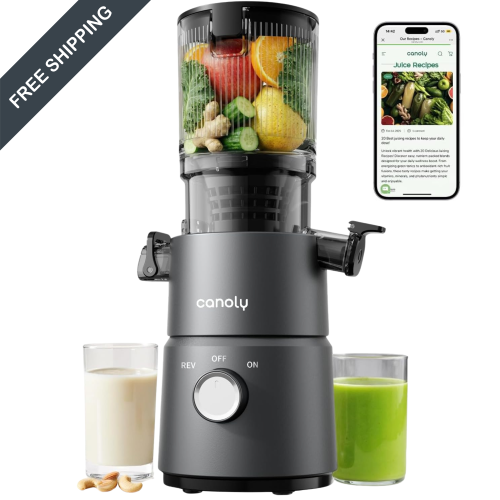
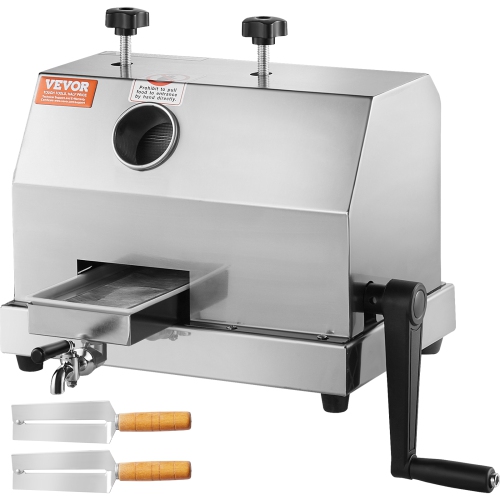
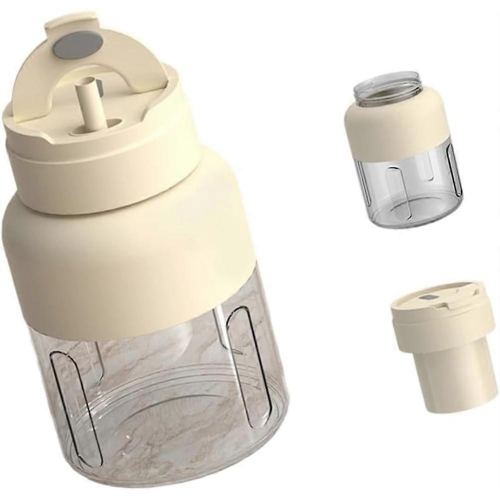
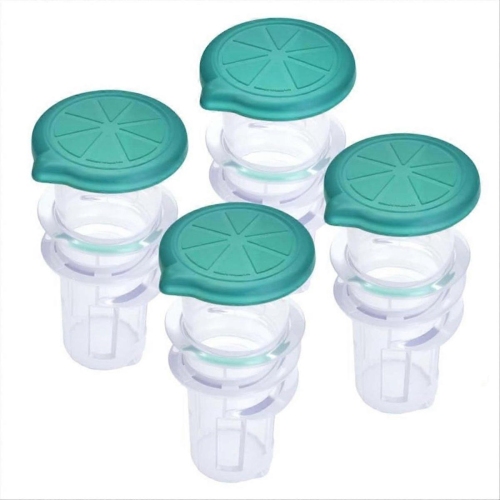
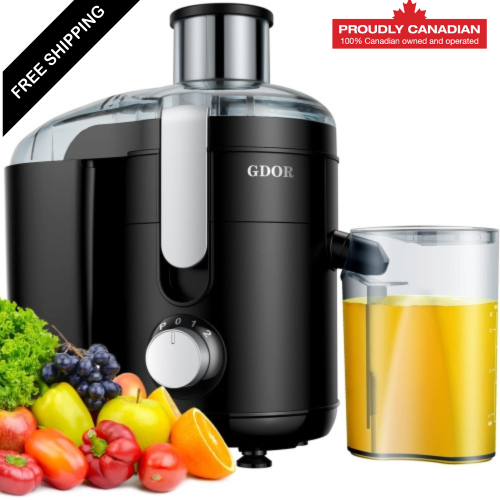
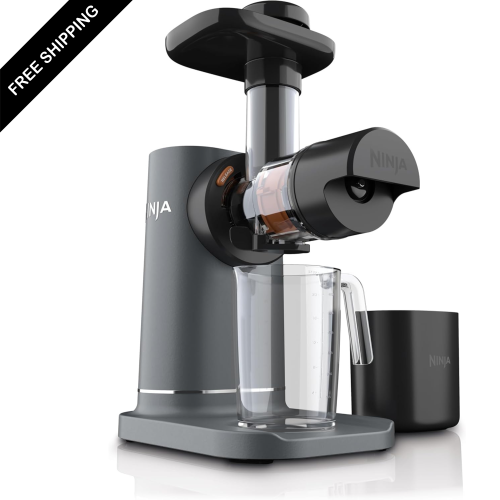
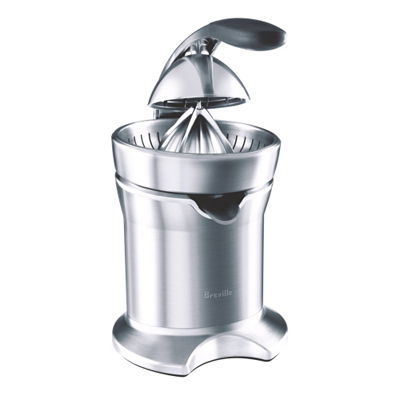
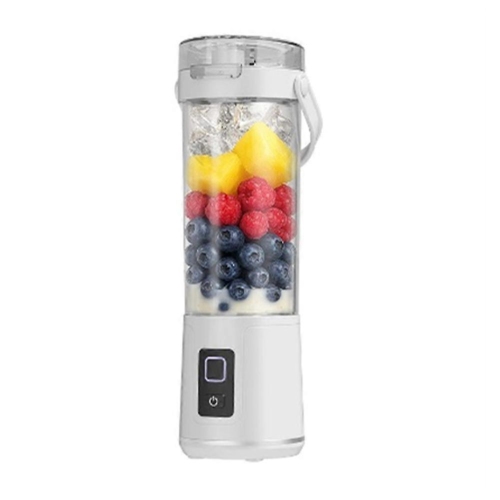
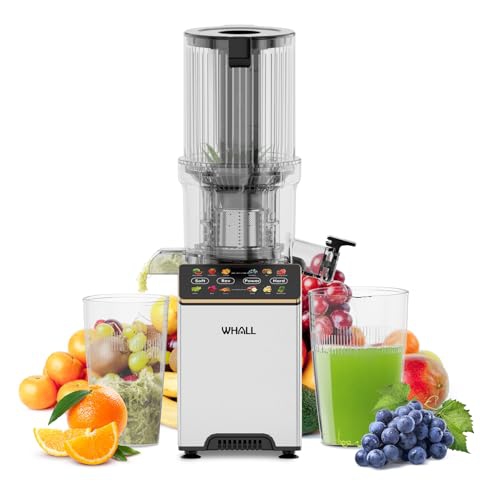


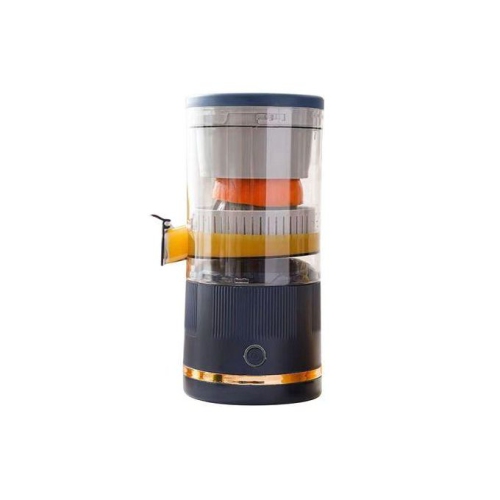
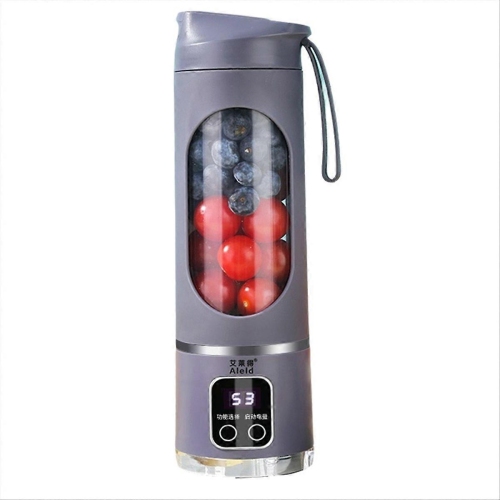
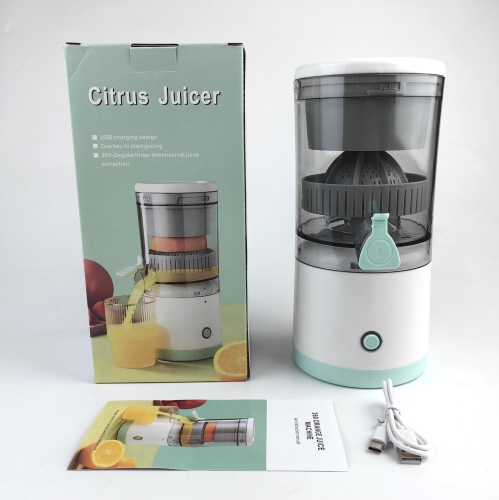
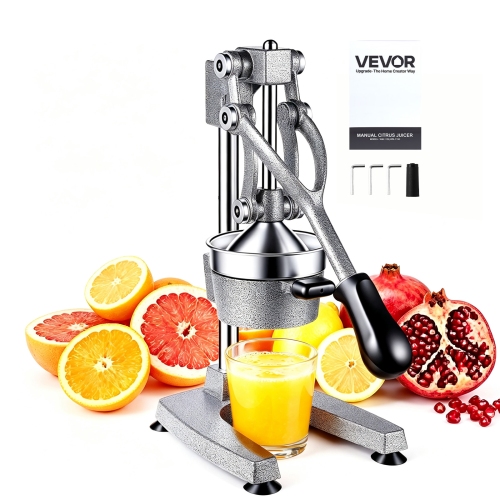
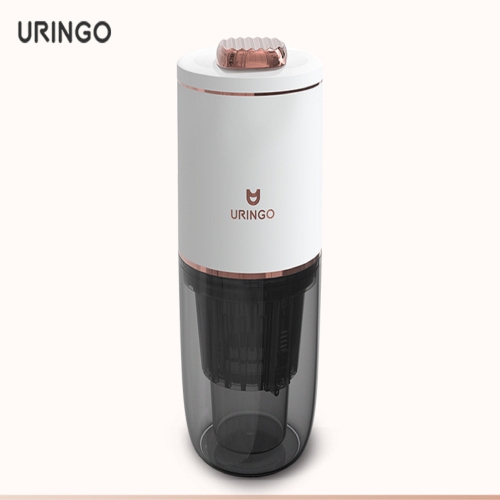
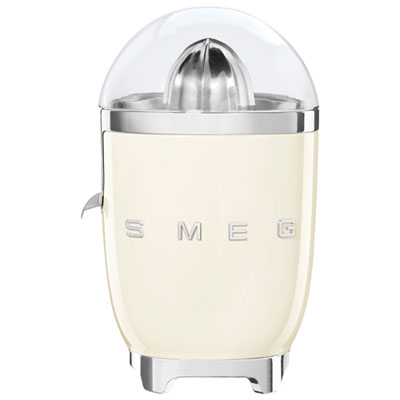
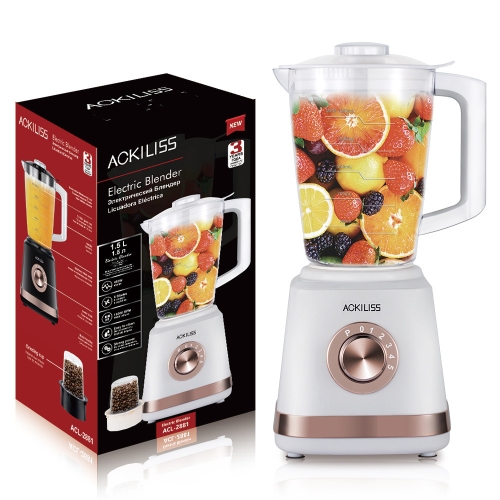
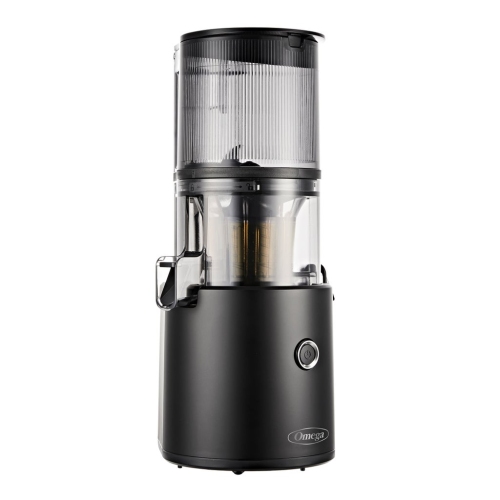

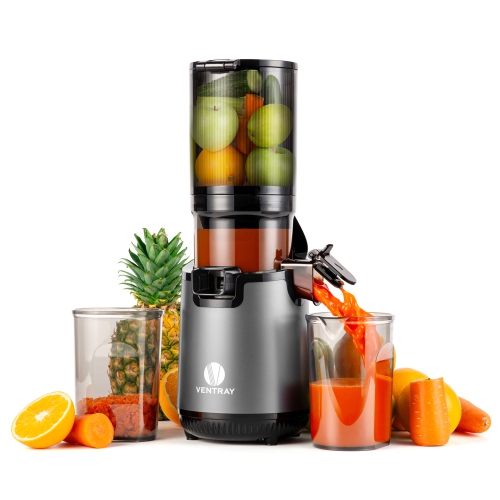
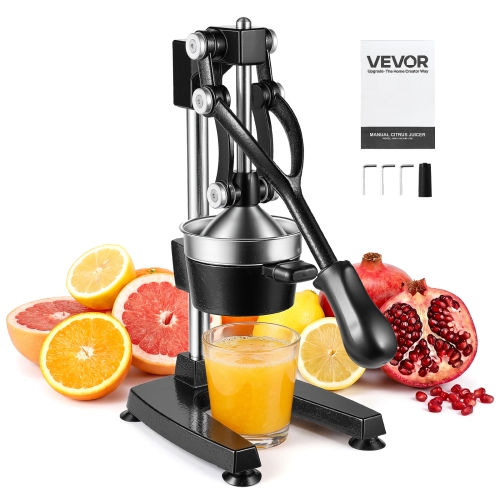
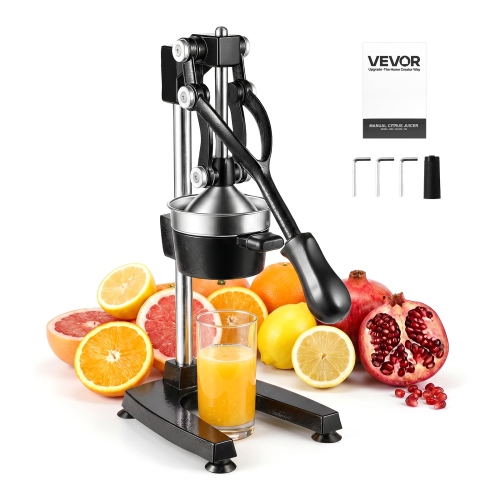
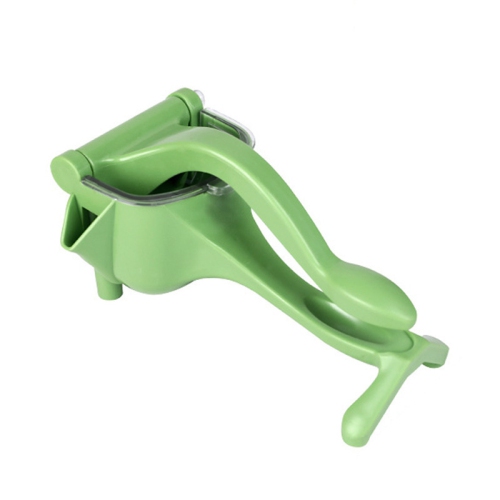
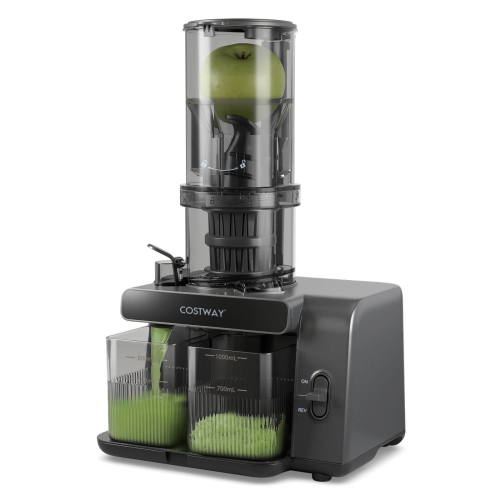

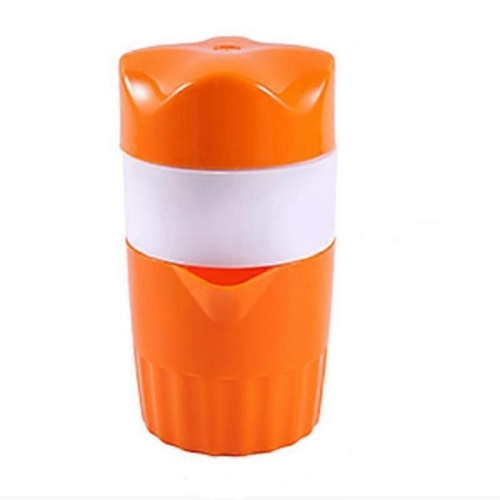
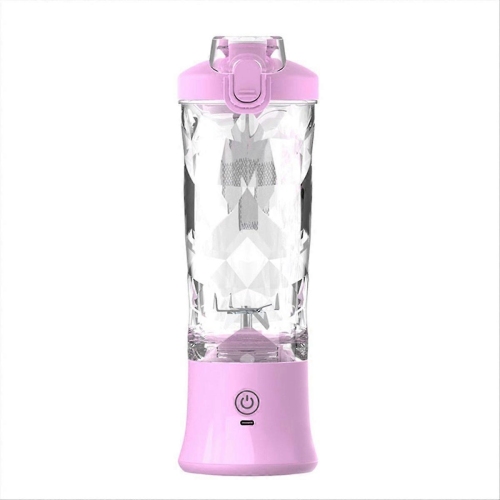
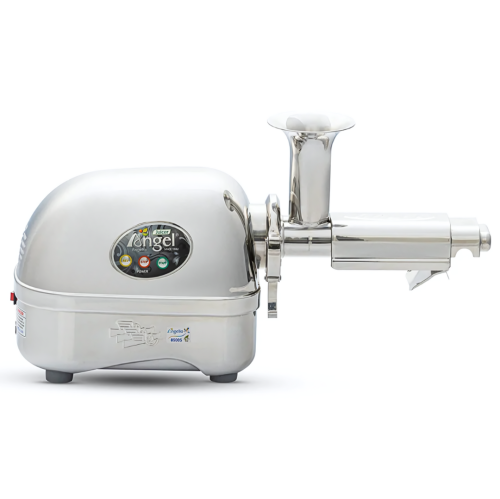
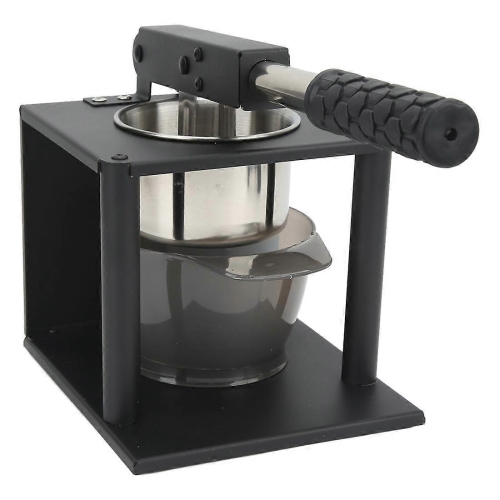
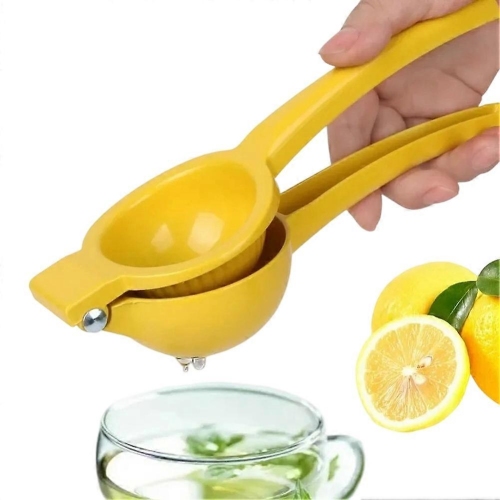
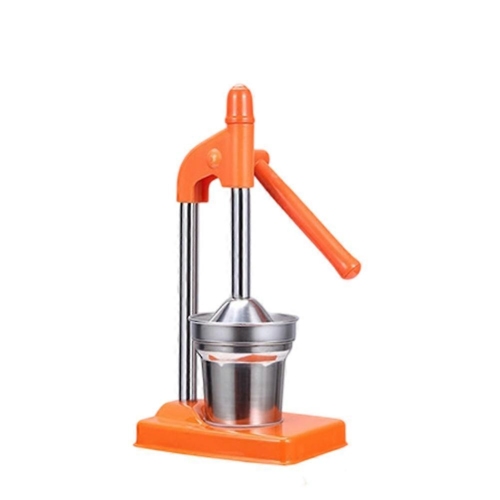
From quick weekday drinks to carefully pressed greens
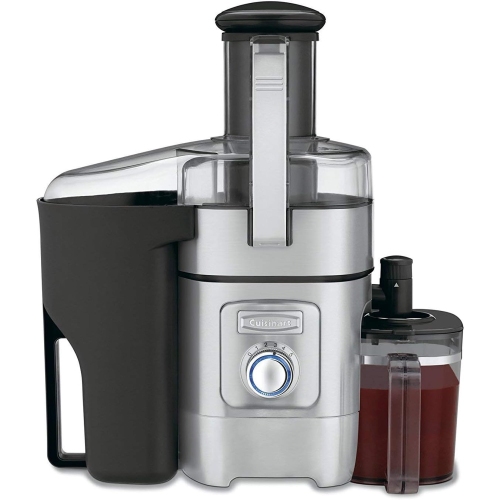
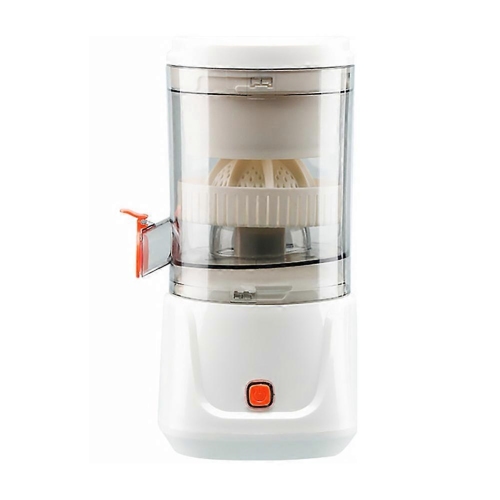
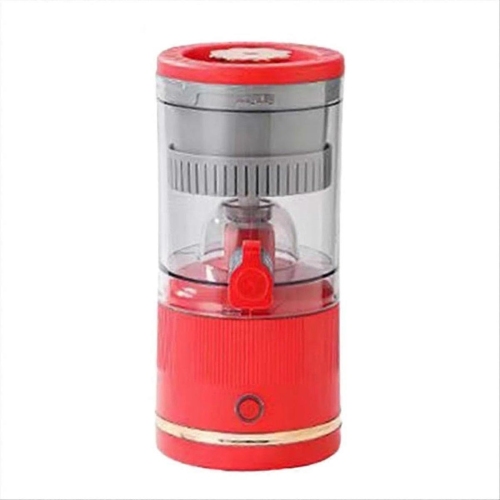
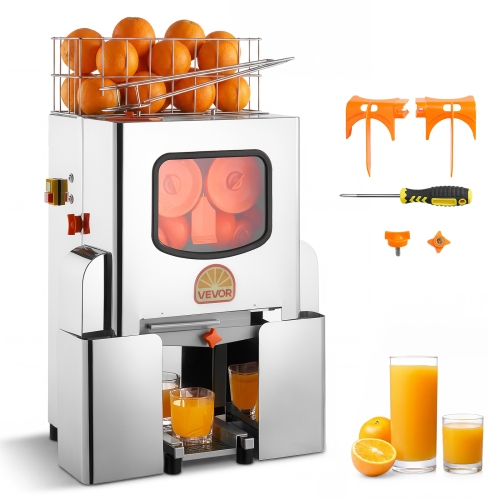
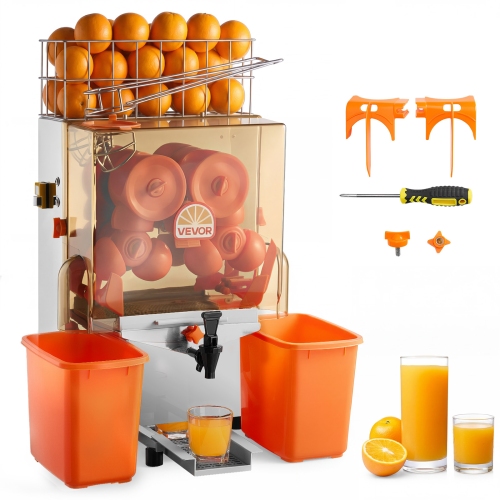
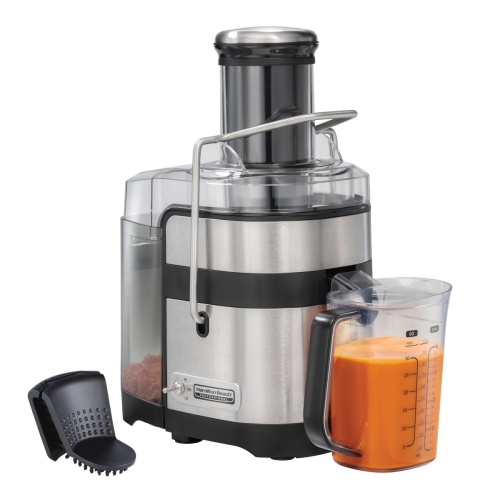
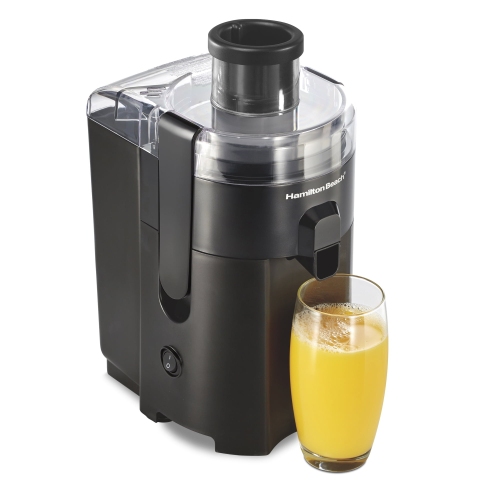
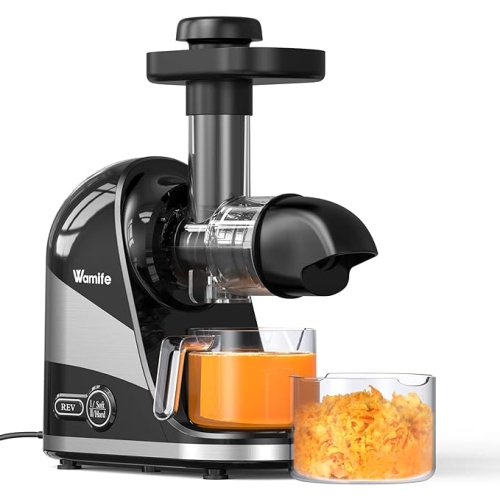
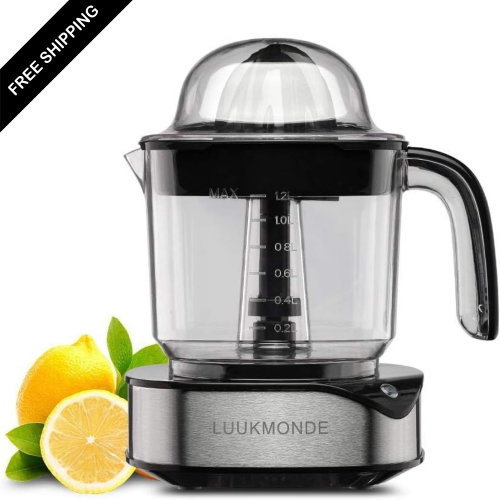
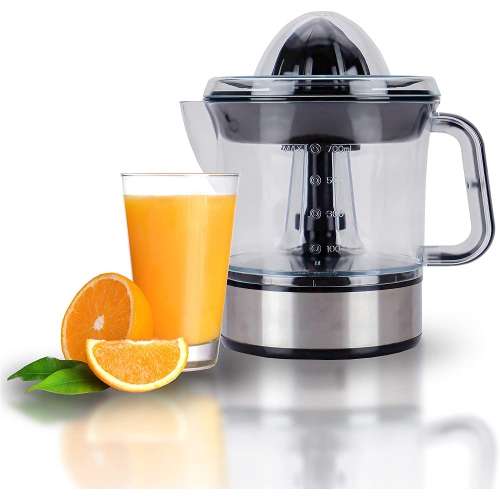
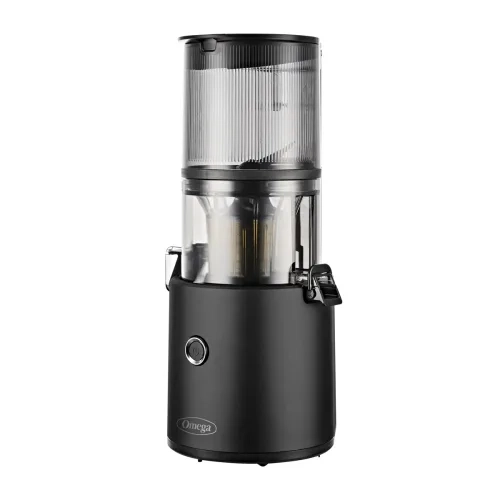
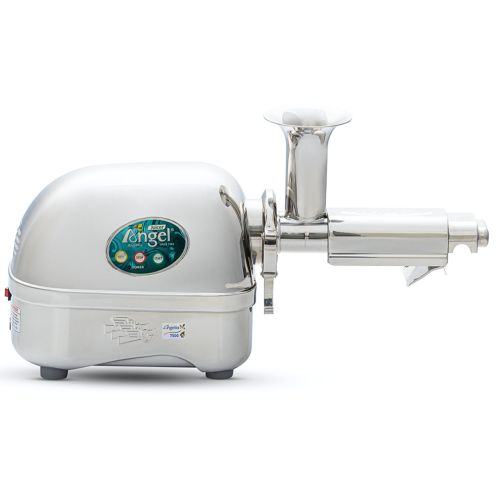
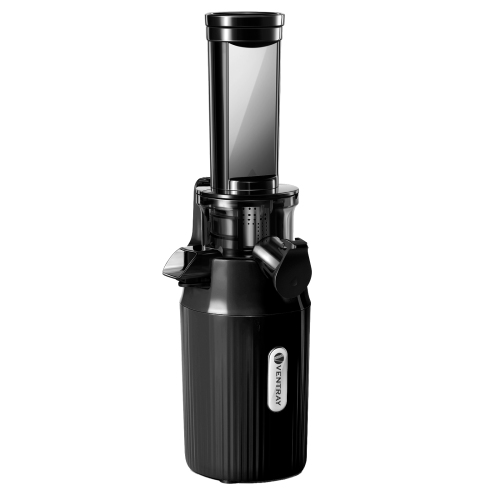
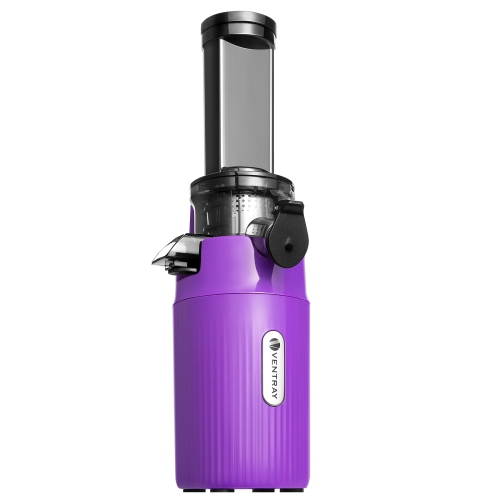
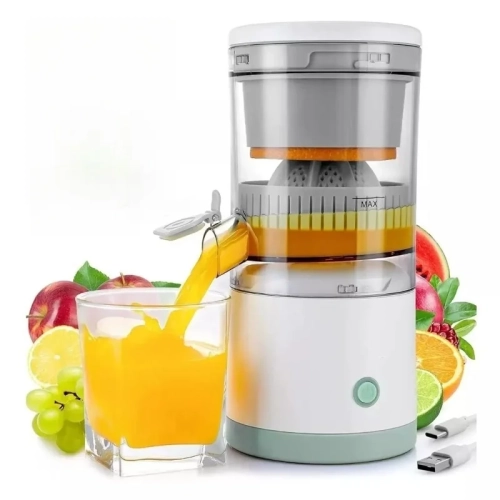
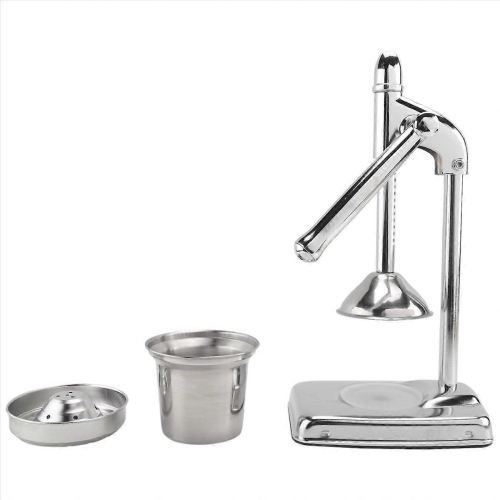
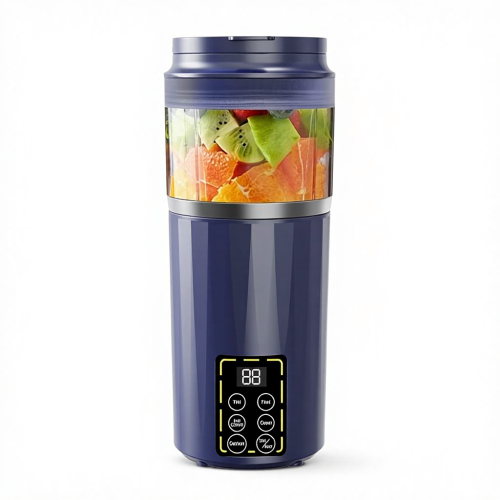
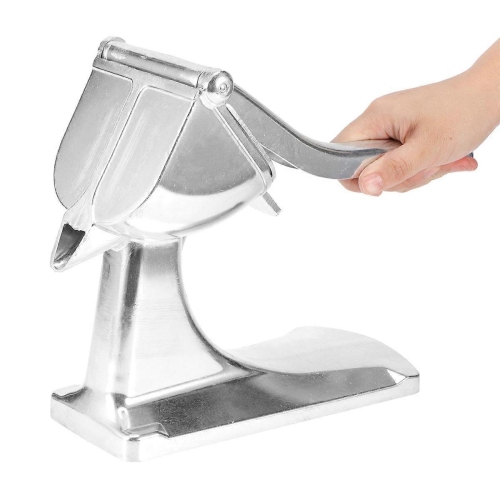
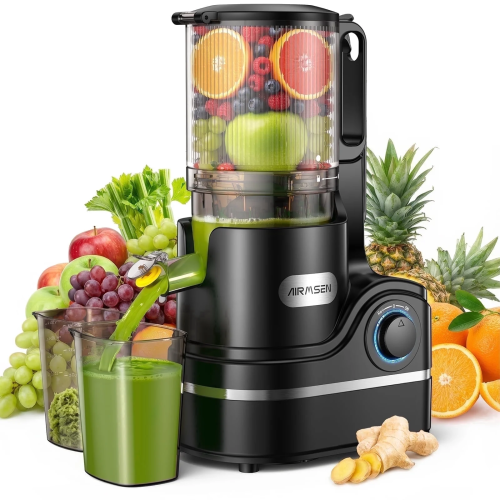
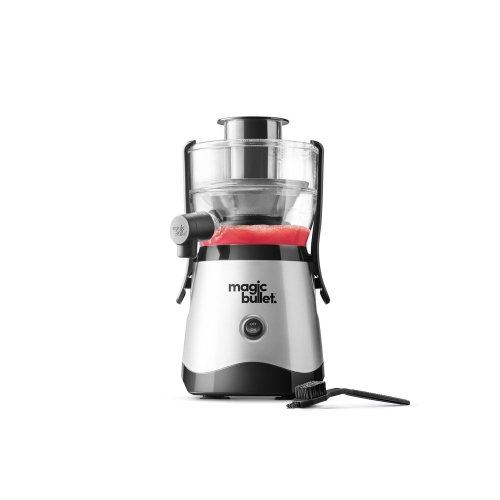
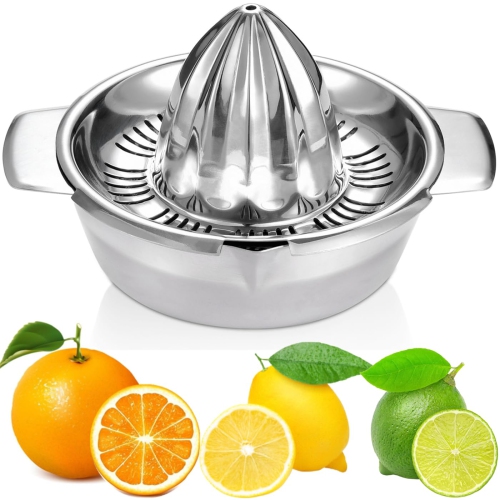
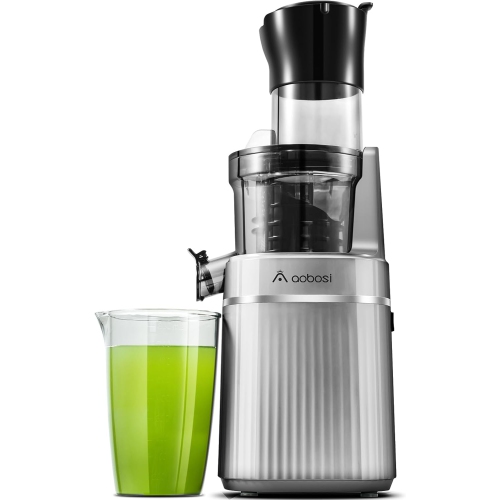
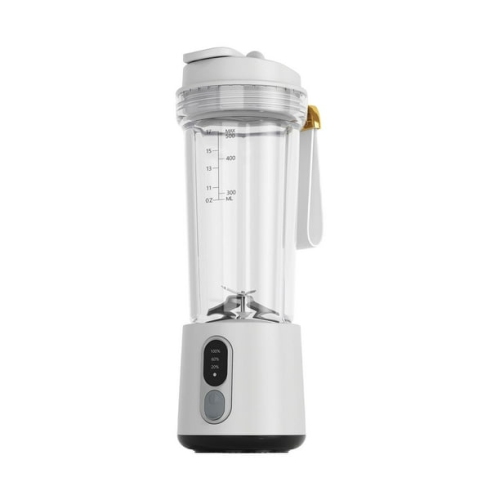
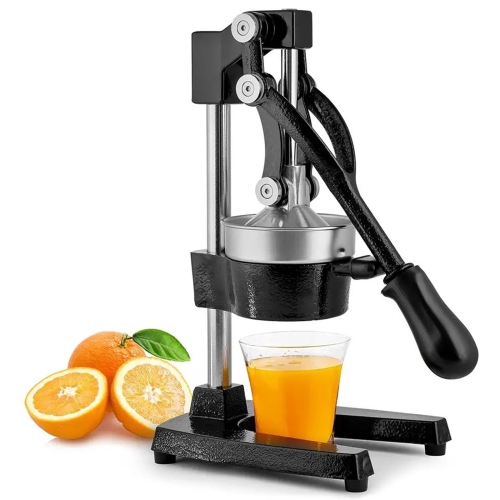
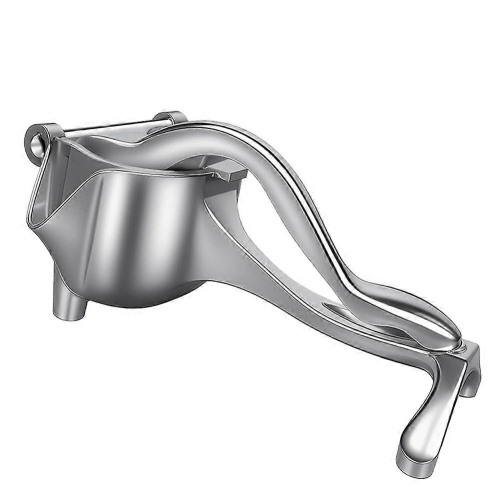
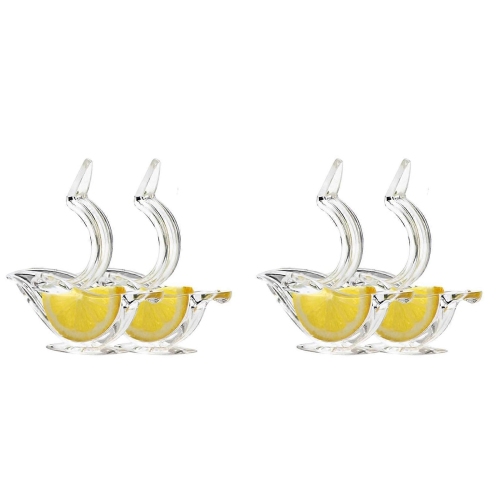
Extractor juicer machines make it easier to turn fresh fruits and vegetables into smooth, drinkable juice at home. Unlike a blender, which keeps the full ingredient mixture together, a juice extractor separates liquid from much of the solid pulp as produce is shredded, crushed, or pressed. This makes these appliances useful for breakfast routines, post-workout refreshments, family snacks, and recipes that call for concentrated fruit or vegetable juice. Apples, oranges, pears, carrots, cucumbers, celery, leafy greens, ginger, beets, and other produce can all bring different flavours and textures to a homemade juice blend. A crisp apple and cucumber combination can taste light and refreshing as the weather warms, while carrot, orange, and ginger can create a brighter, more comforting drink during the cooler months. Extractor juicer machines are also useful for cooks who want to add fresh juice to sauces, marinades, mocktails, soups, baking recipes, or frozen treats. They can be a thoughtful gift for someone setting up a first kitchen, building a smoothie and juice station, or looking for a more hands-on way to prepare everyday ingredients. They may also suit busy households that like to prepare a pitcher for the morning, although freshly extracted juice is generally best enjoyed soon after preparation and should be stored safely when it is not being served immediately. When choosing among extractor juicer machines, start by considering the type of produce you expect to use most often, how much juice you want to make at once, and how much time you want to spend on preparation and cleanup.
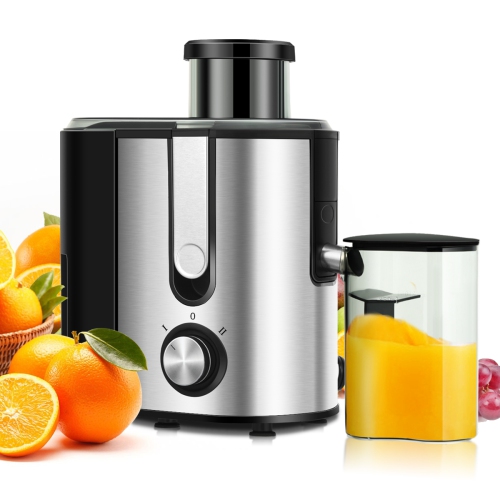
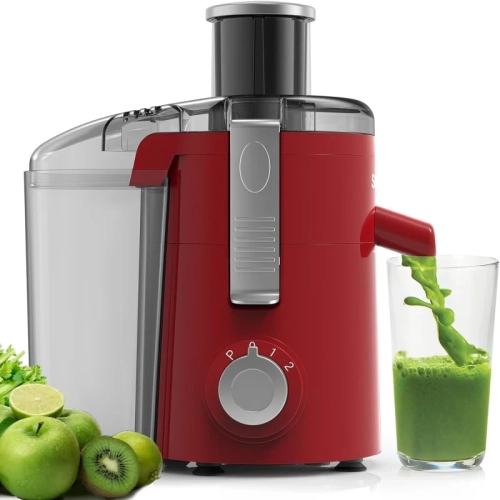
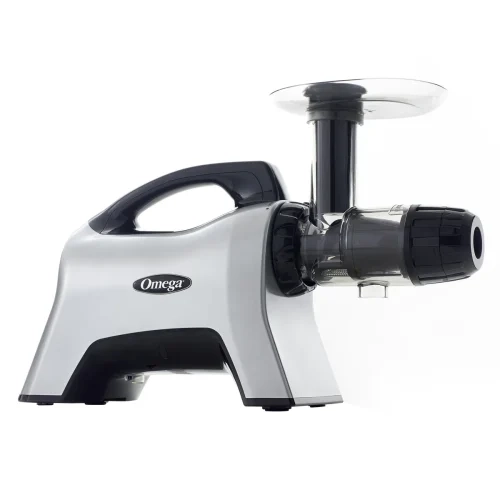
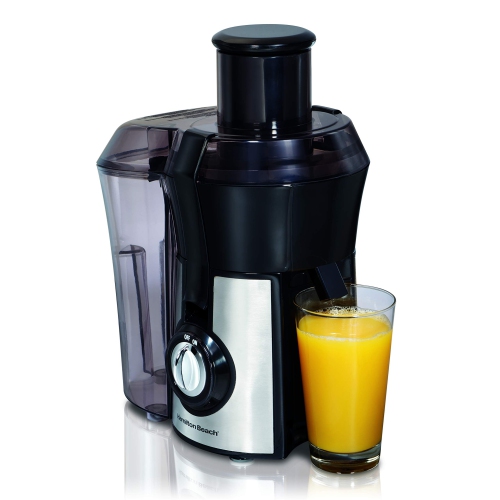
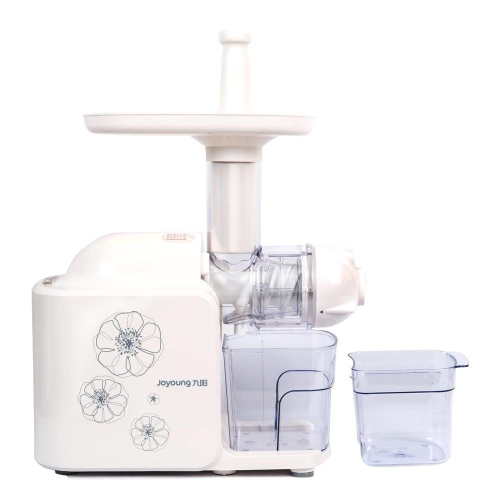
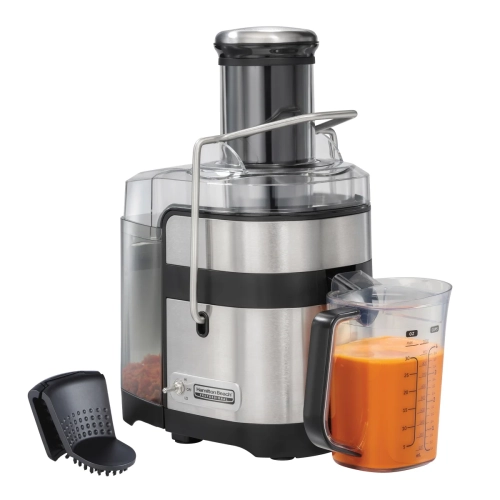
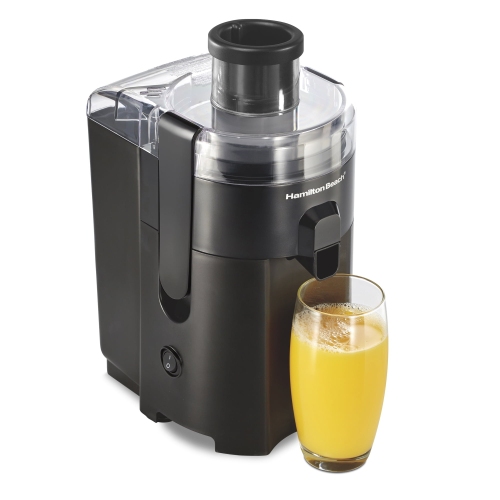
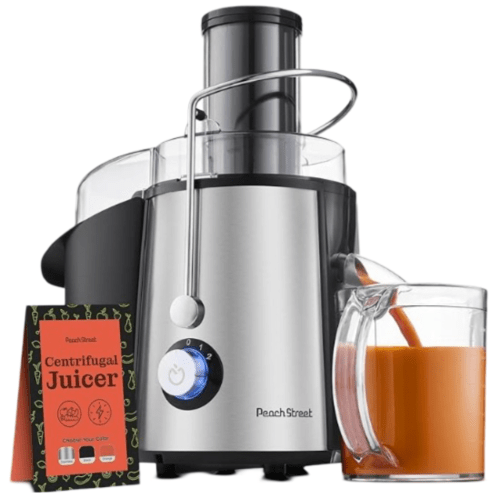
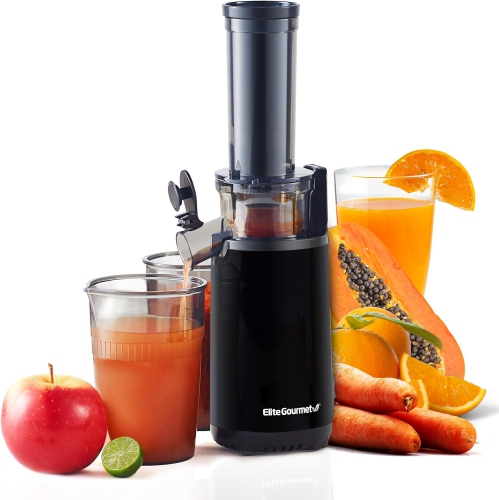
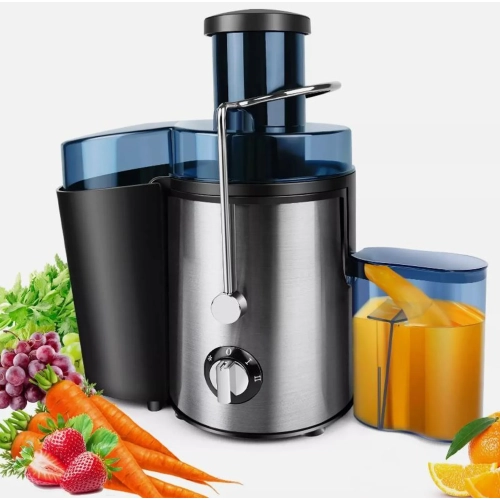
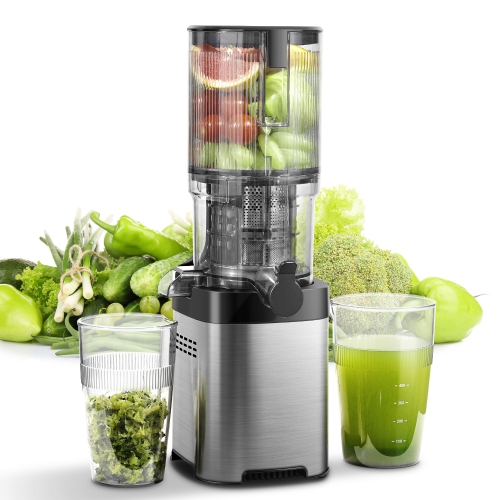
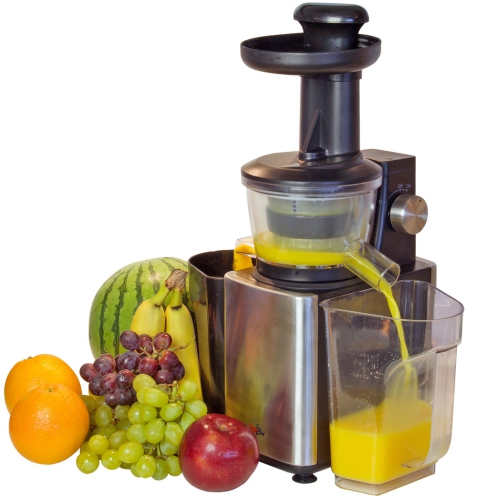
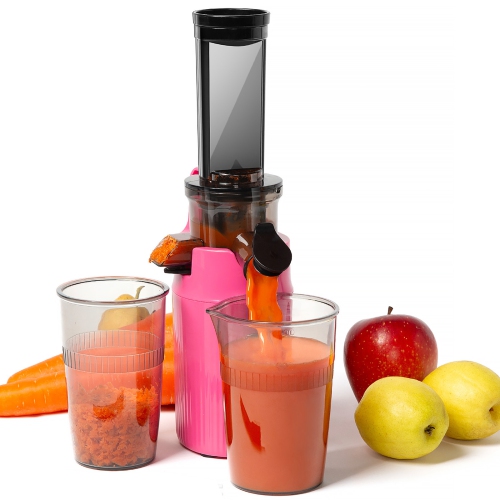
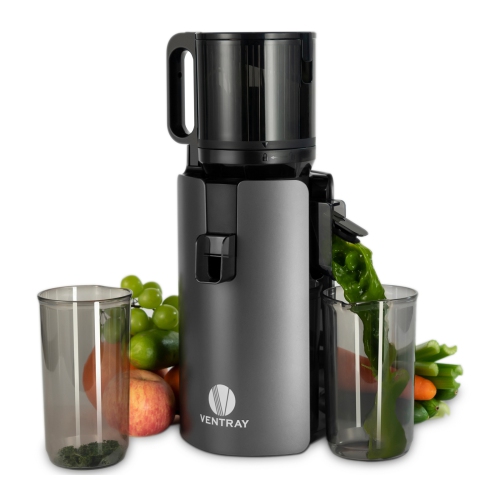
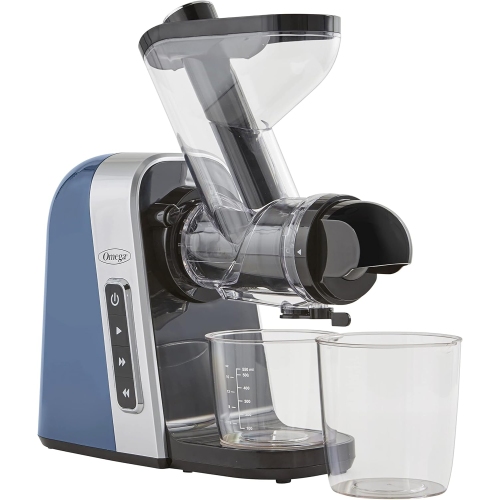
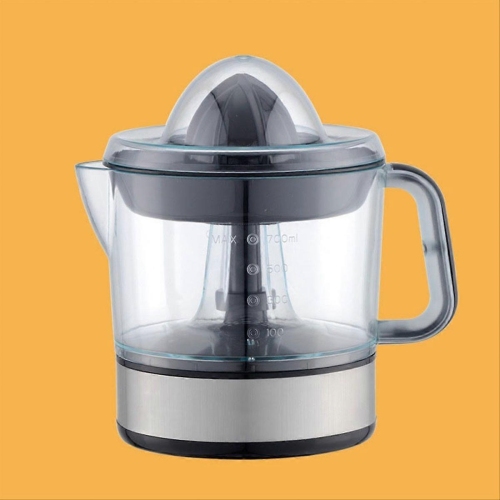
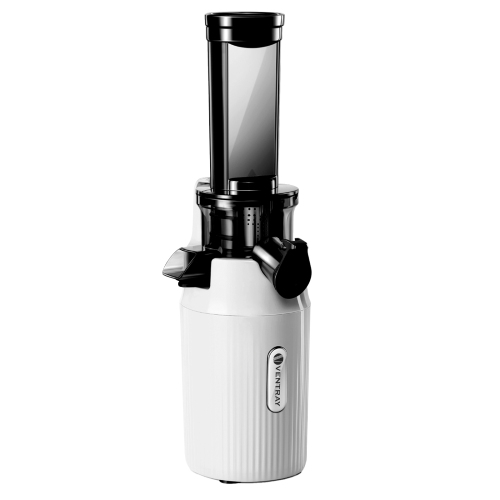
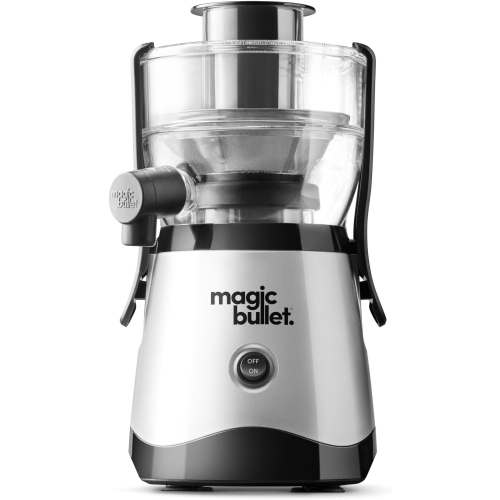
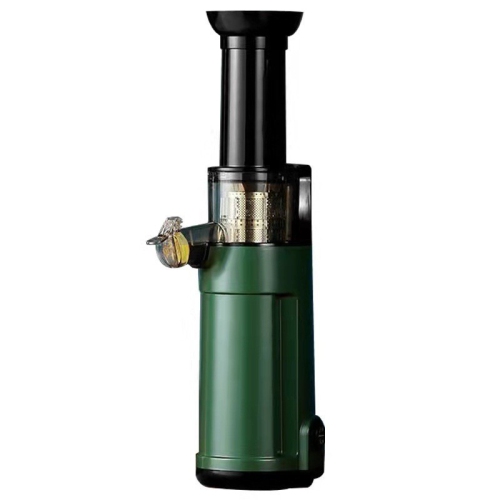
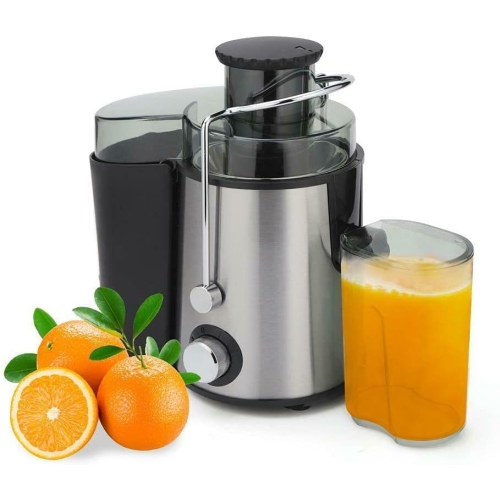
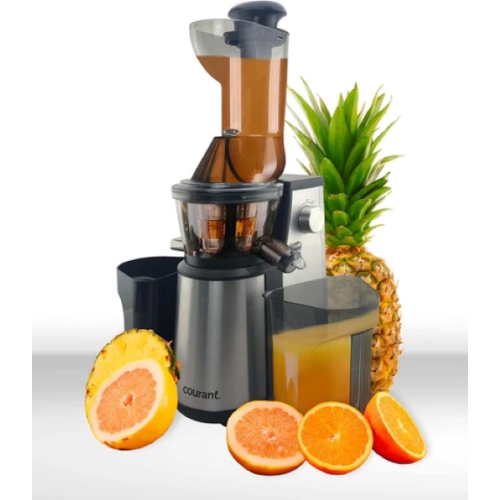
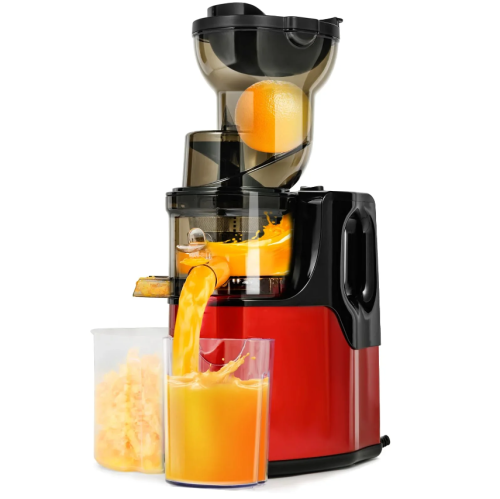
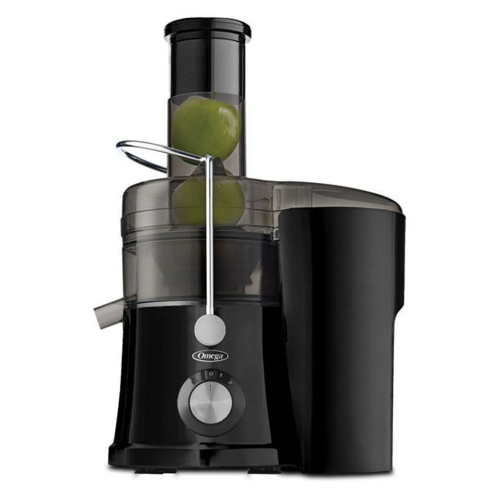
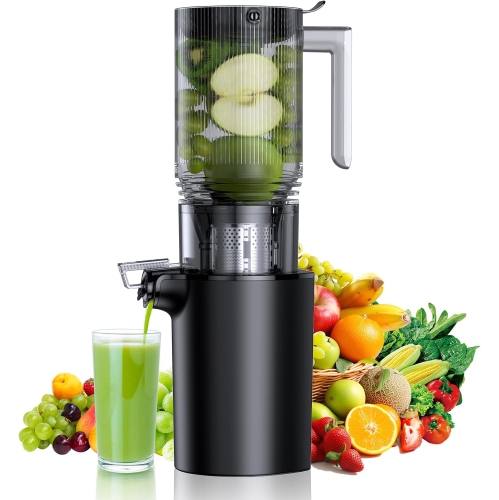
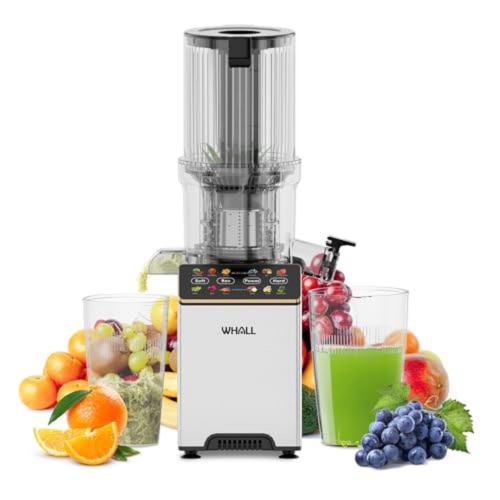
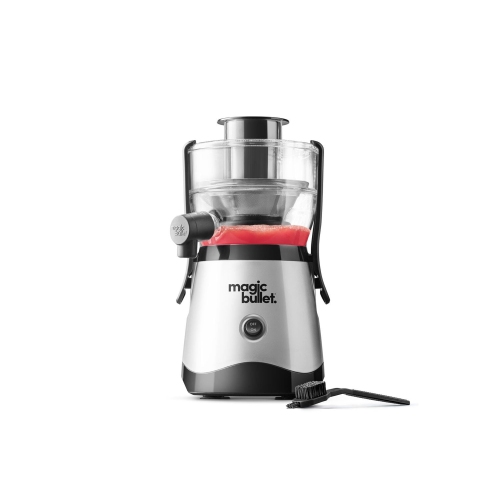
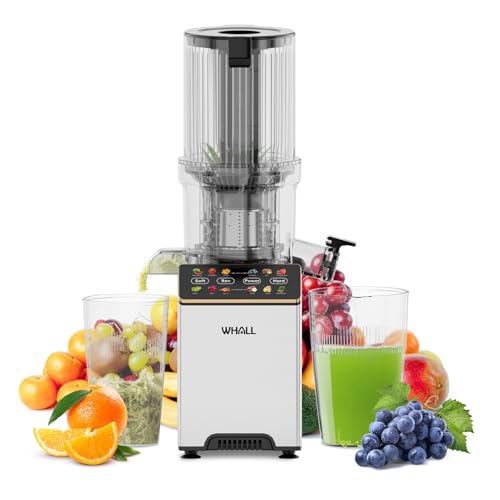
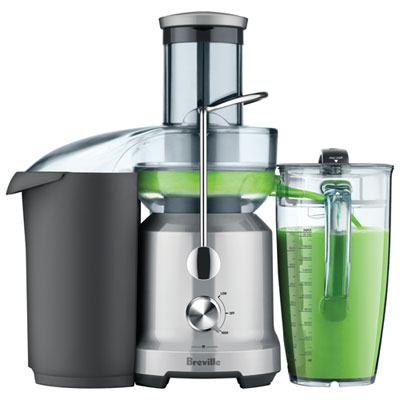
The two main styles are centrifugal and masticating, sometimes called slow-press or cold-press juicers. Centrifugal extractor juicer machines use a fast-spinning cutting disc and fine mesh basket to shred produce and separate the juice from the pulp. They are often a practical choice for shoppers who value speed, straightforward operation, and a wide feed chute that can accept larger pieces of apples, carrots, or other firm ingredients with less chopping. Their powerful motors can quickly process hard produce, making them convenient when several servings are being prepared before work or school. Because they operate at high speed, they can be louder and may create more foam, which some people simply stir back into the drink or skim from the surface. Masticating machines use a slower auger to crush and squeeze ingredients, and they are particularly well suited to leafy greens, soft fruits, herbs, and combinations that benefit from a gentler pressing action. They typically take longer to feed and process, but many people appreciate the higher juice yield and the ability to work with a broader range of ingredients. The right style depends on your kitchen habits rather than one universal standard: a fast centrifugal model may fit a weekday routine with minimal prep, while a masticating model may appeal to someone who enjoys experimenting with greens, layered flavours, and carefully planned batches. Motor power is another consideration, especially if you regularly juice dense ingredients such as carrots, beets, or ginger. A model in the 600 to 800 watt range may provide useful power for many hard vegetables, but wattage should be considered alongside the machine’s design, intended use, and manufacturer instructions. Capacity also matters. A compact extractor can be convenient for individual servings and easier to store, while larger options can reduce the number of batches needed for a household. For shoppers comparing larger-capacity appliances, Big Juicer Machines can be a useful place to explore models designed for more substantial preparation.
Ease of cleaning can make the difference between an appliance that becomes part of your routine and one that remains in the cupboard. Look for removable components that are simple to rinse soon after use, since dried pulp can cling to mesh filters, augers, and narrow corners. Dishwasher-safe parts can save time, while an included cleaning brush is helpful for clearing the fine screen where fibrous material tends to collect. Check whether the pulp container and juice jug are large enough for your usual quantities, and consider the shape of the spout if you plan to fill glasses, jars, or reusable bottles. A wide feed chute can reduce chopping, but smaller openings may encourage more careful preparation and can be suitable if storage space is limited. Non-slip feet, secure locking mechanisms, clear measurement markings, and a straightforward control panel are practical details that improve everyday use. It is also worth checking the size and weight of the appliance before purchasing, especially if it will be lifted from a cupboard or moved between the counter and storage. Preparing produce in advance can make juicing feel less hurried: wash ingredients, remove pits and tough cores where required, trim leafy stems, and cut large items to suit the feed chute. Keep a few dependable combinations on hand, such as apple with celery, carrot with citrus, or cucumber with leafy greens, then adjust the balance to match your taste. Some ingredients produce thick pulp, while others release more liquid, so alternating firm and softer produce can help keep the process moving. Always follow the care and food-safety instructions supplied with the machine, and allow hot components or motors to cool as directed between batches. With the right capacity, extraction style, motor strength, and cleanup features, an extractor juicer machine can become a versatile countertop companion for fresh drinks and ingredient preparation throughout the changing seasons.
The two main styles are centrifugal and masticating, sometimes called slow-press or cold-press juicers. Centrifugal extractor juicer machines use a fast-spinning cutting disc and fine mesh basket to shred produce and separate the juice from the pulp. They are often a practical choice for shoppers who value speed, straightforward operation, and a wide feed chute that can accept larger pieces of apples, carrots, or other firm ingredients with less chopping. Their powerful motors can quickly process hard produce, making them convenient when several servings are being prepared before work or school. Because they operate at high speed, they can be louder and may create more foam, which some people simply stir back into the drink or skim from the surface. Masticating machines use a slower auger to crush and squeeze ingredients, and they are particularly well suited to leafy greens, soft fruits, herbs, and combinations that benefit from a gentler pressing action. They typically take longer to feed and process, but many people appreciate the higher juice yield and the ability to work with a broader range of ingredients. The right style depends on your kitchen habits rather than one universal standard: a fast centrifugal model may fit a weekday routine with minimal prep, while a masticating model may appeal to someone who enjoys experimenting with greens, layered flavours, and carefully planned batches. Motor power is another consideration, especially if you regularly juice dense ingredients such as carrots, beets, or ginger. A model in the 600 to 800 watt range may provide useful power for many hard vegetables, but wattage should be considered alongside the machine’s design, intended use, and manufacturer instructions. Capacity also matters. A compact extractor can be convenient for individual servings and easier to store, while larger options can reduce the number of batches needed for a household. For shoppers comparing larger-capacity appliances, Big Juicer Machines can be a useful place to explore models designed for more substantial preparation.
Ease of cleaning can make the difference between an appliance that becomes part of your routine and one that remains in the cupboard. Look for removable components that are simple to rinse soon after use, since dried pulp can cling to mesh filters, augers, and narrow corners. Dishwasher-safe parts can save time, while an included cleaning brush is helpful for clearing the fine screen where fibrous material tends to collect. Check whether the pulp container and juice jug are large enough for your usual quantities, and consider the shape of the spout if you plan to fill glasses, jars, or reusable bottles. A wide feed chute can reduce chopping, but smaller openings may encourage more careful preparation and can be suitable if storage space is limited. Non-slip feet, secure locking mechanisms, clear measurement markings, and a straightforward control panel are practical details that improve everyday use. It is also worth checking the size and weight of the appliance before purchasing, especially if it will be lifted from a cupboard or moved between the counter and storage. Preparing produce in advance can make juicing feel less hurried: wash ingredients, remove pits and tough cores where required, trim leafy stems, and cut large items to suit the feed chute. Keep a few dependable combinations on hand, such as apple with celery, carrot with citrus, or cucumber with leafy greens, then adjust the balance to match your taste. Some ingredients produce thick pulp, while others release more liquid, so alternating firm and softer produce can help keep the process moving. Always follow the care and food-safety instructions supplied with the machine, and allow hot components or motors to cool as directed between batches. With the right capacity, extraction style, motor strength, and cleanup features, an extractor juicer machine can become a versatile countertop companion for fresh drinks and ingredient preparation throughout the changing seasons.
Top selling and popular products
-
 Your price for this item is $209.99
 -
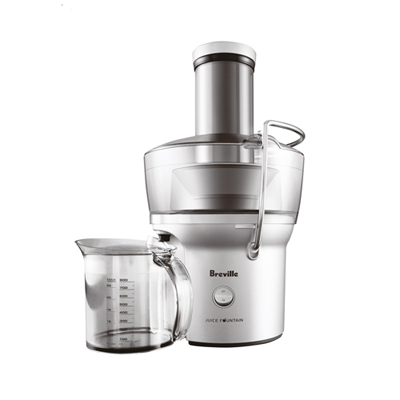 Your price for this item is $149.98
 -
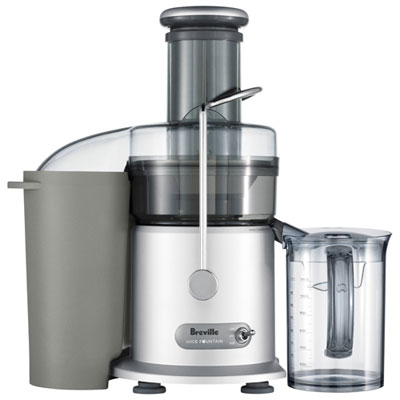 Your price for this item is $149.99
 -
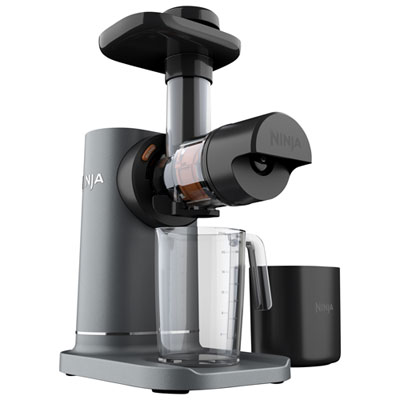 Your price for this item is $199.99
 -
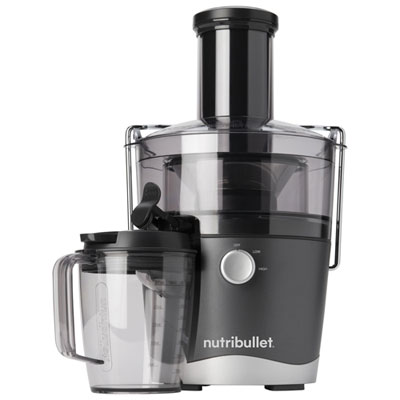 Your price for this item is $99.99
 -
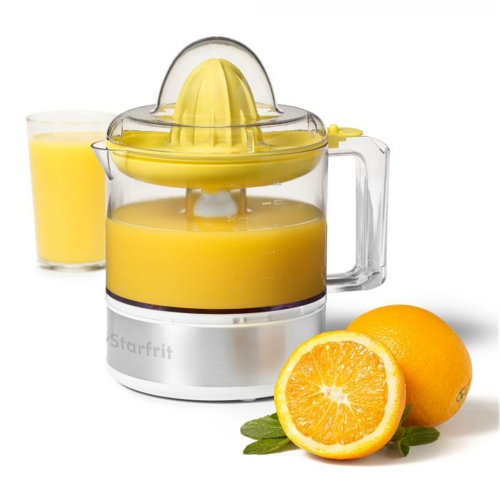 Your price for this item is $29.99
 -
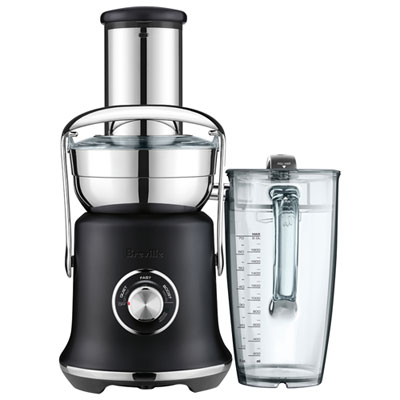 Your price for this item is $499.99
 -
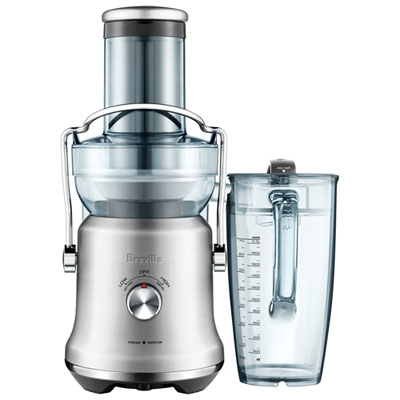 Your price for this item is $299.98
Discover more categories related to Extractor Juicer Machines
Top Collections:
Pokemon Centers, Best Cameras for Sports Photography, Kindle Devices, Samsung Galaxy Phones, Canon G7X Cameras, Pokémon 30th Celebration Cards, Refurbished Apple Laptops, iPhone 15 Apple, Laptops for Students, Budget Smartphones
Some products may be subject to Environmental Handling Fees
(EHF) depending on your province.
Learn more about EHFs.