Kitchen Appliances for Small Kitchens
If you're looking for a new kitchen appliance and your space is limited, you may want to take a look at kitchen appliances for small kitchens. These appliances are compact and can fit into tight spaces, so they can make cooking and food prep easier. Here are some great kitchen appliances for small kitchens.
Sort
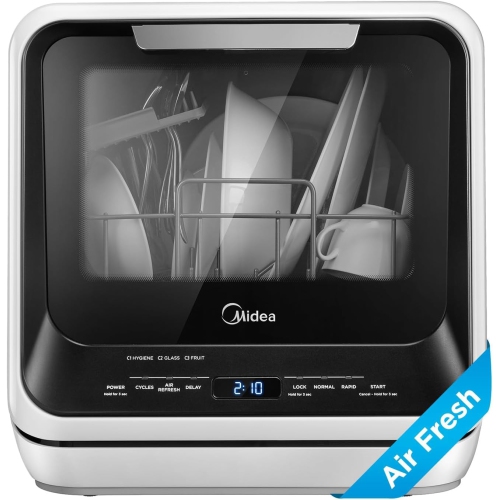

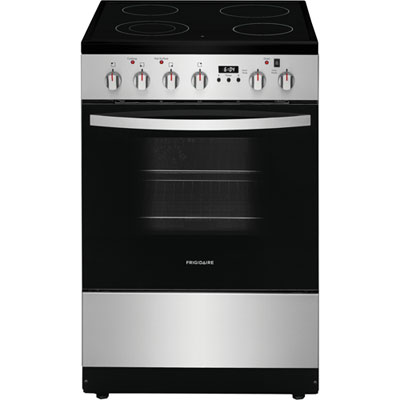
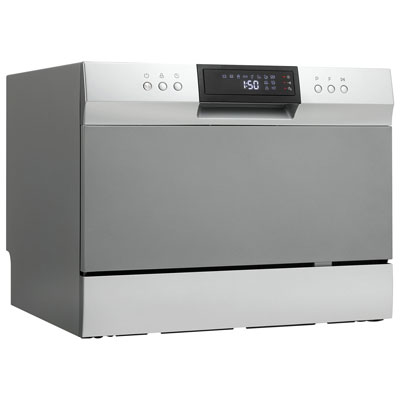
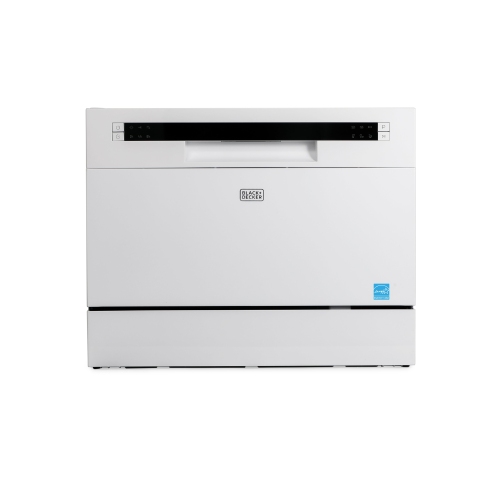
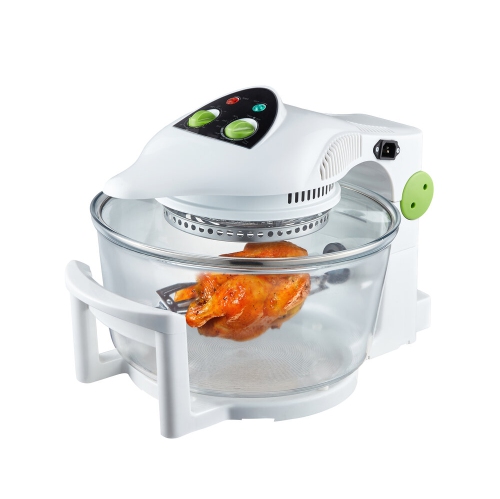
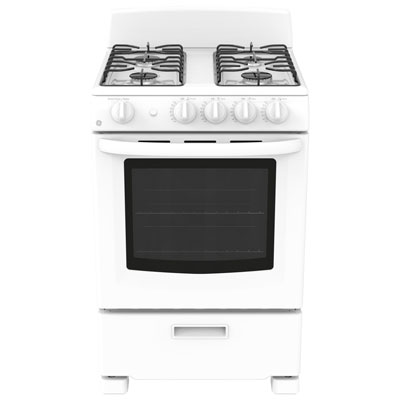
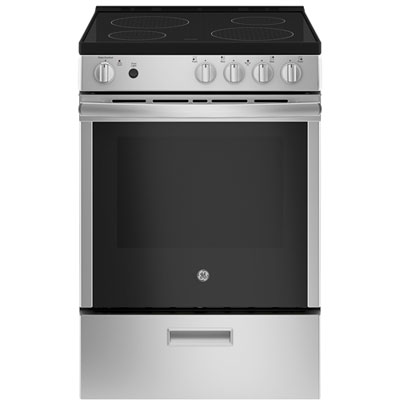


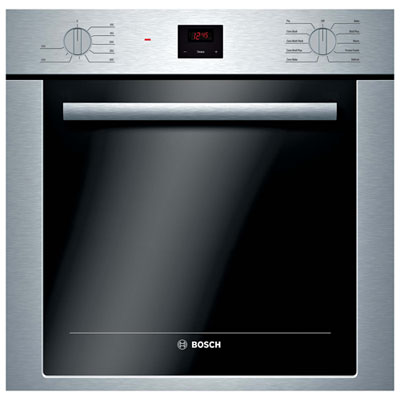
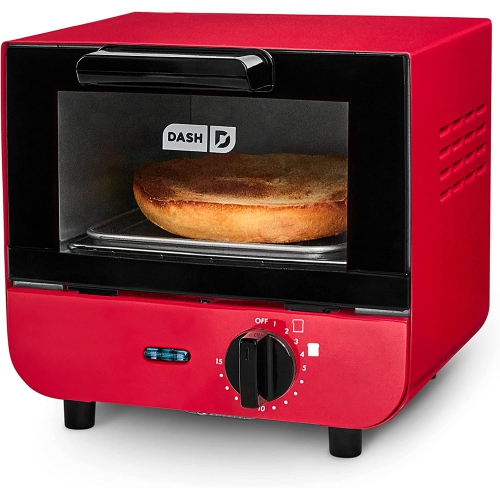
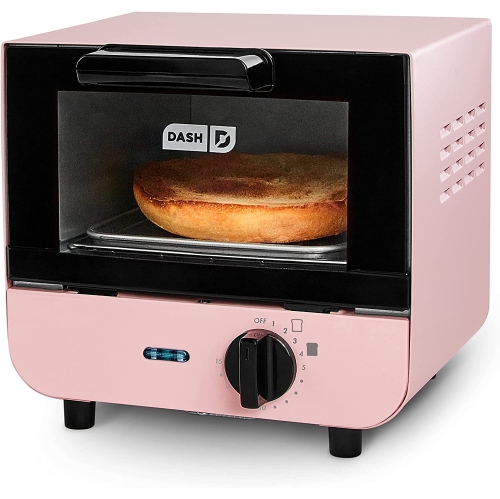

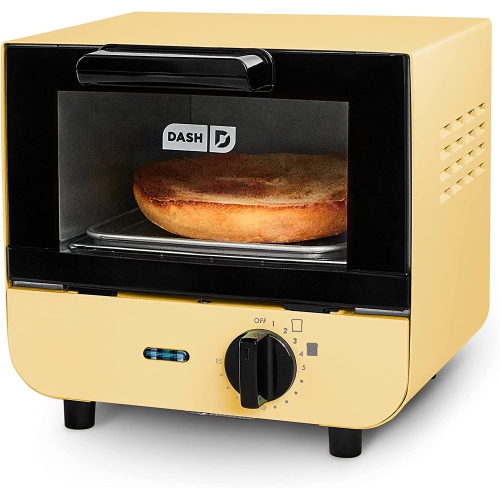
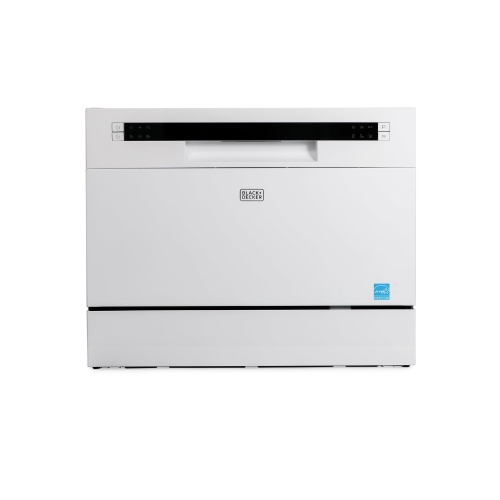
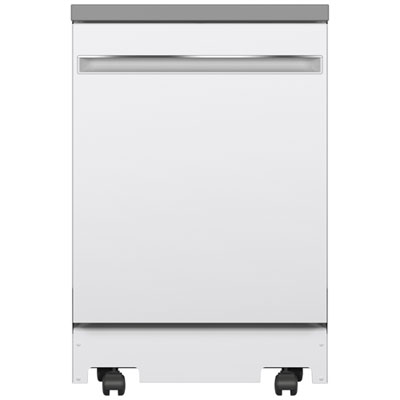
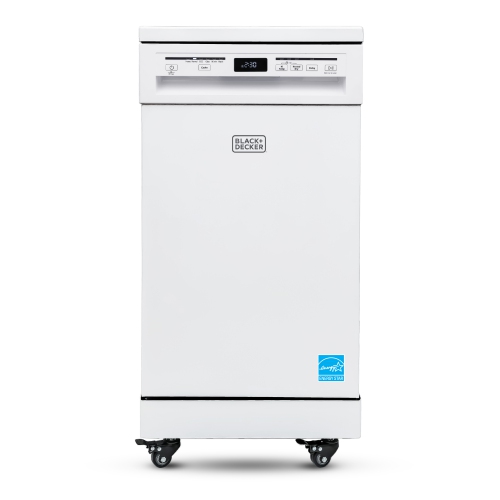
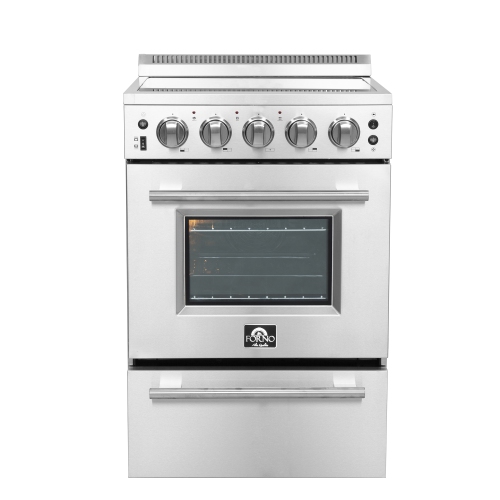

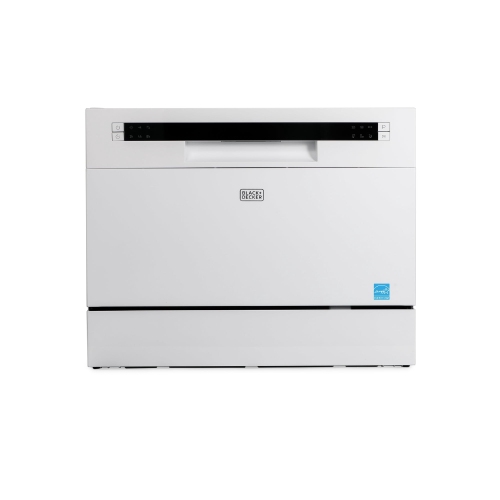

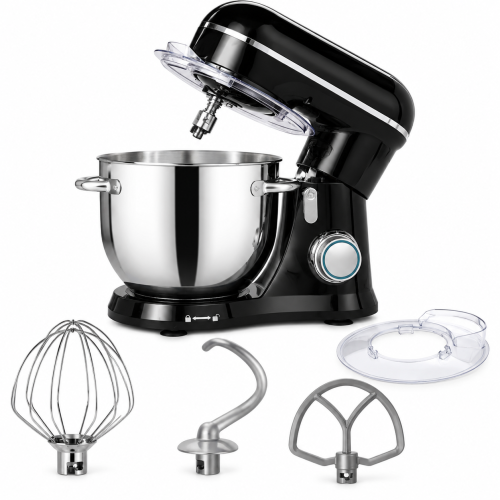

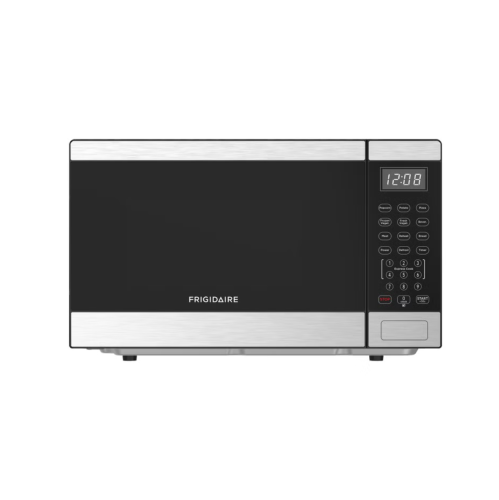
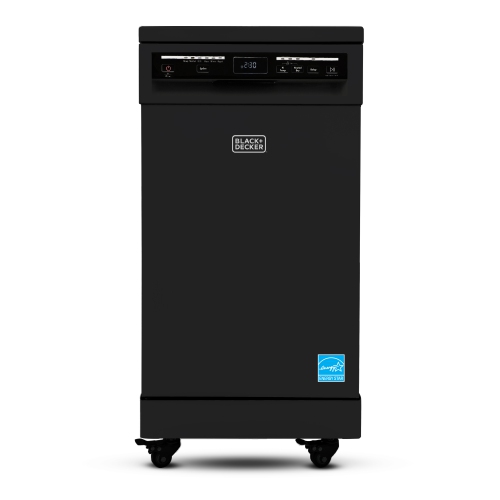
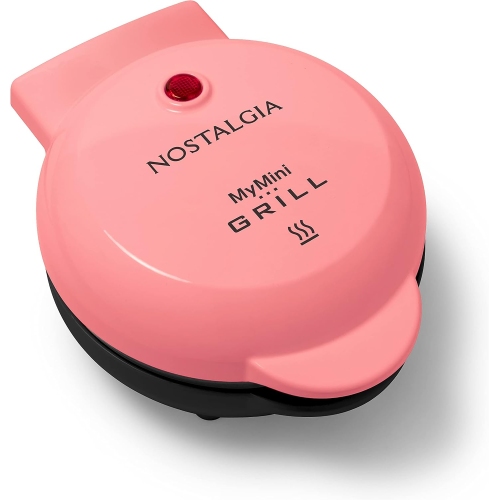
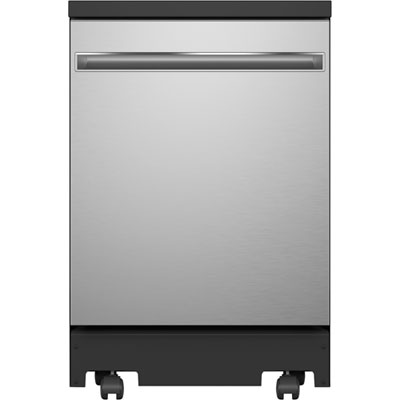

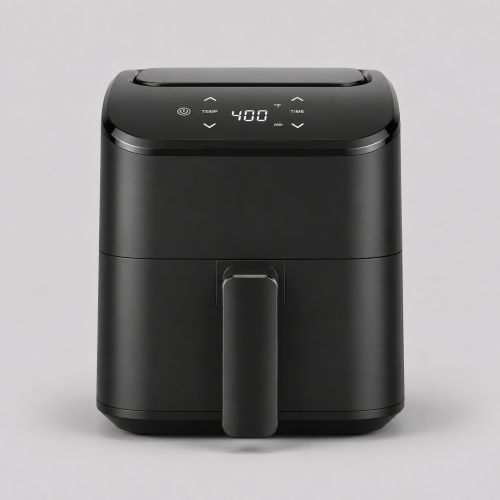


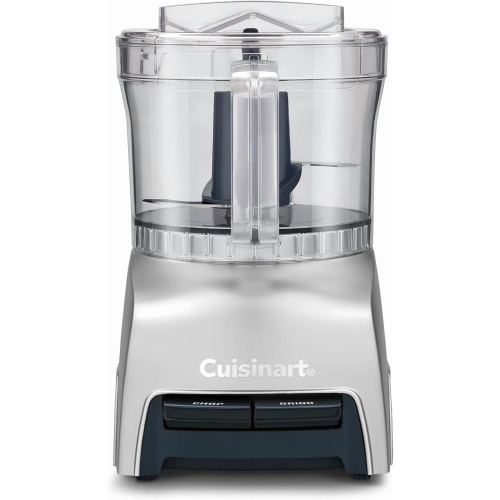


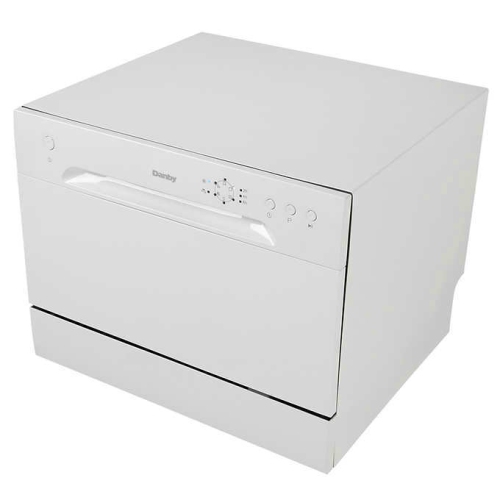

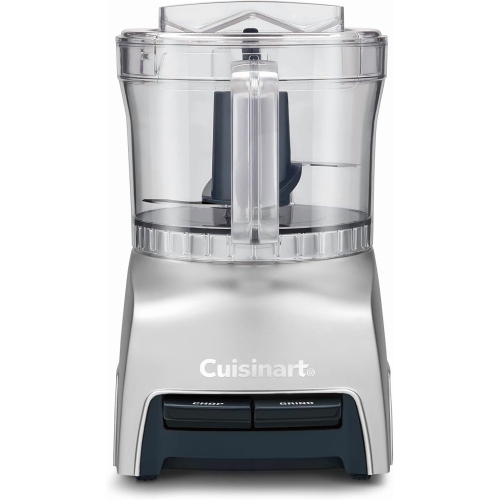
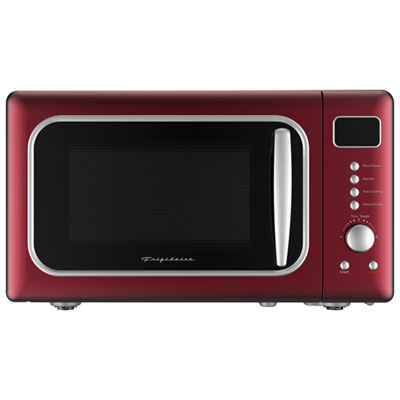

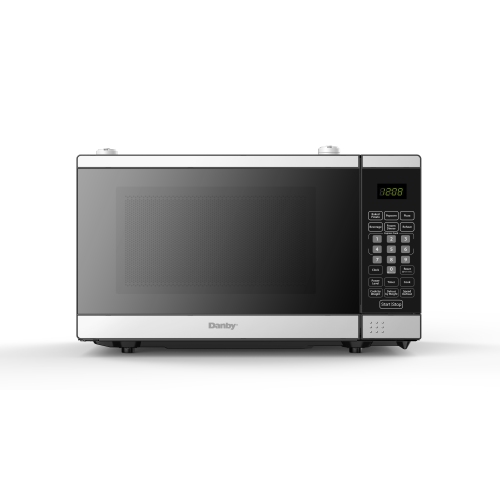


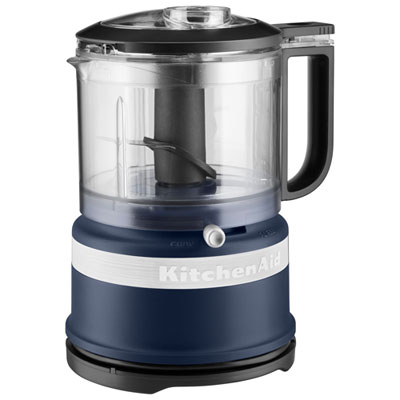
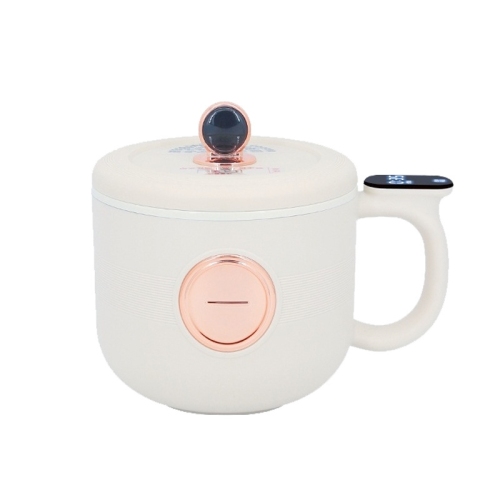
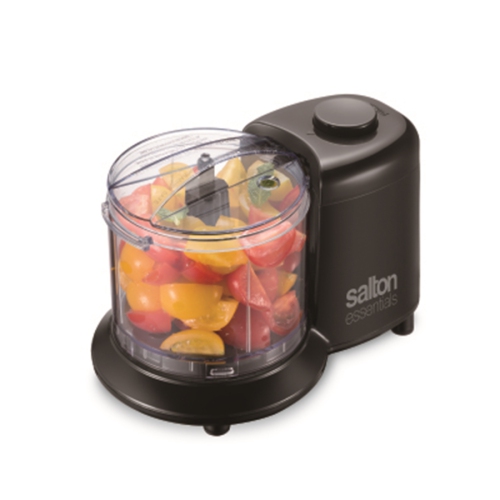
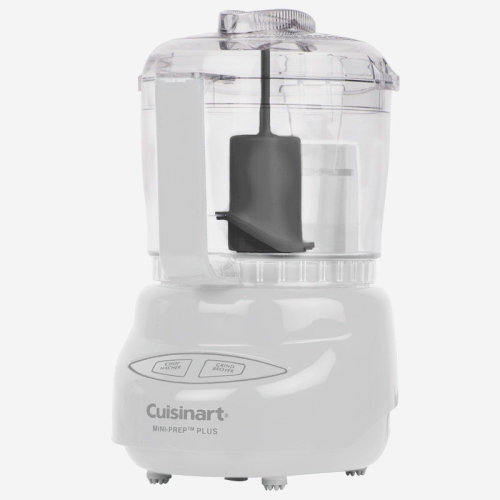


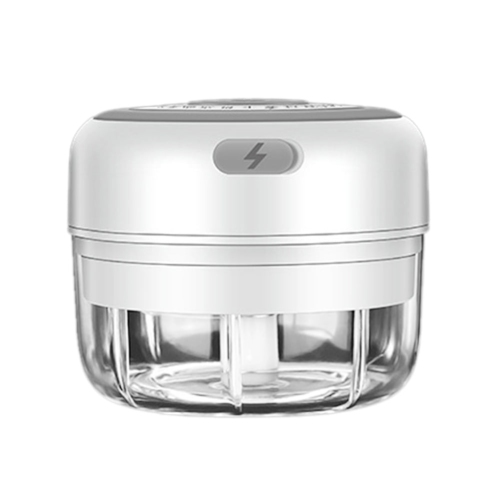

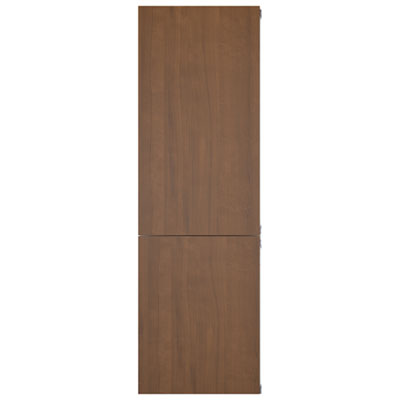
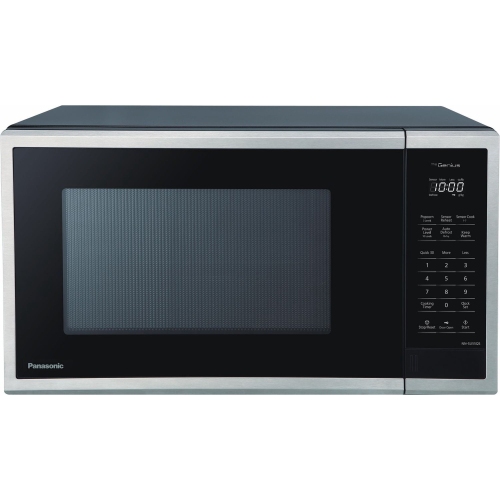

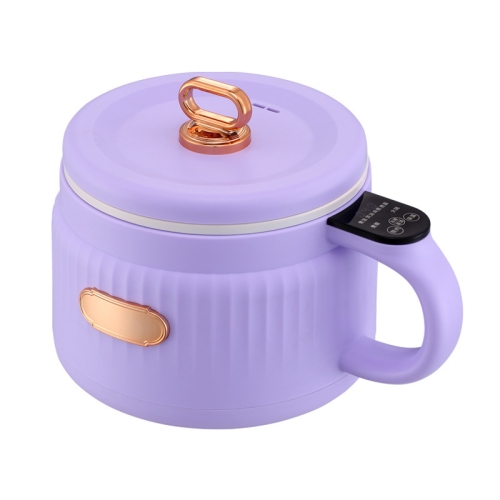

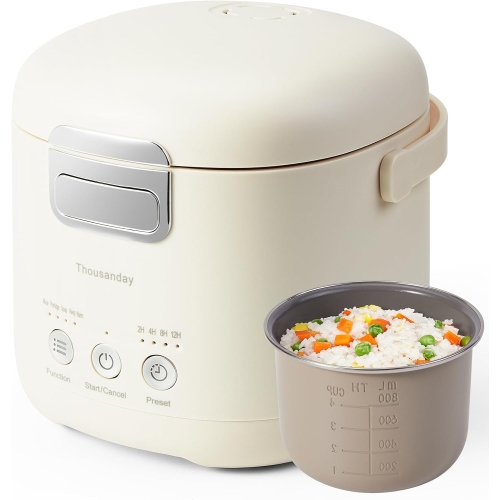
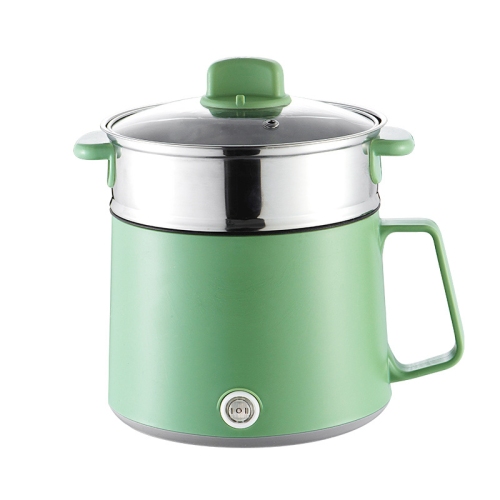
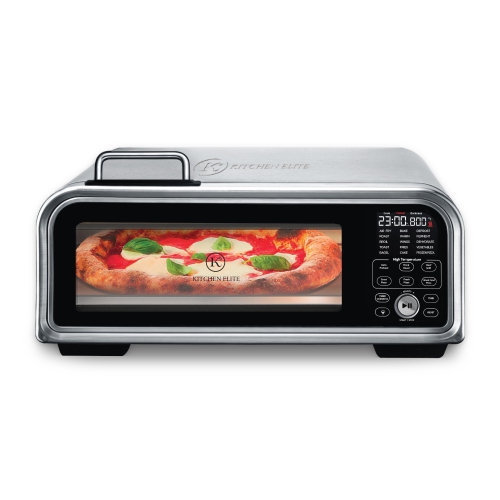
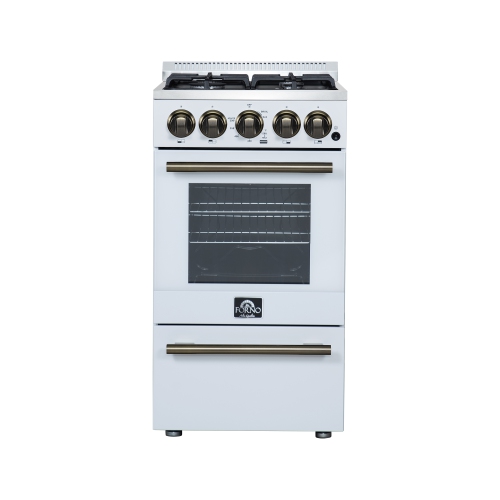

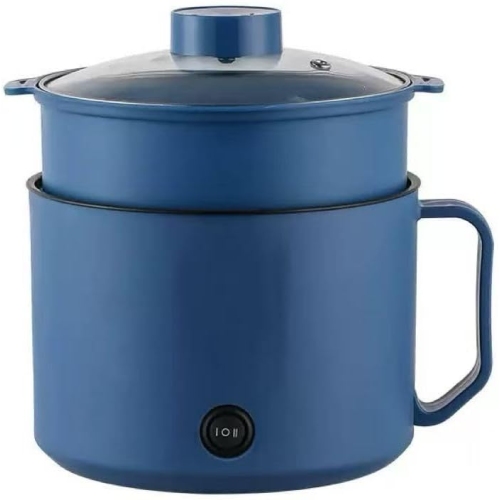
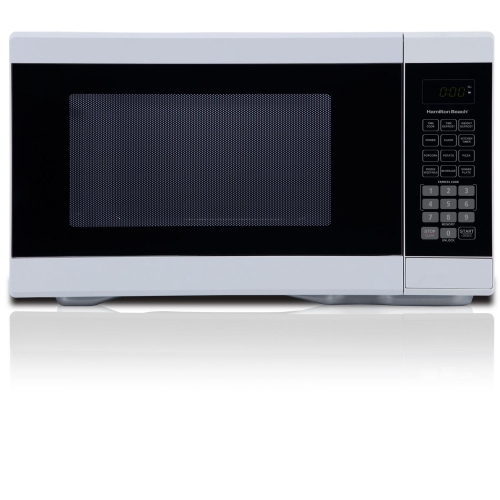

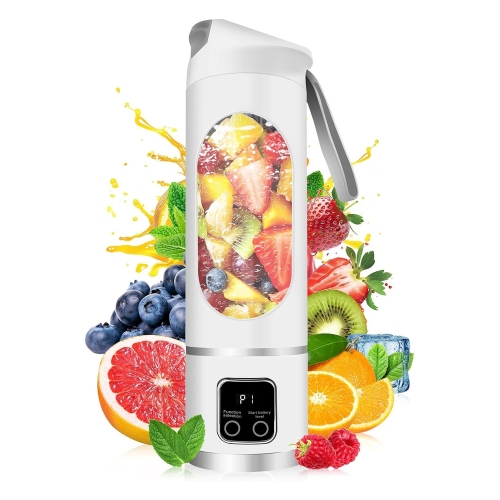
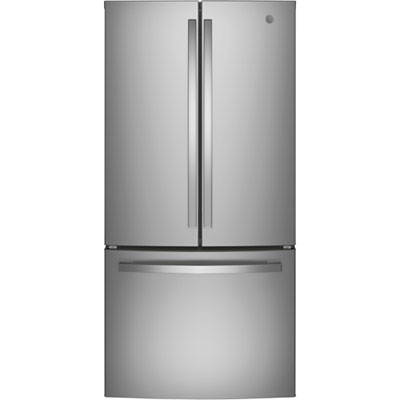
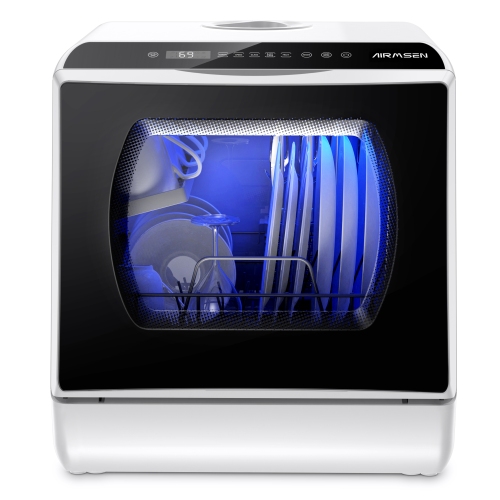


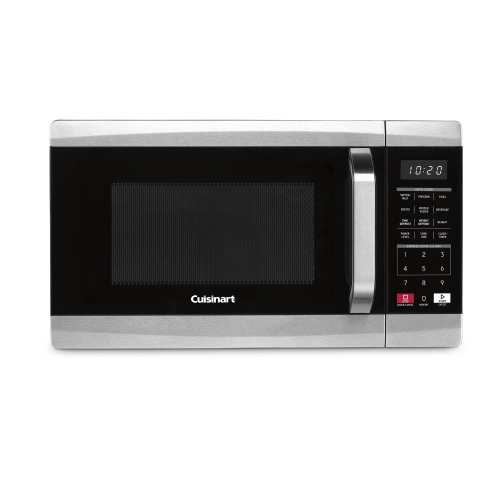

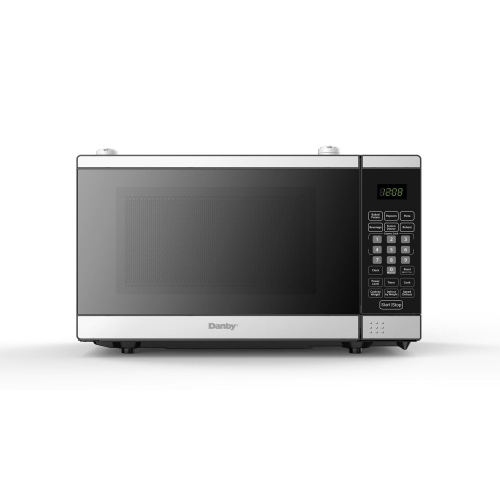
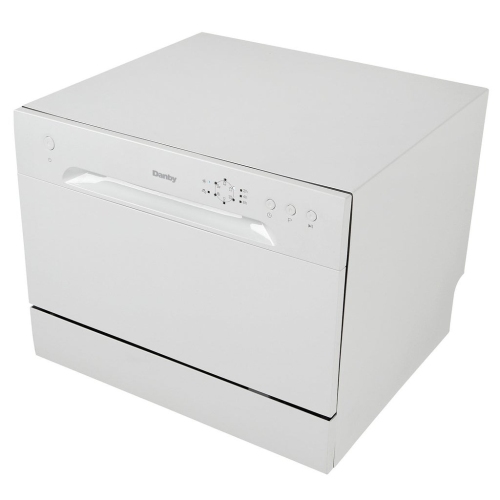
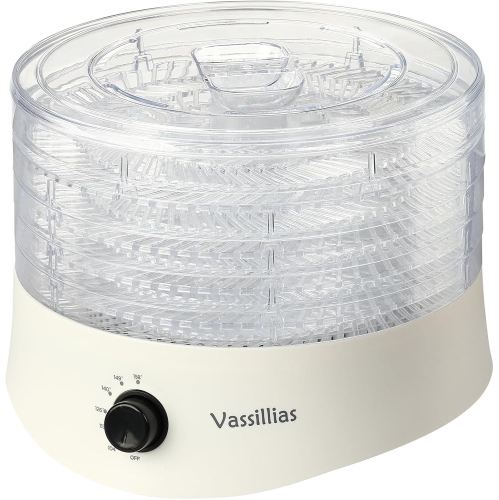
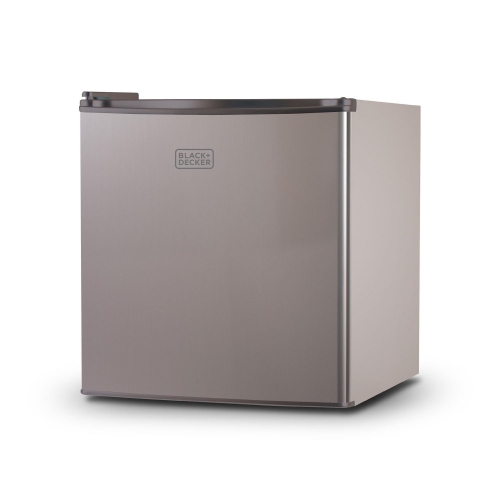
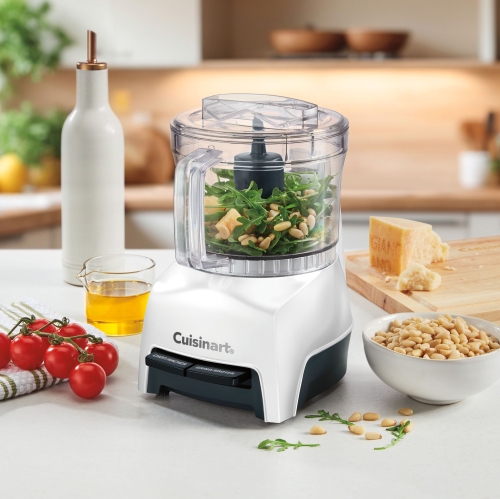
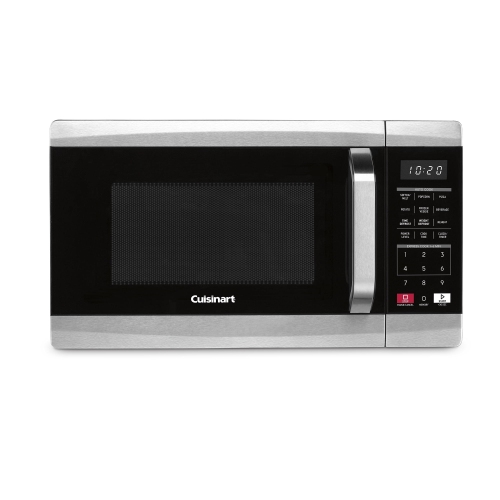
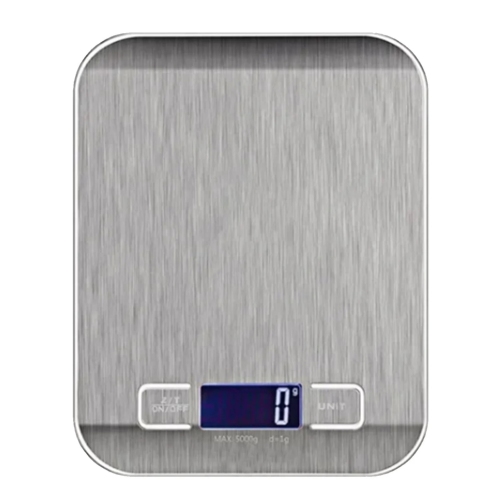
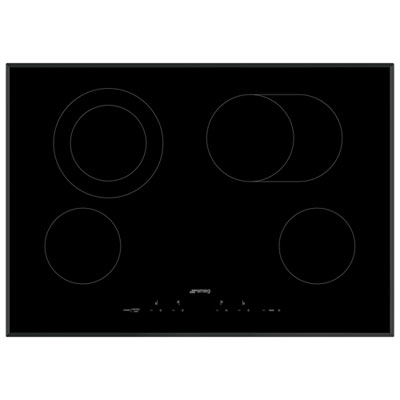
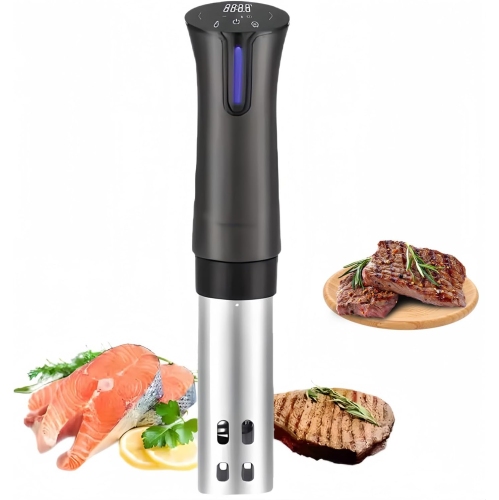

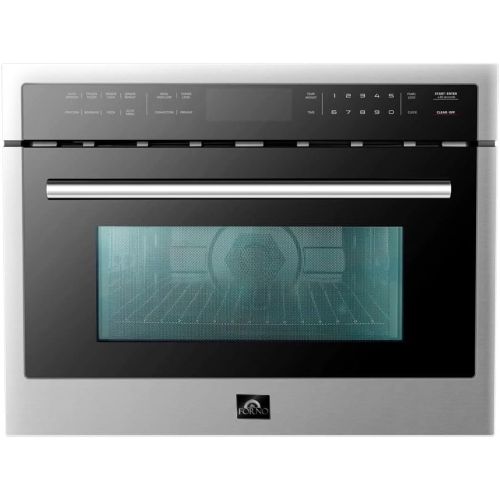
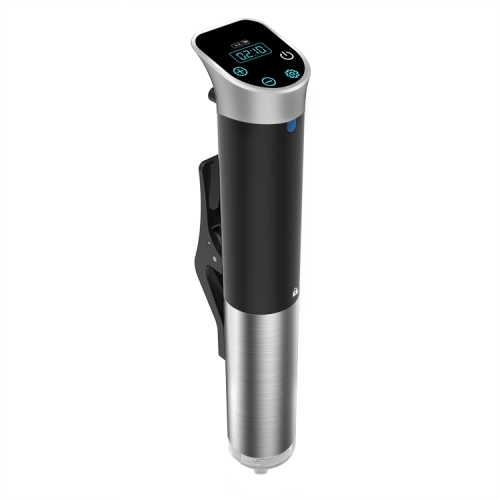

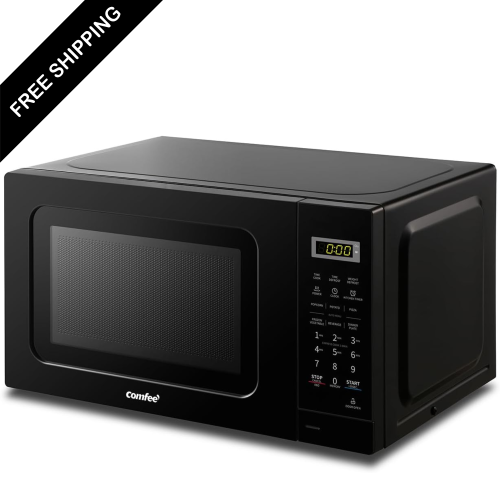
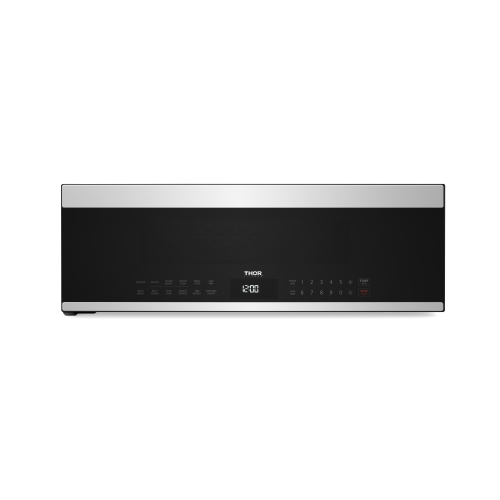

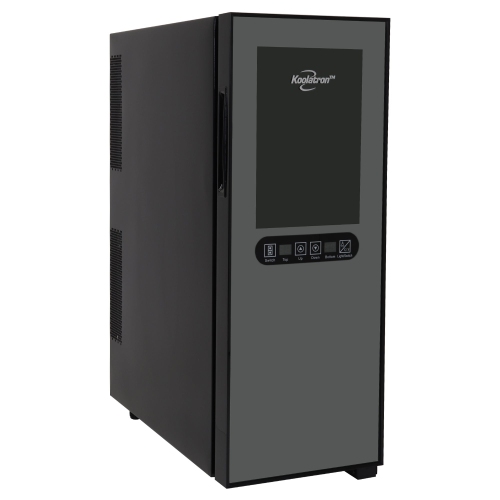
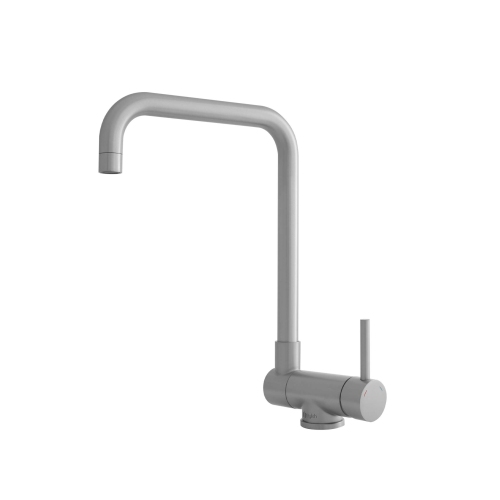

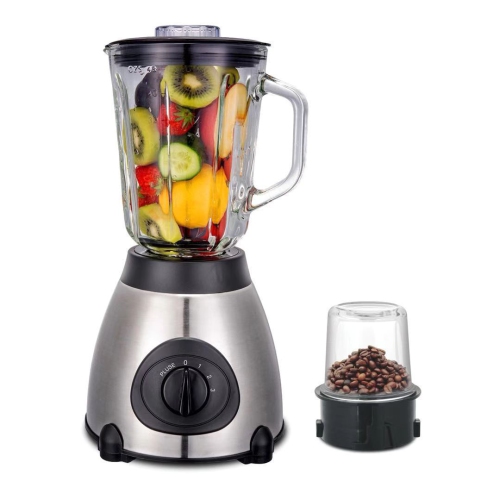

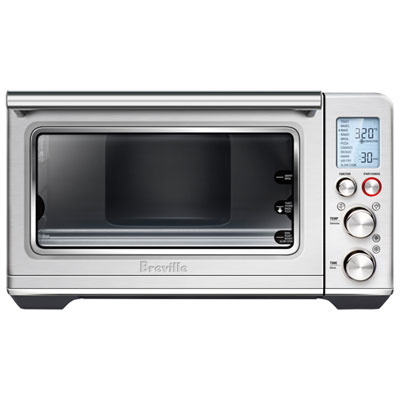
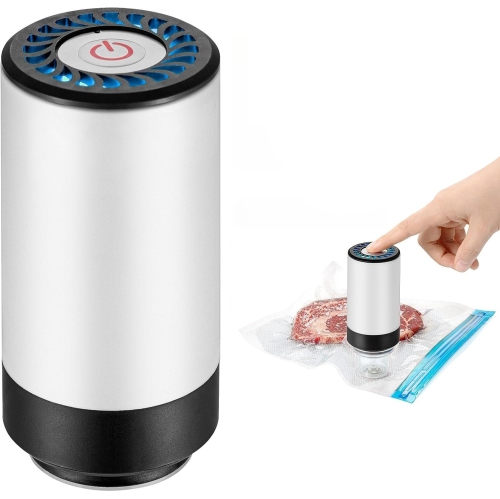
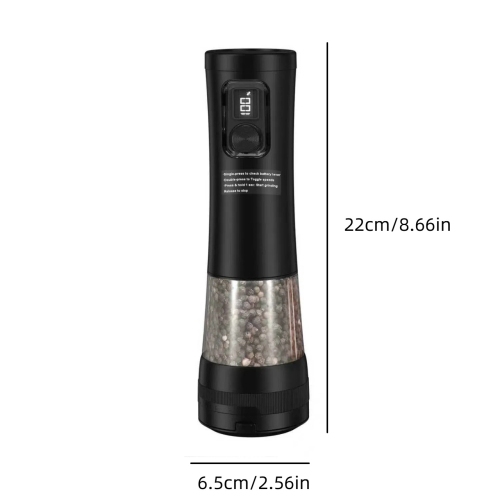
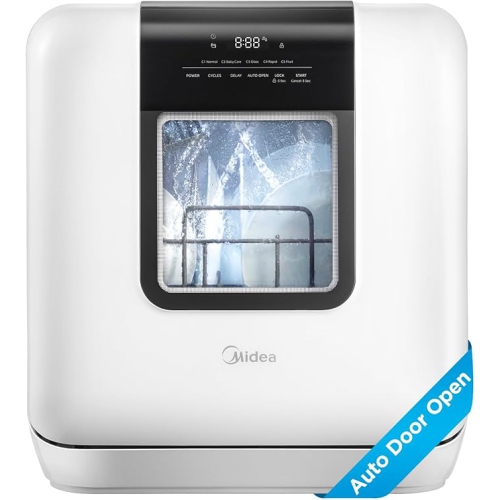
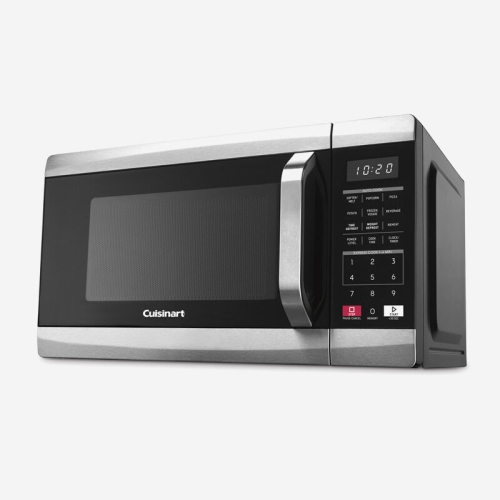

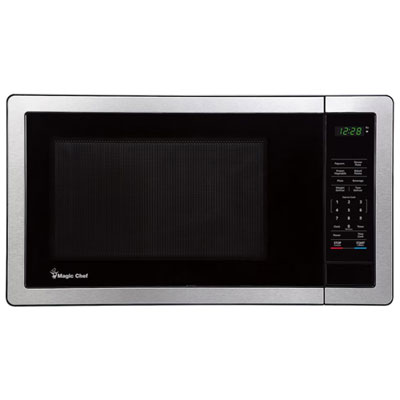
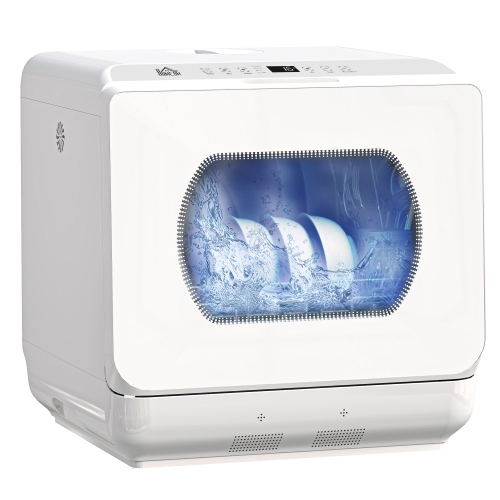

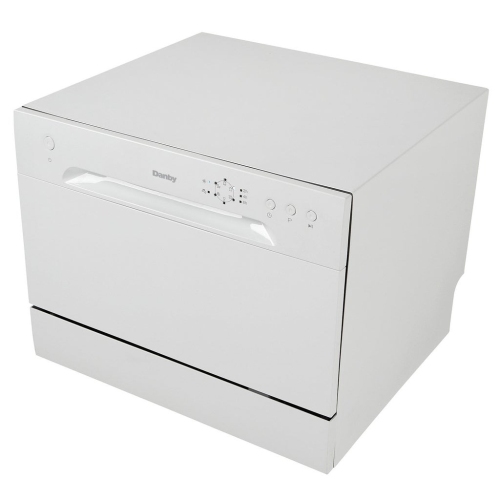
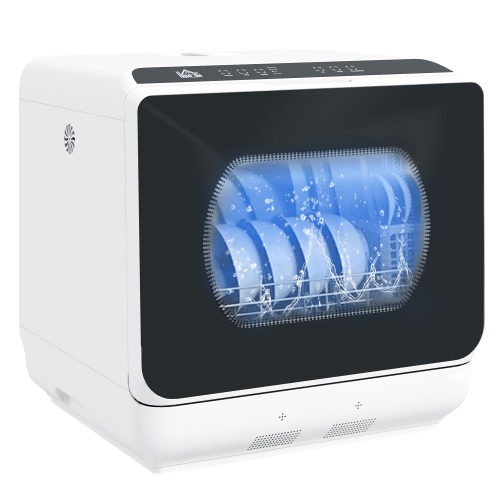


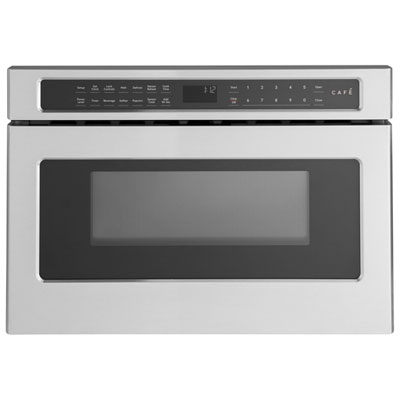

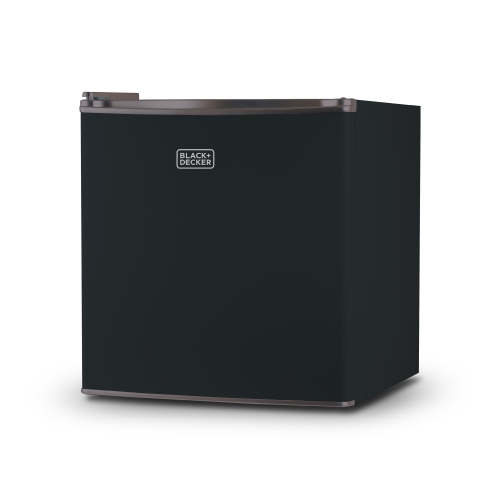

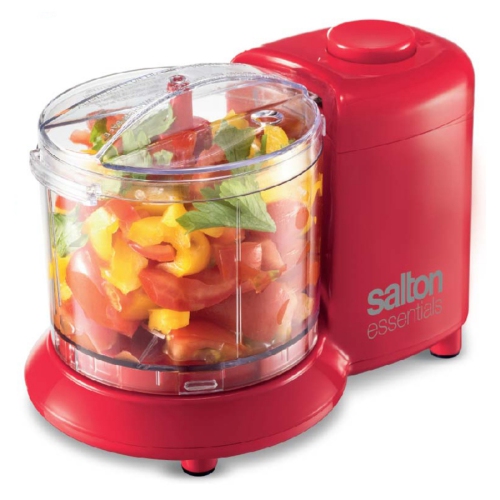


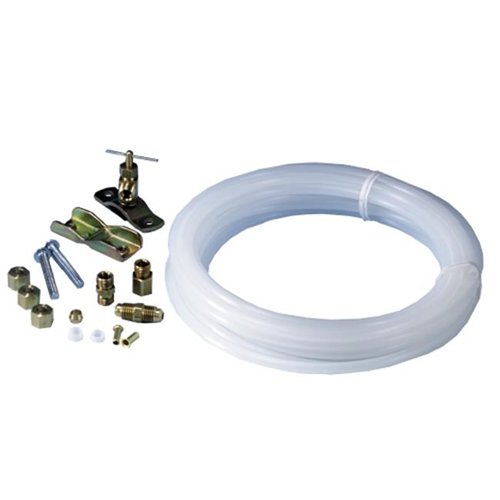
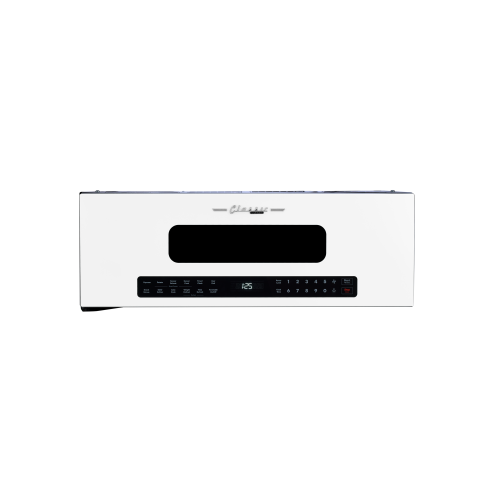
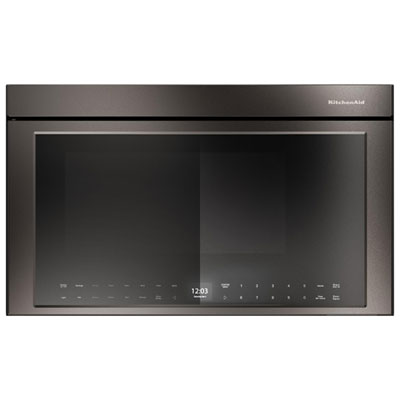
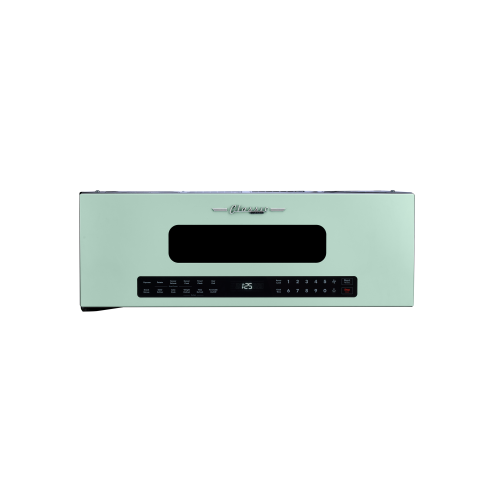
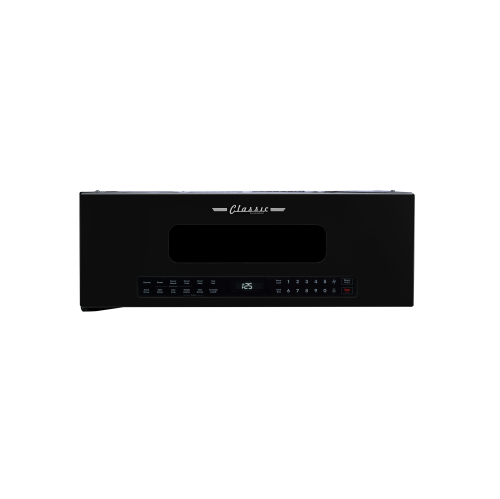
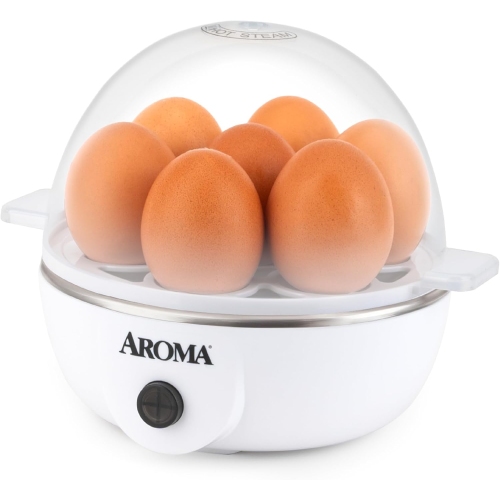
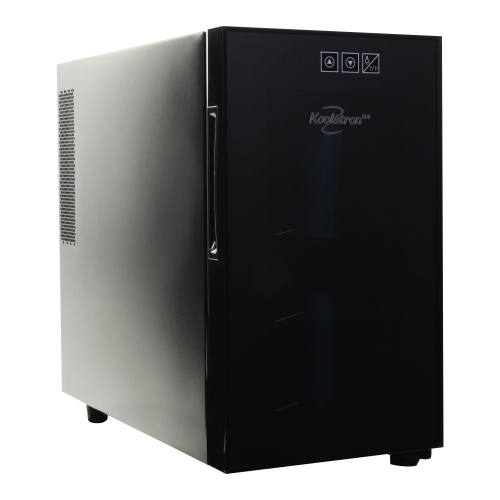
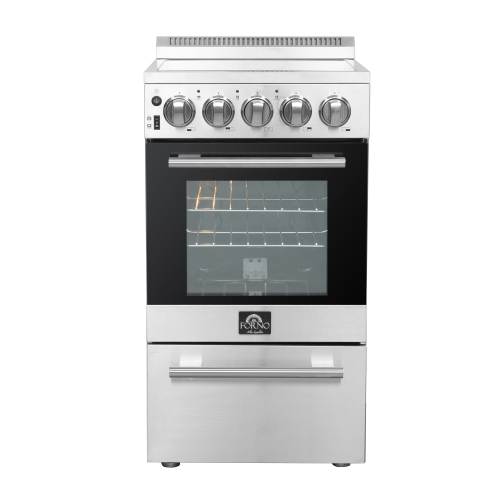

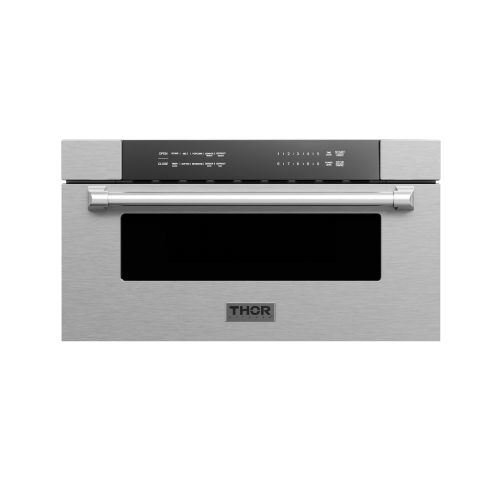
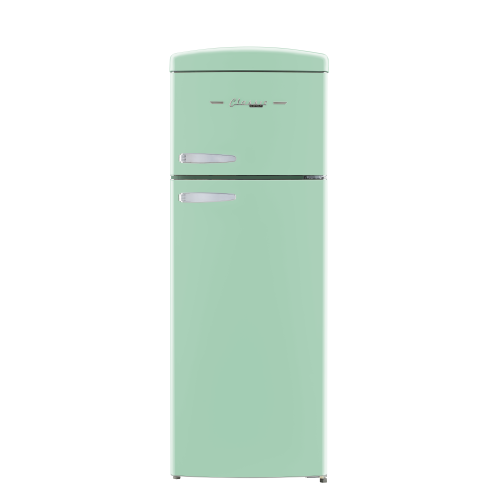
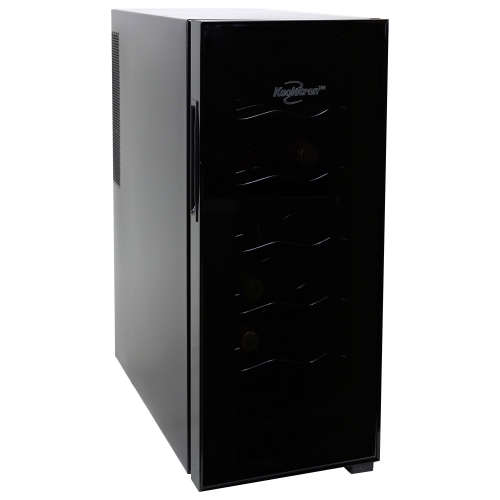


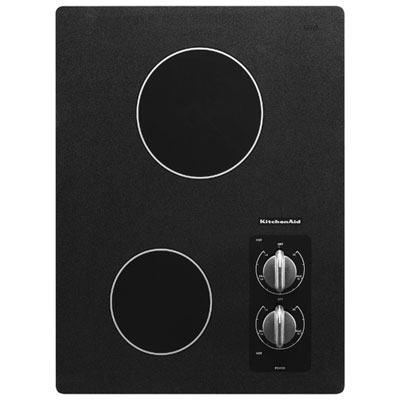

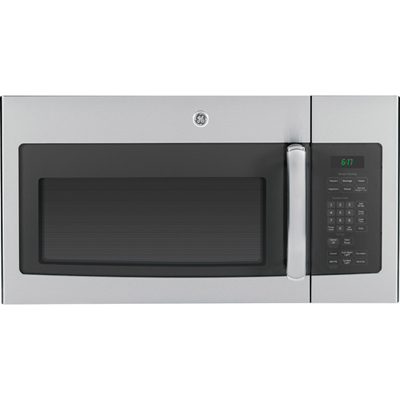

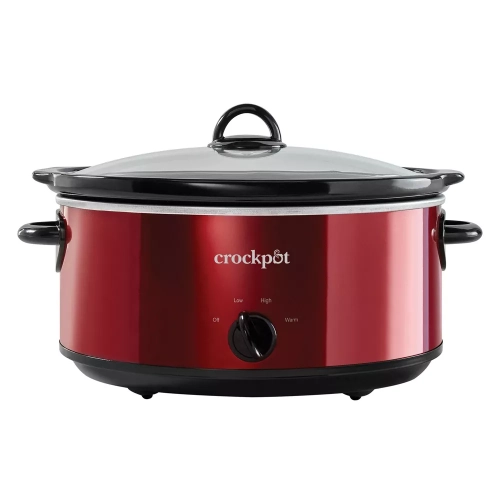


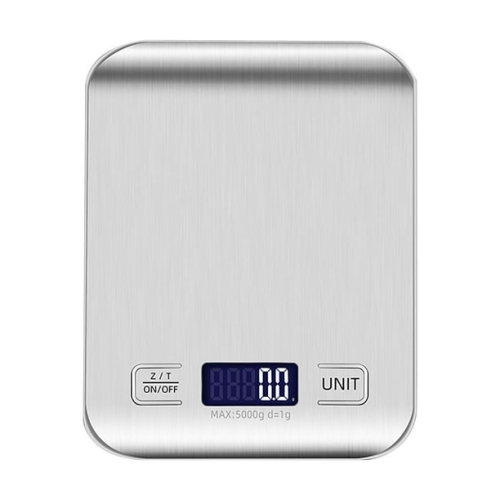
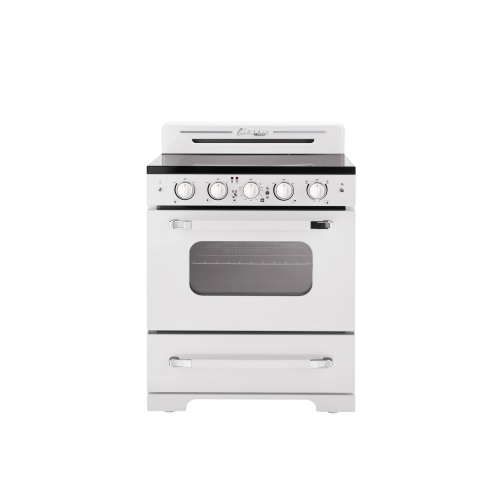
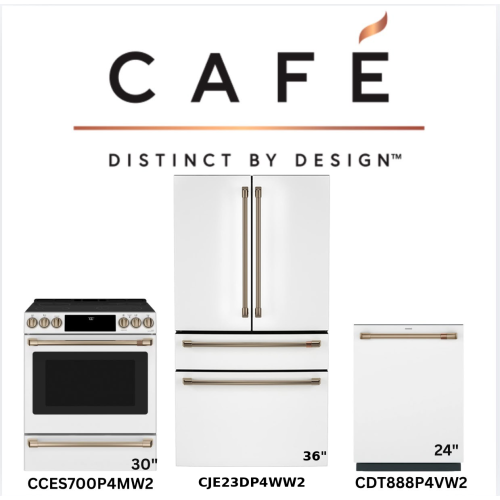


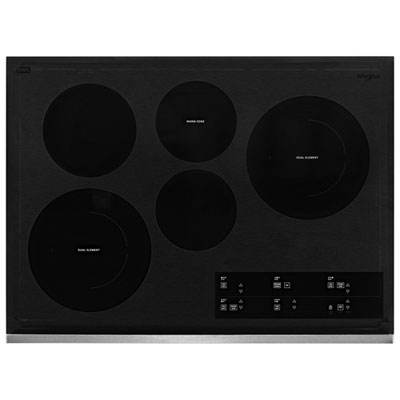
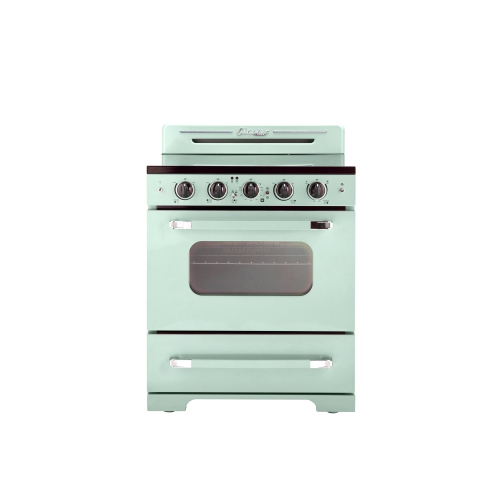


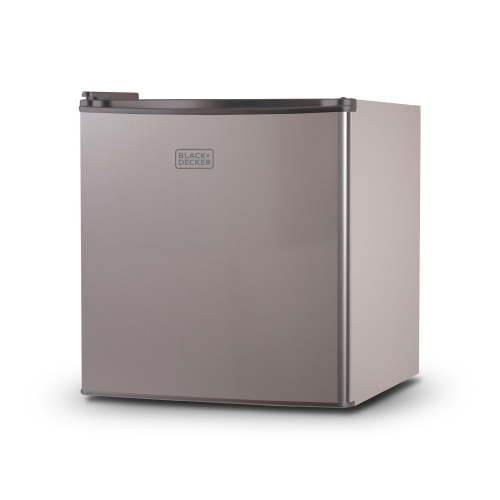
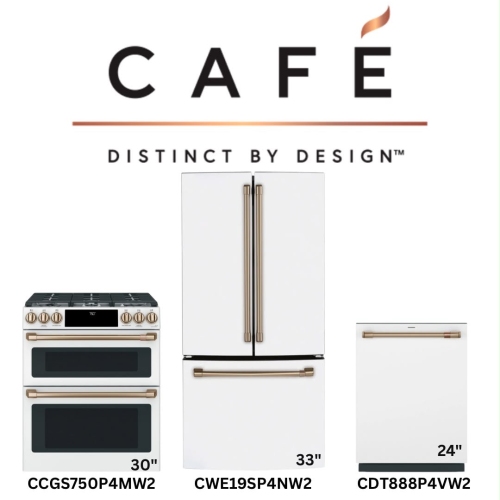
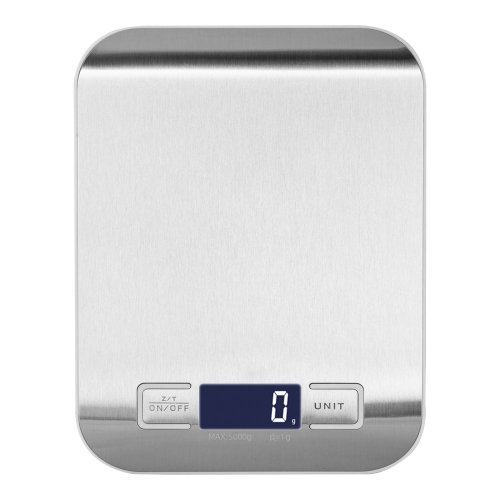
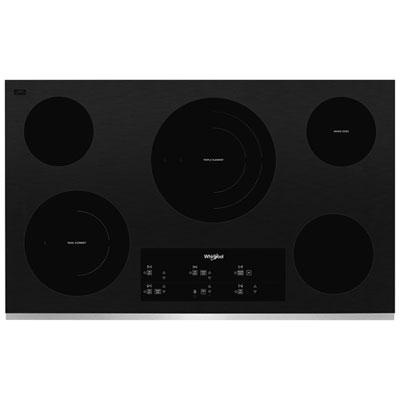
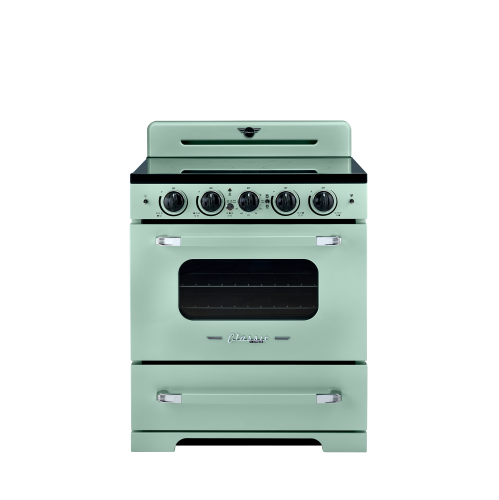


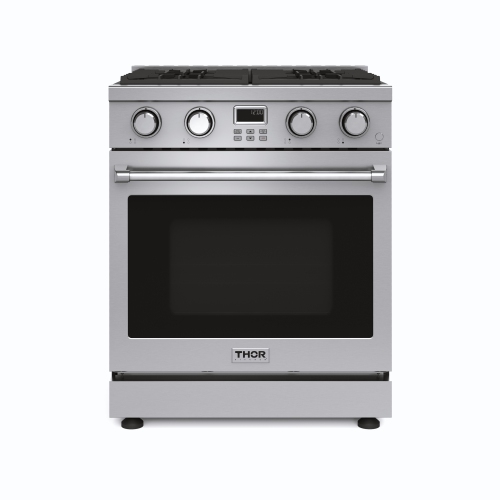
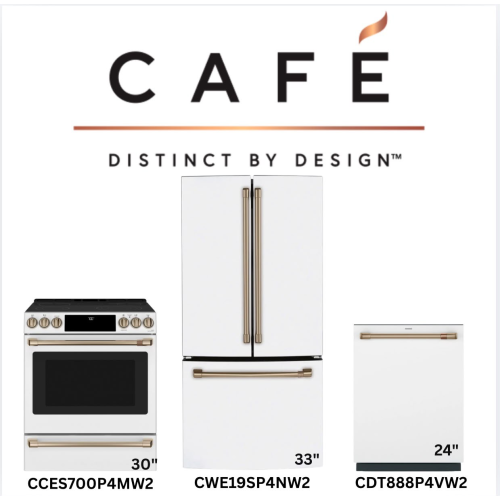
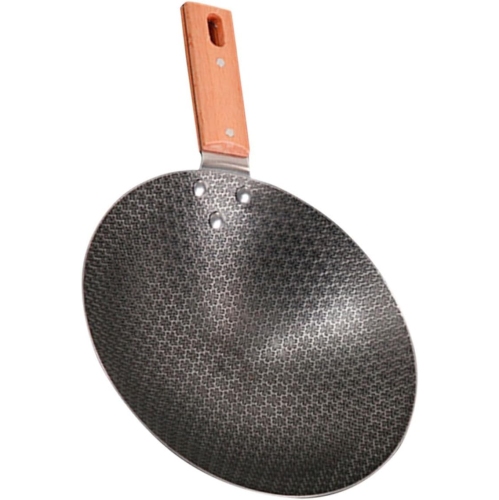

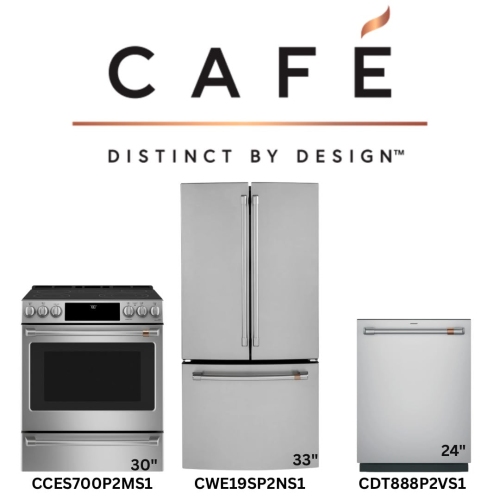
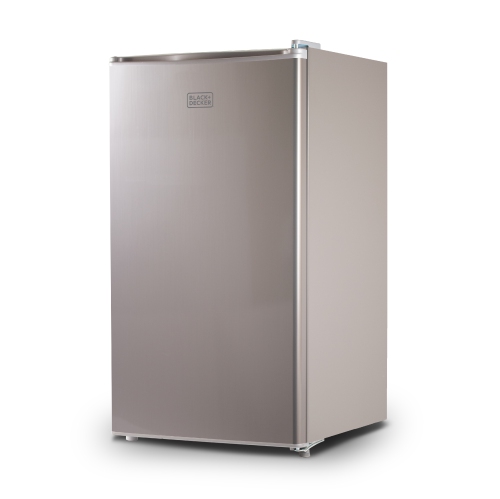


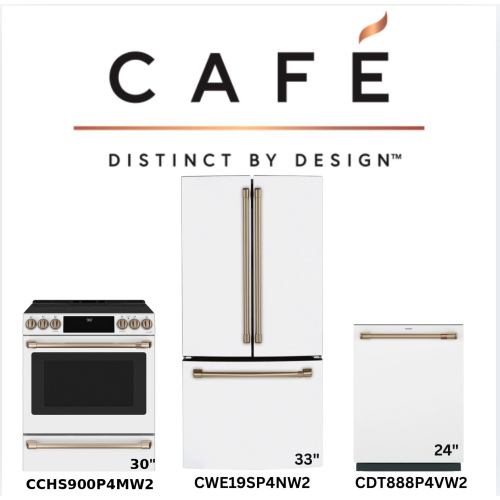
Small footprints that leave room for everyday cooking
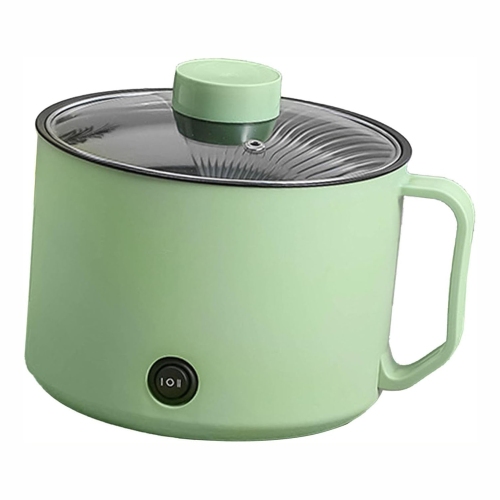
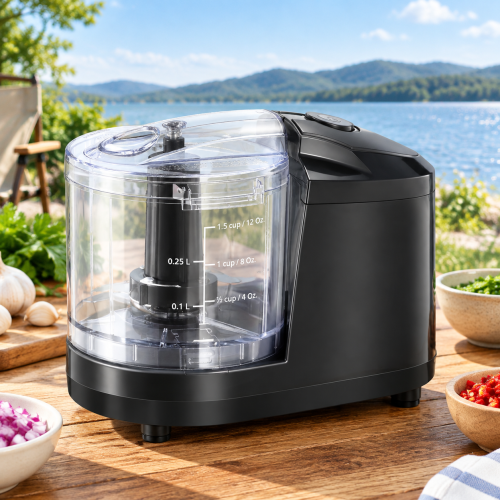
Kitchen appliances for small kitchens make everyday cooking more manageable when counter space, cupboard storage, and room to move are limited. The most useful choices match the way a household actually prepares food: quick breakfasts before work, lunches packed for two, or dinners made from scratch in an apartment kitchen. Compact appliances have a smaller footprint, while multifunction designs can combine tasks that would otherwise require separate machines. Neither approach automatically means less capable cooking, but capacity matters. A small food chopper may suit herbs, nuts, and a modest batch of salsa, while larger meal-preparation jobs may require several batches. A personal blender can be convenient for a single smoothie, whereas a larger blending jar may better suit shared breakfasts or soups. Narrow toasters, compact coffee makers, and smaller kettles can leave more room for a cutting board without crowding the entire work surface. Their shape is as important as their width: a deep appliance can project into the preparation area, and a top-opening lid may need space beneath an upper cupboard. Controls positioned at the front can be easier to reach in a shallow corner, provided the appliance has the clearance required for safe use. For appliances that move between a cupboard and the counter, manageable weight, a comfortable grip, and somewhere to store accessories make a noticeable difference. Cord storage helps keep a parked appliance tidy, although the cord still needs to reach a suitable outlet without crossing a sink or cooking surface. A practical small-kitchen arrangement gives frequently used appliances a convenient home and keeps occasional-use equipment out of the main preparation area. That leaves space for the everyday details of cooking, from setting down a grocery bag to laying out ingredients for dinner, rather than filling every available centimetre with equipment.
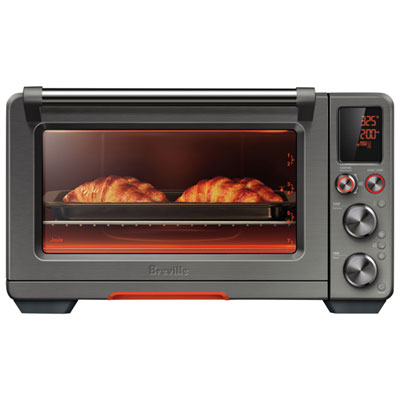
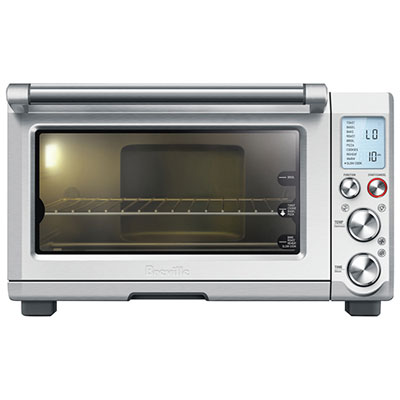
Countertop cooking appliances can add flexibility in kitchens with limited built-in cooking space. A compact countertop oven may handle toast, roasted vegetables, and smaller baking dishes, while a model with several cooking functions can reduce the need for separate appliances. The useful capacity is the space inside, not simply the exterior dimensions or a quoted volume. Interior height, rack positions, and the size of the cooking tray affect whether a casserole dish or a few portions will fit comfortably. An air fryer also needs enough room around the food for air to circulate; a tightly packed basket may not deliver the same browning as a smaller, evenly arranged batch. Multifunction appliances can save space, but they usually cannot perform every function at once, which matters when planning a main dish and sides. Even a compact cooker needs a stable, heat-resistant surface and the ventilation clearances specified in its instructions. A nearby cupboard wall or overhanging shelf can make an otherwise suitable location impractical. For small kitchens that also need refrigeration or dishwashing, fit involves more than finding a narrow cabinet. Compact refrigerators need appropriate ventilation and enough door clearance for drawers and shelves to slide out. Door swing can affect access in a galley kitchen, especially when another person is working nearby. Food-storage needs matter too: room for fresh ingredients, tall containers, and leftovers may be more useful than an exterior shape that looks particularly small. Compact dishwashers can reduce the space needed for washing up, but countertop and built-in formats have different water, drainage, and installation requirements. Some countertop designs connect to a compatible tap, while others use a refillable tank; drainage arrangements still need attention. Countertop models also occupy work surface that might otherwise hold a drying rack or chopping board. Power requirements deserve the same consideration, particularly when several heat-producing appliances would share a circuit. The best fit supports the whole meal routine, including preparation, cooking, storage, and cleanup, rather than solving one space problem by creating another.
Materials and construction influence how small kitchen appliances feel to use and how easily they stay presentable. Stainless steel exteriors can complement existing fixtures, although some finishes show fingerprints more readily than others. Smooth plastic housings are often lighter to move, while glass containers make contents easy to see but can add weight. Food-contact materials and care requirements vary by appliance, so removable parts are worth considering alongside the main body. A broad opening makes a blending jar easier to rinse, a removable crumb tray simplifies toaster cleanup, and an accessible drip tray helps contain splashes around a coffee maker. Dishwasher-safe parts can be convenient when specified by the manufacturer, but the motor base, electrical connections, and other non-washable components need separate care. Non-stick cooking surfaces generally benefit from utensils and cleaning methods that protect the coating. Secure handles, stable feet, smoothly fitting lids, and controls that are easy to read all contribute to comfortable daily use. Replaceable seals, filters, or other serviceable components can also matter over time, especially for an appliance used every morning. Appearance has a practical role in a small kitchen because appliances left on the counter become a prominent part of the room. Coordinated colours and simple shapes can help a compact space feel less visually crowded, while retro appliances for small kitchens offer a different direction for households that prefer rounded forms and vintage-inspired styling. A distinctive finish still needs to work with the available space and the household’s cooking habits. Compact appliances can make thoughtful housewarming or wedding gifts when the recipient’s needs, storage space, and existing equipment are known. For someone furnishing a first apartment, a versatile appliance suited to familiar meals may be more useful than equipment for an occasional recipe. In a shared home, straightforward controls and easy-clean parts can matter just as much as size. The strongest choices earn their place through regular use, leaving enough room for the kitchen to remain comfortable to cook in.
Top selling and popular products
-
 Your price for this item is $79.97
-
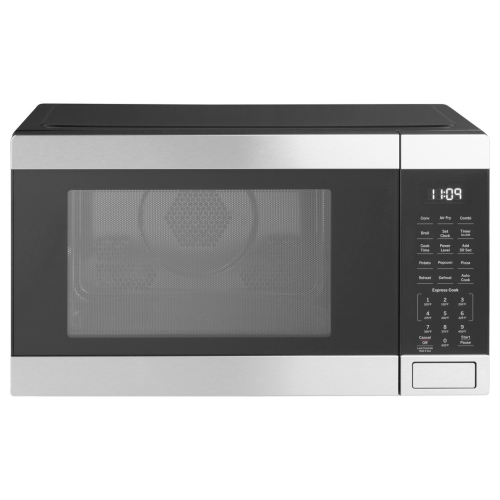 Your price for this item is $599.99
-
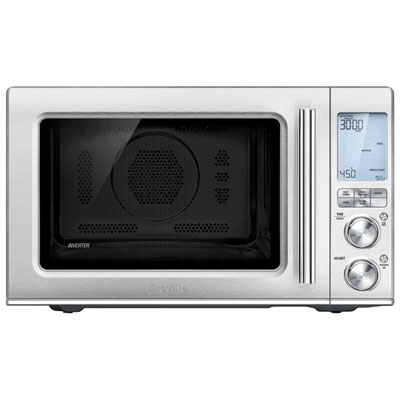 Your price for this item is $699.99
-
 Your price for this item is $95.49
-
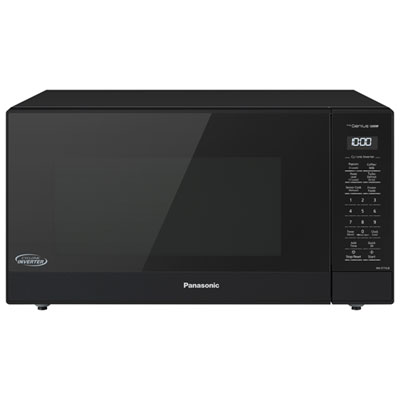 Your price for this item is $309.99
-
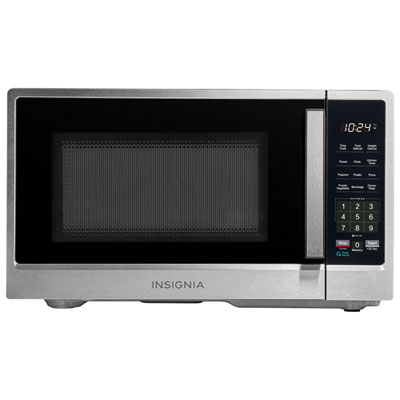 Your price for this item is $149.99
-
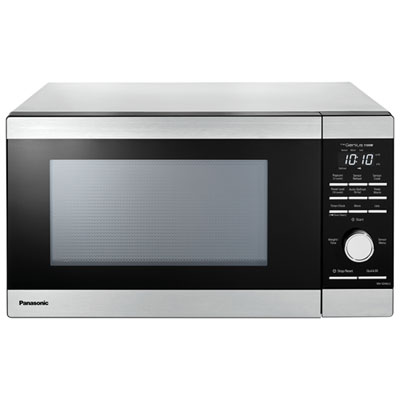 Your price for this item is $249.99
-
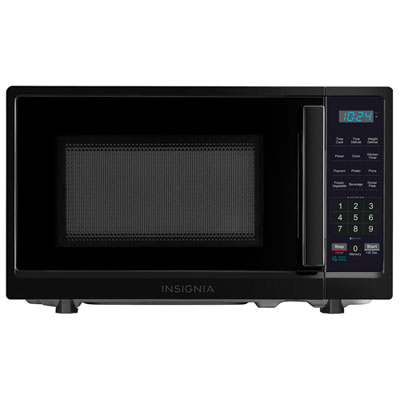 Your price for this item is $109.99
Discover more categories related to Kitchen Appliances for Small Kitchens

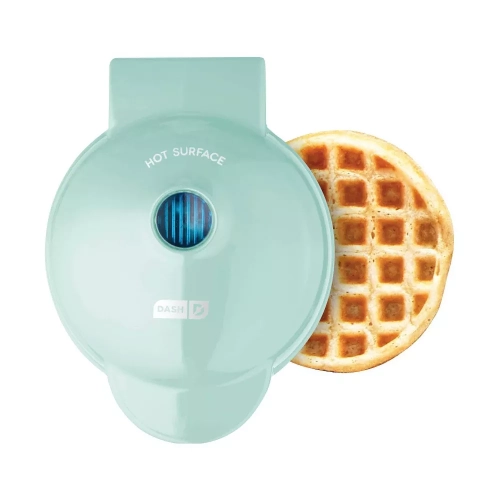
Top Collections:
Best Black Friday Deals This Year, Best Black Friday Deals On Electronics, Kindle Devices, Pokemon Centers, Best Black Friday Deals On Apple Products, Best Cameras for Sports Photography, Dyson Airwrap, Pokémon 30th Celebration Cards, Apple iPhone 17 Pro, Canon G7X Cameras
Some products may be subject to Environmental Handling Fees
(EHF) depending on your province.
Learn more about EHFs.