Kitchen Cabinet Hoods

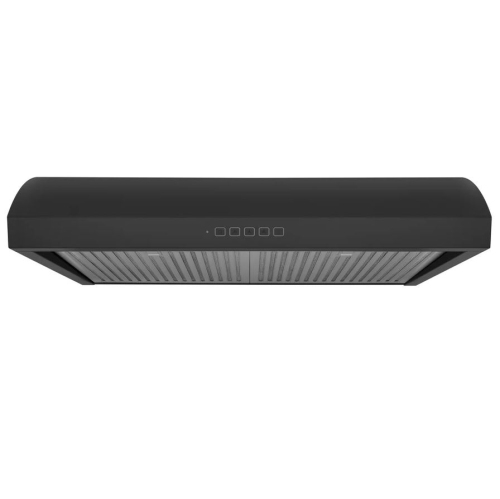
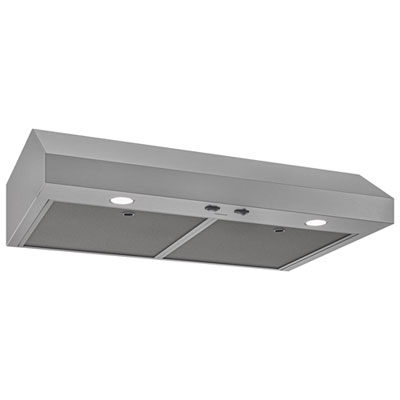
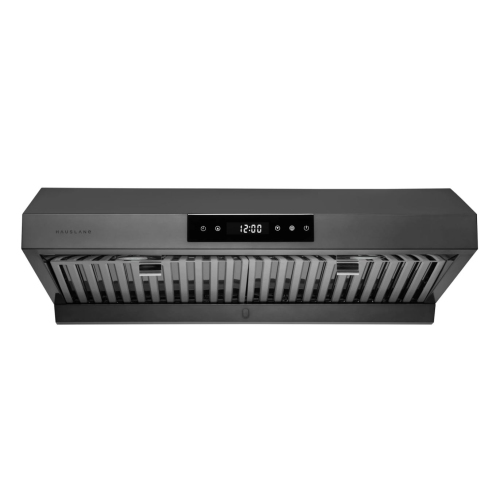
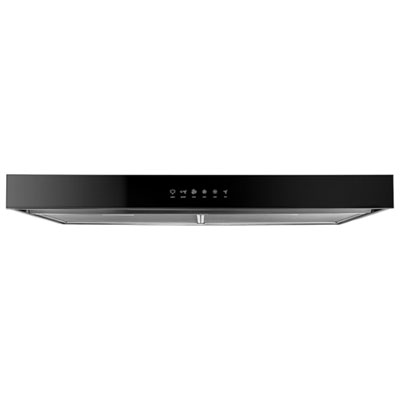
Find kitchen cabinet hoods that fit beneath your cabinetry and help remove smoke, steam, and cooking odours. Compare under-cabinet range hoods by width, airflow, noise level, and venting requirements to choose an option that suits your cooktop and kitchen layout.
Sort

Ventilation that fits your cabinetry and cooking habits

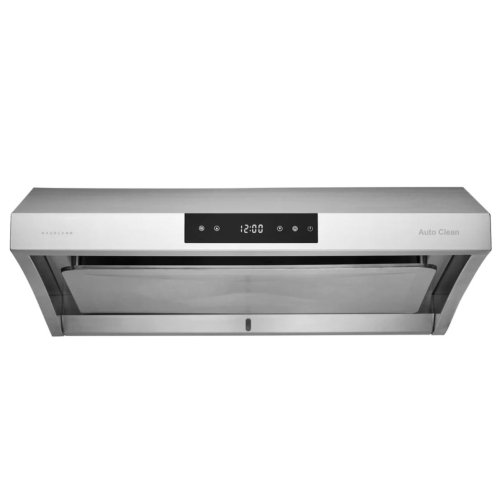
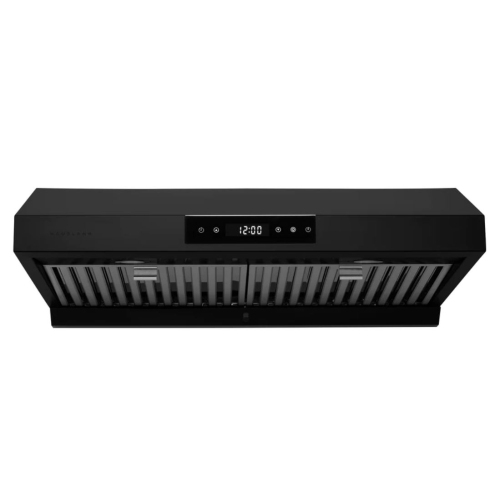
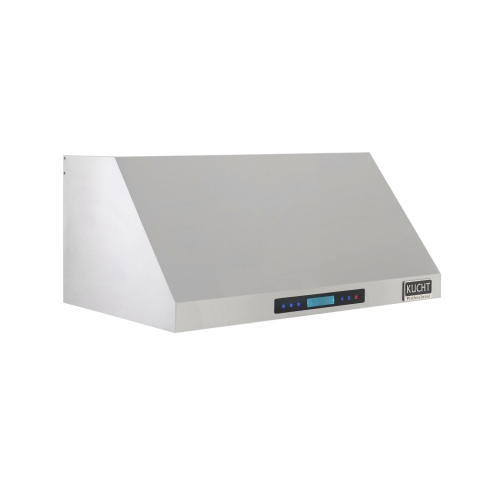
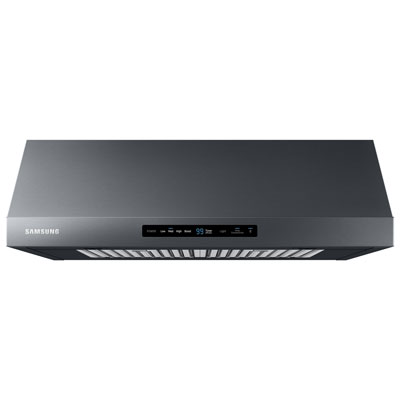
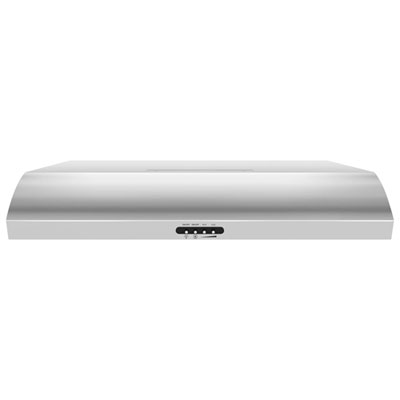
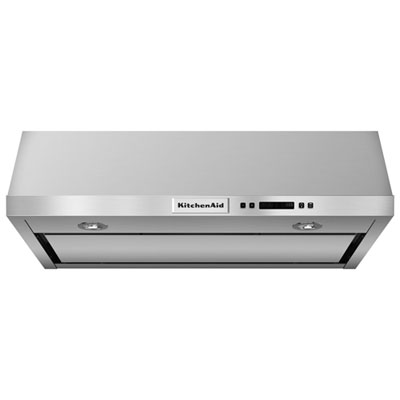
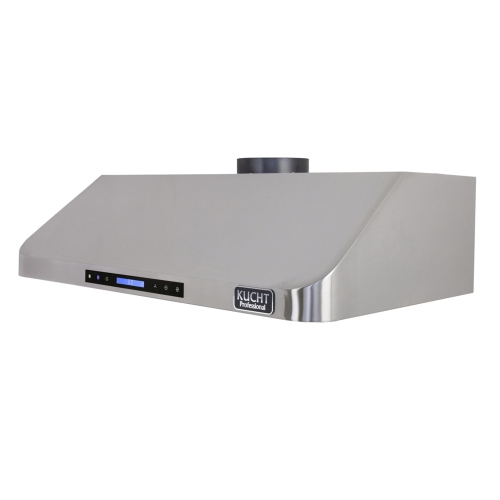
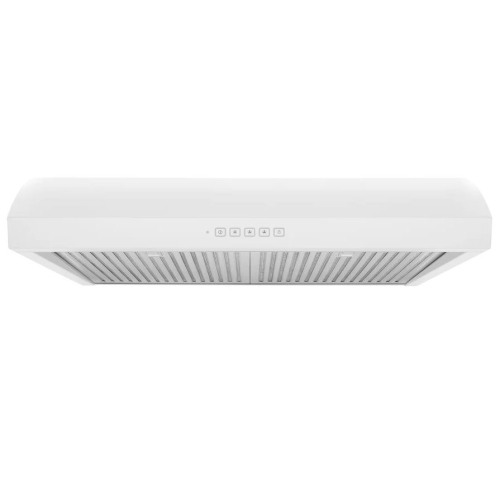
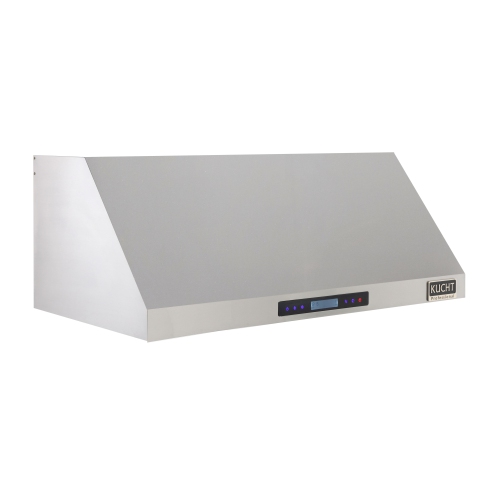
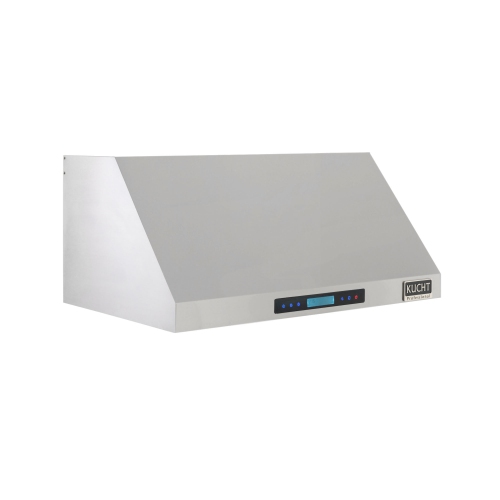
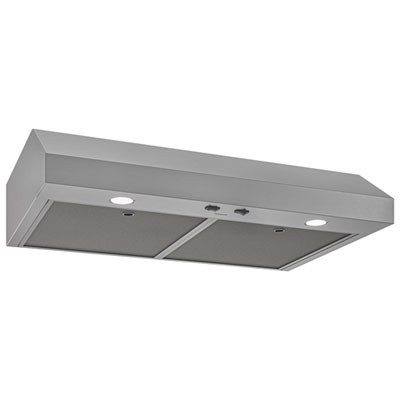
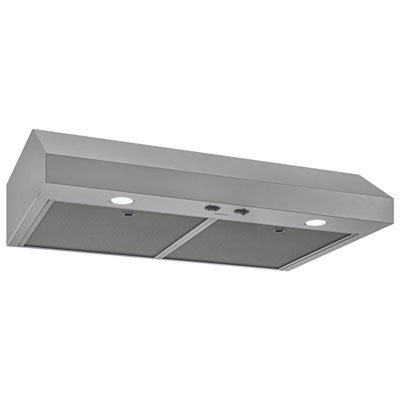
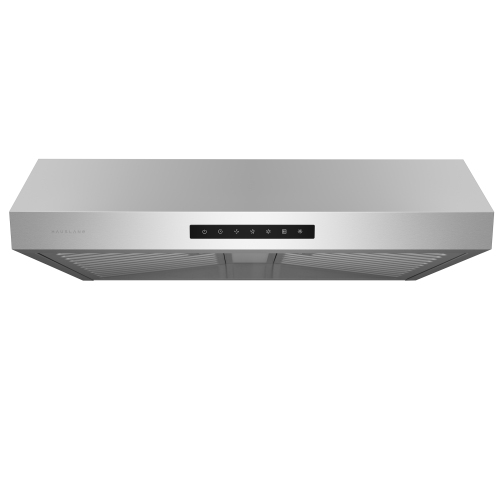
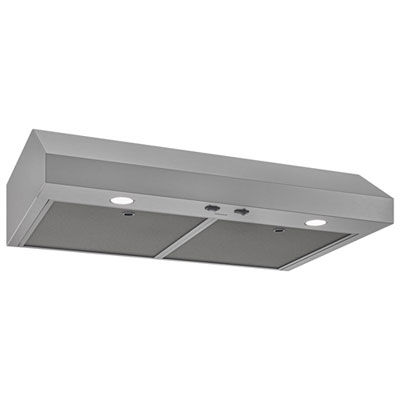
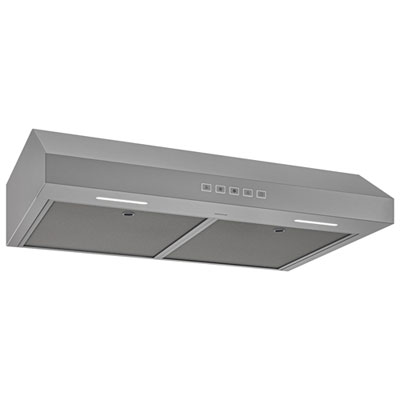
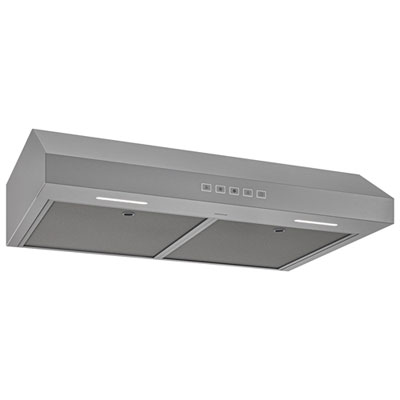
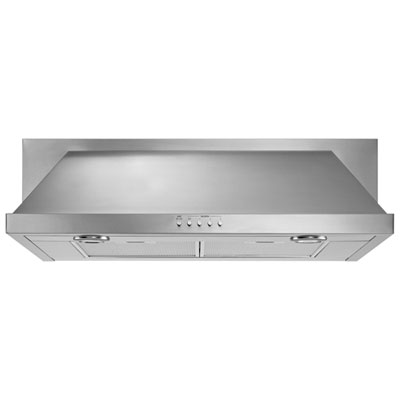
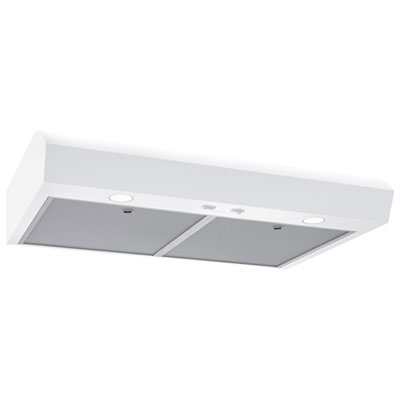
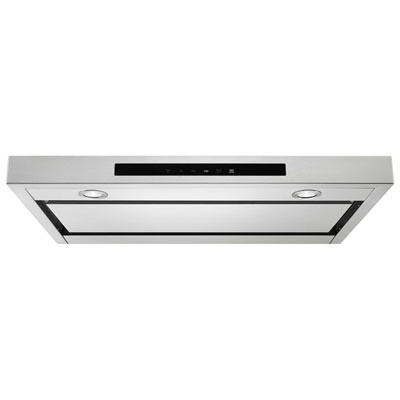
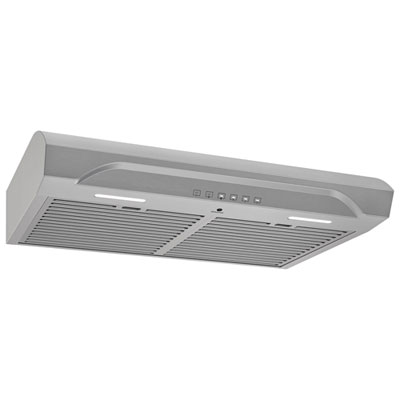
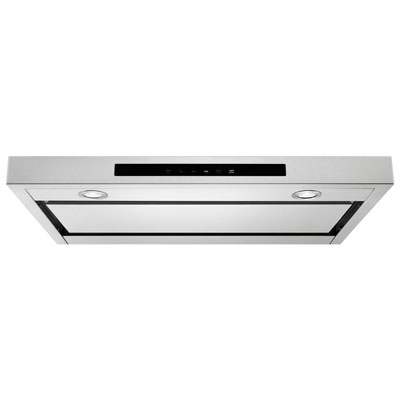
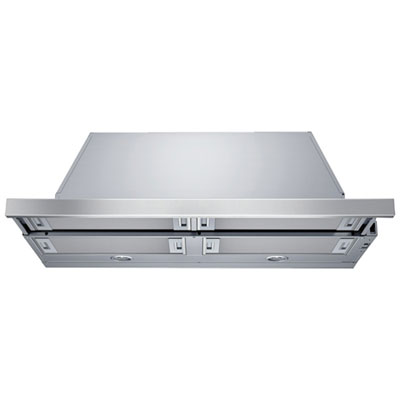
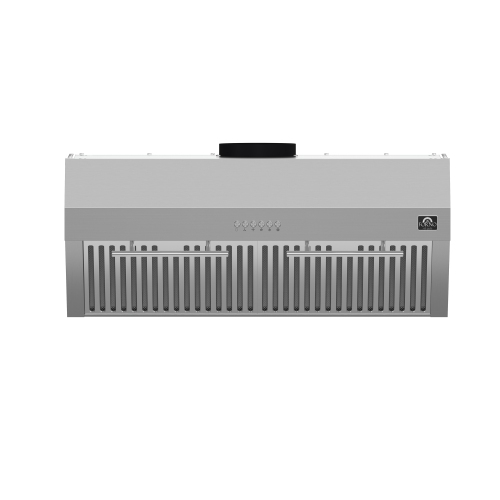
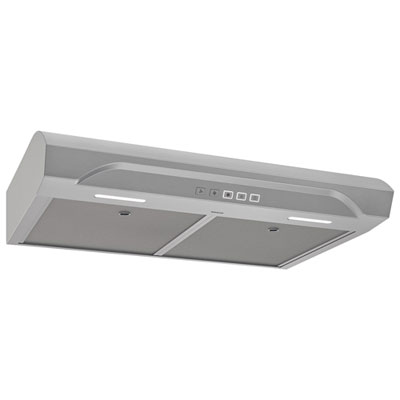
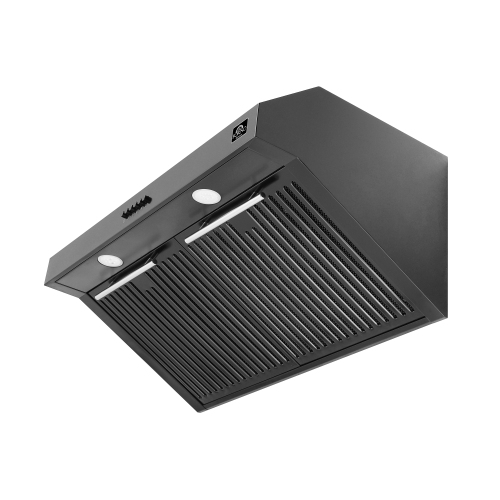
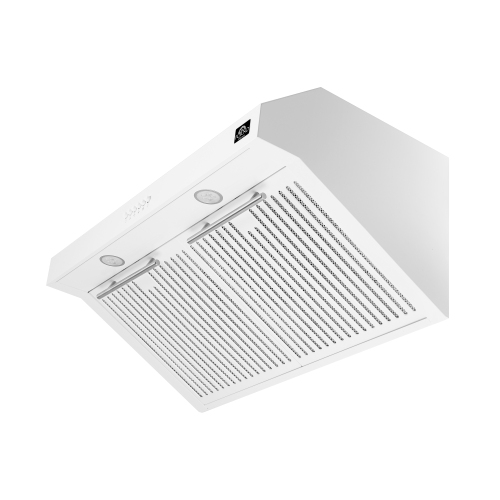
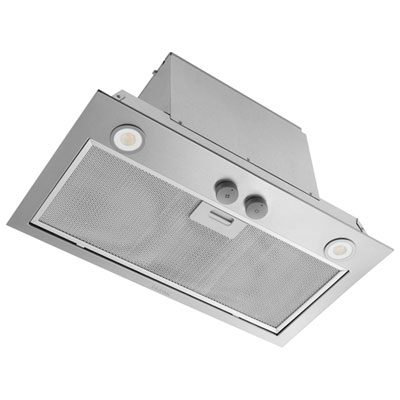
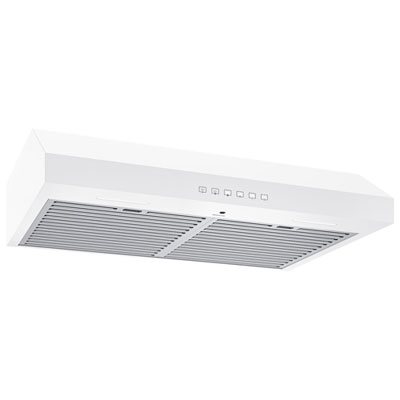
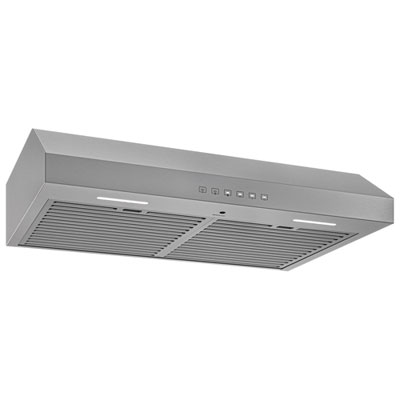
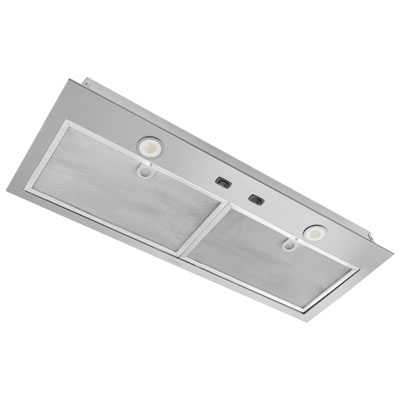
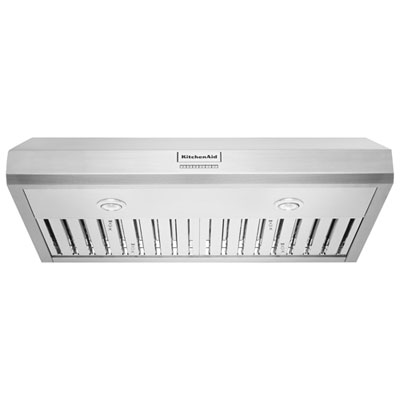
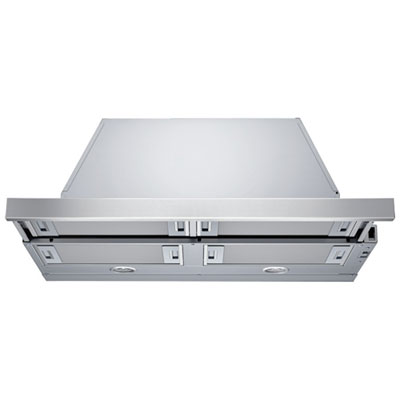
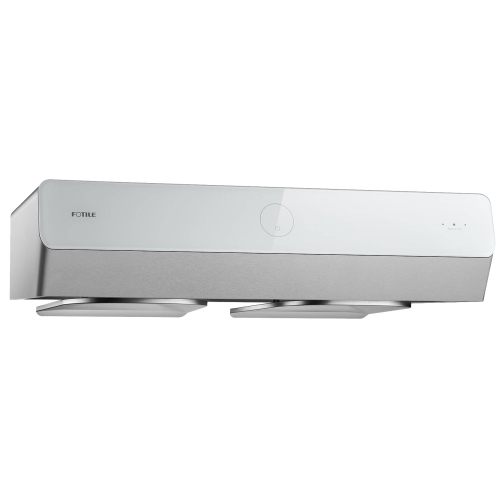
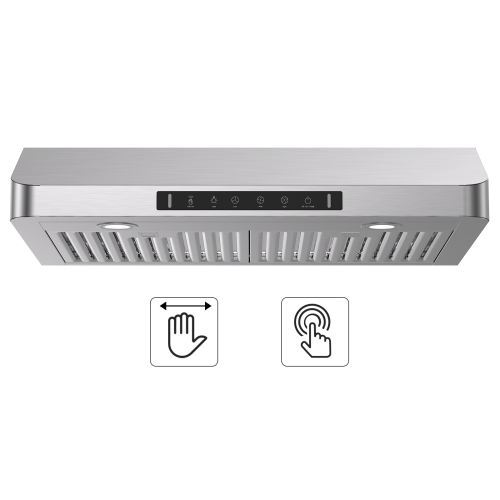
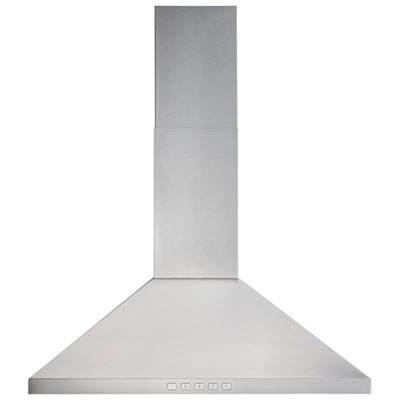
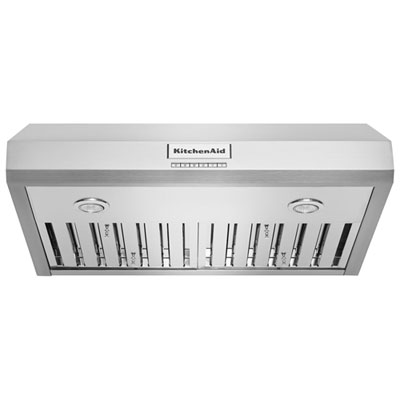
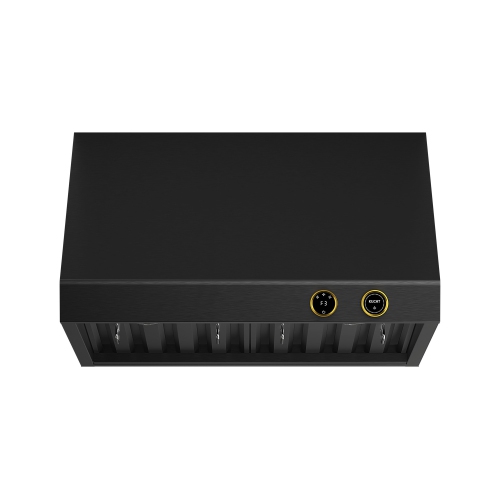
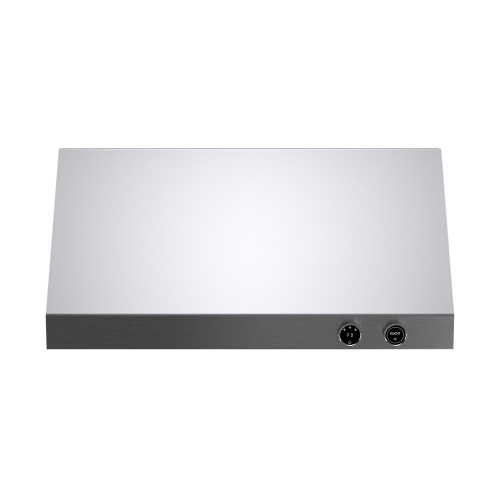
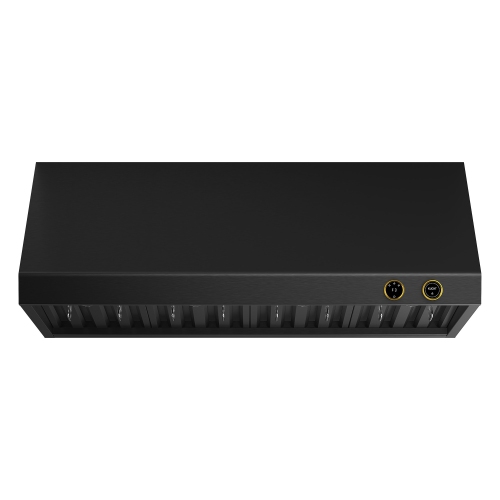
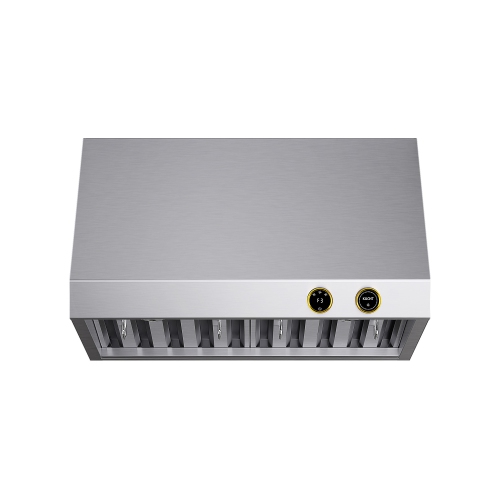
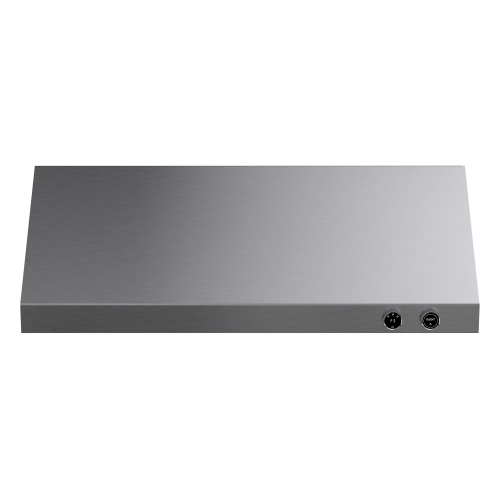
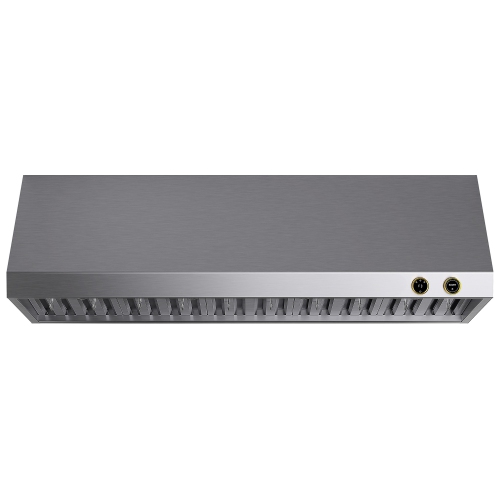
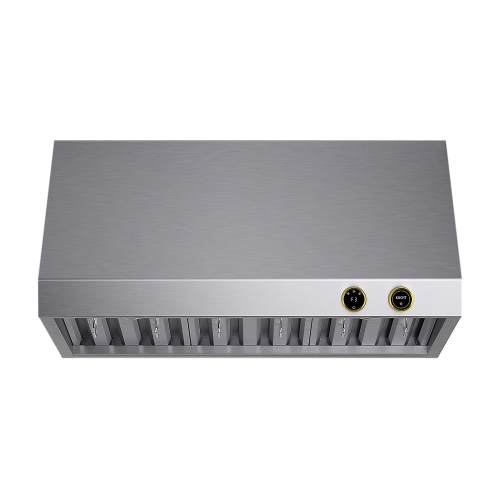
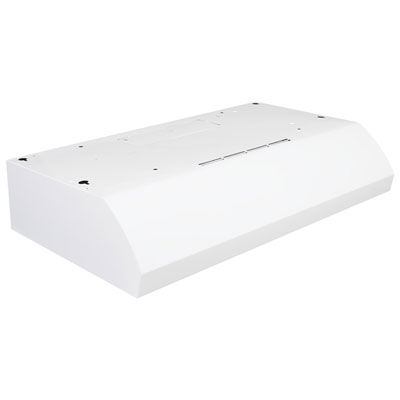
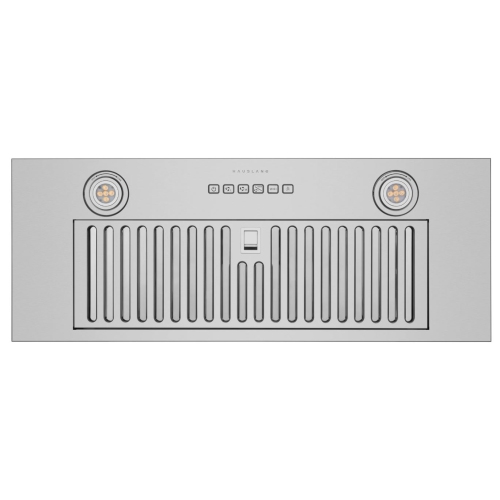
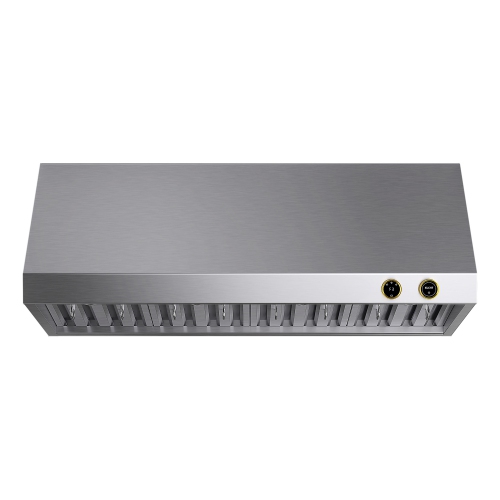
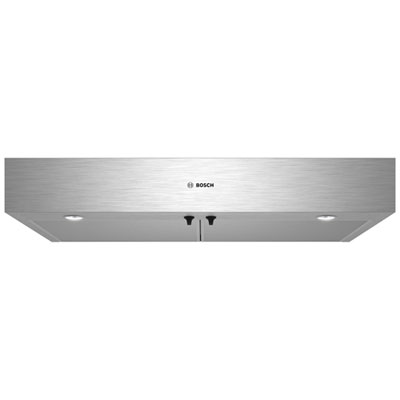
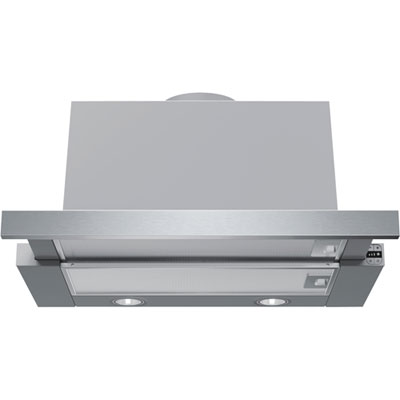
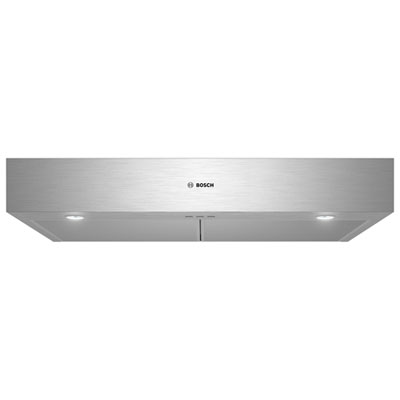
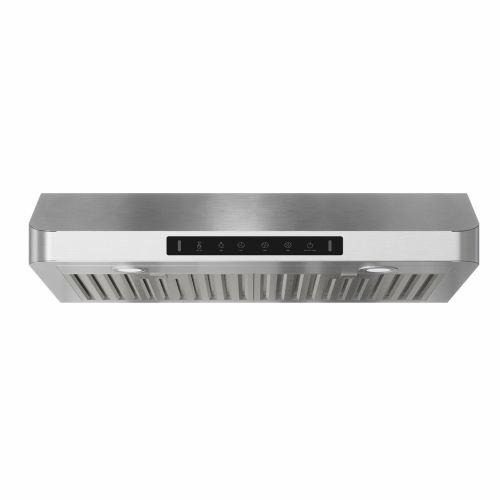
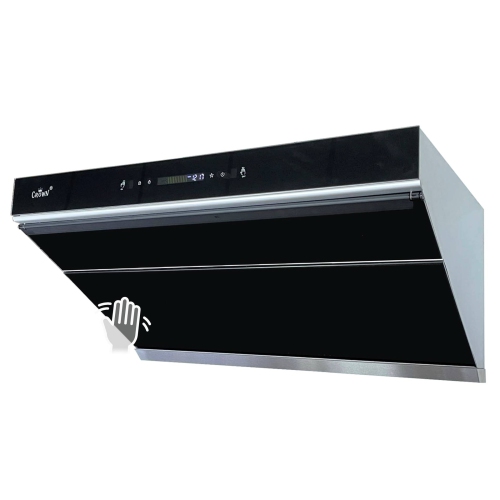
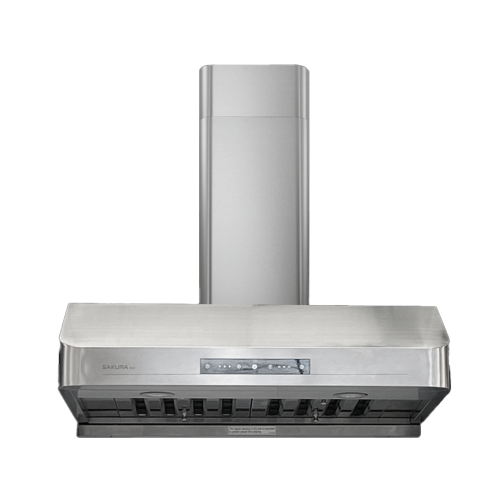
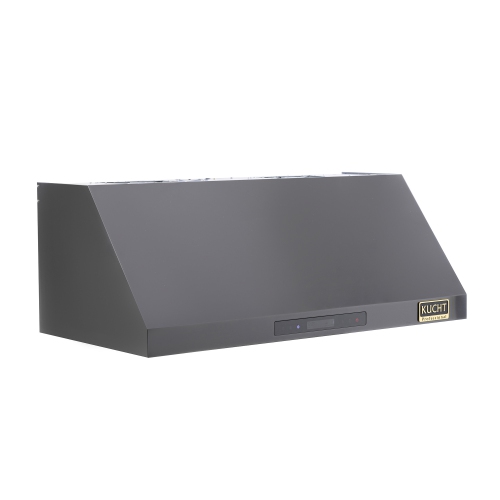
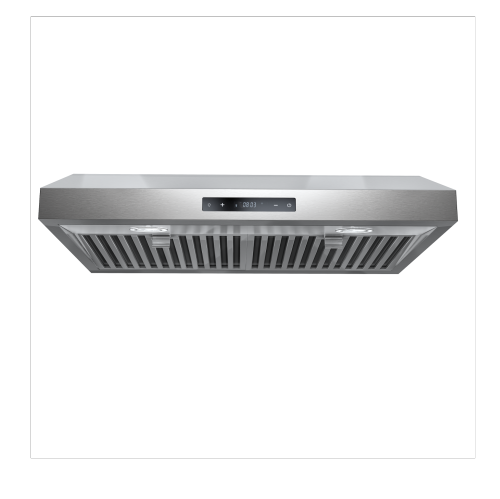
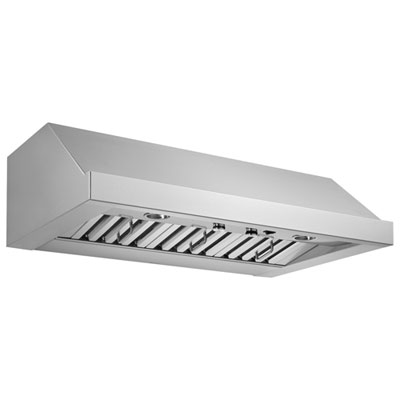
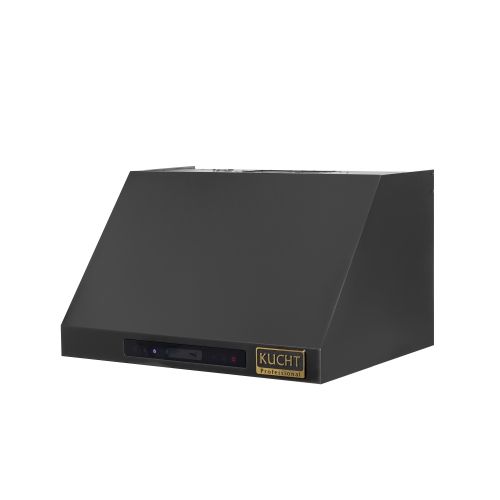
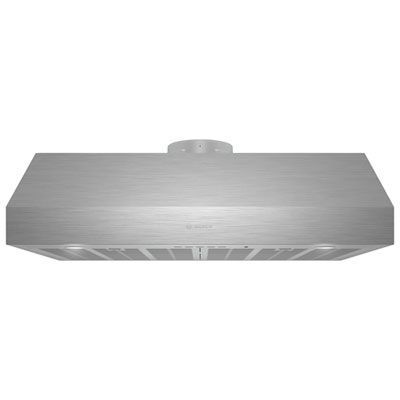
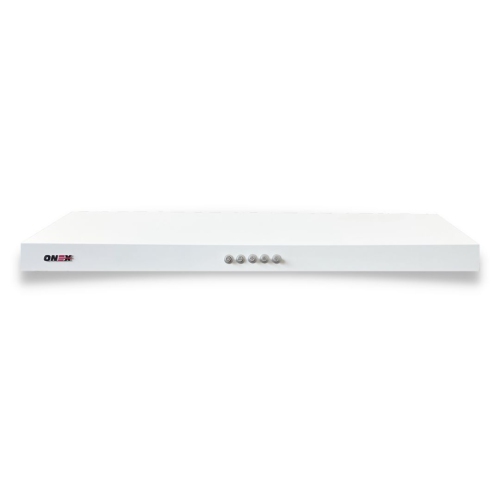
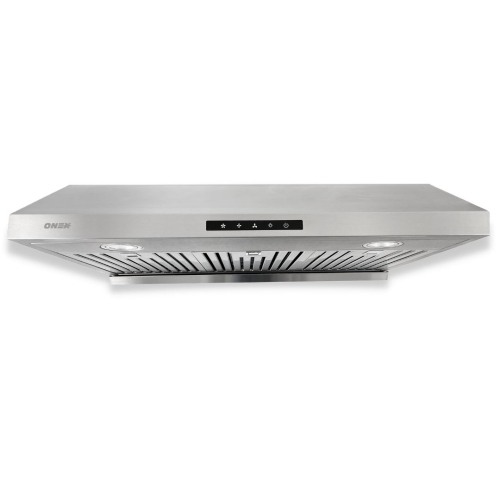
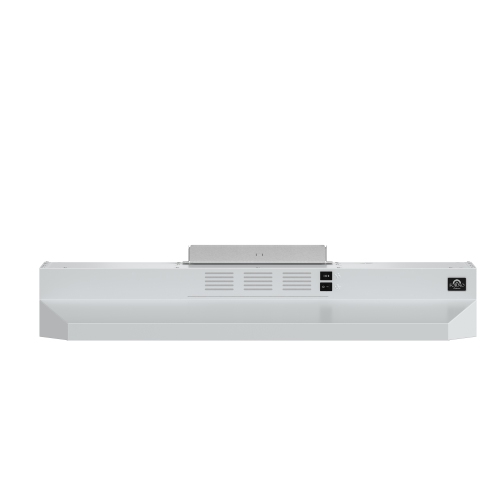
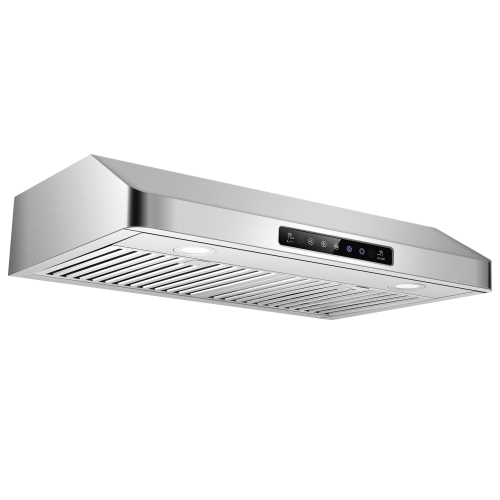
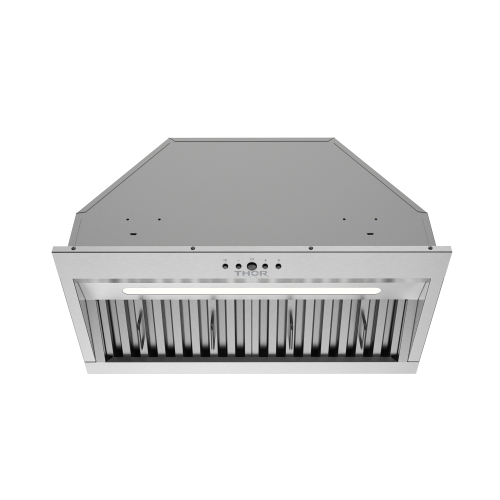
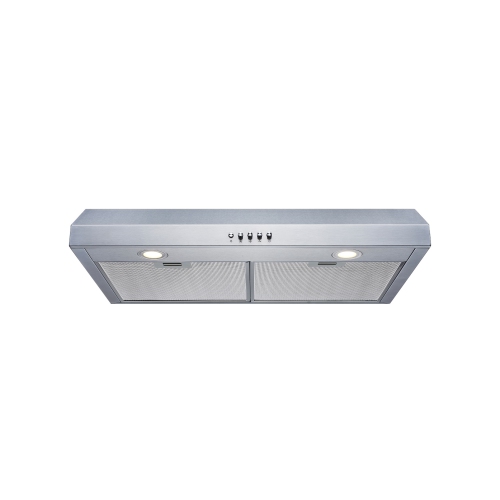
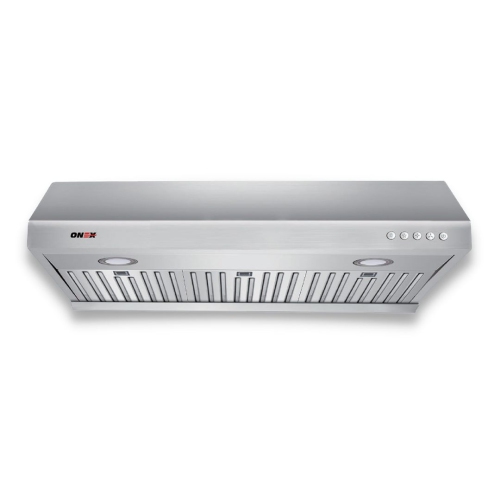
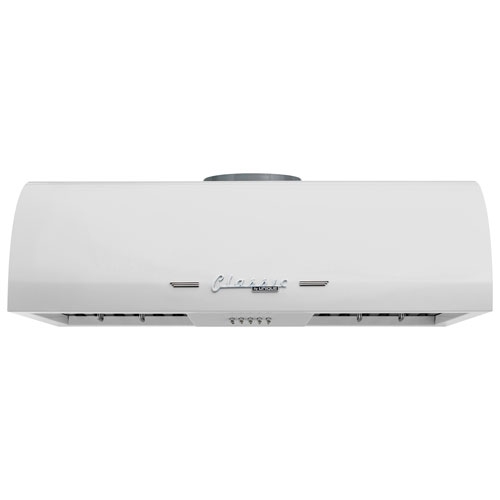
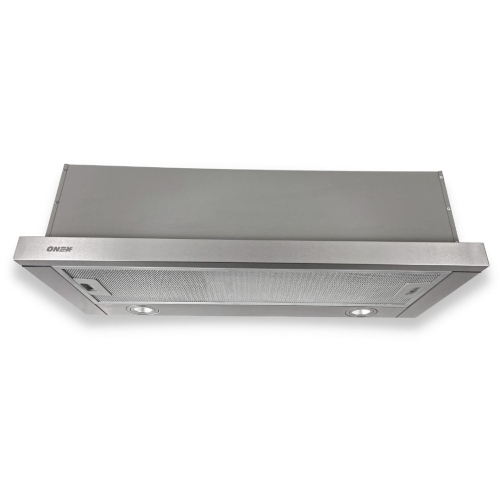
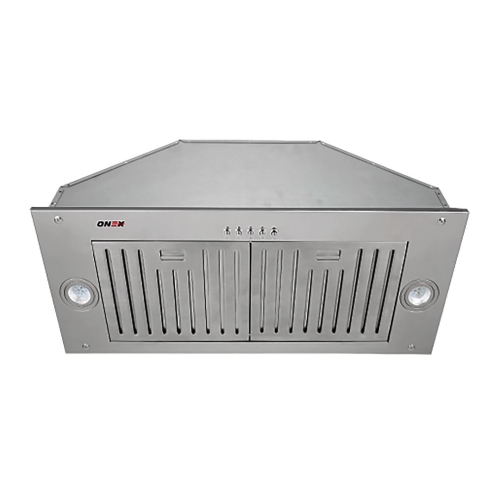
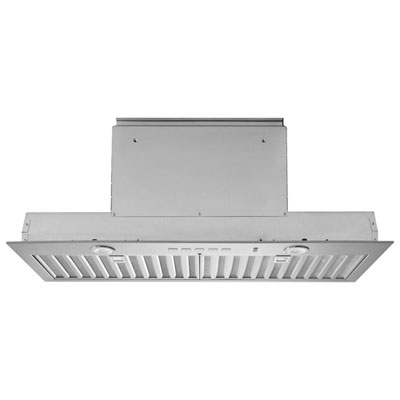
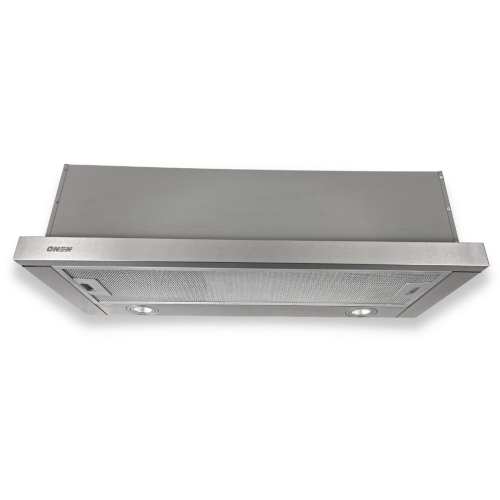
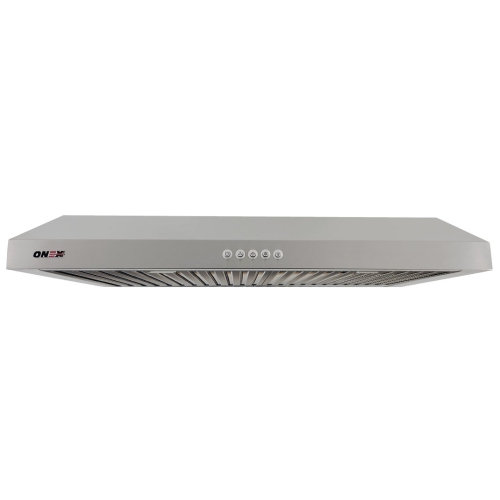
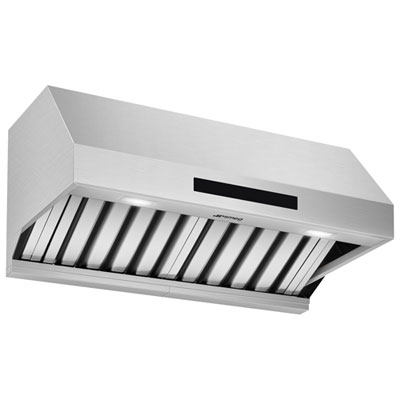
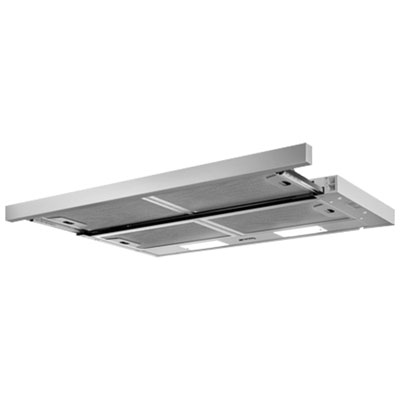
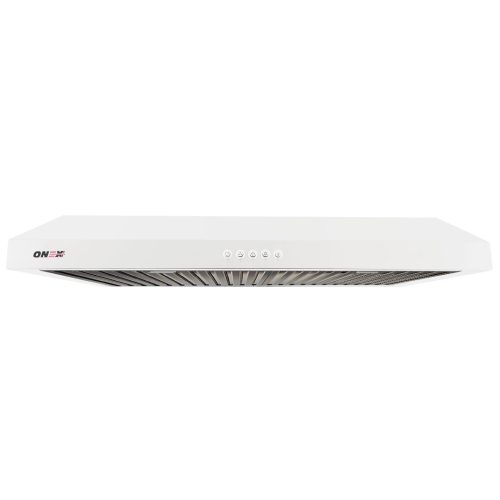
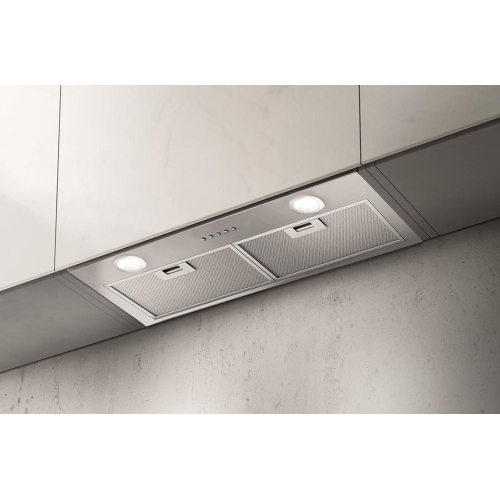
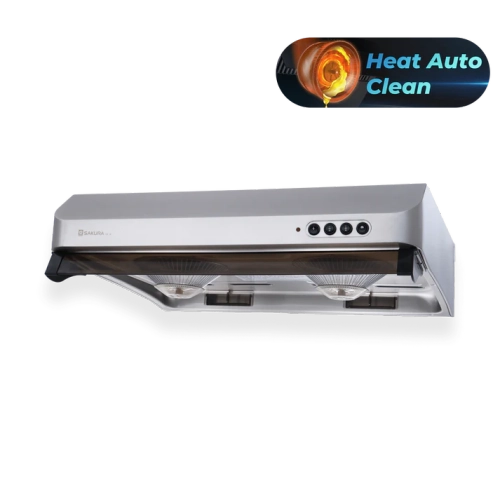
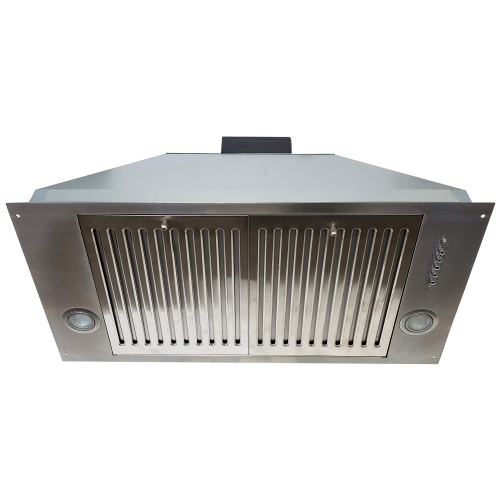
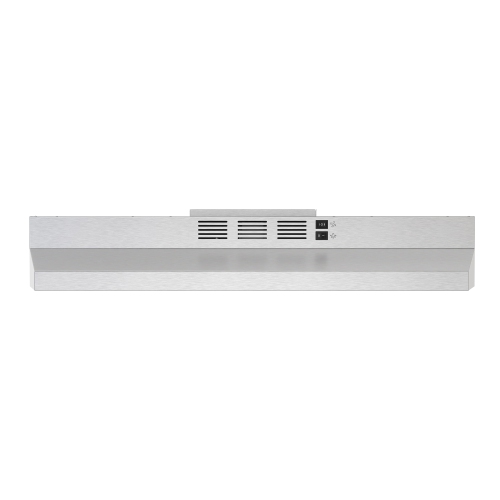
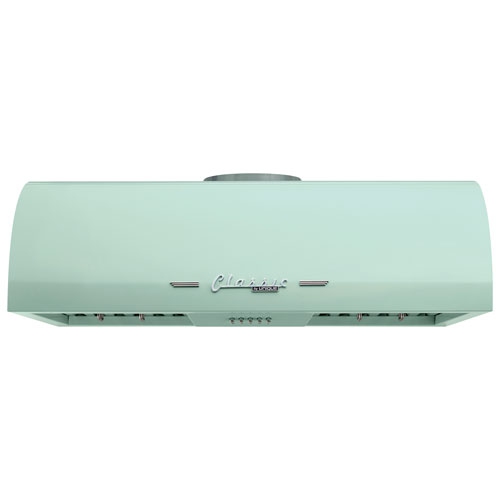
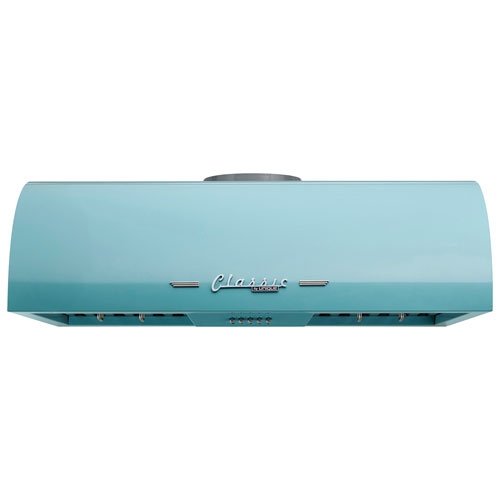
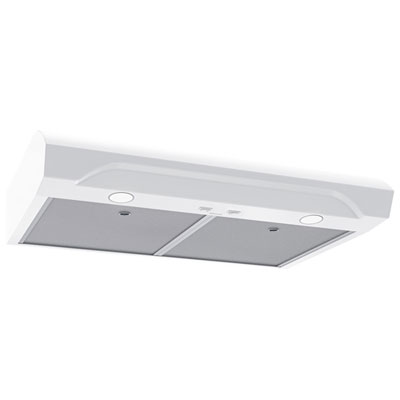
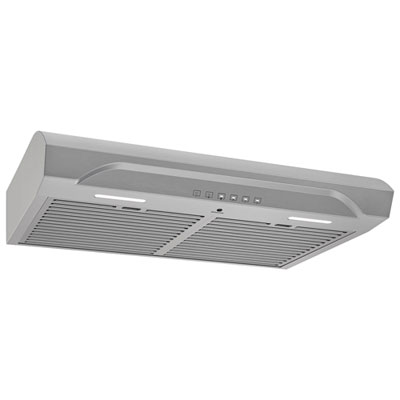
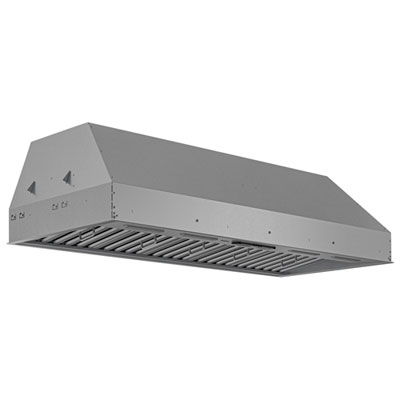
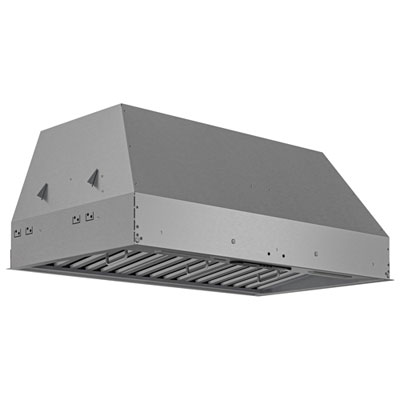
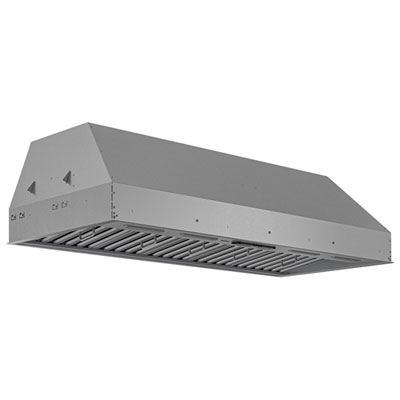
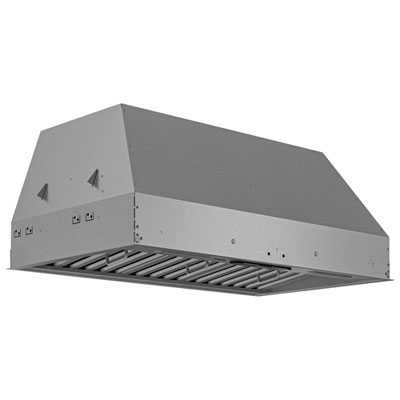
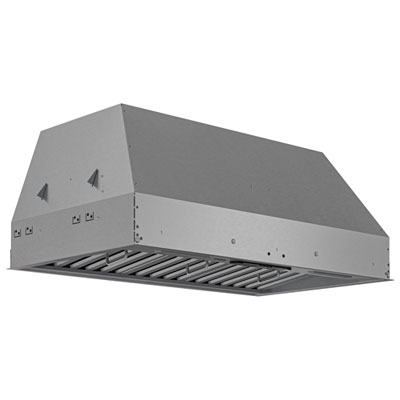
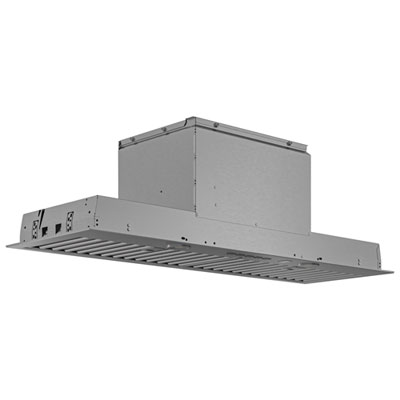
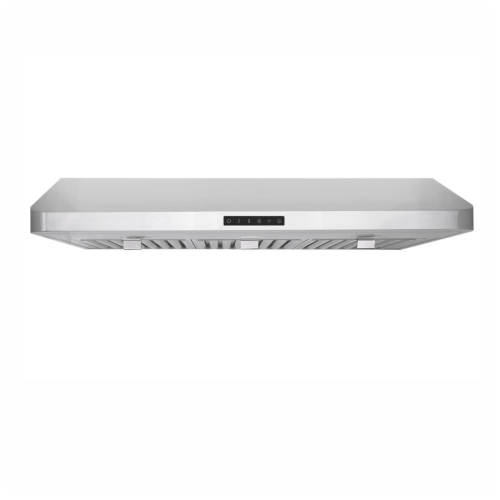
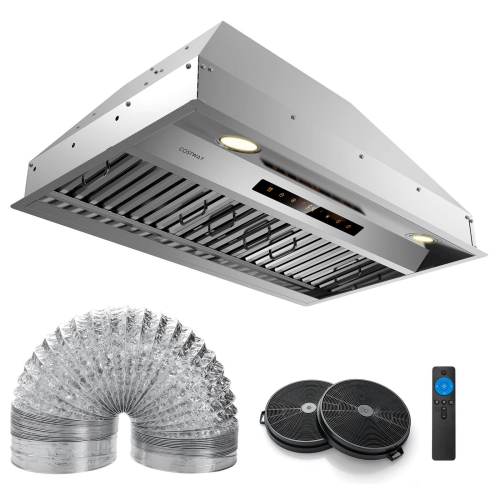
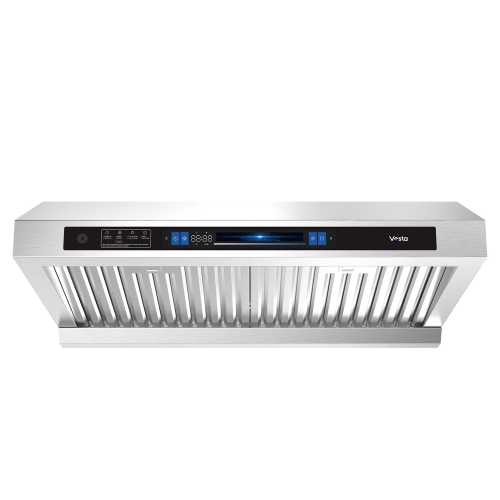
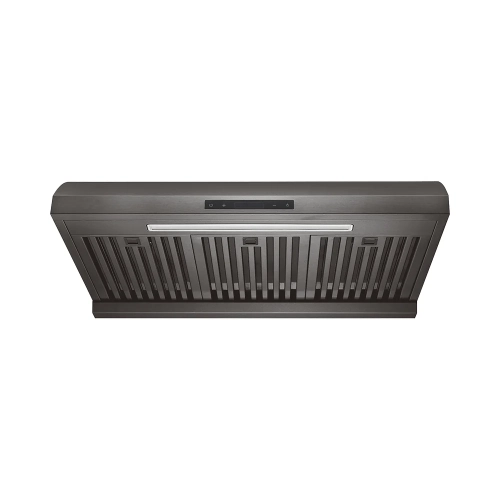
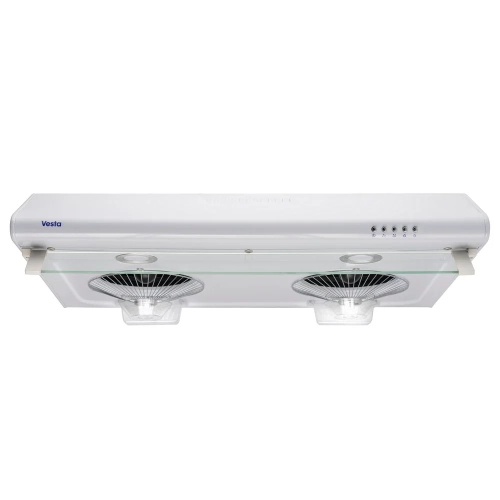
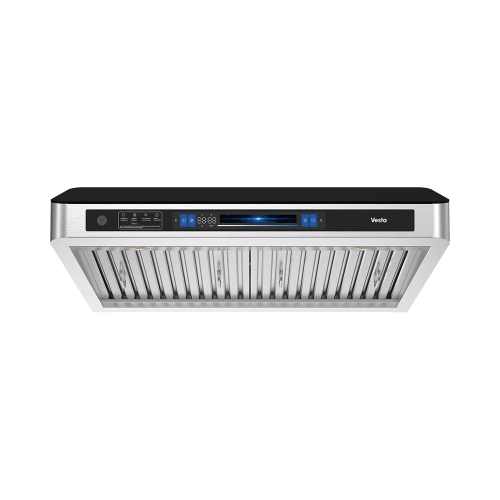
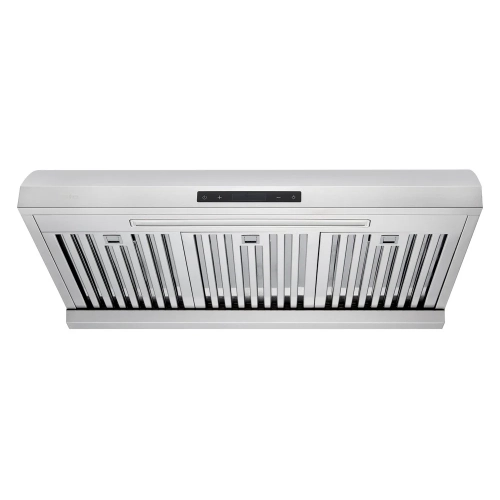
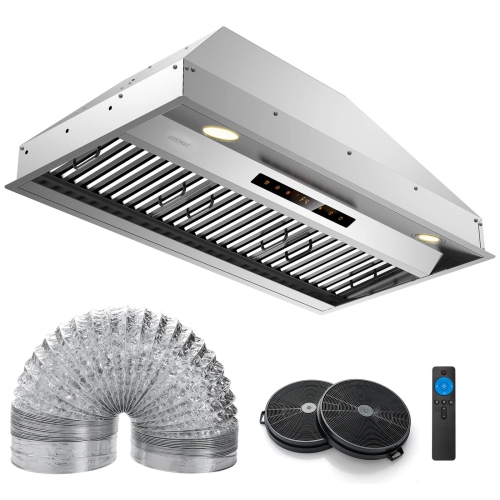
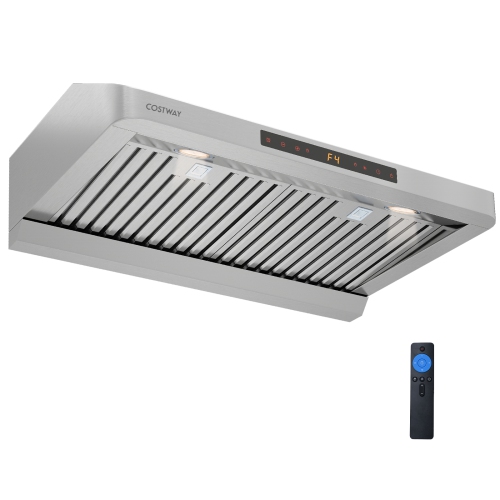
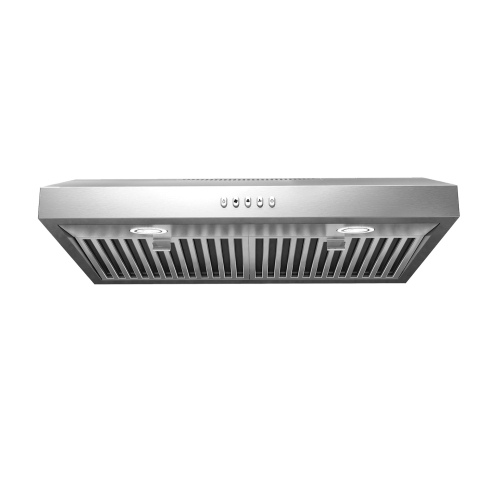
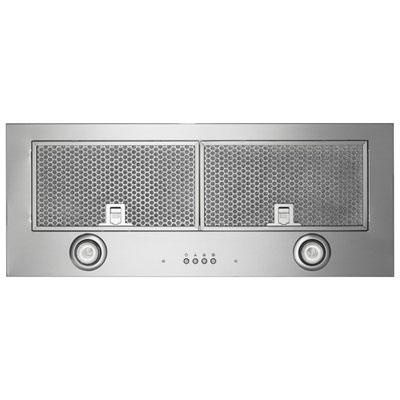
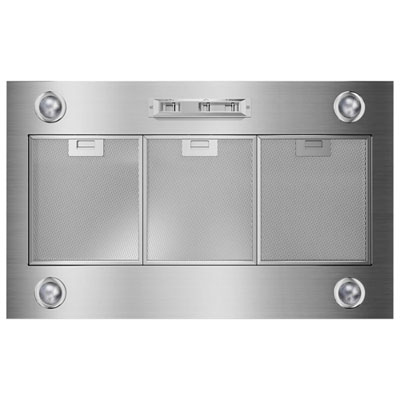
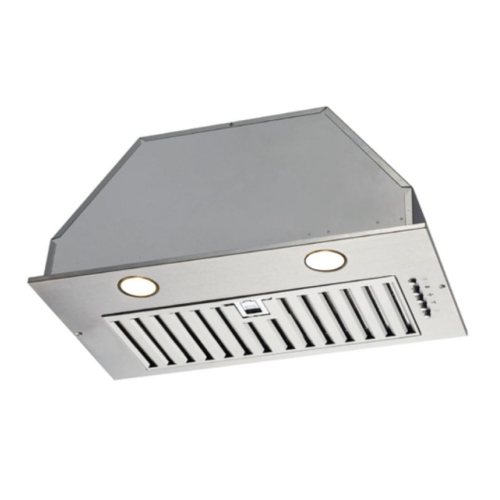
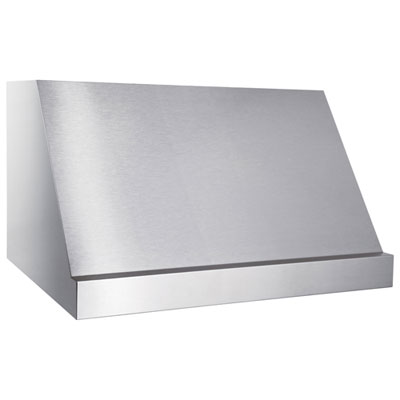
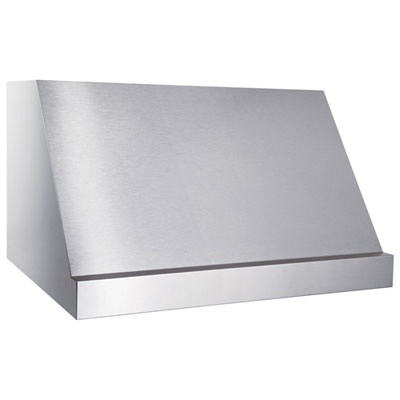
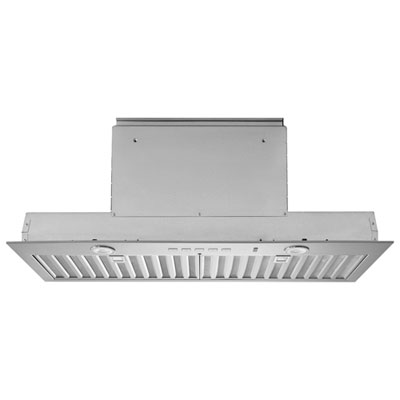
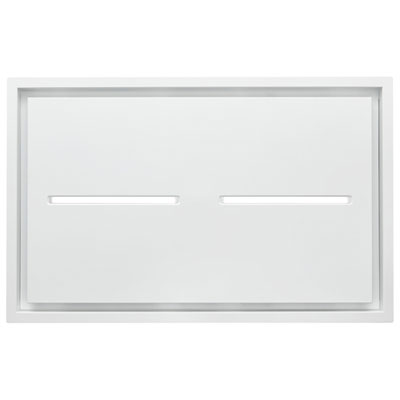
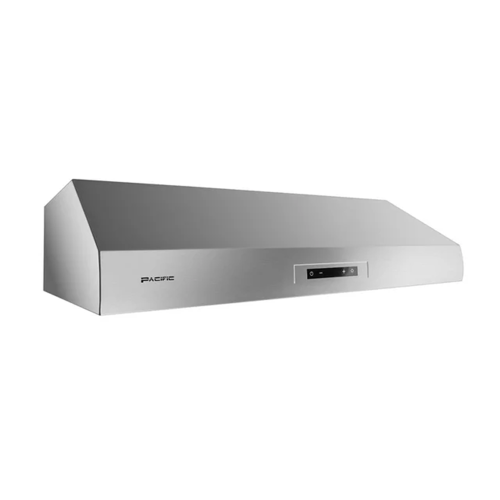
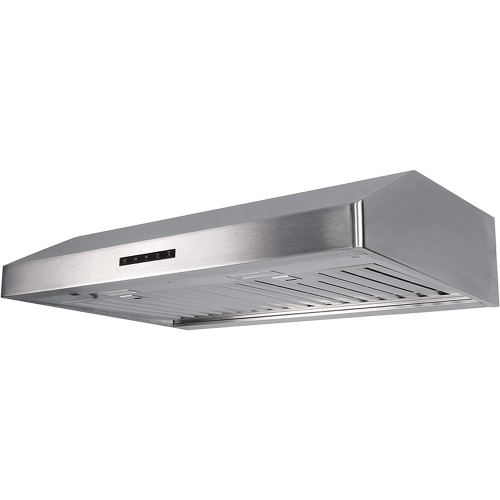
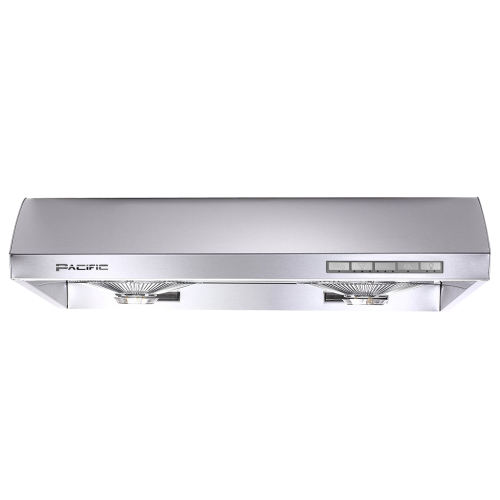
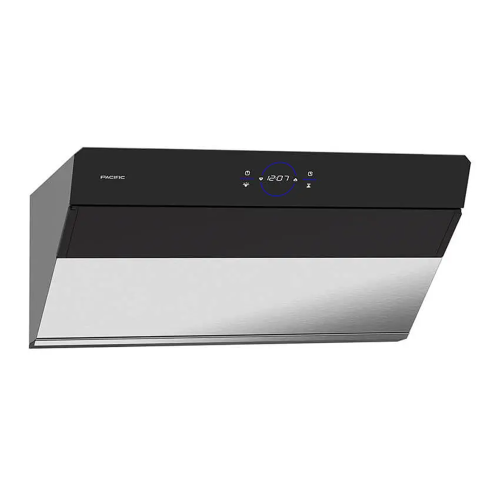
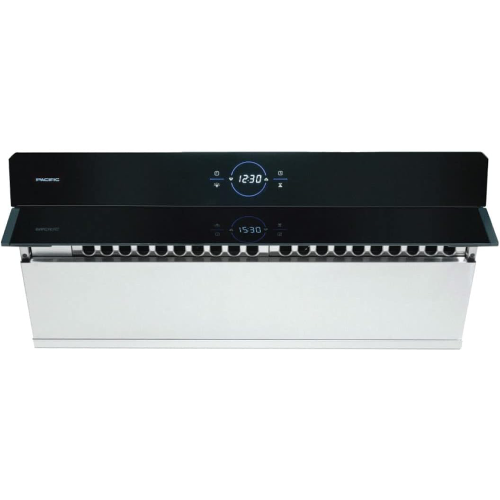
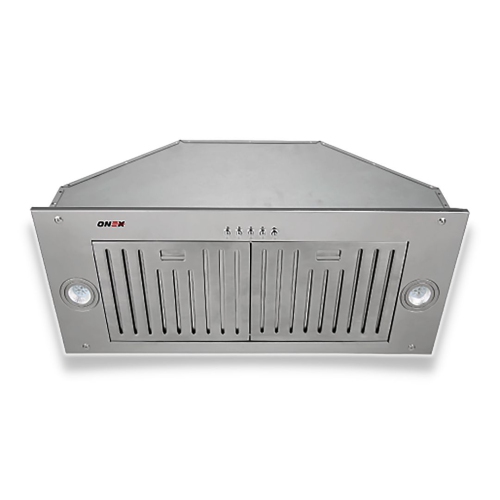
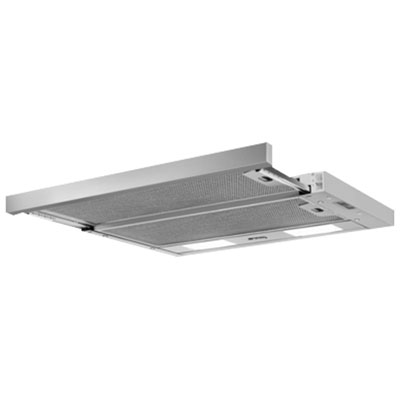
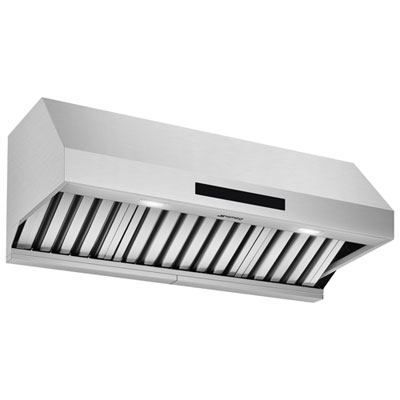
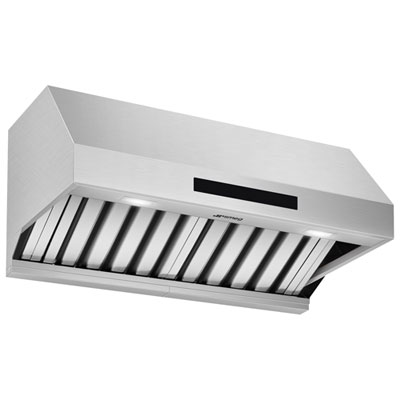
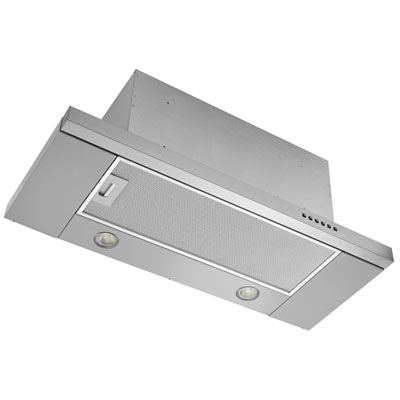
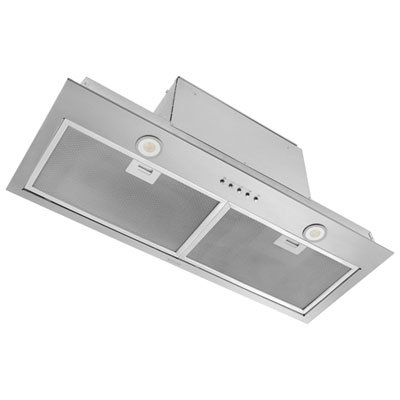
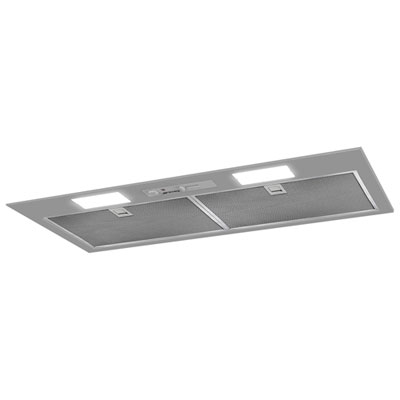
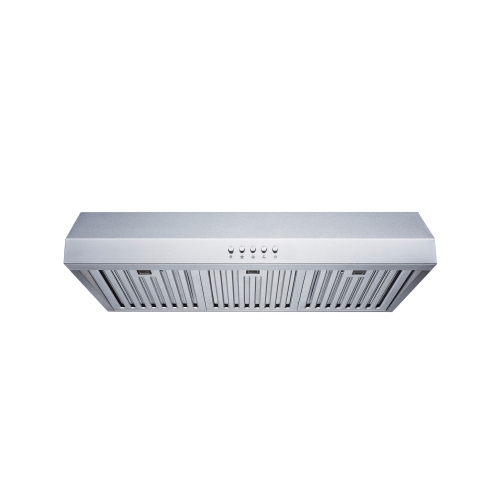
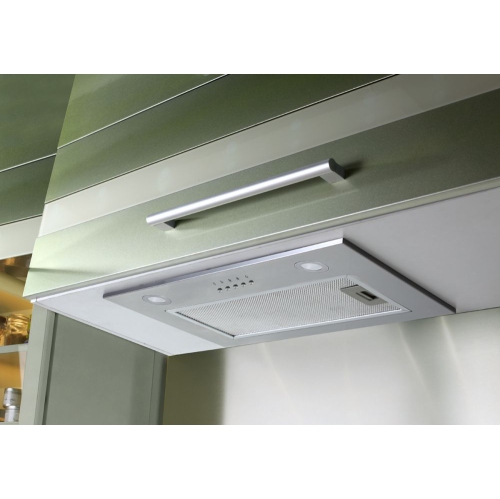
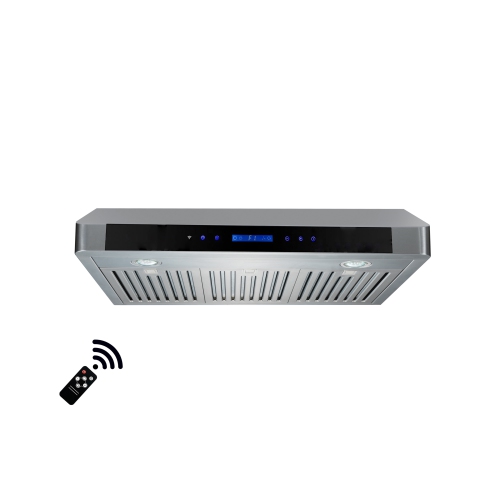
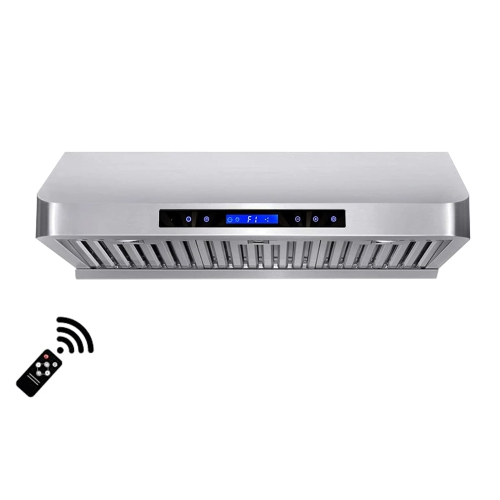
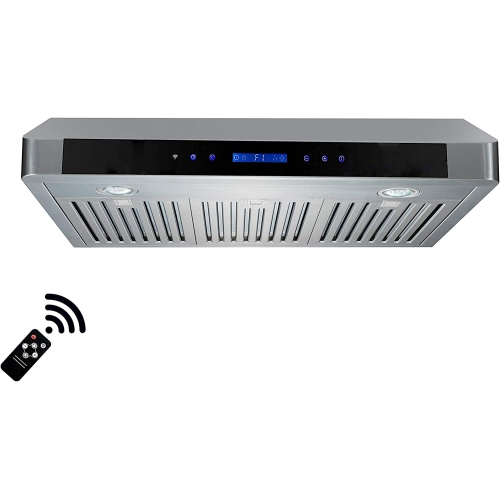
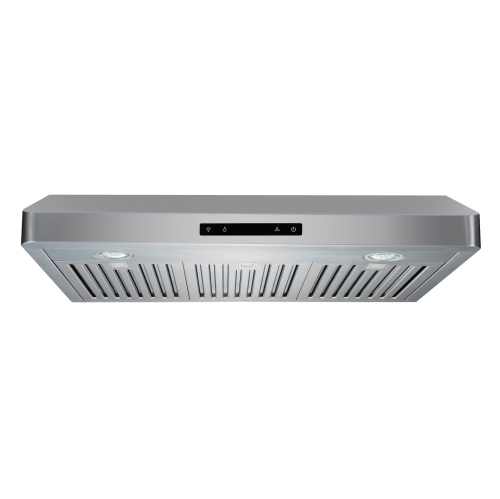
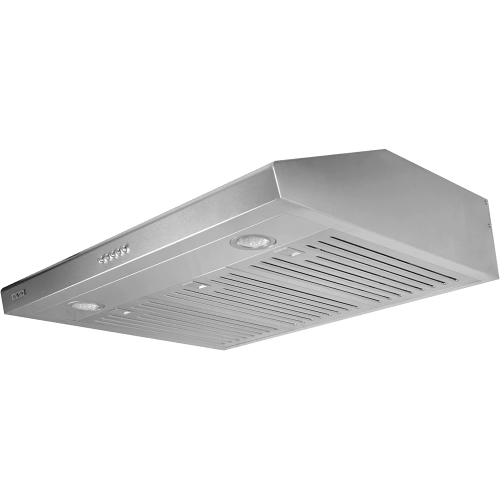
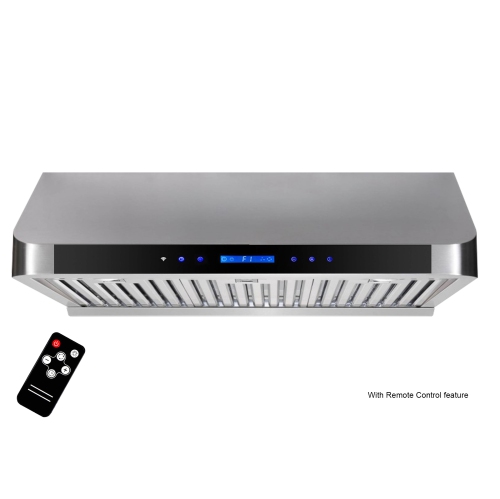
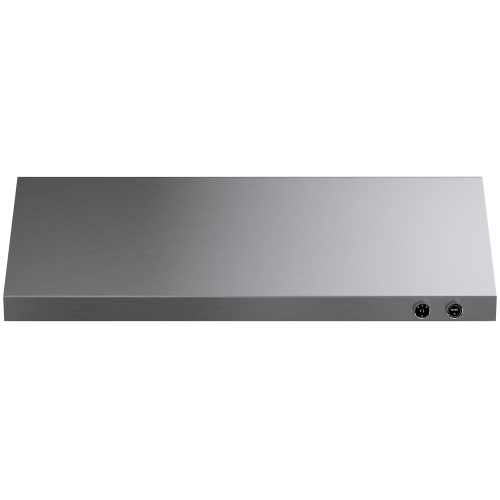
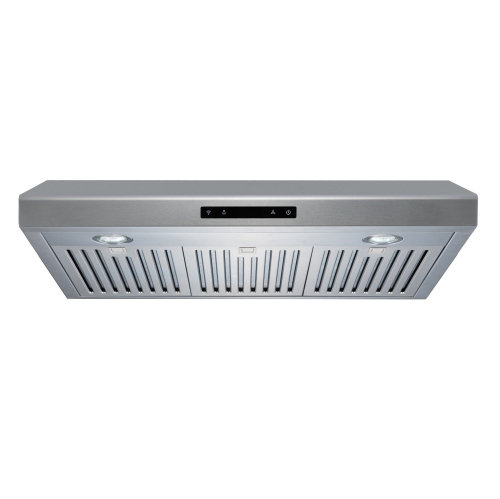
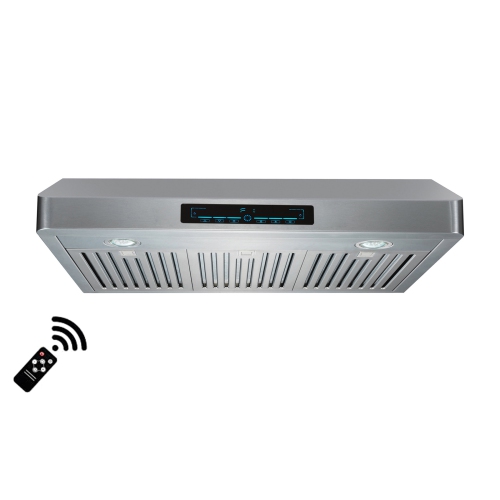
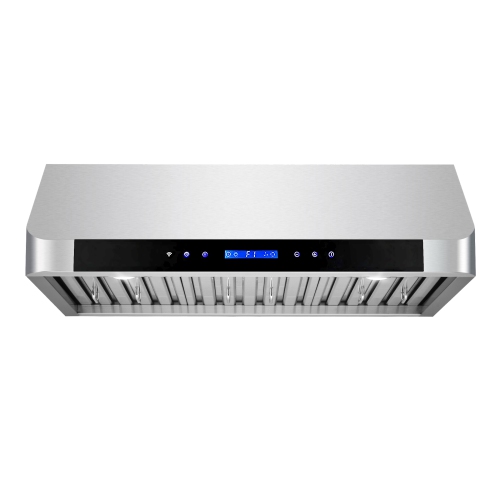
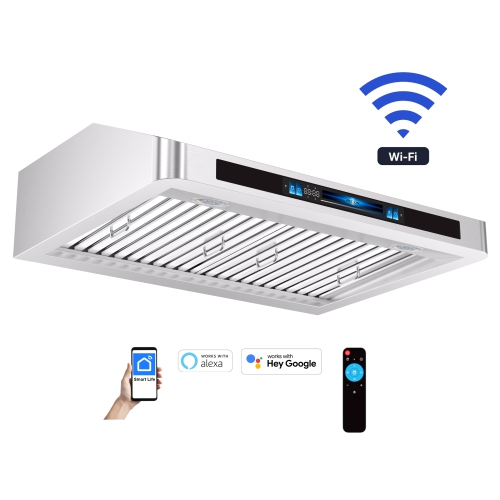
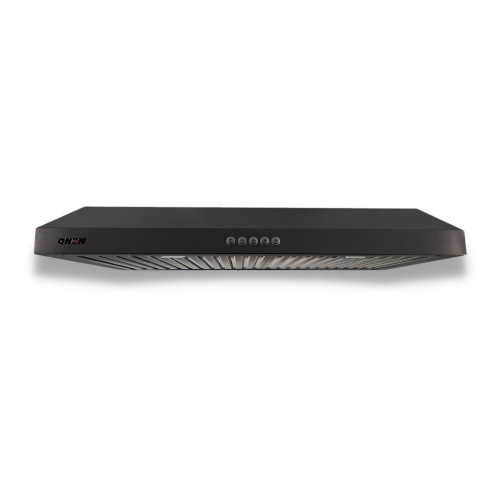
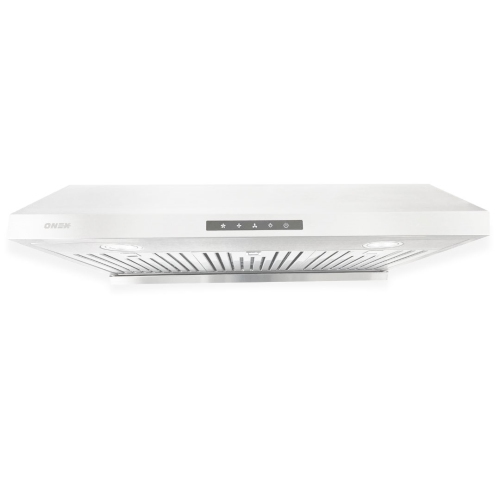
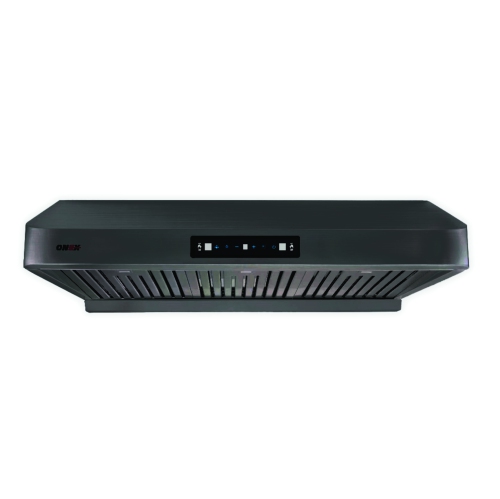
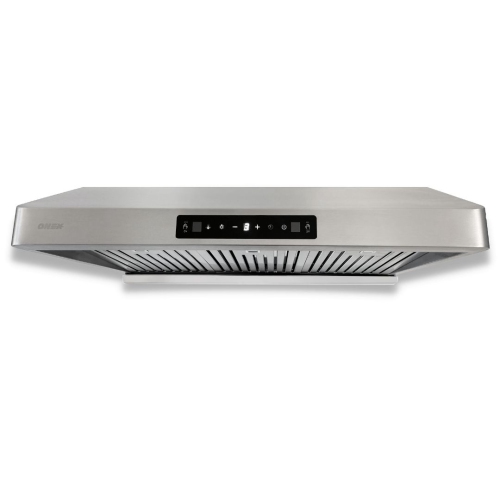
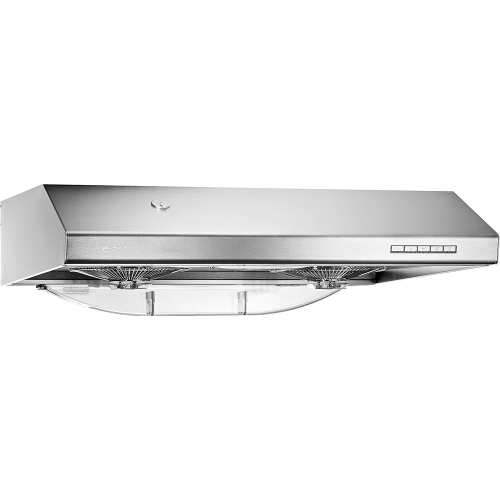
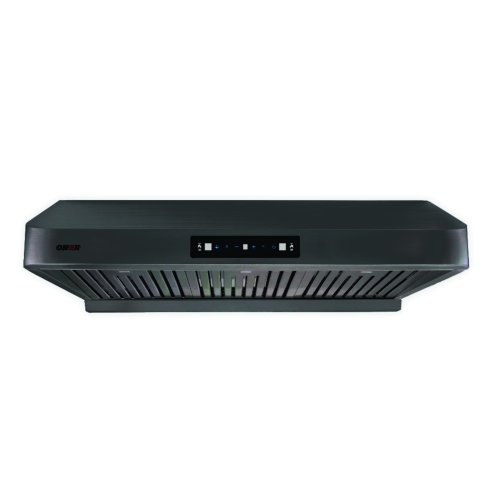
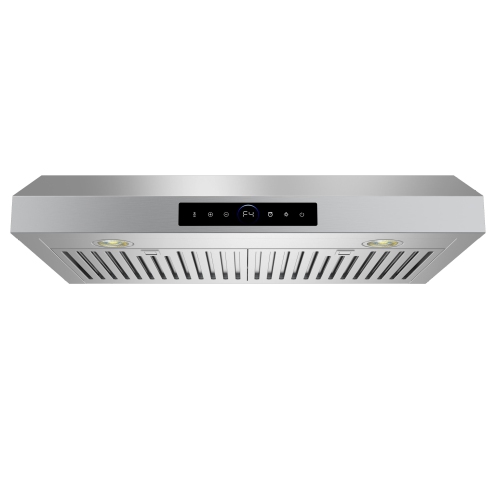
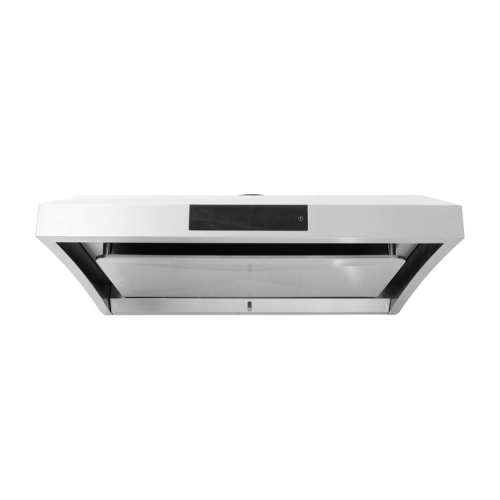
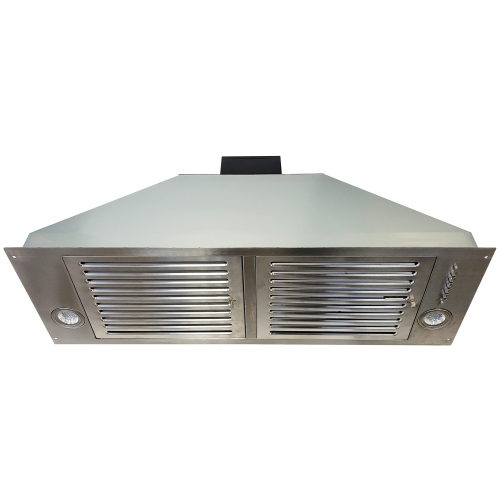
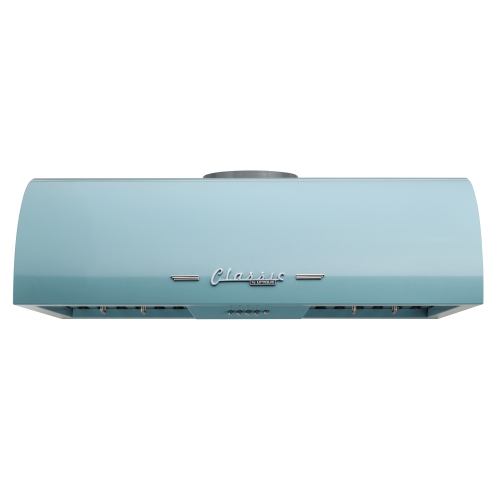
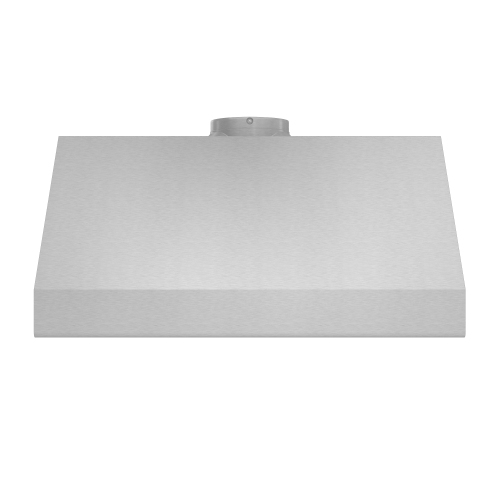
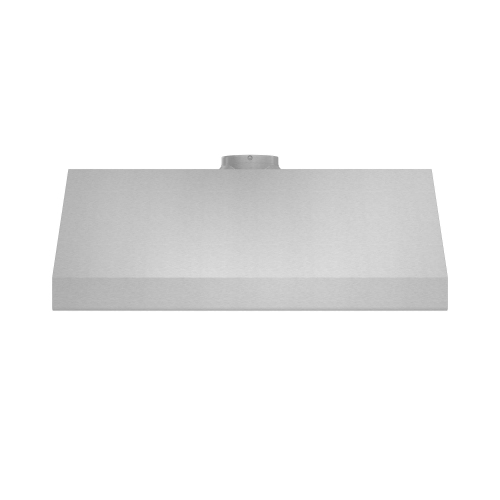
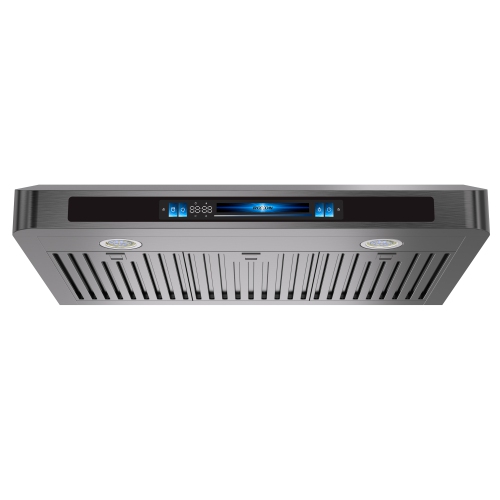
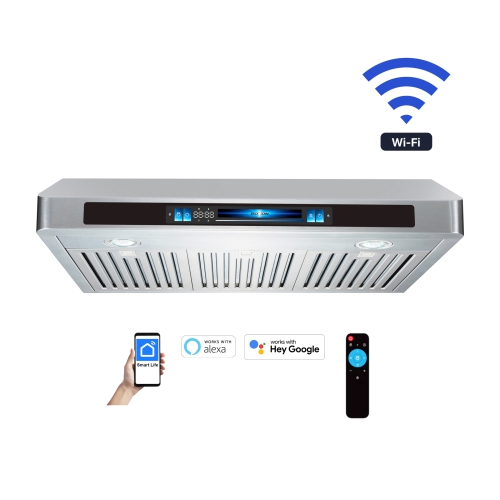
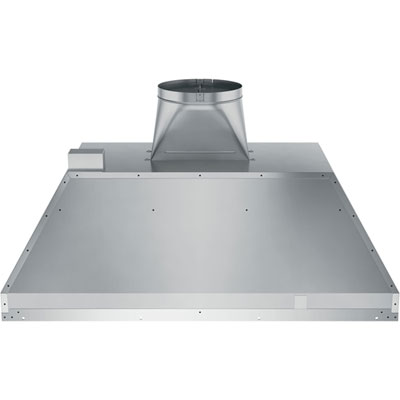
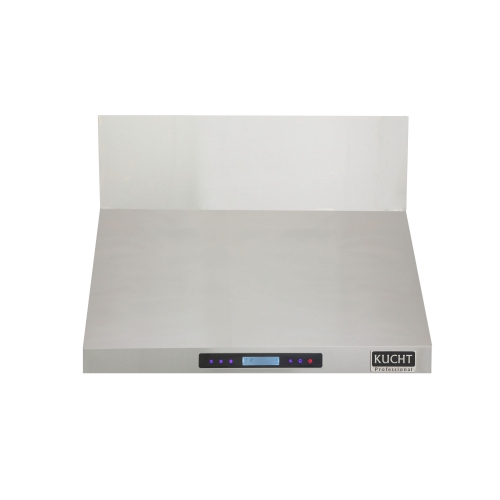
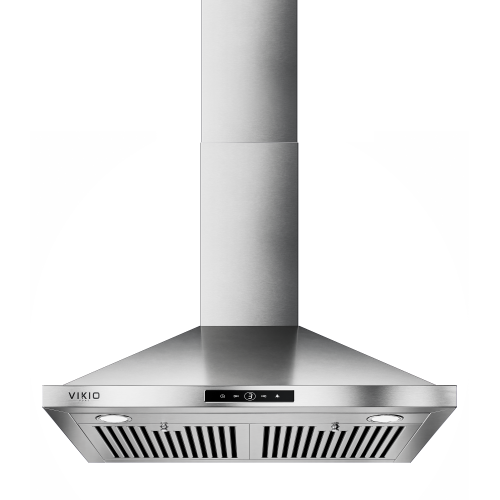
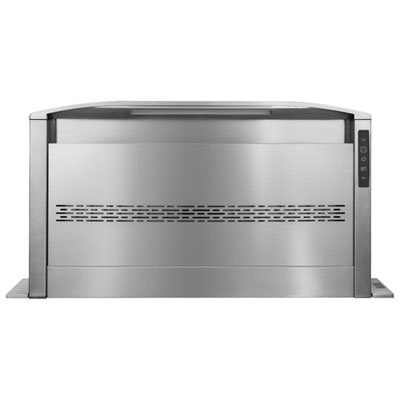
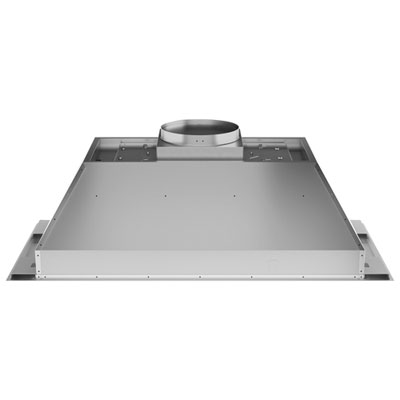
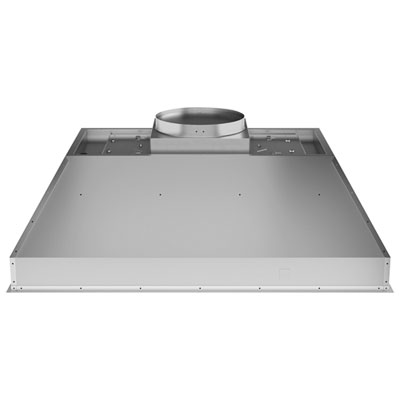
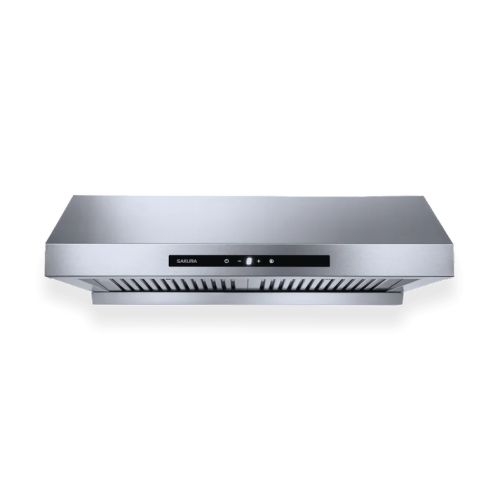
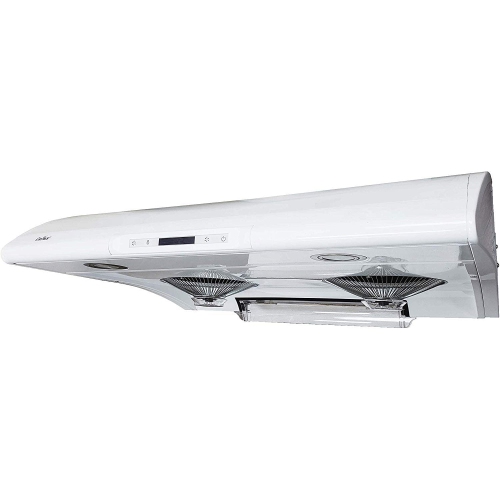
Kitchen cabinet hoods bring ventilation into the space above a range or cooktop without making a freestanding chimney the focal point of the room. Mounted beneath upper cabinets or fitted inside a purpose-built enclosure, they help capture cooking smoke, airborne grease and odours while keeping the cooking area visually connected to the cabinetry. An under-cabinet range hood has a visible housing below the cabinet, making it a familiar fit for kitchens with an established row of upper cupboards. An insert sits inside a compatible enclosure, leaving the intake, filters and controls accessible from below. For a more concealed installation, Cabinet Insert Range Hoods allow the surrounding cabinet design to remain the main visual feature. Some cabinet-integrated designs have a pull-out section that extends over the cooking surface during use and slides back when cooking is finished. These different configurations suit everything from compact condo kitchens to larger spaces where cabinetry continues across the cooking wall. Fit involves more than the width printed in a description: the cabinet opening, enclosure depth, mounting surface and position of the cooking surface all affect compatibility. Common hood widths include 30-inch and 36-inch sizes, but the appropriate dimensions depend on the range or cooktop and the hood manufacturer’s requirements. A hood generally needs to cover at least the cooking surface’s width, with enough front-to-back coverage to capture rising vapour from the burners used most often. Mounting height also matters, particularly above gas cooking equipment, and must follow the applicable appliance instructions and local requirements. Stainless steel offers a practical finish that coordinates with many kitchen appliances, while painted metal can blend into lighter or darker cabinetry. With inserts, much of the housing is concealed, so the visible underside, lighting and trim have more influence on the finished appearance. For replacement installations, matching the existing footprint can simplify the fit, although the duct connection and mounting points still need checking.

The way a kitchen cabinet hood handles air is just as important as how it fits. A ducted range hood carries captured cooking air outdoors through a dedicated duct, helping remove smoke, odours and moisture from the kitchen. A ductless, or recirculating, hood draws air through grease filters and suitable odour filters before returning it to the room. Recirculation can suit spaces where an exterior duct route is not practical or permitted, but it does not exhaust moisture outdoors and should not be treated as equivalent to a ducted installation. Convertible hoods can support either arrangement when installed with the required components; the correct filters or conversion parts may be separate. Airflow is commonly expressed in cubic feet per minute, or CFM, but a higher number alone does not establish whether a hood suits a kitchen. Cooking habits, heat output, hood coverage, mounting height and duct layout all influence performance. Someone who mostly simmers soup and reheats meals has different ventilation needs from a household that frequently sears meat, stir-fries vegetables or cooks on several burners at once. Gas cooking also calls for attention to the cooking appliance’s ventilation requirements. Shorter, straighter duct runs with the specified diameter generally create less resistance than long routes with numerous bends, so the same hood can perform differently across installations. Exhaust should terminate outdoors rather than into an attic or another enclosed space. Higher-capacity installations may also involve make-up air requirements under local rules, making professional assessment worthwhile before cabinet alterations begin. Sound ratings deserve attention alongside airflow, especially in an open-plan kitchen where conversation, homework or television may share the room. Where a sone rating is provided, a lower value indicates quieter operation under the stated test conditions; comparisons are most useful at similar fan speeds. Multiple speeds allow a lower setting for gentle simmering and a stronger setting for brief periods of heavier cooking. Accessible controls make those adjustments easier when a pot begins releasing more steam than expected.

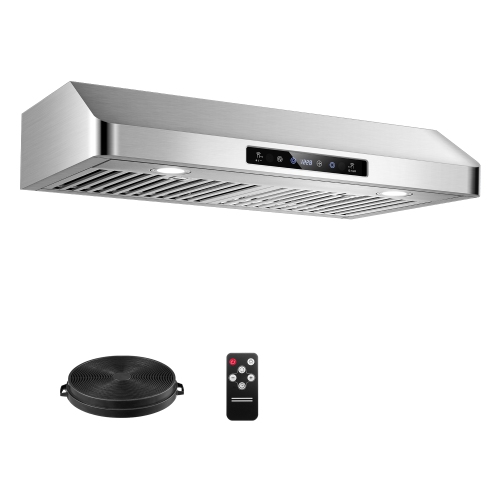
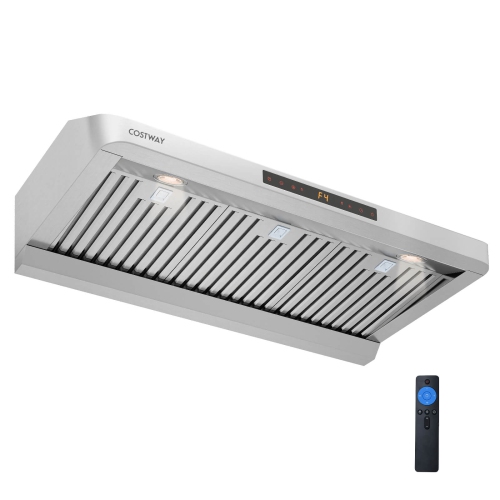
Day-to-day usability often comes down to details that are easy to overlook beside dimensions and airflow. Built-in lighting helps illuminate a cutting-board-sized area of the cooking surface, making it easier to judge browning, watch a sauce or see inside a deep pot. Light placement and coverage matter as much as brightness, particularly where surrounding cabinetry casts shadows over the front burners. Clearly marked buttons, responsive switches and accessible filter releases can make routine use less awkward, while smooth underside panels offer fewer places for grease to collect. Stainless steel baffle filters and aluminum mesh filters both capture grease, but their cleaning requirements depend on their construction and the manufacturer’s directions. Some are dishwasher-safe; others need handwashing, and suitability should be confirmed rather than assumed. In a recirculating setup, charcoal filters typically need replacement at the specified interval unless they are explicitly designed for another maintenance method. Filter access is especially relevant when an insert sits inside a deep enclosure: there should be enough room to remove and reinstall each filter without straining against adjacent trim. Regular cleaning helps prevent grease buildup on the intake, controls and nearby cabinet surfaces. A soft cloth and a suitable mild cleaner are generally gentler on finishes than abrasive pads, with stainless steel best wiped along its grain where applicable. Durable construction, firmly fitted panels and filters that seat securely are useful qualities in a hood that may run through several meals each day. For frequent cooks, easy maintenance and effective capture can matter more than an elaborate control display. For smaller households, a compact profile, usable lighting and comfortable sound levels may shape the choice more strongly. A well-matched kitchen cabinet hood supports the way the kitchen is actually used, whether that means preparing a quick breakfast, tending a long-simmering sauce or managing several dishes across a busy cooktop, while keeping ventilation integrated with the surrounding cabinetry.
FAQ

Some products may be subject to Environmental Handling Fees (EHF) depending on your province. Learn more about EHFs.