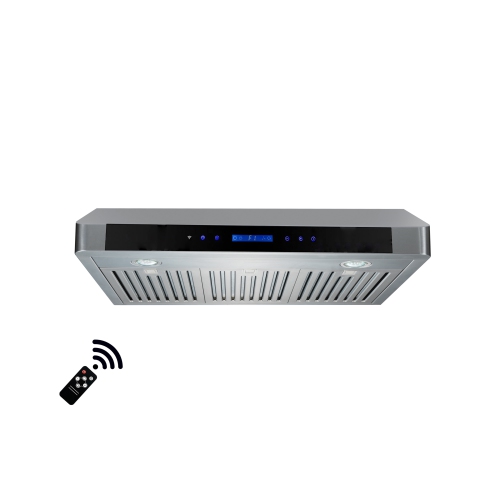
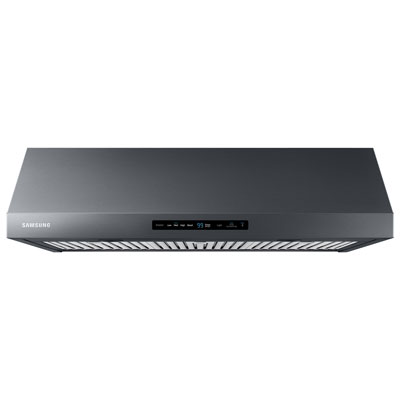
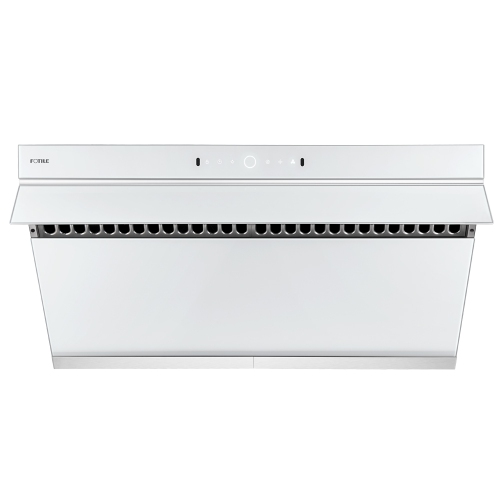
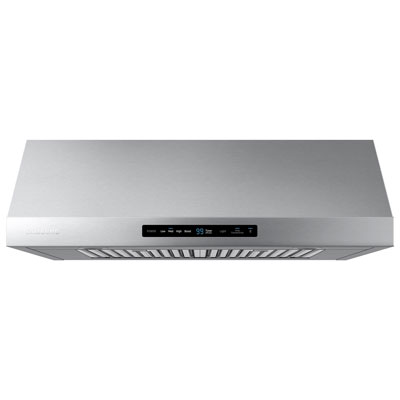
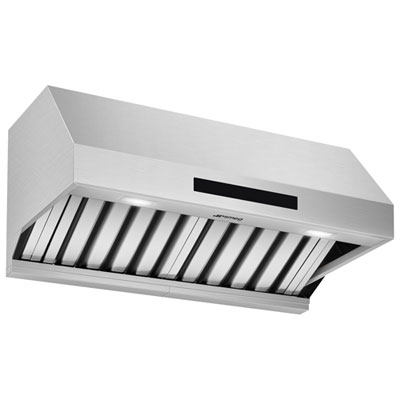
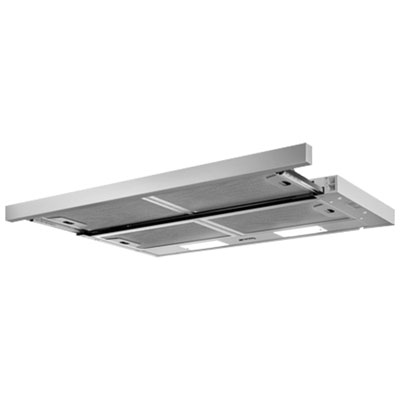
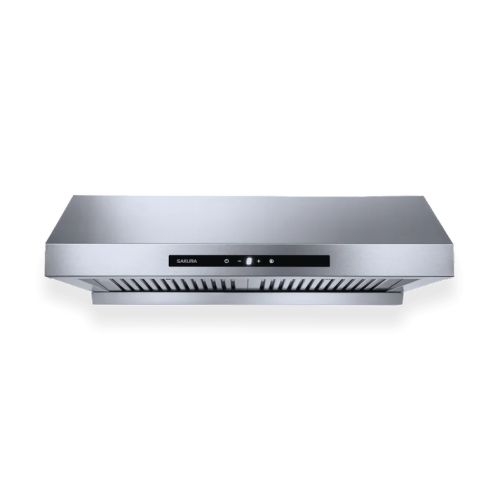
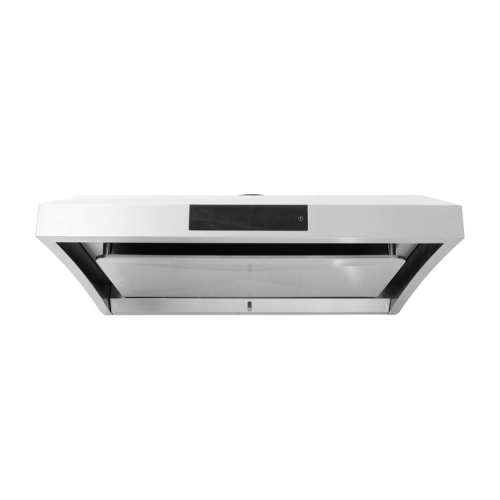
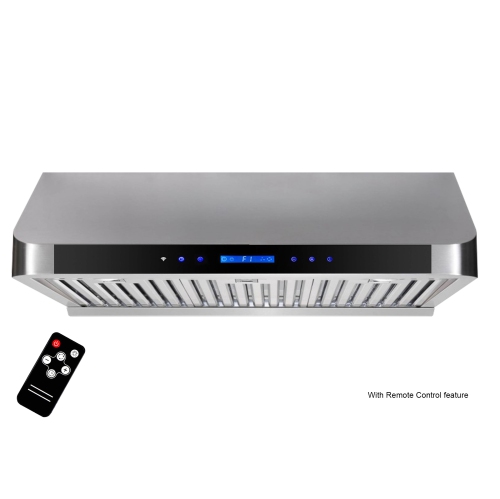
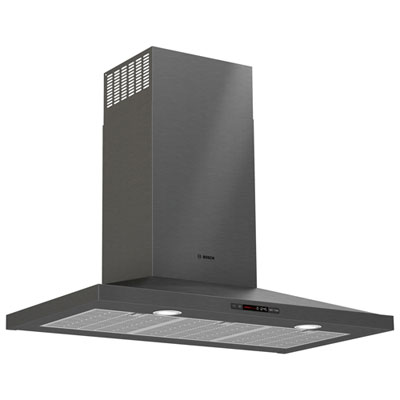
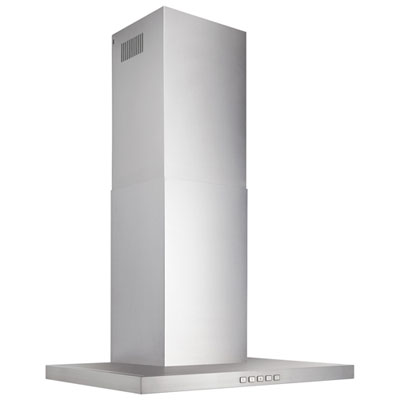
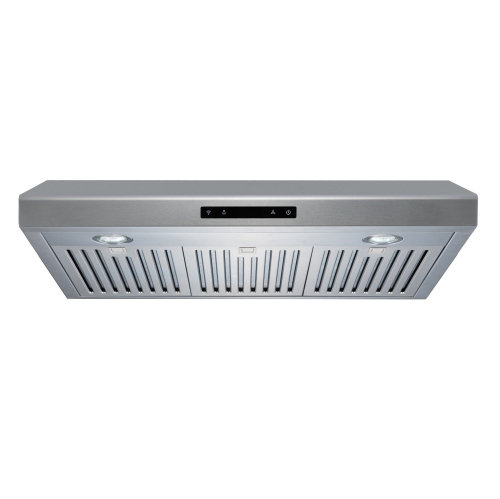
Kitchen Cabinet Stove Hoods

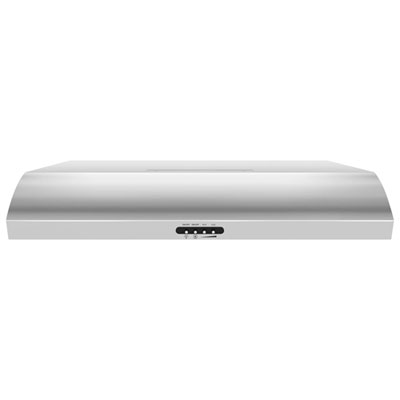
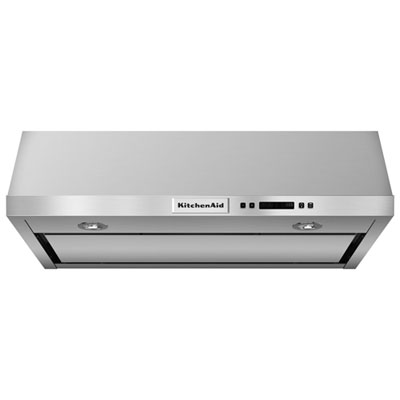
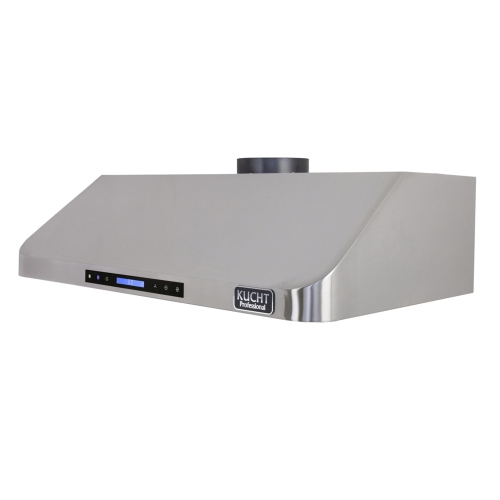
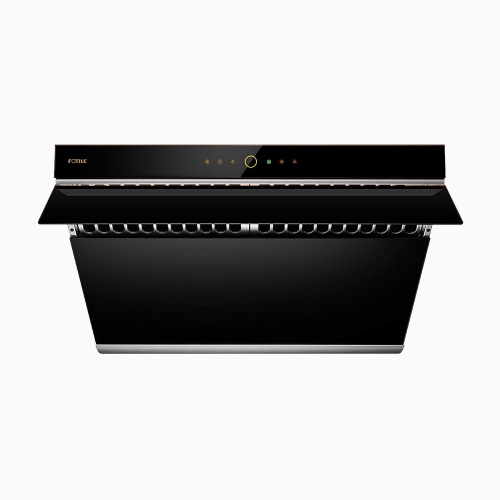
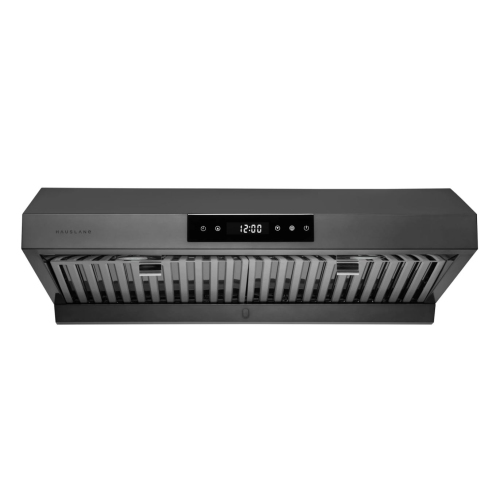
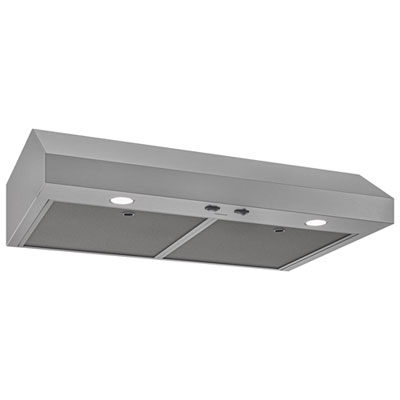
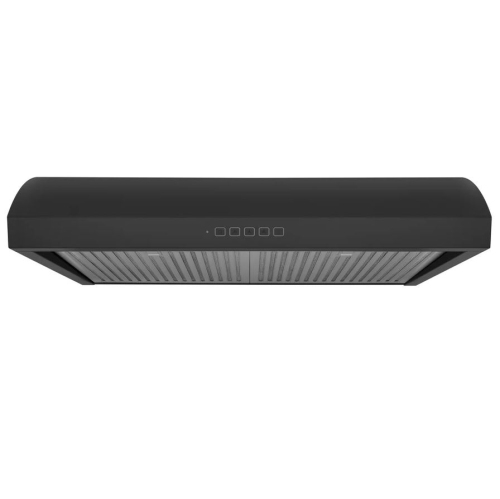
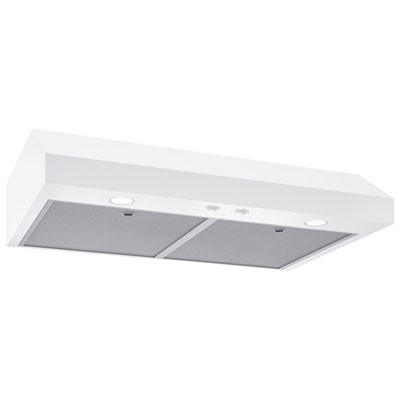
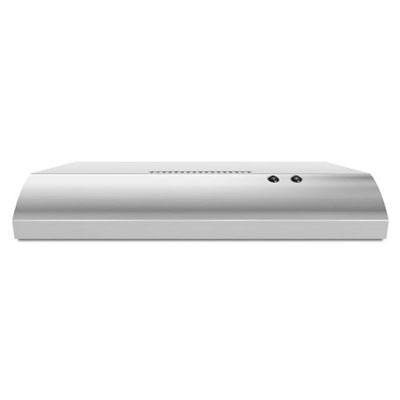
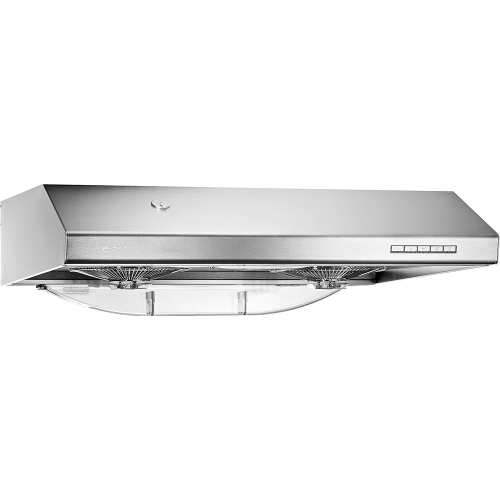
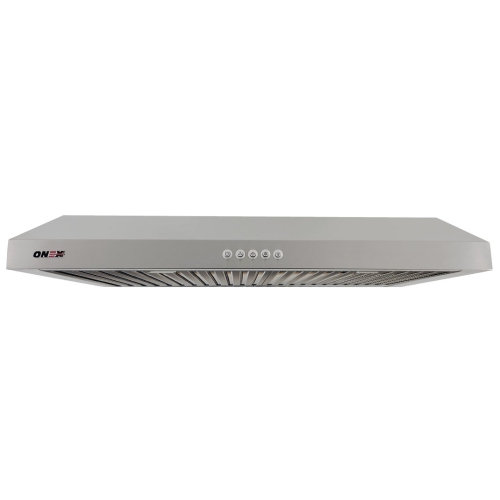
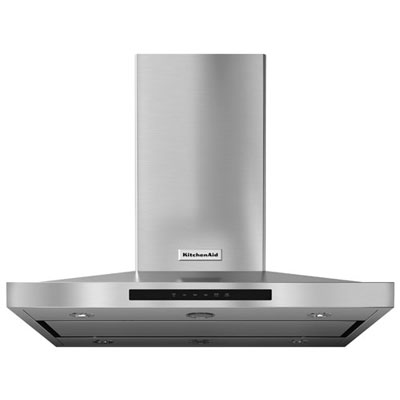
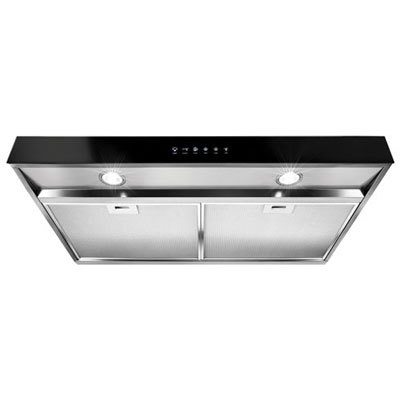
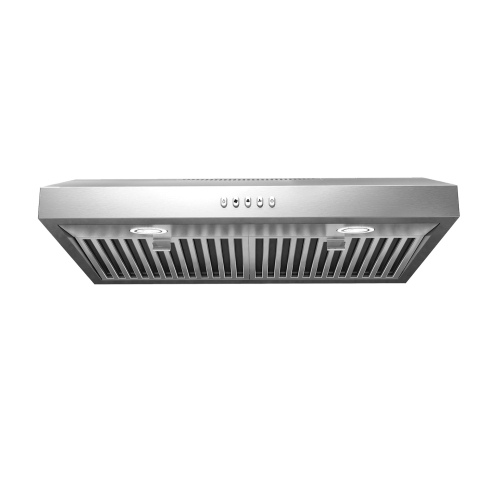
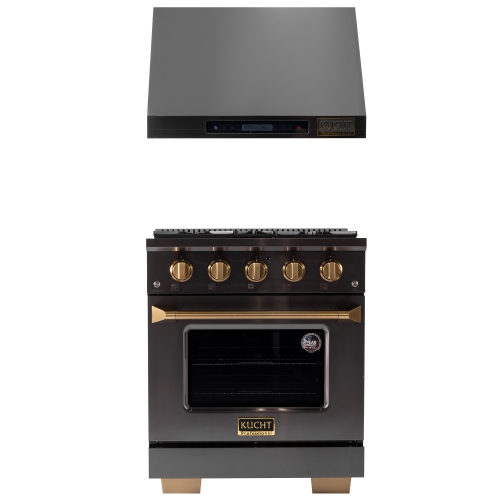
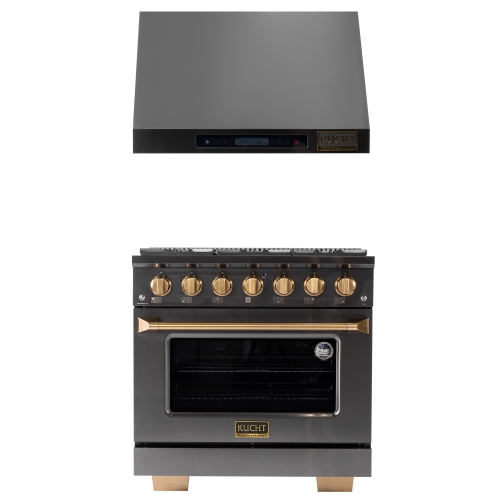
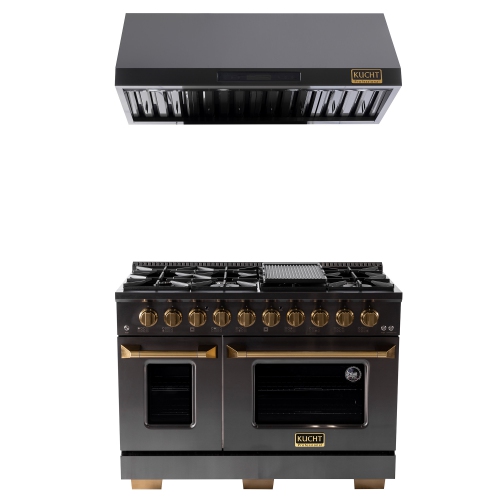
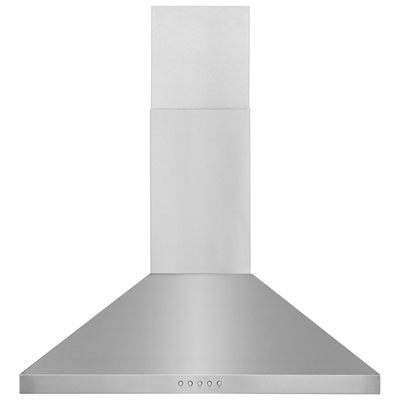
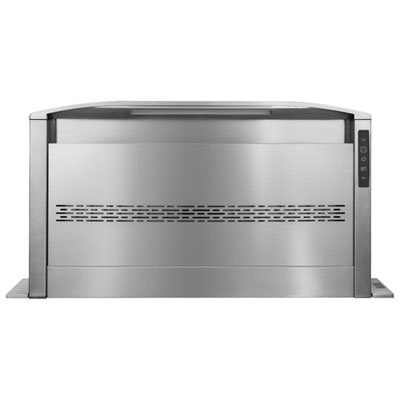
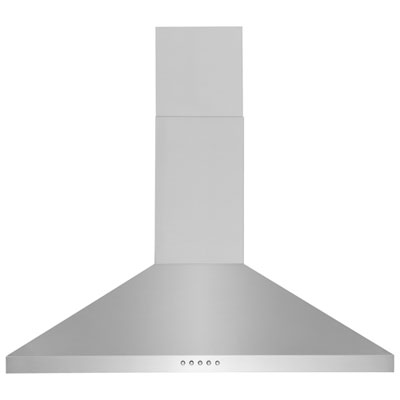
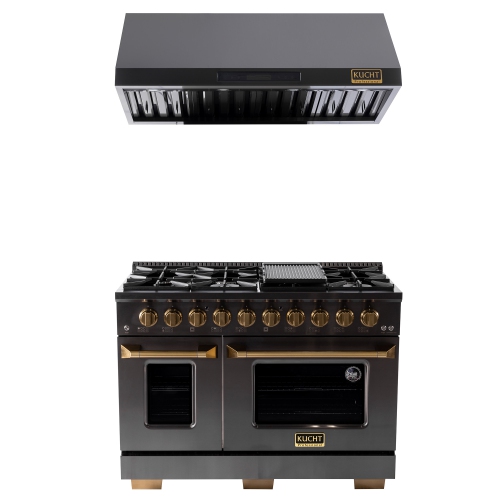
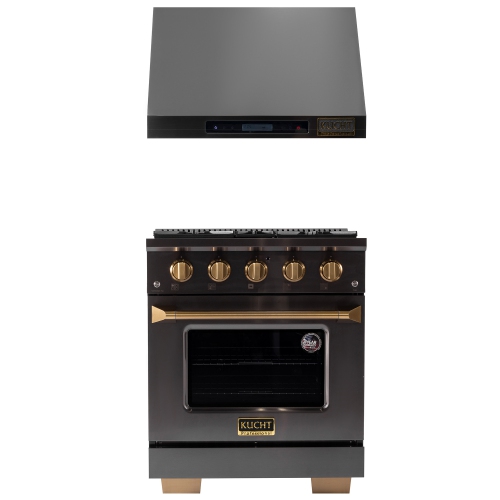
Shop kitchen cabinet stove hoods designed to fit beneath overhead cabinetry and help reduce cooking smoke and odours. Compare under-cabinet range hoods by width, clearance requirements, and ducting needs to find an option that suits your cooktop and kitchen layout.
Sort

Cooking ventilation that works with your kitchen cabinetry

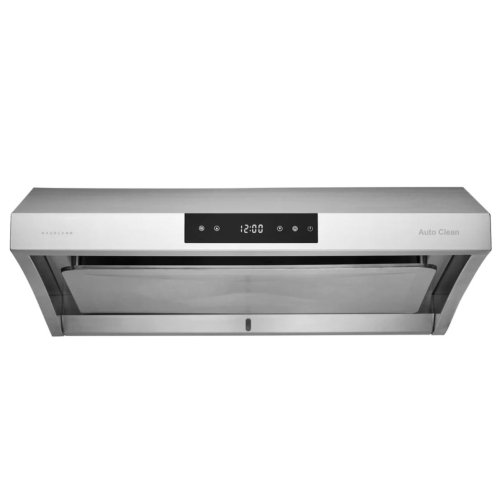
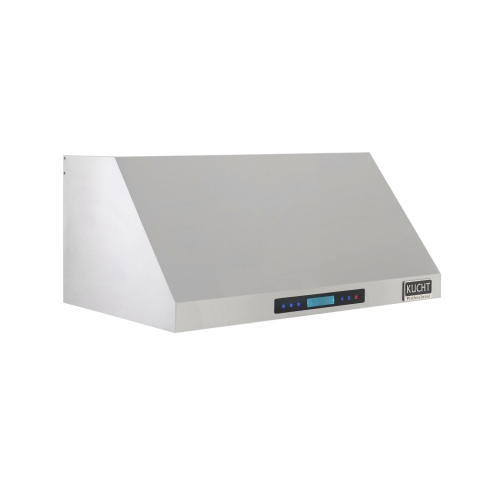
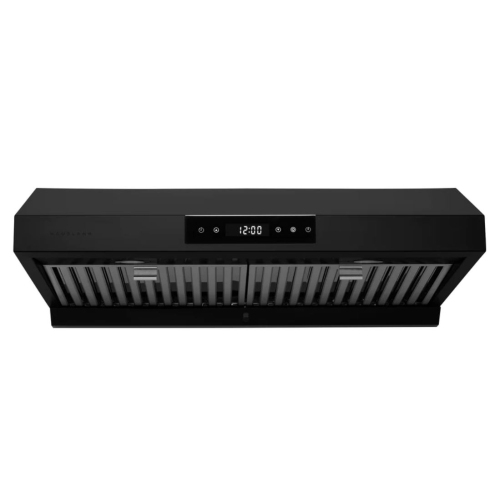
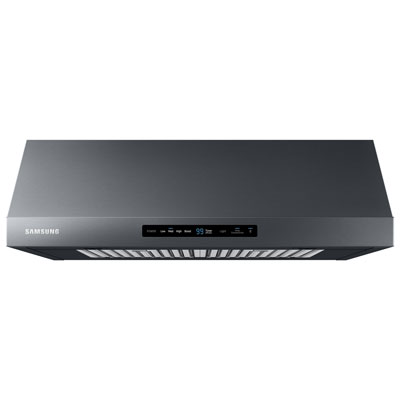
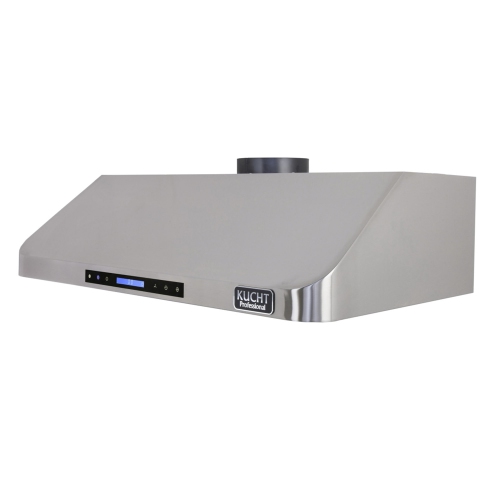
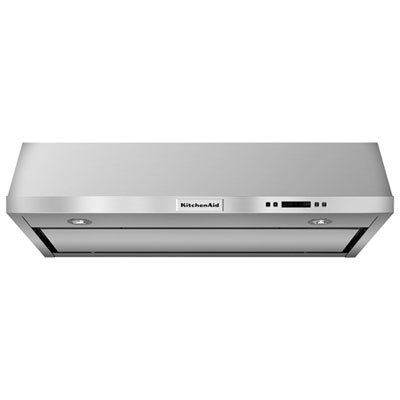
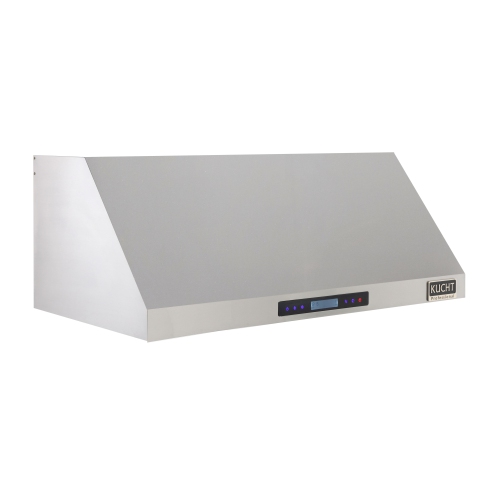
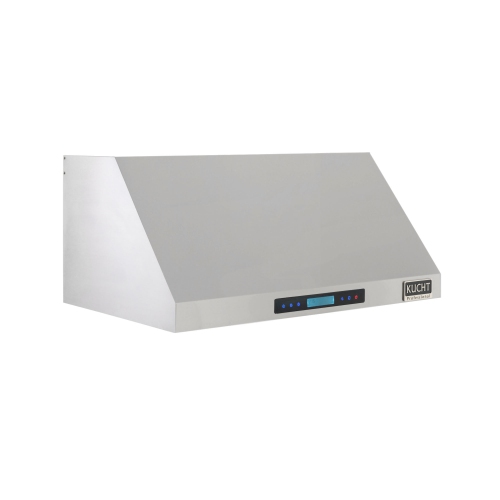
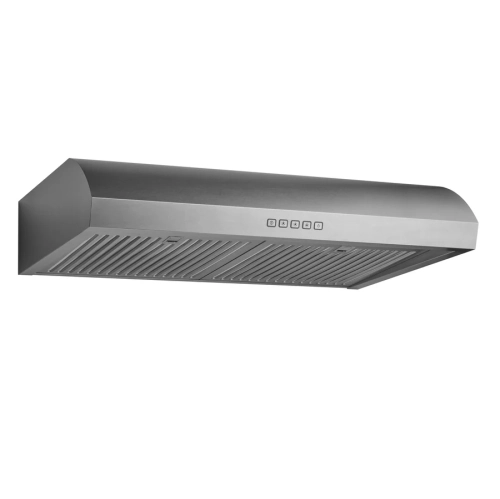
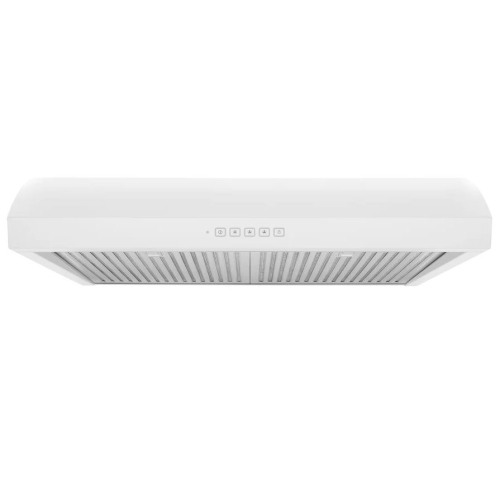
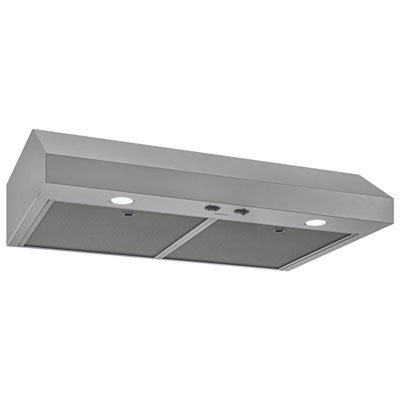
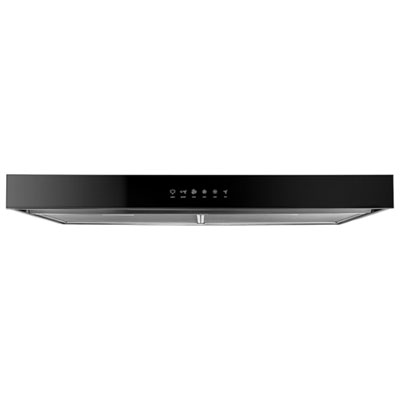
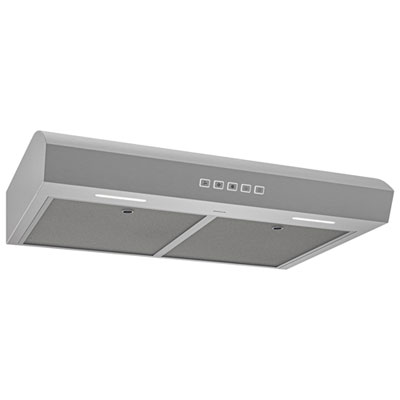
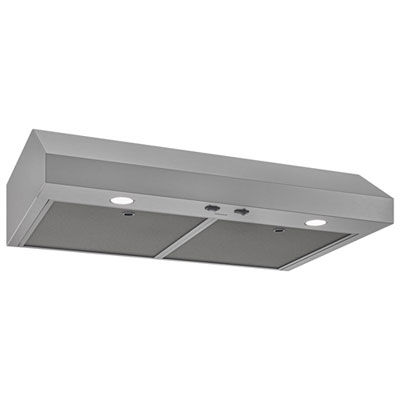
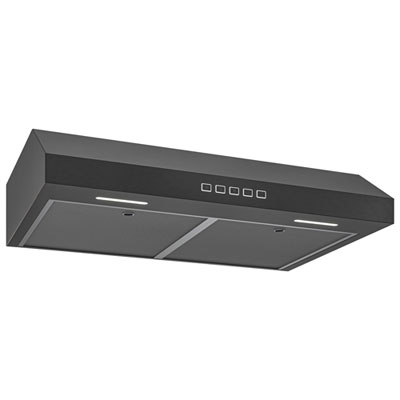
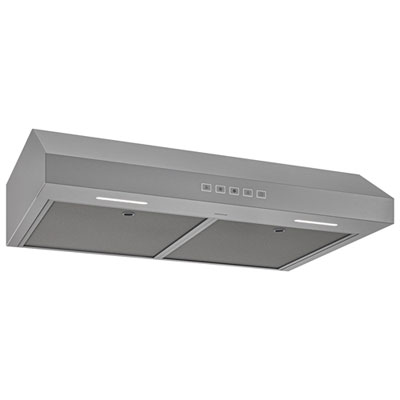
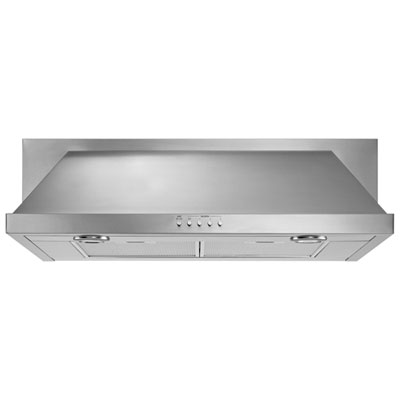
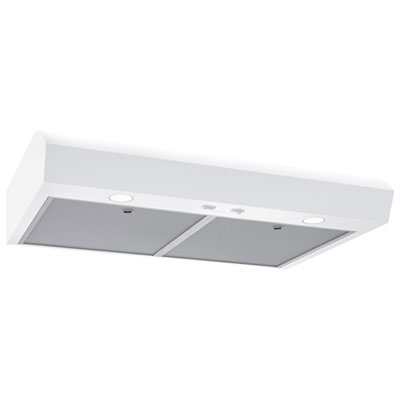
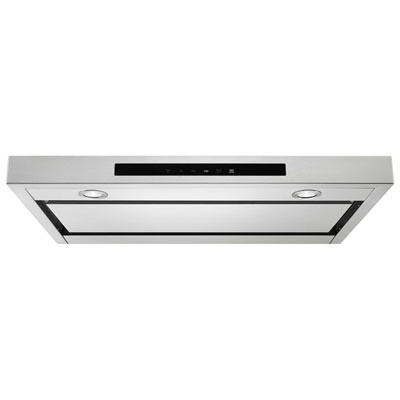
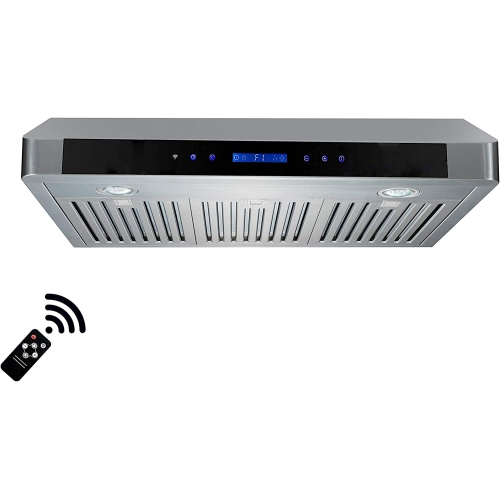
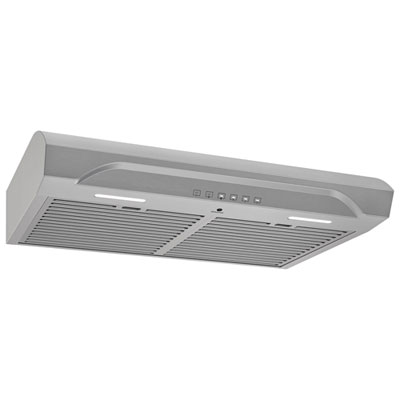
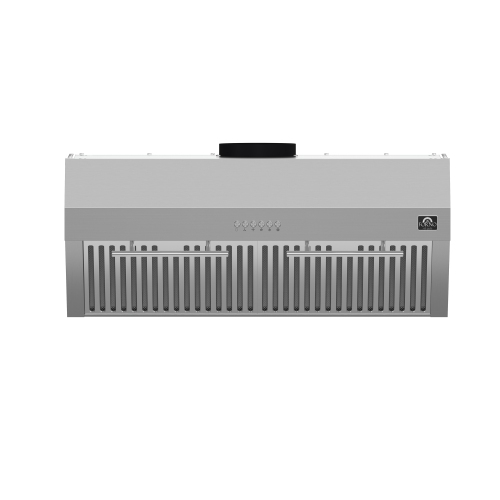
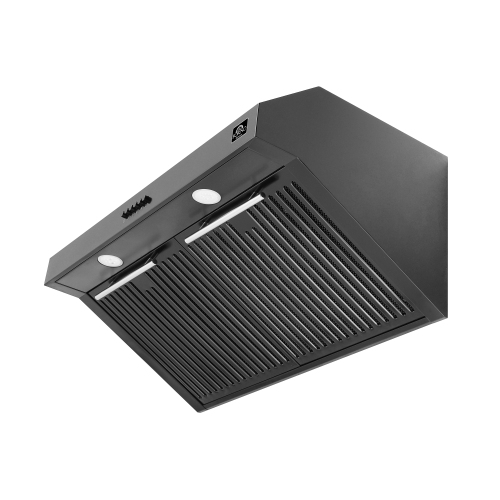
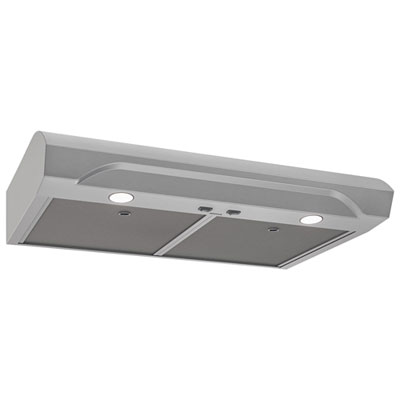
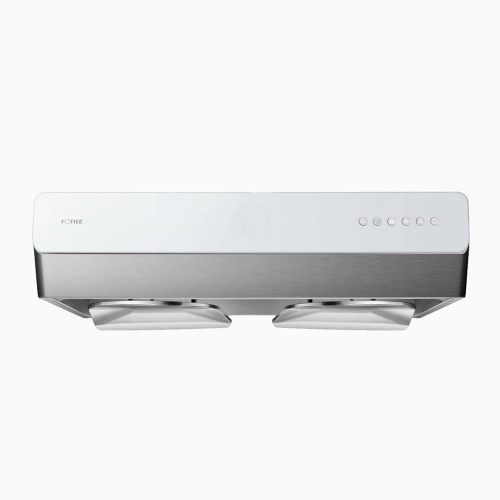
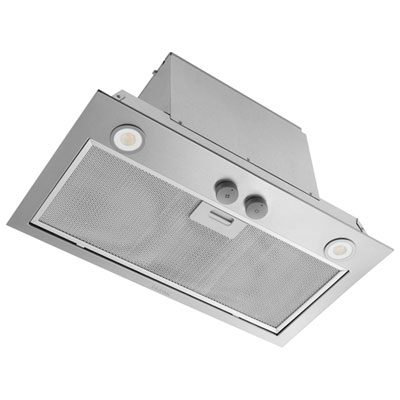
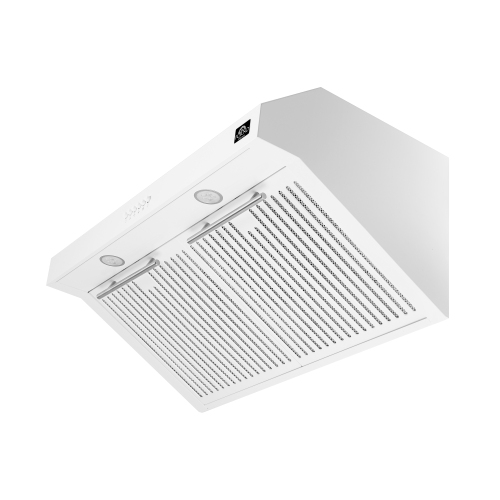
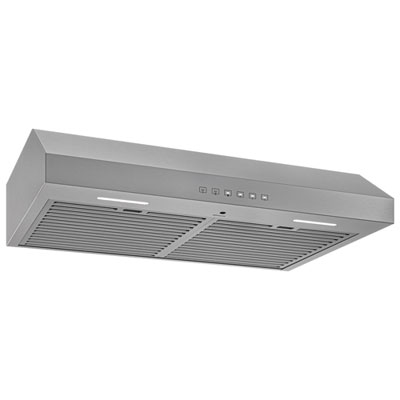
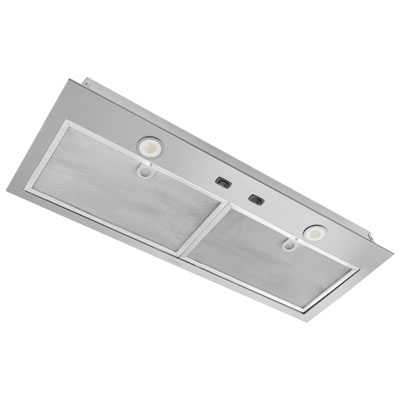
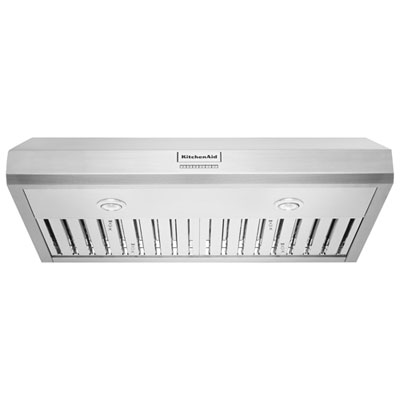
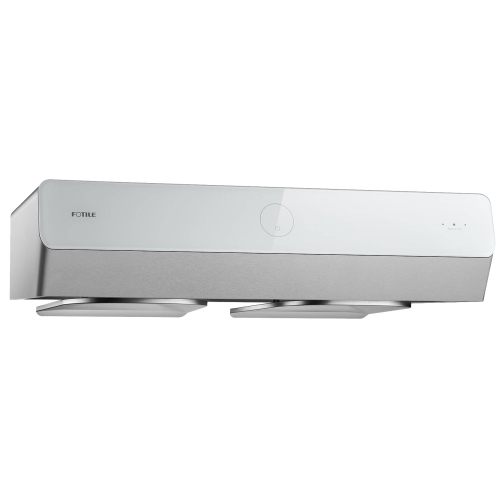
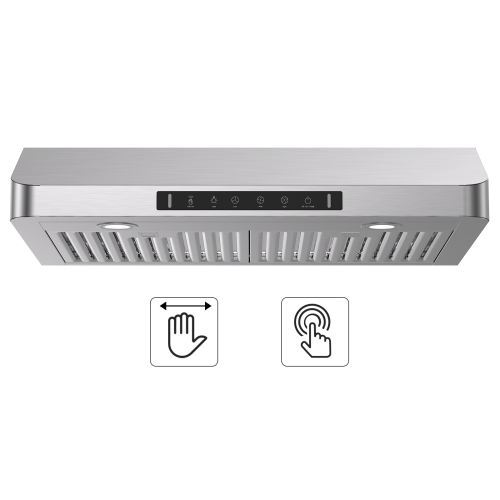
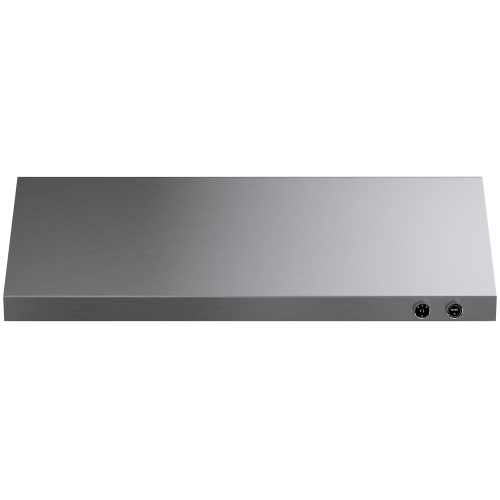
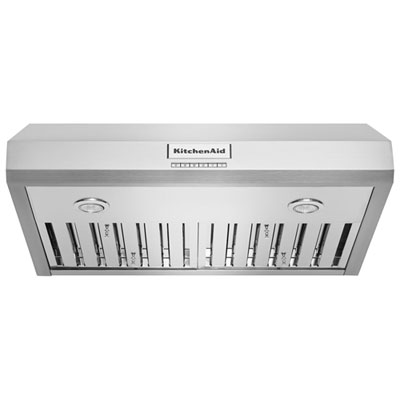
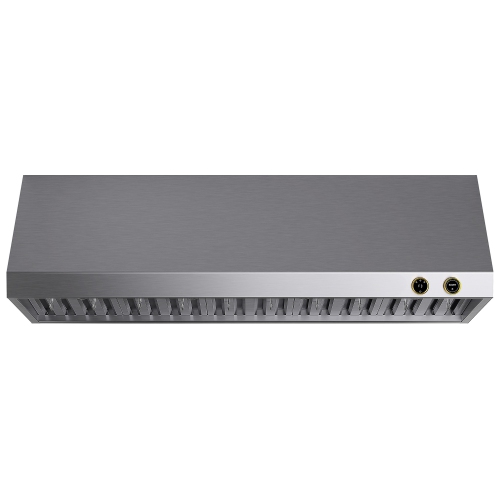
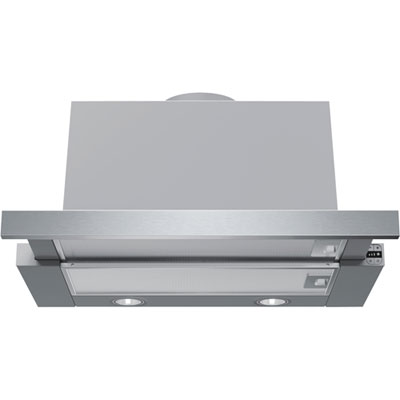
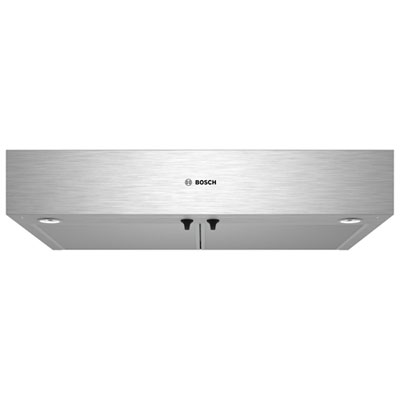
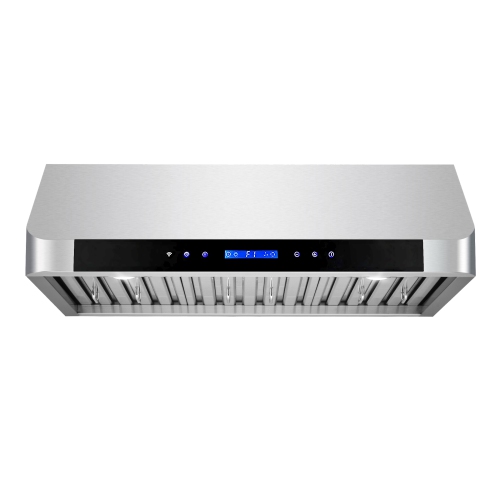
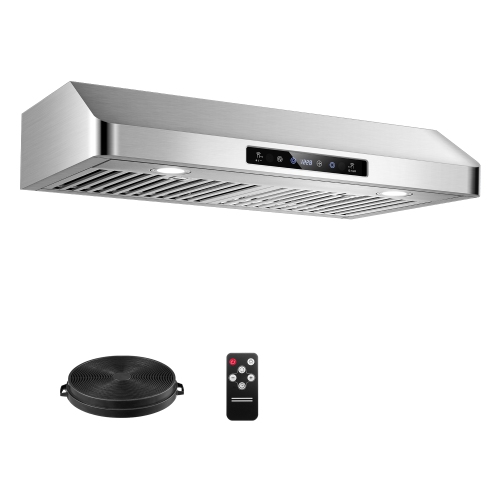
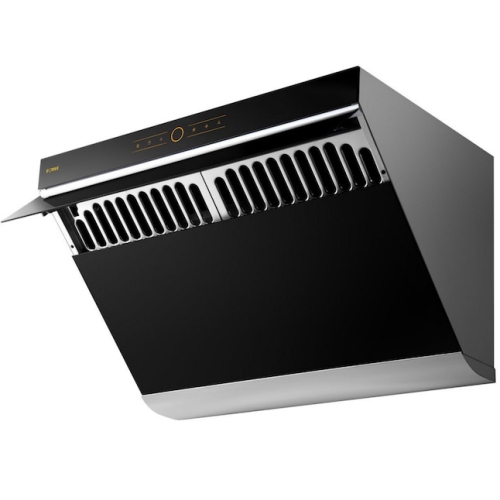
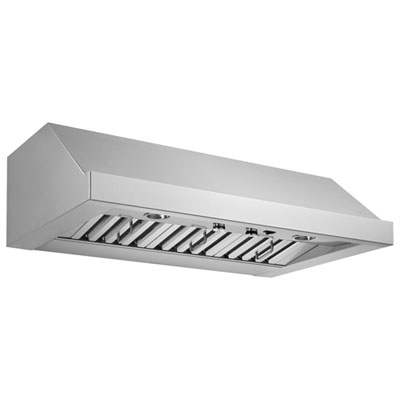
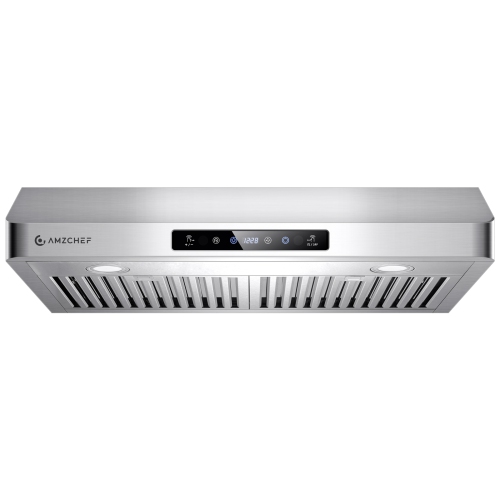
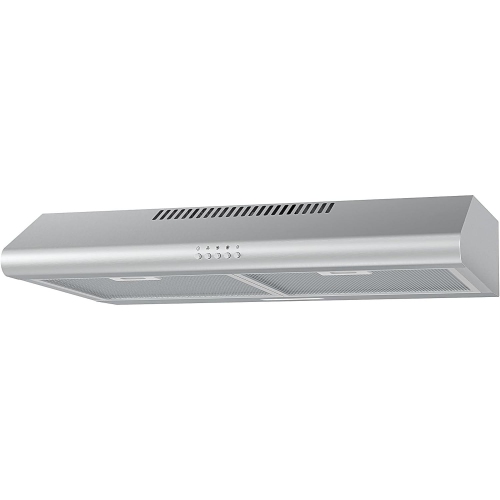
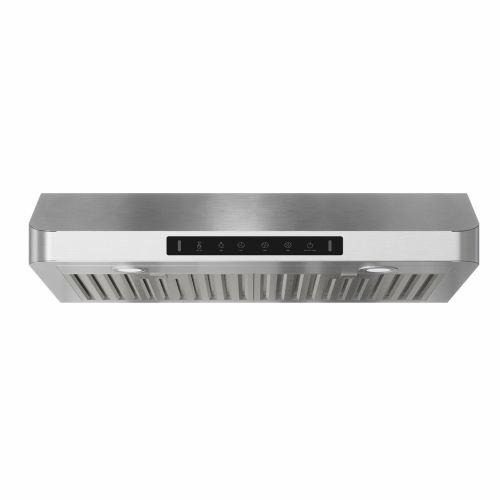
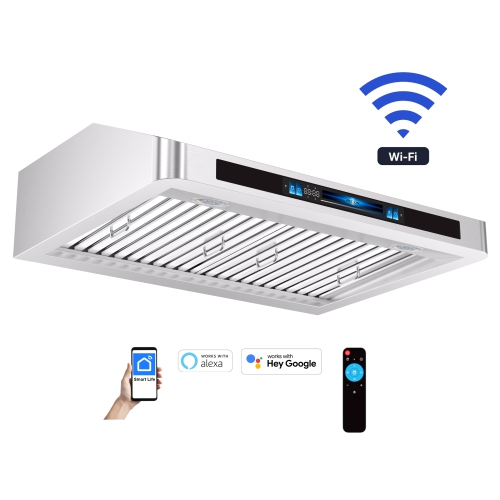
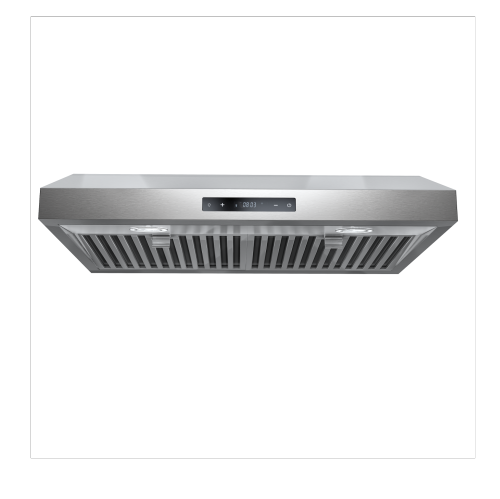
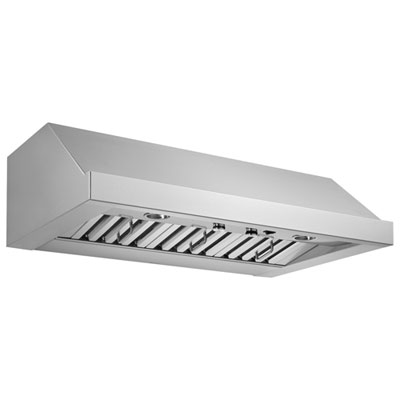
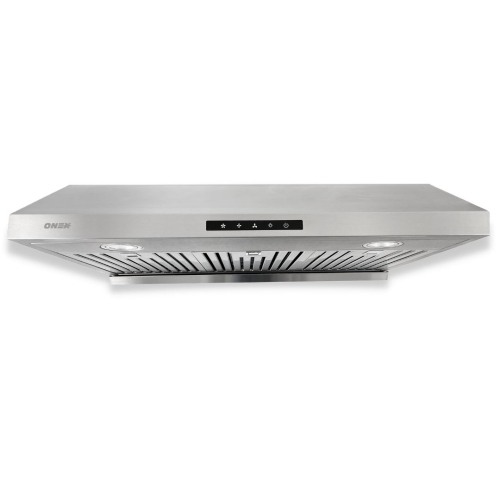
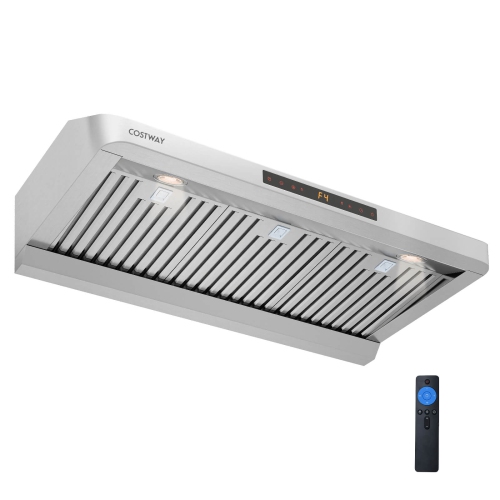
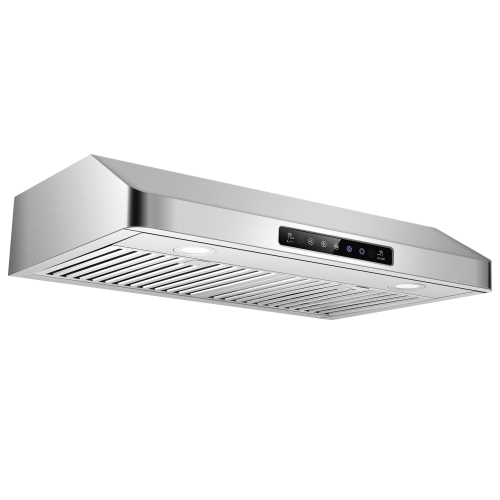
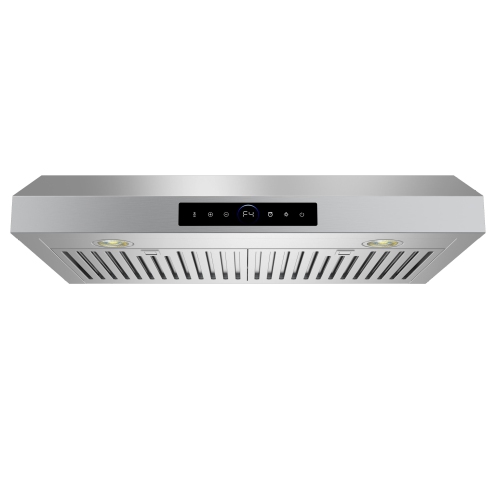
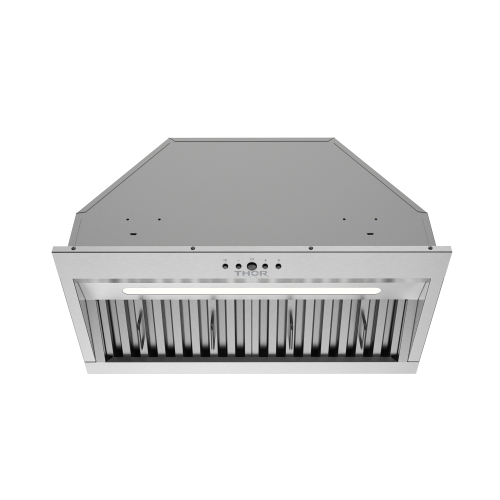
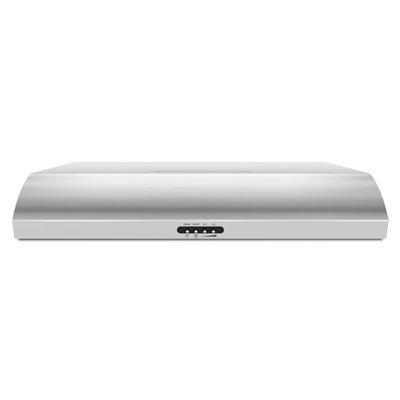
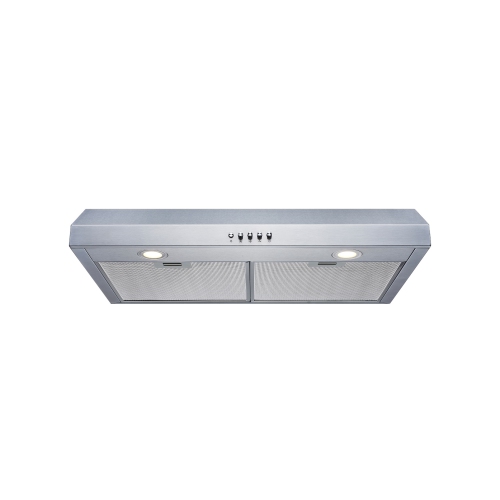
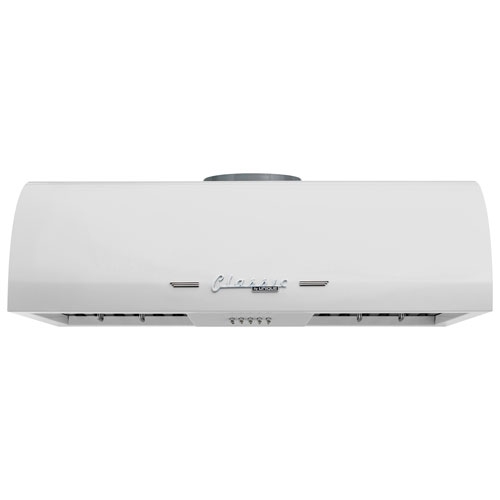
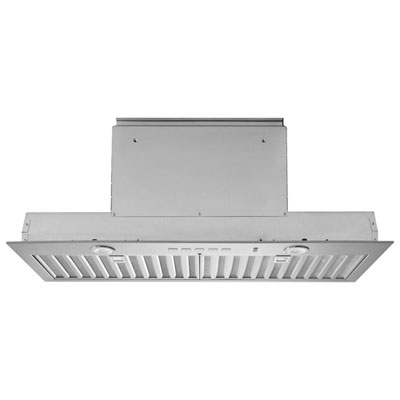
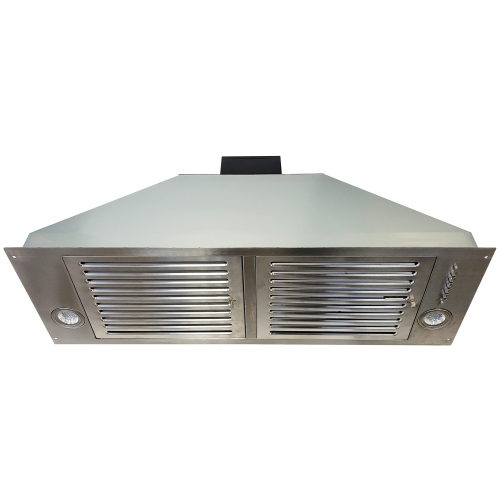
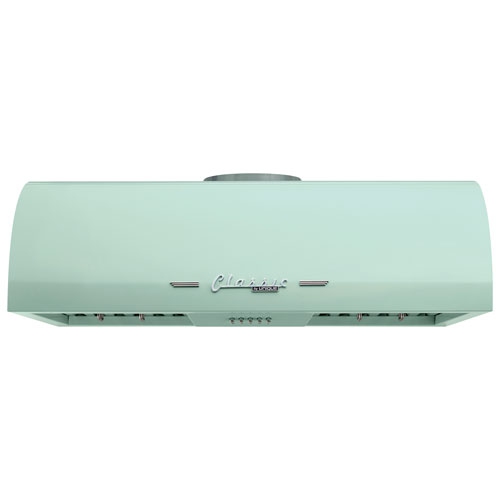
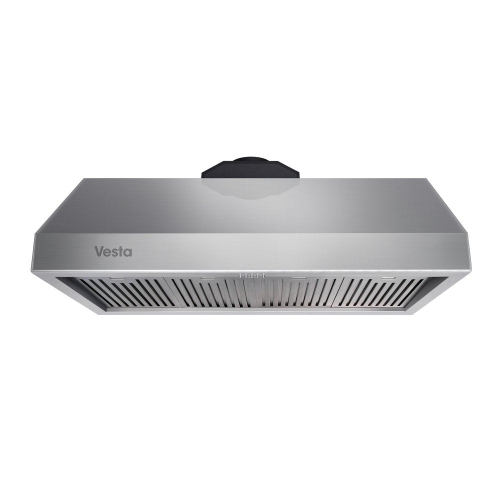
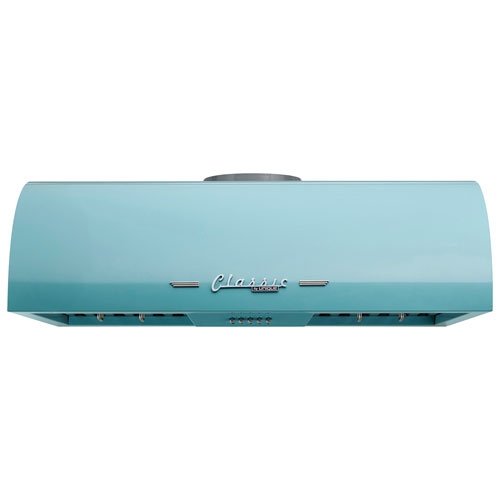
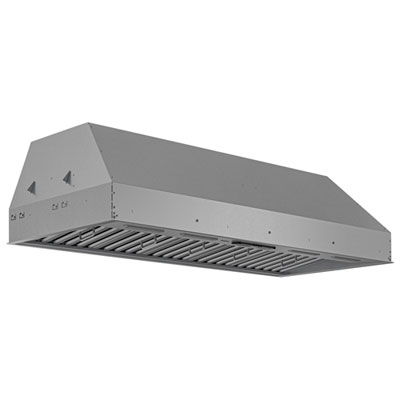
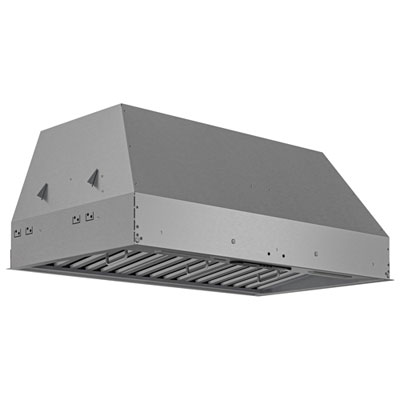
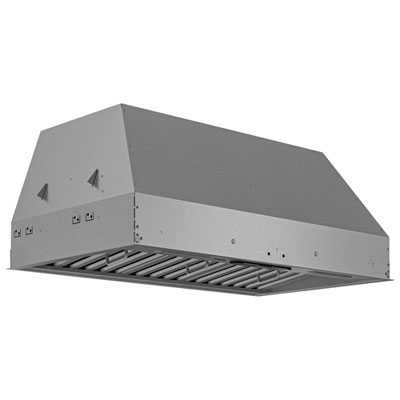
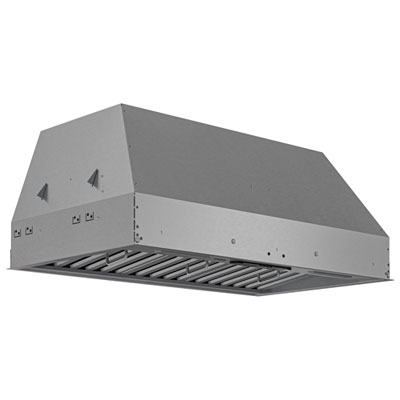
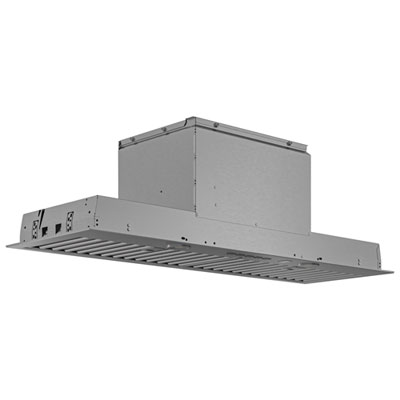
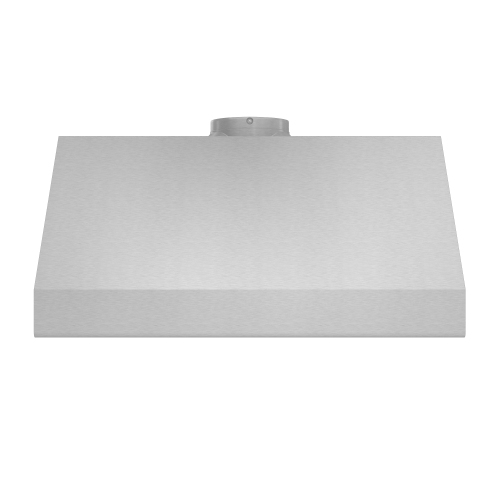
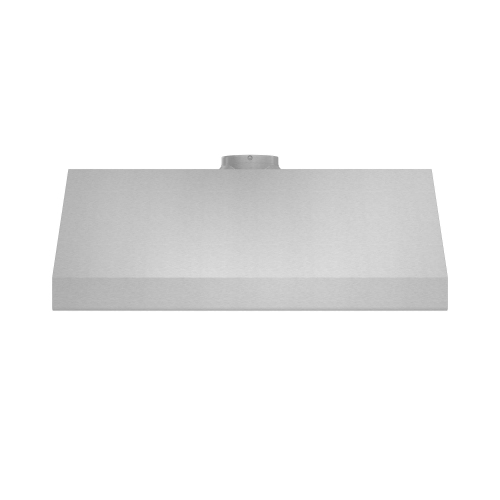
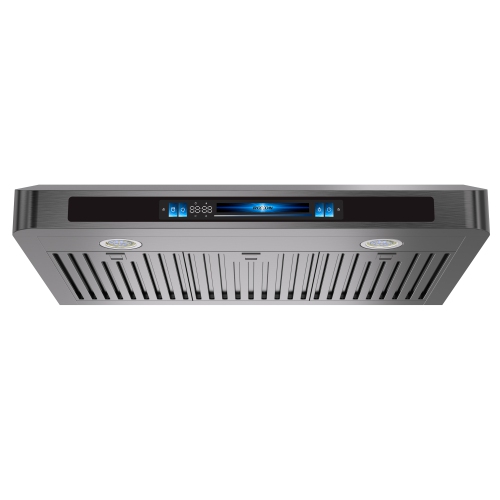
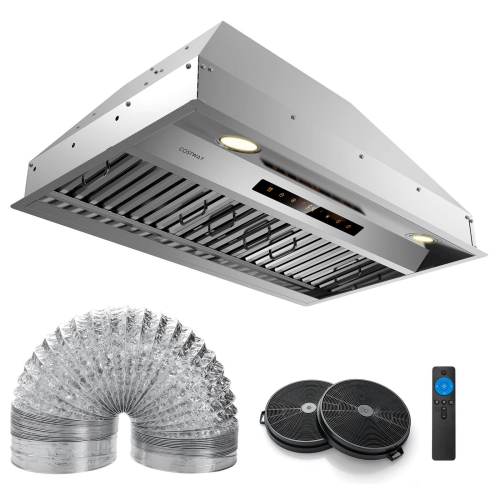
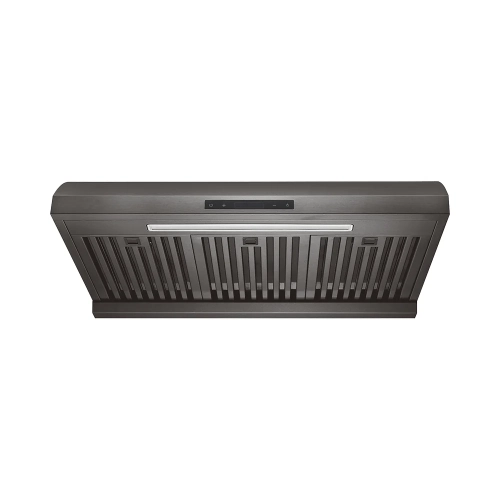
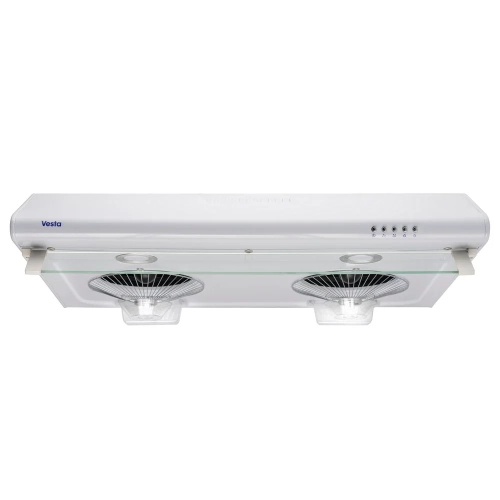
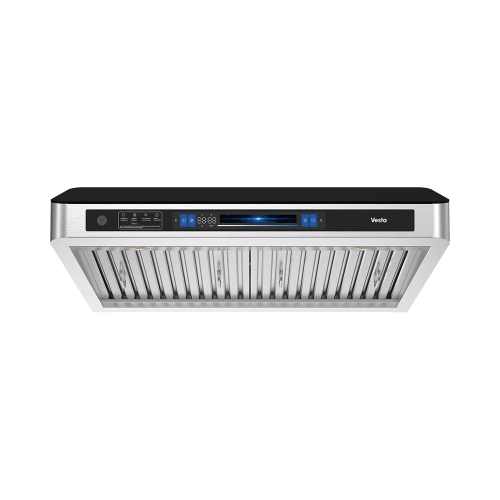
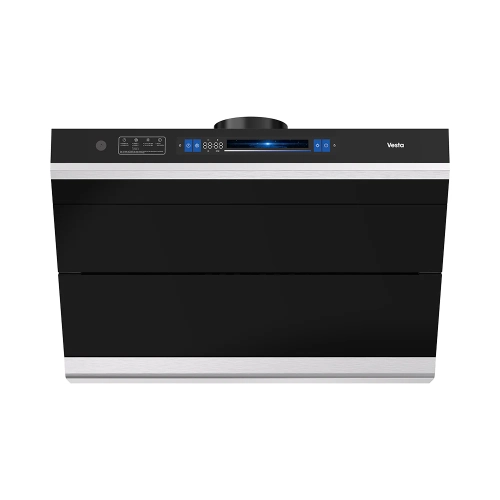
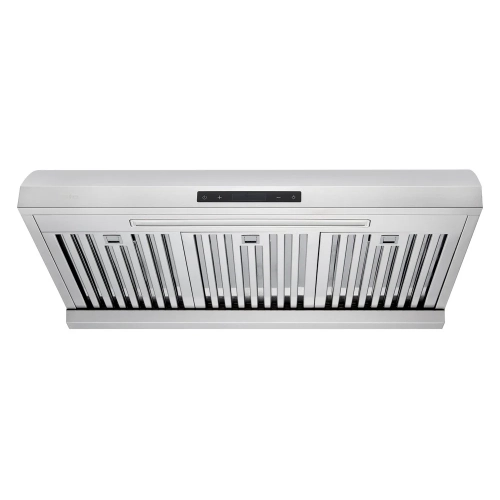
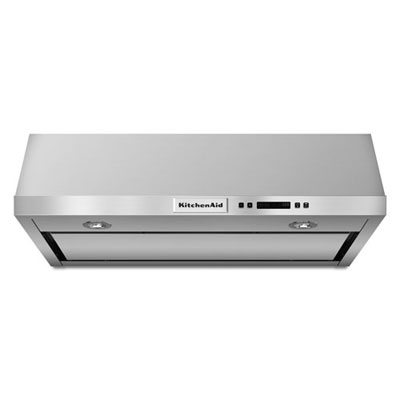
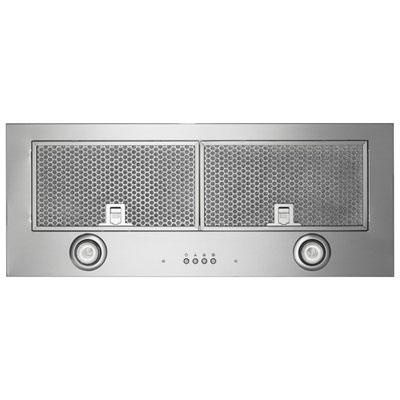
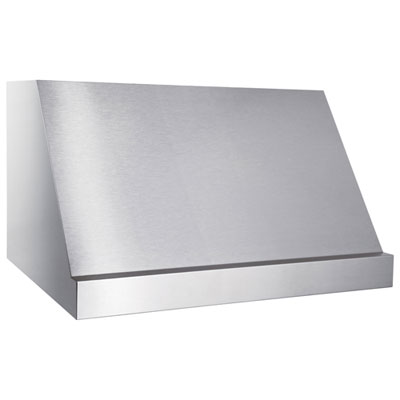
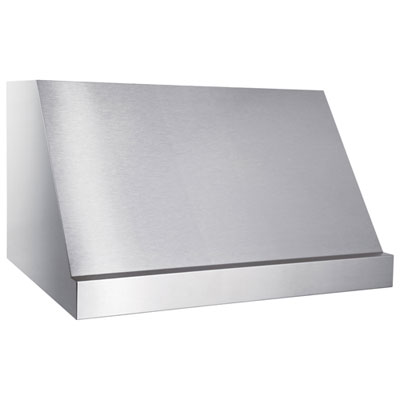
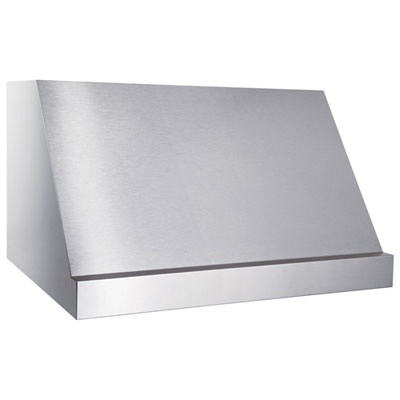
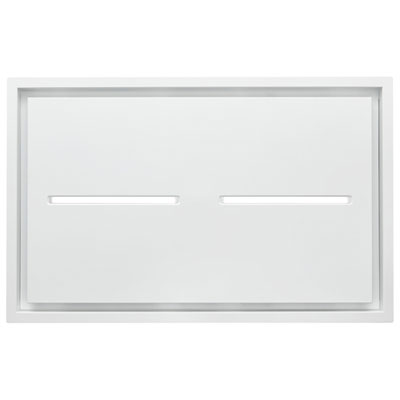
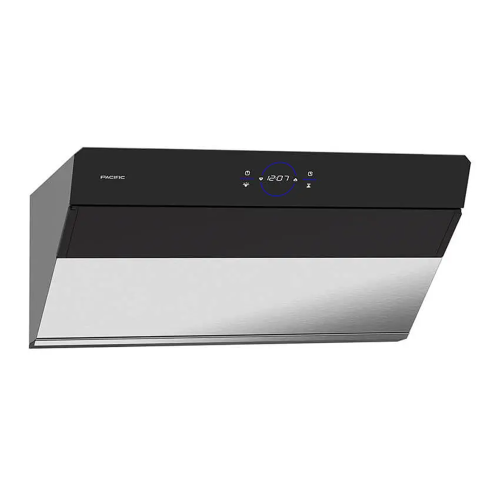
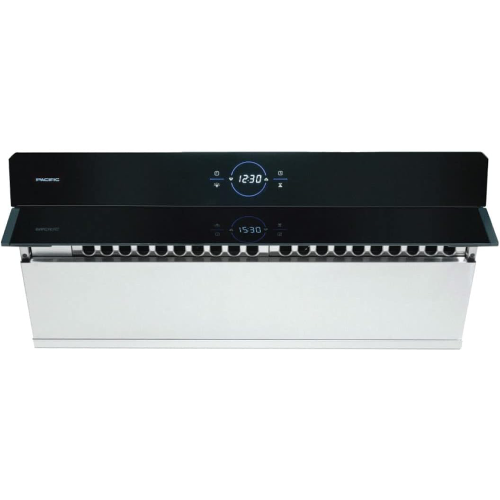
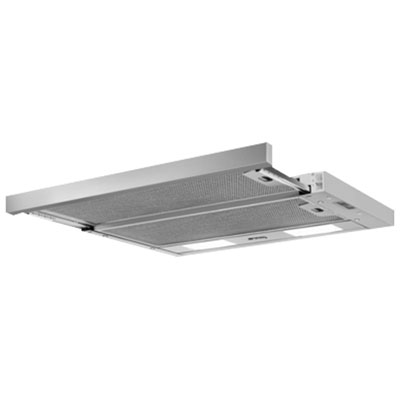
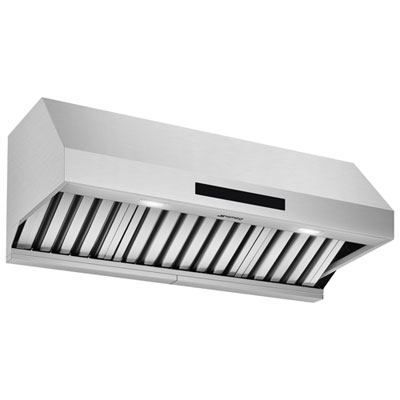
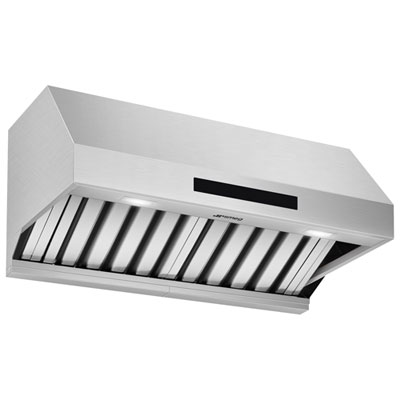
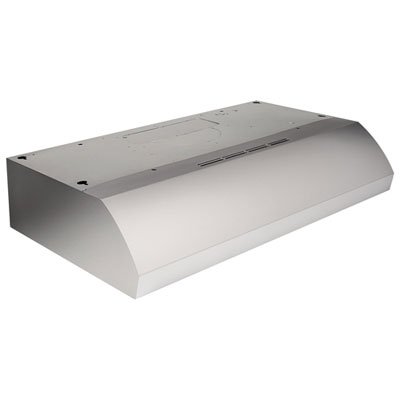
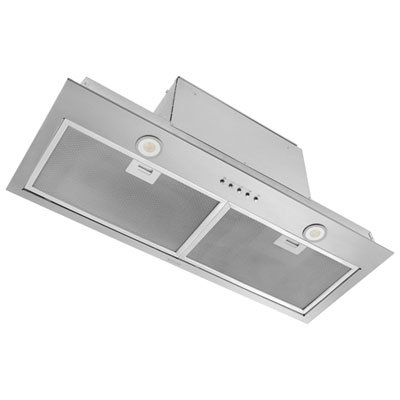
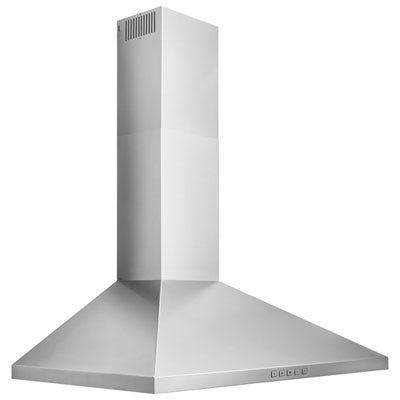
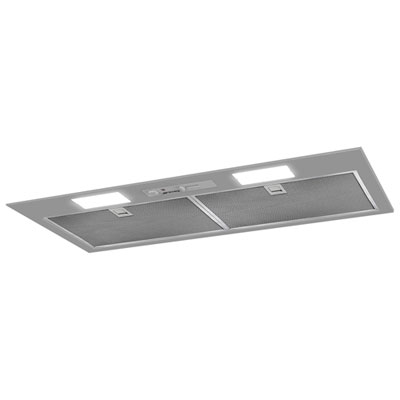
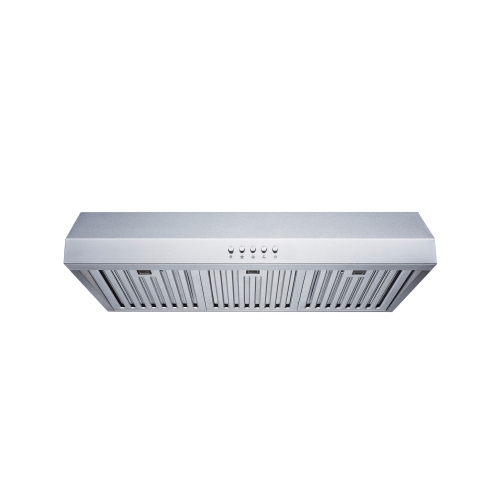
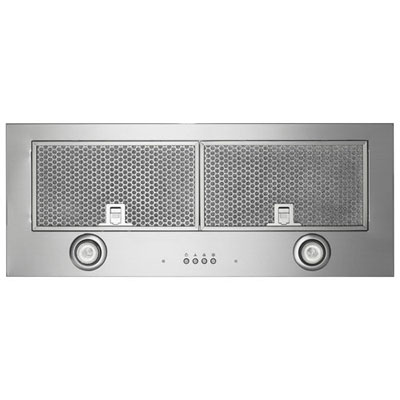
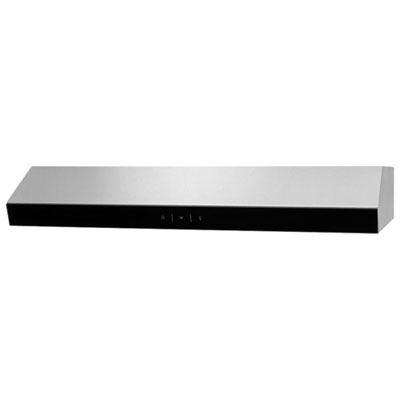
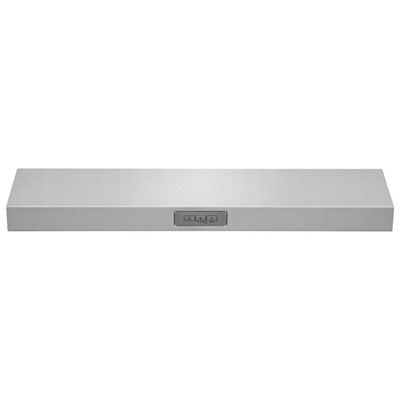
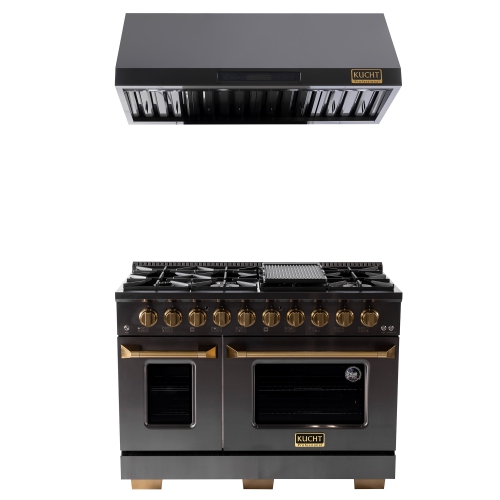
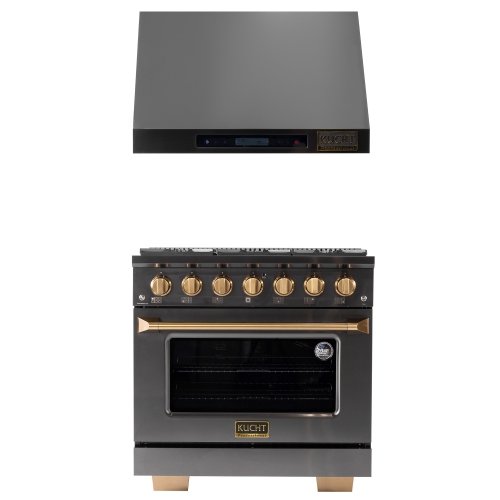
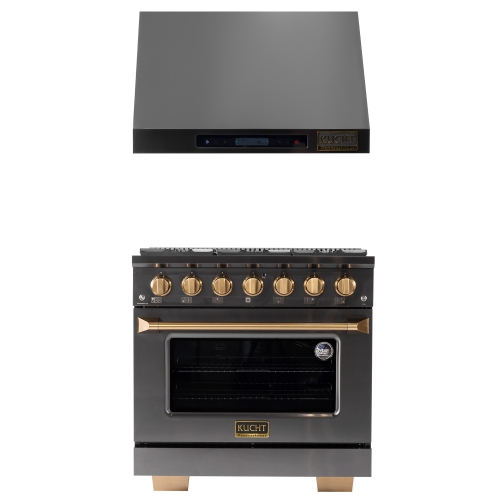
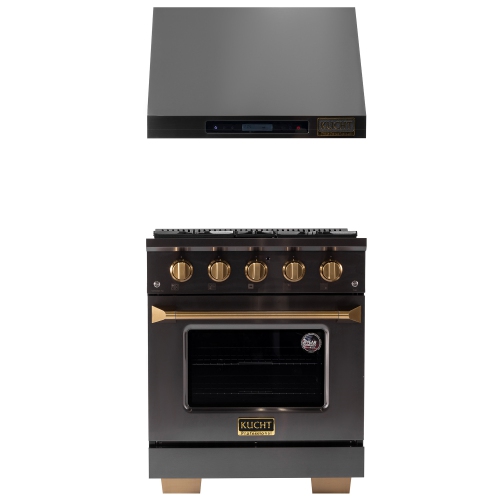
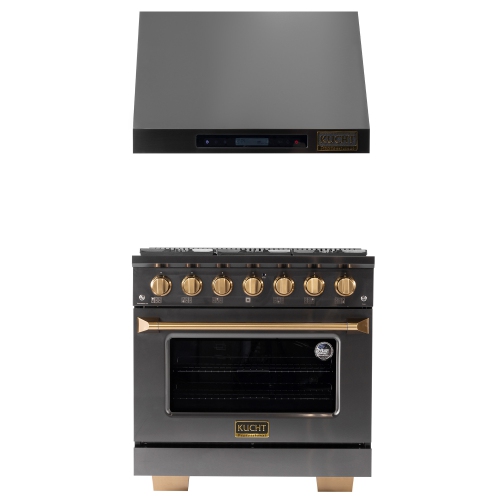
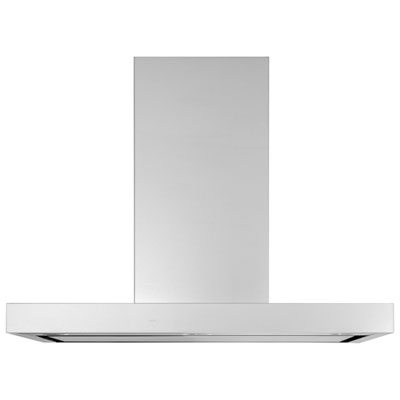
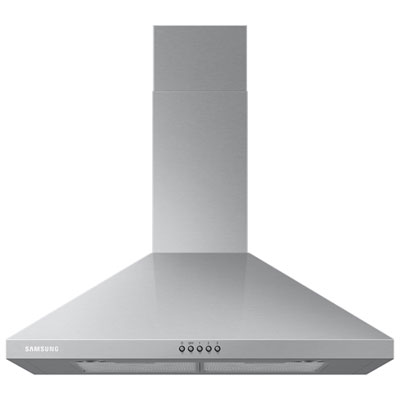
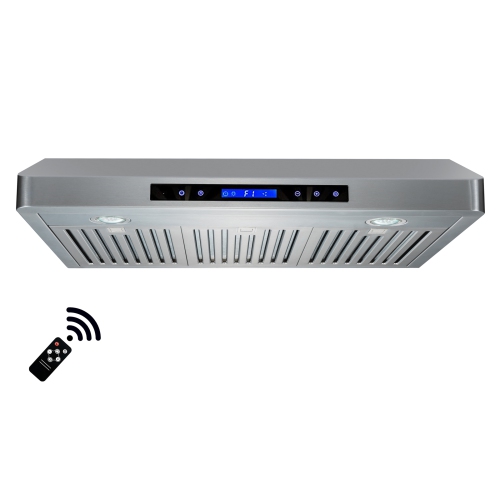
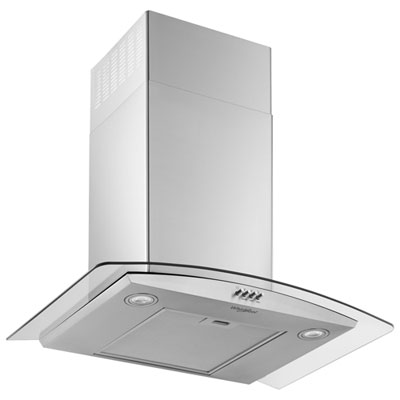
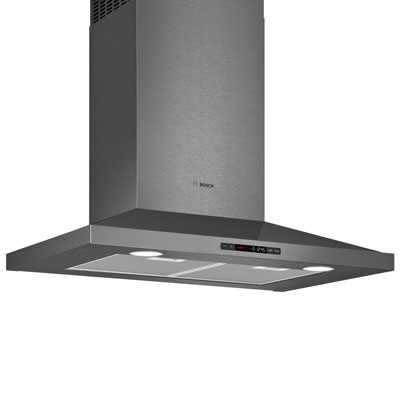
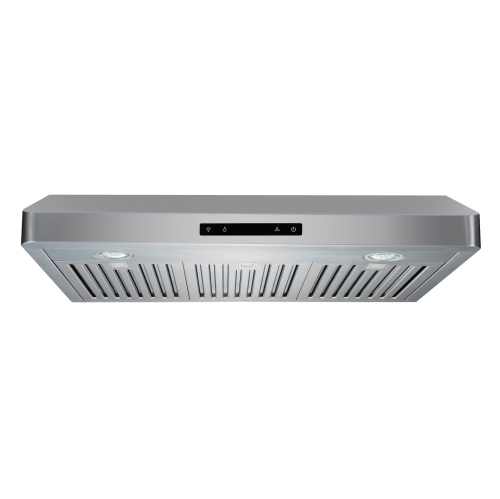
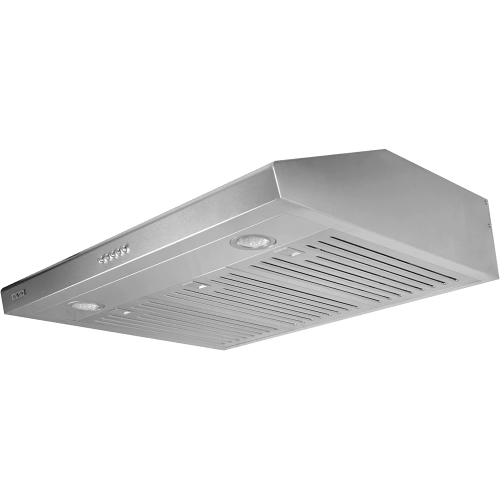
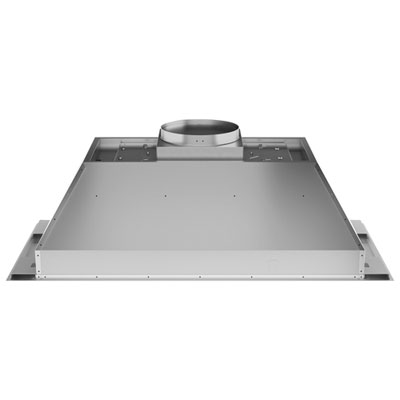
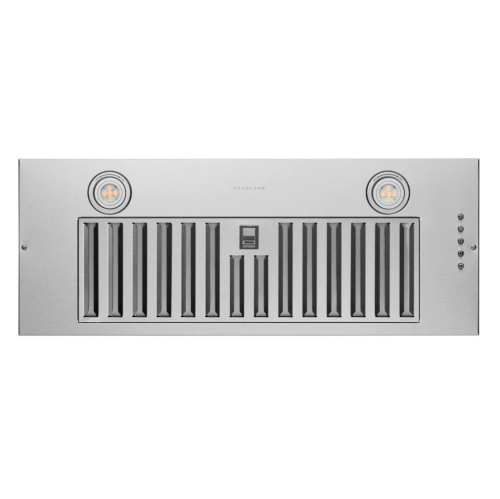
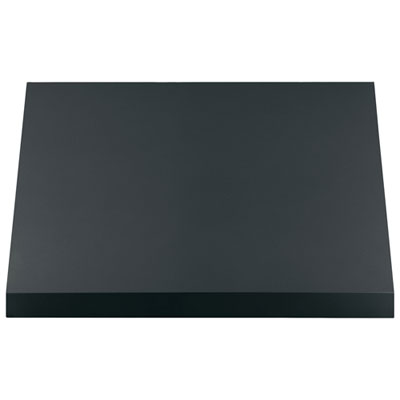
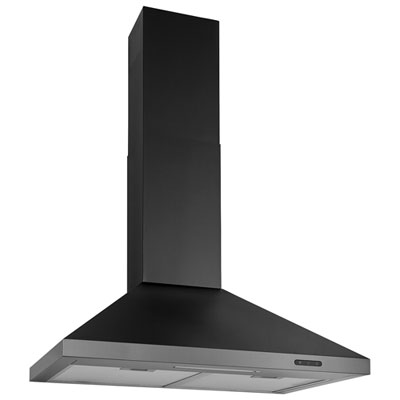
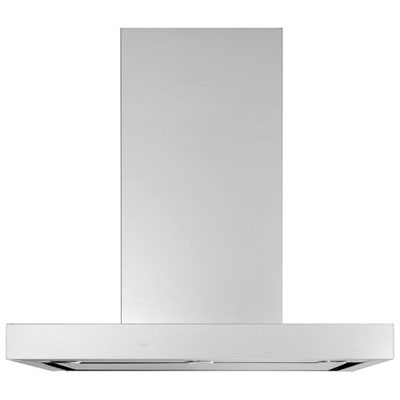
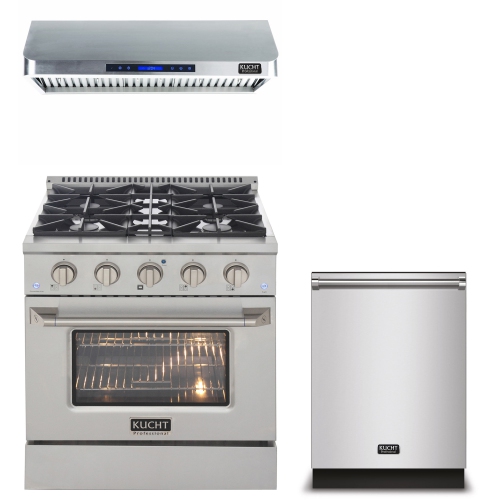
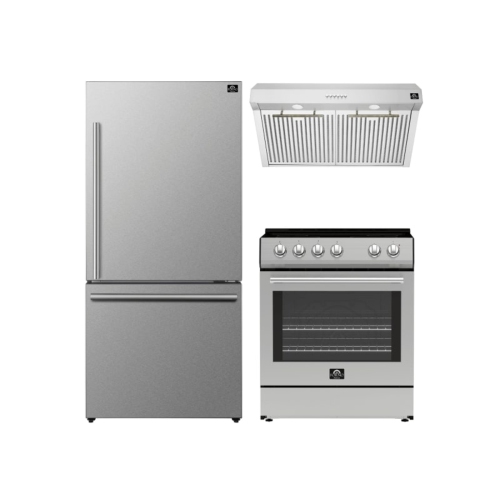
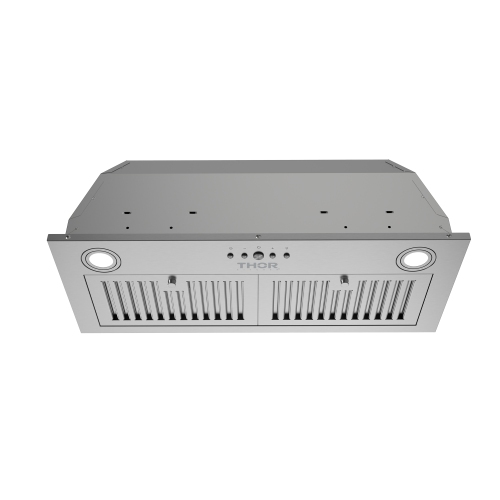
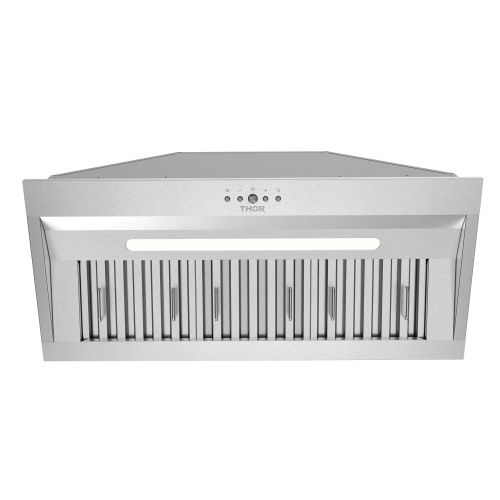
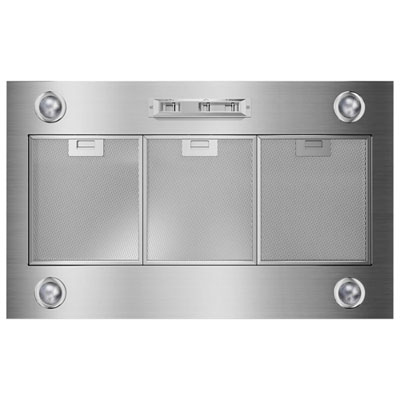
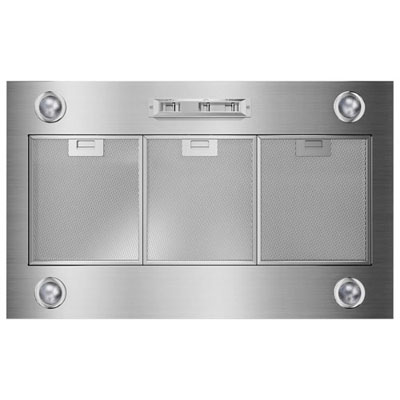
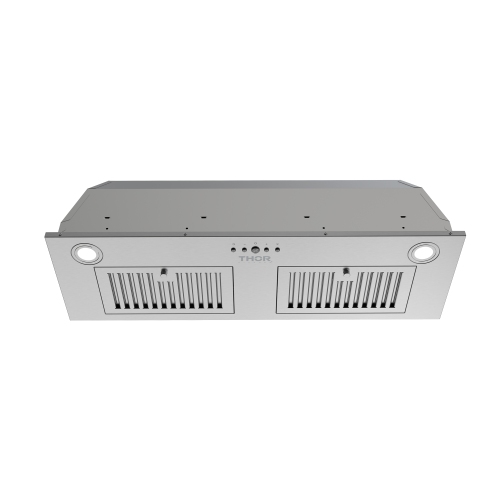
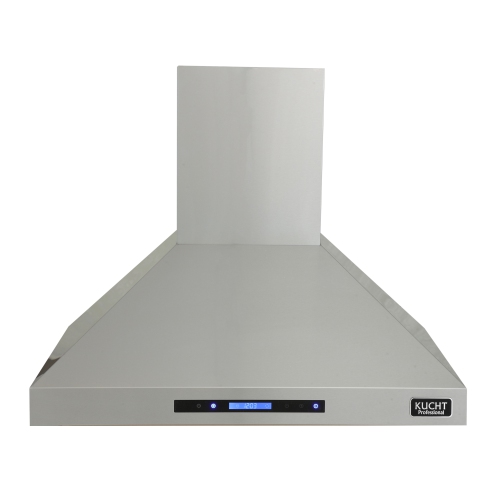
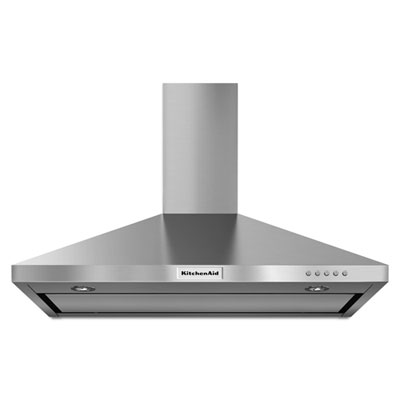
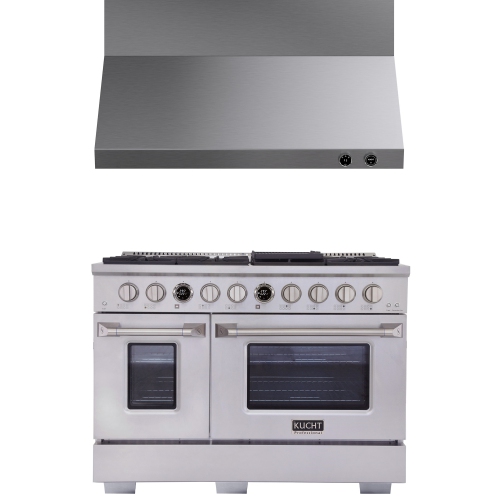
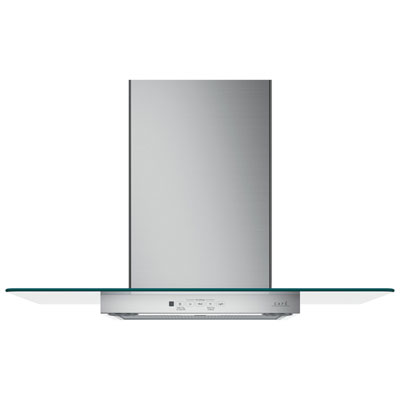
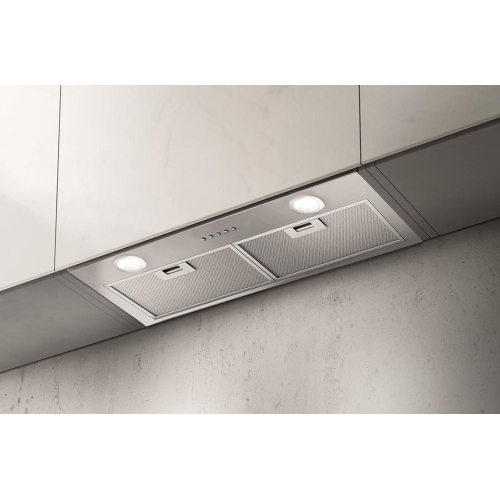
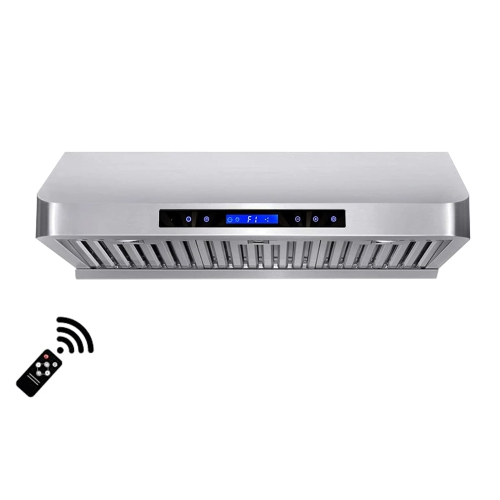
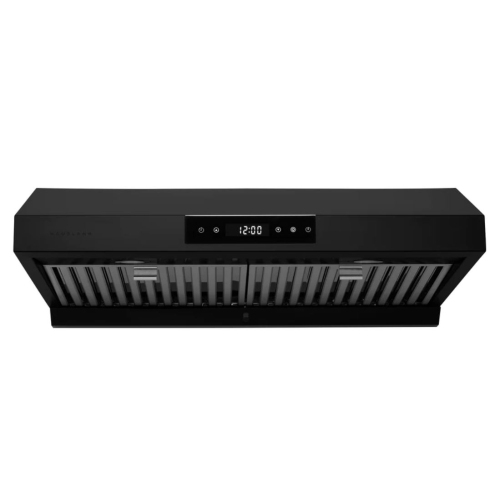
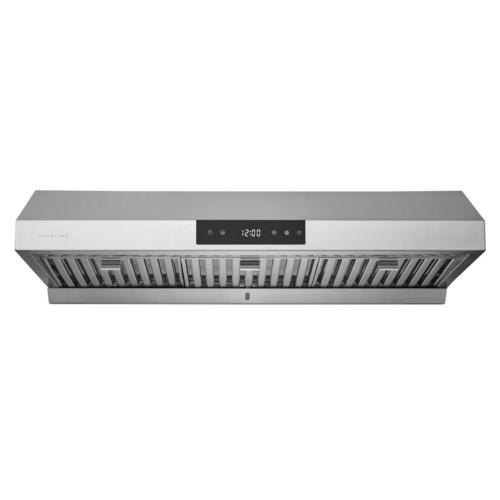
Kitchen cabinet stove hoods are ventilation appliances installed beneath a wall cabinet or fitted inside a cabinet enclosure above a stove or cooktop. Also called under-cabinet range hoods or cabinet inserts, they help capture airborne grease, smoke and cooking odours near the cooking surface. Their position makes them a practical choice for kitchens where upper cabinets occupy the wall above the range, keeping ventilation close to the pans without requiring a freestanding chimney-style hood. An under-cabinet hood typically has a visible housing beneath the cabinetry, while an insert sits within a purpose-built cabinet or surround, leaving mainly the lower intake surface and controls exposed. Both styles can suit everyday meal preparation, from simmering soup to browning onions or searing a steak, provided their ventilation capabilities match the cooking setup. Ducted hoods carry captured air outdoors through a suitable duct, helping remove cooking moisture and heat along with smoke and odours. Ductless configurations filter the air and return it to the kitchen; they can reduce grease and some odours but do not remove moisture or heat in the same way. Not every hood supports both arrangements, so the intended ventilation method is an important distinction. Materials and finishes also affect how a hood fits into the room. Stainless steel offers a familiar match for many kitchen appliances, while painted metal finishes can blend with lighter or darker cabinetry. Smooth surfaces and accessible edges make grease splashes easier to wipe away. A concealed insert places more visual emphasis on the surrounding cabinet finish, whereas an exposed under-cabinet design becomes part of the appliance grouping. For households that cook frequently, the appeal is practical as well as visual: ventilation helps limit greasy residue on nearby surfaces and keeps cooking odours from lingering as strongly throughout an open-plan living area.

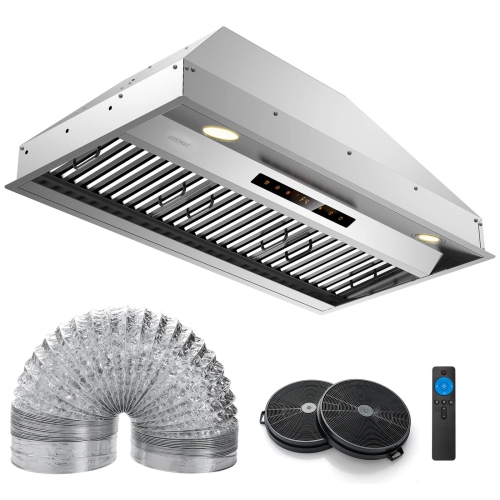
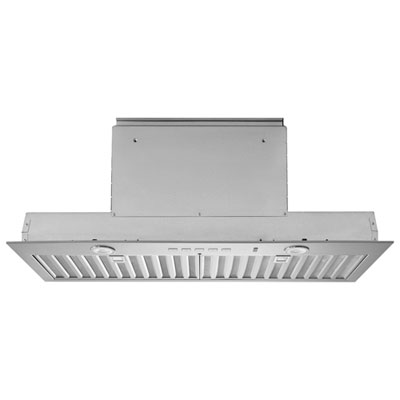
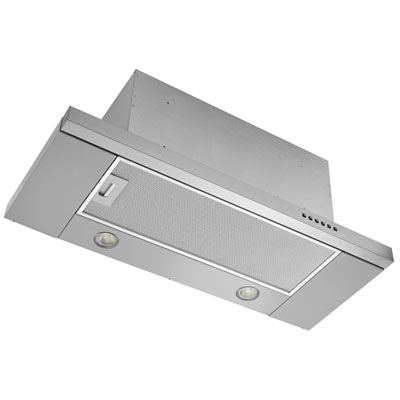
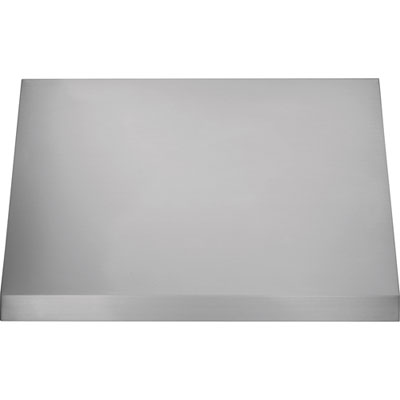
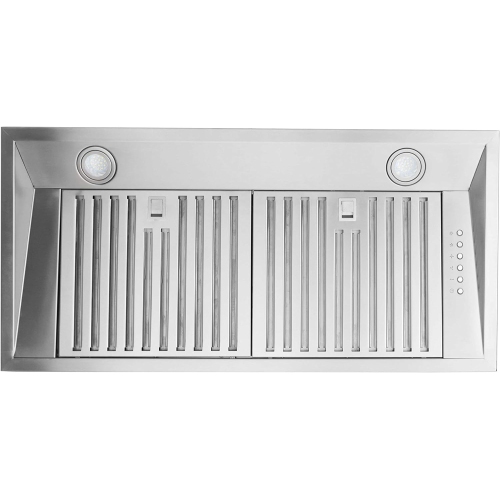
Fit involves more than matching the width of the stove. Cabinet width, cabinet depth, the position of the cooking surface and the space available for ductwork all influence which style belongs in a kitchen. Common 30-inch and 36-inch cooking areas provide useful starting points, but the hood’s stated dimensions and installation requirements determine the actual fit. The capture area should cover the cooking surface as required by the manufacturer, with enough reach to collect rising cooking fumes rather than letting them drift past the front edge. For a concealed installation, Cabinet Insert Range Hoods fit within a compatible enclosure and require attention to the cabinet opening, internal clearances and any specified liner. The visible opening alone does not show whether there is enough room for the housing, duct connection and wiring above it. Under-cabinet designs also need suitable mounting support and clearance for cabinet doors, nearby trim and access to controls. Installation height must follow the hood and cooking appliance requirements, including the applicable minimum clearances for the cooking surface. Existing ductwork deserves equal attention: its diameter, shape, route and exit location need to suit the hood rather than simply connect to whatever opening is present. Long runs, restrictive transitions and multiple bends can reduce airflow and increase operating noise. Ducted ventilation must discharge outdoors through an appropriate outlet, not into an attic or another enclosed space. In a condominium or apartment, building rules and the existing ventilation arrangement may limit changes to that route. Electrical connections, cabinetry alterations and any requirement for replacement air should be assessed by qualified installers according to local requirements. These details matter during both a straightforward replacement and a larger kitchen renovation, particularly when changing from a compact hood to a deeper design or from recirculating operation to outdoor venting. Accurate measurements help preserve useful cabinet space while keeping the installation suitable for the cooking appliance below.
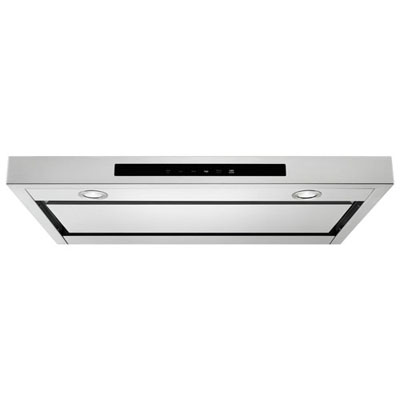
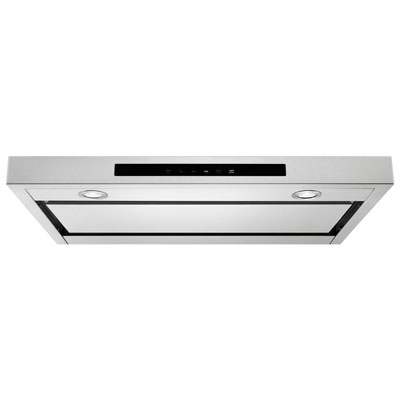
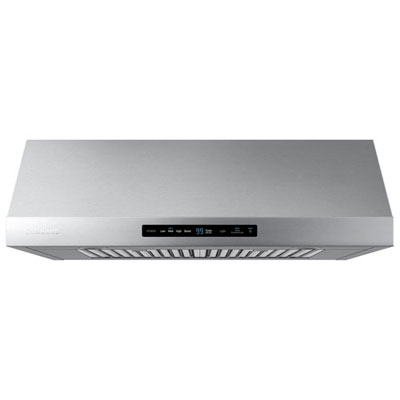
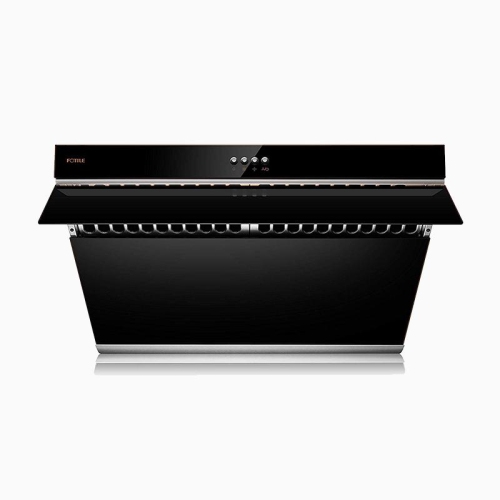
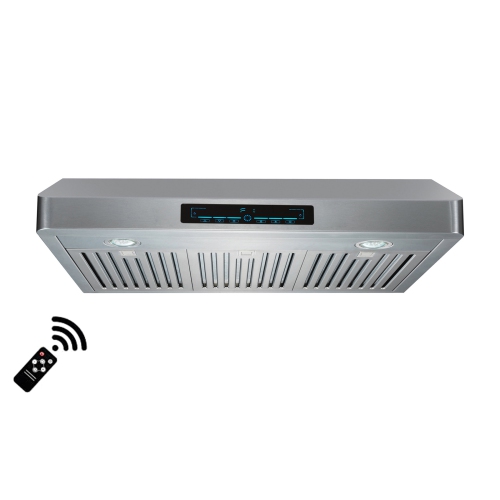
Day-to-day usability depends on how well the hood’s airflow, sound level, lighting and maintenance needs suit the household. Airflow is often expressed in cubic feet per minute, or CFM, but a higher rating alone does not guarantee better capture in a particular kitchen. Hood coverage, mounting height and duct resistance all affect performance. Frequent frying, wok cooking and high-heat searing place different demands on ventilation than occasional reheating or gentle simmering. Multiple fan speeds make it easier to match extraction to the task, using a lower setting for light cooking and a stronger setting when several pans are producing steam or smoke. Sound ratings are most useful when compared at similar operating speeds and test conditions, especially in kitchens connected to a dining area or living room. Clearly marked controls and lighting directed across the cooking surface can make everyday use more comfortable, whether checking the colour of a sauce or moving a pan between burners. Starting the fan before cooking and leaving it running briefly afterwards can help capture lingering fumes, subject to the manufacturer’s operating guidance. Regular care supports consistent performance and long-term durability. Grease filters collect residue that can restrict airflow if allowed to build up, so accessible, removable filters are valuable for frequent cooks. Metal filters may be washable, but dishwasher suitability and cleaning methods vary; the care instructions determine the correct approach. Charcoal filters used in many ductless setups generally need periodic replacement rather than washing, unless specifically designed otherwise. Exterior surfaces benefit from gentle cleaning with products appropriate to the finish, with stainless steel wiped along the grain where directed. Abrasive pads and harsh cleaners can damage coatings or leave scratches that remain visible beneath task lighting. Secure mounting, intact filters and unobstructed ventilation passages all contribute to reliable operation. A well-fitted kitchen cabinet stove hood balances effective capture with a manageable cleaning routine, comfortable controls and a profile that works naturally with the cabinetry around it.

FAQ

Some products may be subject to Environmental Handling Fees (EHF) depending on your province. Learn more about EHFs.