KitchenAid Built-In Microwaves
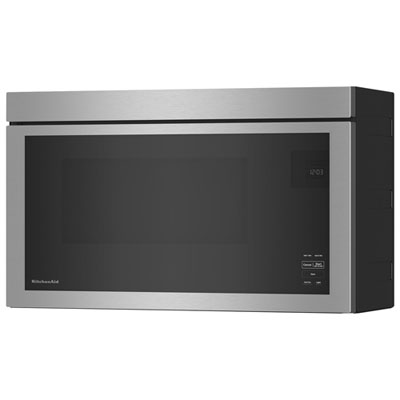
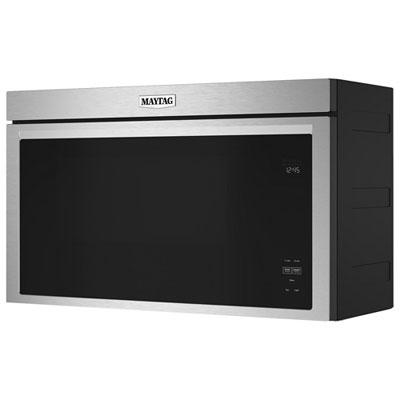
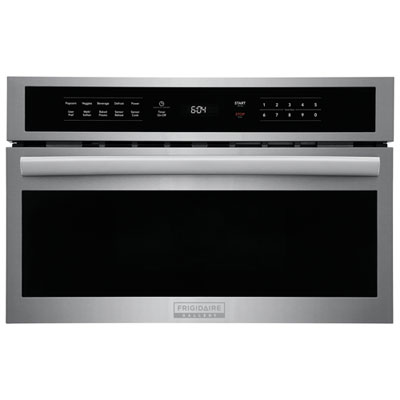
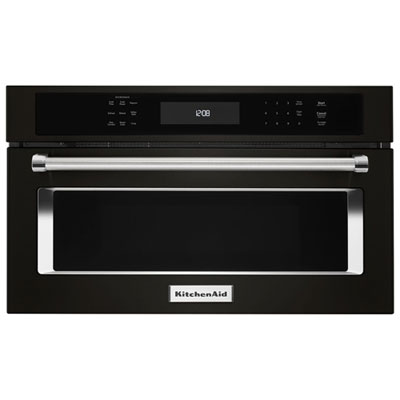
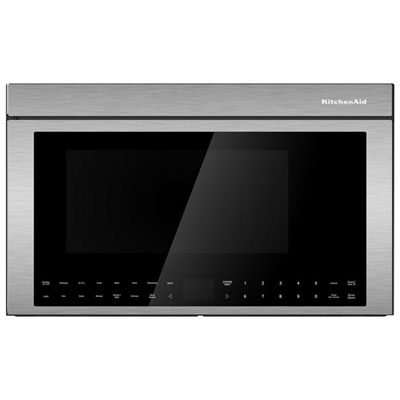
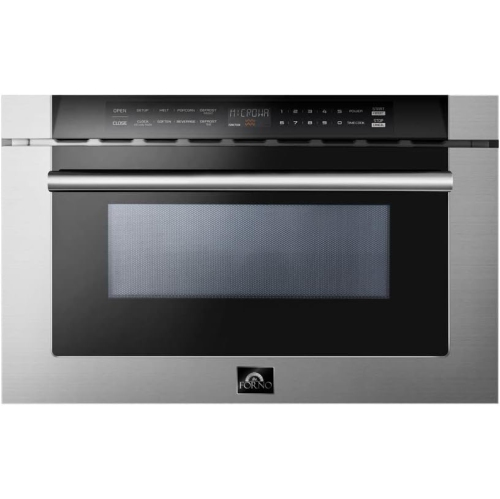
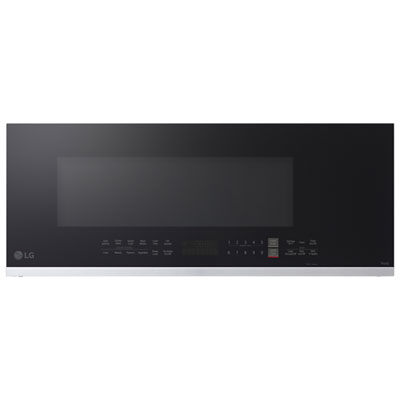
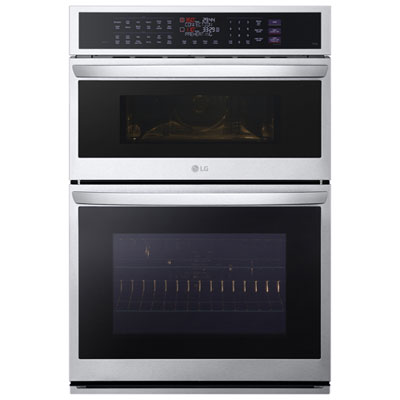
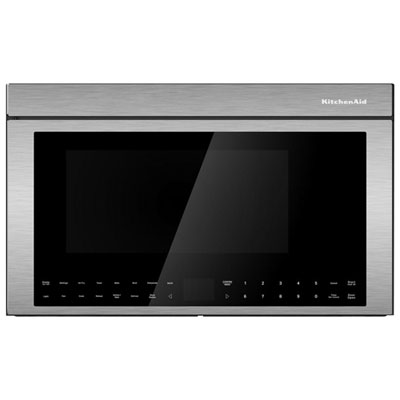
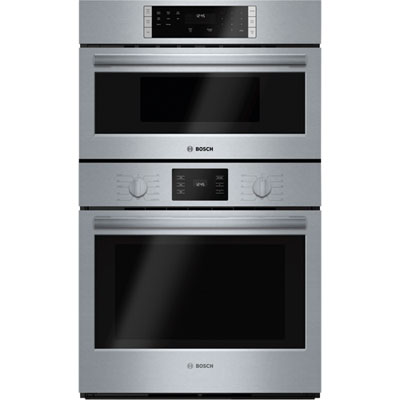
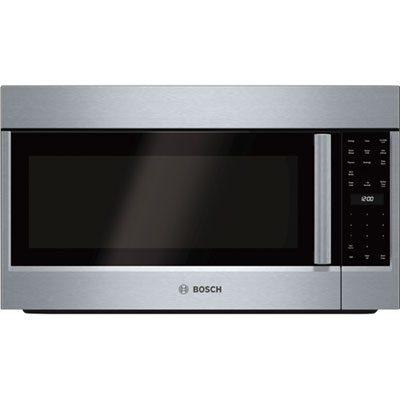
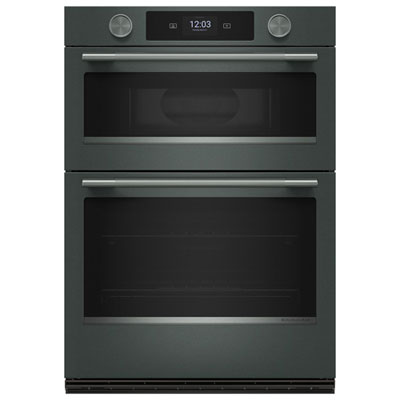
Find a KitchenAid built-in microwave that suits your kitchen layout and everyday cooking needs. Compare dimensions, capacity, and cooking features to narrow your options, and check each model’s installation requirements against your cabinet cut-out measurements before choosing.


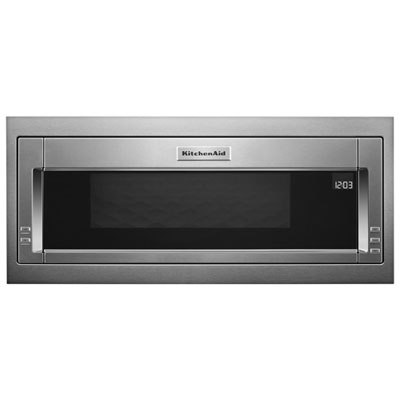


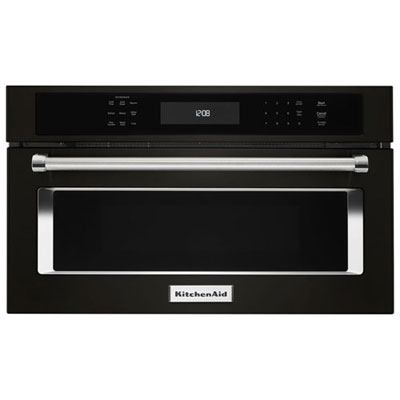
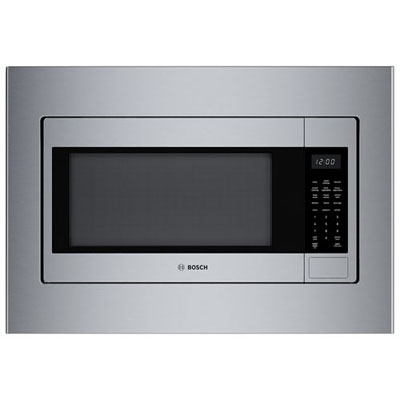
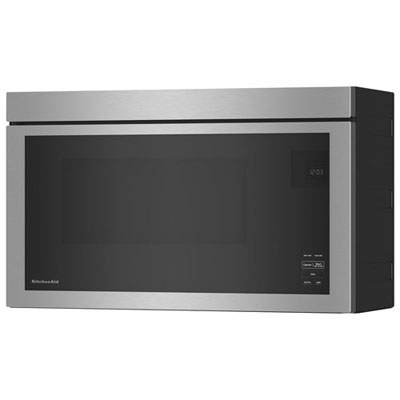


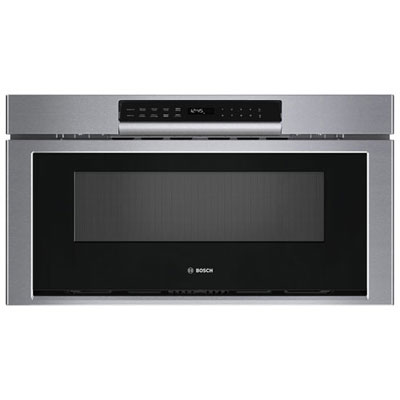
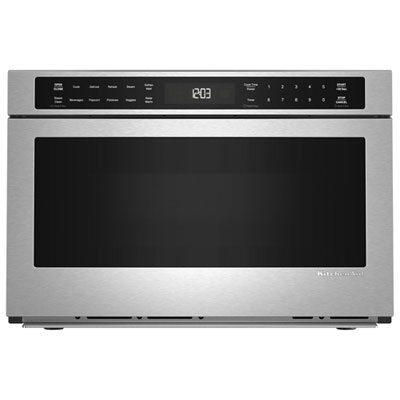

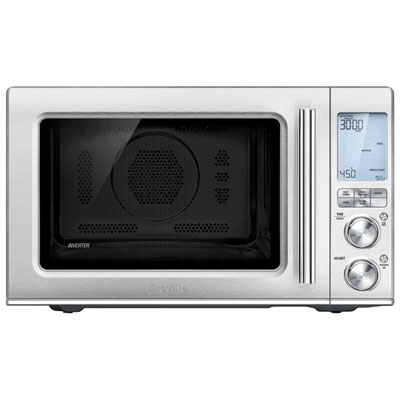
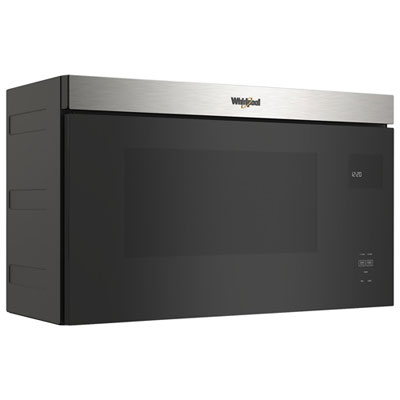
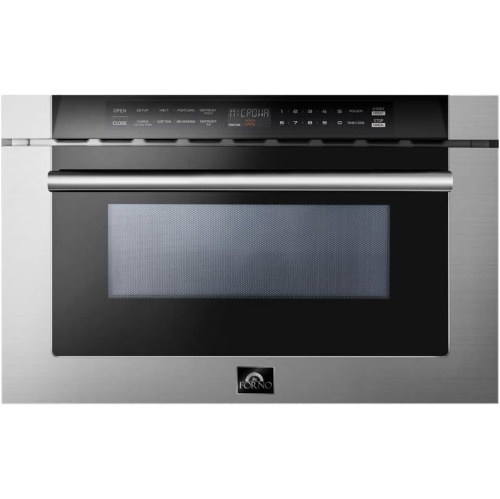
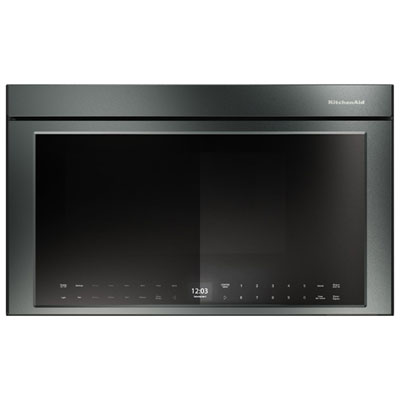
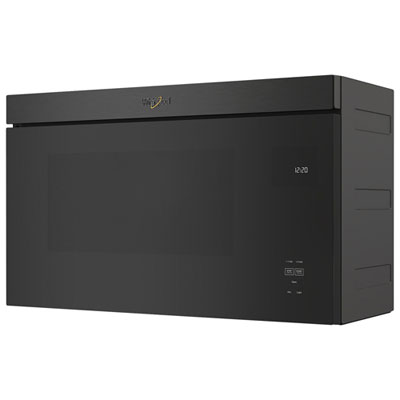


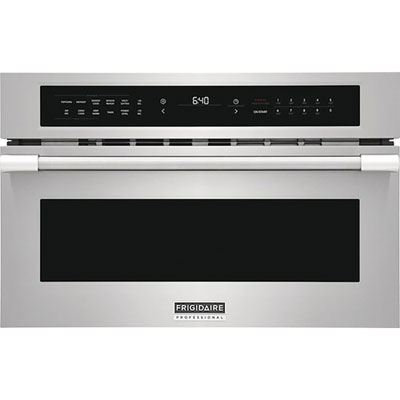
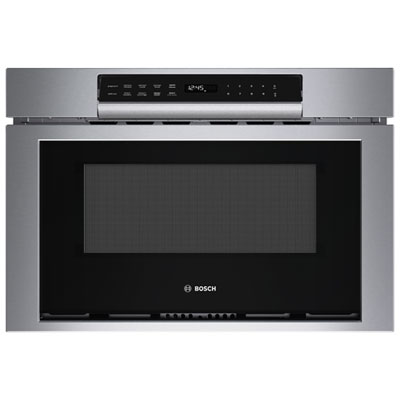
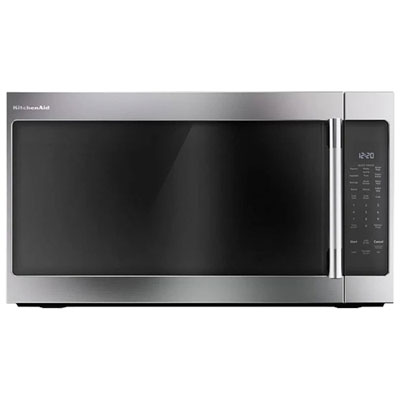
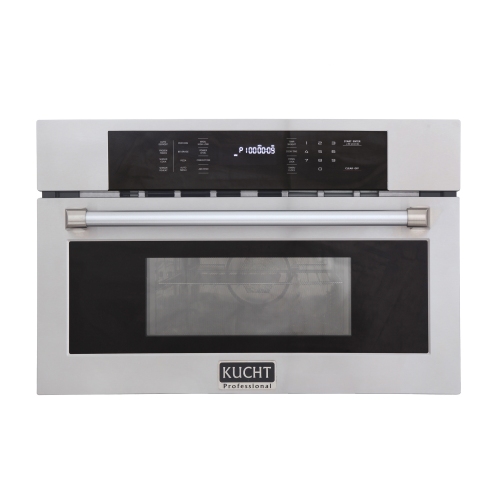
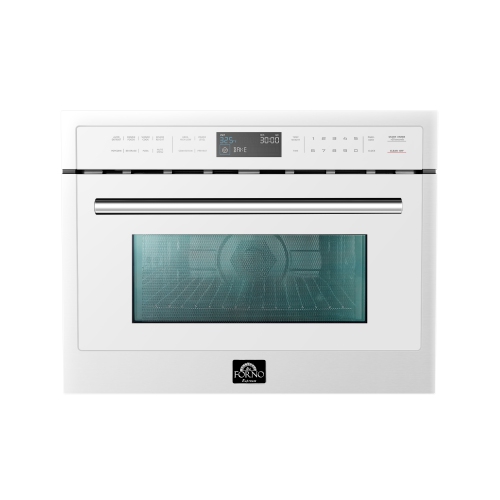

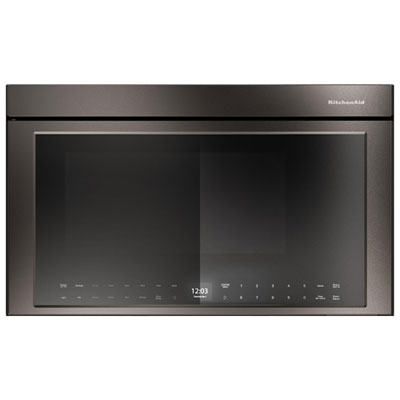
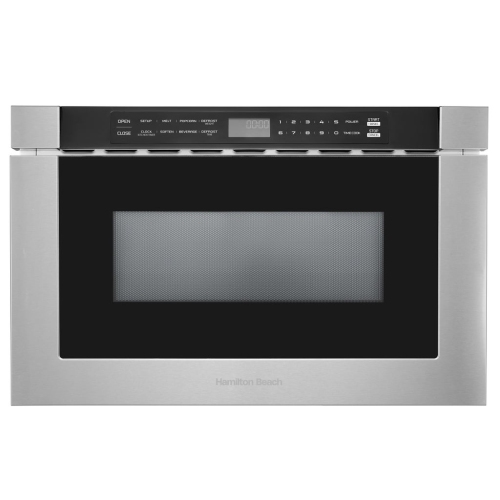
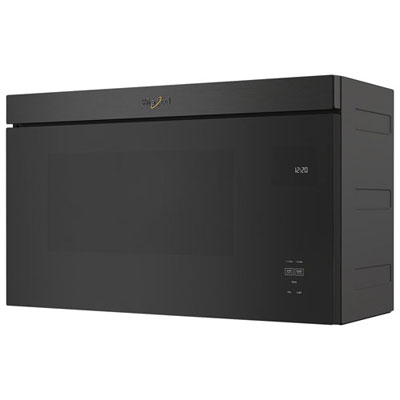
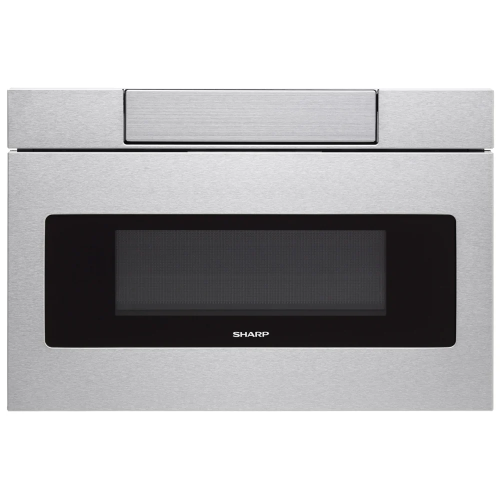
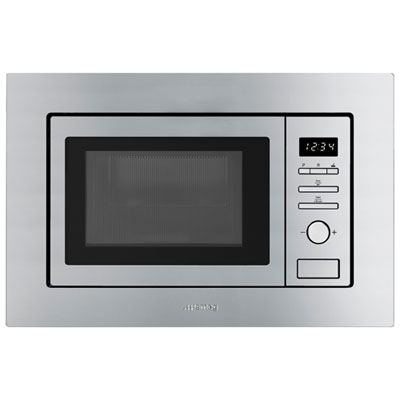
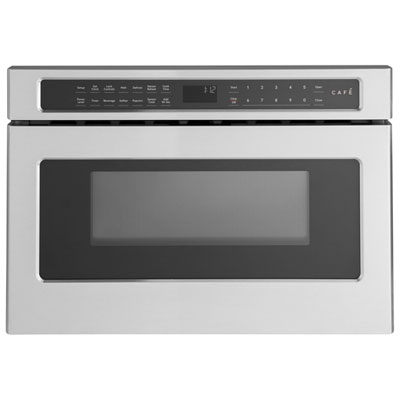
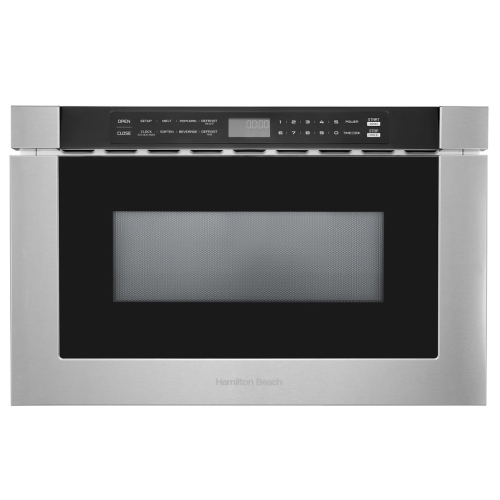
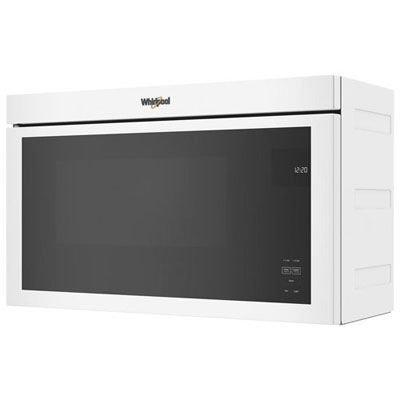
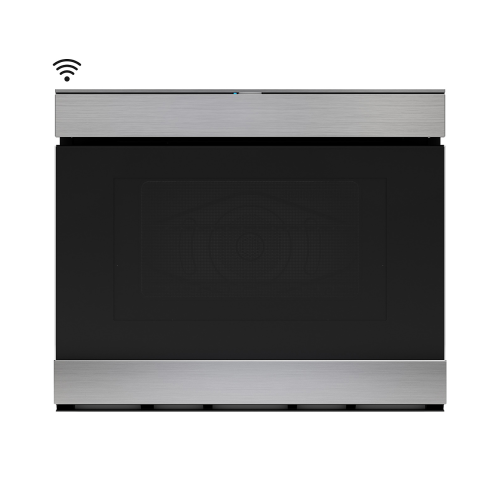

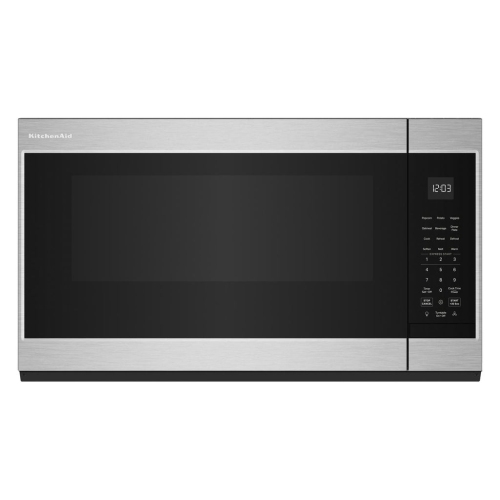
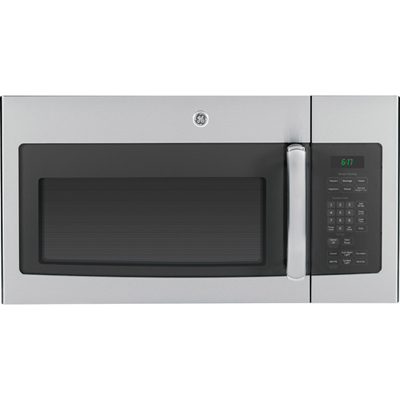
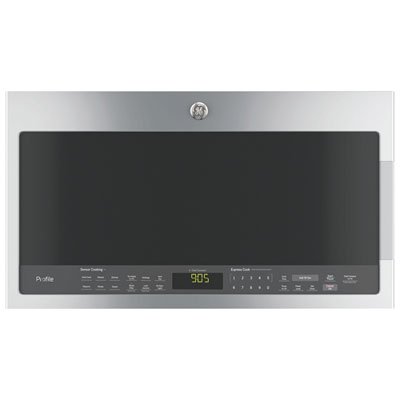
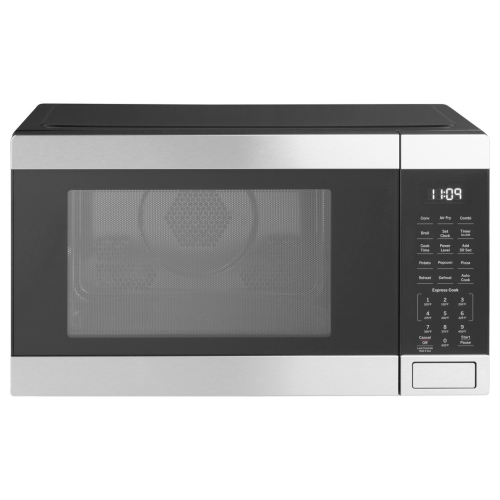
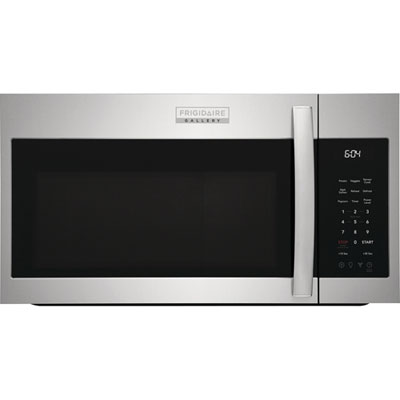
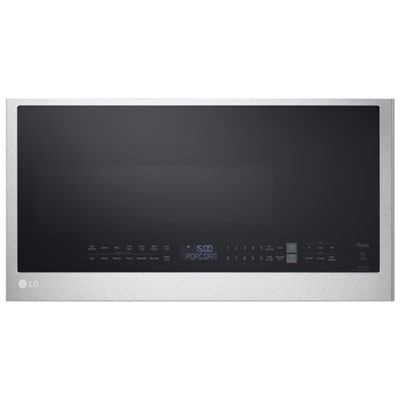
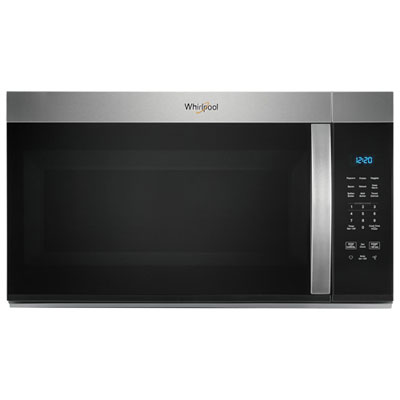
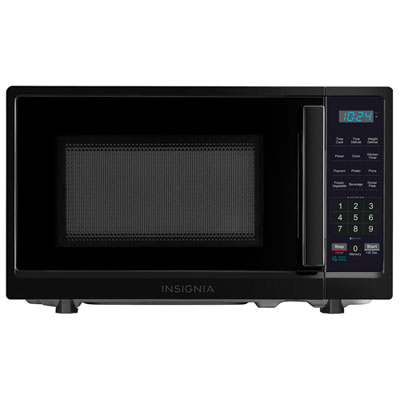
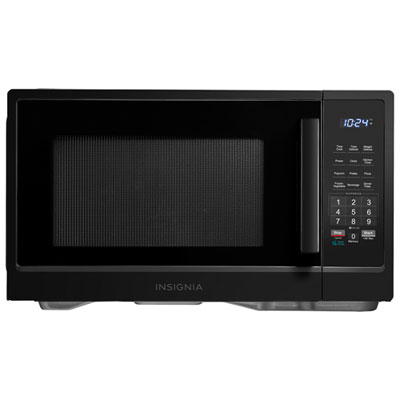





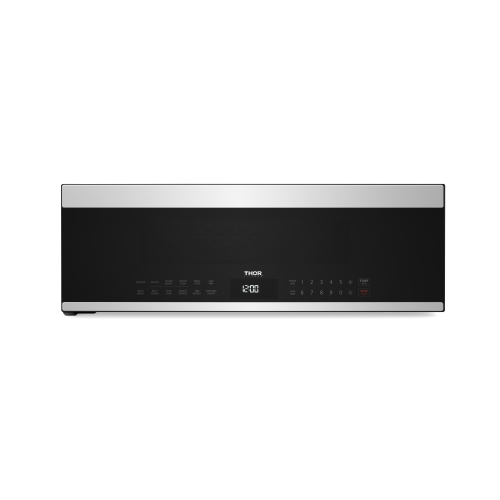
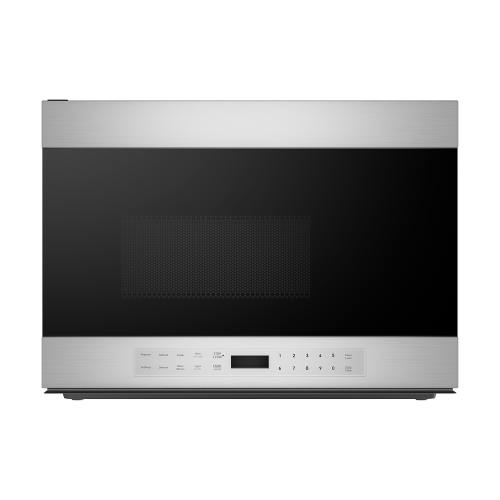
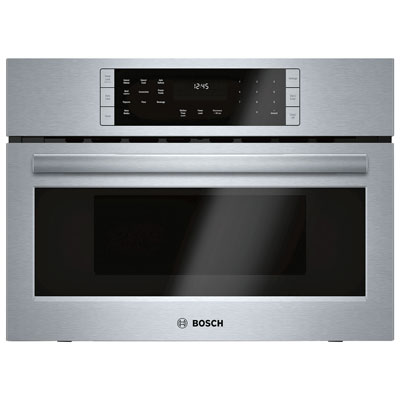
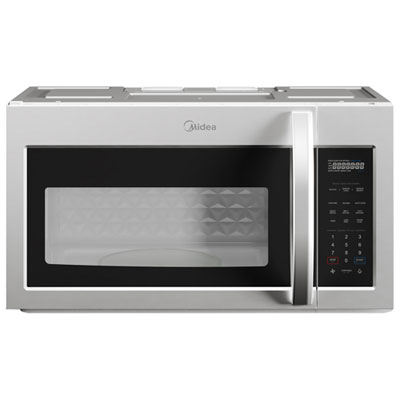


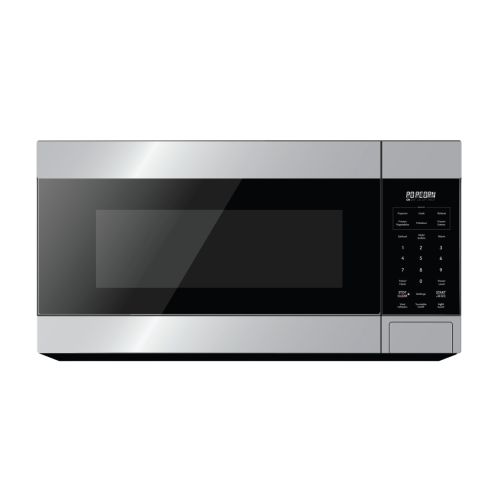
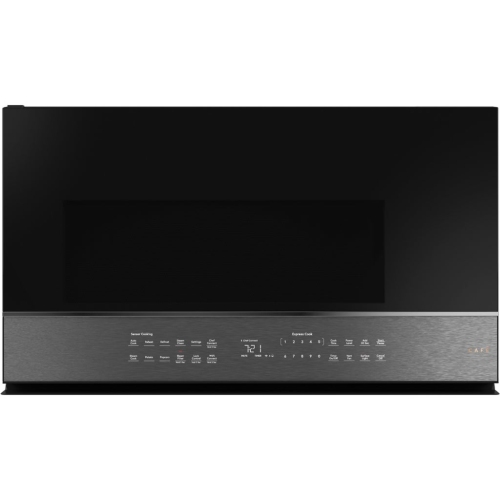
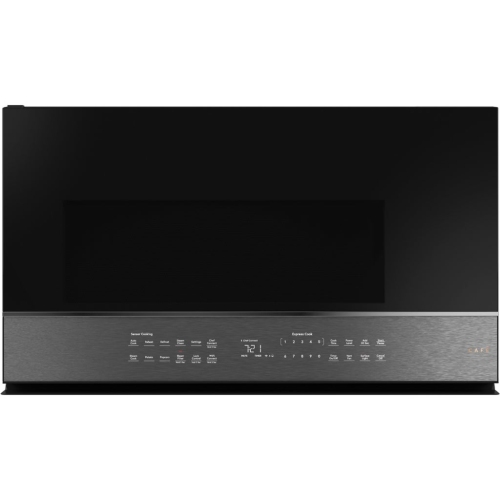
FAQ
Built-in microwaves are designed to integrate into kitchen cabinetry rather than sit on a countertop. They create a fitted appearance and keep the countertop clear. Installation requirements vary by model, and a countertop microwave should only be built in if the manufacturer explicitly supports that installation.
Trim kit requirements depend on the model and installation style. A trim kit frames the microwave opening for a finished appearance, while some built-in designs do not require a separate kit. Refer to the model’s installation information to determine whether a kit is required and which kit is compatible.
Consider how you prefer to select cooking settings: touch controls, a keypad, or menu-based navigation. Depending on the model, options may include preset programmes, adjustable power levels, and an add-time function. Review the listed controls to find an interface that suits your everyday routine.
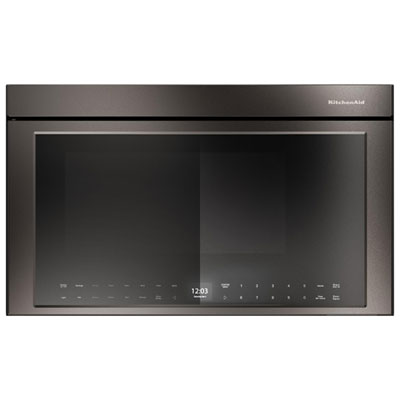
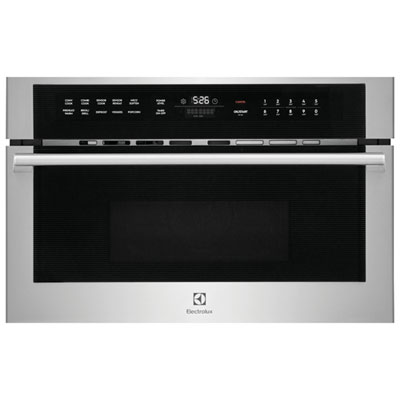
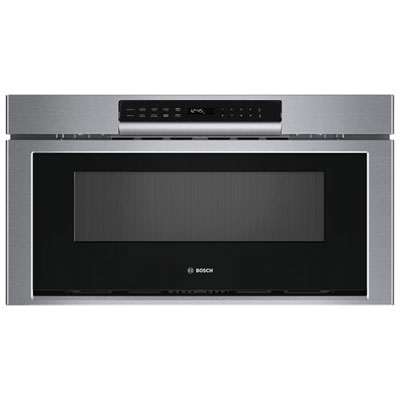
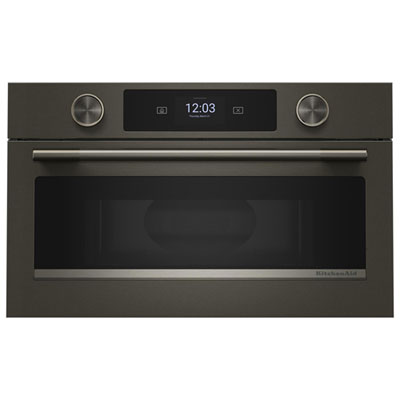
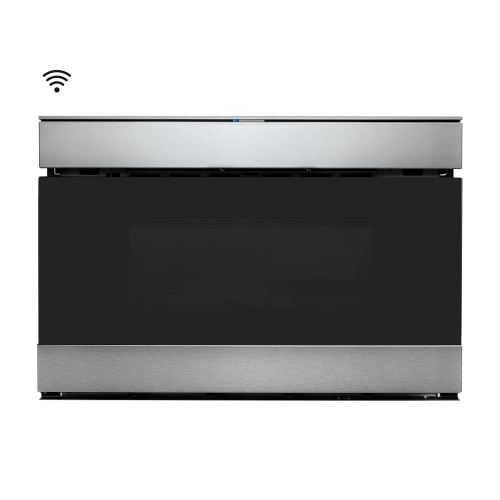
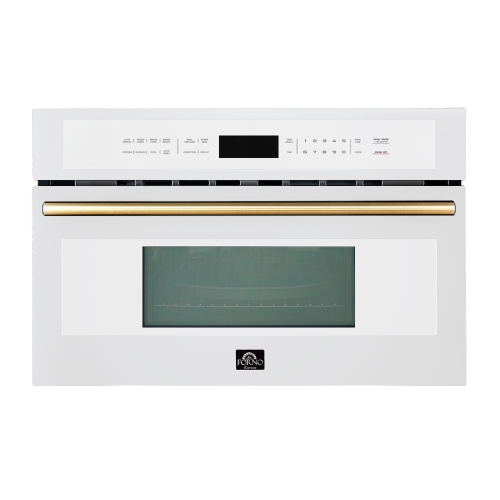
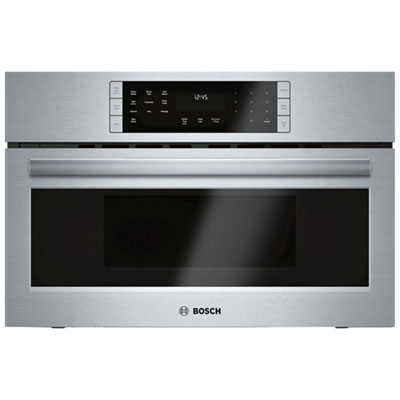
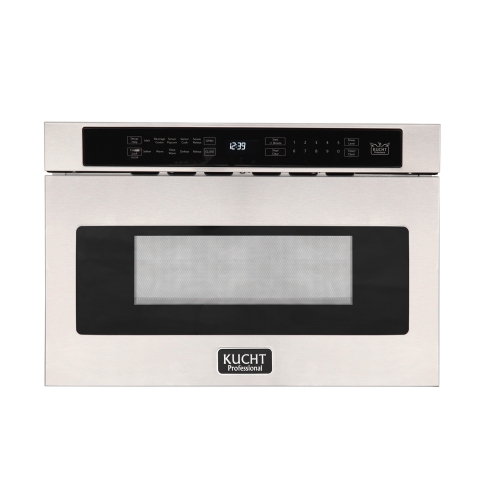
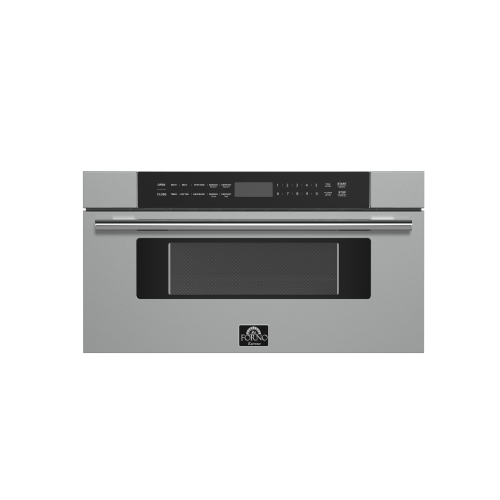
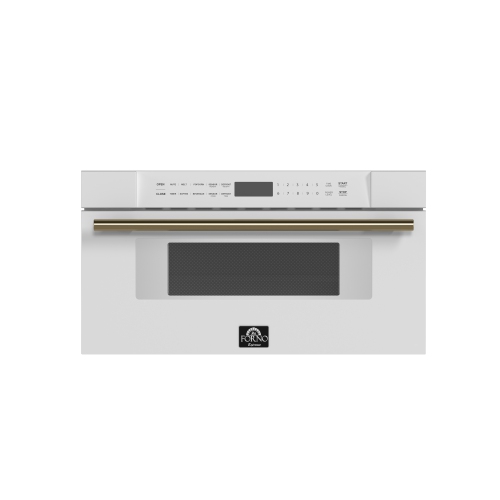
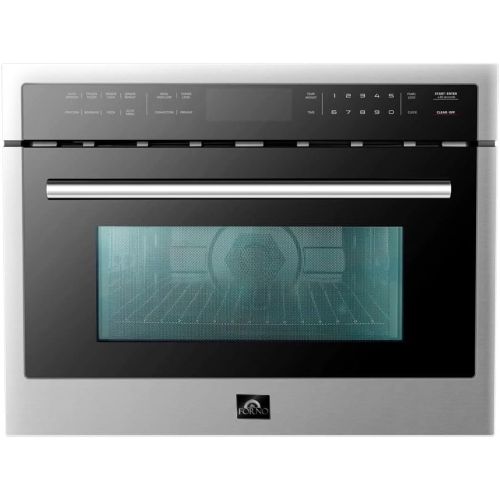
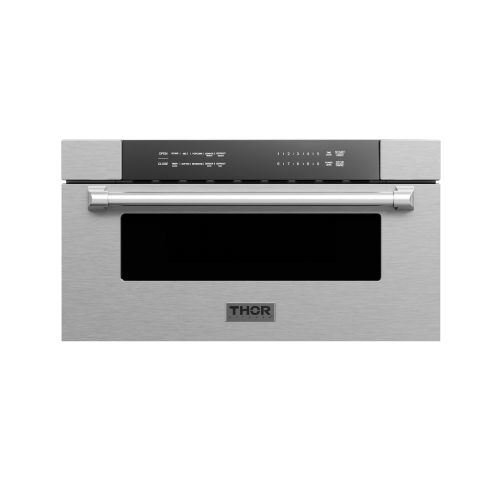
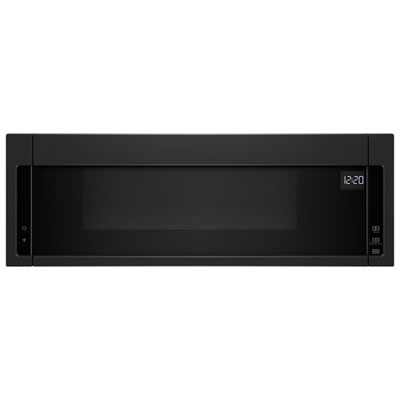
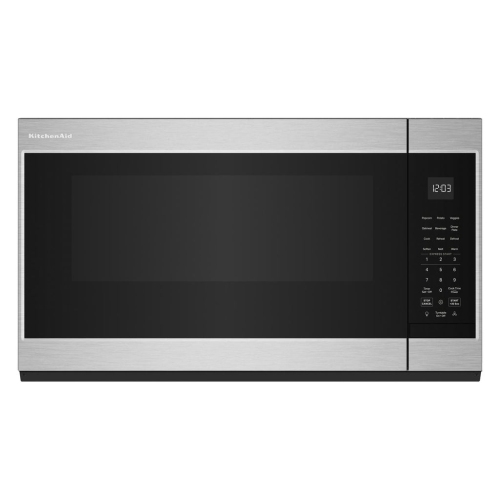
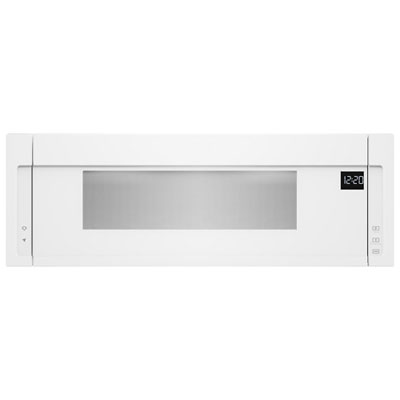
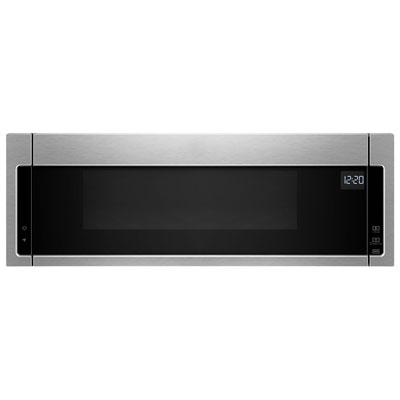
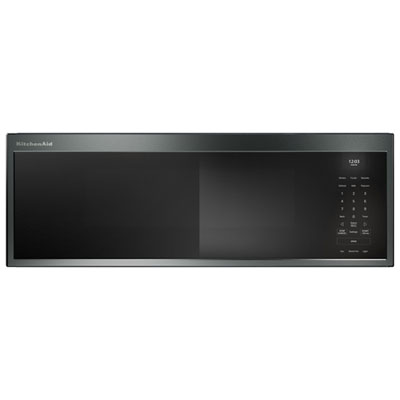
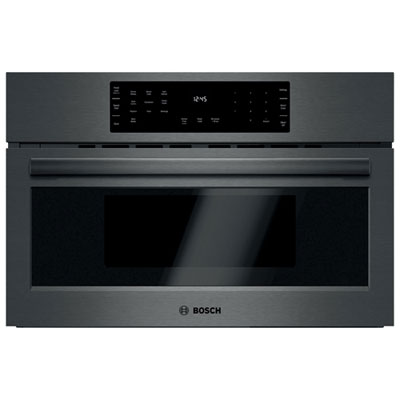
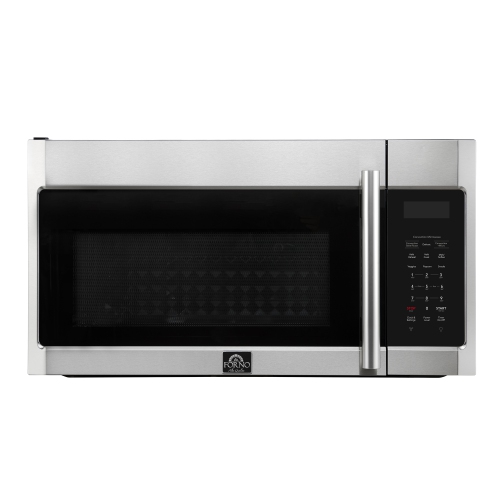
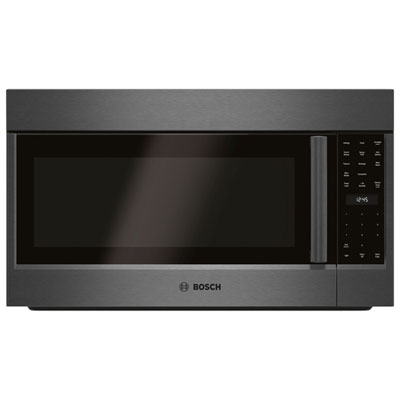
Compare the finish name, colour, handle style, and control-panel design with your other appliances. Appliances from the same brand may have different design details across collections, so review those details rather than relying on the brand name alone.
For routine care, wipe the interior and exterior with a soft, damp cloth and use the cleaning methods specified in the owner’s manual. Pay attention to the instructions for the control panel and exterior finish. If the microwave has a removable turntable, check its care instructions before washing it.
Top selling and popular products
Discover more categories related to KitchenAid Built-In Microwaves

Some products may be subject to Environmental Handling Fees (EHF) depending on your province. Learn more about EHFs.