Latest Sound Systems

Explore the latest sound systems for music, movies and everyday listening. Compare connection options, speaker configurations and system size to find an audio setup that fits your space, then check compatibility with the devices you plan to connect.
Sort

How speaker placement and connections shape your sound

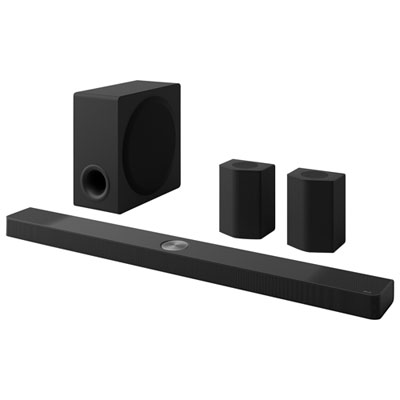
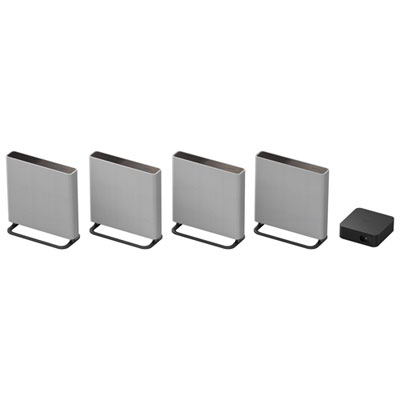
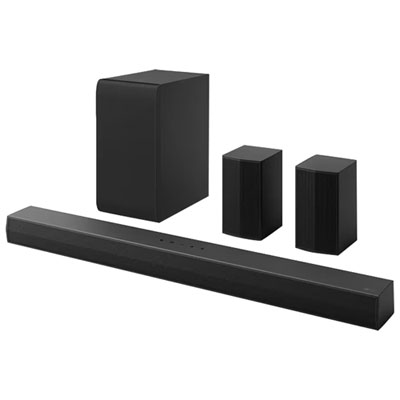
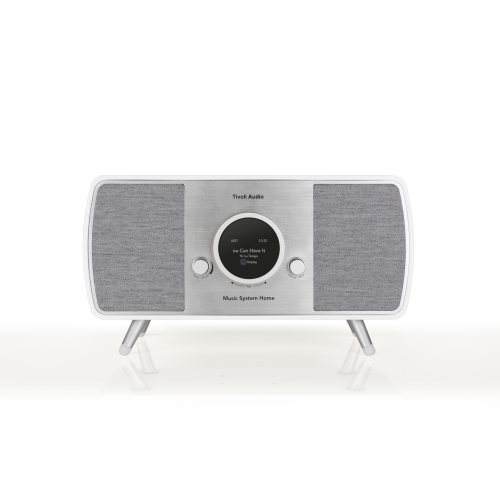
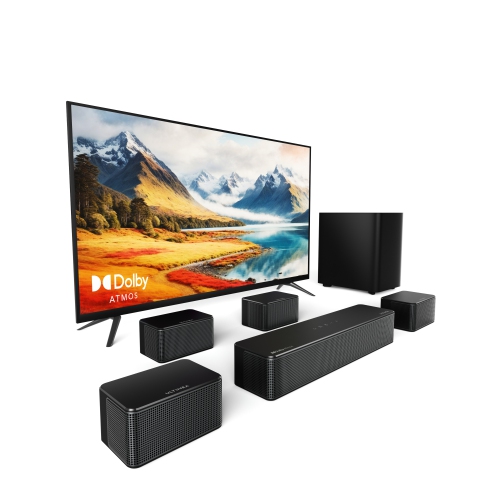
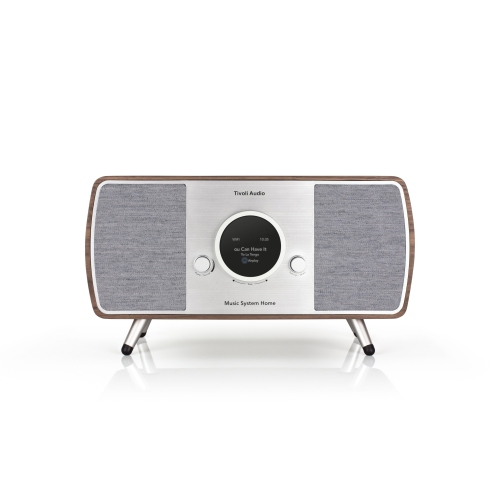
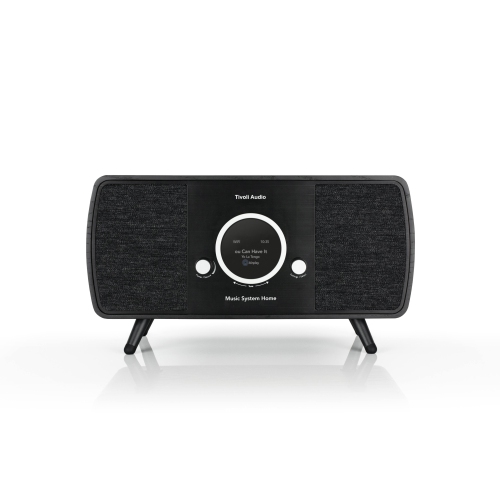
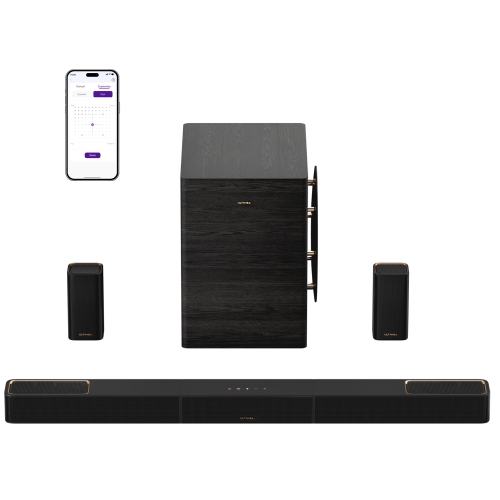
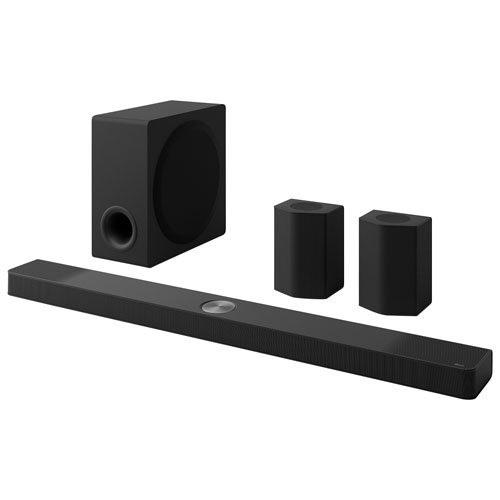
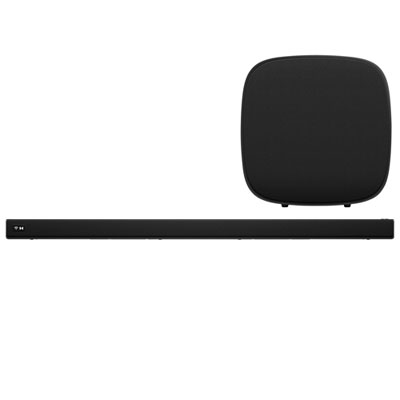
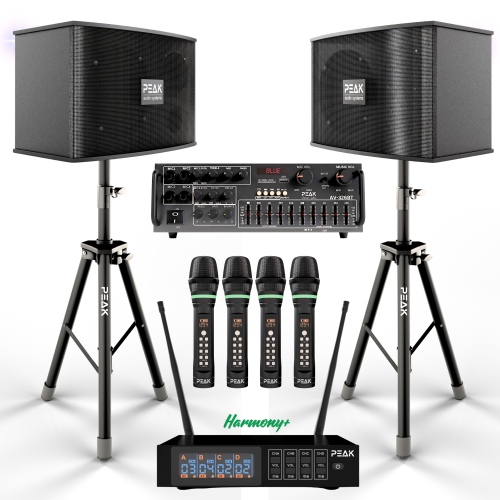
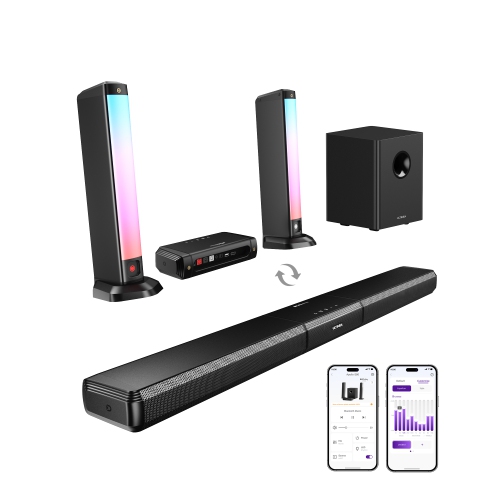
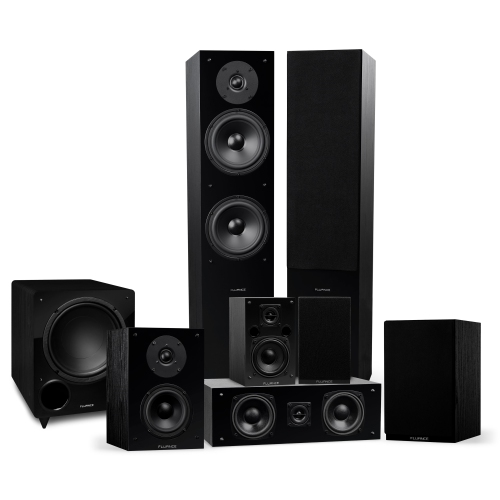
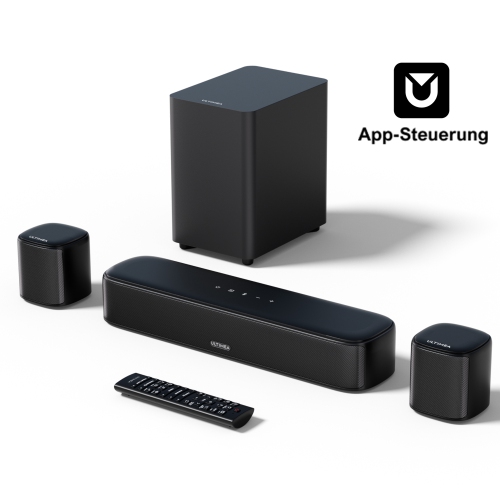
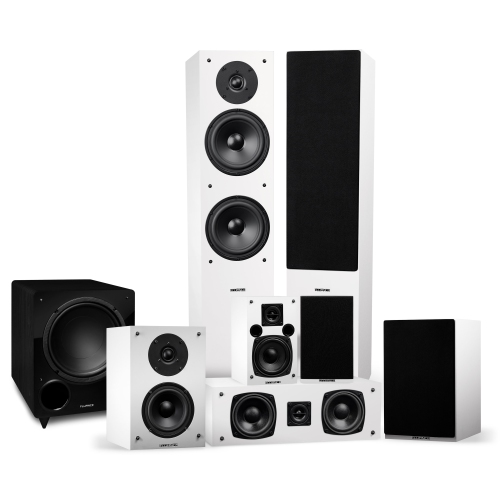
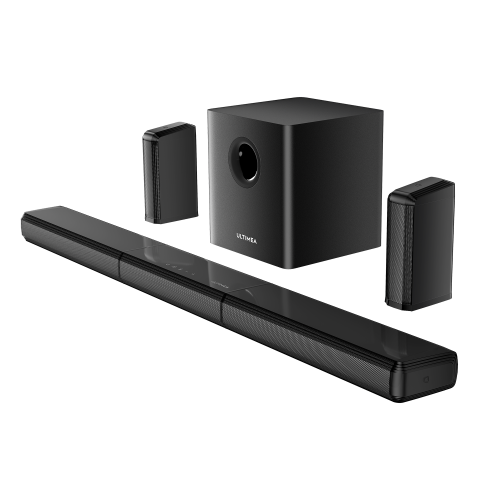
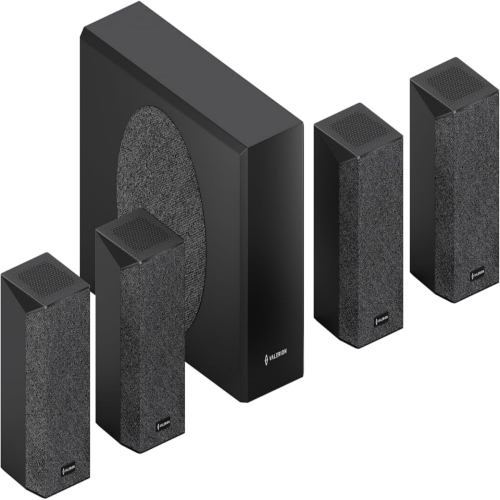
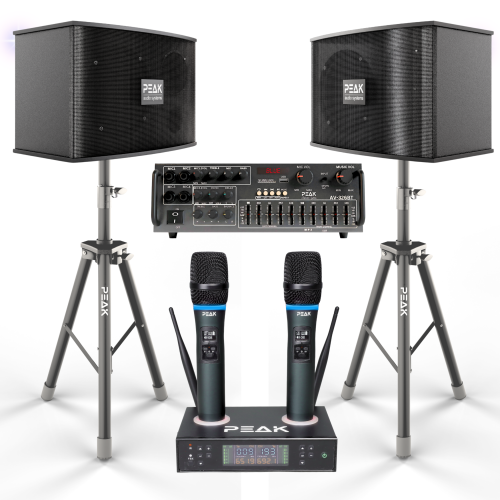
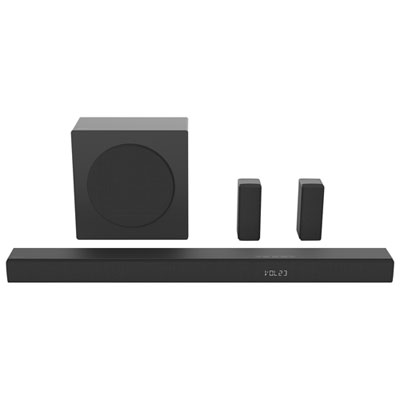
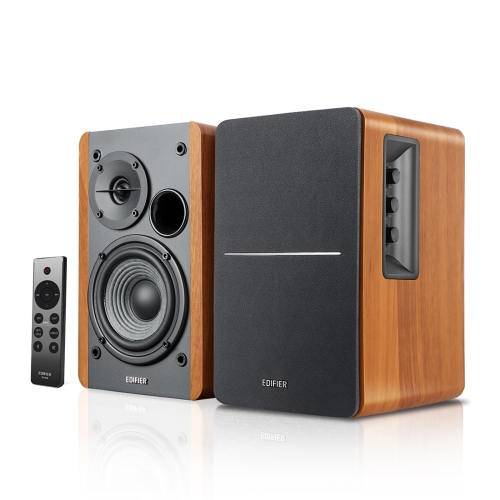
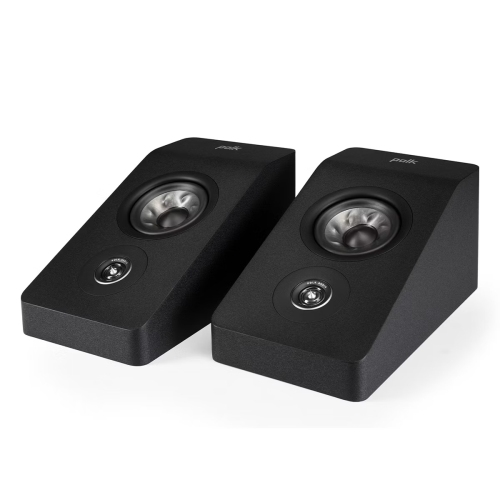
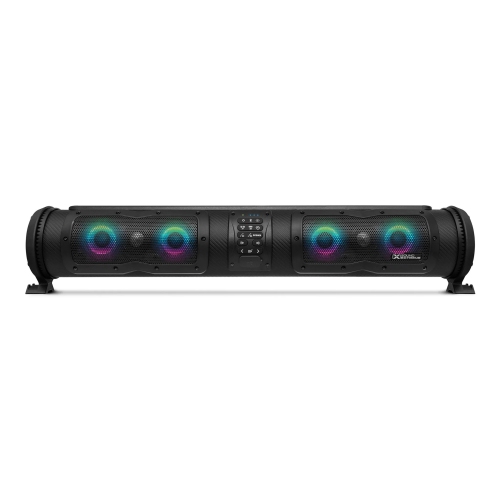
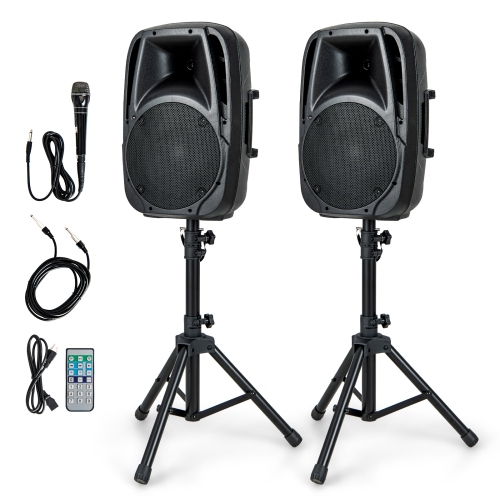
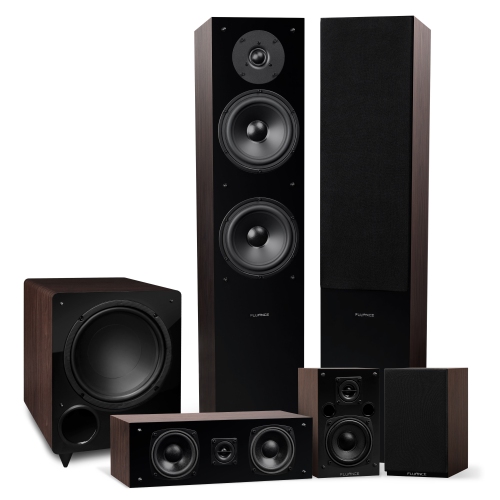
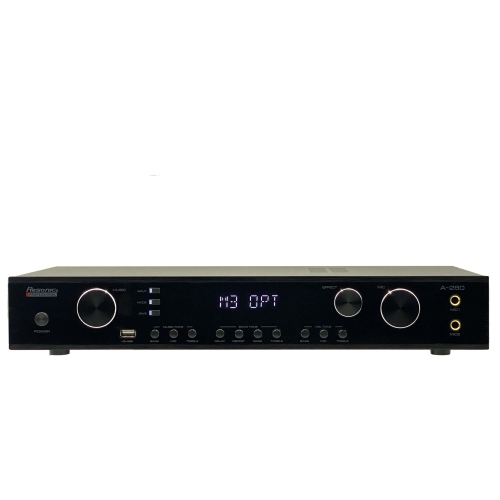
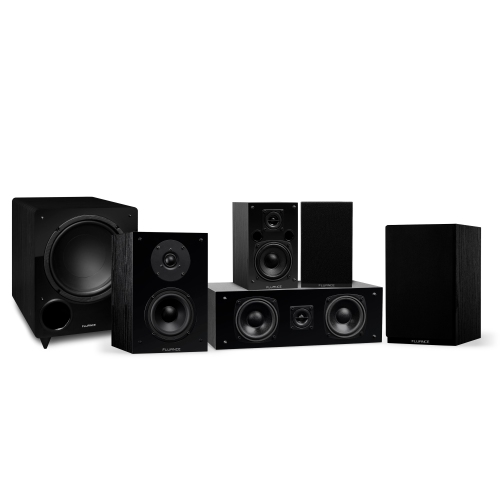
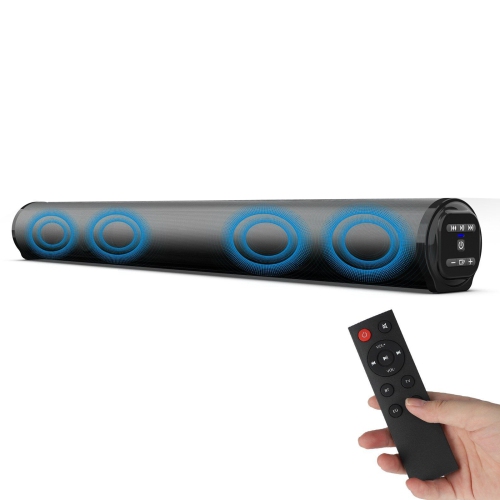
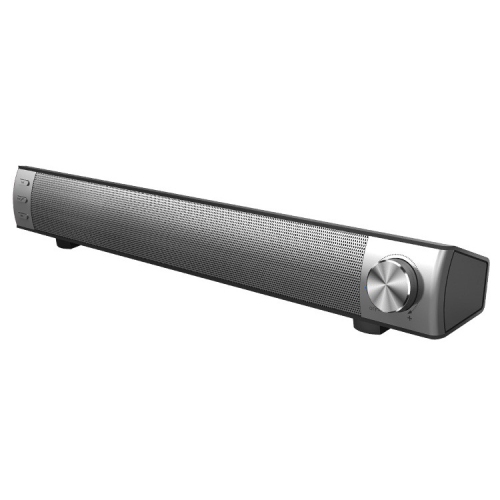
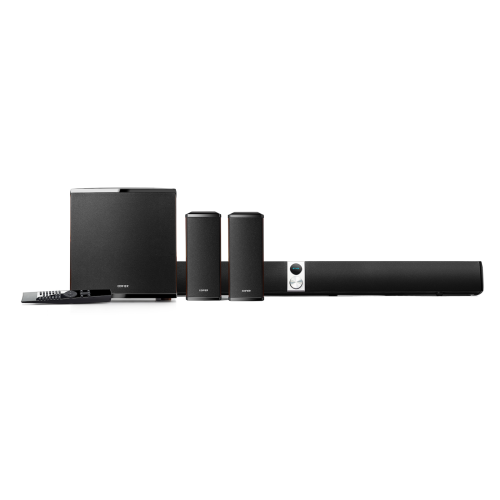
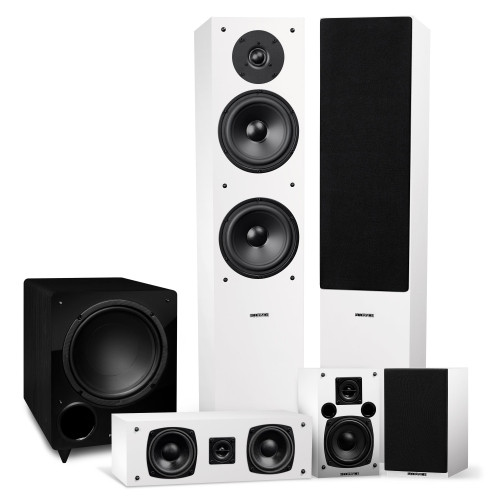
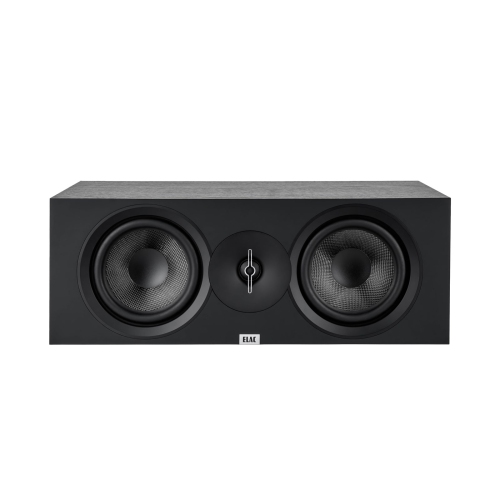
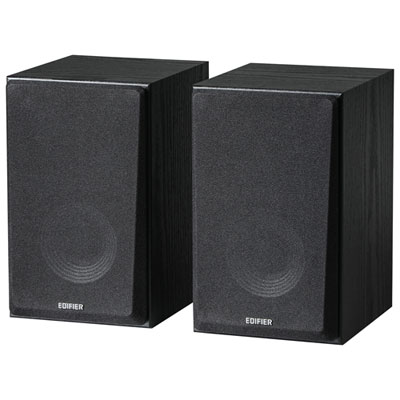
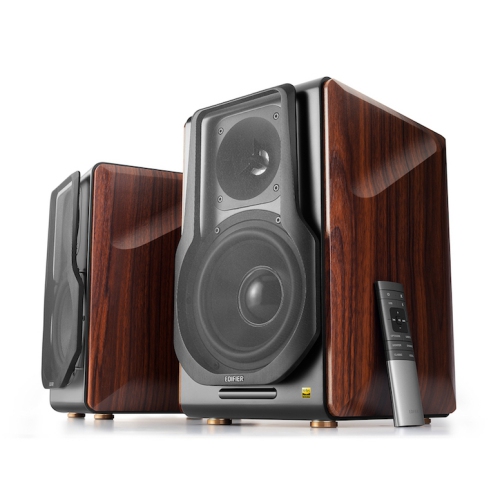
The latest sound systems bring together clearer dialogue, fuller music playback, immersive surround sound, and convenient connections for televisions, phones, and other audio sources. The category spans compact all-in-one soundbars, soundbar-and-subwoofer combinations, stereo speaker systems, and multi-speaker home theatre setups. Each format suits a different kind of listening space. A slim soundbar can keep a living room visually uncluttered while giving voices more presence than small television speakers typically provide. A separate subwoofer adds weight to low notes, drumbeats, and film effects, while rear speakers help create movement around the seating area. Stereo systems focus on left and right channels, giving instruments and vocals a distinct position across the front of the room. Larger surround systems build on that foundation with a centre channel for dialogue and additional speakers for effects beside, behind, or above the listener. Channel descriptions provide useful context: in a 5.1.2 configuration, the numbers generally identify five main channels, one subwoofer channel, and two height channels. Spatial and object-based audio can create a sense of sound extending beyond the screen, although the result depends on the content, speaker configuration, and room. Upward-firing speakers use ceiling reflections to suggest height, so a flat ceiling at a suitable distance generally supports that effect better than a very high or heavily angled one. Physical fit matters as much as the channel count. A soundbar needs enough clearance beneath the screen to avoid covering the picture or blocking the television’s remote sensor, and upward-firing drivers need an unobstructed path. Separate speakers need stable surfaces or suitable mounts, while a receiver needs ventilation rather than a tightly enclosed cabinet. In an open-concept space, sound has farther to travel and fewer nearby boundaries to contain it; in a smaller room, a compact arrangement may deliver satisfying coverage without dominating the furniture layout. These differences make system size and placement more meaningful than a wattage figure alone.
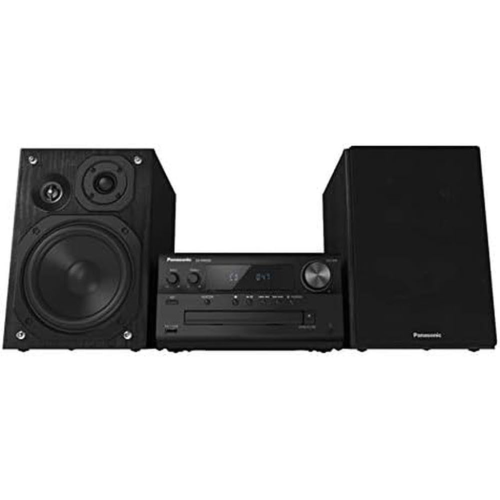
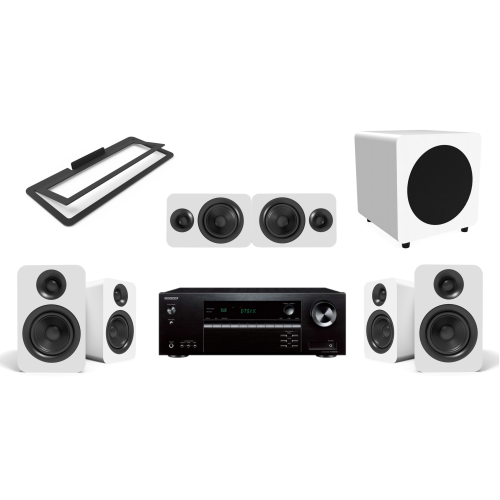
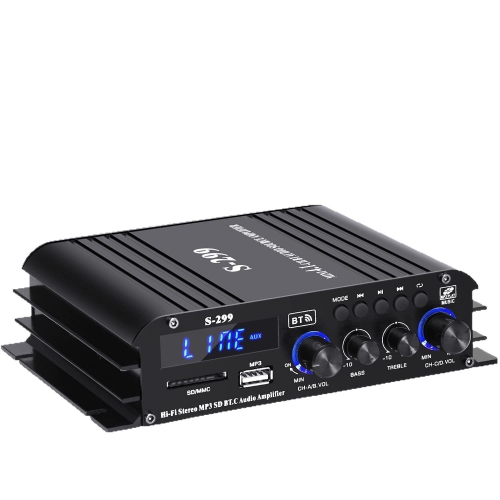
Connections shape how naturally a sound system fits into everyday entertainment. HDMI eARC can carry compatible high-bandwidth audio from a television to a soundbar or receiver, helping consolidate sound from connected sources through a single audio connection. The television, sound system, source device, and content all influence which formats will play, so matching capabilities matter more than the presence of one feature in isolation. HDMI ARC also supports convenient television audio, but has more limited format support than eARC. Optical connections remain useful with compatible equipment, though they do not carry the same range of advanced audio formats. For a household that moves between streaming shows, console games, and live broadcasts, reliable switching and straightforward volume control can be as valuable as an extensive feature list. Supported HDMI control functions may allow the television remote to adjust system volume, reducing the need to reach for another controller. Gaming setups also depend on signal compatibility: when video passes through a sound system, its supported resolution, refresh rate, and other video features need to match the intended setup. Wireless listening adds another layer of flexibility. Bluetooth offers a direct way to play audio from a compatible phone or tablet, while Wi-Fi-enabled systems may support network streaming, app control, or synchronized playback across rooms. Those capabilities vary by system and service. Wireless rear speakers and subwoofers can reduce signal cables across a room, but many still require nearby electrical outlets; wireless does not necessarily mean battery-powered or entirely cable-free. Day-to-day listening features deserve similar attention. Dialogue enhancement can make speech easier to follow, while night modes can reduce the gap between quiet conversation and sudden effects. Adjustable bass helps tailor playback for shared walls, and room-calibration features can compensate for some placement-related differences without replacing sensible speaker positioning. A system that delivers intelligible speech and balanced music at comfortable levels can be especially useful in a shared living room, where not every listening session calls for cinema-like volume.

Construction, finish, and upkeep influence how comfortably a sound system becomes part of a home over time. Cabinets may use engineered wood, metal, moulded materials, or combinations chosen for their structural and acoustic properties. Fabric grilles soften the appearance of speakers beside upholstered furniture, while metal grilles can offer a more understated match for a television stand or media console. Neither the cabinet material nor the finish alone determines sound quality; driver design, enclosure construction, tuning, and placement work together. Dimensions and weight also affect practical fit, particularly on narrow shelves or wall mounts, where the mounting hardware and supporting surface must suit the equipment. A clear space around vents helps heat dissipate, and cables arranged away from walkways reduce accidental pulls. Routine care is usually simple: a soft, dry cloth removes surface dust, and cleaning methods should follow the manufacturer’s directions, especially around fabric, exposed drivers, and display panels. Liquids sprayed directly onto a cabinet or grille can reach sensitive components, while strong cleaners may damage finishes. For long-term use, accessible connections, replaceable cables, and compatibility with existing equipment can matter more than adding features that rarely get used. The related selection of Quality Sound Systems offers another way to explore home audio with sound performance and everyday usability in mind. Intended use gives these details a practical purpose: a film enthusiast may appreciate convincing surround effects and clear centre-channel dialogue, while a music listener may value a stable stereo image and natural vocals. Someone who listens to podcasts while preparing dinner may care most about speech clarity and simple playback controls. As a gift, a sound system is most thoughtful when it fits the recipient’s television connections, room size, and comfort with setup. A compact arrangement can suit someone who prefers fewer components, while a modular system may appeal to a listener who enjoys adjusting speaker placement or expanding a setup over time. The most satisfying result is audio that feels integrated into the room and remains easy to enjoy.

FAQ

Some products may be subject to Environmental Handling Fees (EHF) depending on your province. Learn more about EHFs.