Micro SD Cards for 4K Video
MicroSD cards are small, portable, and extremely useful. They're the perfect way to expand the storage on your device so you never have to worry about running out of space. If you're looking to capture and store 4K video, you'll need a microSD card that's fast enough to handle the high-resolution video and has enough storage space for your footage. Here are some of the best microSD cards for 4K video recording.
Sort

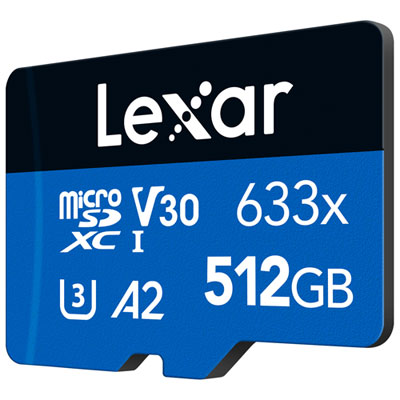
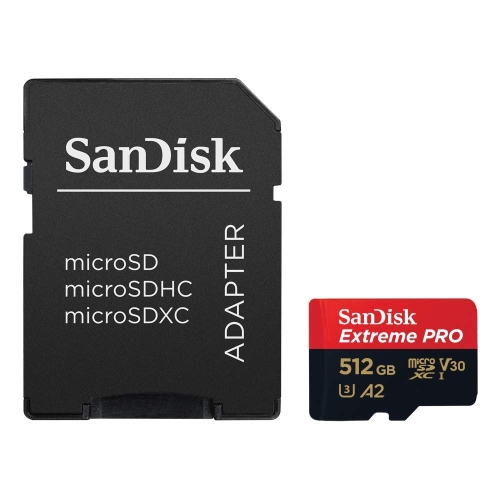
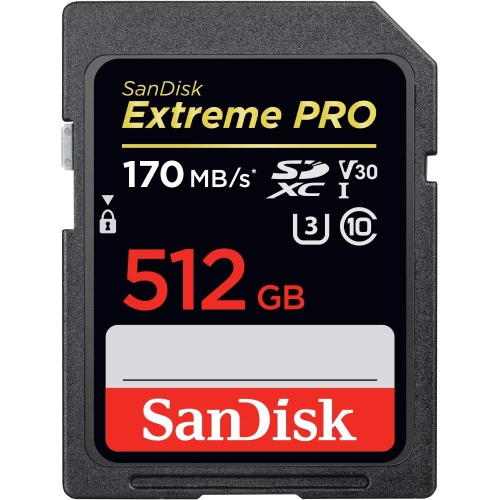
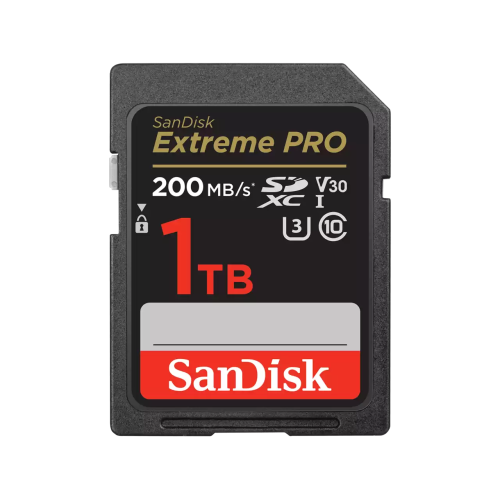
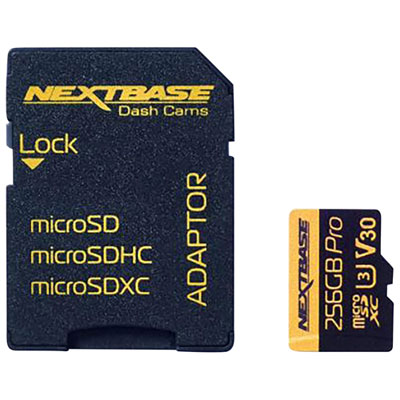
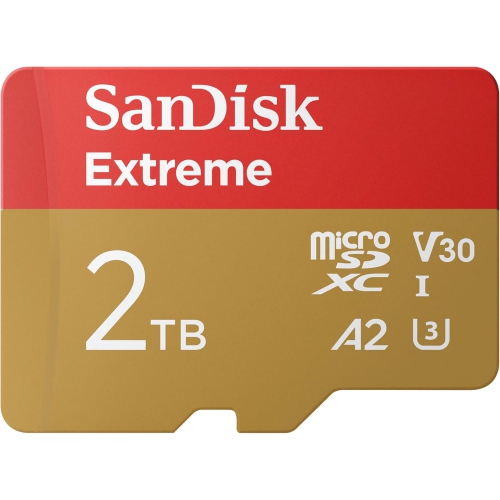
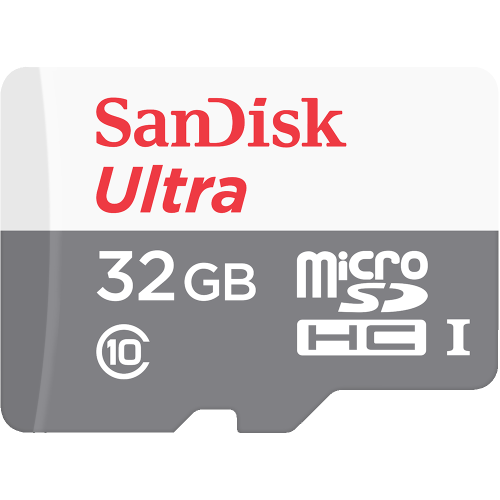
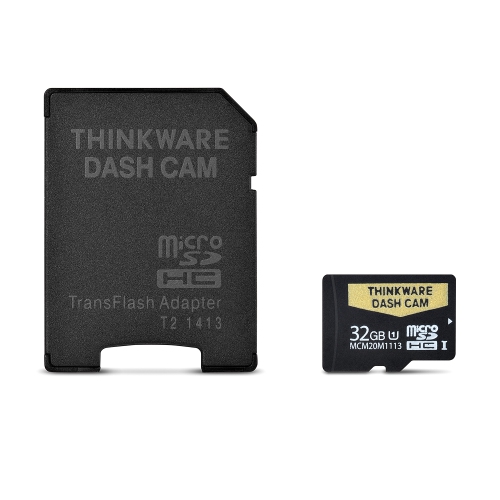
![SANDISK Extreme 32GB Microsdhc Uhs-I Card - Sdsqxaf-032G-Gn6Ma [Newest Version]](https://multimedia.bbycastatic.ca/multimedia/products/500x500/133/13325/13325765.jpeg)
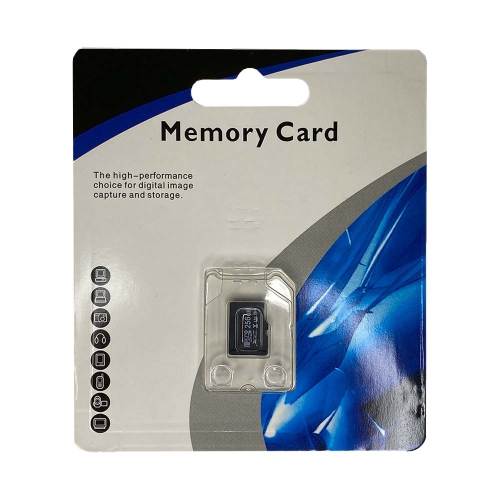
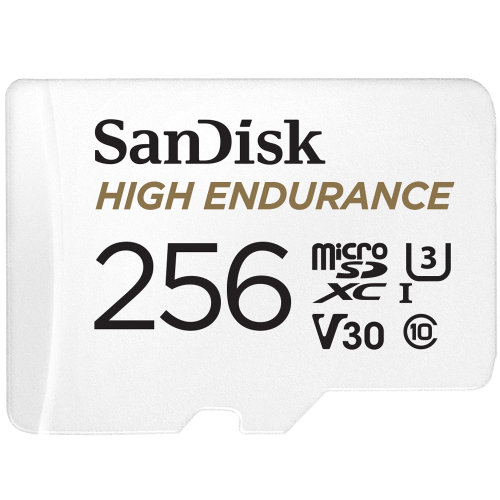
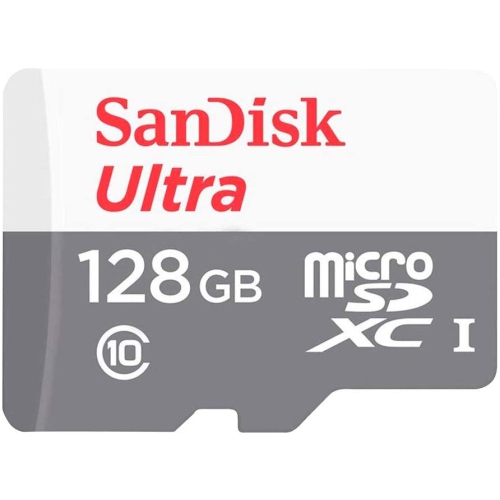
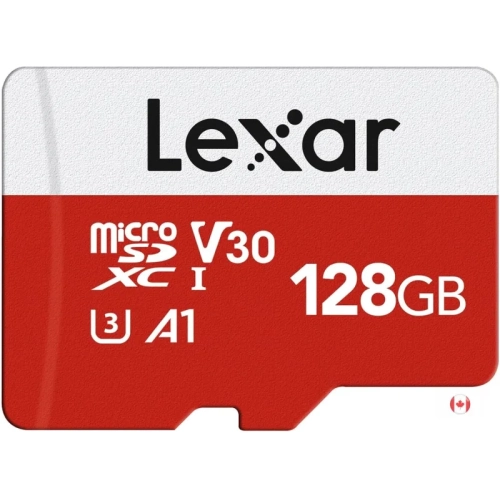


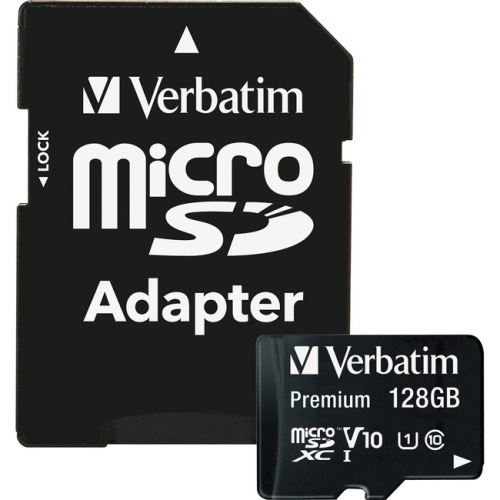
What to know about speed, capacity, and 4K recording
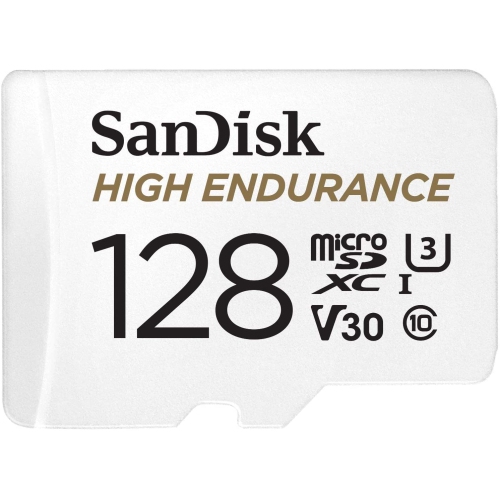
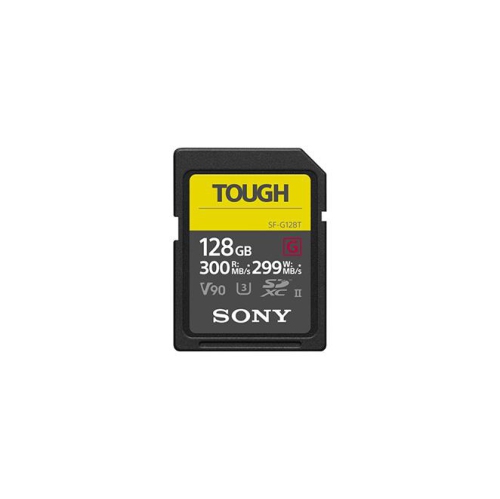
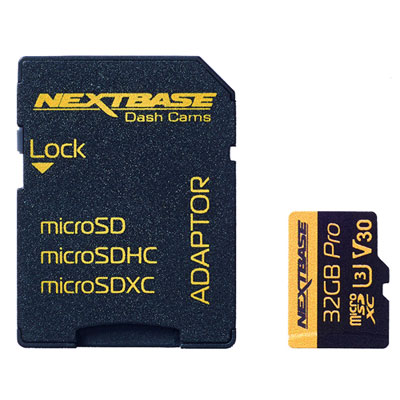
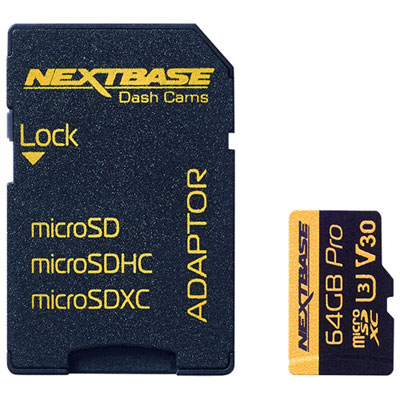
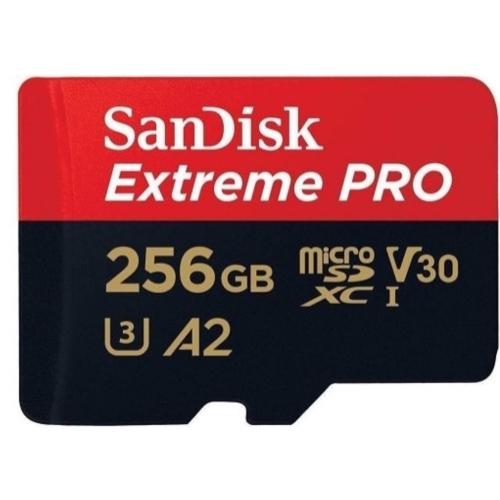
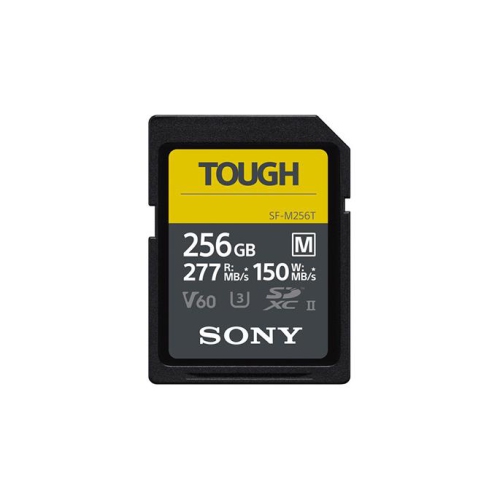
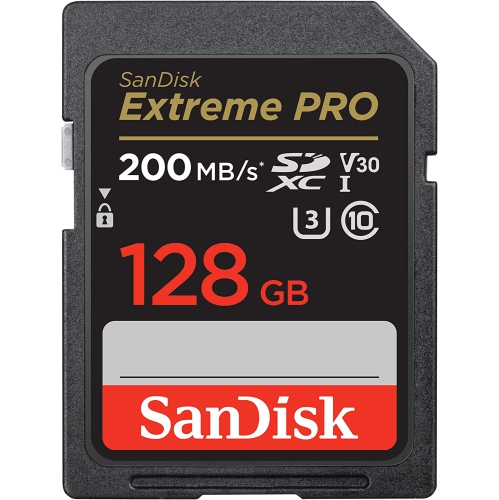
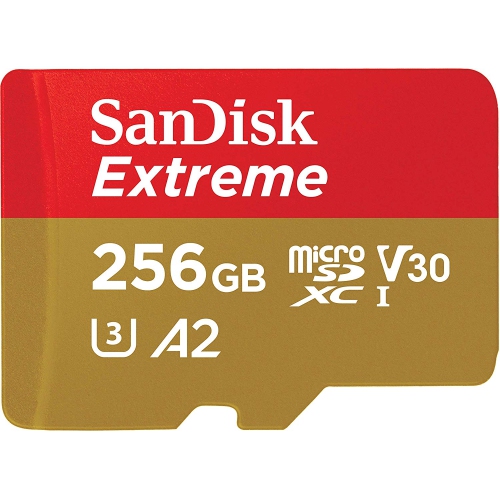
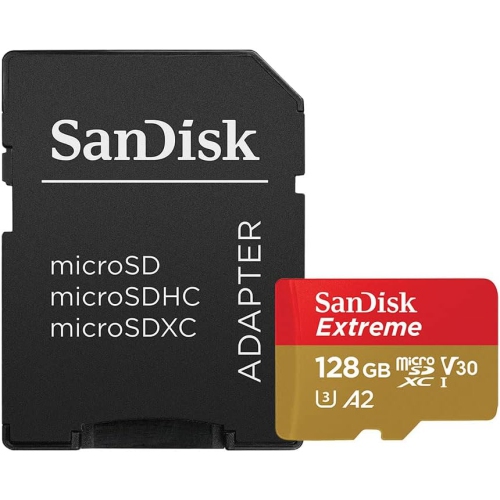
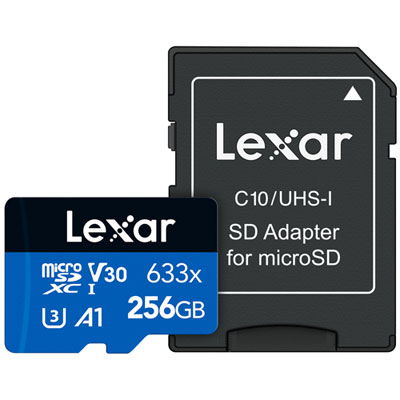
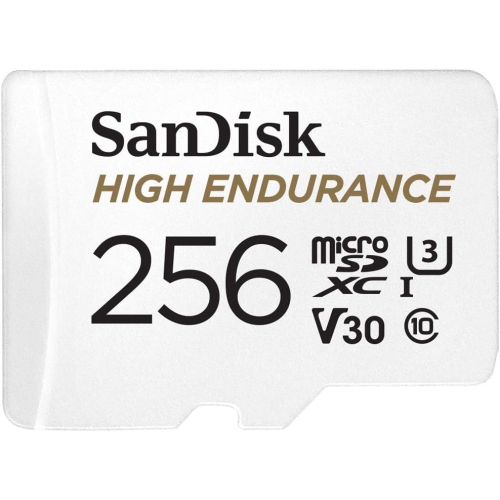
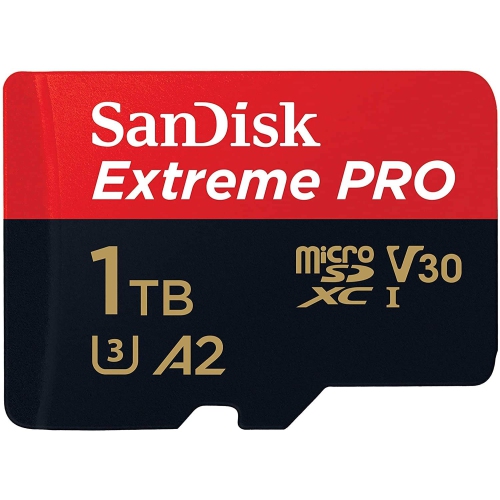
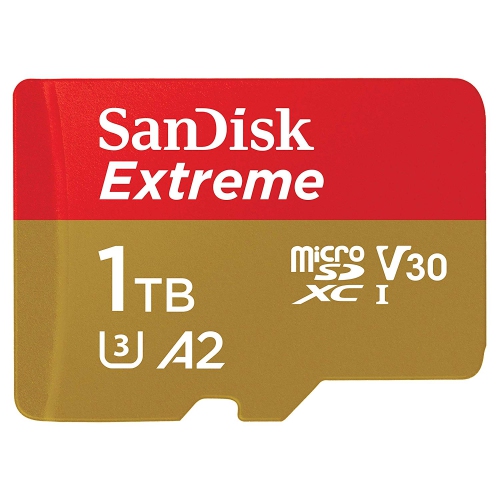
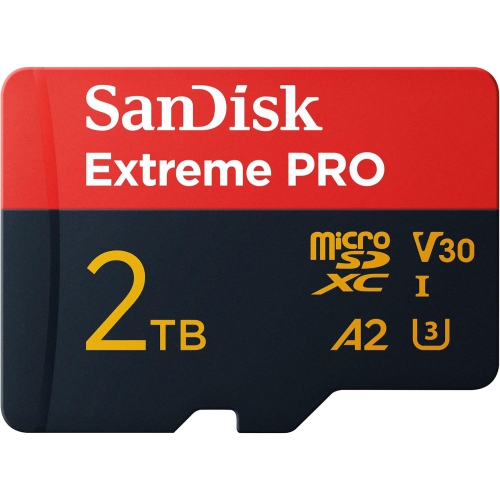
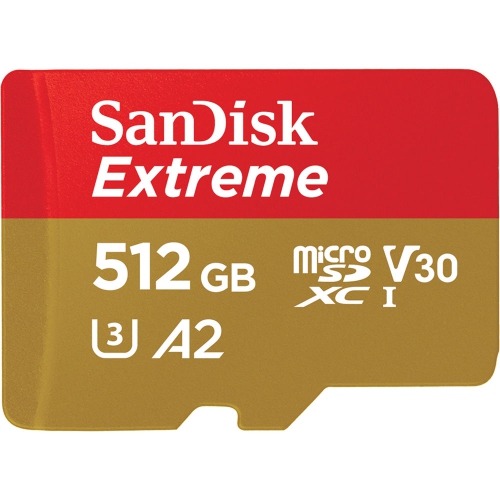
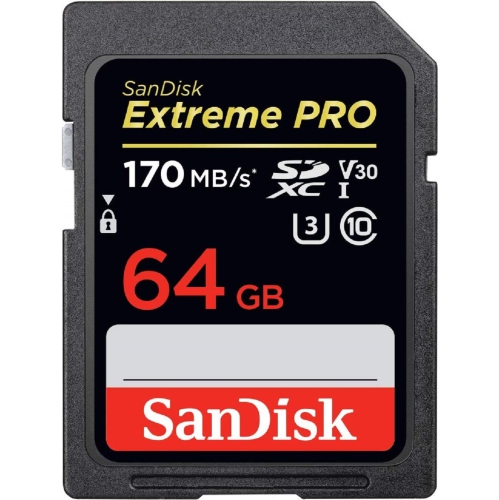
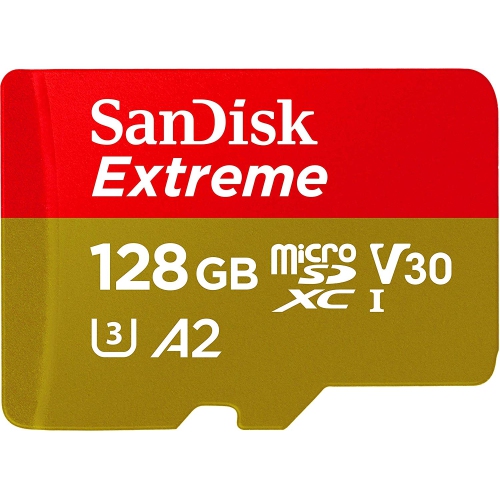
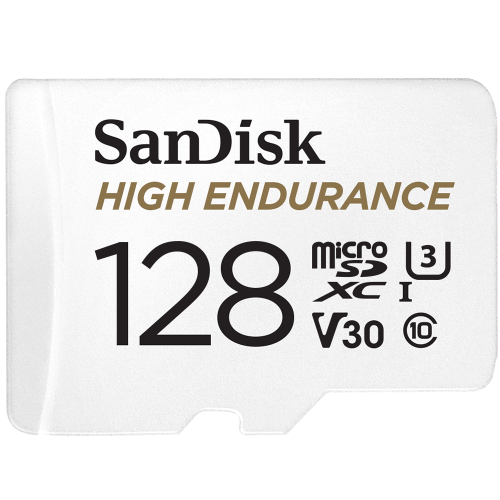
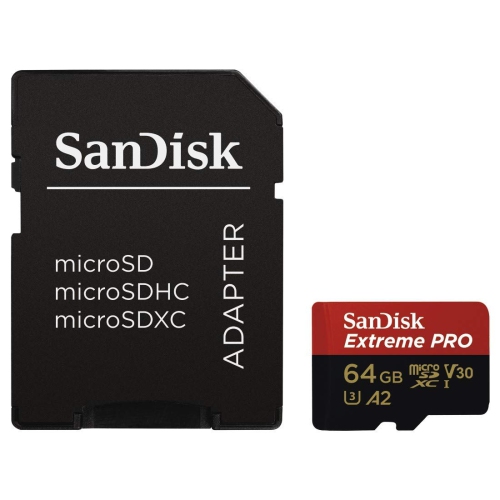
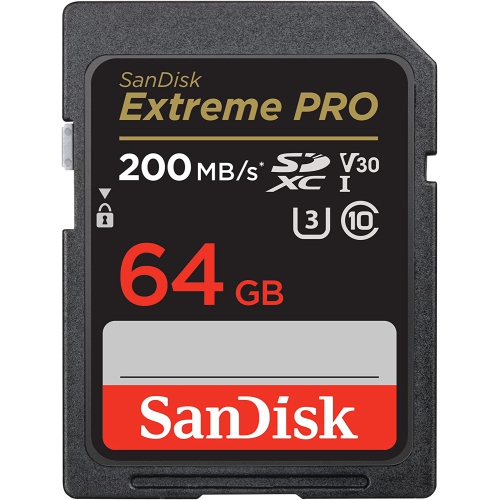
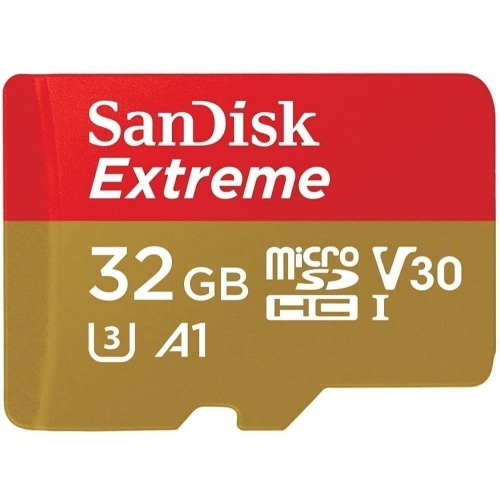
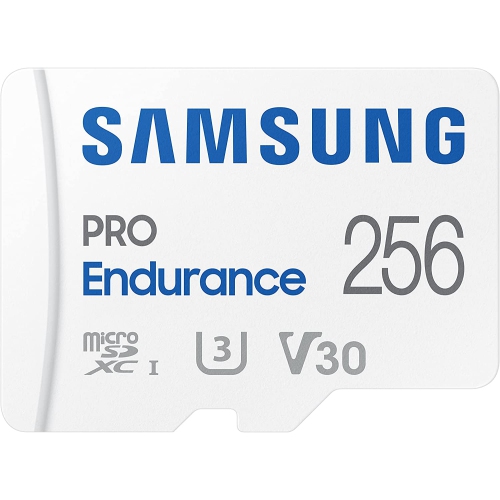
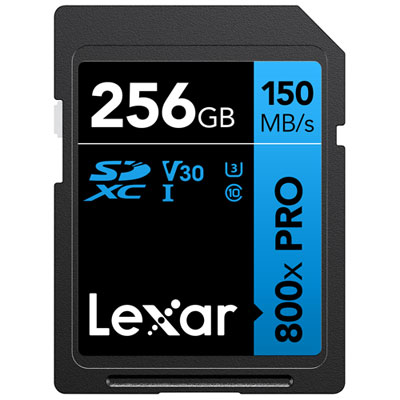
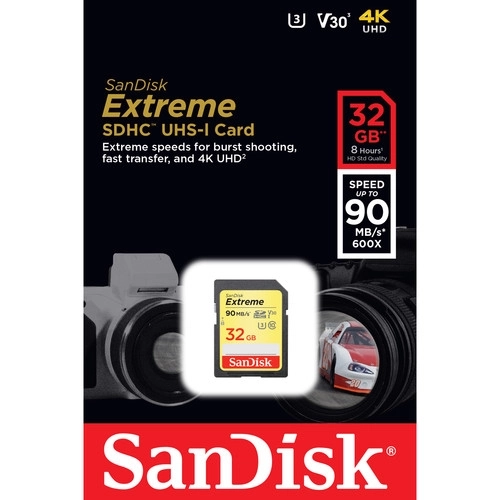
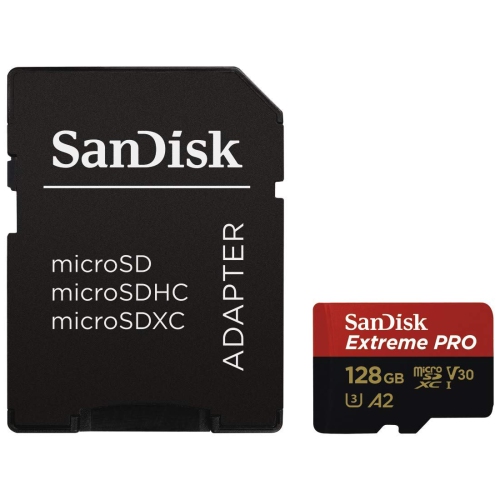
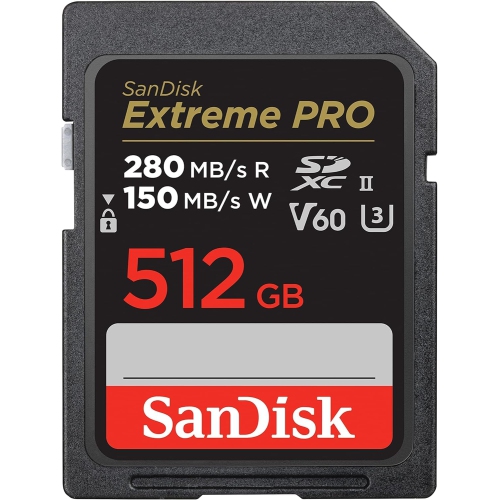
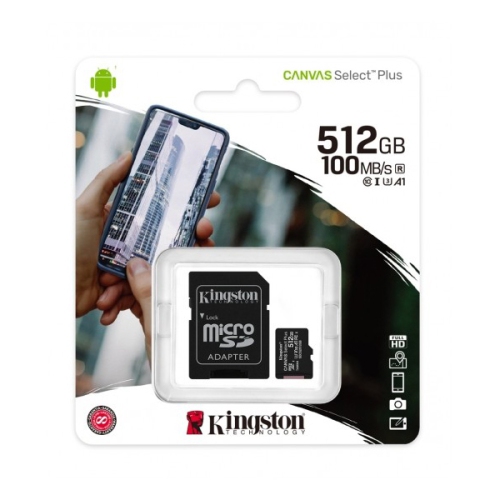
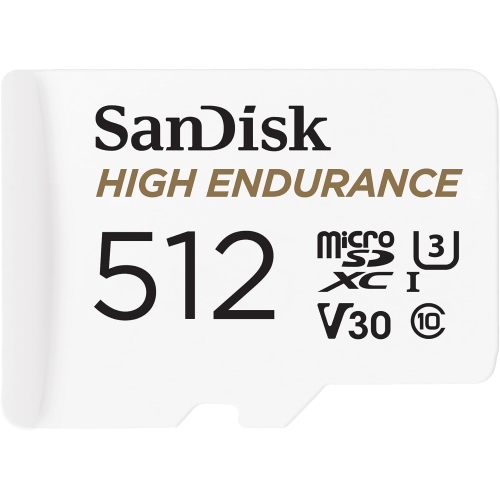
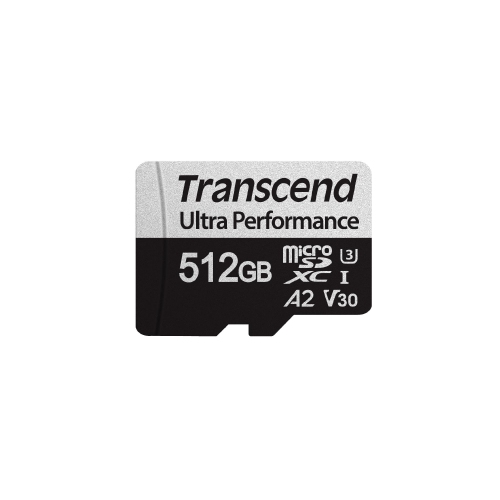
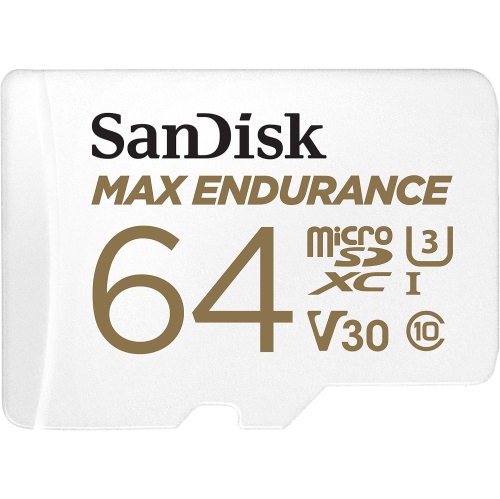
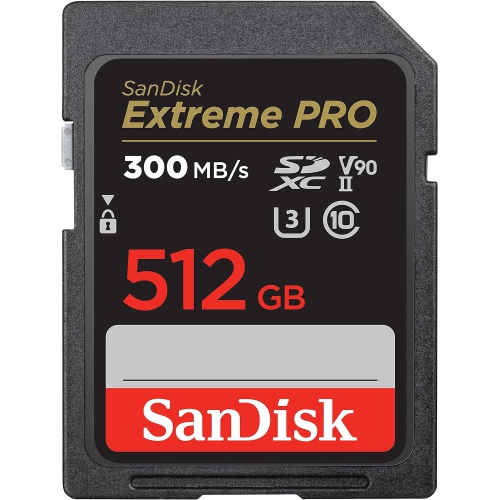
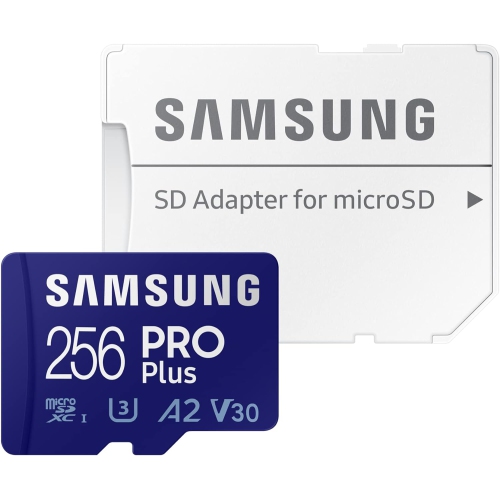
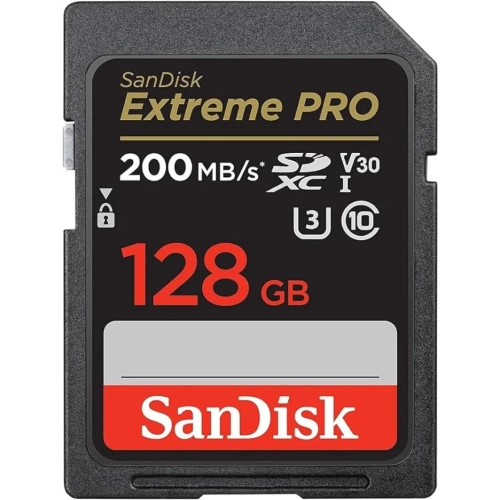
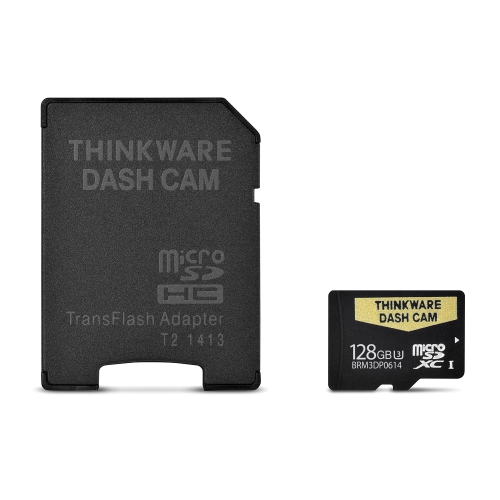
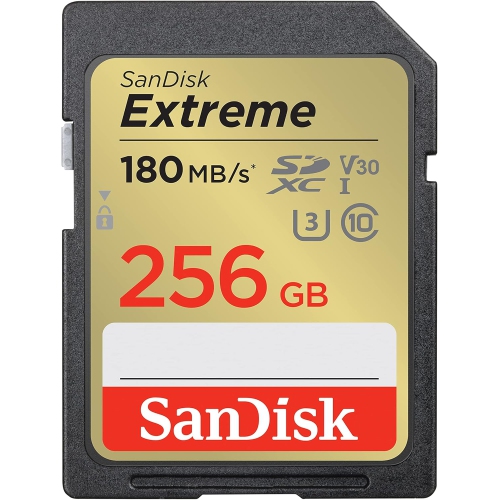
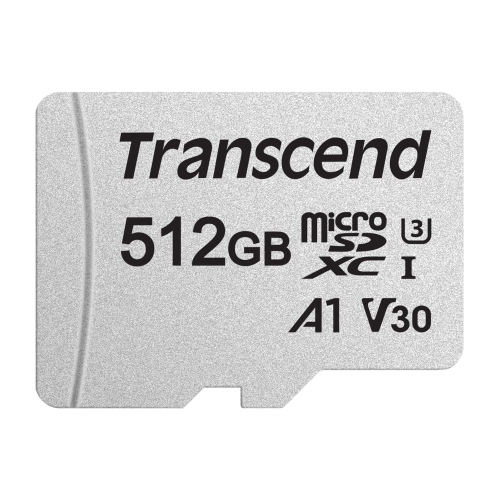
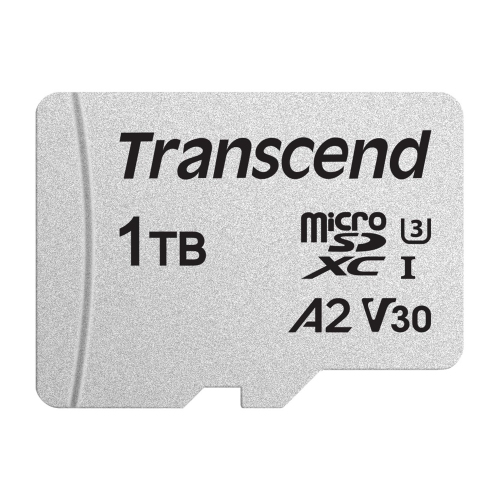
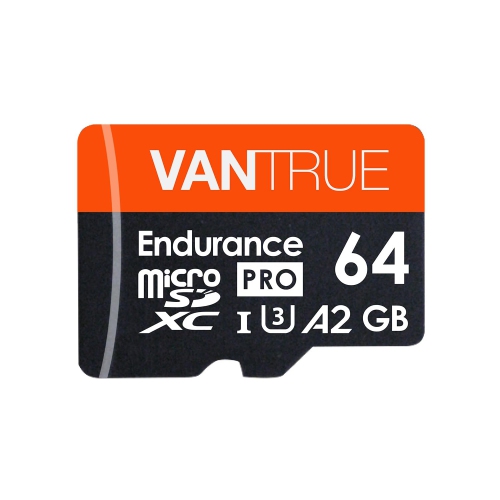
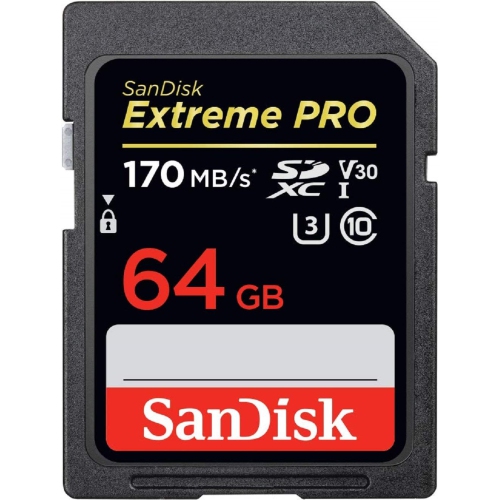
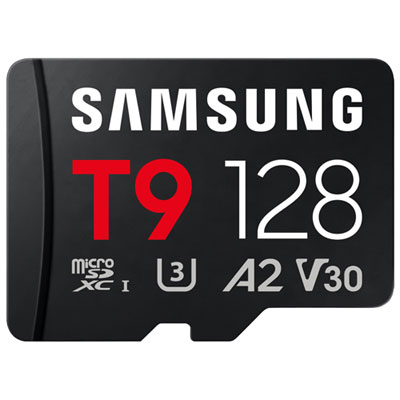
MicroSD cards for 4K video give compact cameras, action cameras, drones, smartphones and handheld gaming devices the storage they need for detailed footage, but not every card is designed for sustained video recording. 4K files contain considerably more data than Full HD files, so a card that works well for photos or casual clips may struggle when a camera is writing continuously. The most important specifications to check are the Video Speed Class and UHS Speed Class markings. For standard 4K recording, look for at least a V30 or U3 rating. Both indicate a minimum sustained write speed of 30 MB/s, which helps the card keep up with the steady flow of data produced by many 4K cameras. A card’s advertised maximum read speed is useful when transferring footage to a computer, but sustained write performance is the specification that matters most during recording. If your camera supports high-bitrate video, 4K at 100 or 120 frames per second, slow-motion capture, professional codecs or RAW recording, a V60 or V90 card may be the more suitable choice. These higher Video Speed Class ratings are designed for heavier recording workloads, although the camera itself must support the required speed and format. Before buying, check the device’s manual or manufacturer specifications for its maximum supported capacity, speed class and card format. A card with excellent specifications cannot overcome a camera that has a lower compatibility limit, and some devices may need a firmware update before they can use newer or higher-capacity cards.
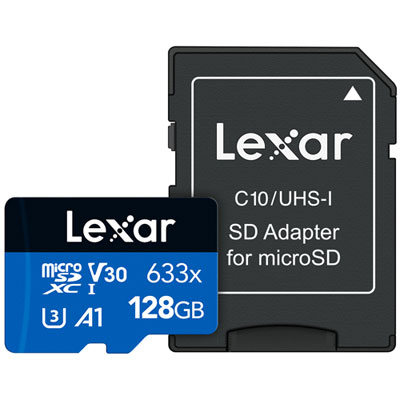
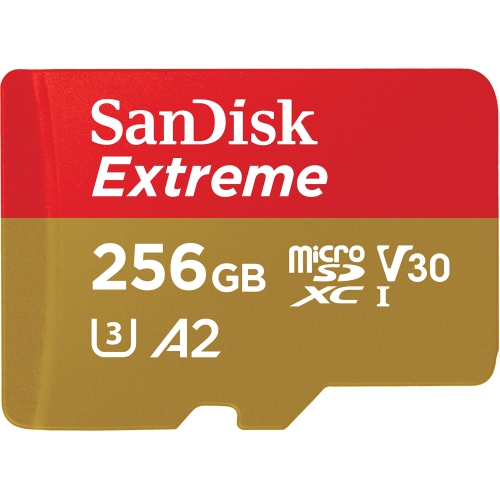
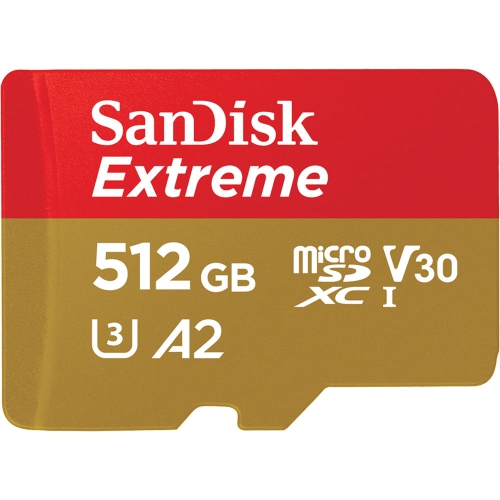
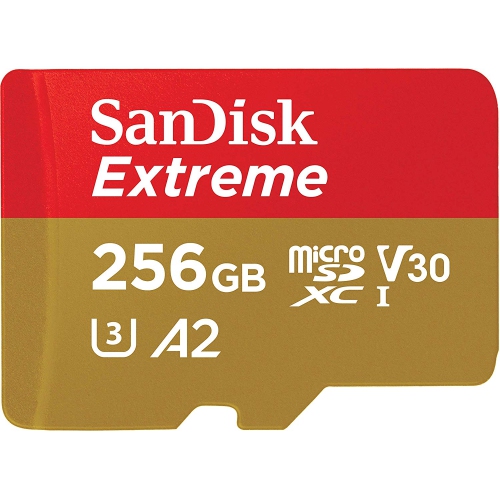
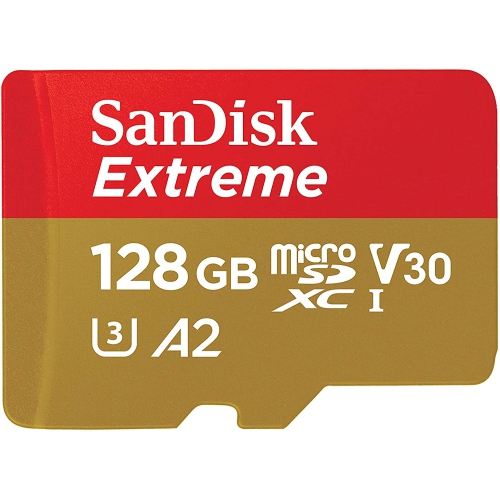
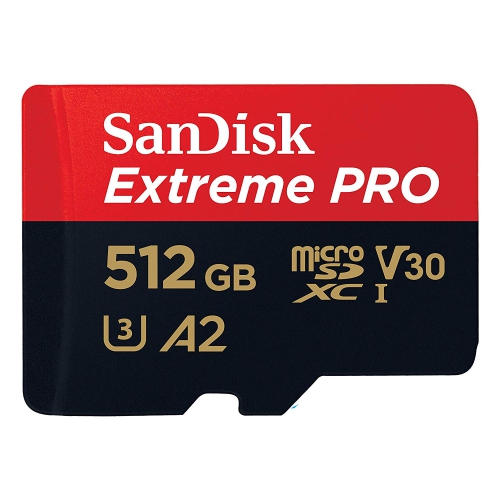
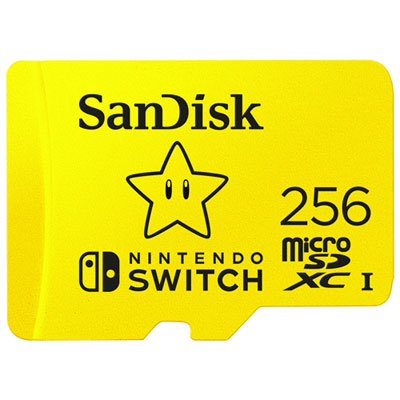
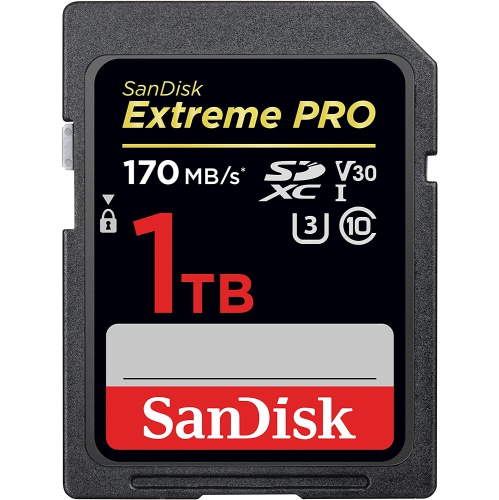
Capacity is another key consideration, particularly when recording 4K video during travel, family events, outdoor adventures or long production days. A 128GB card can be a practical choice for shorter outings or as a spare, while 256GB and 512GB capacities offer a useful balance between recording time and convenience for many 4K users. As a general estimate, a 256GB card may hold roughly 4.5 hours of 4K footage, while a 512GB card may hold around 9 hours, but the actual amount varies with the camera’s bitrate, frame rate, codec, audio settings and file structure. Higher-quality recording modes use storage more quickly, so the capacity shown on the packaging should not be treated as an exact footage limit. MicroSDXC cards are typically the right format for larger capacities, and compatible devices commonly use the exFAT file system to support large video files. It is best to format the card in the camera or recording device before an important session, following the manufacturer’s instructions, rather than relying on a card that has been used in several different devices. Formatting erases existing files, so transfer and verify your footage first. Keeping a second card in your camera bag can be helpful when a card fills unexpectedly, and a card reader that supports the appropriate transfer standard can make moving large 4K files to a computer much faster. For shoppers comparing options, Fast Speed Micro SD Cards for 4K Video Recording can help narrow the selection to cards suited to demanding capture tasks. It is also worth considering operating temperature, water resistance, shock resistance and other durability features when a card will be used in an action camera, drone or outdoor camera, although the protection offered by the card should complement, not replace, careful handling and device protection.
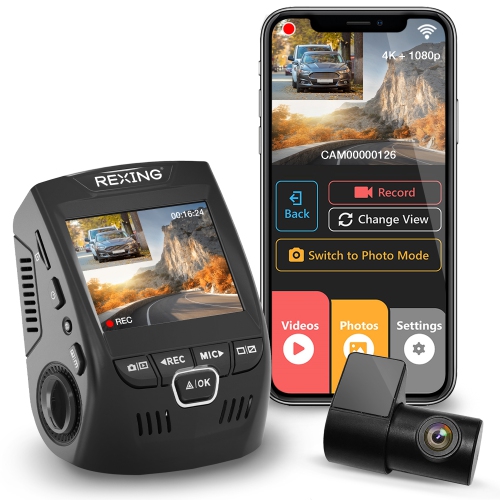
These cards are useful for anyone who wants to preserve moments in high detail without carrying larger recording media. A parent might use one in an action camera to capture a child’s first bike ride, a traveller may record winding roads and changing landscapes from a dash camera, and a content creator may depend on several high-speed cards while moving between a tripod, handheld camera and drone. They can also make thoughtful gifts for someone starting photography or video, especially when paired with a camera bag, card reader or storage case. A spare card is often appreciated because running out of space in the middle of a scenic walk, sports event or family gathering can mean missing the next important shot. For regular use, rotate cards instead of filling a single card repeatedly, copy footage to a computer or other storage location after recording, and safely eject the card before removing it from a reader. Avoid buying solely on capacity or a large read-speed number; a properly matched V30 or U3 card is usually a sensible starting point for everyday 4K, while V60 or V90 is better suited to demanding professional settings. Also confirm whether the device requires a full-size SD adapter, whether the camera supports the selected capacity, and whether the card has been purchased from a dependable retailer. Matching the card to the camera’s resolution, frame rate and bitrate helps reduce recording interruptions, corrupted clips and frustrating “card too slow” messages, leaving more room to focus on the scene in front of the lens as the weather warms, during the cooler months or on any day worth remembering.
Capacity is another key consideration, particularly when recording 4K video during travel, family events, outdoor adventures or long production days. A 128GB card can be a practical choice for shorter outings or as a spare, while 256GB and 512GB capacities offer a useful balance between recording time and convenience for many 4K users. As a general estimate, a 256GB card may hold roughly 4.5 hours of 4K footage, while a 512GB card may hold around 9 hours, but the actual amount varies with the camera’s bitrate, frame rate, codec, audio settings and file structure. Higher-quality recording modes use storage more quickly, so the capacity shown on the packaging should not be treated as an exact footage limit. MicroSDXC cards are typically the right format for larger capacities, and compatible devices commonly use the exFAT file system to support large video files. It is best to format the card in the camera or recording device before an important session, following the manufacturer’s instructions, rather than relying on a card that has been used in several different devices. Formatting erases existing files, so transfer and verify your footage first. Keeping a second card in your camera bag can be helpful when a card fills unexpectedly, and a card reader that supports the appropriate transfer standard can make moving large 4K files to a computer much faster. For shoppers comparing options, Fast Speed Micro SD Cards for 4K Video Recording can help narrow the selection to cards suited to demanding capture tasks. It is also worth considering operating temperature, water resistance, shock resistance and other durability features when a card will be used in an action camera, drone or outdoor camera, although the protection offered by the card should complement, not replace, careful handling and device protection.
These cards are useful for anyone who wants to preserve moments in high detail without carrying larger recording media. A parent might use one in an action camera to capture a child’s first bike ride, a traveller may record winding roads and changing landscapes from a dash camera, and a content creator may depend on several high-speed cards while moving between a tripod, handheld camera and drone. They can also make thoughtful gifts for someone starting photography or video, especially when paired with a camera bag, card reader or storage case. A spare card is often appreciated because running out of space in the middle of a scenic walk, sports event or family gathering can mean missing the next important shot. For regular use, rotate cards instead of filling a single card repeatedly, copy footage to a computer or other storage location after recording, and safely eject the card before removing it from a reader. Avoid buying solely on capacity or a large read-speed number; a properly matched V30 or U3 card is usually a sensible starting point for everyday 4K, while V60 or V90 is better suited to demanding professional settings. Also confirm whether the device requires a full-size SD adapter, whether the camera supports the selected capacity, and whether the card has been purchased from a dependable retailer. Matching the card to the camera’s resolution, frame rate and bitrate helps reduce recording interruptions, corrupted clips and frustrating “card too slow” messages, leaving more room to focus on the scene in front of the lens as the weather warms, during the cooler months or on any day worth remembering.
Top selling and popular products
-
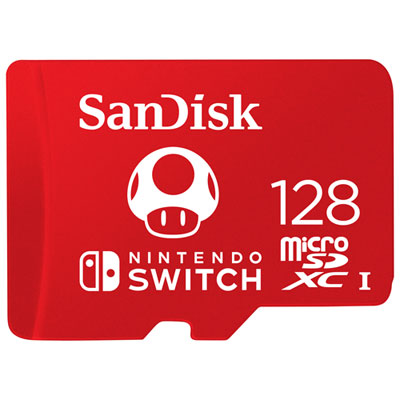 Your price for this item is $77.98
 -
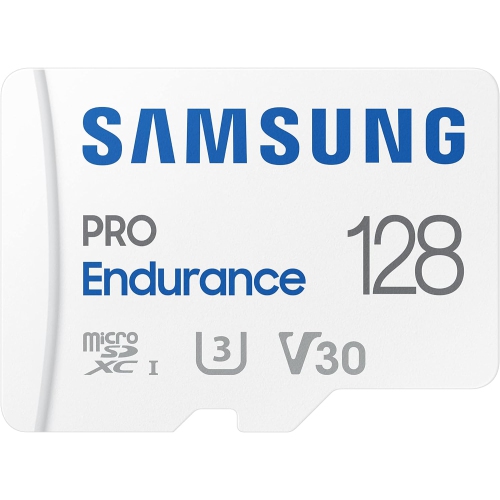 Your price for this item is $117.45
 -
 Your price for this item is $106.45
 -
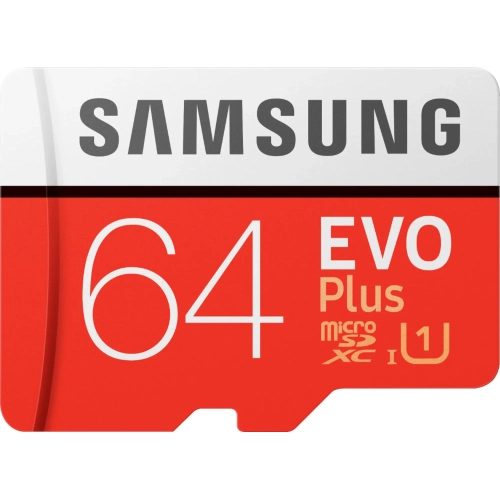 Your price for this item is $53.99
 -
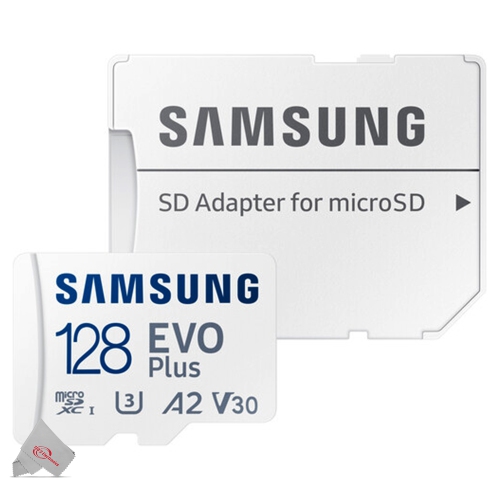 Your price for this item is $56.45
 -
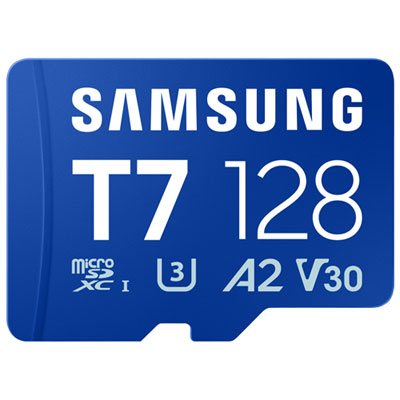 Your price for this item is $69.99
 -
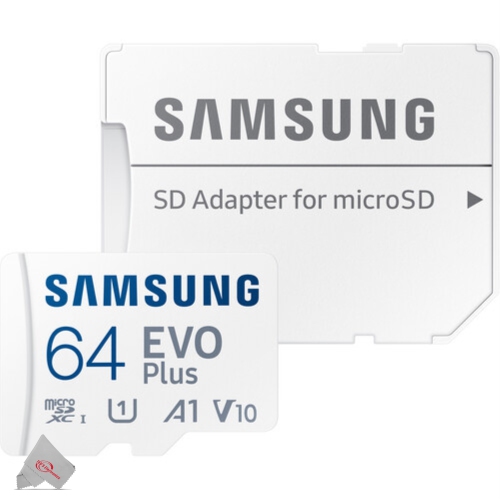 Your price for this item is $48.45
 -
 Your price for this item is $84.99
Discover more categories related to Micro SD Cards for 4K Video
Top Collections:
Pokemon Centers, Kindle Devices, Best Budget Office Chairs, Apple iPhones 16, Best Laptops for Writers, iPhone 15 Apple, Canon G7X Cameras, Refurbished Apple Laptops, Alarm Clock, Motorola Razr Phones
Some products may be subject to Environmental Handling Fees
(EHF) depending on your province.
Learn more about EHFs.