Top Podcast Microphones
Podcasting is a great way to share your stories, opinions, and interests with the world. It's also a great way to connect with other people who have similar interests. To get started, you'll need a microphone. There are many different types of podcast microphones available, but they all serve the same purpose: to pick up your voice and record it so others can hear it. Here are some of our favorites.
Sort
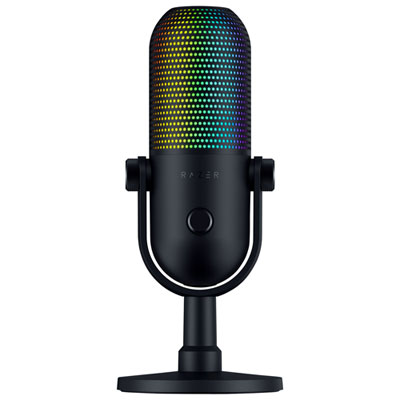
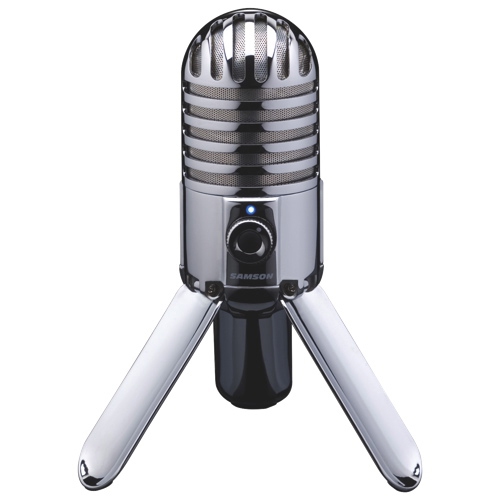
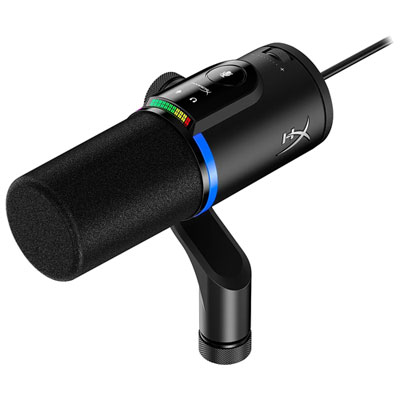
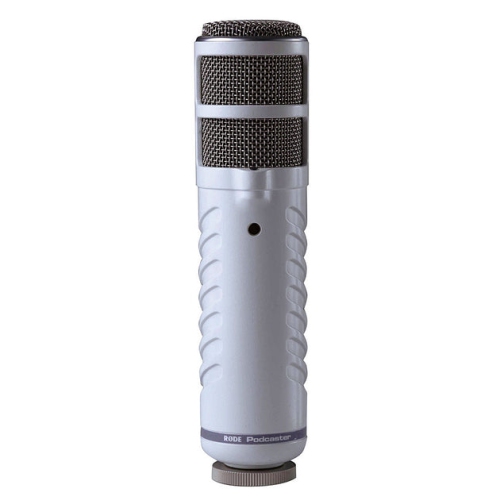

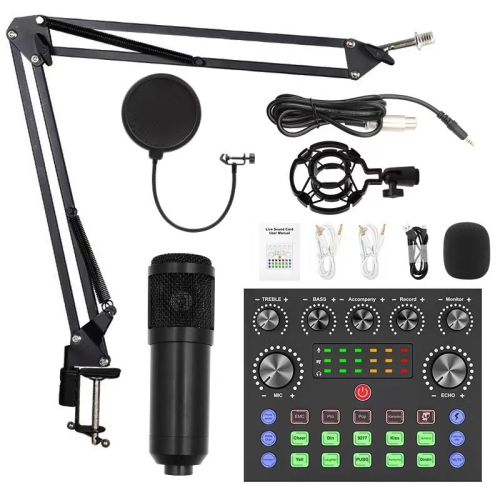
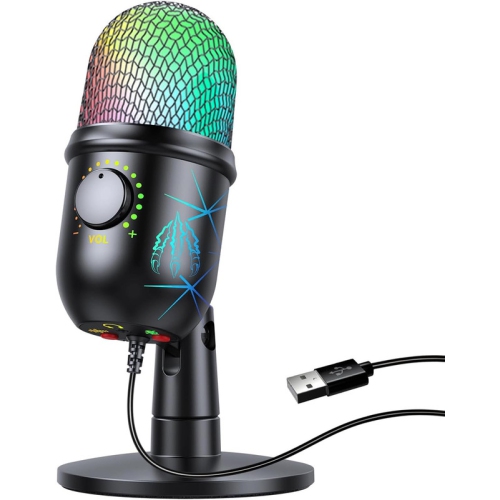
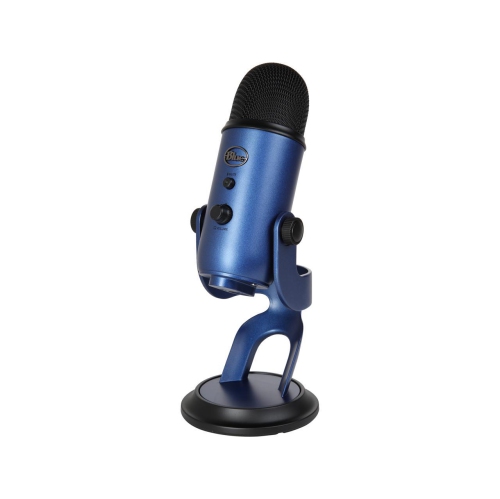
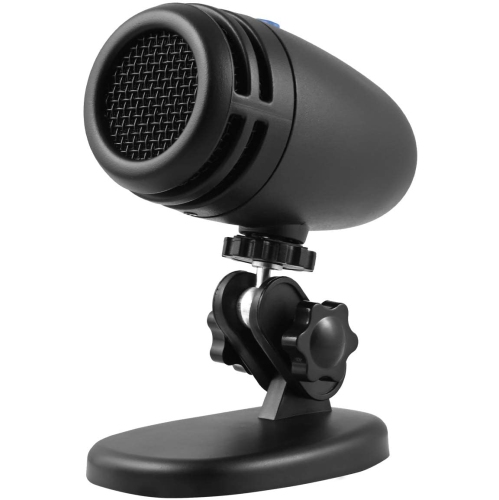

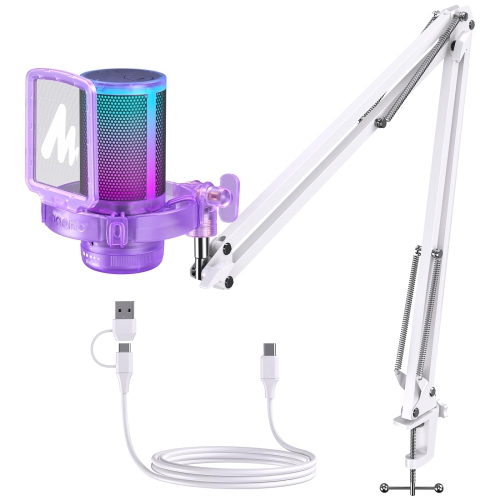
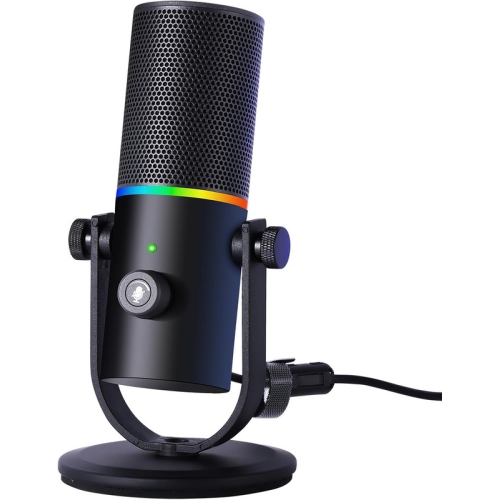

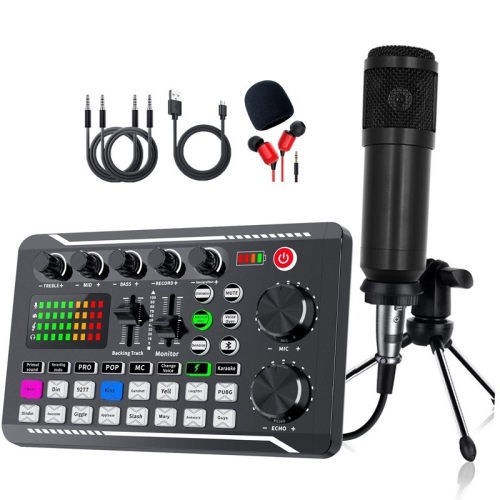
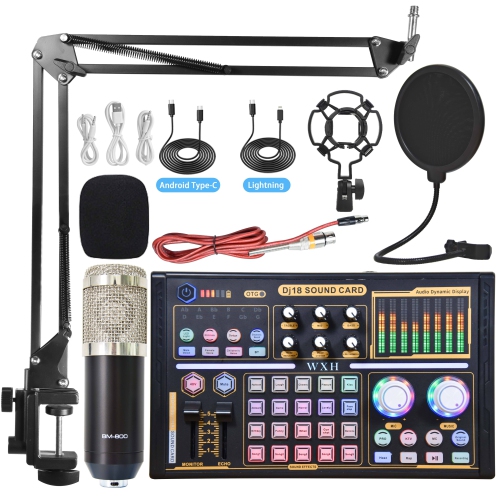
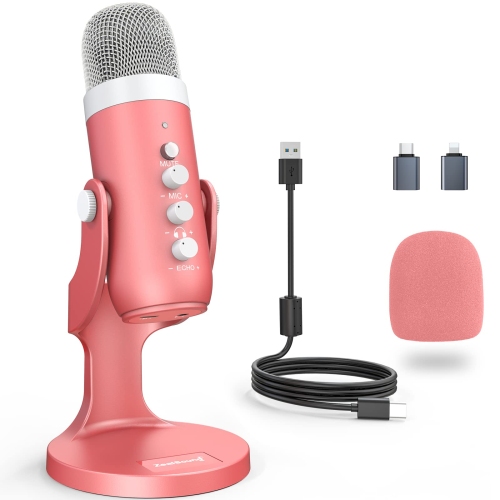
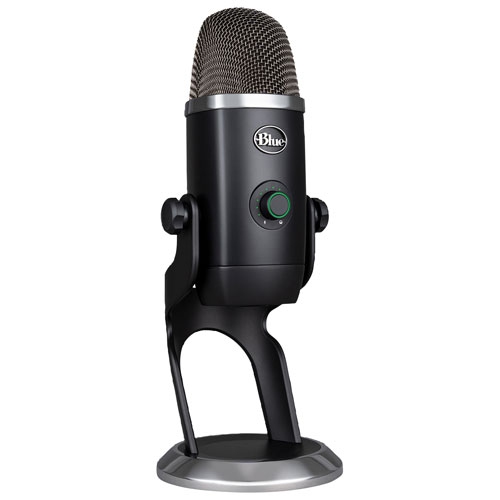
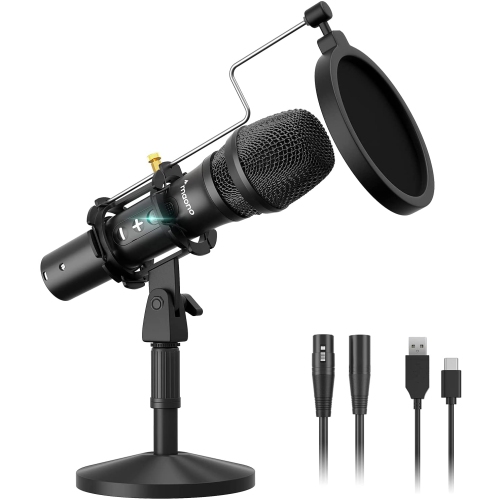
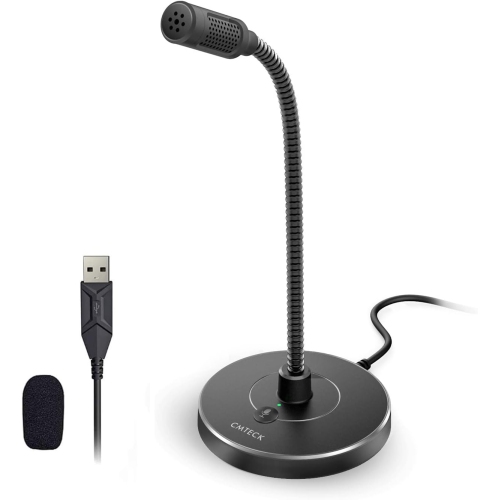
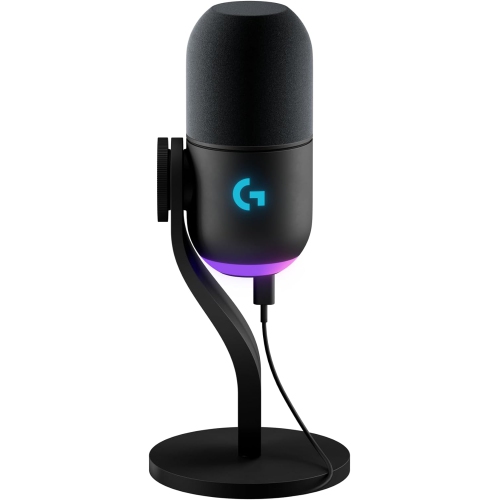
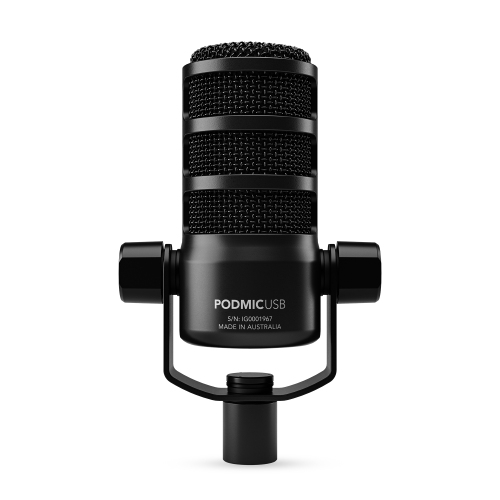
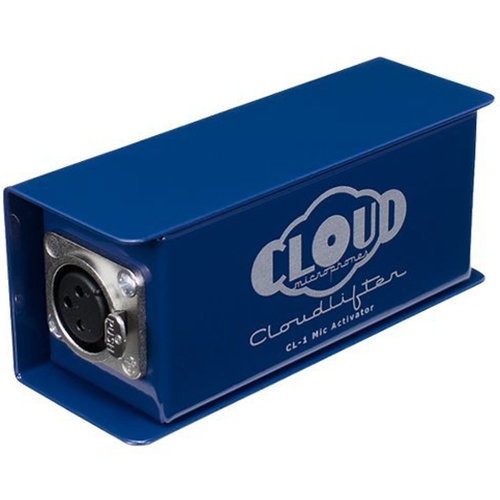
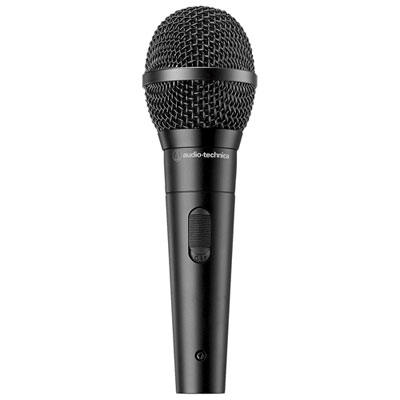

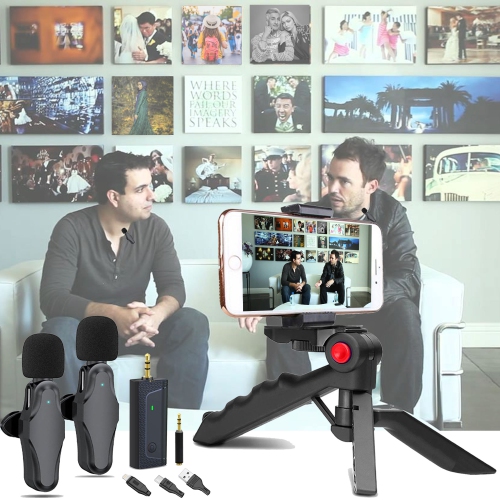
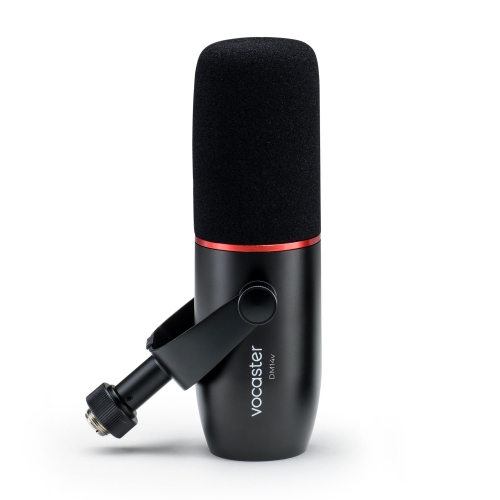

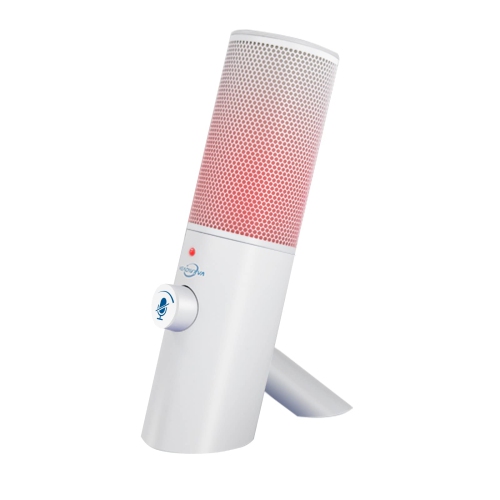
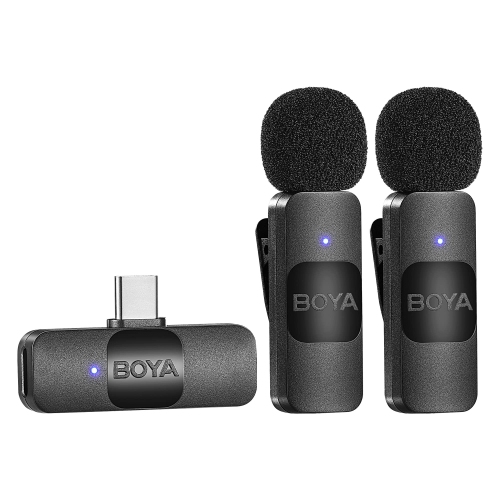
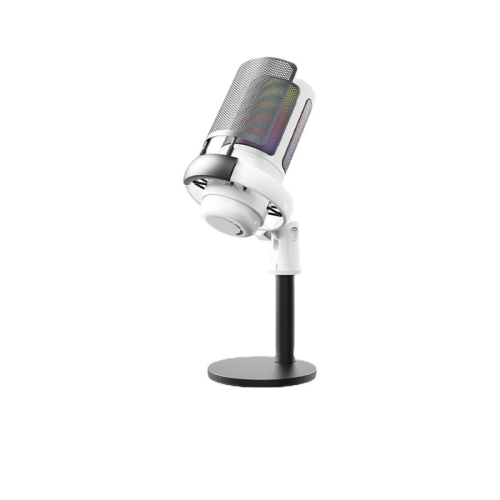
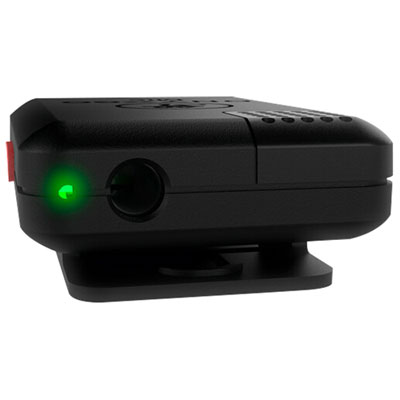
Clear voices start with the right microphone setup
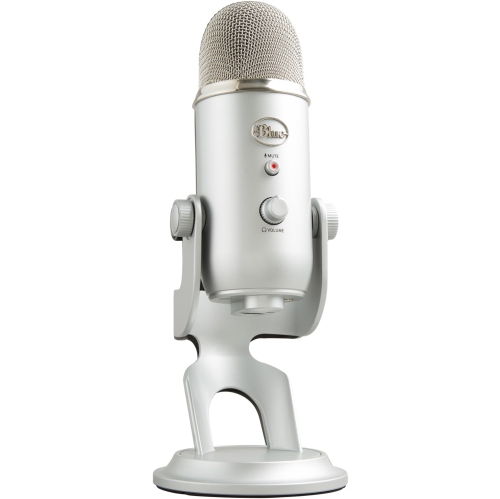
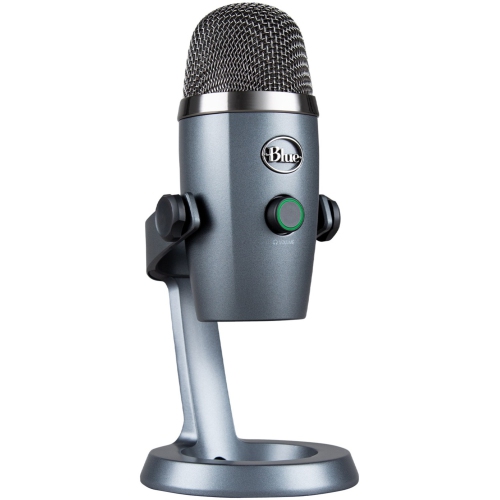
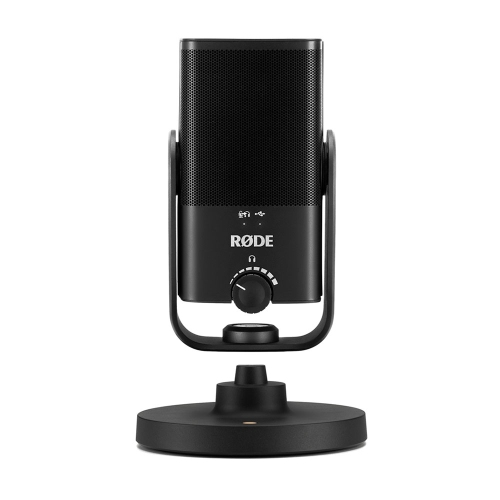
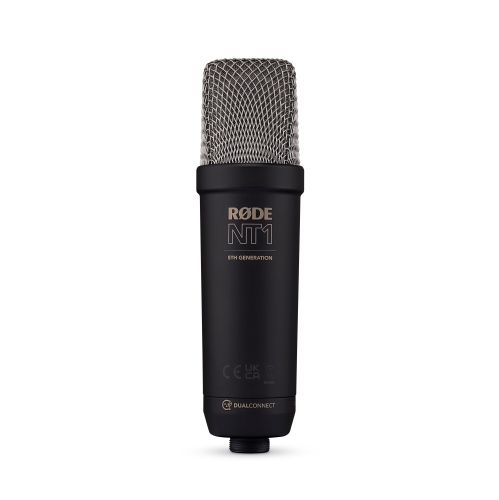
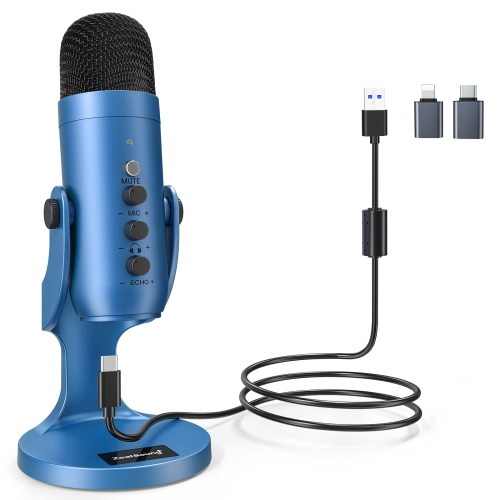
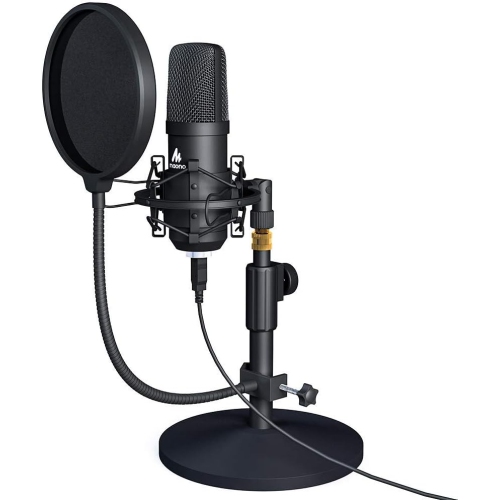
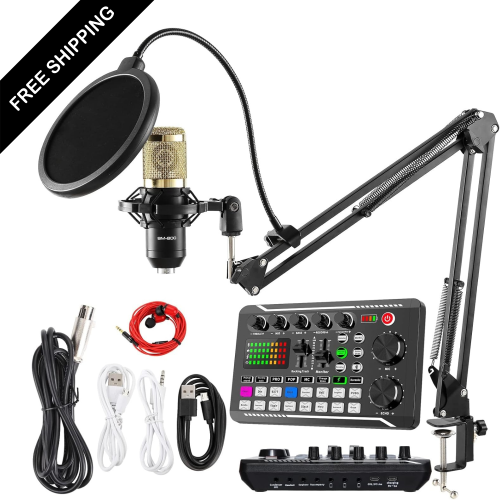
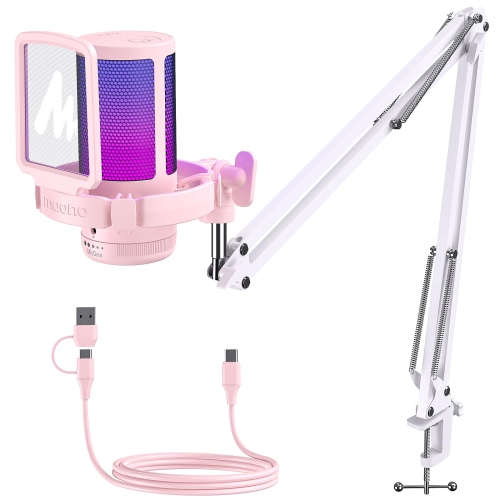
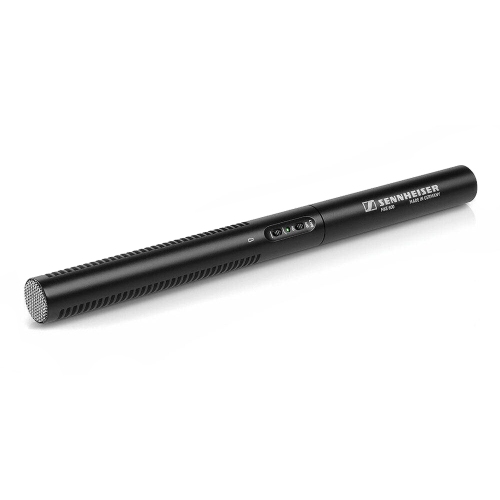
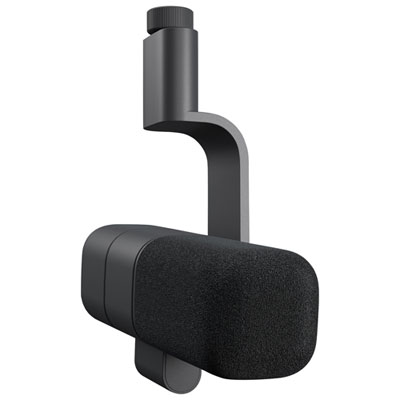
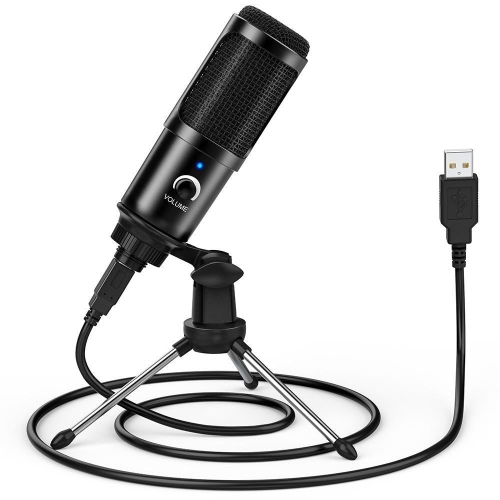
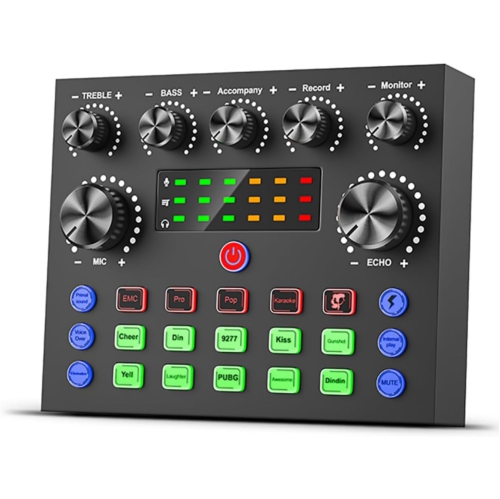
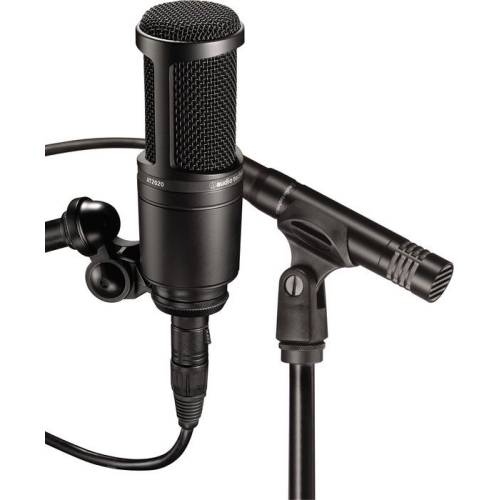
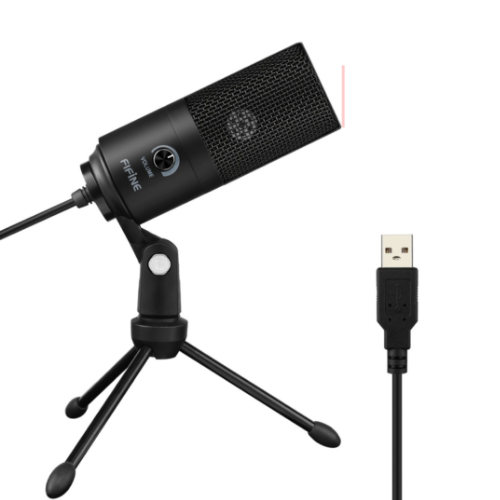
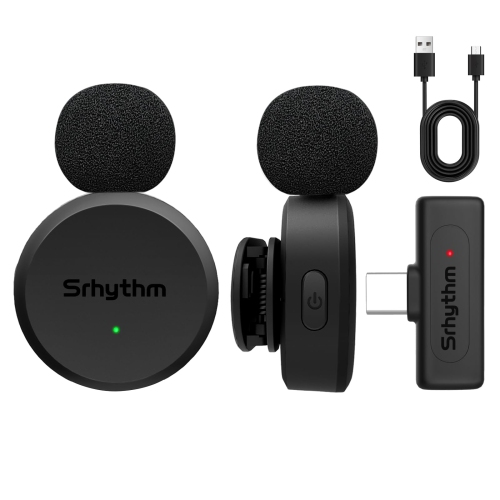
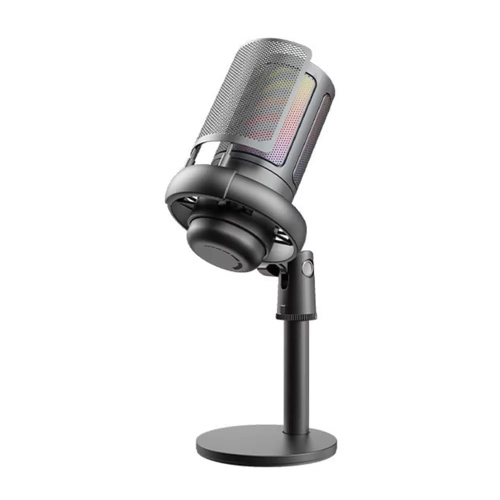
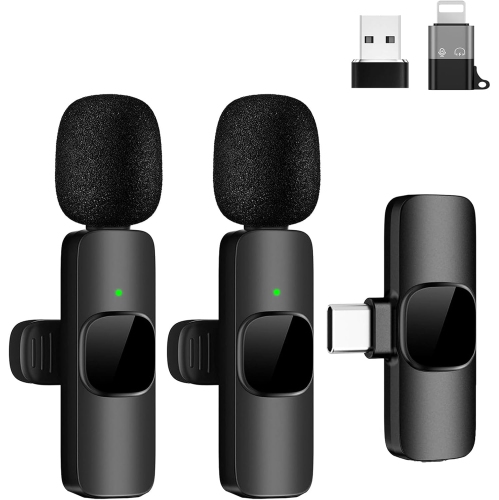
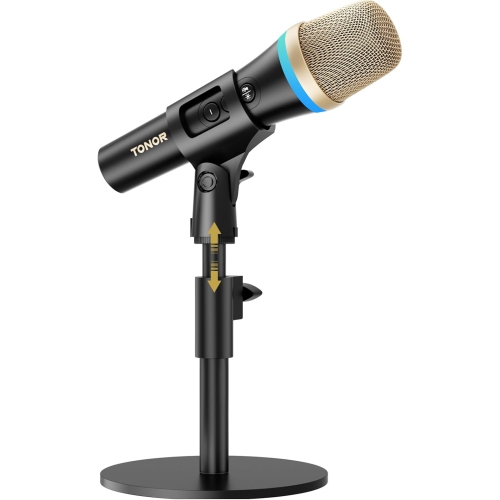
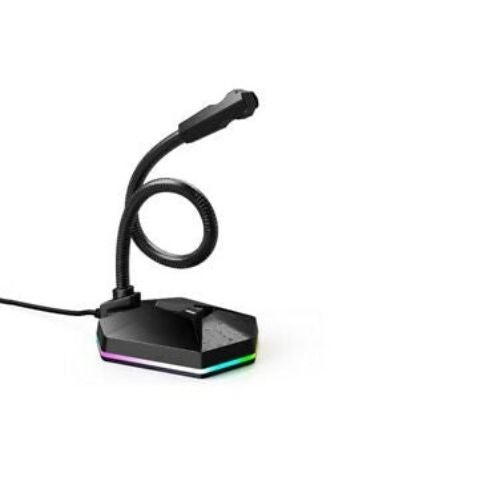
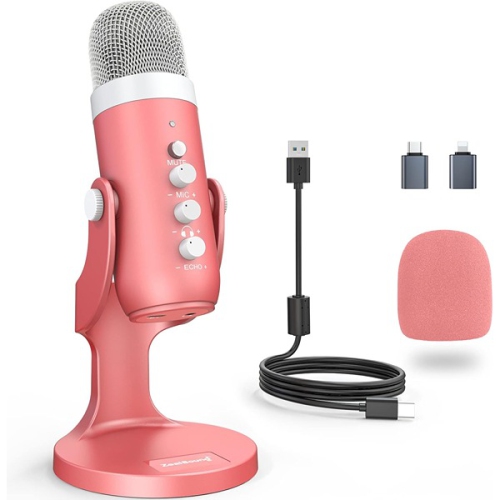
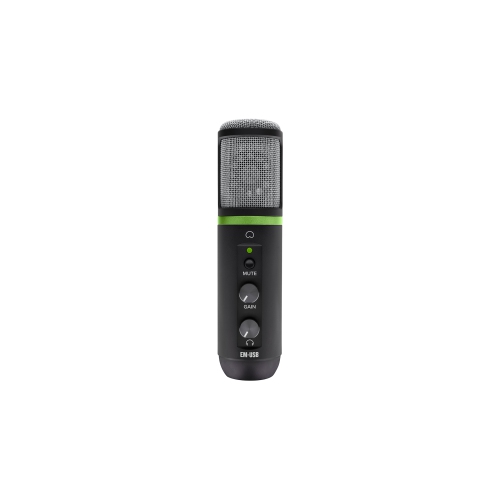
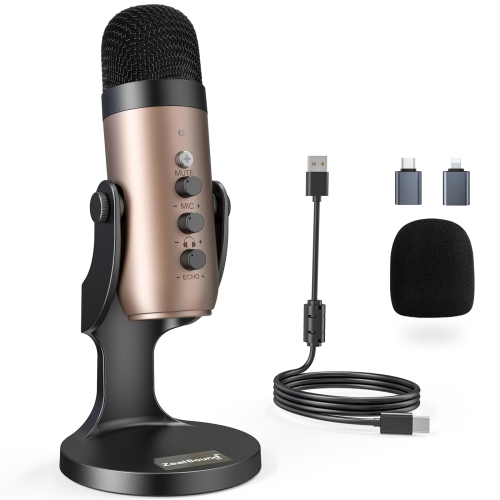
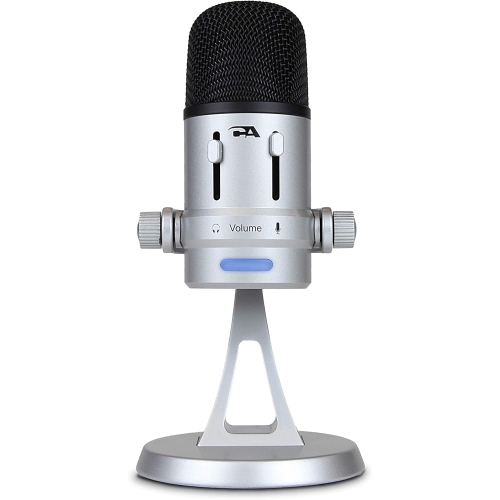
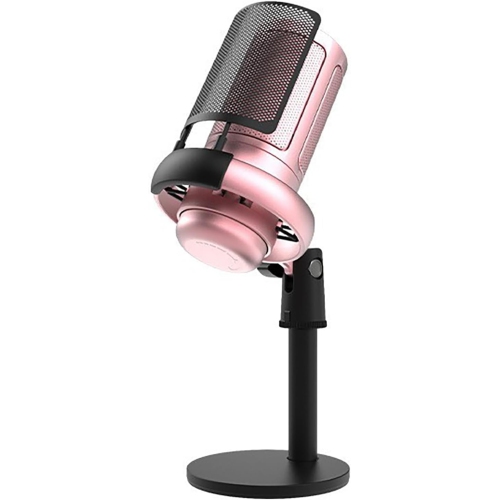
Choosing among top podcast microphones starts with understanding how and where the microphone will be used. A good podcast microphone should make speech sound clear, natural, and easy to follow, whether you are recording a solo show, hosting a two-person interview, streaming a live discussion, or capturing voiceovers for videos. Dynamic microphones are a popular choice for podcasting because they focus closely on the speaker’s voice and tend to reduce the sound of keyboards, computer fans, traffic, and room reflections. This can be especially helpful in a home office, bedroom, or dining area that has not been treated for recording. Condenser microphones can capture more detail and a wider range of vocal texture, which may suit a carefully arranged studio, but they can also pick up more background sound. Consider the character of your recording space, the distance between the microphone and your mouth, and the type of voice you want to present before choosing a style. USB microphones connect directly to a computer or compatible device, making them convenient for beginners, remote interviews, online meetings, and creators who want to record without additional equipment. XLR microphones connect to an audio interface, mixer, or podcast console and offer a more flexible path for adjusting gain, monitoring several microphones, and expanding a recording setup over time. Some microphones offer both USB and XLR connections, allowing you to begin with a simple direct connection and move to more advanced equipment later. That flexible format can be useful for a new host who is still learning, as well as for an experienced creator who records in more than one location.
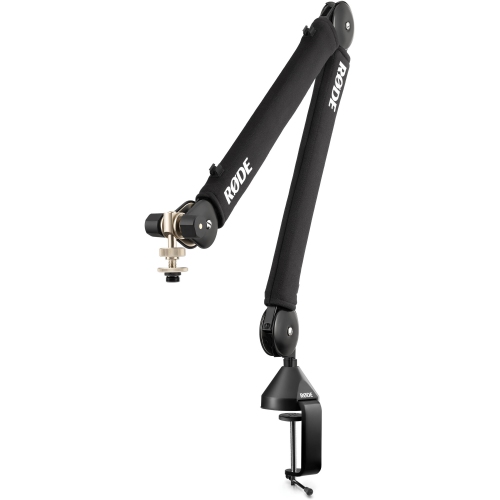
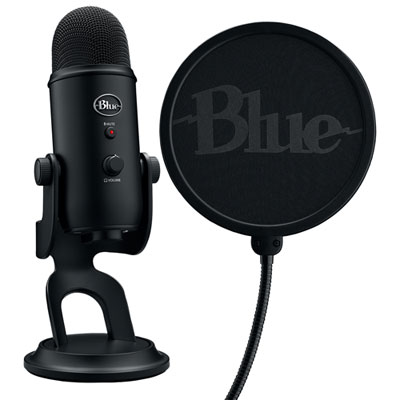
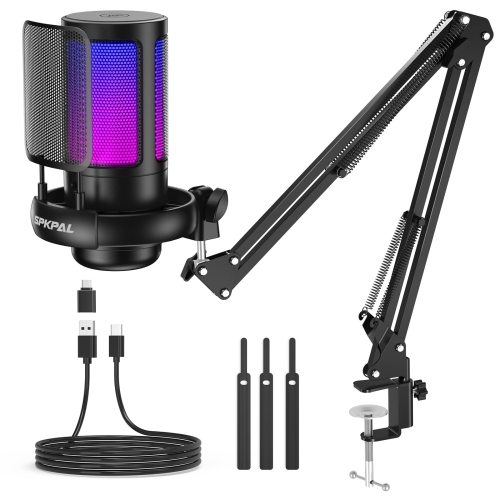
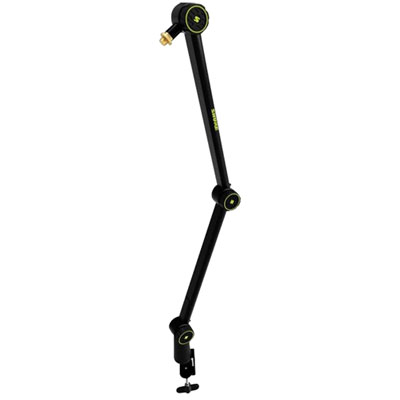
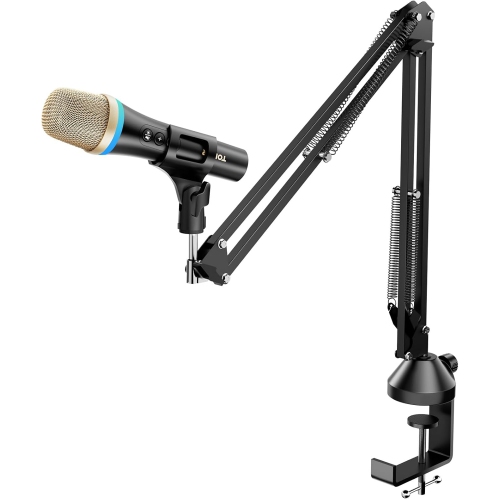
Sound quality is influenced by more than the microphone itself. A sturdy stand or boom arm helps keep the microphone in a consistent position, reducing bumps and handling noise while leaving space on the desk for notes, headphones, or a mixer. A pop filter or foam windscreen can soften bursts of air from sounds such as “p” and “b,” while a shock mount may reduce vibrations from footsteps, desk movement, and nearby equipment. Headphone monitoring helps you hear whether your voice is too quiet, distorted, muffled, or affected by a loose cable before an entire episode has been recorded. Look for a microphone with controls that suit your workflow, such as a mute button, headphone output, volume control, or adjustable gain. A cardioid pickup pattern is often well suited to solo podcasting because it favours sound from the front and rejects much of what comes from behind the microphone. For interviews or group discussions, multiple microphones or a broader pickup pattern may be more practical, although careful placement remains important. Speak into the side or end of the microphone as directed by its design, keep your mouth at a consistent distance, and angle the microphone slightly to reduce harsh breath sounds. A recording space with curtains, bookshelves, rugs, and upholstered furniture will usually produce a more controlled sound than a large, bare room with hard walls. Even a small change, such as moving away from a reflective window or placing a rug under a desk, can make spoken audio sound warmer and less echo-filled. Those details matter for podcasts because listeners may be using earbuds, car speakers, smart speakers, or headphones, and clear vocal presence helps maintain their attention across every setting.
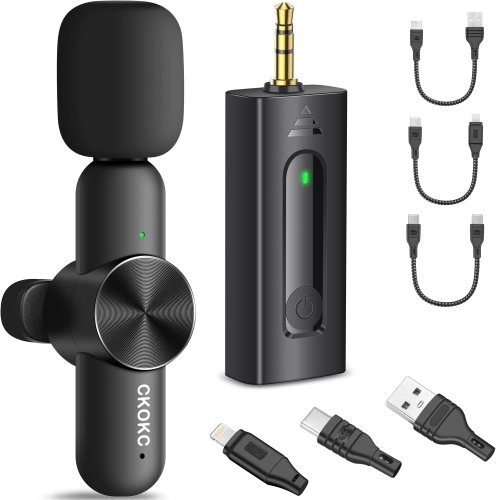
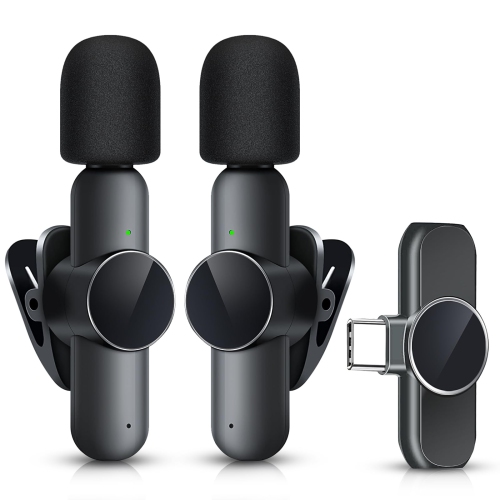
Top podcast microphones can suit a wide range of people, including first-time hosts, established broadcasters, educators, musicians recording spoken introductions, business owners producing customer conversations, and video creators who want more polished narration. They can also make a thoughtful gift for someone launching a podcast, building a streaming setup, taking online courses, or creating interviews with friends and family. For a beginner, ease of setup may be more valuable than a long list of advanced specifications. A USB connection, included cable, simple controls, and compatibility with common recording software can help turn an idea into a first episode with less technical frustration. For someone with an audio interface already in place, an XLR model may provide the connection and control they expect. If the microphone will be shared among several speakers, consider how easy it is to adjust the stand, position each person comfortably, and keep voices at a consistent level. Creators who record in libraries, offices, hotel rooms, or other temporary spaces may prefer a compact setup that travels easily; explore Portable Microphones for Podcasting for options designed with mobility in mind. A microphone that fits into a small bag can be useful for recording community stories, field interviews, travel episodes, or seasonal conversations without relying on a permanent studio. Before buying, check device compatibility, connection type, included accessories, mounting requirements, and the available space on your desk. It is also worth considering whether the microphone will be used with one voice or several, whether recordings will take place in a quiet room or an active household, and whether the setup needs to support future upgrades. The right choice balances vocal clarity, background-noise control, connection flexibility, comfort, and everyday convenience, helping each recording feel more natural from the opening introduction through the final sign-off.
Sound quality is influenced by more than the microphone itself. A sturdy stand or boom arm helps keep the microphone in a consistent position, reducing bumps and handling noise while leaving space on the desk for notes, headphones, or a mixer. A pop filter or foam windscreen can soften bursts of air from sounds such as “p” and “b,” while a shock mount may reduce vibrations from footsteps, desk movement, and nearby equipment. Headphone monitoring helps you hear whether your voice is too quiet, distorted, muffled, or affected by a loose cable before an entire episode has been recorded. Look for a microphone with controls that suit your workflow, such as a mute button, headphone output, volume control, or adjustable gain. A cardioid pickup pattern is often well suited to solo podcasting because it favours sound from the front and rejects much of what comes from behind the microphone. For interviews or group discussions, multiple microphones or a broader pickup pattern may be more practical, although careful placement remains important. Speak into the side or end of the microphone as directed by its design, keep your mouth at a consistent distance, and angle the microphone slightly to reduce harsh breath sounds. A recording space with curtains, bookshelves, rugs, and upholstered furniture will usually produce a more controlled sound than a large, bare room with hard walls. Even a small change, such as moving away from a reflective window or placing a rug under a desk, can make spoken audio sound warmer and less echo-filled. Those details matter for podcasts because listeners may be using earbuds, car speakers, smart speakers, or headphones, and clear vocal presence helps maintain their attention across every setting.
Top podcast microphones can suit a wide range of people, including first-time hosts, established broadcasters, educators, musicians recording spoken introductions, business owners producing customer conversations, and video creators who want more polished narration. They can also make a thoughtful gift for someone launching a podcast, building a streaming setup, taking online courses, or creating interviews with friends and family. For a beginner, ease of setup may be more valuable than a long list of advanced specifications. A USB connection, included cable, simple controls, and compatibility with common recording software can help turn an idea into a first episode with less technical frustration. For someone with an audio interface already in place, an XLR model may provide the connection and control they expect. If the microphone will be shared among several speakers, consider how easy it is to adjust the stand, position each person comfortably, and keep voices at a consistent level. Creators who record in libraries, offices, hotel rooms, or other temporary spaces may prefer a compact setup that travels easily; explore Portable Microphones for Podcasting for options designed with mobility in mind. A microphone that fits into a small bag can be useful for recording community stories, field interviews, travel episodes, or seasonal conversations without relying on a permanent studio. Before buying, check device compatibility, connection type, included accessories, mounting requirements, and the available space on your desk. It is also worth considering whether the microphone will be used with one voice or several, whether recordings will take place in a quiet room or an active household, and whether the setup needs to support future upgrades. The right choice balances vocal clarity, background-noise control, connection flexibility, comfort, and everyday convenience, helping each recording feel more natural from the opening introduction through the final sign-off.
Top selling and popular products
-
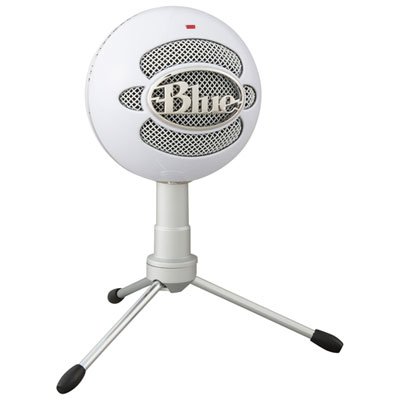 Your price for this item is $59.99
 -
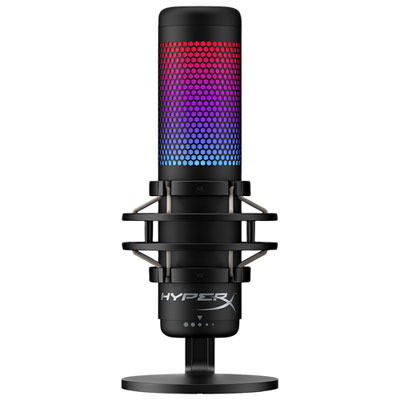 Your price for this item is $209.99
 -
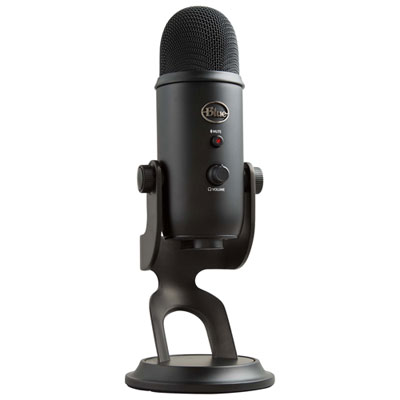 Your price for this item is $139.99
 -
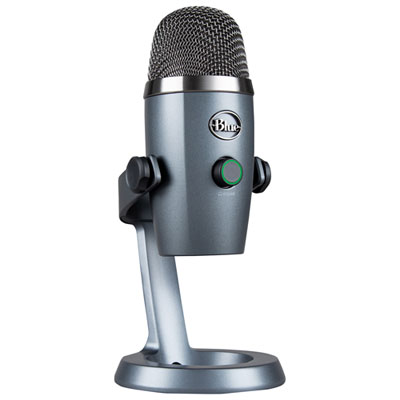 Your price for this item is $111.98
 -
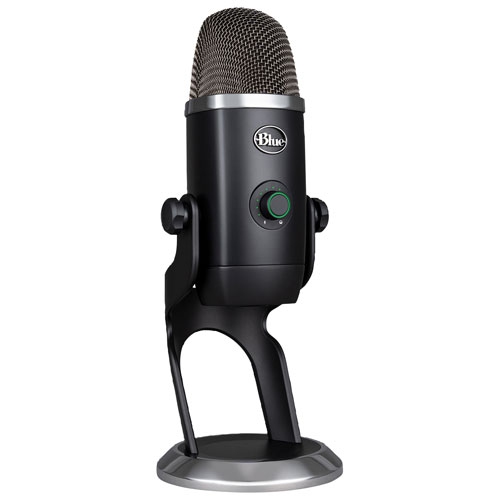 Your price for this item is $277.68
 -
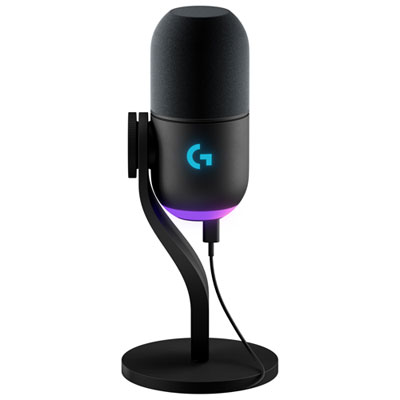 Your price for this item is $229.99
 -
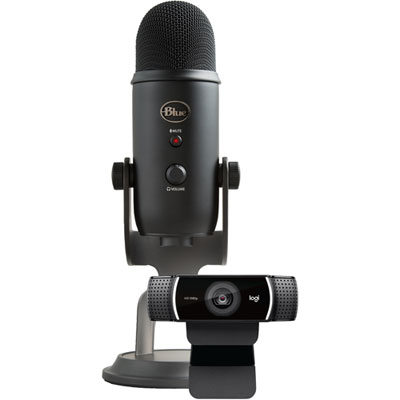 Your price for this item is $279.99
 -
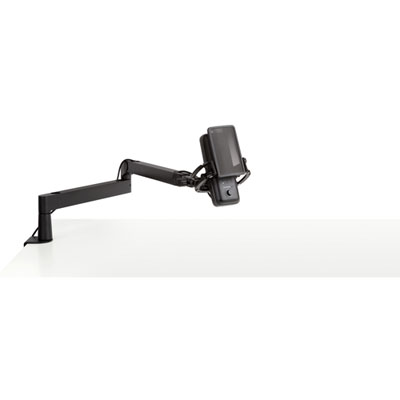 Your price for this item is $109.99
Discover more categories related to Top Podcast Microphones
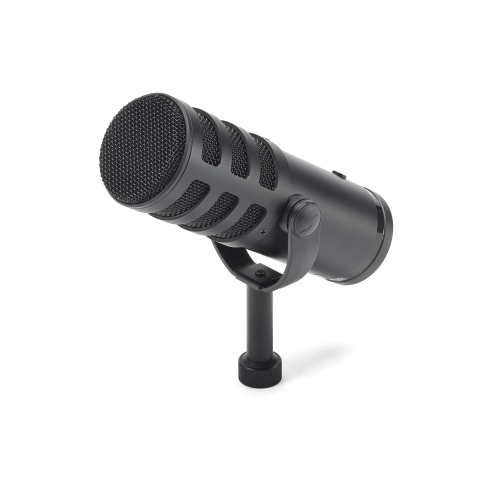
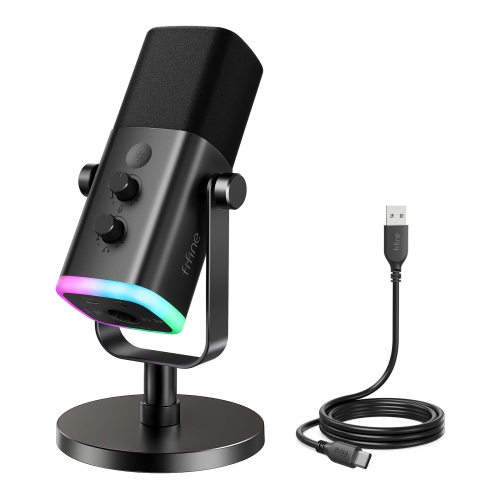
Top Collections:
Pokemon Centers, Kindle Devices, Best Budget Office Chairs, Apple iPhones 16, Best Laptops for Writers, iPhone 15 Apple, Canon G7X Cameras, Refurbished Apple Laptops, Alarm Clock, Motorola Razr Phones
Some products may be subject to Environmental Handling Fees
(EHF) depending on your province.
Learn more about EHFs.