Budget Microphones for Podcast
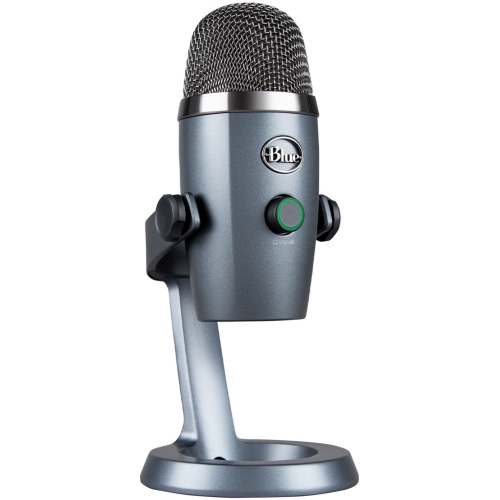
Podcasting is a great way to share your stories, opinions, and interests with the world. It's also a great way to connect with other people who have similar interests. To get started, you'll need a microphone and recording software. Here are some of the best budget podcasting microphones available today.
Sort
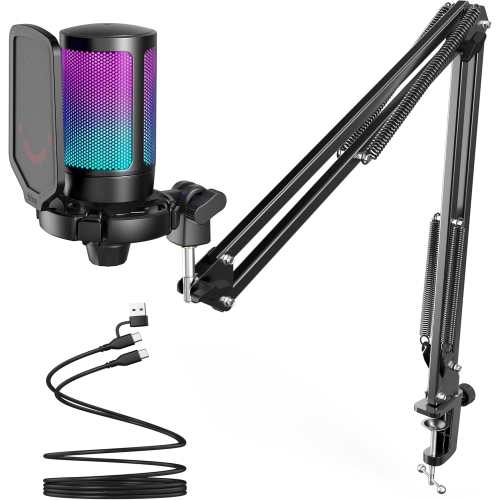
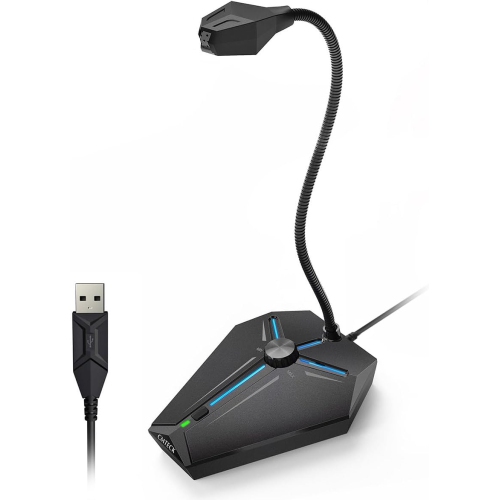
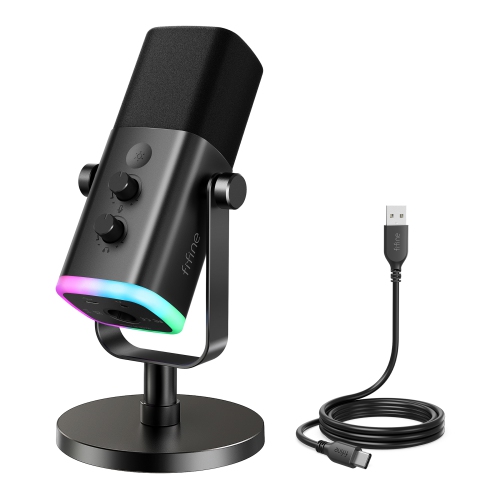
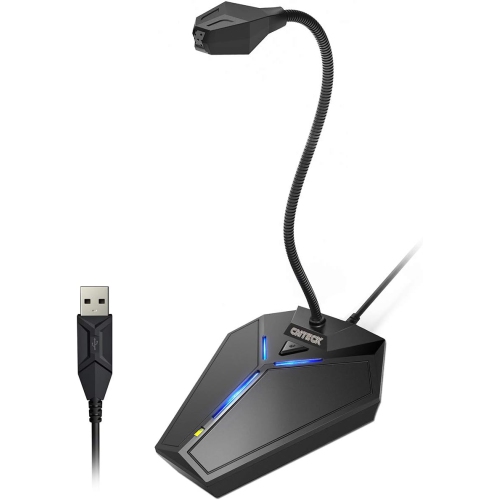
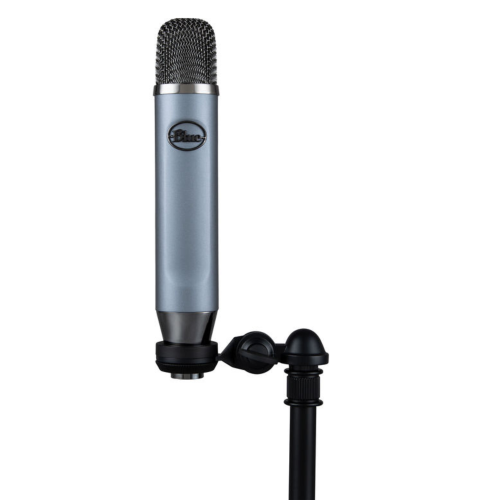
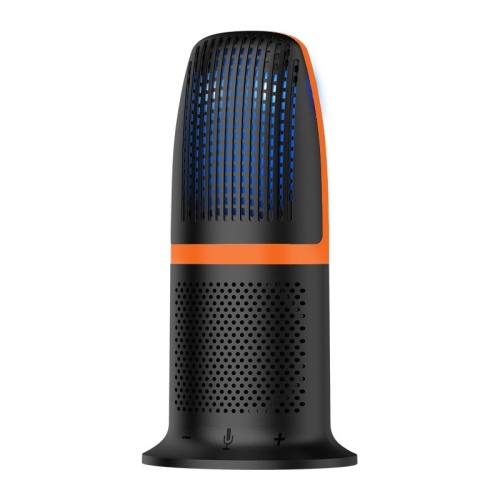
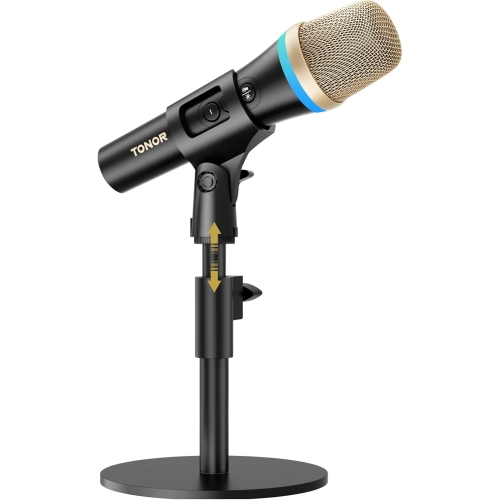
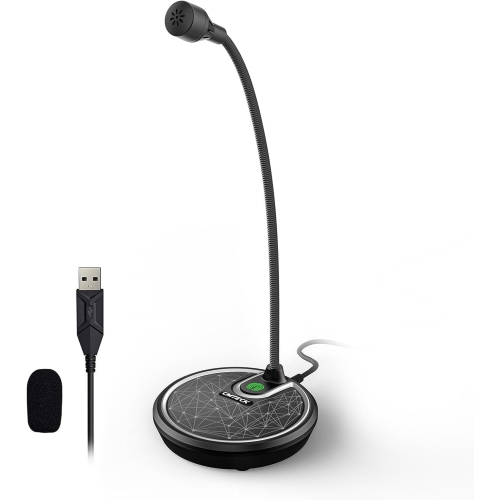
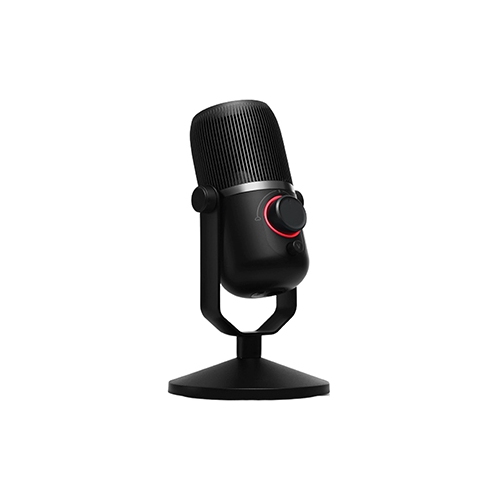
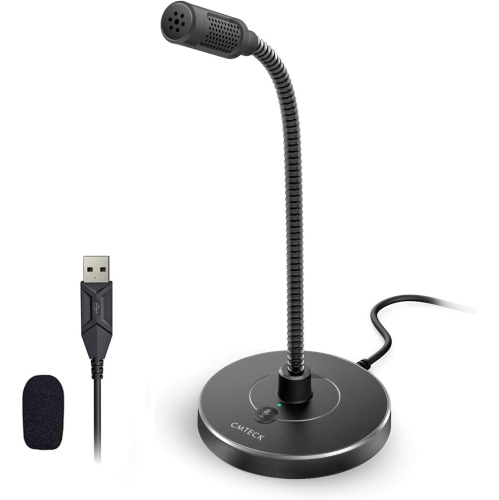
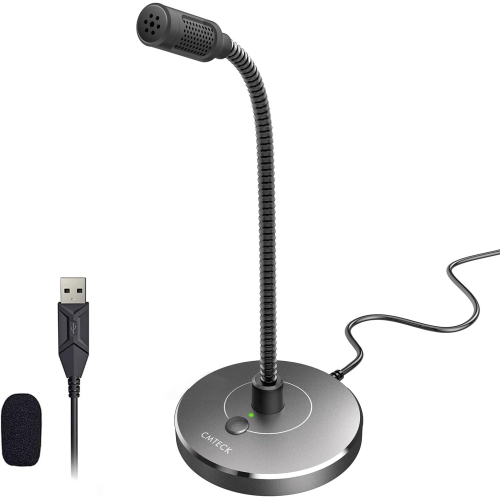
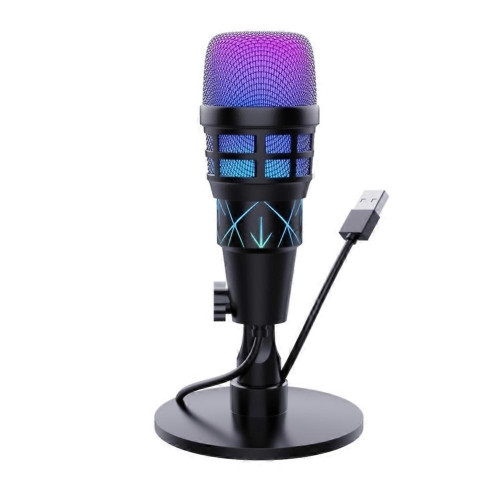

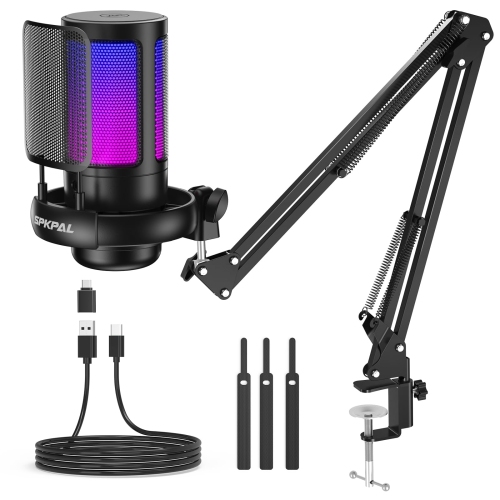

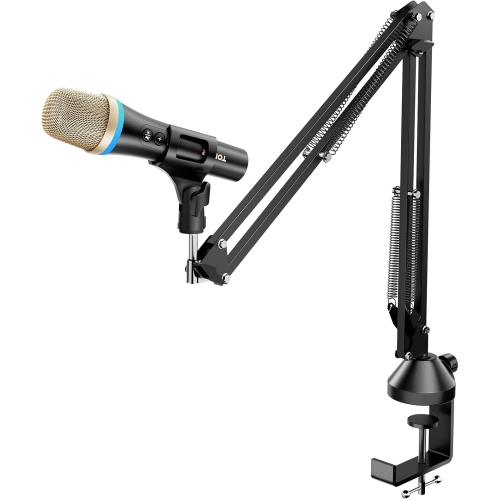
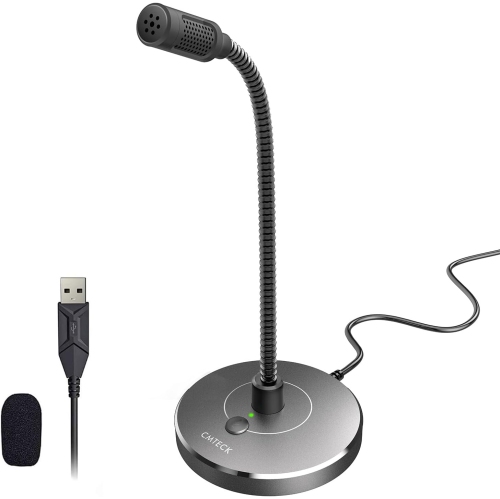
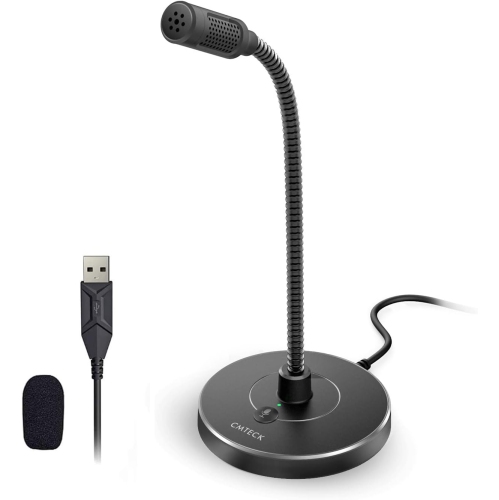
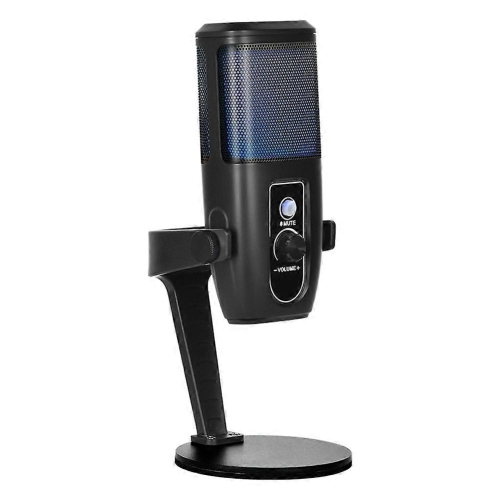
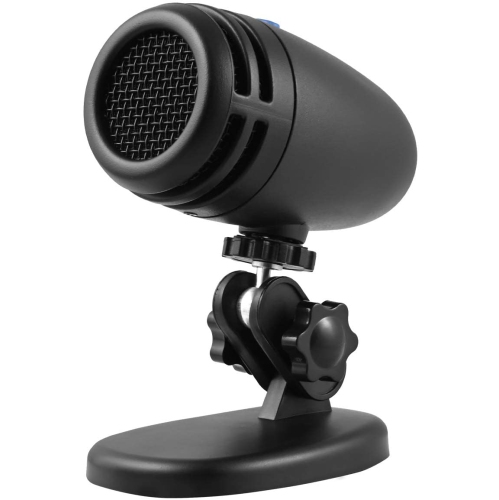
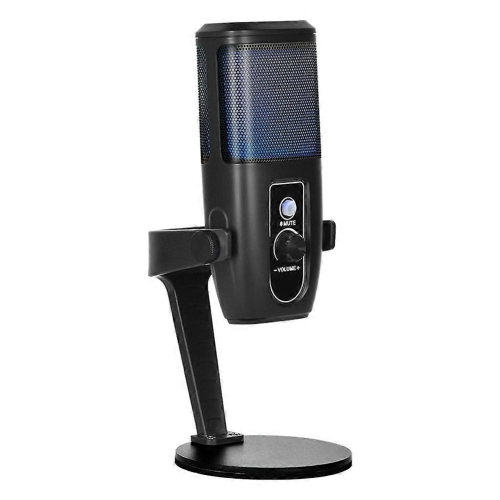
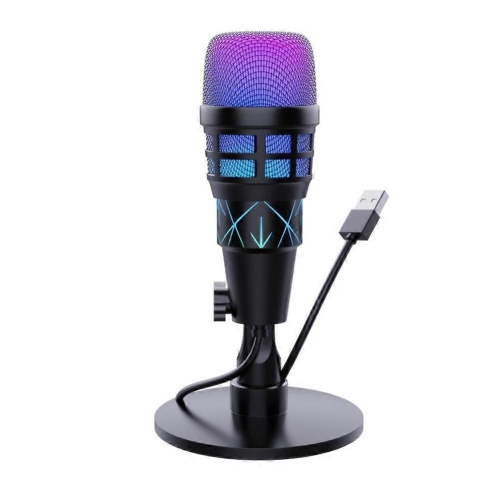
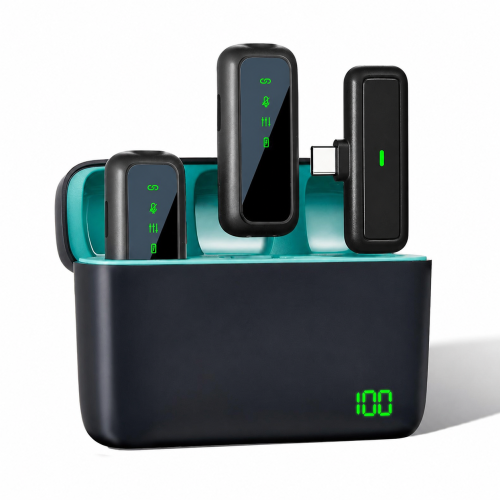
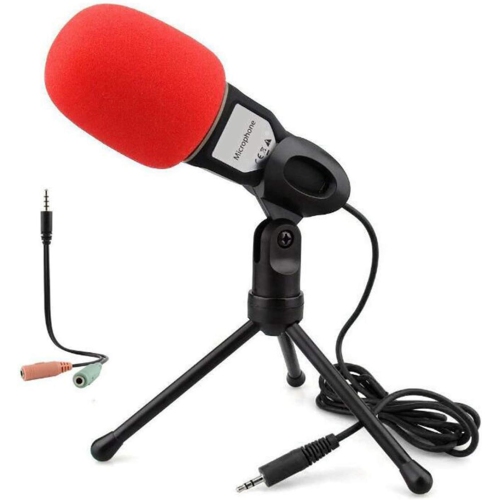

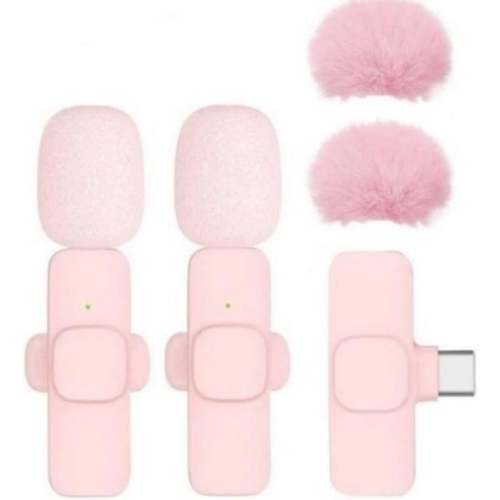
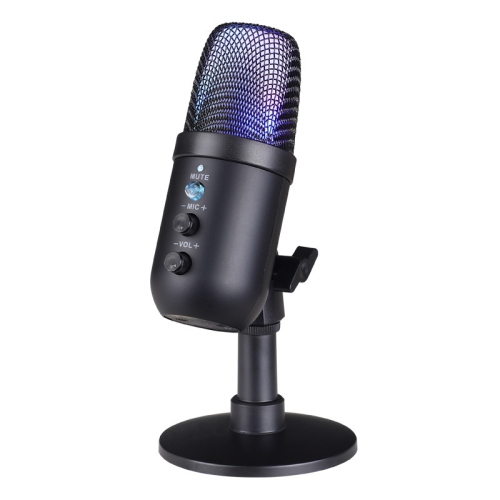
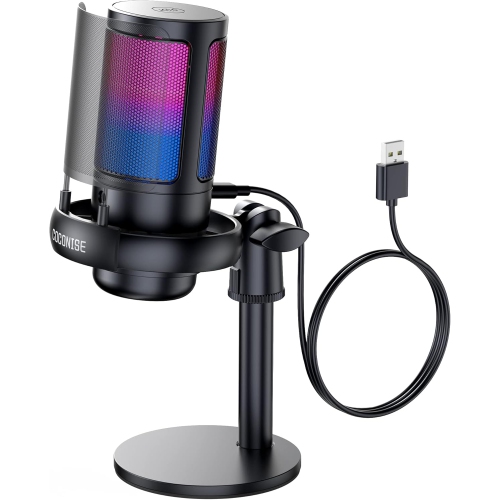
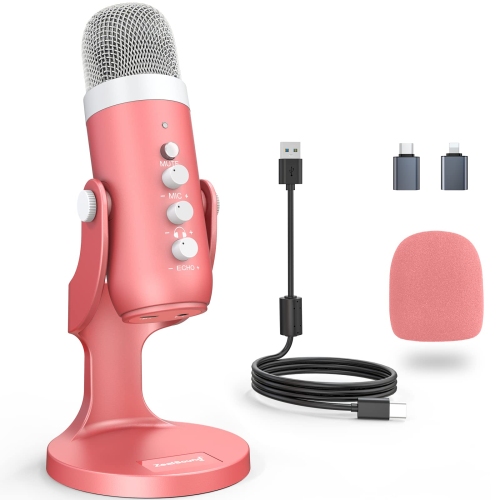
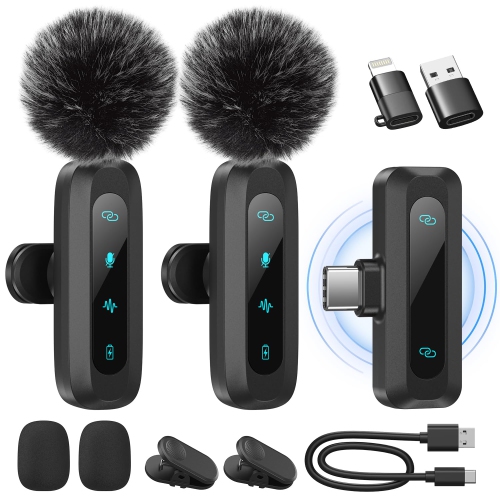
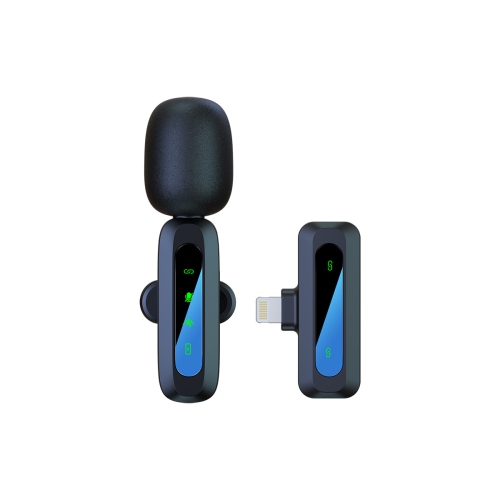
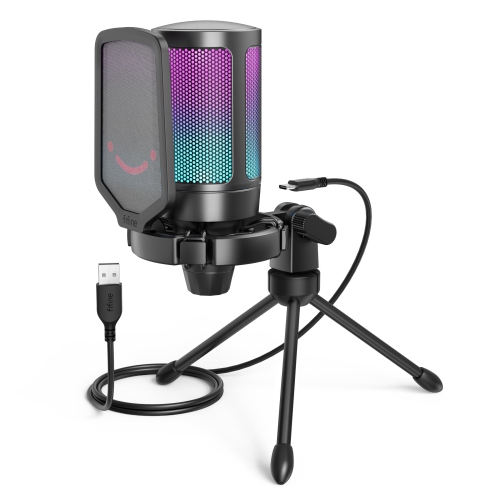
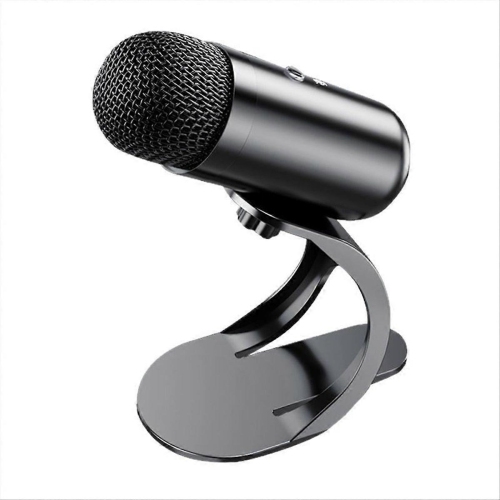
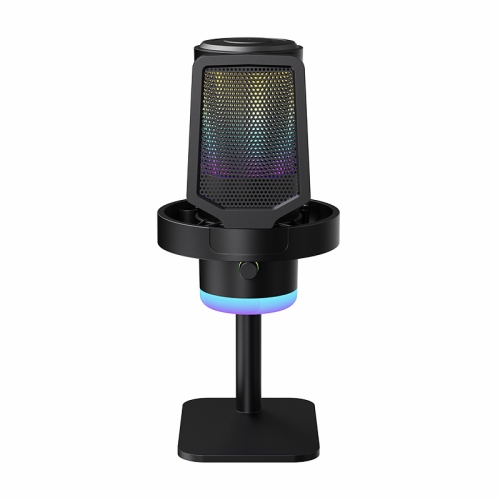
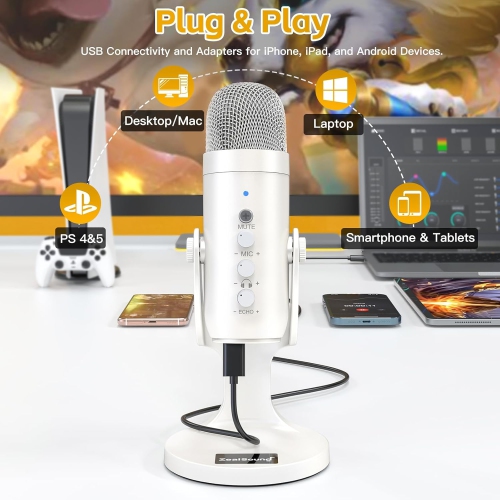
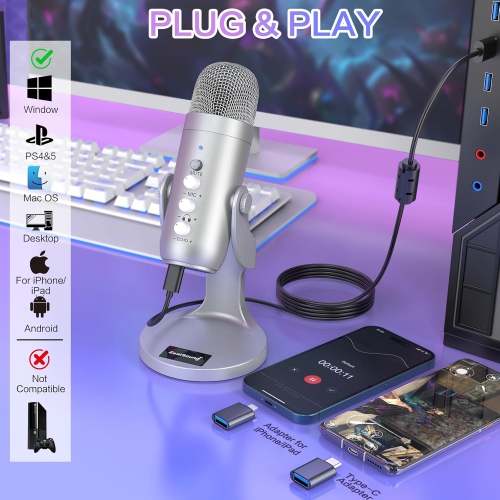
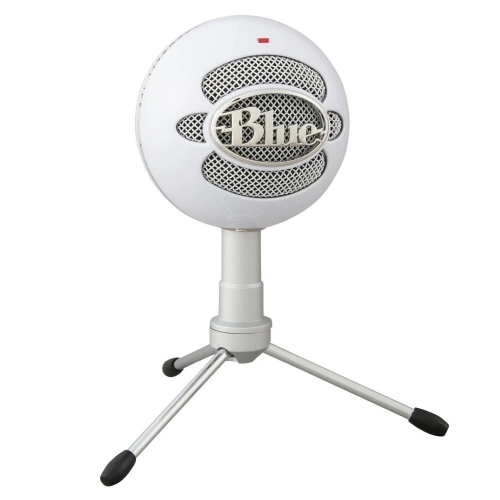
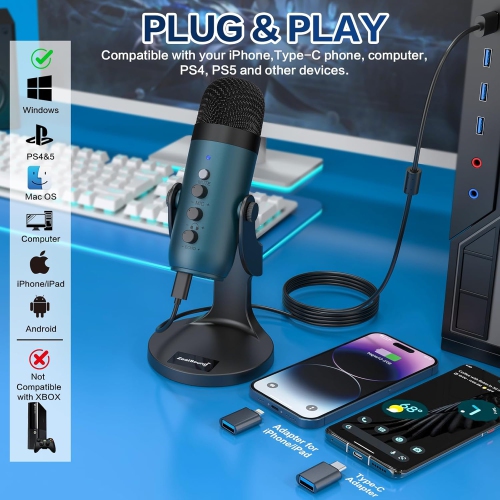

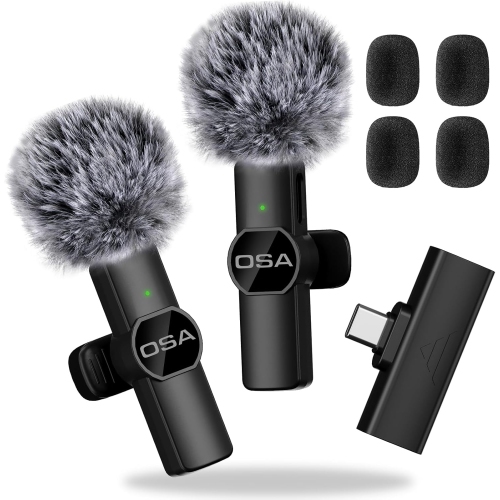
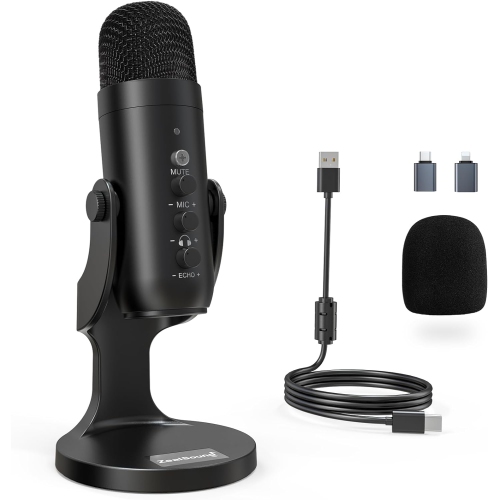
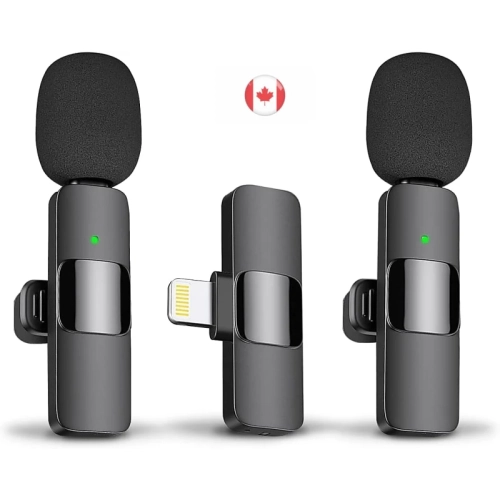
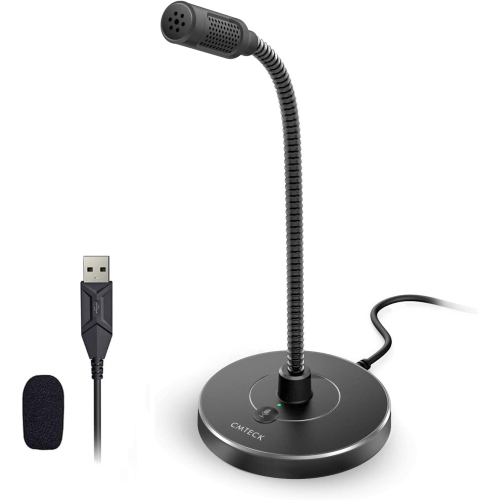
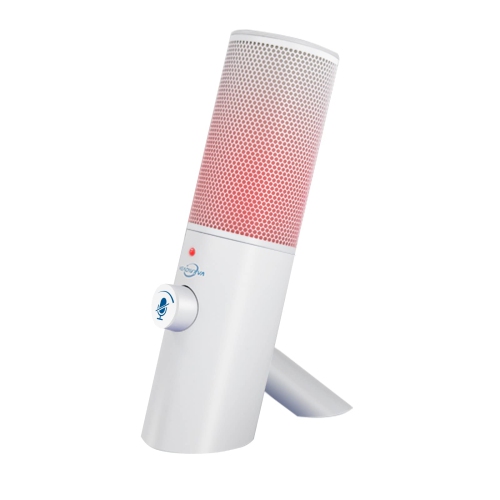
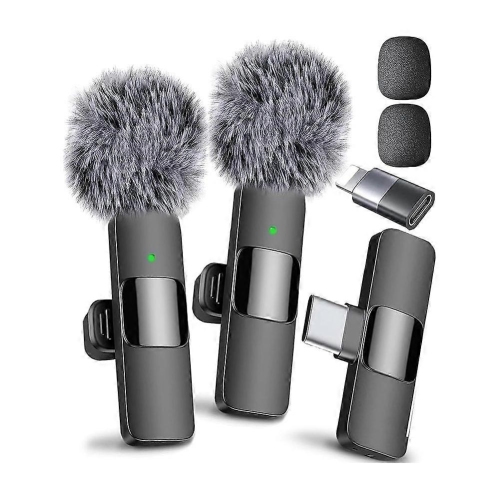

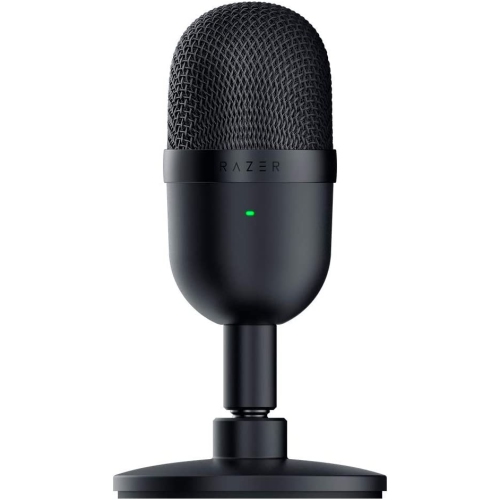
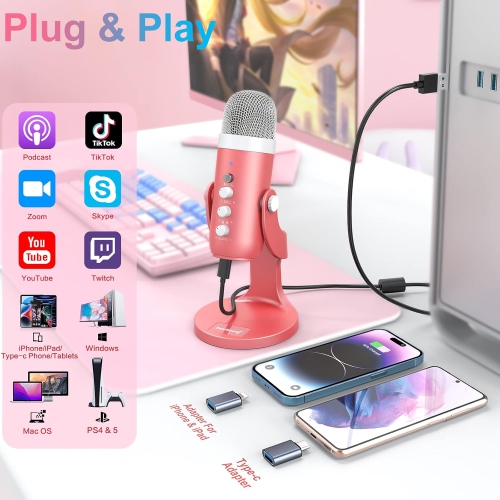
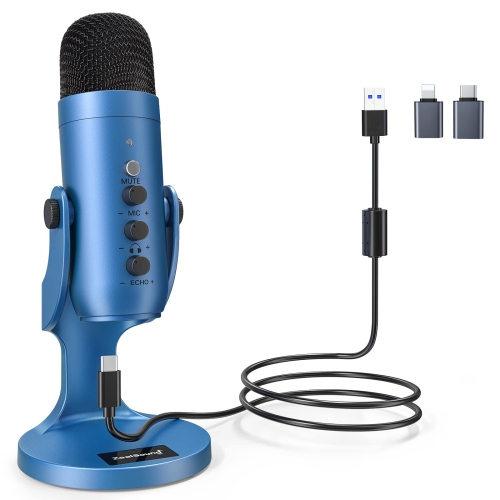
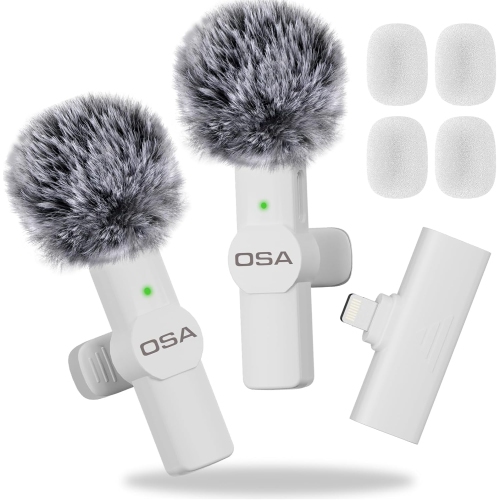
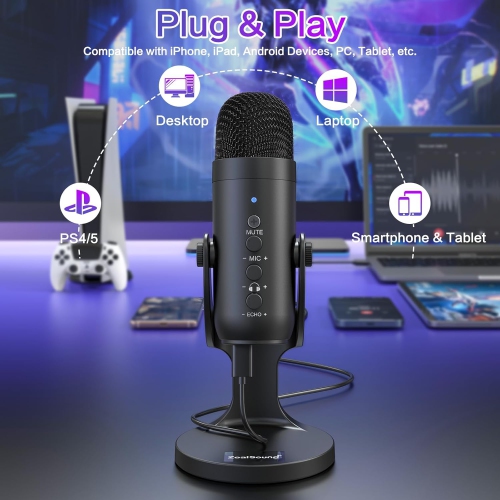
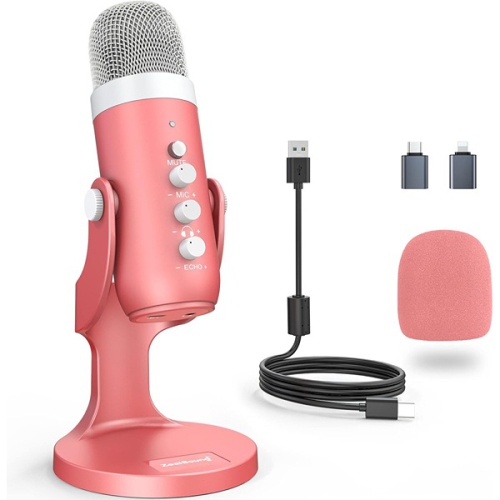
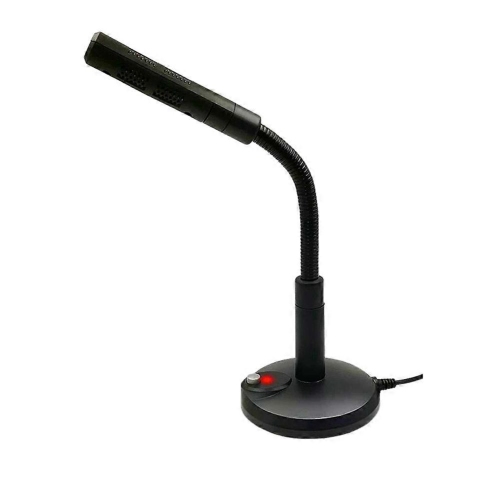
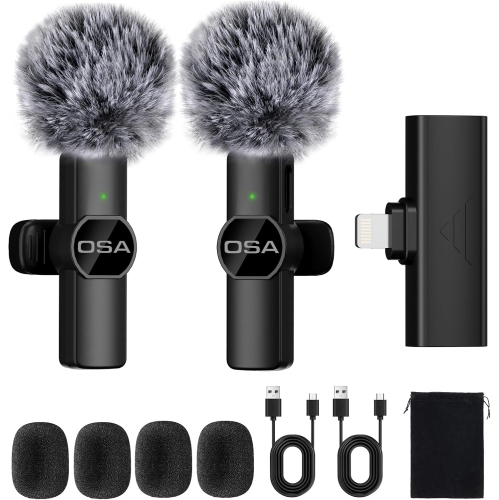
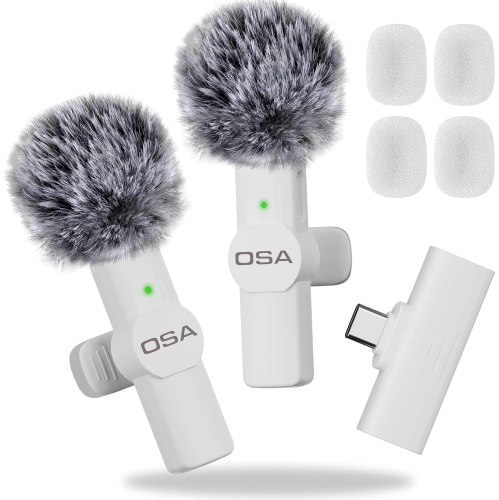
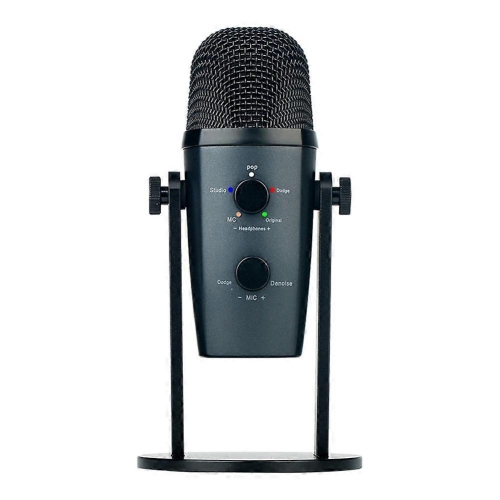
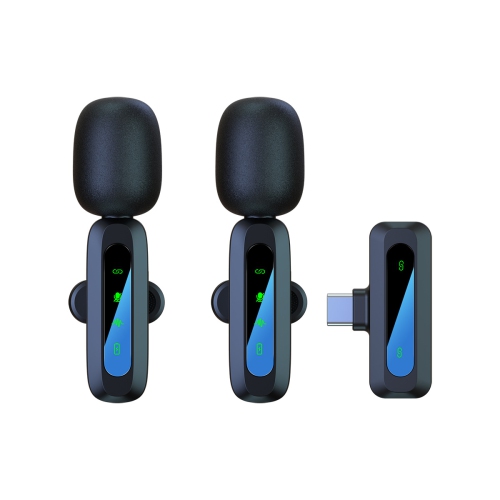
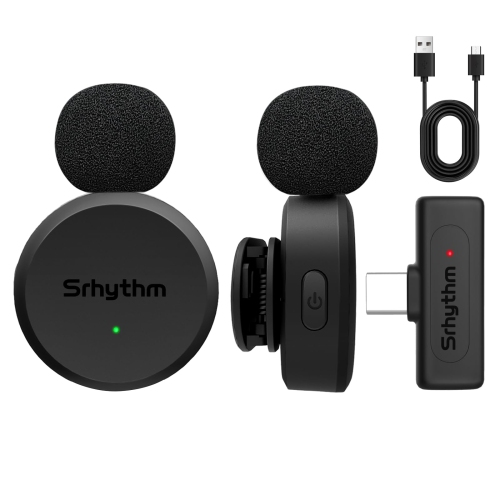
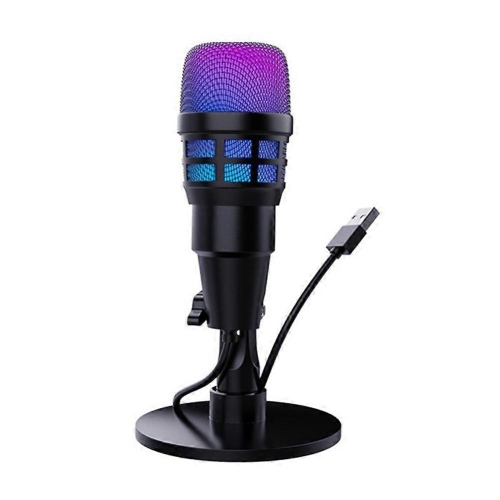
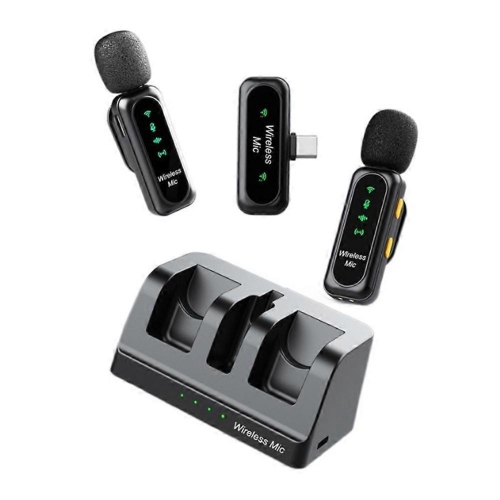
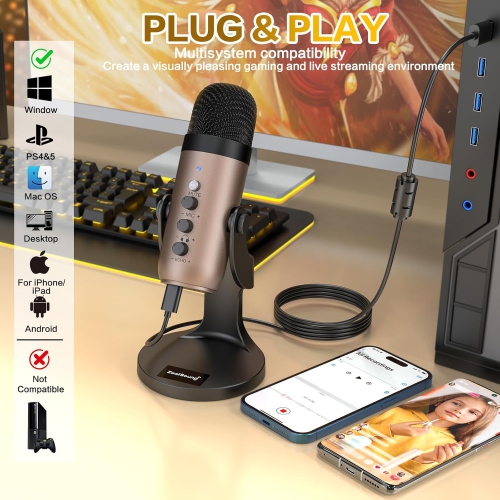
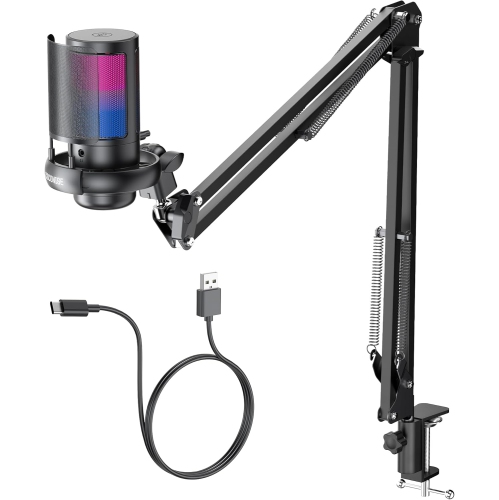
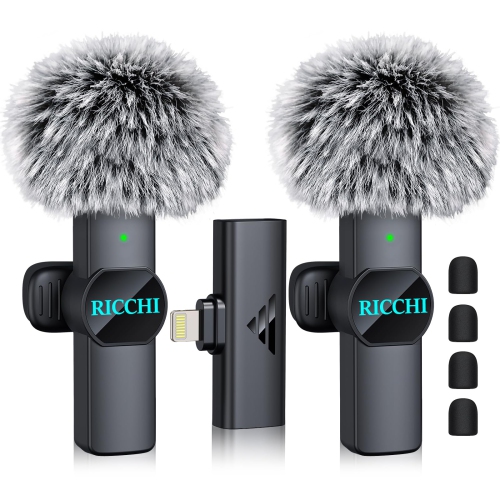
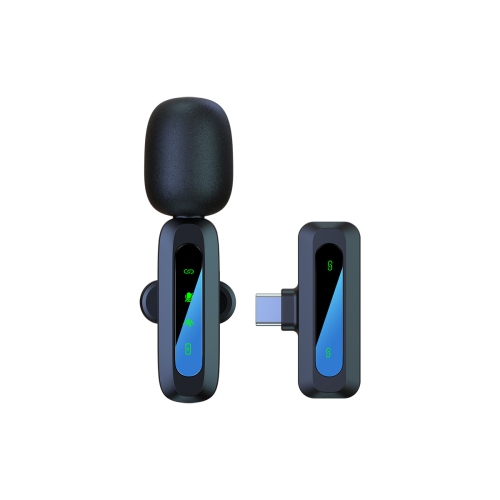
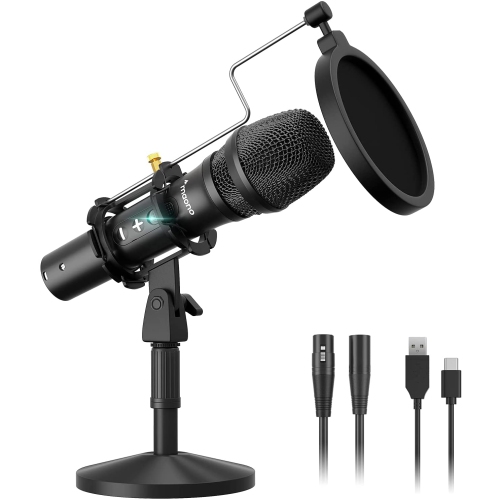
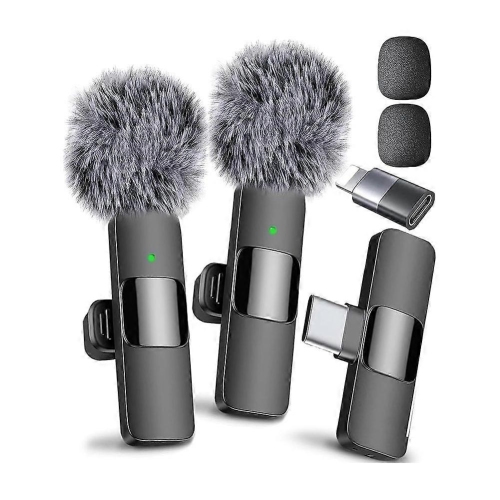
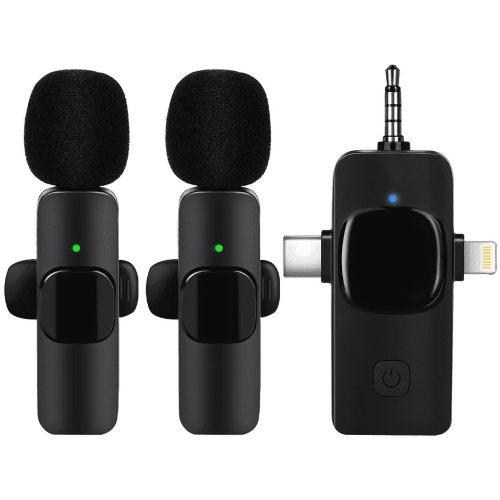
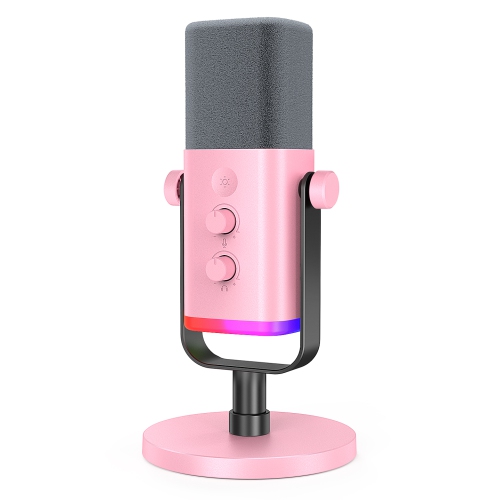
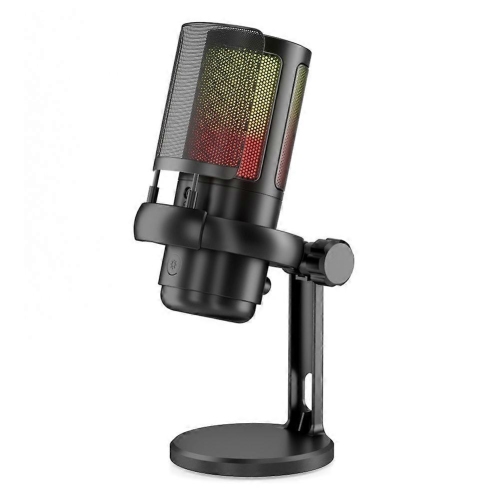
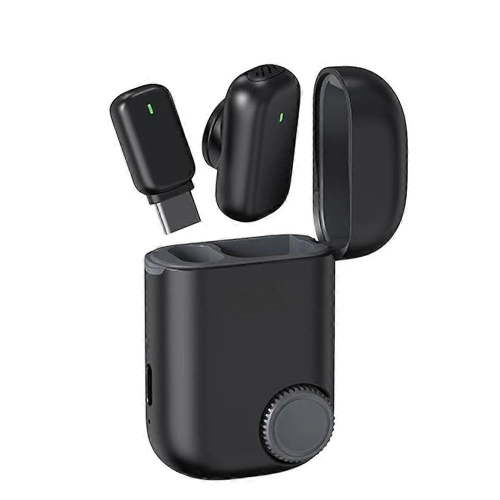
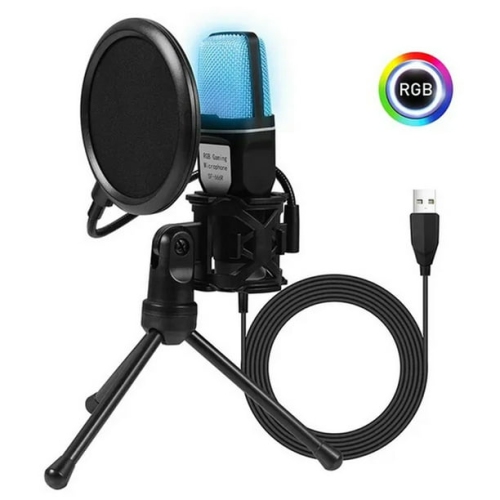
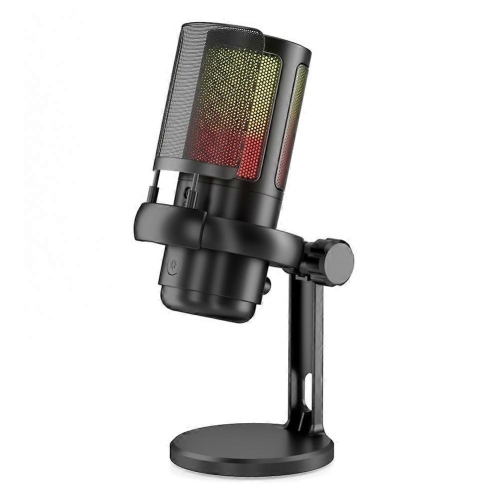
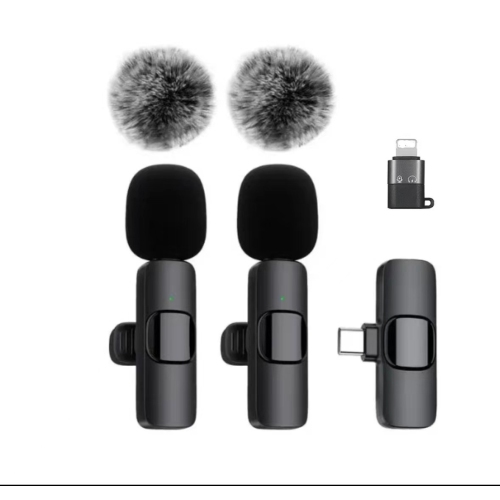
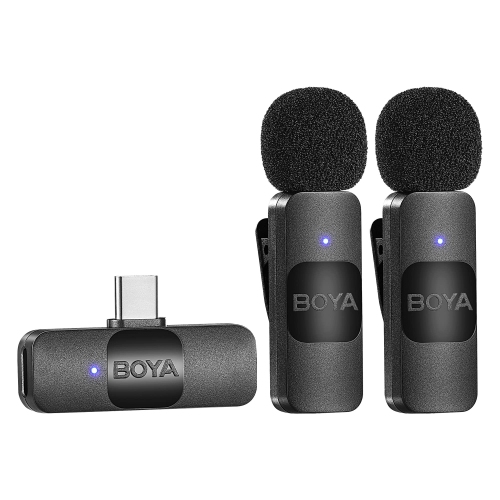
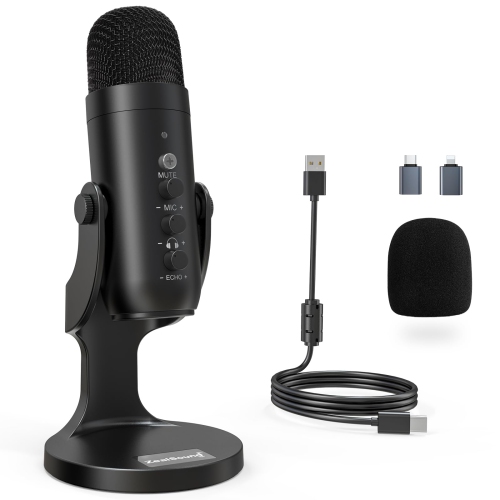
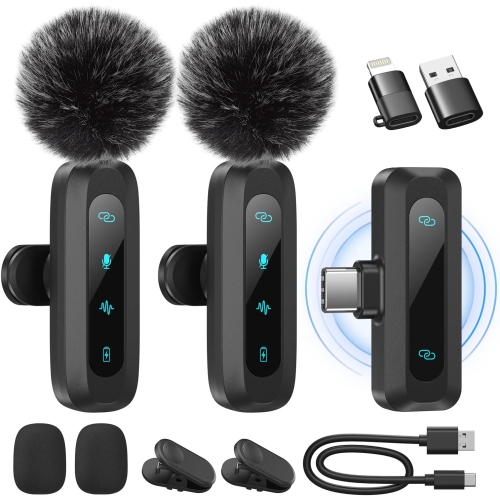
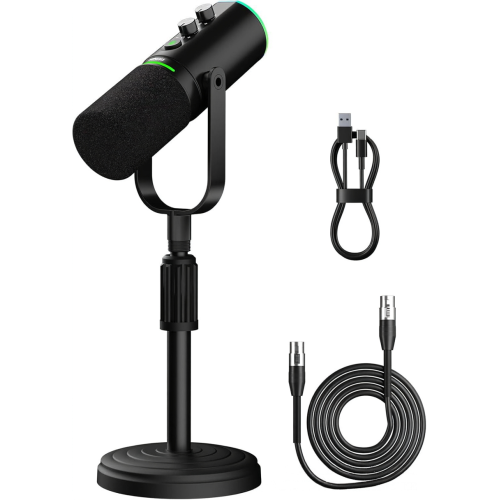
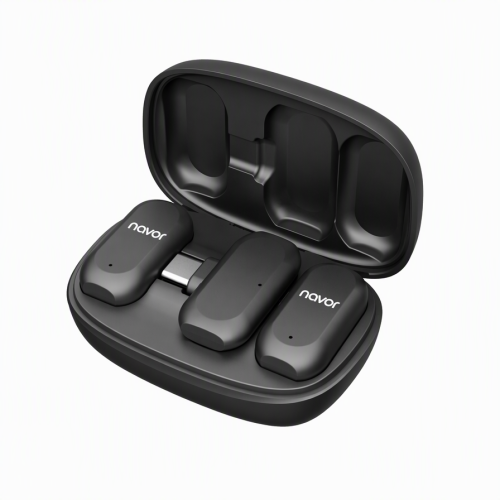
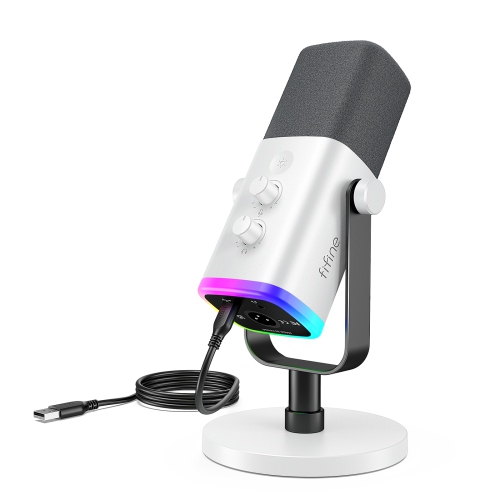

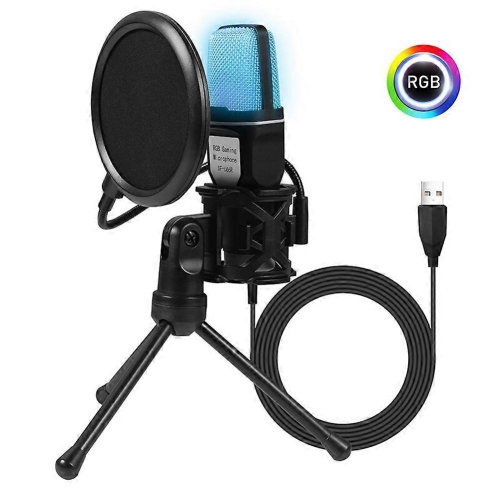
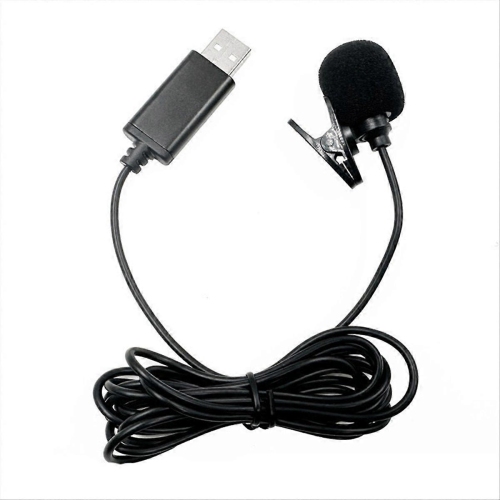
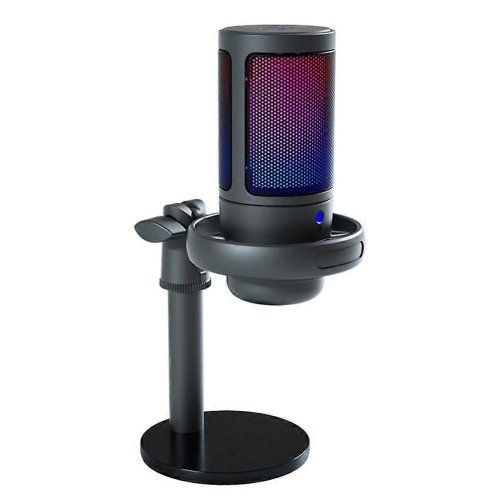
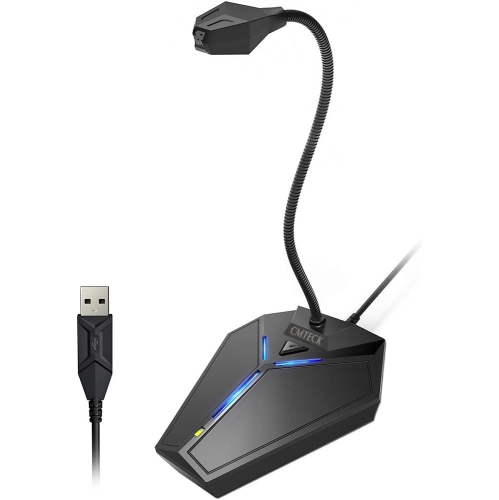
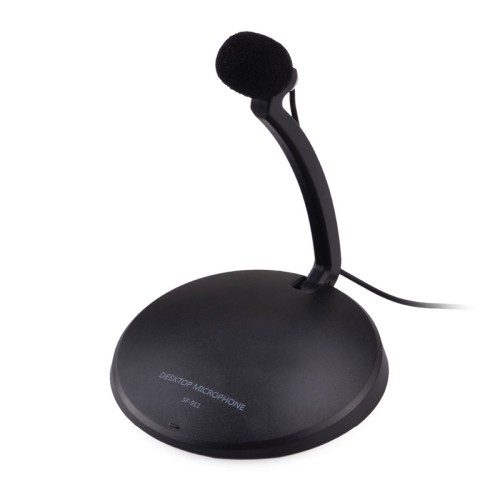
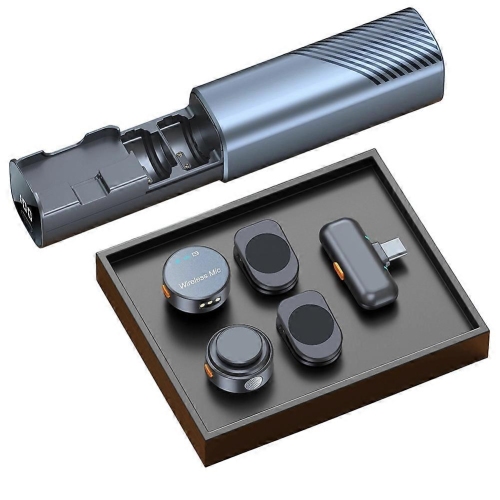
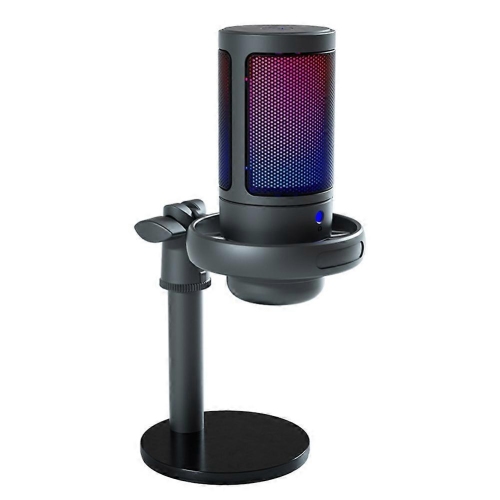

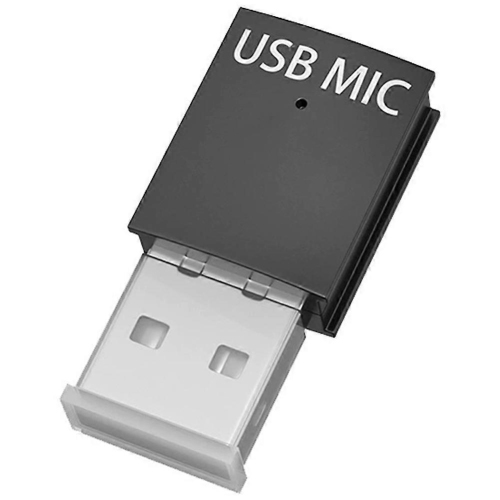
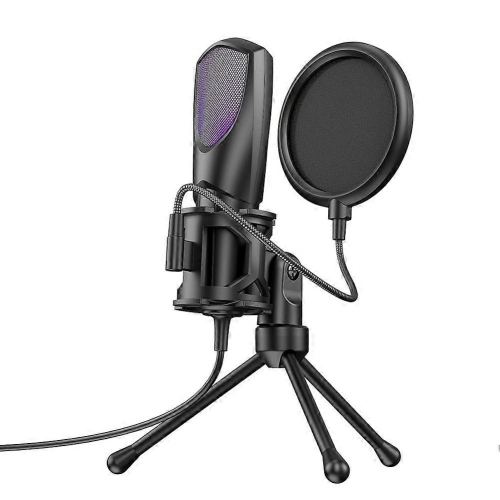
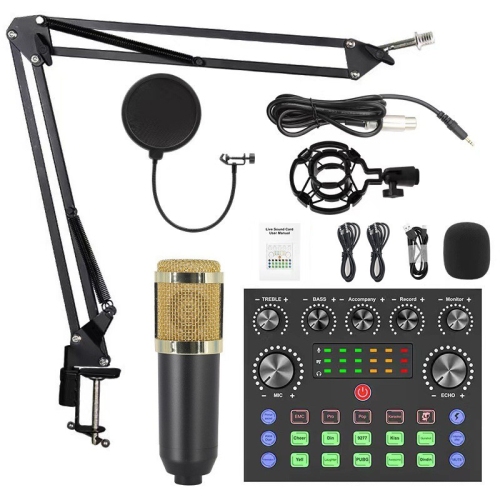
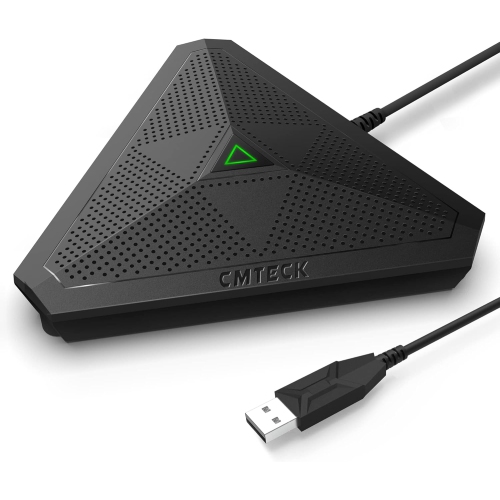
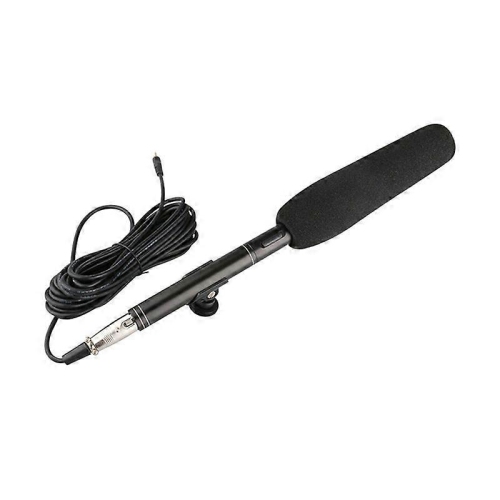

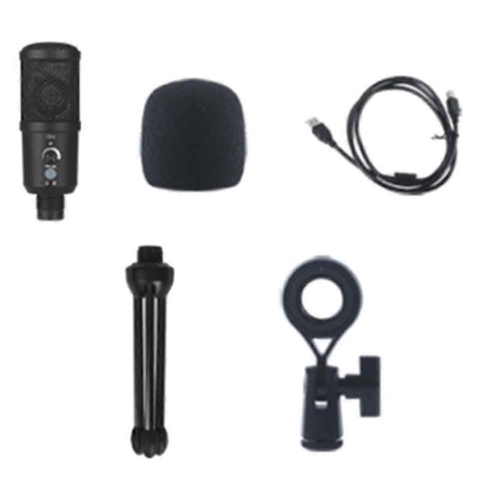

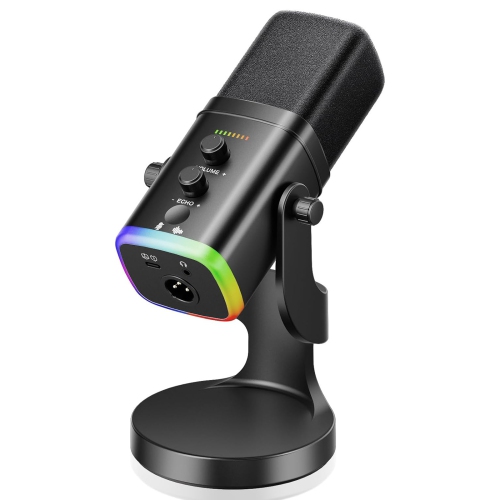

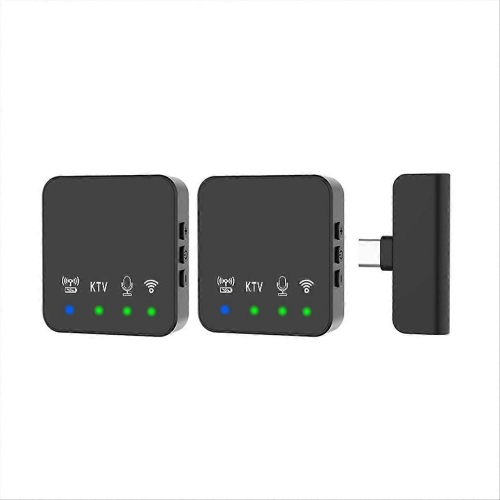
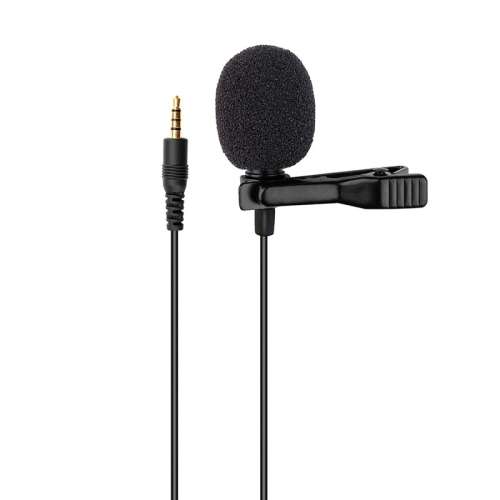
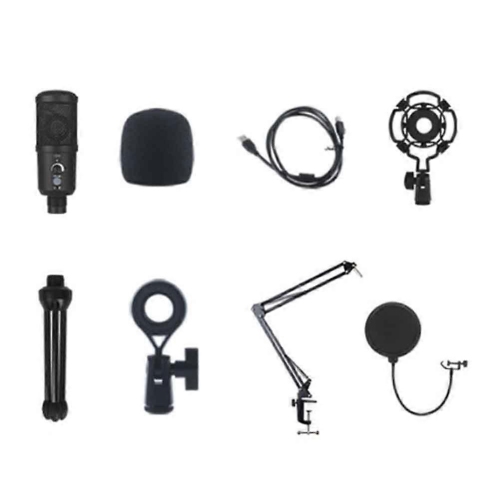
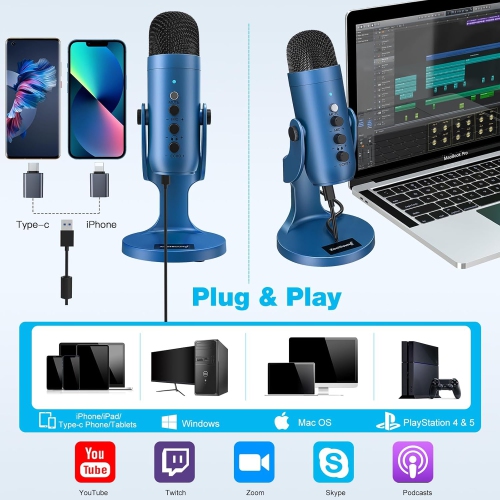
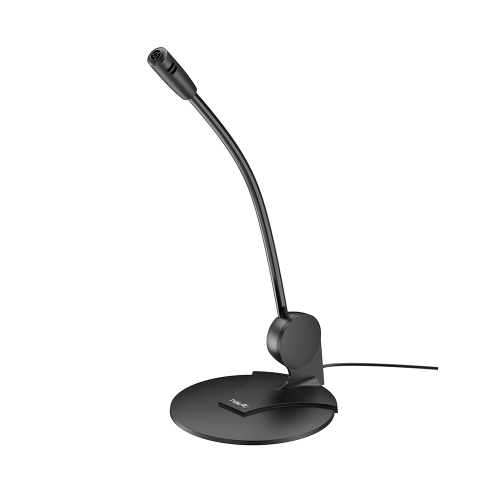

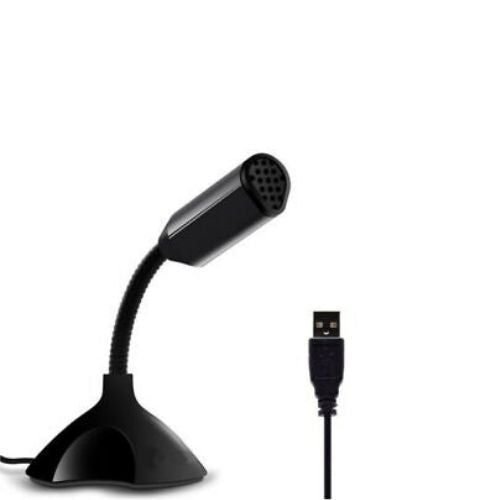
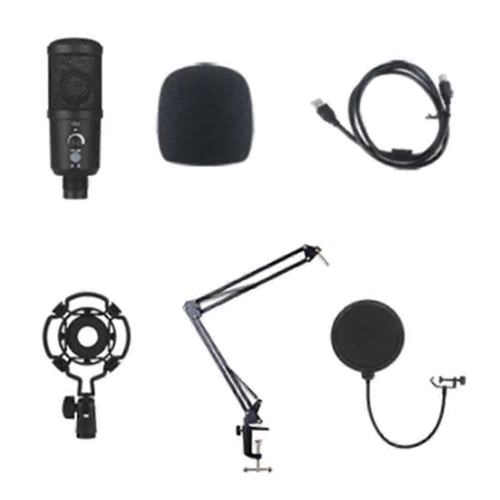

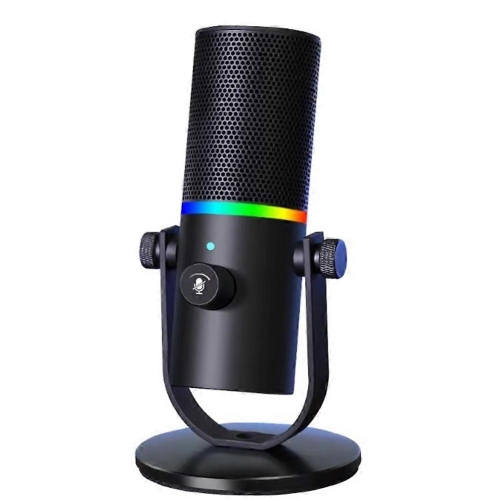
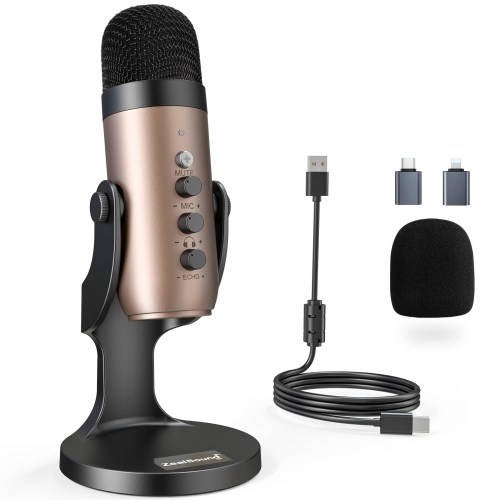
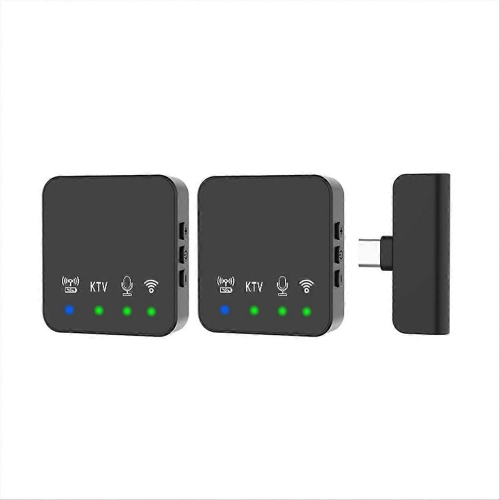
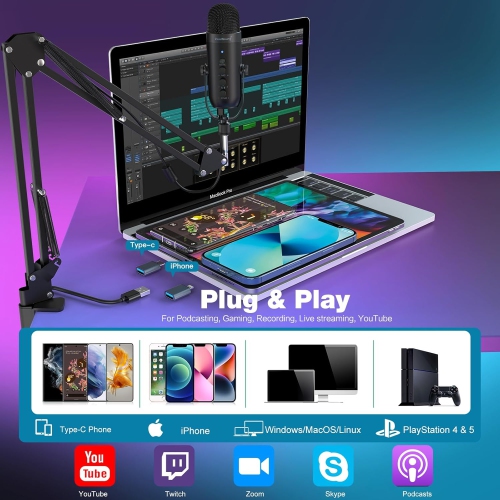
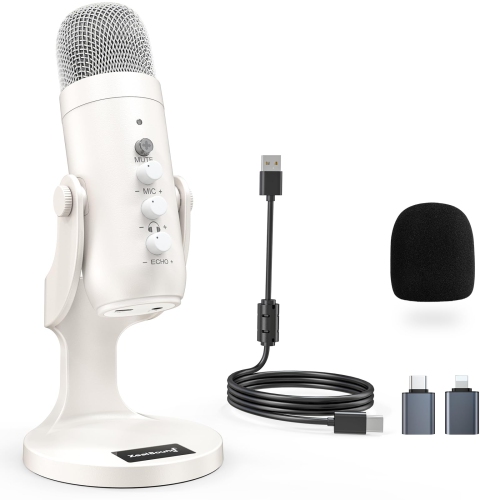
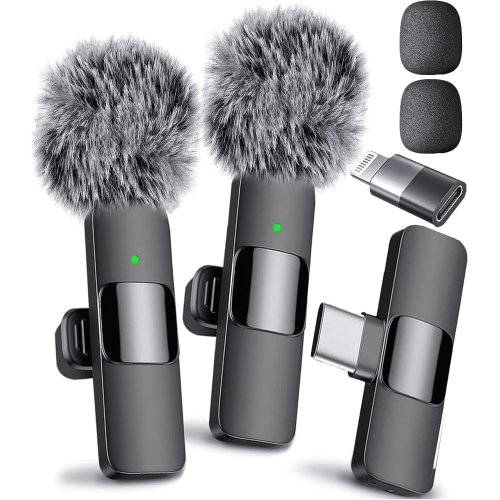
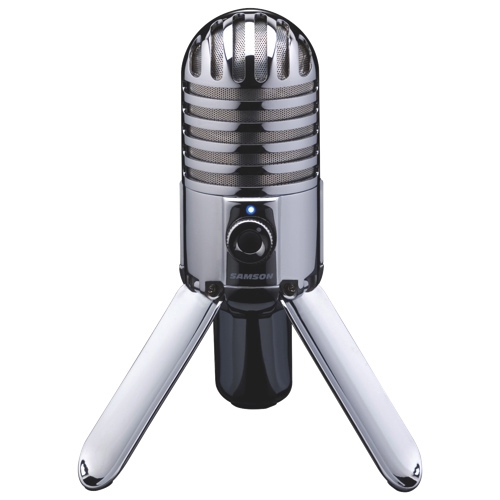
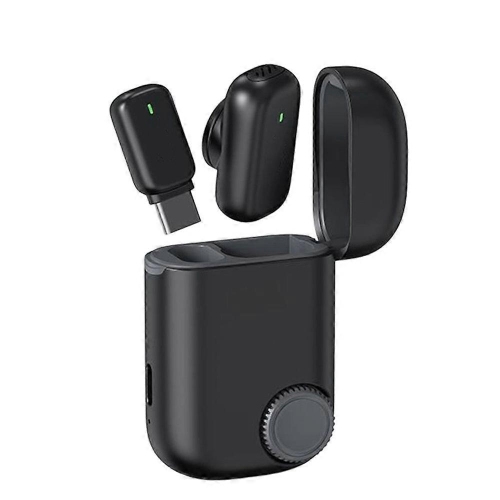
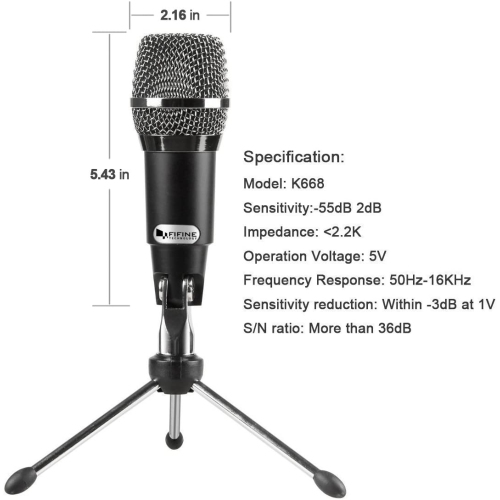
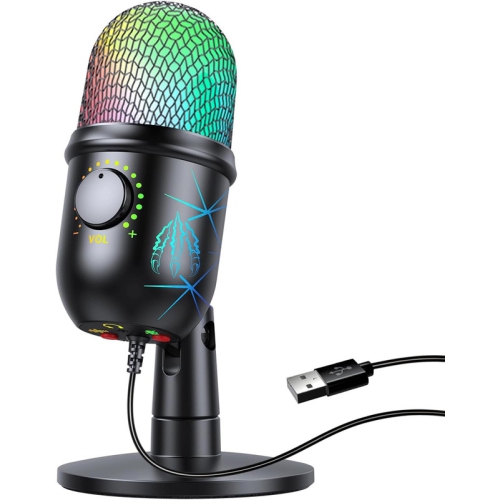
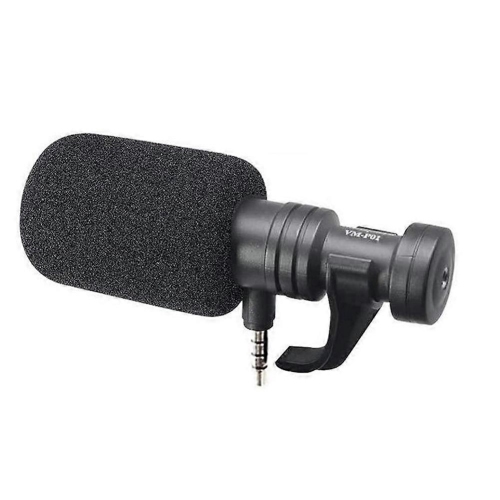
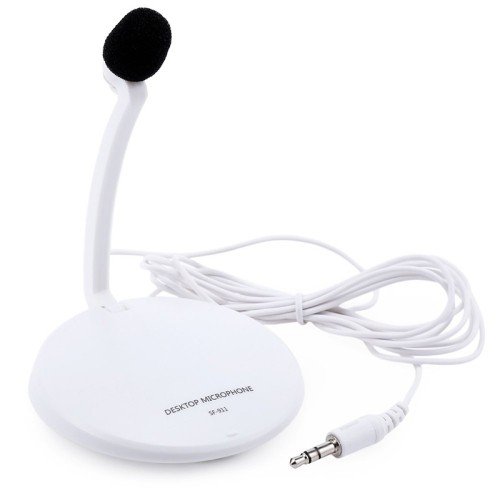
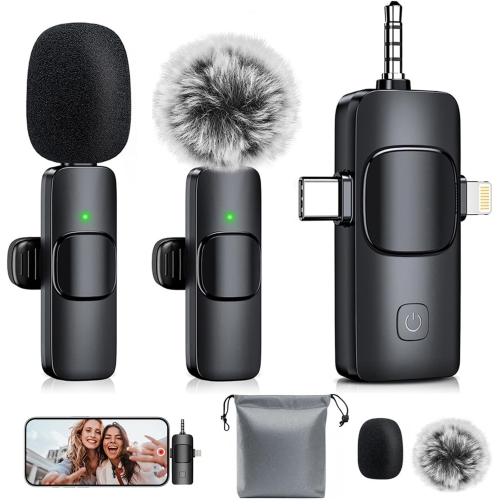
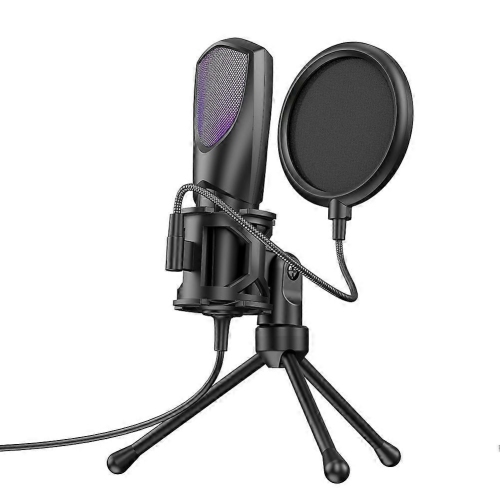
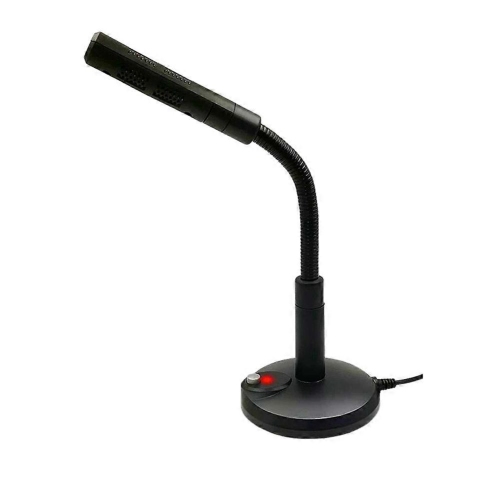
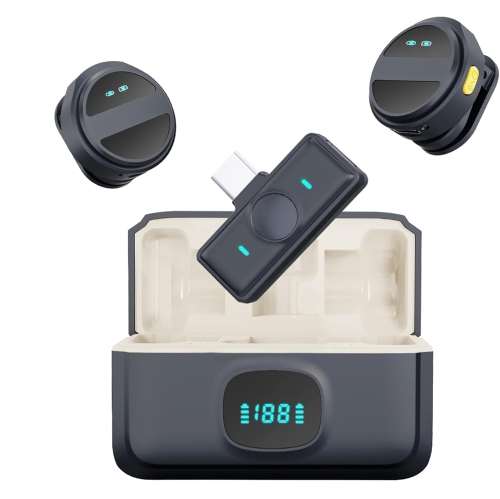
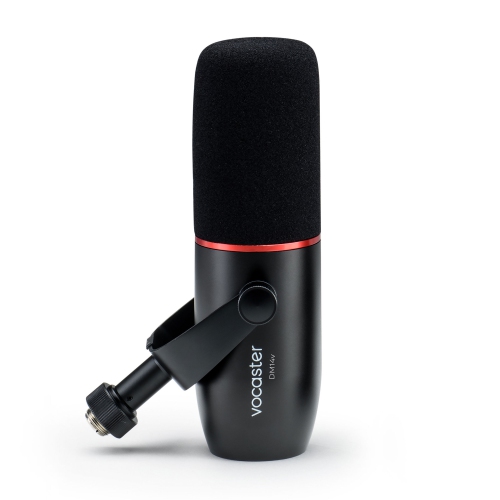
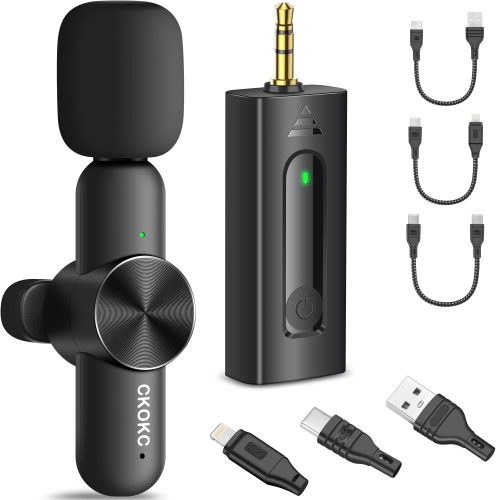
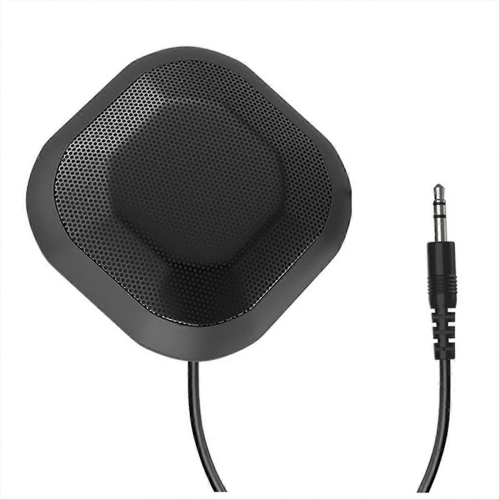

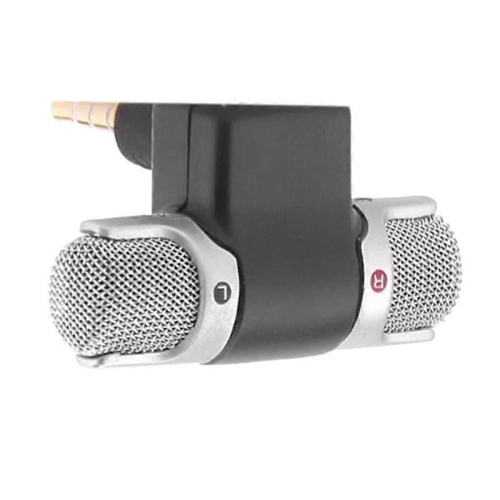
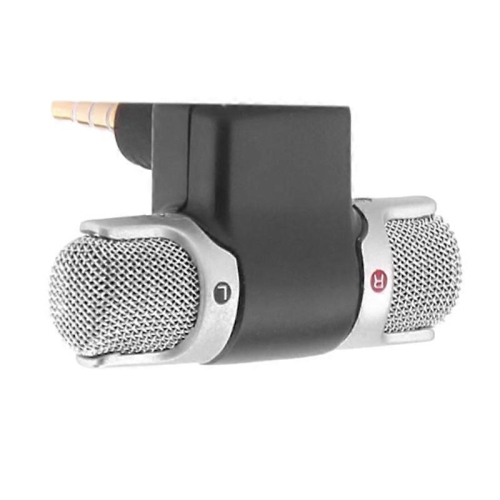
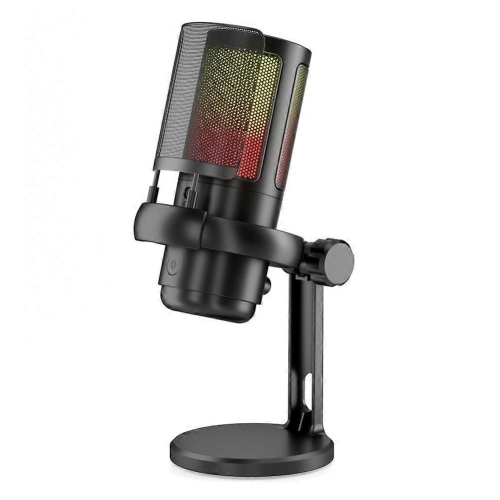
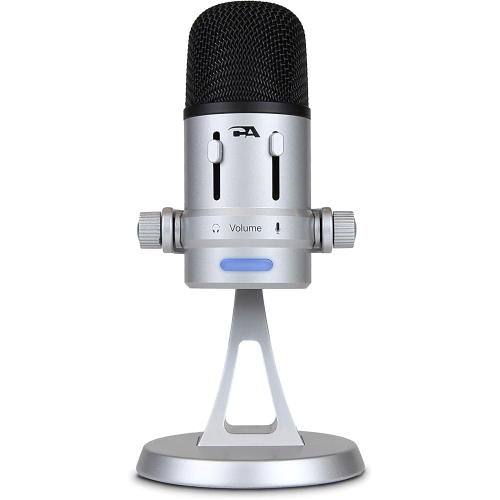
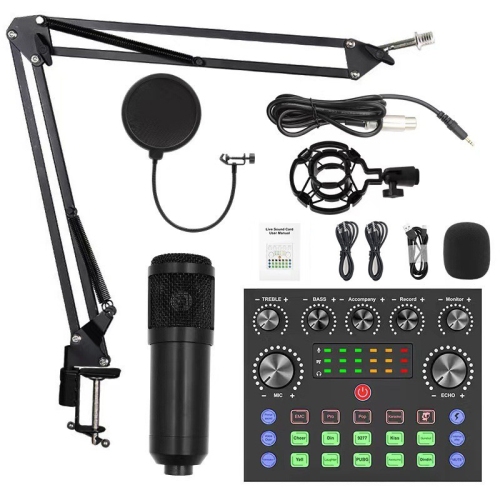
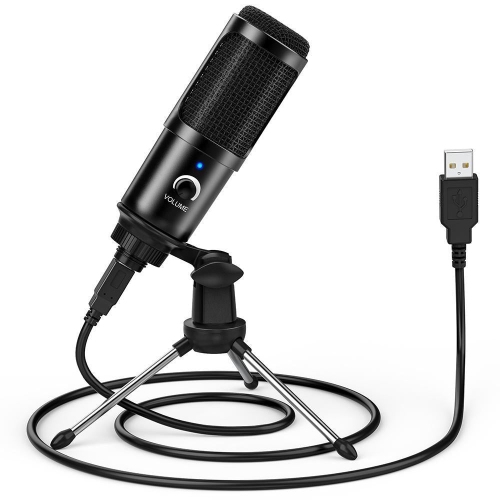
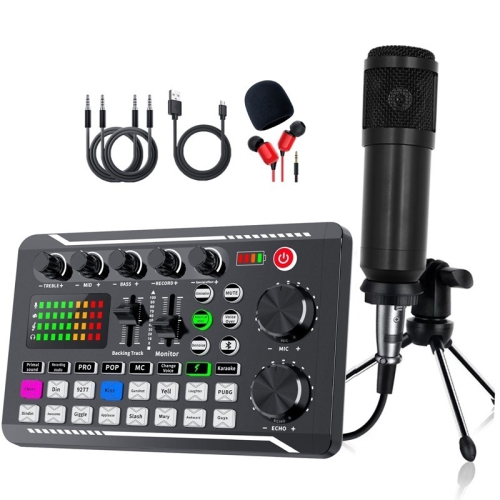
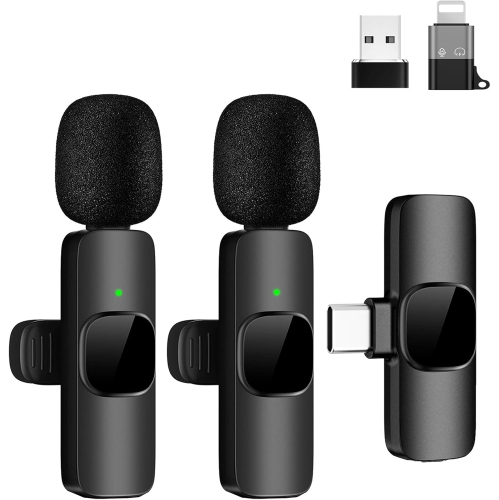
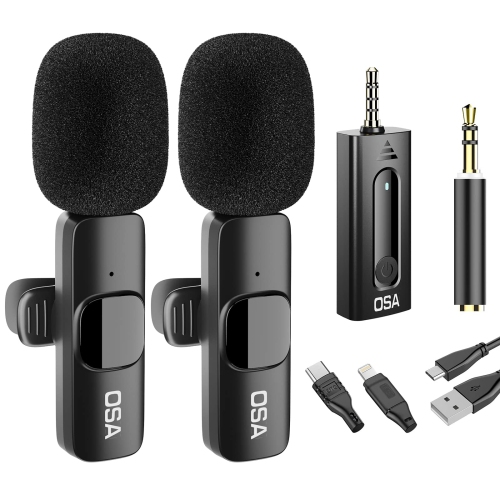
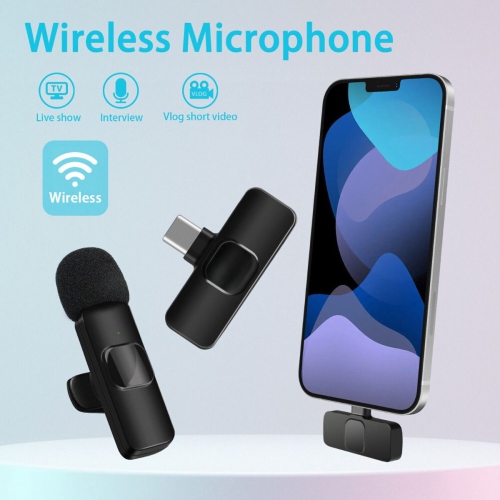
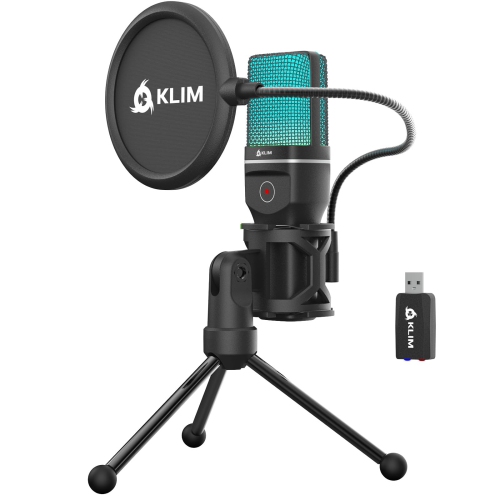
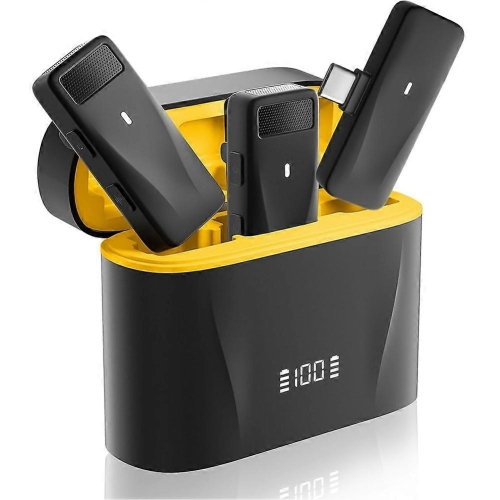
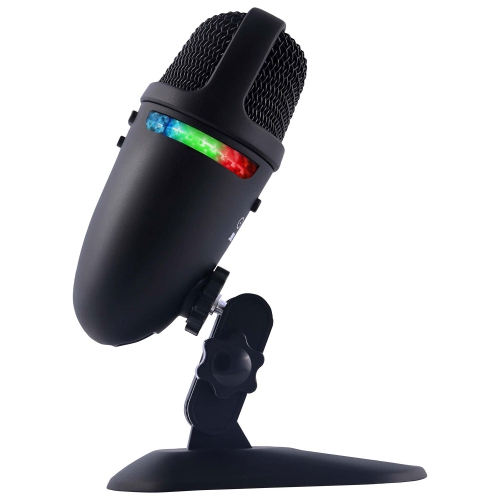
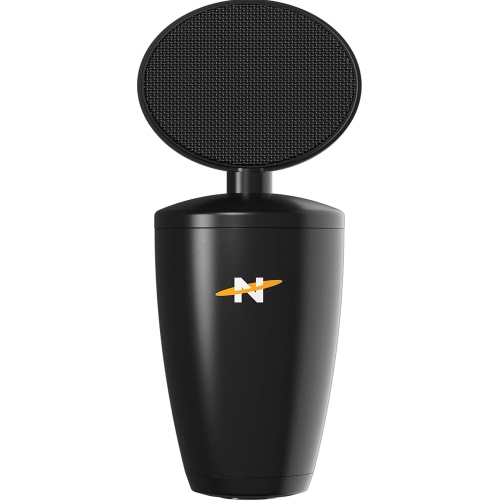
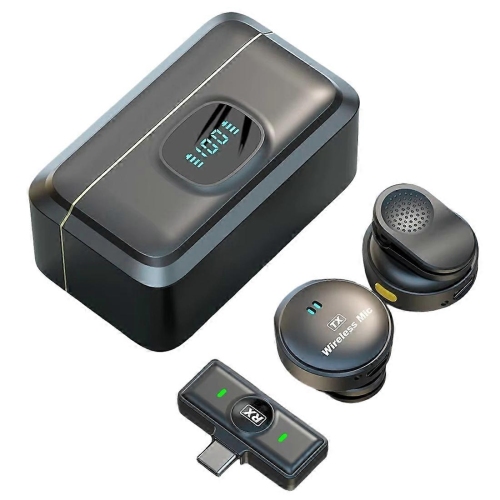

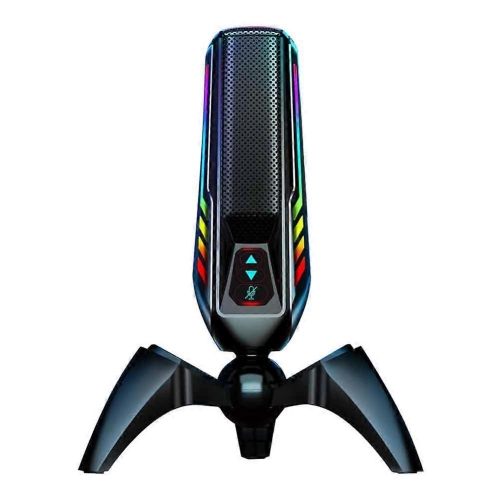
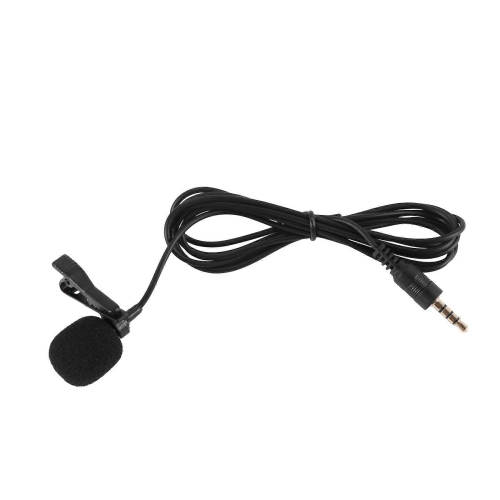
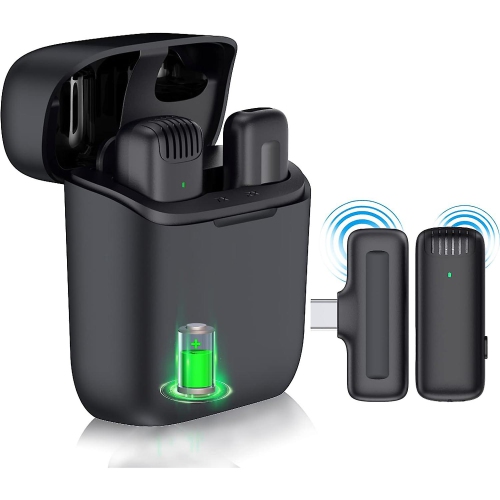
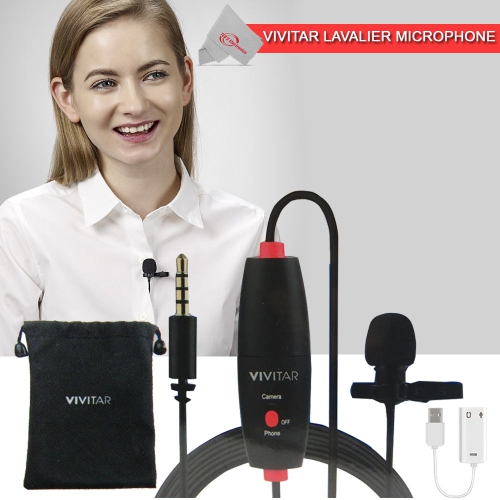
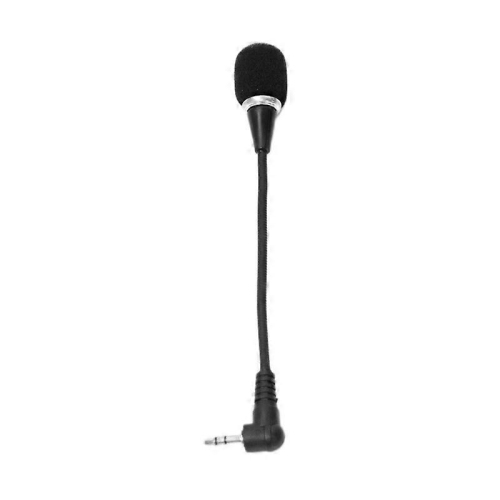
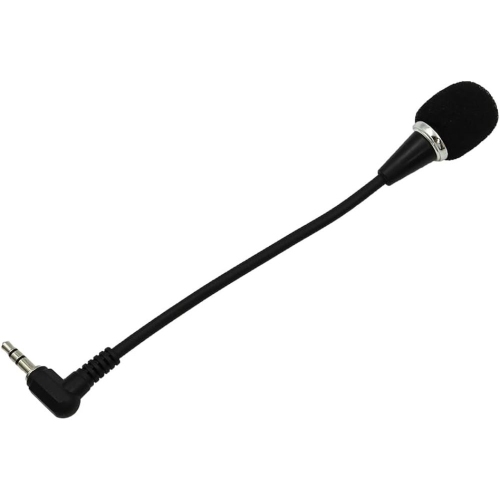
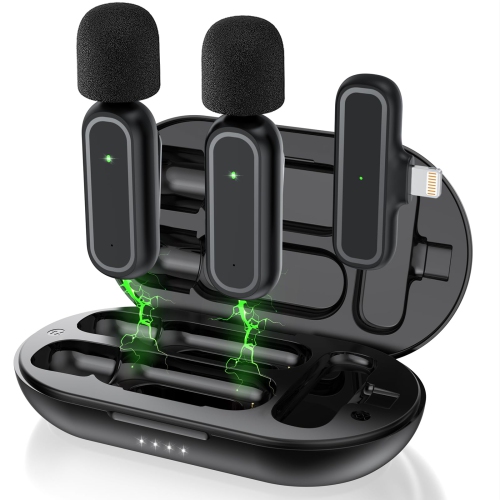
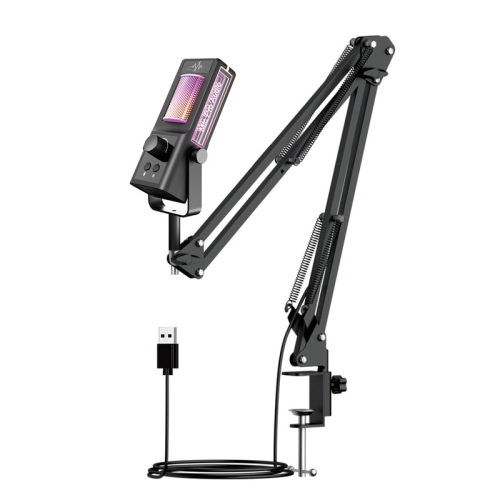
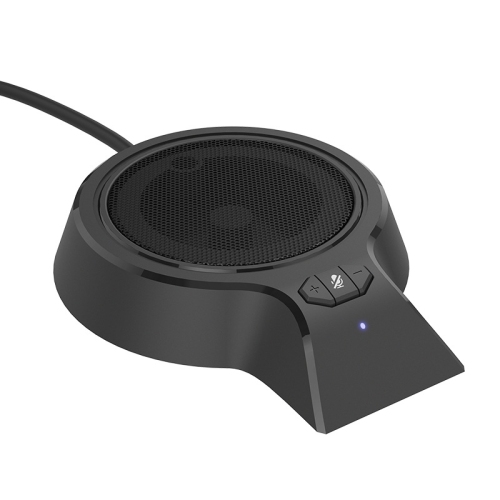
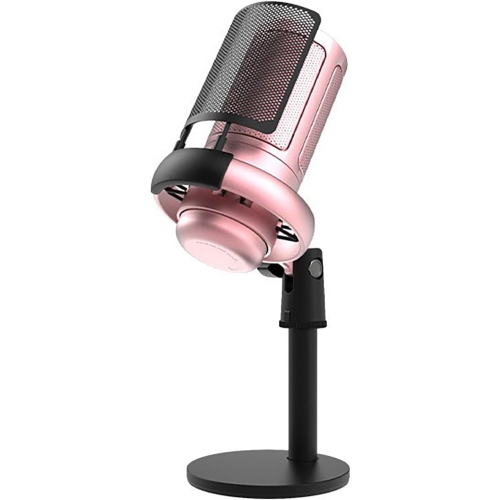
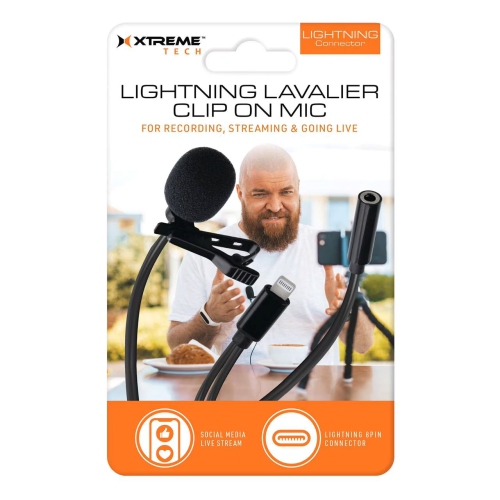
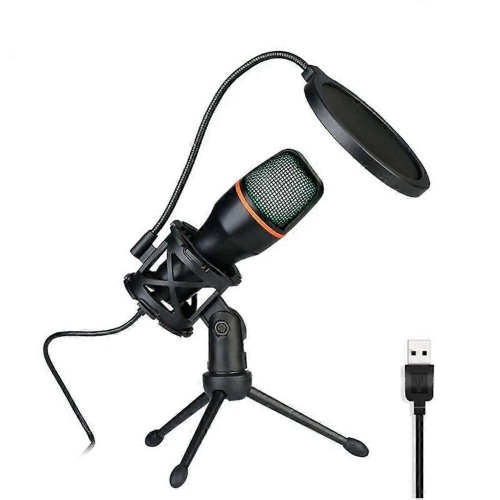

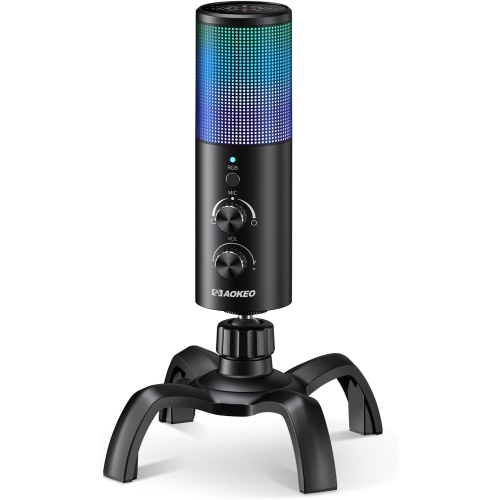
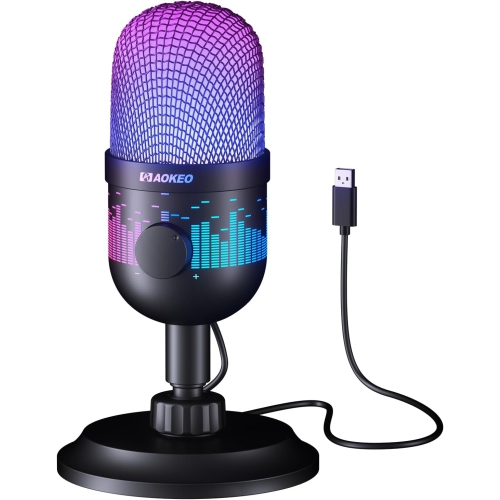
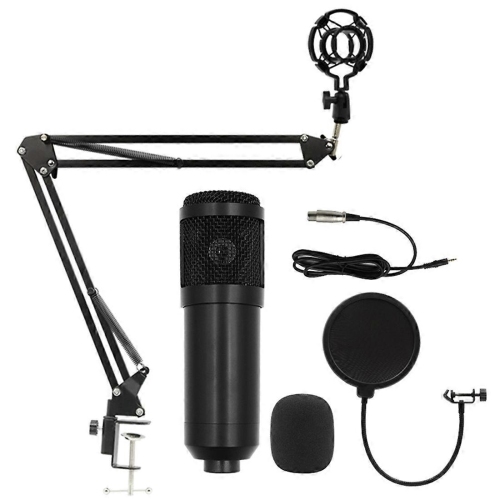
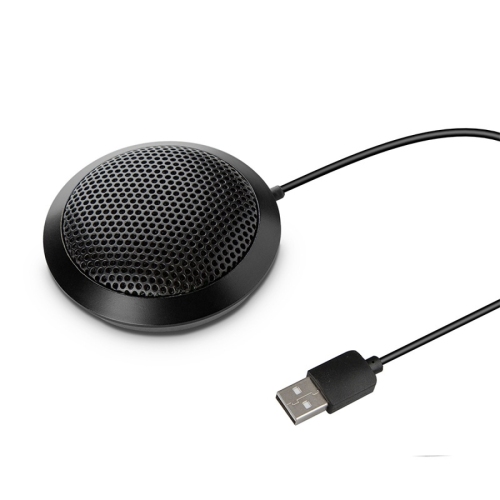
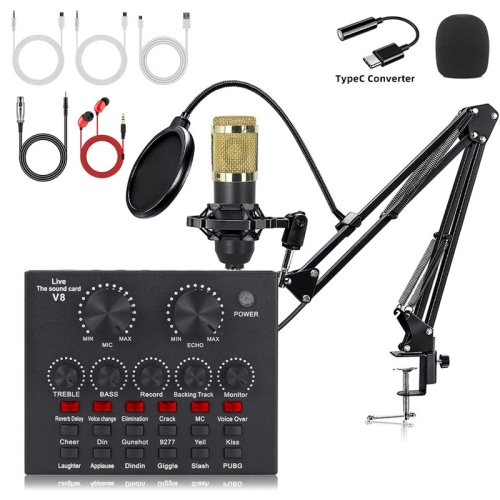
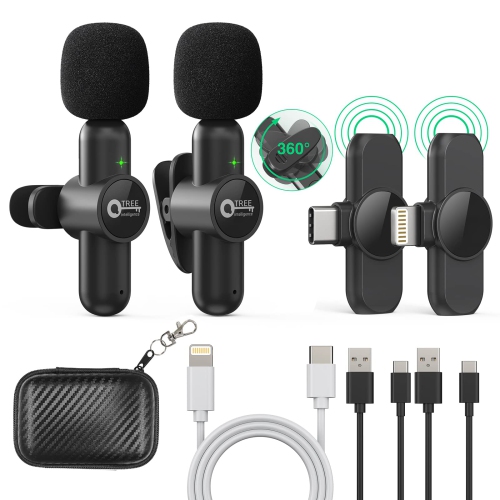
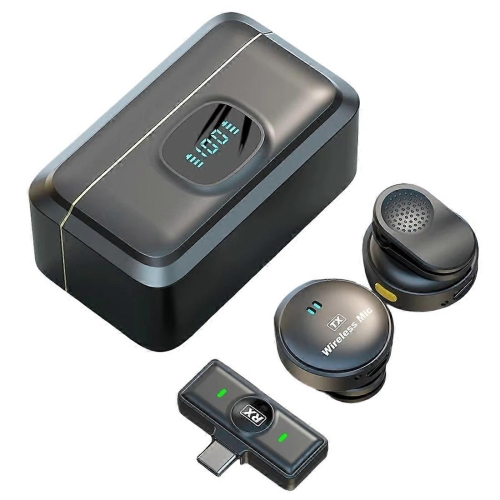
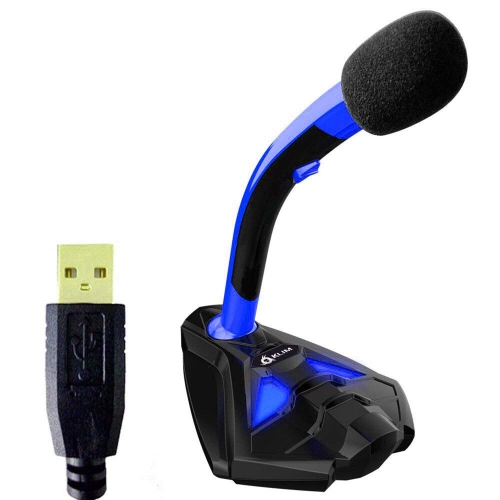
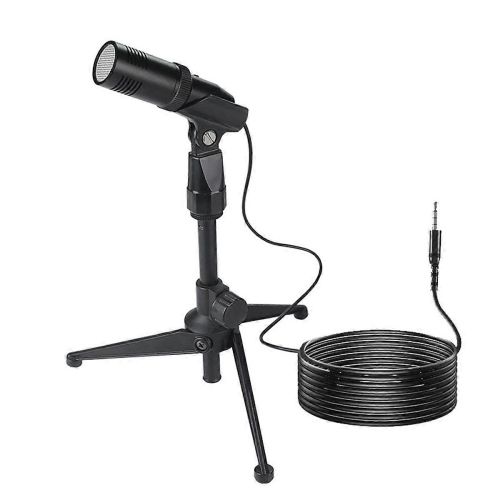

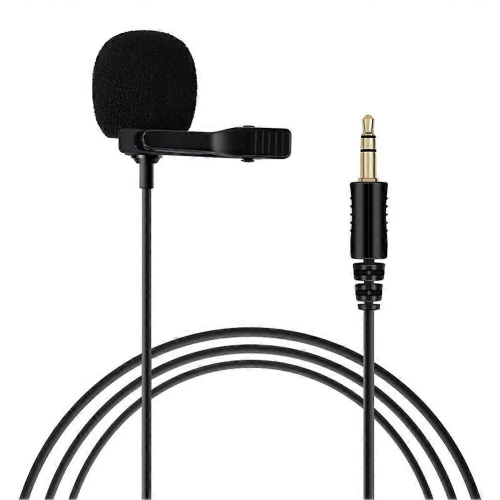
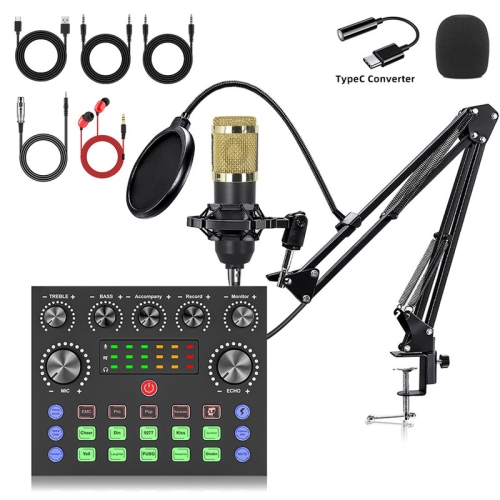
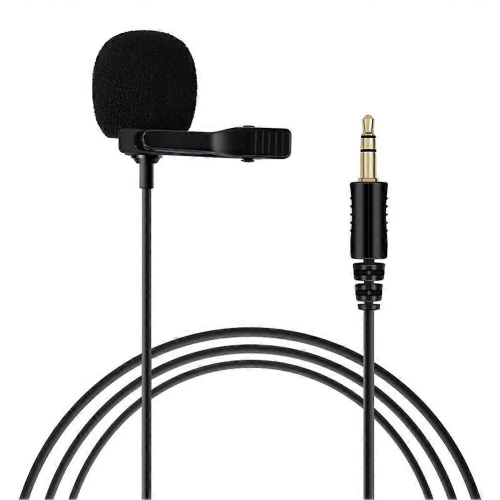

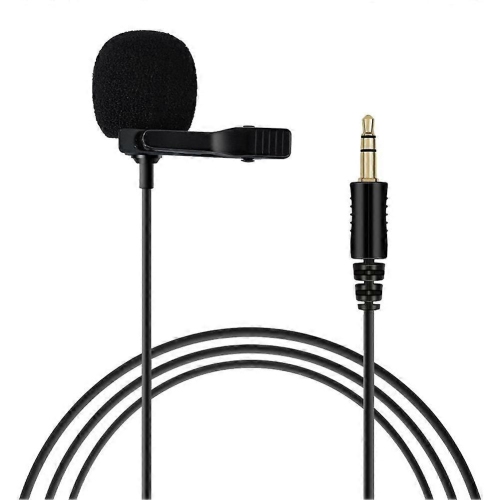
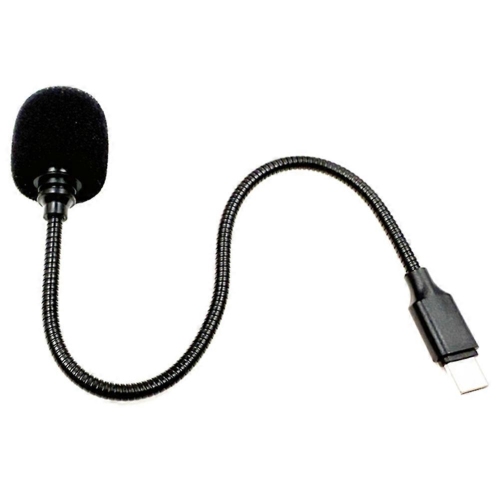
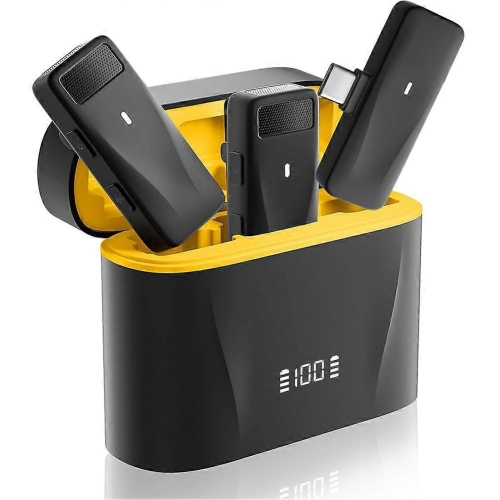
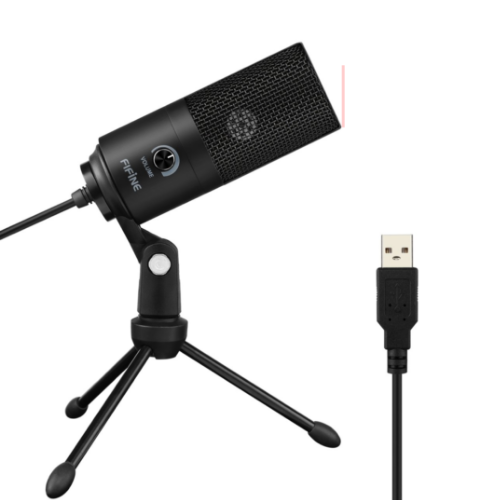
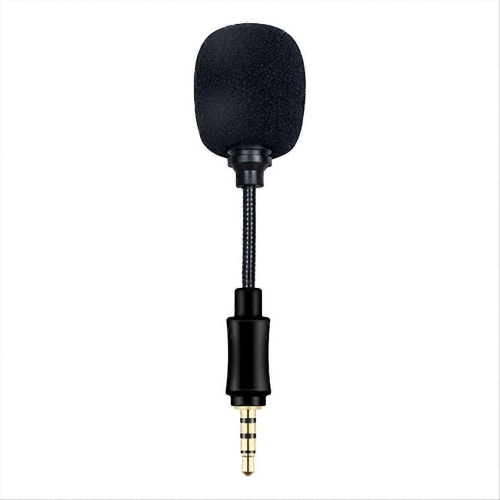

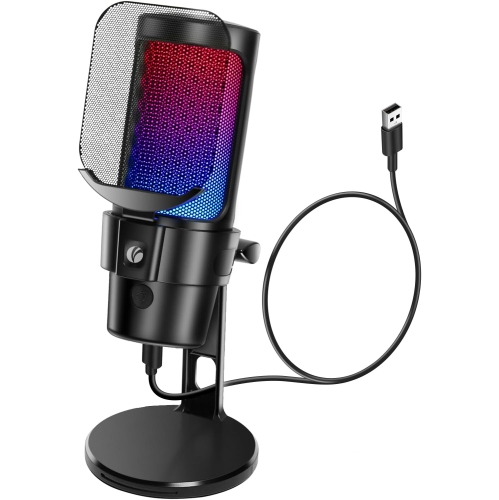

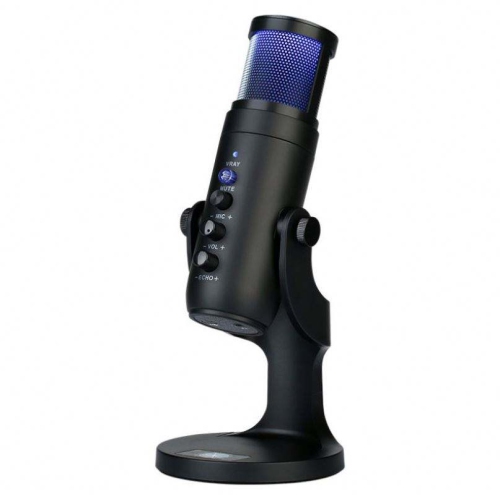
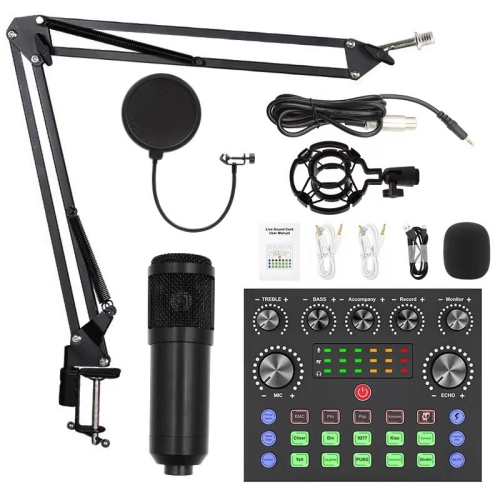
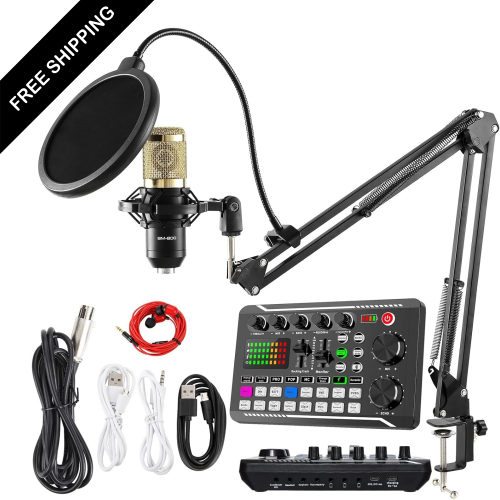
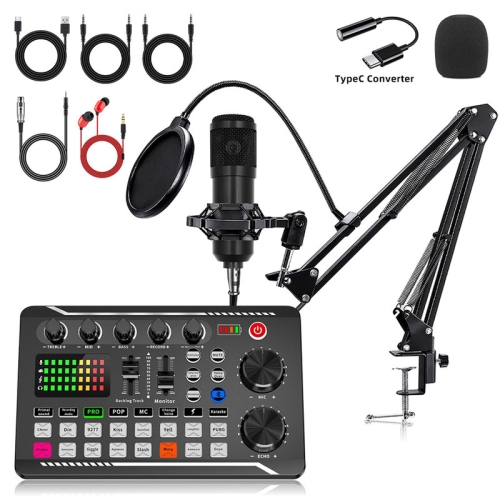
Simple setups for clearer voices in everyday spaces
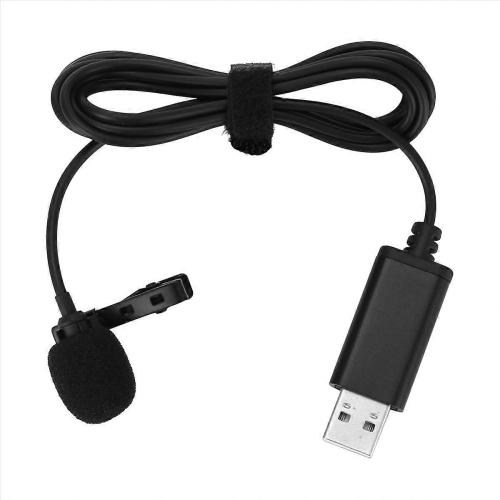
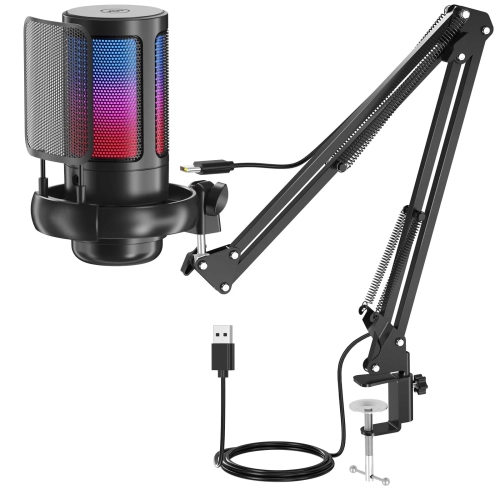
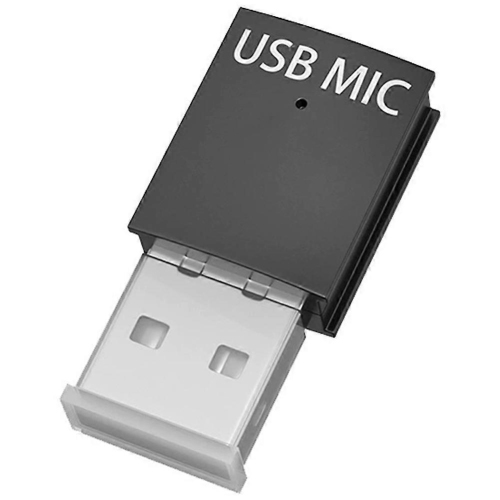
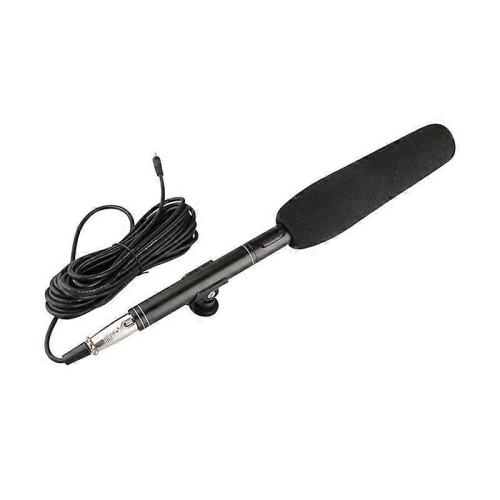
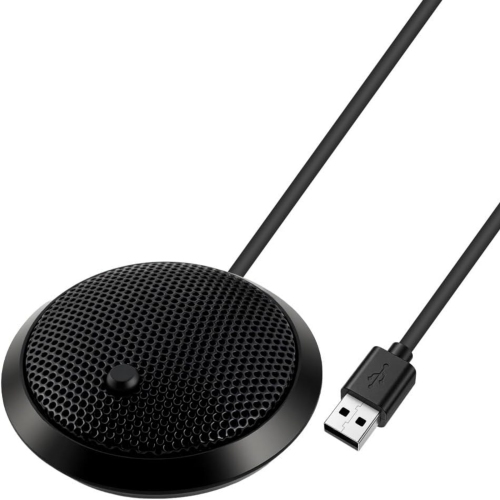
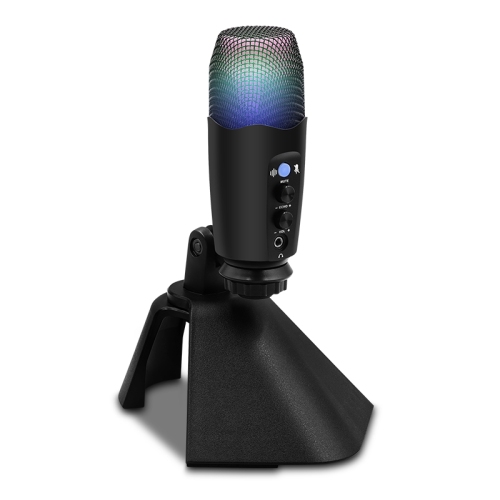
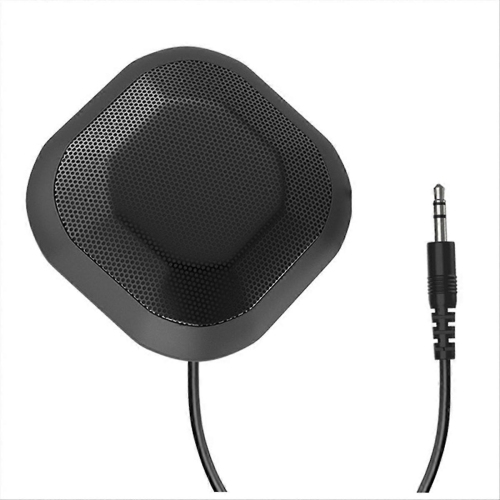
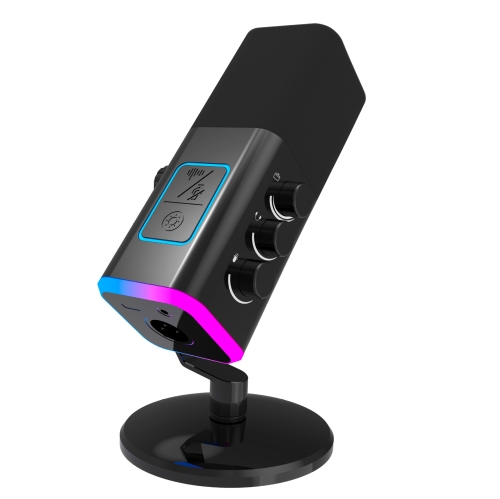
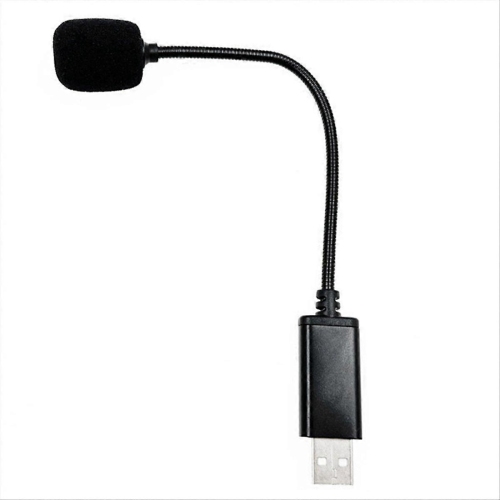
Budget microphones for podcasting can make it easier to record clear, confident voices without investing in a complete studio setup. Many entry-level options fall between $20 and $60, offering practical features for home recordings, interviews, voiceovers, video calls and casual streaming. A USB microphone is often the simplest choice for a first podcast because it connects directly to a computer with a standard cable and typically works without a separate audio interface, mixer or additional recording hardware. This plug-and-play approach can be especially useful for someone recording at a kitchen table, in a home office or in a quiet corner of a bedroom. Once connected, the microphone can usually be selected through the computer’s audio settings and used with common recording and video-conferencing software. For a new host, a straightforward setup leaves more time for planning episodes, arranging guests and finding a comfortable speaking rhythm. For a student, remote worker or family member who enjoys telling stories, a budget USB microphone can also be a thoughtful gift that supports creative projects without taking up much room. The most suitable option will depend on the computer being used, the available connections and the kind of recording planned. Some microphones are designed primarily for USB use, while others offer both USB and XLR connections. A dual-connection microphone can be a practical choice for someone who wants to begin with a computer and later move to an audio interface or mixer as their podcast develops. XLR microphones generally require extra equipment, but they can fit more advanced recording systems and may suit creators who already have an interface at home. Checking the included cables, connection type and operating-system compatibility before purchasing helps avoid surprises when it is time to record.
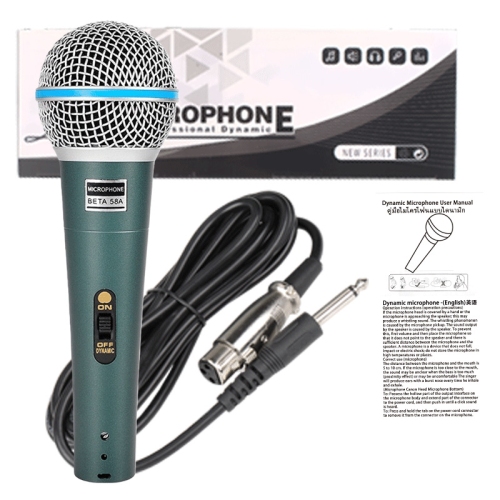
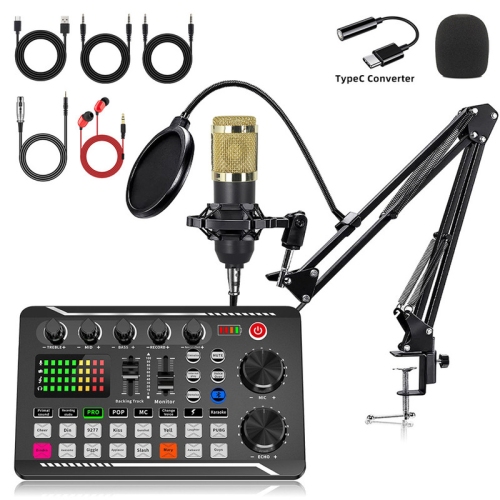
Sound quality depends on more than the microphone itself. A dynamic microphone can help concentrate on a nearby speaker and may be forgiving in rooms where there is background noise from a fan, heating system, street traffic or other activity. A condenser microphone may capture more detail and a broader range of vocal texture, but it can also pick up more of the room, including echoes from bare walls and hard surfaces. For most podcast recordings, placing the microphone a few inches from the speaker and speaking toward the correct side can make a noticeable difference. Keeping the microphone at mouth level, using a stable stand or boom arm and maintaining a consistent distance helps create an even volume from one sentence to the next. A pop filter or foam windscreen can soften bursts of air from sounds such as “p” and “b,” while a shock mount may reduce vibrations from a desk or accidental bumps. Headphone monitoring is useful for hearing hum, distortion or a loose cable before an entire episode has been recorded. It also helps hosts notice whether they are speaking too softly, moving away from the microphone or touching the desk during a conversation. A quiet, softly furnished room often produces better results than a large empty space, where voices can bounce off walls and create a hollow echo. Curtains, rugs, bookshelves and upholstered furniture can all help reduce reflections without requiring elaborate sound treatment. For additional comparisons across different styles and connection types, shoppers can explore Top Podcast Microphones while considering which features fit their recording habits and equipment.
Budget microphones for podcast projects are suitable for a wide range of users, from first-time hosts and small community groups to teachers, hobbyists, gamers and independent creators building a regular audio series. They can be used for solo narration, two-person discussions, remote interviews and short-form clips made for social media. A single microphone may work well for one speaker, while a multi-person podcast may require additional microphones, a mixer or software that supports separate audio tracks. Buyers should also consider whether the microphone has a mute button, gain control, headphone output, volume monitoring or a built-in stand, since these details can make recording more comfortable and convenient. A microphone with a compact footprint may suit a shared desk or temporary recording area, while a model that includes a stand or mounting compatibility can make it easier to position the microphone securely. During the cooler months, when more recording takes place indoors, a dependable microphone can turn a quiet office, spare room or living-room corner into a welcoming space for regular conversations. It can also make a useful gift for someone preparing a school project, launching a local-interest podcast or preserving interviews with relatives and friends. Before adding a microphone to a recording setup, it is worth considering the speaker’s voice, the room’s acoustics, the computer or interface connection and the accessories already available. With sensible placement, a stable connection and a little attention to the recording space, an affordable microphone can deliver clean, comfortable audio for podcasts without requiring expensive extra gear.
Top selling and popular products
-
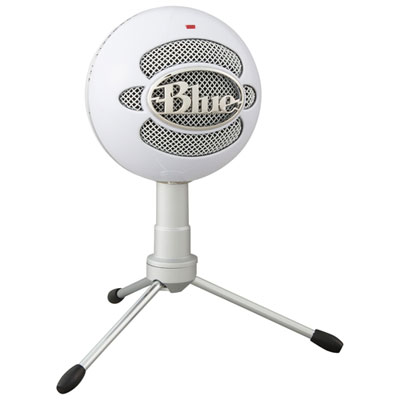 Your price for this item is $59.99
-
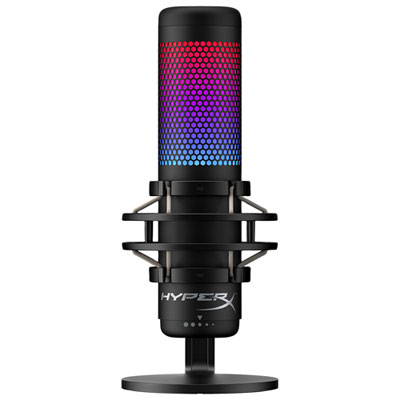 Your price for this item is $209.99
-
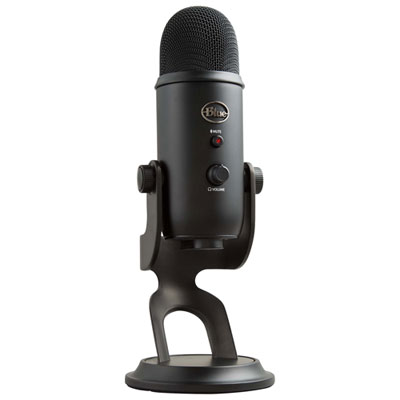 Your price for this item is $129.98
-
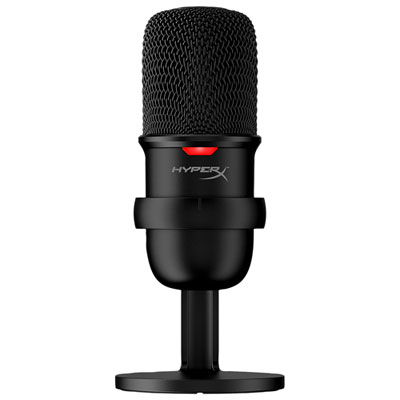 Your price for this item is $54.99
-
 Your price for this item is $109.98
-
 Your price for this item is $292.68
-
 Your price for this item is $199.99
-
 Your price for this item is $279.99
Discover more categories related to Budget Microphones for Podcast

Top Collections:
Pokemon Centers, Best Cameras for Sports Photography, Kindle Devices, Samsung Galaxy Phones, Canon G7X Cameras, Pokémon 30th Celebration Cards, Refurbished Apple Laptops, iPhone 15 Apple, Laptops for Students, Budget Smartphones
Some products may be subject to Environmental Handling Fees
(EHF) depending on your province.
Learn more about EHFs.