Belkin Travel Power Adapters
Make every journey more convenient with the belkin travel power adapter, designed to keep your devices powered wherever you go. Whether you're heading overseas for business or exploring new destinations on vacation, having a reliable adapter ensures your electronics stay charged and ready to use. Explore a variety of options to find the right fit for your travel needs and enjoy seamless connectivity no matter where your adventures take you.
Sort
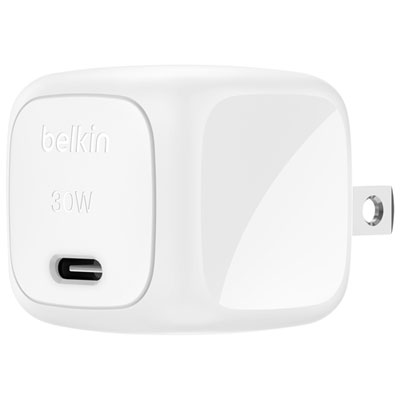
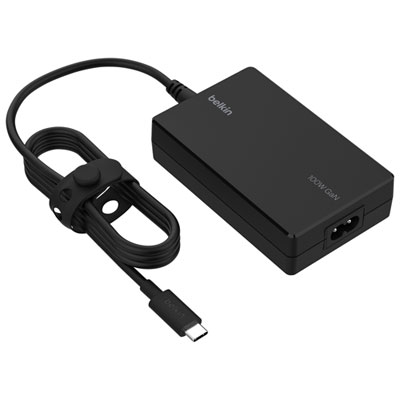
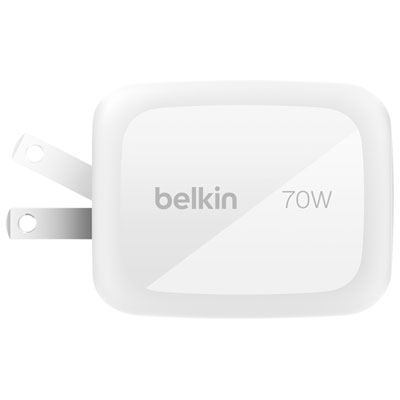
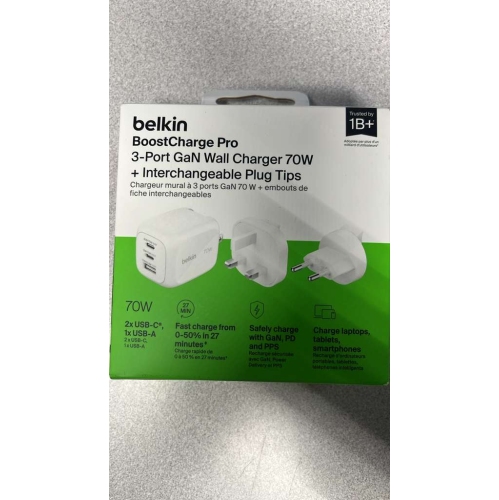
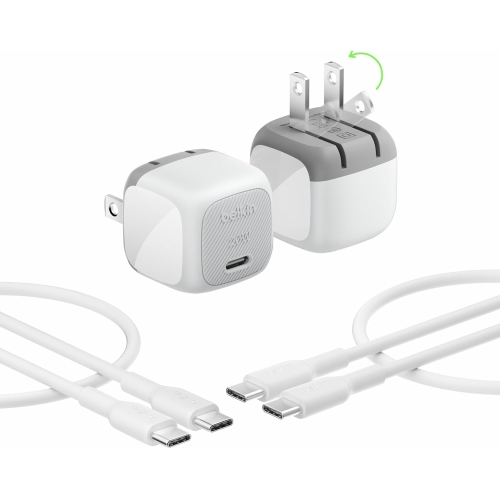

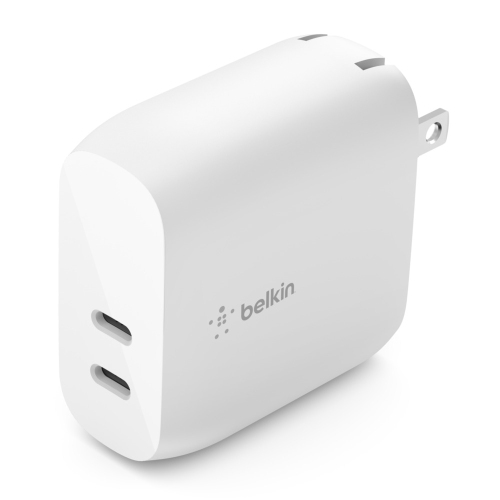
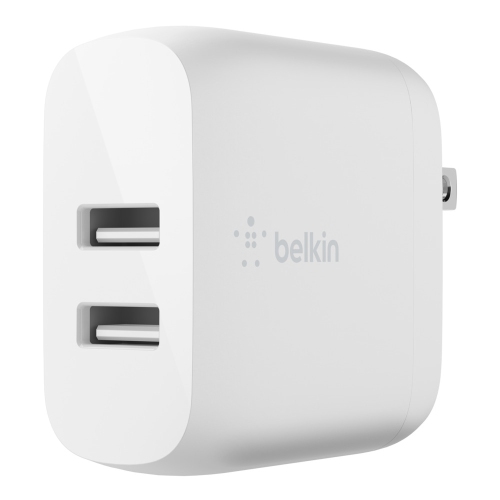


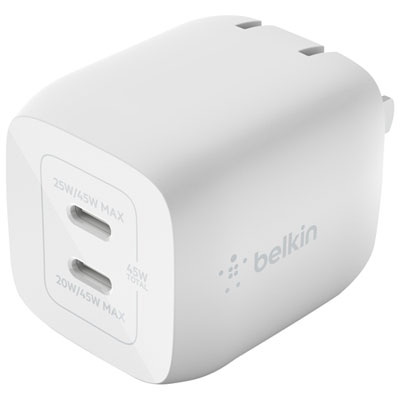





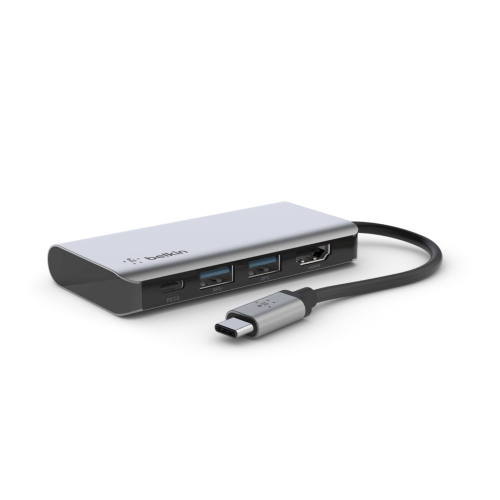
Charging abroad takes more than a matching plug
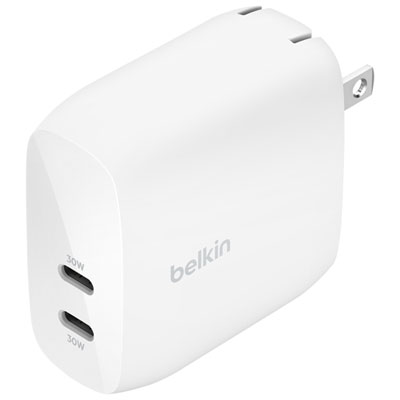
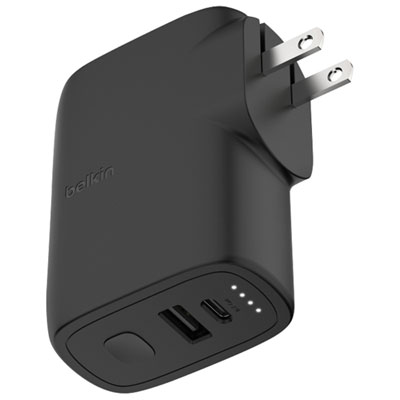
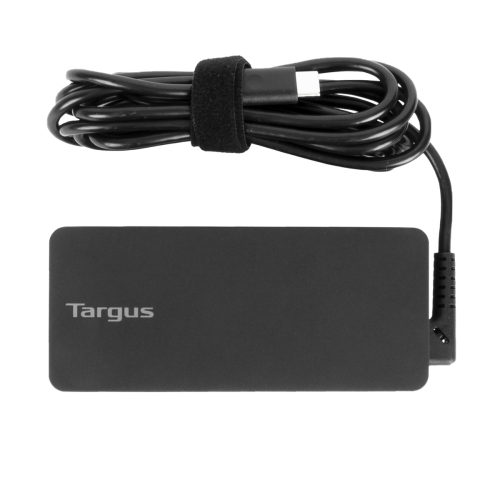
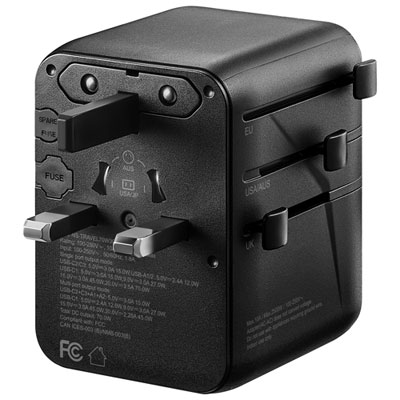
Travel power adapters help keep phones, tablets, laptops, and other portable electronics charged away from home, but the term covers accessories with different jobs. A travel plug adapter changes the physical connection between a compatible power cord and a wall socket; it does not, by itself, convert the electrical voltage. A USB wall charger converts incoming wall power into an output suitable for compatible USB devices, while a voltage converter serves a separate purpose. These distinctions matter when travelling from Canada to destinations with different outlet shapes and electrical supplies. A charger marked for an input range of 100–240 V and 50/60 Hz can generally accept the common mains supplies used across many countries, provided its plug connection is appropriate and all manufacturer requirements are met. That capability must be confirmed on the charger itself rather than assumed from its size or appearance. Devices marked only for a single input voltage need separate consideration, and a small charging accessory should not be treated as a solution for high-power appliances such as hair dryers or kettles. Destination compatibility also involves more than matching a country name on packaging. Socket formats can differ between regions, and an itinerary that crosses several borders may call for interchangeable plug heads or more than one plug format. Grounding is equally important: equipment that requires a grounded connection needs an adapter and outlet arrangement that preserves it. For USB charging, the connector, supported charging protocol, and rated output all affect compatibility. A USB-C port alone does not establish how quickly a device will charge or whether a laptop will receive enough power. The device, charger, and cable must support a suitable combination. Where several ports share a charger, the total output may be divided when multiple devices are connected. A compact adapter can therefore suit overnight phone charging yet serve a different role from a higher-output charger intended to support a laptop and another device together. Clear input and output markings make these differences easier to understand before a charger becomes part of a travel kit.
Physical design has a noticeable effect on how comfortably a travel power adapter fits into daily routines. A slim body may be easier to place behind a hotel bedside table, while a wider charger can interfere with a neighbouring socket on a closely spaced outlet. The direction of the ports matters, too: a cable that exits straight outward needs different clearance from one that connects along the bottom edge. Folding prongs, where included, reduce exposed projections inside a bag, and interchangeable heads can make a single charging body useful across compatible outlet formats. Those moving parts should attach securely and be used only in the configurations specified by the manufacturer. A charger also needs to sit firmly in a wall socket without being pulled sideways by a heavy cable bundle. Materials and construction contribute to everyday durability, although appearance alone says little about electrical performance. Rigid plastic housings are common, and close-fitting seams, legible markings, and securely seated connectors are useful details to examine. Electrical safety approvals applicable to the place of use are more meaningful than a glossy finish or an unusually small shell. Cables deserve the same attention as the charging body. A reinforced connector area can help manage routine bending, but no cable benefits from being sharply folded, pinched in a suitcase zip, or pulled out by its cord. A separate pouch keeps plug heads and leads together and limits contact with keys or other hard objects. Care is straightforward: disconnect the adapter before cleaning, use a dry cloth on the exterior, and keep liquids away from ports and electrical contacts. Damaged housings, bent pins, loose connections, and frayed cables are reasons to stop using the affected accessory. During charging, an open, dry surface allows airflow; bedding, clothing, and tightly packed luggage should not cover powered equipment. These practical details help distinguish an accessory that merely fits in a bag from one that fits the way its owner travels.
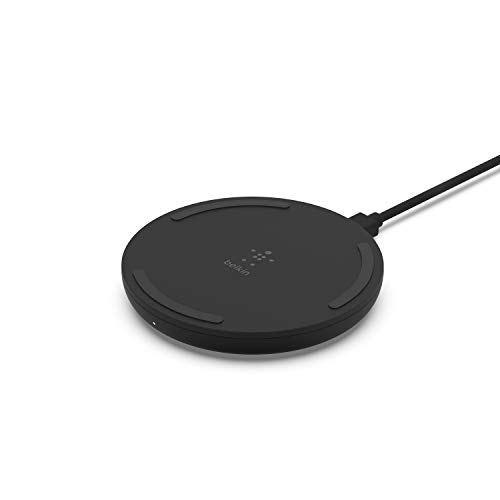
The right charging arrangement depends on the devices that accompany a trip and how they are used between stops. A business traveller working at a hotel desk may need sufficient USB-C output for a compatible laptop, with another port available for a phone. Someone carrying a phone and wireless earbuds may prefer a smaller setup, while a family sharing a room may value several charging connections in one accessible place. Multiple ports can reduce the number of separate wall chargers in a bag, although the shared power limit still determines what can charge together and at what rate. A long cable can reach an awkwardly placed socket, but extra length also adds bulk and needs to be kept clear of walkways. Shorter leads can make a compact charging pouch easier to organize when outlets are close to a desk or bedside surface. For related charging options, Samsung Travel Adapters provide another category to compare by connector type, supported charging standard, power output, and plug format. Across travel charging accessories, compatibility is more useful than a matching appearance: an adapter must suit both the destination’s electrical connection and the equipment being charged. Travel power adapters can also make practical gifts for students studying abroad, frequent work travellers, or relatives preparing for an international visit, especially when their destination and device requirements are known. A compact size is convenient, but it should not replace the necessary ports, grounding arrangement, or output rating. Nor does a wall adapter store energy for use away from an outlet; that is the role of a power bank. Keeping those functions distinct helps create a travel kit with fewer unnecessary accessories. Whether the routine involves charging a phone beside a guest-room bed or connecting a laptop at a temporary workspace, the useful qualities remain consistent: suitable electrical ratings, a secure physical fit, compatible cables, and a design that is easy to pack, connect, and care for.
Top selling and popular products
-
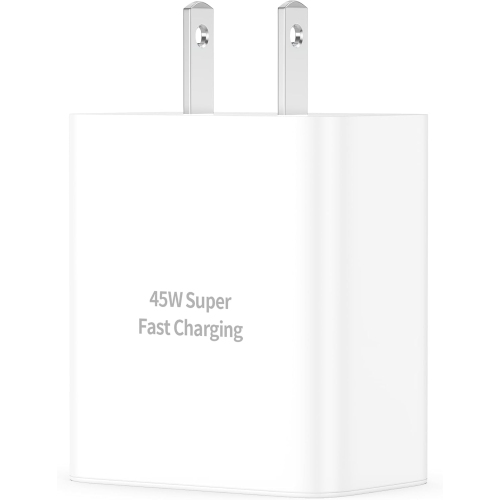 Your price for this item is $27.99
-
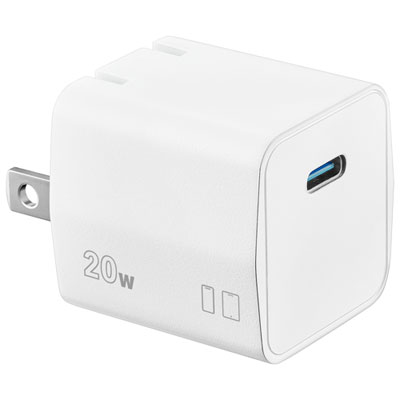 Your price for this item is $16.99
-
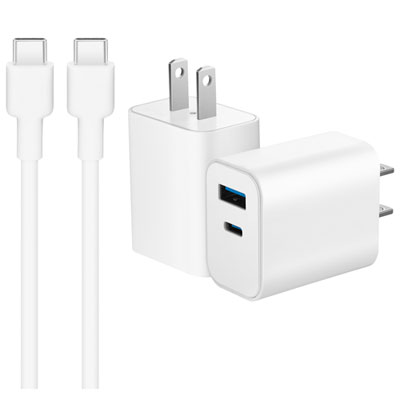 Your price for this item is $24.99
-
 Your price for this item is $49.99
-
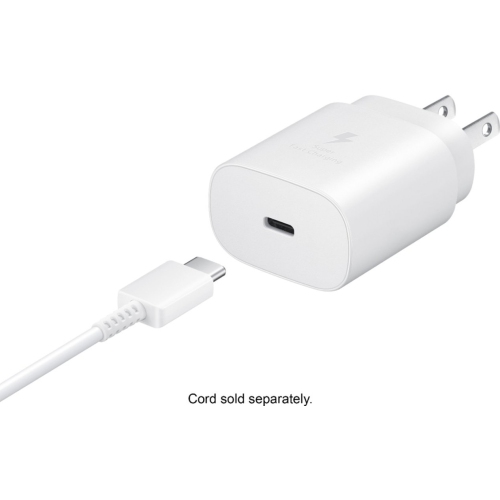 Your price for this item is $25
-
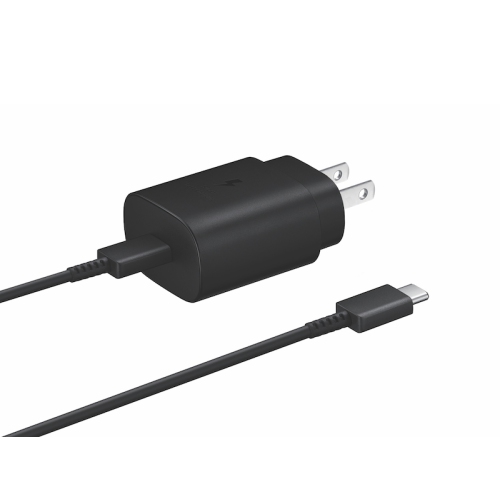 Your price for this item is $14.99
-
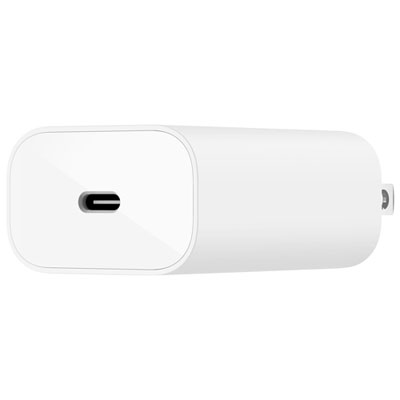 Your price for this item is $19.98
-
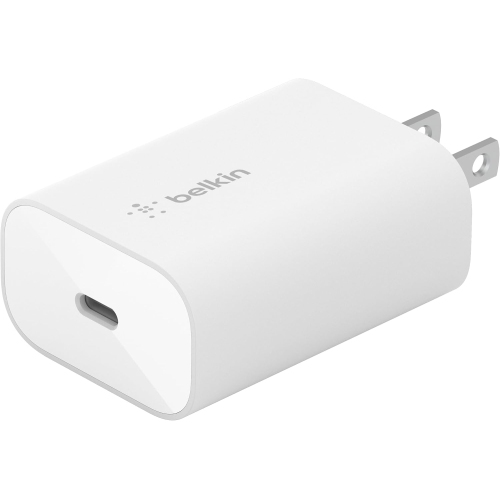 Your price for this item is $43.49
Discover more categories related to Belkin Travel Power Adapters

Top Collections:
Pokemon Centers, Pokémon 30th Celebration Cards, Best Budget Office Chairs, Kindle Devices, Best Cameras for Sports Photography, Canon G7X Cameras, Best Black Friday Deals On Electronics, Best Laptops for Writers, iPhone 15 Apple, Jackery Power Stations
Some products may be subject to Environmental Handling Fees
(EHF) depending on your province.
Learn more about EHFs.