Samsung Travel Adapters
Power up your devices on the go with a samsung travel adapter, designed to keep you connected wherever your journey takes you. Whether you’re heading out for business or leisure, having a reliable charging solution is essential for staying productive and entertained. Find the right samsung travel adapter to match your needs and enjoy seamless charging while traveling locally or abroad. Explore a range of options that make it easy to keep your devices ready for action at all times.
Sort


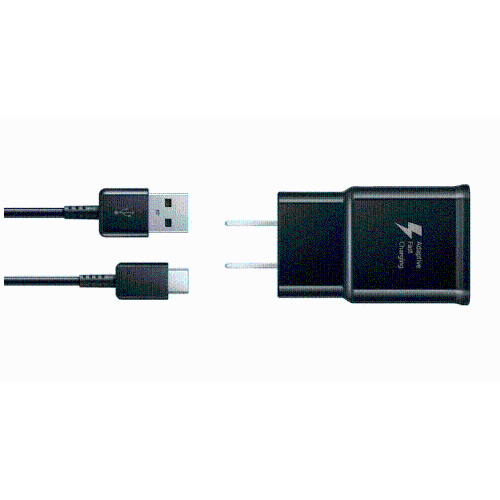
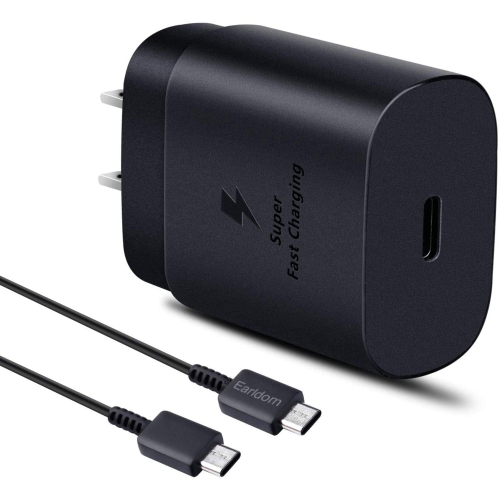

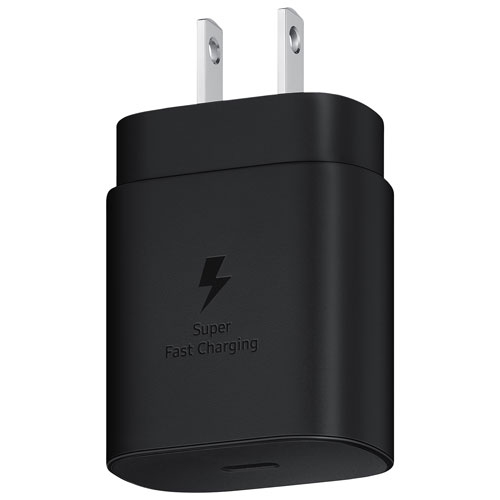

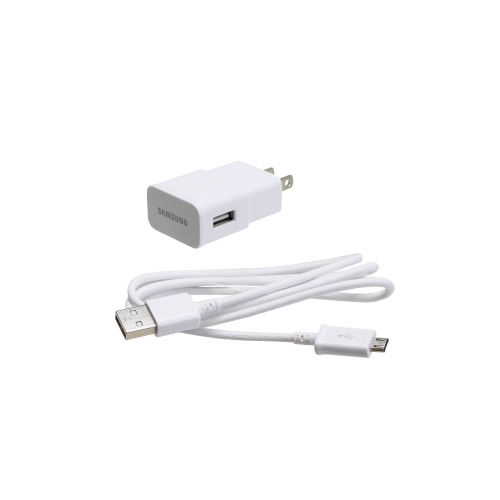






Why charging on the go takes more than watts
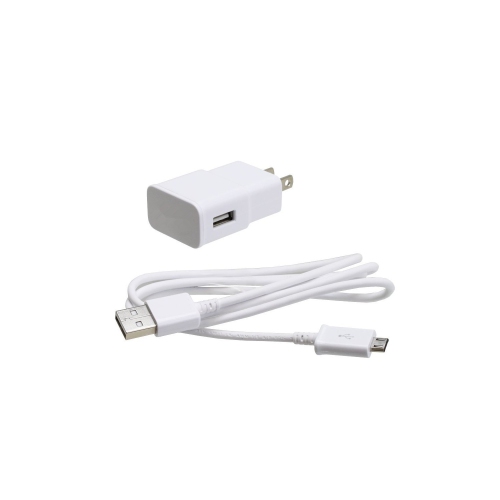
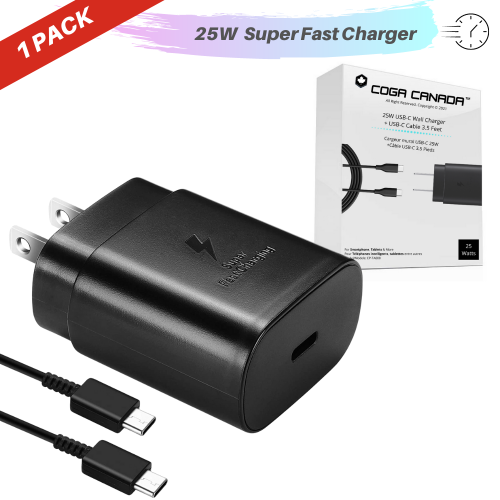
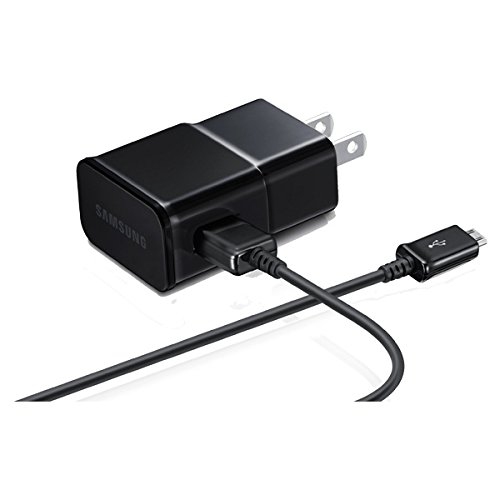
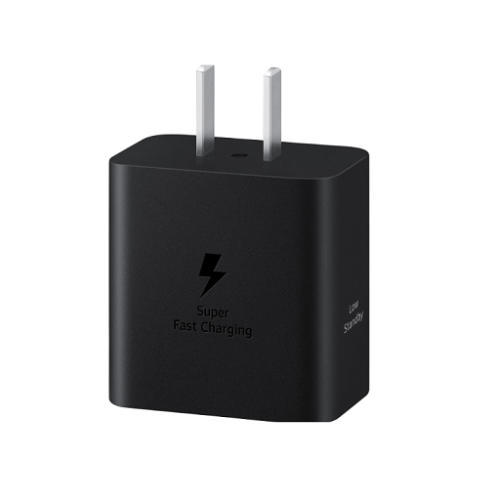
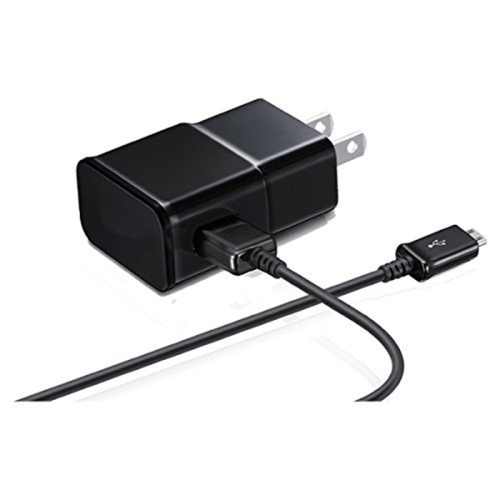
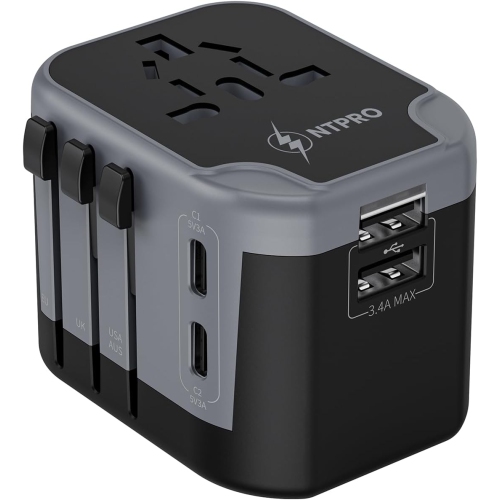
Travel adapters bring convenient USB charging to the places where phones, tablets, and other compatible devices go, from a desk at home to a hotel bedside table. In this category, “travel adapter” generally refers to a wall charger that converts power from an electrical outlet into the output a device needs, rather than a plug converter for international sockets. That distinction matters when putting together a charging setup for a carry-on bag, a daily commute, or a longer trip. A compact adapter can serve as a regular charger at home and slip into a small accessory pouch when it is time to leave. The most useful fit depends on the devices being charged, their supported charging standards, and the cable connecting them to the adapter. A USB-C port describes the connection, but it does not by itself establish charging speed or compatibility with every fast-charging feature. USB Power Delivery, often shortened to USB PD, is a charging standard used by many compatible devices, while Programmable Power Supply, or PPS, allows supported chargers and devices to adjust voltage and current during charging. Some phones require both a suitable power rating and PPS support to reach their advertised fast-charging performance. The wattage printed on an adapter indicates its maximum rated output, not a promise that every connected device will draw that amount. A phone designed to accept less power will remain within its supported charging limits when paired with a compatible, standards-compliant charger. Charging speed also varies with battery level, device activity, and built-in battery management. A phone running navigation or a video call may replenish its battery differently from one sitting idle on a bedside table. For a broader view of related charging options, Samsung Power Adapters brings the focus back to matching the charger, cable, and device as a complete setup. That match matters more than choosing the highest wattage alone, particularly when the goal is a dependable everyday charger that also travels easily.
Physical design makes a noticeable difference to how a travel adapter fits into daily routines. A slim housing may sit more comfortably behind a nightstand, while a compact block can leave more room in a tech pouch for earbuds, cables, and a portable battery. Port placement affects how the cable extends from the wall: a connection facing outward needs clearance in front of the socket, while another layout may suit a tighter space. Closely spaced outlets can also make adapter width important, especially when sharing a power strip with a laptop charger. Some compact adapters use gallium nitride, or GaN, technology, which can support smaller power-conversion components than comparable conventional designs. GaN is not a guarantee of a particular charging speed, however; the listed output ratings and supported protocols remain the meaningful specifications. Housings are commonly made from rigid plastic, with metal plug pins and recessed USB connections that need to withstand regular handling. Smooth edges, a secure connector fit, and a shape that is easy to grip all contribute to comfortable use. Folding pins, where included, can help an adapter pack neatly without exposed prongs pressing against other belongings. Cable choice deserves equal attention. A USB-C adapter commonly pairs with a USB-C-to-USB-C cable for compatible phones and tablets, but the cable must also support the required current and power level. Certain higher-output charging modes require a suitably rated 5A cable with electronic identification, so a cable that fits is not necessarily enough to enable maximum performance. Cable length shapes the experience as well: a shorter cable keeps a small desk tidy, while a longer one can reach from an awkwardly placed hotel outlet to a bedside surface without pulling on the connector. Package contents vary, so whether a cable is included is part of the overall fit. Multiport designs can reduce the number of chargers in a bag, although their total output may be shared between connected devices rather than supplied at the maximum rating from every port simultaneously.
International use adds another layer of compatibility beyond the USB connection. Many travel adapters are labelled for an input range of 100–240V, which can allow use with household electrical supplies in different countries, but the input voltage and frequency printed on the adapter should always be checked before travel. A suitable input range does not change the shape of the plug. A charger with Canadian-style pins may still need a destination-specific plug adapter to fit the wall socket, and a basic plug adapter changes the physical connection rather than converting voltage. Keeping these functions separate helps avoid treating a phone charger as a universal solution for other electrical equipment. A compact USB adapter is intended for compatible electronics within its output limits, not for powering appliances that require a different connection or much more power. Even among USB-C devices, a charger suited to a phone may not provide enough output for a laptop, particularly while the computer is in use. For commuters, students, and people who split time between locations, a dedicated adapter in a work bag can mean fewer forgotten charging essentials. For frequent travellers, a small pouch with a charger, a suitable cable, and the correct destination plug attachment keeps the setup together without loose connectors catching on clothing. A travel adapter can also make a practical gift when the recipient’s device connection and charging requirements are known. Care is straightforward but important for long-term use: disconnect the adapter by holding its body rather than pulling the cable, keep the ports dry and free of debris, and store it where the pins will not be bent or crushed. Cleaning should be done with the charger unplugged, using a soft, dry cloth and following its care instructions. A damaged housing, loose pins, or a frayed cable calls for replacement rather than continued use. During charging, the adapter should remain uncovered with space around it, not tucked beneath bedding or left inside a closed pouch. With the right electrical specifications and a practical physical fit, a travel adapter can move easily between home, work, and destinations farther away.
Top selling and popular products
-
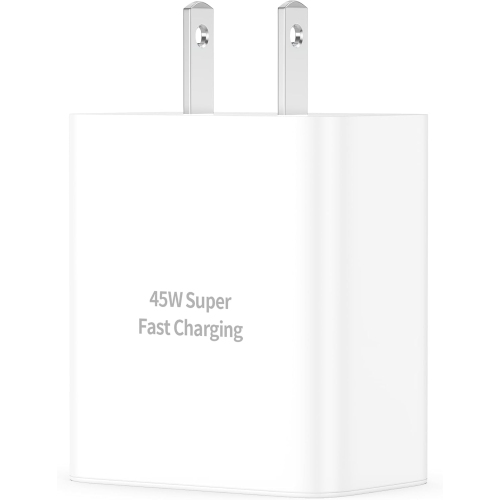 Your price for this item is $27.99
-
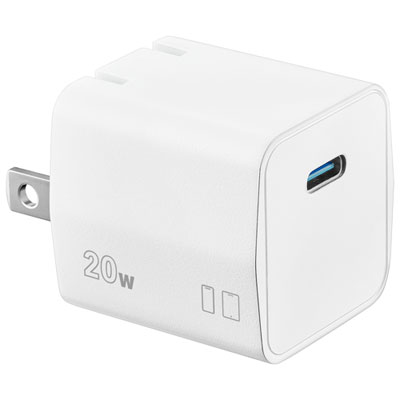 Your price for this item is $16.99
-
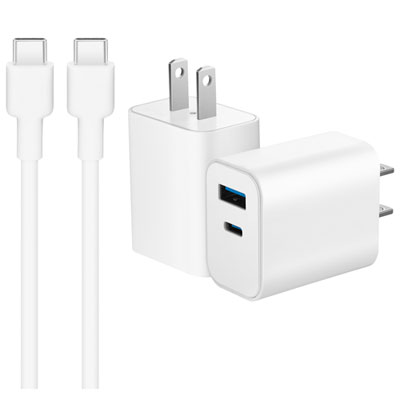 Your price for this item is $24.99
-
 Your price for this item is $49.99
-
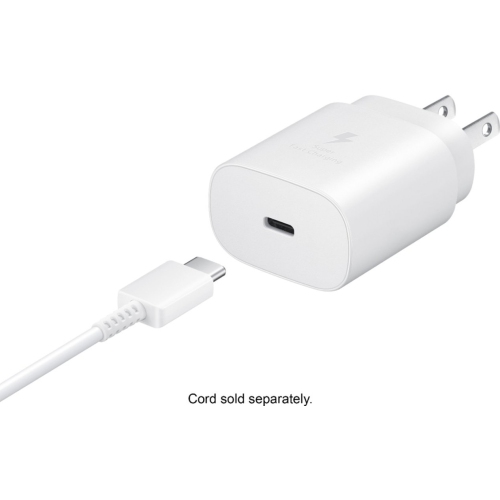 Your price for this item is $25
-
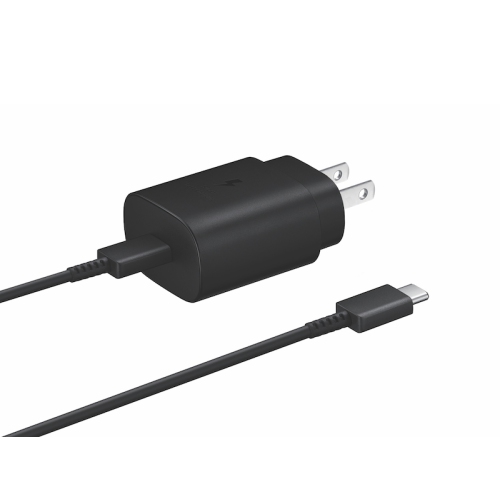 Your price for this item is $14.99
-
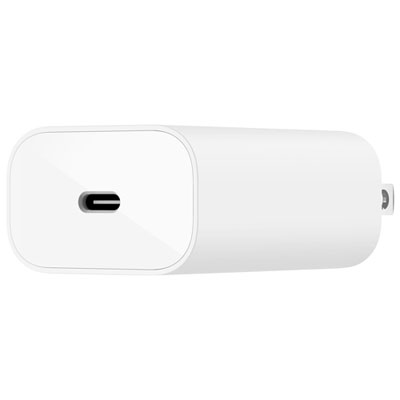 Your price for this item is $19.98
-
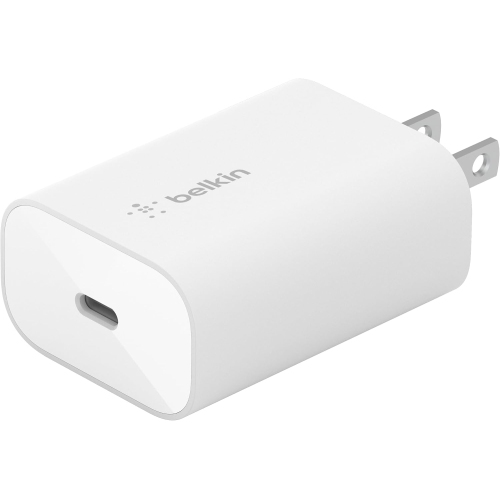 Your price for this item is $43.49
Discover more categories related to Samsung Travel Adapters


Top Collections:
Pokemon Centers, Pokémon 30th Celebration Cards, Best Budget Office Chairs, Kindle Devices, Best Cameras for Sports Photography, Canon G7X Cameras, Best Black Friday Deals On Electronics, Best Laptops for Writers, iPhone 15 Apple, Jackery Power Stations
Some products may be subject to Environmental Handling Fees
(EHF) depending on your province.
Learn more about EHFs.