Screen Protectors for S8
Protect your device with a reliable screen protector for S8, designed to help keep your display looking clear and scratch-free. Whether you're looking to guard against everyday wear or accidental drops, you'll find a variety of options that fit your needs. Browse through choices that are easy to apply and tailored for the S8, so you can maintain your phone’s sleek appearance while enjoying added peace of mind. Find the right screen protector for S8 and keep your device looking its best.
Sort

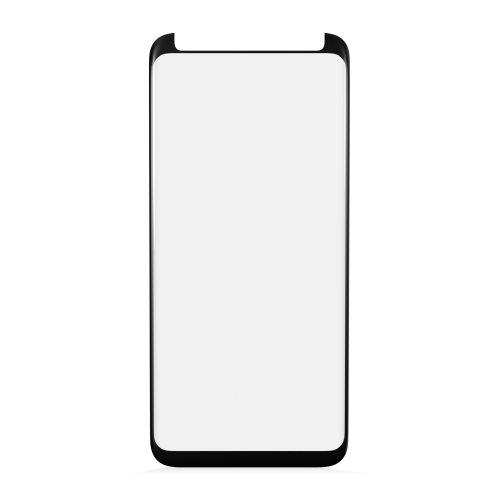
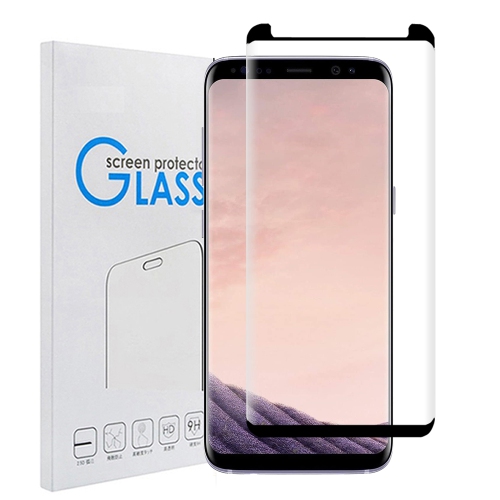


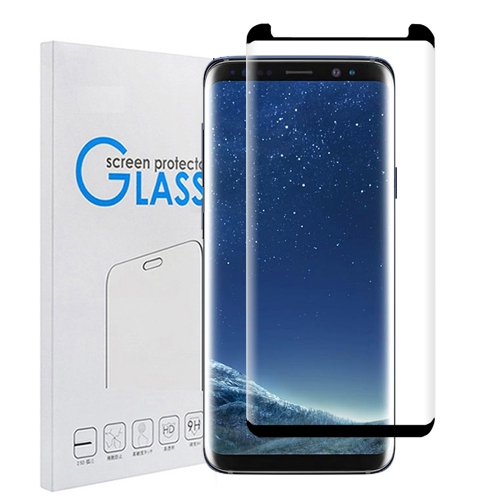
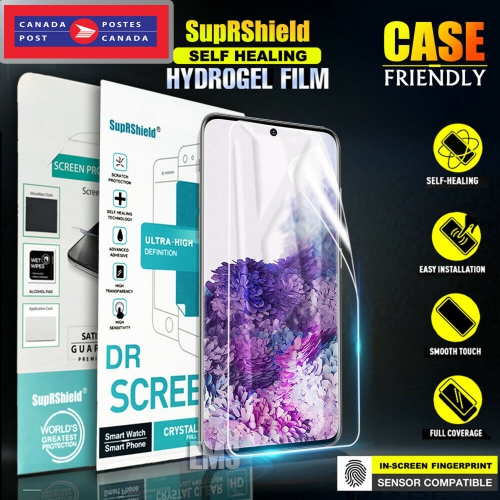

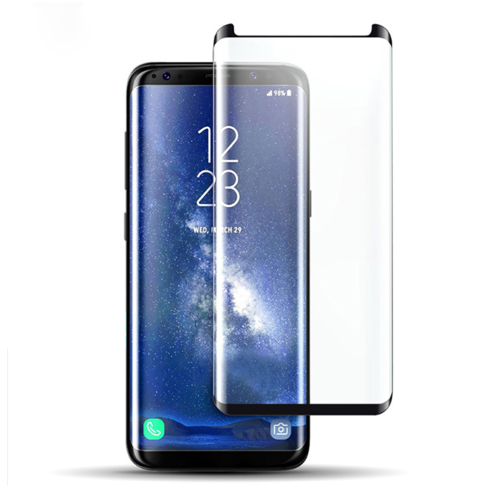

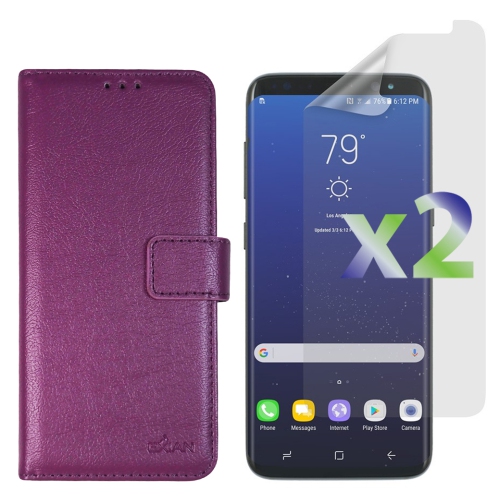

How curved edges affect screen protection and feel
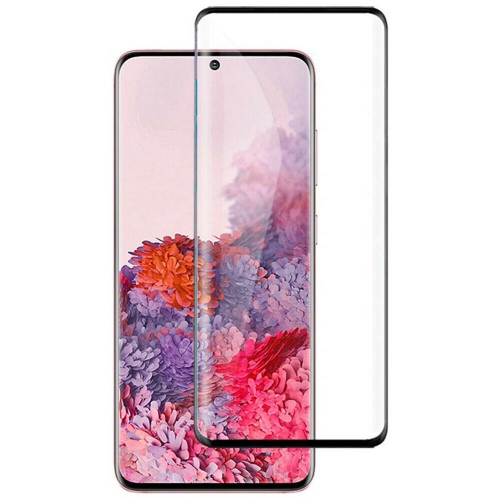
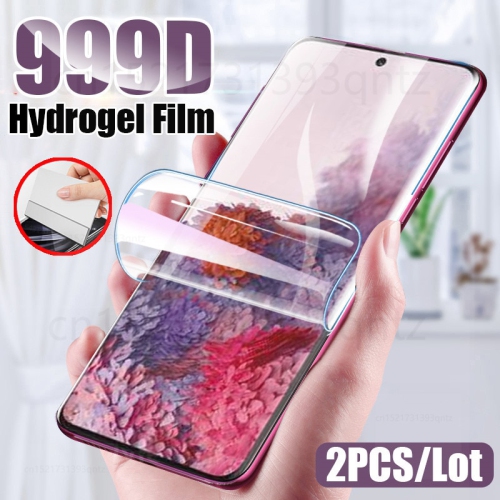
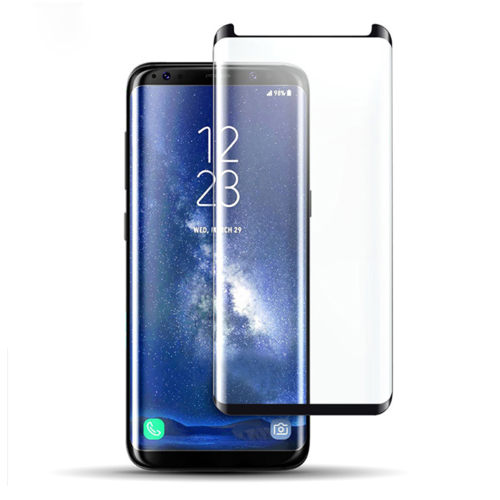
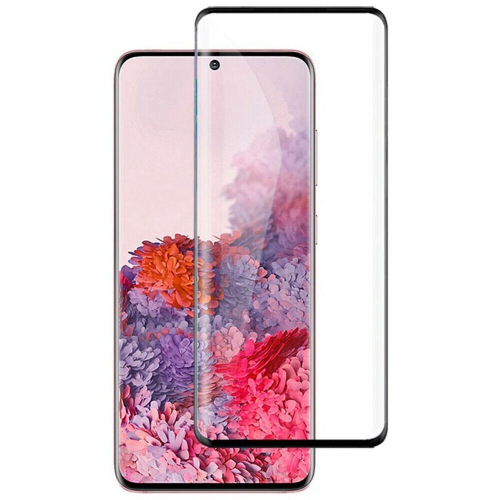
S8 screen protectors add a replaceable layer between a phone’s display and the small hazards of everyday use, from grit inside a pocket to repeated contact with a bag’s lining. Their fit matters especially because the S8 phone has a curved display: a protector needs to work with that shape rather than simply cover a flat rectangle. Tempered glass and flexible film are the main material types, with different strengths and trade-offs. Tempered glass offers a firm, smooth surface that can feel close to the original screen and helps resist everyday scratches. It can still chip or crack, and no screen protector makes a phone’s display shatterproof. Flexible films, including TPU and materials described as hydrogel, can conform closely to curved edges and generally add less thickness. They may feel softer under a fingertip, show pressure marks more readily, or have a slightly different surface texture from glass. Some films are designed to reduce the appearance of minor surface marks over time, but that feature should not be confused with repairing deep cuts or damage to the phone underneath. For someone who frequently types messages, scrolls through photos, or uses swipe gestures near the sides of the display, the feel and finish of the protector can be just as noticeable as its protective role. A clear, glossy finish tends to preserve the screen’s original appearance, while a matte finish can reduce reflections at the cost of some sharpness or a faint grainy effect. Privacy filters narrow side viewing angles, although they can also make the display appear dimmer. These differences make screen protectors more than interchangeable sheets: material, surface treatment, and coverage all influence how comfortably the phone works throughout the day. The most suitable balance depends on whether the priority is a glass-like touch, a slim profile, reduced glare, or close coverage around the curved sides.
Compatibility involves more than matching the S8 name on a package. The protector’s dimensions, curved profile, and openings need to align with the exact phone, leaving the front camera, earpiece, and sensors unobstructed. The larger S8 Plus requires a different fit; Galaxy S8 Plus Screen Protectors are intended for that larger model rather than the standard S8. Coverage descriptions also deserve attention. Edge-to-edge coverage may extend farther across the curved glass, while a case-friendly design usually leaves a small margin so a case’s raised rim does not press against the protector. That gap can be useful when a phone spends much of its time in a protective case: a case lip pushing against the glass or film can cause lifting, trapped dust, or an uneven edge. Adhesive design is another important distinction on a curved screen. Some glass protectors attach mainly around the perimeter, while others use adhesive across more of the viewing area. Perimeter attachment can leave an air gap that affects reflections or touch response, depending on the design and installation. Some designs also use a fine dot pattern to help maintain spacing between surfaces. Full-surface adhesion can support more even contact, but performance still depends on accurate fit and proper application. A protector that looks correctly positioned should also allow comfortable typing along the keyboard’s outer edges and easy access to controls near the sides of the screen. Installation accessories such as alignment aids, dust-removal stickers, and a smoothing tool can make positioning less awkward, especially when working around curved edges. The phone’s glass needs to be clean and free of loose particles before application, since even a tiny speck can create a visible bump or prevent the adhesive from settling evenly. Application methods vary, particularly between dry films and films that use a fitting solution, so the supplied directions matter more than a single method intended for every material. Existing cracks, chips, or uneven glass can also interfere with adhesion; a protector is not a repair for a damaged display.
Day-to-day care helps preserve both visibility and the feel of an S8 screen protector. A clean microfibre cloth is useful for lifting fingerprints without the abrasion that can come from gritty fabric or paper towels. Cleaning products need to suit the protector’s material and surface coating, since harsh chemicals or abrasive cleaners can affect clarity, adhesive edges, or fingerprint-resistant finishes. An oleophobic coating can make oily marks easier to wipe away, but it does not prevent fingerprints entirely and can wear with repeated use. Keeping sand and other hard particles away from the screen remains important even with a protector fitted; scratch resistance is not the same as complete protection against every material. Hardness ratings describe a particular testing method and should not be treated as a guarantee against drops or cracking. A case and a screen protector serve complementary purposes, with the case helping shield the phone’s body and edges while the protector covers the display surface. For a commuter who slips a phone into a crowded backpack, a slim film may appeal because it adds little bulk. Someone who spends hours reading, messaging, or watching videos may place more weight on clarity, smooth scrolling, and an unobtrusive edge. A family member using an S8 as a familiar everyday phone may appreciate a protector that is straightforward to clean and comfortable with an existing case. As a practical gift, exact model compatibility matters more than appearance alone, particularly when the recipient already has a favourite case. Over time, lifting corners, persistent bubbles, deep scratches, or cracked glass can make replacement worthwhile. Chipped or broken protector edges deserve particular attention because they can catch a fingertip or loosen further during handling. Replacing a worn protective layer can restore a cleaner viewing surface, but it cannot remove scratches already present on the phone itself. A well-matched protector should sit securely, keep essential openings clear, and allow the display to remain easy to see and use without drawing constant attention to the layer on top.
Top selling and popular products
-
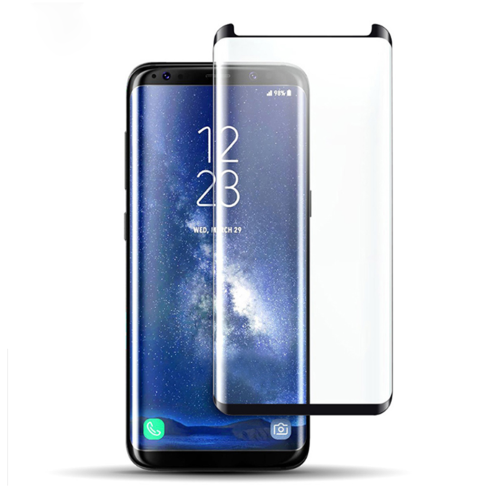 Your price for this item is $16
-
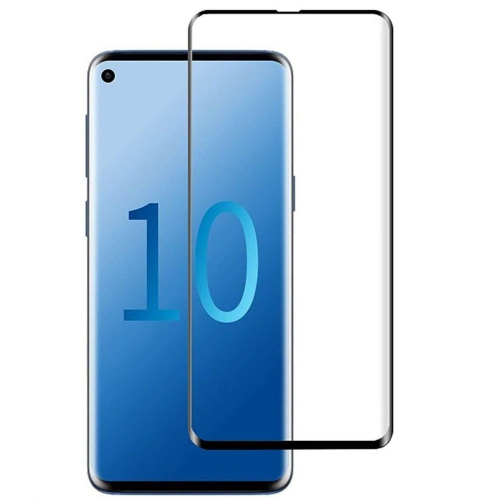 Your price for this item is $16
-
 Your price for this item is $16
-
 Your price for this item is $5.97
-
 Your price for this item is $16
-
 Your price for this item is $16
-
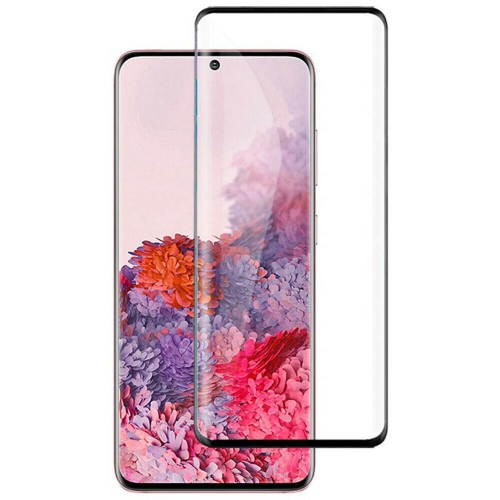 Your price for this item is $16
-
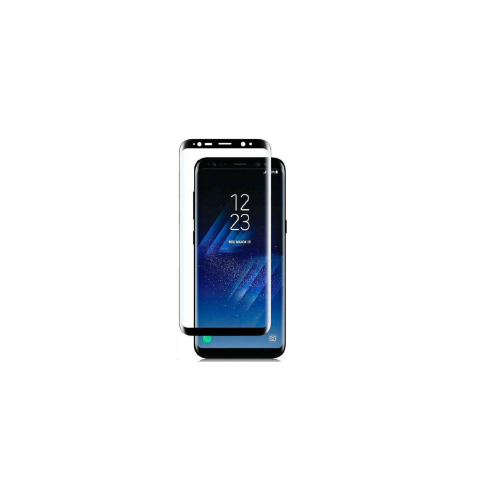 Your price for this item is $16
Discover more categories related to Screen Protectors for S8


Top Collections:
Pokemon Centers, Kindle Devices, Best Black Friday Deals This Year, Pokémon 30th Celebration Cards, Best Black Friday Deals On Electronics, Best Cameras for Sports Photography, Best Black Friday Deals On Apple Products, Canon G7X Cameras, iPhone 15 Apple, Candle Warmer Lights
Some products may be subject to Environmental Handling Fees
(EHF) depending on your province.
Learn more about EHFs.