Motorcycle Helmet Cam
A helmet camera is a small video camera that is mounted on the helmet of a rider. The camera is used to record the user's journey and is often used for recording races or for social media. Here are some great motorcycle helmet cameras available today.
Sort
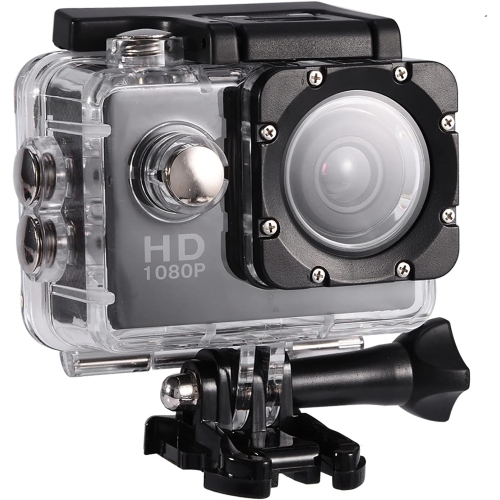

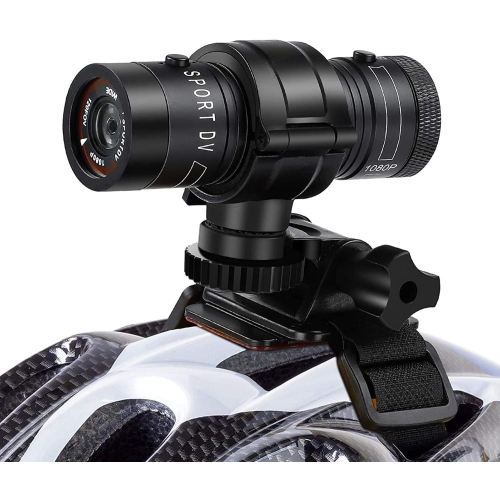
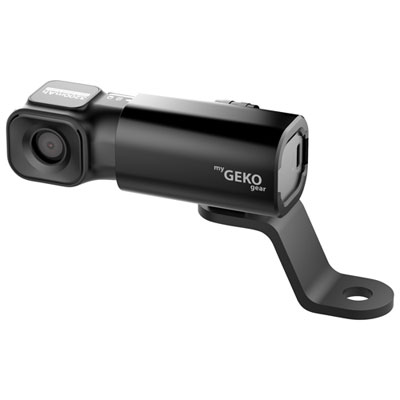
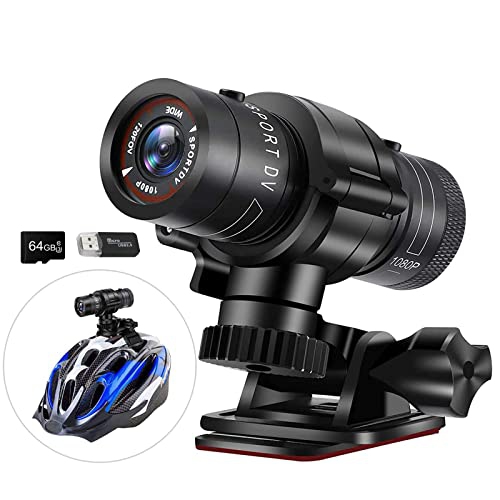
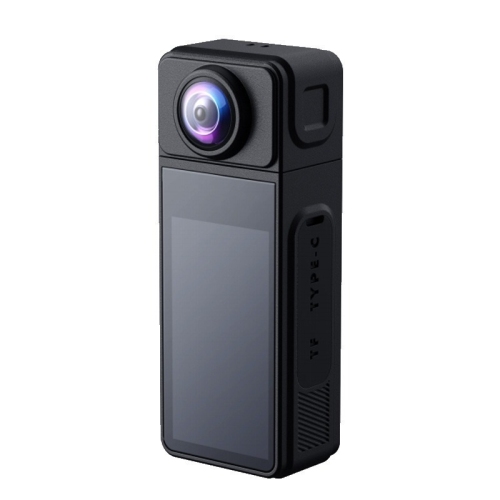
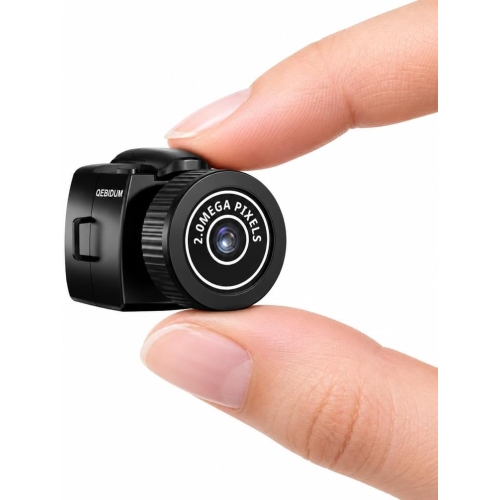
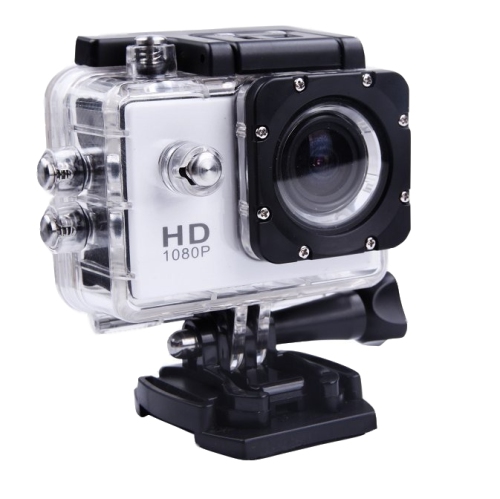
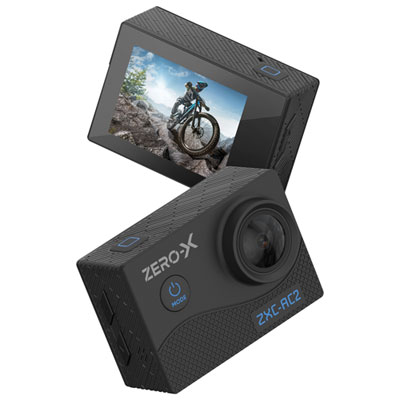
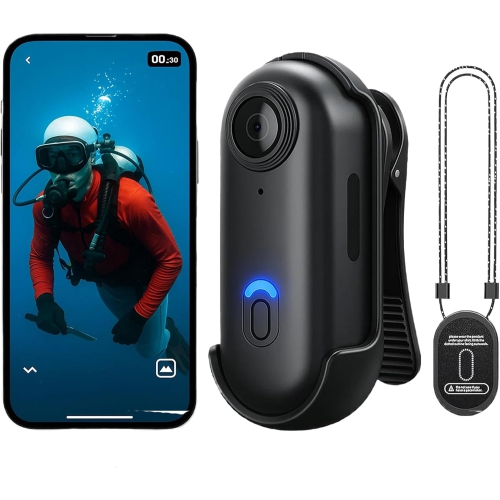
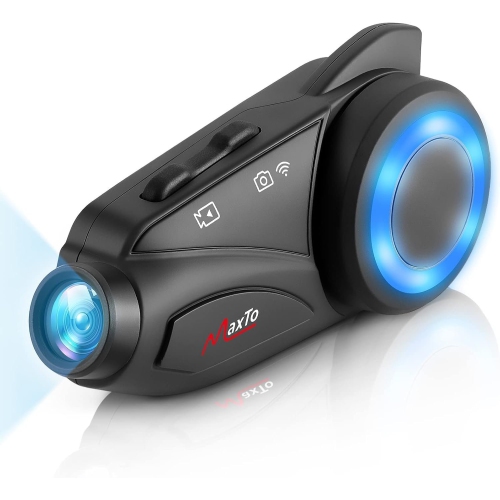
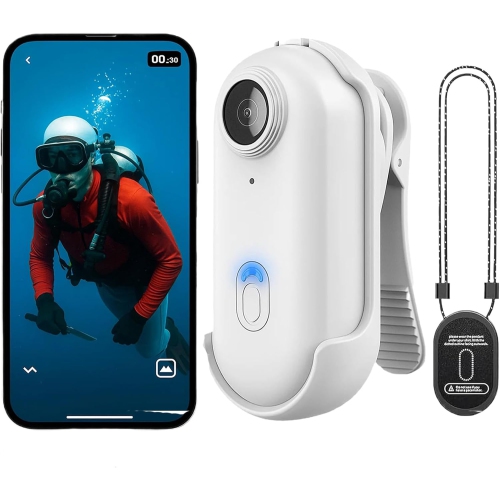
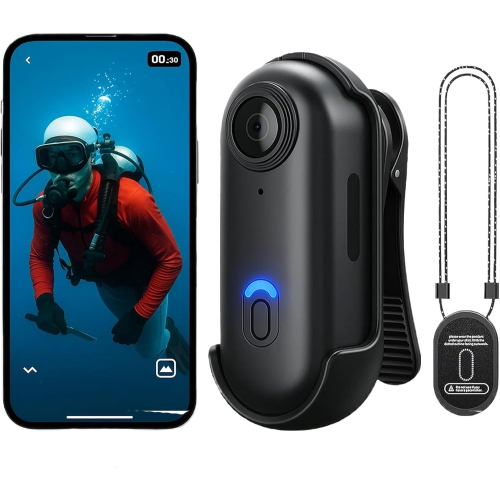
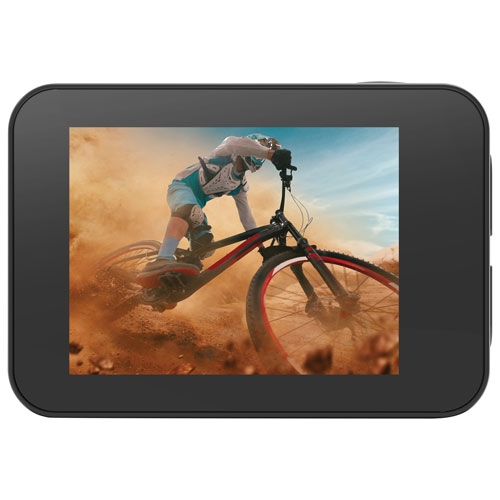
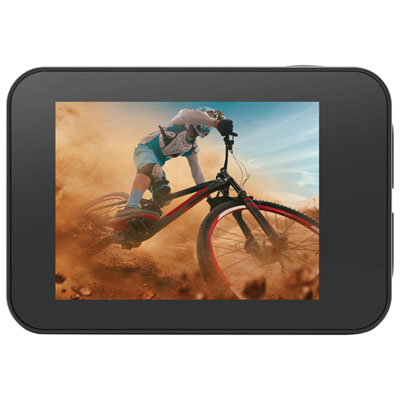
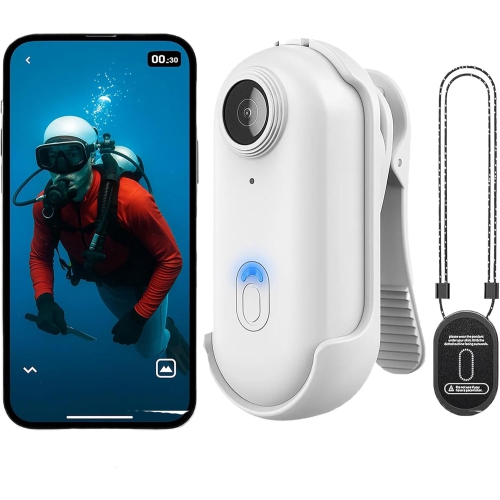
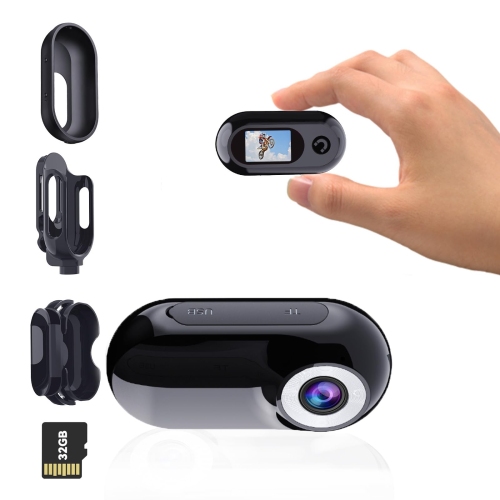
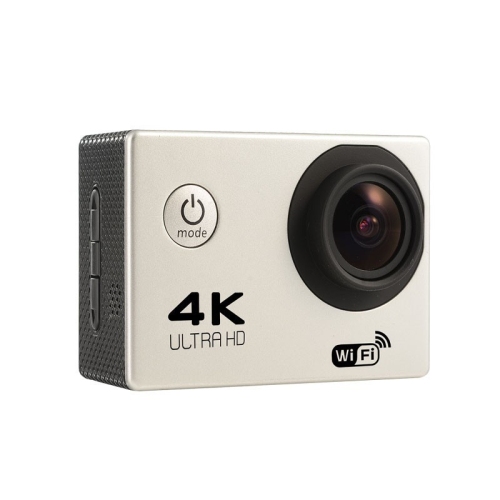
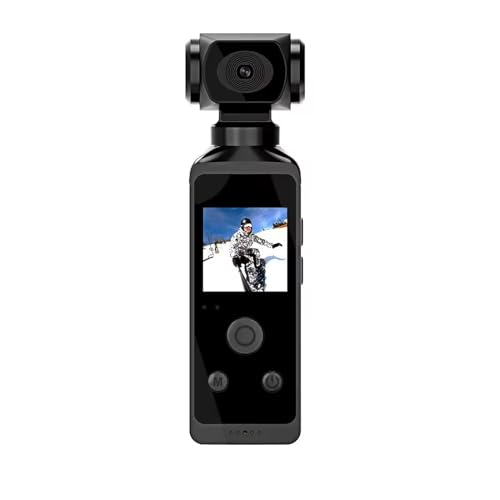
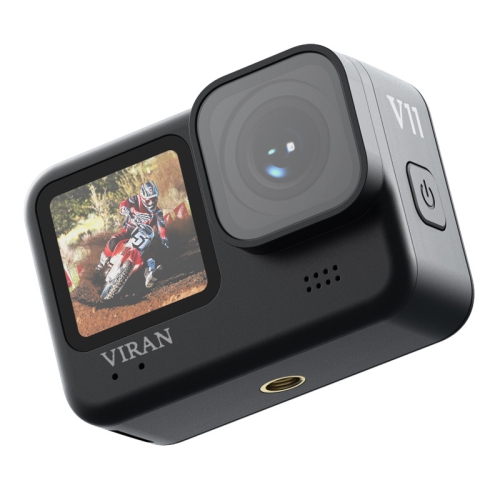
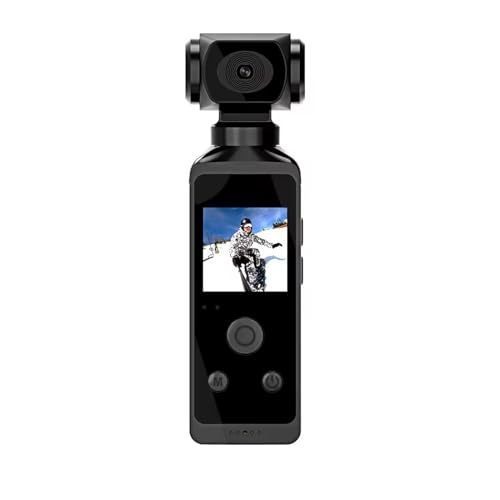
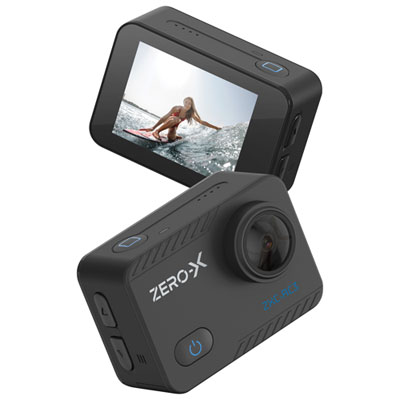
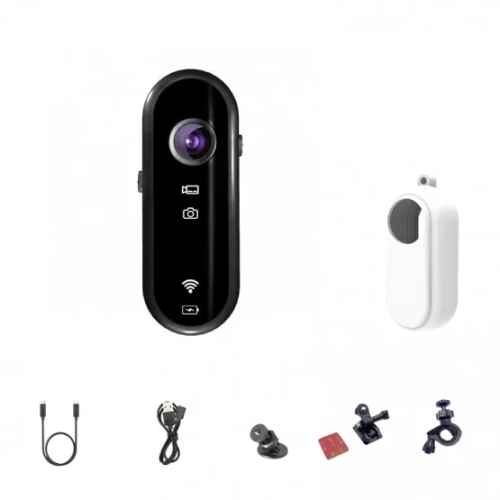
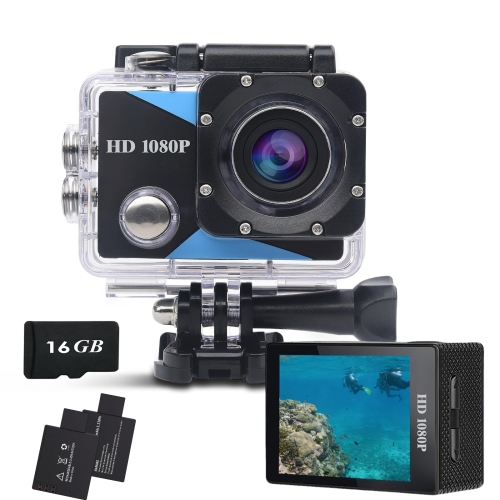
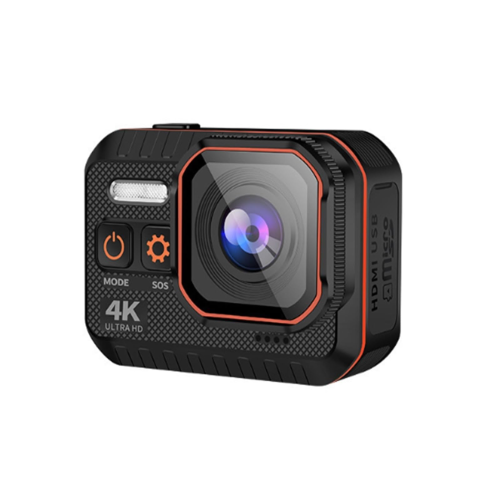
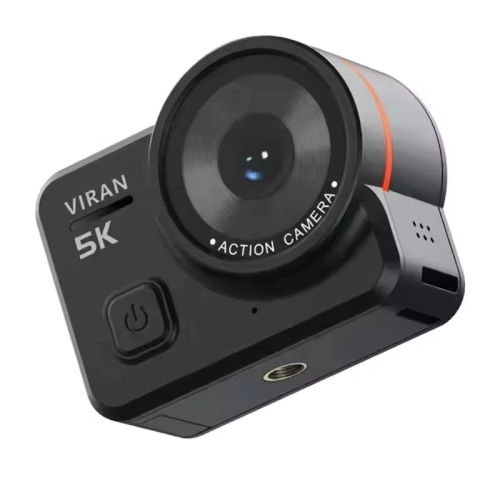
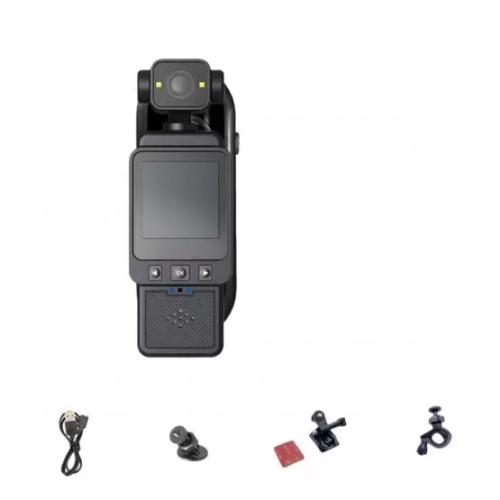
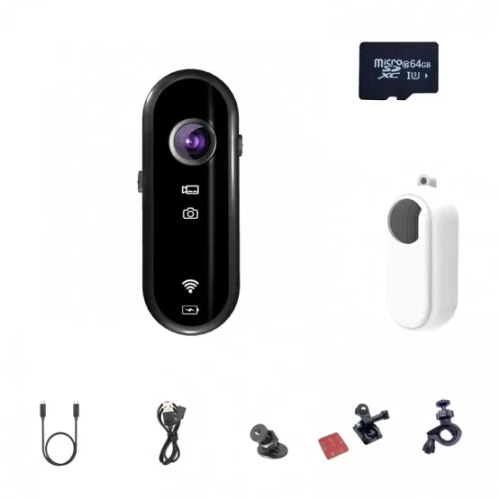
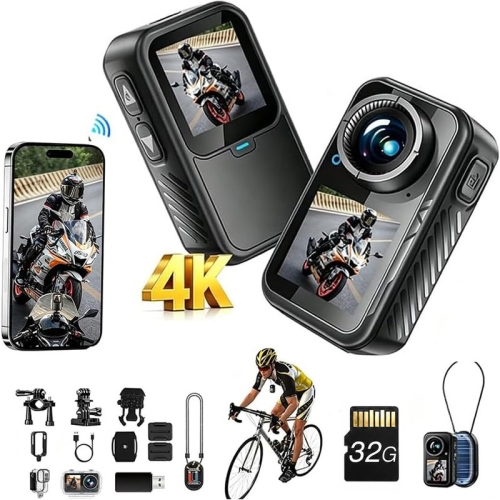
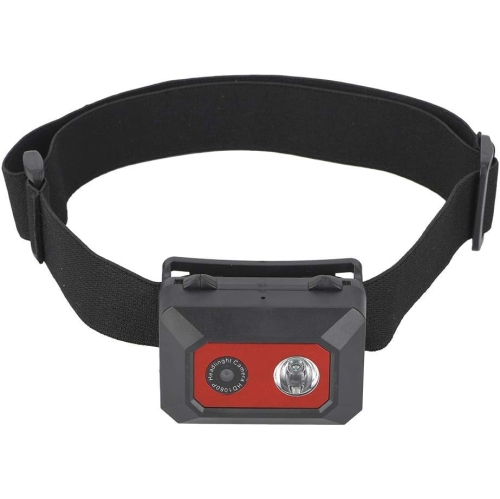
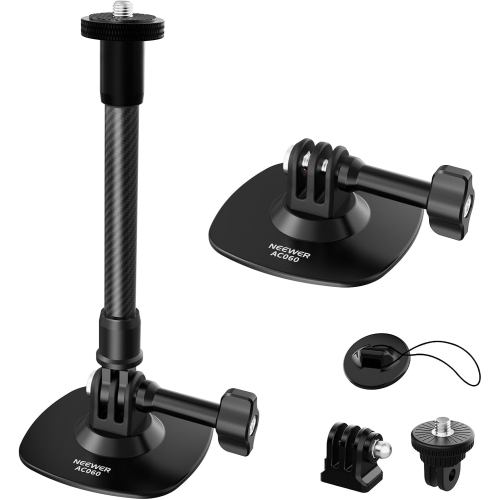
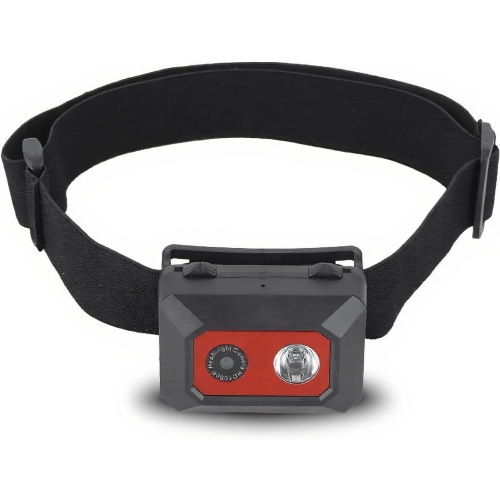
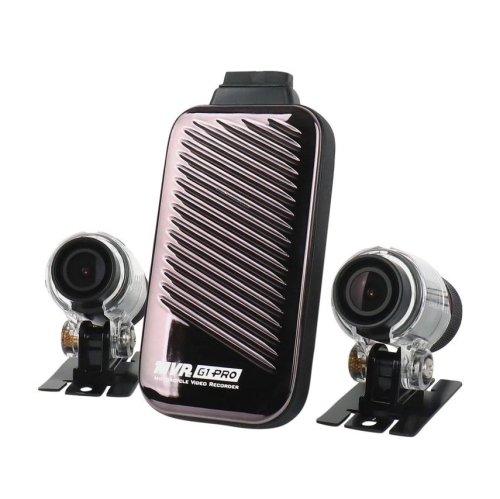
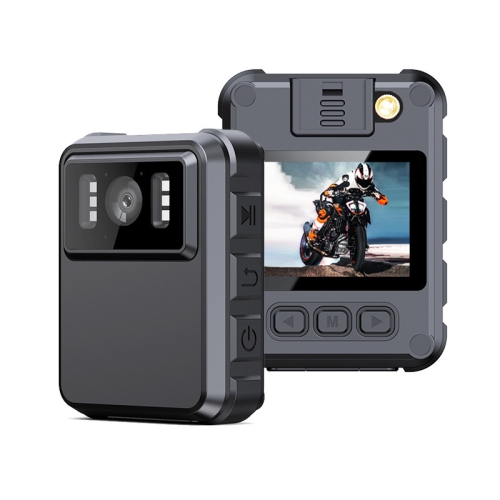
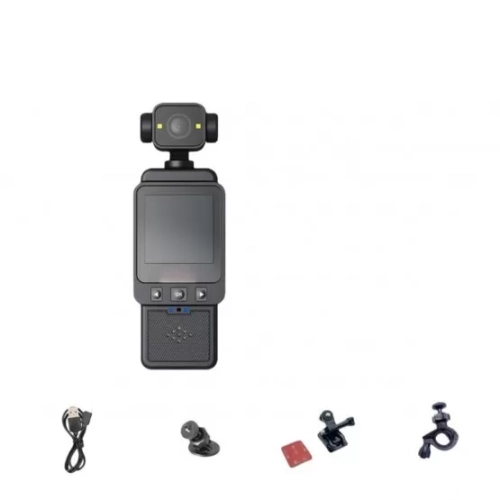
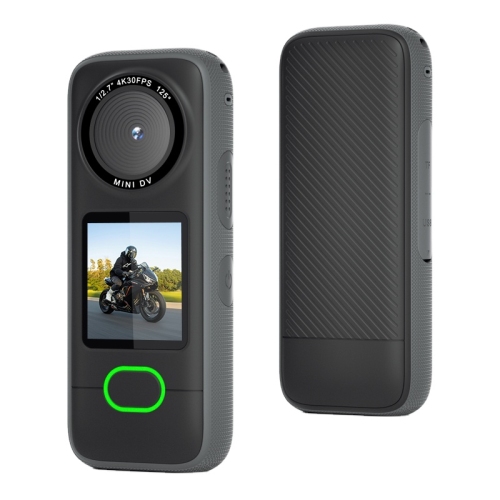

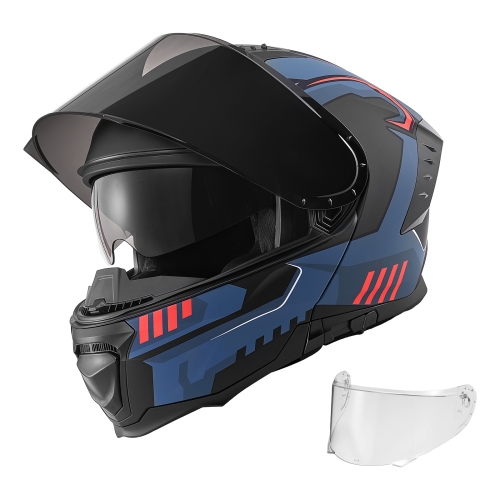
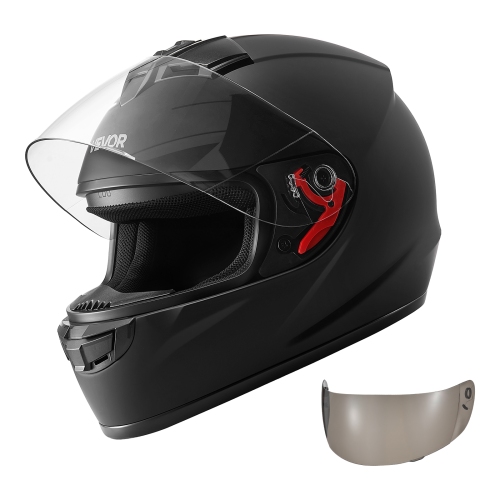
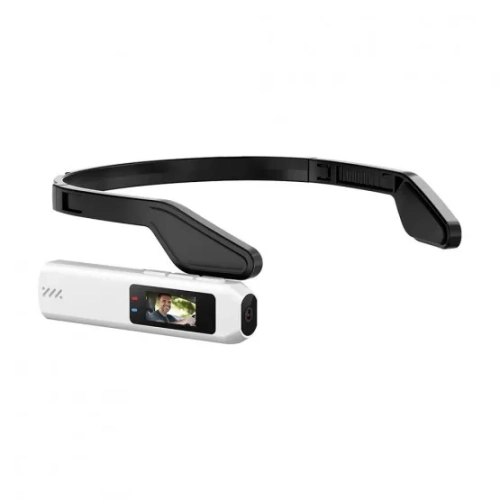
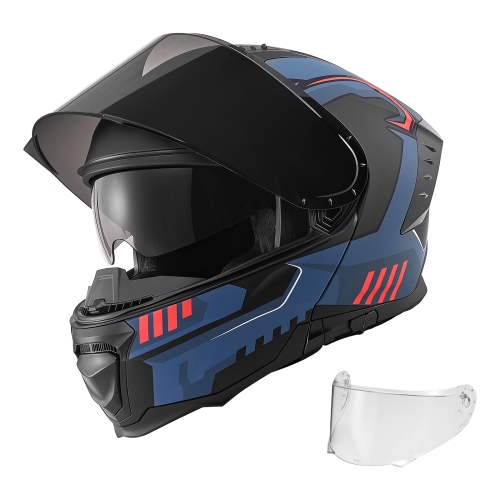
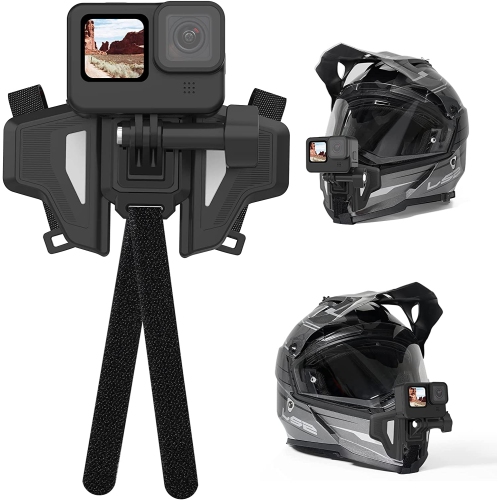
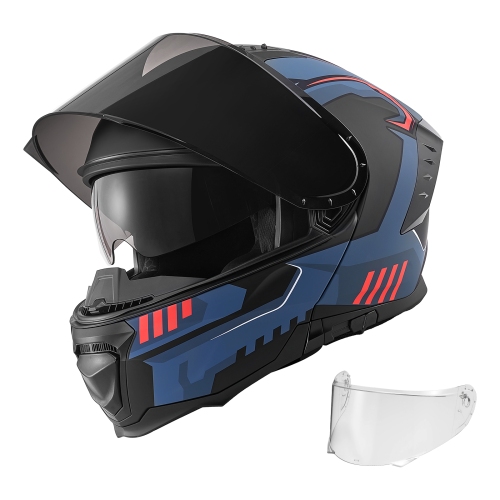
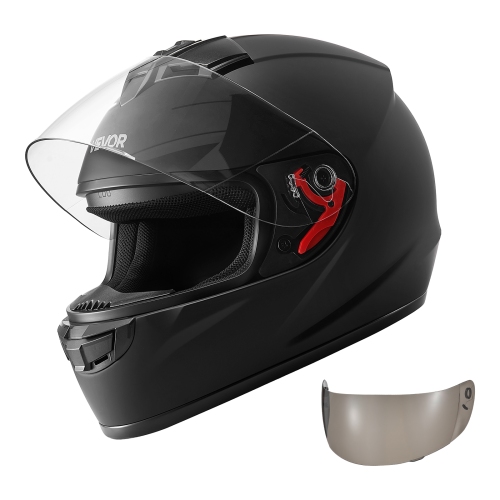
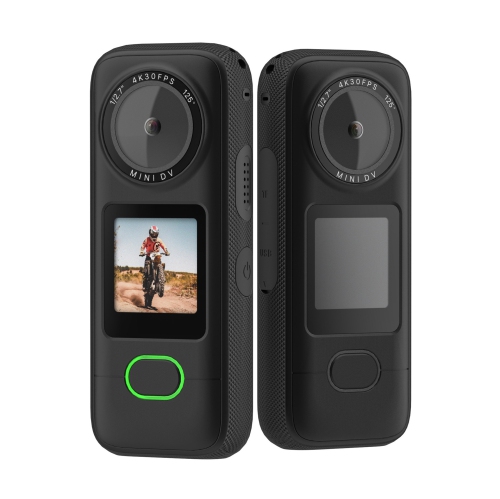
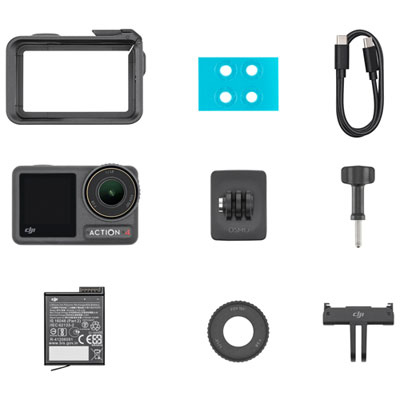
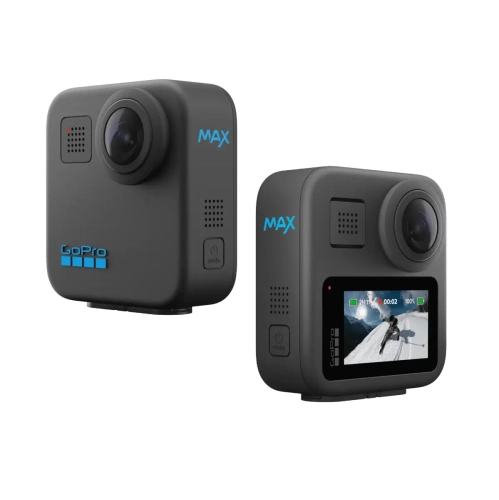
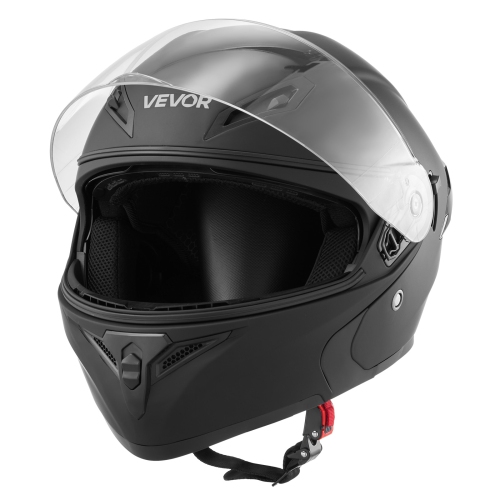
Clear riding footage takes more than high resolution
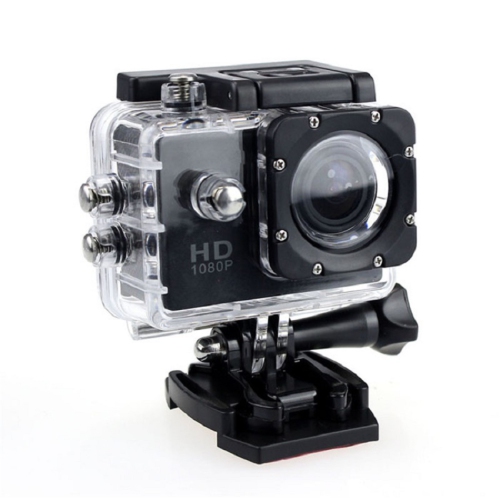
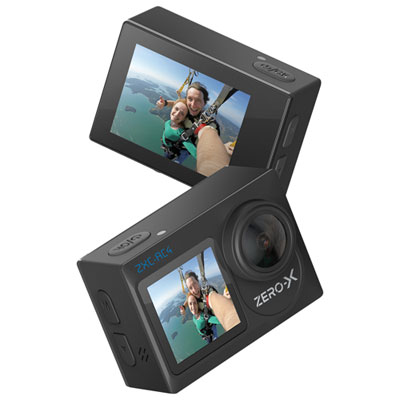
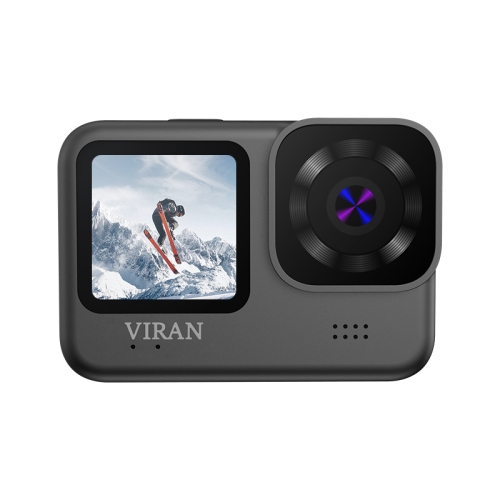
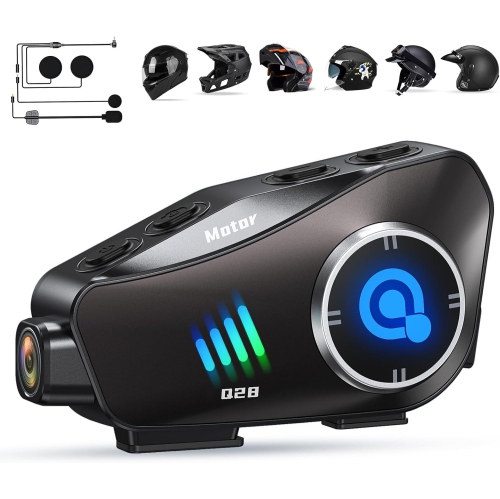
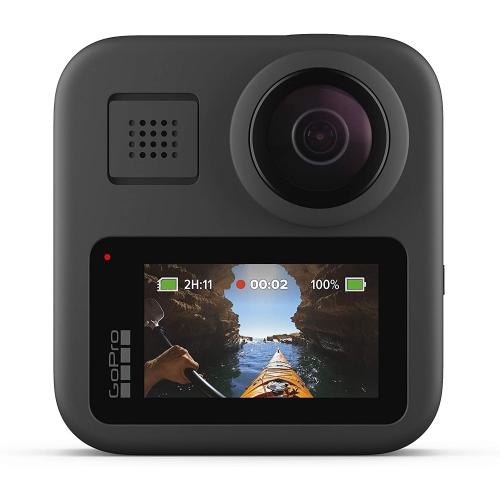
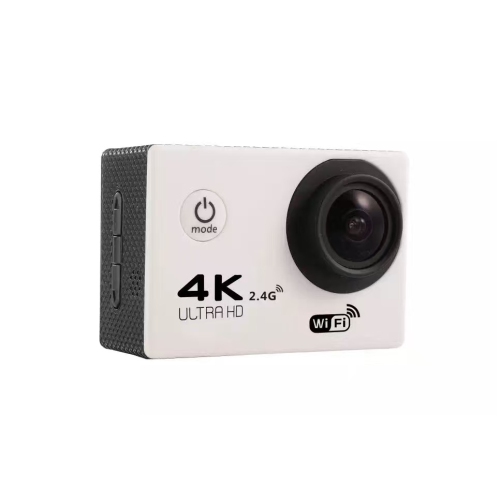
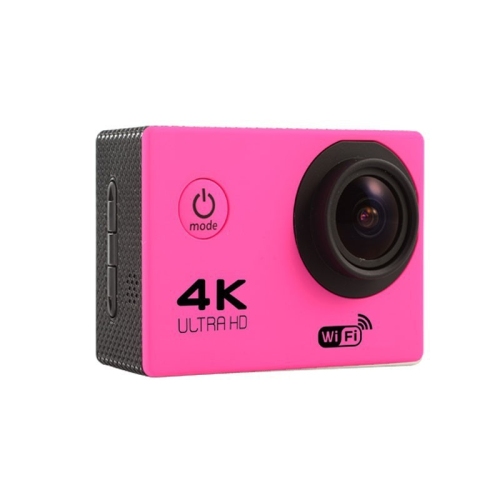
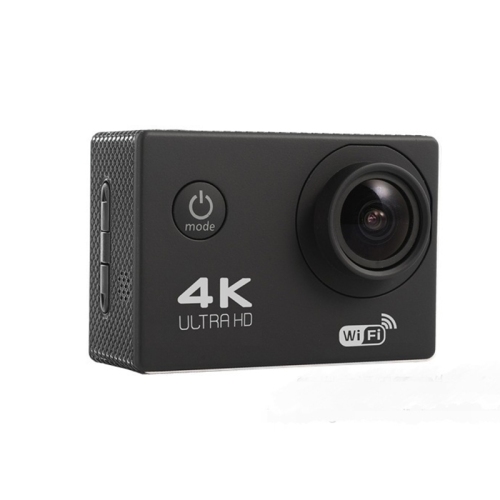
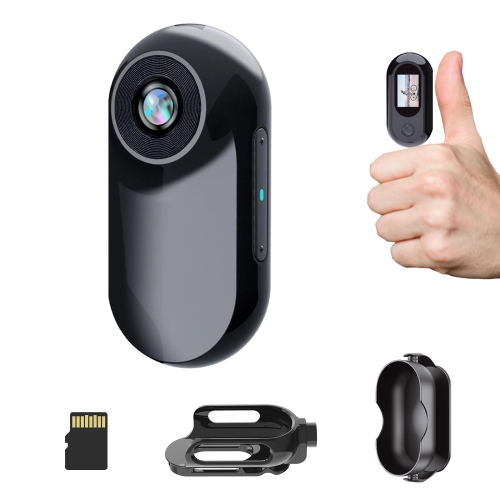
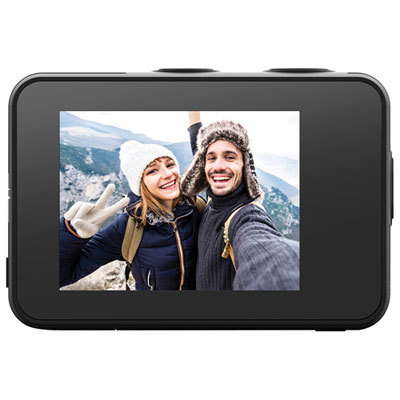
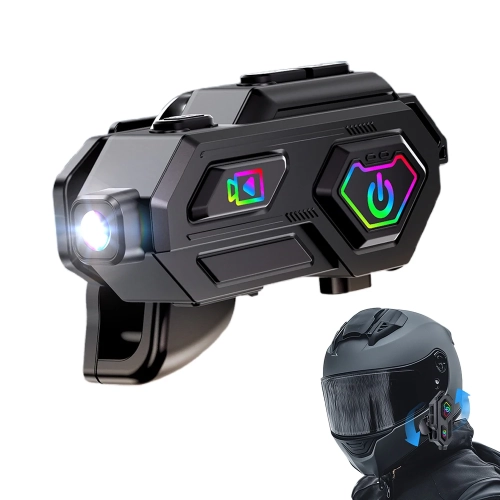
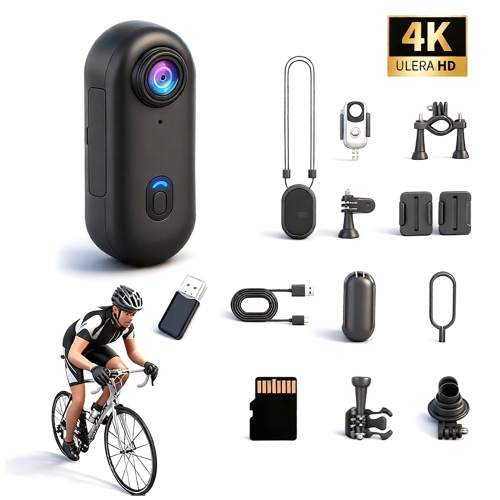
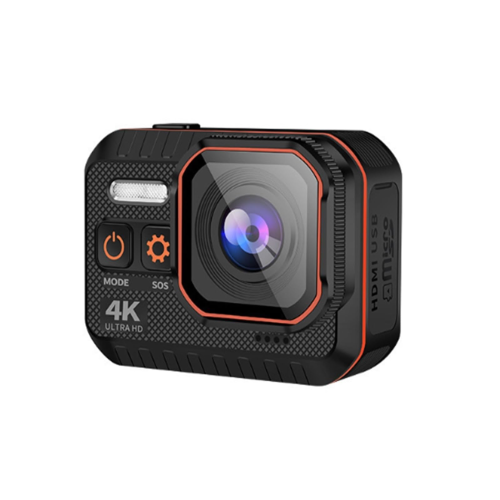
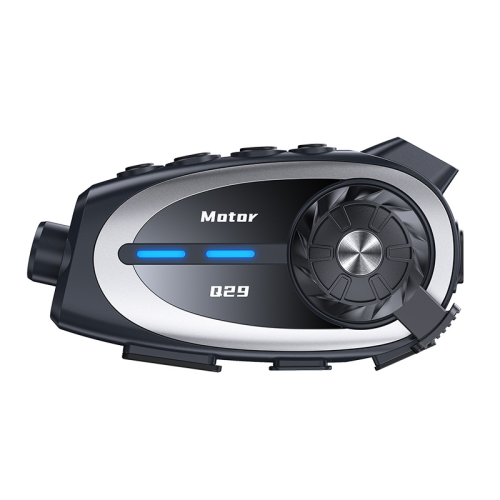
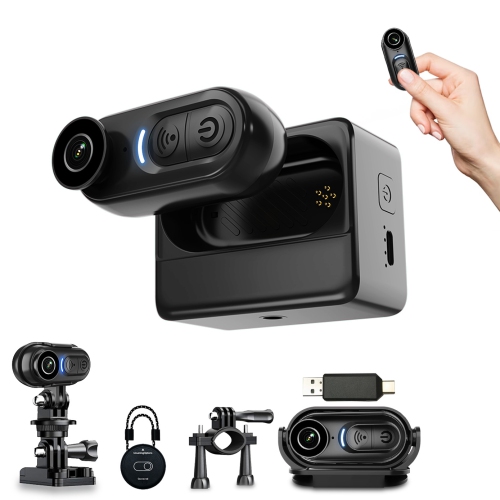
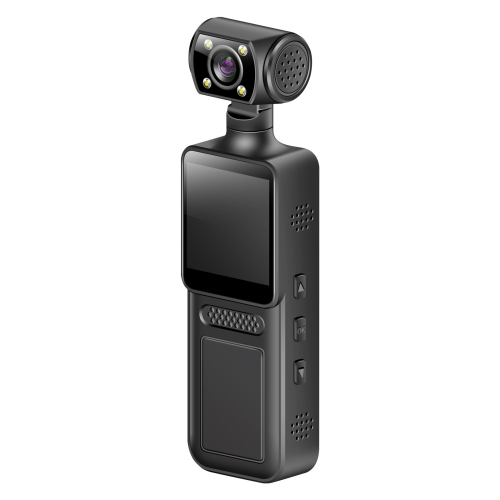
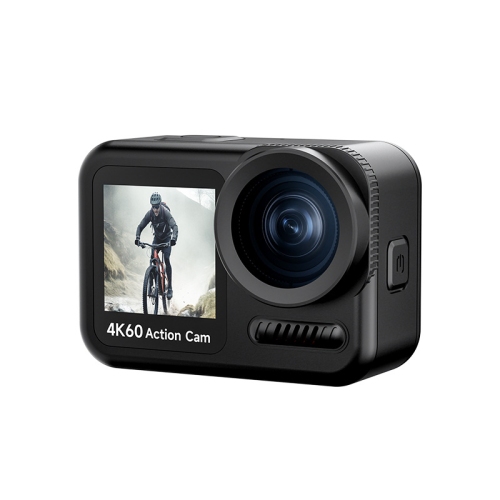
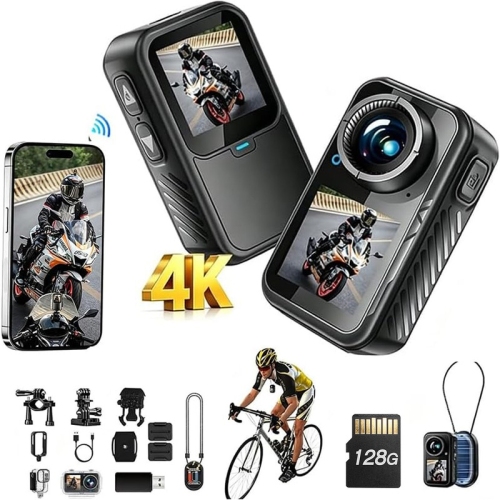
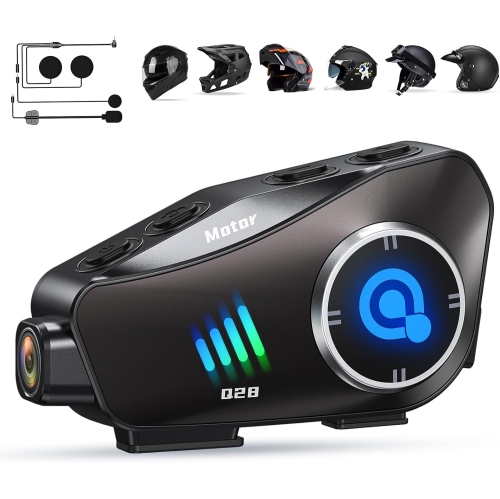
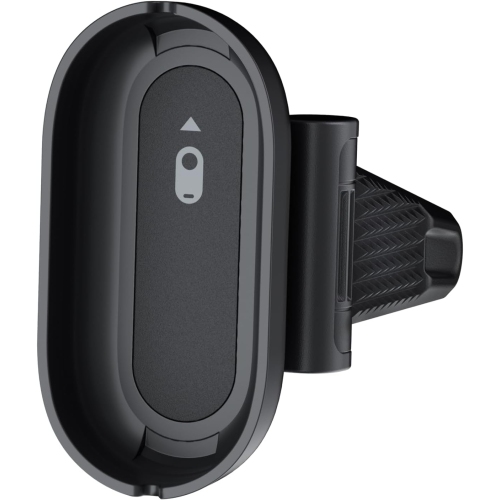
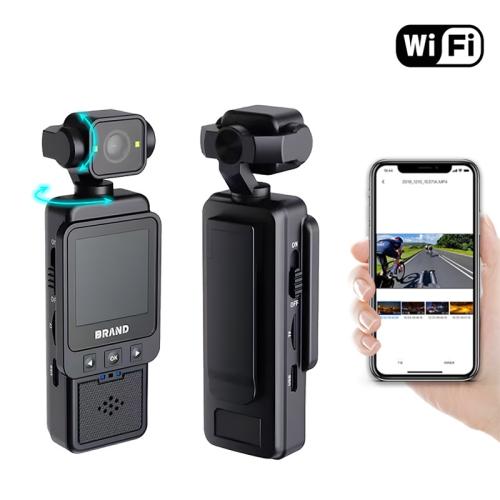
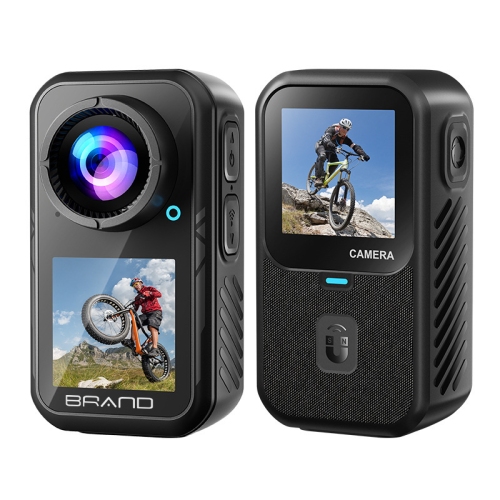
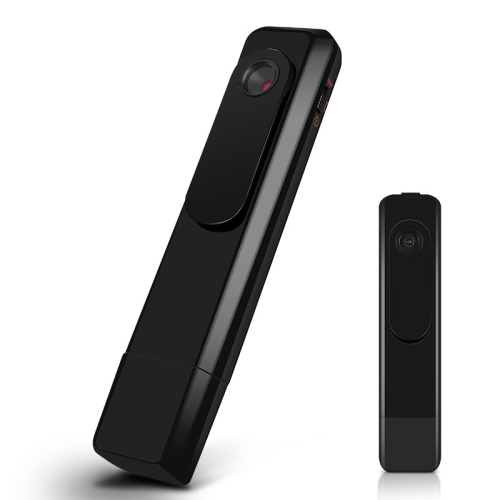
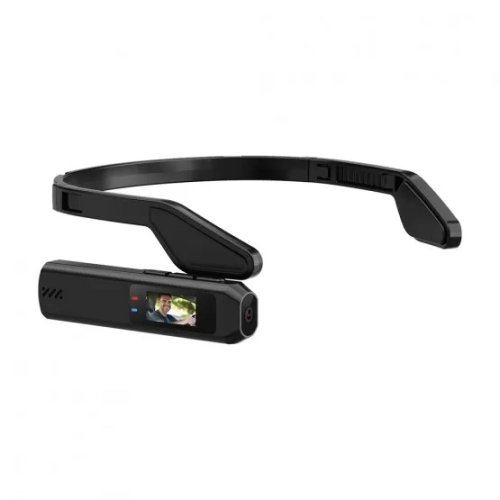
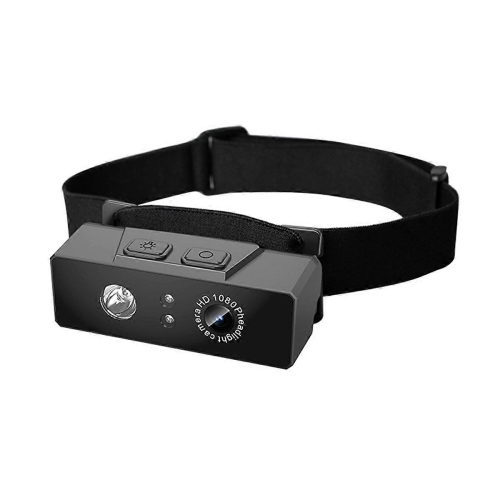
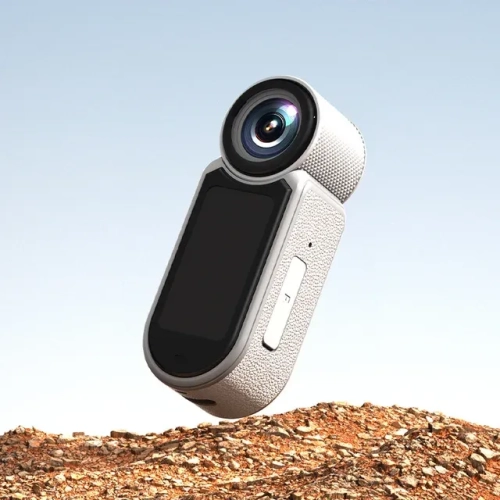
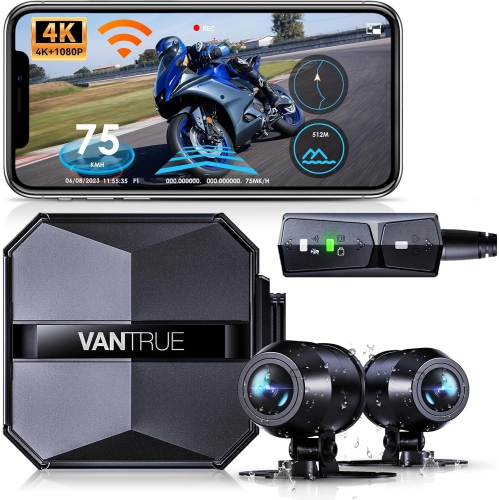
A motorcycle helmet cam is a compact camera designed or adapted to capture video from a rider’s viewpoint using a compatible helmet mount. The category includes conventional action cameras, 360-degree cameras and camera units combined with motorcycle communication systems. Each format serves a slightly different purpose, from saving a memorable stretch of road to documenting a daily commute or creating narrated riding videos. A conventional action camera records the scene in front of its lens, making it a practical format for footage that follows the rider’s gaze. A 360-degree camera captures a wider surrounding view and, with compatible editing software, can let the rider choose the framing after recording. An integrated camera and communication unit can combine recording with supported headset functions, although calling, intercom and audio-recording capabilities vary by device. Video resolution is one consideration, but it does not tell the whole story. A camera with 4K recording can preserve detail in road markings and scenery, while effective image stabilization helps smooth the small movements and vibration that occur during a ride. Higher frame rates can make fast-moving footage look more fluid or provide flexibility for slow-motion editing, depending on the recording mode. Stabilization may crop the image, so the final field of view matters as much as the advertised viewing angle. A very wide lens can capture more of an intersection or winding road, but it may also make distant subjects appear smaller and introduce distortion around the edges. Image quality also depends on exposure, lens cleanliness, compression and available light; a high resolution alone does not guarantee readable licence plates in every frame. For a commuter, straightforward recording and dependable file management may matter most. For a rider sharing a scenic route, smooth footage, natural colour and flexible editing options can be more important. Helmet-mounted footage follows head movement rather than the motorcycle’s direction alone, giving recordings a distinctive perspective when the rider looks through a turn or checks the surrounding traffic.
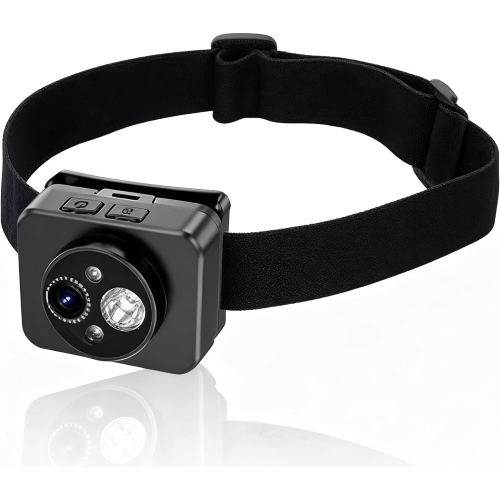
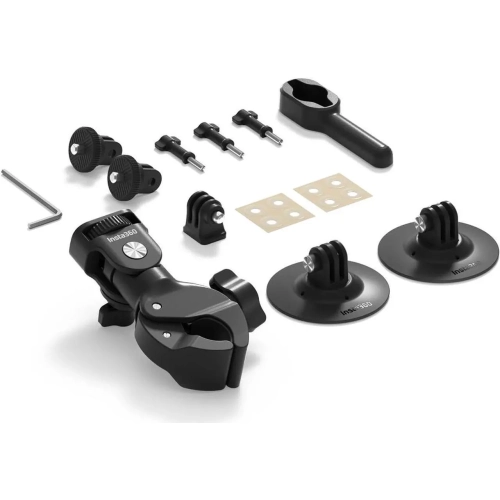
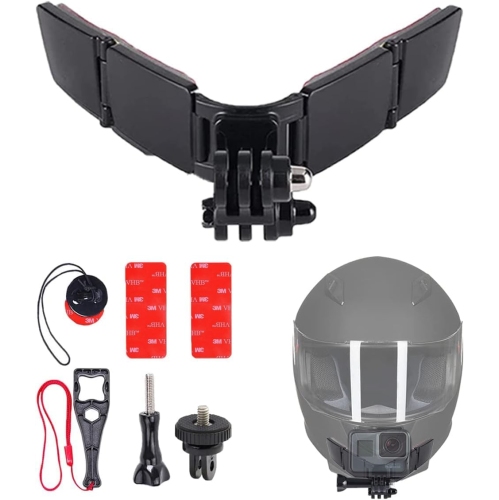
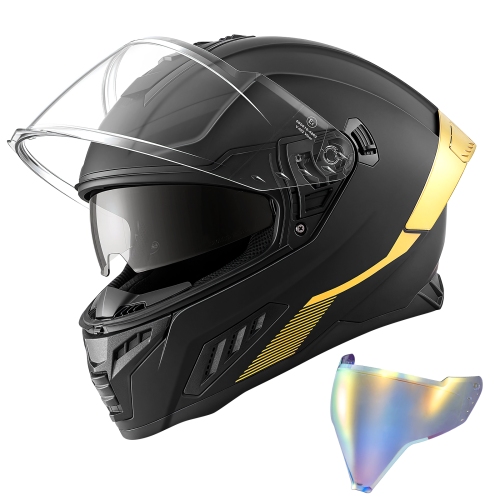
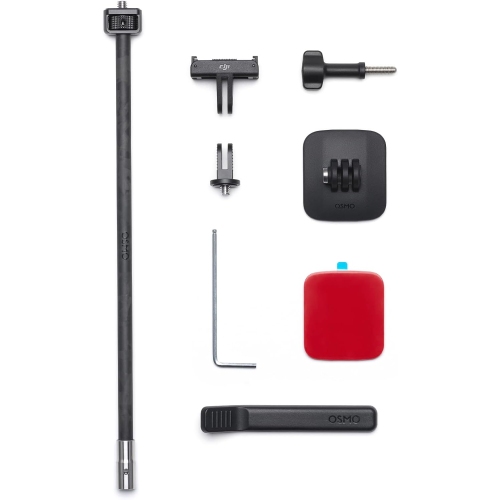
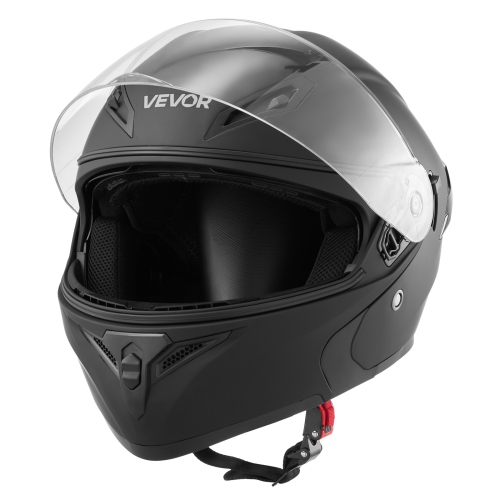
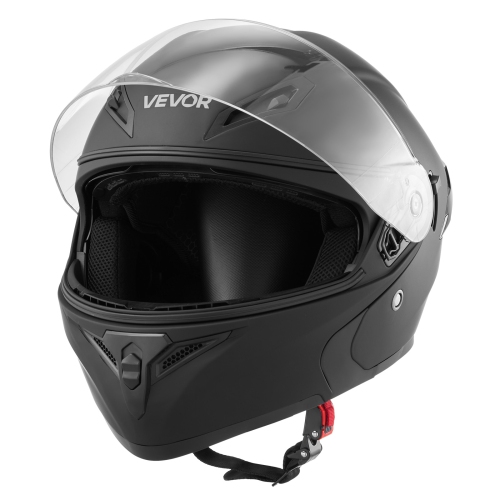
The relationship between the camera, mount and helmet is central to comfort and usability. A chin-mounted camera on a compatible full-face helmet can provide a centred view close to the rider’s sightline, often with part of the handlebars visible at the bottom of the frame. Side and top mounts create different perspectives, but their position can affect balance, clearance and the amount of airflow hitting the camera. Even a small device can become noticeable when its weight sits away from the helmet shell, so overall weight includes the mounting arm, adapter and any protective housing, not just the camera itself. Mounting compatibility depends on the helmet’s shape, surface finish and manufacturer guidance. Curved adhesive bases need a suitable contact area, and a mount intended for one shell profile may not sit correctly on another. Modular helmets add another consideration because the chin bar and visor must retain their full range of movement. Any setup should leave vision, vents, helmet fasteners and normal head movement unobstructed. Cameras and accessories should not be placed inside a helmet or attached in a way that changes its protective fit unless the helmet manufacturer expressly permits that arrangement. Drilling the shell, cutting the liner or compressing protective padding to make room for recording equipment can compromise protection. Compact polymer housings help keep weight manageable, while metal components may be used in brackets and adjustment joints; secure construction and appropriate mounting matter more than material alone. Quick-release fittings can simplify removal, but they still need a positive lock and regular checks for wear or looseness. Care typically involves wiping the lens with a clean microfibre cloth, removing grit from mounting interfaces and following the specified cleaning instructions for the camera and helmet. Adhesives require the recommended surface preparation and curing time before use. A mount that has shifted, cracked or lost adhesion should not remain in service. Checking the setup before a ride helps confirm that the camera is secure, the lens is clear and the framing captures the road rather than mostly sky or helmet.
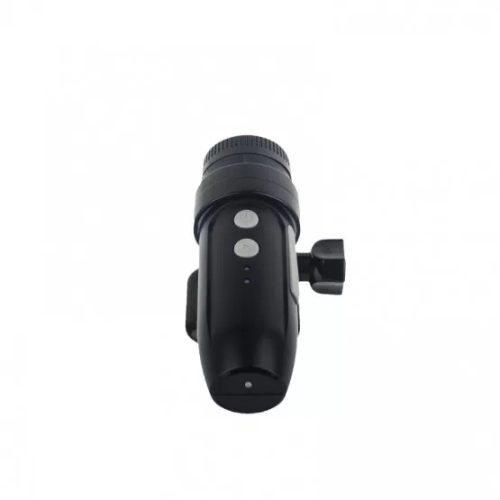
Recording controls, battery life, audio and storage determine how easily a motorcycle helmet camera fits into a routine. Large, distinct buttons and clear status indicators can make it easier to confirm recording before setting off, while supported voice controls or remote accessories may offer additional convenience. Settings, framing and recording checks are best handled while safely parked, rather than adjusted in traffic. Battery runtime varies with resolution, frame rate, stabilization, wireless connections and screen use, so the needs of a short commute differ from those of a longer outing. Removable batteries can simplify charging and replacement where supported, but external power cables require careful consideration so they do not restrict movement or create snagging points. Loop recording, available on some cameras, overwrites older footage when allocated storage fills; file-locking or event-protection features may help retain selected clips, but their operation should be confirmed rather than assumed. Memory cards need the capacity and sustained write speed specified for the chosen recording mode. Important footage is worth copying to another device before formatting a card or starting another extended recording session. For narrated videos, microphone compatibility can be as important as picture quality. An exposed microphone may pick up substantial airflow and engine sound, while a supported external microphone or headset connection can improve speech capture when installed without affecting helmet fit. Wireless transfer and app-based editing can make short clips easier to share, although large video files still take time to move and process. Riders who also cycle may find Bicycle Helmet Cameras relevant, but mounts should not be assumed interchangeable between bicycle and motorcycle helmets. As a gift, a helmet camera suits someone who enjoys recording rides, preserving travel memories or editing videos; knowing their helmet style and existing accessories helps avoid compatibility problems. Thoughtful use also includes respecting others’ privacy when sharing recordings and following applicable rules for mounting equipment and recording audio. The most suitable setup balances useful footage with secure attachment, manageable weight and controls that do not distract from riding.
Top selling and popular products
-
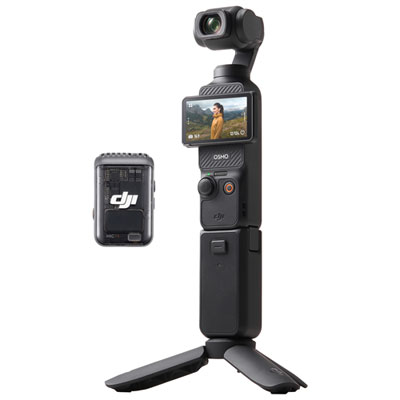 Your price for this item is $649.99
-
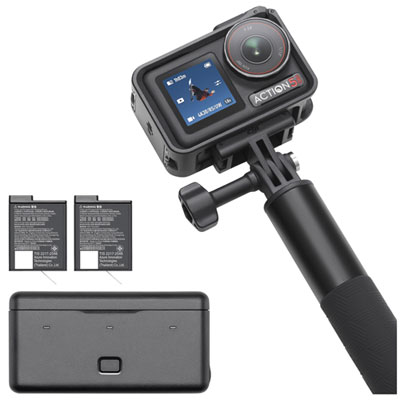 Your price for this item is $585.99
-
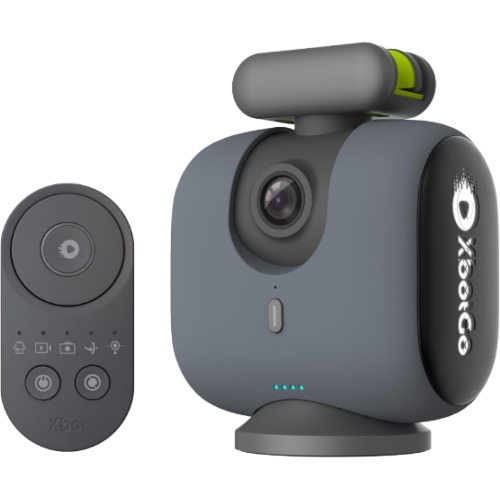 Your price for this item is $489.99
-
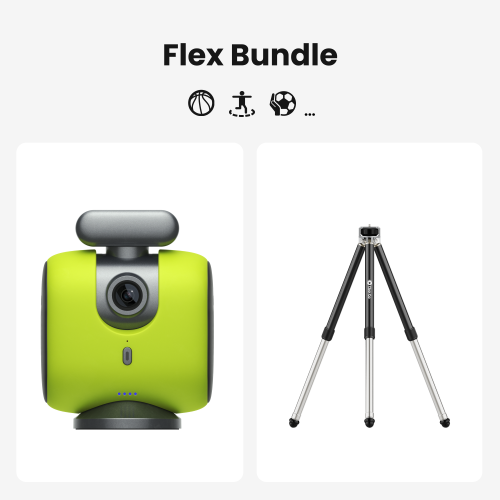 Your price for this item is $433.99
-
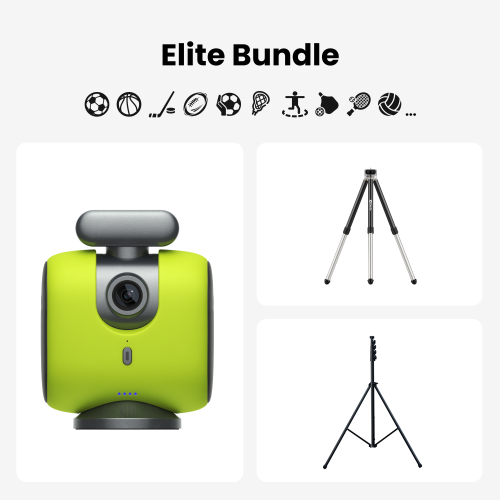 Your price for this item is $653.99
-
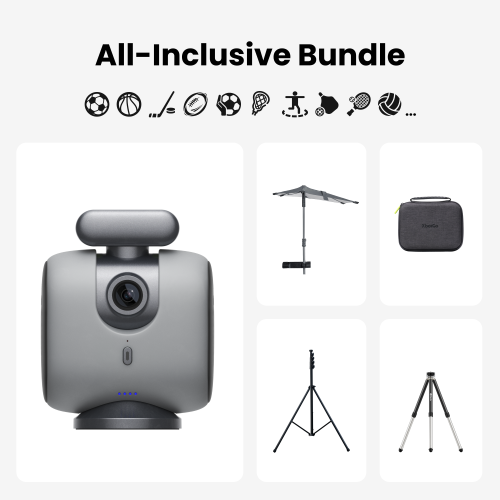 Your price for this item is $859.99
-
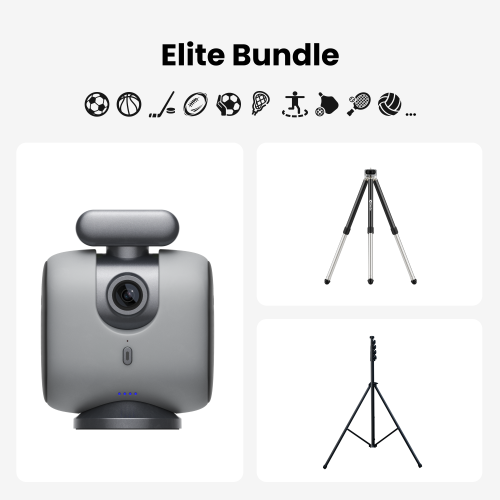 Your price for this item is $653.99
-
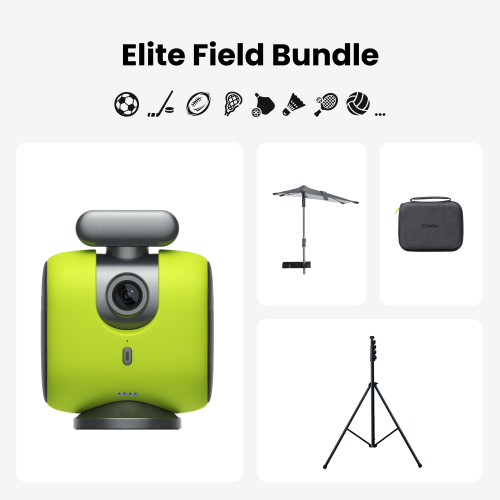 Your price for this item is $719.99
Discover more categories related to Motorcycle Helmet Cam

Top Collections:
Best Black Friday Deals This Year, Best Black Friday Deals On Electronics, Kindle Devices, Pokemon Centers, Best Black Friday Deals On Apple Products, Best Cameras for Sports Photography, Dyson Airwrap, Pokémon 30th Celebration Cards, Apple iPhone 17 Pro, Canon G7X Cameras
Some products may be subject to Environmental Handling Fees
(EHF) depending on your province.
Learn more about EHFs.