Back To School Condenser Microphones For Student Podcasting
Find back-to-school condenser microphones for student podcasting, from class assignments to campus interviews. Compare connection types and pickup patterns to find a microphone suited to your recording space and solo or group sessions. Check compatibility with your computer and whether an audio interface or external power is required before choosing.



FAQ
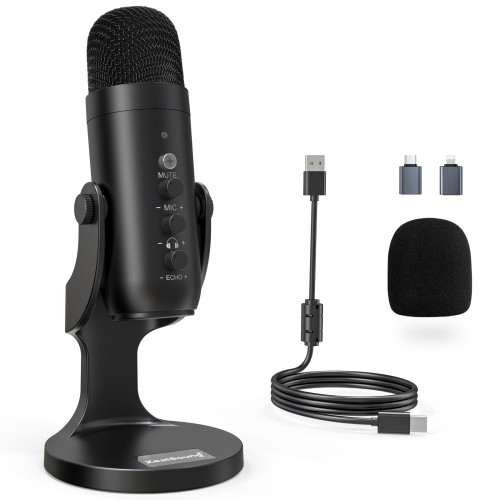
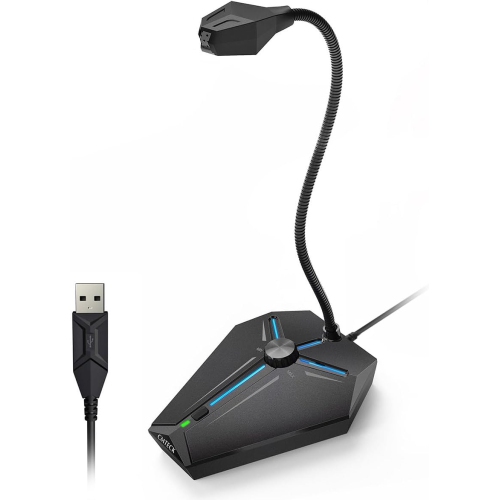
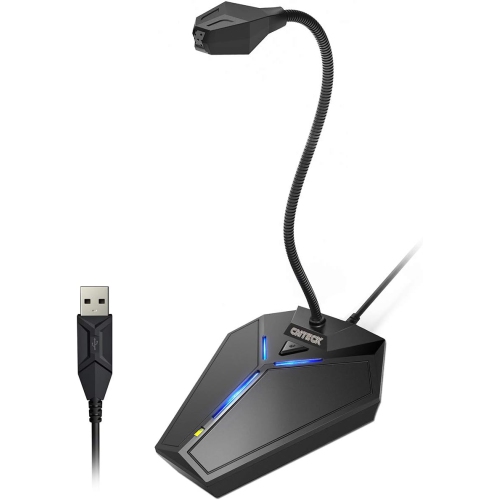
USB condenser microphones connect directly to a compatible computer and include built-in audio conversion. XLR condenser microphones connect through an audio interface or mixer. For a back-to-school podcasting setup, check the microphone’s connection type against your computer’s ports and the equipment you plan to use.
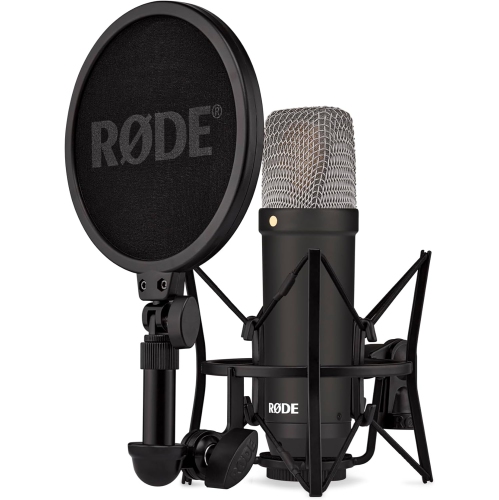
Phantom power is electrical power supplied to a microphone through an XLR cable, typically from an audio interface or mixer. Many XLR condenser microphones require 48V phantom power, though requirements vary. USB condenser microphones generally receive power through their USB connection instead.
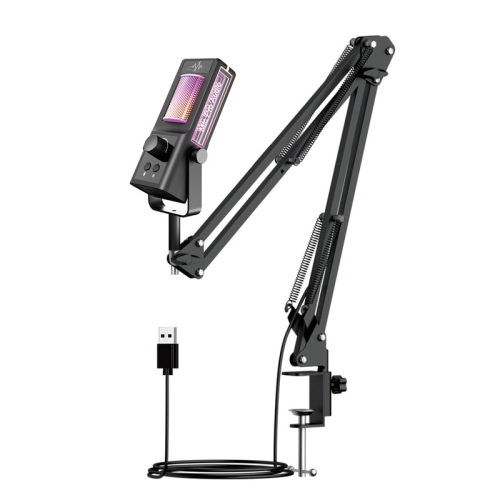
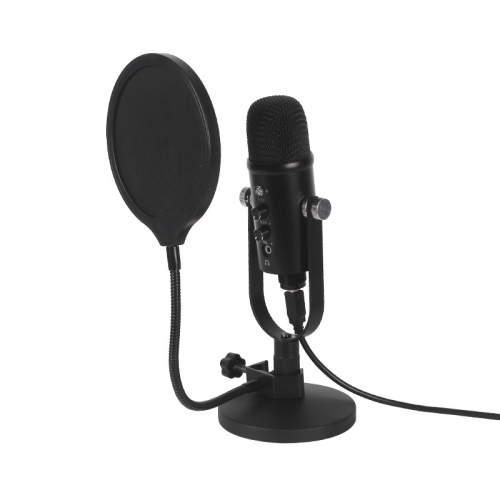
Common accessories include a desk stand or boom arm, a compatible microphone mount, a pop filter, headphones and the appropriate connection cable. An XLR setup also needs an audio interface or mixer. Included accessories vary, so review the package contents when planning your school podcasting kit.
Students can use audio recording and editing software that supports their operating system and microphone or audio interface. Common features include multitrack recording, clip trimming and WAV or MP3 export. For school assignments, check whether your course specifies an application or submission format.
A multiple-host setup can use separate XLR condenser microphones connected to an audio interface or mixer with enough microphone inputs. Recording each microphone on its own track requires compatible hardware and software. Using several USB microphones on one computer depends on the operating system and recording application, so confirm support before choosing that setup.
Top selling and popular products
Discover more categories related to Back To School Condenser Microphones For Student Podcasting
Some products may be subject to Environmental Handling Fees (EHF) depending on your province. Learn more about EHFs.