Back To School Student Podcast Microphones
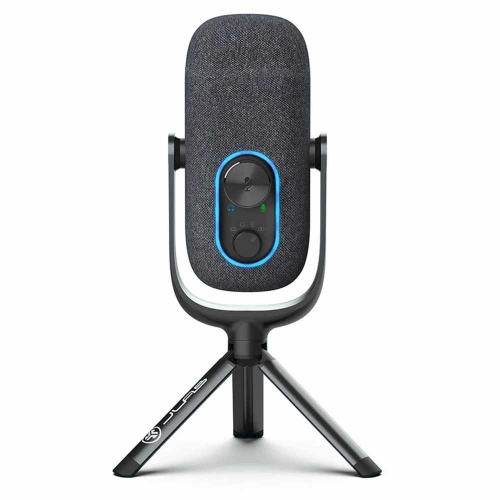
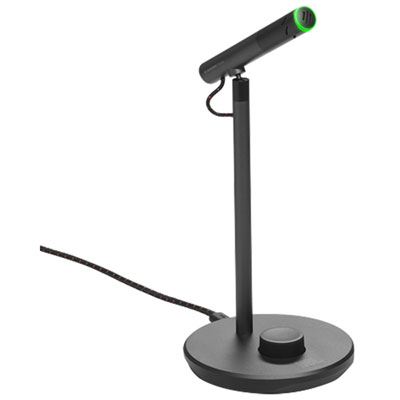
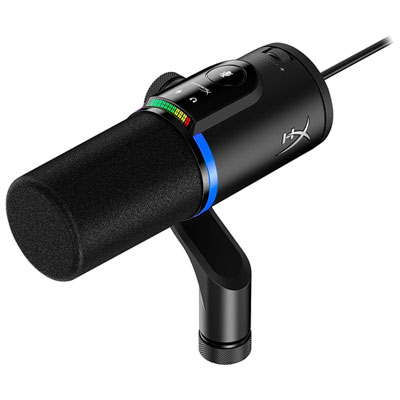
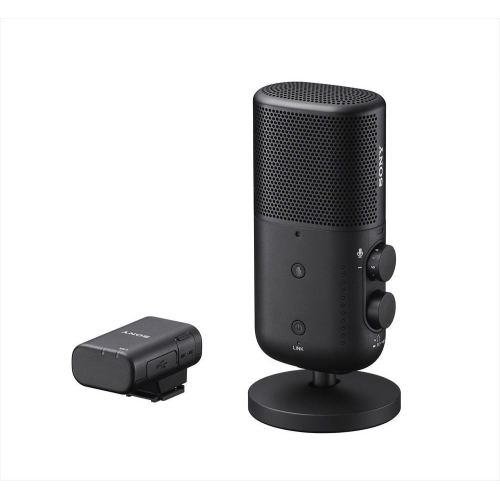
Find back-to-school student podcast microphones for class projects, interviews and student-led shows. Browse microphones with your recording setup in mind, comparing connection types, pickup patterns and included accessories to choose an option that suits your space and budget.
FAQ
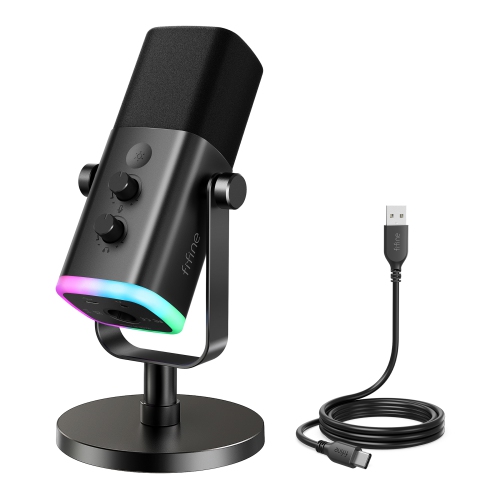
USB microphones connect directly to a compatible computer and typically include the audio components needed to get started. XLR microphones connect through an audio interface or mixer. USB is a straightforward option for individual school projects, while XLR setups offer more flexibility for podcasts with several microphones.
Dynamic and condenser microphones use different methods to convert sound into an electrical signal. Dynamic microphones generally do not require power for the microphone element. Condenser microphones require power, usually supplied through USB, a battery, or phantom power from compatible audio equipment.
A pickup pattern describes the directions from which a microphone captures sound. Cardioid microphones primarily capture sound from the front, omnidirectional microphones capture sound from all directions, and bidirectional microphones capture sound from the front and back. Your choice depends on whether your podcast features a solo host, an interview, or a group discussion.
Common accessories include a desk stand or boom arm, headphones, a pop filter, and compatible cables. Some setups also use a shock mount. An XLR microphone usually needs an audio interface or mixer, while a USB microphone may need an adapter to match your computer’s ports.
Check that the recording software supports your computer’s operating system and can select your microphone or audio interface as an input. For group assignments, look for multitrack recording and editing tools. Also check whether the software can export the audio file format required for your class submission or podcast platform.
Top selling and popular products
Discover more categories related to Back To School Student Podcast Microphones
Some products may be subject to Environmental Handling Fees (EHF) depending on your province. Learn more about EHFs.