Bass Synthesizers
Looking to add some serious bass to your music? Look no further than our collection of bass synthesizers. These powerful instruments are designed to deliver deep, rich tones that will make your music come alive. Whether you're a professional musician or just starting out, our selection of bass synthesizers offers something for everyone. From classic analog sounds to cutting-edge digital capabilities, you'll find the perfect bass synthesizer to suit your style and take your music to the next level. Get ready to create incredible basslines that will leave your audience wanting more with our top-notch selection of bass synthesizers.
Sort
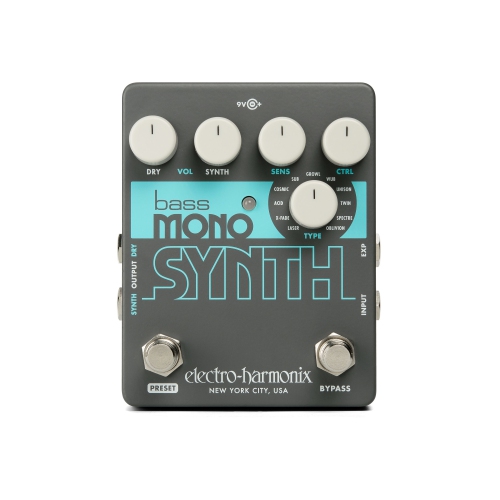
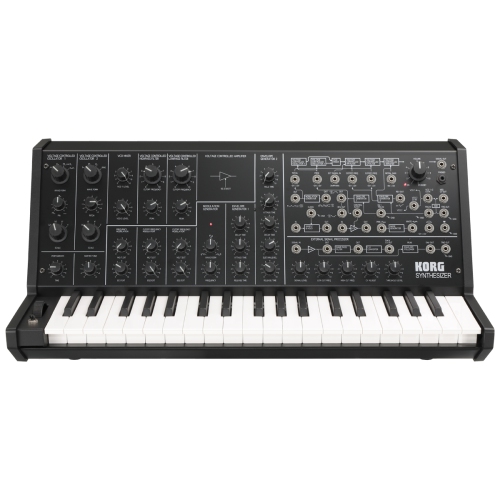
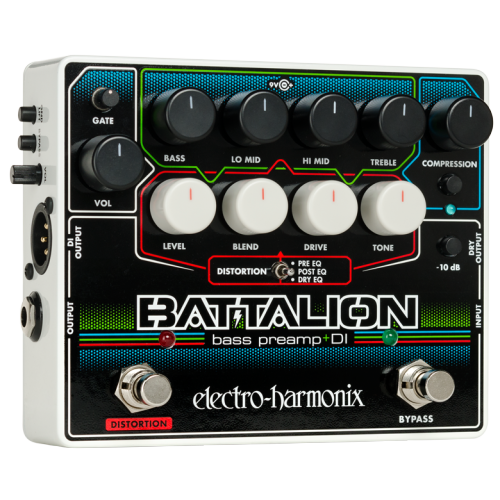
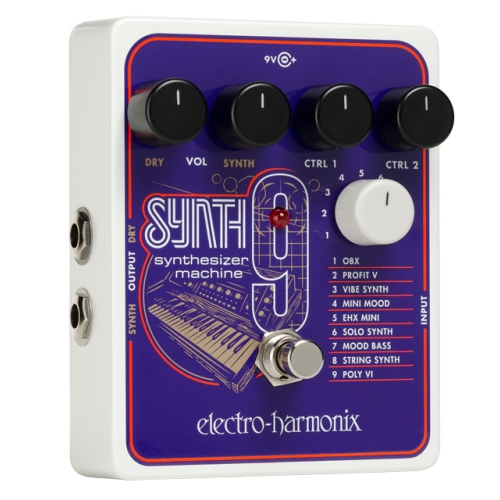
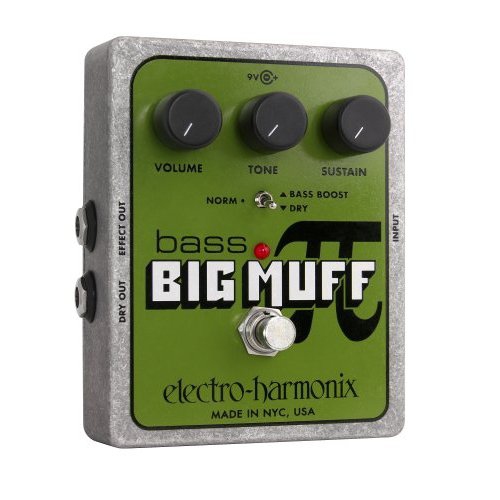
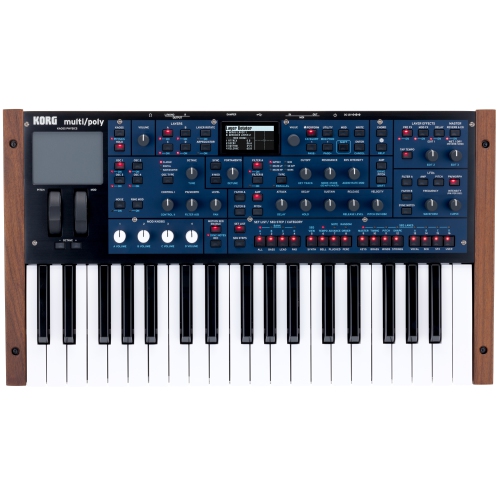
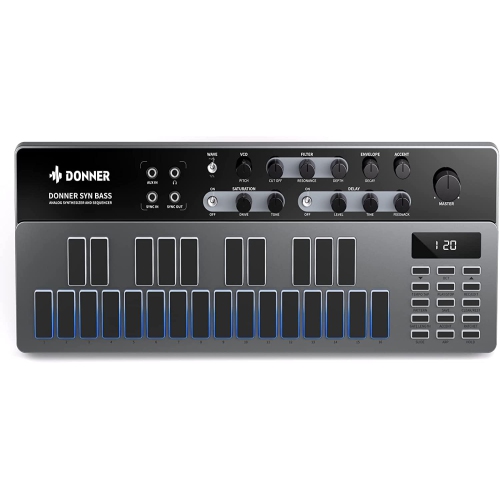
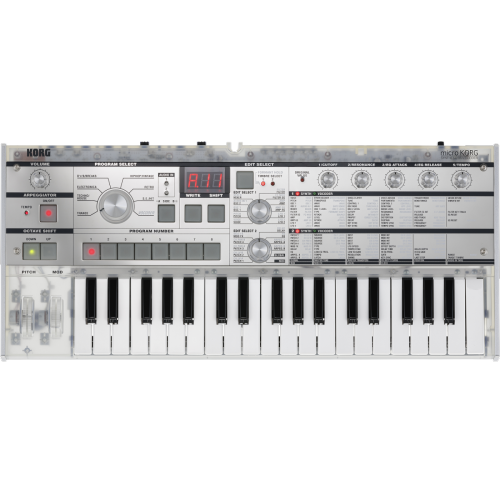
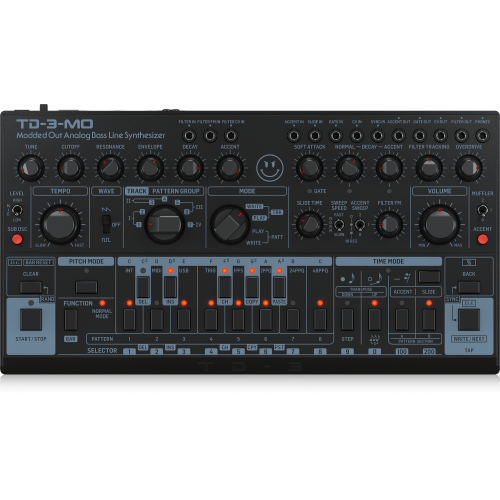
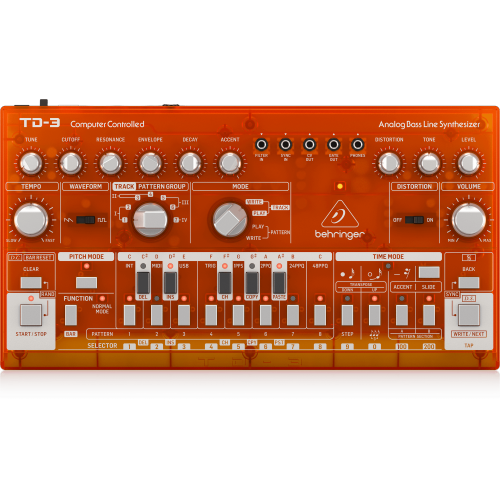
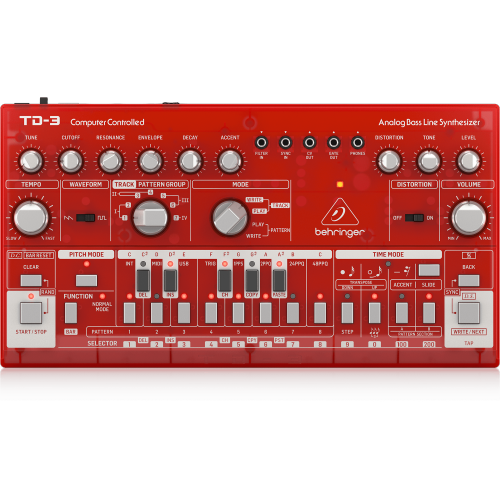
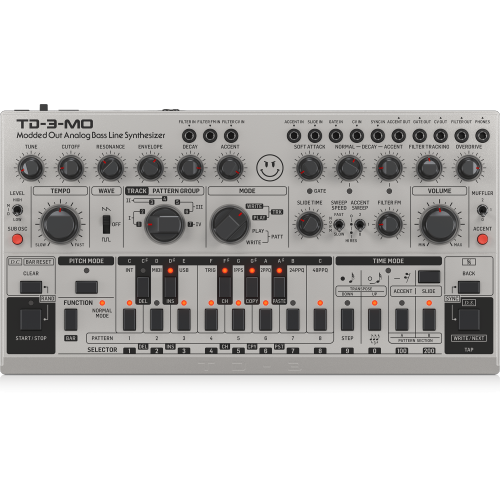
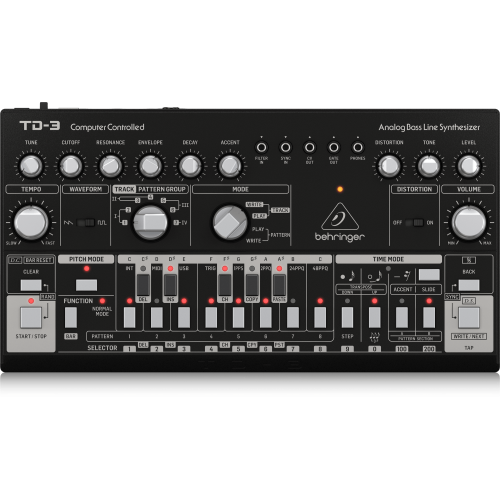
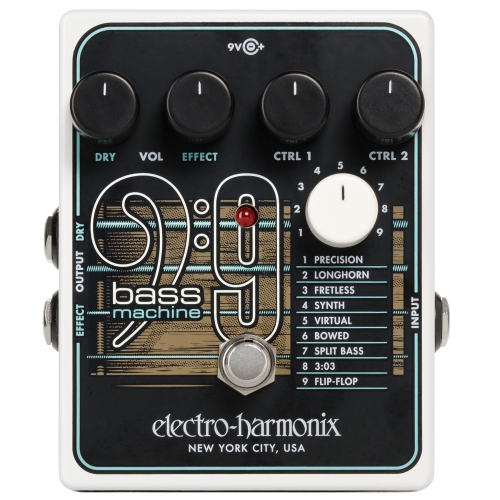
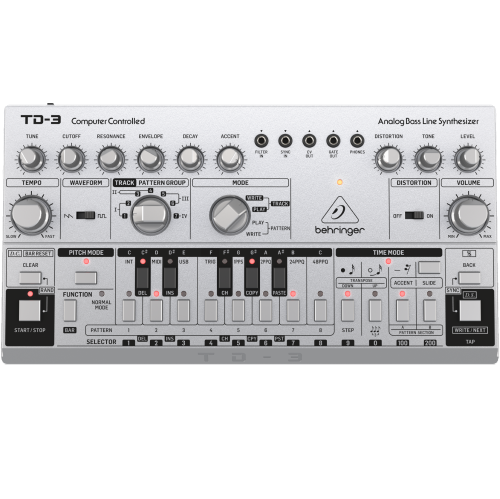
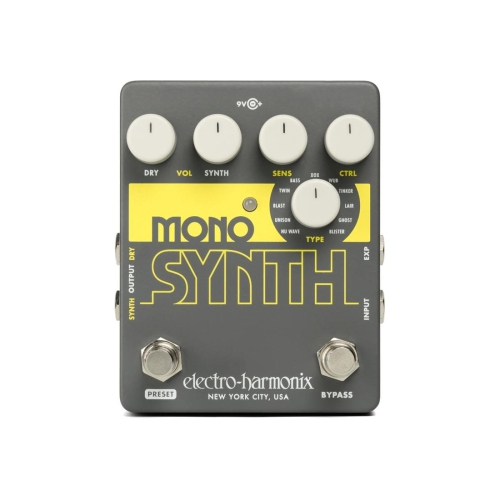
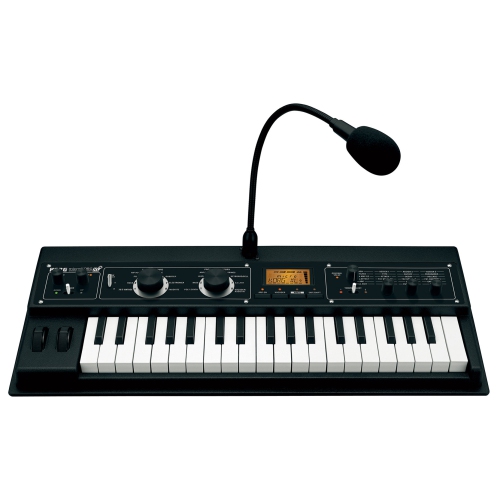
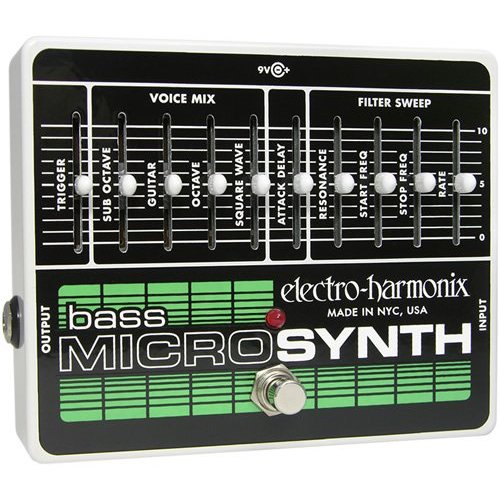
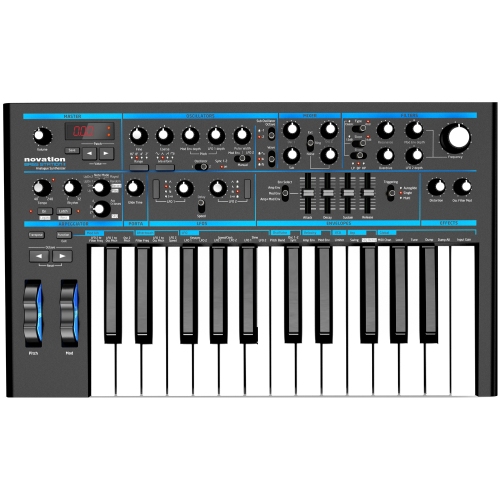
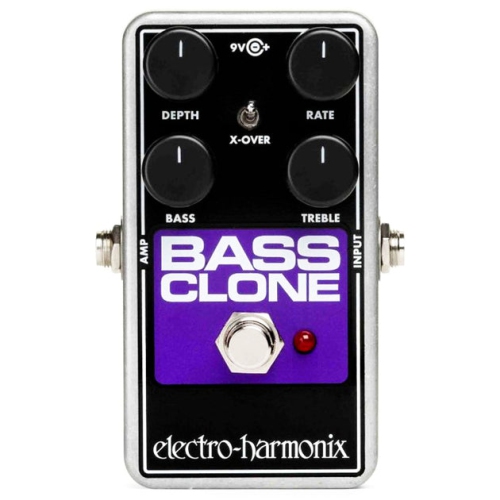
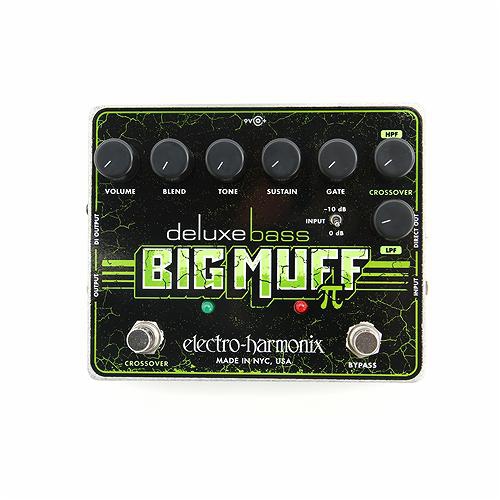
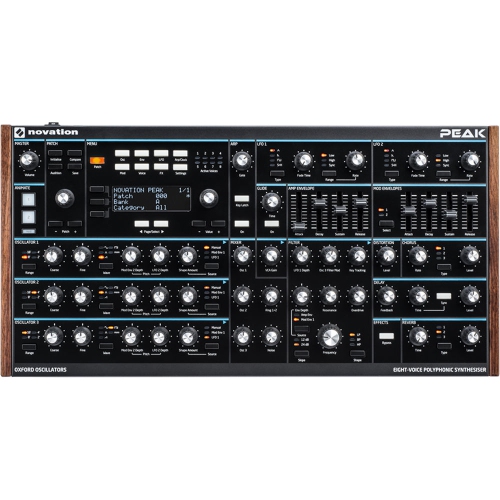
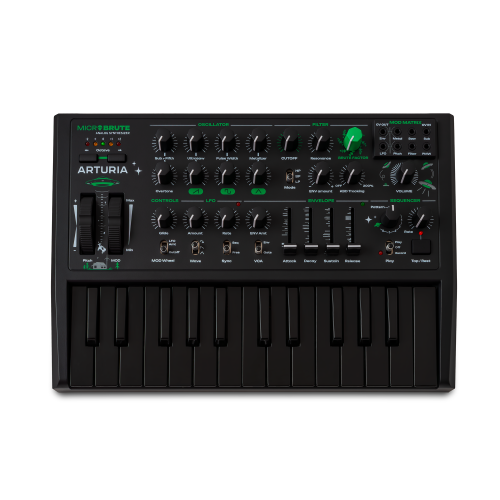
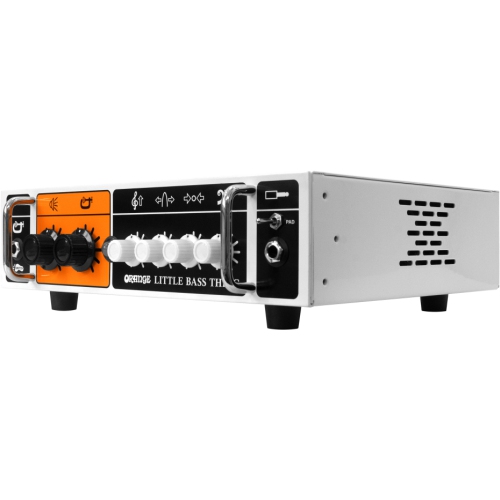
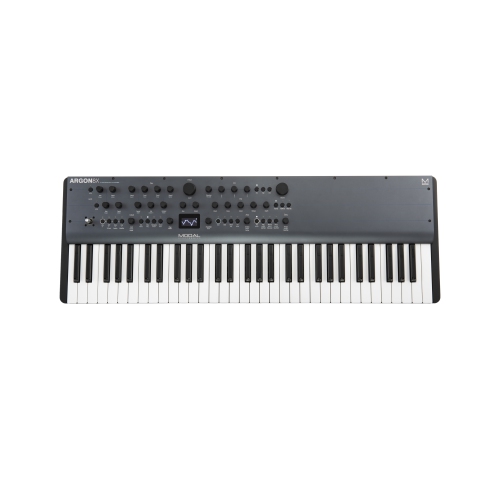
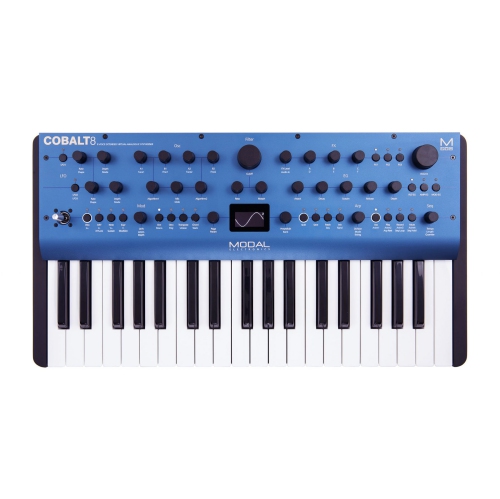
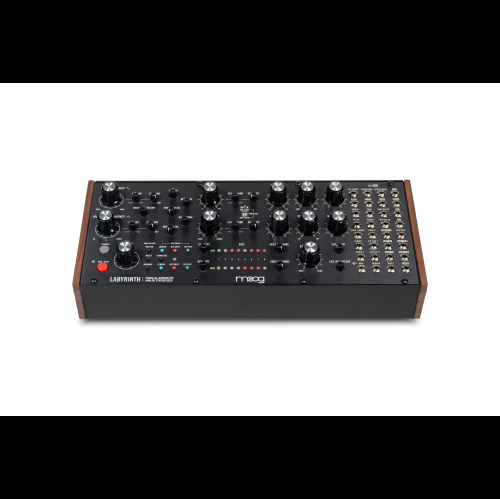
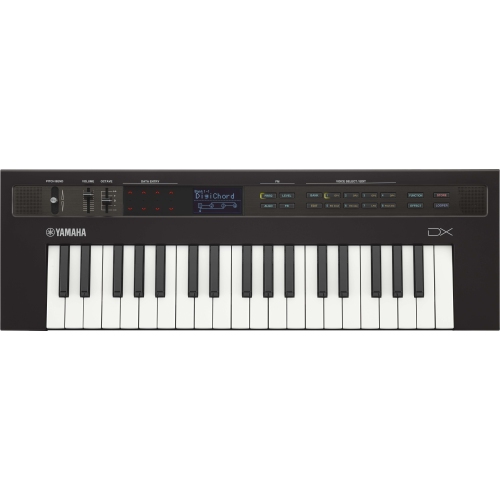
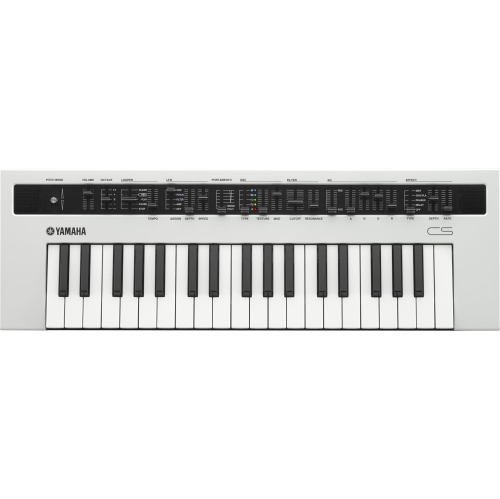
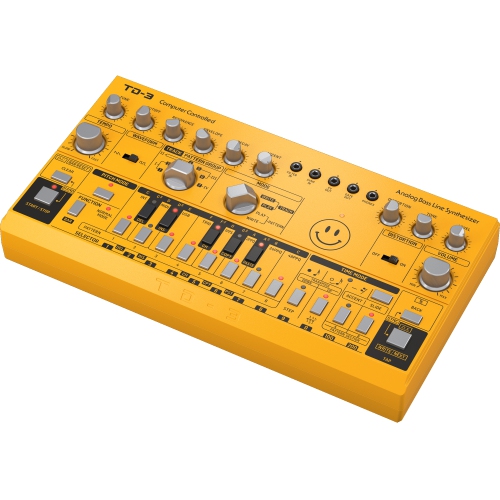

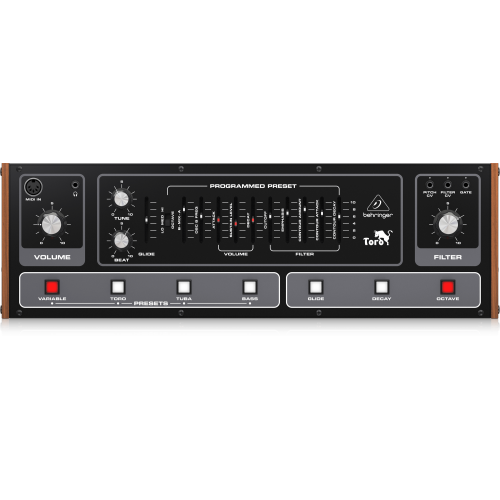
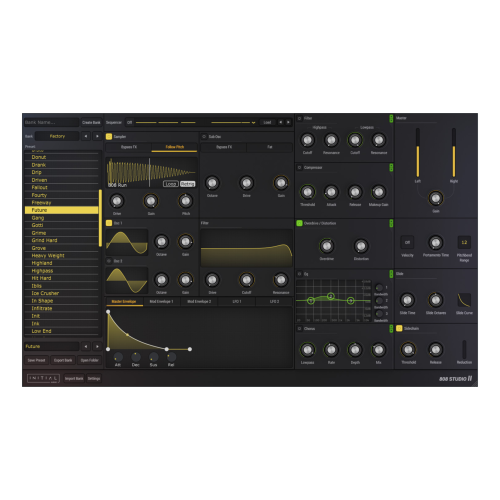
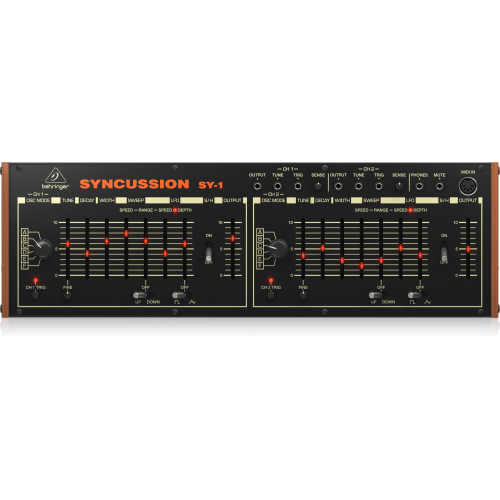
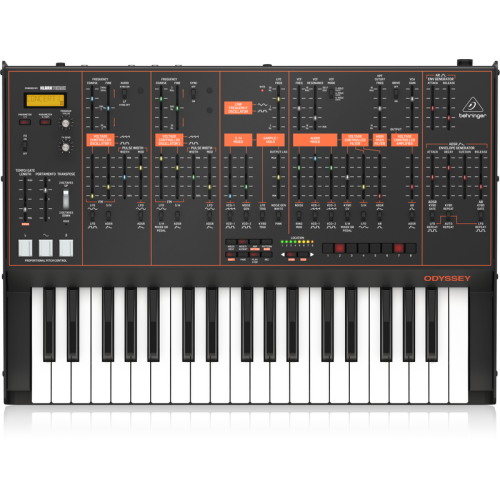
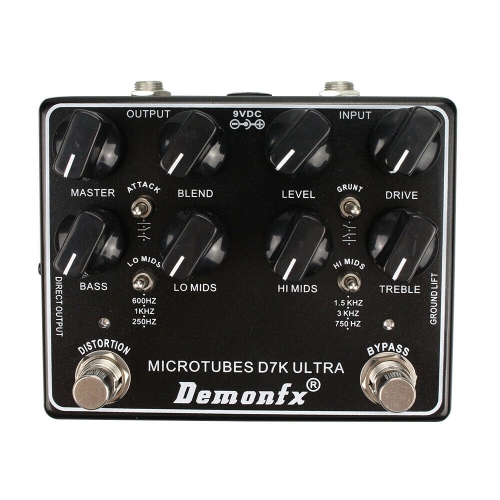
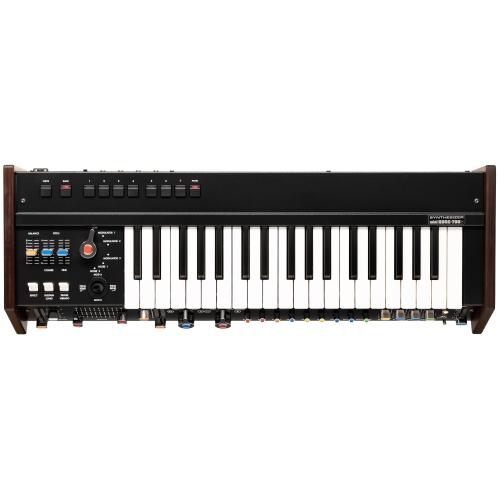
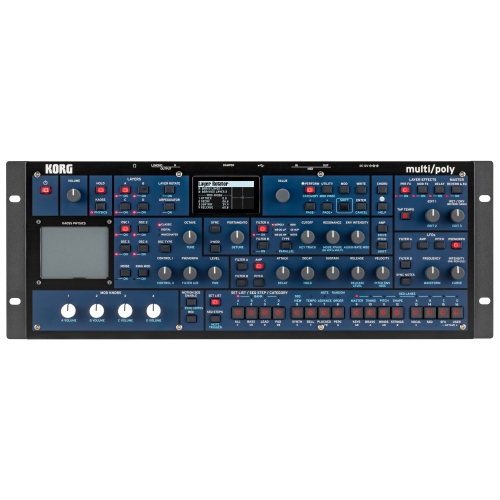
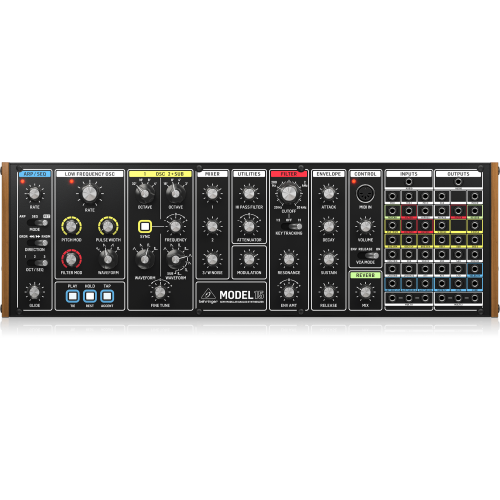
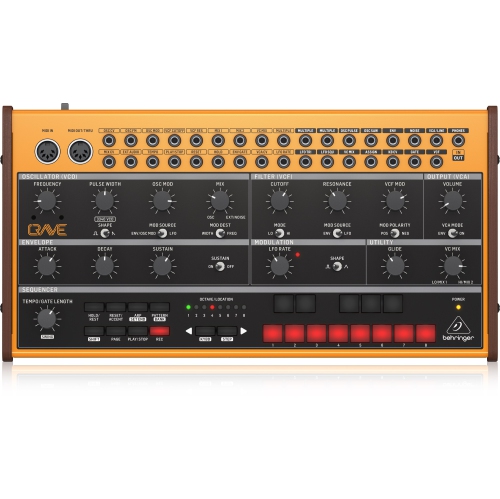
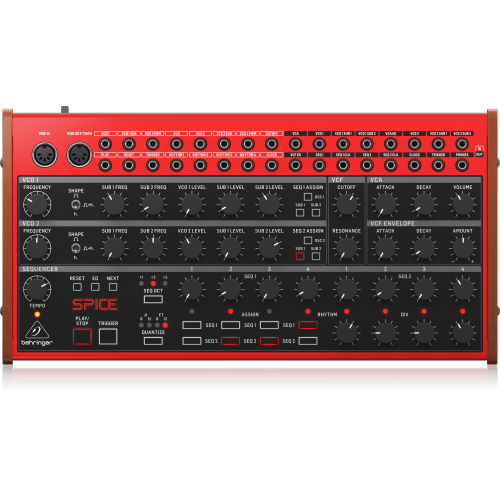
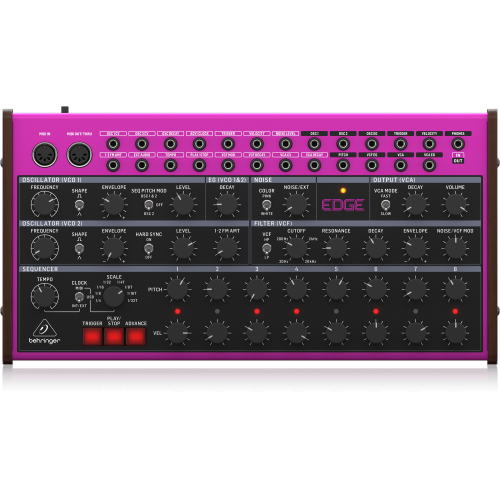
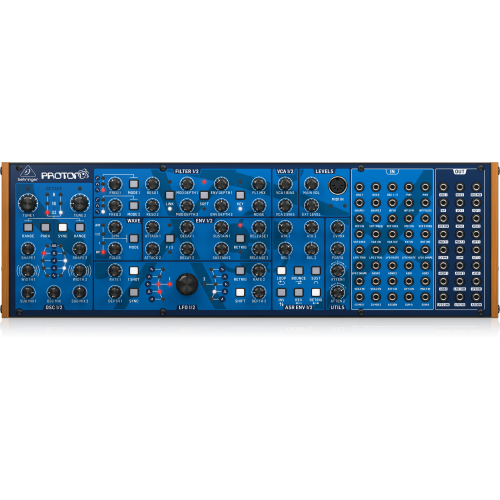
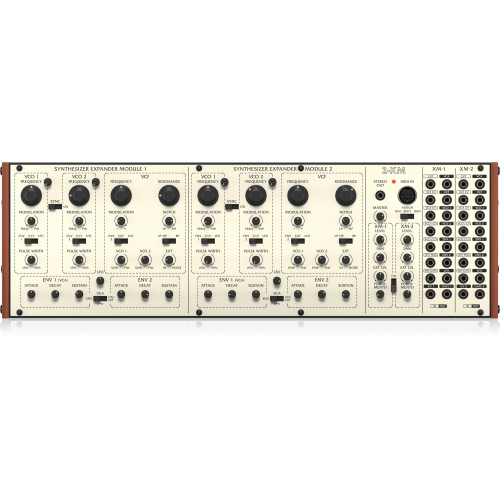
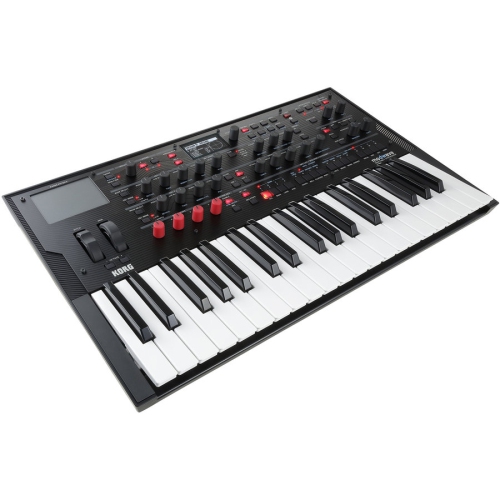
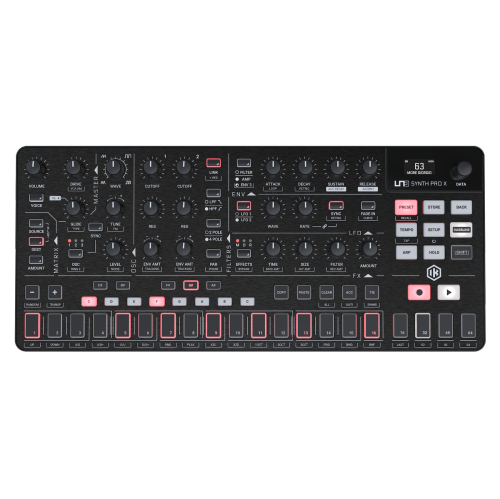
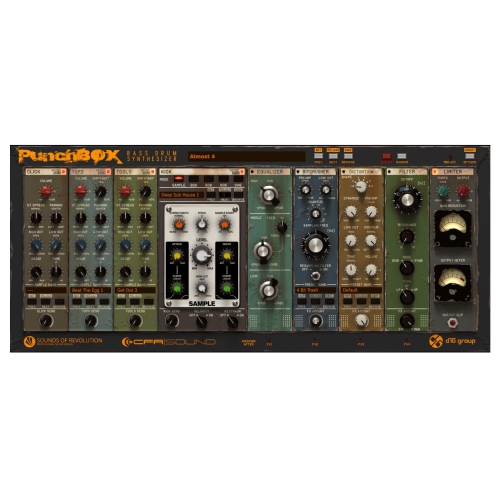
Hands-on control for deep, expressive electronic bass tones
Bass synthesizers are electronic instruments designed to create the deep, focused low-end sounds that give a track its weight, movement, and character. While some modern instruments can play chords, many classic bass synthesizers use a monophonic design, meaning they play one note at a time. This focused architecture helps each bass note remain clear and powerful, especially when it sits alongside drums, guitars, keyboards, or vocals. A typical bass synthesizer begins with one or more oscillators that generate the raw sound using waveforms such as sawtooth, square, triangle, or pulse. Sawtooth waves offer a bright, harmonically rich starting point, square and pulse waves can produce a hollow or reedy tone, and triangle waves provide a smoother foundation for rounded sub-bass. Some instruments include a sub-oscillator that adds an extra layer one or two octaves below the main note, creating the physical rumble associated with electronic dance music, hip-hop, pop, film scoring, and experimental production. The raw oscillator sound is then shaped with a filter, often a low-pass filter that removes higher frequencies while allowing the fundamental bass tones to remain. Increasing resonance emphasizes the frequencies around the filter cutoff, producing everything from a gentle, rounded thump to a sharp, squelching tone with a pronounced electronic bite. Envelope controls determine how the sound begins, changes, and fades: a fast attack can make a note feel immediate and percussive, while a slower attack creates a gradual swell. Decay, sustain, and release settings help shape plucks, sustained drones, drops, and tightly controlled rhythmic patterns. A keyboardist may use a bass synthesizer to reinforce the bottom end of a live arrangement, while a producer may connect one to a computer or recording setup to build a bassline from the first note upward. These instruments also suit beatmakers, electronic musicians, sound designers, DJs, and players who enjoy turning a simple pattern into something expressive through filter movement, pitch changes, and modulation.
When comparing bass synthesizers, start by considering the way you plan to make music and the kind of control you prefer under your hands. A compact instrument with dedicated knobs for oscillator level, filter cutoff, resonance, envelope, and volume makes it easy to learn the relationship between each stage of the sound. Turning the cutoff control while a note repeats can reveal the whole personality of a patch, shifting it from a dark, muffled pulse to a bright, resonant sweep. Instruments with a built-in step sequencer can turn a short bass phrase into a precise repeating pattern, with controls for tempo, note length, rests, accents, slides, and other changes that keep a sequence from feeling static. This can be especially useful for acid-inspired lines, driving dance grooves, and live performances where hands-on adjustments are part of the music. A synthesizer without an onboard sequencer may be a better fit for someone who already works with a MIDI keyboard, drum machine, digital audio workstation, or external sequencer. Check the available connections, including MIDI, USB, audio outputs, and any input or sync connections that may be useful with the rest of your setup. Analog circuitry is often chosen for its immediate response and naturally rich, animated tone, while digital instruments can offer a broad range of voices, presets, patch storage, effects, and advanced modulation in a compact format. Hybrid designs can combine hands-on analogue-style controls with digital convenience. Polyphony, keyboard or touch controls, glide, octave range, memory, and patch management are also worth considering. For a player who wants smooth transitions between notes, a glide or portamento control can create the sliding movement that is central to many expressive basslines. For a producer who records one part at a time, a monophonic instrument may provide all the range and focus required. Headphone connectivity can make practising easier in shared spaces, and a sturdy control layout is valuable for anyone who expects to perform with the instrument or make adjustments while recording. A bass synthesizer can also complement a conventional bass guitar, drum machine, or keyboard by adding textures that are difficult to achieve with acoustic or electric instruments alone. For further shaping of a bass signal, modulation, distortion, delay, and other processing options can be explored through Bass Effects Units, helping a clean synthesizer tone become wider, rougher, brighter, or more dramatic.
Bass synthesizers can be rewarding for beginners because their controls provide an immediate, audible connection between an adjustment and the resulting sound. A new player can begin with a single oscillator, play a sustained note, and slowly turn the filter cutoff to hear how frequency affects the tone. From there, adding resonance, changing the waveform, adjusting the envelope, and introducing a second oscillator creates a practical introduction to synthesis without requiring a detailed technical background. More experienced musicians may appreciate the speed and physicality of dedicated controls, particularly when building a groove during a rehearsal, recording session, or live set. These instruments can be a thoughtful gift for someone who already owns a keyboard, produces music at home, collects recording equipment, or has recently become interested in electronic sound design. They are also useful in educational settings, community studios, and shared creative spaces because several people can gather around the controls and hear how a patch develops in real time. During the warmer part of the year, a compact synthesizer can be convenient for creative sessions in different rooms or informal practice spaces, while during the cooler months it can bring a tactile, hands-on activity to a home studio. Before choosing one, consider available space, the intended sound, the player’s experience, and whether the instrument will be used for recording, performance, practice, or sound exploration. Someone who wants the unmistakable movement of a repeating bass sequence may value a built-in sequencer and pattern memory, while someone who prefers composing in software may place greater importance on reliable computer connectivity and responsive controls. The best fit is an instrument that makes the desired style of music feel accessible, whether that means producing a tight sub-bass foundation, creating a resonant acid line, adding a gritty electronic pulse to a song, or experimenting with unusual low-frequency textures.
When comparing bass synthesizers, start by considering the way you plan to make music and the kind of control you prefer under your hands. A compact instrument with dedicated knobs for oscillator level, filter cutoff, resonance, envelope, and volume makes it easy to learn the relationship between each stage of the sound. Turning the cutoff control while a note repeats can reveal the whole personality of a patch, shifting it from a dark, muffled pulse to a bright, resonant sweep. Instruments with a built-in step sequencer can turn a short bass phrase into a precise repeating pattern, with controls for tempo, note length, rests, accents, slides, and other changes that keep a sequence from feeling static. This can be especially useful for acid-inspired lines, driving dance grooves, and live performances where hands-on adjustments are part of the music. A synthesizer without an onboard sequencer may be a better fit for someone who already works with a MIDI keyboard, drum machine, digital audio workstation, or external sequencer. Check the available connections, including MIDI, USB, audio outputs, and any input or sync connections that may be useful with the rest of your setup. Analog circuitry is often chosen for its immediate response and naturally rich, animated tone, while digital instruments can offer a broad range of voices, presets, patch storage, effects, and advanced modulation in a compact format. Hybrid designs can combine hands-on analogue-style controls with digital convenience. Polyphony, keyboard or touch controls, glide, octave range, memory, and patch management are also worth considering. For a player who wants smooth transitions between notes, a glide or portamento control can create the sliding movement that is central to many expressive basslines. For a producer who records one part at a time, a monophonic instrument may provide all the range and focus required. Headphone connectivity can make practising easier in shared spaces, and a sturdy control layout is valuable for anyone who expects to perform with the instrument or make adjustments while recording. A bass synthesizer can also complement a conventional bass guitar, drum machine, or keyboard by adding textures that are difficult to achieve with acoustic or electric instruments alone. For further shaping of a bass signal, modulation, distortion, delay, and other processing options can be explored through Bass Effects Units, helping a clean synthesizer tone become wider, rougher, brighter, or more dramatic.
Bass synthesizers can be rewarding for beginners because their controls provide an immediate, audible connection between an adjustment and the resulting sound. A new player can begin with a single oscillator, play a sustained note, and slowly turn the filter cutoff to hear how frequency affects the tone. From there, adding resonance, changing the waveform, adjusting the envelope, and introducing a second oscillator creates a practical introduction to synthesis without requiring a detailed technical background. More experienced musicians may appreciate the speed and physicality of dedicated controls, particularly when building a groove during a rehearsal, recording session, or live set. These instruments can be a thoughtful gift for someone who already owns a keyboard, produces music at home, collects recording equipment, or has recently become interested in electronic sound design. They are also useful in educational settings, community studios, and shared creative spaces because several people can gather around the controls and hear how a patch develops in real time. During the warmer part of the year, a compact synthesizer can be convenient for creative sessions in different rooms or informal practice spaces, while during the cooler months it can bring a tactile, hands-on activity to a home studio. Before choosing one, consider available space, the intended sound, the player’s experience, and whether the instrument will be used for recording, performance, practice, or sound exploration. Someone who wants the unmistakable movement of a repeating bass sequence may value a built-in sequencer and pattern memory, while someone who prefers composing in software may place greater importance on reliable computer connectivity and responsive controls. The best fit is an instrument that makes the desired style of music feel accessible, whether that means producing a tight sub-bass foundation, creating a resonant acid line, adding a gritty electronic pulse to a song, or experimenting with unusual low-frequency textures.
Top selling and popular products
-
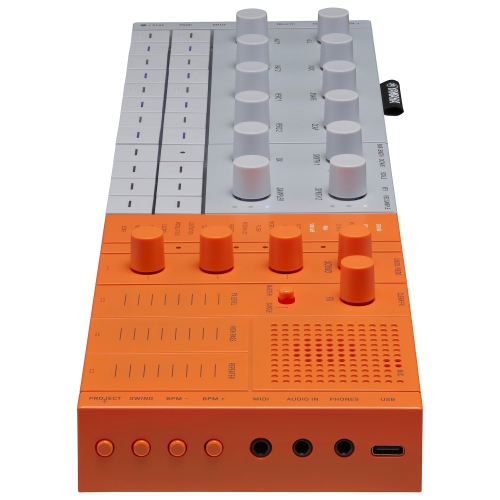 Your price for this item is $599.99
 -
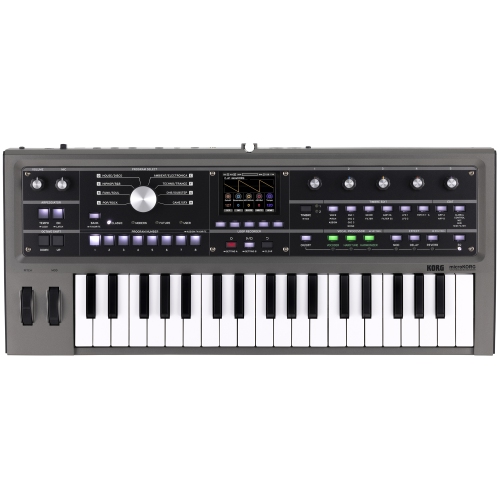 Your price for this item is $849.99
 -
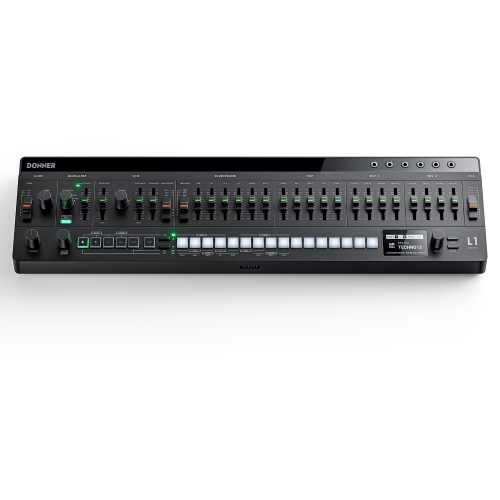 Your price for this item is $259.99
 -
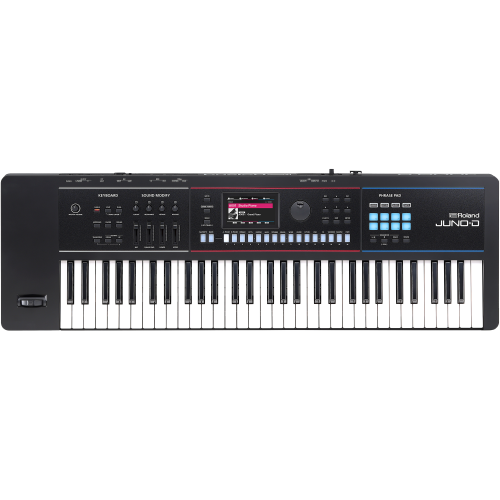 Your price for this item is $1299.99
 -
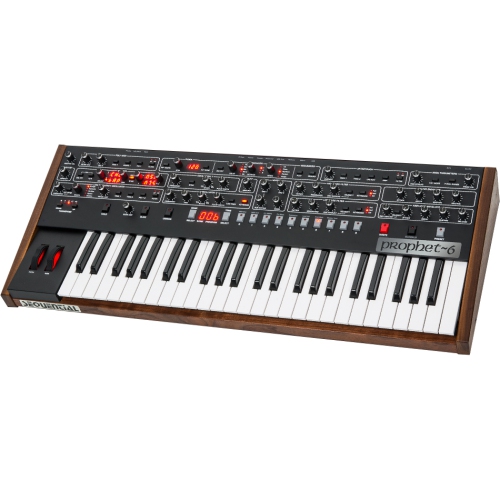 Your price for this item is $5069.99
 -
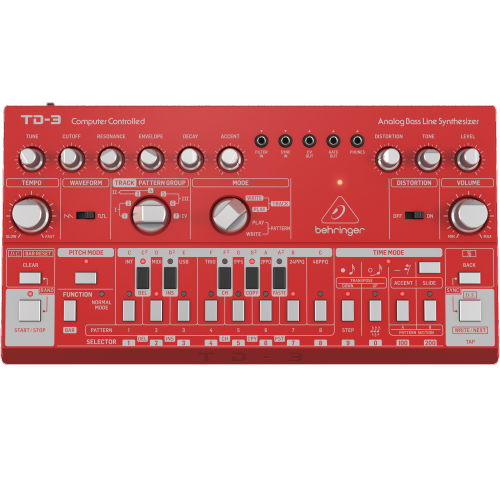 Your price for this item is $169
 -
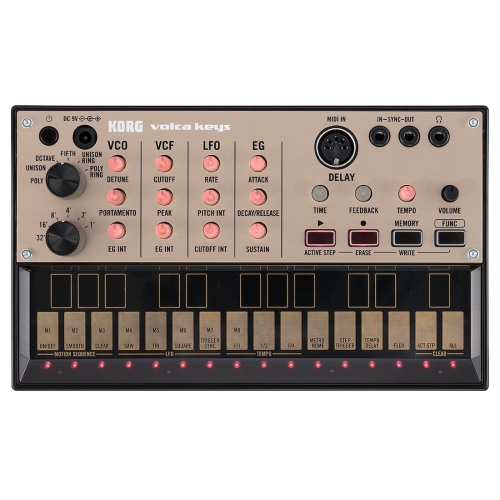 Your price for this item is $225
 -
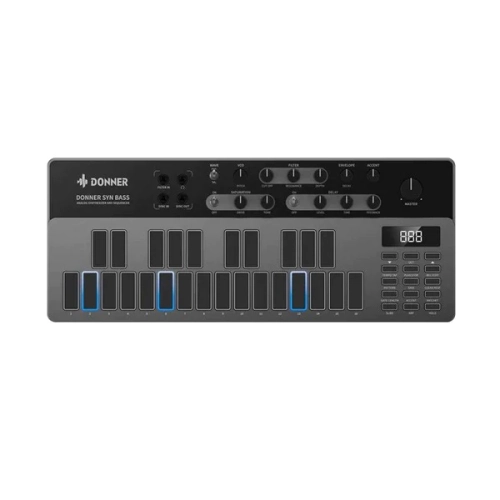 Your price for this item is $149.99
Discover more categories related to Bass Synthesizers
Top Collections:
Pokemon Centers, Kindle Devices, Best Budget Office Chairs, Apple iPhones 16, Best Laptops for Writers, iPhone 15 Apple, Canon G7X Cameras, Refurbished Apple Laptops, Alarm Clock, Motorola Razr Phones
Some products may be subject to Environmental Handling Fees
(EHF) depending on your province.
Learn more about EHFs.