Blues Guitars
Looking to channel your inner blues legend? Look no further than our collection of blues guitars. These instruments are crafted with precision and designed to deliver the soulful tones that define the blues genre. Whether you're a seasoned musician or just starting, our selection of blues guitars offers a range of options to suit every playing style and budget. From classic designs to modern innovations, explore our lineup and find the perfect guitar to unleash your creativity and bring out the bluesy vibes in your music.
Sort

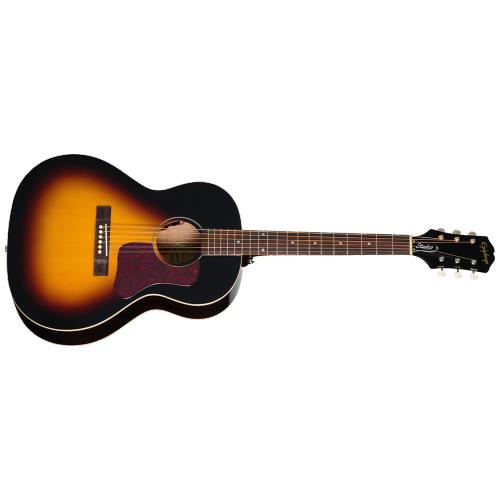
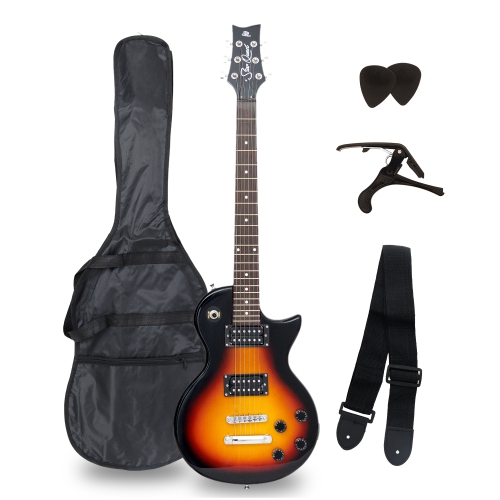
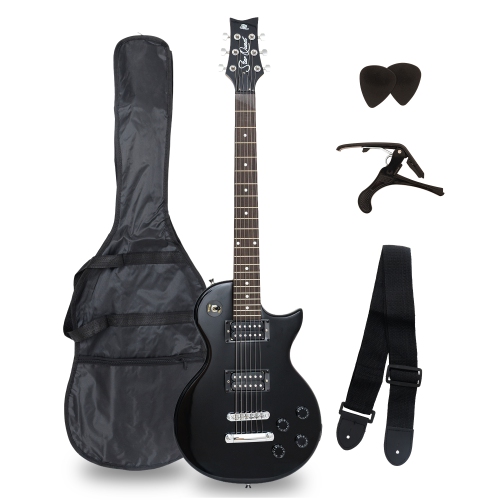
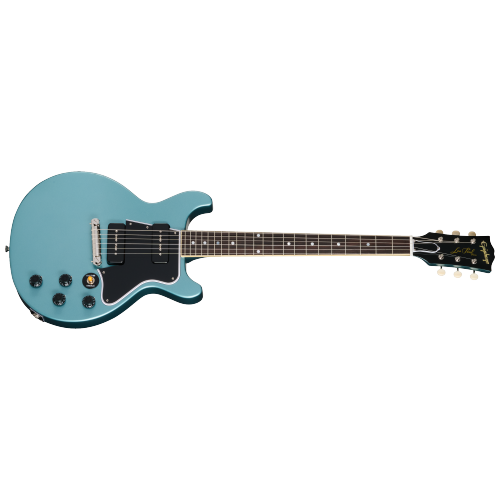
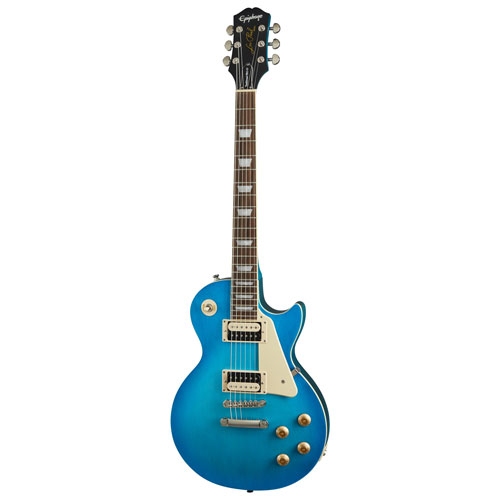
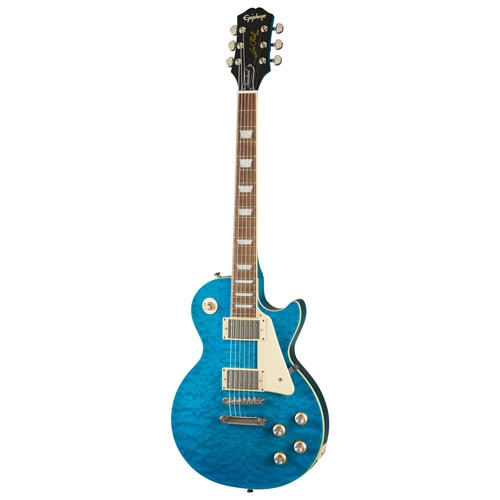
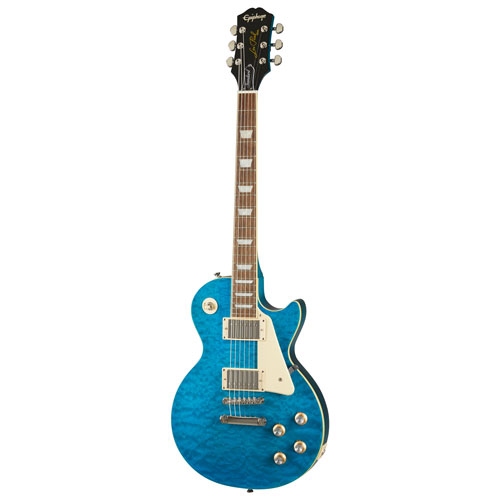

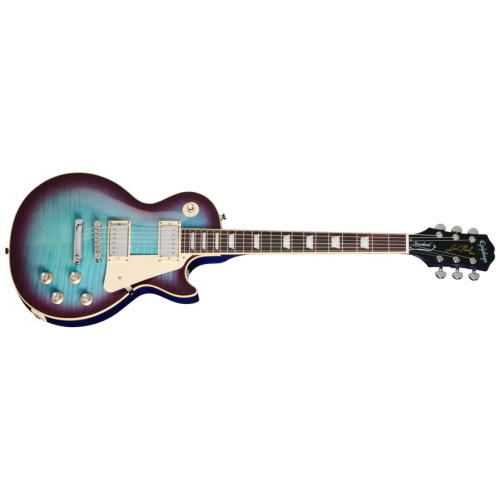
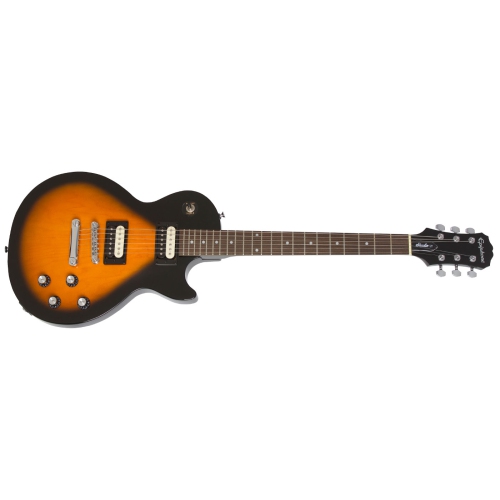
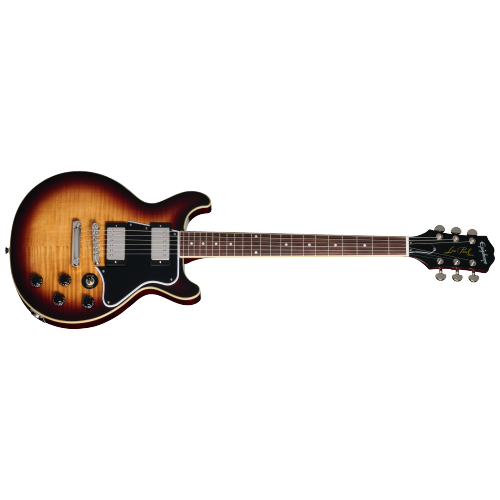
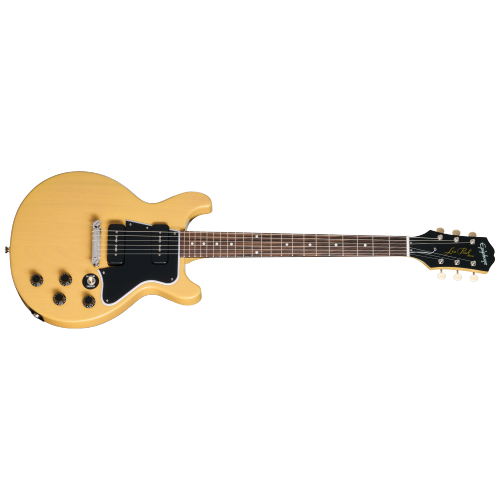
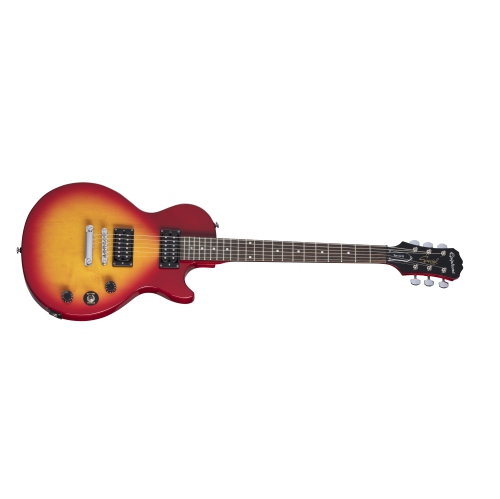
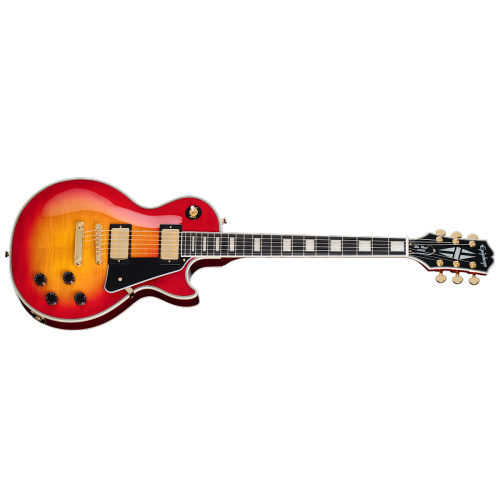
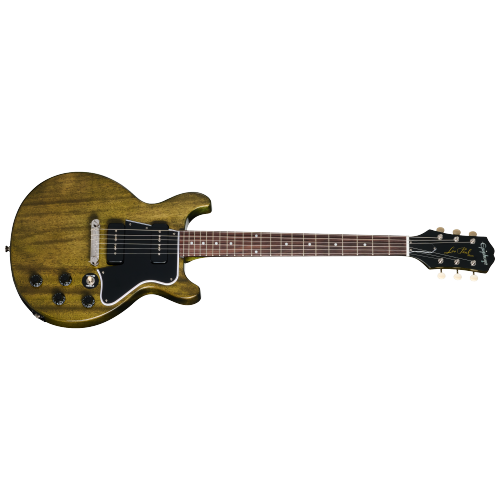

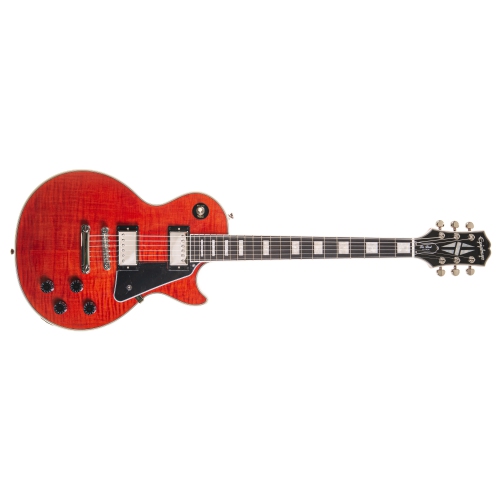
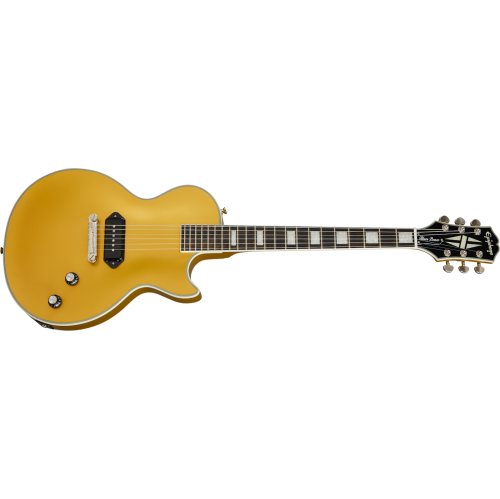
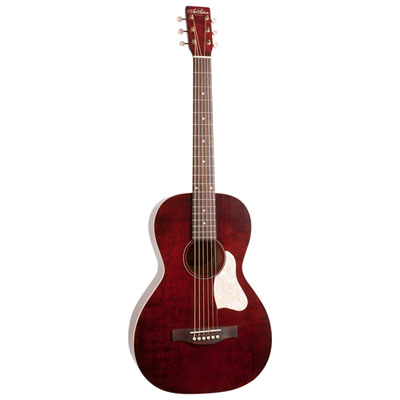
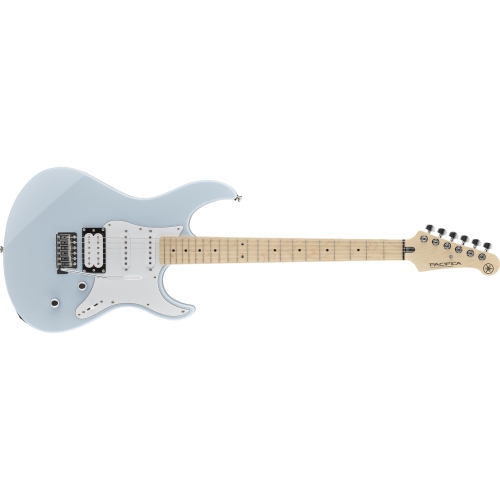

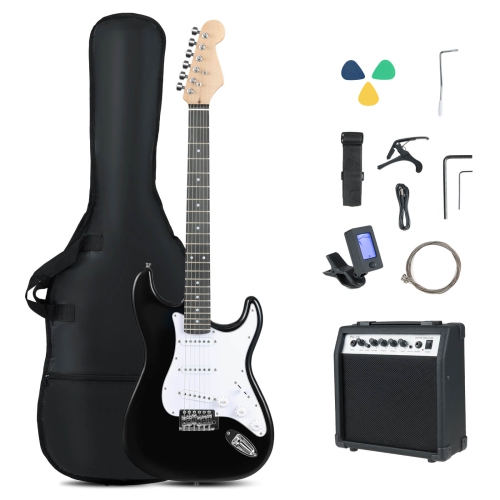

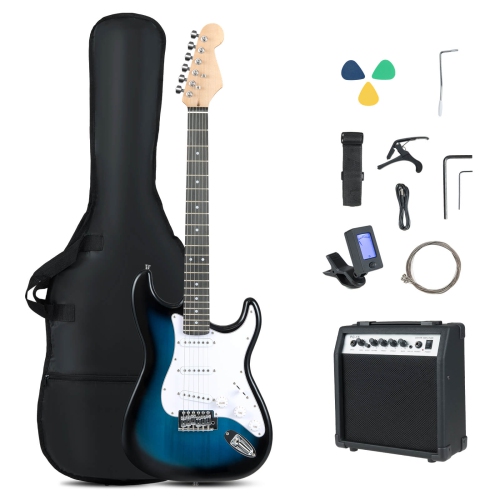
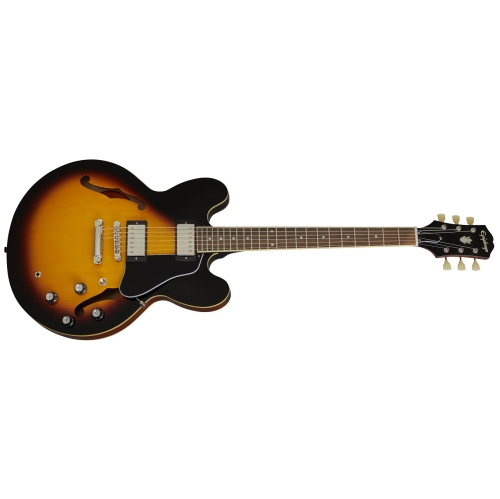
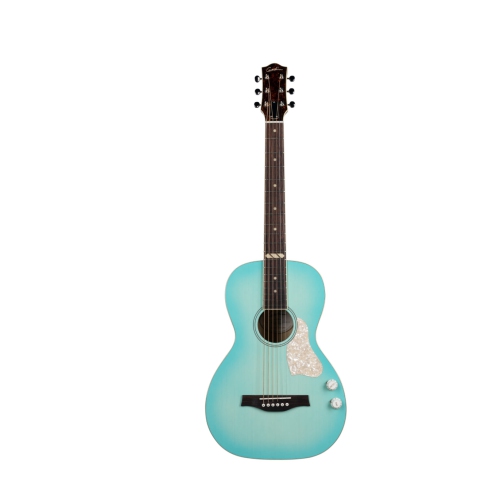

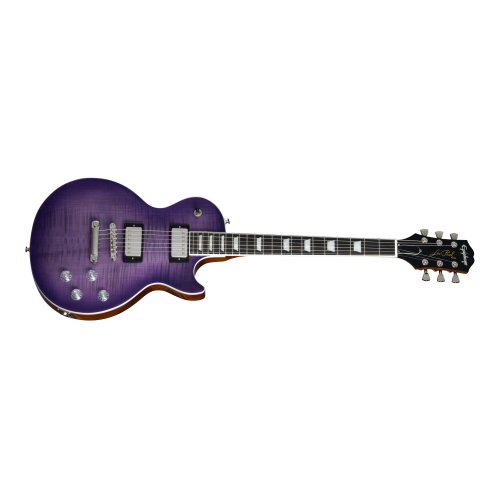
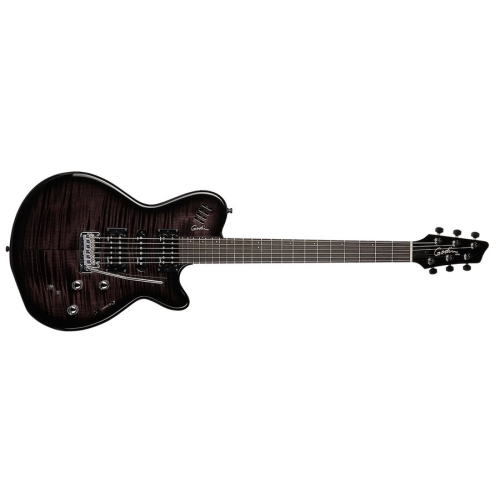

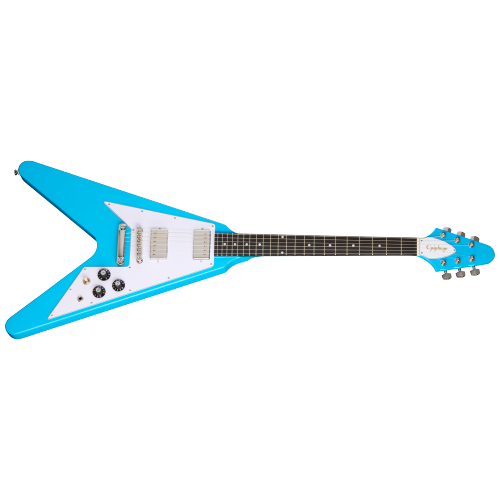
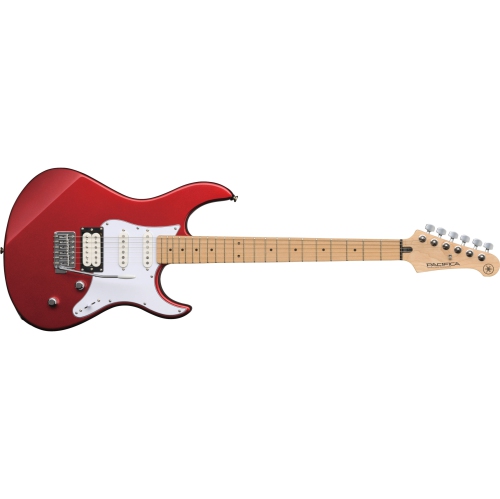
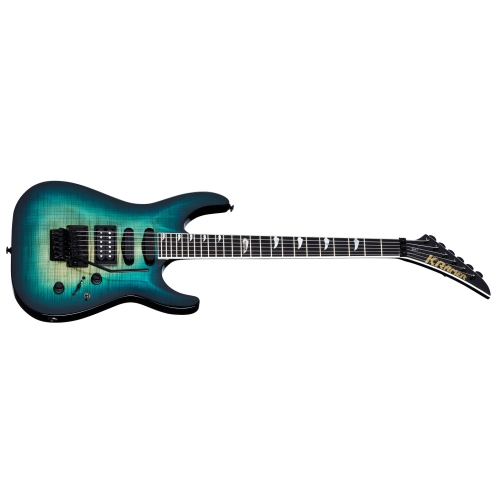
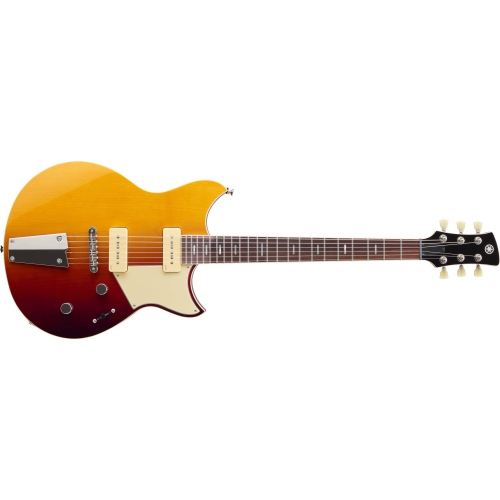
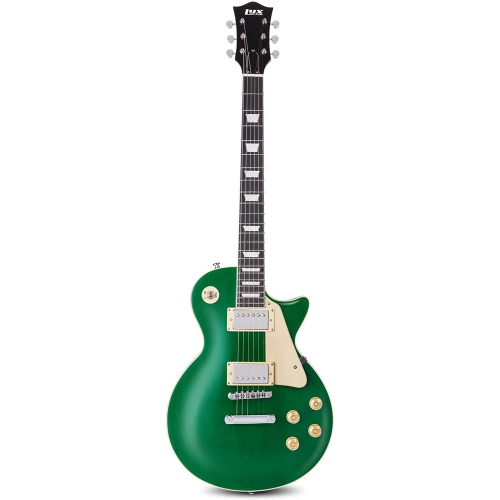
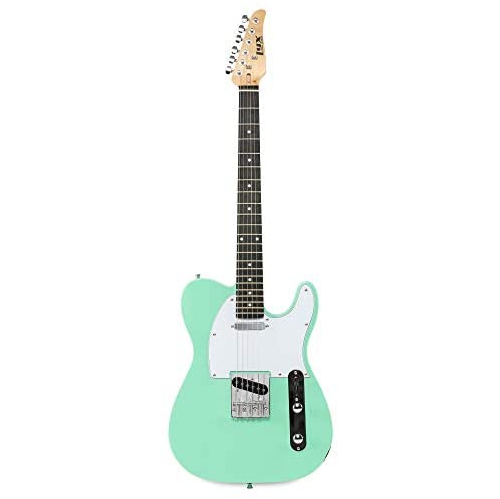
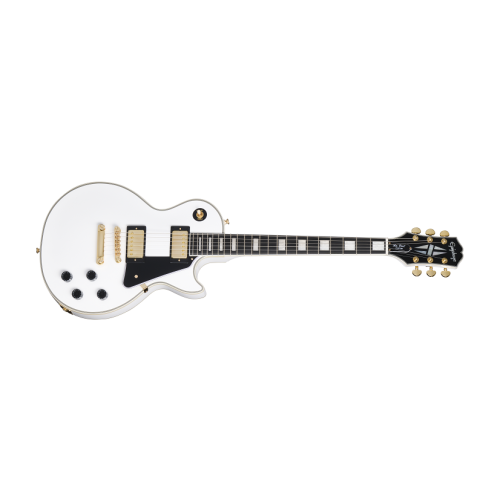
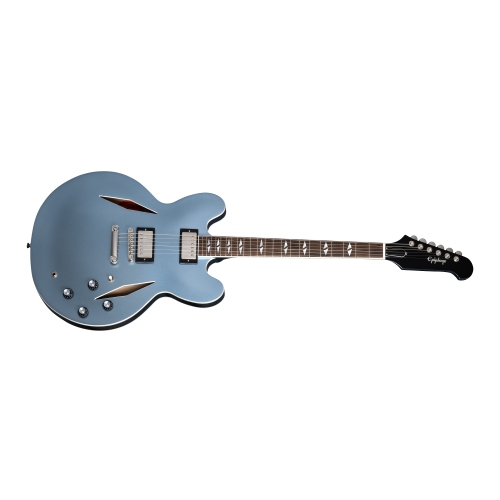
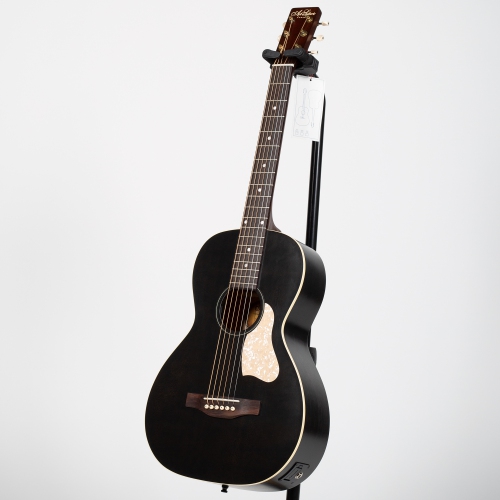
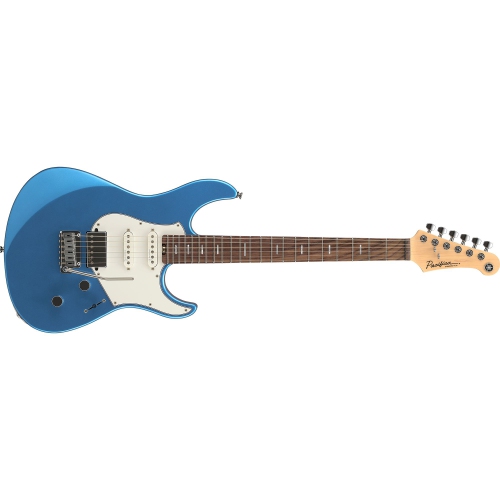


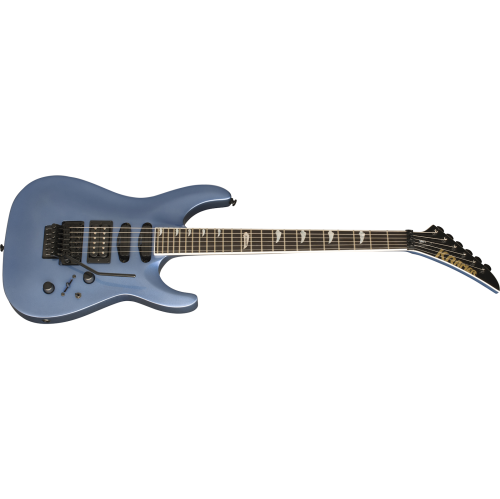
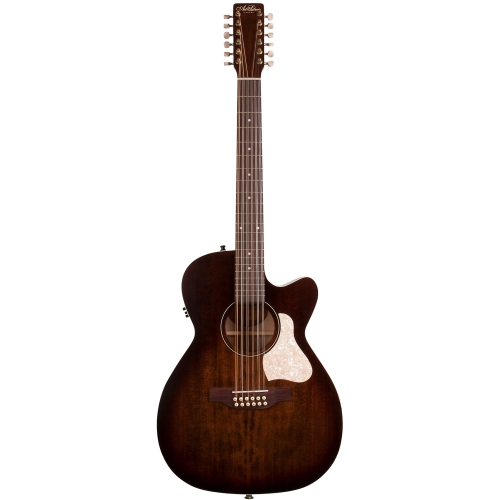
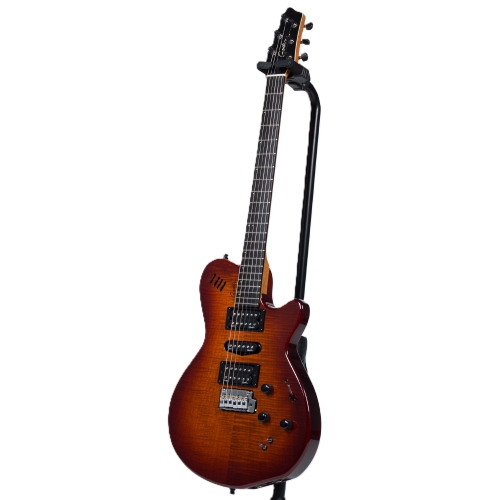
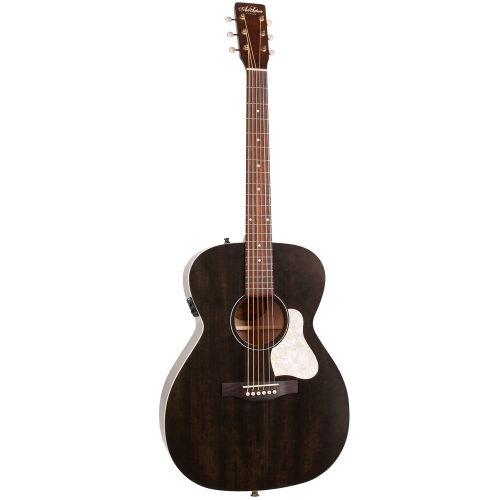
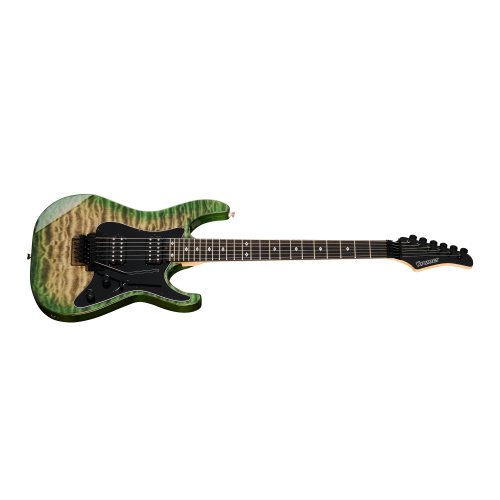
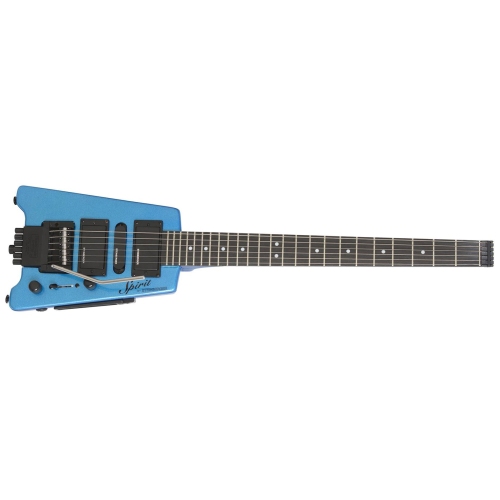
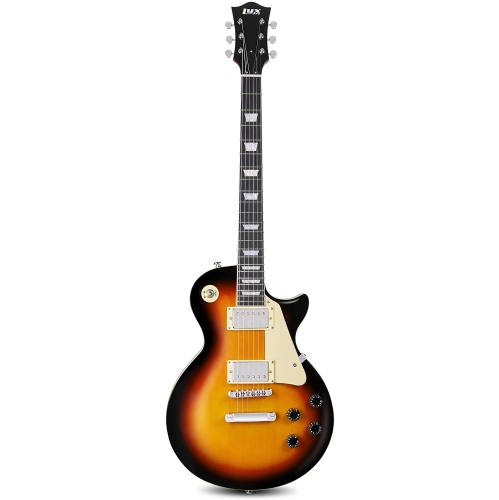
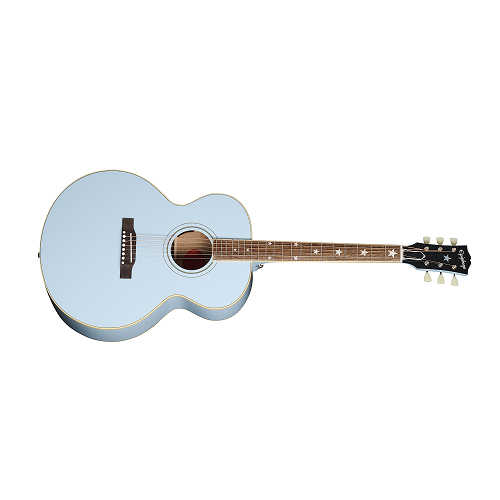
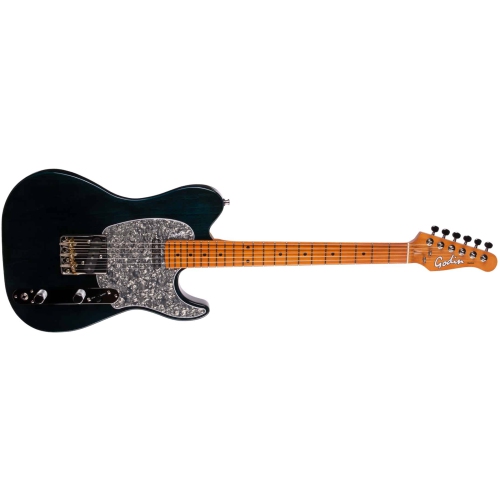



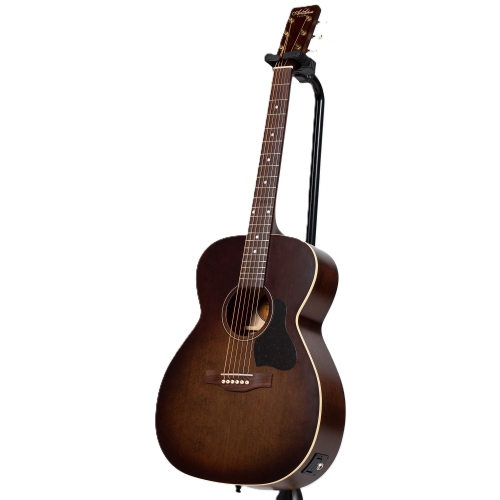

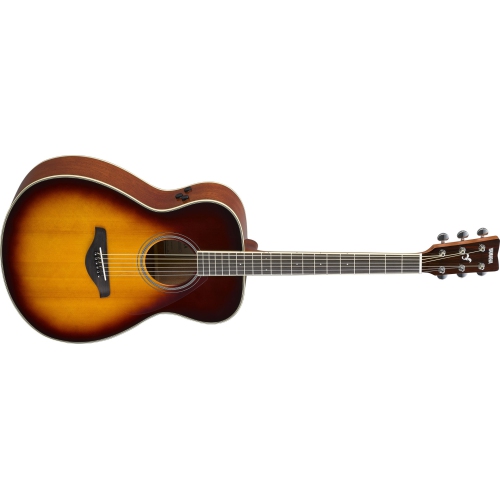
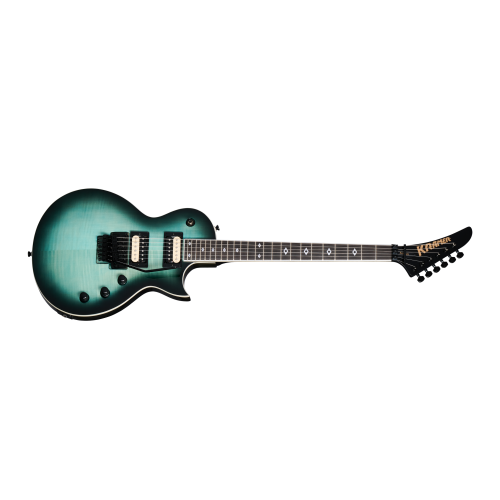
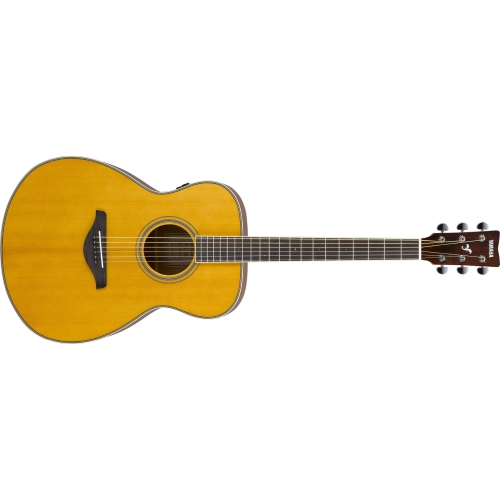
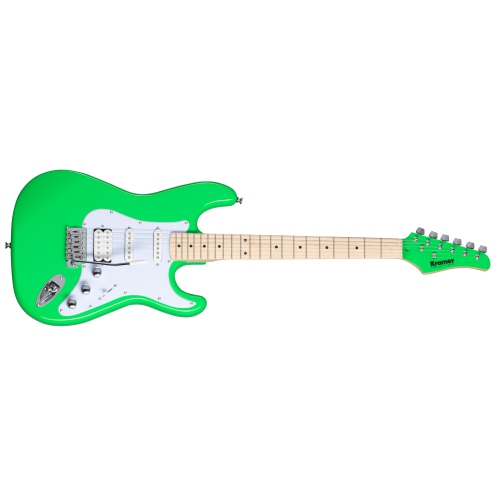
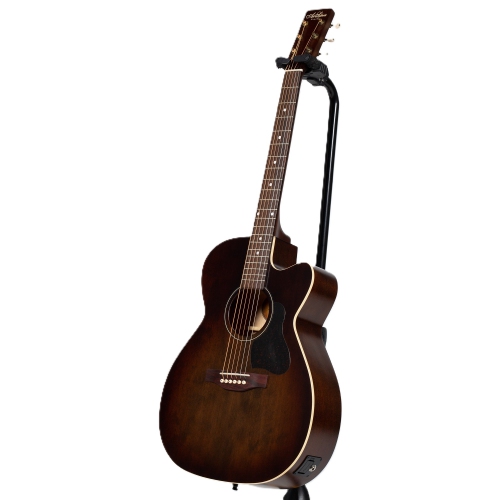
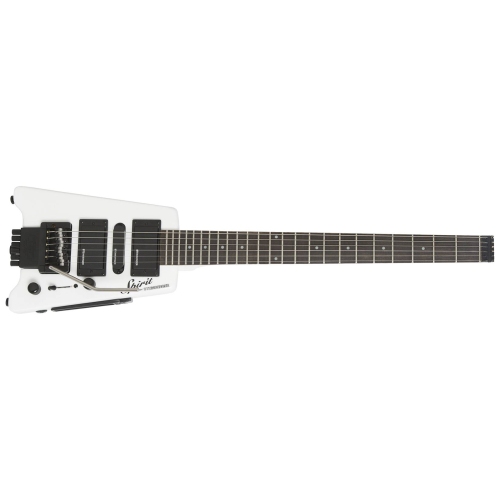
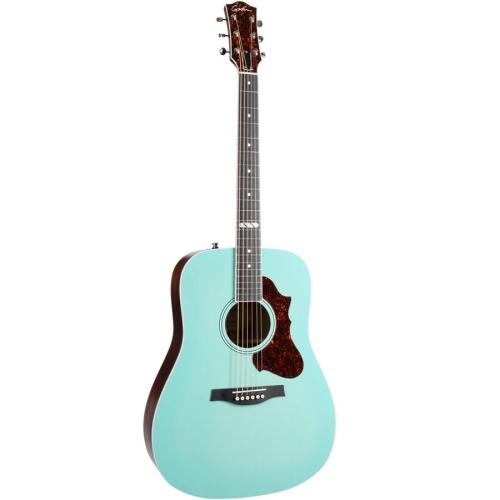

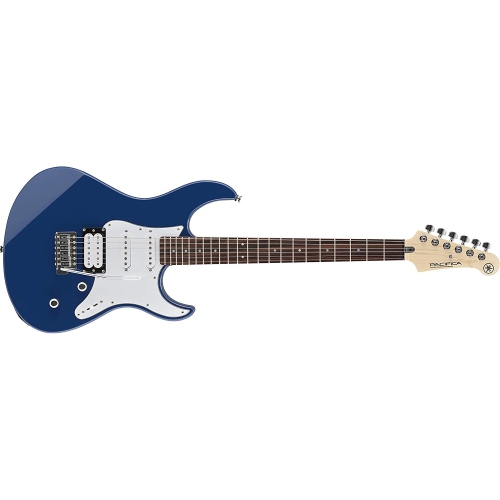

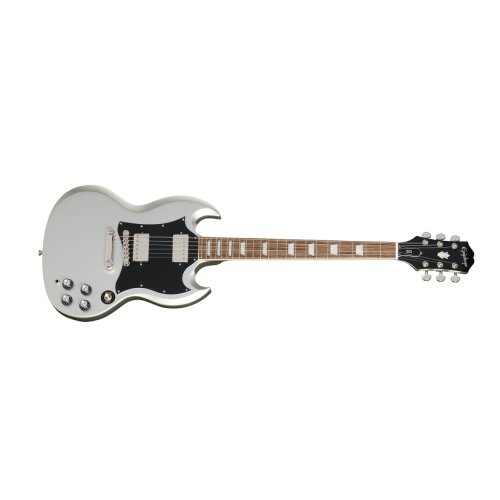
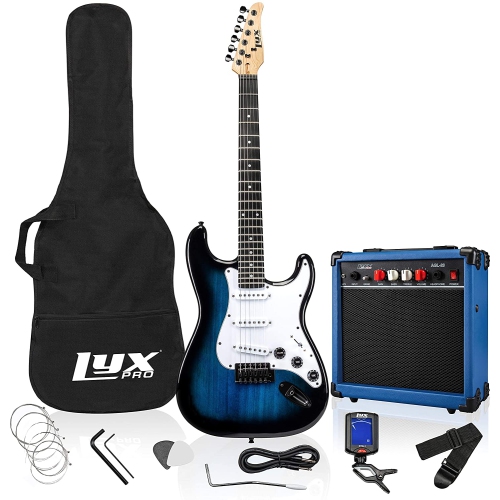

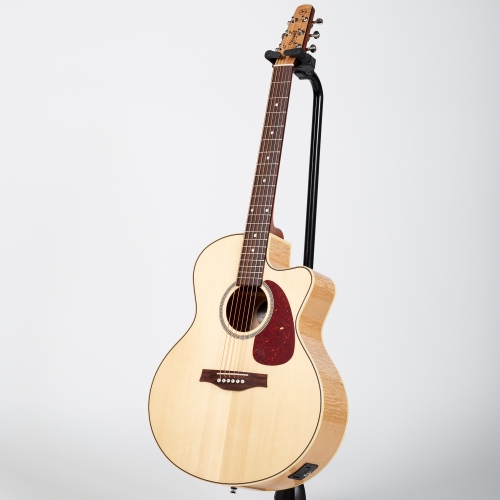

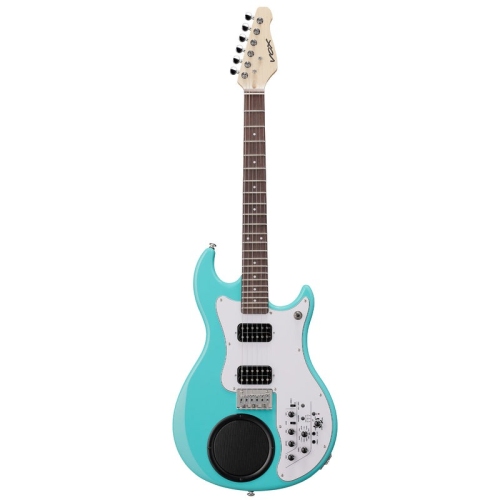
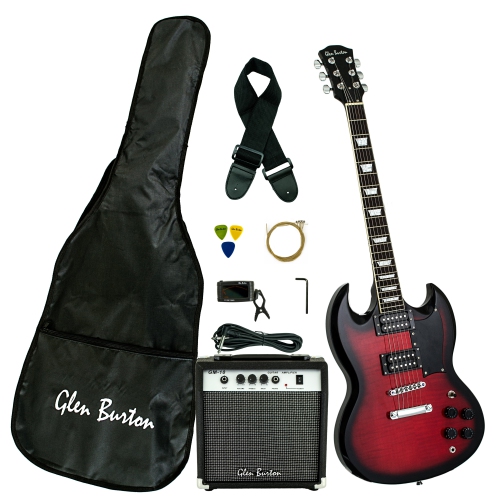
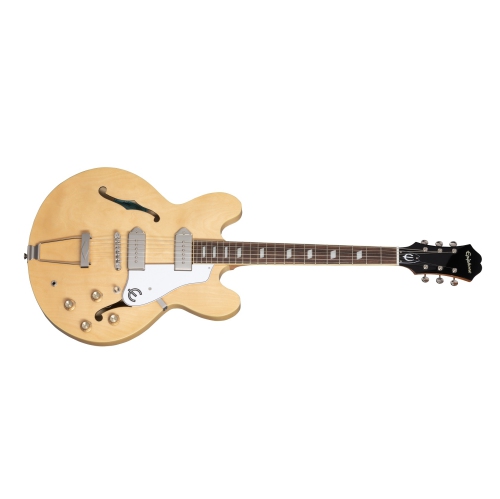
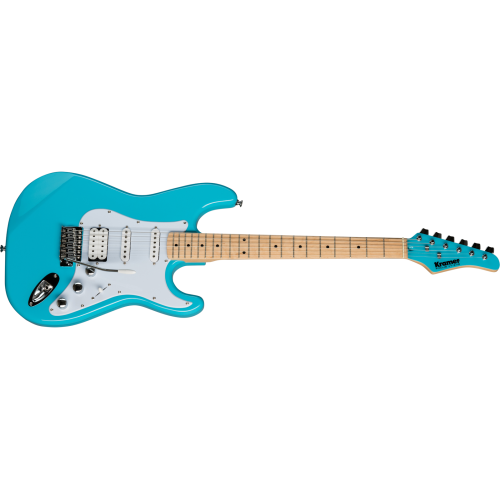
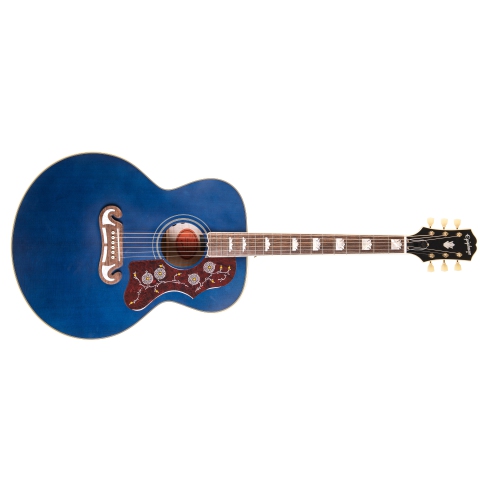
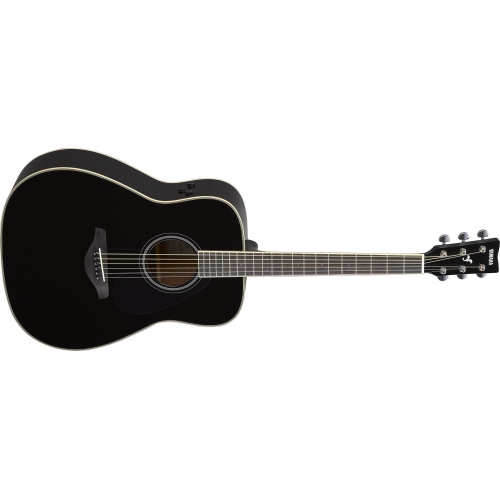
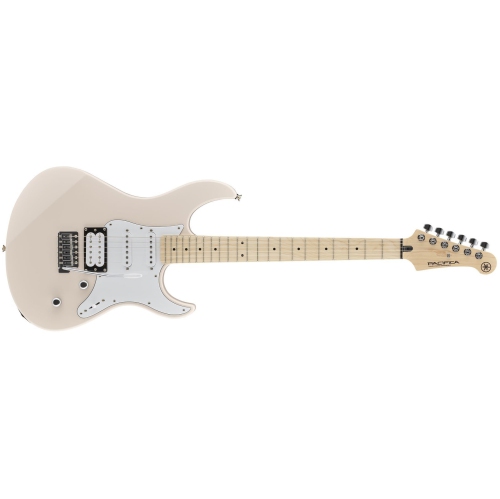

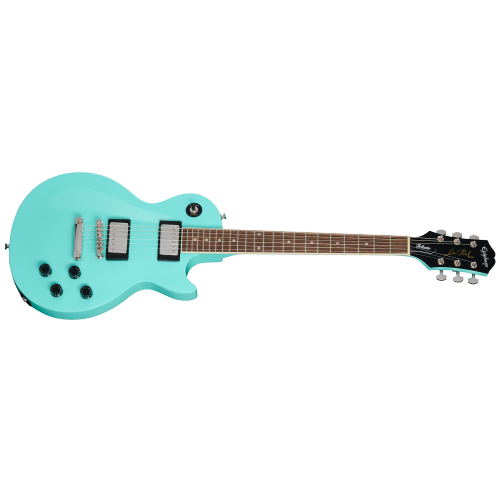
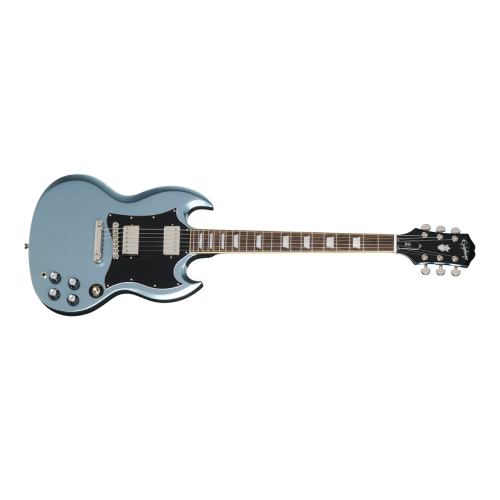
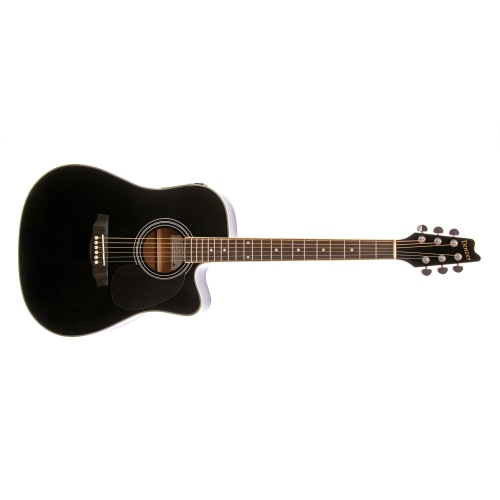
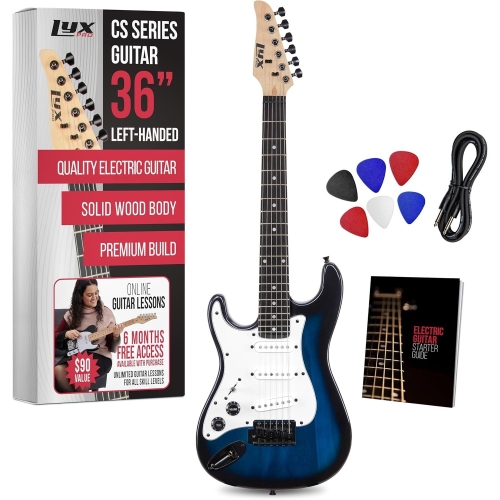

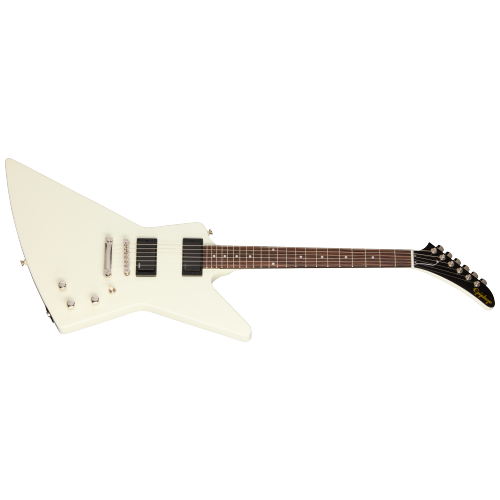
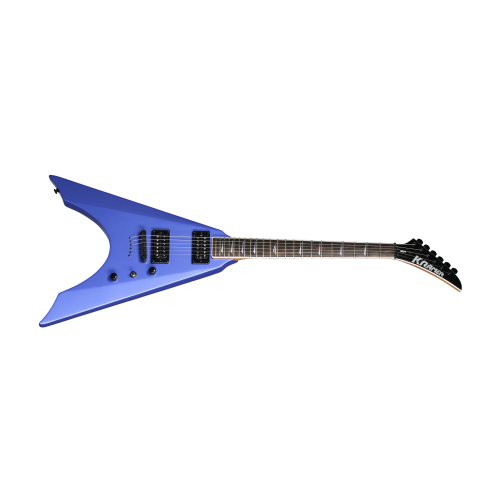
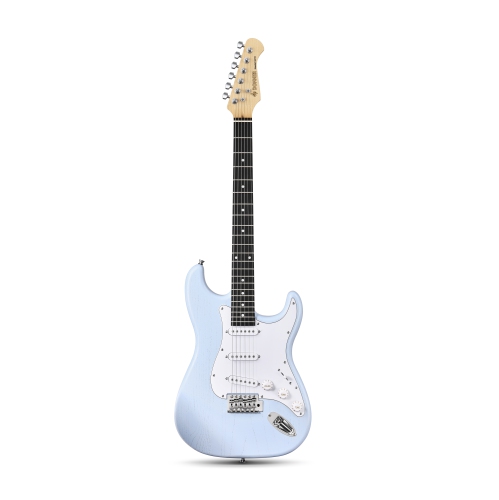
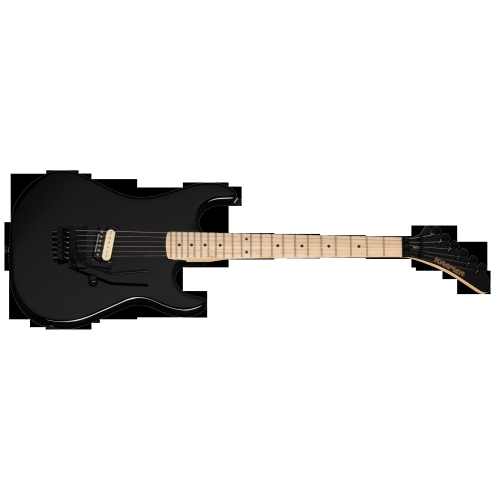

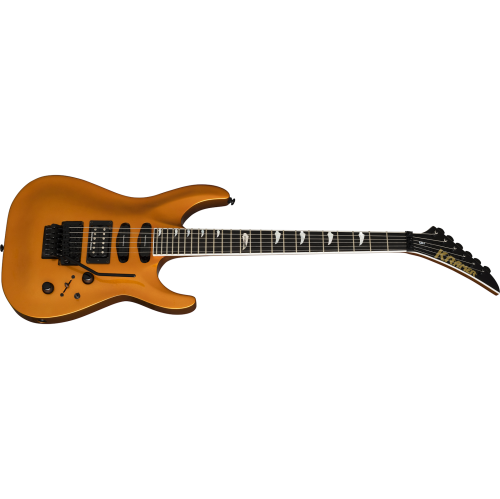
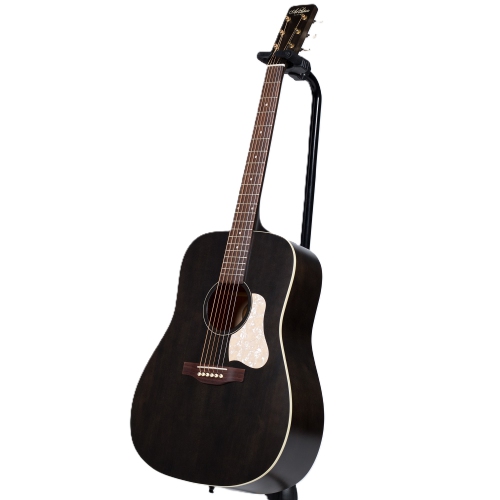
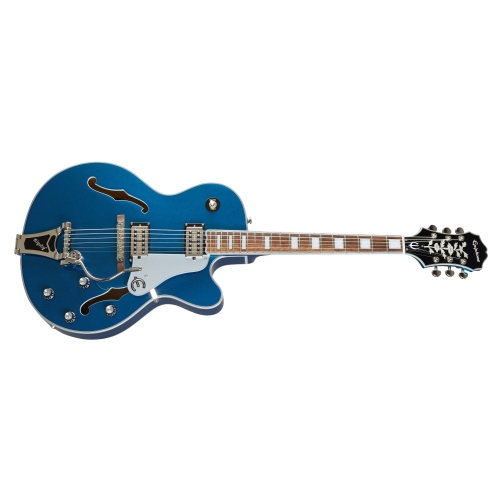
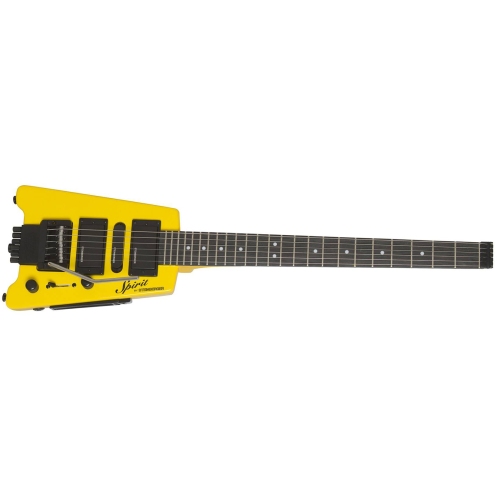

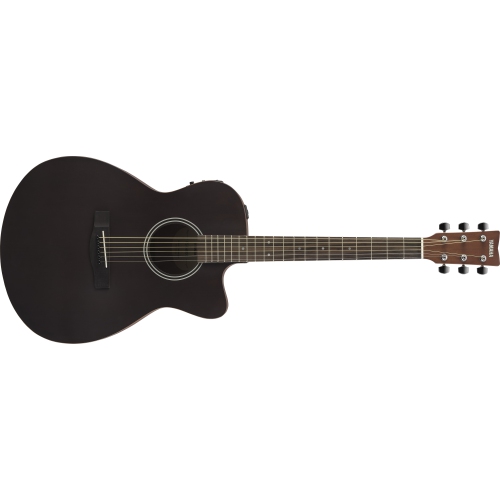
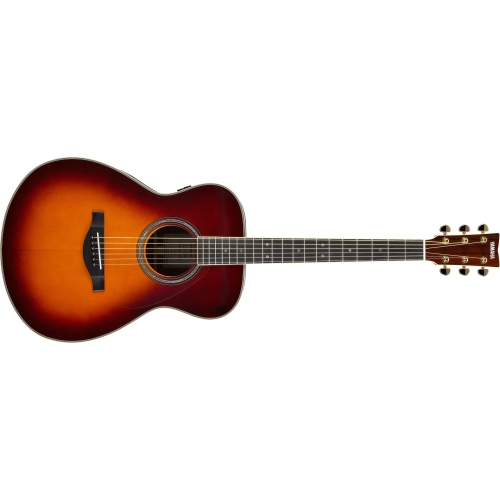
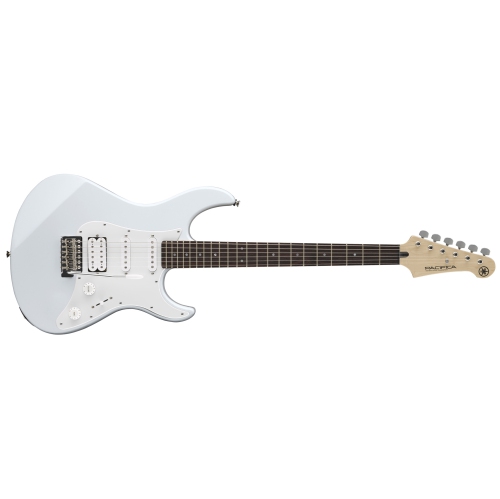





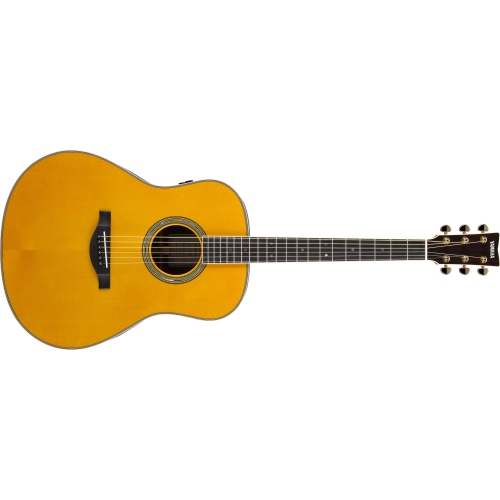
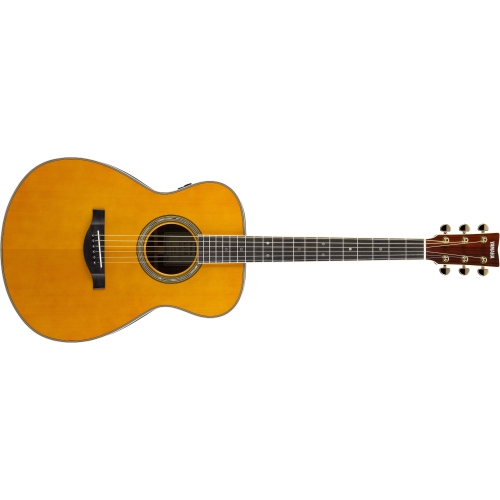
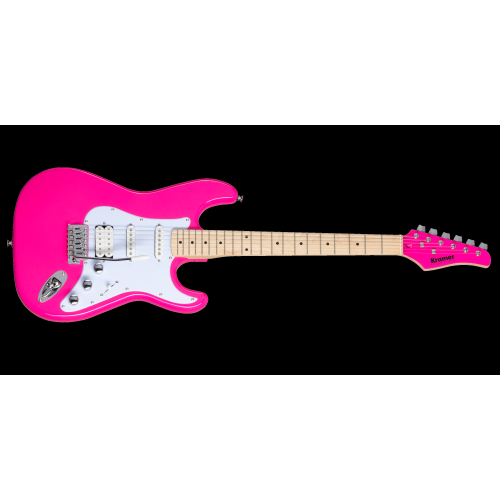
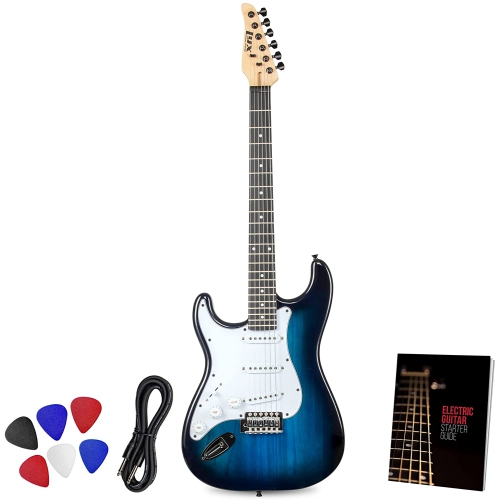
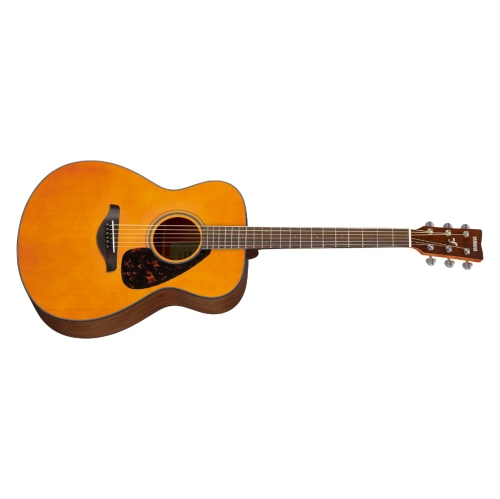
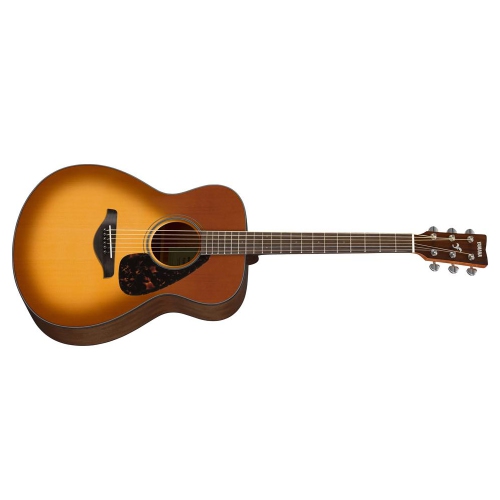


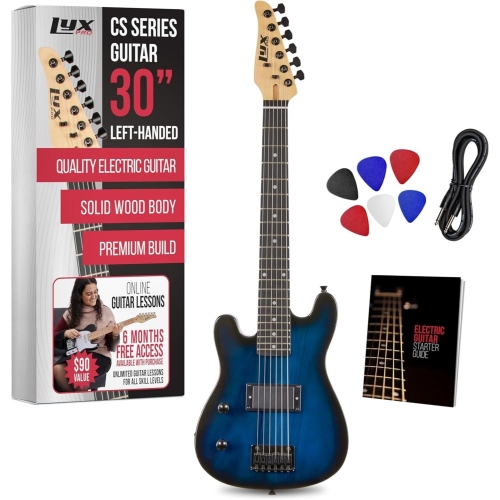
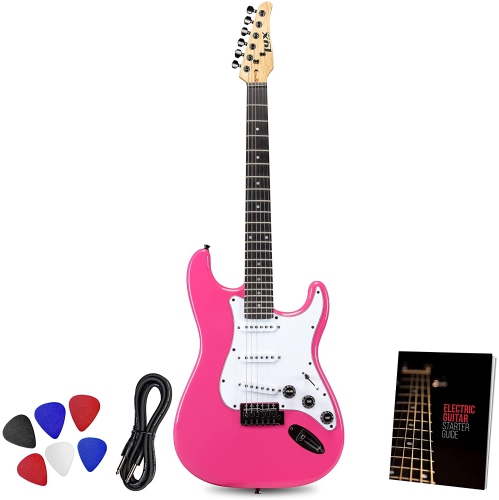
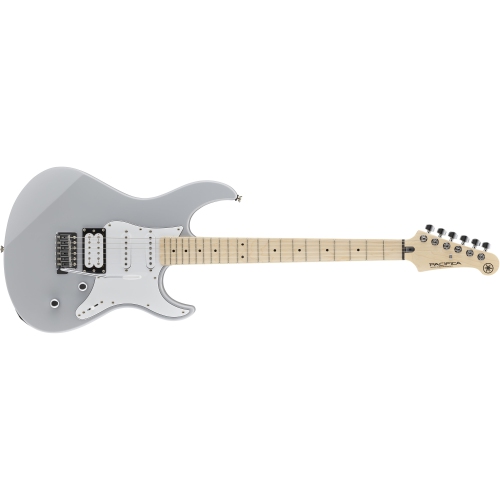
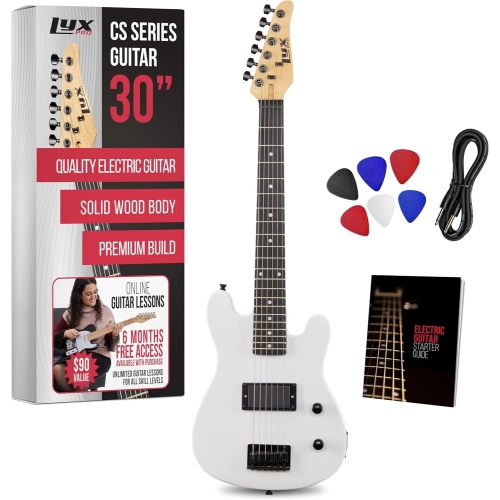
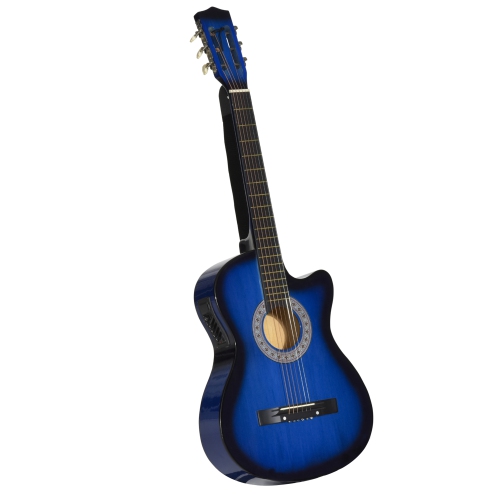

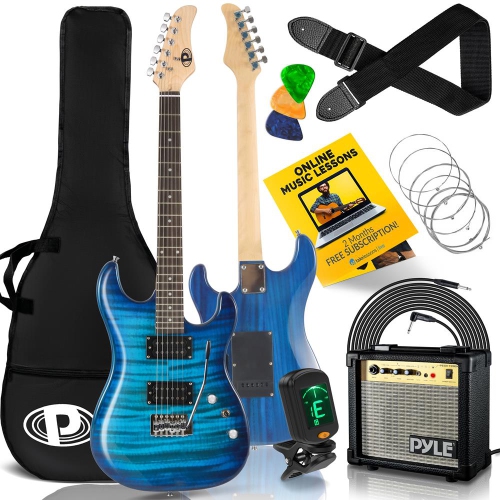

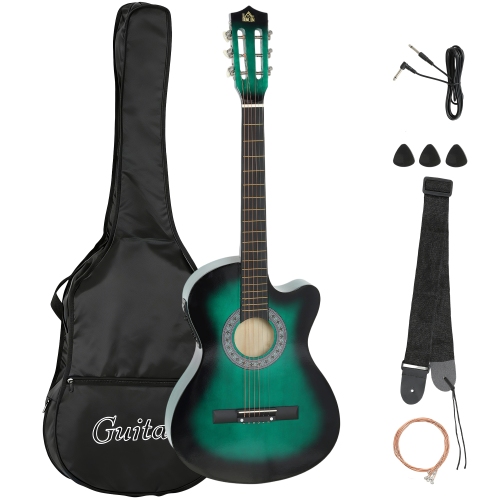

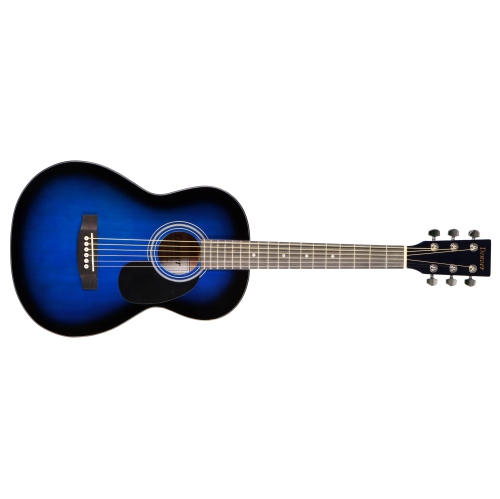


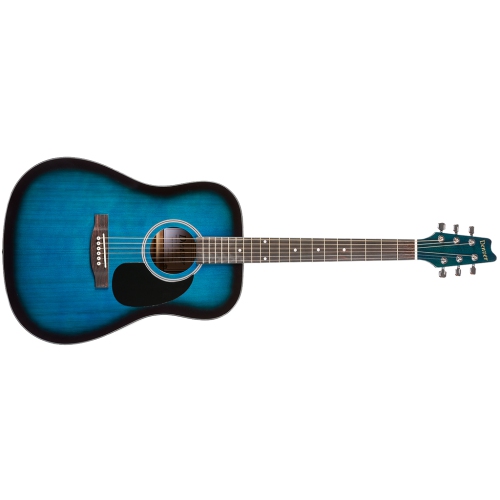

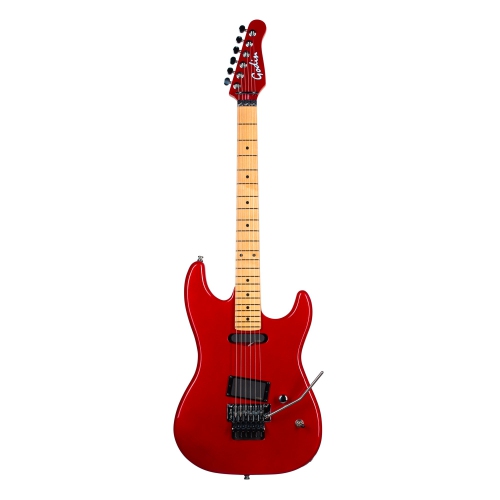
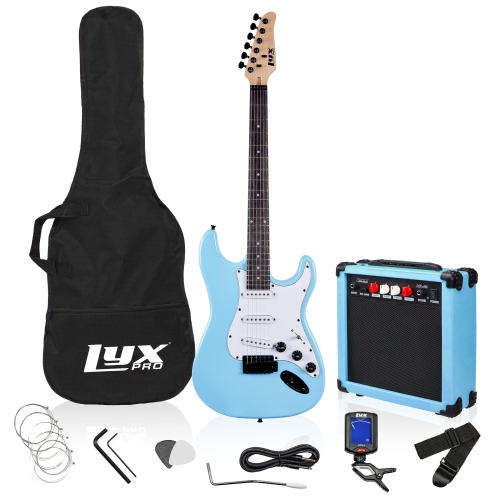

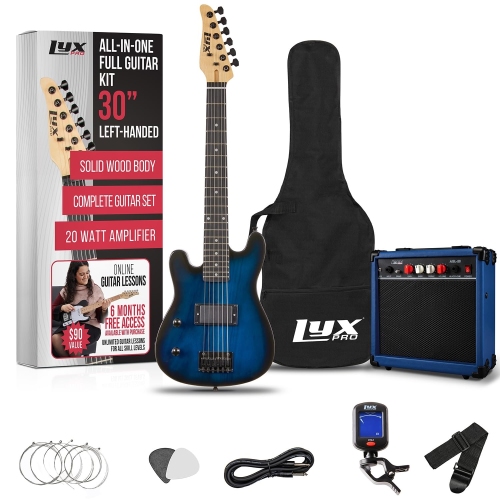
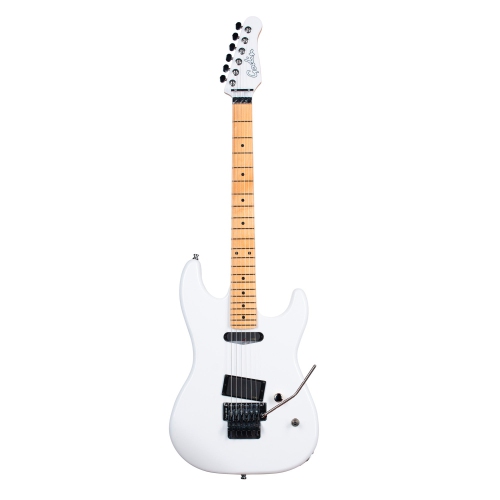
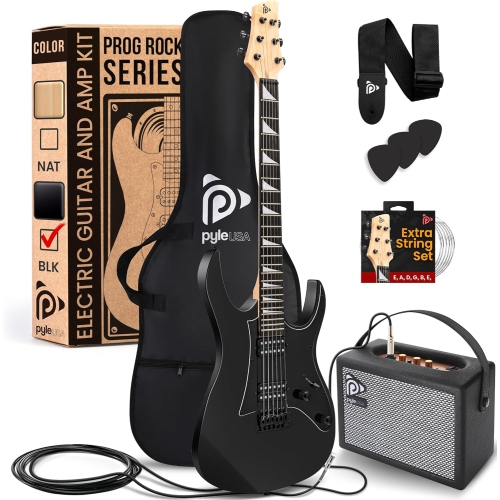
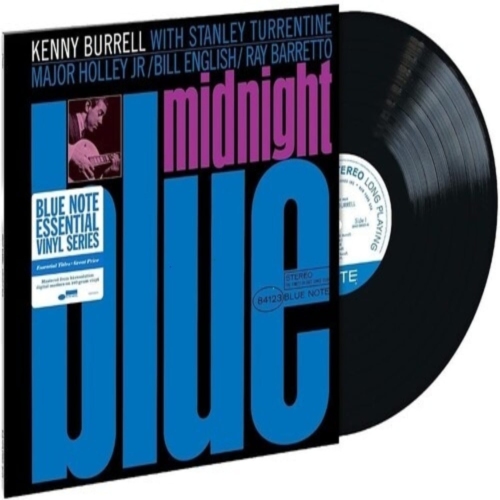

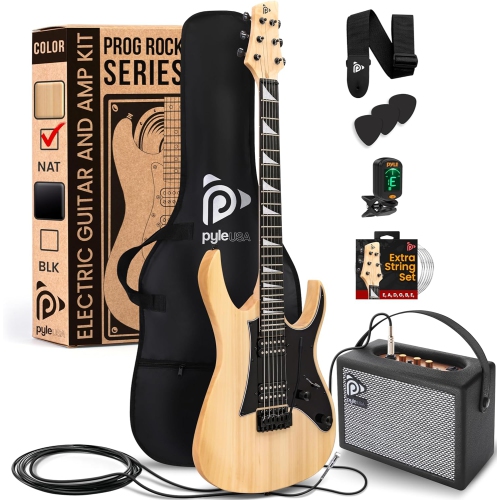





How guitar design and touch shape blues tone
Blues guitars are acoustic or electric guitars chosen for expressive phrasing, responsive dynamics, and tones that suit blues music, rather than one fixed body shape or design. The style spans intimate fingerpicked acoustic arrangements, sharp slide passages, and amplified lead lines that seem to answer a singer’s voice. A common foundation is the 12-bar blues progression, built around the I, IV, and V chords; in the key of E, these often appear as E7, A7, and B7. Dominant seventh chords give many blues arrangements their familiar tension, while a shuffle rhythm creates a rolling, triplet-based pulse. Minor pentatonic scales provide much of the vocabulary for single-note phrases, with major pentatonic sounds and added blue notes bringing further shades of expression. String bends, vibrato, slides, and the space between notes can matter as much as speed. For acoustic blues, a guitar that responds clearly to a light touch can make alternating bass notes and treble melodies easier to distinguish. Smaller parlour and concert-style bodies often appeal to players who want a comfortable seated instrument with a focused sound, while larger bodies can provide fuller bass and stronger projection for strummed accompaniment. Body size alone does not determine tone: bracing, strings, construction, and playing technique all contribute. Spruce tops are common for their broad dynamic response, while mahogany tops can produce a direct sound with a strong midrange character. Solid-wood tops can be responsive to subtle changes in touch, while laminated construction can offer useful structural stability. Resonator guitars bring another distinctive voice, using a metal cone to produce a projecting, metallic character associated with many slide and roots styles. Whether the setting is a quiet practice session, a small gathering, or a vocal accompaniment, acoustic blues guitars let the interaction between fingers, strings, and the instrument’s body remain at the centre of the sound.
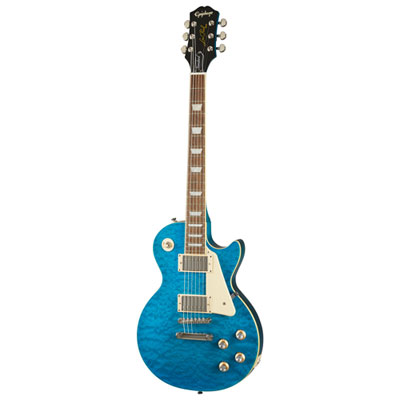
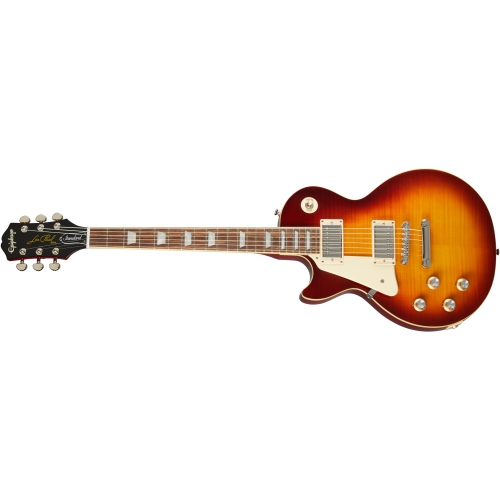
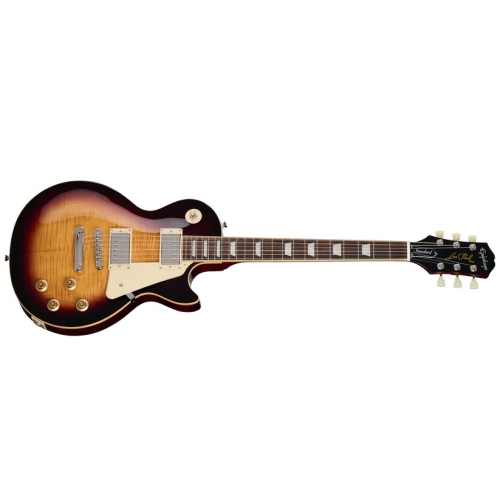
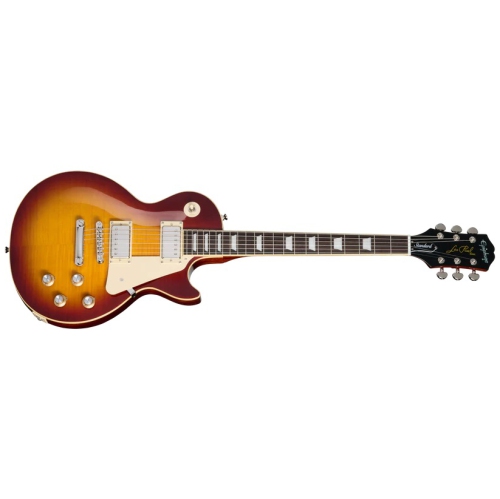
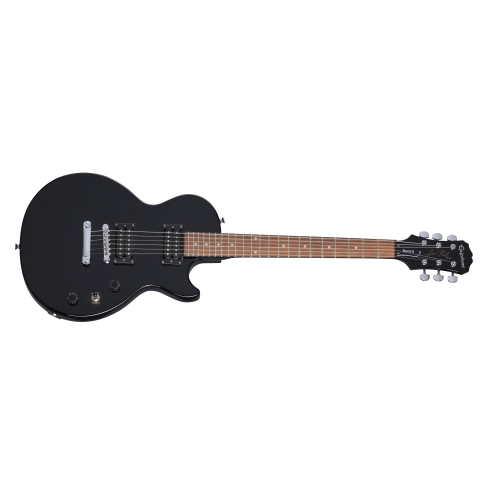
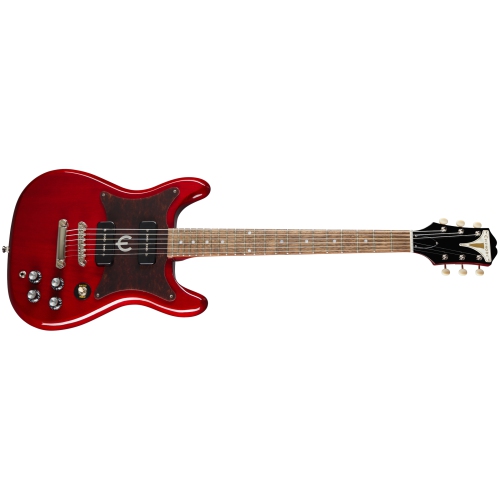
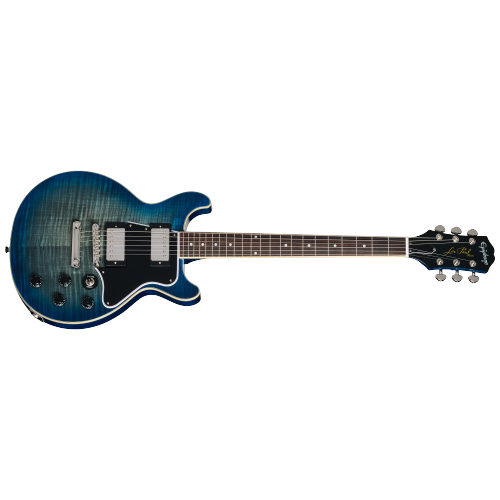
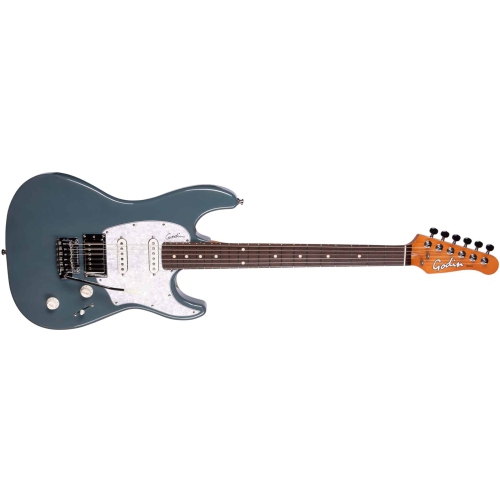
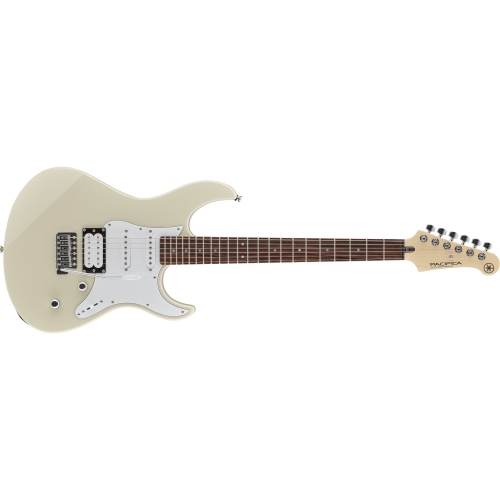
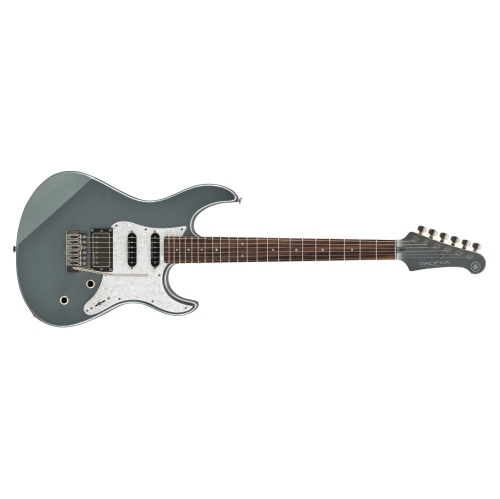
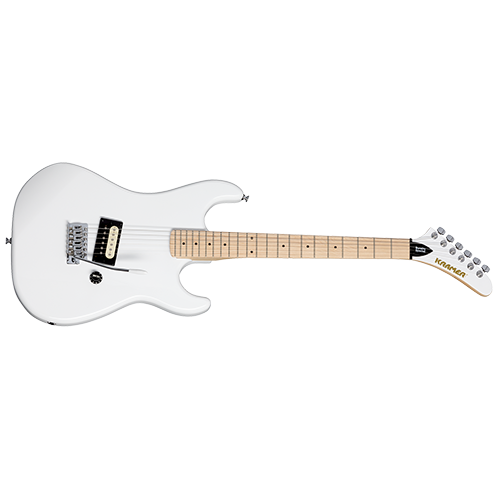
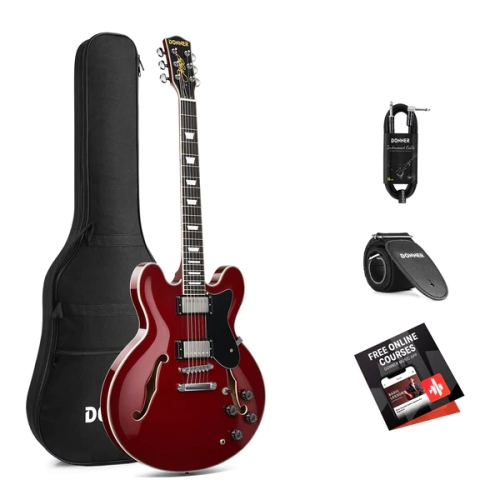
Electric blues guitars offer a different range of expression, from clean, rounded notes to gritty chords and long, singing sustain. Solid-body designs are practical for players who use amplification at higher levels, since they generally resist body-related feedback better than fully hollow instruments. Semi-hollow guitars combine a resonant body with a solid centre section, offering some hollow-body character while helping control feedback. Fully hollow electric guitars can provide an open, woody response, although their behaviour near an amplifier requires more attention as volume and gain increase. Pickup design is another important part of the sound. Single-coil pickups often deliver clear attack and bright detail, which can help rhythm parts stay distinct and give lead phrases a cutting edge. Humbucking pickups generally provide a fuller sound and reduce the electrical hum associated with conventional single coils. These are broad tendencies rather than rules; pickup position, wiring, amplifier settings, and the player’s touch all influence the result. A neck pickup can suit rounded, vocal-like phrases, while a bridge pickup can add bite to a shuffle or a short answering lick between vocal lines. Accessible volume and tone controls are useful for players who like to move from softer accompaniment to a more assertive lead sound without interrupting a song. An amplifier with responsive clean tones and controllable overdrive can reveal those changes in touch, while excessive gain may obscure the detail of chords and finger articulation. Slide players may prefer a setup that leaves enough clearance for a glass or metal slide, especially when using open tunings, though a setup intended mainly for slide can feel less comfortable for conventional fretted playing. Appearance remains a personal choice rather than a musical requirement. Players drawn to a particular colour can also explore Blue Electric Guitars, while considering body construction, pickups, and playability for the blues sound they want.
Comfort and setup often determine how inviting a blues guitar feels after the first few minutes of playing. Neck shape, fingerboard width, body depth, and overall weight all affect the fit, whether the player practises seated at home or stands through a rehearsal. A shorter scale length places the frets closer together and, with the same string gauge and tuning, generally reduces string tension; some players find this helpful for bends and relaxed chord work. A longer scale can provide a firmer feel and more space between frets, which may suit other hands and techniques. Lighter strings can make bends easier, while heavier strings offer a firmer response that some rhythm and slide players prefer. The best balance depends on hand strength, tuning, and touch rather than experience level alone. Action, meaning the distance between strings and frets, also matters: very high action can make fretting tiring, while action set too low for a player’s attack can introduce unwanted buzzing. A professional setup can bring string height, neck relief, and intonation into a workable balance, particularly after a change in string gauge or tuning. For beginners, a comfortable instrument that stays in tune supports regular practice more effectively than features that are rarely used. Experienced players may want a contrasting voice, such as an acoustic guitar for fingerstyle arrangements or an electric guitar with a different pickup configuration. As a gift, a blues guitar is most personal when it reflects the recipient’s preferred playing style, body-size comfort, and existing equipment; an electric guitar also needs a suitable amplification or headphone setup to deliver its intended amplified sound. Everyday care helps preserve both feel and function. Wiping strings and contact areas with a clean, soft cloth after playing reduces residue, and cleaning products should be compatible with the instrument’s finish and fingerboard material. A properly fitted case or padded bag protects against everyday knocks, while a stable stand offers convenient support between sessions. Fresh strings, secure strap attachments, and sound cables help keep attention on the music, whether that means a steady shuffle beneath a voice or a single bent note held just long enough.
Top selling and popular products
-
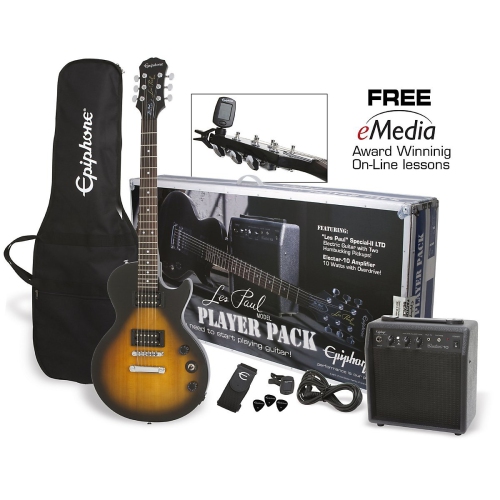 Your price for this item is $494.49
-
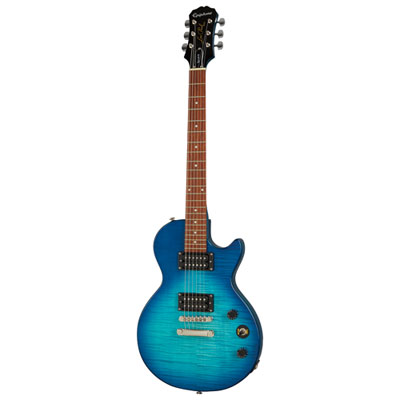 Your price for this item is $379.99
-
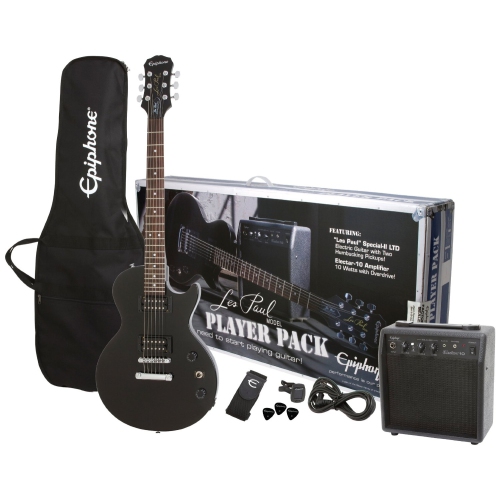 Your price for this item is $494.49
-
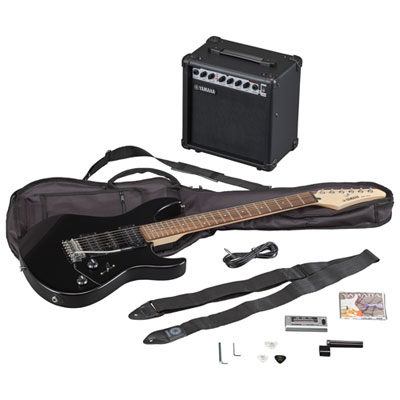 Your price for this item is $349.99
-
 Your price for this item is $395.99
-
 Your price for this item is $124.99
-
 Your price for this item is $299.99
-
 Your price for this item is $239.99
Discover more categories related to Blues Guitars
Top Collections:
Pokemon Centers, Best Cameras for Sports Photography, Kindle Devices, Samsung Galaxy Phones, Canon G7X Cameras, Pokémon 30th Celebration Cards, Refurbished Apple Laptops, iPhone 15 Apple, Laptops for Students, Budget Smartphones
Some products may be subject to Environmental Handling Fees
(EHF) depending on your province.
Learn more about EHFs.