Children's Electronic Keyboards
Looking to nurture your child's musical talents? Look no further than our collection of children's electronic keyboards. These keyboards are designed specifically for little fingers, allowing children to explore the world of music in a fun and interactive way. Whether your child is just starting out or is already a budding musician, these keyboards are perfect for almost any level of experience.
Sort

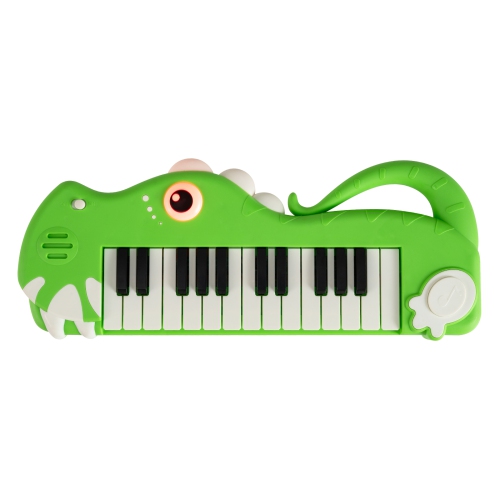
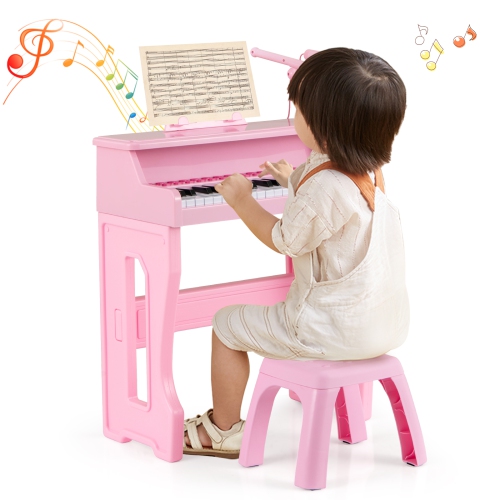
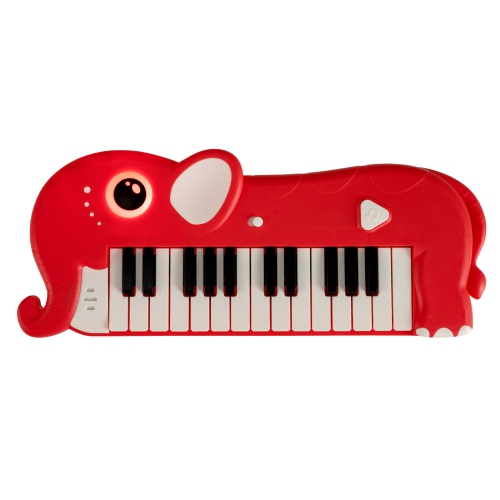
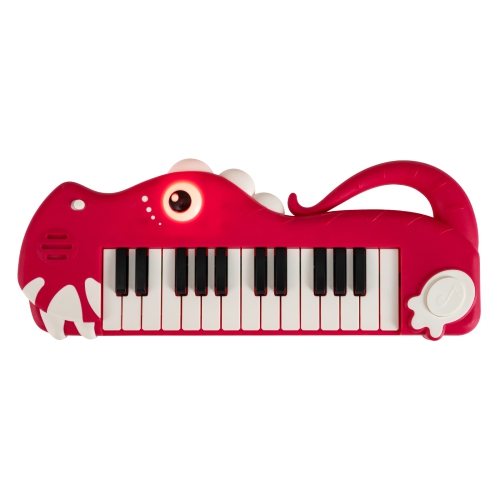

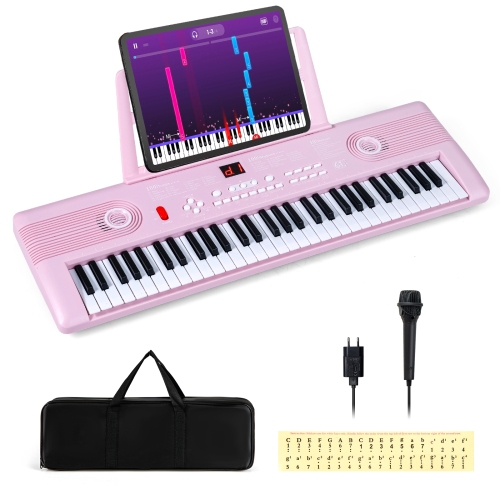
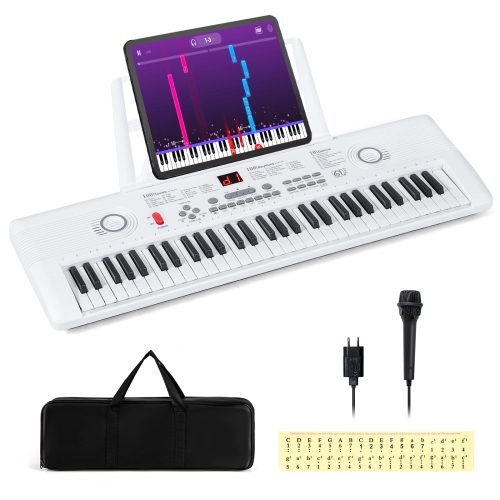
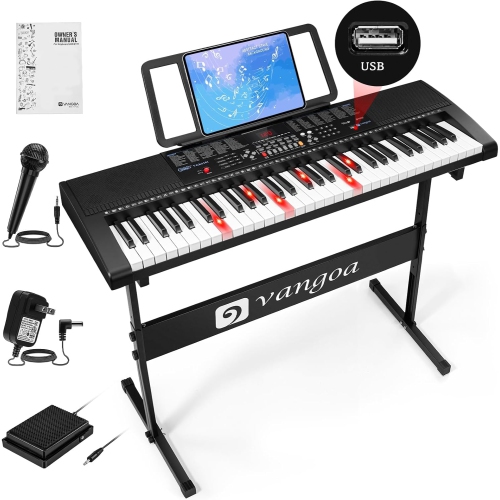
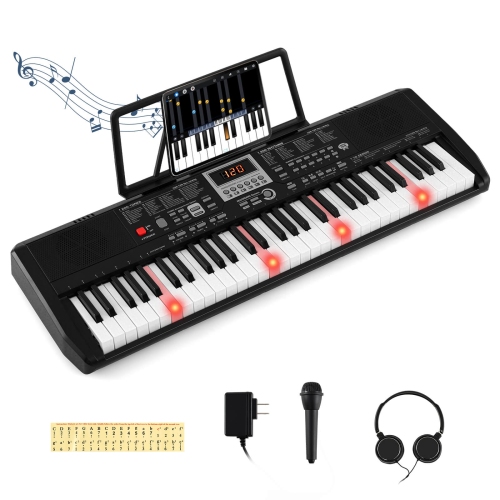
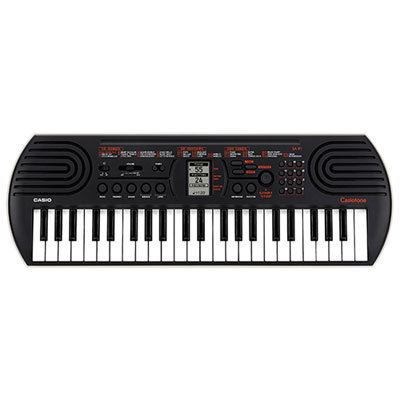
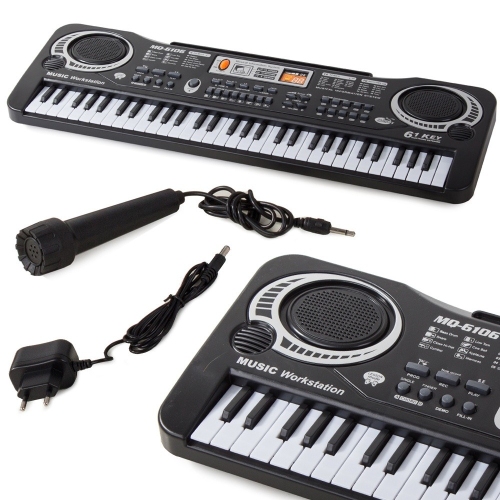
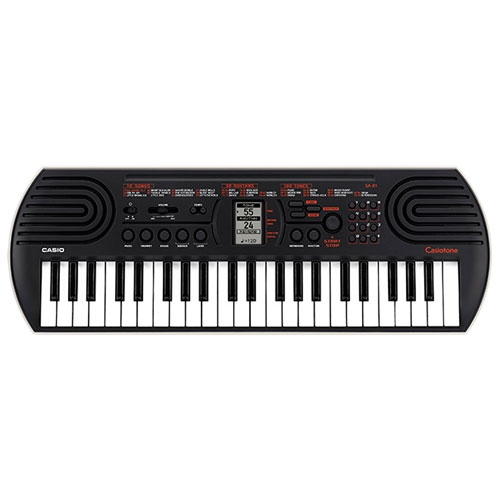
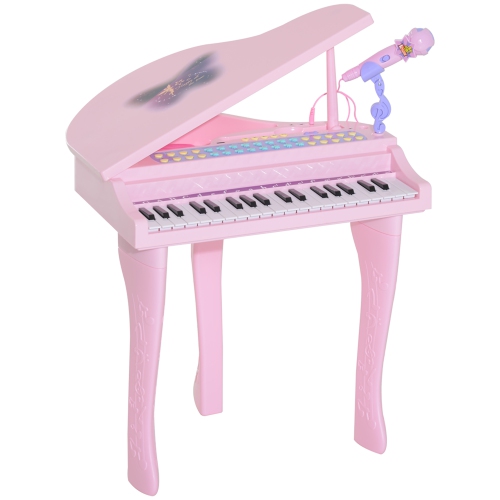
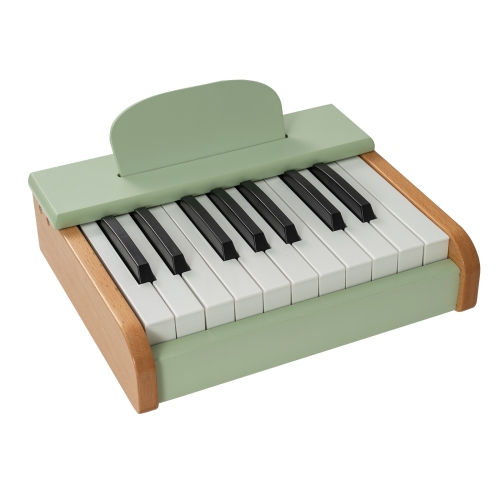
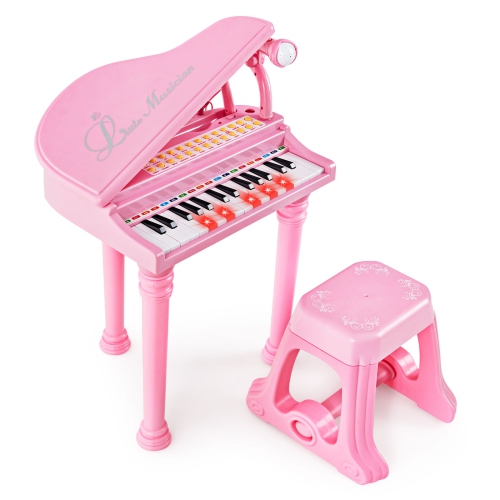
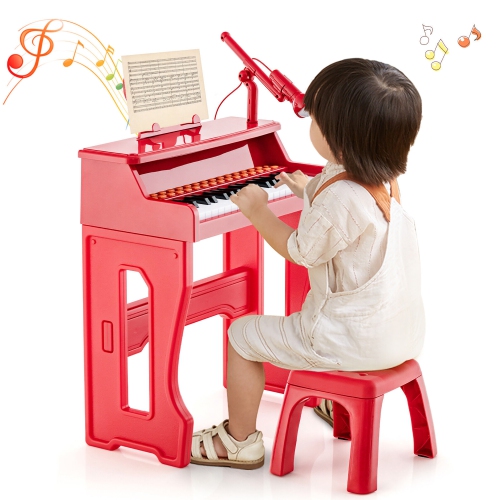
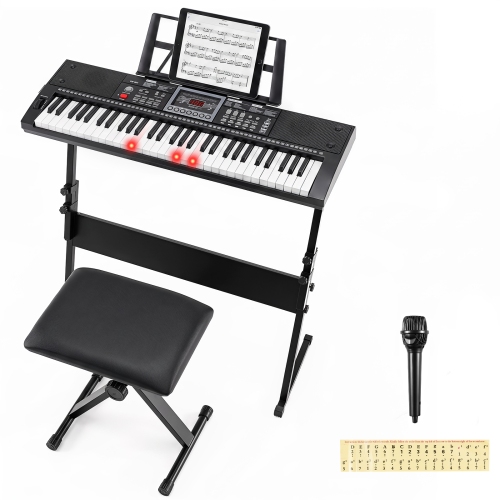
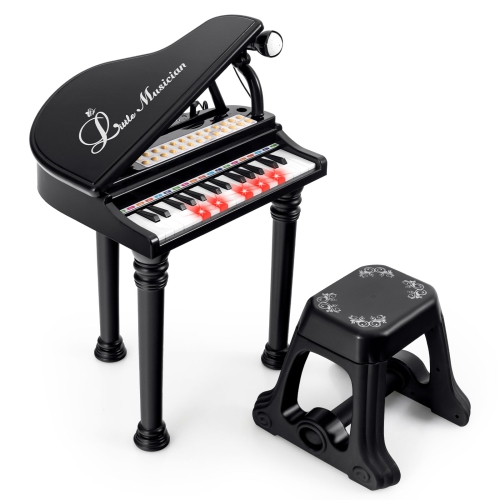
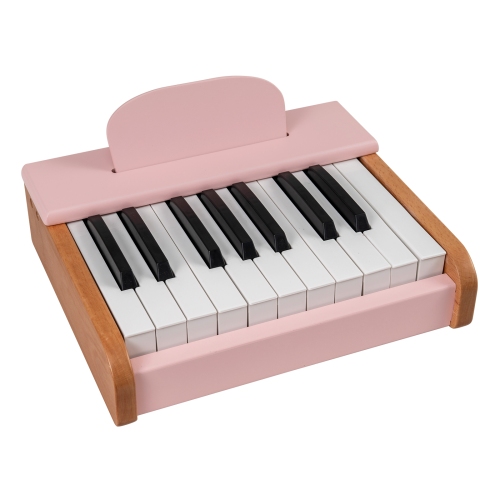
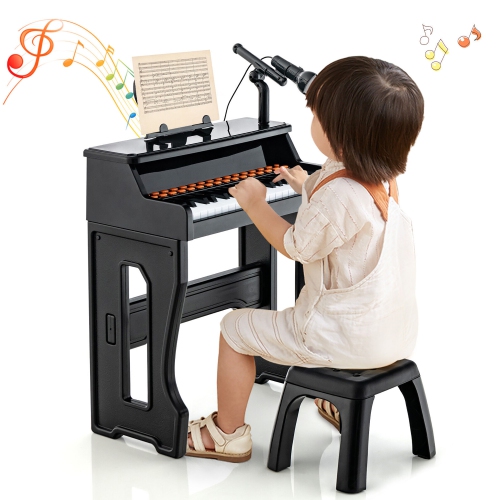
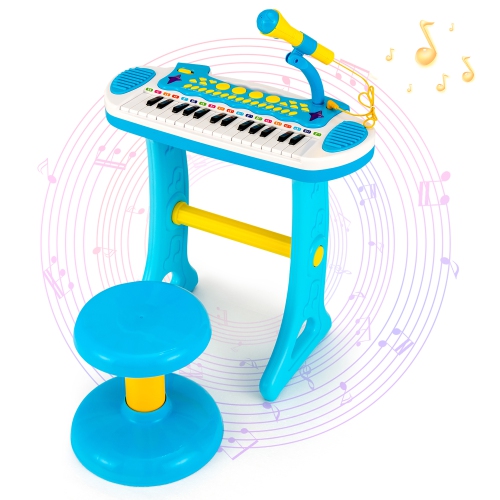

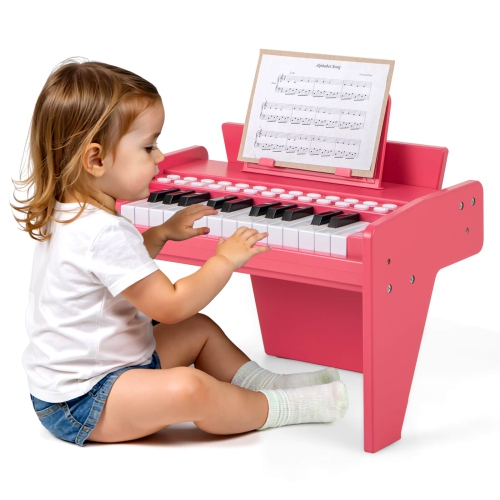
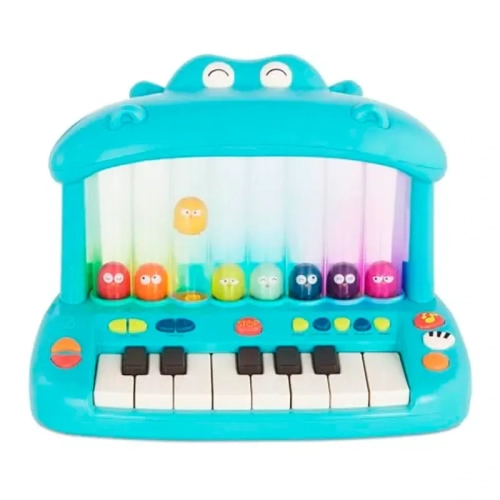
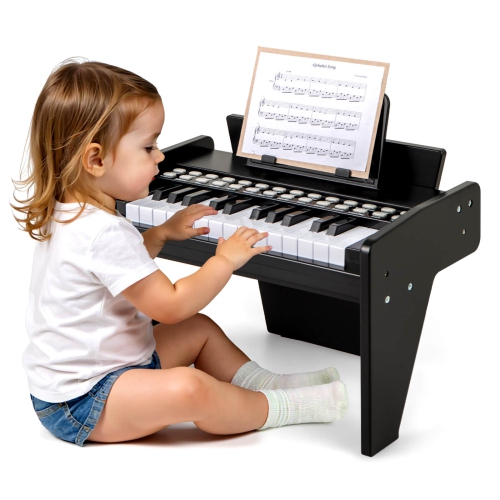
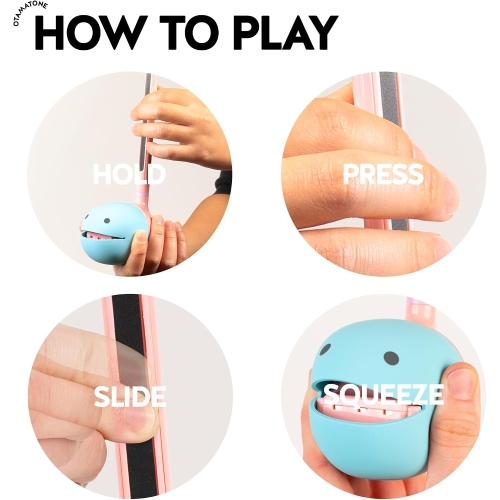
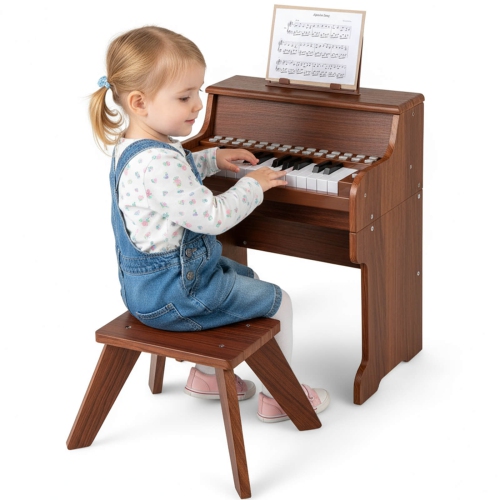
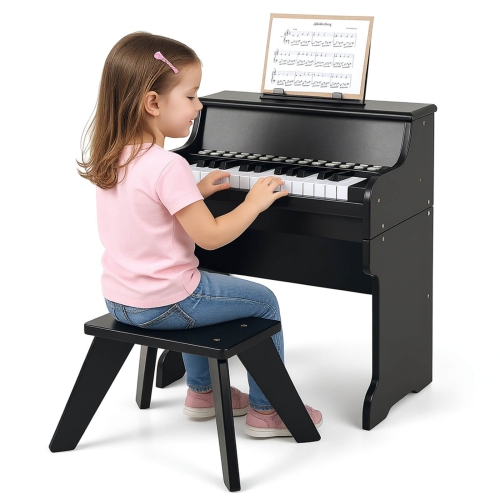
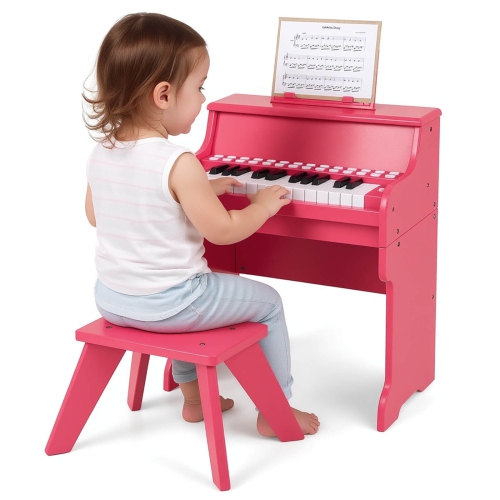
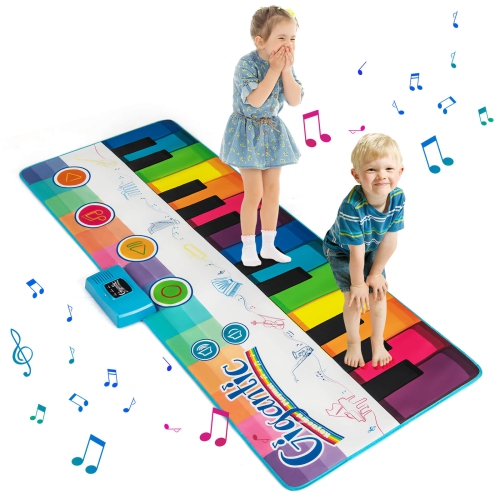
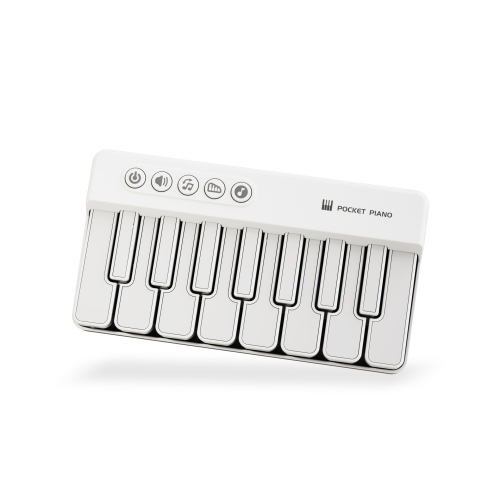
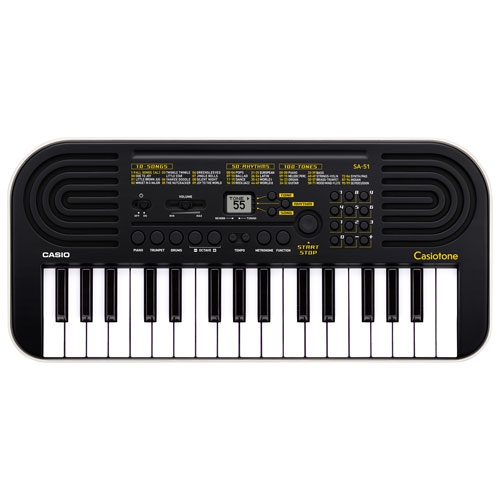
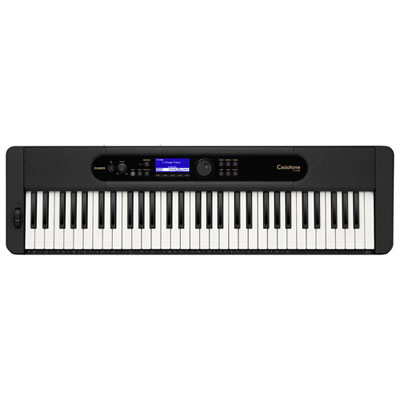
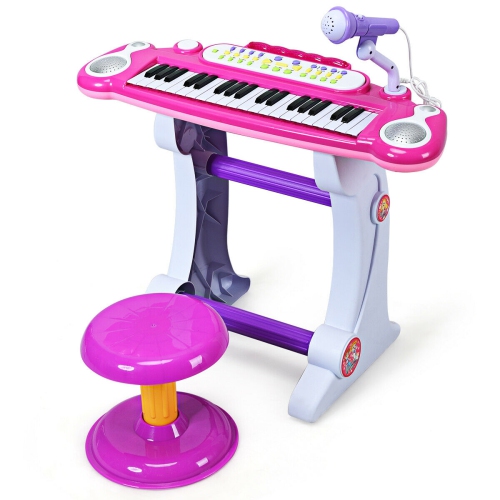
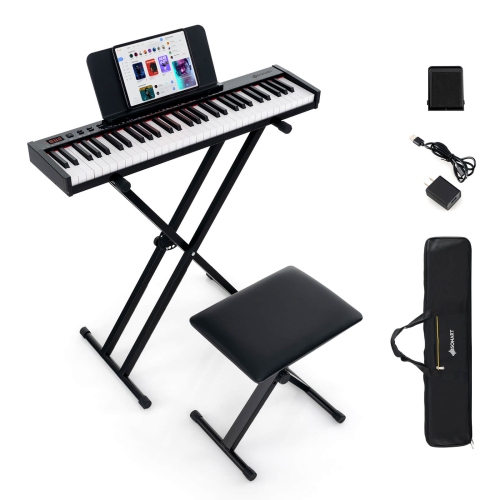
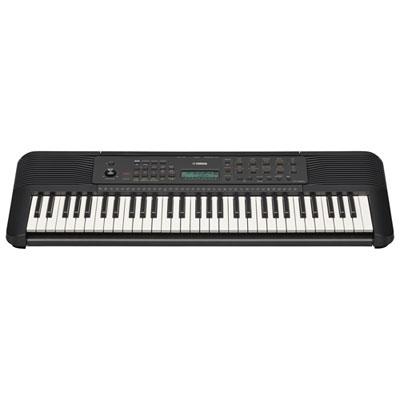
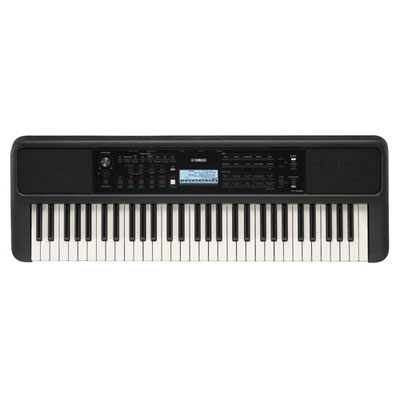
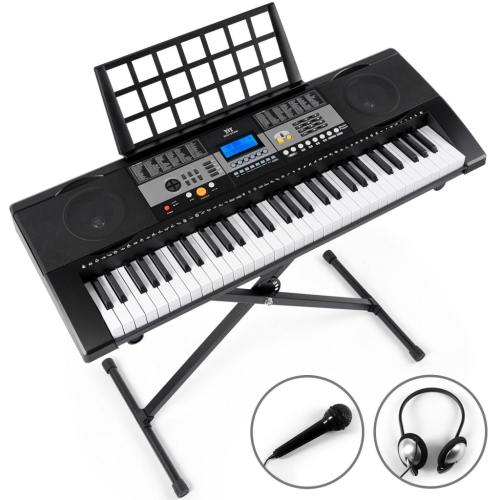
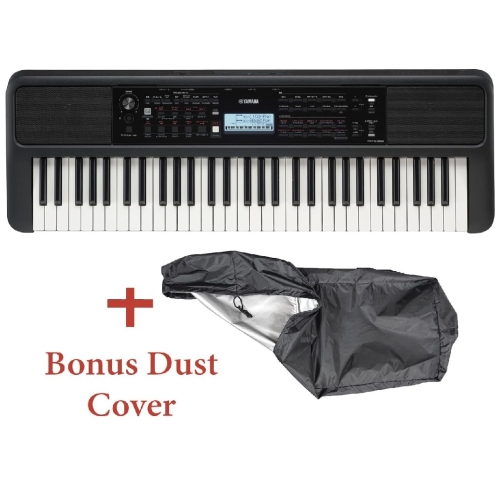
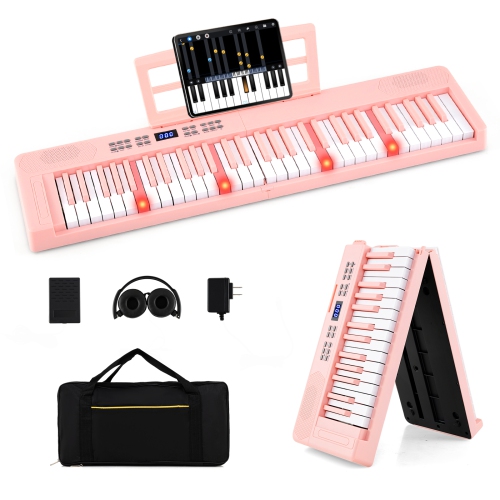
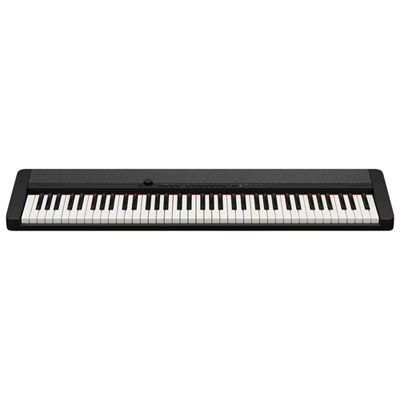
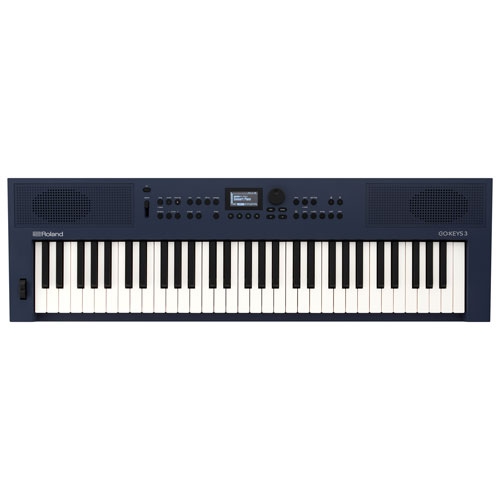


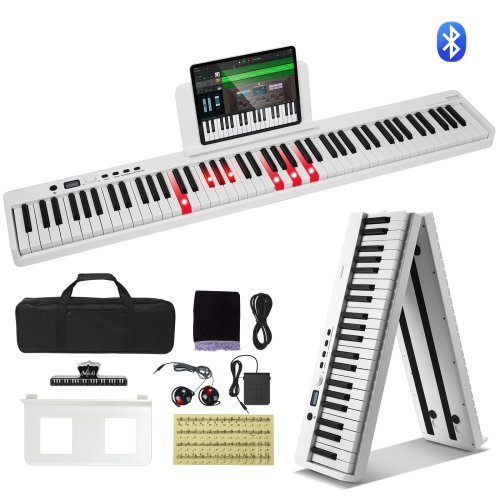
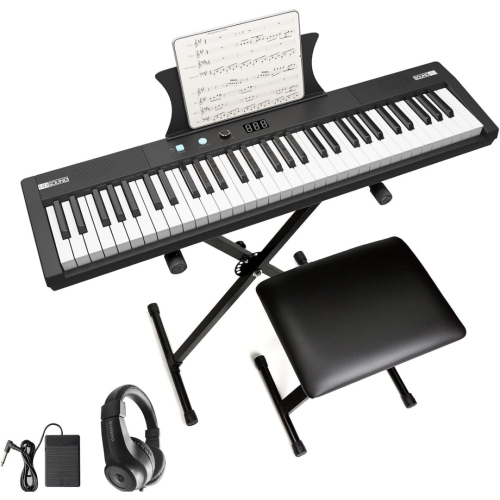
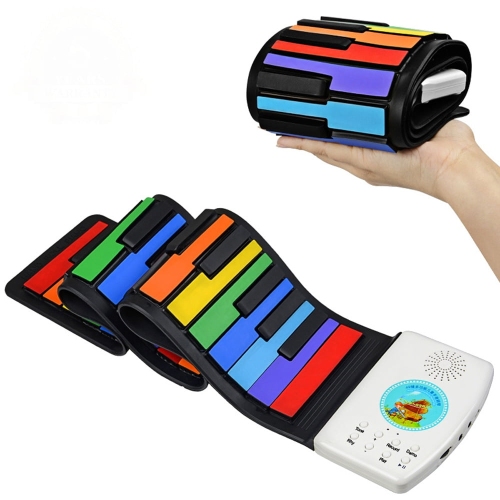
A playful first step into making and exploring music
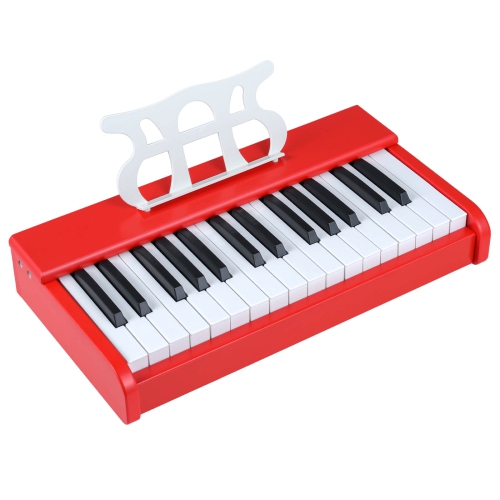
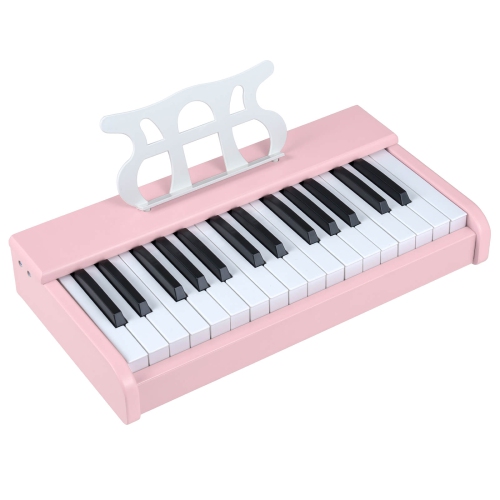
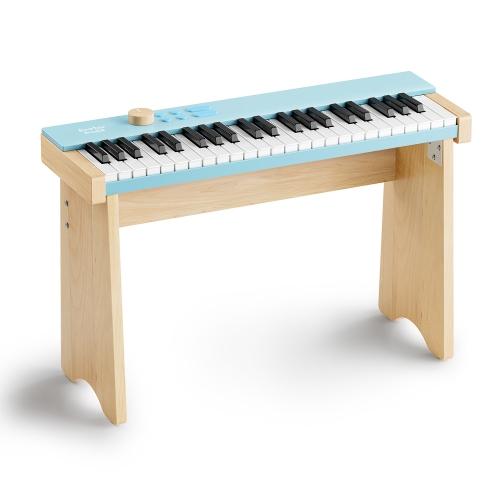
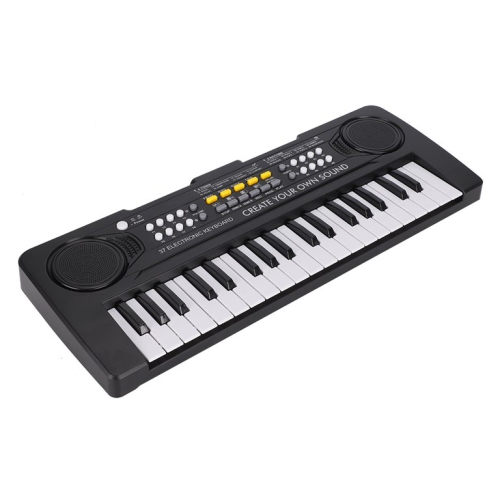
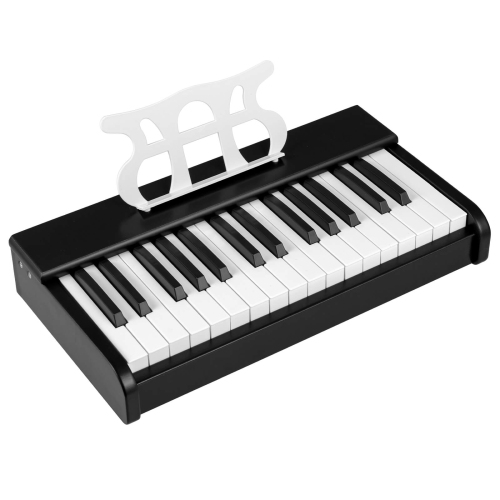
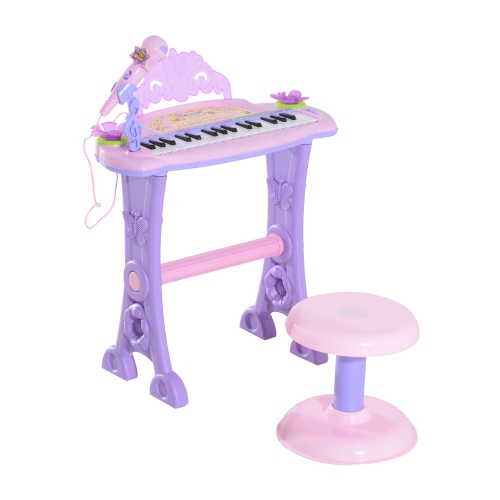
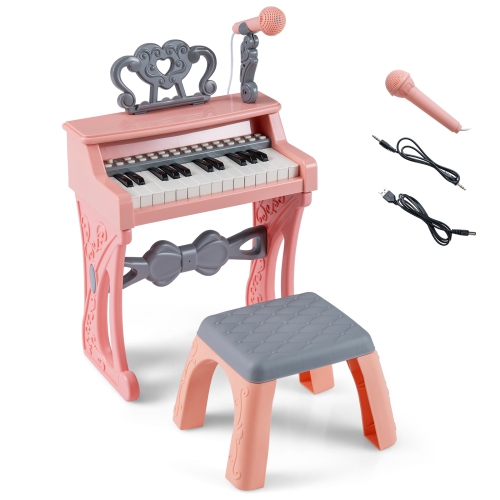
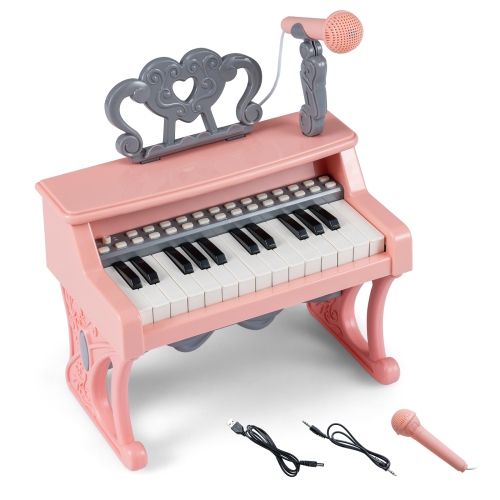
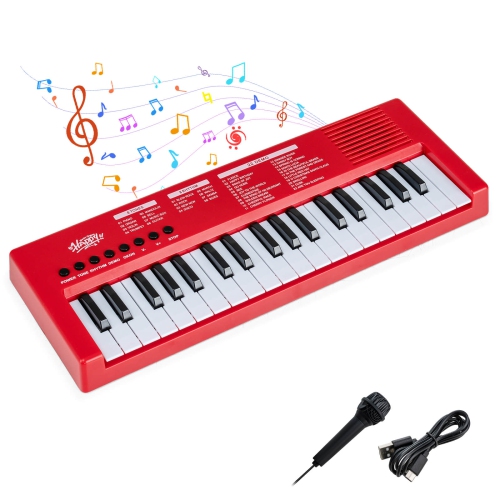
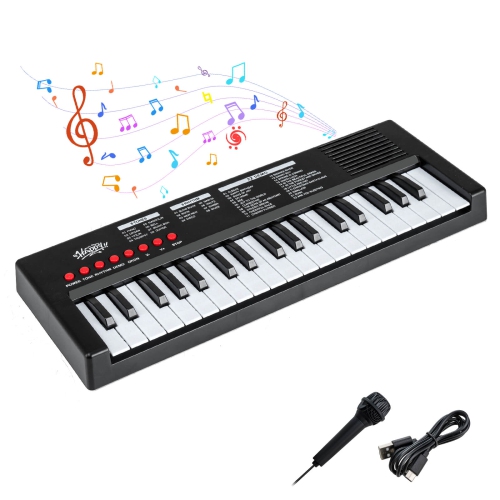
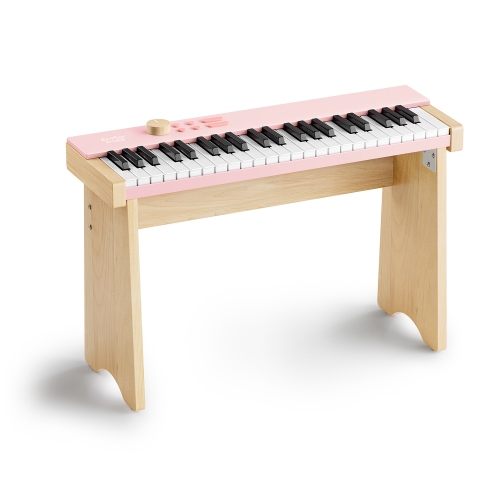
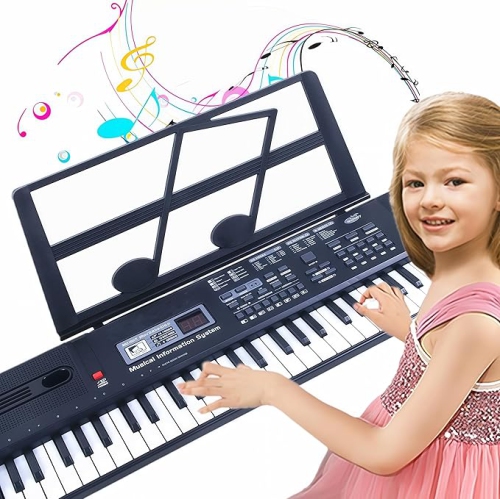
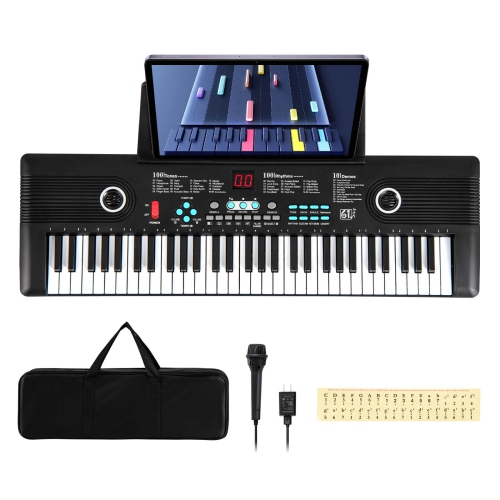
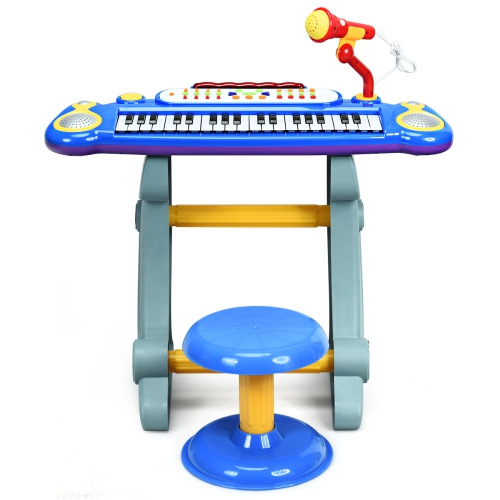
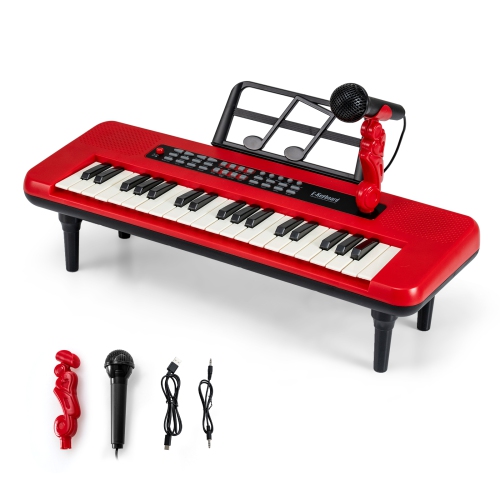
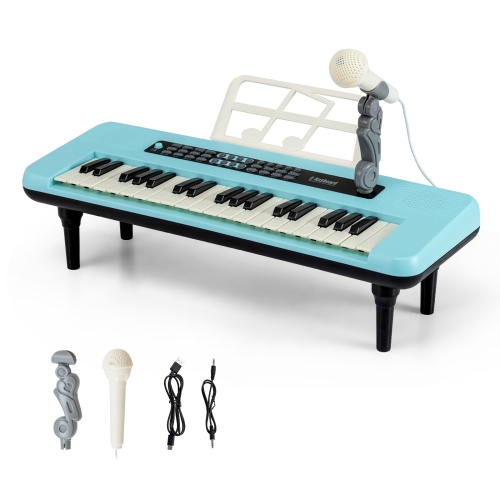
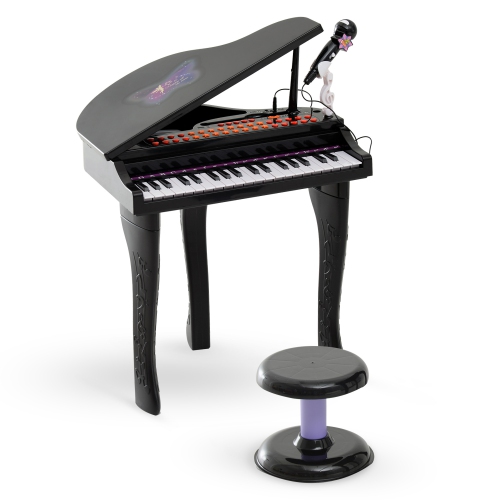
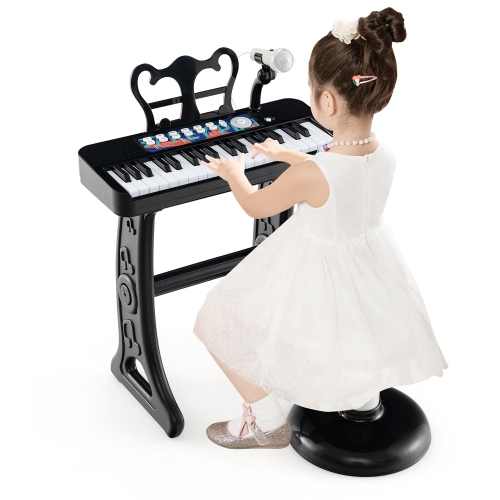
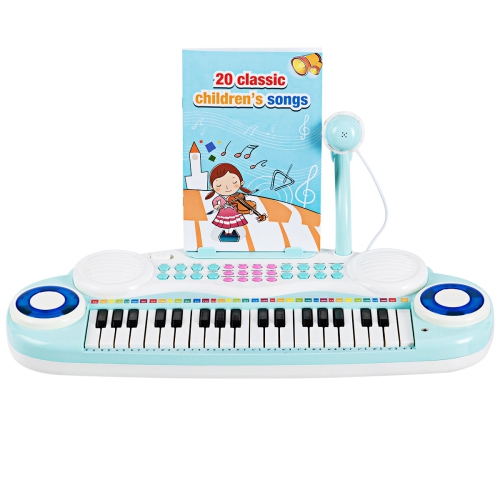
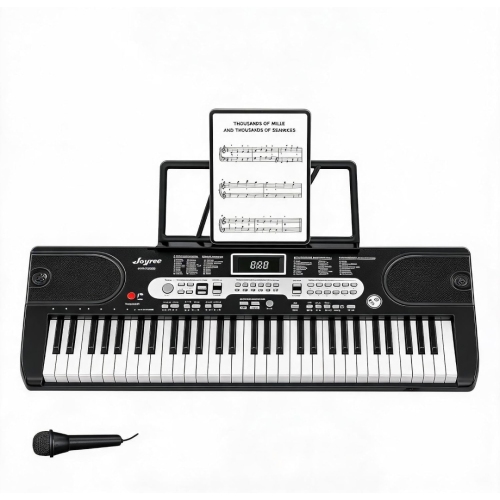
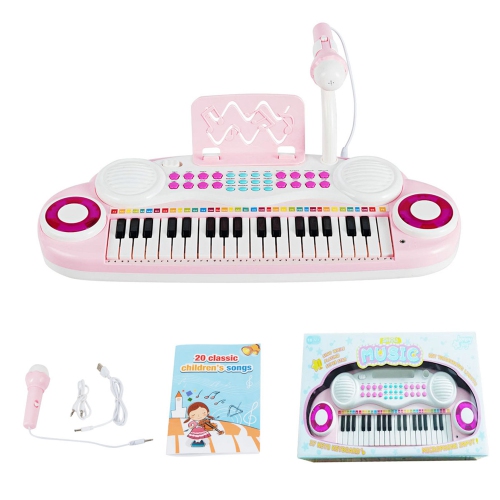
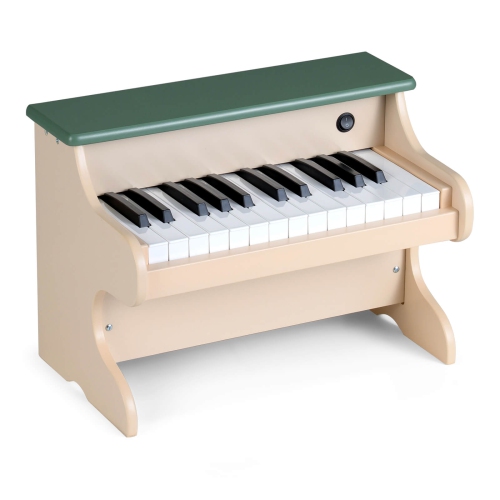
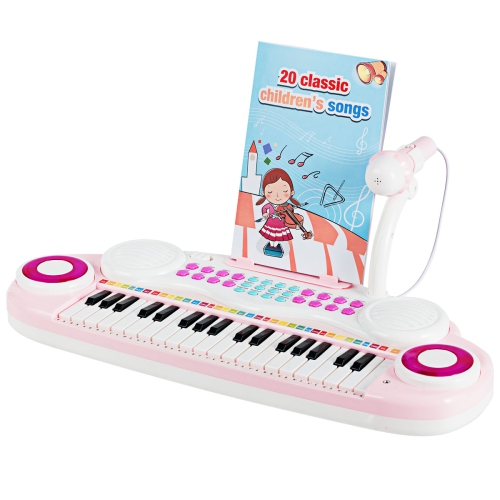
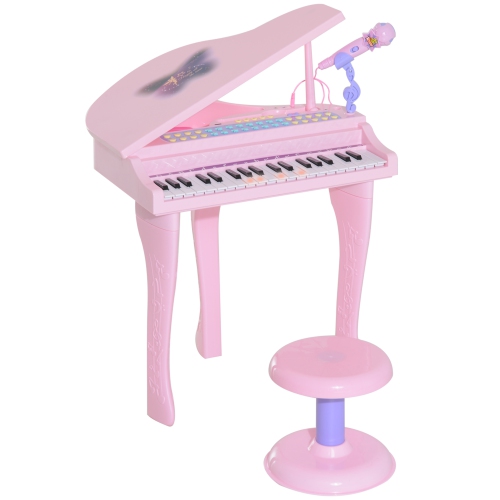
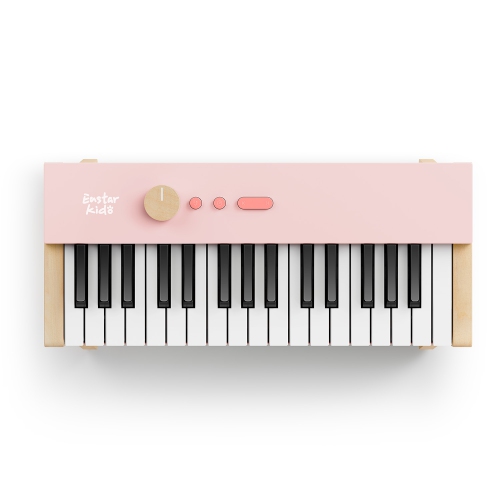
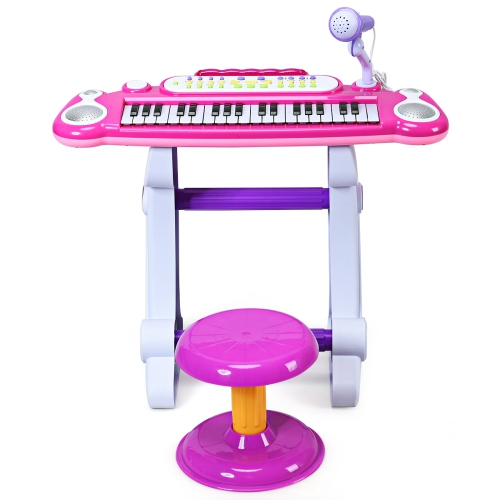
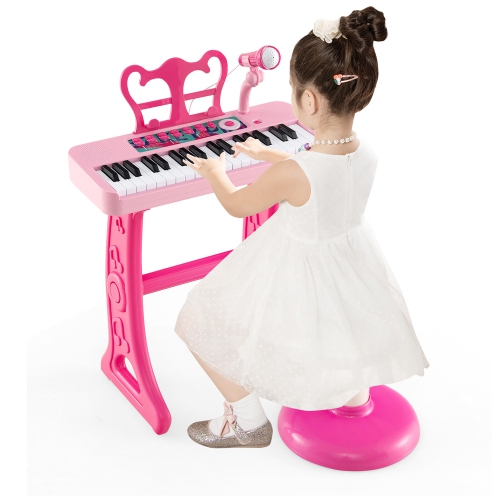
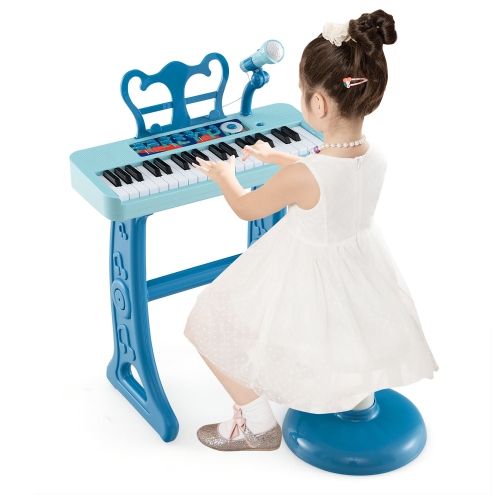
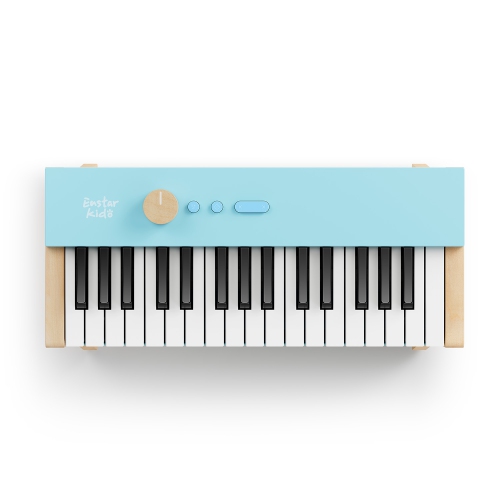
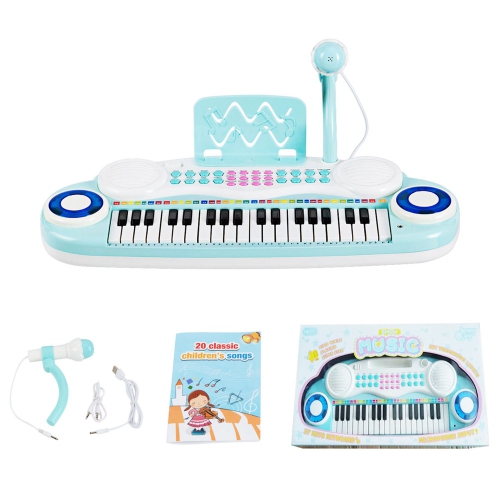
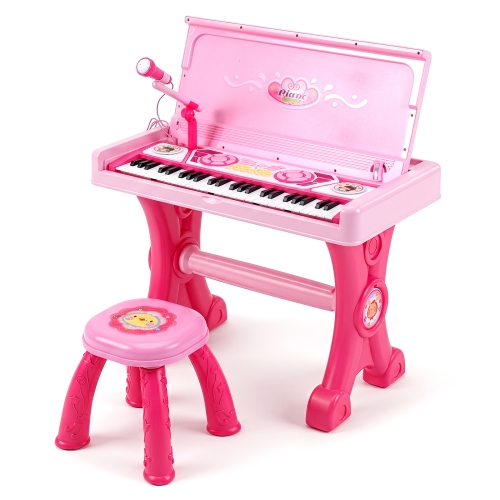
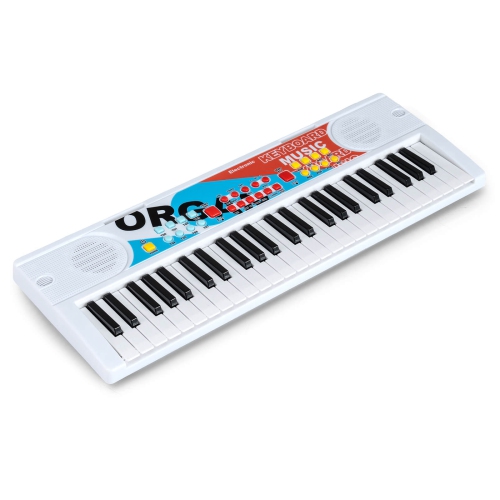
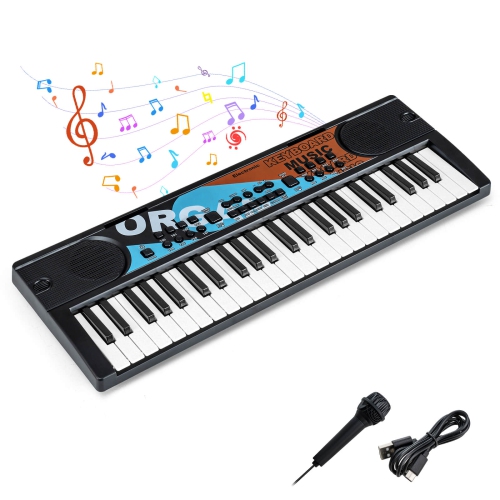
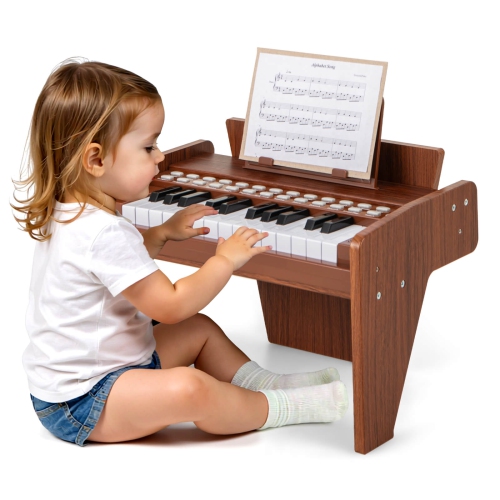
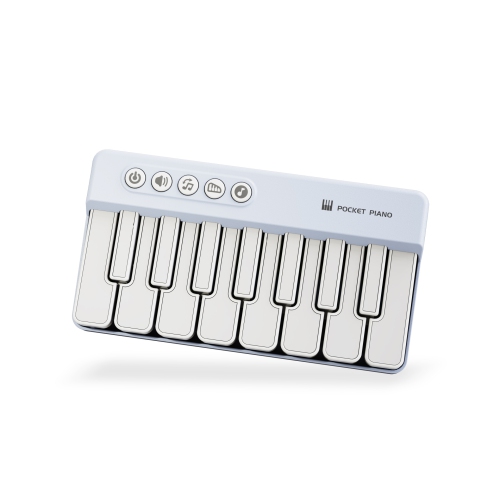
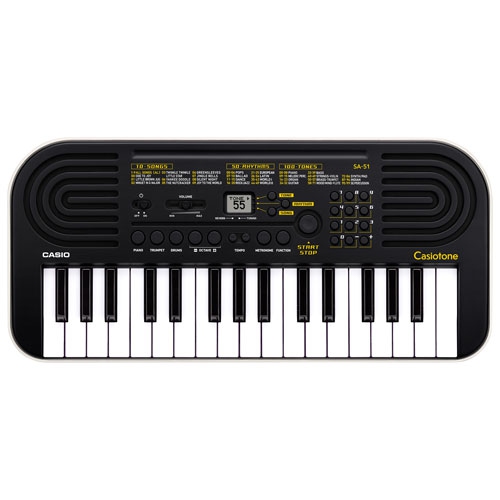
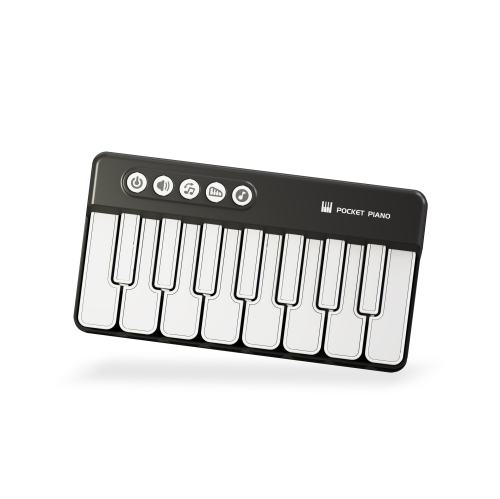
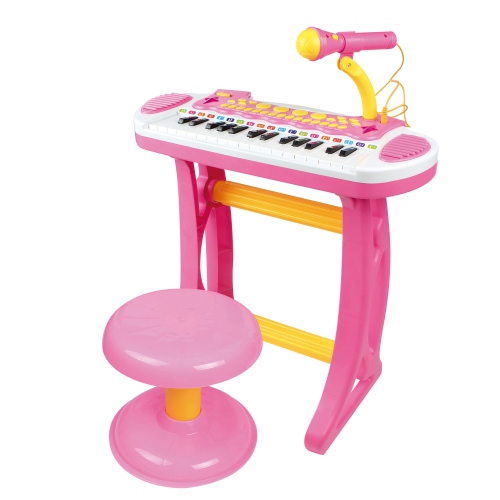
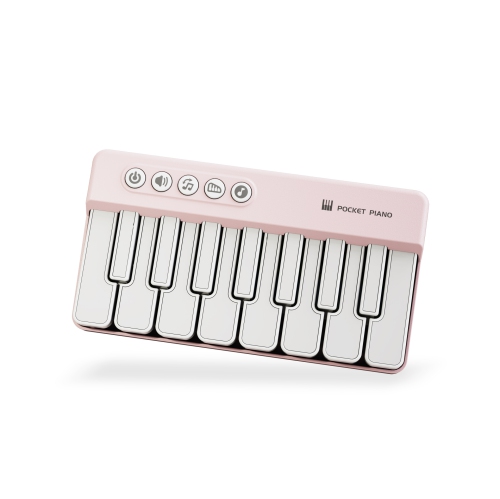
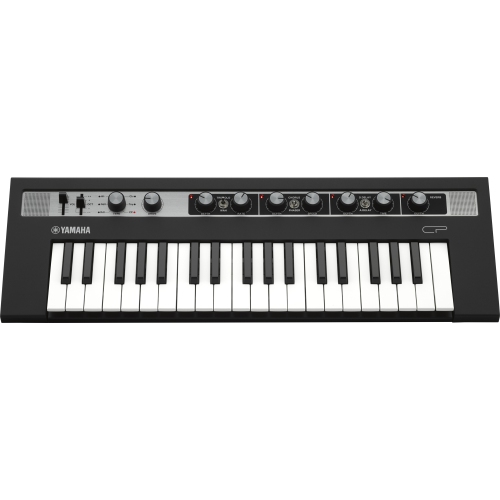
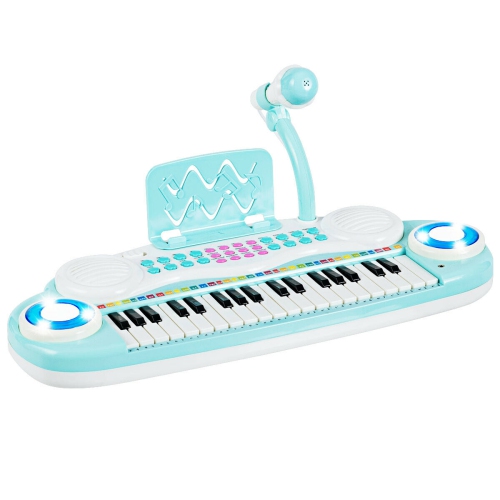
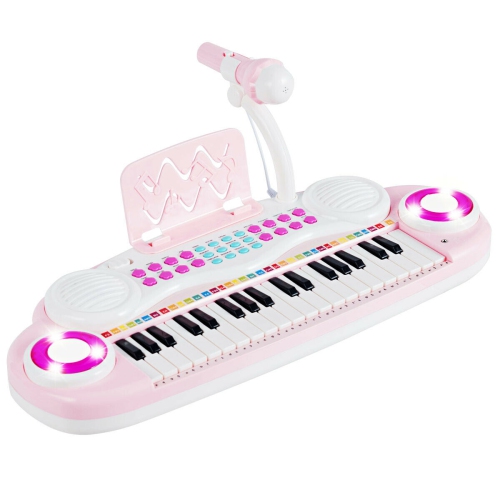
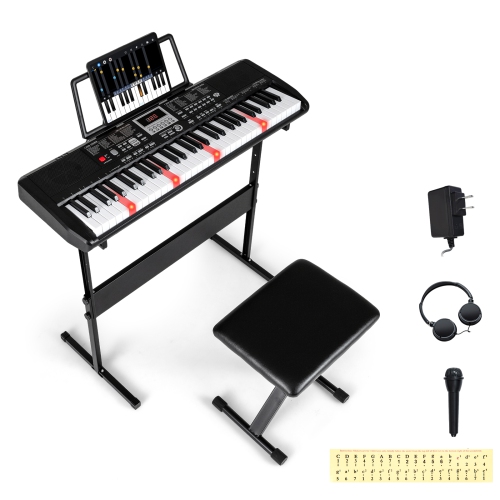
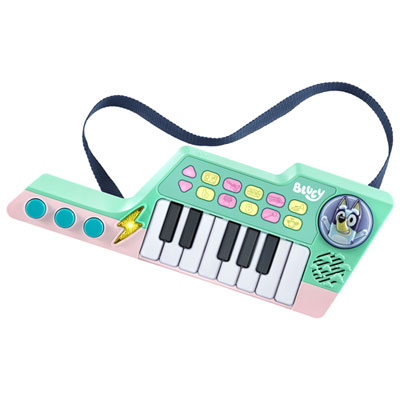
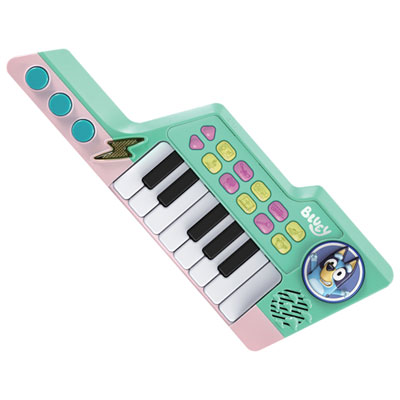
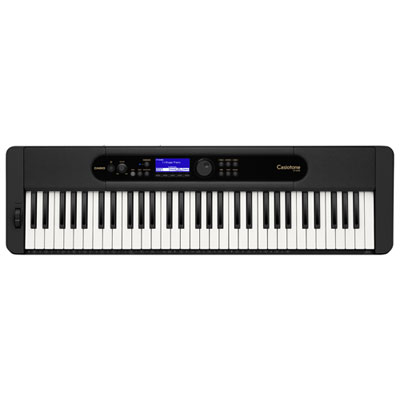
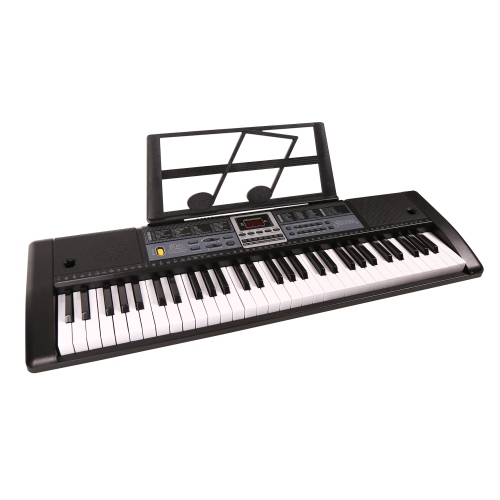
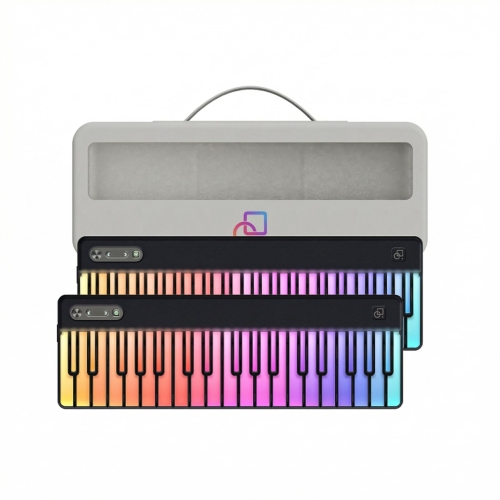
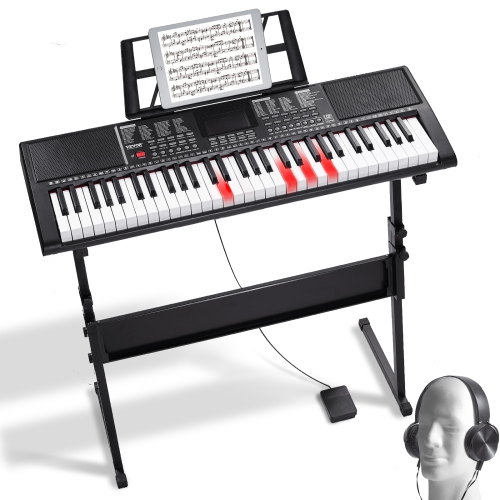
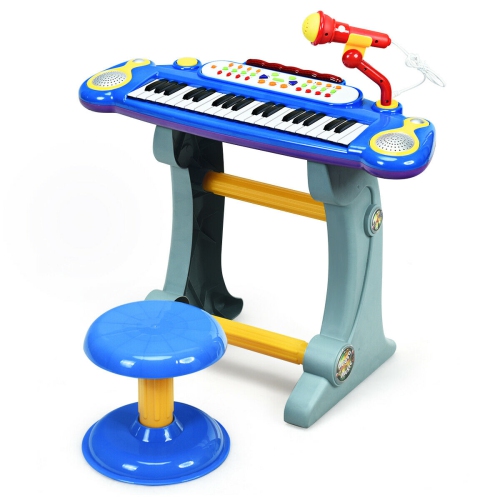
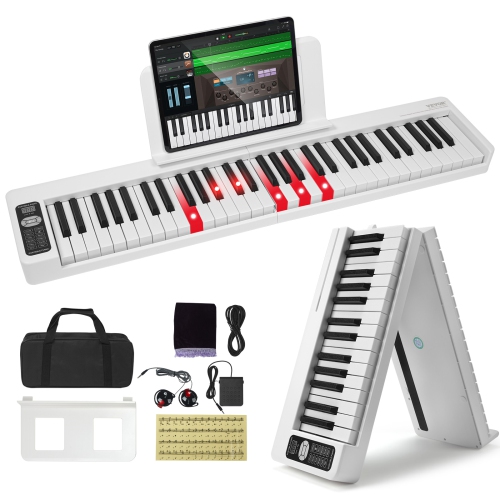
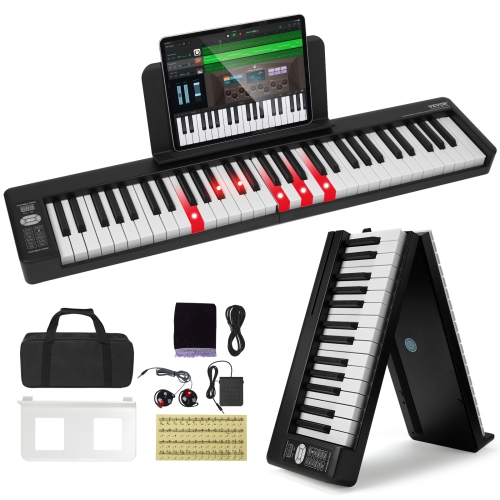
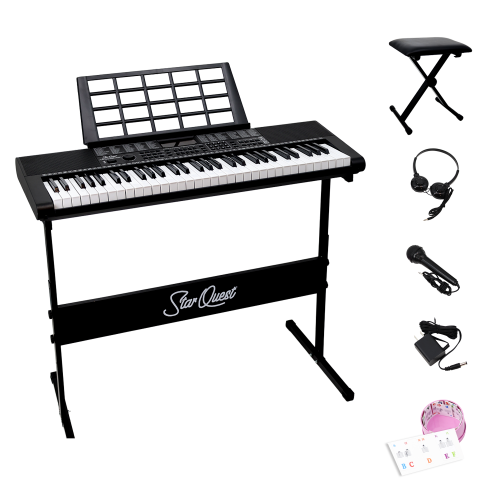
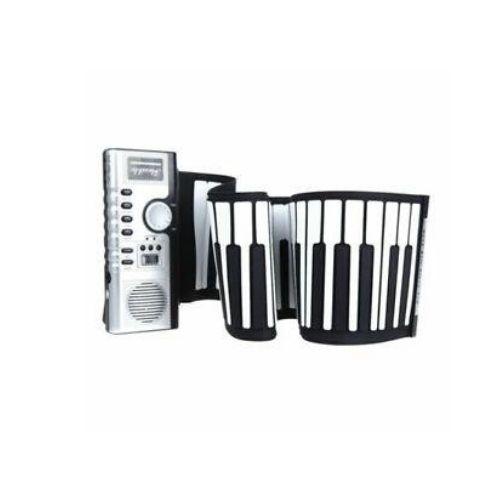
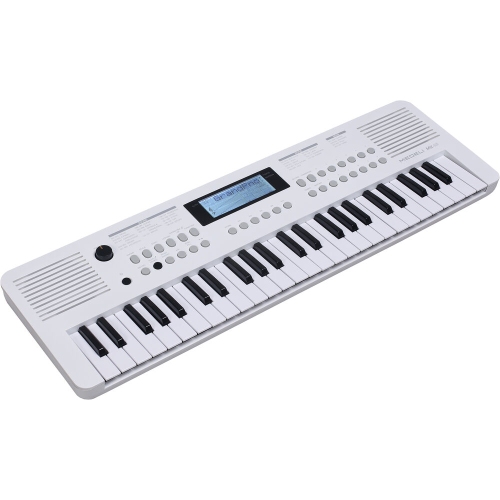
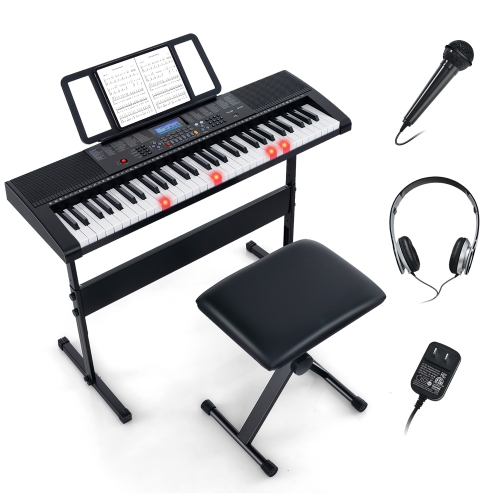
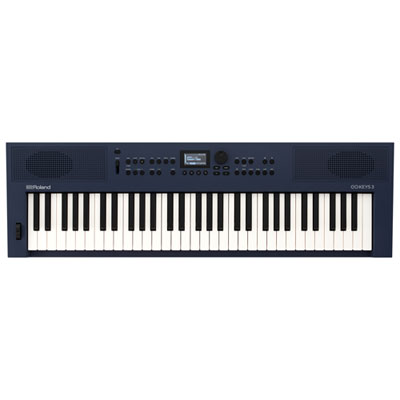
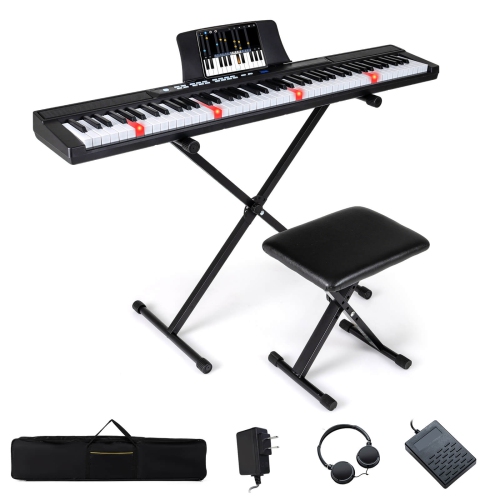
Children’s electronic keyboards are approachable first instruments designed to make music feel playful, immediate and easy to explore. They typically combine compact piano-style keys with built-in tones, rhythms, demo songs and sound effects, giving children several ways to experiment even before they know how to read music. Many entry-level models have between 32 and 37 keys, often in a mini format that is comfortable for small hands. This size works well for toddlers and young children who are discovering cause and effect, practising finger movement or simply enjoying the sounds that come from pressing different keys. Some keyboards also include a small microphone, allowing children to sing along, make up performances or play the role of a band leader during imaginative play. These features can turn a few minutes of practice into a living-room concert, a pretend music class or a soundtrack for storytelling. Families looking for similarly compact instruments can also browse Mini Music Keyboards for more small-format options. Children’s electronic keyboards can be a thoughtful gift for a birthday, a special occasion or a child who has started showing interest in music, especially when the goal is to encourage curiosity rather than expect formal lessons from the first day.
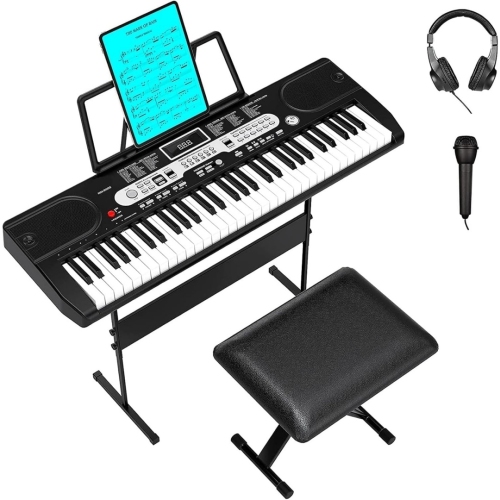
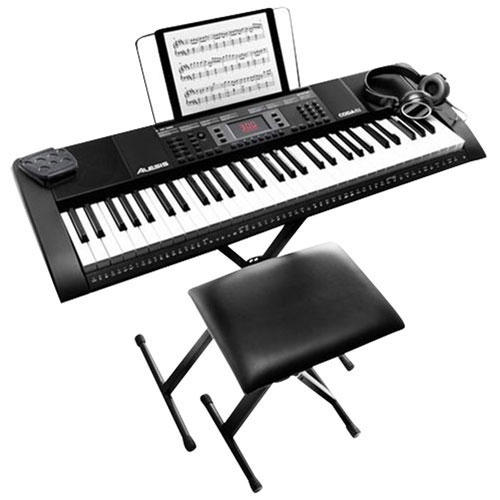
When choosing a children’s electronic keyboard, start with the child’s age, hand size and intended style of play. Mini keys are easier for younger children to reach across, and a lightweight keyboard can be moved from a playroom to a bedroom, taken to a family gathering or stored on a shelf when it is not being used. Standard-sized keys provide more familiar spacing and may be preferable for children who are ready to work on basic melodies, finger placement and beginner exercises. Key count is another useful guide: 32 or 37 keys are often suitable for casual playing and early exploration, while keyboards with 49 to 61 keys offer a broader range for children who want to practise more seriously or follow structured lessons. Built-in sound selection can also shape the experience. Piano, organ, strings, bells and other instrument voices let children compare tones, while rhythm patterns can help them keep time and create simple arrangements. Demo songs may provide a starting point for copying melodies, and lesson-oriented functions such as recording, metronomes or illuminated keys can offer additional support as skills develop. Look for clearly labelled controls that are easy for a child and supervising adult to understand, as a crowded panel can be frustrating for a beginner. Volume control and a headphone connection are helpful in shared homes, letting children enjoy sound while adults work, relax or spend time with younger siblings nearby.
Power and everyday practicality matter just as much as musical features. Some children’s electronic keyboards operate with AA batteries, making them convenient for travel, visits with relatives or play in rooms where a power outlet is not close by. Others use a USB cable or an AC adapter for regular home use, and some support more than one power option. Check what is included and consider where the keyboard will normally be played before making a choice. A compact model can rest on a sturdy table or desk, although children should have enough space for their hands, any included microphone and a comfortable seat with good posture. If the keyboard is intended for ongoing learning, consider whether the child may outgrow mini keys quickly and whether a larger key range will support future practice. If it is mainly for open-ended play, portability, sound effects and simple controls may be more valuable than advanced lesson functions. A dependable approach is to match the keyboard’s features with the child’s interests: a singer may enjoy microphone input, a child who loves stories may use different tones to create characters, and a budding musician may appreciate more keys, rhythms and recording tools. During the cooler months, an electronic keyboard can provide an engaging indoor activity that encourages creativity, listening and coordination, while its compact design keeps it easy to bring out whenever inspiration strikes.
Top selling and popular products
-
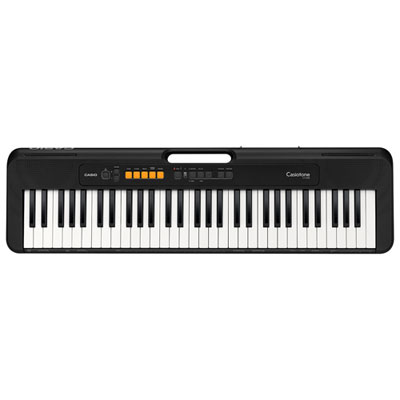 Your price for this item is $149.99
-
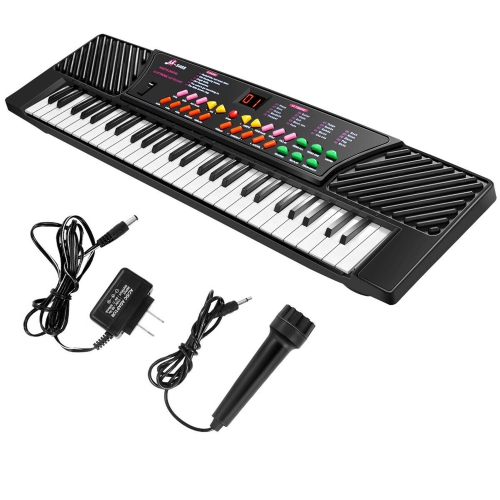 Your price for this item is $69.99
-
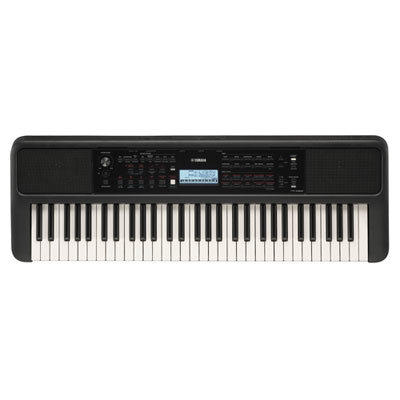 Your price for this item is $289.99
-
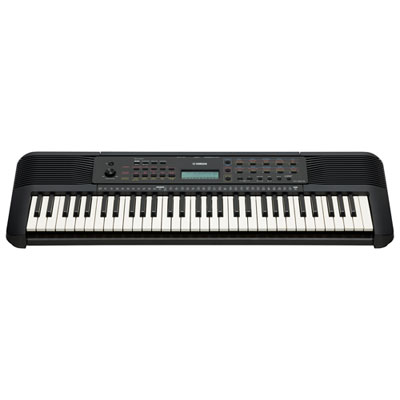 Your price for this item is $129.99
-
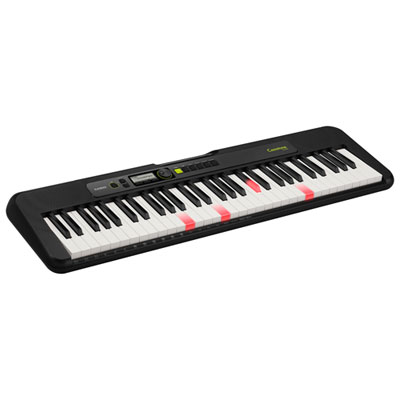 Your price for this item is $229.95
-
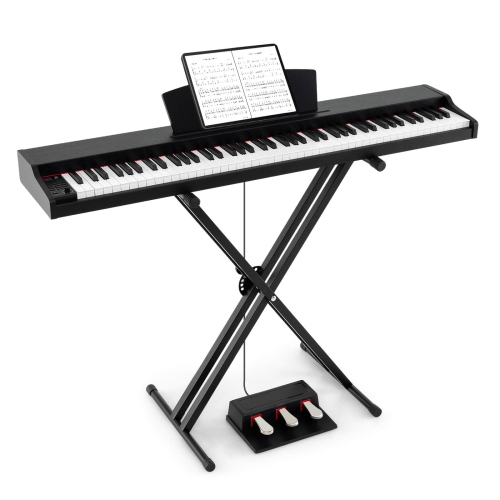 Your price for this item is $236.99
-
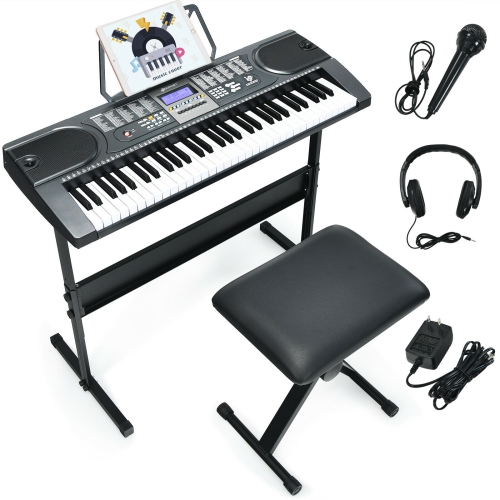 Your price for this item is $199.99
-
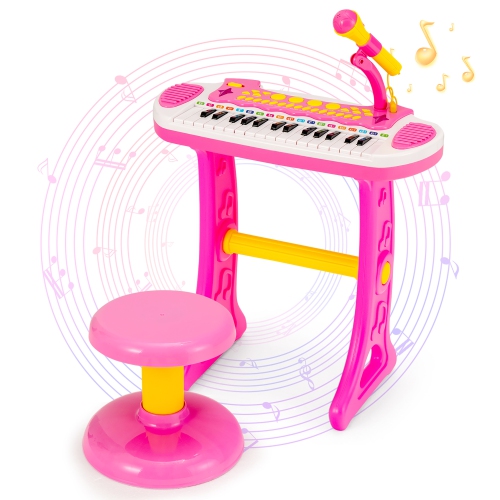 Your price for this item is $74.99
Discover more categories related to Children's Electronic Keyboards
Top Collections:
Pokemon Centers, Best Cameras for Sports Photography, Kindle Devices, Samsung Galaxy Phones, Canon G7X Cameras, Pokémon 30th Celebration Cards, Refurbished Apple Laptops, iPhone 15 Apple, Laptops for Students, Budget Smartphones
Some products may be subject to Environmental Handling Fees
(EHF) depending on your province.
Learn more about EHFs.