Decorative Noise Reducing Panels
Transform any space into a more comfortable and stylish environment with Decorative Noise Reducing Panels. Perfect for homes, offices, studios, and more, these panels offer an easy way to elevate your décor while helping to create a quieter atmosphere. Available in a variety of designs, colors, and sizes, Decorative Noise Reducing Panels blend seamlessly with your existing interior, making it simple to personalize your space. Explore options that suit your needs and add both function and flair to any room.
Sort
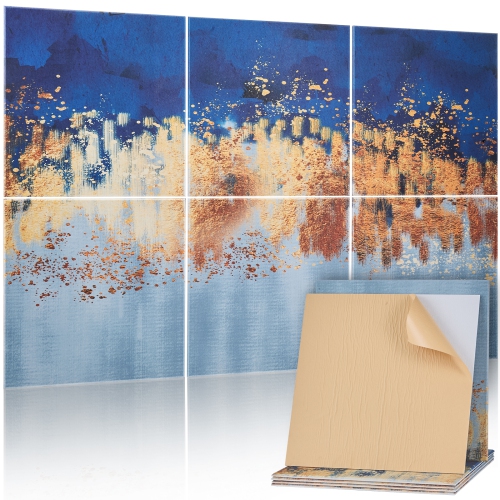
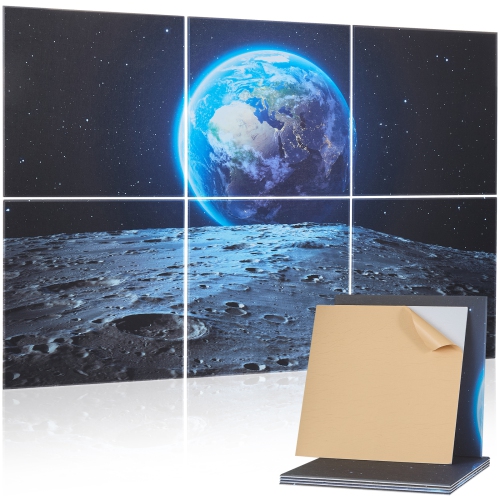
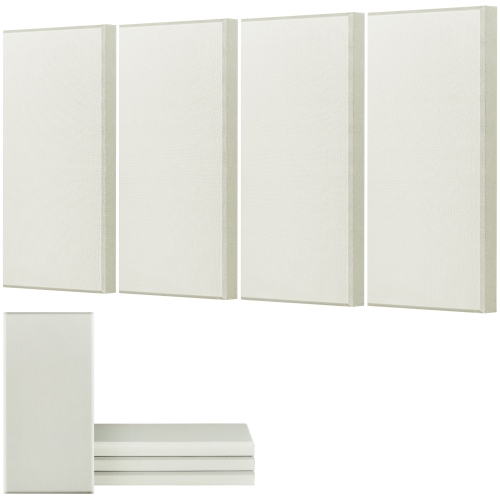
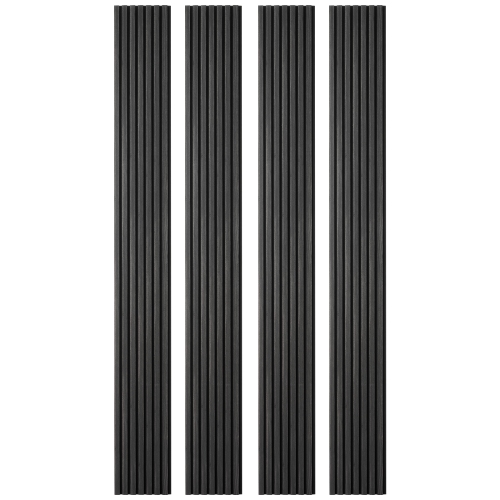
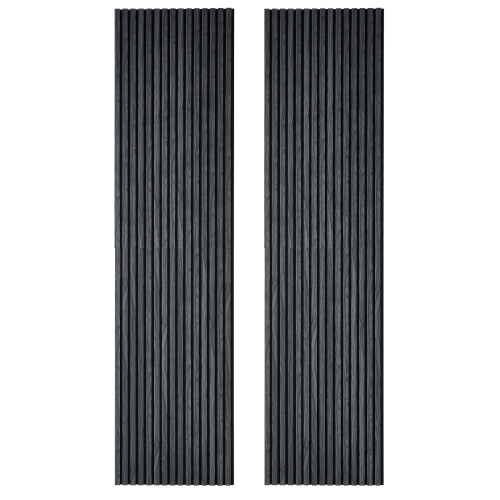
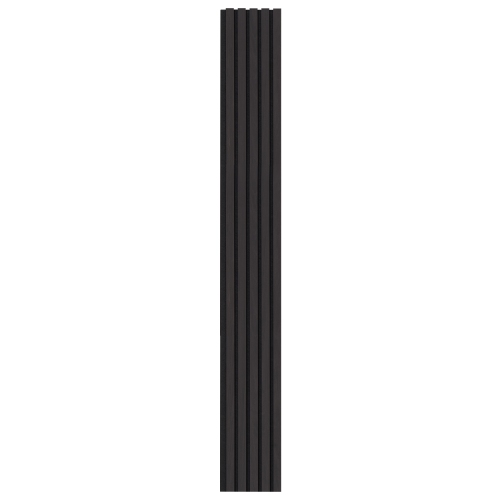
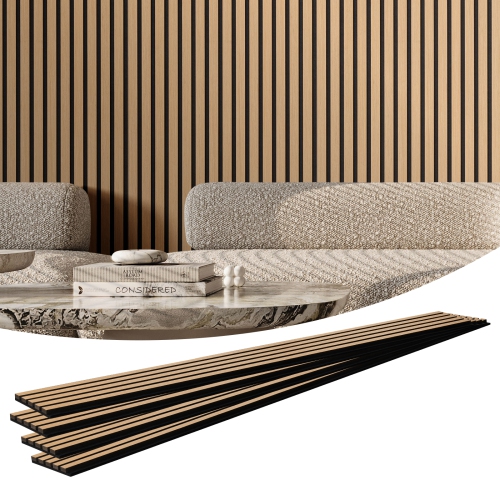
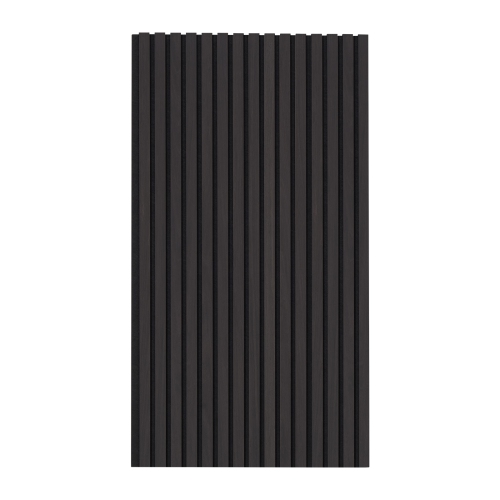
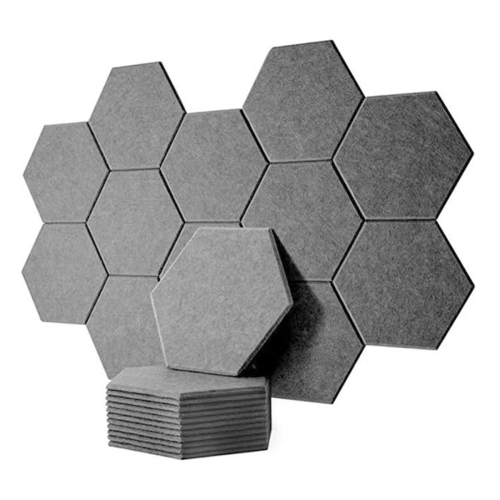
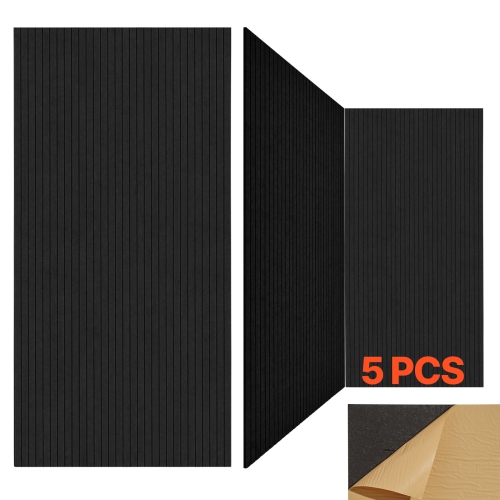
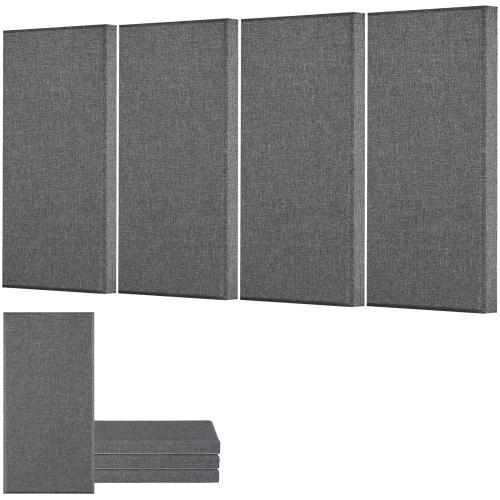
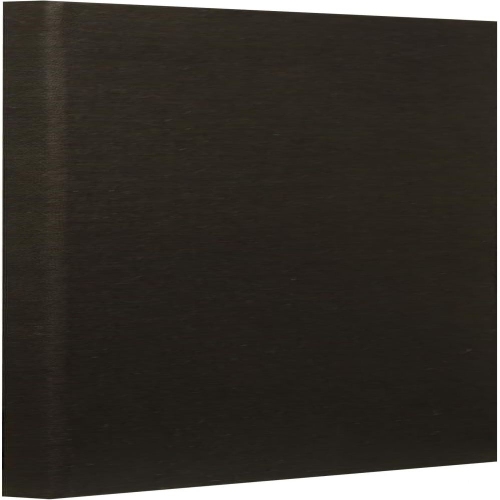
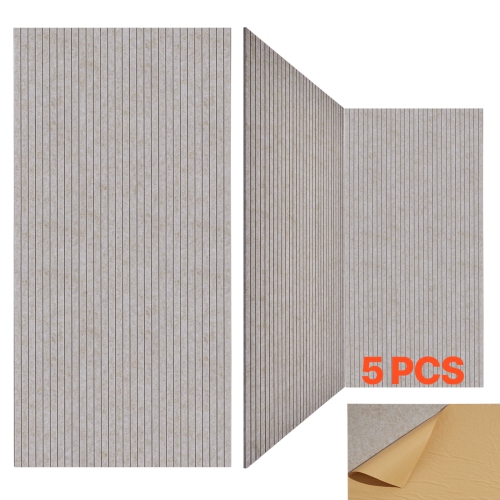
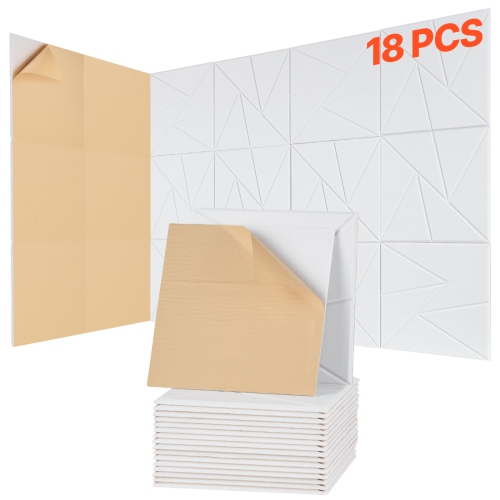
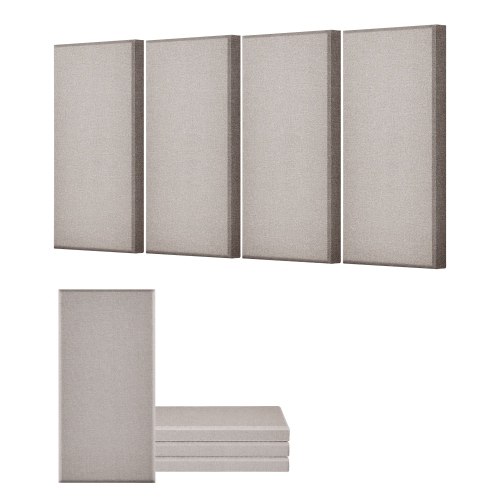
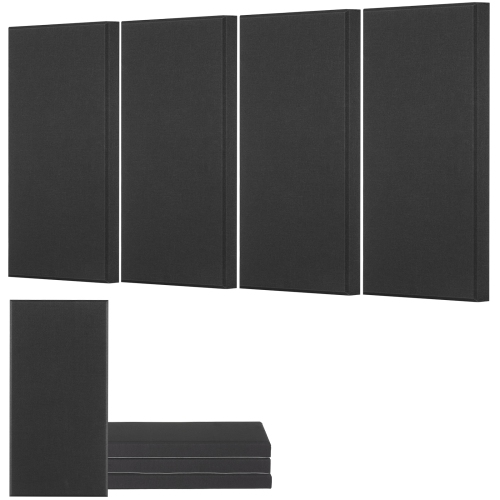
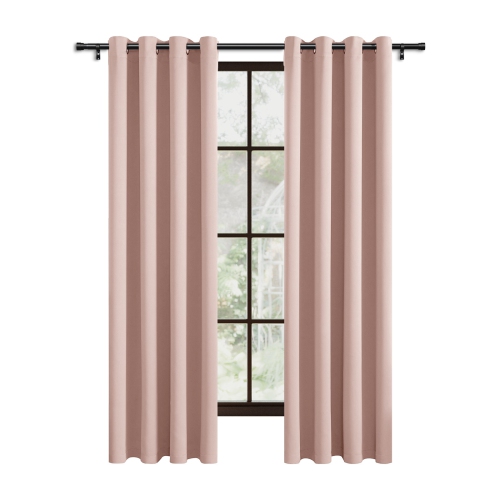
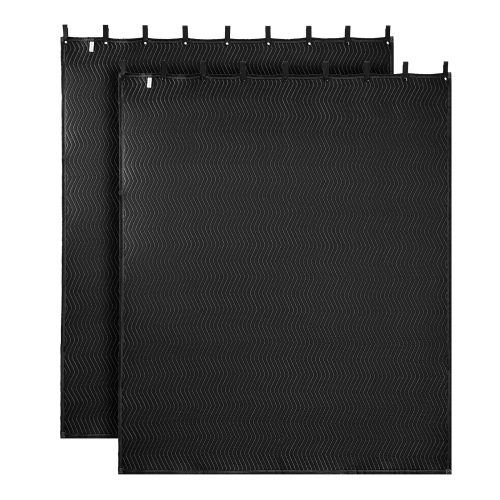
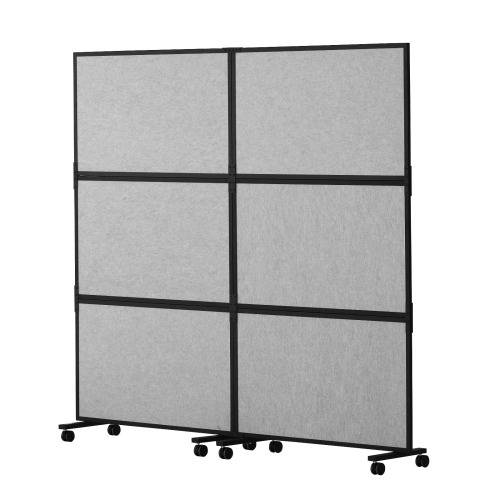
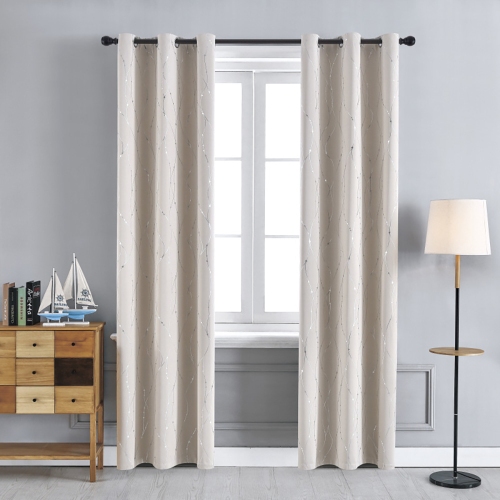
Less echo and more style for everyday spaces
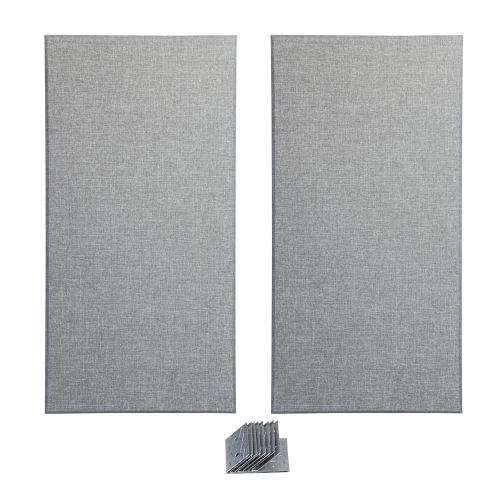
Decorative noise-reducing panels soften reflected sound while adding colour, texture, and visual structure to a room. Their main purpose is to absorb some of the sound that would otherwise bounce between hard surfaces, helping reduce echo and lingering reverberation. That can make conversation easier to follow in a dining area, soften the hollow quality of a sparsely furnished home office, or make television dialogue less muddled in a living room with bare walls. They are different from structural soundproofing: wall-mounted acoustic panels generally do not stop traffic noise, footsteps from upstairs, or a neighbour’s music from travelling through a building. Instead, they help manage how sound behaves inside the space where they are installed. This distinction matters in rooms with hardwood flooring, large windows, high ceilings, or other reflective surfaces, where voices and everyday activity can sound more pronounced. Decorative options bring that practical function into the room’s design through felt tiles, fabric-covered shapes, textured surfaces, and wood-slat finishes paired with sound-absorbing backing. A group of geometric panels can become a feature behind a desk, while a broad arrangement of neutral fabric panels can blend into a lounge or shared study area. The acoustic effect depends on the panel’s construction, thickness, placement, and total coverage, as well as the room itself. Thin treatments generally have less ability to absorb lower-frequency sound than deeper absorbers, so a slim decorative surface should not be expected to control strong bass from a subwoofer. Where a noise reduction coefficient, or NRC, is provided, it describes sound absorption under test conditions rather than the amount of noise blocked between rooms. Soft furnishings, rugs, and upholstered seating also influence the result. Decorative acoustic panels work alongside these elements, offering another way to make a lively room sound less sharp without requiring every wall to be covered or changing its overall character. The result can be a space that feels more comfortable for listening, talking, and spending time together.
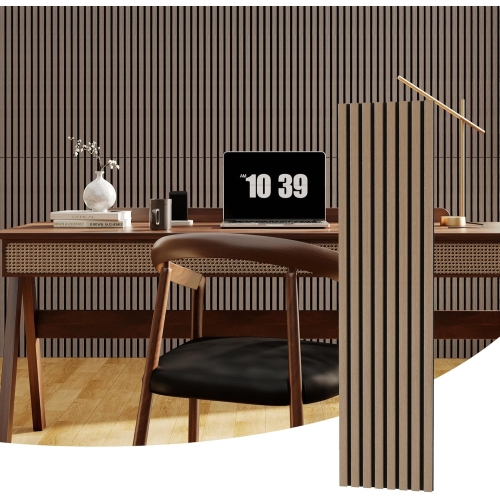
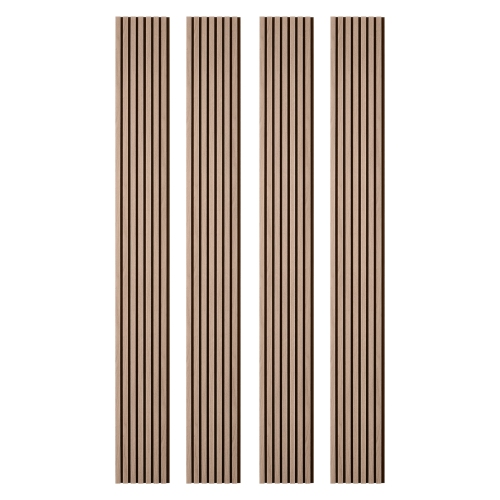
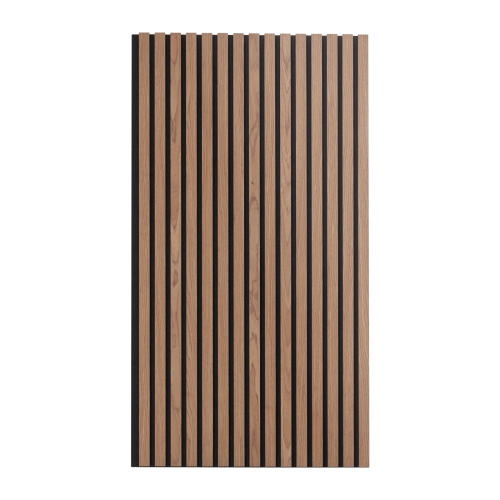
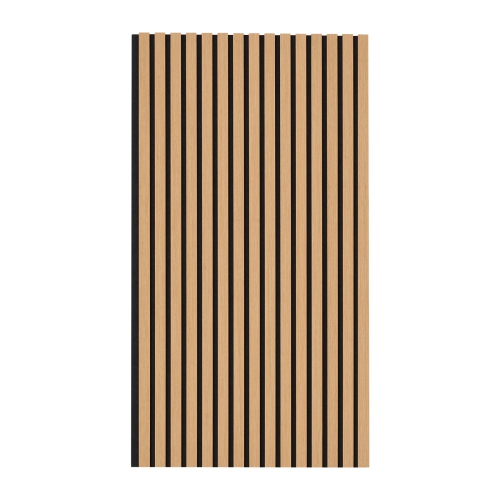
Materials and finishes shape both the appearance of decorative acoustic panels and how they fit into daily life. Polyester felt can offer a softly textured, low-profile finish, with individual tiles or larger sheets allowing for restrained patterns or more expressive arrangements. Fabric-wrapped panels provide a different look, often with a textile face over an absorbent core; the fabric, core material, and overall depth all contribute to performance. Acoustic foam is typically lightweight and available with shaped surfaces, although its exposed texture may feel more at home in a creative workspace than a formal sitting room. Wood-slat panels add warmth and a strong linear pattern, but the visible timber alone does not explain their acoustic properties. Spacing, backing, and the complete installed assembly matter, particularly when comparing a decorative wall covering with a purpose-built absorber. Colour and scale also change the visual effect. Pale grey or cream can sit quietly against a light wall, deeper tones can frame a screen or desk, and contrasting shapes can create a focal point in a playroom or media area. Vertical slats tend to emphasize height, while a horizontal arrangement can draw attention across a wider wall. Panel dimensions, thickness, and edge details affect how neatly an arrangement fits around shelves, light switches, outlets, and door trim. A layout that looks balanced on an uninterrupted wall may need a different configuration beside a window or beneath a sloping ceiling. Mounting requirements deserve equal attention: adhesive-backed tiles, mechanically fastened panels, and systems installed on battens place different demands on the wall surface. Removable adhesive is not a guarantee against paint damage, and heavier panels need fixings suited to their weight and the wall construction. Ceiling use requires a mounting method specifically approved for that application. In a finished room, the most successful arrangement often looks intentional from across the space and remains practical at close range, with secure edges, accessible outlets, and enough clearance for furniture, doors, and everyday movement.
Decorative noise-reducing panels suit a range of spaces where listening and conversation share room with ordinary activity. In a home office, absorption near the work area can help reduce the room echo picked up during video calls, though it will not silence a keyboard or prevent household sounds from reaching a microphone. In a shared workspace, panels can soften the build-up of reflected voices without creating private, sound-isolated zones. Office Soundproofing Panels offer a related option for work-focused spaces where acoustic treatment needs to fit around desks, meeting areas, and existing furnishings. A music practice area, gaming setup, or home theatre may call for different coverage depending on speaker placement and listening position; adding absorption everywhere is not automatically better than a balanced arrangement. For families, a comfortable reading corner or homework space can benefit from softer reflections while still feeling connected to the rest of the home. Durability and care are especially relevant in these frequently used areas. Exposed foam can be vulnerable to knocks and abrasion, fabric faces may hold dust, and felt surfaces can show lint or marks depending on their texture and colour. Routine care usually centres on gentle dust removal, with vacuuming or spot cleaning only where the manufacturer allows it. Saturating an absorbent panel or applying an unsuitable cleaner can affect its finish, backing, or adhesive. Removable covers, when offered, may make upkeep easier, but washing instructions still depend on the material. Panels intended for dry indoor rooms should not be assumed suitable beside a shower, above a cooking surface, or wherever repeated splashes and grease are likely. Documented fire-performance information and installation requirements are particularly relevant for shared or commercial premises. Secure mounting, protected edges, and placement away from heat sources help keep the installation practical over time. Together, these details distinguish a decorative surface that simply fills a wall from acoustic treatment that fits the room’s appearance, use, and maintenance needs.
Top selling and popular products
-
 Your price for this item is $3000
-
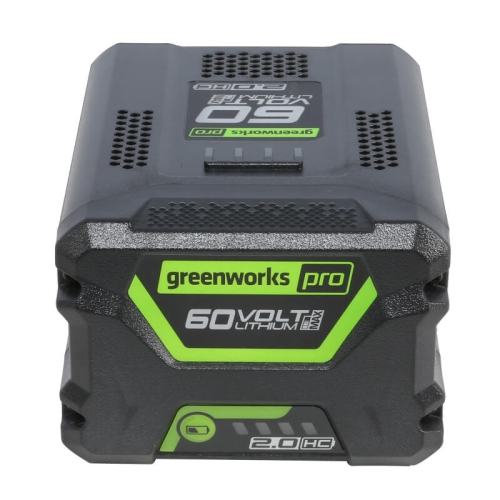 Your price for this item is $153
-
 Your price for this item is $299.99
-
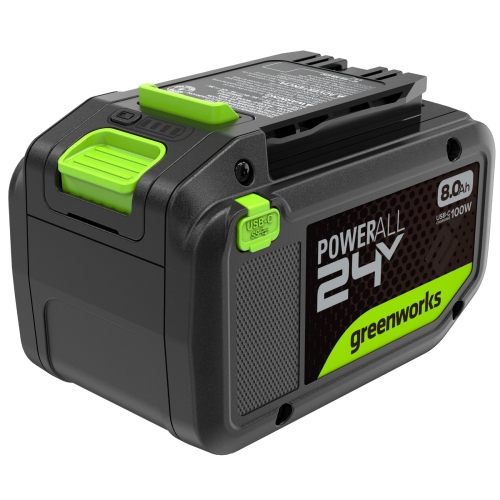 Your price for this item is $144.5
-
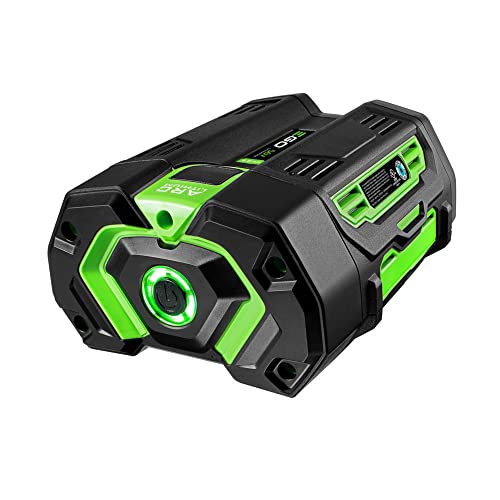 Your price for this item is $255
-
 Your price for this item is $779.99
-
 Your price for this item is $659.99
-
 Your price for this item is $999.99
Discover more categories related to Decorative Noise Reducing Panels
Top Collections:
Best Black Friday Deals This Year, Best Black Friday Deals On Electronics, Kindle Devices, Dyson Airwrap, Best Cameras for Sports Photography, Best Black Friday Deals On Apple Products, PS5 Pro Consoles, Portable Snow Blowers, Canon G7X Cameras, Pokémon 30th Celebration Cards
Some products may be subject to Environmental Handling Fees
(EHF) depending on your province.
Learn more about EHFs.