Dual Channel Wireless Microphone Systems
Dual Channel Wireless Microphone Systems offer a flexible and reliable audio solution for a wide range of events, performances, and presentations. Designed to support two microphones simultaneously, these systems are ideal for interviews, live shows, houses of worship, conferences, and more. Whether you're equipping a stage or setting up for a professional meeting, Dual Channel Wireless Microphone Systems provide clear sound transmission and easy setup to help you deliver your message with confidence. Explore options that fit your needs and experience seamless audio performance every time.
Sort
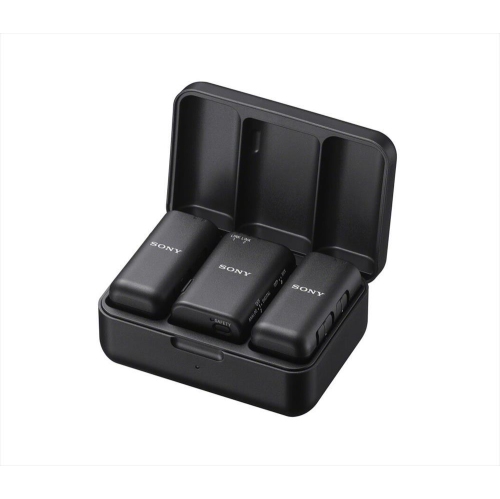
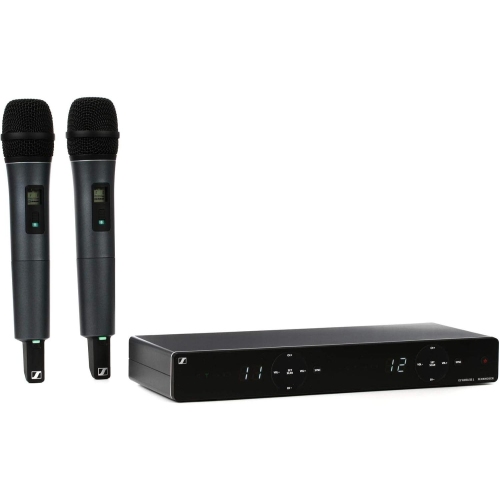
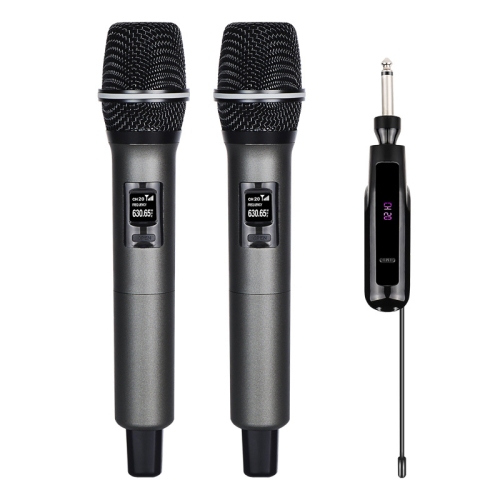


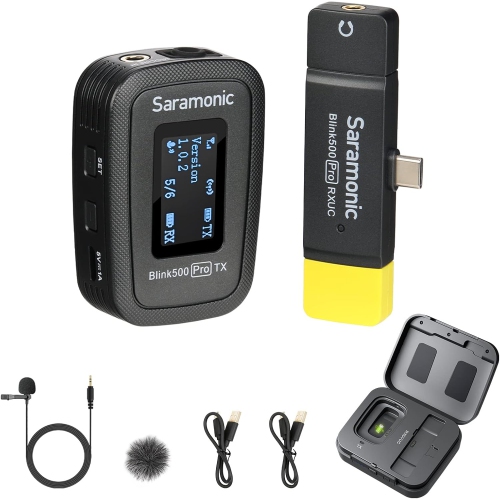
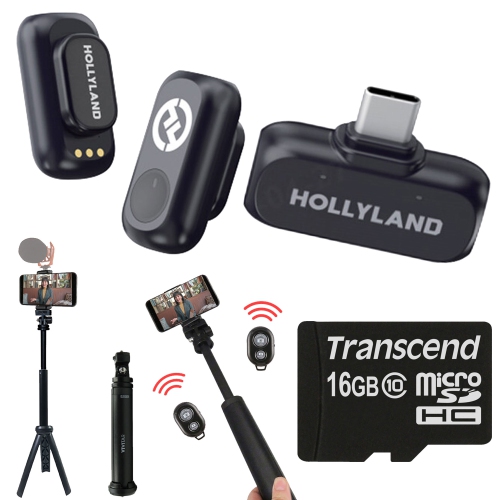
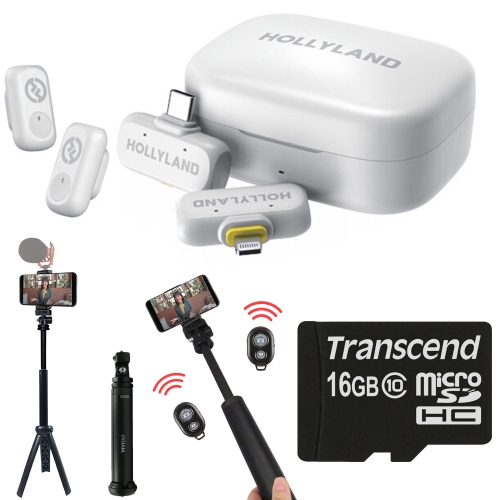
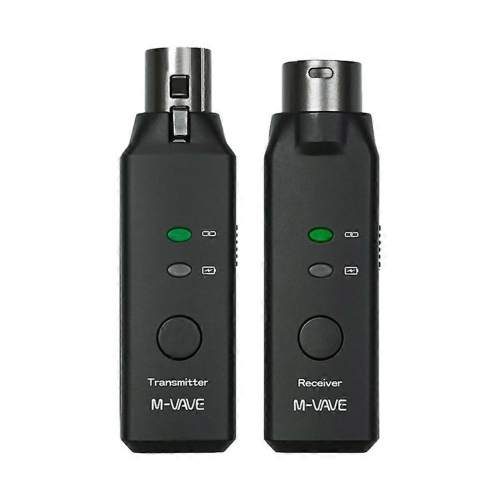

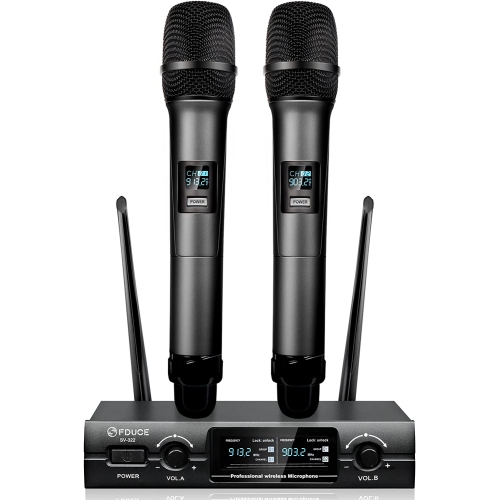

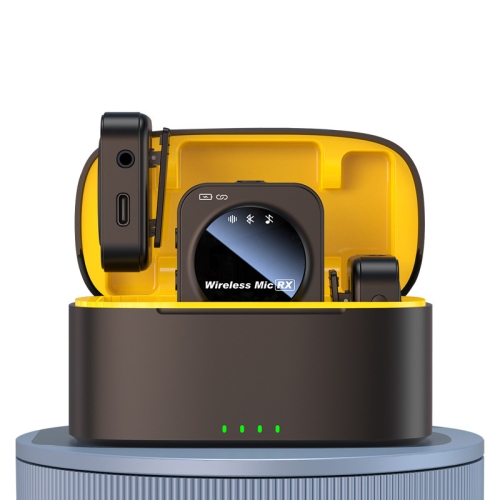

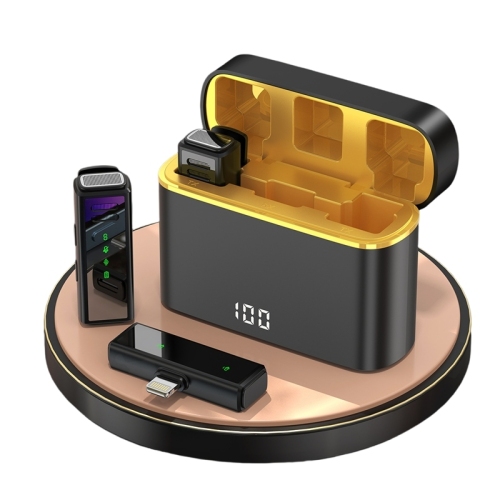

Two voices with room to move and be heard
Dual channel wireless microphone systems allow two independent transmitters to send audio to one compatible receiver at the same time. Each channel carries its own microphone signal, making these systems useful when two people need to speak or perform without sharing a microphone or trailing cables across the floor. A host and guest can move through an interview, two singers can trade verses, or a presenter and interpreter can address an audience from different positions. The receiver connects to compatible audio equipment, such as a mixer, powered speaker, or recording interface, while the transmitters stay with the people using them. Common configurations include two handheld microphones, two bodypack transmitters with lavalier or headset microphones, and combinations that pair a handheld microphone with a hands-free option. Handheld microphones suit karaoke, announcements, live vocals, and events where a microphone changes hands frequently. Lavalier microphones clip to clothing for a discreet appearance during presentations or recorded conversations, while headset microphones keep the capsule near the mouth as the wearer turns, demonstrates a movement, or walks across a stage. School assemblies, classroom presentations, and student performances are natural settings for Wireless Microphone Systems for Schools, particularly when a teacher and student need separate microphones. Similar arrangements work well in community halls, meeting rooms, houses of worship, and small performance spaces. A dual channel setup can also be a thoughtful gift for a performing duo, an event host, or someone who regularly leads workshops, provided it matches their existing audio equipment and intended use. The practical benefit is not simply having two microphones: it is giving each participant a dedicated signal path, with the potential for separate level adjustment and processing when the receiver and connected equipment support those functions. That separation helps a quieter speaker remain audible beside a louder voice without requiring both people to use the same microphone technique.
The receiver’s connections determine how those two signals fit into the rest of an audio setup. Many systems offer separate balanced XLR outputs for the individual channels, allowing a mixer to adjust each microphone’s volume, tone, and effects independently. Some also provide a mixed quarter-inch output that combines both channels for equipment with a single suitable input. Connections vary, so two transmitters do not automatically mean two separate outputs, and a mixed output does not preserve independent channel control downstream. Output level matters as well: a microphone-level connection and a line-level connection are not interchangeable without the receiving equipment accepting the appropriate signal. For video recording or computer-based audio, the system may need a compatible audio interface or adapter rather than connecting directly to every camera or computer. Wireless performance depends on the operating frequency band, nearby radio activity, antenna placement, and the distance between transmitters and receiver. UHF and 2.4 GHz systems have different operating characteristics; 2.4 GHz models share spectrum with devices such as Wi-Fi routers, while UHF models require attention to the specific frequencies permitted for wireless microphone use in Canada. Selectable frequencies, automatic scanning, and transmitter pairing can simplify setup where those features are included, but they do not eliminate every source of interference. A fixed-frequency system offers fewer adjustment options when another device is using the same frequency. Diversity reception can help reduce dropouts by using more than one antenna or reception path, although the implementation differs between systems. Published range figures are best understood alongside the conditions in which they were measured, since walls, bodies, furniture, and obstructions can affect reception. A clear path to the receiver is generally more favourable than placing it behind a metal cabinet or beneath a crowded equipment table. Displays showing battery status, signal strength, and audio levels can be useful during a performance, especially when one person is handling sound for two moving speakers. Dual channel operation also differs from stereo recording: it describes support for two transmitter channels, not necessarily a ready-made left-and-right recording arrangement.
Microphone construction, comfort, and day-to-day handling all influence how well a system suits its intended setting. A handheld microphone with a metal grille and a sturdy housing can withstand regular handling, while lighter housings may feel more comfortable during a long presentation. Durability depends on the overall design rather than one material alone, including the battery compartment, switches, connectors, and how securely the grille attaches. Bodypack transmitters should sit securely on a waistband or belt without pulling on the microphone cable, and headset fit should remain comfortable around the ears during extended use. A lavalier needs a stable attachment point where fabric, jewellery, or a jacket lapel will not brush against the capsule. Cable routing matters because a loose lead can catch on a chair arm or produce distracting noise as the wearer moves. Microphone pickup patterns also shape the experience: a directional capsule can help limit sound arriving from some directions, while an omnidirectional lavalier can be more forgiving of placement but may capture more surrounding sound. Neither design prevents feedback on its own; speaker placement, microphone position, and system level remain important. For a speaking event, intelligible words and consistent levels matter more than dramatic effects, while live singing may call for a microphone suited to close vocal use and stronger sound levels. Battery arrangements deserve attention in any setting where interruptions would be noticeable. Replaceable batteries and rechargeable transmitters have different routines, and stated operating time can vary with battery condition and usage. A charging dock or accessible battery compartment can make repeated setup less cumbersome when included. Care is usually straightforward: follow the manufacturer’s cleaning instructions, wipe compatible exterior surfaces gently, avoid soaking capsules or electronic parts, and let removable foam windscreens dry fully before refitting them. A padded case helps protect transmitters, antennas, and connectors between events. With a suitable microphone configuration, compatible connections, and sensible handling, a dual channel wireless microphone system provides a flexible foundation for two-person speech, shared performances, and hands-free presentations.
Top selling and popular products
-
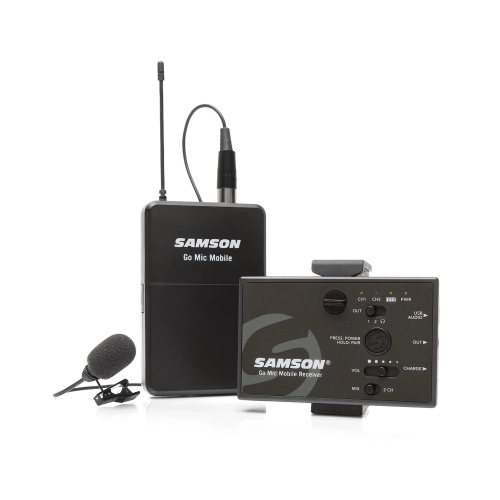 Your price for this item is $220.68
-
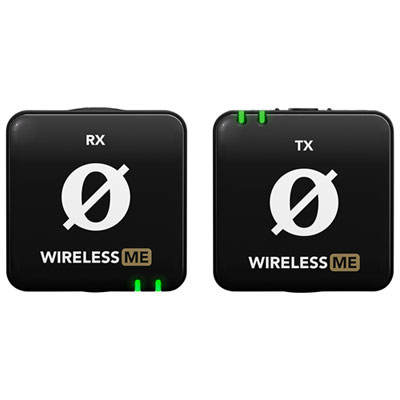 Your price for this item is $209.99
-
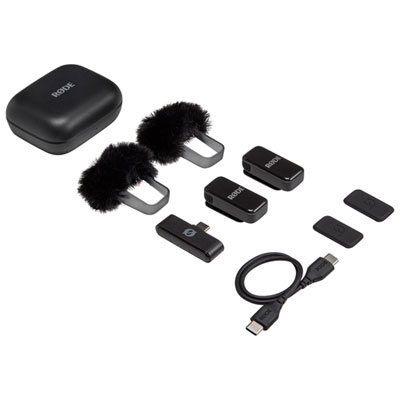 Your price for this item is $139.99
-
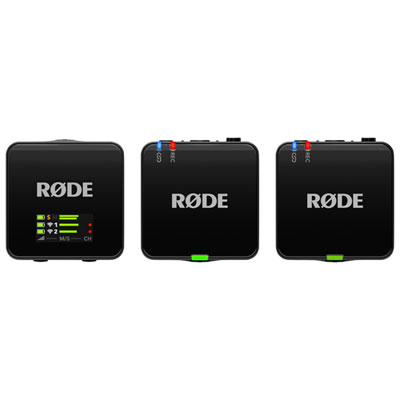 Your price for this item is $279.99
-
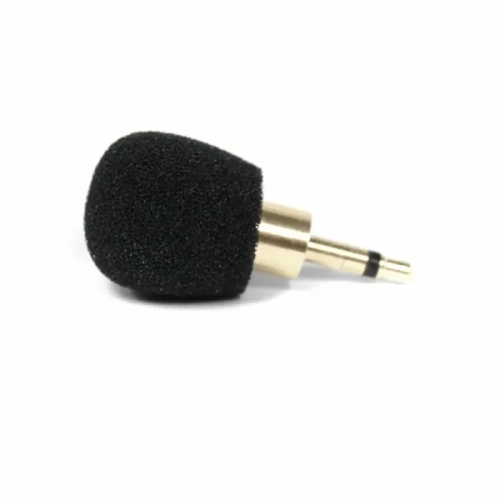 Your price for this item is $118.9
-
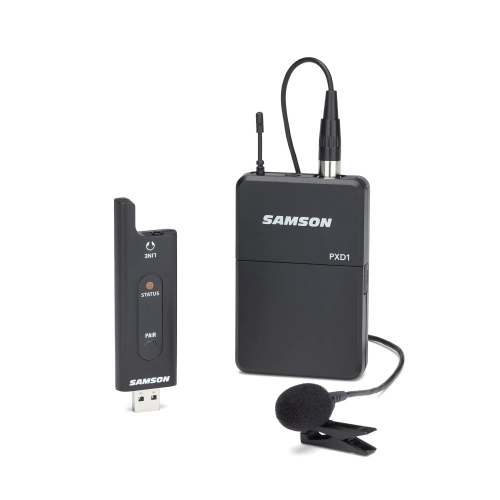 Your price for this item is $189.99
-
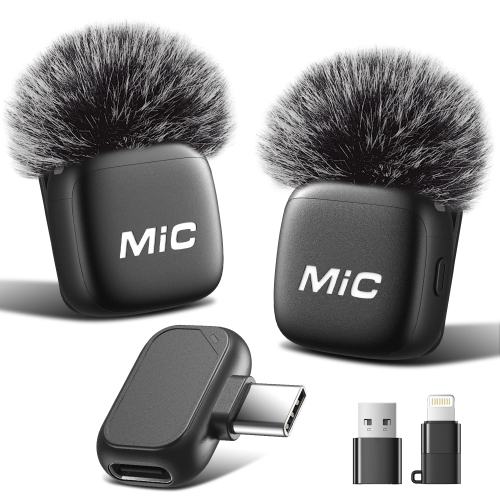 Your price for this item is $138.99
-
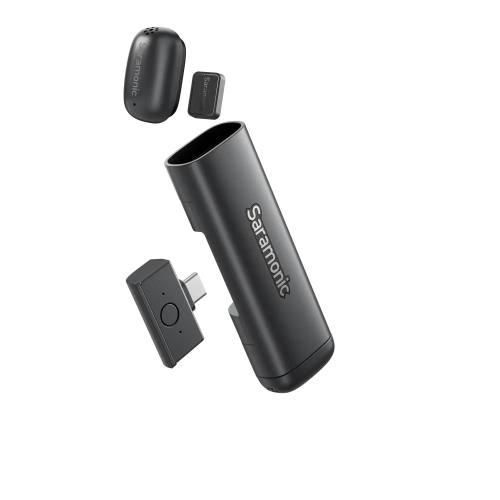 Your price for this item is $69.99
Discover more categories related to Dual Channel Wireless Microphone Systems
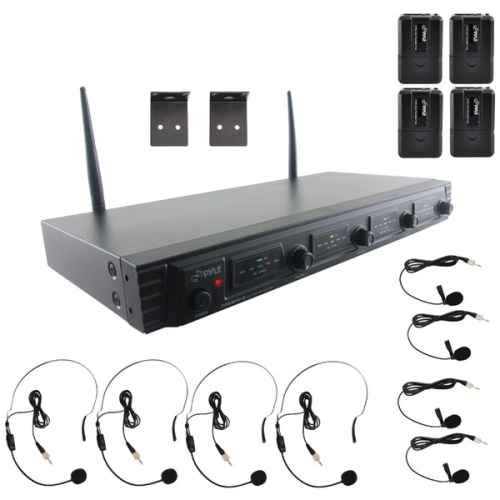

Top Collections:
Pokemon Centers, Best Cameras for Sports Photography, Kindle Devices, Samsung Galaxy Phones, Canon G7X Cameras, Pokémon 30th Celebration Cards, Refurbished Apple Laptops, iPhone 15 Apple, Laptops for Students, Budget Smartphones
Some products may be subject to Environmental Handling Fees
(EHF) depending on your province.
Learn more about EHFs.