Korg Keyboards
Enhance your musical creativity and performance with a Korg Keyboard, designed to suit musicians of all levels. Whether you're composing at home, performing on stage, or exploring new sounds in the studio, these keyboards offer versatility and reliable quality for every playing style. Discover a range of models that cater to different preferences, making it easy to find the perfect Korg Keyboard to elevate your music experience.
Sort
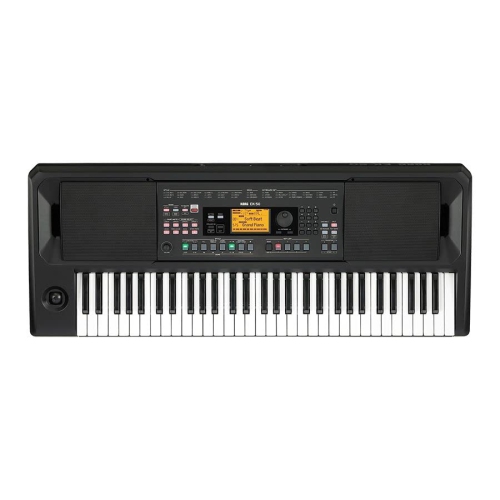
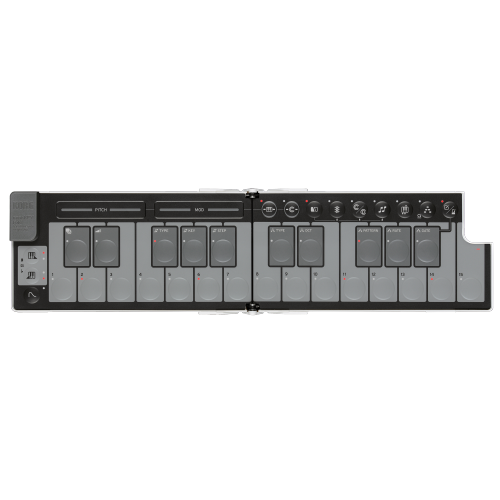
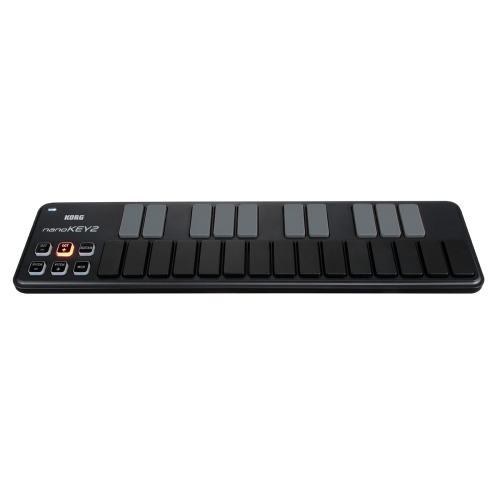

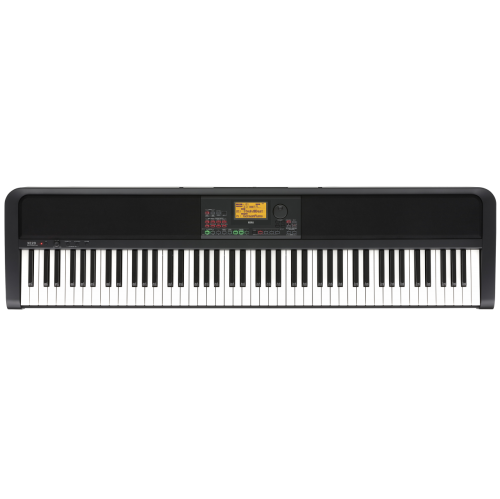
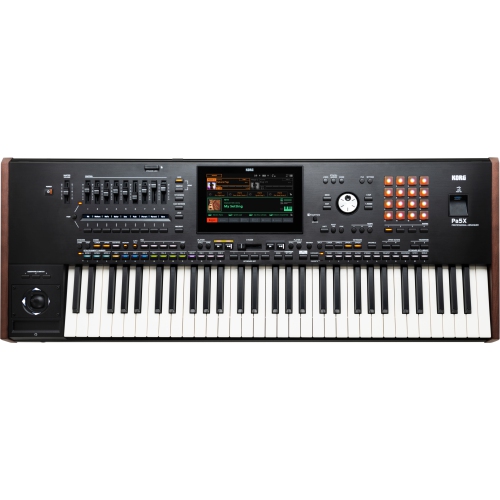
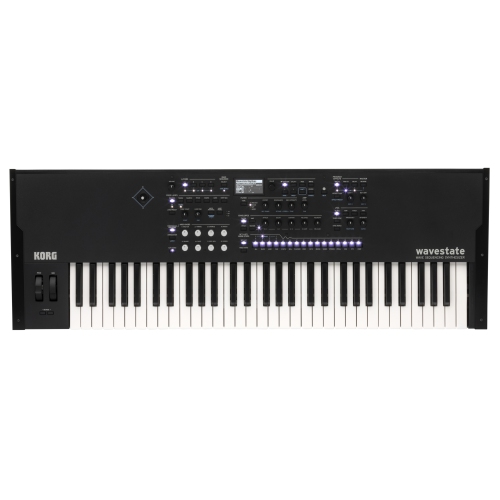
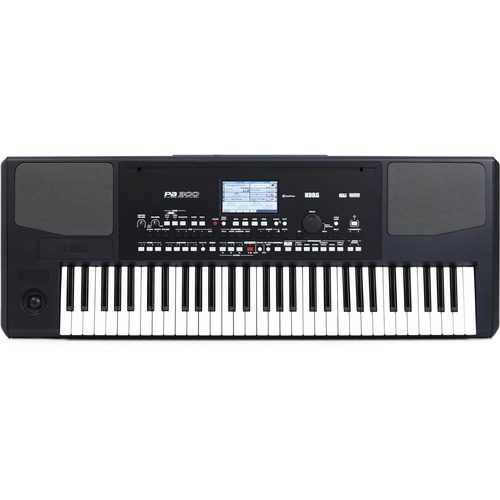

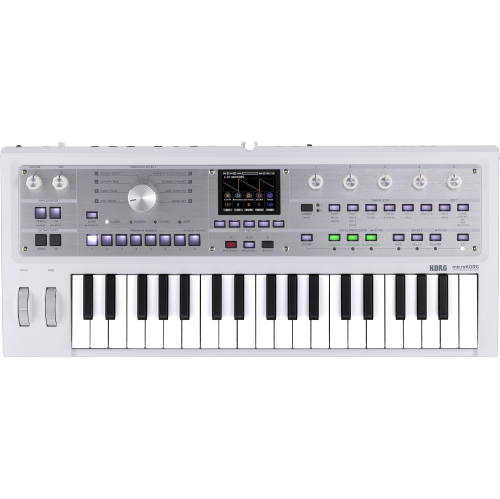
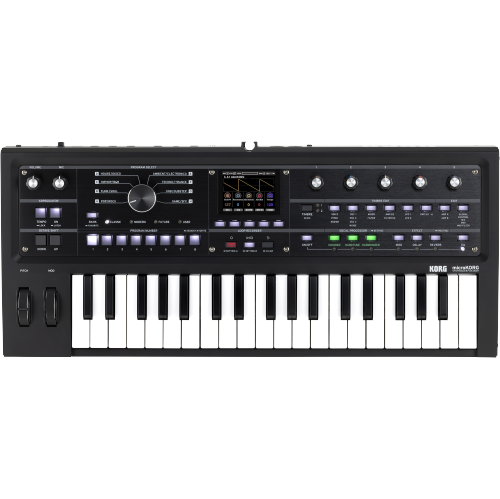

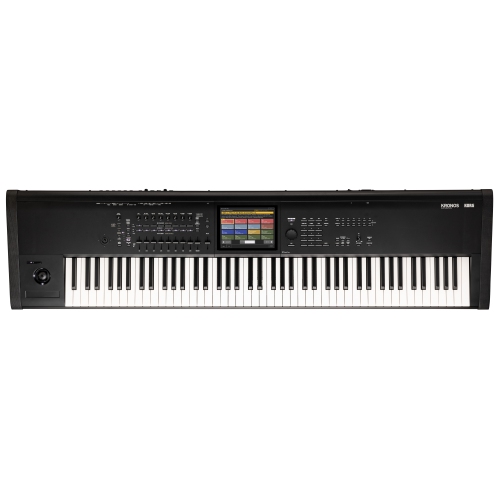
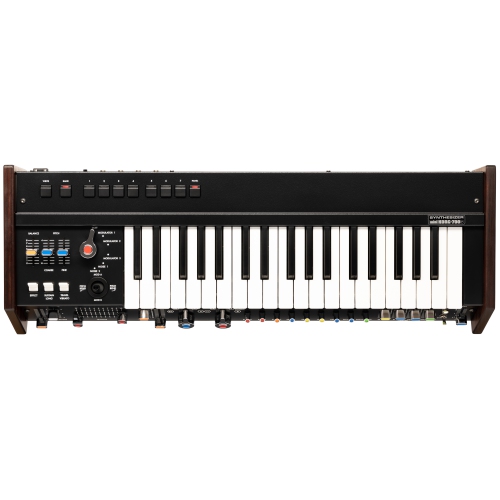
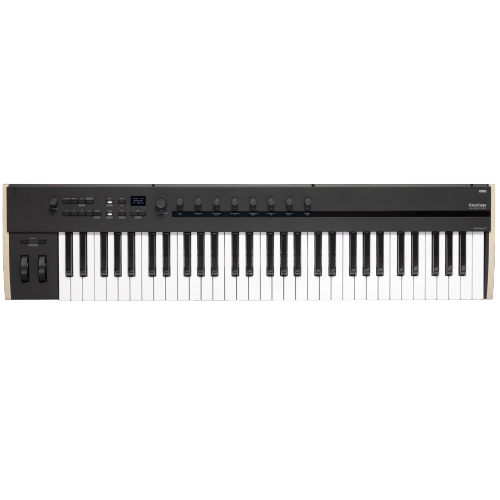
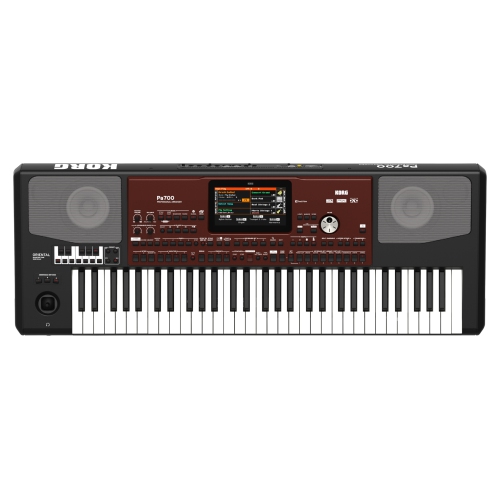
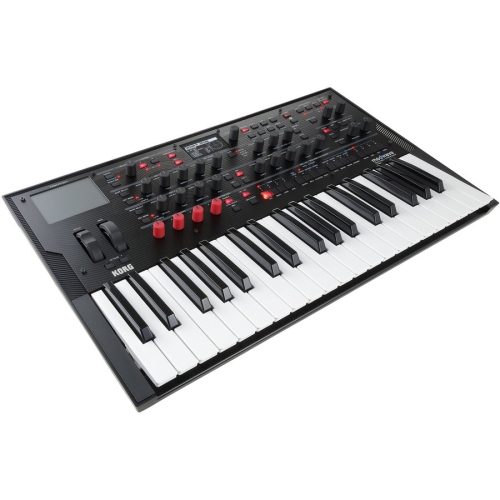
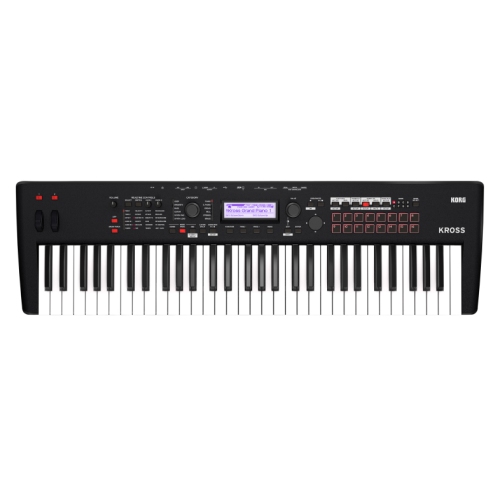
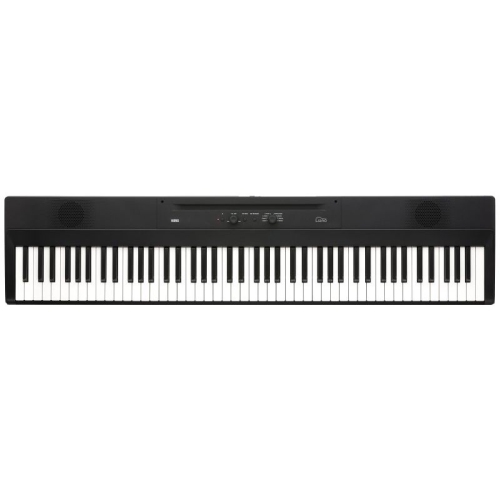

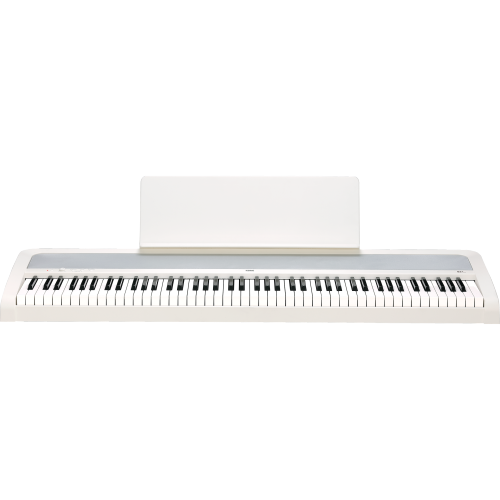

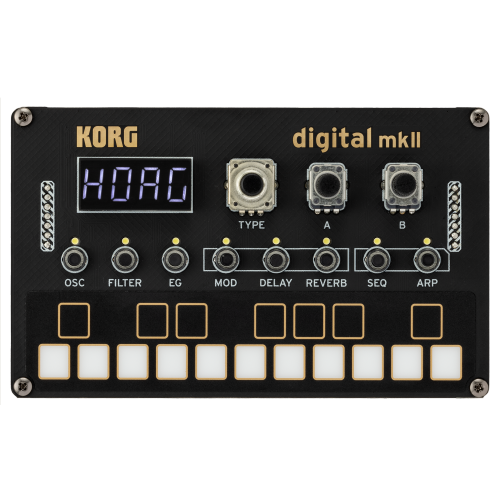
Why keyboard feel matters as much as sound
Electronic keyboards bring piano playing, expressive synthesis, and layered musical arrangements into instruments suited to living rooms, rehearsal spaces, studios, and stages. The category includes digital pianos, synthesizers, arranger keyboards, and music workstations, each built around a different approach to making music. Digital pianos emphasize familiar acoustic piano sounds and a playing response that supports technique, from a beginner’s first scales to an experienced pianist’s two-handed repertoire. Synthesizers place more emphasis on shaping tone, with sound engines and controls that can produce rounded bass lines, shimmering pads, sharp leads, and textures far removed from an acoustic instrument. Arranger keyboards may provide accompanying rhythms and harmonies that follow the player’s chords, making them useful for solo entertainers, songwriters, and casual music sessions at home. Workstations can combine a broad sound library with sequencing and other production tools, although sampling, audio recording, and editing capabilities vary by instrument. These differences matter in everyday use: someone practising classical pieces may value an uncluttered piano layout, while a performer moving between organ, strings, and synth parts needs accessible sound changes. A songwriter might use a keyboard to sketch a verse with a simple drum pattern, then add bass and chords before bringing the idea to a band rehearsal. Many electronic keyboards offer headphone connections for quieter practice, but built-in speakers are not universal; stage and studio instruments often rely on external amplification or monitoring. Acoustic piano voices, electric pianos, organs, and orchestral sounds also differ in scope across instrument types, so the category covers much more than one familiar keyboard sound. For shoppers exploring another related collection, Roland Keyboards provides a further point of comparison. Across these instrument families, the most meaningful distinctions are how the keys feel, how sounds respond to playing, and how easily the instrument fits into a musician’s routine. Those qualities remain important whether the keyboard supports weekly lessons, accompanies a singer, or becomes the centre of a home music setup.
The physical feel of a keyboard has a direct effect on phrasing, comfort, and the kinds of parts that feel natural under the fingers. An 88-key layout provides the full range of a standard acoustic piano, giving both hands room for widely spaced chords and passages that reach into the lowest and highest registers. Layouts with 61 or 73 keys can offer a practical balance between playing range and portability, while smaller keyboards suit tight desks, travelling setups, and focused synth parts. Key count alone does not describe the experience: compact instruments may use smaller keys, and full-size keys can have very different actions. Weighted hammer-action keys are designed to approximate the resistance of a piano mechanism. Semi-weighted and synth-action keys generally feel lighter, which can suit fast lead lines, repeated notes, and organ-style playing. Velocity sensitivity allows playing force to influence volume or tone when supported by the selected sound. Aftertouch, found on some instruments, adds another form of expression through pressure applied after a key is pressed; its behaviour depends on the keyboard and sound settings. Pedal connections matter too, particularly for pianists who need sustain and performers who use expression pedals to shape volume or effects. A keyboard’s fit extends beyond the keys themselves. Its width, depth, weight, and control placement affect whether it sits comfortably on a desk, fits a stand, or travels easily between home and rehearsal. Space for connected cables and a music rest can add to the practical footprint. A stable stand and a seat at a suitable height help keep wrists relaxed and shoulders comfortable during longer sessions. Lightweight plastic housings can make an instrument easier to carry, while metal panels or chassis components may add rigidity for regular transport. Durability depends on construction and handling together, especially around knobs, sliders, sockets, and key edges that can take knocks during loading. For a shared household instrument, straightforward controls and accessible connections can be just as useful as a large selection of sounds.
Connections and onboard features shape how an electronic keyboard works with the rest of a music setup. USB MIDI or traditional MIDI connections can carry performance information to compatible instruments and music software, but MIDI does not carry the keyboard’s audio signal. USB audio is a separate capability and should not be assumed simply because a USB port is present. Dedicated audio outputs are useful for connecting to speakers, an audio interface, or a venue’s sound system, while headphone outputs support individual practice. For live playing, accessible volume controls, reliable pedal connections, and convenient ways to recall sounds help keep transitions smooth between songs. In a home studio, a keyboard may serve as both a sound source and a controller for software instruments, depending on its connections and control options. Polyphony, the number of notes an instrument can generate at once, becomes relevant when sustained chords, layered voices, or accompanying parts overlap. Split functions can place bass in the left hand and piano in the right, while layers can blend strings beneath a piano part; these features vary by instrument. Everyday care helps preserve both playability and appearance. A soft, dry cloth removes surface dust, and a suitable cover keeps debris away from the keys and controls when the instrument is not in use. Cleaning products should follow the manufacturer’s directions rather than being sprayed directly onto the keyboard. Drinks belong away from the playing surface, and cables need enough slack to avoid pulling on sockets. A padded bag suits careful local transport, while a fitted protective case offers more support for frequent loading and travel. After a cold journey, allowing the instrument to reach room temperature before powering it on helps reduce concerns about condensation. As a gift, a keyboard can suit a student beginning lessons, a returning pianist, or a musician expanding a creative setup. Matching the recipient’s playing style, available space, and existing equipment makes the instrument more likely to become part of regular practice rather than something that stays packed away.
Top selling and popular products
-
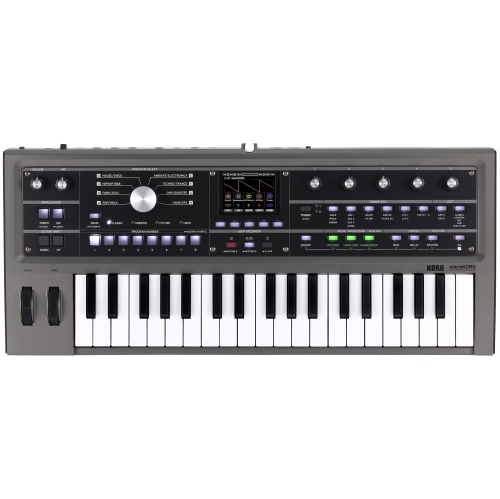 Your price for this item is $849.99
-
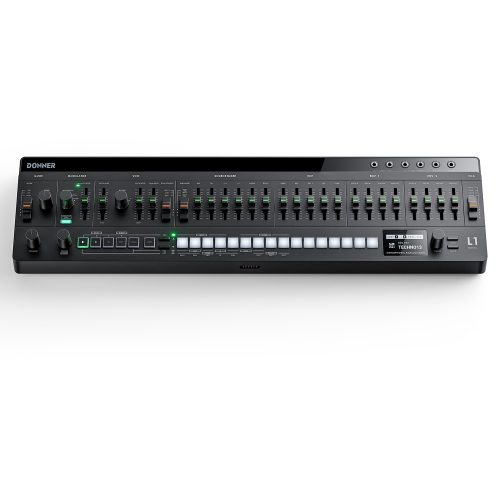 Your price for this item is $259.99
-
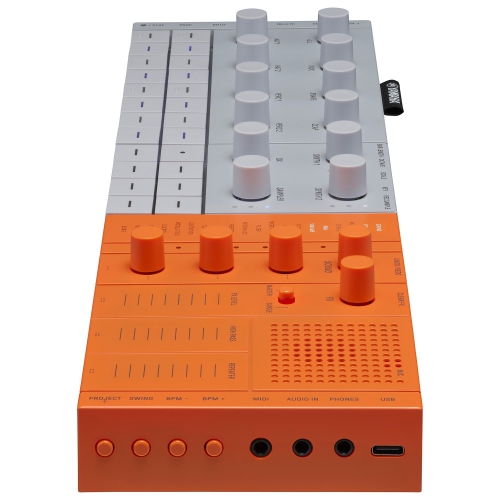 Your price for this item is $599.99
-
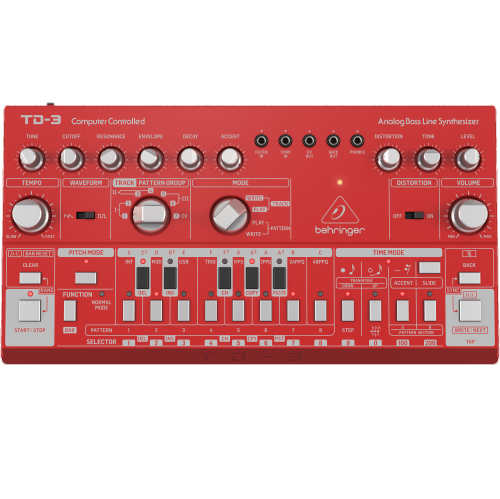 Your price for this item is $169
-
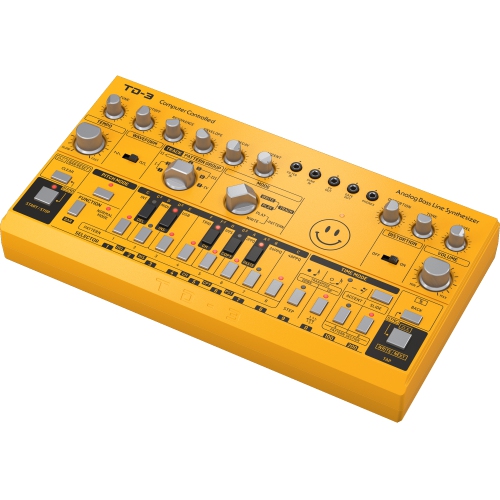 Your price for this item is $169
-
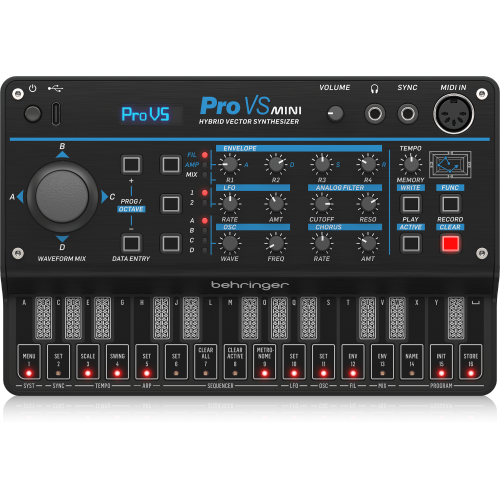 Your price for this item is $140
-
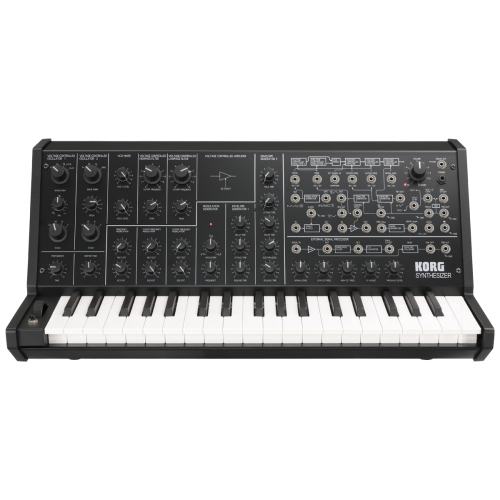 Your price for this item is $1099.99
-
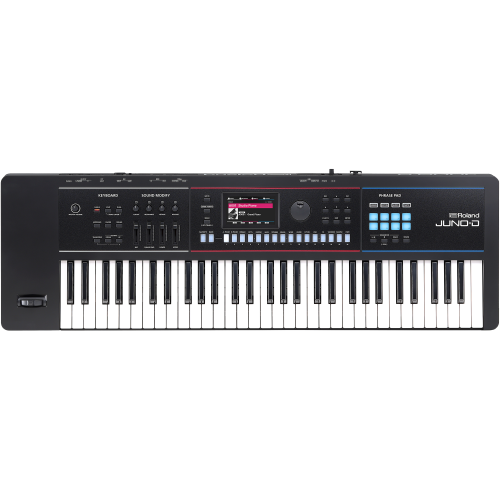 Your price for this item is $1299.99
Discover more categories related to Korg Keyboards
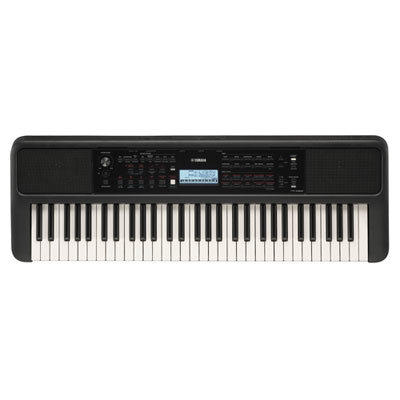
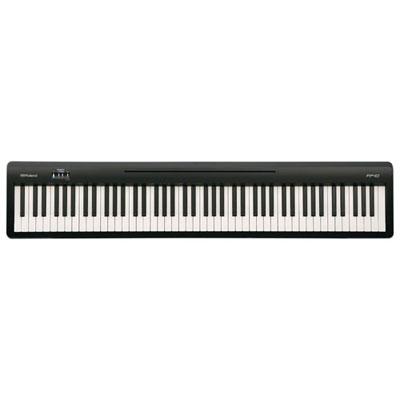
Top Collections:
Pokemon Centers, Kindle Devices, Best Budget Office Chairs, Canon G7X Cameras, Apple iPhones 16, Samsung Galaxy Phones, Refurbished Apple Laptops, Laptops for Students, iPhone 15 Apple, Budget Smartphones
Some products may be subject to Environmental Handling Fees
(EHF) depending on your province.
Learn more about EHFs.