Korg Keyboard Synthesizers
Discover the creative possibilities with a Korg Keyboard Synthesizer, designed to elevate your music production and performance. Whether you're a beginner exploring new sounds or a seasoned musician looking to expand your setup, these synthesizers offer versatility and innovation for any style. Find the perfect Korg Keyboard Synthesizer to suit your needs and unlock new dimensions in your musical journey.
Sort

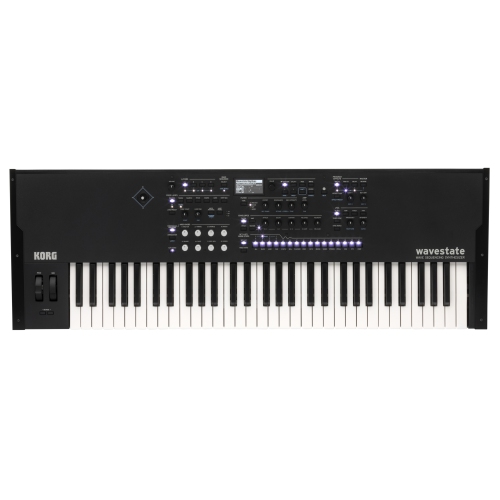
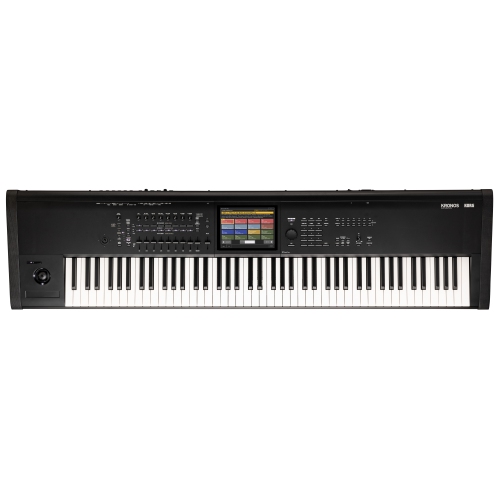
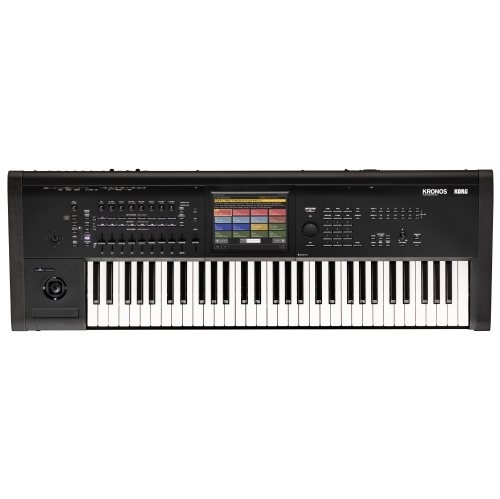
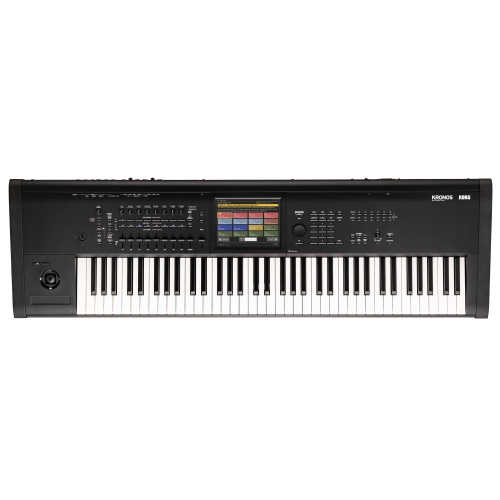
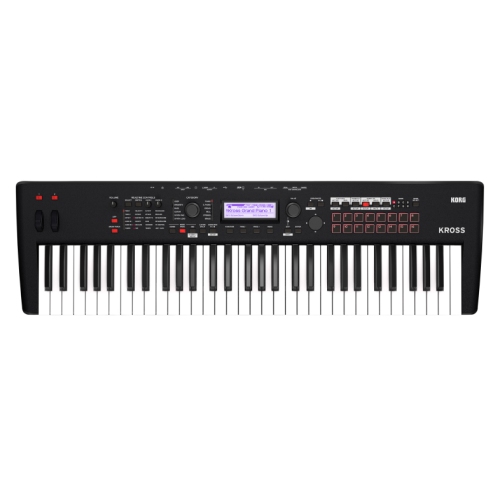
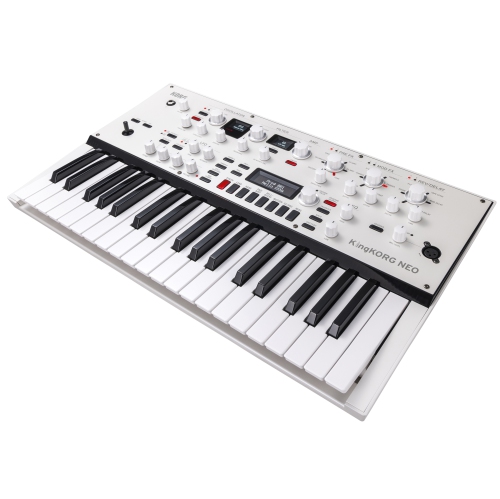
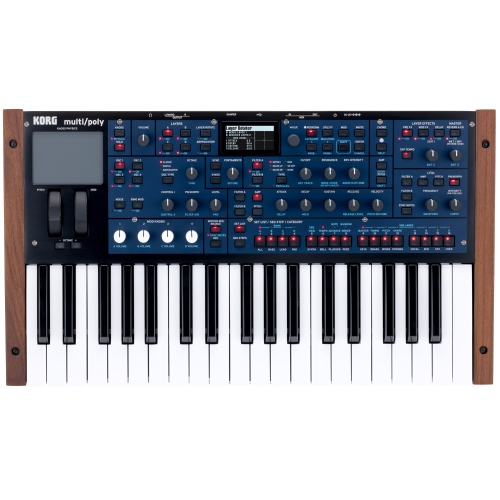
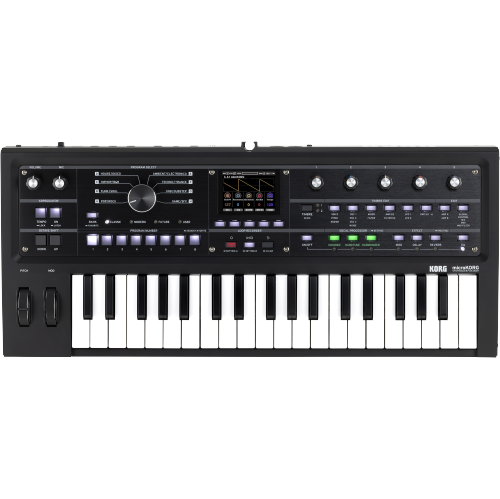
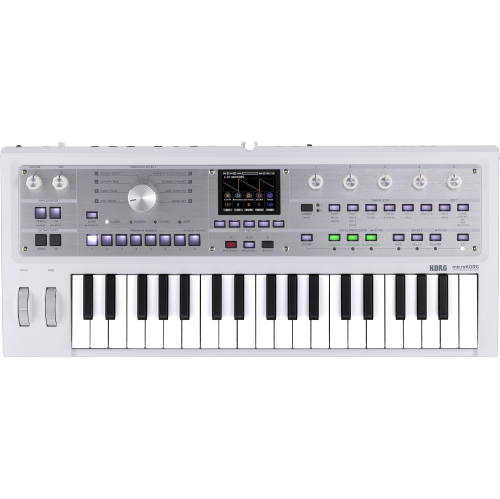
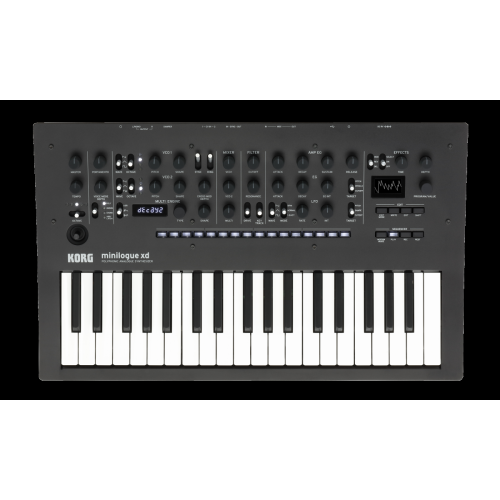
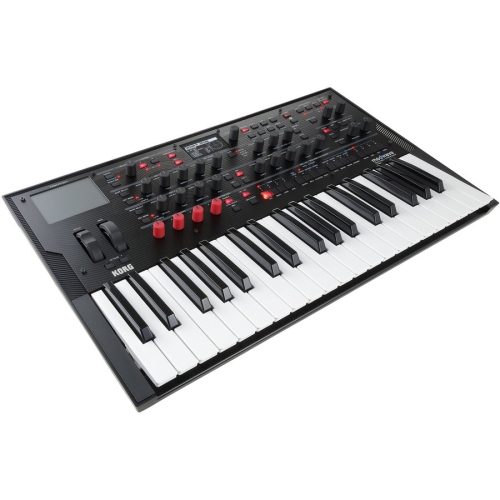
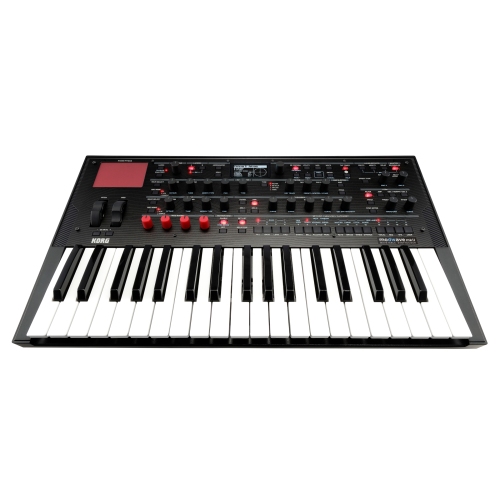


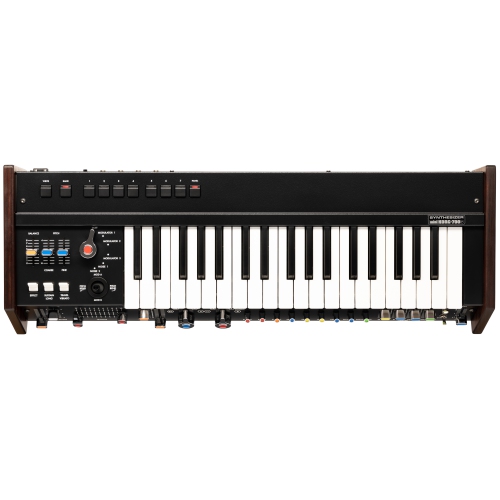
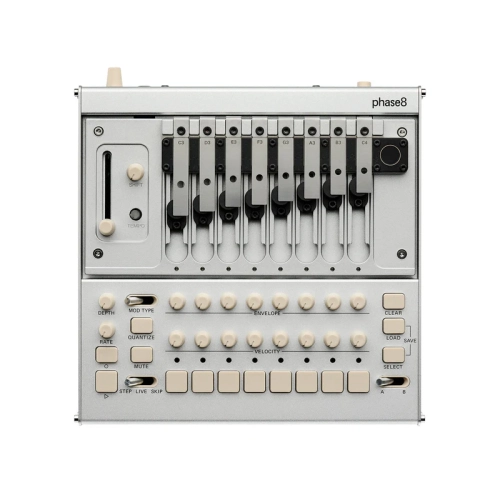
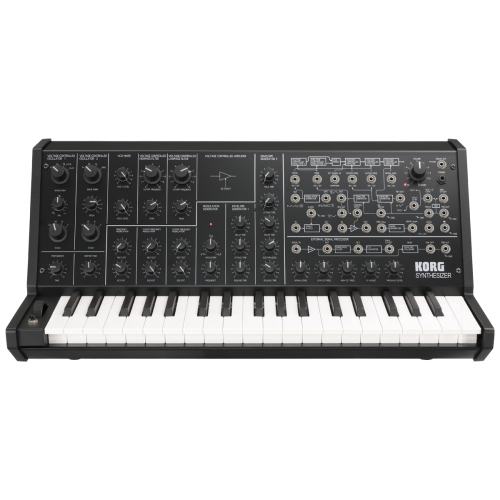

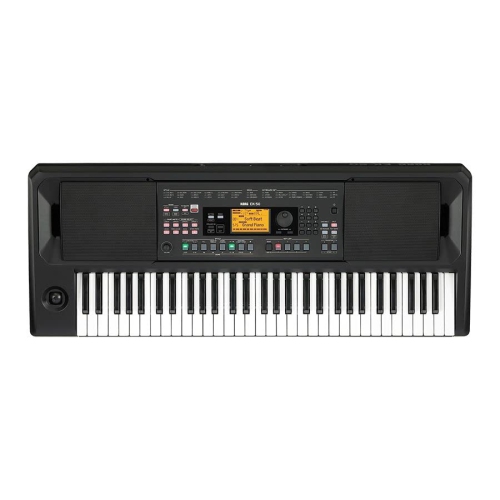
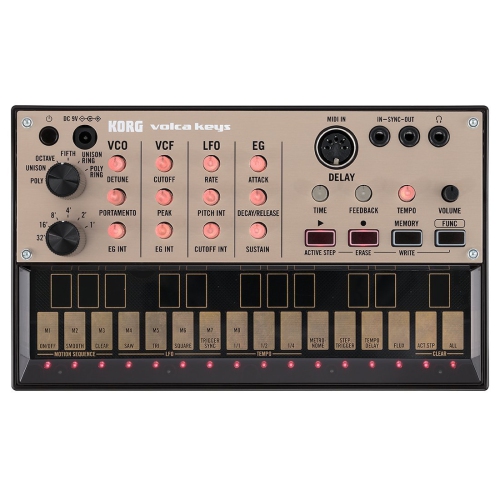
How sound engines and hands-on controls shape your music
Keyboard synthesizers combine a playable keyboard with electronic sound generation, giving musicians access to everything from rounded bass lines and bright leads to layered textures that shift throughout a sustained chord. The category spans compact instruments for focused sound design, expressive performance keyboards, and music workstations that bring several production functions together. Analogue synthesizers use electronic circuits to generate and shape sound, often with direct controls for oscillators, filters, and envelopes. Virtual analogue instruments recreate aspects of that approach digitally, while other digital synthesizers use methods such as frequency modulation, wavetable synthesis, or sample-based sound generation. Each approach offers a different palette: frequency modulation can produce glassy bells and sharply defined electric keyboard tones, while wavetable synthesis can move between waveforms to create animated pads and textured leads. Wave sequencing arranges sound samples and other parameters over time, allowing a held note to develop into a rhythmic or evolving passage. A workstation takes a broader approach, potentially combining several sound engines with effects, sequencing, and tools for building arrangements. These distinctions matter more than a simple analogue-versus-digital label because the playing experience depends on both the sound engine and the controls surrounding it. A musician writing electronic bass parts may value immediate access to filter cutoff and resonance, while a songwriter may prefer a broad library of ready-to-play sounds. Polyphony is another important distinction: a monophonic instrument plays one note at a time, whereas a polyphonic instrument supports multiple simultaneous notes. Layered sounds and long release tails can use additional voices, so the stated voice count does not always equal the number of keys that can sound together in a complex patch. For shoppers exploring the broader category, Electric Keyboard Synthesizers provide context for comparing different keyboard layouts, synthesis approaches, and performance features. The strongest match is an instrument whose sound, physical layout, and depth of control suit the music it will be used to make.
The keyboard itself shapes how a synthesizer feels during everyday playing. Mini keys help keep an instrument compact and easy to position beside a computer, though players accustomed to a piano may prefer full-size keys for familiar spacing. A shorter keyboard can be well suited to bass lines, solos, and programming parts one at a time; a wider range leaves more room for two-handed chords, splits, and layered performances. Octave-shift controls extend the accessible pitch range on many compact instruments, but changing octaves during a passage is a different experience from having those notes immediately under the fingers. Lightweight synth-action keys respond readily to fast runs and repeated notes, while semi-weighted and weighted actions offer different levels of resistance. Weighted action may appeal to pianists, but it is not automatically the best choice for organ-style parts or quick electronic leads. Velocity sensitivity allows playing strength to influence volume, tone, or other assigned parameters. Aftertouch, where supported, adds expression through pressure applied after a key is struck, such as bringing vibrato into a sustained note without taking a hand off the keyboard. Pitch and modulation controls, pedal inputs, and assignable knobs also affect how naturally a player can shape a performance. For live use, clearly arranged controls and readable displays make it easier to change sounds between songs or adjust an effect during a solo. In a home studio, dedicated controls can make sound design more immediate: turning a filter knob while a sequence repeats reveals changes that are harder to judge from a parameter name alone. Preset storage is useful for returning to a finished sound, while arpeggiators and step sequencers can supply repeating patterns for practice, composition, or performance. A vocoder, when included, uses an incoming signal, often a voice, to shape a synthesized sound; microphone requirements and input compatibility vary. These features serve beginners learning the relationship between movement and sound, experienced keyboardists expanding their stage setup, and producers who prefer playing and adjusting an instrument rather than working entirely on a screen.
Physical construction, connections, and care determine how comfortably a keyboard synthesizer fits into a musical setup over time. Plastic housings can keep weight manageable for carrying between lessons, rehearsals, and a home workspace, while metal panels and chassis can provide a more rigid structure. Some designs include wooden end panels, though appearance alone does not establish durability. Stable knobs, secure sockets, a supported keybed, and a suitable carrying case all contribute to reliable everyday use. Dimensions matter alongside key count: a deep control panel needs room on a desk, and rear connections require clearance for cables. A stand should support the instrument’s weight and depth without leaving it prone to rocking during energetic playing. For recording, MIDI and audio connections have distinct roles. MIDI communicates notes and control information rather than the synthesizer’s actual sound. USB may carry MIDI, audio, or both, depending on the instrument, so a USB socket does not by itself mean that direct audio recording is supported. Dedicated audio outputs can connect to an audio interface, mixer, or suitable amplification system. Many synthesizers do not include speakers, making compatible headphones or an external playback setup part of the practical plan. Headphone socket size, pedal compatibility, power requirements, and any battery support also deserve attention, particularly when the keyboard will move between locations. Keeping drinks away from the keys and controls, covering the instrument when unused, and wiping accessible surfaces with a soft, dry cloth help limit dust and accidental damage. Cleaning products should only be used as directed by the manufacturer, and liquids should never be sprayed directly onto the instrument. For transport, a padded bag helps protect against light knocks, while a properly fitted rigid case offers greater protection for frequent travel and shared equipment loads. A keyboard synthesizer can be a thoughtful gift for a pianist exploring electronic sounds, a student developing composition skills, or a producer building a hands-on recording setup. Matching the recipient’s preferred key feel, working space, and existing connections makes the gift more useful than choosing solely by the number of sounds or controls.
Top selling and popular products
-
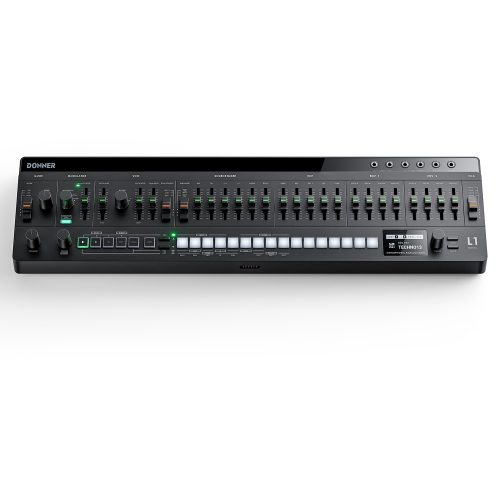 Your price for this item is $259.99
-
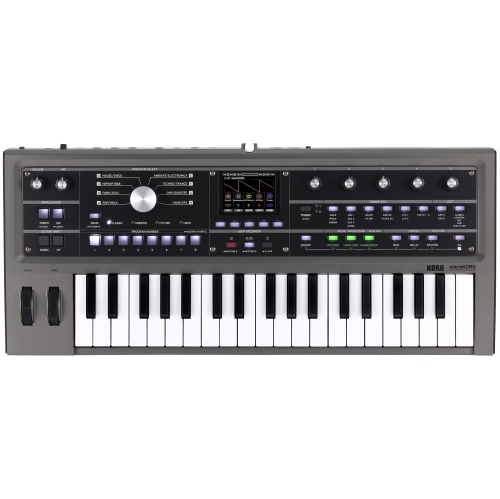 Your price for this item is $849.99
-
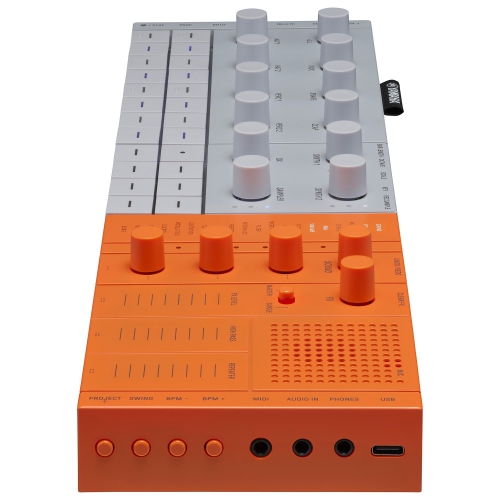 Your price for this item is $599.99
-
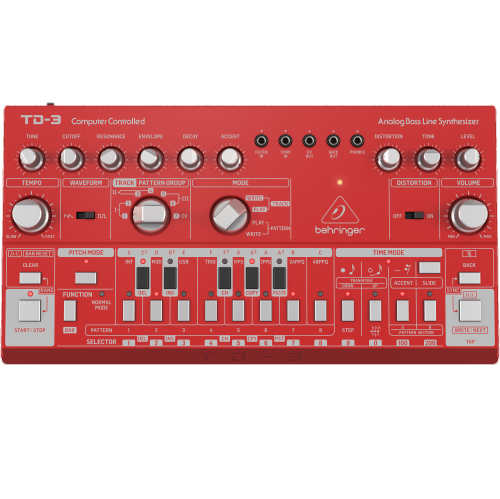 Your price for this item is $169
-
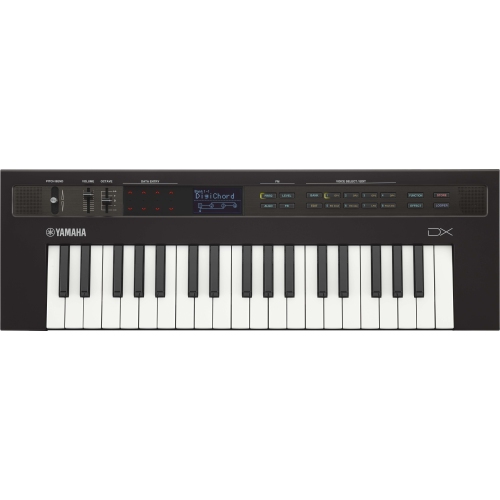 Your price for this item is $499.99
-
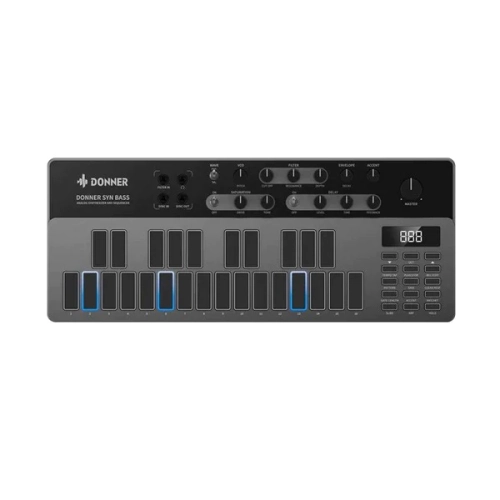 Your price for this item is $149.99
-
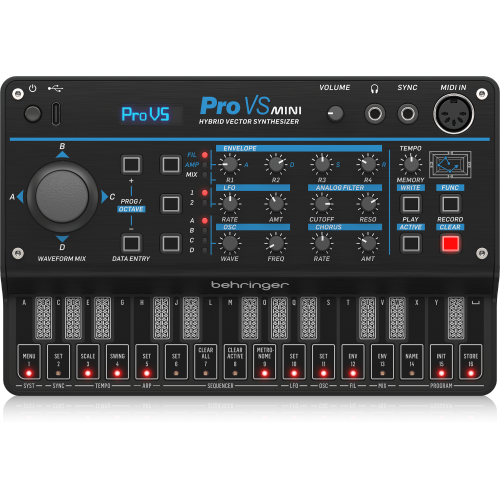 Your price for this item is $140
-
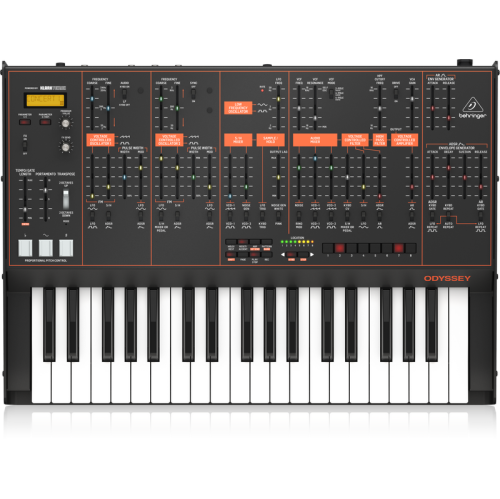 Your price for this item is $865
Discover more categories related to Korg Keyboard Synthesizers
Top Collections:
Pokemon Centers, Best Cameras for Sports Photography, Kindle Devices, Samsung Galaxy Phones, Canon G7X Cameras, Pokémon 30th Celebration Cards, Refurbished Apple Laptops, iPhone 15 Apple, Laptops for Students, Budget Smartphones
Some products may be subject to Environmental Handling Fees
(EHF) depending on your province.
Learn more about EHFs.