Roland Keyboards
Explore the creative possibilities with Roland keyboards, designed to bring exceptional sound and versatility to your music experience. Whether you’re a beginner learning your first notes or a seasoned performer looking for advanced capabilities, you’ll find a range of options to suit your style and skill level. Discover the perfect Roland keyboard to enhance your playing, practice sessions, or live performances, all in one convenient place.
Sort
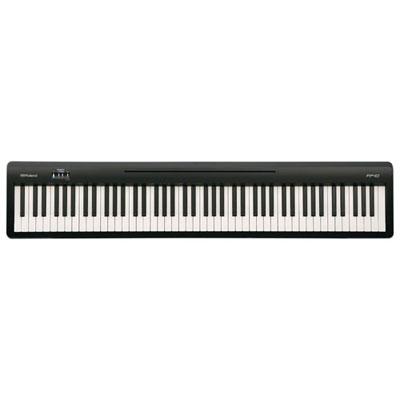

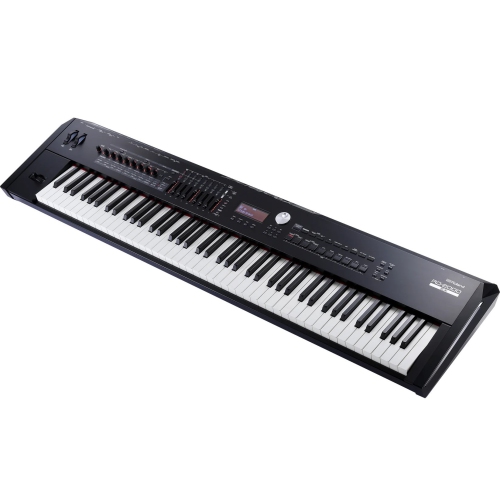
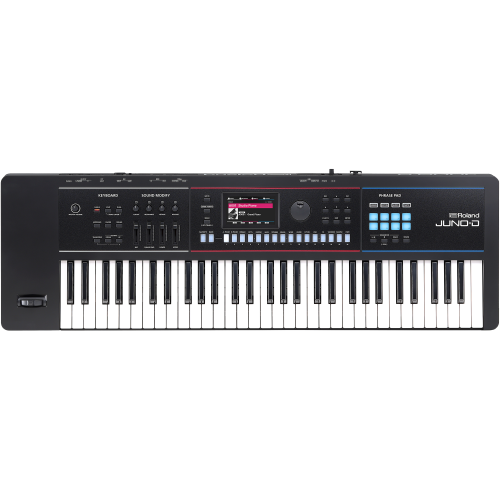
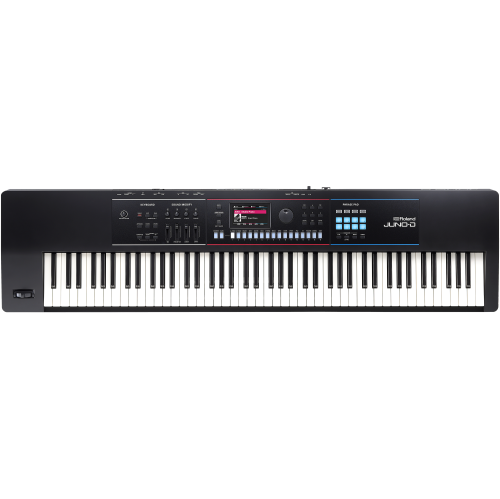
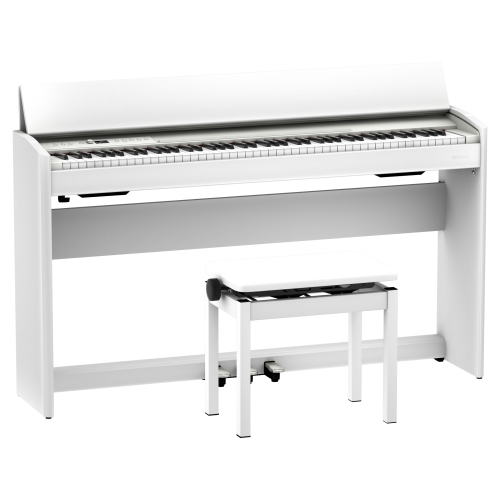
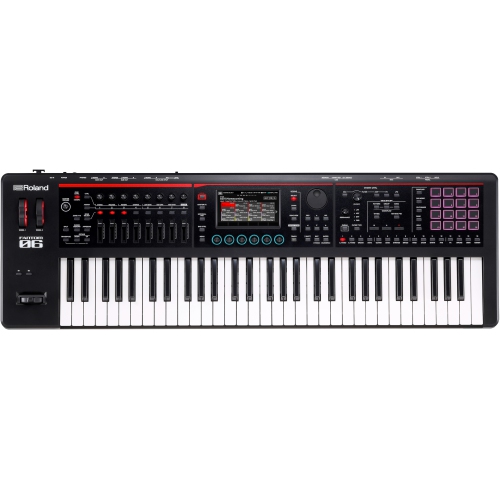
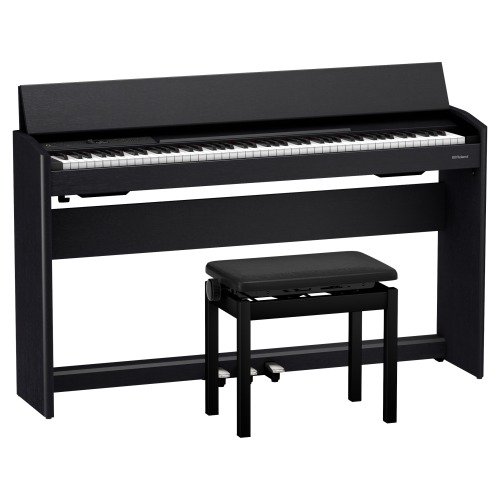


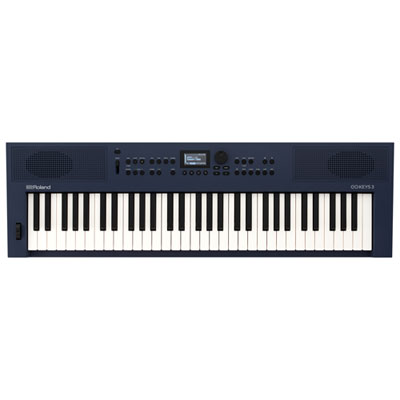
How keyboard feel and features shape your playing
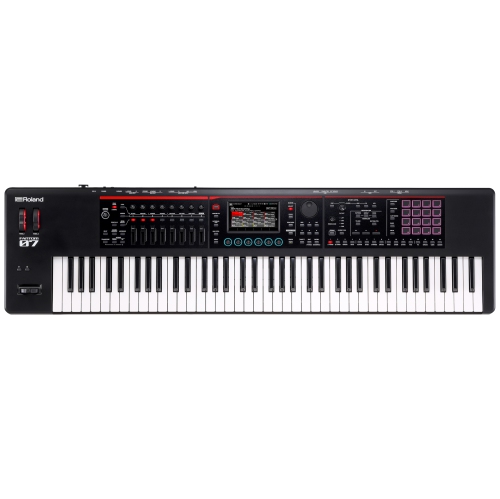
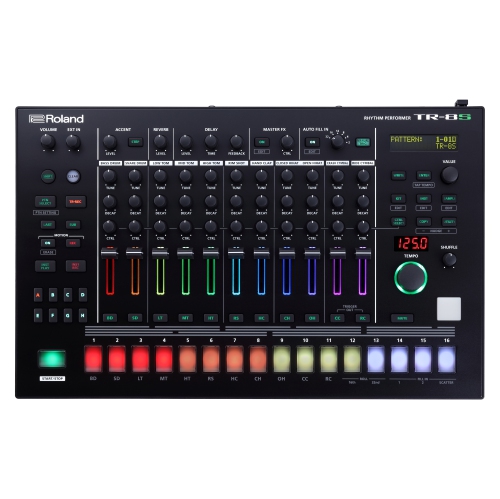
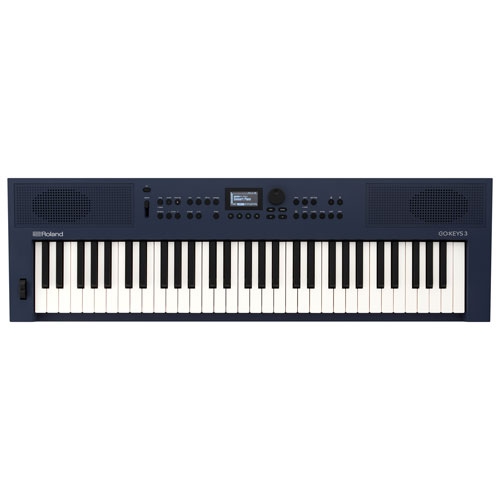
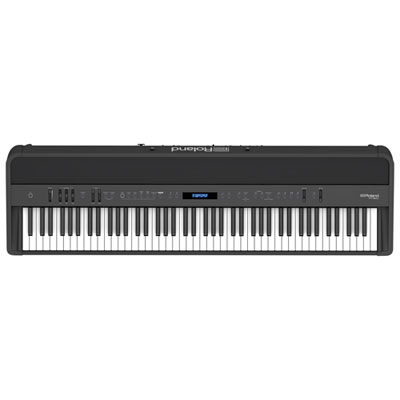
Digital pianos, stage keyboards, synthesizers, and music workstations put different kinds of music-making at the player’s fingertips. A digital piano centres on the feel and sound of playing piano, while a stage keyboard often brings piano, electric piano, organ, and other sounds together for performance. Synthesizers offer ways to shape tones, from rounded bass notes to bright leads and slowly unfolding textures. Music workstations can combine playable sounds with sequencing and other composition tools, giving songwriters a place to develop arrangements beyond a single keyboard part. These categories sometimes overlap, so the most useful distinctions are the playing experience, the sounds, and the controls that suit the musician’s routine. For someone practising piano repertoire, an 88-key layout provides the full range of a standard acoustic piano. Weighted hammer-action keys offer resistance that supports controlled phrasing and dynamic playing, although the feel varies between instruments. Lighter actions can suit organ parts, fast synthesizer passages, and musicians who prefer less resistance under their fingers. Compact 61-key and 76-key layouts can be practical for writing songs, rehearsing with a band, or fitting an instrument into a smaller room, with less range than a full-size piano keyboard. Velocity-sensitive keys respond to how firmly they are played, allowing changes in volume or tone rather than producing the same result with every touch. Key weighting and velocity sensitivity are separate features, an important distinction when considering how an instrument will feel and respond. Players whose main interest is piano-style practice and performance can explore Roland Electric Piano Keyboards for a more focused selection. Built-in speakers can make a keyboard straightforward to use at home, while instruments designed around external amplification may better suit a stage or recording setup. The intended setting helps define which features will matter most, whether that means a clear piano tone for daily exercises or quick access to contrasting sounds during a performance.
The way a keyboard handles sound and connections has a direct effect on everyday use. A student working through scales may value a metronome, easy sound selection, and headphone listening more than a large set of editing controls. Headphones allow private practice, although the movement of the keys can still produce some mechanical sound. A split function, where supported, assigns different sounds to separate areas of the keyboard; a player might use bass notes with the left hand and piano chords with the right. Layering combines sounds across the same keys, such as piano with a soft string texture for a fuller arrangement. Accompaniment features can add rhythmic backing that responds to chords, providing a different experience from a metronome’s steady click. Recording functions vary: some capture performance information for playback within the instrument, while others can record audio or exchange data with a computer. MIDI carries note and control information rather than recorded sound, making it useful for playing software instruments or editing a performance in music-production software. USB connections may support MIDI, audio, or storage functions, depending on the keyboard, so the connector alone does not establish what it can do. Bluetooth audio and Bluetooth MIDI also serve different purposes, and wireless connections can introduce latency that matters during playing or recording. For live use, audio outputs, pedal inputs, and clearly arranged controls can be just as important as the sound selection. A musician moving between a delicate piano passage and a sustained organ part benefits from settings that are easy to reach without losing the flow of the song. Sustain pedals support piano-style phrasing, while expression pedals can control volume or other assigned functions on compatible instruments. Half-pedal response, which allows more gradual control of sustain, depends on both keyboard support and a compatible pedal. In a studio, the ability to route audio, adjust levels, and save preferred settings can help an instrument fit smoothly into an existing recording workflow.
Comfort, construction, and care matter because a keyboard is an instrument that may be played for years. Its width, depth, and weight affect where it fits and how easily it moves between home, lessons, rehearsals, and performances. A full-size instrument needs room not only for the keys, but also for comfortable arm movement, a bench or chair, and any music rest or connected cables. A stable stand helps keep the playing surface steady during energetic passages, and an appropriate seating height lets the forearms rest comfortably without raised shoulders or sharply bent wrists. Pedal placement matters too: a pedal that slides away during practice can interrupt phrasing and encourage an awkward sitting position. Construction varies, with moulded housings, metal components, and, in some key actions, wooden elements contributing to different weights and playing experiences. The sturdiness of the chassis, controls, sockets, and stand arrangement is particularly relevant for an instrument that travels regularly. A padded carrying bag can help protect against scratches and minor knocks, while more protective cases may suit frequent transport; the fit should account for the keyboard’s dimensions and any protruding controls. At home, a clean, dry playing area helps protect the keys and electronics. Routine care generally involves a soft cloth and the cleaning method recommended by the manufacturer, rather than spraying liquid directly onto the instrument or using harsh cleaners. Drinks kept away from the keys and cables routed outside walking paths can prevent familiar mishaps. For a beginner, approachable controls and a comfortable action make it easier to concentrate on hand position, rhythm, and listening. An experienced pianist may place greater importance on nuanced response and pedal behaviour, while a songwriter may prefer varied sounds and flexible recording connections. As a gift, a keyboard is most personal when it matches the recipient’s musical interests, available space, and existing setup. A piano student, a returning player, and a musician building arrangements at home may all enjoy an electronic keyboard, but their ideal playing experiences can be quite different.
Top selling and popular products
-
 Your price for this item is $149.99
-
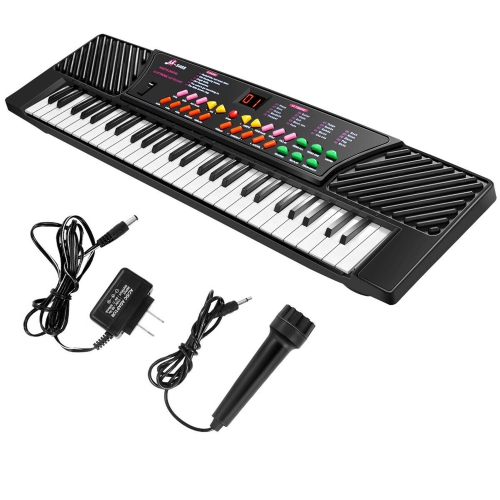 Your price for this item is $69.99
-
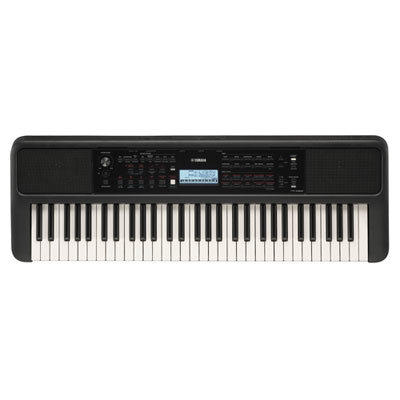 Your price for this item is $289.99
-
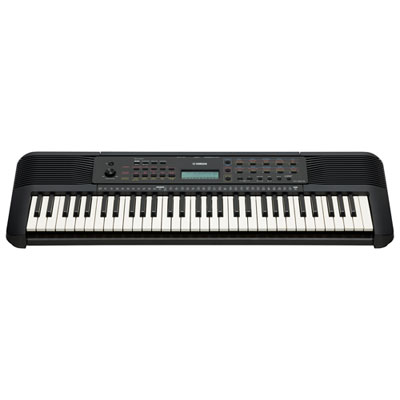 Your price for this item is $119.95
-
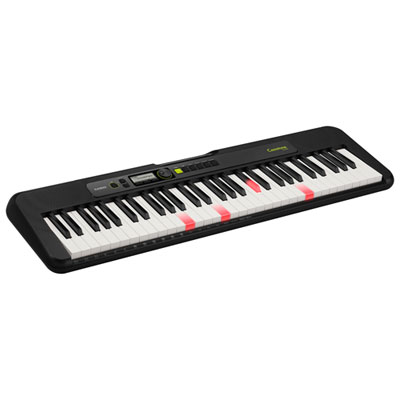 Your price for this item is $229.95
-
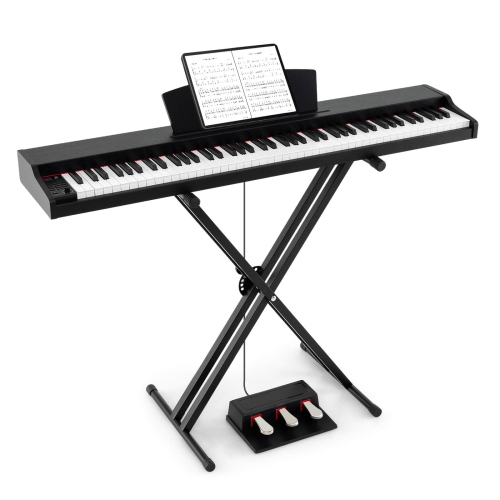 Your price for this item is $236.99
-
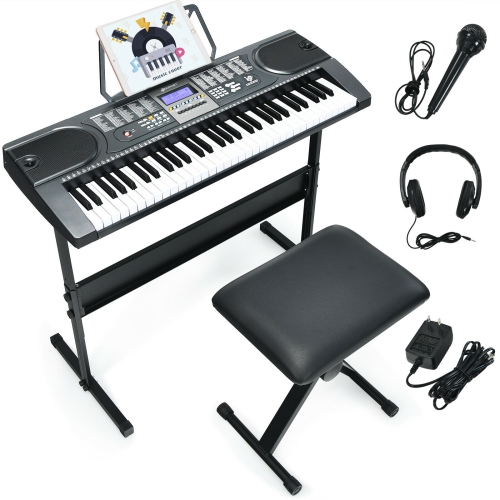 Your price for this item is $199.99
-
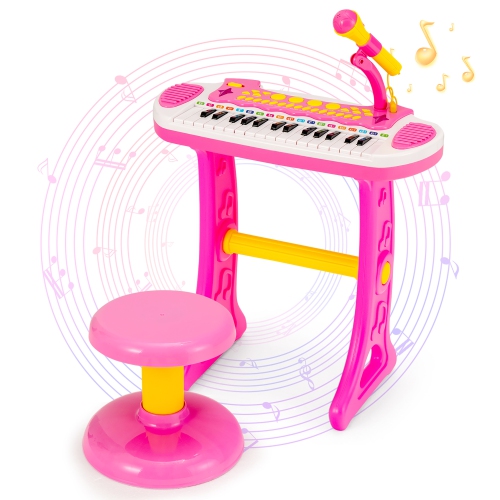 Your price for this item is $74.99
Discover more categories related to Roland Keyboards
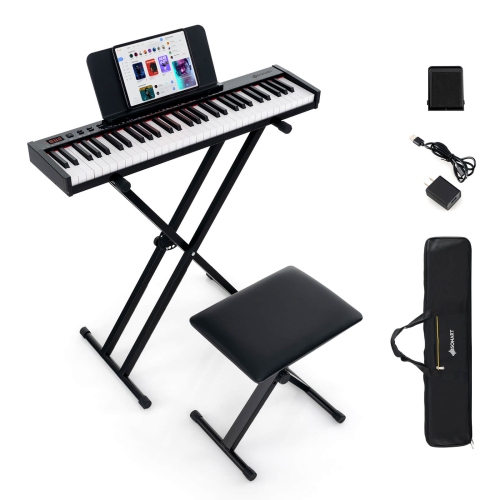
Top Collections:
Pokemon Centers, Kindle Devices, Best Budget Office Chairs, Canon G7X Cameras, Apple iPhones 16, Samsung Galaxy Phones, Refurbished Apple Laptops, Laptops for Students, iPhone 15 Apple, Budget Smartphones
Some products may be subject to Environmental Handling Fees
(EHF) depending on your province.
Learn more about EHFs.