Music Metronomes
Enhance your musical skills and perfect your timing with this selection of music metronomes. Whether you're a seasoned musician looking to maintain precision or a beginner striving for rhythmic accuracy, these essential tools are designed to help you stay on beat and improve your overall performance. With a variety of features and styles to choose from, finding the perfect metronome to suit your needs has never been easier. Explore this range today and elevate your musical experience to new heights.
Sort
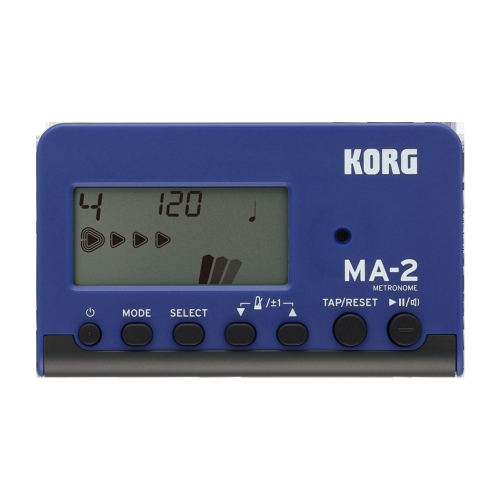
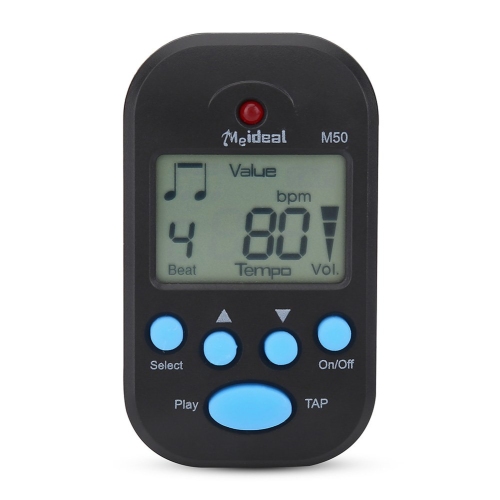
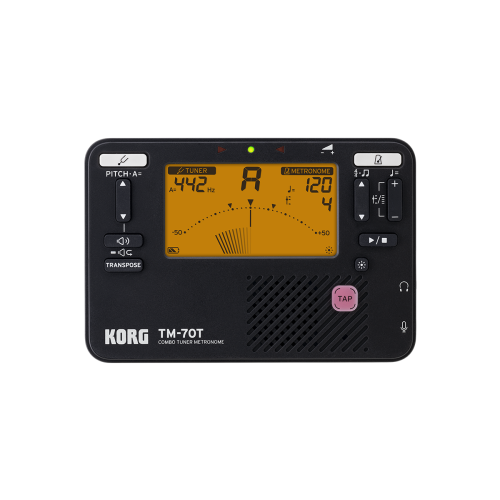

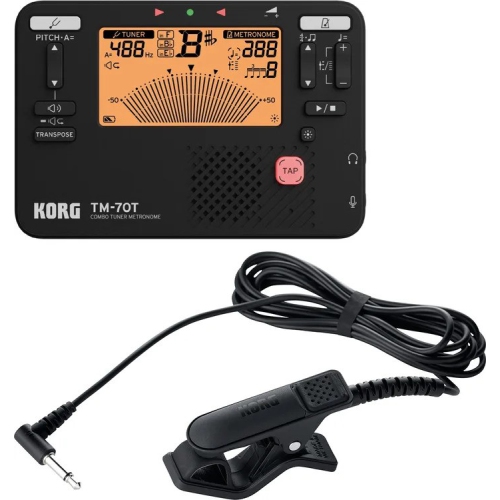
How steady beats support focused musical practice
Music metronomes are practical tools for developing a reliable sense of rhythm, whether you are learning your first scales, preparing for an audition, writing songs, or returning to an instrument after time away. A metronome produces a steady pulse measured in beats per minute (BPM), giving you an audible or visual reference while you practise. That regular beat can help prevent the gradual speeding up that often happens during familiar passages, as well as the slowing down that can occur when a difficult section demands extra concentration. Over time, working with a metronome helps connect the movement of your hands, breath, bow, pick, or drumsticks to a consistent internal pulse. It can be especially useful for piano, guitar, violin, woodwinds, brass, percussion, and voice, but the same principles apply to almost any musical discipline. Start with a tempo that lets you play comfortably and accurately, then increase the speed in small steps once the notes, fingering, articulation, and dynamics feel secure. If a passage is challenging, reduce the tempo rather than playing through repeated mistakes. Practising slowly with a clear beat can make the rhythm easier to understand and gives your muscles time to learn the correct pattern. You can also use a metronome to work through scales, chord changes, warmups, sight-reading, solos, and sections that include rests or changing note values. For ensemble players, this kind of practice builds the timing needed to lock in with other musicians, a drummer, a conductor, a backing track, or a recording.
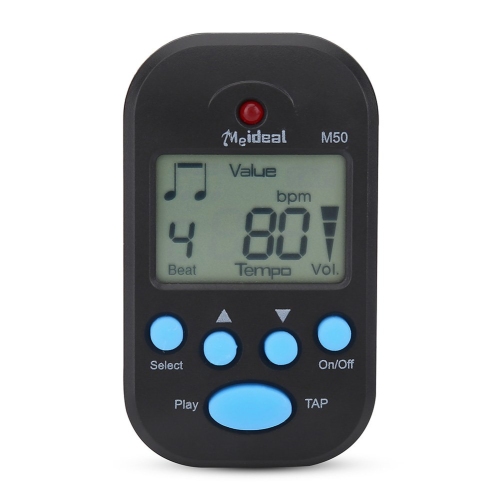
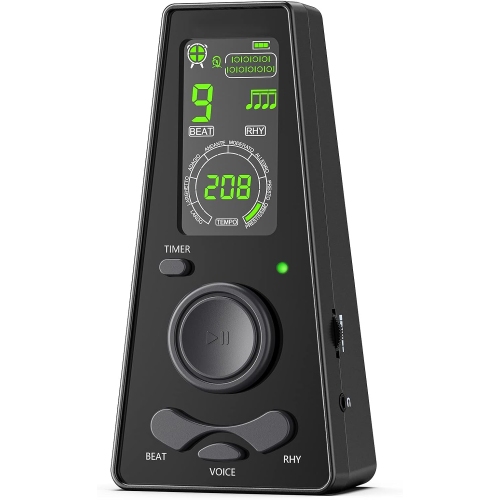
When choosing a music metronome, consider how and where it will be used. Mechanical metronomes use a spring-wound mechanism and a swinging pendulum with an adjustable weight, providing a familiar visual motion and a traditional click. Many players enjoy the physical routine of winding the mechanism, watching the pendulum move, and hearing the tempo settle into the room. Digital and quartz metronomes are often compact, lightweight, and convenient for music stands, practice rooms, lessons, and travel. They typically offer a broad range of BPM settings, precise tempo changes, and clear controls for adjusting the beat. Some include tap-tempo functions, allowing you to tap along to an approximate pace before fine-tuning it; accent settings for highlighting the first beat of a measure; and selectable subdivisions such as eighth notes, triplets, or sixteenth notes. These features can make syncopated rhythms, compound time, and uneven patterns easier to isolate. A visible tempo display can be helpful when practising quietly, while a louder click may be more suitable for a drum kit or a larger room. Headphone compatibility is worth considering for shared spaces, late-evening practice, or situations where you need to hear the pulse without competing with the sound of your instrument. Battery life, control layout, display readability, and portability also matter, particularly for students who move between home, lessons, rehearsals, and performances. A simple model can be an excellent choice for someone who wants dependable tempo support without extra settings, while a more feature-rich option may suit advanced players who practise subdivisions, program changes in tempo, or work across several instruments. Musicians who create electronic arrangements or experiment with layered sounds may also appreciate having a steady tempo reference nearby when working with Music Synthesizers and other equipment.
A music metronome can be a thoughtful gift for a beginner taking lessons, a student preparing for school performances, a band member building rehearsal habits, or an experienced musician refining technique. It is small enough to fit into a practice bag and useful long after the excitement of receiving a new instrument has passed. For a new player, look for straightforward controls, an easy-to-read display, and a tempo range that supports both slow practice and faster exercises. A player who performs with others may value a strong audible click, headphone support, or flexible accent and subdivision options. A composer, songwriter, or home-recording enthusiast may use a metronome to establish a consistent pulse before arranging parts, recording scratch tracks, or exploring a new groove. Effective practice does not require leaving the metronome running for an entire session. Many musicians use it for a few focused minutes: first playing a passage directly with the click, then repeating it with different subdivisions, and finally turning the sound off briefly to test whether the internal pulse remains steady before checking back in. This approach can reveal small timing shifts without making practice feel mechanical. It is also useful to place the beat on different parts of a measure, or to set the metronome at a slower rate so that each click represents a larger grouping of beats. With regular use, the device becomes less of a correction tool and more of a dependable musical reference. During the warmer and cooler parts of the year alike, a metronome can support consistent practice at home, in a lesson space, backstage, or wherever music is made.
When choosing a music metronome, consider how and where it will be used. Mechanical metronomes use a spring-wound mechanism and a swinging pendulum with an adjustable weight, providing a familiar visual motion and a traditional click. Many players enjoy the physical routine of winding the mechanism, watching the pendulum move, and hearing the tempo settle into the room. Digital and quartz metronomes are often compact, lightweight, and convenient for music stands, practice rooms, lessons, and travel. They typically offer a broad range of BPM settings, precise tempo changes, and clear controls for adjusting the beat. Some include tap-tempo functions, allowing you to tap along to an approximate pace before fine-tuning it; accent settings for highlighting the first beat of a measure; and selectable subdivisions such as eighth notes, triplets, or sixteenth notes. These features can make syncopated rhythms, compound time, and uneven patterns easier to isolate. A visible tempo display can be helpful when practising quietly, while a louder click may be more suitable for a drum kit or a larger room. Headphone compatibility is worth considering for shared spaces, late-evening practice, or situations where you need to hear the pulse without competing with the sound of your instrument. Battery life, control layout, display readability, and portability also matter, particularly for students who move between home, lessons, rehearsals, and performances. A simple model can be an excellent choice for someone who wants dependable tempo support without extra settings, while a more feature-rich option may suit advanced players who practise subdivisions, program changes in tempo, or work across several instruments. Musicians who create electronic arrangements or experiment with layered sounds may also appreciate having a steady tempo reference nearby when working with Music Synthesizers and other equipment.
A music metronome can be a thoughtful gift for a beginner taking lessons, a student preparing for school performances, a band member building rehearsal habits, or an experienced musician refining technique. It is small enough to fit into a practice bag and useful long after the excitement of receiving a new instrument has passed. For a new player, look for straightforward controls, an easy-to-read display, and a tempo range that supports both slow practice and faster exercises. A player who performs with others may value a strong audible click, headphone support, or flexible accent and subdivision options. A composer, songwriter, or home-recording enthusiast may use a metronome to establish a consistent pulse before arranging parts, recording scratch tracks, or exploring a new groove. Effective practice does not require leaving the metronome running for an entire session. Many musicians use it for a few focused minutes: first playing a passage directly with the click, then repeating it with different subdivisions, and finally turning the sound off briefly to test whether the internal pulse remains steady before checking back in. This approach can reveal small timing shifts without making practice feel mechanical. It is also useful to place the beat on different parts of a measure, or to set the metronome at a slower rate so that each click represents a larger grouping of beats. With regular use, the device becomes less of a correction tool and more of a dependable musical reference. During the warmer and cooler parts of the year alike, a metronome can support consistent practice at home, in a lesson space, backstage, or wherever music is made.
Top selling and popular products
-
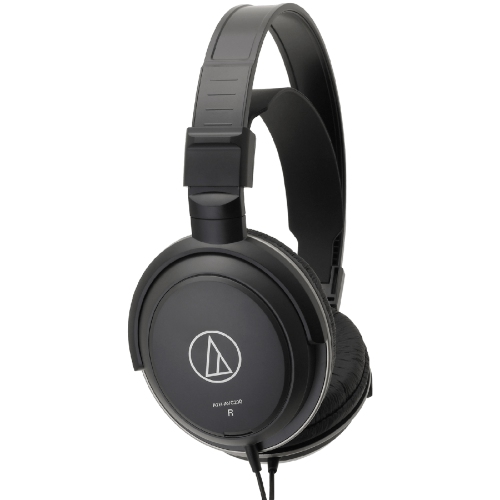 Your price for this item is $62.68
 -
 Your price for this item is $18.99
 -
 Your price for this item is $38.37
 -
 Your price for this item is $39.99
 -
![VIR Siamese Dream (Remastered & Reissued) - Smashing Pumpkins, The [2Lp (180 Gram)]](https://multimedia.bbycastatic.ca/multimedia/products/500x500/105/10540/10540226.jpg) Your price for this item is $89.99
Your price for this item is $89.99 -
 Your price for this item is $38
 -
 Your price for this item is $22.99
 -
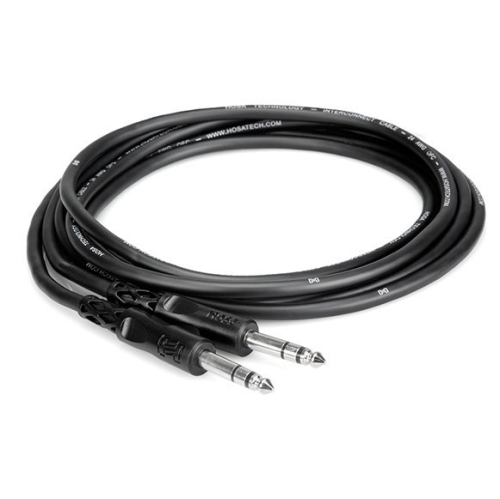 Your price for this item is $13.59
Discover more categories related to Music Metronomes
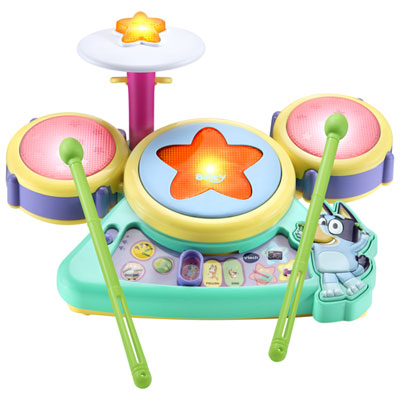
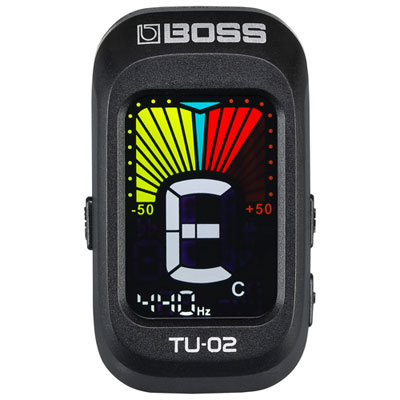
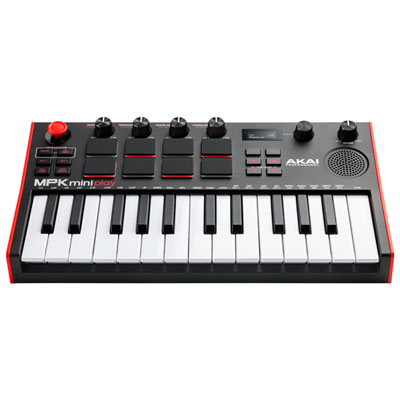

Top Collections:
Pokemon Centers, Kindle Devices, Best Budget Office Chairs, Apple iPhones 16, Canon G7X Cameras, iPhone 15 Apple, Alarm Clock, Refurbished Apple Laptops, Flip Phones, Best Laptops for Writers
Some products may be subject to Environmental Handling Fees
(EHF) depending on your province.
Learn more about EHFs.