Musician Gear
Whether you're a seasoned musician or just starting out, having the right gear is essential for creating the perfect sound. At Best Buy, we understand the importance of quality equipment that helps you unleash your musical talents. Our musician gear collection offers a wide range of instruments, accessories, and equipment to cater to every musician's unique style and needs. From guitars and keyboards to microphones and headphones, our selection is designed to elevate your performance and take your music to the next level. Browse through our extensive musician gear lineup and discover the tools that will help you create unforgettable melodies and rock any stage with confidence.
Sort
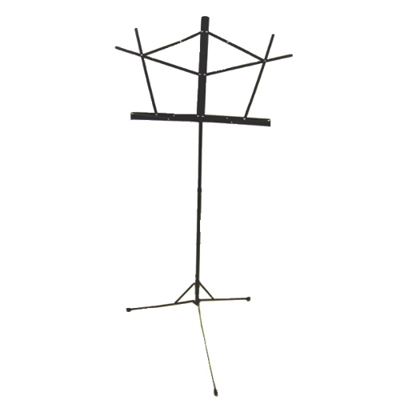
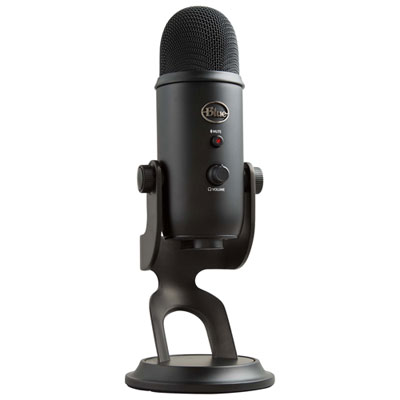
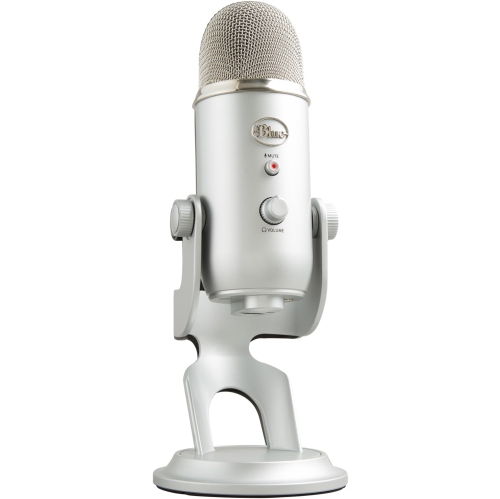
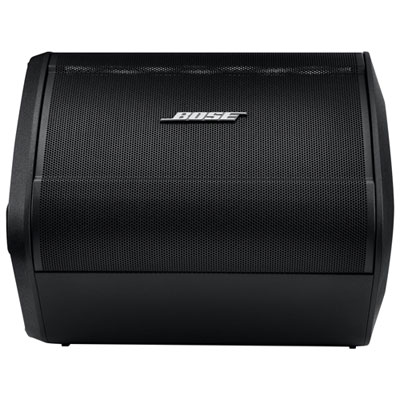
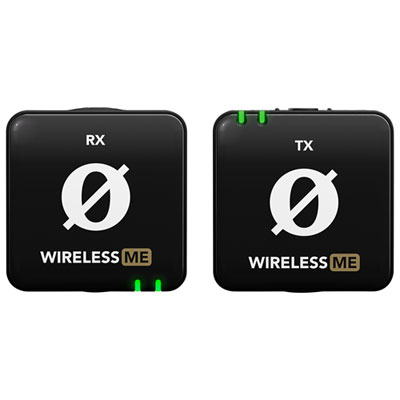

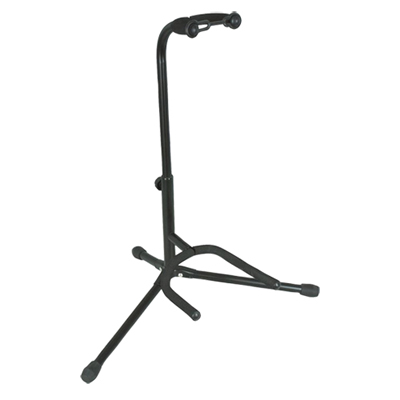

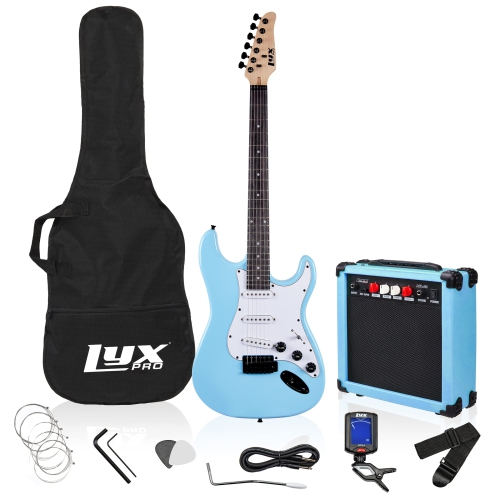
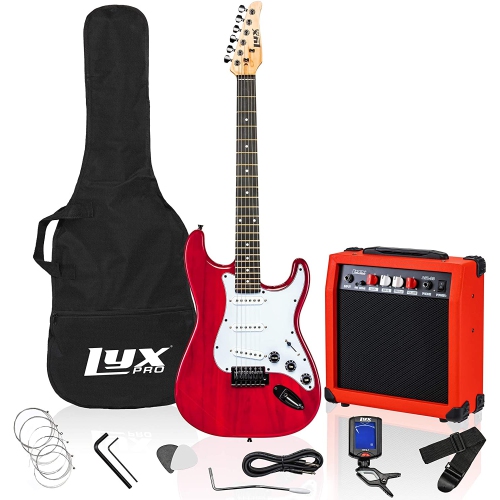
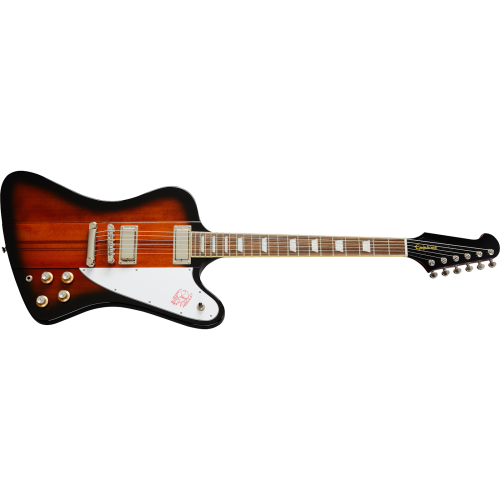
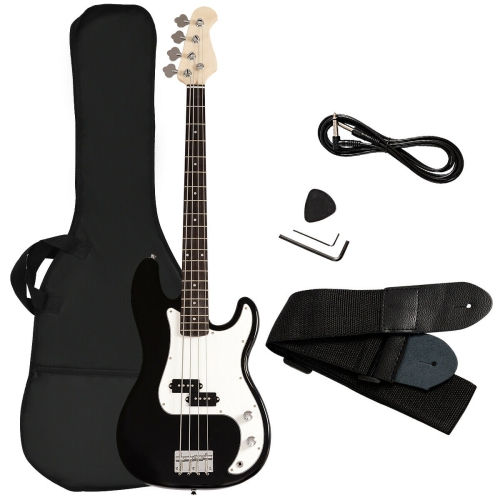
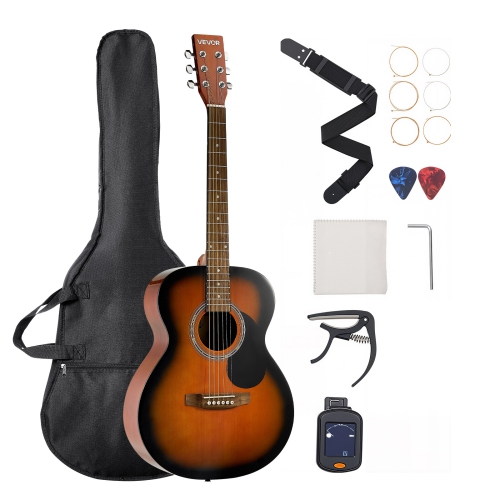
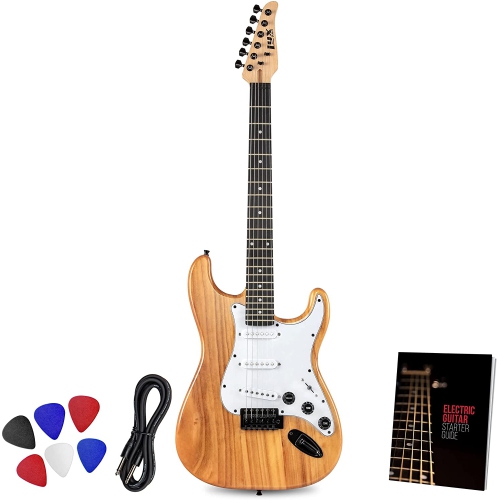
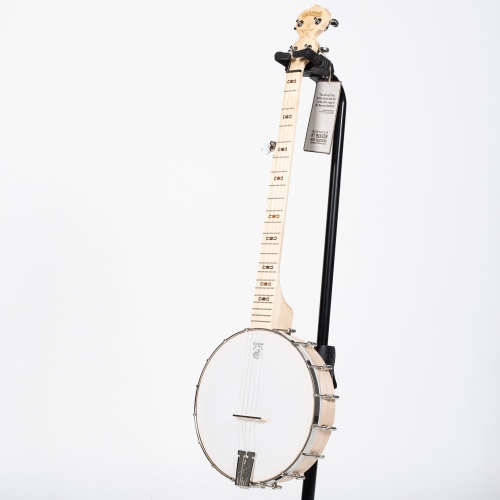
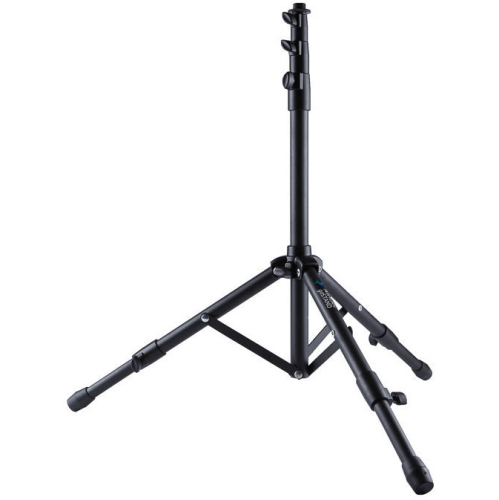
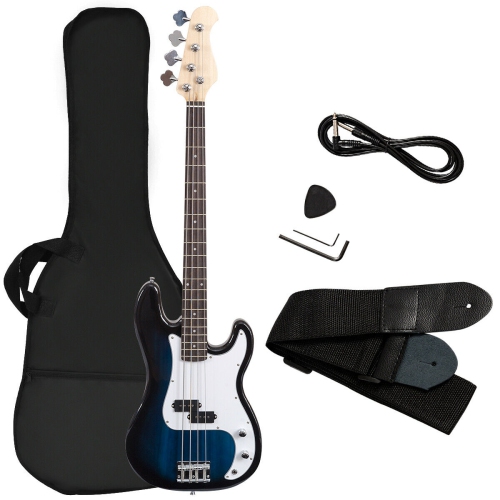
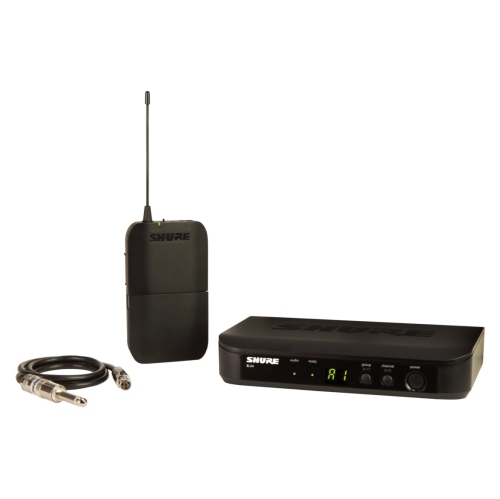
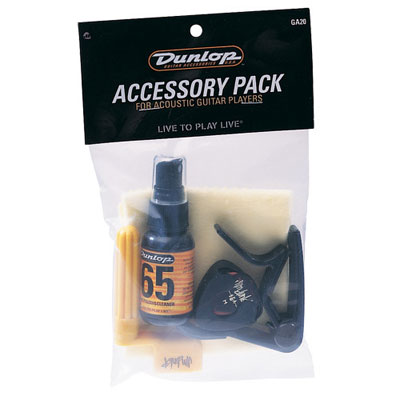
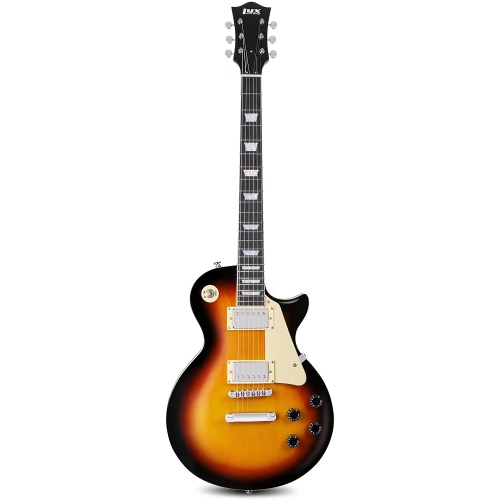
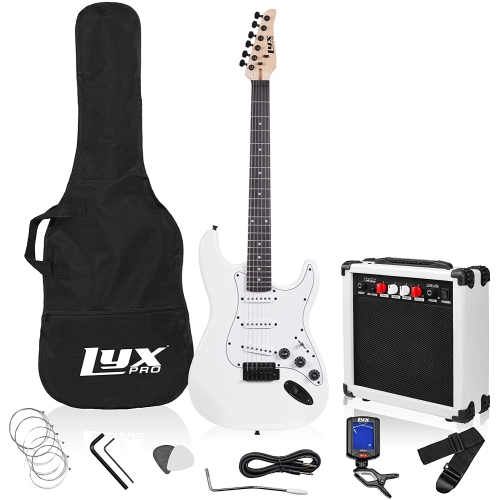
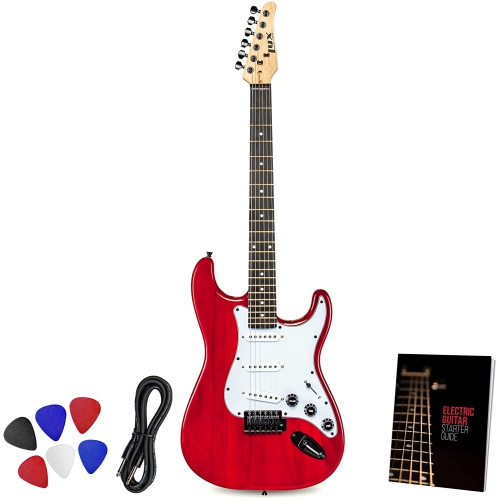
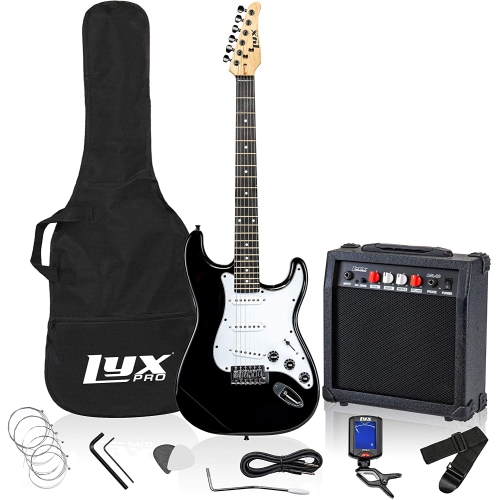
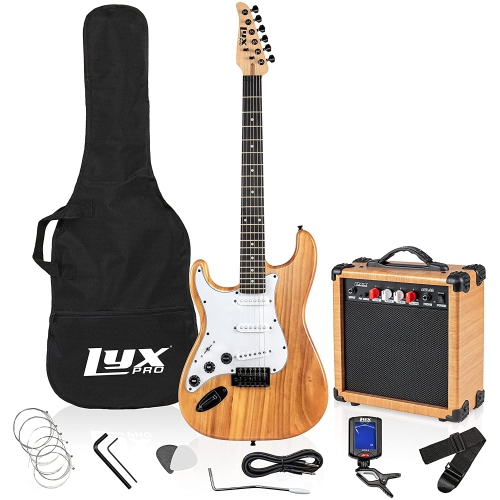
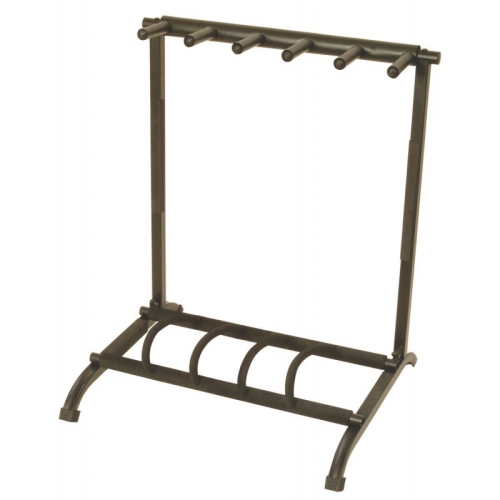
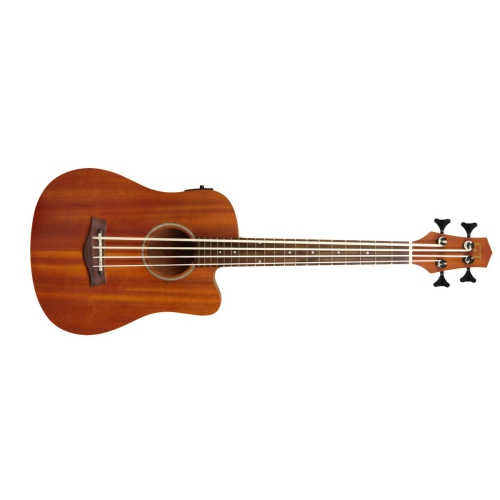
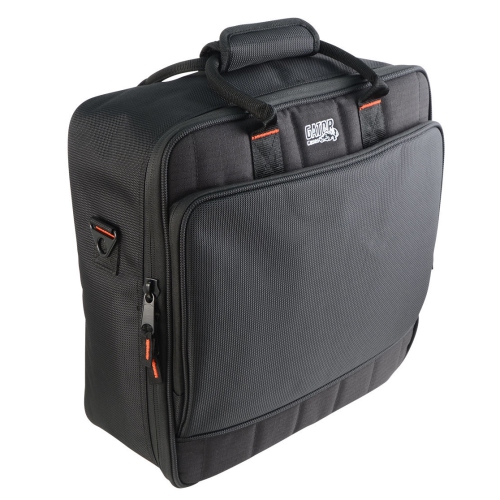
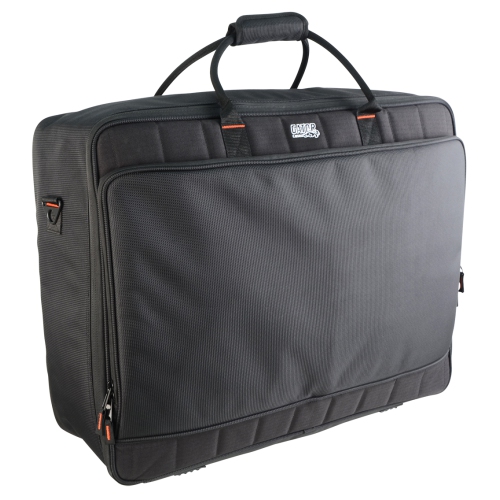
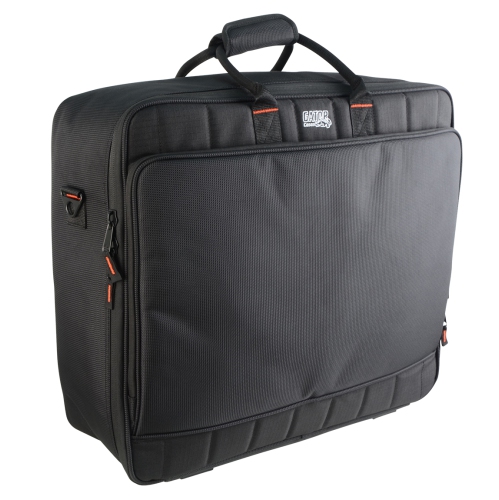
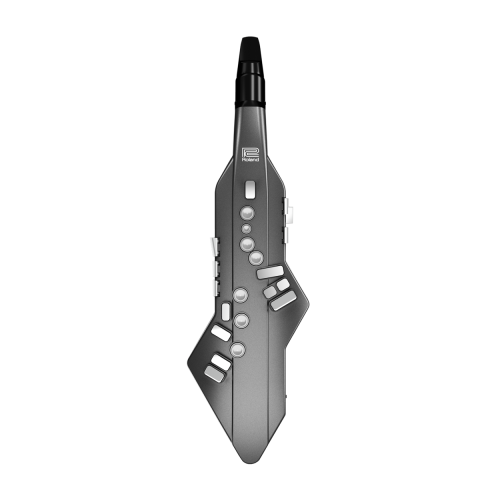
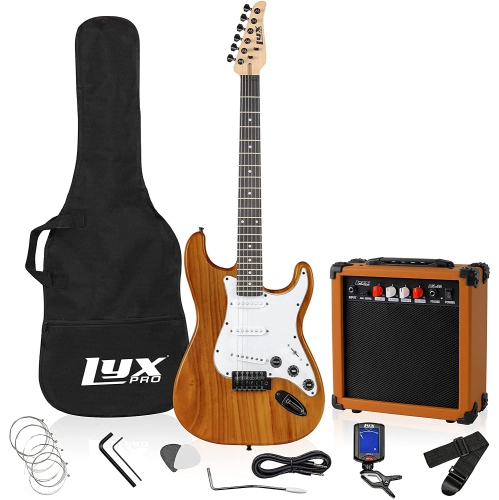

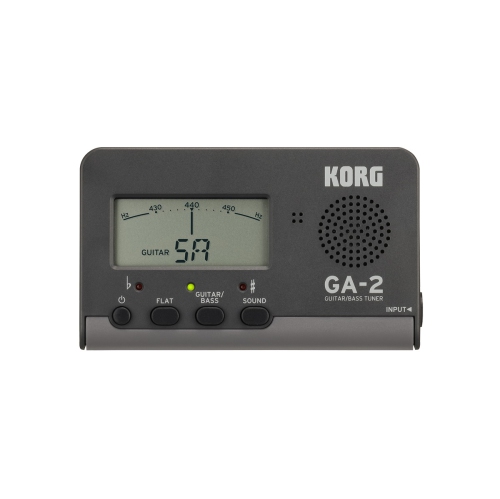
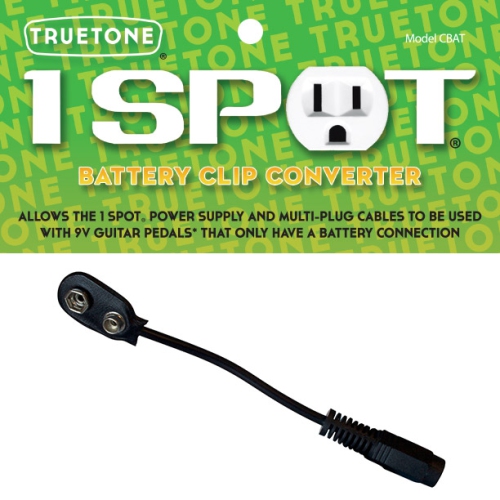
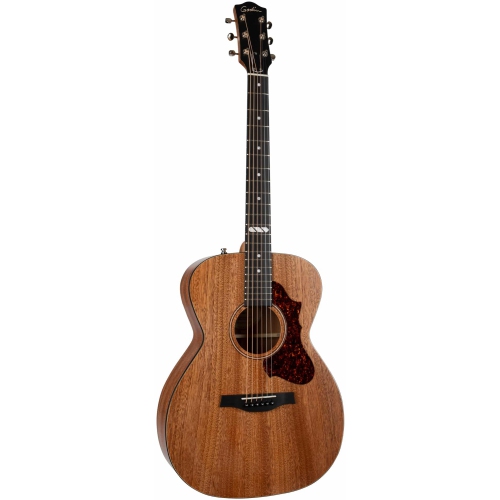
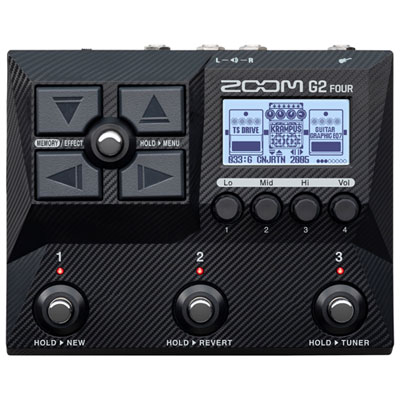
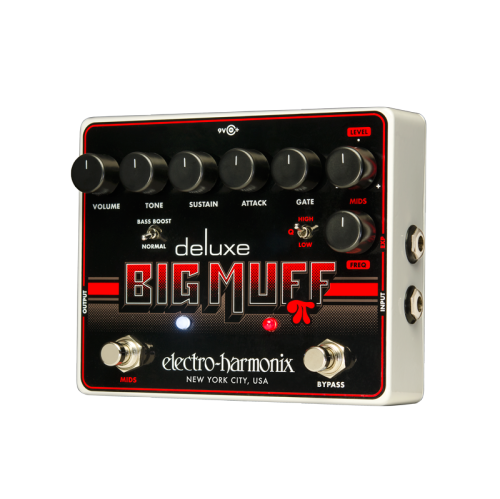
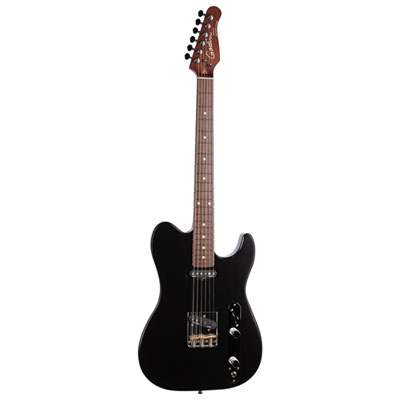
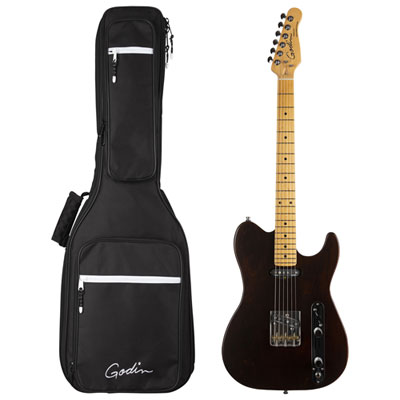
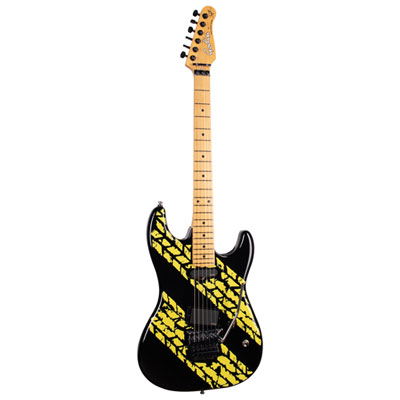
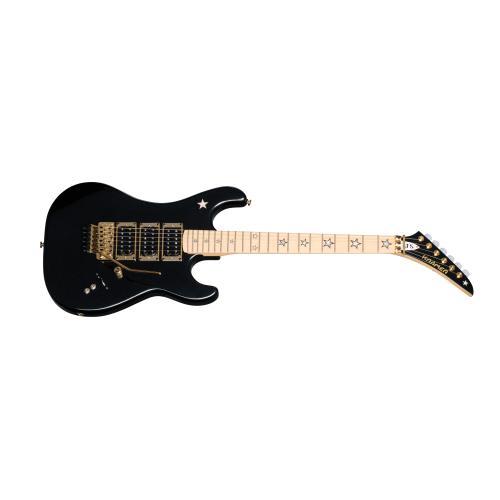
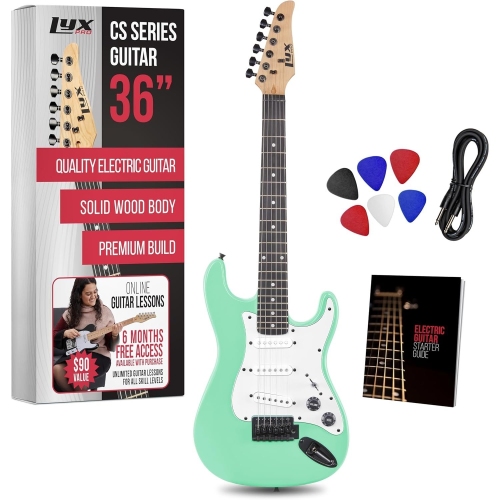
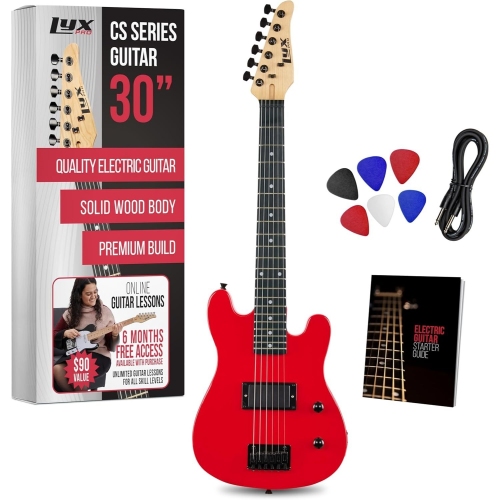
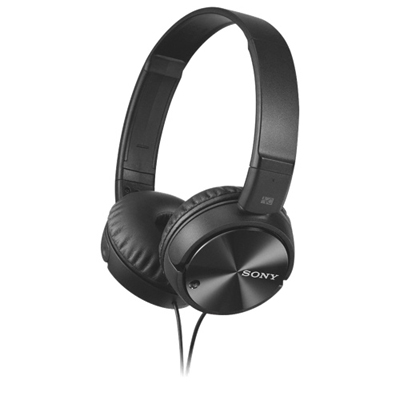
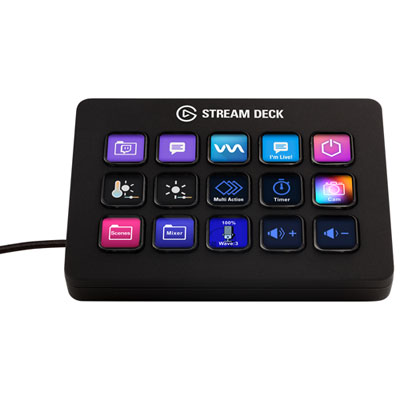

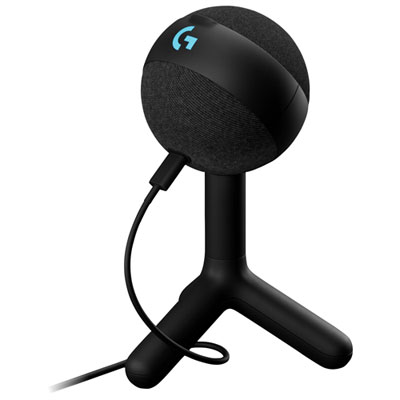
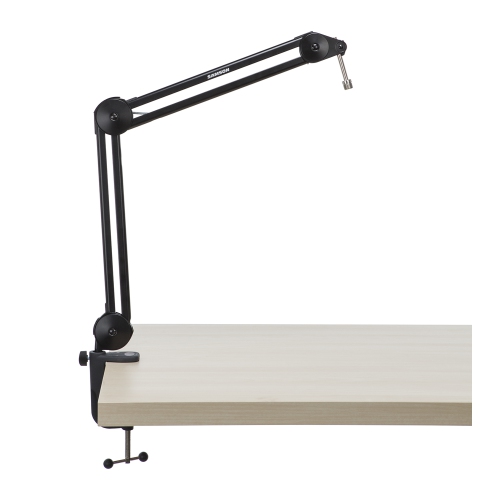
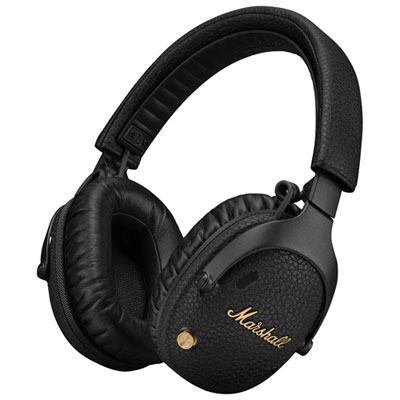
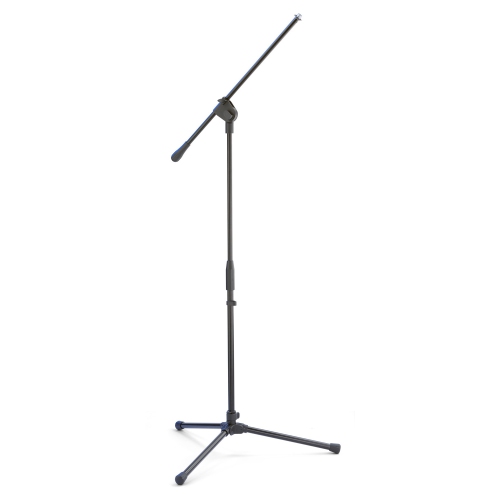
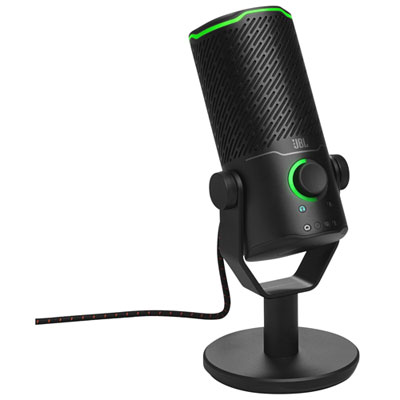
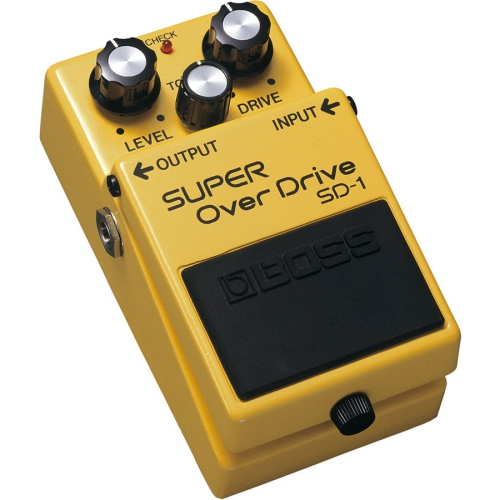
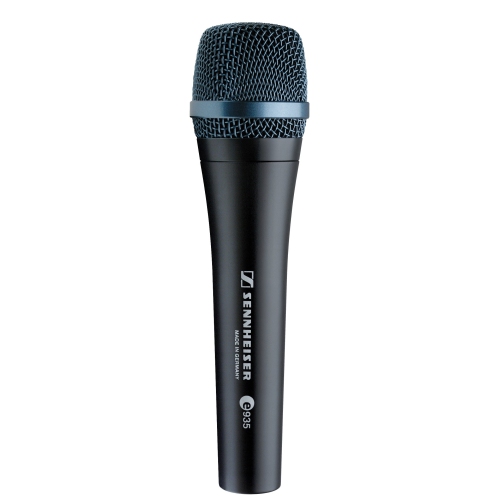
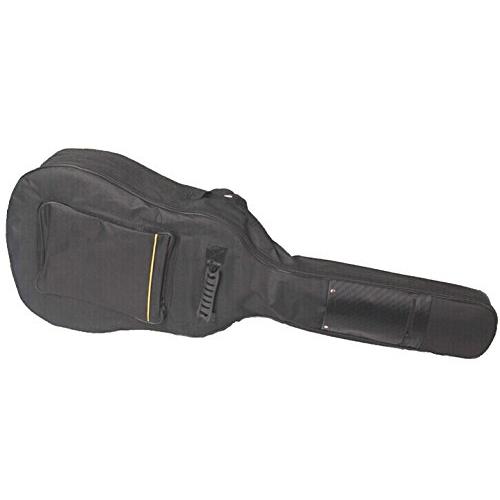
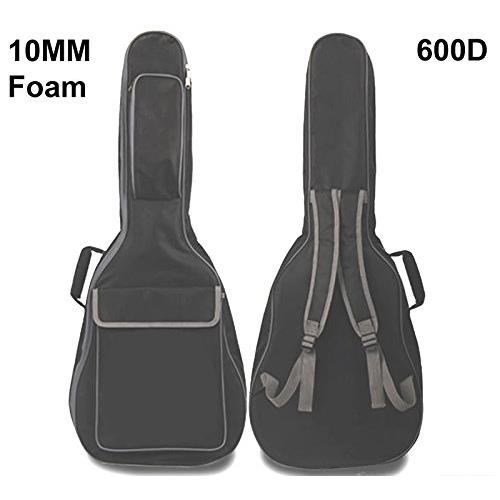
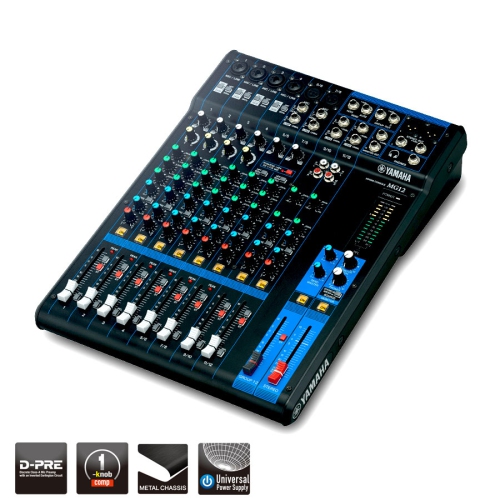
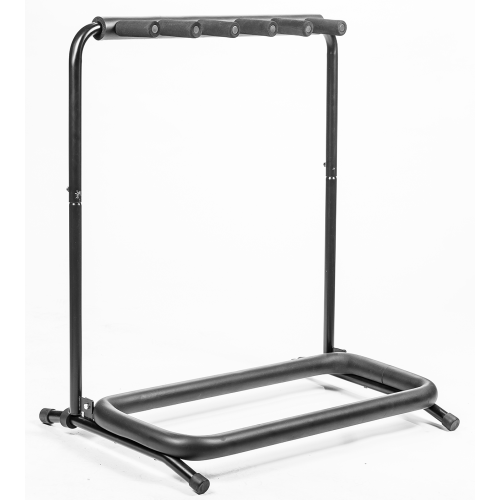
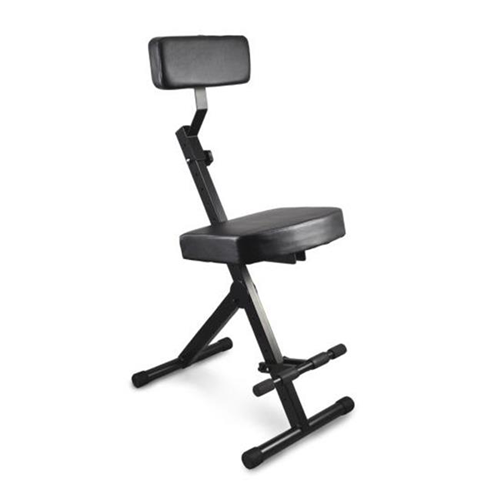
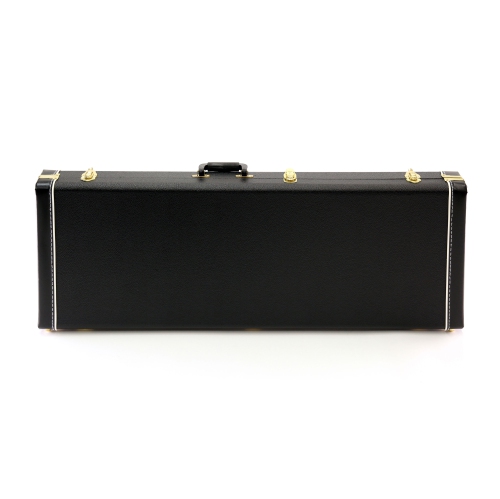
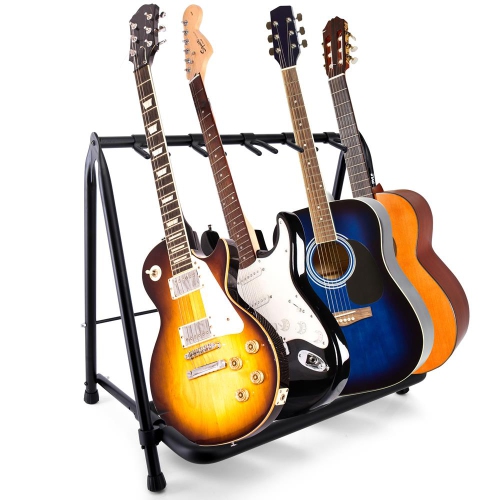

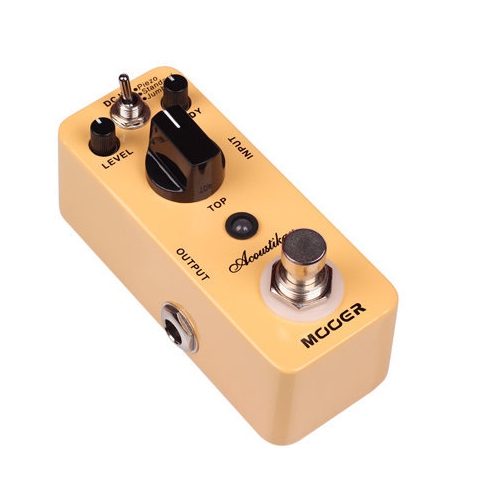
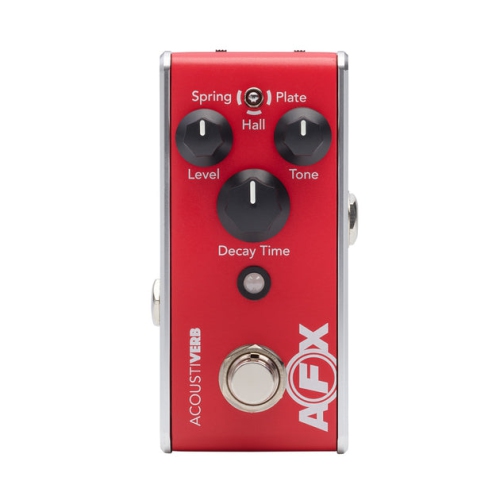
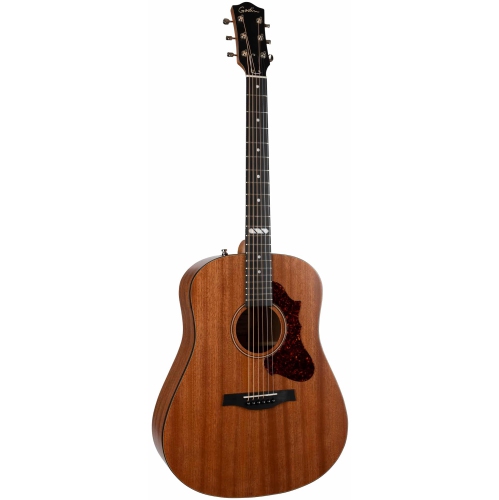

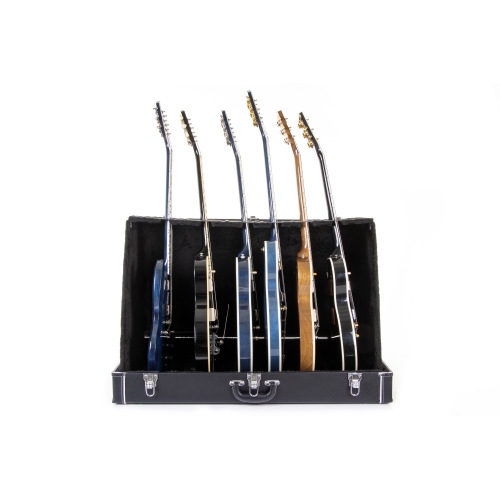
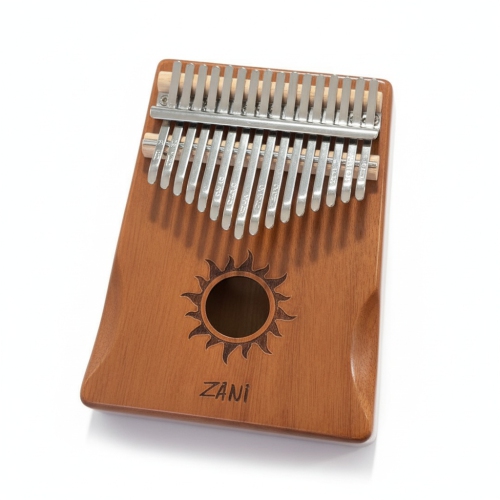
Gear that supports practice, recording, rehearsal, and performance
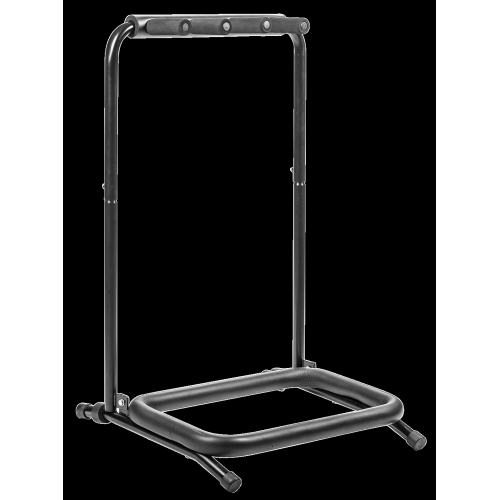
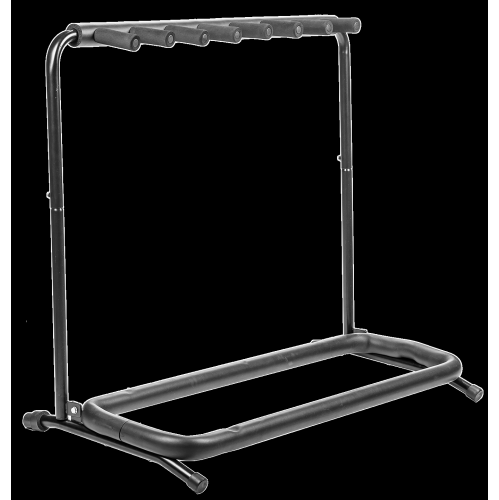
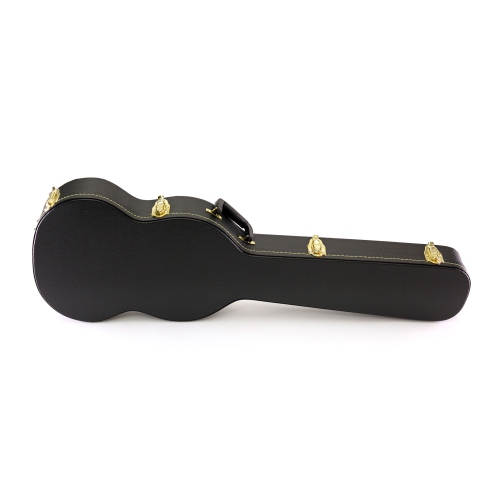
Musician gear brings together the tools that help turn a musical idea into a practice session, recording, rehearsal, or live performance. It can include instruments, amplification, live sound equipment, studio hardware, cables, stands, cases, maintenance tools, and other accessories that support musicians at every stage of their creative routine. A beginner may be building a first setup for a bedroom or shared living space, while an experienced performer may be refreshing a dependable gig bag, adding a compact mixer, or improving how they monitor sound on stage. Singers, guitarists, bassists, keyboard players, drummers, DJs, producers, teachers, and members of school or community ensembles can all have different priorities, so the best place to start is with the role the gear needs to play. Consider whether it will be used for quiet practice, home recording, rehearsals, small venues, larger performances, lessons, or a combination of settings. Portability can matter just as much as performance when equipment travels between a home studio, rehearsal room, classroom, and stage. Size, weight, connection options, power requirements, controls, storage, and compatibility with existing equipment can all affect how smoothly a setup works. For a broader look at useful additions for a musician’s workspace or performance kit, explore Musician Gadgets.
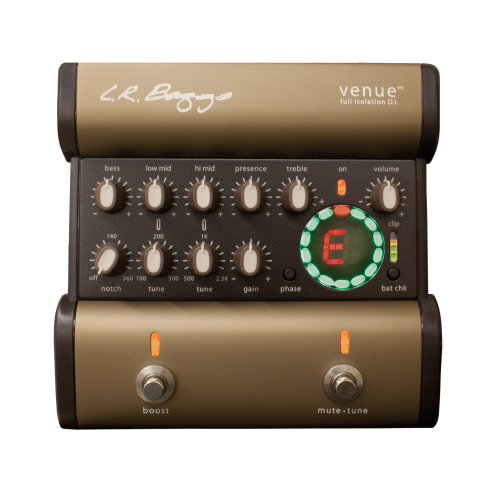
For live performance, musician gear should help deliver clear, controlled sound from the instrument or microphone to the audience. Amplification allows electric instruments and electronic instruments to be heard with the character and volume a performance requires, while powered speakers and portable PA systems can support vocals, backing tracks, announcements, and small ensembles. A mixer can be useful when several sound sources need individual volume or tone adjustments, particularly when a performer is combining microphones, instruments, and playback audio. Before choosing equipment, think about the size and acoustics of the room, the number of inputs required, the expected audience, and how far the gear needs to travel. A compact setup may be ideal for a coffeehouse, rehearsal space, or outdoor gathering, whereas a full band may need additional channels, monitoring, microphone stands, speaker stands, and dependable cabling. Clear labelling and straightforward controls can make setup less stressful, especially when soundcheck time is limited. Musicians who perform regularly may also appreciate sturdy cases, cable storage, spare power options, instrument stands, and protective covers that keep essential equipment organized between sets. For home use, volume control and headphone connectivity can be important, allowing players to practise during the cooler months without filling the entire household with sound. Beginners may value equipment with simple controls and room to grow, while advanced players often look for precise adjustment, flexible connectivity, and a setup that integrates naturally with the gear they already know.
Studio and practice gear can make a noticeable difference to how musicians learn, create, and share their work. Studio headphones and in-ear monitoring systems can help players hear detail in a performance, follow a backing track, or review a recording without relying on the sound of the room. Microphones are used for vocals, acoustic instruments, spoken introductions, rehearsals, and recording sessions, with different designs suited to different sources and environments. When selecting monitoring equipment, consider comfort, fit, sound balance, cable length, and how long it may be worn during a practice or editing session. A home recording setup may also require audio interfaces, monitor speakers, microphone stands, pop filters, instrument cables, and a computer capable of handling recording software. Musicians working in a smaller space should pay attention to desk area, storage, and the distance between equipment, while performers who move frequently may prefer lighter equipment with fewer separate connections. Accessories such as tuners, picks, straps, drumsticks, replacement strings, power supplies, multi-tools, cleaning cloths, and cable organizers are practical additions that can keep a session moving when a small item is misplaced or worn out. These items can also make thoughtful gifts for a new musician, a student preparing for lessons, a songwriter building a creative corner, or an experienced performer who appreciates useful upgrades. During the early fall and winter, musician gear can be especially welcome for indoor practice, recording projects, school performances, and rehearsals that shift into dedicated home spaces. Whether the goal is to learn a first instrument, make rehearsals more organized, capture ideas with greater clarity, or prepare for a live set, choosing gear around the musician’s habits, space, sound, and next steps can create a setup that feels natural to use and ready for the music ahead.
For live performance, musician gear should help deliver clear, controlled sound from the instrument or microphone to the audience. Amplification allows electric instruments and electronic instruments to be heard with the character and volume a performance requires, while powered speakers and portable PA systems can support vocals, backing tracks, announcements, and small ensembles. A mixer can be useful when several sound sources need individual volume or tone adjustments, particularly when a performer is combining microphones, instruments, and playback audio. Before choosing equipment, think about the size and acoustics of the room, the number of inputs required, the expected audience, and how far the gear needs to travel. A compact setup may be ideal for a coffeehouse, rehearsal space, or outdoor gathering, whereas a full band may need additional channels, monitoring, microphone stands, speaker stands, and dependable cabling. Clear labelling and straightforward controls can make setup less stressful, especially when soundcheck time is limited. Musicians who perform regularly may also appreciate sturdy cases, cable storage, spare power options, instrument stands, and protective covers that keep essential equipment organized between sets. For home use, volume control and headphone connectivity can be important, allowing players to practise during the cooler months without filling the entire household with sound. Beginners may value equipment with simple controls and room to grow, while advanced players often look for precise adjustment, flexible connectivity, and a setup that integrates naturally with the gear they already know.
Studio and practice gear can make a noticeable difference to how musicians learn, create, and share their work. Studio headphones and in-ear monitoring systems can help players hear detail in a performance, follow a backing track, or review a recording without relying on the sound of the room. Microphones are used for vocals, acoustic instruments, spoken introductions, rehearsals, and recording sessions, with different designs suited to different sources and environments. When selecting monitoring equipment, consider comfort, fit, sound balance, cable length, and how long it may be worn during a practice or editing session. A home recording setup may also require audio interfaces, monitor speakers, microphone stands, pop filters, instrument cables, and a computer capable of handling recording software. Musicians working in a smaller space should pay attention to desk area, storage, and the distance between equipment, while performers who move frequently may prefer lighter equipment with fewer separate connections. Accessories such as tuners, picks, straps, drumsticks, replacement strings, power supplies, multi-tools, cleaning cloths, and cable organizers are practical additions that can keep a session moving when a small item is misplaced or worn out. These items can also make thoughtful gifts for a new musician, a student preparing for lessons, a songwriter building a creative corner, or an experienced performer who appreciates useful upgrades. During the early fall and winter, musician gear can be especially welcome for indoor practice, recording projects, school performances, and rehearsals that shift into dedicated home spaces. Whether the goal is to learn a first instrument, make rehearsals more organized, capture ideas with greater clarity, or prepare for a live set, choosing gear around the musician’s habits, space, sound, and next steps can create a setup that feels natural to use and ready for the music ahead.
Top selling and popular products
-
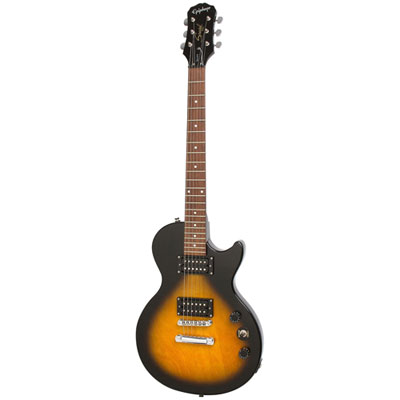 Your price for this item is $299.99
 -
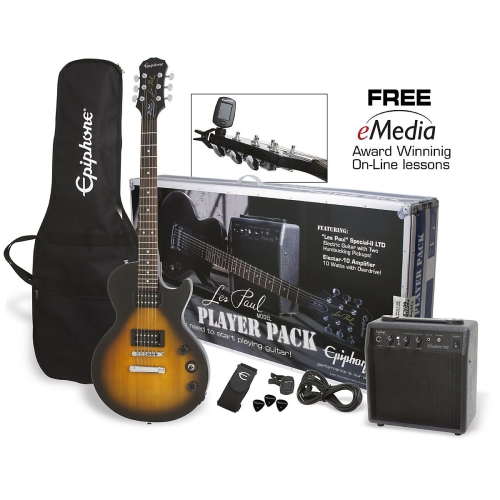 Your price for this item is $429
 -
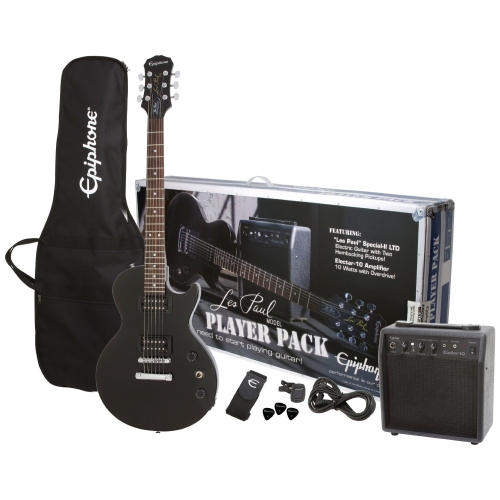 Your price for this item is $494.49
 -
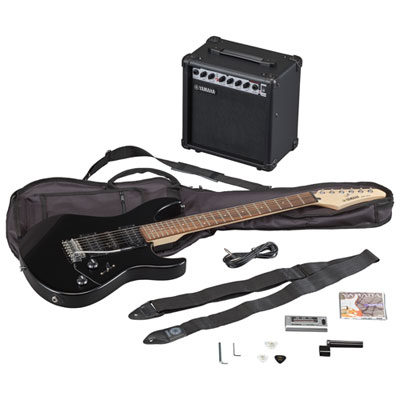 Your price for this item is $349.99
 -
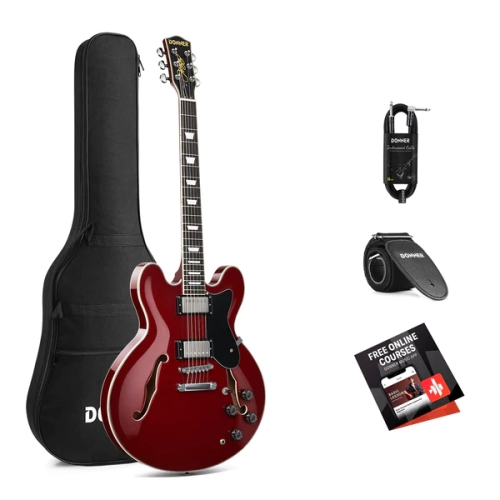 Your price for this item is $395.99
 -
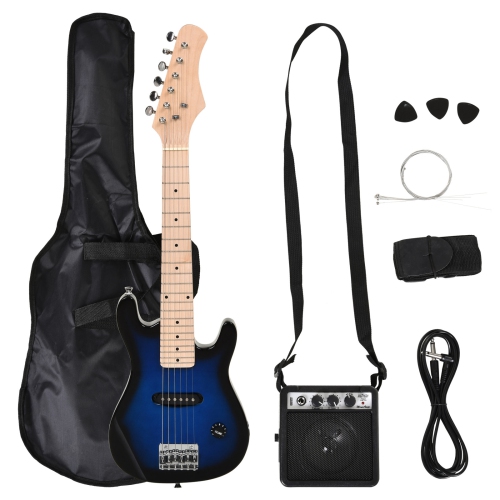 Your price for this item is $116.99
 -
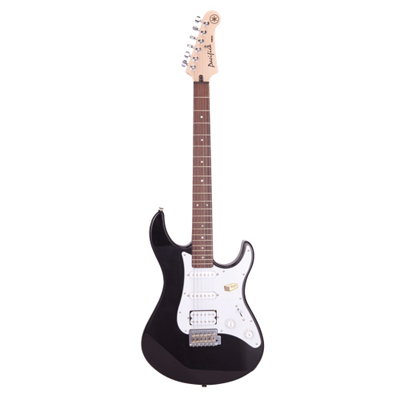 Your price for this item is $279.99
 -
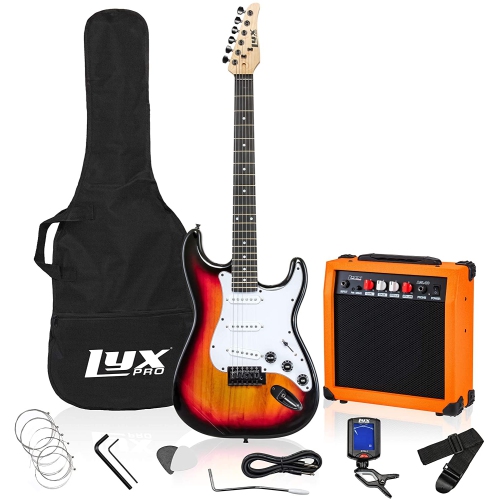 Your price for this item is $239.99
Discover more categories related to Musician Gear
Top Collections:
Pokemon Centers, Kindle Devices, Best Budget Office Chairs, Apple iPhones 16, Best Laptops for Writers, iPhone 15 Apple, Canon G7X Cameras, Refurbished Apple Laptops, Alarm Clock, Motorola Razr Phones
Some products may be subject to Environmental Handling Fees
(EHF) depending on your province.
Learn more about EHFs.