Roland Piano
Explore the world of music with a Roland piano, designed to inspire creativity and elevate your playing experience. Whether you're a beginner learning your first notes or an experienced musician looking to refine your skills, you'll find a range of options to suit every style and space. Discover digital pianos that blend seamlessly into any home or studio, offering reliable performance and exceptional sound quality. Find the perfect Roland piano at Best Buy Canada and start making music your way.
Sort
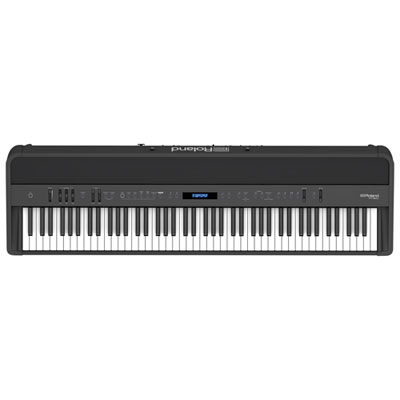
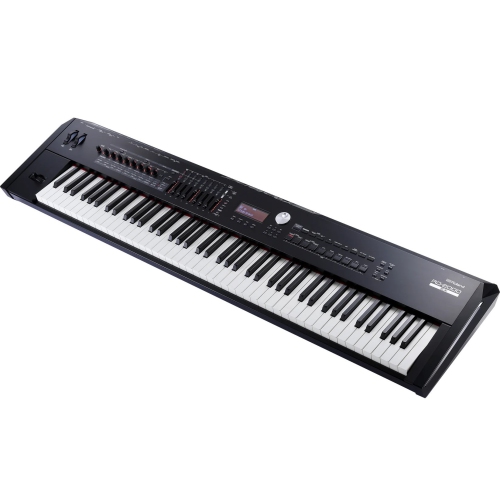
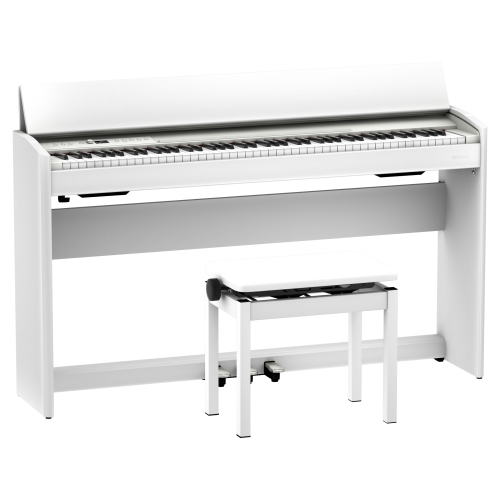
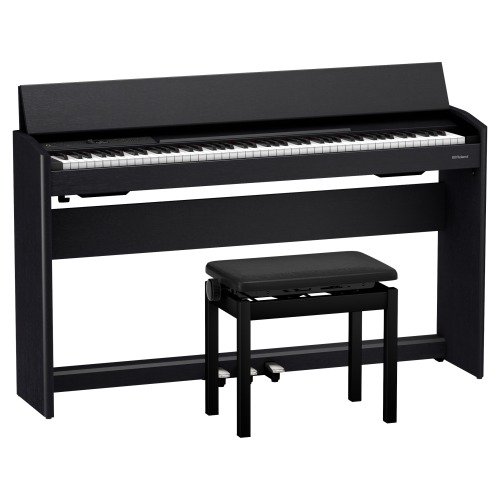

Why key feel matters from practice to performance
Digital pianos bring the sound and playing response of a piano into formats suited to home practice, music lessons, rehearsal spaces, and live performance. The category includes portable instruments that sit on a separate stand, upright-style cabinet pianos that become a permanent part of a room, and grand-style designs with a more substantial furniture presence. Each format serves a different purpose: a portable piano can move between a practice corner and a rehearsal, while a cabinet instrument creates a dedicated place to sit down and play. For piano-focused study, a full-size, 88-key keyboard provides the range used in much traditional repertoire and supports familiar hand spacing. Weighted keys add resistance beneath the fingers, helping players develop control over quiet passages, accented notes, and flowing scales. Some actions use progressively heavier weighting towards the bass end to resemble the feel of an acoustic piano, though the exact response varies by instrument. Touch sensitivity is another important distinction: it allows the sound to respond to how firmly a key is played, rather than treating every note at the same volume. For a beginner learning to shape a melody or an experienced pianist working through a delicate accompaniment, these details make the keyboard feel more expressive. Piano tone also involves more than the initial sound of a struck note. Depending on the instrument, sound processing can reproduce aspects of string resonance, pedal behaviour, and the way notes fade. Polyphony describes how many notes the instrument can produce at once, including sustained notes and layered sounds; sufficient capacity helps fuller arrangements remain intact when the sustain pedal is held. Built-in speakers make everyday playing straightforward, while headphone connections allow more private practice. Together, key action, tone, and listening options shape the experience more directly than the number of extra sounds alone. A piano intended for focused lessons has different priorities from a keyboard used mainly for experimenting with rhythms, sound effects, or instrumental voices.
The physical design of a digital piano affects how comfortably it fits into everyday life. A furniture-style cabinet may use engineered wood panels with a decorative finish, while a portable instrument may combine moulded casing with internal structural components; construction and finishes differ between designs. Cabinet pianos often provide an integrated stand and pedal assembly, giving the instrument a settled appearance in a living room, music room, or shared family space. Portable formats allow more flexibility, but the stand still needs to support the instrument securely without rocking during energetic playing. The total footprint includes room for the bench, the player’s legs, and access to connections, not just the width of the keyboard. Bench height matters because a comfortable seated position helps the forearms reach the keys naturally, with relaxed shoulders and room to move along the keyboard. Speaker placement can influence how the sound reaches both the player and other people in the room, so a corner tucked behind furniture may feel different from a more open position. Headphones reduce the sound heard by others, although the movement of the keys can still produce some mechanical noise. Pedals deserve similar attention. A sustain pedal lets notes continue after the fingers lift, while compatible three-pedal arrangements can support additional techniques used in piano repertoire. On instruments that support it, half-pedalling gives players finer control over sustain rather than a simple on-or-off response. Durability depends on construction, support, and handling as well as daily care. A soft, dry cloth is usually appropriate for routine dust removal, with the manufacturer’s care instructions taking precedence for particular finishes and key surfaces. Keeping drinks away from the keys and connections helps protect the electronics. For an instrument that travels, a properly fitted padded case offers protection during transport, and secure cable storage reduces strain on sockets. Digital pianos do not require acoustic string tuning, but careful handling remains important for keeping the keyboard, pedals, speakers, and controls working reliably.
A digital piano can support many stages of musical life, from a child’s first two-handed piece to an adult returning to lessons after years away. For a learner, a consistent keyboard response and a comfortable practice setup can make short, regular sessions more rewarding. A built-in metronome, where included, gives scales and exercises a steady pulse, while recording functions can help a player hear uneven timing or notice whether the melody stands out above the accompaniment. Some instruments offer a duet mode that divides the keyboard into two similar pitch ranges, allowing a teacher and student to demonstrate and repeat a phrase side by side. Others support connections to compatible learning applications, computers, or mobile devices. Those connections are not all interchangeable: MIDI communicates performance information such as which notes were played, while audio connections carry sound. USB and wireless capabilities vary, and compatibility with a particular device or application depends on the instrument’s specifications. For a songwriter, a piano can provide a familiar foundation for building chords, testing melodies, and developing arrangements before recording. For a performer, practical considerations include access to suitable audio outputs, dependable pedal connections, and a transport setup that protects the instrument between rehearsals and performances. A home player may place greater value on clear built-in sound and controls that are easy to reach without interrupting a piece. The Roland Keyboards category offers a related direction for musicians interested in keyboard formats beyond a dedicated digital piano. As a gift, a piano is most meaningful when it matches the recipient’s musical interests and the space where it will be played. An aspiring pianist may appreciate a stable instrument for lessons, while a musician who moves between locations may find a portable format more practical. Accounting for a suitable stand, seating, pedals, and headphones helps create a complete playing setup. Whether the goal is learning a favourite song, accompanying a singer, or practising an ambitious piece, a well-matched digital piano gives music a comfortable, lasting place in daily routines.
Top selling and popular products
-
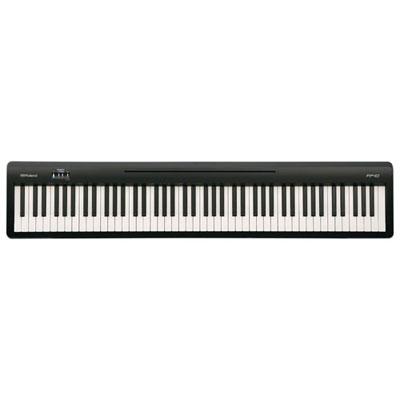 Your price for this item is $779.99
-
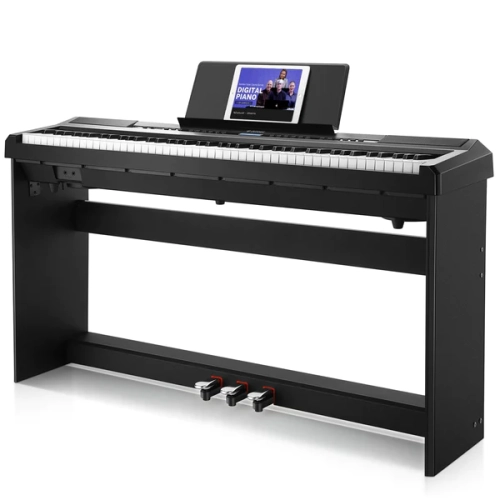 Your price for this item is $479.99
-
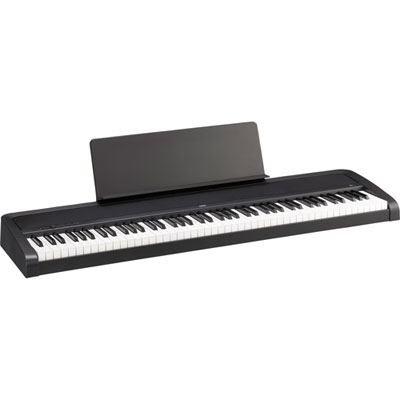 Your price for this item is $699.98
-
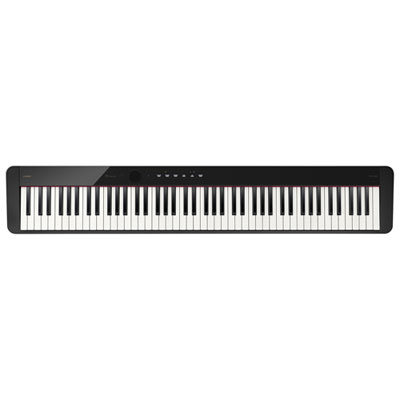 Your price for this item is $849.99
-
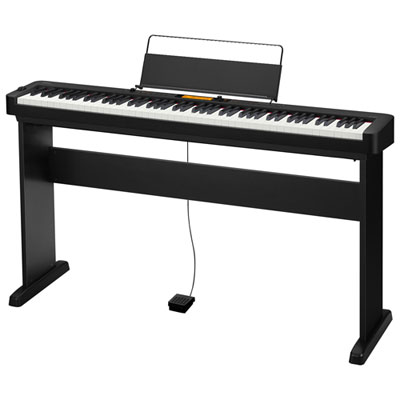 Your price for this item is $869.95
-
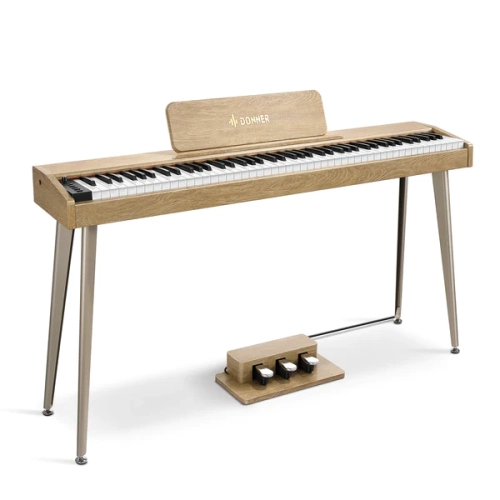 Your price for this item is $415.99
-
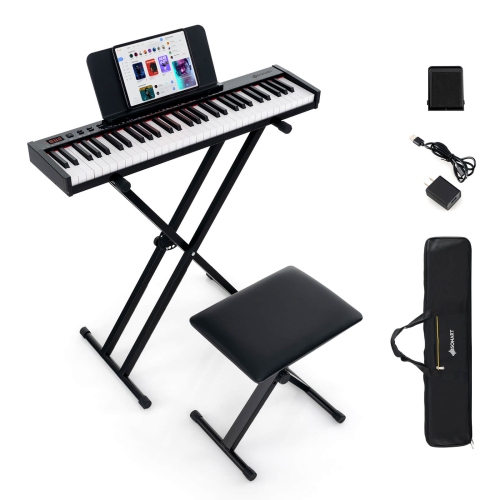 Your price for this item is $189.99
-
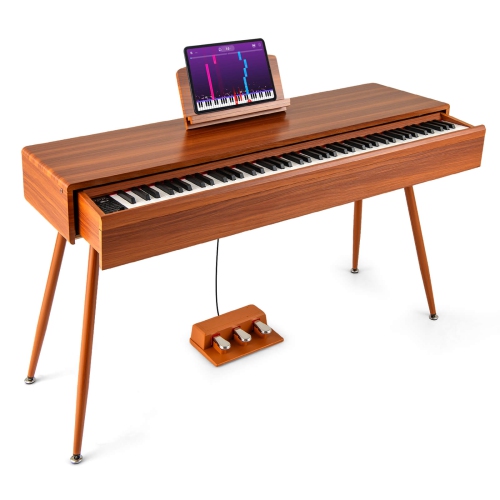 Your price for this item is $571.99
Discover more categories related to Roland Piano
Top Collections:
Pokemon Centers, Kindle Devices, Best Budget Office Chairs, Canon G7X Cameras, Apple iPhones 16, Samsung Galaxy Phones, Refurbished Apple Laptops, Laptops for Students, iPhone 15 Apple, Budget Smartphones
Some products may be subject to Environmental Handling Fees
(EHF) depending on your province.
Learn more about EHFs.