Roland Drums
Discover an impressive selection of Roland Drums designed to elevate your musical experience. Whether you're a beginner exploring electronic percussion or a seasoned performer seeking advanced capabilities, you'll find a range of options to suit your style and skill level. Explore versatile drum kits and accessories that make it easy to practice, perform, and create music at home or on stage. Find the perfect Roland Drums setup to enhance your sound and take your drumming to the next level.
Sort
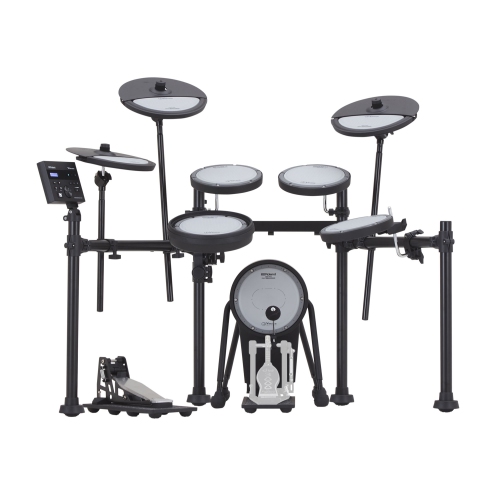
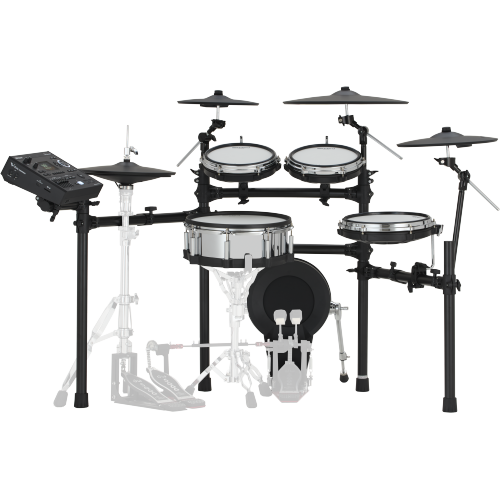
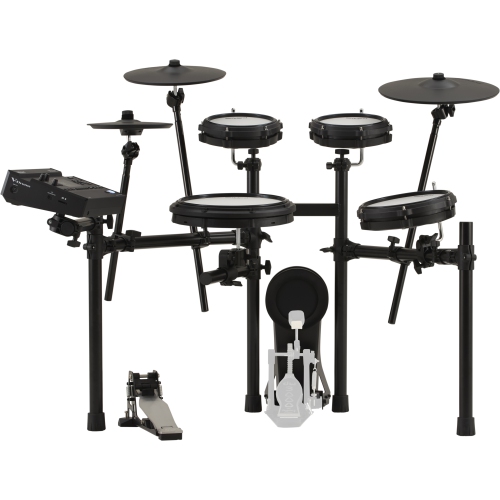
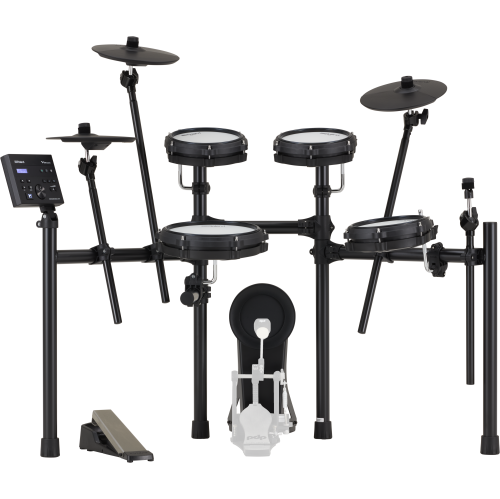







How electronic drums balance playing feel and flexible sound
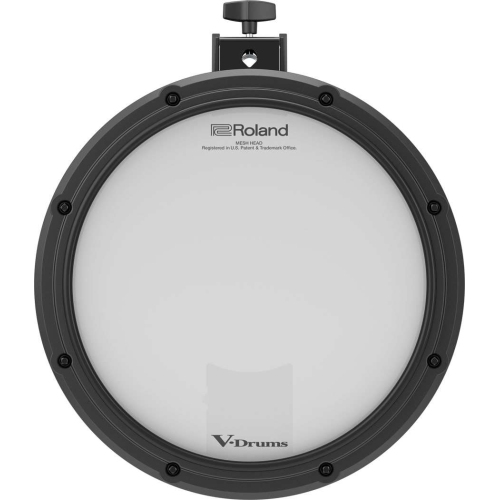
Electronic drums bring the physical feel of drumming together with a flexible range of sounds, making them useful for home practice, lessons, rehearsals, and live performance. A typical kit combines drum pads, cymbal pads, pedals, a supporting rack or stands, and a sound module that turns each strike into audio. The module supplies the drum voices, while the pads and pedals determine much of the playing experience: the rebound under a stick, the response of a kick pedal, and the way a hi-hat opens and closes underfoot. This combination lets a drummer move between a tight, focused kit sound and a larger, more resonant sound without changing acoustic drums or repositioning microphones. Features vary by model, but some modules also provide a metronome, practice exercises, song playback, and connections for a computer or an external audio source. Headphone listening is especially useful for repeating a tricky fill or working through rudiments without sending amplified drum sounds through the room. Electronic kits are not silent, however. Sticks still make contact noise against pads, and kick pedals can transmit vibration through the floor, an important consideration in apartments and shared homes. Mesh playing surfaces often produce less stick noise than firmer rubber surfaces, though the overall sound depends on the kit, playing technique, and room. A suitable drum mat helps keep the setup from shifting, while purpose-built isolation accessories may reduce some vibration travelling into the floor below. For a beginner, a comfortable layout and clear response can make regular practice feel more inviting. For an experienced player, the appeal may be more about expressive control, repeatable sound settings, or a setup that fits alongside other instruments. A compact kit can work well in a multipurpose room, provided there is enough space for the drummer’s elbows, pedal movement, and seat. The footprint includes more than the rack itself: a drum throne, the player’s knees, cables, and any separate stands all need room.
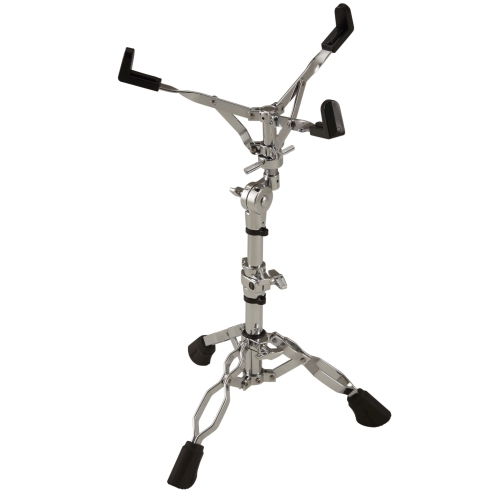
Playing surfaces and hardware have a direct influence on comfort, technique, and long-term use. Mesh heads offer an adjustable feel on models designed for tension changes, allowing a player to alter the rebound within the manufacturer’s recommended range. Rubber pads have a firmer feel and are often used for compact drum and cymbal surfaces. Neither material alone determines the quality of the response; sensor design, pad size, module settings, and the connection between compatible components also matter. A larger snare pad can provide more room for sticking patterns, while multiple trigger zones can distinguish between head and rim strikes when supported by the pad and module. Cymbal features may include separate bow, edge, and bell sounds, along with a choke function that stops a ringing cymbal when its edge is grasped. Hi-hat response deserves particular attention for players who use subtle foot movements, since a simple open-and-closed action feels different from a system that captures a wider range of positions. Kick arrangements vary as well. A compact pedal controller can simplify a small setup, while a kick tower used with a compatible bass drum pedal offers a different mechanical feel. Players who use a double pedal need sufficient striking area and confirmed compatibility rather than assuming every kick pad will accommodate two beaters. Fit is equally practical: the snare should sit at a comfortable height, toms should be reachable without stretching, and cymbals should not force the shoulders upward. Children and shorter players benefit from hardware that adjusts low enough while keeping the pedals accessible. A supportive, height-adjustable throne helps establish a balanced seated position, leaving both feet free to work. Sturdy rack tubing, secure clamps, and stable pedal placement help maintain that arrangement through repeated sessions. For shared family use or lessons with different players, accessible adjustment points make it easier to change the layout without a lengthy rebuild. Component compatibility and the scope for replacing worn playing surfaces are also useful considerations for a kit intended to support years of practice.
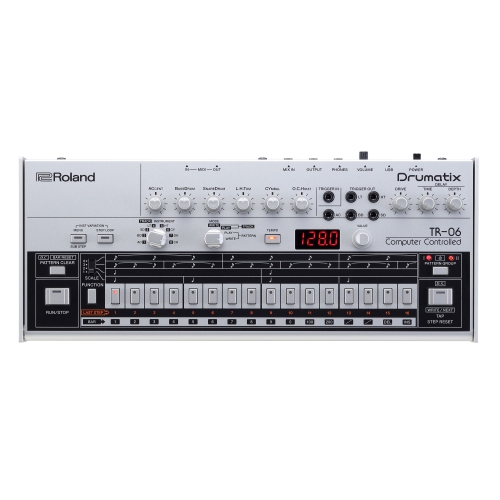
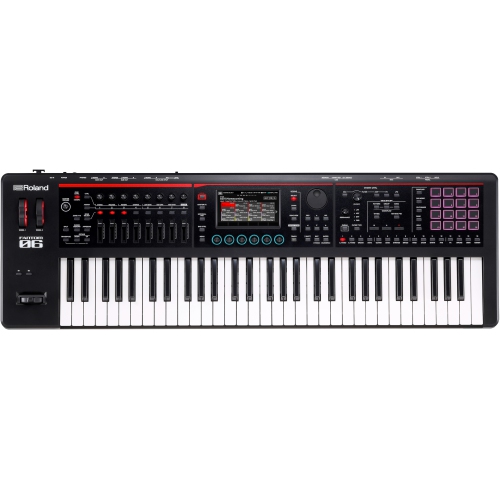
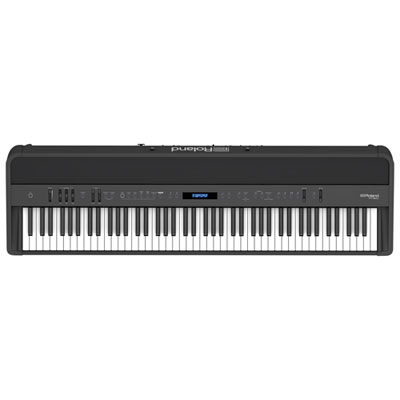
The sound module and its connections shape how an electronic drum kit fits into a wider musical setup. A player practising with headphones may value straightforward controls and easy access to a metronome, while someone rehearsing with a band needs a suitable way to send audio to amplification or a mixer. Headphones and speakers serve different purposes, and a connection intended for one is not automatically the best choice for the other. USB and MIDI features also differ between modules: some connections transmit performance information to music software, some carry audio, and some support both. Checking the supported functions helps avoid surprises when connecting a kit to a computer. For a musician building arrangements with drums, bass lines, and layered melodies, Roland Synthesizer Keyboards offer a complementary instrument category for exploring those parts, with connections and software compatibility depending on the equipment involved. Within the drum setup, useful accessories may include a throne, suitable sticks, headphones, pedals, and the correct cables; the contents of a kit package can differ, so each component has a distinct role in making the setup playable. Electronic drums can be a thoughtful gift for a new learner, a returning drummer, or a musician who wants to add percussion to home music sessions, especially when the recipient’s space and existing equipment are taken into account. Everyday care is generally simple but should follow the instructions supplied with the equipment. Clean sticks with smooth, undamaged tips help protect playing surfaces, and a soft cloth is usually preferable to harsh cleaners. Mesh tension should remain within the specified range, cables should have enough slack for adjustments without hanging where feet can catch them, and plugs should be handled by their connectors rather than pulled by the cord. Periodic checks of clamps, pedal fixings, and cable connections can help prevent movement or interrupted triggering during a session. With a comfortable layout, compatible components, and routine care, an electronic drum kit can support everything from a learner’s first steady backbeat to detailed, expressive playing.
Top selling and popular products
-
 Your price for this item is $240.64
-
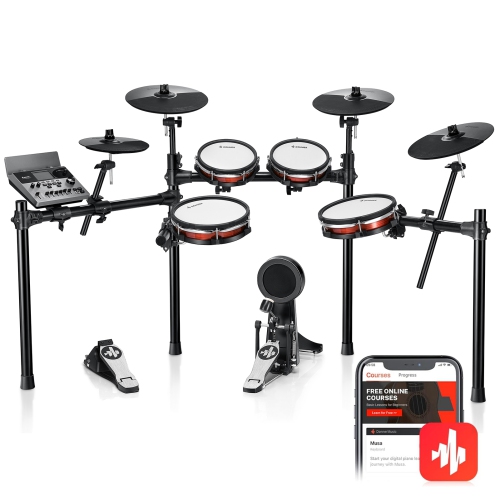 Your price for this item is $789.99
-
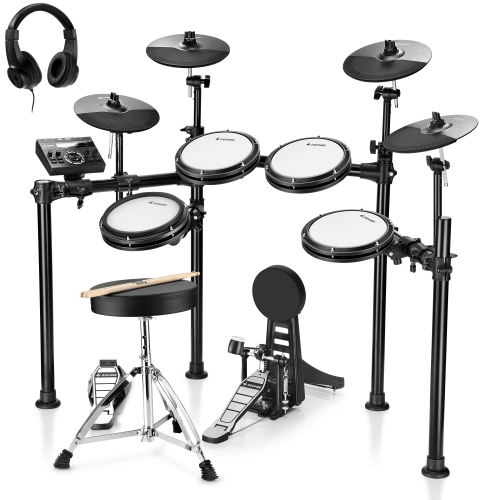 Your price for this item is $605.99
-
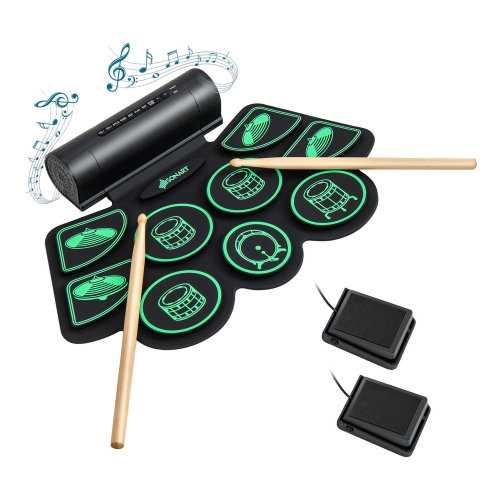 Your price for this item is $99.99
-
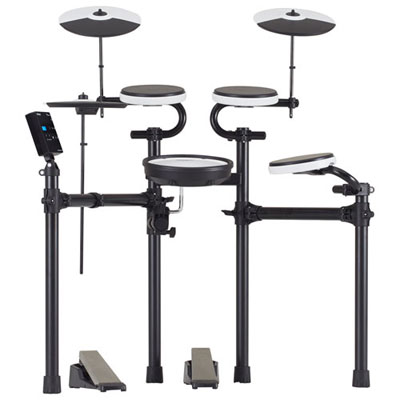 Your price for this item is $719.99
-
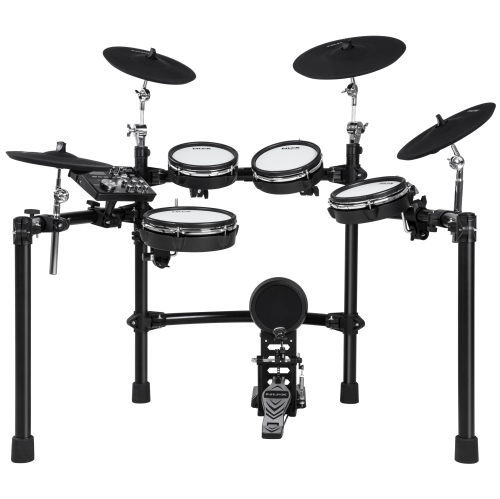 Your price for this item is $459
-
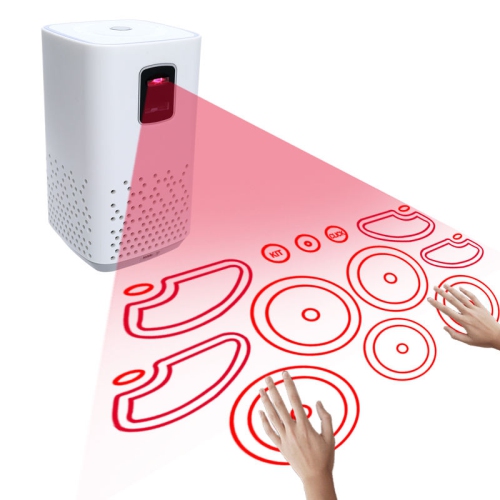 Your price for this item is $248.88
-
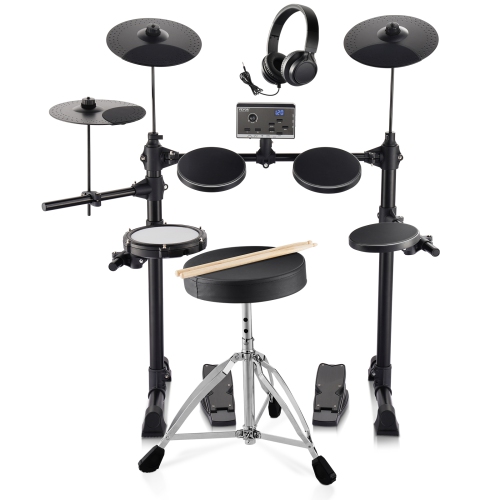 Your price for this item is $284.99
Discover more categories related to Roland Drums
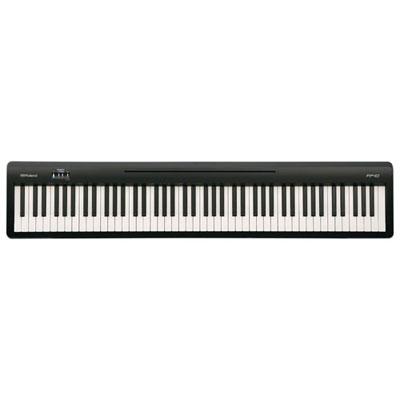
Top Collections:
Pokemon Centers, Best Cameras for Sports Photography, Kindle Devices, Samsung Galaxy Phones, Canon G7X Cameras, Pokémon 30th Celebration Cards, Refurbished Apple Laptops, iPhone 15 Apple, Laptops for Students, Budget Smartphones
Some products may be subject to Environmental Handling Fees
(EHF) depending on your province.
Learn more about EHFs.