Roland Synthesizer Keyboards
Unlock new creative possibilities in music production and performance with a Roland Synthesizer Keyboard. Whether you're composing in the studio or performing on stage, these keyboards offer versatility for musicians of all skill levels. Explore options designed to inspire your sound, from classic tones to modern textures. Find the perfect Roland Synthesizer Keyboard to elevate your musical journey and bring your ideas to life.
Sort
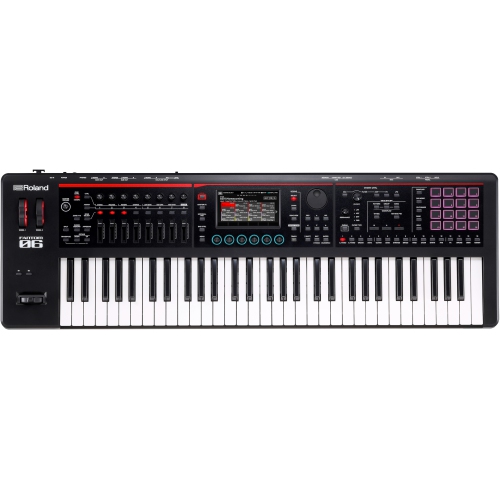

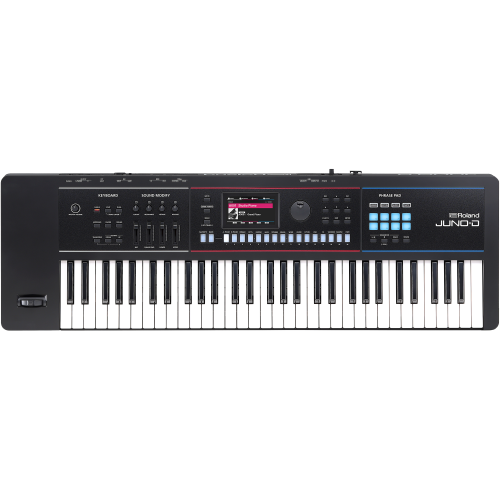
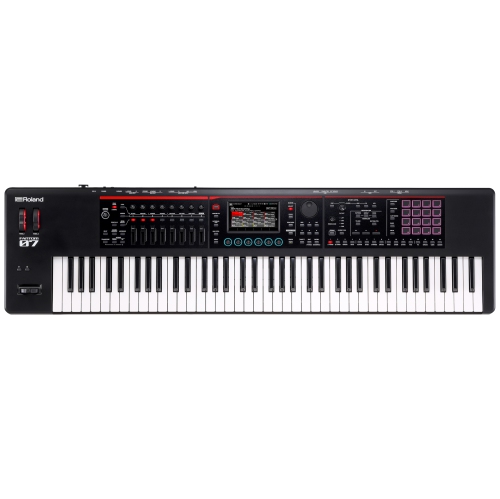
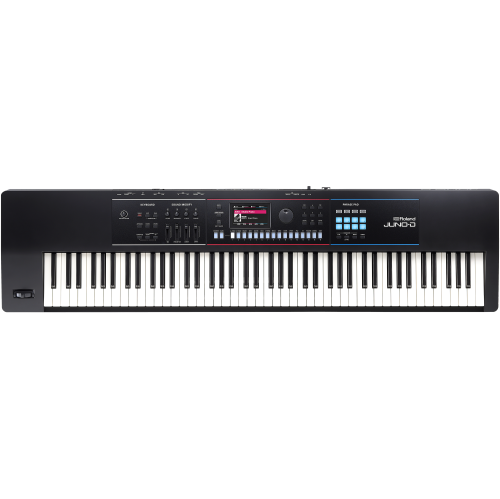
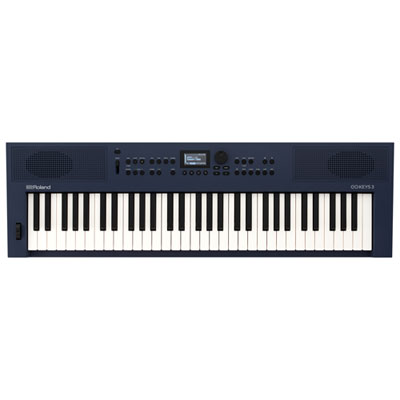

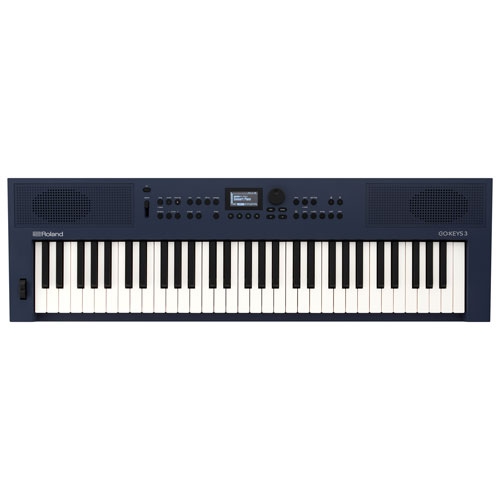
Sound shaping that goes beyond the acoustic piano
Synthesizer keyboards bring sound creation and keyboard performance together in a single instrument, giving musicians access to textures that extend well beyond an acoustic piano. A rounded bass line, a bright lead that cuts through a band, a slow-moving string layer, or a pulsing electronic pattern can each begin with a different combination of sound sources, filters, envelopes, and effects. Depending on the instrument, synthesis may involve analogue circuitry, digital modelling, sampled recordings, or a combination of approaches. Analogue modelling uses digital processing to recreate characteristics associated with analogue instruments, while sample-based engines draw on recorded sounds that can be shaped and layered. Some keyboards focus on immediate, hands-on sound design; others combine synthesis with broad sound libraries and tools for arranging complete pieces. Performance-oriented instruments often emphasize quick access to sounds, keyboard splits, and layers, making them useful for musicians who need a bass sound under the left hand and an electric piano or lead under the right. Workstation-style keyboards may add sequencing, recording, and deeper arrangement features, although the exact capabilities vary. For a songwriter, these functions can make it possible to sketch a verse, build a drum pattern, and test a melody without moving between several devices. For a live player, the appeal may be a single keyboard that handles several musical roles throughout a set. Electronic producers, composers, keyboard students, and experienced pianists exploring sound design can all find uses for this category, but their priorities will differ. A beginner may appreciate clearly labelled controls and inviting preset sounds, while an experienced performer may place greater value on expressive response and fast sound changes. The distinction between a synthesizer and a piano-focused keyboard is useful here: synthesizers generally emphasize sound shaping and timbral variety, whereas piano-oriented instruments tend to prioritize familiar piano sounds and playing feel. There is overlap, so the strongest fit depends on the balance of performance, composition, and experimentation expected from the instrument.
Keyboard size and action have a direct effect on how a synthesizer fits into everyday playing. Compact keyboards suit smaller desks and portable setups, but a shorter key range can mean more octave switching when playing wide passages. A 61-key layout offers room for many two-handed parts without the footprint of a full piano keyboard, while 76- and 88-key layouts give players more space for extended ranges and splits. Key count does not determine touch: synth-action keys typically feel light and responsive, semi-weighted designs add some resistance, and hammer-action designs aim for a more piano-like response. Lightweight action can suit quick lead runs and repeated notes, while players working on piano-centred arrangements may prefer greater resistance under the fingers. Velocity sensitivity allows playing strength to affect volume or tone, and aftertouch, where supported, lets pressure applied after a key is pressed control an expressive parameter. These features are distinct, and not every keyboard includes both. Musicians whose main interest is piano touch and piano-based repertoire may also find Roland Electric Piano Keyboards relevant alongside synthesizer options. Physical controls matter just as much as key feel for sound-focused playing. Dedicated knobs and sliders can make filter sweeps, envelope adjustments, and effect changes easier to perform while a phrase is in motion. A clear display helps when naming patches, organizing sounds, or editing settings that are not assigned to a front-panel control. Polyphony describes how many voices can sound at once, and layered sounds or long release tails can consume those voices faster than a simple single-layer part. Multitimbral operation is different: it allows an instrument to handle multiple musical parts with separate sounds, where supported. Arpeggiators turn held notes into patterns, while sequencers store musical events for playback and arrangement. These distinctions become practical when a sustained chord, a repeating bass figure, and a lead melody need to work together rather than compete for the same resources.
Connections, construction, and care determine how comfortably a synthesizer becomes part of a larger setup. Audio outputs carry sound to headphones, speakers, mixers, or recording equipment, while MIDI connections transmit performance information rather than audio. USB may support MIDI, audio, file transfer, or only certain functions, so its presence alone does not establish what a keyboard can send to a computer. A producer recording directly into music software will have different connection needs from a performer feeding a venue’s mixing desk. Many synthesizers do not include built-in speakers, making suitable headphones or an external listening system an important part of the setup. Pedal inputs can support sustain or expression functions, depending on the keyboard, and compatible pedals help keep both hands free during expressive passages. At a desk, allow enough depth for rear-panel cables and enough clearance to reach controls without straining. On a stand, the instrument should sit securely at a height that allows relaxed shoulders and comfortable wrists. Construction varies from lightweight moulded housings to designs with more metal in the chassis or panels; weight, rigidity, and portability are more useful considerations than assuming one material guarantees a longer service life. Frequent travel calls for a well-fitting padded case or protective hard case, with support that prevents pressure on keys, knobs, and connectors. Cables and power supplies are best carried in separate compartments rather than left loose against the control surface. Routine care is straightforward: remove dust with a soft, dry cloth, keep drinks away from the keyboard, and follow the manufacturer’s directions before using any cleaning product. Disconnect power before cleaning and avoid spraying liquid directly onto the instrument. Saving copies of custom sounds and sequences, where the keyboard supports backups, protects the creative work stored inside. As a gift, a synthesizer is most rewarding when its size, playing feel, and workflow match the recipient’s interests. A pianist experimenting with layered textures, a beatmaker developing original bass sounds, and a band member covering several parts each need a slightly different balance of features, even when all three are looking for a keyboard that makes musical ideas easier to play.
Top selling and popular products
-
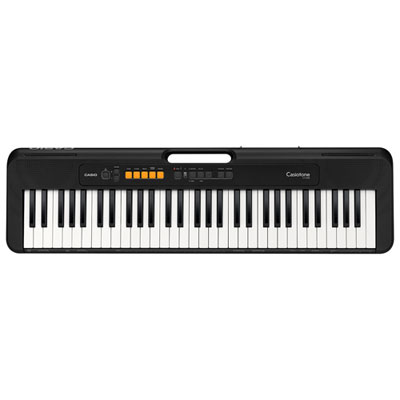 Your price for this item is $149.99
-
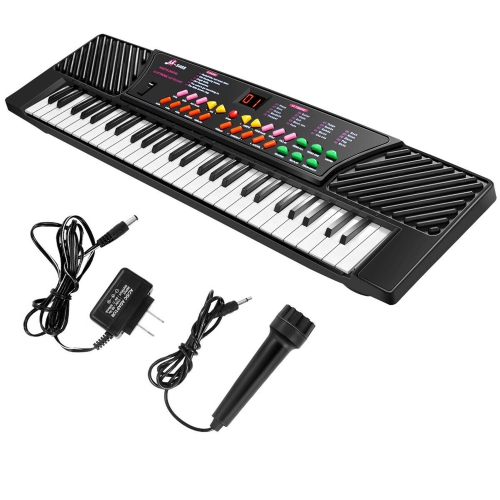 Your price for this item is $69.99
-
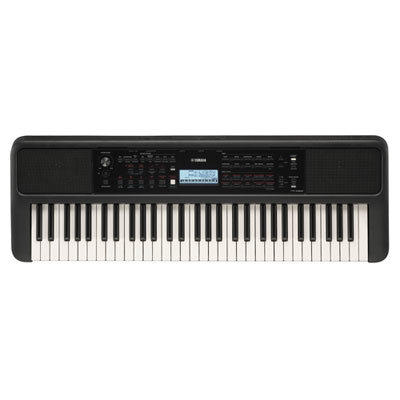 Your price for this item is $289.99
-
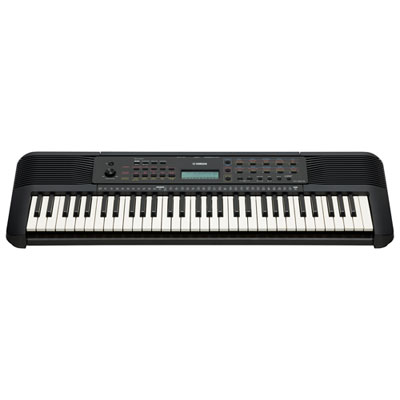 Your price for this item is $119.95
-
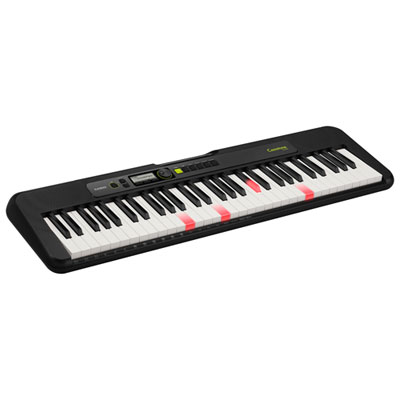 Your price for this item is $229.95
-
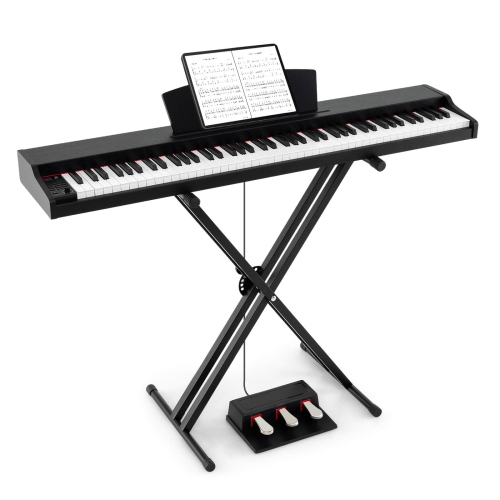 Your price for this item is $236.99
-
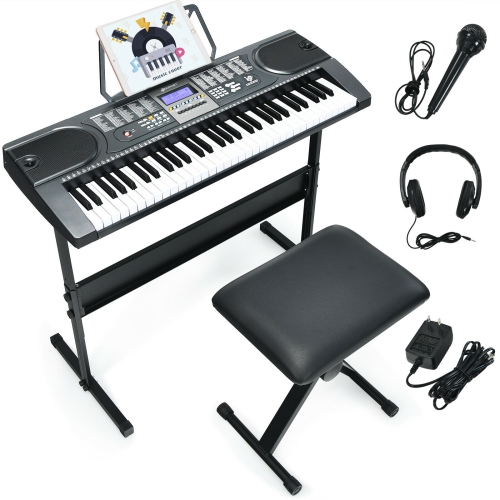 Your price for this item is $199.99
-
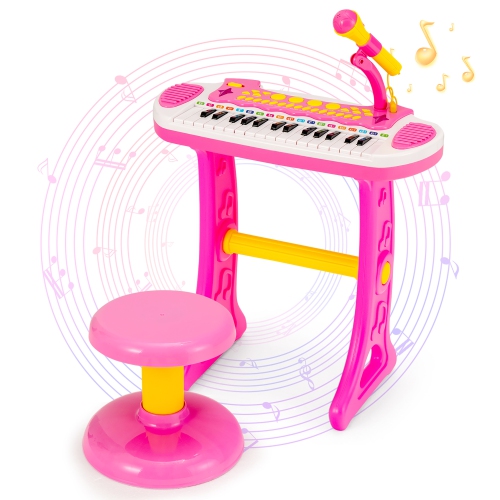 Your price for this item is $74.99
Discover more categories related to Roland Synthesizer Keyboards
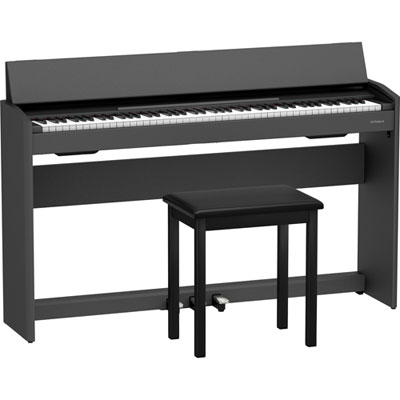
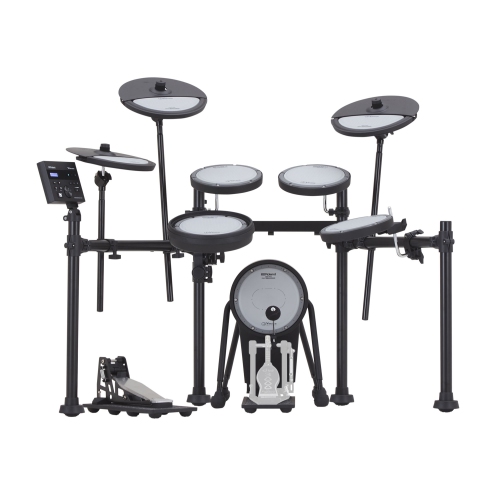
Top Collections:
Pokemon Centers, Kindle Devices, Best Budget Office Chairs, Canon G7X Cameras, Apple iPhones 16, Samsung Galaxy Phones, Refurbished Apple Laptops, Laptops for Students, iPhone 15 Apple, Budget Smartphones
Some products may be subject to Environmental Handling Fees
(EHF) depending on your province.
Learn more about EHFs.