Household Batteries
Whether you need to power up your remote control, flashlight, or wireless mouse, having a reliable supply of household batteries is essential for keeping your devices running smoothly. From AA to AAA, C to D, and beyond, our selection of batteries offers long-lasting performance to keep your electronics powered up whenever you need them. Stock up on these everyday essentials to ensure you're never left in the dark when it comes to staying connected and productive.
Sort
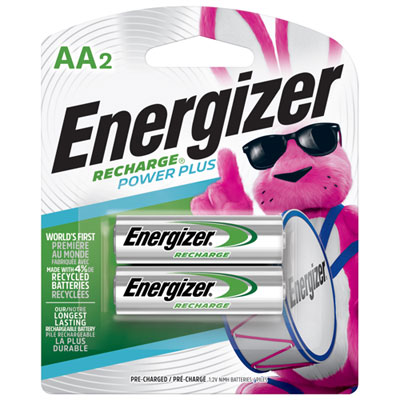
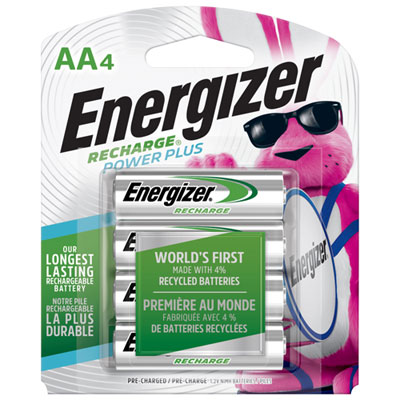
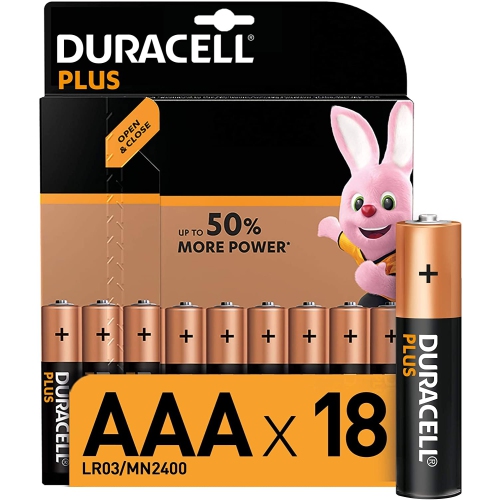
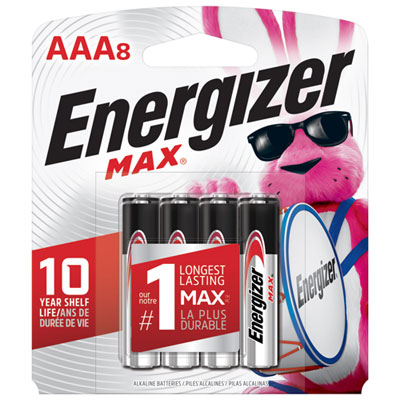


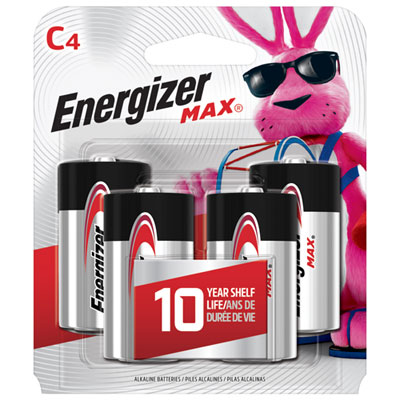
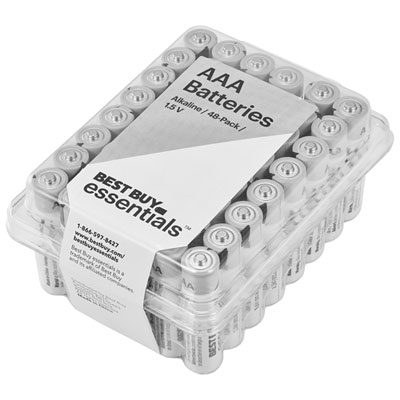
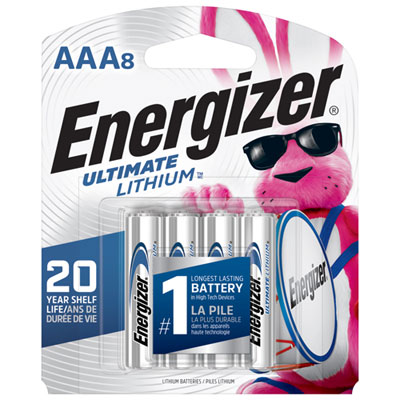
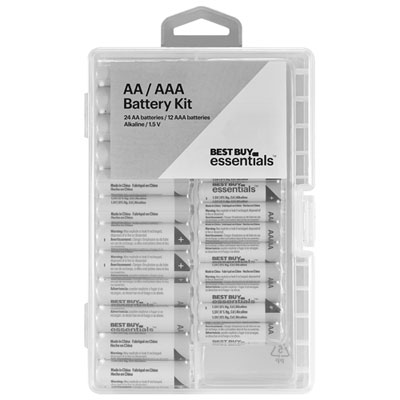
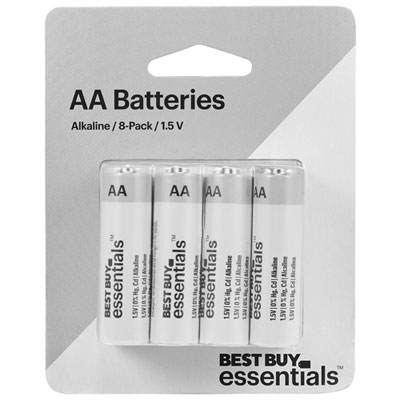
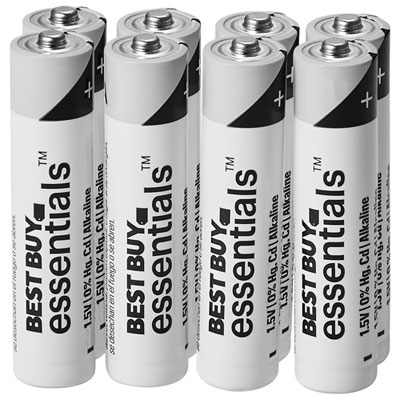
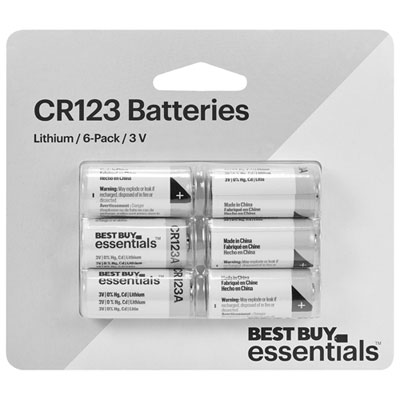
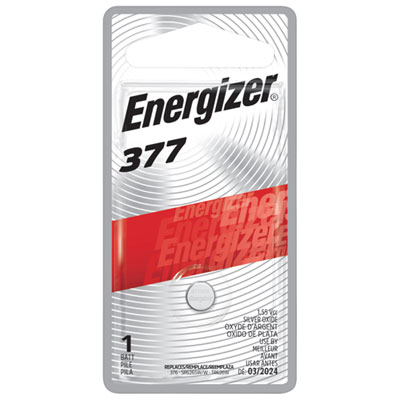
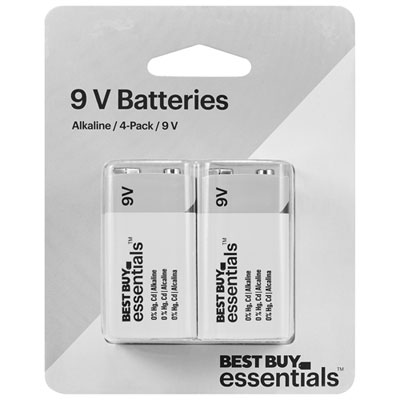
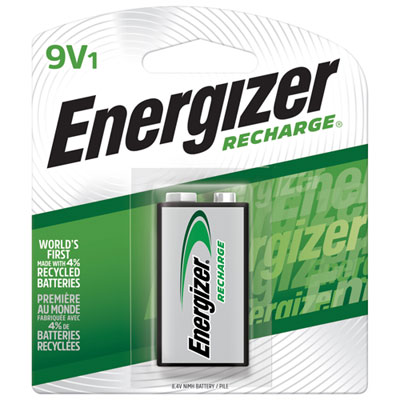
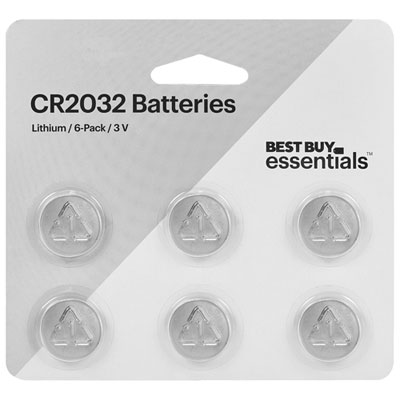
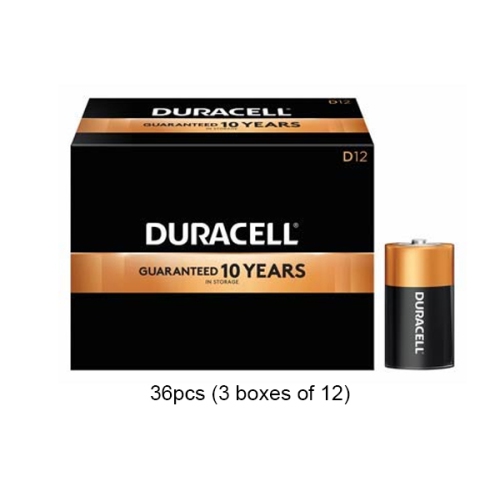

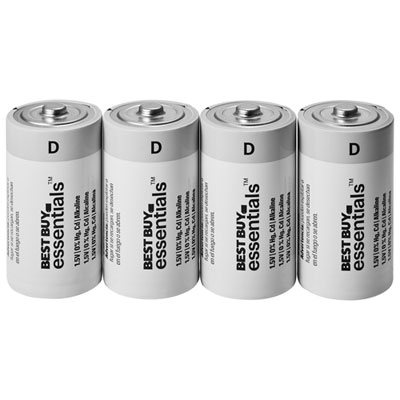
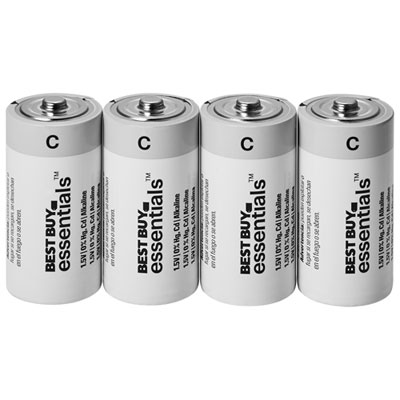
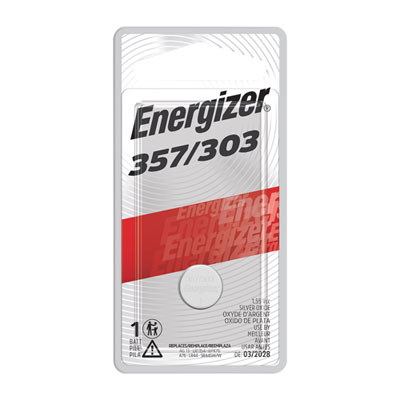
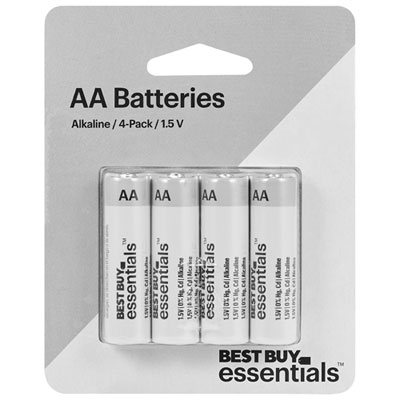
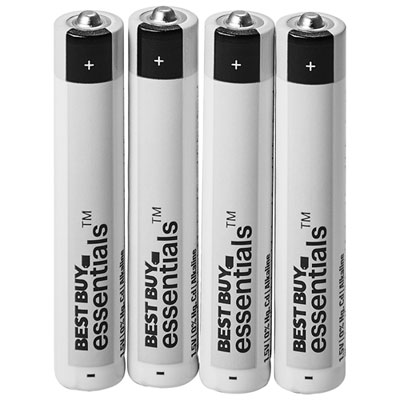
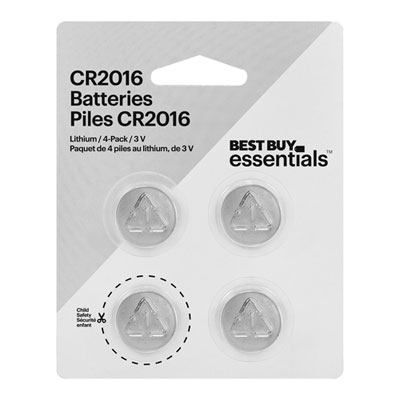
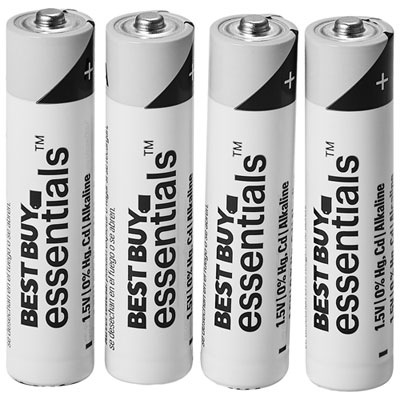
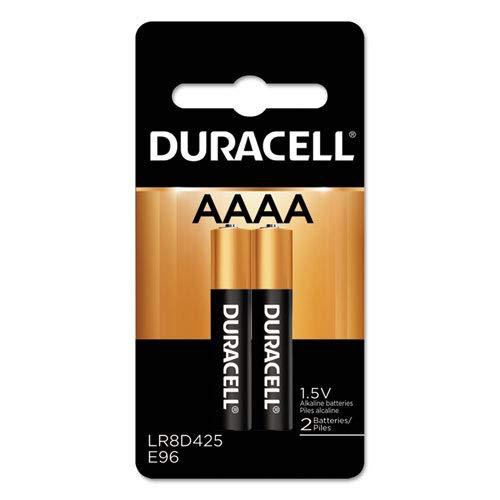
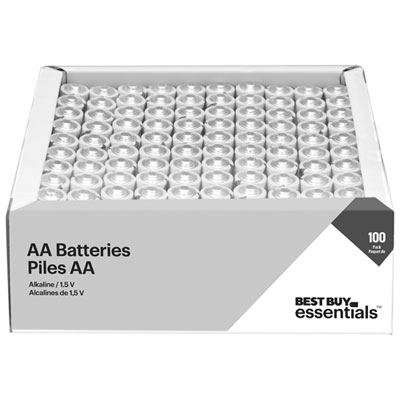
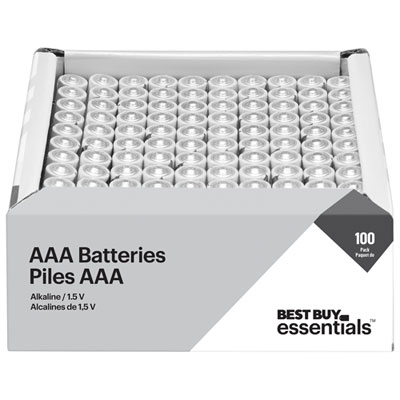
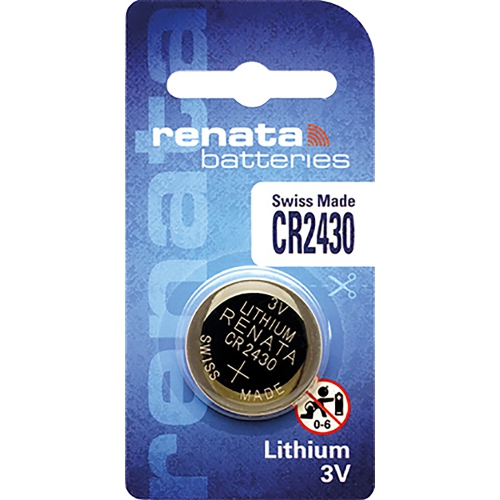
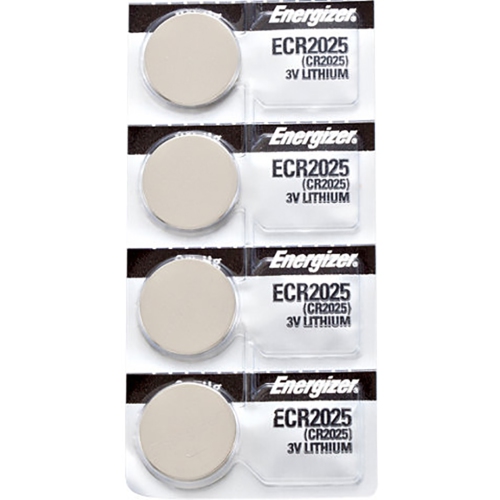
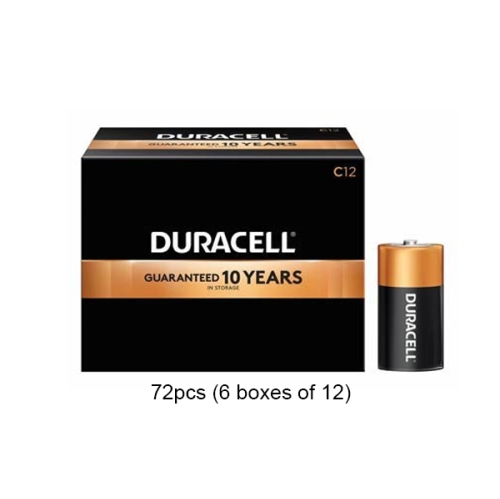
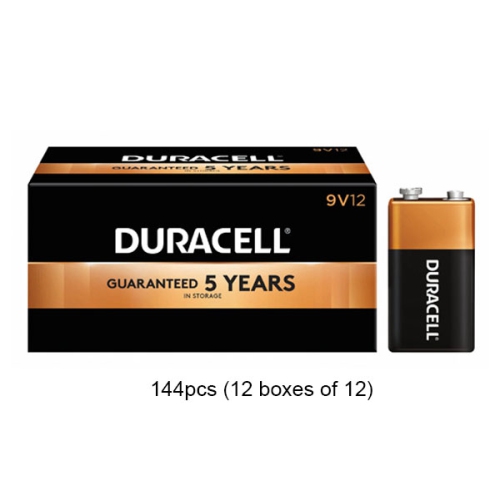
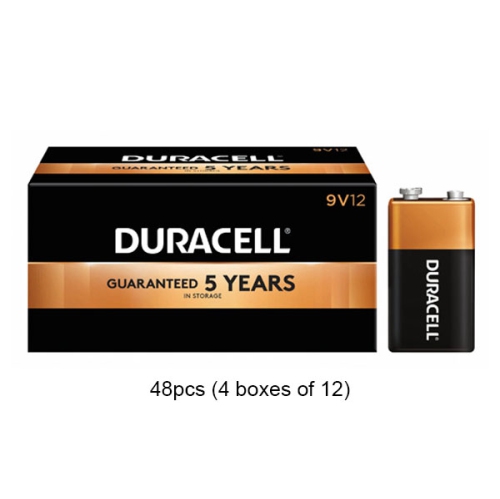
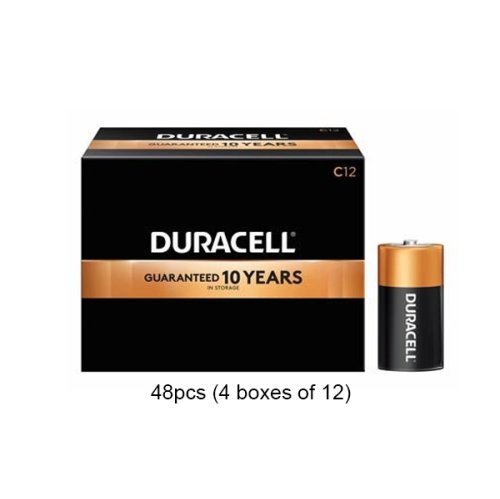
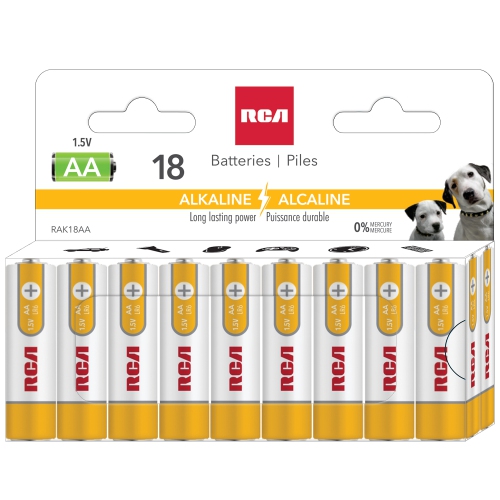
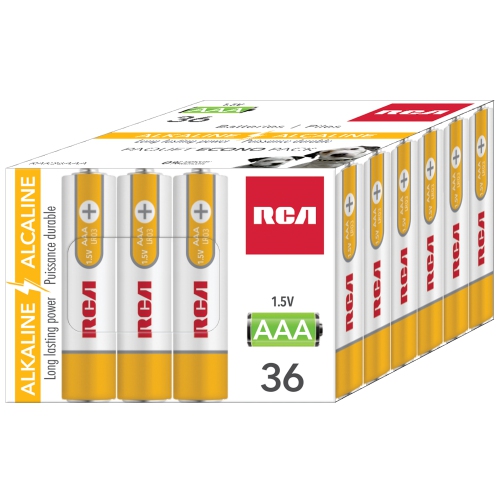
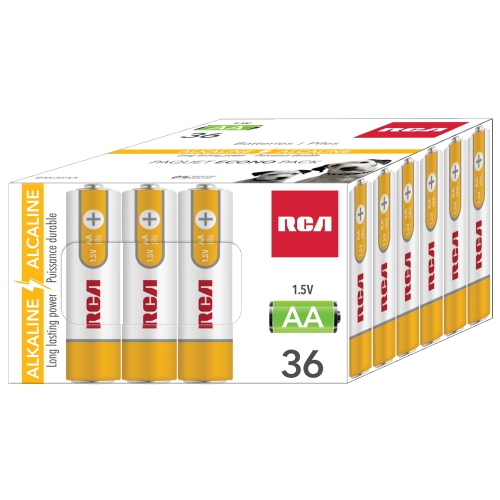
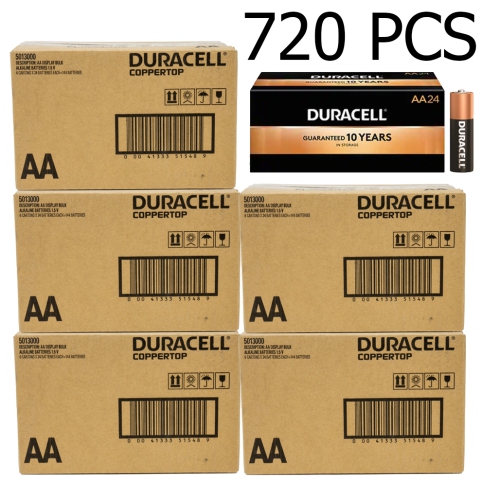
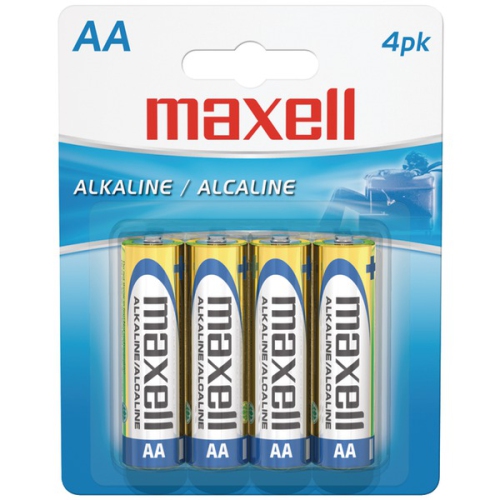
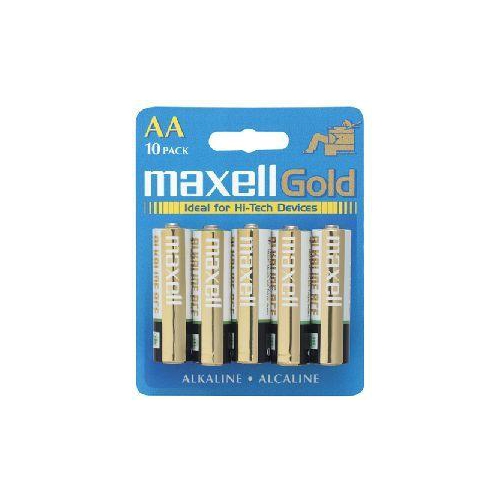
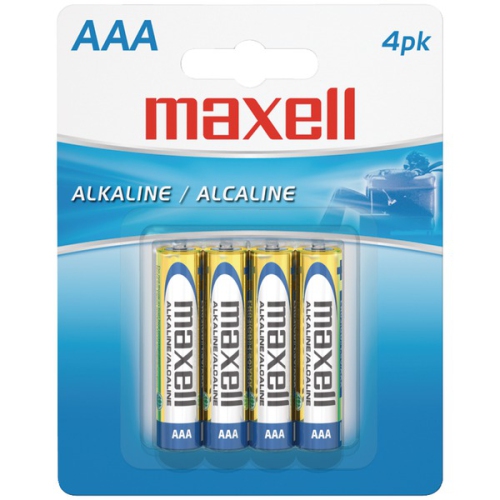
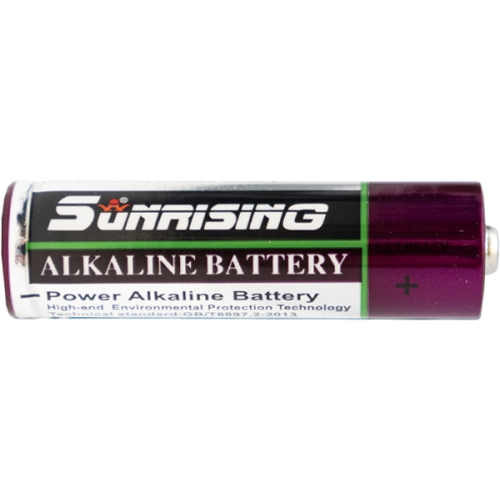
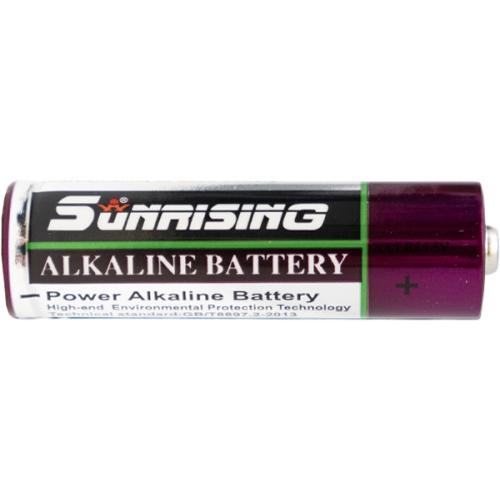

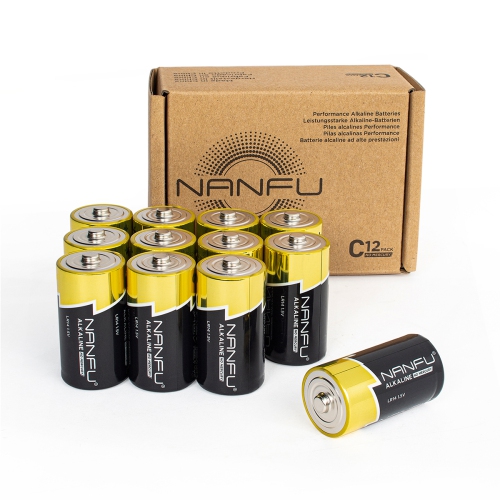
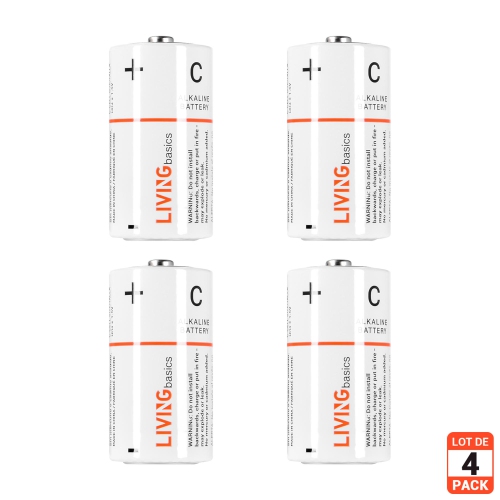

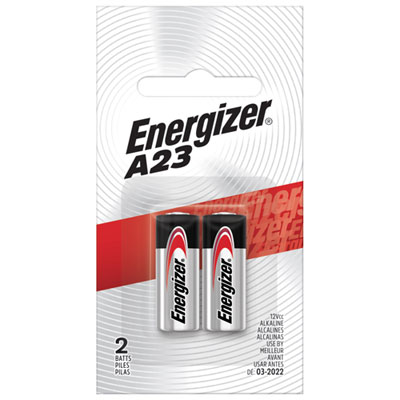
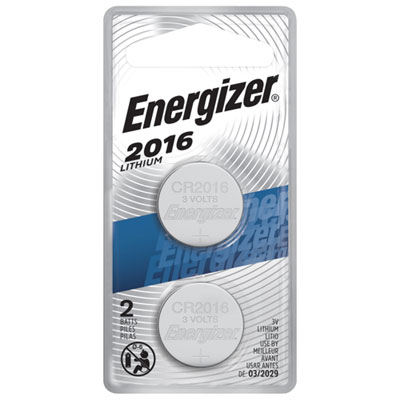
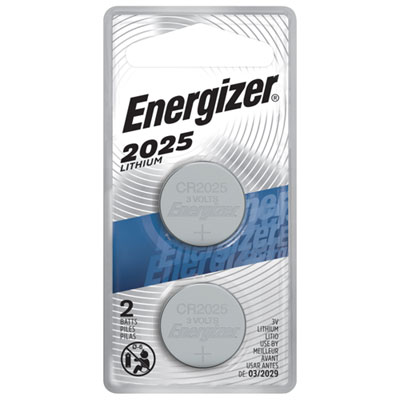
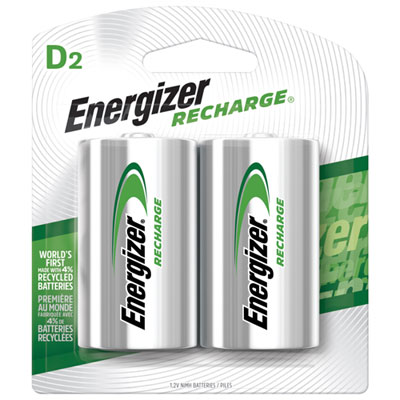
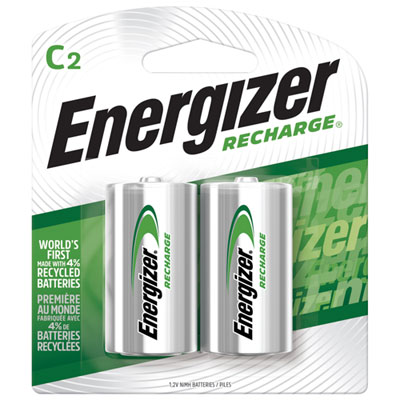
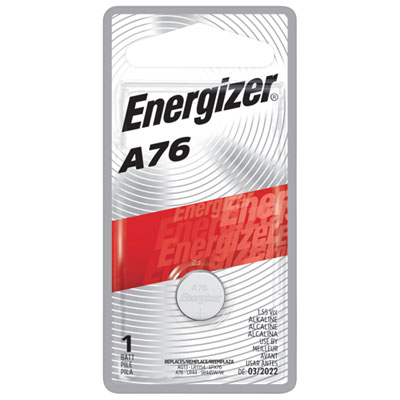
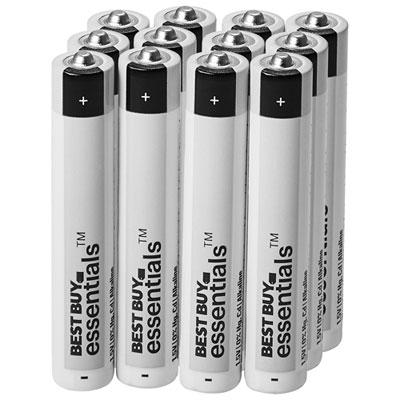
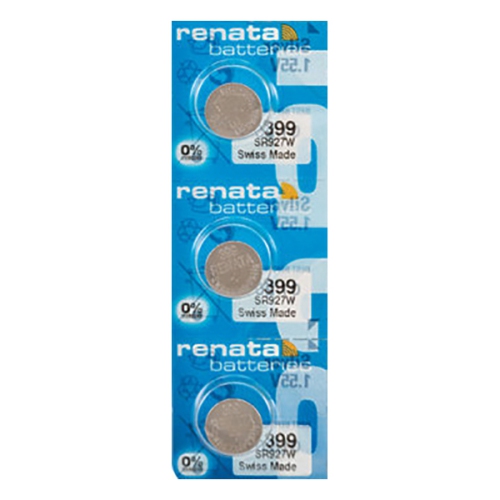
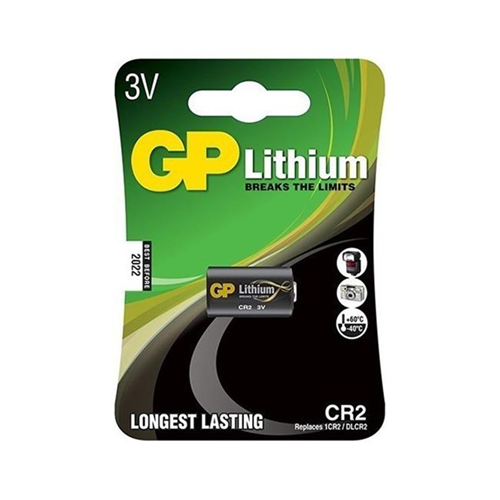
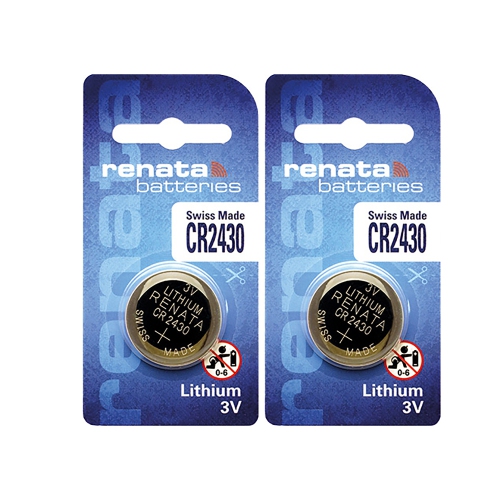
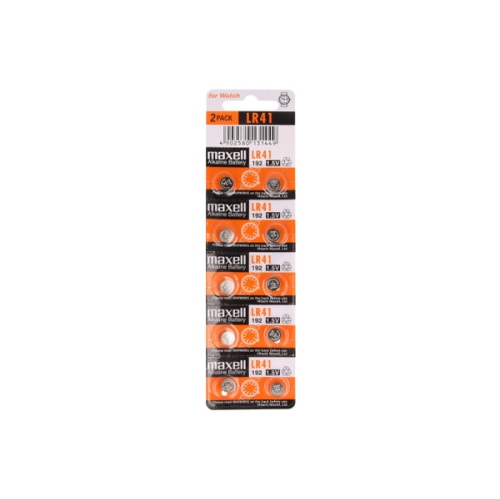
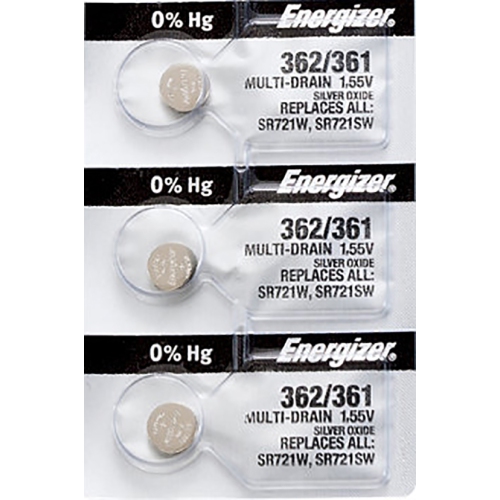
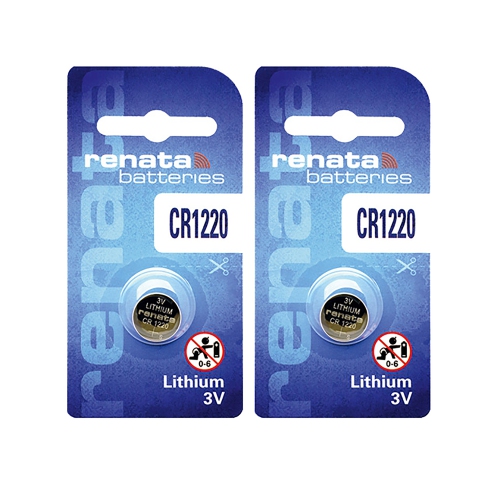
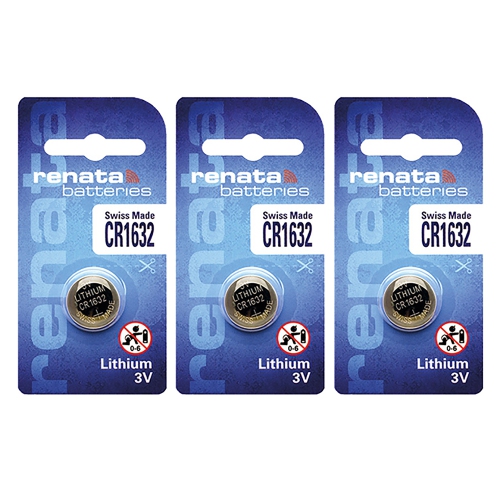
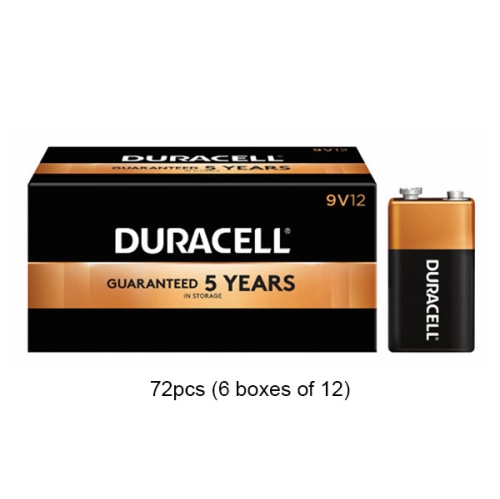
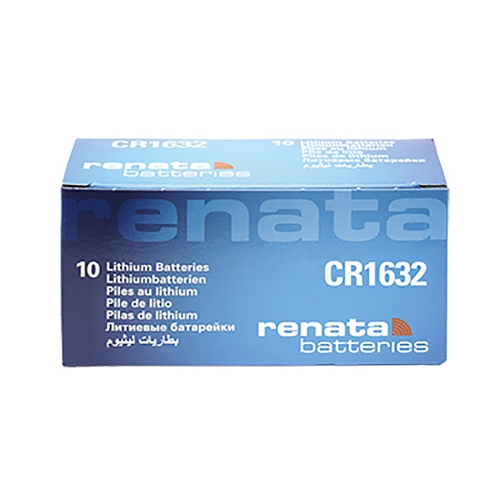
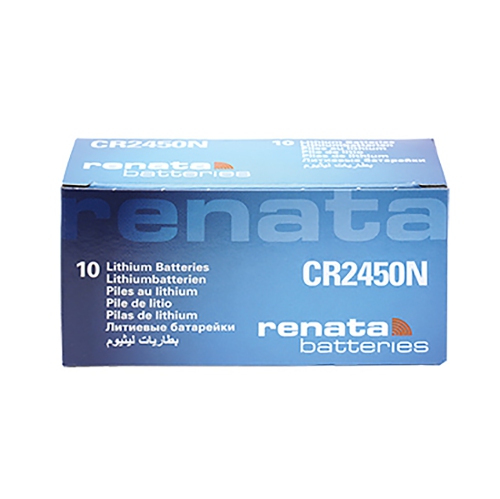
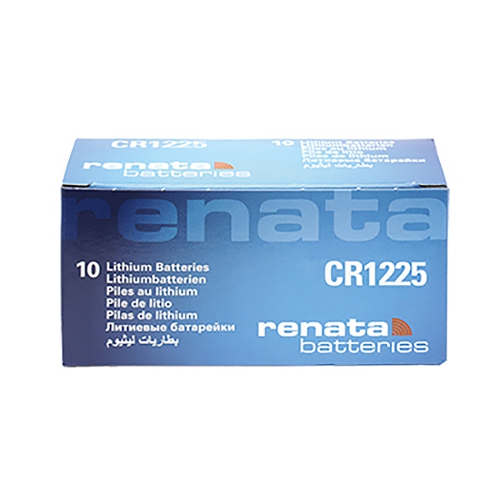
Matching battery types and sizes to everyday devices
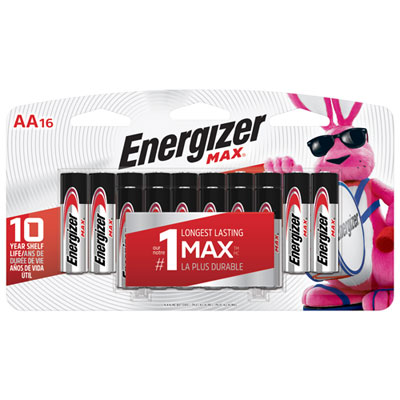
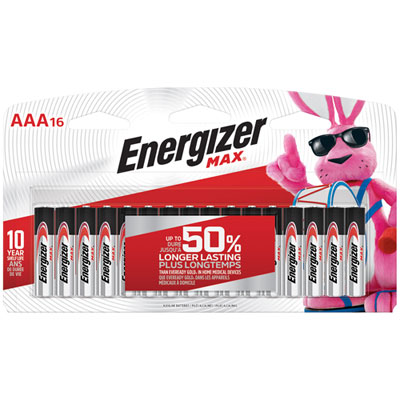
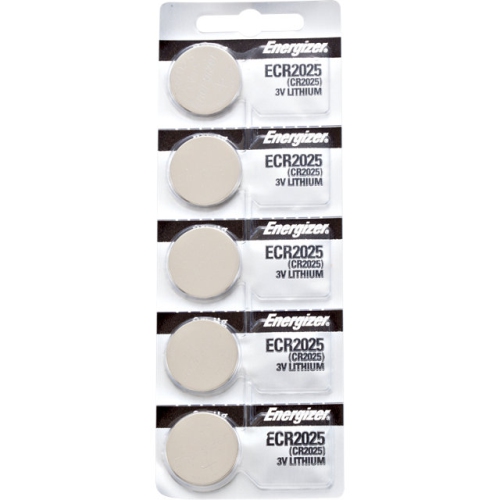
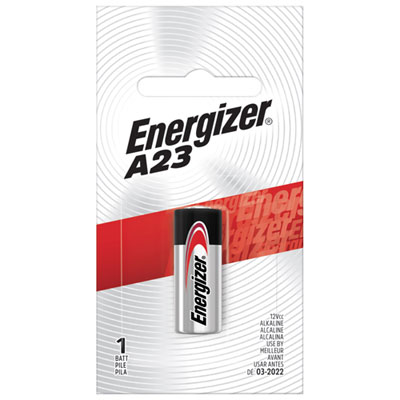
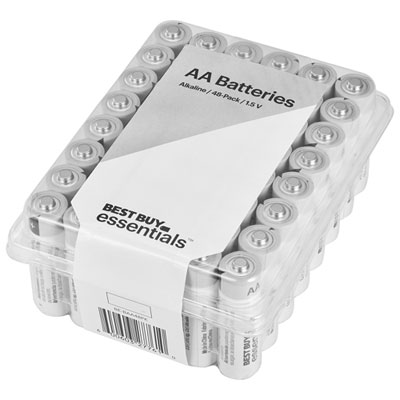
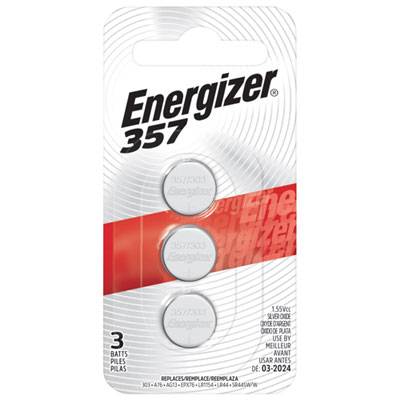
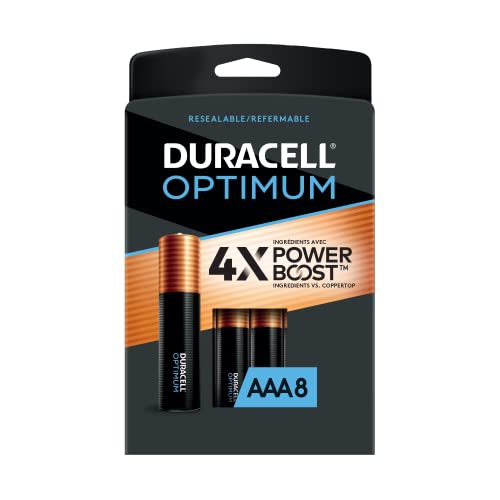
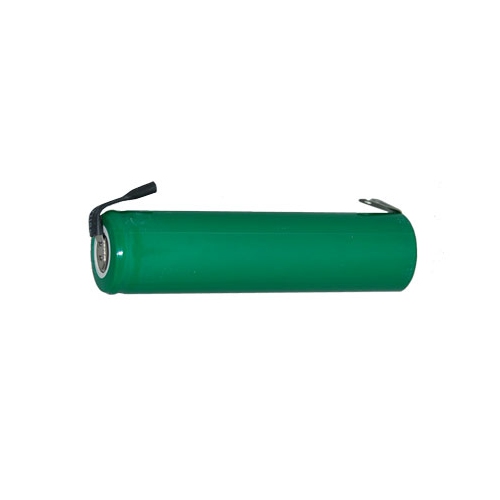
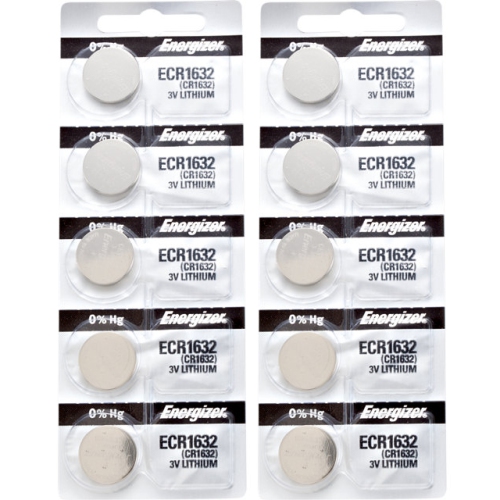
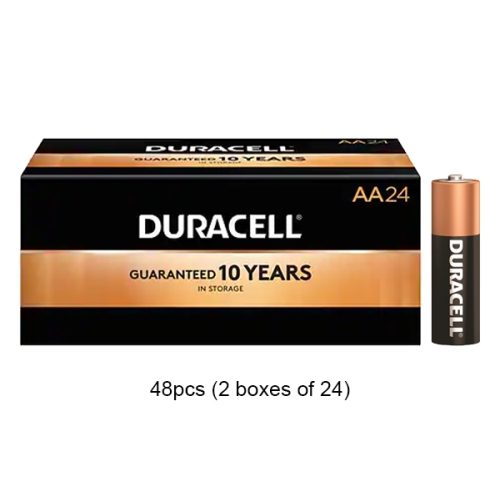
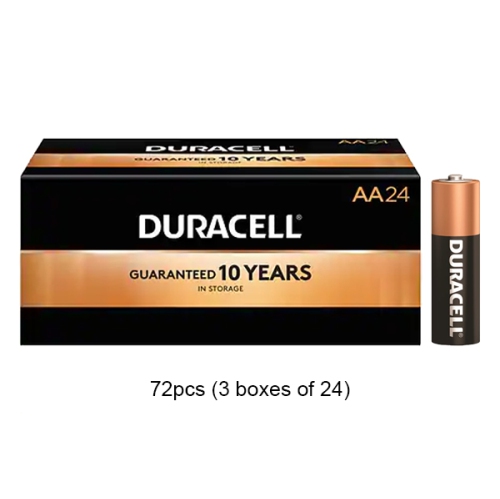
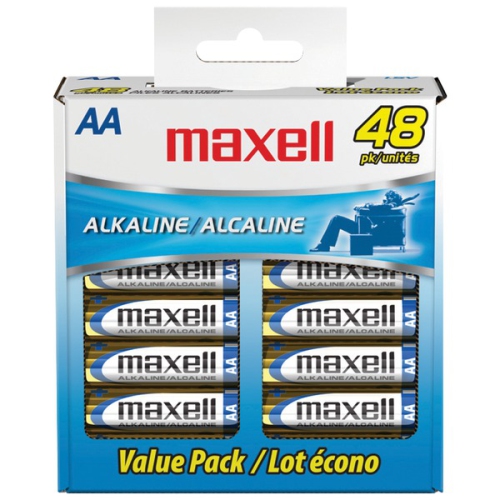
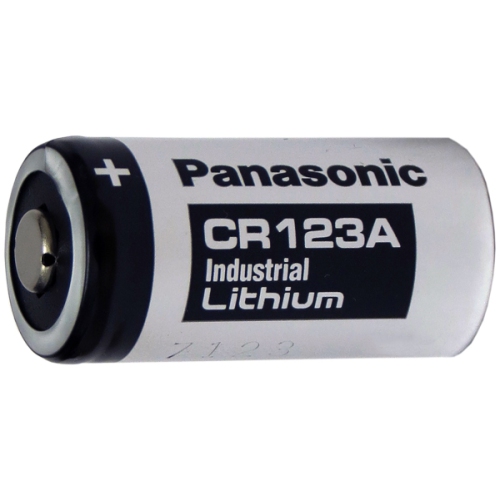
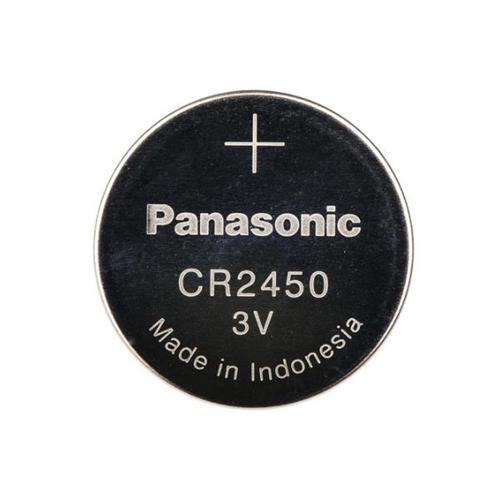
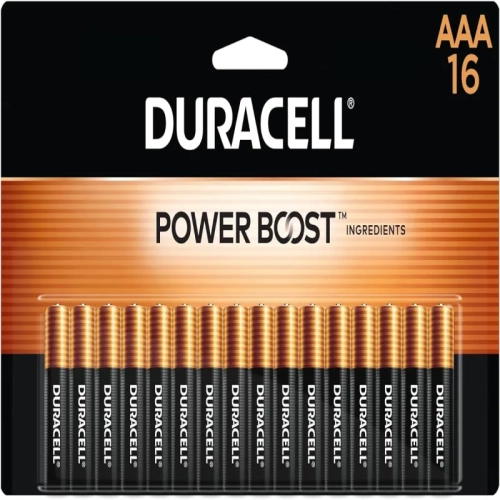
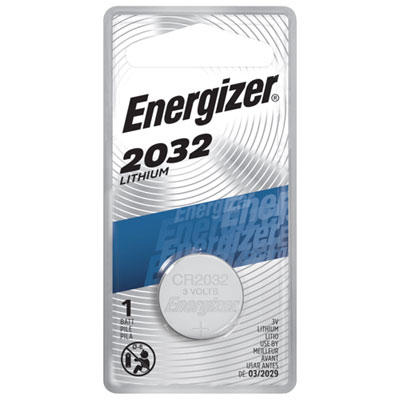
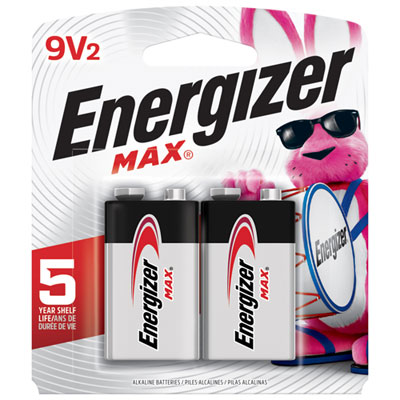
Household batteries provide convenient, dependable power for the everyday devices that keep a home running smoothly. From remote controls and wall clocks to wireless keyboards, computer mice, flashlights, toys, game controllers, radios and small personal electronics, the right battery helps each device work as intended without relying on a wall outlet. Battery size is the first consideration: AA and AAA cells are among the most common for household electronics, while C and D batteries are typically used in devices that need more power over a longer period, such as larger flashlights, lanterns, children’s toys and select audio equipment. Button and coin cells are designed for compact devices, including watches, calculators, thermometers, key fobs and small lights, and should always be matched carefully to the size and voltage specified by the manufacturer. Checking the label inside the battery compartment or consulting the device manual is a simple way to confirm compatibility before buying. It is also worth looking at how often a device is used. A remote control that sits on the coffee table may need a different battery strategy than a flashlight kept in a vehicle, a toy used every day or a wireless game controller that sees several hours of activity each week. Keeping a selection of commonly used sizes in a drawer, toolbox or utility cupboard can make it easier to replace a depleted battery before a clock stops, a flashlight goes dim or a favourite toy is suddenly out of action.
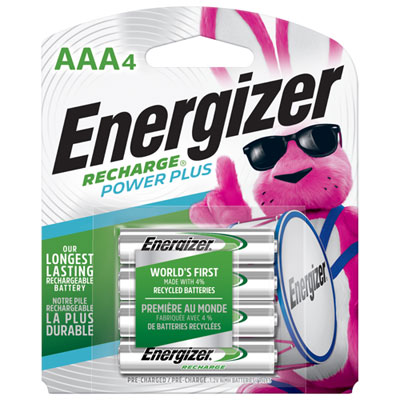
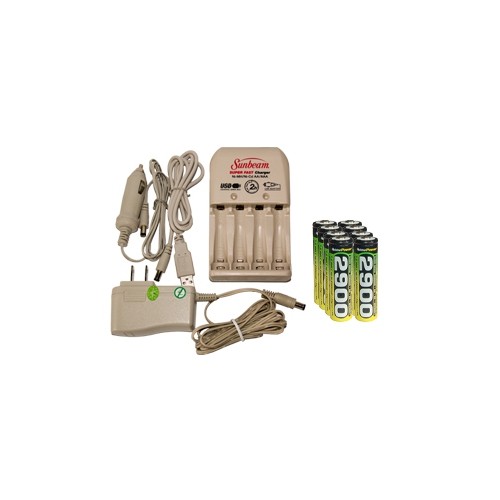
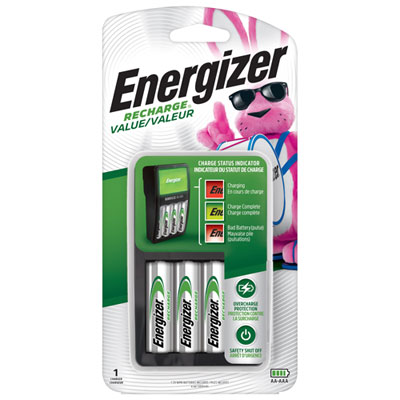
Disposable alkaline batteries are a practical choice for many everyday devices because they are ready to use straight from the package and available in a wide range of sizes. They can be useful for occasional-use items, emergency flashlights, seasonal decorations and devices that are stored for extended periods, provided they are kept in a cool, dry place and installed correctly. Rechargeable batteries can be a convenient option for electronics that are used frequently, such as game controllers, cameras, computer accessories and children’s toys. When selecting rechargeable cells, consider their size, voltage, capacity and the type of charger required; the charger and batteries should be designed to work together, and the manufacturer’s instructions should be followed. Capacity is often expressed in milliampere-hours, or mAh, and generally indicates how much energy a rechargeable battery can hold, although actual performance depends on the device and how it operates. Some batteries are better suited to low-drain devices such as clocks and remotes, while others are designed to handle the quick bursts of power drawn by cameras, flashes, motorized toys and portable audio equipment. Mixing old and new batteries, different chemistries or rechargeable and non-rechargeable cells in the same device can lead to poor performance or leakage, so it is best to use matching batteries as a set. Batteries should be inserted with the positive and negative ends aligned with the markings in the compartment, and swollen, damaged or leaking cells should be removed carefully and handled according to local requirements. Families often keep spare batteries with camping gear, holiday decorations, home office equipment and emergency supplies, while students, new homeowners and anyone setting up a nursery or recreation room may appreciate a thoughtfully assembled assortment of the sizes they use most.
Household batteries are also useful to have on hand when preparing for the cooler months, when earlier sunsets and more time indoors can increase the use of flashlights, lanterns, remotes, toys and small electronics. A fresh set in a bedside drawer can be reassuring during a brief power interruption, while batteries stored with a car emergency kit can help power a compact light or radio when needed. This type of battery is different from a home battery backup or whole-home energy storage system. A home backup system is a larger rechargeable unit that stores electricity from the utility grid or connected solar panels, then uses an inverter to convert stored direct current into the alternating current required by household appliances. Some portable power stations are plug-in units, while permanent systems may connect to a home’s electrical panel and switch to battery power automatically during an outage. Larger or hardwired installations involve substantial electrical capacity and must comply with local electrical codes, permits and professional installation requirements; they should not be confused with the small replaceable cells used in everyday household devices. For equipment with higher power demands, including certain commercial, mobility, security and specialty applications, browse Industrial Batteries to explore a different category. Whether they are purchased for a busy family room, a home office, a workshop, a cottage or a practical gift basket, household batteries are most useful when their size, chemistry, capacity and intended application match the device. A little attention to those details helps reduce interruptions and keeps the small essentials of daily life ready when they are needed.
Disposable alkaline batteries are a practical choice for many everyday devices because they are ready to use straight from the package and available in a wide range of sizes. They can be useful for occasional-use items, emergency flashlights, seasonal decorations and devices that are stored for extended periods, provided they are kept in a cool, dry place and installed correctly. Rechargeable batteries can be a convenient option for electronics that are used frequently, such as game controllers, cameras, computer accessories and children’s toys. When selecting rechargeable cells, consider their size, voltage, capacity and the type of charger required; the charger and batteries should be designed to work together, and the manufacturer’s instructions should be followed. Capacity is often expressed in milliampere-hours, or mAh, and generally indicates how much energy a rechargeable battery can hold, although actual performance depends on the device and how it operates. Some batteries are better suited to low-drain devices such as clocks and remotes, while others are designed to handle the quick bursts of power drawn by cameras, flashes, motorized toys and portable audio equipment. Mixing old and new batteries, different chemistries or rechargeable and non-rechargeable cells in the same device can lead to poor performance or leakage, so it is best to use matching batteries as a set. Batteries should be inserted with the positive and negative ends aligned with the markings in the compartment, and swollen, damaged or leaking cells should be removed carefully and handled according to local requirements. Families often keep spare batteries with camping gear, holiday decorations, home office equipment and emergency supplies, while students, new homeowners and anyone setting up a nursery or recreation room may appreciate a thoughtfully assembled assortment of the sizes they use most.
Household batteries are also useful to have on hand when preparing for the cooler months, when earlier sunsets and more time indoors can increase the use of flashlights, lanterns, remotes, toys and small electronics. A fresh set in a bedside drawer can be reassuring during a brief power interruption, while batteries stored with a car emergency kit can help power a compact light or radio when needed. This type of battery is different from a home battery backup or whole-home energy storage system. A home backup system is a larger rechargeable unit that stores electricity from the utility grid or connected solar panels, then uses an inverter to convert stored direct current into the alternating current required by household appliances. Some portable power stations are plug-in units, while permanent systems may connect to a home’s electrical panel and switch to battery power automatically during an outage. Larger or hardwired installations involve substantial electrical capacity and must comply with local electrical codes, permits and professional installation requirements; they should not be confused with the small replaceable cells used in everyday household devices. For equipment with higher power demands, including certain commercial, mobility, security and specialty applications, browse Industrial Batteries to explore a different category. Whether they are purchased for a busy family room, a home office, a workshop, a cottage or a practical gift basket, household batteries are most useful when their size, chemistry, capacity and intended application match the device. A little attention to those details helps reduce interruptions and keeps the small essentials of daily life ready when they are needed.
Top selling and popular products
-
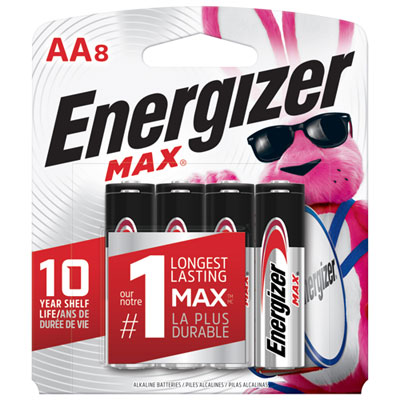 Your price for this item is $11.99
 -
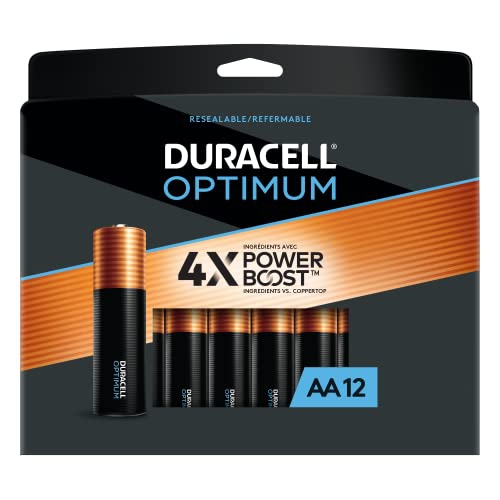 Your price for this item is $57.97
 -
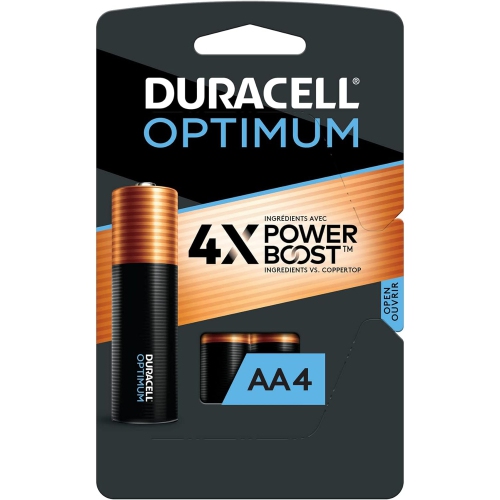 Your price for this item is $19.97
 -
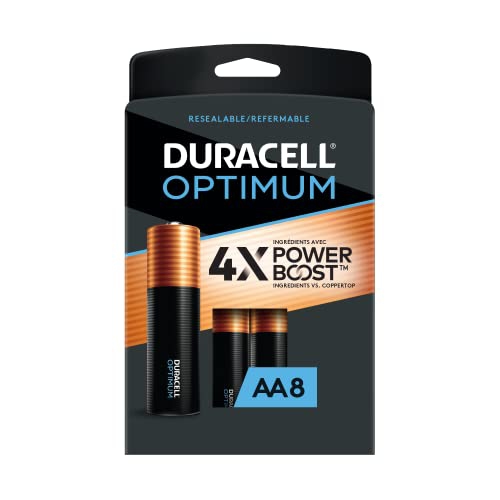 Your price for this item is $38.97
 -
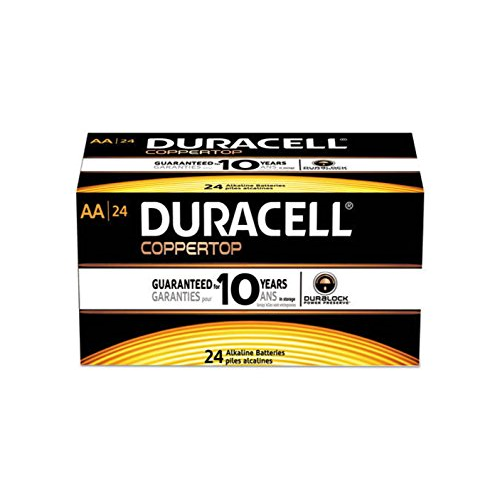 Your price for this item is $38.97
 -
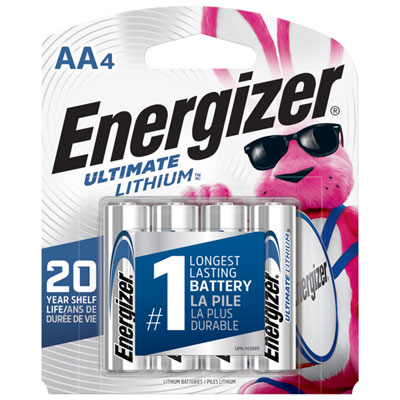 Your price for this item is $17.99
 -
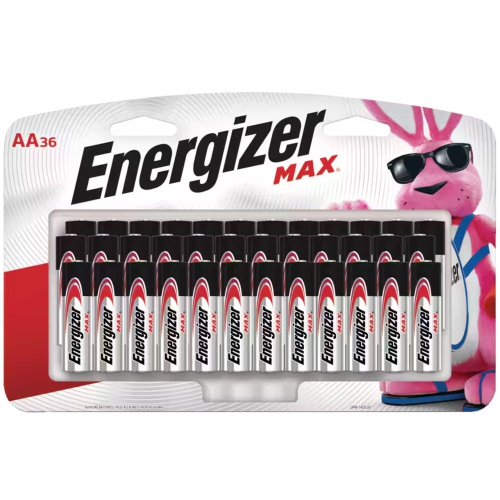 Your price for this item is $19.99
 -
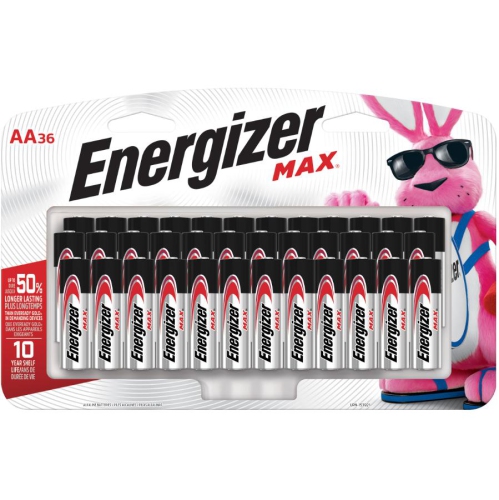 Your price for this item is $27.99
Discover more categories related to Household Batteries
Top Collections:
Pokemon Centers, Kindle Devices, Best Budget Office Chairs, Apple iPhones 16, Best Laptops for Writers, iPhone 15 Apple, Canon G7X Cameras, Refurbished Apple Laptops, Alarm Clock, Motorola Razr Phones
Some products may be subject to Environmental Handling Fees
(EHF) depending on your province.
Learn more about EHFs.