Embossing Tools
If you're looking to add a touch of elegance and creativity to your craft projects, look no further than these embossing tools. These versatile tools allow you to effortlessly create raised designs and patterns on various materials, giving your creations a professional and polished finish. Whether you're a seasoned crafter or just starting out, this range of embossing tools offers something for everyone.
Sort
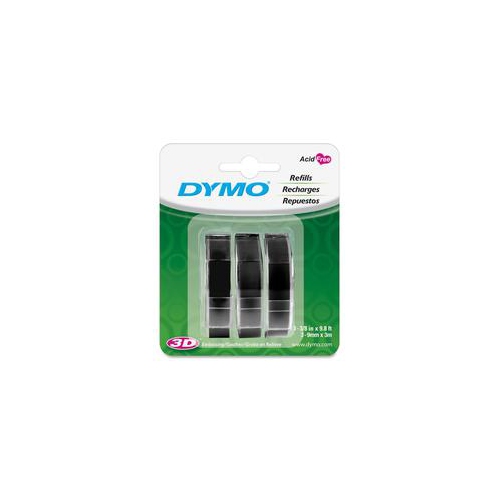
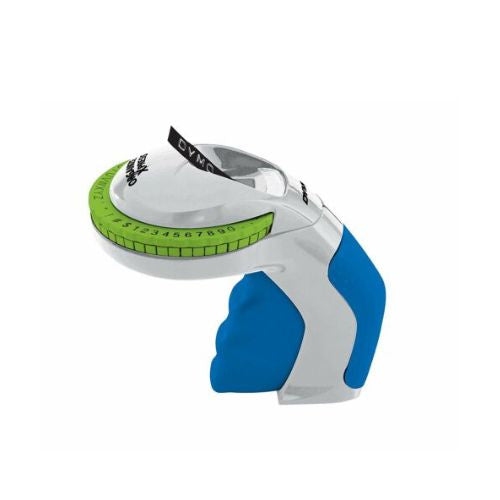

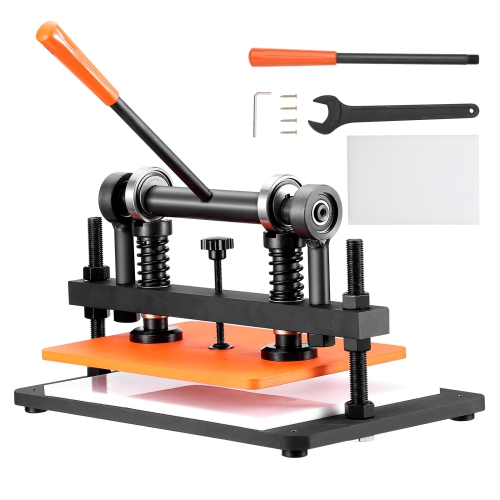
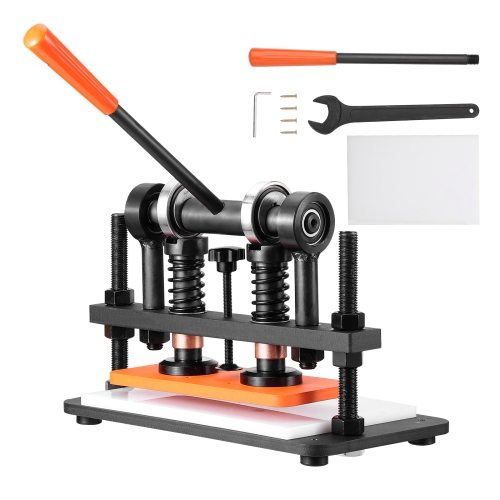
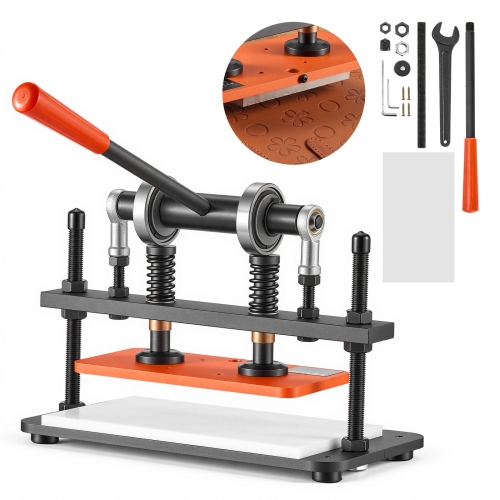
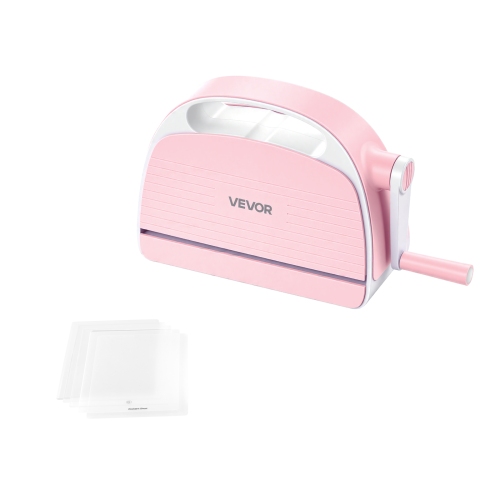
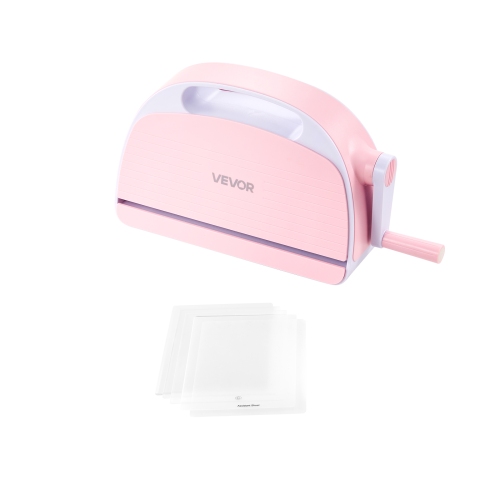
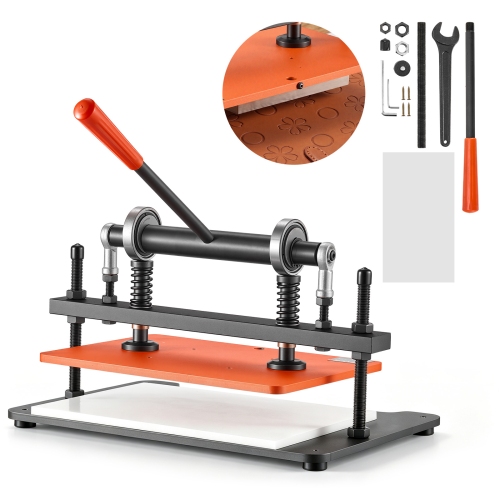

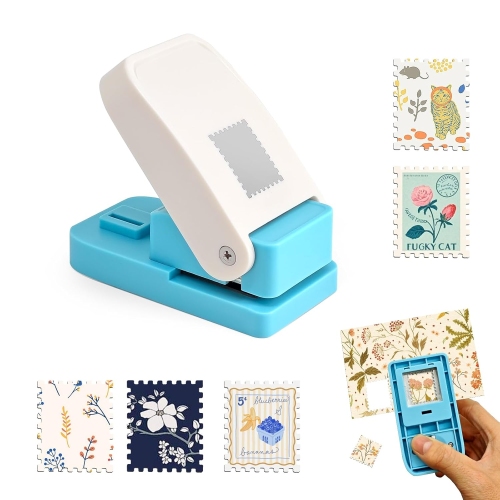
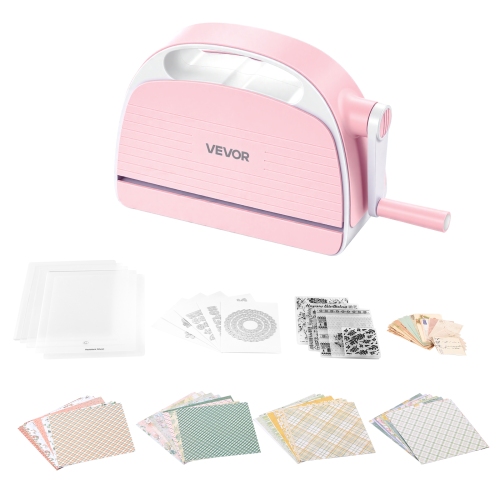
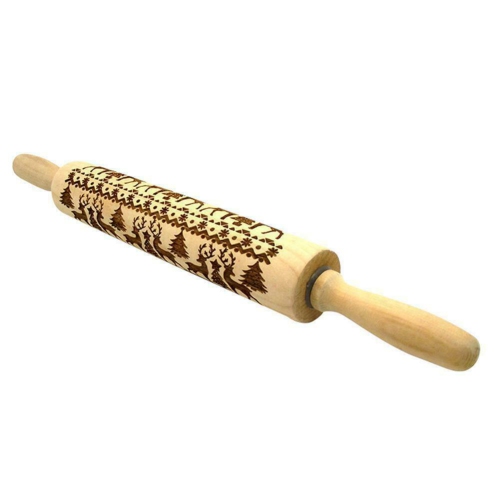
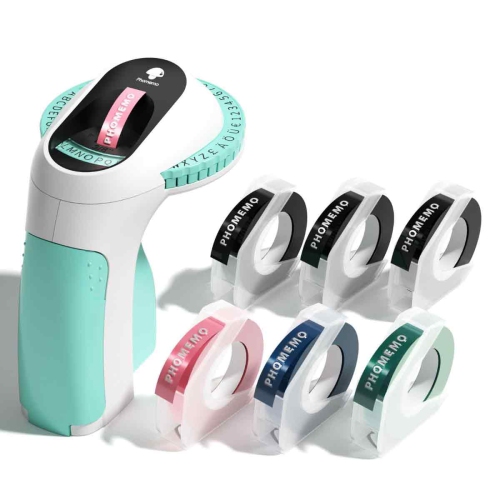
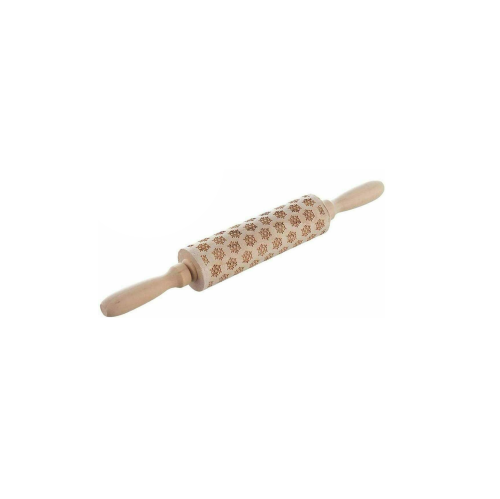
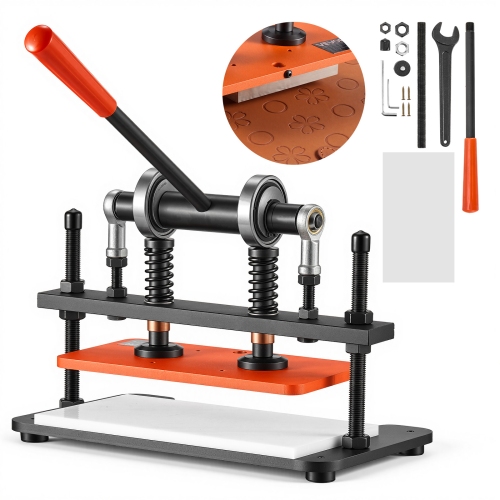

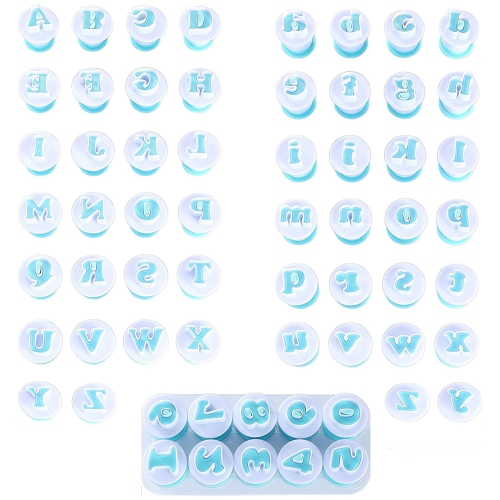
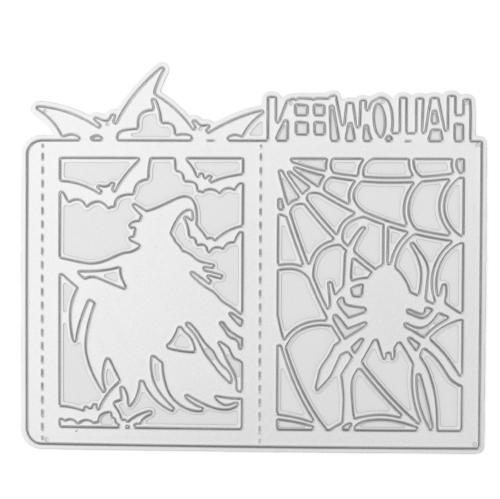
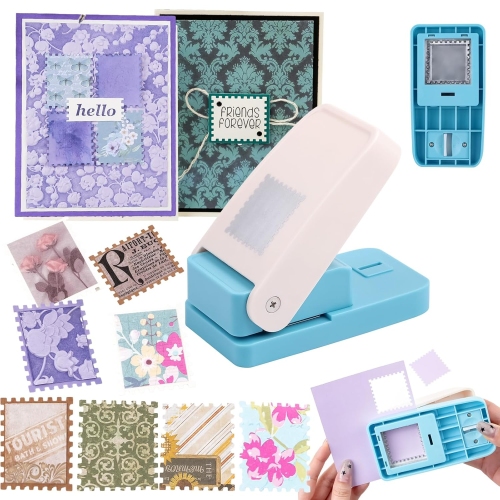
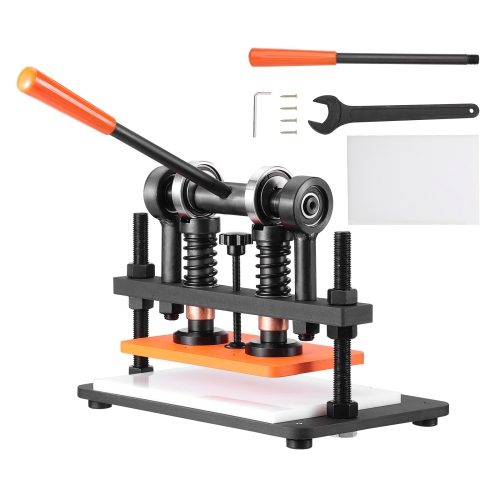
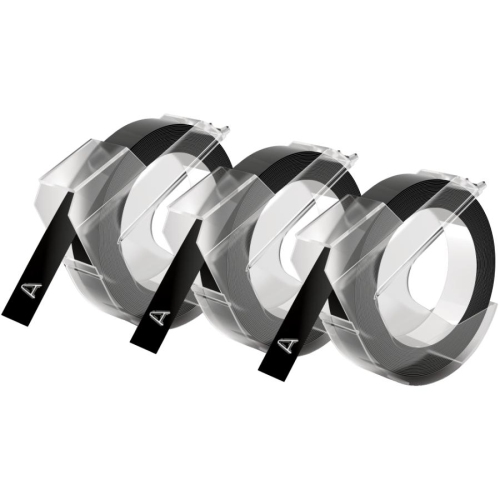
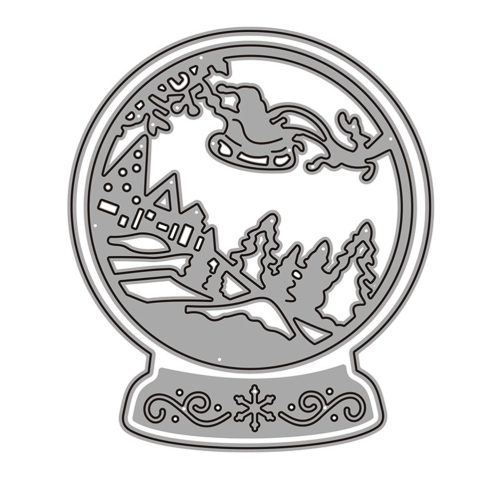
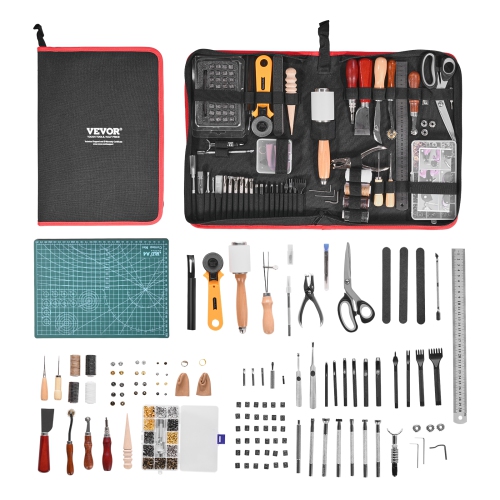
From subtle impressions to glossy raised designs
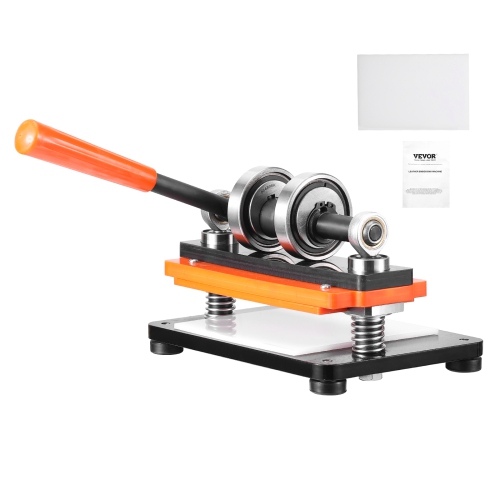
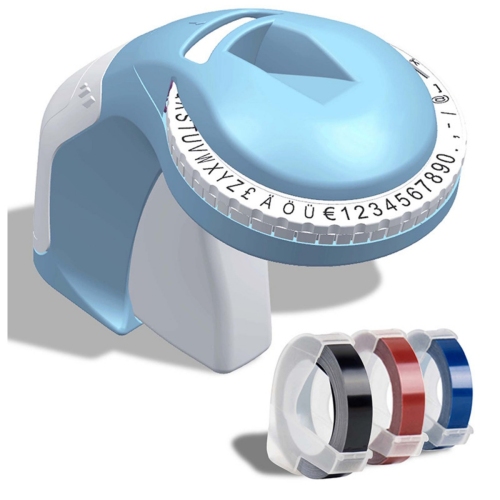
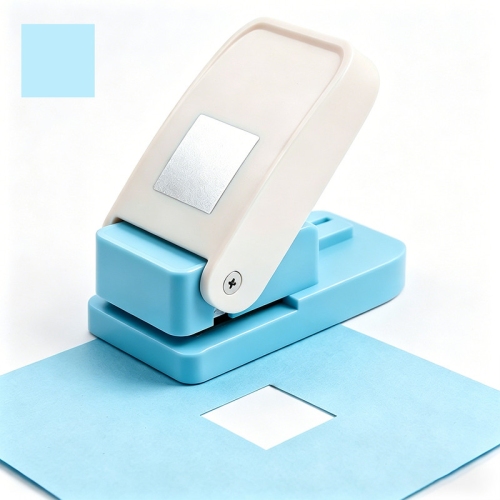
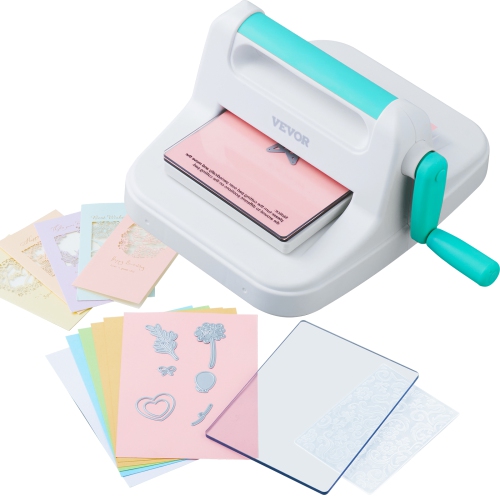
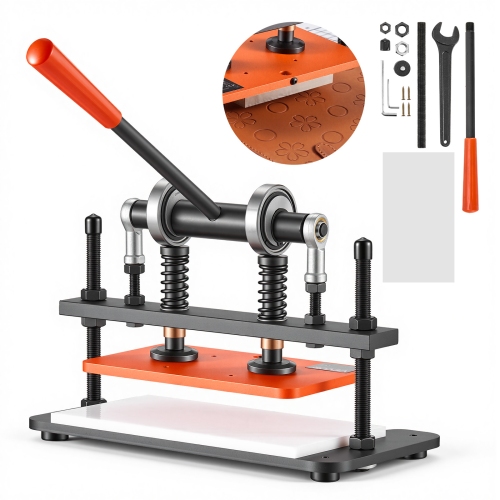
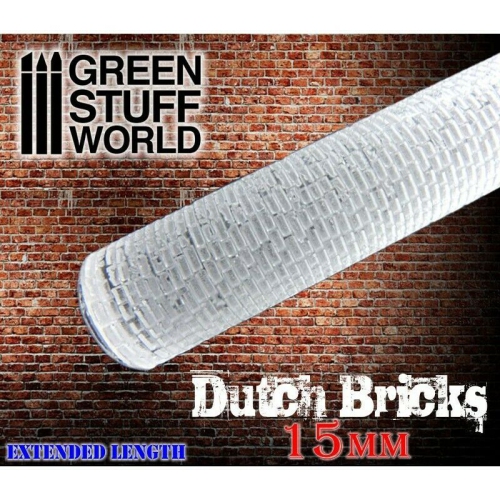
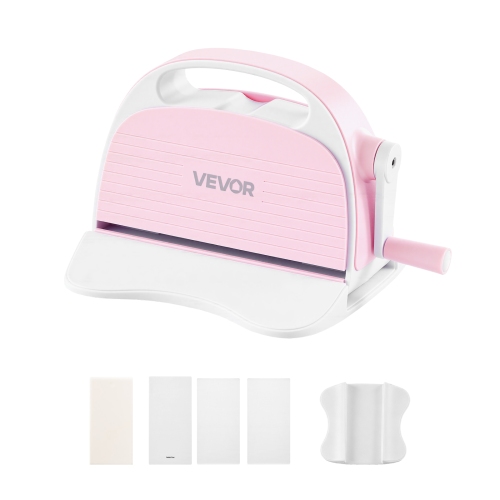
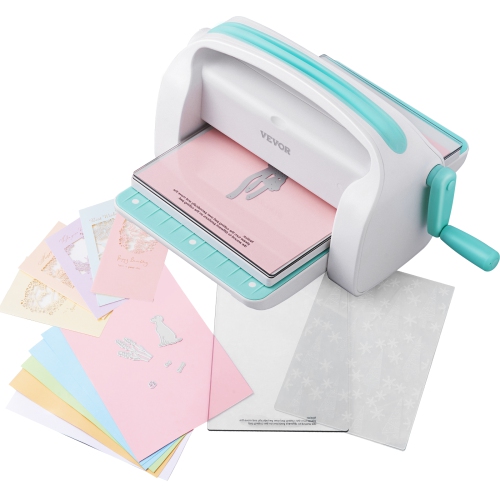
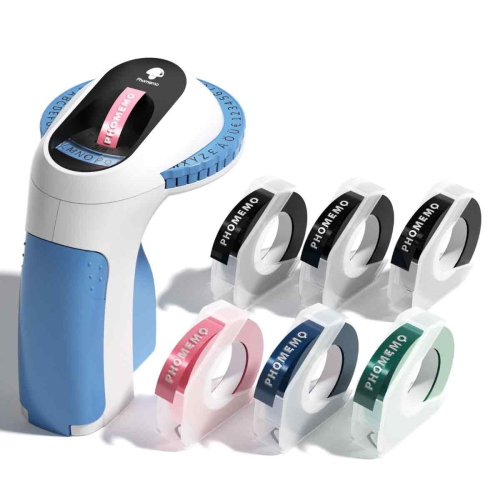
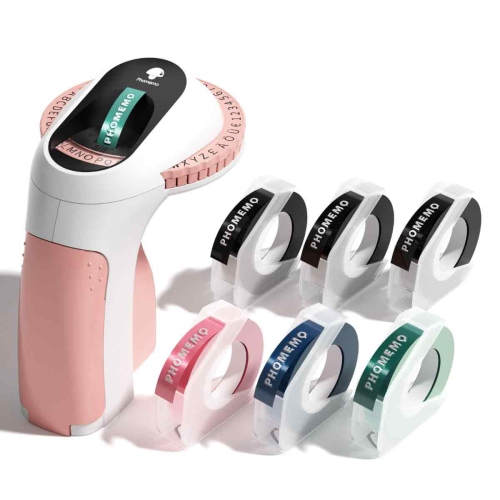
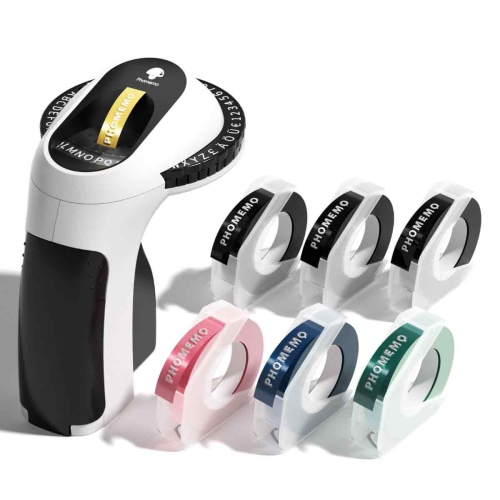
Embossing tools add raised, recessed, or textured detail to craft materials, giving a simple surface depth that can be seen and felt. Their uses range from a fine border around a greeting card to patterned metal foil, shaped paper petals, and textured polymer clay. The main types include ball-tipped styluses for hand work, embossing folders used with compatible pressure machines, tooling implements for soft metal, and heat embossing tools that melt specialty powder into a raised finish. Although these techniques share a name, they produce different results and require different supplies. Dry embossing reshapes the material itself, while heat embossing creates a layer on top of it. A subtle impression on white cardstock can give stationery a crisp, understated finish; a glossy embossed sentiment can stand out against a dark card front. Material choice has a noticeable effect on both appearance and ease of use. Paper and cardstock need enough flexibility to accept an impression without splitting, while their thickness and surface coating influence how sharply a pattern appears. Thin craft foil responds differently from heavier sheet metal, and only metals suitable for hand tooling should be paired with that technique. Polymer clay accepts texture while workable, making rounded tools useful for impressions, contours, and small sculpted details. Leatherwork calls for implements designed for the particular leather and marking method rather than an assumption that every paper embossing tool will transfer successfully. For card makers, scrapbookers, model makers, and mixed-media artists, the appeal is often the contrast between smooth and textured areas. A narrow raised frame can draw attention to a photograph without overwhelming it, while a repeated geometric pattern can turn plain cardstock into a distinctive background. Choosing among embossing tool types begins with that intended effect: precise line work, broad all-over texture, dimensional shaping, or a raised inked design. The scale of the project matters as well, since a small tag leaves little room for a large motif, while a full card panel gives a repeating pattern space to read clearly.
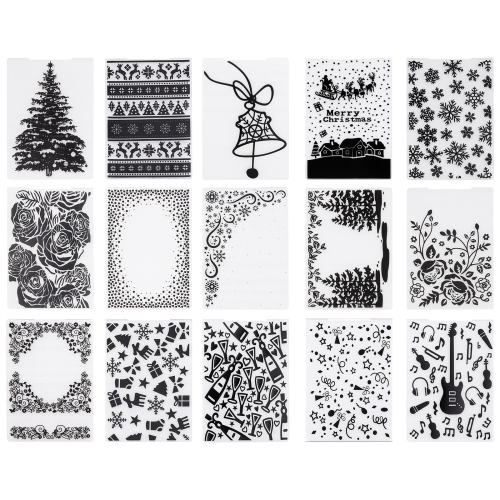
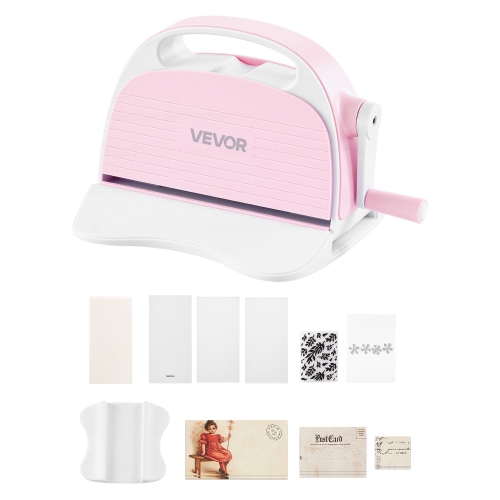
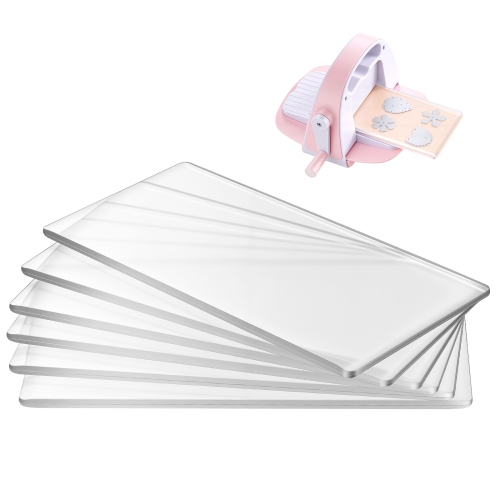
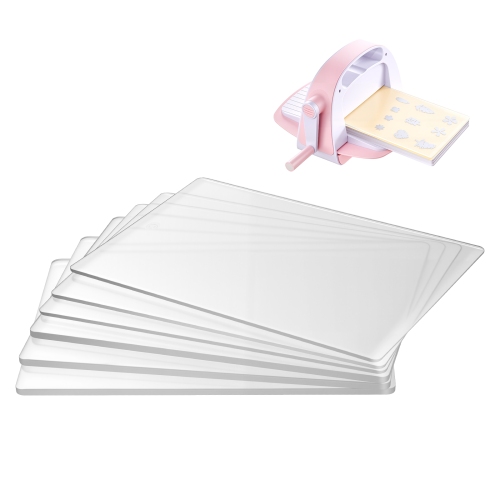
Hand embossing tools offer close control over individual marks, making their shape, balance, and tip finish especially relevant. Ball styluses have rounded ends that press into a surface rather than cut it, with smaller tips suited to narrow lines and larger tips useful for broader shaping. Double-ended designs bring two working sizes into one handle, while a comfortable grip can make repeated tracing or shaping less tiring. Smooth, securely attached metal tips help prevent snagging and unwanted scratches; rough edges or a loose tip can interrupt an otherwise clean impression. The supporting surface is part of the result, too. A suitable yielding mat allows material to move under pressure, whereas a firmer backing supports different finishing work. For soft-metal tooling, rounded implements and burnishers serve distinct purposes, from building relief to smoothing selected areas. Paper embossing stencils provide a defined opening or outline to follow, although ordinary painting stencils are not automatically suitable for pressure work. For projects combining texture with painted or inked patterns, Stenciling Tools can complement embossed details with borders, lettering, or areas of colour. Embossing folders take a different approach, holding paper between matching patterned surfaces that form an impression as they pass through a compatible machine. Folder dimensions, material thickness, and the machine’s required plate arrangement all affect fit; a folder that physically enters an opening is not necessarily approved for that machine. Similarly, embossing attachments for electronic craft machines depend on the supported model, working area, and materials specified by the manufacturer. Manual control suits a handwritten flourish or individually shaped petal, while a folder is useful when several invitations need the same textured background. Durability also comes from everyday care: clean working surfaces help avoid transferring grit into a design, and storage that protects tips and keeps folders away from excess heat helps preserve their working shape. Clay residue, ink, and metal fragments are best kept from migrating between different craft materials, particularly when the same worktable serves several hobbies.
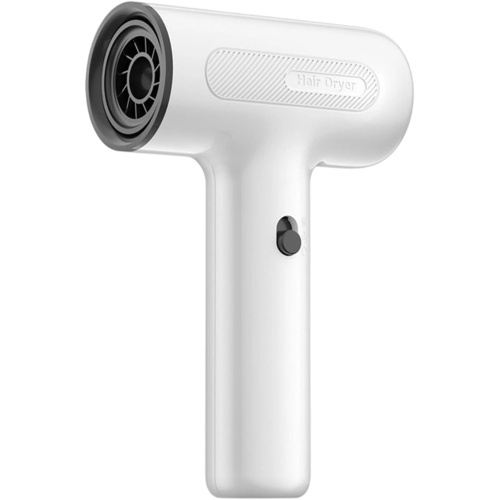
Heat embossing tools suit projects where raised colour, shine, or a softly textured coating is the desired finish. The process uses embossing ink or another suitable slow-drying medium to hold specialty powder in a design, then a purpose-built craft heat tool melts the powder so it bonds into a raised layer. A household hair dryer is not an equivalent substitute: its airflow can scatter loose powder, and it is not designed to provide the concentrated heat the technique requires. Fine-detail powders are generally better suited to small lettering and delicate stamped lines, while coarser formulations create more pronounced texture. The relationship between the powder, ink, and surface matters as much as the heat tool itself. Smooth cardstock can support crisp lettering, whereas a heavily textured surface may interrupt very fine details. An anti-static preparation product can help limit stray powder, though suitability depends on the surface and finish. Heat-resistant work surfaces, stable tool rests, and comfortable handling are practical considerations for a craft space where hot equipment sits near paper and other supplies. Craft heat tools are not toys, and their hot nozzles and working temperatures require adult handling or supervision appropriate to the manufacturer’s directions. Cleaning and storage also differ from those of dry embossing supplies: a heat tool needs to cool fully before being put away, and powder containers need secure closures to prevent spills and contamination. These tools can appeal to someone who enjoys making thank-you cards, personalized gift tags, scrapbook titles, or presentation pieces with a tactile finishing touch. For a gift recipient, compatibility with existing craft equipment and interest in a particular technique are more useful considerations than simply choosing the largest assortment. Someone who enjoys quiet, detailed hand work may appreciate comfortable styluses and a suitable mat, while an experienced card maker may value supplies that extend a familiar pressure or heat embossing setup. Across these approaches, well-matched tools make texture an intentional part of the design, whether the finished piece features a barely raised monogram or a bold, light-catching pattern.
Top selling and popular products
-
 Your price for this item is $911.05
-
 Your price for this item is $238.44
-
 Your price for this item is $685.99
-
 Your price for this item is $549
-
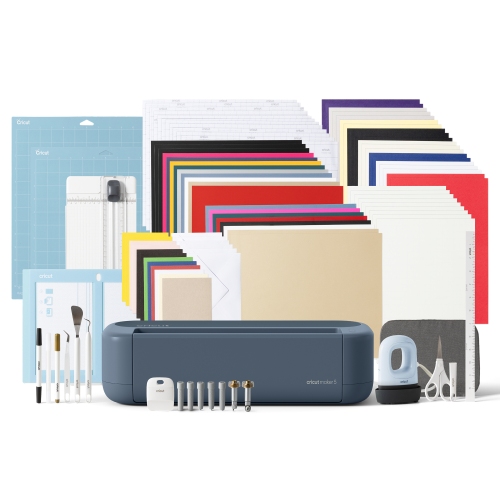 Your price for this item is $679
-
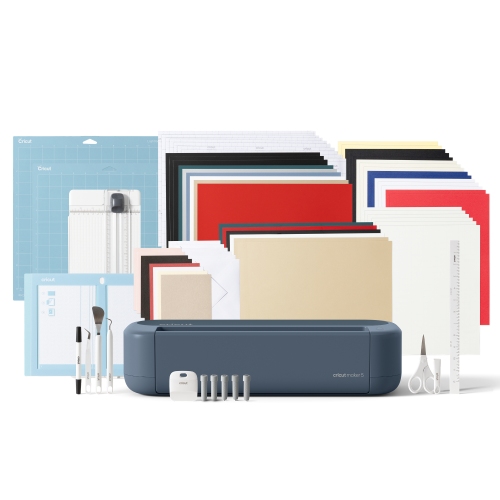 Your price for this item is $599
-
 Your price for this item is $39.99
-
 Your price for this item is $57.68
Discover more categories related to Embossing Tools
Top Collections:
Best Black Friday Deals This Year, Best Black Friday Deals On Electronics, Kindle Devices, Pokemon Centers, Best Black Friday Deals On Apple Products, Best Cameras for Sports Photography, Dyson Airwrap, Pokémon 30th Celebration Cards, Apple iPhone 17 Pro, Canon G7X Cameras
Some products may be subject to Environmental Handling Fees
(EHF) depending on your province.
Learn more about EHFs.