Home Phones With Large Display
A large display can make all the difference when it comes to finding the right phone number or text message, or determining whether a missed call is important. It's also beneficial for those with poor eyesight or who have difficulty reading smaller screens. If you're looking for a home phone with a large display, here are some of the best options on the market.
Sort
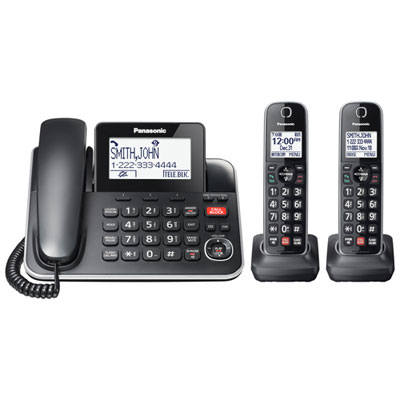
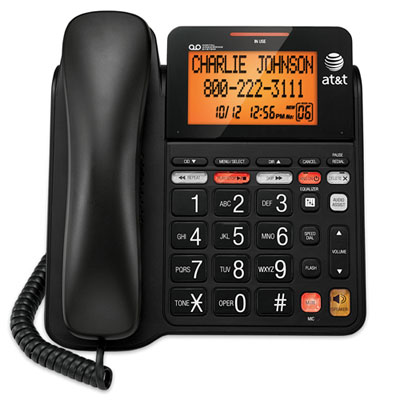
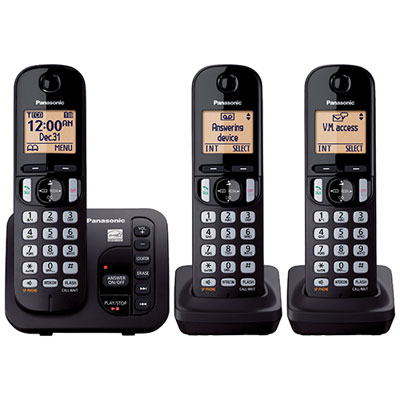
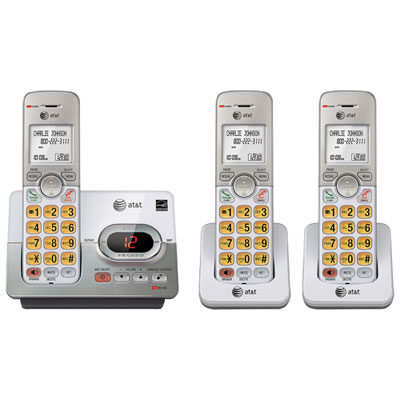
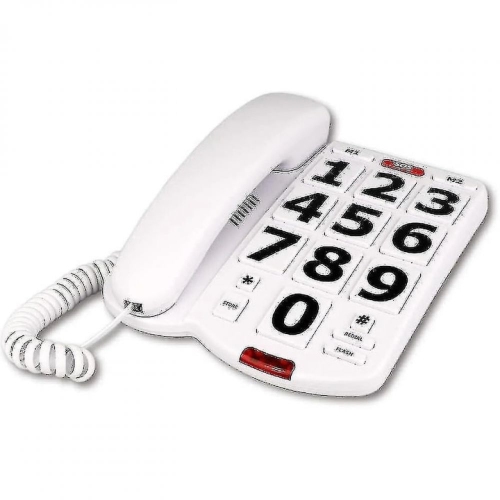

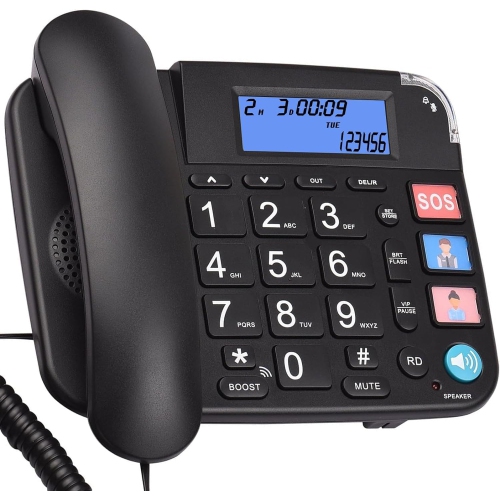
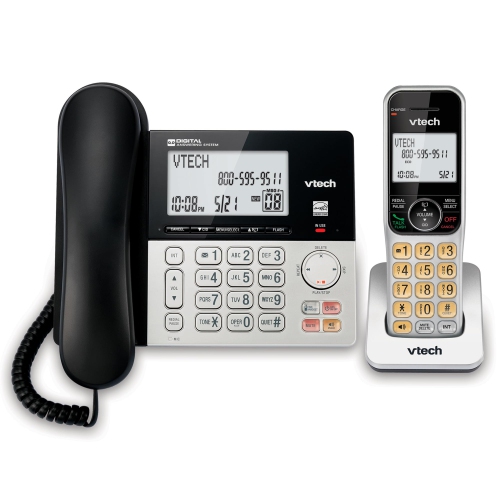
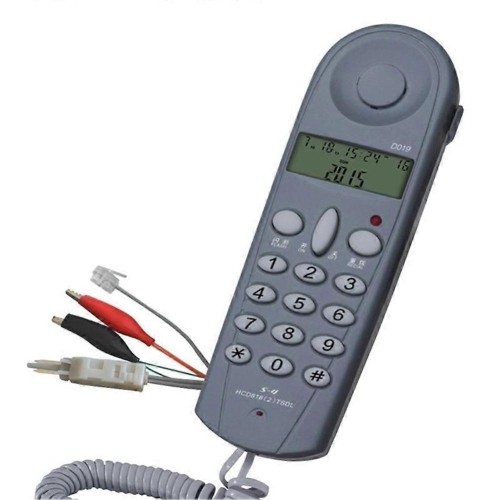
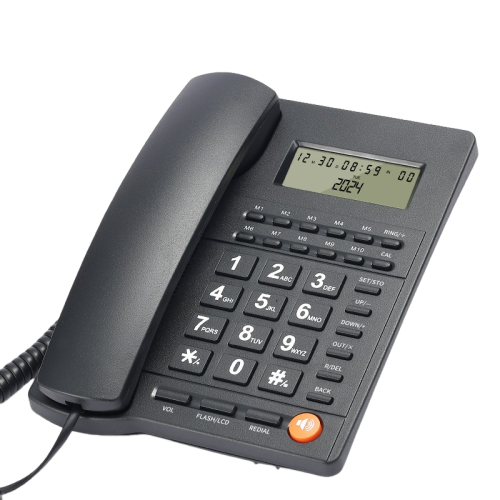
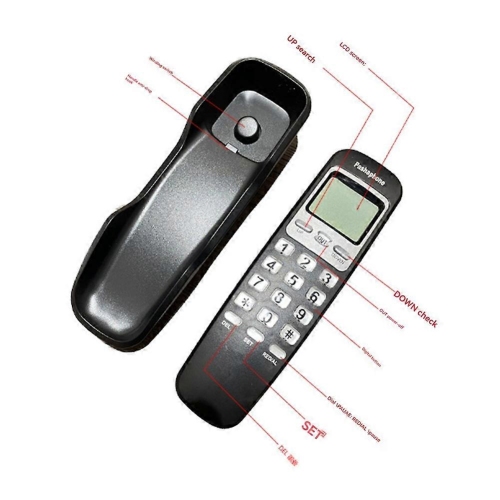
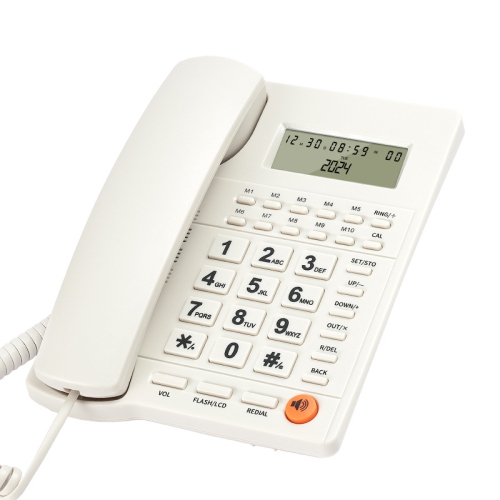
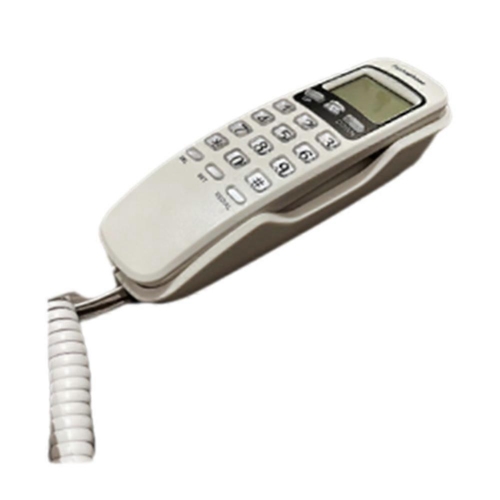


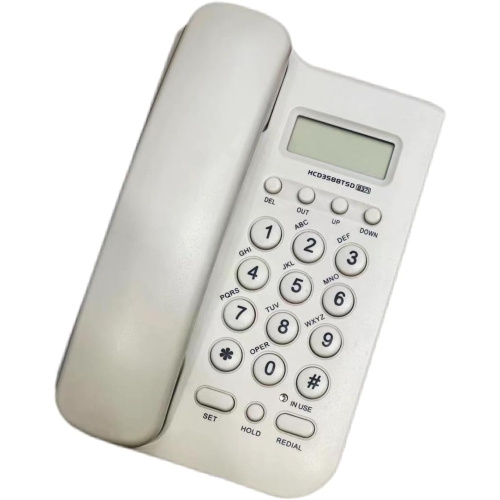

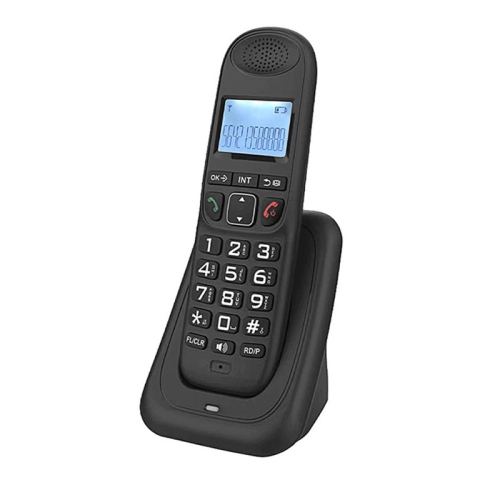
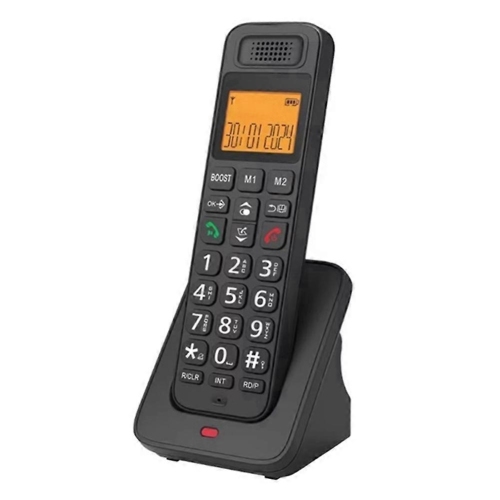
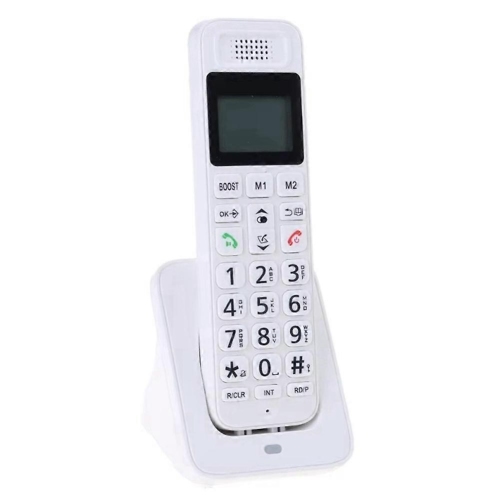
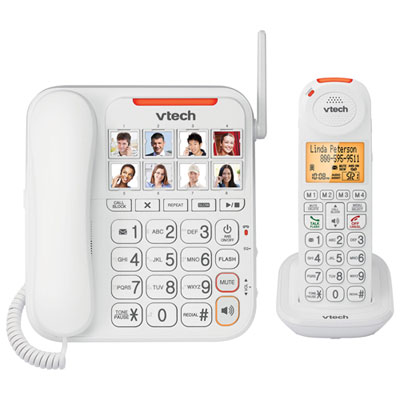
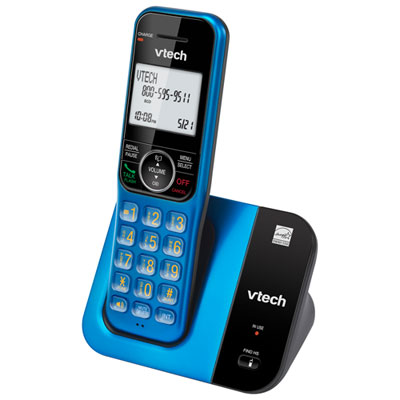

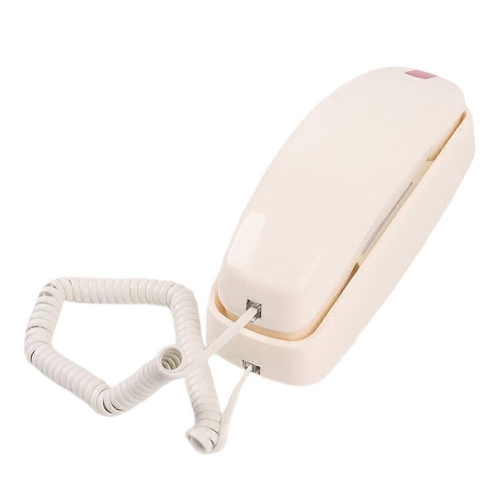
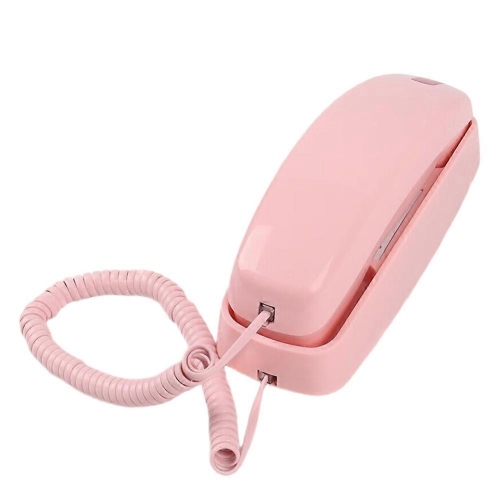




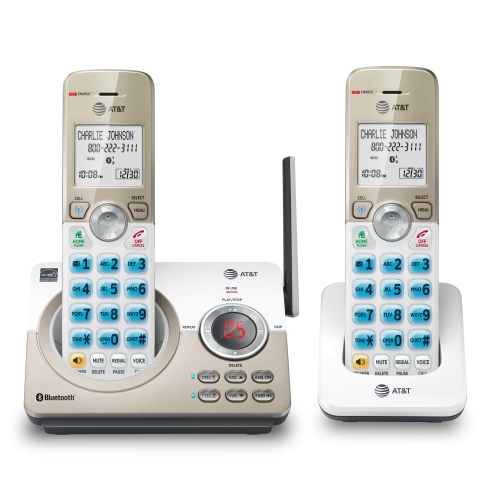
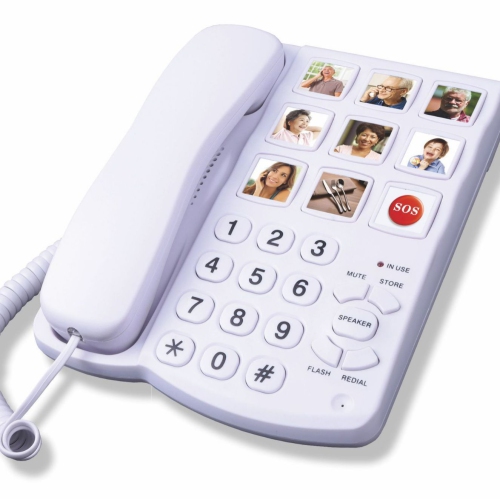
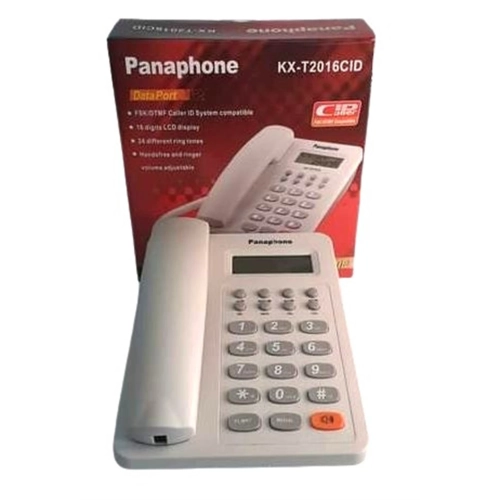
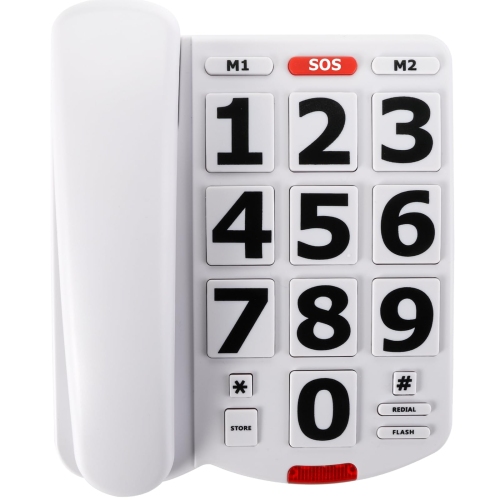
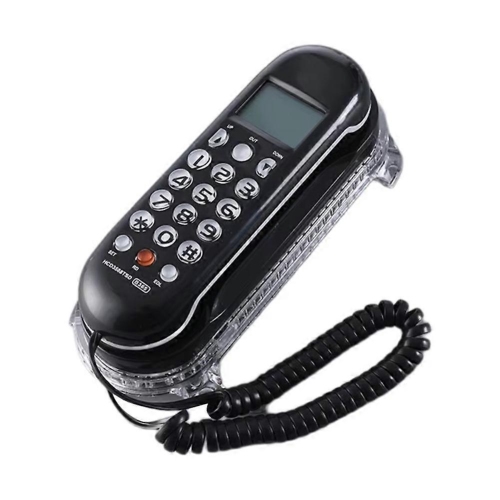
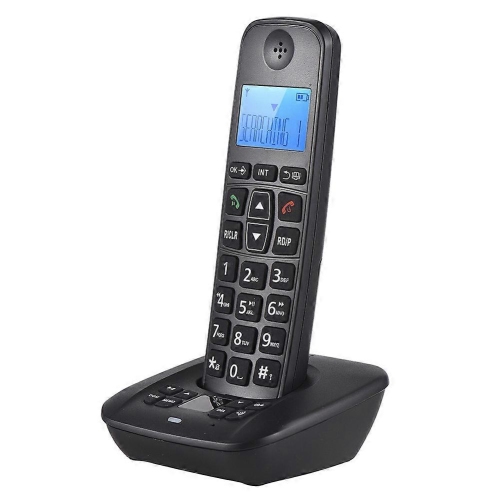

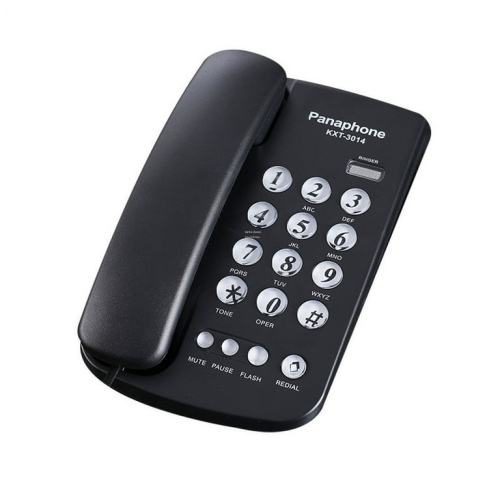
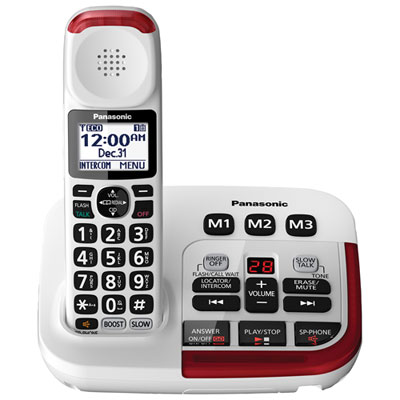
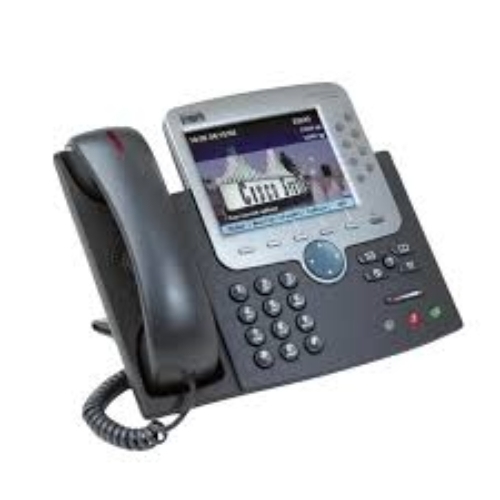
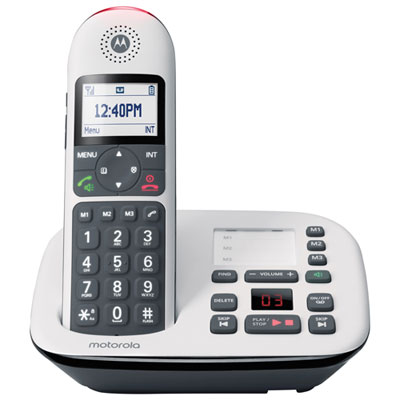
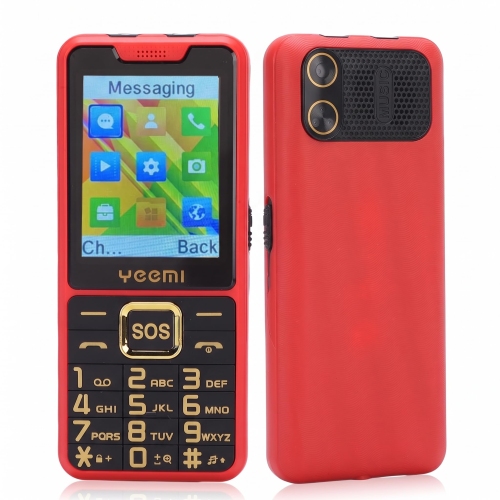
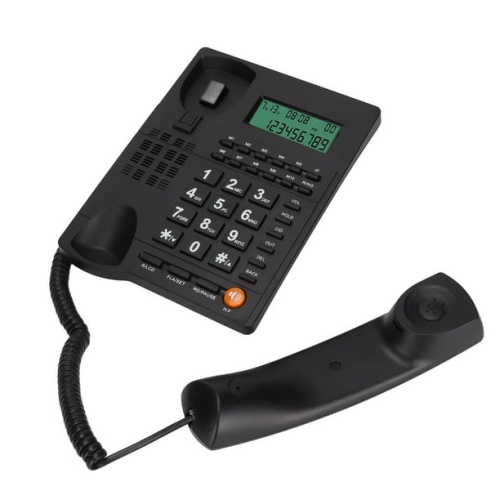


Easier reading takes more than a bigger screen
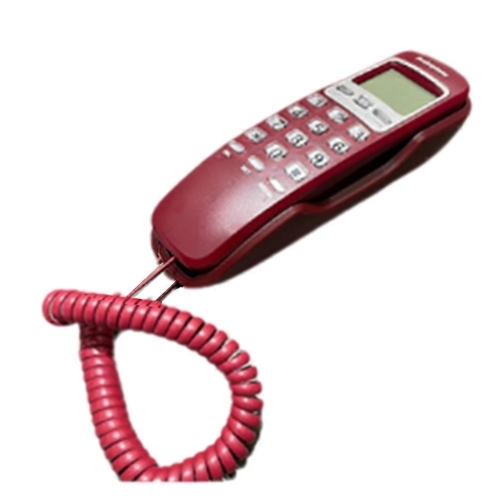
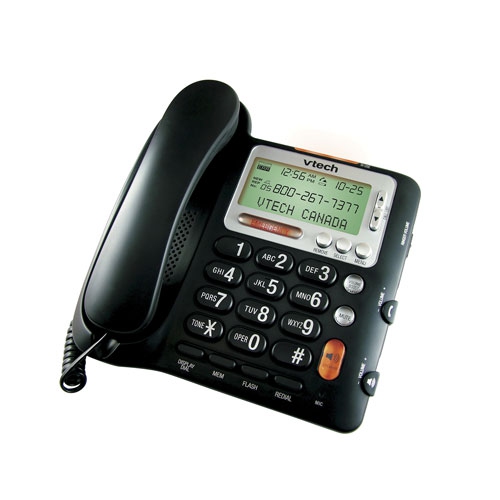
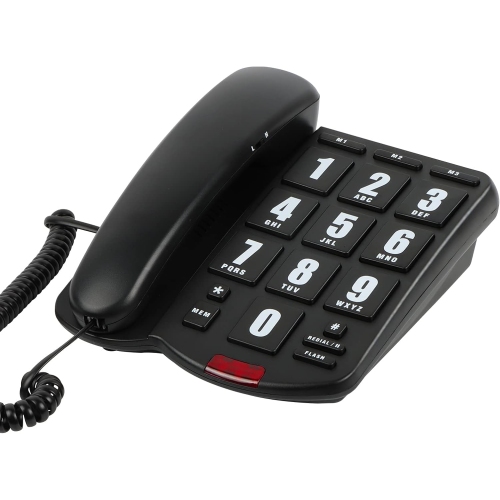
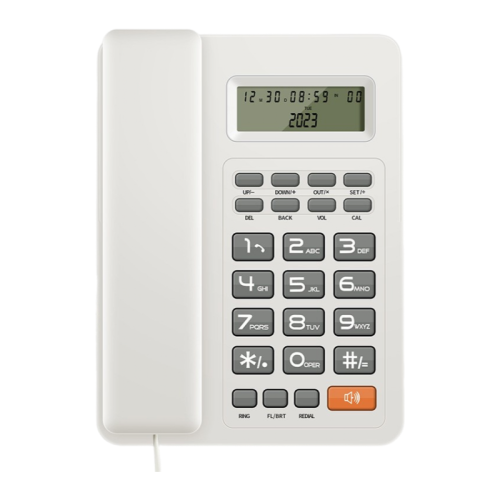
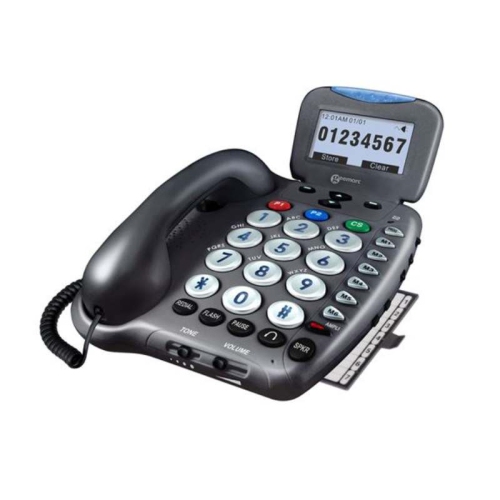
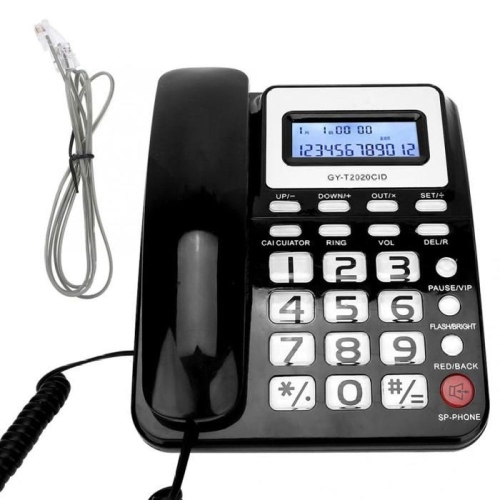
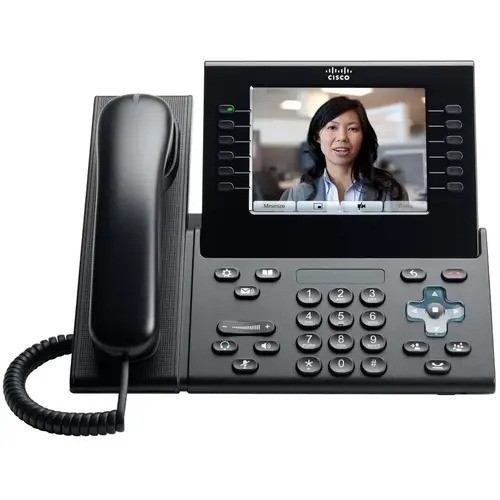
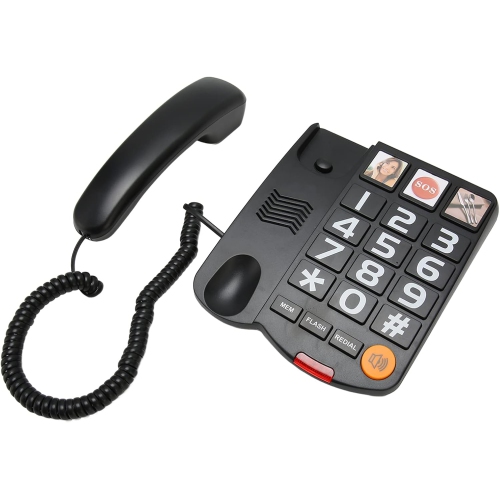
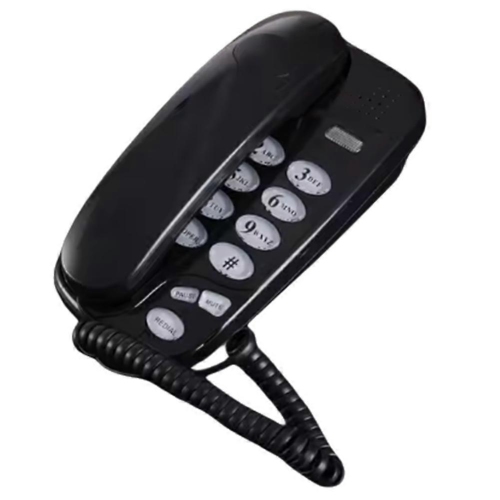
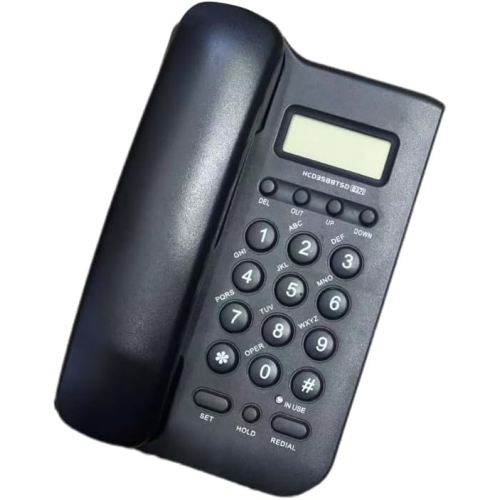
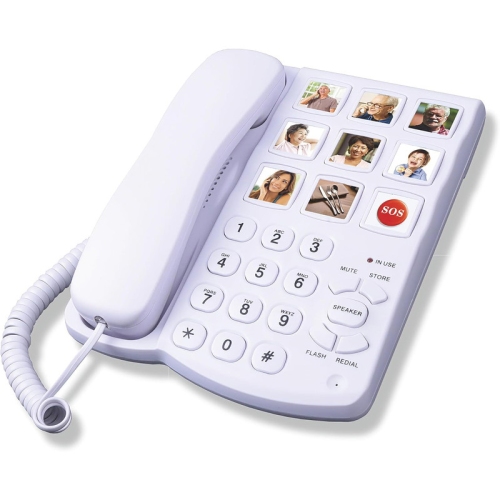
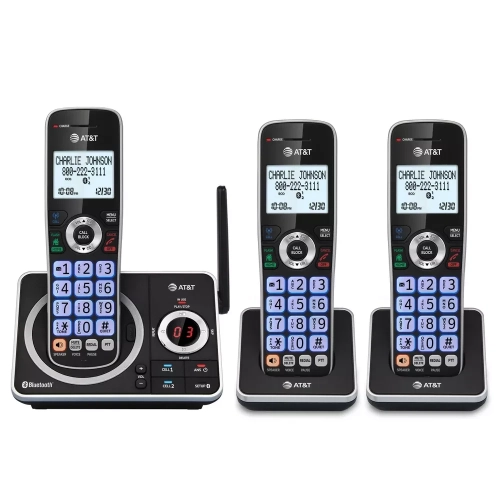
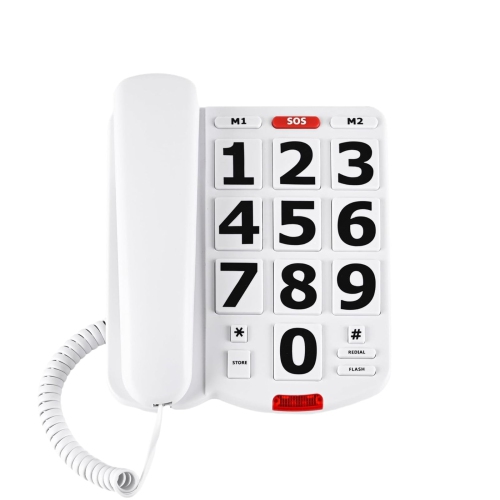
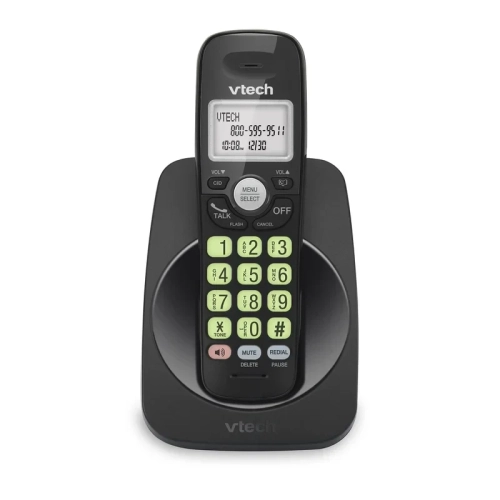
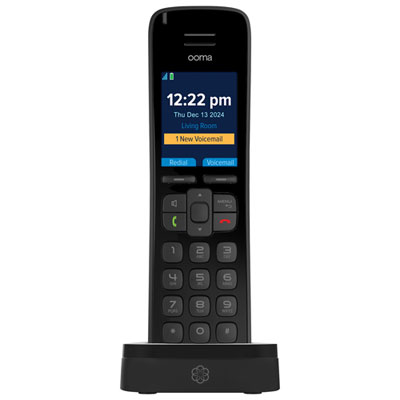
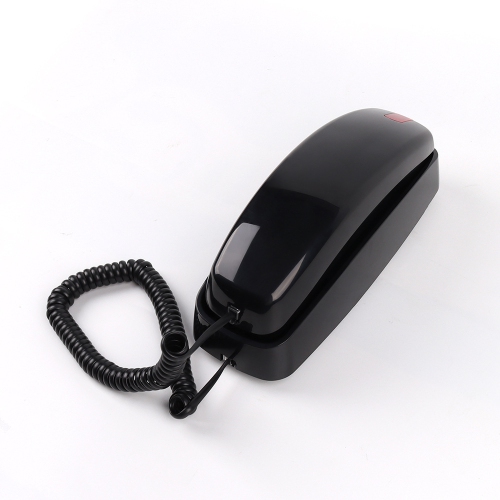
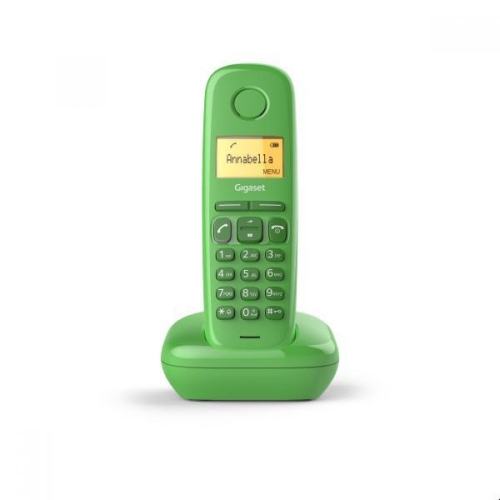
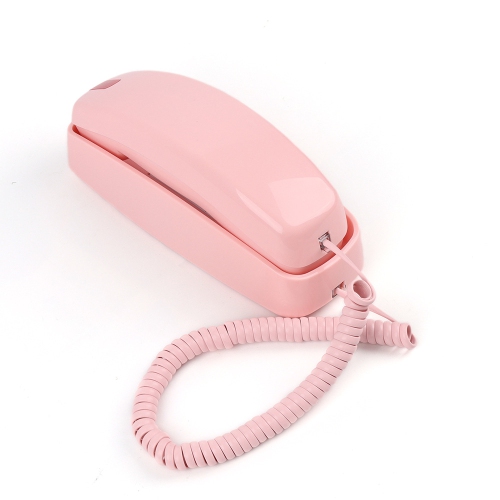
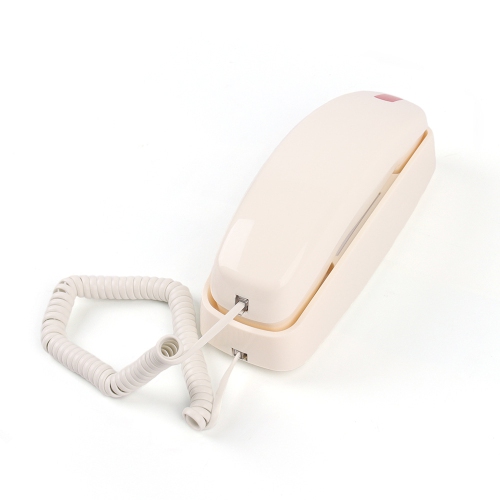
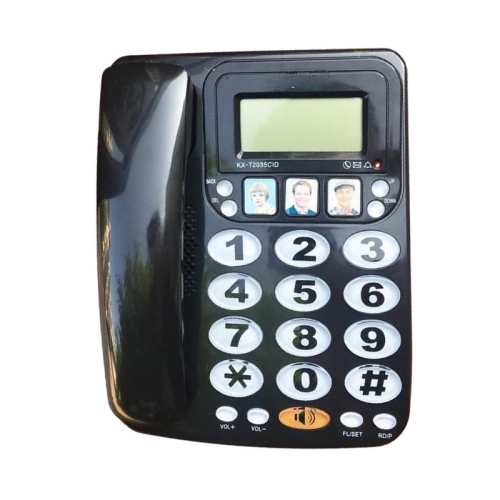
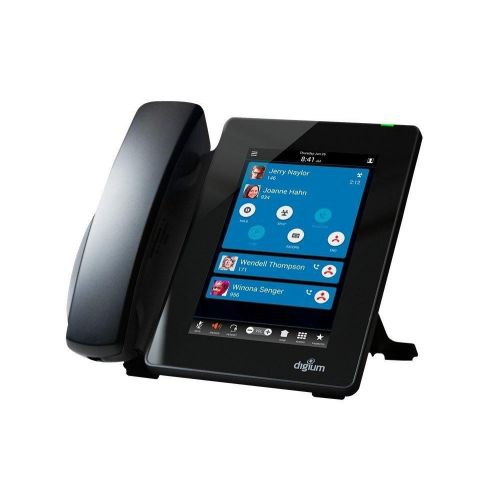
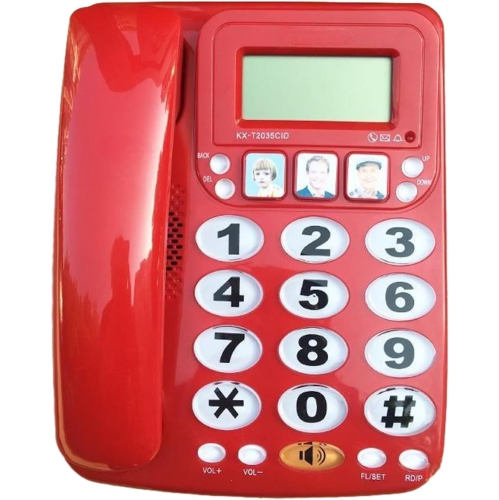
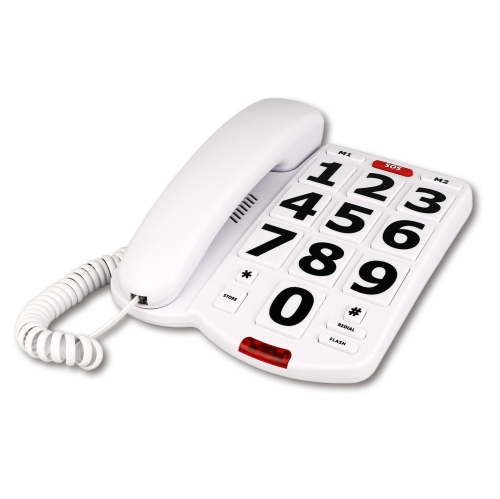
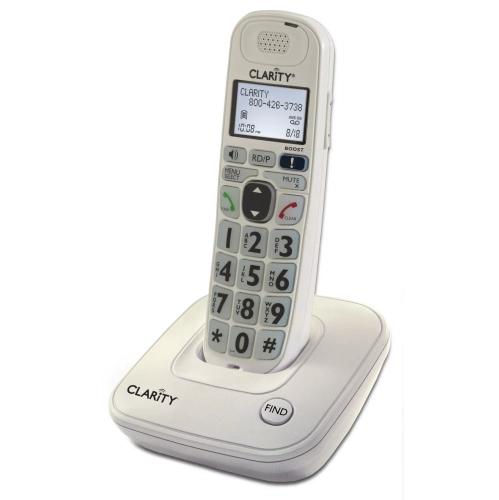
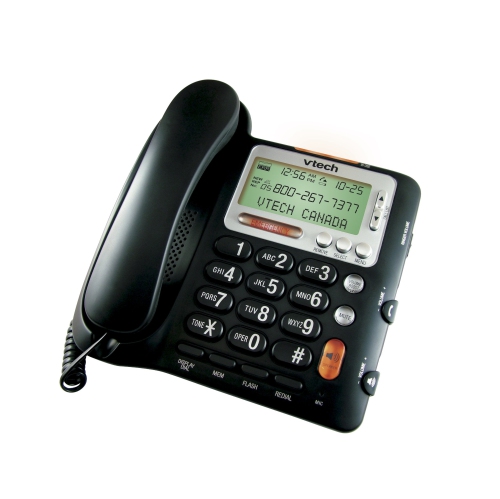
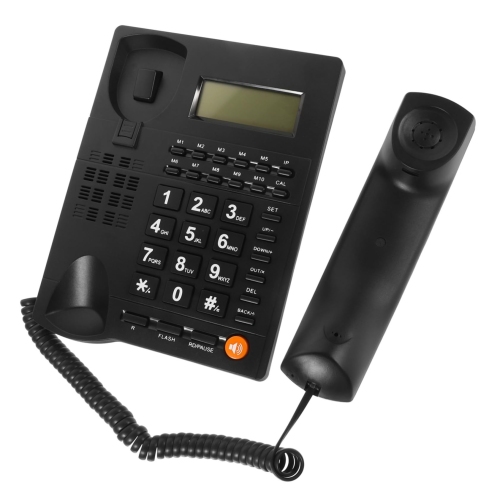
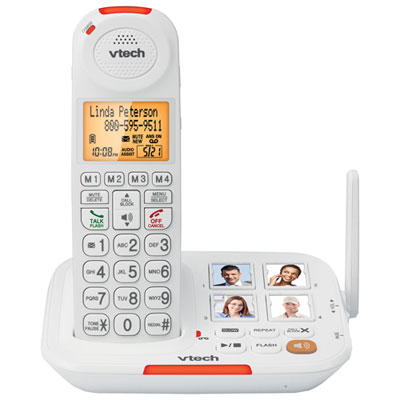
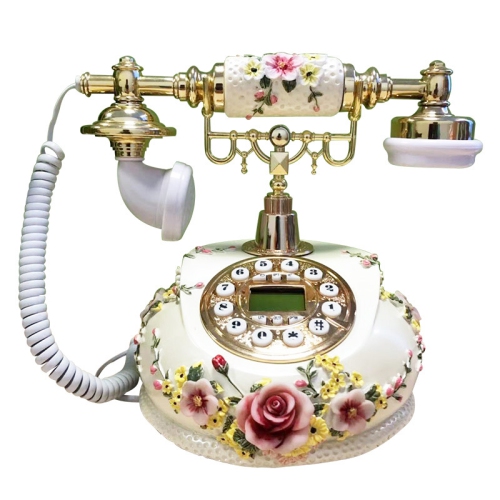
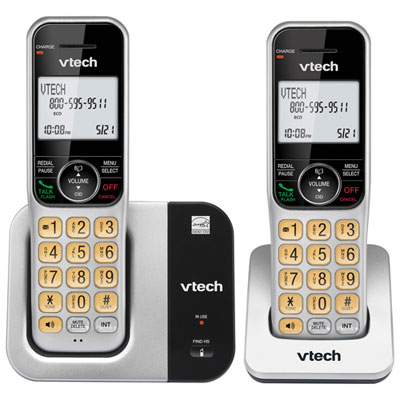
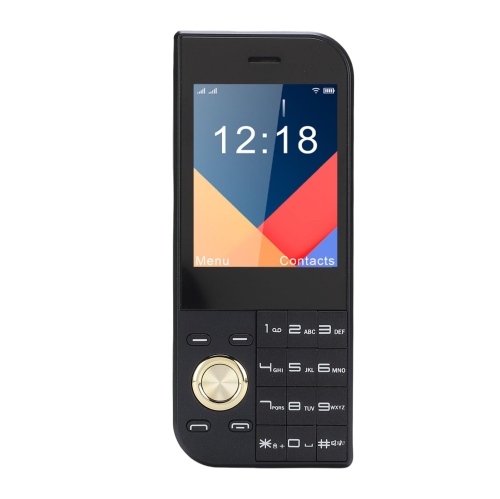
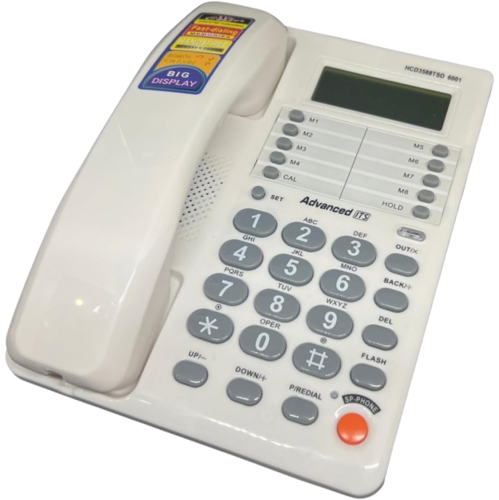
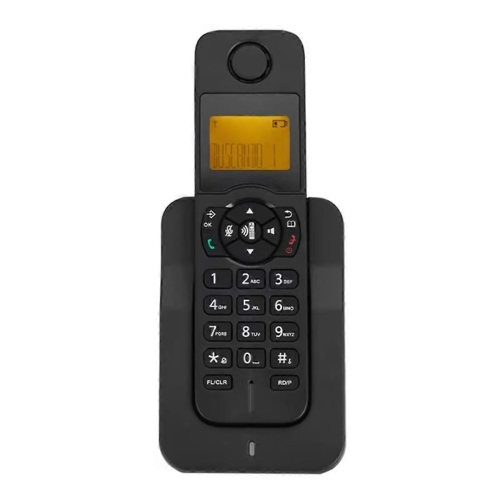
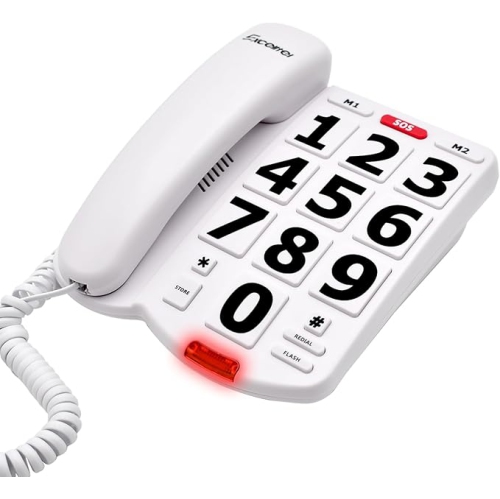
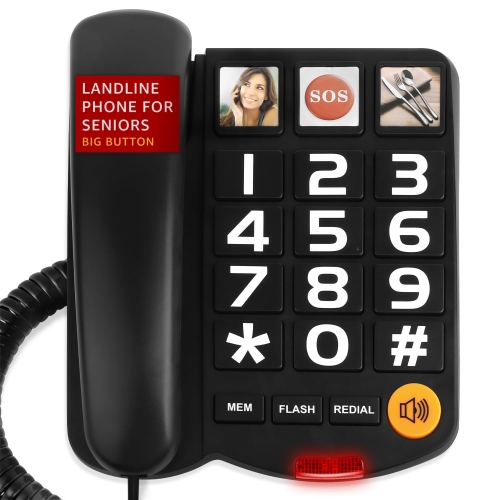
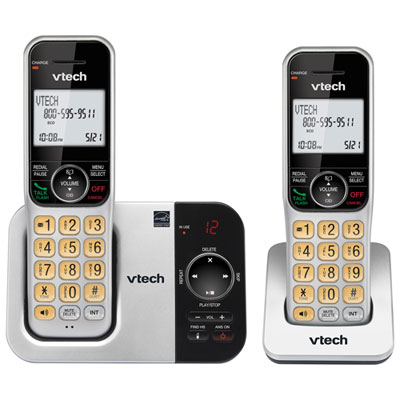
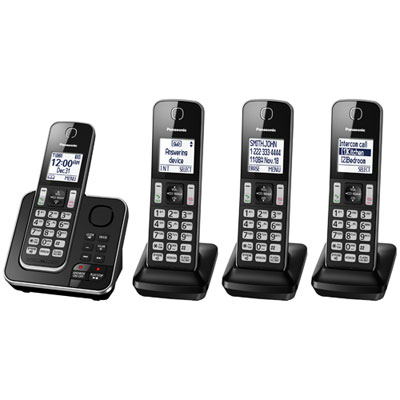
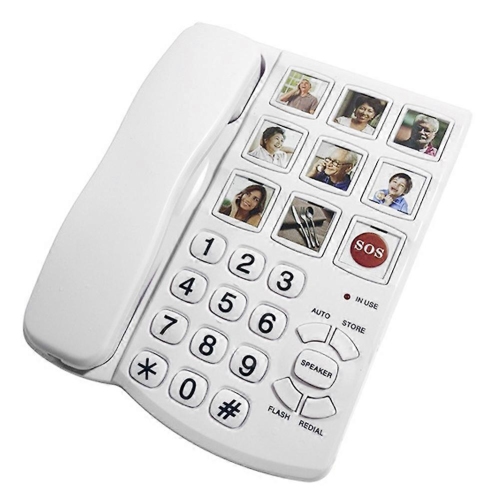
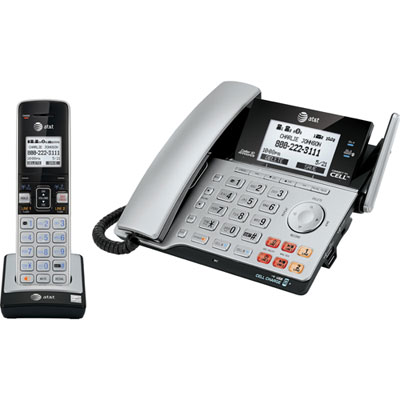
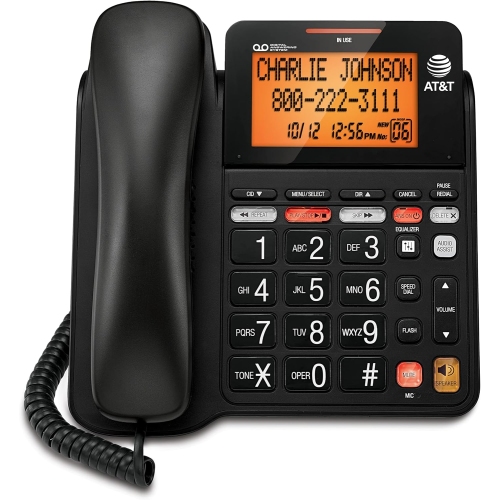
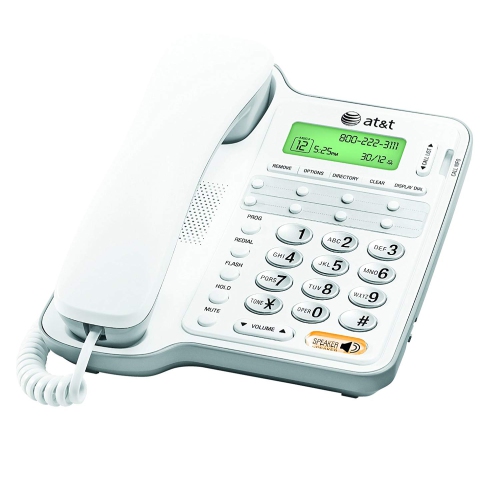
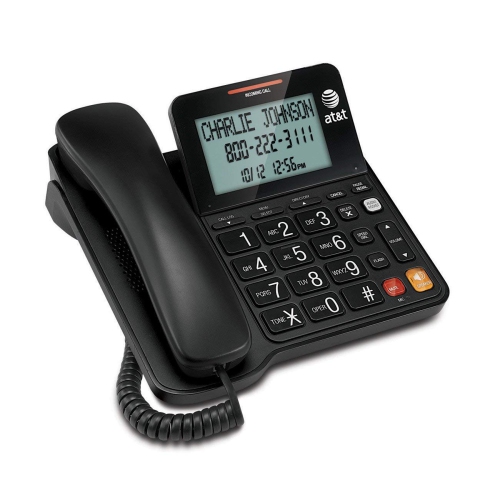
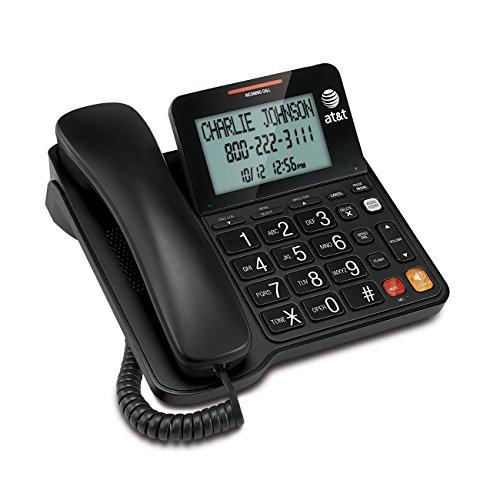
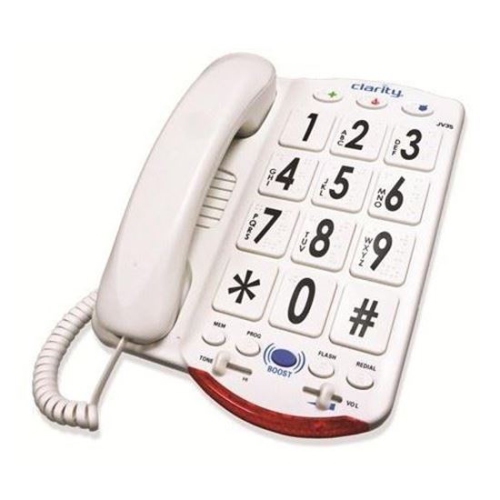
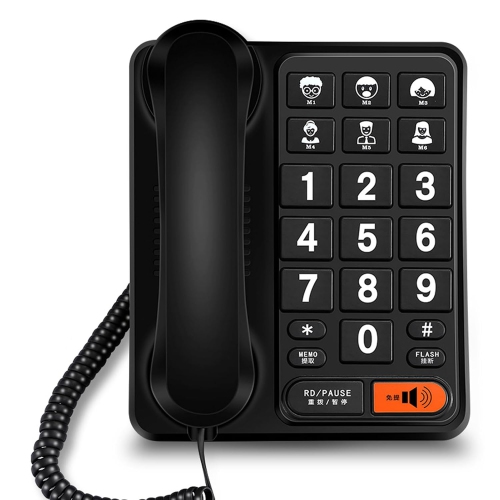
Home phones with large displays make caller information, dialled numbers and on-screen menus easier to read by pairing a roomy screen with clear text and, on many designs, backlighting. They suit households that want a familiar phone in a shared space, whether that means a cordless handset beside a favourite armchair or a corded telephone on a kitchen counter. A larger display can be particularly helpful for someone with reduced vision, but it also brings everyday convenience when checking an incoming call from across a desk or reading a number in a softly lit room. Screen dimensions are only part of what makes a phone readable: character size, contrast, spacing and viewing angle all affect how easily information can be understood. A generous screen that shows several lines of small text may feel quite different from one that presents fewer details in larger characters. Backlighting helps illuminate the display, while a backlit keypad makes buttons easier to locate when room lighting is low. Some designs offer adjustable contrast or a tilting display, allowing the screen to be positioned for someone seated at a table rather than standing above it. Large buttons are a separate feature from a large screen, so the keypad deserves attention too. Widely spaced keys, clearly printed numbers and a distinct button press can make dialling more comfortable for people with limited hand dexterity. For everyday use, the most useful display is one that keeps essential details easy to find without crowding the screen with symbols. Caller ID, a visible battery indicator and a readable call history can help make routine calls feel straightforward, although caller name and number information generally require compatible service from the telephone provider. A display that remains legible while the handset rests in its cradle is also useful for checking a missed call without picking up the phone. These practical details matter more than screen size alone, especially when the phone will be shared by people with different preferences and levels of comfort with technology.
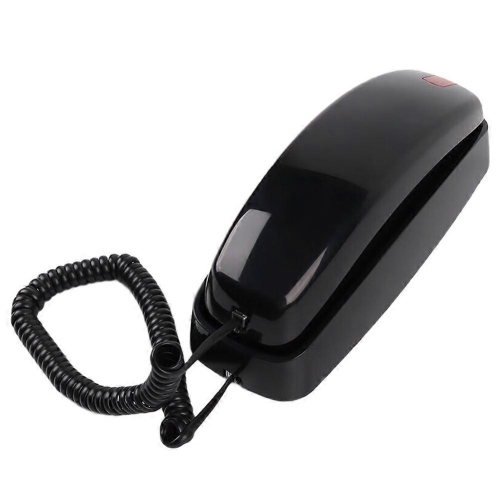
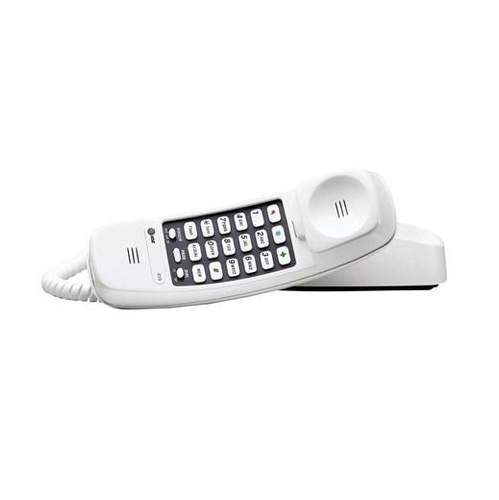
The choice between corded and cordless home phones shapes how a large display fits into daily life. A corded design gives the phone a fixed place and can provide a broad base with room for a larger screen, dedicated controls and a stable handset cradle. It works well beside a writing pad for appointments, family numbers and messages. A cordless handset offers more freedom to move between rooms, carry a conversation to a quieter spot or keep the phone within reach while seated. Many cordless landline phones use DECT 6.0 technology, which operates separately from typical home Wi-Fi networks, though actual range and call quality still depend on the building layout, walls and placement of the base. Multiple-handset systems can reduce trips between floors, with charging cradles positioned near the places where calls are usually answered. Expansion limits vary, and additional handsets must be compatible with the base. Across either format, a large display becomes more useful when paired with controls that match the household’s needs. A phonebook can keep frequently called contacts together, speed-dial keys can shorten familiar calling routines, and a speakerphone allows conversation without holding a handset throughout the call. Some phones offer talking caller ID, adjustable handset volume, visual call alerts or an answering system with message controls on the base. These features serve different purposes: a louder ringer helps draw attention to an incoming call, while handset amplification affects the voice heard during the conversation. Hearing aid users may also want to check the phone’s stated compatibility and any relevant hearing assistance features. For households where readable controls and simplified calling are priorities, Landline Phones for Seniors brings together a closely related phone category. Call blocking may offer another layer of convenience, but its operation varies; some functions rely on caller ID service, stored numbers or settings that need to be configured. Clear menus and accessible buttons help keep those functions manageable long after the initial setup.
Comfort, construction and placement all influence how well a home phone holds up to regular use. Many home phones have moulded plastic housings that are relatively light and easy to wipe clean, while handset shape and surface texture affect how securely they sit in the hand. A broad handset can feel reassuring to grip, but weight and balance matter during a lengthy conversation. The cradle should allow the handset to settle securely without awkward alignment, particularly when hand movement is limited. On a desk or side table, a steady base and a tidy cable route help keep the phone from shifting when buttons are pressed. Wall-mountable designs can free up counter space, provided the mounting position leaves the screen readable and the handset easy to reach. Cordless bases and chargers generally need nearby electrical outlets, and the main base also needs the appropriate telephone connection unless the system uses another supported setup. Service compatibility matters in homes that receive telephone service through a modem, router or other provider equipment. Most cordless systems require power at the base, and telephone service delivered through powered equipment may stop during an outage unless suitable backup power is in place. Even a corded phone should not be assumed to work without electricity; that depends on both its design and the service connection. Routine care is usually simple: follow the manufacturer’s cleaning directions, wipe the housing gently, keep liquids away from openings and charging contacts, and avoid abrasive cleaners that could damage the display or button markings. Cordless handsets should use the specified battery type and charging method, with replacement batteries matched to the manufacturer’s requirements. A large-display phone can also make a thoughtful gift for a parent, grandparent or anyone who prefers a dedicated household telephone, particularly when its screen, sound and controls reflect the recipient’s actual needs. A comfortable place to use it, familiar contacts saved in the phonebook and an uncomplicated layout can turn a practical household device into an easy part of staying in touch.
Top selling and popular products
-
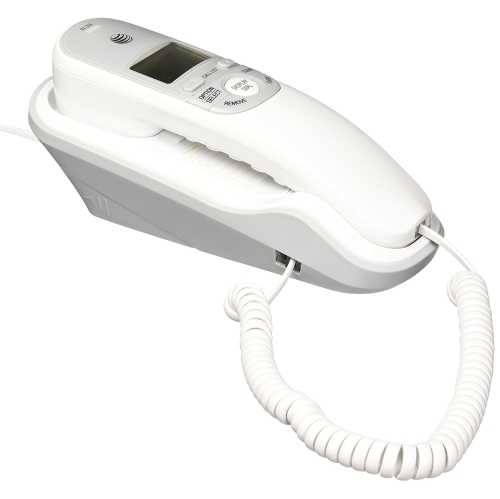 Your price for this item is $45.99
-
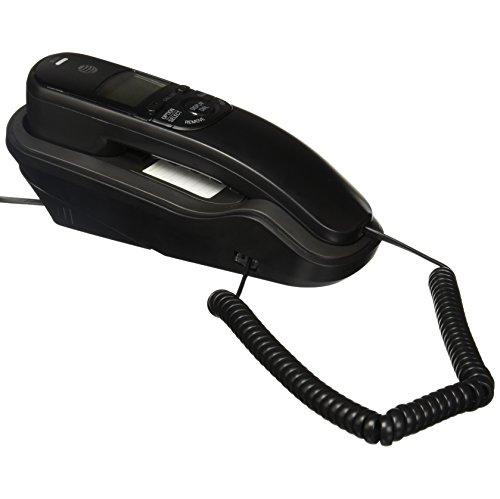 Your price for this item is $34.99
-
 Your price for this item is $199.99
-
 Your price for this item is $99.99
-
 Your price for this item is $199.99
-
 Your price for this item is $99.99
-
 Your price for this item is $99.99
-
 Your price for this item is $99.99
Discover more categories related to Home Phones With Large Display
Top Collections:
Pokemon Centers, Best Cameras for Sports Photography, Kindle Devices, Samsung Galaxy Phones, Canon G7X Cameras, Pokémon 30th Celebration Cards, Refurbished Apple Laptops, iPhone 15 Apple, Laptops for Students, Budget Smartphones
Some products may be subject to Environmental Handling Fees
(EHF) depending on your province.
Learn more about EHFs.