Hp Laserjet 1005 Toners
Looking for high-quality toner cartridges for your laser printer? Look no further! Our extensive selection of toner cartridges is sure to meet all your printing needs. Whether you're printing important documents for work or school, or simply printing out your favorite photos, our toner cartridges are designed to deliver sharp and vibrant prints every time. With reliable performance and exceptional print quality, you can trust our toner cartridges to produce professional results. Explore our wide range of toner cartridges today and find the perfect match for your printer. Also check out our selection of the Best Inkjet Printers For High-Volume Printing for even more great options!
Sort

















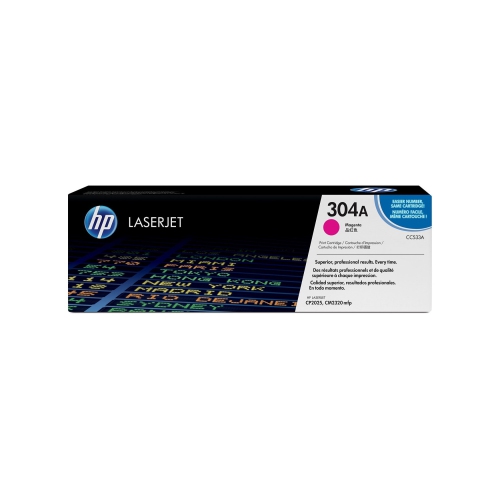
Why your printer’s full model matters for toner
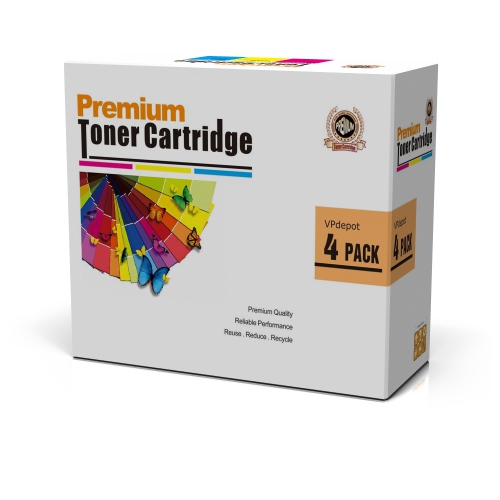
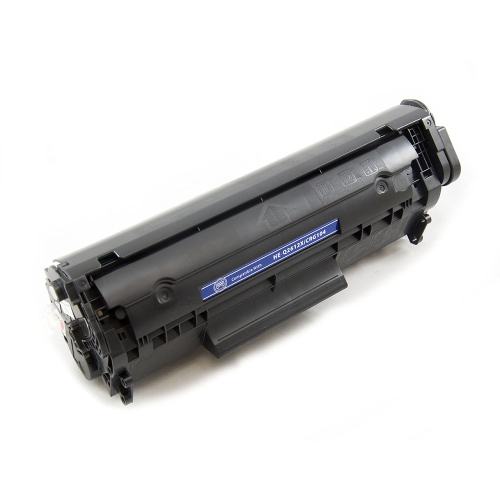
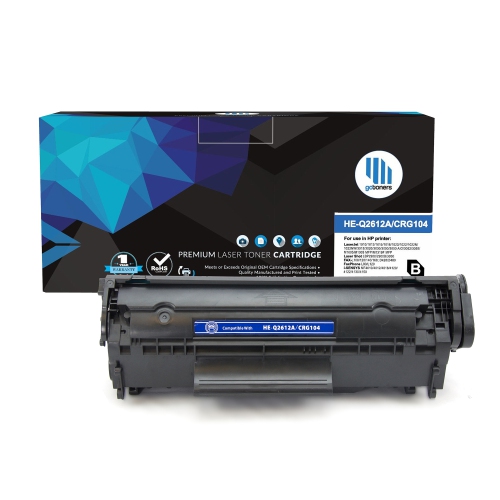
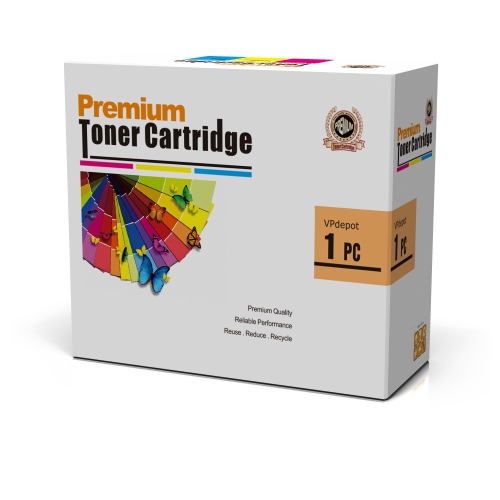
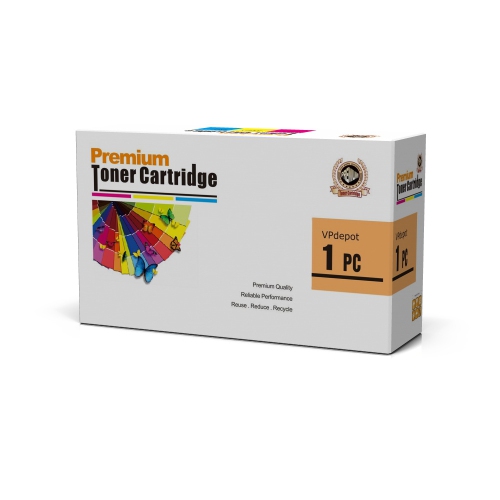
Toner for a printer with a 1005 model designation needs to match the complete model name, not just the four-digit number. Single-function laser printers, multifunction machines, and toner-tank printers can have similar names while using different cartridges or refill systems. Letters before and after the number are part of that distinction, making the label on the printer more useful than a remembered shorthand name. A cartridge that looks nearly identical to another can still have a different housing, electrical contact arrangement, or recognition chip. Compatibility information should explicitly include the printer’s full model; a broad claim that a cartridge works with laser printers is not enough. For cartridge-based monochrome machines, black toner is a fine powder that forms the text and images on the page before being bonded to the paper by the printer’s fusing system. It is not liquid ink, and inkjet cartridges cannot replace it. This makes toner especially relevant to everyday document printing: shipping labels on approved media, homework sheets, invoices, meeting agendas, application forms, and reference pages that need clear lettering rather than photographic colour. At a home desk, readable small type matters when printing a return label or a page of financial records. In a small office, clean lines and consistent black coverage help scanned copies of signed forms remain legible. Toner quality can affect the sharpness of those details, although paper condition, printer settings, and the state of the printing mechanism also contribute to the finished page. Ordinary text documents generally need less toner than pages filled with solid black graphics, shaded tables, or large photographs. The intended workload therefore matters alongside fit: a household printing a few pages at a time has different replacement habits from a workspace producing regular batches of paperwork. A correctly matched supply supports the printer’s intended function without relying on a similar-looking name or an assumed connection between model families.
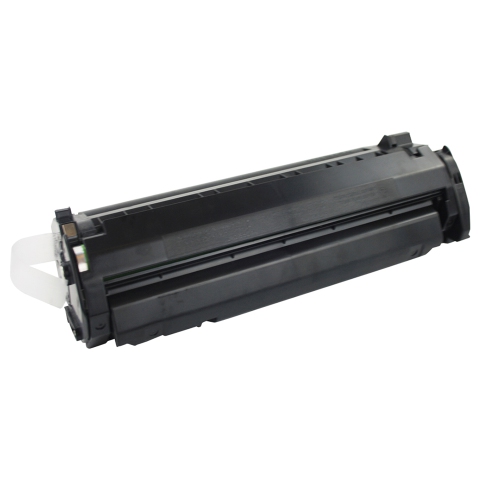
Cartridge construction and stated page yield provide useful context when comparing compatible supplies. The outer housing is typically a moulded plastic assembly designed to fit securely into the printer, while seals and internal components control how toner is stored and delivered. Depending on the printer design, the cartridge may also contain the imaging drum and other parts involved in transferring the image to paper; other machines use a separate drum unit. That difference matters because replacing toner does not always replace the component responsible for a repeated mark or streak. Original-manufacturer cartridges, third-party compatible cartridges, and remanufactured cartridges describe different supply types, rather than a guarantee that every option will fit every printer. A compatible cartridge is made by another manufacturer for specified printer models, while a remanufactured cartridge uses a previously used assembly that has been processed for reuse. The stated compatibility, testing information, and included components are more useful than the category name alone. Page yield is an estimate established under specified test conditions, not a promise that every household or office will print that exact number of pages. A short letter with wide margins uses toner differently from a worksheet covered in diagrams or a report with dense shading. Print settings, document coverage, and printing patterns can all affect how long a cartridge lasts. Where a package contains multiple cartridges, the distinction between yield per cartridge and combined package yield helps keep comparisons meaningful. For a student printing reading notes, modest batches of mostly text may be the usual pattern. A bookkeeper preparing statements or a small business producing packing slips may need consistent output across longer runs. Clear documentation about cartridge capacity and supported models helps connect those needs to the right supply. Higher stated capacity is useful only when that cartridge is specifically supported by the printer; it does not make an otherwise incompatible cartridge suitable.
Everyday handling and paper choice also influence the experience of using toner cartridges. An unopened cartridge is best kept in its protective packaging in a clean, dry cupboard away from direct sunlight, with any storage directions on the package followed. Toner does not dry in the same way as liquid ink, but that does not make a cartridge immune to damaged seals, moisture, or rough handling. During installation, designated grips help keep fingers away from exposed contacts and any imaging surface. Protective strips, covers, and seals vary by cartridge, so the supplied installation directions matter more than assumptions based on a previous replacement. The cartridge should seat as intended without being forced, and any printer message about an unrecognized supply deserves a compatibility check rather than repeated attempts to push it into place. For routine printing, paper suitable for laser printers gives the toner and fusing system an appropriate surface to work with. Specialty sheets, envelopes, and adhesive labels need to be rated for laser use and supported by the printer; media designed only for inkjet printing may not tolerate the fusing process. This is particularly relevant when preparing mailing labels, printing forms on heavier paper, or making clean copies of documents with fine lines. Persistent streaks, loose toner on the page, or repeated marks can have several causes, including paper issues or worn printer components, so a new cartridge is not a universal repair. Related supplies, including HP LaserJet 3055 Toner Cartridges, are best assessed by their stated compatibility rather than by similarities between printer names. For home offices, shared workspaces, and study desks, the most useful toner replacement is one that fits the exact machine, supports the usual document workload, and comes with clear handling information. Those practical details help keep everyday pages crisp, readable, and ready for filing, signing, mailing, or sharing.
Top selling and popular products
-
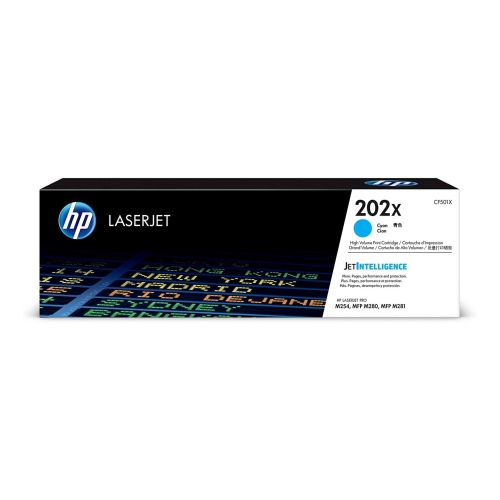 Your price for this item is $184.99
-
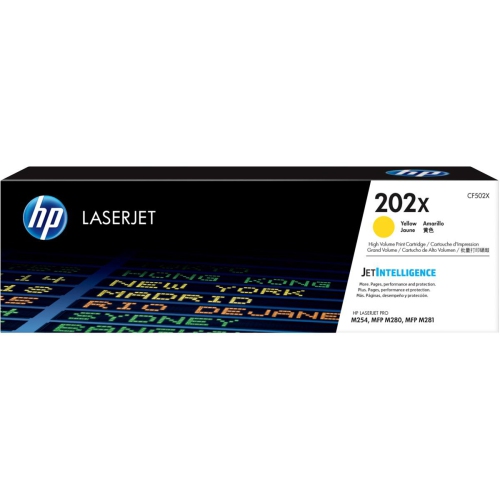 Your price for this item is $184.99
-
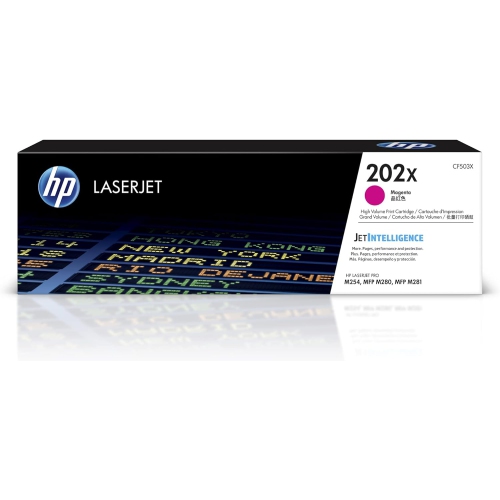 Your price for this item is $184.99
-
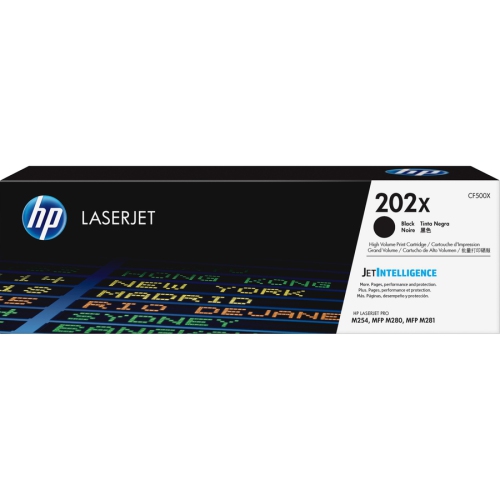 Your price for this item is $176.99
-
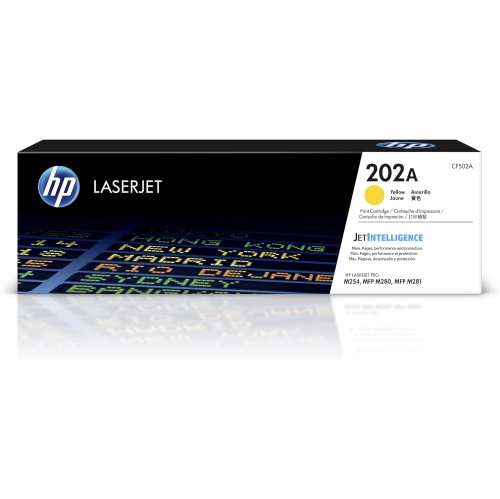 Your price for this item is $139.99
-
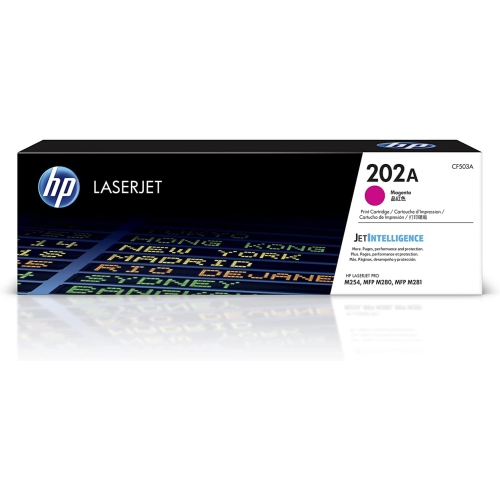 Your price for this item is $139.99
-
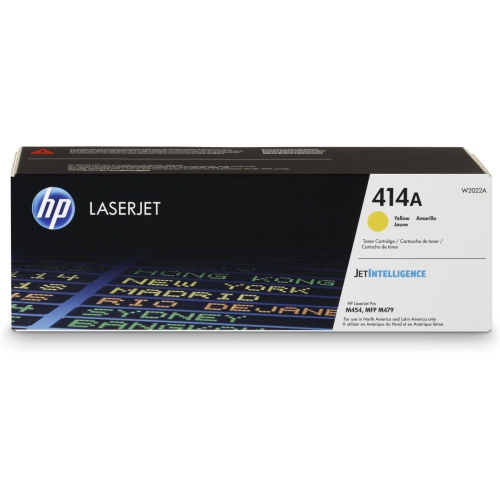 Your price for this item is $230.82
-
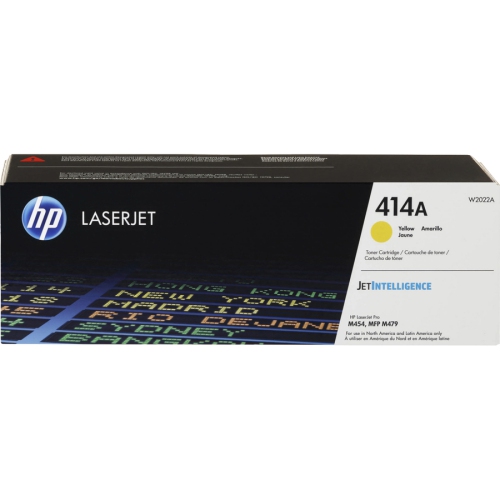 Your price for this item is $197.99
Discover more categories related to Hp Laserjet 1005 Toners
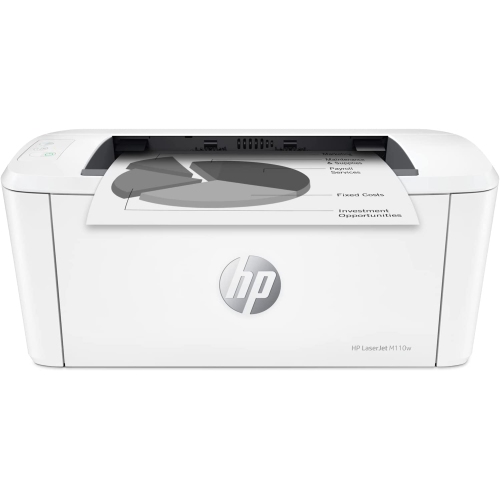
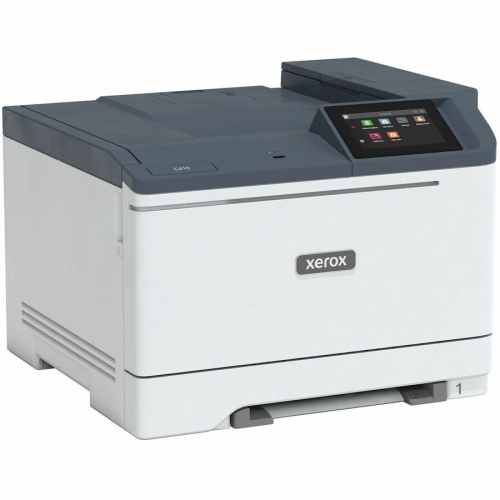
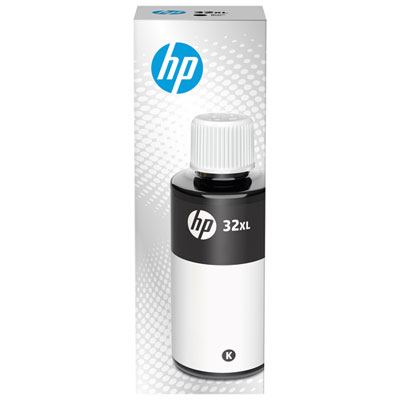
Top Collections:
Pokemon Centers, Best Cameras for Sports Photography, Kindle Devices, Samsung Galaxy Phones, Canon G7X Cameras, Pokémon 30th Celebration Cards, Refurbished Apple Laptops, iPhone 15 Apple, Laptops for Students, Budget Smartphones
Some products may be subject to Environmental Handling Fees
(EHF) depending on your province.
Learn more about EHFs.