Indoor Adhesive Clips
Indoor adhesive clips are the perfect solution for organizing and decluttering your living space. Ideal for a variety of surfaces, these versatile clips make it easy to hang decorations, secure cables, and manage everyday items without the need for nails or screws. Whether you're looking to tidy up your home office, streamline your kitchen, or add some flair to your living room, indoor adhesive clips offer a convenient and damage-free way to keep everything in place. Explore our selection to find the right fit for your needs and bring order to any room with ease.
Sort
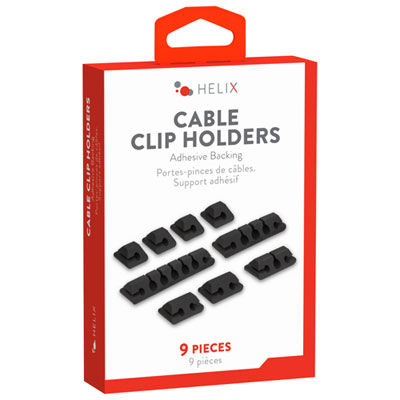
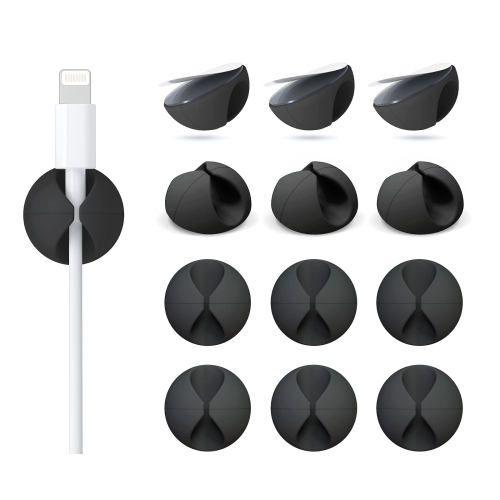
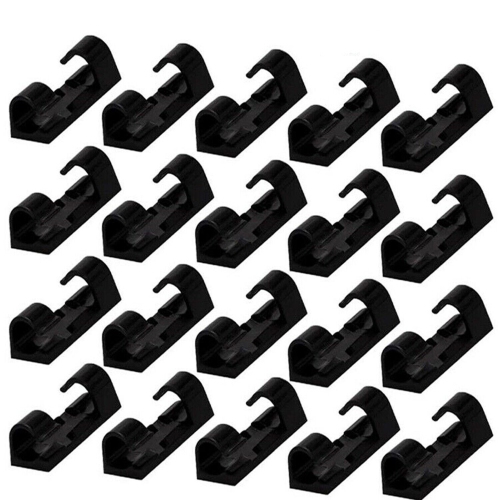
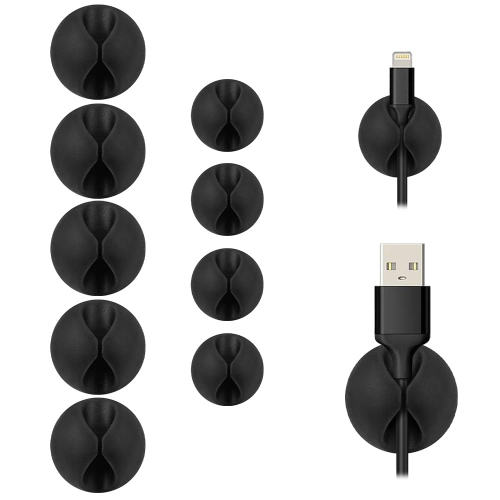
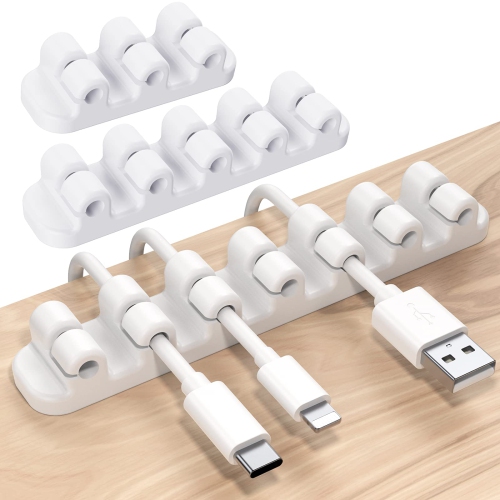
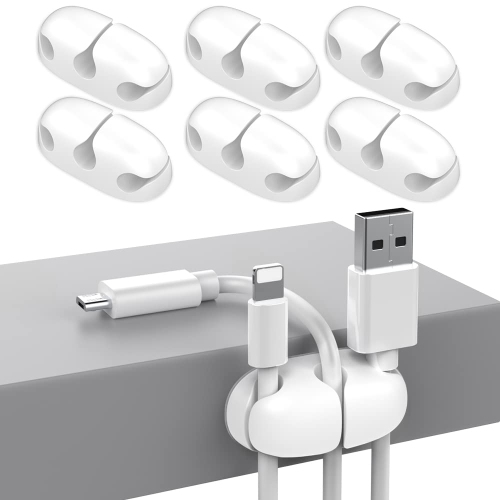
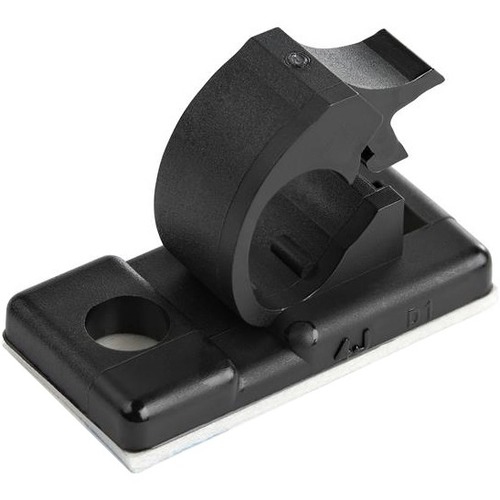
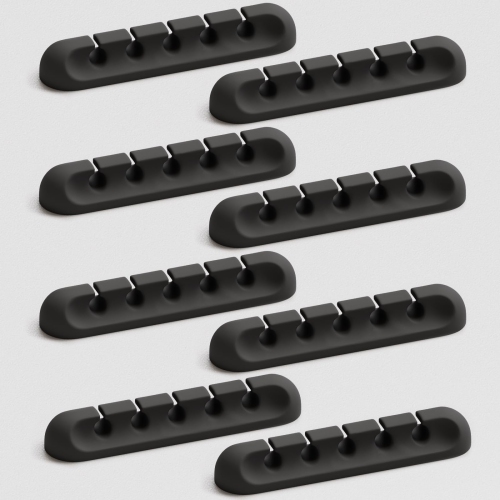

Practical ways to organize lights, cords, and décor
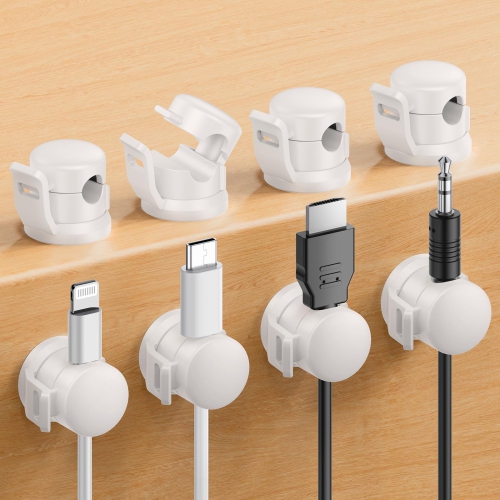
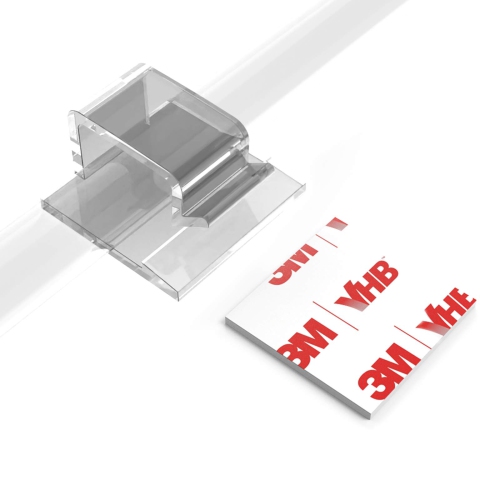
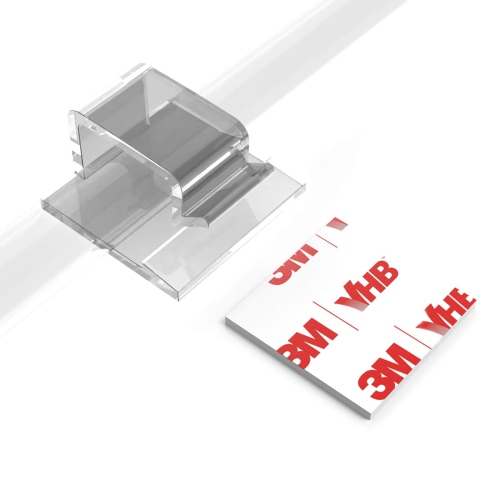
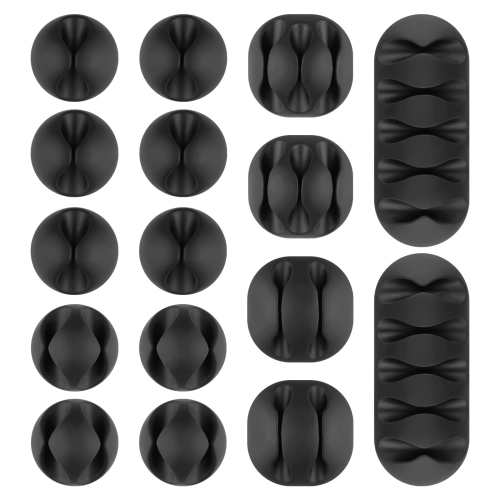
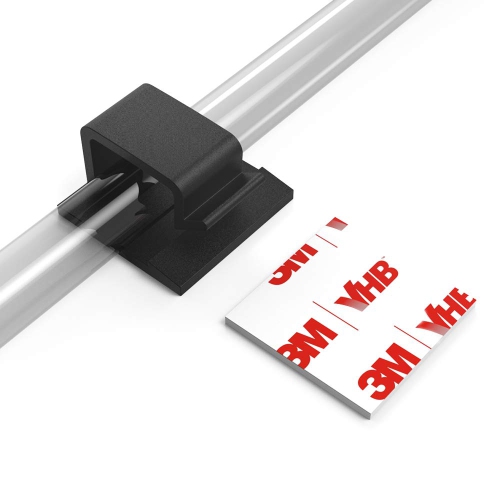
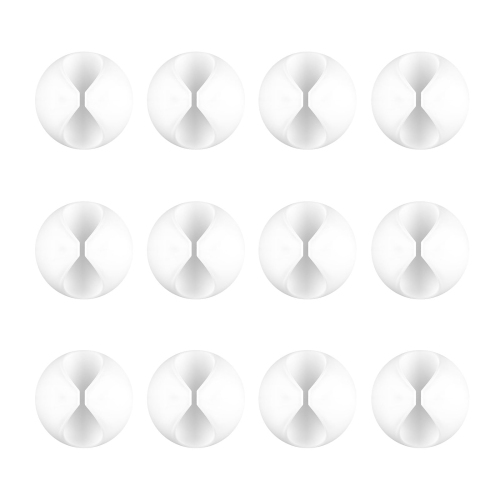
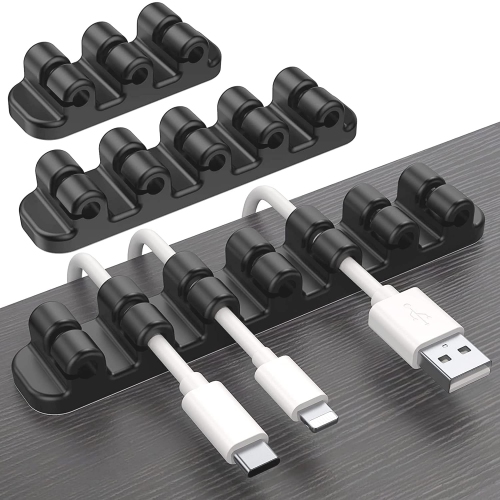
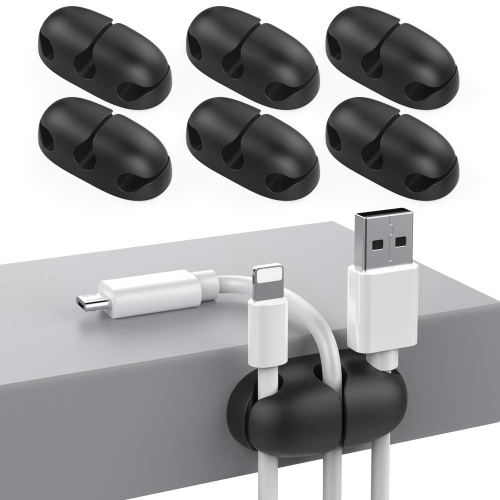
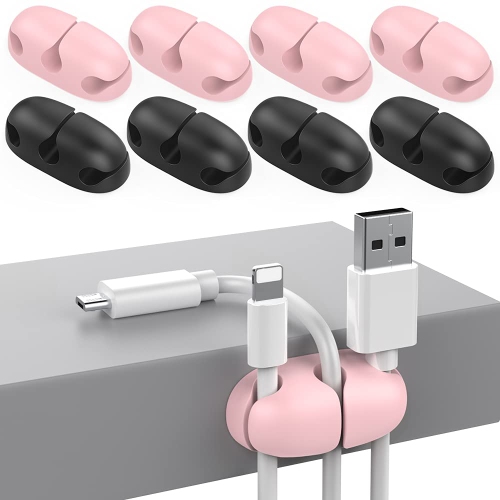
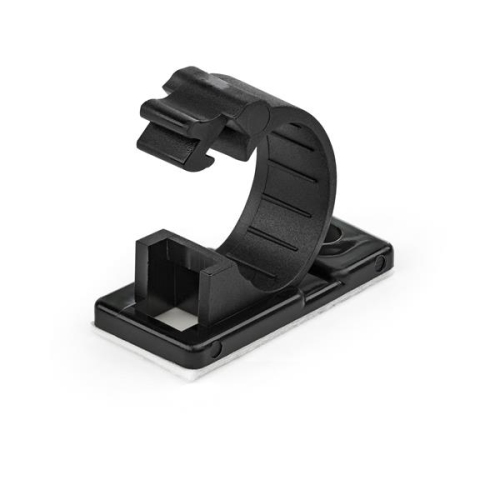
Indoor adhesive clips are a practical way to organize, display, and secure lightweight items without reaching for a drill, hammer, or box of fasteners. Designed for use on smooth indoor surfaces, these compact clips can help hold string lights, fairy lights, charging cables, small decorations, dish towels, notes, and other everyday items in place. Clear or neutral-coloured designs are especially useful when you want the item to remain the focus, whether you are outlining a mirror with soft lights, guiding a cable neatly along the back of a desk, or adding a small seasonal display to a living room wall. Their low-profile shape can make them useful in apartments, rental homes, dorm rooms, offices, craft spaces, and children’s rooms where a simple installation is preferred. They can also be handy in areas where space is limited, such as inside cupboards, along the side of a cabinet, beneath a shelf, or near an entryway where keys, reminders, and small accessories need a designated spot. When comparing indoor adhesive clips, consider the item’s weight, the size and shape of the clip, the number included in the pack, and the type of adhesive supplied. Mini clips are often suited to lightweight wires, thin cords, paper decorations, and delicate strands of lights, while larger clips may offer a more secure hold for thicker cables or small household accessories. A generous pack can be convenient for arranging a longer run of lights or managing several cords at once, while a smaller pack may be enough for a focused project such as tidying a charging station or hanging a few notes. It is also worth checking whether the clips are intended for one-time installation or can be paired with replacement adhesive strips for future use.
Before applying an indoor adhesive clip, take a moment to assess the surface and the placement. Smooth painted drywall, finished wood, glass, tile, laminate, and metal may be suitable, but textured walls, dusty areas, freshly painted surfaces, wallpaper, damp locations, and rough or unfinished materials may not provide the same level of adhesion. Clean the area according to the clip manufacturer’s instructions and allow it to dry fully before installation. Oil, dust, moisture, and household residue can affect how well an adhesive strip bonds, so a clean, dry surface is an important part of the setup. Position each clip along the intended route before attaching anything, particularly when hanging string lights or routing a cable around corners. Spacing clips evenly can help prevent sagging and create a cleaner appearance, while placing them too far apart may allow cords or light strands to droop. Press the clip firmly into place as directed, allow any recommended setting time, and stay within the stated weight limit. Adhesive clips are generally best for lightweight items rather than heavy shelves, large frames, bulky décor, or anything that could cause injury if it falls. For a cable-management project, choose a route that avoids sharp bends, heat sources, water, and areas where the cord may be pulled or stepped on. For lights, keep the clip placement secure but avoid pinching or sharply bending the wire. Inside a kitchen cabinet or under a sink, clips can help keep a small towel or lightweight tool easy to reach, but they should not interfere with hinges, plumbing, ventilation, or cleaning products. If you later need to remove a clip, follow the removal instructions carefully. Many adhesive systems are designed to release by pulling a tab slowly and straight down rather than pulling outward from the wall. Rushing this step or twisting the clip may increase the chance of lifting paint or leaving adhesive behind.
Indoor adhesive clips can be useful for anyone who enjoys a tidy, adaptable home setup, and they make a thoughtful add-on for practical gifts such as desk accessories, dorm-room essentials, home office supplies, or decorating kits. A student might use them to keep a lamp cable and headphones from sliding behind a desk, while someone working from home could use them to guide webcam, monitor, or charging cables along the edge of a workstation. Families can use lightweight clips to display children’s artwork, seasonal cards, or small paper reminders without covering a wall in tape. During the cooler months, they can help arrange indoor string lights around a window, bookcase, mantel, or headboard, adding a warm accent without permanent hardware. They are equally useful year-round for keeping frequently used cords accessible, creating a small charging area, or making a rental space feel more personal. If adhesive is not suitable for a particular surface or the item needs a stronger mechanical hold, explore alternatives such as Metal Clips for paper organization and other compatible uses. The best choice depends on what you are securing, where it will be placed, and how often the arrangement may change. A little planning can make the finished result look intentional: measure the route, leave enough slack near plugs and connectors, match the clip size to the cord or item, and keep heavier objects supported by a fastening method designed for their weight. With the right surface, sensible spacing, and careful installation, indoor adhesive clips can make small organizational and decorating tasks feel quick, neat, and easy to adjust.
Before applying an indoor adhesive clip, take a moment to assess the surface and the placement. Smooth painted drywall, finished wood, glass, tile, laminate, and metal may be suitable, but textured walls, dusty areas, freshly painted surfaces, wallpaper, damp locations, and rough or unfinished materials may not provide the same level of adhesion. Clean the area according to the clip manufacturer’s instructions and allow it to dry fully before installation. Oil, dust, moisture, and household residue can affect how well an adhesive strip bonds, so a clean, dry surface is an important part of the setup. Position each clip along the intended route before attaching anything, particularly when hanging string lights or routing a cable around corners. Spacing clips evenly can help prevent sagging and create a cleaner appearance, while placing them too far apart may allow cords or light strands to droop. Press the clip firmly into place as directed, allow any recommended setting time, and stay within the stated weight limit. Adhesive clips are generally best for lightweight items rather than heavy shelves, large frames, bulky décor, or anything that could cause injury if it falls. For a cable-management project, choose a route that avoids sharp bends, heat sources, water, and areas where the cord may be pulled or stepped on. For lights, keep the clip placement secure but avoid pinching or sharply bending the wire. Inside a kitchen cabinet or under a sink, clips can help keep a small towel or lightweight tool easy to reach, but they should not interfere with hinges, plumbing, ventilation, or cleaning products. If you later need to remove a clip, follow the removal instructions carefully. Many adhesive systems are designed to release by pulling a tab slowly and straight down rather than pulling outward from the wall. Rushing this step or twisting the clip may increase the chance of lifting paint or leaving adhesive behind.
Indoor adhesive clips can be useful for anyone who enjoys a tidy, adaptable home setup, and they make a thoughtful add-on for practical gifts such as desk accessories, dorm-room essentials, home office supplies, or decorating kits. A student might use them to keep a lamp cable and headphones from sliding behind a desk, while someone working from home could use them to guide webcam, monitor, or charging cables along the edge of a workstation. Families can use lightweight clips to display children’s artwork, seasonal cards, or small paper reminders without covering a wall in tape. During the cooler months, they can help arrange indoor string lights around a window, bookcase, mantel, or headboard, adding a warm accent without permanent hardware. They are equally useful year-round for keeping frequently used cords accessible, creating a small charging area, or making a rental space feel more personal. If adhesive is not suitable for a particular surface or the item needs a stronger mechanical hold, explore alternatives such as Metal Clips for paper organization and other compatible uses. The best choice depends on what you are securing, where it will be placed, and how often the arrangement may change. A little planning can make the finished result look intentional: measure the route, leave enough slack near plugs and connectors, match the clip size to the cord or item, and keep heavier objects supported by a fastening method designed for their weight. With the right surface, sensible spacing, and careful installation, indoor adhesive clips can make small organizational and decorating tasks feel quick, neat, and easy to adjust.
Top selling and popular products
-
 Your price for this item is $3.99
 -
 Your price for this item is $20.99
 -
 Your price for this item is $7.99
 -
 Your price for this item is $25.96
 -
 Your price for this item is $29.96
 -
 Your price for this item is $33.96
 -
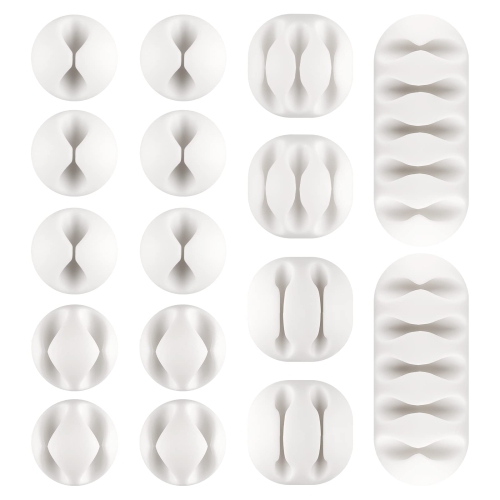 Your price for this item is $27.96
 -
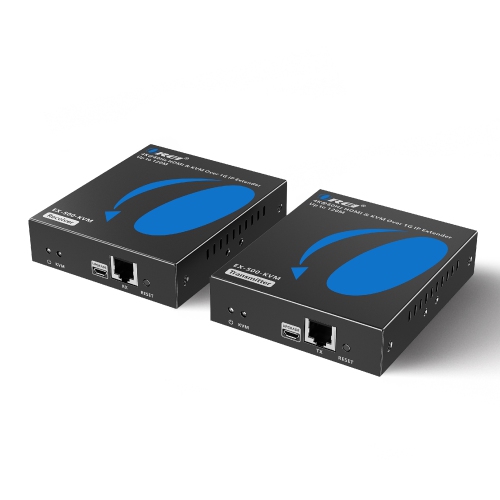 Your price for this item is $277.99
Discover more categories related to Indoor Adhesive Clips
Top Collections:
Pokemon Centers, Kindle Devices, Best Budget Office Chairs, Apple iPhones 16, Canon G7X Cameras, iPhone 15 Apple, Alarm Clock, Refurbished Apple Laptops, Flip Phones, Best Laptops for Writers
Some products may be subject to Environmental Handling Fees
(EHF) depending on your province.
Learn more about EHFs.