Lead Mechanical Pencils
When it comes to precision and convenience, mechanical pencils take the lead. These innovative writing tools offer a consistent line width and eliminate the need for sharpening, making them perfect for note-taking, drafting, and sketching. Whether you're a student, artist, or professional, our collection of lead mechanical pencils has something to suit every style and preference. From sleek designs to ergonomic grips, you'll find a wide range of options to enhance your writing experience. Explore our selection today and discover the perfect mechanical pencil to bring your ideas to life.
Sort
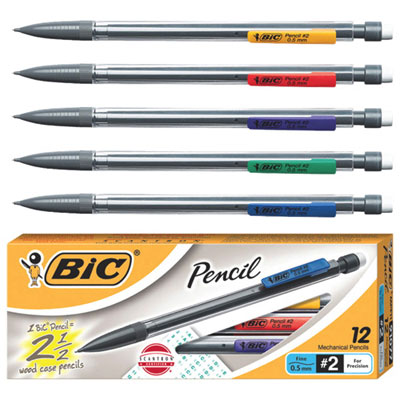
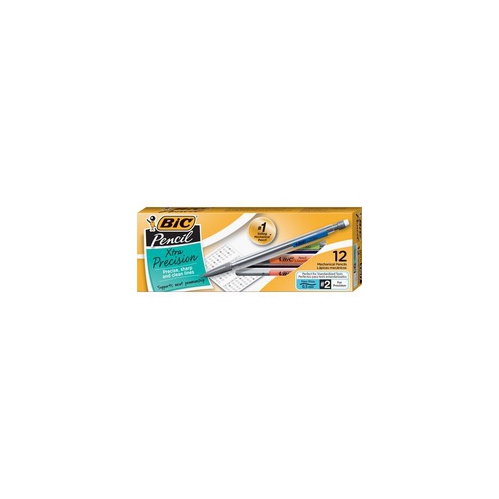

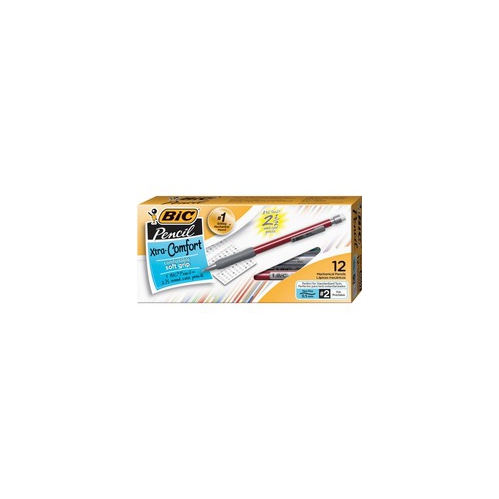
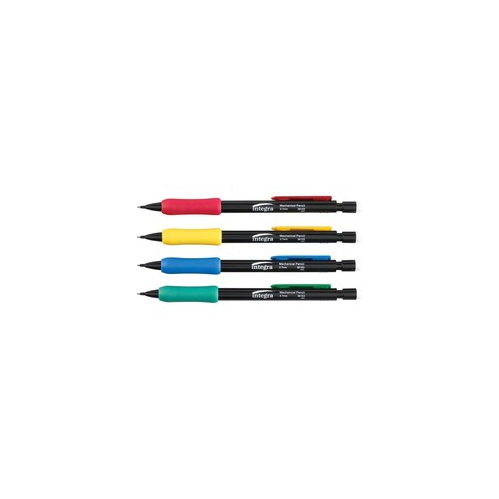

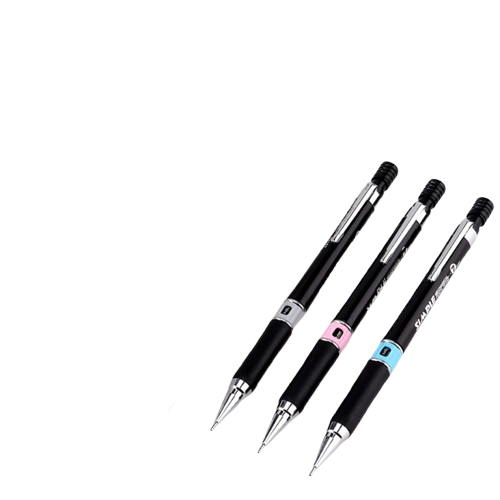




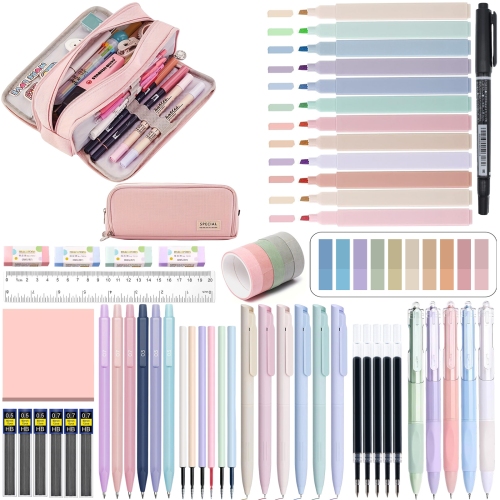
How lead size and grip shape every stroke
Mechanical pencils use replaceable graphite lead to produce consistent lines for writing, drawing, calculations, and detailed marking. Despite the familiar name, pencil lead does not contain metallic lead: it is made from graphite combined with binding materials, often polymers in fine mechanical pencil refills. The diameter of the refill must match the size specified for the pencil, since a thicker core will not pass through a narrower mechanism and a thinner core may not feed or grip properly. Common sizes include 0.5 mm and 0.7 mm, both suited to everyday handwriting, school notes, and office work. A 0.5 mm core creates a relatively fine line that fits neatly into small notebook squares, while 0.7 mm provides a slightly broader mark and generally tolerates more writing pressure. Finer sizes, such as 0.2 mm, 0.3 mm, and 0.4 mm, support compact annotations and precise drawing, although they need a lighter touch to limit breakage. Thicker options, including 0.9 mm and 1.3 mm, suit bolder handwriting, loose sketches, and users who tend to press firmly. A 2 mm core is typically used in a lead holder, a related tool whose point can be shaped with a suitable sharpener or lead pointer. Diameter determines the size of the core, but the graphite grade influences how dark, firm, and smooth the mark feels. HB is a balanced choice for general writing and is roughly comparable to a traditional No. 2 pencil. Harder grades, such as H, 2H, and 3H, usually leave lighter marks and retain a fine point longer. Softer grades, including B, 2B, and 3B, generally create darker lines with less pressure, though they can smudge more readily. These differences become noticeable when moving between a page of small equations, a handwritten meeting agenda, and a sketch with broad shadows. Paper texture also affects the result: a rough surface wears down a point faster, while smoother paper often allows finer, more controlled strokes.
The pencil body shapes the writing experience just as much as the lead inside it. Lightweight plastic barrels can feel comfortable through a full page of notes, while metal barrels provide a more substantial feel and may stand up well to frequent handling. Neither material guarantees better balance; the distribution of weight, the barrel diameter, and the grip surface all influence how naturally a pencil rests in the hand. A narrow barrel may suit someone who prefers precise finger movements, whereas a wider grip can feel easier to hold without squeezing. Rubberized grips offer cushioning, and textured metal grips provide traction, although a pronounced texture may feel firm during long writing sessions. The tip design matters in everyday use, too. A fixed lead sleeve can offer a clear view of the point for technical work, but its exposed shape needs protection in a bag or pencil case. A retractable sleeve is useful when the pencil travels between a desk, classroom, and shared workspace. Some mechanisms advance lead with a conventional push button, while others use a side control or a different feeding system; the practical difference is how easily writing can continue without changing the grip. For students, a consistent line helps keep fractions, subscripts, and diagram labels legible. For office users, an erasable mark works well for draft schedules, calculations, and notes that may change. Artists and designers often value having more than one lead grade available, allowing a light construction line and a darker finished contour to remain distinct. The selection of Mechanical Pencils for Drawing is relevant to sketching and illustration, where point control and comfortable handling are particularly useful. Drawing pencils may also appeal to hobbyists working on patterns, layouts, or measured plans. For marking wood or other textured surfaces, thicker graphite can be helpful, but the surface and the intended task still determine whether a mechanical pencil is the appropriate tool.
Replacement lead, erasers, and sensible storage help keep a mechanical pencil dependable over time. Refill compatibility starts with the marked diameter, rather than the appearance of the barrel or the darkness of the graphite. The required lead length and loading method can also vary, especially between fine-lead pencils and larger lead holders, so the pencil’s specifications matter when choosing refills. Carrying leads in their protective tube prevents loose cores from snapping against keys or other stationery inside a bag. During writing, a short exposed length is generally less vulnerable to breakage than a long section extending beyond the tip. Frequent snapping may reflect excessive pressure, too much exposed lead, or a diameter that is too fine for the way the pencil is being used. A move from 0.5 mm to 0.7 mm can make everyday writing more forgiving, while a darker grade may produce a visible mark without requiring as much pressure. Overfilling the barrel can interfere with some feeding mechanisms, and broken fragments may cause a jam. Gentle handling and the manufacturer’s recommended clearing method help protect the small internal parts; forcing a stuck button or probing the tip with an unsuitable object can damage the mechanism. Eraser performance also deserves attention, particularly for worksheets, drafting, and drawing. A small built-in eraser is convenient for a misplaced digit, while a separate eraser can offer more control over larger corrections. Softer graphite benefits from care when moving a hand across the page, as dark marks can transfer onto nearby lines. A protective case helps prevent bent sleeves and keeps spare leads together. Mechanical pencils also make practical gifts for students, artists, designers, and anyone who enjoys handwritten notes. A comfortable barrel, a suitable lead diameter, and compatible refills create a useful combination that can settle naturally into a recipient’s daily routine, whether that involves balancing a column of figures or sketching an idea in the margin of a notebook.
Top selling and popular products
-
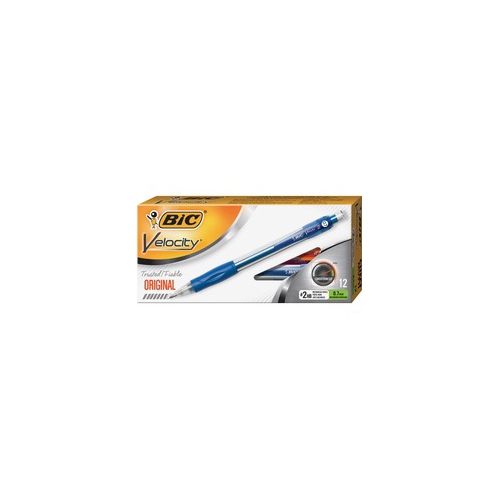 Your price for this item is $20.99
-
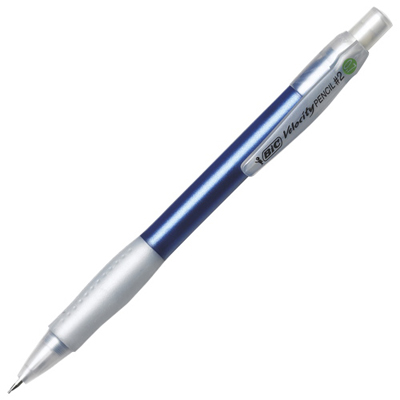 Your price for this item is $21.99
-
 Your price for this item is $8.99
-
 Your price for this item is $3.99
-
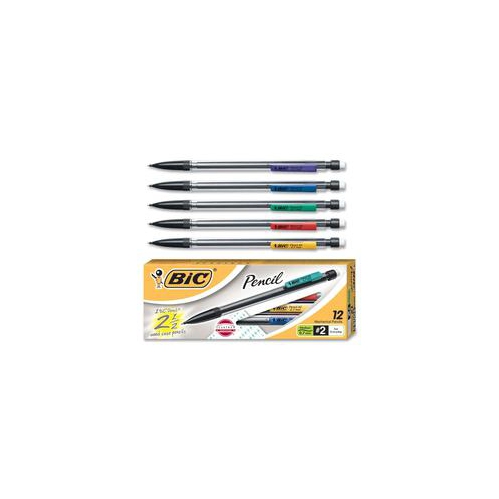 Your price for this item is $5.99
-
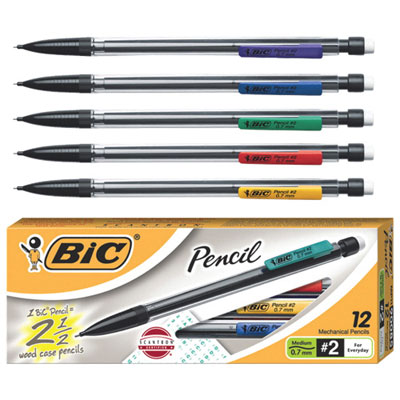 Your price for this item is $9.99
-
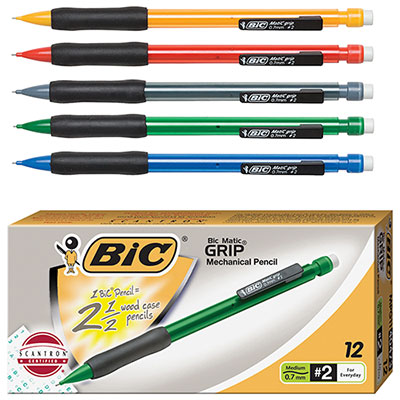 Your price for this item is $13.99
-
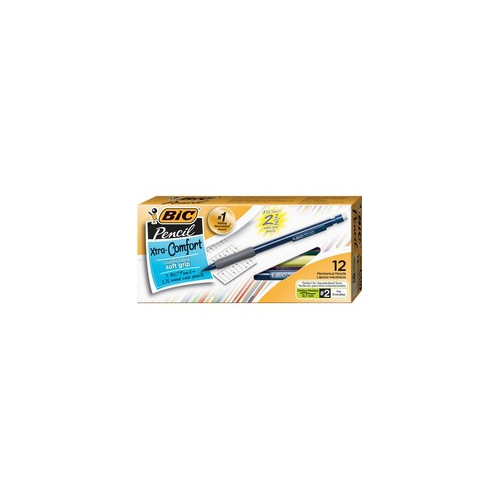 Your price for this item is $8.99
Discover more categories related to Lead Mechanical Pencils
Top Collections:
Pokemon Centers, Kindle Devices, Best Cameras for Sports Photography, Pokémon 30th Celebration Cards, Apple iPhones 16, Canon G7X Cameras, iPhone 15 Apple, Flip Phones, Samsung Galaxy Phones, Alarm Clock
Some products may be subject to Environmental Handling Fees
(EHF) depending on your province.
Learn more about EHFs.