Mechanical Pencils for Drawing
Looking to take your artistic skills to the next level? Look no further than our collection of mechanical pencils for drawing. These precision tools are designed to deliver smooth and consistent lines, making them ideal for sketching, shading, and intricate detailing. Whether you're a professional artist or just starting out, our range of mechanical pencils offers a variety of lead sizes, grip styles, and features to suit your unique needs. Get ready to bring your creative visions to life with the help of these reliable and versatile drawing companions.
Sort







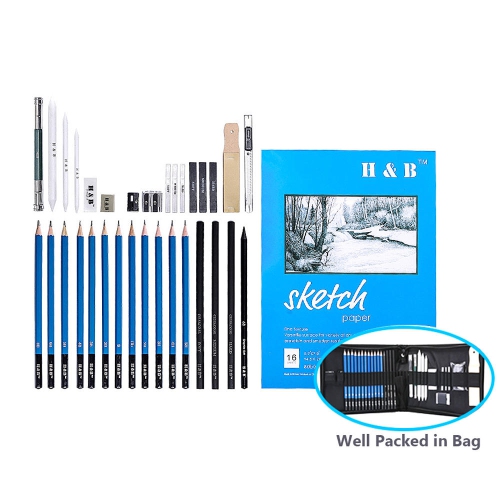


How lead size and grade shape your lines
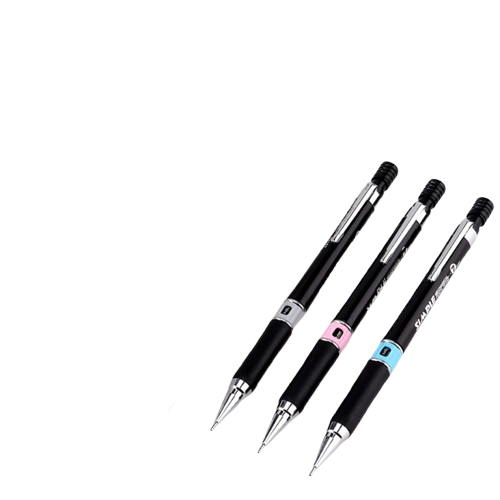
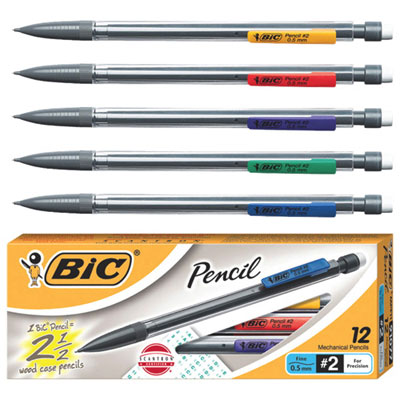
Mechanical pencils for drawing bring a steady, repeatable line to everything from quick sketchbook studies to carefully measured illustrations. Their refillable graphite leads advance through the tip, allowing artists to keep working without repeatedly sharpening a wooden casing. That consistency is useful when drawing the closely spaced strands of a braid, adding cross-hatching beneath a cheekbone, or tracing the edges of a building in perspective. Lead diameter is one of the clearest distinctions between drawing pencils. Very fine 0.2 mm and 0.3 mm leads suit small details, delicate textures, and precise architectural lines, although they need a light touch because thin graphite breaks more readily under pressure. A 0.5 mm lead offers a versatile balance for outlines, hatching, lettering, and everyday sketching. Thicker 0.7 mm and 0.9 mm leads provide a sturdier feel for broader marks and can be more forgiving for artists who press firmly. These measurements describe the lead diameter rather than a guaranteed line width: the angle of the pencil, the shape of the worn tip, and the paper surface also influence the mark. Graphite grade adds another layer of control. HB is a useful starting point for general drawing, while harder grades such as 2H can create lighter construction lines and softer grades such as 2B can produce darker values with less pressure. Hard graphite can leave grooves when pressed into paper, while softer graphite tends to smudge more easily, so darkness is better built through controlled strokes than force alone. A portrait artist might use a fine, harder lead to map proportions before adding softer shading, while someone sketching furniture concepts may favour a sturdier lead for repeated outlines and annotations. Mechanical pencils excel at controlled detail, but their narrow leads cover large shaded areas more slowly than the broad side of a traditional graphite pencil. They work equally well as a main drawing tool for line-focused artwork or as part of a larger kit for illustration, design studies, comic art, and observational sketching.
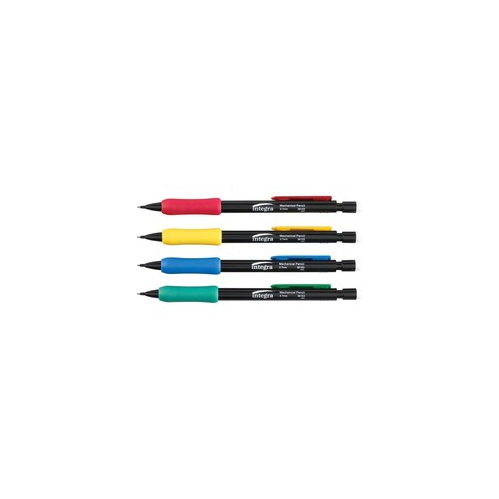
The feel of a mechanical pencil depends on its barrel, grip, balance, and lead-advancing mechanism as much as its lead size. Metal barrels often have a substantial feel, while plastic or resin barrels can reduce weight during longer drawing sessions. Neither material alone determines comfort or durability; construction quality, secure fittings, and the way the pencil sits in the hand all matter. A textured metal grip can provide firm traction for precise strokes, while a rubberized grip offers a softer contact surface. Smooth barrels allow the fingers to shift position freely, which some artists prefer when moving between tight detail and looser gestures. Grip diameter also affects fit: a narrow barrel may feel nimble for small marks, whereas a wider grip may be easier to hold without squeezing tightly. Balance becomes noticeable over a full page of drawing. Weight concentrated near the tip can feel controlled during ruler work, while a lighter pencil may move more easily through quick curves and repeated hatching. For measured layouts and technical illustrations, Pencils for Drafting are closely related tools, with features such as narrow lead sleeves that improve visibility beside rulers and templates. A fixed sleeve can make the point easier to place accurately, but it needs protection during transport because a bent sleeve may interfere with lead movement. A retractable tip reduces exposed metal when the pencil is stored in a pouch or pocket. Other mechanisms address particular drawing habits. A lead-rotation mechanism can help distribute wear around the graphite point, although its effect depends on how the mechanism activates and how often the pencil lifts from the page. Automatic advancement can reduce interruptions, while cushioning mechanisms may help absorb pressure that would otherwise snap the lead. These features do not eliminate breakage or replace a comfortable grip. A straightforward push-button pencil can be just as useful when its weight, lead diameter, and handling match the artist’s preferred technique.
Paper, storage, and routine care help mechanical drawing pencils perform consistently. Smooth drawing paper generally supports crisp outlines and fine details, while paper with more tooth catches graphite readily and can give shading a visibly textured finish. A rough surface also wears the lead faster, which is especially noticeable with very fine diameters. For a small botanical study, smooth paper can help separate the thin veins of a leaf; for a loose drawing of stone or bark, a textured sheet can contribute to the subject’s character. Keeping only a short length of lead exposed reduces the leverage that causes snaps, particularly when working at an angle or against a ruler. Refills need to match the pencil’s stated diameter, and checking the lead grade helps keep the appearance consistent across a drawing. A harder refill mixed into a pencil used for soft shading can leave unexpectedly pale marks. Built-in erasers are convenient for tiny corrections, but a separate precision eraser or kneaded eraser offers more control when lifting highlights or cleaning construction lines around finished details. A clean sheet beneath the drawing hand can reduce graphite transfer across the page, especially with softer grades. For storage, a protective case keeps the tip from knocking against other tools, and spare leads are best kept in their closed containers to prevent damage. Broken fragments can interrupt the feed mechanism, so clearing a blockage according to the pencil’s care instructions is preferable to forcing the button or inserting a sharp object. Mechanical pencils suit art students, illustrators, designers, architects, and anyone who enjoys keeping a sketchbook close at hand. They can also make a thoughtful gift for someone developing a drawing practice, particularly when paired with compatible refills, suitable paper, and an eraser. For beginners, a familiar mid-range lead diameter and comfortable barrel can support regular practice; for experienced artists, a different diameter or graphite grade can complement an established set of tools without requiring a change in drawing style.
Top selling and popular products
-
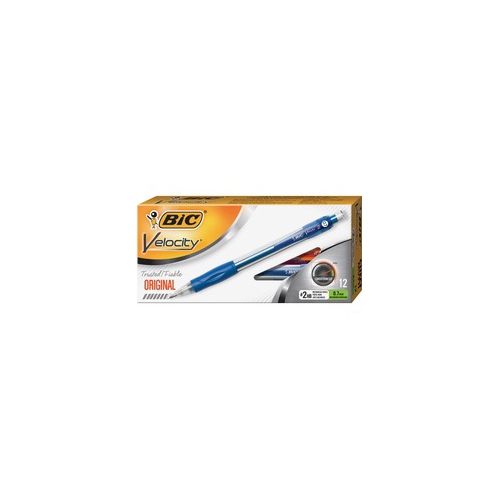 Your price for this item is $20.99
-
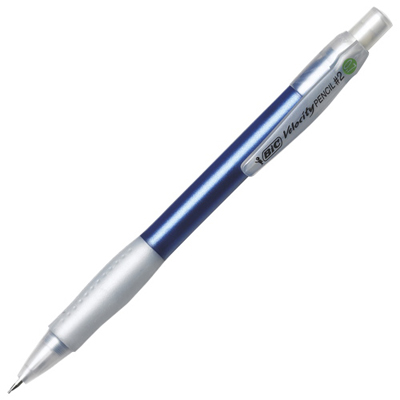 Your price for this item is $21.99
-
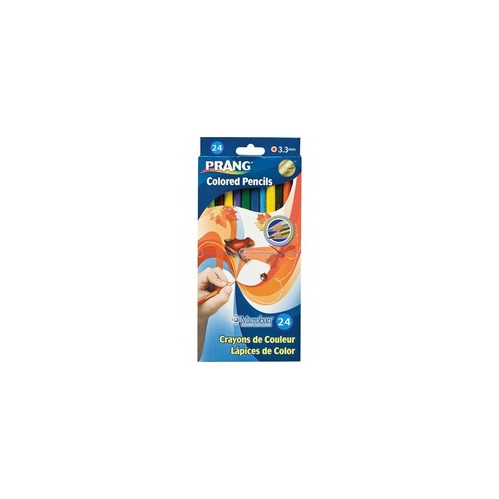 Your price for this item is $8.99
-
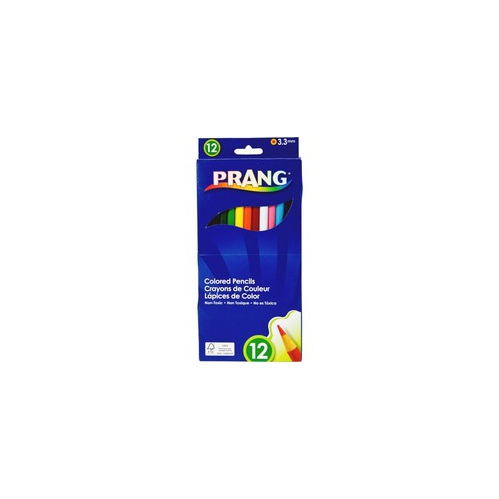 Your price for this item is $3.99
-
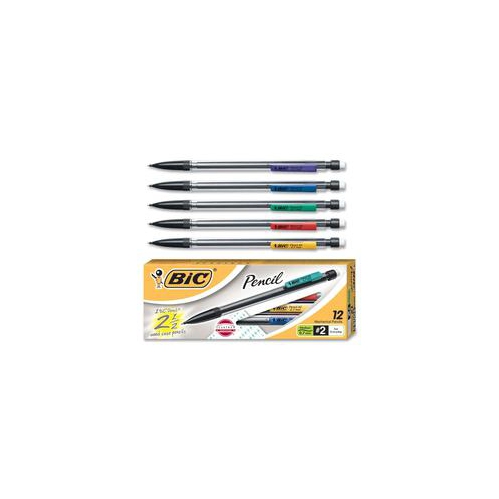 Your price for this item is $5.99
-
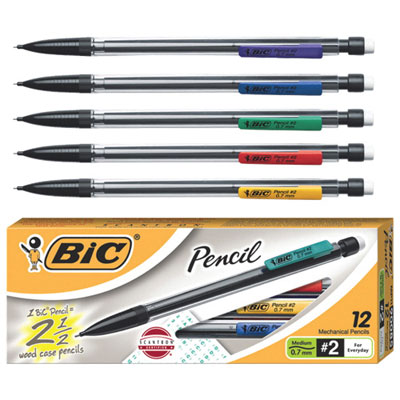 Your price for this item is $9.99
-
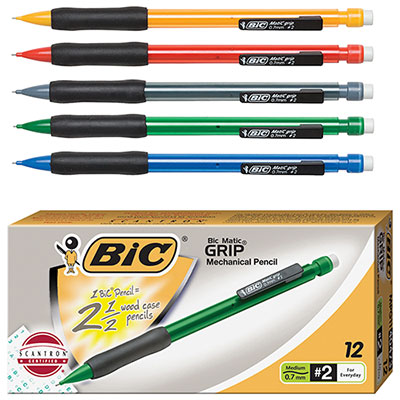 Your price for this item is $13.99
-
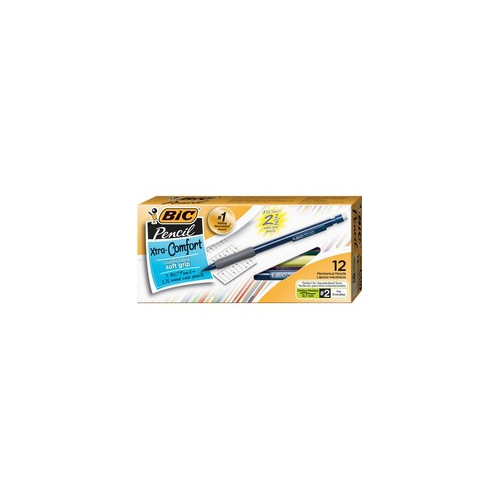 Your price for this item is $8.99
Discover more categories related to Mechanical Pencils for Drawing

Top Collections:
Pokemon Centers, Kindle Devices, Best Cameras for Sports Photography, Pokémon 30th Celebration Cards, Apple iPhones 16, Canon G7X Cameras, iPhone 15 Apple, Flip Phones, Samsung Galaxy Phones, Alarm Clock
Some products may be subject to Environmental Handling Fees
(EHF) depending on your province.
Learn more about EHFs.