Mechanical Pencils for Drafting
Looking for mechanical pencils to enhance your drafting skills? Look no further! Our collection of mechanical pencils for drafting is designed to meet the needs of architects, engineers, artists, and anyone who loves precision and accuracy. Whether you're sketching intricate designs or creating technical drawings, these mechanical pencils offer a reliable and efficient way to bring your ideas to life. With a variety of features and styles to choose from, you'll find the ideal tool to take your drafting projects to the next level.
Sort

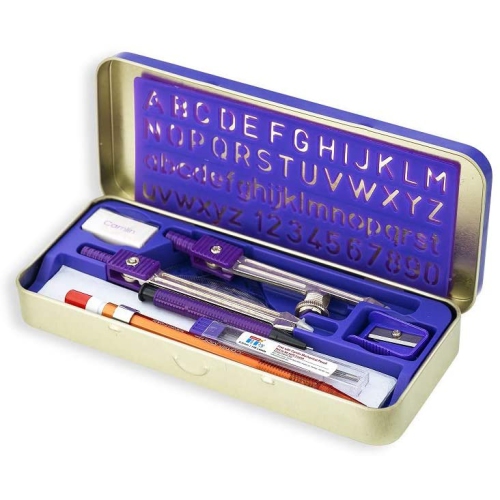
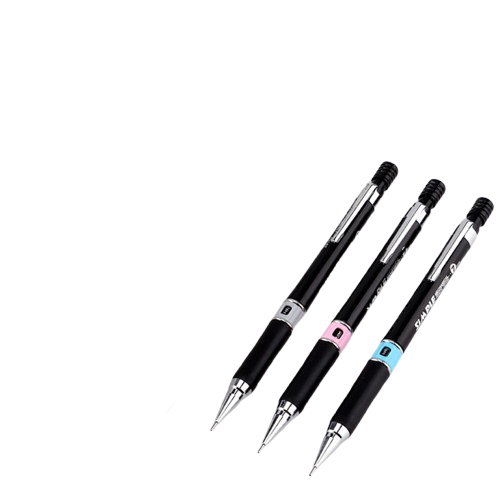
Precision features that support every stage of technical drawing
Mechanical pencils for drafting are designed for the controlled, accurate work involved in technical drawing, architectural plans, engineering sketches, lettering, geometry, and detailed note-taking. Unlike a standard writing pencil, a drafting pencil typically has a long, narrow sleeve around the lead that keeps the point visible when working beside a ruler, triangle, compass, or template. A fixed sleeve is often preferred for drawing because it provides a consistent reference point and can slide neatly along a straightedge, while a retractable sleeve can be a practical choice for carrying the pencil between a desk, classroom, studio, or job site. Many drafting-style pencils use a 4 mm sleeve, although the exact design varies. This extended point gives you a clear line of sight, making it easier to place the lead precisely at a corner, intersection, or measurement mark. A sturdy metal grip, frequently finished with knurled texturing, helps prevent your fingers from slipping during long drawing sessions. That firm grip can make a noticeable difference when you are applying light, even pressure to create clean lines rather than dark, uneven marks. A balanced barrel and low centre of gravity also support steadier movement, particularly when the pencil is used for repeated measurements, crosshatching, lettering, or fine outlining. For anyone accustomed to ordinary wooden pencils, the consistent point and push-button lead advance can make detailed work feel more predictable and less interrupted by sharpening.
Lead size is one of the most important considerations when choosing a drafting mechanical pencil. Fine 0.3 mm lead can suit small lettering, delicate construction lines, and compact diagrams, but it generally requires a lighter touch because the thinner lead is more vulnerable to snapping under pressure. A versatile 0.5 mm size is commonly chosen for everyday drafting, schoolwork, calculations, and general writing, offering a useful balance between precision and durability. A 0.7 mm lead can produce a slightly bolder line and may be more comfortable for note-taking, sketching, and users who naturally press harder. For broad, expressive marks or especially robust everyday use, 0.9 mm lead can be worth considering. Lead hardness matters as well. HB is a dependable all-purpose grade for writing and clear technical lines, while harder grades can create lighter marks that are useful for preliminary layouts. Softer grades, such as 2B, make darker lines and may be useful for shading or freehand sketching, though they can smudge more easily. Some drafting mechanical pencils include a lead grade indicator, usually a small ring or dial, which helps you remember which hardness is loaded. This is especially convenient for people who keep several lead types on hand for different stages of a project. Anyone comparing options may also wish to browse Lead Mechanical Pencils for additional sizes and styles suited to writing, drawing, and technical work.
When selecting a drafting mechanical pencil, consider how it will be used, how it will be stored, and how it feels after several minutes in your hand. A fixed tip can offer excellent visibility and a direct, stable feel at the page, but it should be stored in a case or pencil pouch so the sleeve is not bent against books, tools, or other supplies. A retractable tip can help protect the sleeve during transport, making it a practical feature for students moving between classes, designers commuting to a studio, or professionals carrying supplies to meetings and site visits. A pocket clip is useful for keeping the pencil close to a notebook or shirt pocket, while a textured grip may be valuable for users who draw for extended periods or work in a fast-paced setting. Look for a push button that advances the lead smoothly and a lead sleeve that releases enough lead to write without excessive breakage. It is also worth checking whether the barrel includes a built-in eraser and whether replacement erasers and compatible lead refills are easy to keep nearby. Drafting mechanical pencils can make thoughtful gifts for students beginning technical drawing, hobbyists building a sketching kit, aspiring architects, engineers, makers, and anyone who enjoys precise stationery. They are equally at home beside a desk lamp during quiet indoor work, in a classroom during the cooler months, or in a portable case when projects move from one location to another. A well-matched pencil should feel like a dependable extension of the hand: precise enough for a measured line, comfortable enough for a full page of notes, and durable enough to remain part of a drawing kit from one project to the next.
Lead size is one of the most important considerations when choosing a drafting mechanical pencil. Fine 0.3 mm lead can suit small lettering, delicate construction lines, and compact diagrams, but it generally requires a lighter touch because the thinner lead is more vulnerable to snapping under pressure. A versatile 0.5 mm size is commonly chosen for everyday drafting, schoolwork, calculations, and general writing, offering a useful balance between precision and durability. A 0.7 mm lead can produce a slightly bolder line and may be more comfortable for note-taking, sketching, and users who naturally press harder. For broad, expressive marks or especially robust everyday use, 0.9 mm lead can be worth considering. Lead hardness matters as well. HB is a dependable all-purpose grade for writing and clear technical lines, while harder grades can create lighter marks that are useful for preliminary layouts. Softer grades, such as 2B, make darker lines and may be useful for shading or freehand sketching, though they can smudge more easily. Some drafting mechanical pencils include a lead grade indicator, usually a small ring or dial, which helps you remember which hardness is loaded. This is especially convenient for people who keep several lead types on hand for different stages of a project. Anyone comparing options may also wish to browse Lead Mechanical Pencils for additional sizes and styles suited to writing, drawing, and technical work.
When selecting a drafting mechanical pencil, consider how it will be used, how it will be stored, and how it feels after several minutes in your hand. A fixed tip can offer excellent visibility and a direct, stable feel at the page, but it should be stored in a case or pencil pouch so the sleeve is not bent against books, tools, or other supplies. A retractable tip can help protect the sleeve during transport, making it a practical feature for students moving between classes, designers commuting to a studio, or professionals carrying supplies to meetings and site visits. A pocket clip is useful for keeping the pencil close to a notebook or shirt pocket, while a textured grip may be valuable for users who draw for extended periods or work in a fast-paced setting. Look for a push button that advances the lead smoothly and a lead sleeve that releases enough lead to write without excessive breakage. It is also worth checking whether the barrel includes a built-in eraser and whether replacement erasers and compatible lead refills are easy to keep nearby. Drafting mechanical pencils can make thoughtful gifts for students beginning technical drawing, hobbyists building a sketching kit, aspiring architects, engineers, makers, and anyone who enjoys precise stationery. They are equally at home beside a desk lamp during quiet indoor work, in a classroom during the cooler months, or in a portable case when projects move from one location to another. A well-matched pencil should feel like a dependable extension of the hand: precise enough for a measured line, comfortable enough for a full page of notes, and durable enough to remain part of a drawing kit from one project to the next.
Top selling and popular products
-
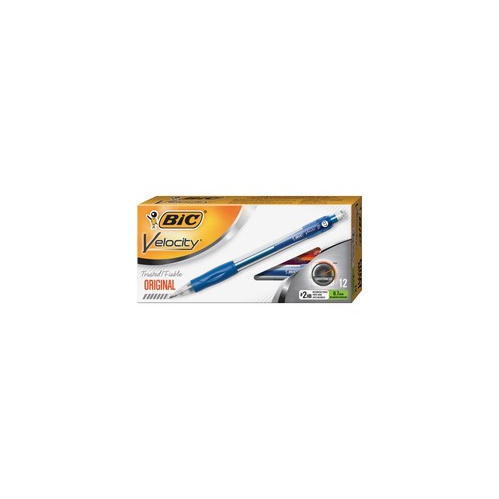 Your price for this item is $20.99
 -
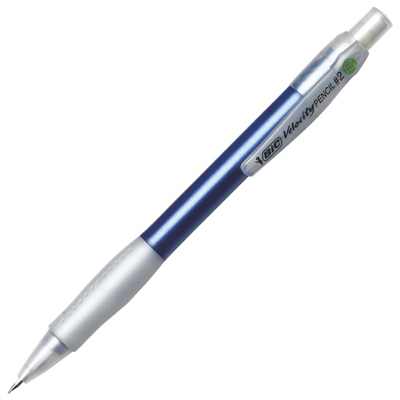 Your price for this item is $21.99
 -
 Your price for this item is $3.99
 -
 Your price for this item is $8.99
 -
 Your price for this item is $5.99
 -
 Your price for this item is $9.99
 -
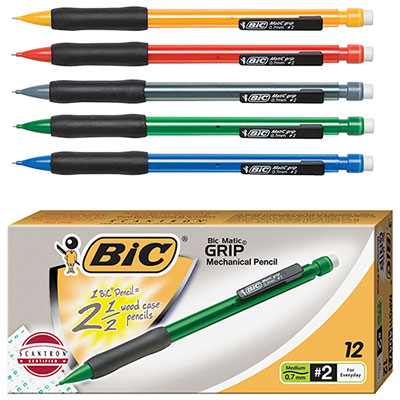 Your price for this item is $13.99
 -
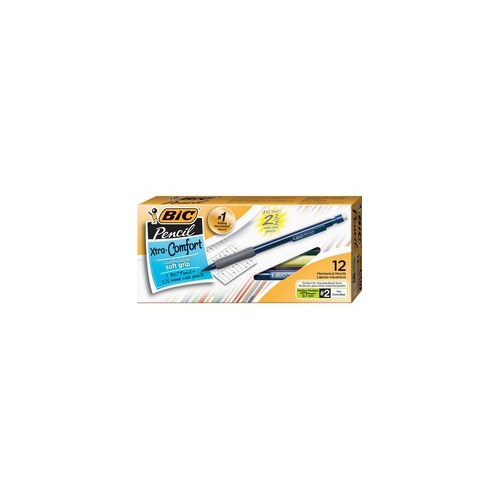 Your price for this item is $8.99
Discover more categories related to Mechanical Pencils for Drafting
Top Collections:
Best Laptops for Video Editing, Pokemon Centers, Samsung Z Fold, Kindle Devices, Best Cell Phones Under $300, Best Laptop Computers for Students, iPhone 15 Apple, Best Cell Phones Under $500, Alarm Clock, Canon G7X Cameras
Some products may be subject to Environmental Handling Fees
(EHF) depending on your province.
Learn more about EHFs.