Epson Matte Photo Papers
Elevate your prints with Epson Matte Photo Paper, designed to deliver impressive results for a wide range of creative projects. Whether you're printing cherished family photos, professional portfolios, or vibrant graphics, this paper offers a reliable foundation for producing high-quality images at home or in the office. Explore options that cater to various sizes and quantities, making it easy to find the perfect fit for your printing needs. Discover how Epson Matte Photo Paper can help bring your digital memories and designs to life with clarity and style.
Sort
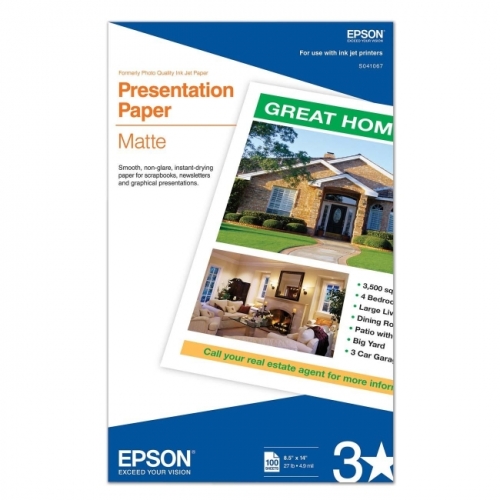


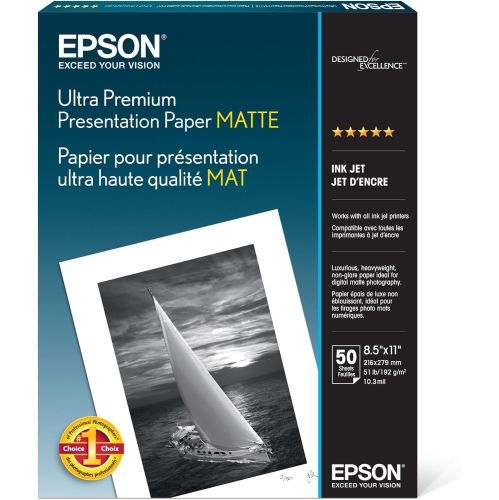

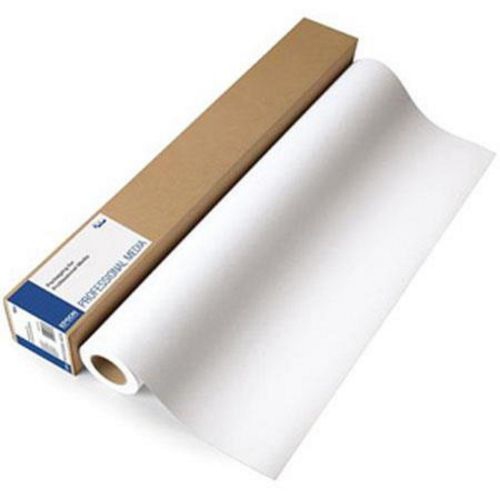
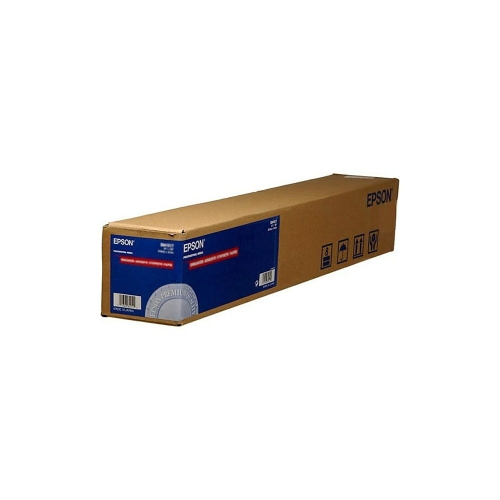
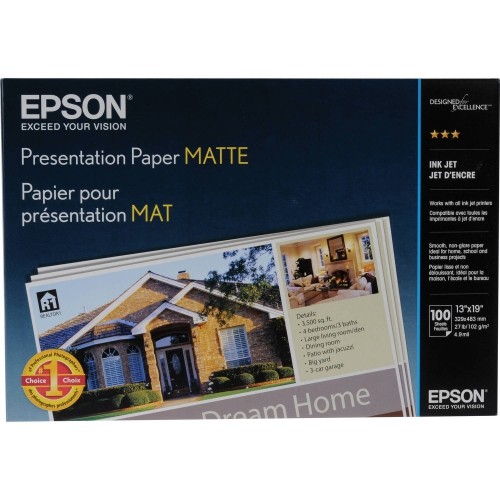
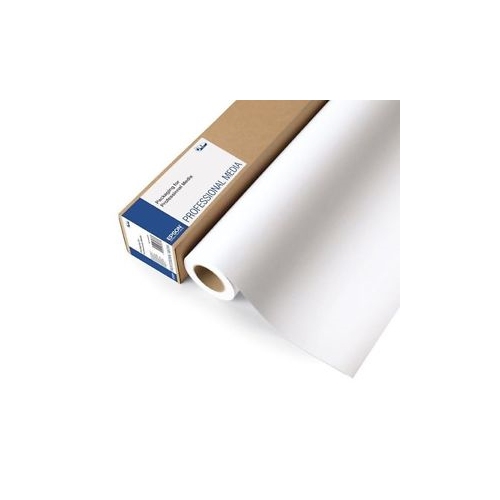
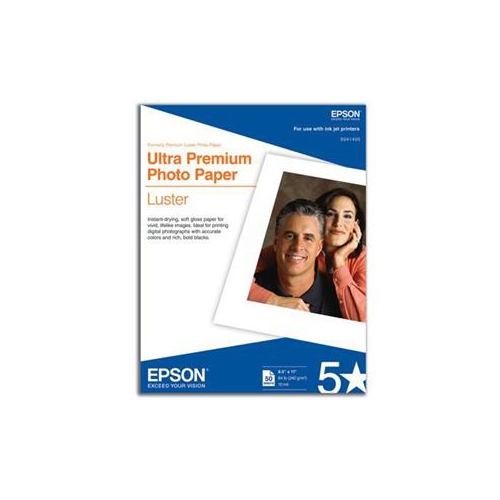

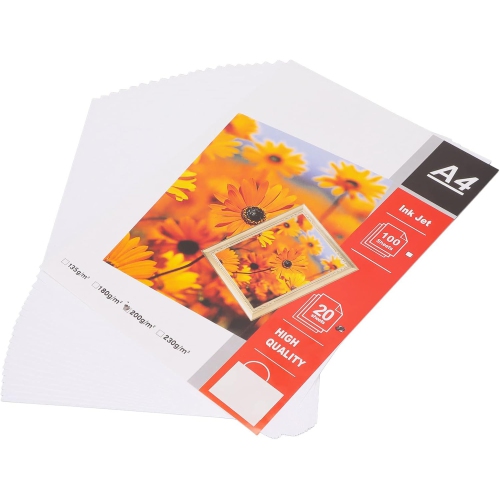


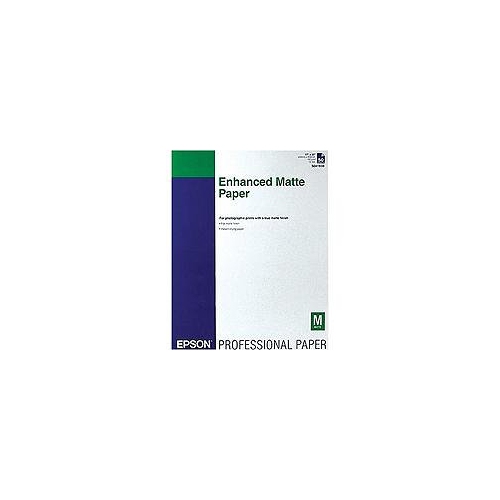
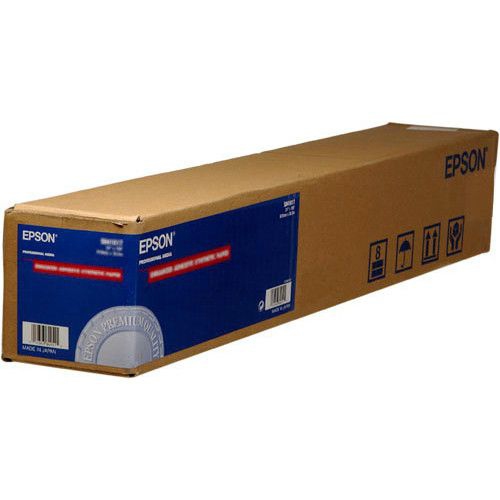
Printed details without the distraction of glossy reflections
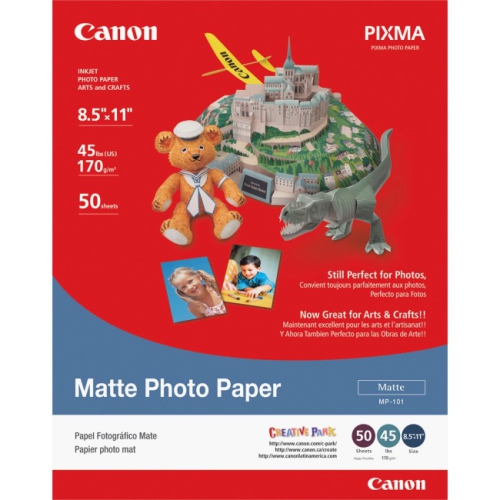
Matte photo papers are coated printing papers with a low-sheen surface, suited to photographs, artwork, and image-rich documents where reflections could distract from the printed detail. Unlike glossy finishes, matte surfaces diffuse light rather than producing a mirror-like shine, making them useful for family portraits, illustrated portfolios, presentation boards, and prints viewed from several angles. The finish can lend a soft, understated character to skin tones and textured subjects while keeping text and fine lines easy to read. Colour saturation, shadow detail, and contrast depend on the coating, ink, printer, and print settings; matte does not necessarily mean muted, though the deepest blacks may look different from those on glossy paper. Within this category, lighter sheets can suit photo-based reports and graphic layouts, while heavier papers give individual prints a more substantial feel. Paper weight, commonly expressed in grams per square metre or gsm, describes mass rather than thickness, so two papers with the same gsm can still feel different in the hand. Thickness and stiffness matter separately, particularly for framing, mounting, and printer feeding. A smooth surface supports clean lettering and precise graphic elements, whereas a lightly textured finish, where offered, can add character to artwork reproductions. The white tone of the sheet also influences the result: a bright white base can give colours a crisp appearance, while a warmer base may complement certain portraits or illustrations. Matte photo paper differs from ordinary uncoated office paper because its coating is designed to manage ink placement and absorption for image printing. That distinction matters in a close-up portrait, where subtle facial shading needs to remain separate, or a landscape print, where fine branches should not merge into a soft patch. The most suitable paper balances the desired finish with the demands of the image and the way the finished piece will be handled or displayed.
Printer compatibility is as important as appearance, since a paper that looks suitable may still exceed a machine’s feeding or media limits. Inkjet matte photo papers are intended for compatible inkjet printers and should not be treated as interchangeable with laser printing media. Coatings may also be designed for particular ink technologies, so support for dye-based or pigment-based ink should be confirmed rather than assumed. Sheet dimensions, maximum supported weight, thickness, and the available feed path all affect fit. A printer that accepts a particular paper size may not accept every thickness in that size, and heavier stock may require a designated rear or manual feed. Common formats such as 4 × 6 inch and 8 × 10 inch suit familiar photo frames, while letter-size sheets offer room for layouts that combine images, captions, and white space. Larger formats and rolls serve different purposes and require equipment that explicitly supports them. Borderless printing is another separate capability: support depends on the printer, paper size, and media setting, not simply on whether the sheet physically fits. The printable surface also deserves attention. Some matte papers have a coating on one side, while double-sided versions are made for projects such as booklets or portfolios; printing on an uncoated reverse side can produce a noticeably different result. Selecting the appropriate media setting helps the printer control ink delivery and feeding, and a paper-specific colour profile, when supplied, can improve colour matching. Even with suitable settings, a print may look different from a bright screen because paper reflects light rather than emitting it. For a series of photographs intended to hang together, consistent paper, settings, and viewing light help keep the collection visually cohesive. A small test print containing skin tones, dark areas, and fine detail can reveal differences before a full-size piece is produced, especially when accurate colour is central to a photography, design, or illustration project.
The appeal of matte photo papers extends from personal keepsakes to practical presentation work. A parent assembling a family album may value a finish that is comfortable to view beneath overhead lighting, while a photographer may prefer its restrained appearance for portrait proofs or a cohesive portfolio. Students and designers can use suitable matte stock for illustrated assignments, concept boards, and image-heavy presentations, where readable captions matter as much as the pictures. Artists reproducing drawings or digital paintings may appreciate a surface that does not add a glossy layer to the appearance of the original work. Projects that extend beyond photographs can also benefit from Matte Papers, particularly when a layout brings together illustrations, diagrams, and text. For a framed gift, the paper’s dimensions and printable area should leave enough room for the intended crop and any border or mat opening. A substantial sheet can make an unframed print easier to handle, but paper weight alone does not establish resistance to fading, moisture, or abrasion. Those qualities depend on the paper and ink combination, protective materials, and display conditions. Claims such as acid-free or archival should be checked in the paper specifications rather than inferred from the matte finish. Fresh prints benefit from the drying time specified for the paper and ink before stacking, placing in sleeves, or framing. Handling sheets by the edges helps keep oils and marks away from the printable surface, and clean, dry hands reduce the chance of damaging a finished image. Unused paper is best kept flat in its original packaging, protected from moisture, dust, and direct light; curled or damp sheets can be harder to feed reliably. Finished prints also benefit from protective storage or framing materials suited to photographs. With appropriate handling and a paper matched to the printer and project, the result can feel equally at home in a presentation folder, a carefully arranged album, or a frame on a gallery wall.
Top selling and popular products
-
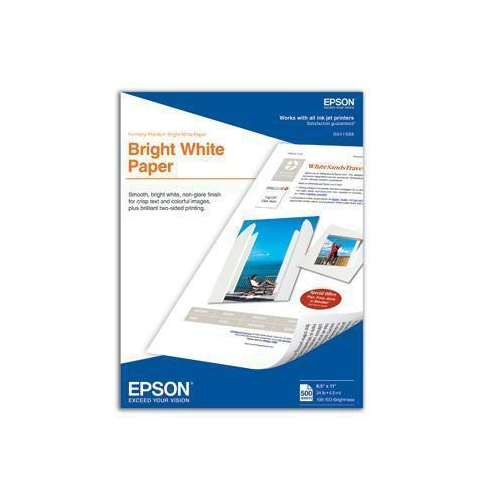 Your price for this item is $33.37
-
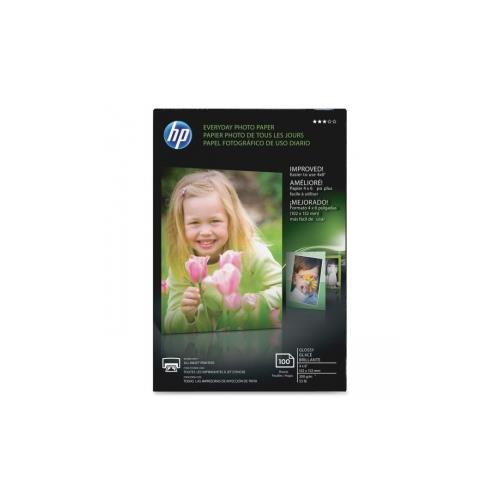 Your price for this item is $24.68
-
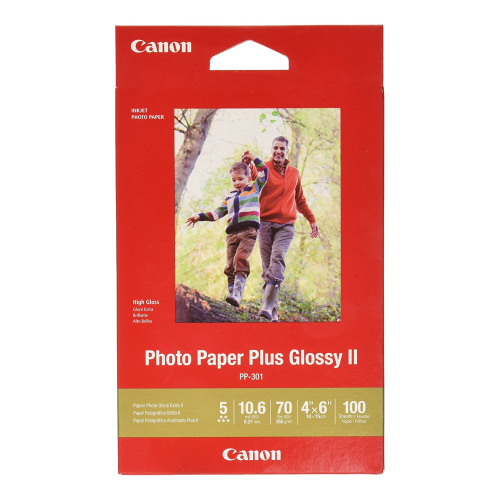 Your price for this item is $43.79
-
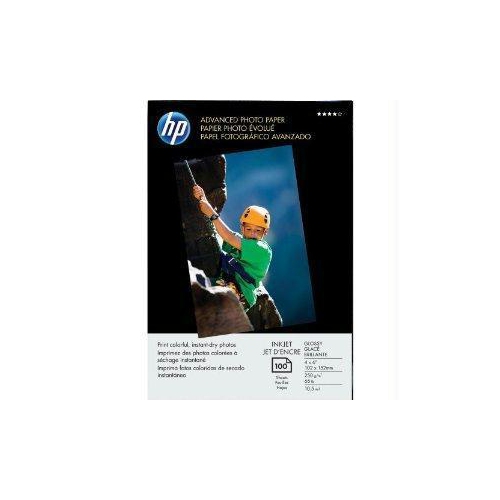 Your price for this item is $31.68
-
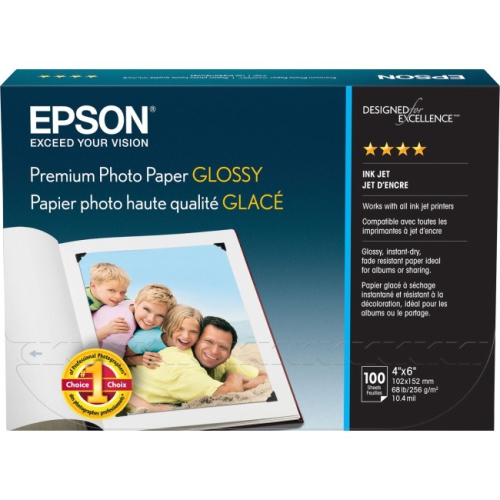 Your price for this item is $24.68
-
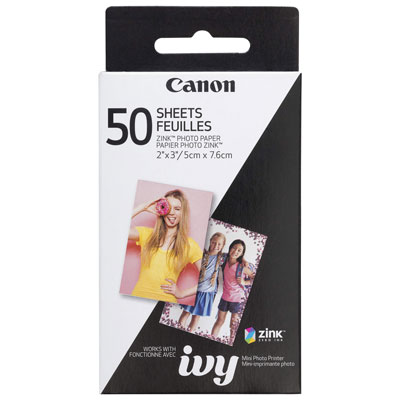 Your price for this item is $39.99
-
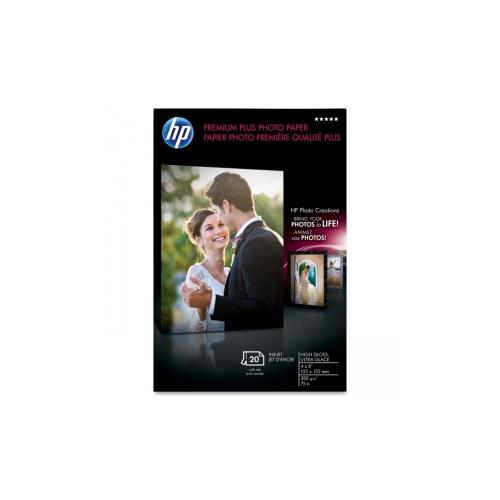 Your price for this item is $28.99
-
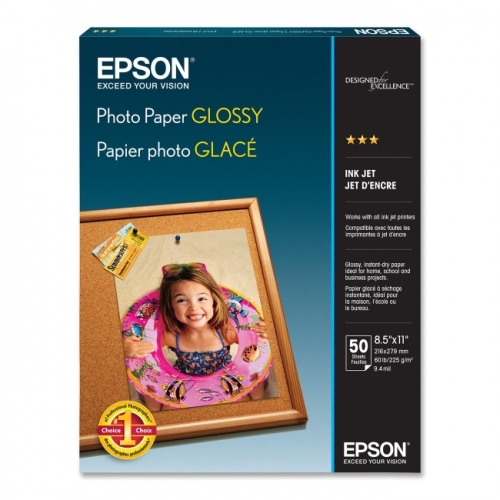 Your price for this item is $65.68
Discover more categories related to Epson Matte Photo Papers
Top Collections:
Best Black Friday Deals This Year, Best Black Friday Deals On Electronics, Kindle Devices, Pokemon Centers, Best Black Friday Deals On Apple Products, Best Cameras for Sports Photography, Dyson Airwrap, Pokémon 30th Celebration Cards, Apple iPhone 17 Pro, Canon G7X Cameras
Some products may be subject to Environmental Handling Fees
(EHF) depending on your province.
Learn more about EHFs.