Portable Vhf
Looking for a reliable and convenient way to stay connected on the go? Look no further than our collection of portable VHF devices. Whether you're an outdoor enthusiast, a boating enthusiast, or simply in need of a reliable communication tool, these portable VHF devices are designed to keep you connected wherever your adventures take you. With their compact and lightweight designs, these devices offer the perfect blend of portability and functionality. Browse our selection today and discover the perfect portable VHF device to meet your communication needs.
Sort
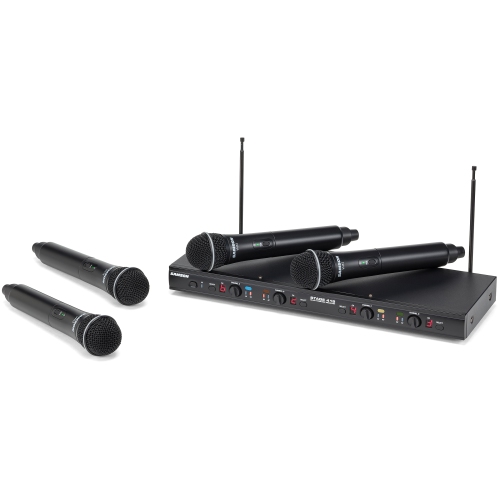
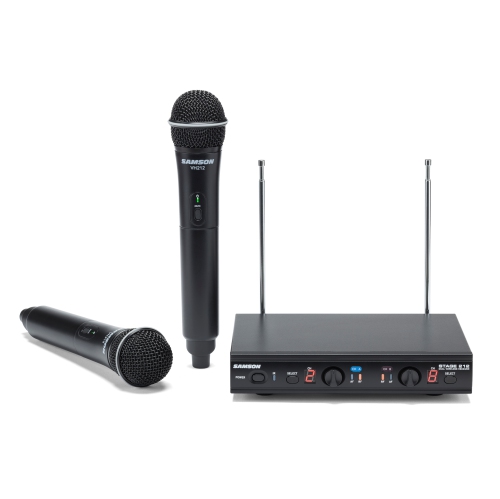
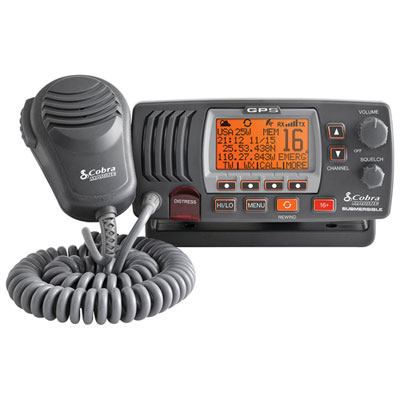
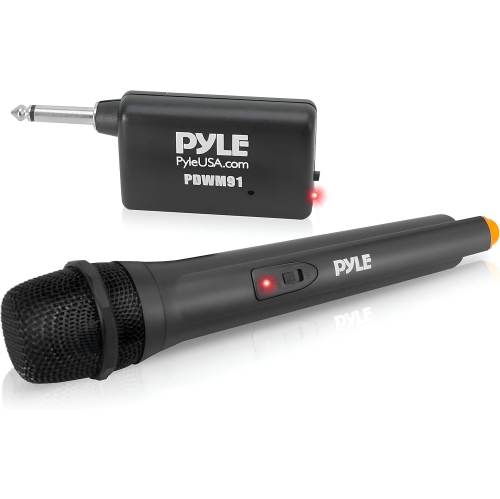
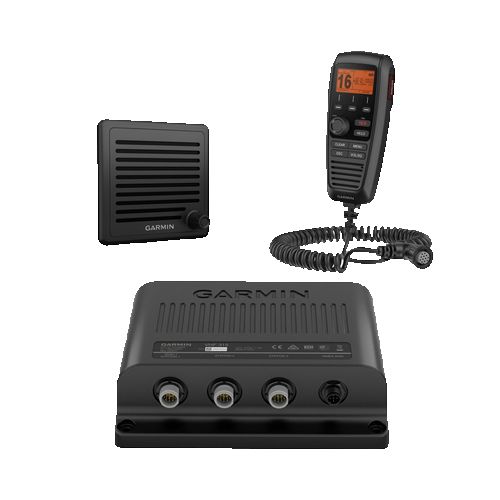
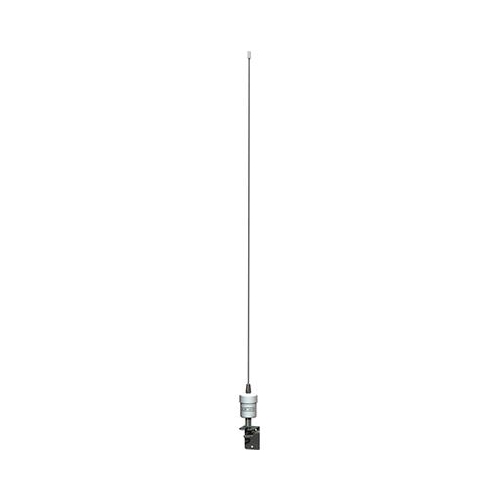
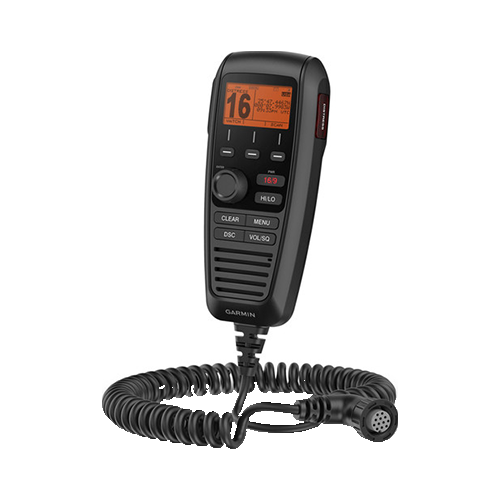
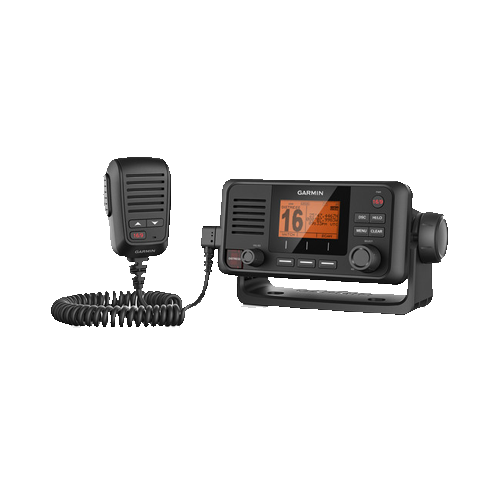


Reliable communication for boating and changing conditions
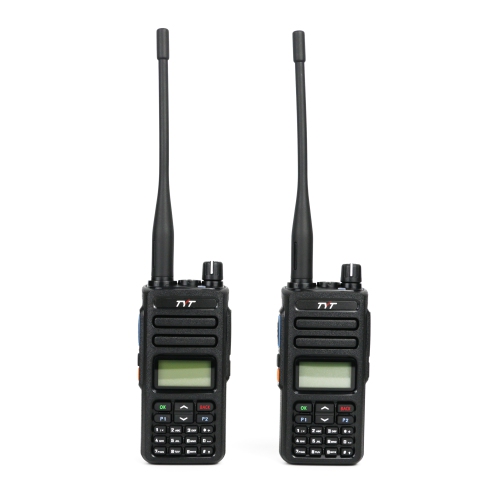
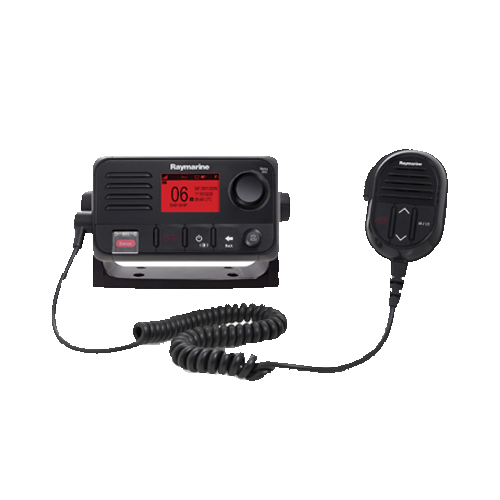
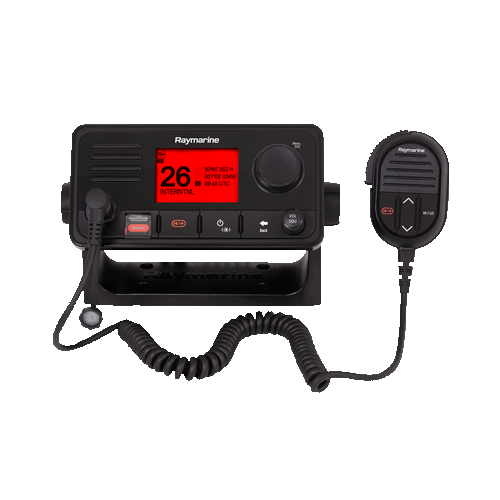
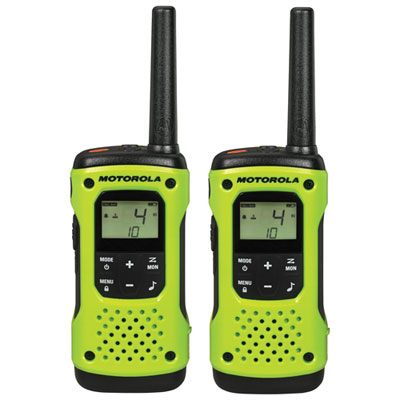
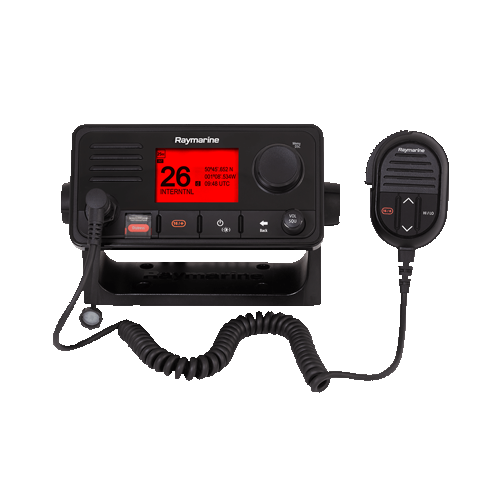
Portable VHF radios provide dependable two-way communication when you are away from a vehicle, home, or vessel’s main power system. Compact and battery-powered, they are commonly used by boaters, anglers, paddlers, sailing crews, marina staff, outdoor guides, and anyone who spends time near the water. A handheld radio can keep communication close at hand while launching a boat, moving between docks, checking in with a group on a large lake, or responding to changing conditions offshore. Unlike a mobile phone, a VHF radio is designed for direct radio communication and access to designated marine channels, making it a practical part of a well-prepared boating setup. Browse the selection of VHF Radios to compare portable designs for recreational and everyday communication needs. When selecting a portable VHF, start by considering where and how it will be used. Marine VHF radios are intended for communication on navigable waterways, while other handheld VHF units may be designed for specific land-based services and operating requirements. It is important to choose a radio that matches the intended environment and to follow applicable Canadian regulations, channel-use guidelines, and licensing requirements. A portable radio can be especially useful as a secondary communication device, even when a boat has a fixed-mount radio, because it can be carried onto a dock, taken aboard a tender, or used if the main electrical system is unavailable. It may also make a thoughtful gift for a new boat owner, a fishing enthusiast, a paddler preparing for longer trips, or a family member who enjoys exploring remote waterways.
Durability and water protection should be high on the list of purchase considerations. Look for a model with a clear water-resistance rating, such as IPX7 or IPX8, so it can better withstand spray, rain, and accidental immersion. A floating design can be particularly valuable on the water: if the radio slips from a wet hand beside a dock or tumbles overboard while lines are being handled, it may remain on the surface instead of disappearing immediately below it. Some portable VHF radios include a flashing light or strobe feature that helps make the unit easier to locate in low light or choppy conditions. These details may seem minor while standing on dry land, but they become much more important when the wind picks up, visibility drops, or several people are moving around a crowded deck. Battery performance is another practical consideration. Rechargeable lithium-ion batteries can provide many hours of operation, but actual runtime depends on transmit power, listening time, weather-alert use, display brightness, and other features. A charging cradle, USB charging option, replaceable battery, and clear battery-level indicator can make preparation simpler. It is wise to charge the radio before every outing and to consider carrying a second charged battery or an additional charging solution for longer trips. A backlit display and large, tactile controls are helpful when wearing gloves or operating the radio in bright sun, while a strong speaker and noise-reducing microphone can make voices easier to understand over wind, engine noise, and splashing water. A compact, lightweight shape is comfortable to clip to a life jacket or keep in a pocket, but the radio should still feel substantial enough to handle regular use.
Many portable VHF radios offer features that support both routine communication and emergency preparedness. Higher-output handheld units commonly transmit at up to 5 or 6 watts, although practical range varies considerably. VHF communication generally works by line of sight, so range is influenced by the height of the antenna, the position of the radio, surrounding terrain, weather conditions, obstructions, and the receiving station. On open water, a handheld radio may communicate across a few miles, while shorelines, hills, buildings, and low antenna height can reduce that distance. Selecting the highest power setting does not guarantee a longer connection in every situation, so keeping the antenna upright and the radio above the gunwale or deck can also matter. Weather channels and alerts can help users monitor changing conditions, while a built-in GPS receiver can provide location information for navigation or emergency use. Digital Selective Calling, often referred to as DSC, can send a digital distress alert through compatible marine systems; when connected to a registered Maritime Mobile Service Identity and paired with a functioning GPS signal, an alert may include the radio’s location. Users should set up these features in advance, learn the appropriate distress and calling procedures, and understand that no electronic device replaces a personal flotation device, navigation equipment, a sound trip plan, or good judgement. Some radios may also include Bluetooth connectivity, automatic identification system information, or other advanced functions, but the most useful feature is one that can be operated confidently under pressure. Whether it is kept in a kayak’s dry bag, clipped to a sailing jacket, or stored beside the helm, a portable VHF radio is most valuable when it is charged, protected from unnecessary damage, and familiar to everyone who may need to use it.
Durability and water protection should be high on the list of purchase considerations. Look for a model with a clear water-resistance rating, such as IPX7 or IPX8, so it can better withstand spray, rain, and accidental immersion. A floating design can be particularly valuable on the water: if the radio slips from a wet hand beside a dock or tumbles overboard while lines are being handled, it may remain on the surface instead of disappearing immediately below it. Some portable VHF radios include a flashing light or strobe feature that helps make the unit easier to locate in low light or choppy conditions. These details may seem minor while standing on dry land, but they become much more important when the wind picks up, visibility drops, or several people are moving around a crowded deck. Battery performance is another practical consideration. Rechargeable lithium-ion batteries can provide many hours of operation, but actual runtime depends on transmit power, listening time, weather-alert use, display brightness, and other features. A charging cradle, USB charging option, replaceable battery, and clear battery-level indicator can make preparation simpler. It is wise to charge the radio before every outing and to consider carrying a second charged battery or an additional charging solution for longer trips. A backlit display and large, tactile controls are helpful when wearing gloves or operating the radio in bright sun, while a strong speaker and noise-reducing microphone can make voices easier to understand over wind, engine noise, and splashing water. A compact, lightweight shape is comfortable to clip to a life jacket or keep in a pocket, but the radio should still feel substantial enough to handle regular use.
Many portable VHF radios offer features that support both routine communication and emergency preparedness. Higher-output handheld units commonly transmit at up to 5 or 6 watts, although practical range varies considerably. VHF communication generally works by line of sight, so range is influenced by the height of the antenna, the position of the radio, surrounding terrain, weather conditions, obstructions, and the receiving station. On open water, a handheld radio may communicate across a few miles, while shorelines, hills, buildings, and low antenna height can reduce that distance. Selecting the highest power setting does not guarantee a longer connection in every situation, so keeping the antenna upright and the radio above the gunwale or deck can also matter. Weather channels and alerts can help users monitor changing conditions, while a built-in GPS receiver can provide location information for navigation or emergency use. Digital Selective Calling, often referred to as DSC, can send a digital distress alert through compatible marine systems; when connected to a registered Maritime Mobile Service Identity and paired with a functioning GPS signal, an alert may include the radio’s location. Users should set up these features in advance, learn the appropriate distress and calling procedures, and understand that no electronic device replaces a personal flotation device, navigation equipment, a sound trip plan, or good judgement. Some radios may also include Bluetooth connectivity, automatic identification system information, or other advanced functions, but the most useful feature is one that can be operated confidently under pressure. Whether it is kept in a kayak’s dry bag, clipped to a sailing jacket, or stored beside the helm, a portable VHF radio is most valuable when it is charged, protected from unnecessary damage, and familiar to everyone who may need to use it.
Top selling and popular products
-
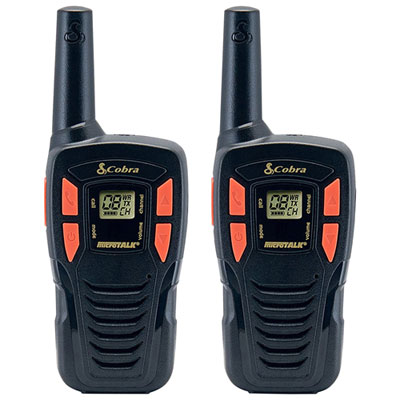 Your price for this item is $59.99
 -
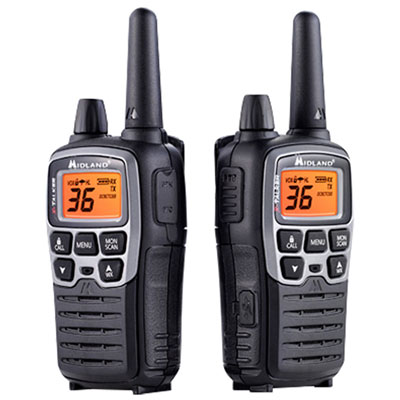 Your price for this item is $139.99
 -
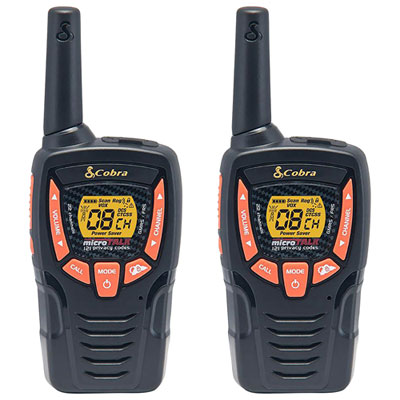 Your price for this item is $74.99
 -
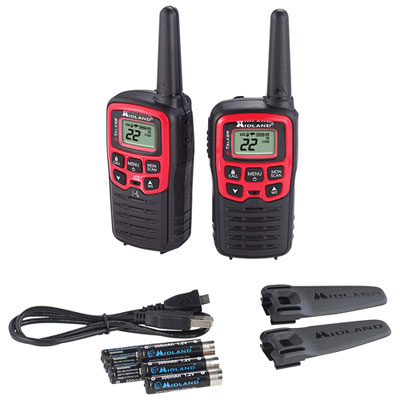 Your price for this item is $89.99
 -
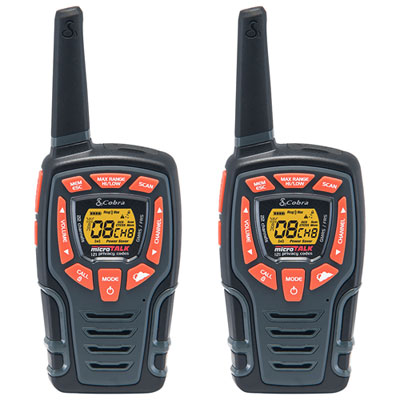 Your price for this item is $109.99
 -
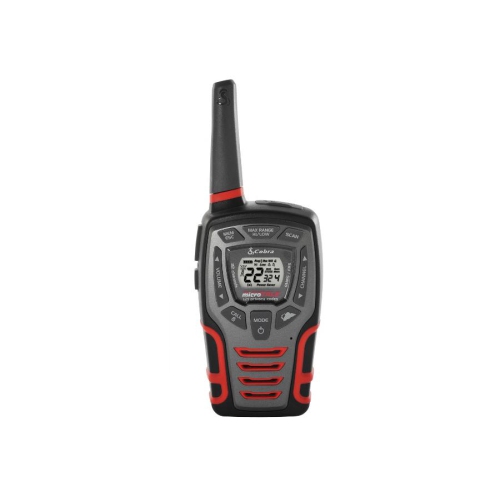 Your price for this item is $136.44
 -
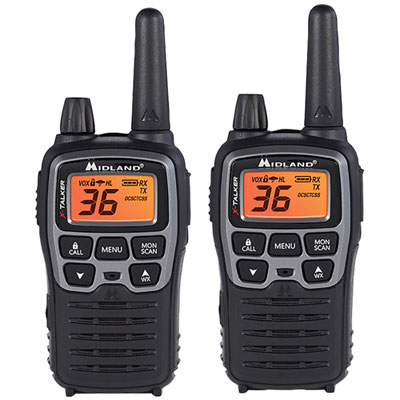 Your price for this item is $179.99
 -
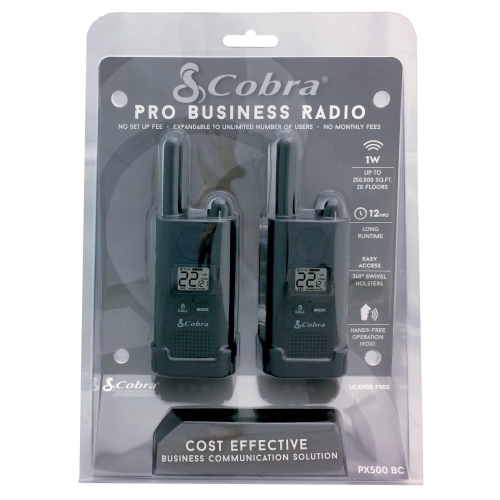 Your price for this item is $57.25
Discover more categories related to Portable Vhf
Top Collections:
Pokemon Centers, Kindle Devices, Best Budget Office Chairs, Apple iPhones 16, Canon G7X Cameras, iPhone 15 Apple, Alarm Clock, Refurbished Apple Laptops, Flip Phones, Best Laptops for Writers
Some products may be subject to Environmental Handling Fees
(EHF) depending on your province.
Learn more about EHFs.