Pre Sharpened Pencils
Looking for a reliable and convenient writing tool? Look no further than our collection of pre-sharpened pencils. Whether you're a student, artist, or simply need a dependable writing instrument for everyday tasks, these pencils are designed to deliver smooth and precise lines right out of the box. With their pre-sharpened tips, you can start writing or drawing without any hassle or delay. Explore our range of pre-sharpened pencils and find the perfect option to suit your needs.
Sort


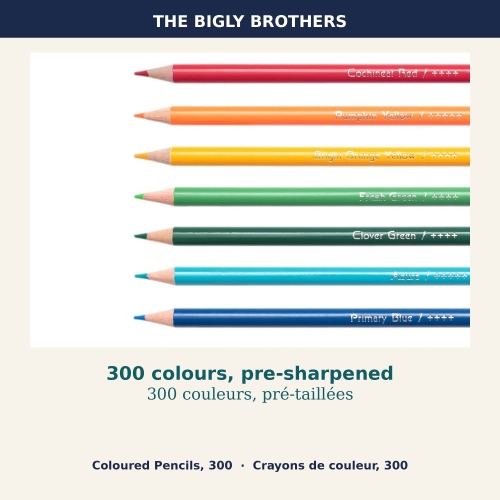
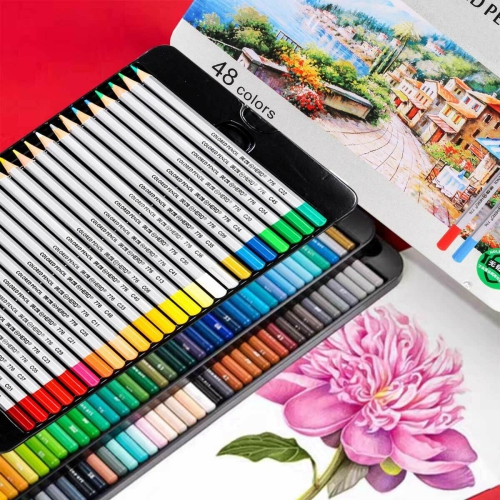
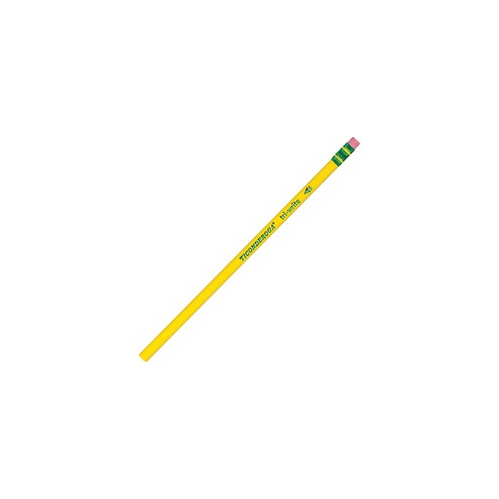
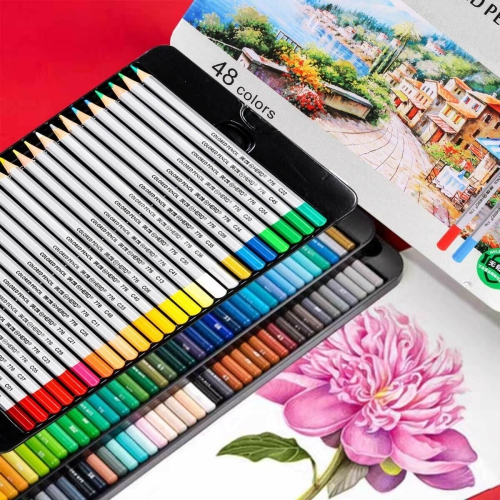


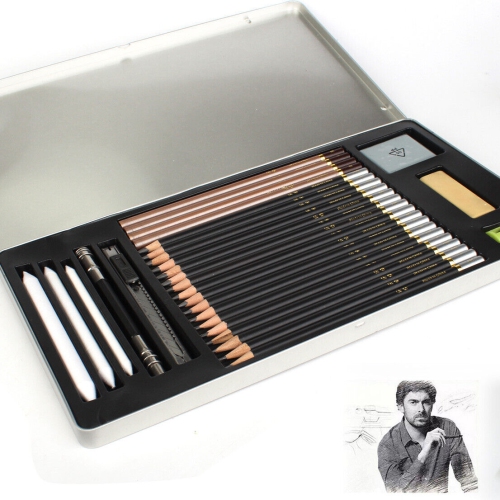
Everyday writing starts with the first sharpening already done
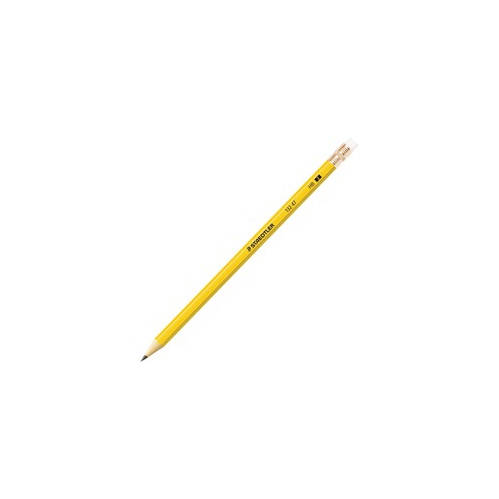
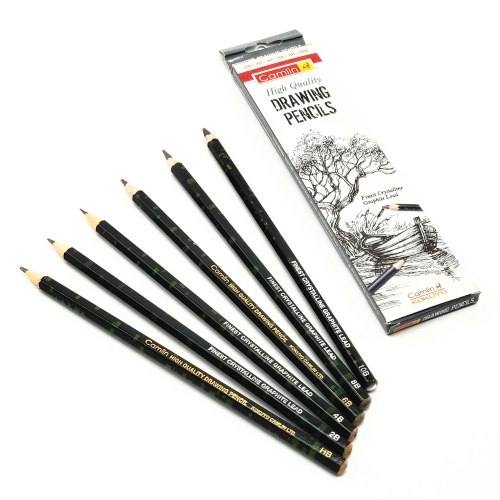
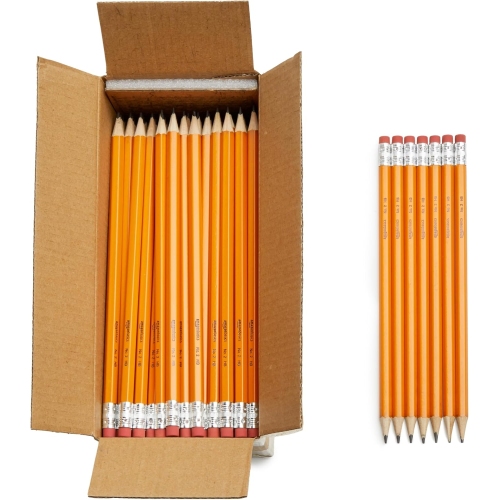
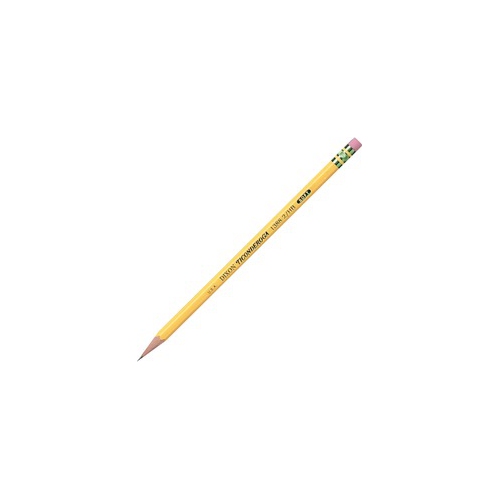
Pre-sharpened pencils are wood-cased pencils supplied with a formed writing point, ready to use without an initial trip to the sharpener. That simple detail makes them useful wherever writing needs to begin promptly: a classroom settling into a maths exercise, an office meeting with printed handouts, or a kitchen table spread with homework and graph paper. Many everyday pre-sharpened writing pencils use #2 HB graphite, a familiar grade that balances readable marks with a point firm enough for routine writing. The pencil’s core is a mixture of graphite and clay, not metallic lead; its composition helps determine how dark the mark looks and how quickly the tip wears. HB is a practical middle ground for notes, calculations, forms, and light sketching, although the feel and darkness can vary between manufacturers and paper surfaces. Pre-sharpening describes how a pencil arrives, rather than a separate graphite grade or a promise that it will never need sharpening. With regular use, the point gradually rounds off and needs refreshing, just like that of any other wood-cased pencil. For students, having several pencils prepared means less interruption when a tip dulls halfway through a worksheet. Teachers and workshop leaders can distribute writing tools that participants can start using immediately, while reception desks and shared workspaces benefit from keeping ready-to-use pencils beside paper forms. For tests that specify #2 or HB pencils, the grade marking matters more than the fact that the pencil is pre-sharpened, and the testing provider’s requirements should always take priority. Beyond school and office tasks, graphite pencils suit crossword puzzles, sewing notes on paper patterns, rough project layouts, and appointment reminders. Their erasable marks leave room for revisions, whether that means correcting a single digit or moving a whole line in a sketch. The appeal is straightforward: a familiar writing tool with the first sharpening already taken care of.
The details of a pencil’s construction influence how comfortable it feels and how well it stands up to daily handling. Wood species, casing quality, and the positioning of the graphite core all affect sharpening. Cedar is often valued for cutting cleanly, while other woods can also perform well when the casing is evenly made and the sharpener blade is in good condition. A centred core helps produce a more even point, without a strip of wood running too far down one side. Where a core is bonded securely inside its casing, that construction can help resist internal movement and breakage, but no fine graphite point is immune to a hard drop. Barrel shape is another useful consideration. Hexagonal pencils offer defined surfaces for the fingers and are less inclined to roll across a desk than round barrels. Triangular shapes provide broader contact surfaces that some writers find comfortable, while round pencils allow easy rotation between the fingers during drawing. The best fit depends on hand size, grip, and the task rather than a single shape being right for everyone. Larger-diameter barrels may be easier for some younger learners to hold, but they also need a sharpener with a suitably sized opening. A smooth finish should feel comfortable without rough edges or splinters, especially during longer writing sessions. For pencils with attached erasers, a firmly fitted metal ferrule helps keep the eraser stable, and the eraser itself is best suited to small corrections. A separate eraser gives more control when clearing a larger section of a drawing or worksheet. Heavy pressure can leave grooves that remain visible after the graphite is removed, so a lighter touch often makes corrections cleaner. Point shape also changes the experience: a fine tip suits small handwriting and precise lines, while a slightly rounded tip can feel smoother for quick notes. The factory-sharpened point is a starting point, and ordinary use will shape it to the writer’s habits.
Choosing pre-sharpened pencils for a particular setting involves thinking about how they will be handled, stored, and shared. In a classroom, a consistent graphite grade and barrel size can make everyday tasks simpler, while a clearly marked name or designated pencil case helps keep personal supplies together. For an office drawer or a family homework station, keeping writing pencils alongside an eraser and a compatible sharpener creates a useful place to start a task without searching for separate tools. Pack size is best considered in relation to the number of users and how frequently pencils are misplaced, lent out, or worn down. A single occasional writer has different needs from a tutor preparing materials for several learners. Pre-sharpened points also deserve a little protection during transport. A rigid pencil case or a properly fitted point protector helps prevent tips from pressing into fabric or snapping against other supplies. Pencils intended for younger children should be appropriate to their age and used with suitable supervision, particularly around sharp points and small accessories. For ongoing care, avoid dropping pencils onto hard floors or letting them knock around loose in a bag, since the core can fracture inside an apparently intact casing. If a point repeatedly breaks during sharpening, an internal fracture or a dull sharpener blade may be responsible. Use steady, gentle pressure and empty the sharpener regularly rather than forcing the barrel through a clogged opening. Store pencils in a dry place, away from spills that can damage the wood or paper supplies kept beside them. For drawing, a graphite pencil can establish outlines and proportions before colour is added; Coloring Pencils serve a different purpose, using coloured cores for filling shapes, layering tones, and adding detail. Together with a sketchbook or notebook, ready-to-use writing pencils can make a thoughtful gift for a student, puzzle enthusiast, or someone who enjoys putting ideas on paper. Their lasting usefulness comes from matching a comfortable barrel and suitable graphite grade to the work at hand, then keeping the points protected and easy to refresh.
Top selling and popular products
-
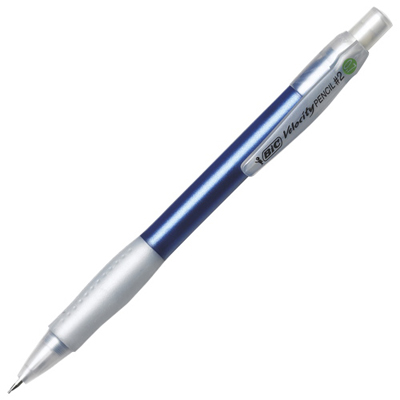 Your price for this item is $21.99
-
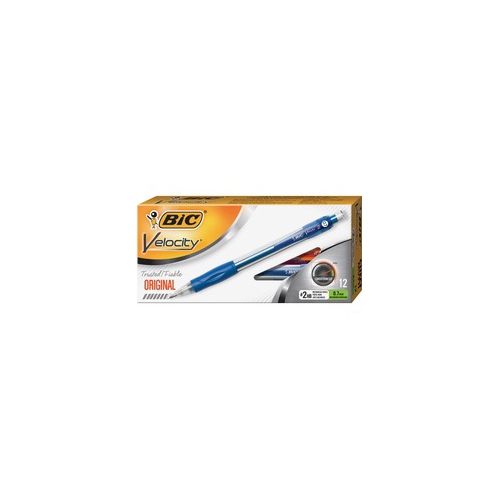 Your price for this item is $20.99
-
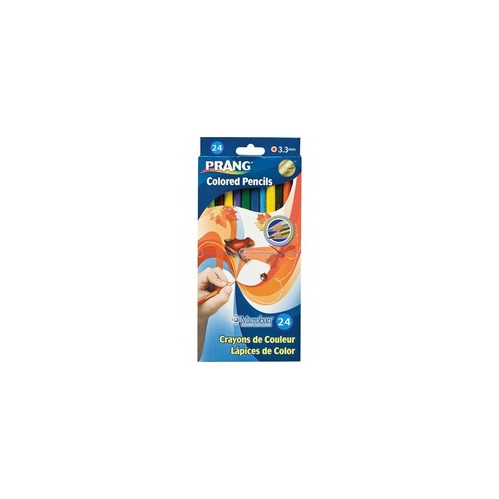 Your price for this item is $8.99
-
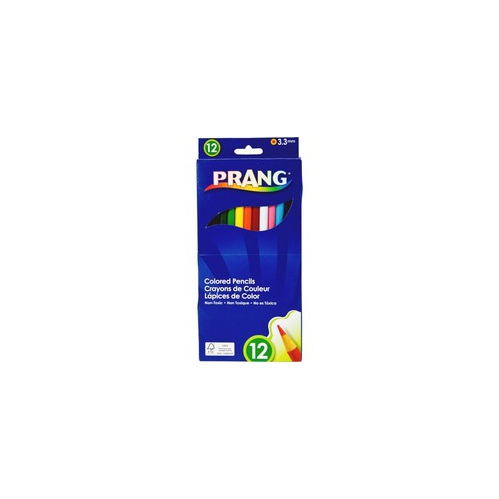 Your price for this item is $3.99
-
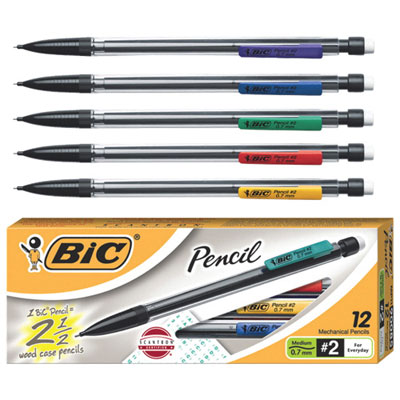 Your price for this item is $9.99
-
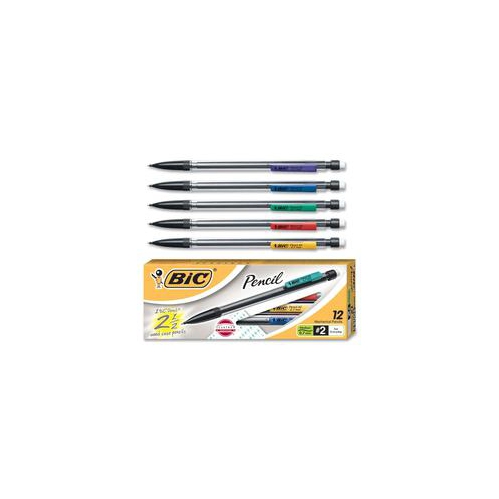 Your price for this item is $5.99
-
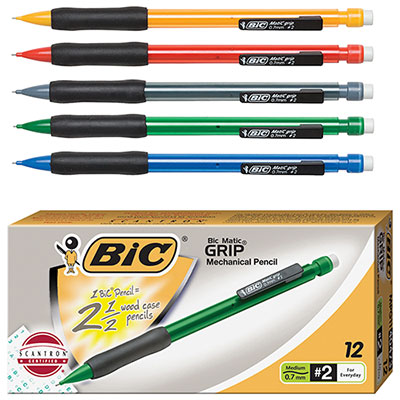 Your price for this item is $13.99
-
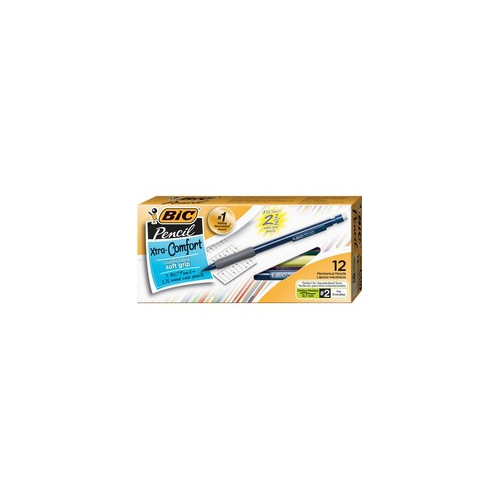 Your price for this item is $8.99
Discover more categories related to Pre Sharpened Pencils
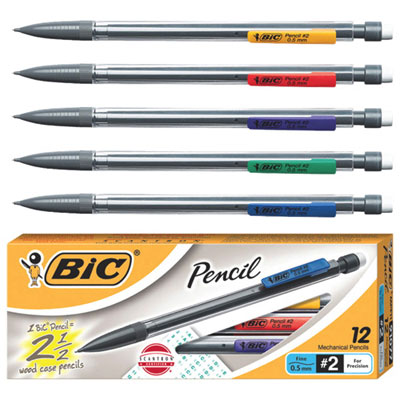
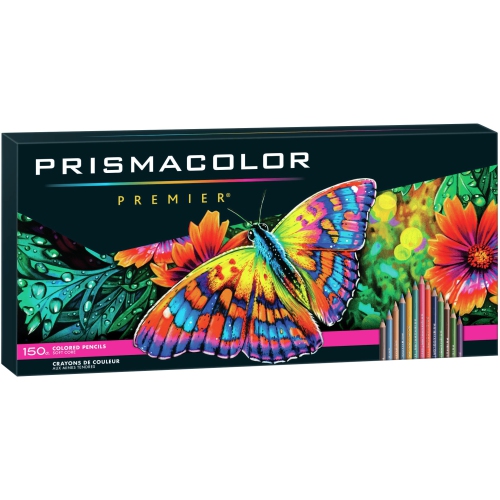
Top Collections:
Pokemon Centers, Pokémon 30th Celebration Cards, Best Budget Office Chairs, Kindle Devices, Best Cameras for Sports Photography, Canon G7X Cameras, Best Black Friday Deals On Electronics, Best Laptops for Writers, iPhone 15 Apple, Jackery Power Stations
Some products may be subject to Environmental Handling Fees
(EHF) depending on your province.
Learn more about EHFs.