Rulers for Drafting
Whether you're a professional architect, an aspiring designer, or simply someone who loves to unleash their creativity through sketches and drawings, having the right tools is essential. Our collection of rulers for drafting is designed to cater to all your precise measuring needs. From straight edges to curved templates, our selection offers a variety of options to help you bring your vision to life with accuracy and precision. Explore our range of high-quality rulers that are durable, reliable, and perfect for any drafting project.
Sort
How scale markings connect drawings to real-world dimensions
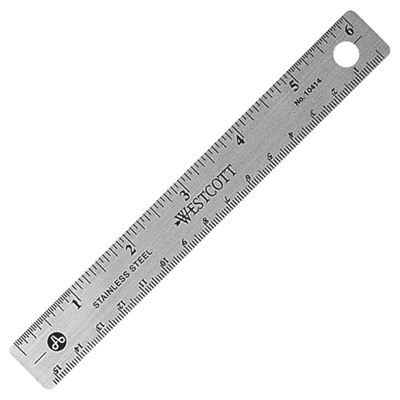
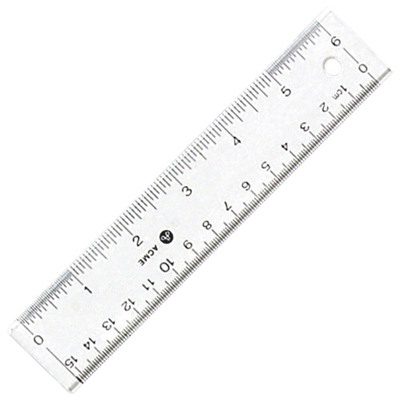
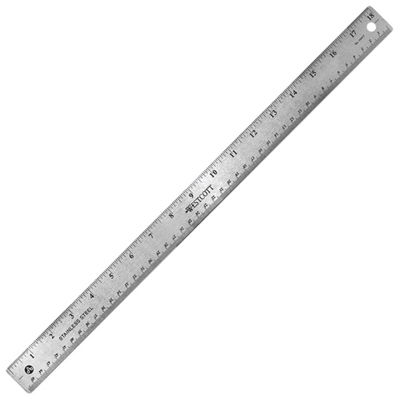
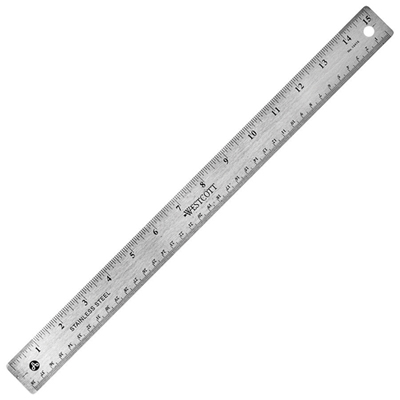
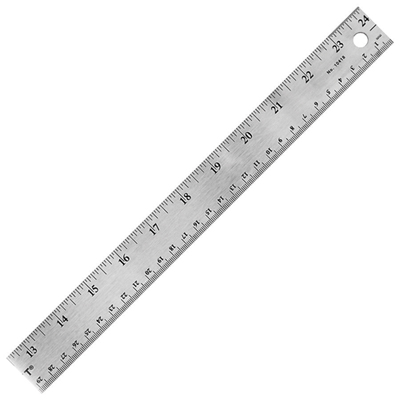
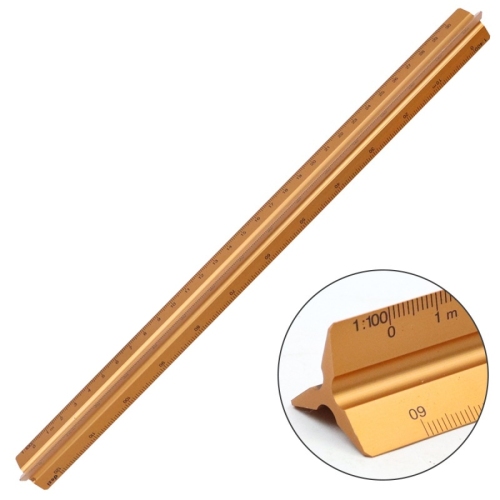
Rulers for drafting are precision measuring and line-drawing tools used to create, read, and check technical drawings, floor plans, and scaled layouts. A scale ruler is a type of drafting ruler marked with ratios that relate dimensions on paper to actual dimensions, making it easier to work with drawings that are smaller than the spaces or objects they represent. Straight rulers provide conventional measurements, while architect’s and engineer’s scales provide specialized graduations for particular drawing conventions. On a metric plan drawn at 1:50, for example, 1 centimetre on the page represents 50 centimetres in the finished space; at 1:100, it represents 1 metre. An imperial architectural scale may instead use a notation such as 1/4 inch equals 1 foot. These differences matter when measuring a doorway on a floor plan, checking the footprint of a cabinet, or laying out components for a model. The appropriate markings depend on the drawing rather than simply on the length of the ruler. Metric scales suit drawings expressed in millimetres and metres, while imperial scales suit plans using feet and inches. Engineering scales often use decimal divisions, although their exact conventions depend on the field and drawing system. A triangular profile can place several scales on one tool, with different scales identified along its edges, while a flat profile offers a familiar shape for everyday measuring and straight-line work. Clear scale labels and an easily located zero point help reduce errors when switching between views or drawings. Because a printed plan may have been resized, its stated scale should not be assumed to match the paper in hand. Checking a known dimension before taking measurements helps establish whether the ruler and drawing agree. Written dimensions and project specifications remain the reference for construction or fabrication decisions, especially where a small discrepancy could affect fit. For digital drawings, an on-screen measurement also depends on display size and zoom, so a physical ruler is most useful with a correctly scaled printout.
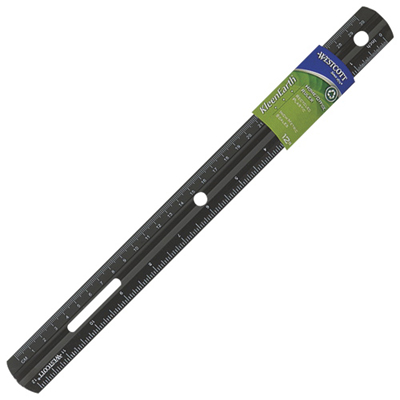
Material, edge shape, and the readability of the markings all influence how a drafting ruler feels during detailed work. Clear acrylic or other transparent plastic allows underlying lines to remain visible, which is helpful when aligning a measurement with a wall outline, a centre line, or a closely spaced set of dimensions. Transparent construction can also make it easier to position a straight edge without covering a reference point. Aluminium offers rigidity without excessive weight, while stainless steel provides a firm edge and resistance to everyday wear. Plastic rulers are generally light and easy to carry, though thin profiles can flex under pressure. Regardless of material, a straight, undamaged edge is essential for dependable line work. Graduation marks should be fine enough to distinguish closely spaced divisions, with sufficient contrast to remain readable against the ruler’s surface. Engraved or etched markings may resist wear better than surface printing, although their visibility still depends on depth, finish, and contrast. Colour-coded faces or scale labels can help identify the intended edge, particularly on a triangular scale used repeatedly throughout a drawing session. Length is another practical consideration: a compact ruler fits comfortably beside a sketchbook, while a longer ruler can span more of a drawing without being repositioned. That extra reach is useful for extended dimension lines, but it also requires room on the desk and suitable storage. Edge profiles deserve attention as well. Some are shaped to support pencil work, while raised or bevelled inking edges can help keep wet ink from spreading underneath when used as intended. A scale ruler is primarily a measuring tool, so it should not automatically be treated as a cutting guide. Cutting tasks call for an edge specifically designed for that purpose and an appropriate protective surface. For drafting, smooth contact with the paper and a comfortable grip matter more than bulk; excessive pressure can shift the sheet, damage a fine pencil point, or make a line harder to control.
Drafting rulers serve a broad range of users, from architecture and engineering students learning scale conventions to interior designers, tradespeople, model makers, and hobbyists developing precise layouts. An interior design student might use a scale to compare furniture footprints on a room plan, while a model maker may use it to transfer proportions consistently across several parts. Someone preparing a workshop layout can use a ruler to keep benches, storage, and walking space in proportion before committing the arrangement to a finished drawing. In a classroom or shared workspace, clearly labelled scales and legible divisions help make repeated checking less tiring. The most suitable choice fits both the task and the working area: a large drawing sheet may benefit from greater reach, while a portable study setup may favour a shorter profile that fits inside a protective case. Compatibility with the other tools on the desk also matters, including pencils, technical pens, set squares, and the size of the drawing board. For everyday measuring and general office tasks beyond scaled drawings, Multipurpose Rulers offer a related category to consider. Care is straightforward but important for preserving readable markings and clean edges. A soft cloth can remove graphite dust and fingerprints, while cleaning methods should follow the material’s care directions; harsh solvents and abrasive pads can damage plastic surfaces or printed graduations. Keeping rulers away from excessive heat helps prevent distortion, and protective storage reduces scratches, chipped corners, and bent edges. Adhesive residue and dried ink should not be allowed to build up along a working edge, where they can interrupt a smooth line. A drafting ruler can also make a useful gift for a student beginning a technical program or someone setting up a dedicated drawing space, particularly when its measurement system matches their coursework or projects. Practical details such as readable scales, comfortable handling, and durable markings support its usefulness well beyond the first drawing.
Top selling and popular products
-
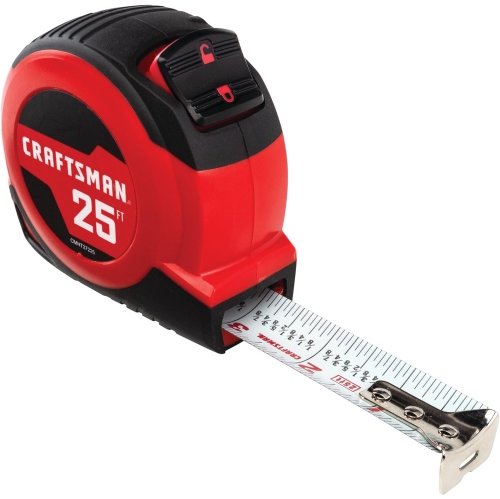 Your price for this item is $1.49
-
 Your price for this item is $14.99
-
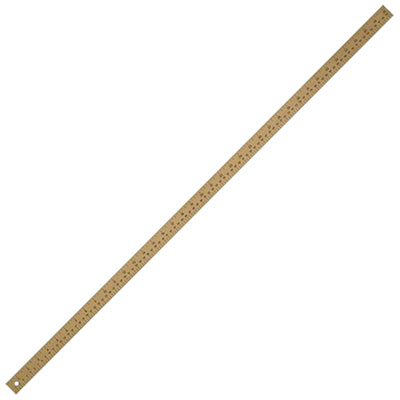 Your price for this item is $7.99
-
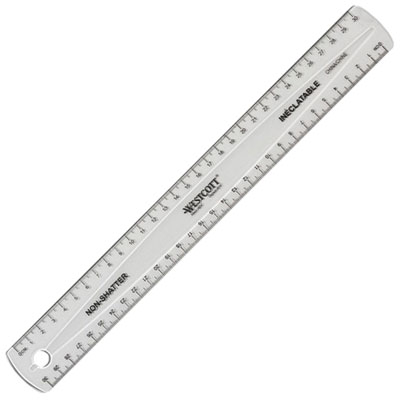 Your price for this item is $3.99
-
 Your price for this item is $8.99
-
 Your price for this item is $60.99
-
 Your price for this item is $69.99
-
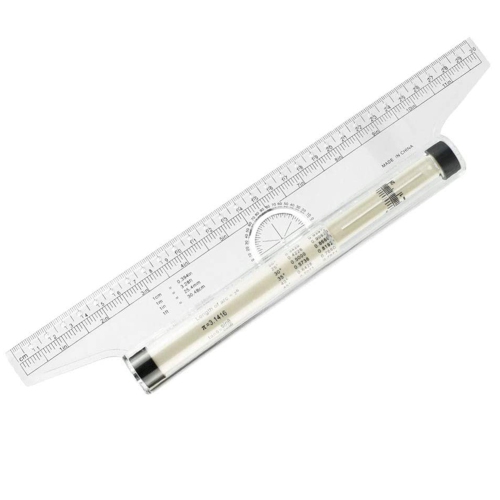 Your price for this item is $18.88
Discover more categories related to Rulers for Drafting
Top Collections:
Best Black Friday Deals This Year, Best Black Friday Deals On Electronics, Kindle Devices, Pokemon Centers, Best Black Friday Deals On Apple Products, Best Cameras for Sports Photography, Dyson Airwrap, Pokémon 30th Celebration Cards, Apple iPhone 17 Pro, Canon G7X Cameras
Some products may be subject to Environmental Handling Fees
(EHF) depending on your province.
Learn more about EHFs.