Thick Printer Papers
Thick Printer Paper is the ideal choice for projects that require durability and a professional touch. Perfect for everything from high-quality presentations to important documents, this paper stands out for its reliable performance in both home and office settings. Explore a variety of options designed to deliver crisp, vibrant results with every print job. Whether you're preparing reports, invitations, or creative materials, Thick Printer Paper offers the versatility you need for impressive outcomes.
Sort


Why paper weight alone doesn’t tell the whole story
Thick printer papers give printed documents a more substantial feel, whether the finished piece is a presentation handed across a meeting table, a restaurant menu, or an invitation tucked into an envelope. The category spans heavyweight printer paper that still bends easily and cardstock that offers greater stiffness for cards, covers, and display pieces. Paper weight is commonly expressed in pounds or grams per square metre, abbreviated as gsm. Standard 20 lb copy paper is typically about 75 gsm, while 24 lb and 28 lb text papers are approximately 90 gsm and 105 gsm. These modest increases can make correspondence, résumés, and multipage reports feel more substantial without adding the rigidity of cardstock. A 32 lb text paper is typically around 120 gsm, and 40 lb text paper is approximately 150 gsm. Cardstock uses a different pound-weight scale: 65 lb cover stock is approximately 176 gsm, while 80 lb cover stock is around 216 gsm. A pound rating therefore needs its paper category attached to be meaningful; 80 lb text paper and 80 lb cover stock are not equivalent. GSM makes comparisons easier, although it measures mass rather than actual thickness. Fibre composition, density, and surface treatment also influence how thick or firm a sheet feels. For a double-sided proposal, a heavier sheet with good opacity can help keep text on the reverse from showing through. For a folded greeting card, stiffness and a clean crease matter more than the feel of an individual page. Heavier paper is not automatically bleed-proof, and opacity varies between papers of similar weight. Brightness, whiteness, and finish affect the appearance as well: a crisp white sheet can create strong contrast for charts and small text, while a softer white or cream tone can suit personal stationery. The right balance depends on whether the paper needs to turn smoothly in a bound document, stand upright on a table, or hold its shape through repeated handling.
Printer compatibility is an important distinction within thick printer papers because a sheet that feels suitable for a project may still exceed a printer’s supported weight or thickness. The printer’s specifications establish the usable range, sometimes with different limits for the main tray, manual feed slot, and automatic duplex unit. A printer might accept heavier stock through a designated feed path while supporting only lighter paper for automatic two-sided printing. A straighter paper path can reduce bending, but a rear feed tray alone does not guarantee compatibility with cardstock. Inkjet and laser suitability also matters. Inkjet-compatible coatings are designed to receive liquid ink, while laser-compatible papers must tolerate the heat used to bond toner to the surface. Coated paper should be specifically rated for the printing technology being used; a glossy inkjet sheet is not interchangeable with glossy laser stock. Uncoated heavyweight paper offers a familiar writing surface and can work well for text-heavy documents, forms, and stationery when its specifications match the printer. Smooth matte finishes keep reflections subdued, which can make detailed diagrams and longer passages comfortable to read. Glossy finishes can add visual depth to photographs and richly coloured graphics, though suitability depends on the coating and printer. For projects centred on illustrations, photographs, or vivid presentation graphics, Color Printing Papers offer a related category to consider alongside paper weight and finish. The correct media setting helps the printer manage the sheet appropriately, with supported heavyweight or cardstock settings potentially changing feed speed, ink delivery, or toner fusing conditions. Greater weight alone does not guarantee sharper printing; surface consistency, coating, and printer settings all contribute. A small proof print can reveal whether fine lettering stays clear, large colour areas look even, and the reverse side remains readable. It can also show whether a finished sheet curls, smudges during handling, or needs additional drying time before stacking.
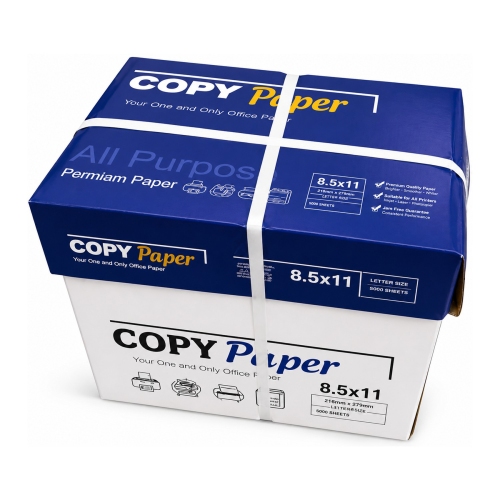
Size, construction, and finishing details determine how thick printer paper works beyond the printer tray. Letter-size 8.5-by-11-inch sheets suit everyday reports, certificates, classroom materials, and many layouts designed for trimming. Larger formats provide room for oversized charts or multiple small pieces on one sheet, provided the printer supports the dimensions. Paper weight also affects the finished stack: a booklet made entirely from heavy stock can become bulky, while a firm cover paired with lighter interior pages can provide structure without making pages difficult to turn. For folded menus, place cards, and invitations, scoring creates a controlled fold and can reduce cracking, particularly on heavier or coated sheets. Grain direction influences how readily paper folds, so a crease that follows the grain will generally form more cleanly. Smooth stock tends to suit small type and detailed line work, while lightly textured paper adds a tactile quality to certificates, stationery, and presentation covers. Many papers are made primarily from wood pulp; some writing papers include cotton fibres for a distinctive feel and added strength. Acid-free specifications can be relevant for documents or keepsakes intended for longer storage, although ink stability and storage conditions also affect longevity. Thick paper generally resists crumpling better than lightweight copy paper, but it is not necessarily waterproof, tear-proof, or suitable for outdoor use. Frequently handled reference cards and menus may need compatible protective finishing if spills or abrasion are likely. Storage also makes a practical difference to performance. Paper kept flat in its original wrapper, away from moisture and direct sunlight, is less likely to develop curled edges or an uneven surface. Clean, dry handling helps keep printable areas free of marks, especially on coated sheets. Teachers preparing reusable classroom cards, small businesses producing polished handouts, and home crafters making personalized stationery all benefit from matching the sheet to its final purpose. A well-matched thick printer paper brings together readable print, appropriate stiffness, and a finish that feels right in the hand, making the result suitable for both its audience and the way it will be used.
Top selling and popular products
-
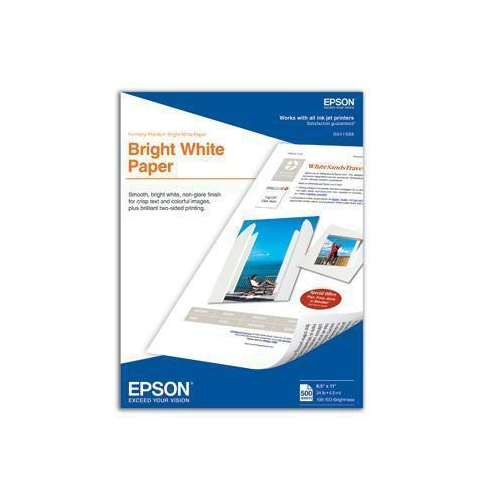 Your price for this item is $33.37
-
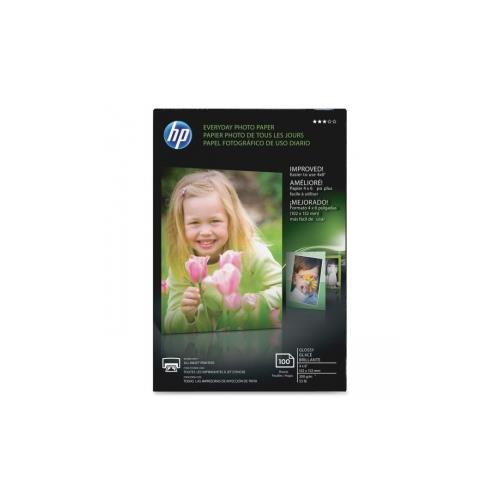 Your price for this item is $24.68
-
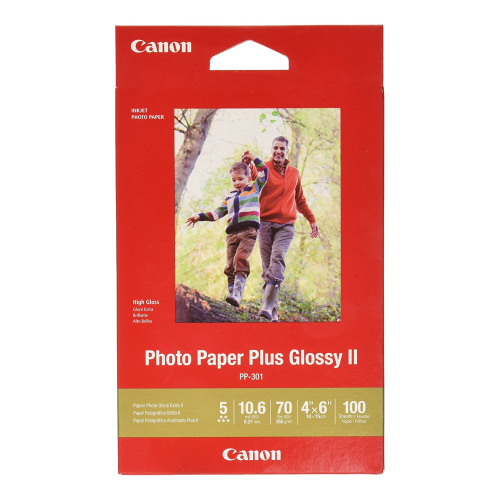 Your price for this item is $43.79
-
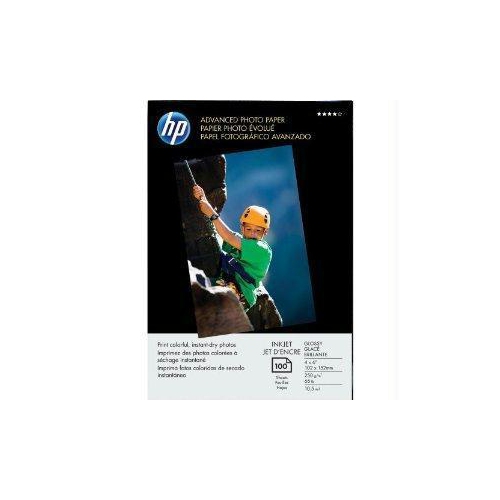 Your price for this item is $31.68
-
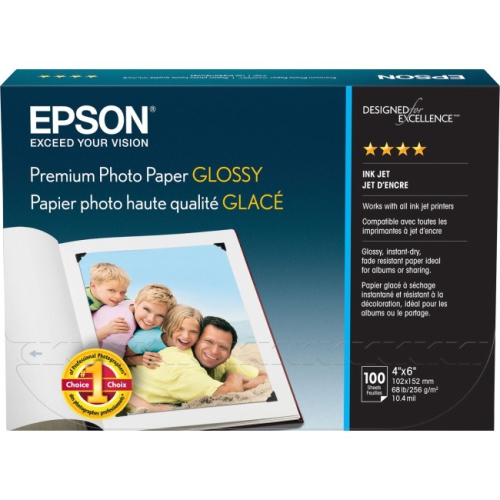 Your price for this item is $20.68
-
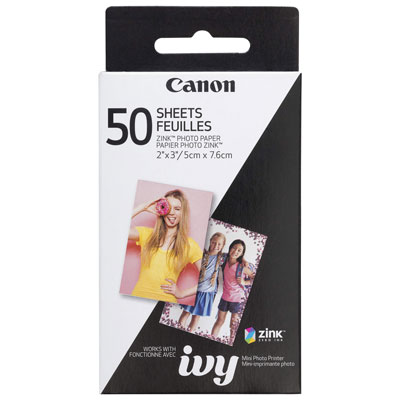 Your price for this item is $39.99
-
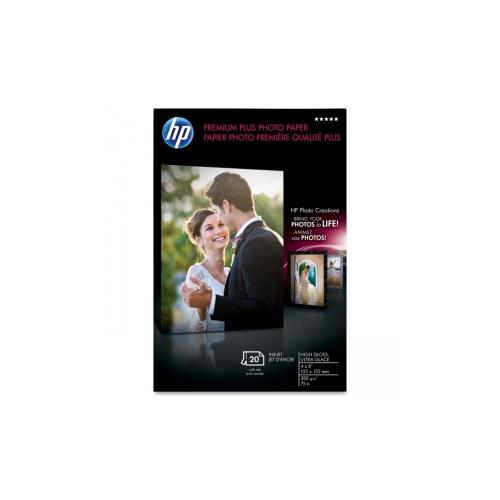 Your price for this item is $28.99
-
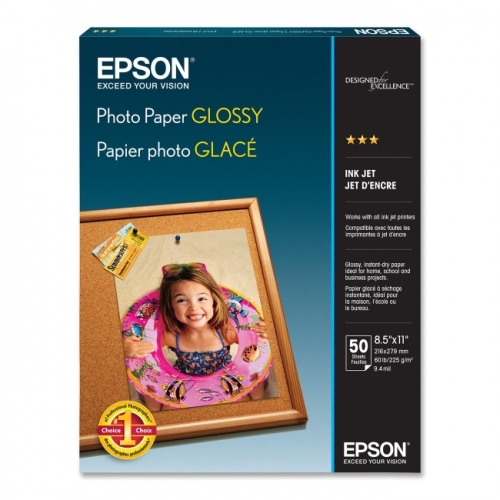 Your price for this item is $65.68
Discover more categories related to Thick Printer Papers
Top Collections:
Best Black Friday Deals This Year, Best Black Friday Deals On Electronics, Kindle Devices, Dyson Airwrap, Best Cameras for Sports Photography, Best Black Friday Deals On Apple Products, PS5 Pro Consoles, Portable Snow Blowers, Canon G7X Cameras, Pokémon 30th Celebration Cards
Some products may be subject to Environmental Handling Fees
(EHF) depending on your province.
Learn more about EHFs.